

Basement Moisture and Condensation Control for Cannabis Cultivation
Basement Moisture and Condensation Control
Direct Answer: Subterranean Psychrometrics and Moisture Control Matrix
Controlling moisture and eliminating condensation in a subterranean basement grow room requires managing two completely distinct water sources simultaneously: external hydrostatic moisture vapor emitting through below-grade foundation masonry, and internal latent moisture generated by heavy plant canopy transpiration. In above-ground grow rooms, ambient building warmth and exterior vapor venting help carry moisture away. In a basement, surrounding 55 °F (12.8 °C) earth continuously cools perimeter walls and concrete slabs, turning any uninsulated surface into a potent condensation trap.
Preventing catastrophic mold outbreaks (Botrytis cinerea and powdery mildew) in a basement requires three non-negotiable engineering controls: elevating substrate root zones on insulated R-10 subfloors, maintaining active under-canopy air velocity above 0.5 meters per second to strip stagnant leaf boundary layers, and deploying commercial low-temperature refrigerant dehumidifiers sized for real-world conditions rather than standard commercial AHAM ratings. Sizing dehumidifiers solely by room square footage guarantees severe crop failure during late flowering.
Standard consumer and commercial dehumidifiers are rated under Association of Home Appliance Manufacturers (AHAM) test conditions of 80 °F (26.7 °C) and 60% Relative Humidity. When running a late-flower cannabis room at 68 °F (20 °C) and 45% RH to optimize terpene retention, standard refrigerant dehumidifiers lose 40% to 55% of their rated water-extraction capacity. Always derate equipment capacity by at least 50% when engineering subterranean humidity control.
1. Subterranean Condensation Risk Matrix
Condensation occurs the exact moment ambient indoor air temperature drops below its psychrometric dew point upon contacting a cold structural boundary. The table below illustrates the critical temperature thresholds that trigger liquid water formation in subterranean cultivation spaces:
| Room Air Temp | Relative Humidity (RH) | Calculated Dew Point | Cold Wall Surface Temp | Condensation Risk Status |
|---|---|---|---|---|
| 78 °F (25.5 °C) | 75% (Early Veg) | 69.5 °F (20.8 °C) | 54 °F (12.2 °C) | Severe Condensation: Water streams down uninsulated concrete. |
| 76 °F (24.4 °C) | 60% (Mid Flower) | 61.2 °F (16.2 °C) | 55 °F (12.8 °C) | Active Condensation: Heavy sweating on exterior masonry corners. |
| 72 °F (22.2 °C) | 50% (Late Flower) | 52.3 °F (11.3 °C) | 55 °F (12.8 °C) | Safe Margin (2.7 °F buffer); slight cold bridge risk at slab edges. |
| 68 °F (20.0 °C) | 45% (Ripening Flush) | 45.8 °F (7.7 °C) | 55 °F (12.8 °C) | Completely Dry: Dew point sits 9.2 °F safely below slab temperature. |
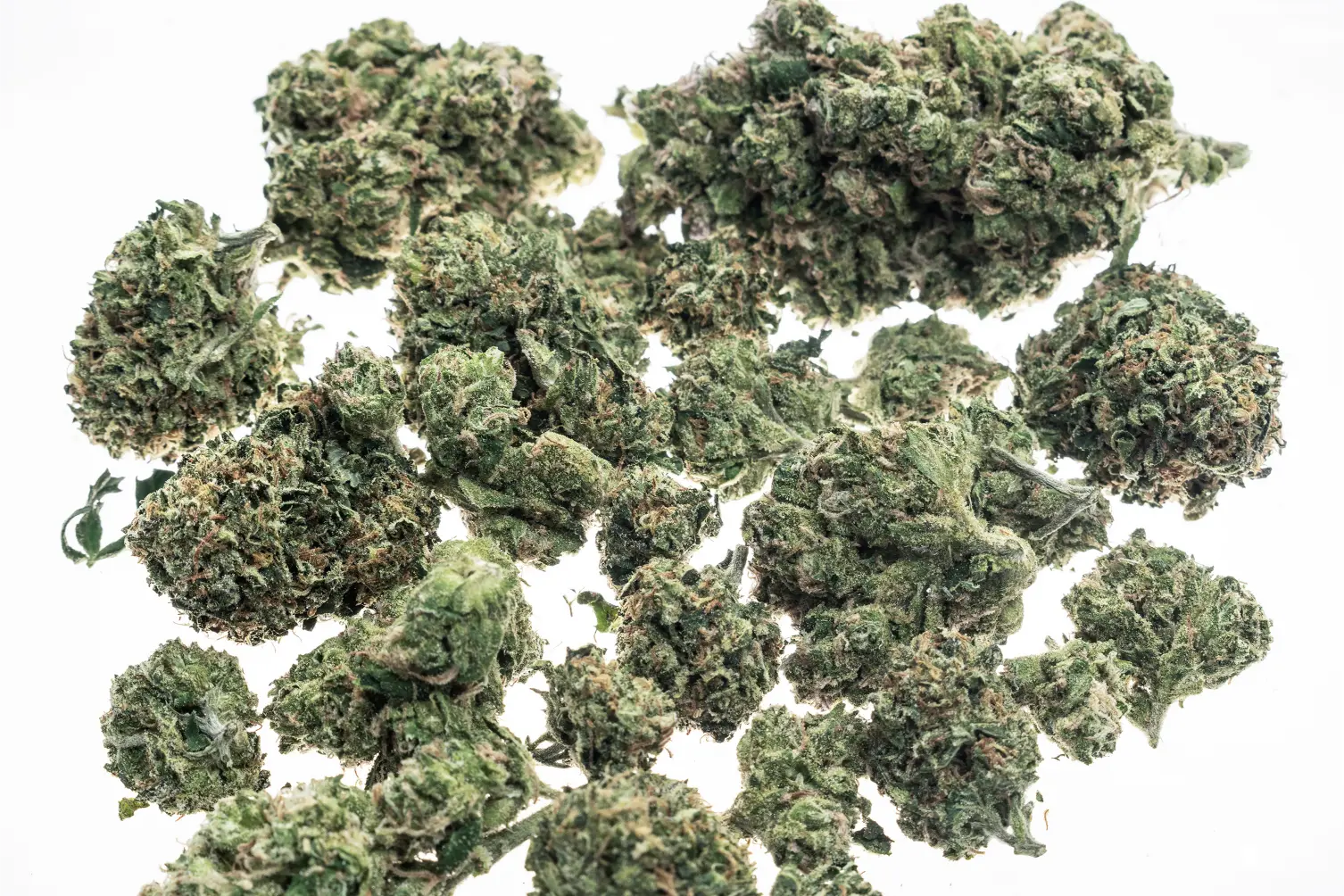
The Psychrometric Dew Point Trap: GPP, Surface Temperature, and Condensation
To master subterranean moisture dynamics, growers must look beyond relative humidity percentages and evaluate the absolute moisture content of the air, quantified as Humidity Ratio or Grains of Moisture Per Pound of Dry Air (GPP), where 7,000 grains equal exactly 1 pound of pure water.
1. Relative Humidity vs Absolute Moisture (GPP)
Relative Humidity (RH) is temperature-dependent because warm air holds exponentially more moisture vapor than cool air. When lights turn off in a basement grow room, sensible heat drops rapidly. As the air cools from 78 °F to 66 °F without dehumidification, its water vapor holding capacity drops by 32%, forcing the RH to spike from 55% to over 85% even though the absolute amount of water vapor in the room has not changed by a single grain.
Psychrometrically, air at 78 °F and 55% RH carries 78 GPP and exhibits a dew point of 60.5 °F (15.8 °C). If this air contacts an uninsulated concrete foundation wall cooled by subterranean soil to 54 °F, the air immediately adjacent to the wall cools past its dew point. Water vapor condenses out of gas phase into liquid droplets on the cold masonry surface.
2. Mathematical Dew Point Calculation
Growers can calculate their exact room dew point using the Magnus-Tetens approximation:
Tdp ≈ T – ≤ft((100 – RH / 5))
For example, if your basement ambient temperature is 75 °F with 65% Relative Humidity:
Tdp ≈ 75 – ≤ft((100 – 65 / 5)) = 75 – 7 = 68 °F
If any surface inside the room (such as cold water supply lines, bare floor slabs, or exterior cinder block walls) is colder than 68 °F (20 °C), liquid condensation will form continuously on that surface. In subterranean basements where foundation walls sit between 50 °F and 58 °F, maintaining high relative humidity without continuous thermal isolation makes condensation mathematically unavoidable.
Pay close attention to metallic structural elements penetrating the grow room envelope. Steel lally columns, cast-iron drain waste pipes, and copper domestic water pipes act as high-conductance thermal bridges. Uninsulated cold water pipes will sweat continuously inside a 75 °F grow room, dripping liquid water onto electrical conduits and floor decking. Wrap all overhead plumbing with 1/2-inch closed-cell elastomeric foam pipe insulation.
Canopy Transpiration Dynamics: Calculating Real-World Water Extraction Loads
Cannabis is an extraordinarily vigorous transpirational pump. Under high-intensity LED lighting delivering 900 to 1,200 μmol/m²/s PPFD, mature flowering plants absorb large volumes of nutrient solution through their root xylem. Between 95% and 98% of all absorbed irrigation water is evaporated through open foliar stomata as part of the plant evaporative cooling and nutrient transport mechanism.
1. Daily Water Mass Balance Equation
To size commercial dehumidifiers accurately, growers must calculate total daily moisture generation based on irrigation volume rather than speculative square-foot estimates:
Latent Moisture Load (Pints/Day) = Total Gallons Irrigated × 0.95 × 8 Pints/Gallon
Consider an 8×8 ft cultivation canopy containing 8 mature plants, each receiving 1.0 gallon of water daily (8.0 gallons total per day):
- Canopy Transpiration: 8.0 gal × 0.95 × 8 = 60.8 pints of pure water vapor per day.
- Subterranean Slab Moisture Infiltration: A typical 200 sq ft basement floor emitting 4.0 lbs MVER contributes: (200 / 1,000) × 4.0 lbs = 0.8 lbs water ≈ 0.8 pints.
- Total Peak Moisture Load: 60.8 + 0.8 = 61.6 pints per 24-hour cycle.
2. Diurnal Transpiration Profiling
Transpiration is not distributed evenly across the 24-hour photoperiod:
- Lights-On Peak (Photoperiod): Under full irradiance, stomata open fully. Approximately 75% to 80% of daily transpiration occurs during the 12 hours of lights-on operation. In our 8×8 ft example, this equates to 61.6 × 0.80 = 49.3 pints over 12 hours, demanding an active extraction rate of 4.1 pints per hour.
- Lights-Off Residual (Nyctoperiod): When lights turn off, stomata close partially to prevent desiccation. However, night-time transpiration continues through cuticular leakage and residual stomatal conductance, generating the remaining 20% to 25% of daily moisture (approx. 1.0 pint per hour). Sizing dehumidification solely for lights-off loads will result in runaway humidity during the photoperiod.
Why is it failing?
Question sent by: Julian Kester, via email.
“I bought a popular 70-pint residential dehumidifier for my 4-light basement setup. During week 6 of flower, the humidity will not drop below 68% even though the dehumidifier runs non-stop. Why is it failing?”
Your residential unit is failing because of two fundamental physical issues: capacity derating and compressor design. First, modern residential dehumidifiers are tested under DOE standards at 65 °F and 60% RH, meaning older 70-pint units were actually reclassified to 50 pints under current testing. In a room targeting 68 °F and 50% RH, the unit extracts only 28 to 32 pints per day.
Second, four 680W lights with a full canopy transpire approximately 60 to 75 pints of water daily. Your 70-pint unit is operating at less than half the capacity required to balance peak canopy output. You must replace the consumer appliance with a commercial low-temperature horticultural dehumidifier (such as a Quest 105 or 155), which utilizes commercial dual-refrigerant coils and hot-gas defrost to pull full rated capacity down to 56 °F without freezing.
Dehumidifier Sizing and Derating: AHAM Ratings vs Subterranean Realities
Understanding how refrigerant dehumidification systems operate under cool subterranean temperatures is essential for equipment selection.
1. Refrigeration Thermodynamic Constraints and Coil Freezing
Standard consumer dehumidifiers pass humid air over an evaporator coil chilled by expanding refrigerant. When warm air strikes the cold coil, moisture condenses and drips into a collection pan. However, as grow room temperatures drop below 70 °F (21.1 °C), the evaporator coil temperature drops below 32 °F (0 °C).
Condensed water begins to freeze instantly on the coil fins, forming a layer of solid frost. In consumer dehumidifiers, this triggers a passive “defrost cycle” that shuts off the compressor and runs only the internal fan until the ice melts. During passive defrost, active moisture removal drops to zero, while the fan evaporates melted water right back into the grow room atmosphere.
2. Commercial Horticultural Dehumidifier Engineering
Commercial grow room dehumidifiers (such as Quest, Anden, and Phoenix) overcome subterranean thermal constraints using specialized engineering:
- Multi-Coil Heat Exchangers: Commercial units pre-cool incoming air using an internal air-to-air heat exchanger before it contacts the refrigerant evaporator. This raises thermodynamic efficiency, allowing the unit to extract 4.5 to 6.5 pints per kilowatt-hour (kWh) compared to only 1.8 to 2.2 pints/kWh for consumer units.
- Hot-Gas Bypass Defrost: Instead of shutting down when frost develops, commercial units actuate a solenoid valve that routes hot compressed refrigerant gas directly through the evaporator coil. This flash-melts frost in under 60 seconds without shutting down the primary dehumidification cycle.
- High Static Pressure Impellers: Commercial units feature backward-curved motorized impellers capable of pulling air through dense MERV-13 air filters and long duct runs without airflow stalls.
| Canopy Scale | Daily Transpiration Load | Capacity at AHAM (80°F / 60%) | Real Capacity at 68°F / 50% | Recommended Commercial Unit |
|---|---|---|---|---|
| 1-Light (4×4 ft) | 16 – 20 Pints / Day | 50 Pints / Day | 24 – 28 Pints / Day | Commercial 70-Pint Unit |
| 2-Light (4×8 ft) | 32 – 40 Pints / Day | 100 Pints / Day | 50 – 58 Pints / Day | Quest 105 or Anden A70 |
| 4-Light (8×8 ft) | 64 – 80 Pints / Day | 155 – 185 Pints / Day | 82 – 98 Pints / Day | Quest 155 or Anden A100 |
| 8-Light (10×20 ft) | 130 – 160 Pints / Day | 225 – 300 Pints / Day | 140 – 175 Pints / Day | Dual Quest 155 or Single Quest 225 |

Room Layout and Condensation Prevention: Airflow Vectors and Thermal Breaks
Preventing condensation requires eliminating microclimate humidity pockets and ensuring that warm air never strikes cold boundary materials.
1. Continuous Airflow and Boundary Layer Destruction
Without targeted air circulation, air stratifies into thermal and moisture layers. Dense foliage transpires water into stagnant pockets within the lower canopy where relative humidity can climb to 95% even when central room hygrometers report 50% RH. This stagnant microclimate is the primary site of initial Botrytis infection.
- Under-Canopy Air Movement: Mount oscillating or fixed horizontal circulation fans beneath plant benches, directing continuous laminar airflow across substrate containers and lower stems at 0.5 to 0.8 meters per second.
- Over-Canopy Thermal Sweeping: Position upper circulation fans above the lighting array to blend rising LED sensible heat back down into the canopy, stabilizing temperature gradients across the vertical profile of the room.
- Dehumidifier Discharge Vector: Commercial dehumidifiers discharge warm, ultra-dry air (typically 5 °F to 8 °F warmer than room ambient). Position the dehumidifier exhaust blower so it discharges across perimeter walls or directly into the main circulation fan intakes, maximizing air mixing and sweeping condensation off cold corners.
2. Thermal Breaks for Basement Envelopes
Insulating structural surfaces changes the surface temperature of the envelope, moving it permanently above the room dew point:
- R-10 Concrete Floor Isolation: Lay 2-inch extruded polystyrene (XPS) rigid foam board across the concrete slab beneath subfloor decking. This elevates floor surface temperatures from 54 °F to within 2 °F of room air, eliminating subfloor condensation and preserving root zone warmth.
- Masonry Wall Furring and Insulation: Frame stud walls separated from masonry walls by a 1-inch air gap, or adhere 2-inch XPS foam directly to concrete walls with foam-compatible adhesive. Cover foam with 0.090-inch FRP panels. This raises interior wall surface temperatures to 72 °F, making condensation impossible under any operational humidity level.
Never place a polyethylene vapor barrier on the interior (warm side) of framed basement stud walls if the exterior side is below-grade concrete. This creates a double vapor barrier that traps seasonal condensation inside the wall cavity, rotting wooden framing studs and generating hidden colonies of toxic mold (Stachybotrys chartarum). Below-grade walls must dry toward the interior using vapor-permeable insulation or complete monolithic spray foam assemblies.
Managing the Dark-Cycle Humidity Spike: Photoperiod Transition Protocols
The most hazardous moment for subterranean moisture control occurs during the photoperiod transition when lights shut off at the beginning of the 12-hour flowering dark cycle.
1. The Physics of the “Lights-Off Spike”
When high-power LED arrays de-energize:
- Sensible heat input ceases instantly, causing room air temperatures to plummet by 8 °F to 12 °F within 20 to 30 minutes.
- Warm plant foliage and saturated root substrates retain thermal energy longer than surrounding air. Plants continue transcribing water vapor into rapidly cooling air.
- Because cooler air holds less water vapor, relative humidity spikes upward by 15% to 25%, frequently pushing room RH past 80% to 85%.
- As air contacts the slightly cooler tips of dense floral colas, liquid water droplets condense directly onto swollen floral calyxes, providing the free moisture required for Botrytis spore germination within 4 to 8 hours.
2. Automated Defeat of the Dark-Cycle Spike
Growers can completely eliminate this destructive spike using environmental automation:
- Pre-Emptive Dehumidification (The 30-Minute Lead): Program your digital climate controller to lower the room humidity setpoint by 10% exactly 30 minutes before lights shut off. This forces commercial dehumidifiers into full operation while air is still warm, pulling absolute moisture (GPP) down before sensible cooling begins.
- Stepped Lighting Ramps: Utilize LED dimmers that execute a 30-to-45-minute dimming sunset rather than an abrupt shutoff. This gradually tapers transpiration and allows HVAC equipment to track declining sensible heat smoothly.
- Mini-Split Night Heating: In cool basements, configure the mini-split heat pump to maintain a tight night temperature baseline (68 °F to 70 °F / 20 °C to 21.1 °C). Preventing the room air from dropping below 66 °F preserves the psychrometric buffer, holding the dew point safely below plant tissue temperatures.
Continuous Drainage Engineering: Gravity Lines, Condensate Pumps, and Safety Relays
A high-capacity commercial dehumidifier extracting 100 pints per day produces 12.5 gallons of distilled water every 24 hours. Reliable continuous drainage plumbing is mandatory.
1. Hard PVC Gravity Lines vs Flexible Tubing
Never rely on long runs of flexible clear vinyl tubing for primary dehumidifier drainage:
- Algal and Microbial Clogs: Humidifier and HVAC condensate lines provide ideal environments for bacterial slime and algal biofilms. Flexible vinyl tubing kinks easily and develops bio-clogs within 30 to 60 days, causing condensate pans to back up and overflow.
- Rigid PVC Plumbing: Plumb condensate outlets using 3/4-inch rigid Schedule 40 PVC pipe sloping continuously downward at a minimum gradient of 1/4 inch per horizontal foot toward a floor drain or sump pit.
- P-Trap and Air Gap: Install an accessible P-trap on the dehumidifier condensate drain to prevent sewer gases or room odor back-drafting. Terminate the drain line above the floor drain with a 2-inch atmospheric air gap to prevent wastewater siphoning.
2. Condensate Removal Pumps and Automated Safety Interlocks
If your basement lacks a gravity floor drain, install an automatic commercial condensate removal pump (such as a Little Giant 1/30 HP pump):
- High-Water Safety Switch Wiring: Commercial condensate pumps include two internal float switches: a primary switch that engages the pump impeller, and a secondary high-water safety cutoff switch. Wire this safety switch in series with the low-voltage control circuit (24V relay) of your dehumidifier.
- Failsafe Operation: If the discharge tubing clogs or the pump motor fails, rising water trips the safety switch, immediately cutting power to the dehumidifier before a single drop overflows onto the grow room floor.
- Discharge Line Check Valves: Ensure the pump discharge line features a spring-loaded brass or stainless-steel check valve to prevent pumped vertical water columns from back-flowing into the reservoir reservoir when the pump cycles off.
The 48-Hour Moisture Commissioning and Condensation Stress Test
Before placing flowering crops in a subterranean room, execute a 48-hour moisture burn-in stress test to verify real-world psychrometric performance.
1. The Evaporative Stress Test Protocol
Follow this sequential commissioning protocol:
- Simulate Full Canopy Transpiration: Position two commercial ultrasonic humidifiers or warm-water bubbler reservoirs in the empty room. Fill reservoirs with measured quantities of water (e.g., 60 pints total) and configure controllers to evaporate this volume across 12 hours under full 100% lighting output.
- Monitor Dew Point Tracking: Set your commercial dehumidifier to 50% RH. Using datalogging psychrometric hygrometers positioned at canopy level, floor level, and perimeter corners, record temperature, RH, and dew point at 5-minute intervals. Verify that room RH never exceeds 52% and that dew point remains stable.
- Surface Condensation Scan: Using an infrared thermal camera or non-contact pyrometer, scan all concrete wall intersections, floor edges, rim joist framing, and plumbing penetrations. Compare the measured surface temperature of each boundary to the recorded room air dew point. If any surface temperature approaches within 3 °F of the dew point, enhance localized air circulation or install additional rigid foam insulation.
- Lights-Off Cold Shock Test: Cut lighting power abruptly. Observe the hygrometer curve over the next 60 minutes. The dehumidifier and HVAC night heating must engage promptly, restricting the post-shutdown RH spike to under 58% and recovering to the 50% baseline within 30 minutes.
- Drainage Flow Verification: Inspect the condensate pump and drain plumbing during full extraction. Verify smooth discharge, check for leaks around fittings, and manually depress the high-water safety float to confirm immediate dehumidifier shutdown.
Can I use a high-CFM exhaust fan to pull fresh outdoor air into my basement grow room to control humidity during winter instead of buying an expensive commercial dehumidifier?
Question sent by: Devon Archuleta, via contact form.
“Can I use a high-CFM exhaust fan to pull fresh outdoor air into my basement grow room to control humidity during winter instead of buying an expensive commercial dehumidifier?”
While winter outdoor air is psychrometrically dry (very low GPP), exhausting air from a basement grow room to control humidity creates severe operational problems. Introducing 25 °F to 35 °F outdoor air into a basement creates thermal shock, dropping root zone temperatures and forcing your heating system to burn massive amounts of energy to reheat incoming air.
Furthermore, exhausting hundreds of CFM of air creates strong negative pressure in the basement. This negative pressure pulls cold, damp air through foundation cracks, increases radon gas infiltration from soil, and creates life-threatening carbon monoxide backdrafting risks if gas appliances share the basement envelope. Operating a sealed room with a dedicated commercial dehumidifier keeps thermal energy inside, maintains stable VPD, and protects building safety.
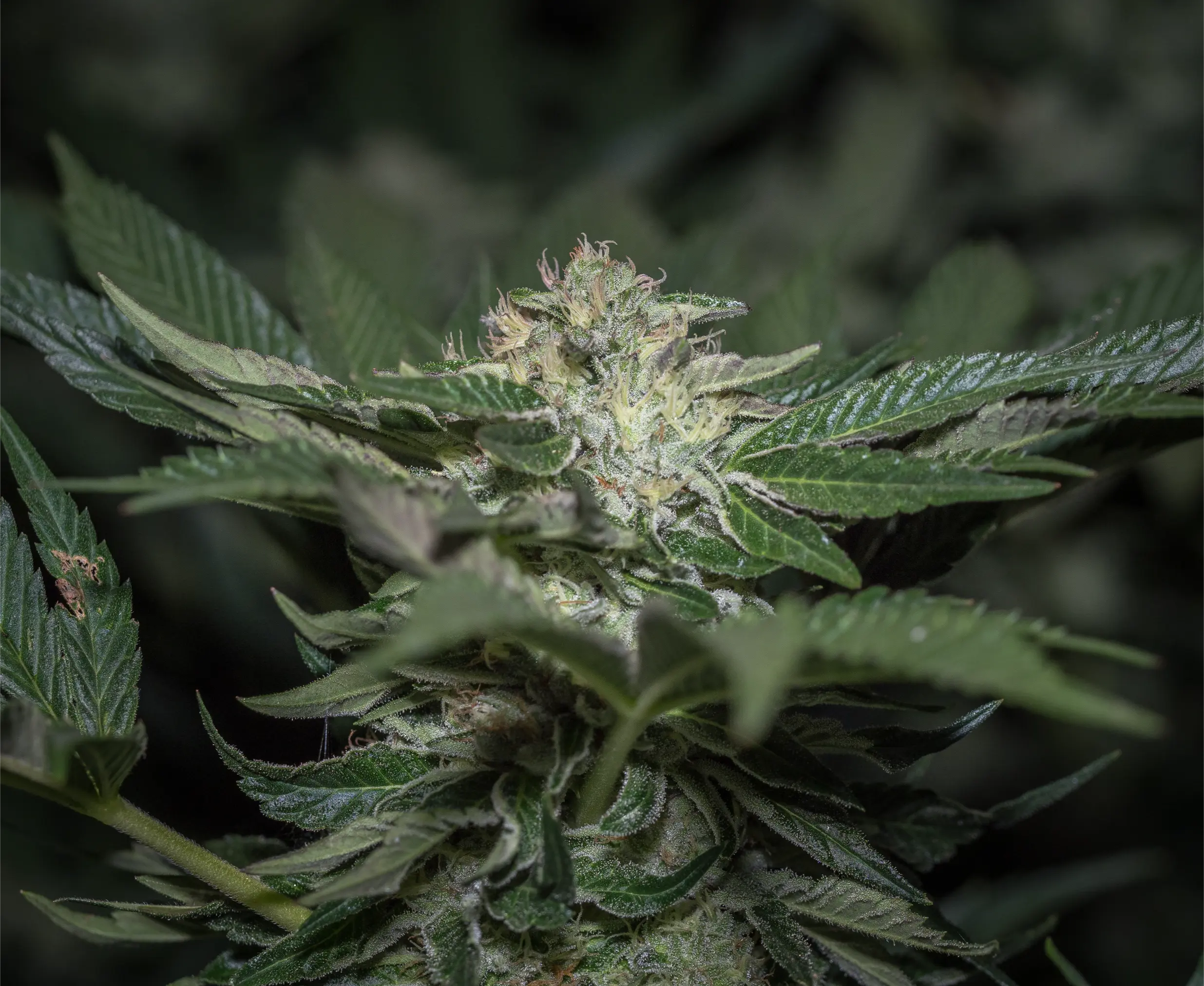
Subterranean Moisture Failure Modes: Drain Clogs, Coil Freezing, and Micro-Leaks
Moisture-related equipment failures in basements escalate rapidly. Establish clear preventative protocols for the three most common subterranean failure points:
1. Condensate Drain Blockages and Water Overflow
Biofilm, mineral salts, and airborne dust accumulate rapidly in dehumidifier drain pans and discharge tubing:
- Failure Mechanism: Algal colonies plug the 3/4-inch drain port. Condensate fills the internal tray and cascades over internal electronics, destroying the main circuit board and dumping dozens of gallons across the grow room floor.
- Engineering Prevention: Place slow-release quaternary ammonium condensate pan tablets (such as Nu-Calgon PanPads) directly inside the dehumidifier drain pan every 60 days. Flush drain lines monthly with a 10% solution of household bleach or white vinegar.
2. Evaporator Coil Freezing and Compressor Cycling
Operating dehumidifiers in unheated basements during winter photoperiods risks permanent coil freezing:
- Failure Mechanism: When room ambient temperature drops below 62 °F (16.7 °F), refrigerant expanding inside the evaporator drops below 28 °F (-2.2 °C). Moisture freezes into a solid block of ice, insulating the coil and preventing air passage. The compressor overheats from lack of vapor return and trips on thermal overload.
- Engineering Prevention: Never permit basement ambient temperatures to fall below 66 °F (18.9 °C). Utilize mini-split heat pumps or sealed ceramic space heaters interlocked with lighting controllers to maintain the thermal floor. Deploy only commercial dehumidifiers featuring automated hot-gas bypass defrost.
Operational Maintenance and Coil Cleaning Schedule
Routine preventive maintenance preserves dehumidification efficiency and prevents unexpected humidity spikes during critical late-flower ripening.
| Component | Frequency | Action Protocol | Target Operational Standard |
|---|---|---|---|
| Dehumidifier Air Filter | Bi-Weekly | Vacuum MERV-11/13 pleated filter; replace every 90 days. | Unrestricted airflow; static pressure < 0.20 in. w.g. |
| Evaporator & Condenser Coils | Between Cycles | Spray with self-rinsing foaming coil cleaner (Nu-Calgon Evap-Foam). | Pristine aluminum fins; zero dust or lint insulating coils. |
| Drain Trap & Discharge Line | Monthly | Flush with 1 quart hot water and 1 cup white vinegar. | Rapid gravity flow; zero biofilm accumulation in PVC. |
| Safety Float Interlock | Monthly | Manually raise float switch to verify instantaneous unit shutdown. | Dehumidifier compressor immediately de-energizes upon trip. |
| Hygrometer Calibration | Every 60 Days | Perform 75% RH saturated salt slurry calibration test on all sensors. | Sensor accuracy verified within ±2% Relative Humidity. |
Final Basement Moisture Control Decision Checklist and Next Weedth Resources
Execute this practical checklist to verify that your basement moisture mitigation system is fully operational before initiating a flowering cycle.
Basement Moisture Control Verification Checklist
- Real-World Dehumidifier Derating Applied: Sized commercial dehumidifier capacity based on 68 °F / 50% RH conditions, derating AHAM by 50%.
- R-10 Thermal Subfloor Barrier Verified: Concrete slab isolated with 2-inch XPS foam and vapor barrier; floor temps match room air.
- Rigid PVC Condensate Line Installed: Hard 3/4-inch Schedule 40 PVC plumbed with 1/4 in./ft slope and accessible cleanout trap.
- Automated High-Water Safety Shutoff Active: Condensate pump safety switch wired to dehumidifier control relay to prevent overflows.
- Thermal Bridging Insulated: Overhead domestic cold water lines and metal columns wrapped in closed-cell elastomeric insulation.
- Active Under-Canopy Air Velocity: Horizontal circulation blowers maintain 0.5 to 0.8 m/s airflow across lower stems and pots.
- Dark-Cycle Humidity Ramp Programmed: Humidity setpoint lowered by 10% 30 minutes prior to lights-off to eliminate humidity spike.
- Night Temperature Floor Clamped: Mini-split heat pump programmed to maintain 68 °F lights-off minimum, preserving dew point buffer.
- Hot-Gas Bypass Defrost Confirmed: Dehumidifier equipped with active coil defrost mechanism to prevent ice freeze-ups below 70 °F.
- 48-Hour Evaporative Commissioning Passed: Maintained ≤50% RH under full water evaporation stress test with zero wall condensation.
Scientific References
- American Society of Heating, Refrigerating and Air-Conditioning Engineers (ASHRAE). (2022). ASHRAE Handbook – HVAC Systems and Equipment: Chapter 24 – Environmental Control for Plants and Animals. ASHRAE, Atlanta, GA.
- Zheng, Y. (Ed.). (2021). Handbook of Cannabis Production in Controlled Environments. CRC Press, Boca Raton, FL.
- National Fire Protection Association (NFPA). (2023). NFPA 70: National Electrical Code (NEC). National Fire Protection Association, Quincy, MA.
- Bilodeau, S. E., Dufour, B., & Bouchard, J. (2019). Thermal and environmental control inside modern cannabis production facilities. Agronomy, 9(8), 443. DOI: 10.3390/agronomy9080443
- Nelson, J. A., & Bugbee, B. (2015). Economic analysis of environmental extremes on cannabis photosynthesis and stomatal conductance. HortScience, 50(8), 1201-1207.
- Morvant, J. K., et al. (2020). Botrytis cinerea infection dynamics in cannabis sativa floral tissues under fluctuating relative humidity. Plant Disease, 104(9), 2415-2422.
Share this article
A quick overview of the topics covered in this article.
Follow us
Latest articles
November 3, 2026

November 3, 2026
November 3, 2026
November 3, 2026
