
Black Mamba
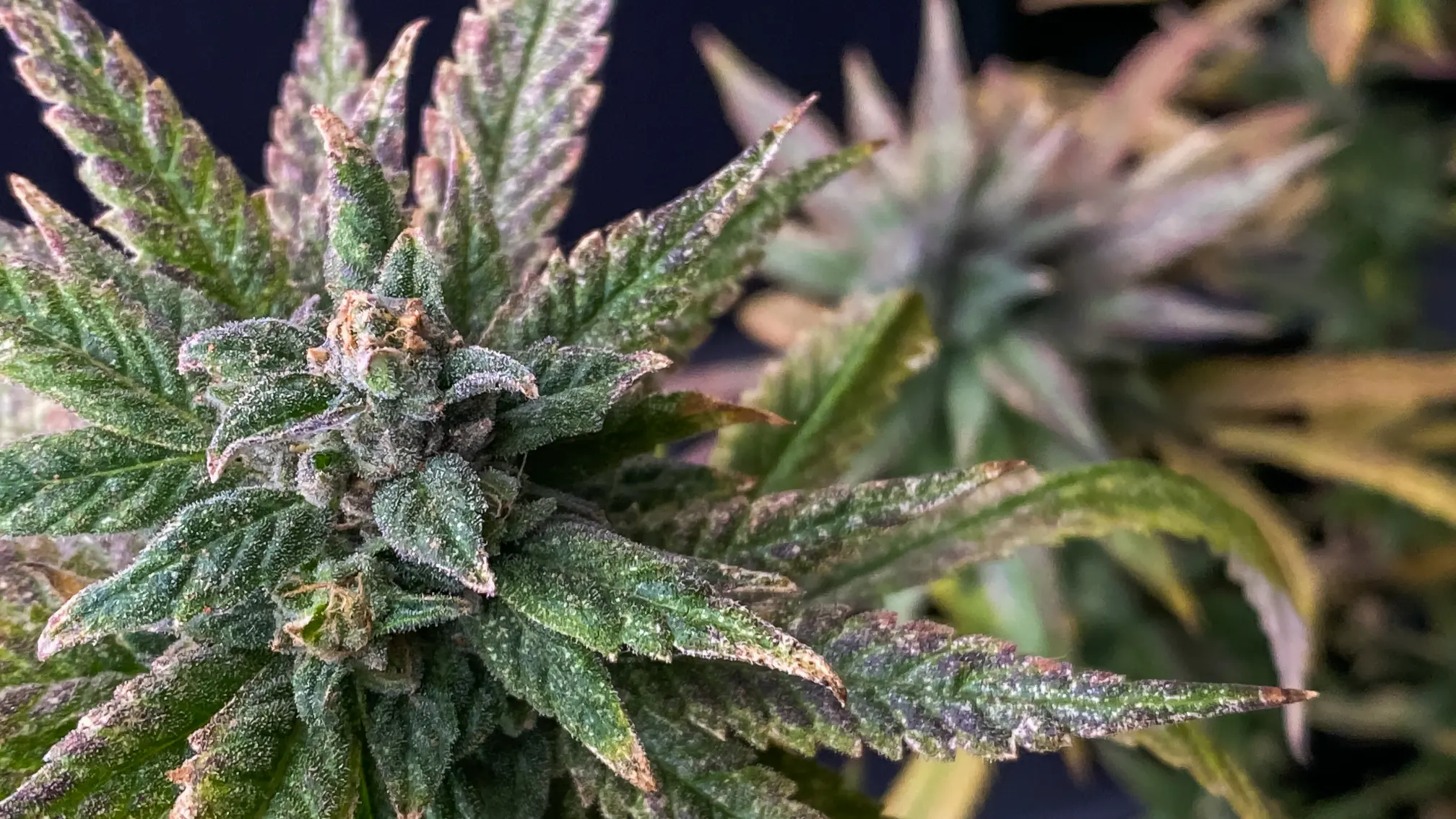
Black Mamba is an alluring, deeply pigmented indica-dominant cultivar that commands immense respect across connoisseur circles for its striking visual presentation, rich dark-fruit bouquet and crushing nighttime sedation. Named after one of the most lethal and fast-striking vipers on earth, Black Mamba carries a reputation that is both visually captivating and genetically nuanced. Across the legal cannabis market, the name Black Mamba has occasionally been applied to different breeding projects, creating an identity puzzle for unsuspecting growers. However, within heritage California and Pacific Northwest cultivation circles, the undisputed gold standard for authentic Black Mamba is an elite pairing of the world-famous Granddaddy Purple (GDP) with the legendary four-way Afghan indica powerhouse Black Domina (Northern Lights x Ortega x Hash Plant x Afghani SA). This genetic union yields a plant of exceptional resin density, ink-like violet-black coloration and heavy physical lethargy.
The primary horticultural allure of Black Mamba is its extraordinary anthocyanin production, which paints the mature floral bracts, calyx tips and fan leaves in dramatic shades of deep aubergine, midnight purple and near-black. Yet this stunning cosmetic trait represents the single greatest tactical hazard for the indoor cultivator. In standard green cultivars, foliar chlorosis, pest damage, necrotic tissue and early fungal infection (such as Botrytis cinerea) stand out with high visual contrast. In Black Mamba, the intense dark purple and charcoal pigmentation camouflages dead leaf tissue and early stem-rot lesions from casual observation. A grower admiring the dark, glistening canopy from above can easily fail to notice fungal spores taking hold along the inner stem-side corridors of dense colas. Cultivating Black Mamba at a commercial benchmark demands a disciplined canopy protocol: aggressive bottom pruning, strategic interior defoliation and routine microscopic inspection of the floral core.
From an olfactory and chemotypic perspective, Black Mamba delivers a luxurious, multi-layered terpene experience that completely defies modern dessert candy trends. Its bouquet is anchored by dark forest fruit and rich earth: ripe Concord grapes, stewed black plums, dark blackberries, crushed violet petals and sweet berry syrup, reinforced by an uncompromising foundation of damp forest loam, pungent musk, pine resin, cracked black peppercorns and sharp diesel fuel. This complex sensory profile is mediated by an intricate synergy between beta-myrcene, beta-caryophyllene, alpha-pinene and linalool. When preserved through a patient, slow cold cure, the cured flowers produce thick, velvety vapor that coats the palate in rich grape skin and spicy hashish, inducing an instantaneous wave of mental calm that steadily cascades into profound somatic sedation.
Successfully steering Black Mamba indoors requires an agronomic strategy tailored to heavy, broad-leaf indica genetics: executing an early topping pass at the fifth node to break apical dominance and spread the dense lateral framework, deploying a sturdy horizontal trellis matrix to separate compact floral clusters, maintaining rigorous vapor pressure deficit (VPD) control to prevent condensation within tight calyx pockets, and resisting the urge to overfeed nitrogen during mid-to-late flowering. When cultivated under high-output lighting fixtures with deep photon penetration and dried slowly under strict environmental parameters, Black Mamba rewards the grower with heavy, diamond-frosted purple colas that represent the ultimate evening antidote to chronic pain, physical tension and intractable insomnia.
Strain Features
| Feature | Details |
|---|---|
| Cultivar Name | Black Mamba |
| Dominant Lineage | Granddaddy Purple x Black Domina (Northern Lights x Ortega x Hash Plant x Afghani SA) |
| Alternative Lineage Accounts | Blue Bubblejuice x Black Domina (circulates in European markets; numbered cuts also exist) |
| Variety | Indica-Dominant Hybrid (approximately 75% Indica / 25% Sativa) |
| Cannabinoid Profile | High THC (typically testing between 20% and 25% total cannabinoids; CBD < 0.5%, notable CBN upon late harvest) |
| Dominant Terpenes | Beta-Myrcene, Beta-Caryophyllene, Alpha-Pinene, accompanied by Linalool, Limonene and Humulene |
| Flowering Duration | 56 to 65 days (8 to 9.5 weeks indoors; early to mid-October harvest outdoors in Northern Hemisphere) |
| Canopy Stretch | Moderate (typically 1.3x to 1.5x vegetative height after 12/12 photoperiod flip) |
| Growth Architecture | Stocky, bushy, robust indica framework with thick stalk calipers, short internodes and broad leaflets |
| Flower Morphology | Extremely dense, chunky, golf-ball to spear-shaped calyx clusters displaying vivid aubergine-black hues |
| Yield Potential | Moderate to High (450 to 525 g/m² indoors; up to 600 to 800 g/plant outdoors under optimal sun) |
| Cultivation Difficulty | Intermediate (requires vigilant humidity management, internal defoliation and core rot inspections) |
| Primary Vulnerabilities | Botrytis cinerea (bud rot) in dense core clusters, powdery mildew in crowded interiors, overwatering |
| Optimal Climate | Warm, dry semi-arid climate; strictly climate-controlled indoor sealed rooms with heavy dehumidification |
Genetic Lineage
The genetic architecture of Black Mamba unites two monumental titans of heritage indica breeding: Granddaddy Purple and Black Domina. To truly understand how this cultivar develops in the garden and why it demands precise horticultural management, growers must examine the specific traits inherited from each parental branch.
Granddaddy Purple (GDP), bred by Ken Estes in the San Francisco Bay Area in 2003 by crossing Purple Urkle with Big Bud, serves as the maternal foundation. GDP is universally celebrated for its intoxicating sweet grape and berry aroma, striking deep purple calyx pigmentation, expansive physical comfort and powerful appetite stimulation. The Big Bud heritage contributes massive calyx swelling and heavy commercial yields, while Purple Urkle infuses rich anthocyanin expression, dense glandular resin production and sweet floral terpenes. In Black Mamba, the GDP ancestry is directly responsible for the sweet Concord grape, stewed blackberry and violet top notes, as well as the initial cheerful, mood-elevating euphoria that precedes the heavy physical stone.
Black Domina, developed by Sensi Seeds in the 1990s as a four-way cross of pure heritage indicas (Northern Lights, Ortega, Hash Plant and Afghani SA), provides the architectural muscle, speed and devastating narcotic potency. Black Domina is legendary for its dark, leathery, dark-green foliage that borders on black, thick woody stalks, tight internodal spacing, rapid eight-week flowering velocity and an intensely pungent aroma of pine resin, damp earth, spicy hashish and crushed black pepper. The Black Domina heritage compacts Black Mamba’s floral clusters into stone-hard nuggets, thickens its branch calipers to support heavy flower weight without bowing, and injects a heavy, sedative physical wallop that immobilizes the limbs and induces deep, restorative slumber.
While this GDP x Black Domina cross represents the benchmark cut, cultivators must navigate genetic variations in commercial seed markets. A secondary lineage account connects Black Mamba to a cross of Blue Bubblejuice and Black Domina, which tends to express more synthetic bubblegum and blueberry candy aromas with a slightly taller vegetative stretch. Additionally, several numbered selections (such as Black Mamba #6 or #42) circulate as specific phenotype cuts or distinct polyhybrids. For the serious cultivator, verifying your clone source and recording structural traits during early veg is essential to confirm you possess the authentic, grape-hash indica expression.
Effect Breakdown
Initial Onset (0 to 15 Minutes)
The onset of Black Mamba is remarkably smooth, disarming and deceptive. While consumers often expect an immediate physical knockout due to its ominous name and dark appearance, the experience begins with an expansive, cheerful cranial warmth inherited from Granddaddy Purple. Within three to five minutes of consumption, a gentle tingling band forms across the forehead and temples, accompanied by a noticeable brightening of the visual field and a soothing release of mental stress. Negative thought loops, occupational anxieties and emotional frustrations dissolve, replaced by a grounded, contented euphoria. Unlike racy sativas, this mental elevation does not trigger rapid heartbeat or scattered thoughts; rather, it cultivates an unhurried, peaceful mental stillness where conversation feels easy and music sounds extraordinarily deep.
The Plateau Phase (15 to 75 Minutes)
As the initial cerebral glow settles, the formidable, pure-indica heritage of Black Domina surges into the central nervous system. A heavy, warm, weighted blanket of physical relaxation descends from the base of the skull, spreading across the shoulders, down the spine and into the extremities. Muscle spasms, chronic joint stiffness, arthritis aches and somatic tension melt away under this tranquilizing wave. Motor activity naturally decelerates; limbs feel delightfully heavy, and the consumer is inexorably drawn toward a comfortable couch or bed. During this plateau, sensory appreciation is heightened, making film viewing, quiet listening or leisurely meals intensely pleasurable, though executive functioning and physical coordination are substantially impaired.
The Comedown and Residual Effects (75 to 180 Minutes)
In the final stages of the experience, Black Mamba unleashes its full narcotic potential. Eyelids grow progressively heavy, ocular dryness becomes noticeable, and an irresistible wave of drowsiness takes hold. A ferocious appetite surge (‘the munchies’) frequently emerges during this phase, making a late-night snack almost mandatory before sleep. If consumed in the evening or in moderate-to-high doses, the physical heaviness transitions effortlessly into profound, dreamless and restorative sleep. The high tapers off cleanly over three to four hours, though consuming excessively large amounts late at night can result in a mild, groggy ‘indica hangover’ the following morning that requires hydration and fresh air to clear.
Dosage Sensitivity and Couchlock Warning
Black Mamba is an exceptionally potent, high-THC indica that demands respect from novice and seasoned consumers alike. In low doses (one or two modest inhalations), it functions as an excellent evening relaxant that preserves conversational ability. However, at moderate-to-high doses, its elevated myrcene and caryophyllene content creates an immobilizing couchlock effect that can leave the uninitiated feeling physically incapacitated or mildly dizzy. Individuals with low THC tolerance should never consume Black Mamba before engaging in activities that require physical coordination, driving, or mental alertness; it should be reserved strictly for evening hours when all daily responsibilities are completed.
Flavor & Aroma Profile
Live Plant Bouquet
During the first four weeks of flowering, Black Mamba fills the cultivation room with a sweet, floral and herbal fragrance dominated by fresh lavender blossoms, wild mint and unripened berries. However, as the photoperiod advances into weeks six through eight and the floral bracts undergo their dramatic purple-black transformation, the live bouquet undergoes a massive shift in depth and pungency. The room becomes saturated with an intoxicating blend of stewed black plums, overripe Concord grapes, blackberry compote and dark floral violets, resting over a heavy, resinous base of damp forest earth, crushed pine needles, spicy hashish and pungent skunk. Lightly brushing against the sugar leaves leaves an oily, resin-rich residue on the fingertips that smells intensely of sweet grape syrup, cedarwood and raw fuel.
Post-Grind and Calyx Rupture
Breaking open a cured, stone-dense Black Mamba nug releases a deeply pungent, multi-dimensional olfactory punch as thousands of bulbous glandular trichomes rupture simultaneously. The delicate floral grape notes instantly intensify into sour plum skin, dark wine lees and fermented fruit, which is quickly balanced by an aggressive, sharp undercurrent from its Black Domina heritage. The air fills with notes of crushed black peppercorns, dried clove, aged oak wood, damp cellar musk and a pungent, solvent-like diesel kerosene bite. This dramatic contrast between sweet, luxurious dark fruit and sharp, earthy fuel creates an olfactory profile that is unmistakably classic and connoisseur-grade.
Inhale and Palate Experience
The smoke and vapor of properly grown and cured Black Mamba is exceptionally thick, dense and velvety on the palate. On the inhale, the smoke washes over the taste buds with rich notes of sweet grape candy, dark plum nectar, ripe blackberries and floral violet, reminiscent of a glass of fine red wine. As the smoke expands smoothly through the lungs without inducing harsh coughing or throat irritation, the exhale introduces a dramatic shift toward dark, savory flavors. Notes of spicy hashish, cracked black pepper, fresh mountain pine and earthy cedarwood dominate the finish, leaving behind a persistent, sweet berry and peppery resin coating on the tongue that lingers for several minutes. The clean combustion produces a fluffy, light-grey to silver ash, signaling thorough nutrient flushing and balanced mineral breakdown.
Dominant Terpenes
| Terpene | Aroma Contribution | Horticultural Role & Synthesis | Scientific & Experiential Context |
|---|---|---|---|
| Beta-Myrcene | Damp earth, stewed dark fruit, musk, cloves | Primary monoterpene synthesized in high concentrations in broad-leaf indicas | Increases cell membrane permeability, facilitating rapid cannabinoid uptake; drives deep physical sedation |
| Beta-Caryophyllene | Cracked black pepper, spicy wood, warm clove | Dense sesquiterpene synthesized in glandular trichome heads; resilient to thermal loss | Selectively activates peripheral CB2 receptors; delivers powerful somatic relaxation and inflammation relief |
| Alpha-Pinene | Crisp mountain pine, cedar, fresh herbs | Natural botanical repellent synthesized to protect floral bracts from insect pests | Counteracts THC-induced memory fog by inhibiting acetylcholinesterase; aids bronchodilation |
| Linalool | Floral lavender, sweet violet, fresh blossoms | Fragile monoterpene synthesized in trace quantities, elevating grape and berry profiles | Exerts profound anxiolytic and sedative effects on the central nervous system; promotes restorative sleep |
| Humulene | Earthy hops, woody spice, dry forest loam | Sesquiterpene biosynthesized alongside caryophyllene; imparts dry hashish backbone | Acts synergistically with caryophyllene to reduce physical discomfort; modulates appetite dynamics |
The distinctive, intoxicating sensory profile of Black Mamba is the product of an intricate chemical dialogue between dominant monoterpenes and robust sesquiterpenes. While high concentrations of beta-myrcene provide the deep, earthy, stewed-fruit foundation that defines classic indica relaxation, it is the delicate presence of linalool that elevates the aromatic experience, imparting the ethereal violet and lavender floral sweetness inherited from Granddaddy Purple. Beta-caryophyllene and humulene provide the sturdy, peppery, woody backbone that gives the smoke its dense body and prevents the fruit notes from tasting overly sweet or one-dimensional.
From an agronomic perspective, cultivators must appreciate that while sesquiterpenes like caryophyllene and humulene possess higher boiling points and remain stable through harvest, the delicate floral monoterpenes (linalool and myrcene) are extremely sensitive to environmental stress. Maintaining excessive room temperatures during late flowering or drying flowers in turbulent, warm air will cause these light floral fractions to volatilize into the exhaust, leaving behind a cured bud that tastes predominantly of dry pine and pepper while lacking its signature grape-plum sweetness. Strict climate control during the final two weeks of bloom and throughout the drying phase is mandatory to preserve Black Mamba’s complex chemical bouquet.
Indoor vs. Outdoor Growing
| Cultivation Factor | Indoor Controlled Environment | Outdoor Natural Sunlight |
|---|---|---|
| Canopy Architecture | Compact, bushy frame easily shaped with topping and a single-tier trellis net | Develops into broad, dense shrubs reaching 5 to 7 feet tall with heavy lateral branching |
| Lighting & Penetration | Demands high-PPFD fixtures with deep photon penetration (1000W DE HPS or full-spectrum CMH) | Full solar irradiance penetrates thick foliage; natural UV radiation maximizes anthocyanin pigments |
| Nutrient Appetite | Moderate feeder (EC 1.4-1.6 mS/cm); sensitive to excess nitrogen which masks foliar diagnosis | Thrives in deep, compost-rich organic living soil beds; voracious consumer of microbial teas |
| Flowering Duration | 56 to 65 days (8 to 9.5 weeks) under strict 12/12 photoperiod; predictable harvest timing | Finishes in early to mid-October; highly dependent on dry autumn weather to avoid core rot |
| Humidity & Botrytis Risk | Requires aggressive dehumidification (38-40% RH in late bloom) to protect dense calyxes | High risk of late-season bud rot if autumn rains or heavy morning dews penetrate dense colas |
| Color Expression | Triggered by stable 10-12°F night temperature differentials without thermal shock | Natural autumn temperature swings produce breathtaking midnight-purple and ink-black foliage |
| Average Yield | 450 to 525 grams per square meter under disciplined canopy management | 600 to 800+ grams per plant when provided with generous root volume and open airflow |
| Recommended Cultivator | Intermediate growers equipped with robust environmental dehumidification systems | Growers in warm, semi-arid Mediterranean climates with minimal autumn precipitation |
Cultivating Black Mamba indoors provides the grower with absolute authority over the single most hazardous environmental factor for this cultivar: relative humidity. Because Black Mamba develops exceptionally dense, rock-hard calyx clusters inherited from its Black Domina ancestry, ambient moisture easily becomes trapped around the central stem. Indoors, sealed climate-controlled rooms equipped with commercial dehumidifiers allow cultivators to drive relative humidity down to 40 percent or lower during weeks seven and eight. This dry microclimate completely neutralizes the threat of internal Botrytis cinerea while forcing the glandular trichomes to generate thicker waxy cuticles to prevent desiccation. Furthermore, controlled nighttime temperature drops of 10°F to 12°F allow growers to coax out the cultivar’s stunning purple-black coloration reliably without subjecting the root zone to dangerous thermal shock.
Outdoors, Black Mamba thrives in regions that mimic its Afghan and Mediterranean roots: warm, sunny days followed by crisp, dry nights with continuous mountain breezes. When planted in large raised living soil beds or 100-gallon fabric containers, single plants form massive, dense bushes capable of yielding 800 grams of connoisseur-grade flower. However, outdoor cultivation carries high environmental stakes. In climates characterized by humid autumns, persistent morning fogs or early October rains, Black Mamba’s stone-dense colas act like sponges, absorbing ambient moisture that cannot evaporate from within the dark, compact clusters. Outdoor cultivators in humid or northern latitudes must construct protective clear poly hoop houses with high-volume side ventilation, or risk losing entire terminal colas to internal bud rot just days before harvest.
Strain-Specific Grow Guidance
Execute Early Topping to Open the Compact Indica Framework
Black Mamba exhibits textbook broad-leaf indica morphology: short internodal spacing, thick branch calipers and a natural inclination to form a dense, congested central canopy. Left untrained, the plant will develop a massive, tight central crown that completely shades out secondary lateral branches and restricts internal air movement. To correct this habit, execute a decisive topping pass above the fourth or fifth node on day 18 to 21 of vegetative growth. This single cut permanently disrupts apical dominance, redirecting hormonal auxin flows outward into six to eight vigorous lateral branches. This establishes an open, bowl-shaped framework that maximizes light penetration across all flowering sites.
Deploy a Horizontal Trellis Net to Separate Chunky Floral Sites
While Black Mamba produces sturdy, fibrous stalks that rarely snap under their own weight, its dense floral clusters will naturally lean against one another if not physically separated. When multiple dense colas touch during mid-to-late flowering, the contact surfaces create stagnant microclimates where transpiration moisture condenses against dark bracts, creating a prime breeding ground for fungal spores. Install a horizontal trellis netting grid with 6-inch squares positioned 12 to 14 inches above the root container. As lateral branches surge through the screen during the first two weeks of bloom, guide each primary shoot into its own dedicated square, ensuring a minimum of four to six inches of clear, open air between individual colas.
Manage the Moderate 30 to 50 Percent Post-Flip Stretch
Unlike lanky, explosive sativas that triple in size after the photoperiod switch, authentic Black Mamba undergoes a measured, controlled vertical stretch, typically expanding by only 30 to 50 percent during the first 18 days of 12/12 bloom. This modest elongation is a blessing for growers operating in spaces with limited vertical clearance. However, because the plant does not stretch excessively, cultivators must ensure plants achieve adequate vegetative size before triggering flower. Allow vegetative plants to establish a full, healthy root matrix and develop robust lateral branch thickness before flipping, ensuring they occupy roughly seventy percent of your target canopy footprint on day one of 12/12.
Execute Rigorous Day-21 Defoliation and Core Lollipopping
Black Mamba produces massive, dark-green fan leaves with overlapping broad leaflets that can turn the inner canopy pitch-black. On day 21 of flowering, when the post-flip stretch has completed and small dime-sized floral buttons have formed along every node, execute a comprehensive defoliation and lollipopping pass. Strip away the bottom thirty to forty percent of all understory growth, removing shaded larval shoots, small interior branchlets and large inward-pointing fan leaves. Opening the core of the plant ensures unobstructed vertical airflow from floor to ceiling, allowing oscillating air currents to dry the stem-side surfaces of swelling colas and dramatically reducing the incidence of powdery mildew and bud rot.
Read Foliar Health Carefully on Naturally Pigmented Foliage
Diagnosing nutrient status on Black Mamba requires horticultural finesse because its foliage naturally exhibits dark green, aubergine and deep purple tones under standard feeding. Novice cultivators often misinterpret this natural darkness as severe nitrogen toxicity, leading them to withhold essential nutrients prematurely, or conversely, fail to recognize true nitrogen burn because the leaves were already dark. Instead of relying solely on leaf hue, evaluate physical leaf morphology: look for downward tip hooking (‘clawing’), leathery leaf textures, brittle margins, and slow water uptake. Maintain a conservative input electrical conductivity (EC) of 1.4 to 1.6 mS/cm during peak bloom, utilizing a balanced liquid bloom base supplemented with bioavailable calcium and magnesium.
Optimize Vapor Pressure Deficit (VPD) and Late-Bloom Dehumidification
Managing transpiration dynamics through strict vapor pressure deficit (VPD) regulation is vital when cultivating stone-dense indica flowers. During vegetative growth, maintain day temperatures of 76°F to 80°F (24°C to 27°C) with 65 to 70 percent relative humidity (VPD of 0.8 to 1.0 kPa). During early and mid-bloom (weeks three to six), adjust day temperatures to 74°F to 76°F with 50 percent RH (VPD of 1.2 to 1.3 kPa). The critical phase occurs during weeks seven through nine: drop day temperatures to 70°F to 72°F and aggressively lower relative humidity to 38 to 40 percent (VPD of 1.4 to 1.5 kPa). This elevated late-bloom VPD forces moisture out of dense floral tissue and prevents internal condensation around the main stem.
Induce Anthocyanin Pigmentation Without Thermal Shock
Black Mamba’s dramatic midnight-purple coloration is governed by anthocyanin flavonoids, which are expressed when chlorophyll synthesis naturally declines near the end of the life cycle. While cooler nighttime temperatures enhance this expression, freezing the grow room or shocking the root zone with ice water is a dangerous amateur error that damages root hair membranes and halts phosphorus transport. To coax out maximum color safely, establish a gentle nighttime temperature differential: maintain day temperatures at 72°F to 74°F and allow night temperatures to drop smoothly to 62°F to 64°F during the final two weeks of bloom. This 10°F night drop triggers breathtaking purple-black coloration while preserving vigorous metabolic ripening.
Harvest Readiness: Swollen Calyx Architecture Over Color Cues
Never determine harvest timing based solely on the presence of dark purple leaves or brown stigmas. Black Mamba frequently displays deep purple coloration as early as week five, tempting inexperienced growers into cutting prematurely. True biological maturity is reached between day 56 and day 65 when the floral calyxes have fully swelled into fleshy, round bracts, stigmas have completely receded, and glandular trichome inspection reveals roughly 80 percent milky opacity and 15 to 20 percent warm amber heads across the inner floral bracts. Harvesting at this exact juncture ensures maximum cannabinoid potency and delivers the rich, tranquilizing sedation that defines the cultivar.
Inspect Dark Colas from the Stem Side to Prevent Undetected Botrytis
The intense purple and near-black coloration of Black Mamba is visually breathtaking, but it presents a serious agronomic hazard: it effectively camouflages dead leaf tissue, foliar necrosis and early fungal sporulation. While Botrytis cinerea (bud rot) shows up as an obvious brown or grey lesion on green flowers, it blends seamlessly into the dark purple bracts of Black Mamba. Never inspect mature colas merely from above. Gently separate the colas along the main stalk and inspect the interior stem junction with a strong LED flashlight. If a sugar leaf in the center of a cola appears dull, wilts unexpectedly or pulls free with zero resistance, dissect the flower immediately; internal bud rot is likely present.
How do I maximize Black Mamba’s dark purple color without stalling plant growth or risking bud rot in late flower?
Question sent by: Julian K., via e-mail
Achieving deep, midnight-purple pigmentation while maintaining pristine floral health requires understanding the physiology of anthocyanins. Anthocyanin production is primarily genetic; if your cut carries authentic Granddaddy Purple and Black Domina heritage, the pigmentation will emerge naturally as chlorophyll breaks down in late bloom. The biggest mistake growers make is shocking the plants with extreme cold (dropping room temperatures below 55°F or flushing with ice water), which stuns the rhizosphere, halts nutrient transport and causes severe condensation on dense flowers.
Instead, implement a disciplined environmental taper starting in week seven. Maintain your day temperatures at a comfortable 72°F to 74°F, and program your climate controls to drop night temperatures smoothly to 62°F to 64°F. This steady 10°F differential signals autumn to the plant and triggers vibrant purple-black hues without compromising root metabolism. Simultaneously, drive your late-bloom relative humidity down to 38 to 40 percent and keep continuous, indirect airflow moving beneath the canopy. This prevents the stagnant, humid microclimates that cause Botrytis inside dense, dark purple colas.
Weedth Bud Flavor Tips
Execute a Slow 14-Day Whole-Plant Cold Hang at 60°F and 60% RH
The post-harvest curing process determines whether Black Mamba retains its luxurious grape-plum bouquet or dries down into a generic, peppery smoke. Because the cultivar’s defining fruit and floral notes are mediated by fragile monoterpenes like linalool and myrcene, rapid drying under warm conditions will permanently ruin the harvest. Cut the entire plant at the base of the stalk, remove only the large non-resinous water leaves, and hang the whole plant upside down in complete darkness. Maintain strict climate control: exactly 60°F (15.5°C) and 60 percent relative humidity for 12 to 14 days. This extended, slow dry allows starches and green chlorophyll to degrade smoothly, locking the rich dark fruit and hashish aromatics inside the glandular trichome heads.
Eliminate Direct Fan Drafts Across Dense Hanging Branches
A catastrophic post-harvest error is pointing oscillating fans directly at hanging Black Mamba colas. Because Black Mamba’s buds are exceptionally dense, direct convective airflow will rapidly dry the outer floral shell while leaving the inner stem core completely saturated with moisture. This creates a deceptive moisture gradient that tricks the grower into jarring prematurely, causing mold outbreaks in storage. Furthermore, high-velocity air physically ruptures fragile trichome cuticles, blowing delicate grape and violet monoterpenes into the room exhaust. Position fans so they bounce airflow off walls or circulate air along the floor beneath the plants, maintaining gentle, indirect air turnover.
Density Sorting and Strategic Cola Sectioning
Due to the sheer density of Black Mamba’s terminal colas, large ‘donkey-dick’ spears require specialized handling during harvest. If a main terminal cola measures more than two inches in diameter, do not hang it as a single solid mass if your drying space has any difficulty maintaining 60 percent RH. Carefully section large colas into individual, golf-ball-sized floral clusters along the lateral branch stems before hanging. This breaks up the solid floral core, allowing moisture to evaporate evenly from all sides and eliminating the damp interior microclimates where hidden mold thrives during the drying phase.
Glass Jar Curing and Moisture Equalization
Once the smaller stems snap cleanly with an audible crack rather than bending, execute a manicured trim and transfer the cured flowers into airtight borosilicate glass jars, filling each jar to roughly seventy-five percent capacity. Seal the jars and place calibrated digital hygrometers inside. The target equilibrium relative humidity is 58 to 62 percent. Burp the jars once daily for fifteen minutes during the first two weeks to exhaust metabolic gases and replenish fresh oxygen. After fourteen days, reduce burping to once every three to four days. A minimum 30-day glass cure allows complex enzymatic reactions to round off sharp edges, transforming initial earthy pine notes into a deeply decadent, smooth profile of sweet Concord grape, stewed plum and aged hash.
Protect Cured Resin from Heat and Ultraviolet Oxidation
After investing months into cultivating elite Black Mamba flowers, protect your finished harvest from the twin destroyers of cannabis quality: light and heat. Ultraviolet radiation rapidly converts psychoactive THC into sedating cannabinol (CBN) and degrades volatile monoterpenes into odorless compounds. Store your sealed curing jars in a cool, dark cupboard or dedicated cellar maintained between 55°F and 62°F. Never store jars above refrigerators, near electronic equipment, or in areas subjected to fluctuating room temperatures. Stored properly in dark glass, Black Mamba will retain its peak grape-hash aroma and formidable potency for up to eight to twelve months.
Weedth Bud Boost Tips
Deploy High-PPFD Fixtures with Deep Canopy Penetration
Because Black Mamba develops thick, broad fan leaves and a stout indica frame, low-output lighting fixtures simply lack the photon penetration required to develop dense flower sites beneath the top canopy layer. To maximize commercial yields, illuminate Black Mamba with high-output fixtures that deliver exceptional canopy penetration, such as 1000W Double-Ended (DE) High-Pressure Sodium (HPS) fixtures or commercial Ceramic Metal Halide (CMH) arrays delivering 900 to 1000 µmol/m²/s PPFD at the canopy level. The intense photon flux and rich red/far-red spectrum of DE HPS drive deep photosynthetic activity, swelling secondary lower calyxes into rock-hard nuggets and maximizing total grams-per-watt efficiency.
Supplement Soluble Potassium Silicate Throughout Veg and Mid-Bloom
While Black Mamba develops thicker stems than lanky sativas, its finished colas dry down into exceptionally dense, heavy masses that test the physical limits of secondary branches. Supplementing your reservoir with soluble potassium silicate (providing bioavailable silicon dioxide) from early vegetative growth through week five of bloom provides enormous mechanical benefits. Silicon is incorporated directly into plant cell walls, creating rigid, woody branch structures capable of holding heavy floral spears upright. Furthermore, reinforced epidermal cells improve thermal tolerance and create a physical barrier that resists fungal hyphae penetration.
Provide a Targeted Liquid Phosphorus-Potassium (PK) Boost in Weeks 4 to 6
During weeks four through six of flowering, Black Mamba transitions from vertical elongation into explosive calyx swelling and glandular resin synthesis. This intensive developmental phase demands elevated concentrations of bioavailable phosphorus (P) for cellular energy transfer and potassium (K) for water regulation and carbohydrate transport. Introduce a targeted liquid PK booster (such as a balanced 0-10-10 or 0-13-14 mineral formulation) to supply the elemental building blocks needed for maximum floral mass. Monitor runoff electrical conductivity closely to ensure total root-zone salts do not exceed 1.8 mS/cm, avoiding fertilizer burn.
Supercharge Rhizosphere Biology with Unrefined Blackstrap Cane Molasses
Throughout mid-to-late flowering, the addition of unrefined liquid blackstrap cane molasses delivers immense agronomic rewards. Unrefined molasses contains a dense matrix of complex carbohydrates, potassium, sulfur, iron, calcium and magnesium. These carbohydrates serve as direct food for the billions of beneficial rhizosphere bacteria and mycorrhizal fungi living in the growing medium, stimulating exponential microbial reproduction. In turn, these microbes solubilize bound minerals and deliver them directly to root hairs. The rich natural sulfur content serves as an essential enzyme activator for terpene synthesis, noticeably intensifying Black Mamba’s dark fruit and spicy hash bouquet.
Maintain a Level, Multi-Topped Canopy Floor
Yield in indoor cannabis cultivation is ultimately determined by how many flowering colas occupy the primary high-intensity light footprint. Allowing Black Mamba to grow in its natural Christmas tree shape results in one massive central top and dozens of shaded, underdeveloped lower buds. By topping early above the fifth node and anchoring lateral branches horizontally across a trellis net, you create a flat, multi-topped canopy where eight to ten primary colas per plant sit at the exact same distance from the light fixture. Every single cola receives optimal photon flux, resulting in uniform calyx density and eliminating airy popcorn flower.
Medical Uses & Benefits
Management of Chronic Insomnia and Sleep Initiation Disorders
Black Mamba is widely recognized among medical cannabis patients as one of the most dependable and potent botanical aids for severe insomnia and sleep architecture disruption. Thanks to its heavy concentration of sedating beta-myrcene, relaxing linalool and elevated THC levels, Black Mamba acts as a powerful central nervous system depressant. Consumed thirty to forty-five minutes before bedtime, it quiets racing thoughts, relaxes the physical body, and gently guides patients into deep, uninterrupted and restorative sleep. Patients who routinely wake up throughout the night report that Black Mamba’s prolonged duration of action helps maintain continuous sleep until morning.
Alleviation of Intractable Pain, Neuropathy and Muscular Spasms
Patients living with chronic pain conditions, including fibromyalgia, degenerative disc disease, severe sciatica, osteoarthritis and nocturnal muscle spasms, frequently report significant therapeutic relief from Black Mamba. The synergistic interaction between THC and beta-caryophyllene (which binds selectively to peripheral CB2 cannabinoid receptors) delivers robust somatic pain modulation and muscle relaxation. The strain’s heavy physical stone dissolves deep muscular knots and eases tension across the lower back and neck, providing hours of physical comfort when conventional therapies prove insufficient.
Relief from Severe Psychological Stress and Anxiety
While high-THC sativas can frequently exacerbate psychological stress and provoke panic in sensitive individuals, Black Mamba’s terpene profile exerts a deeply comforting, anxiolytic effect on the mind. The presence of linalool and myrcene moderates the psychoactive intensity of THC, producing a tranquil emotional cushion that shields patients from PTSD triggers, workplace burnout and chronic stress. Patients describe an immediate sense of emotional composure and peace, allowing them to unwind and rest without distressing intrusive thoughts.
Stimulation of Appetite and Alleviation of Nausea
Black Mamba inherits Granddaddy Purple’s legendary ability to stimulate ravenous appetite. For patients undergoing chemotherapy, radiation treatment, or living with chronic gastrointestinal conditions that cause severe appetite loss and wasting syndrome, Black Mamba serves as an effective botanical appetite stimulant. Within an hour of consumption, nausea is suppressed, and patients experience an invigorating desire to eat, allowing them to consume nutritious meals and maintain healthy body weight.
Clinical Caution and Responsible Medical Consultation
All medicinal applications detailed in this guide are compiled from peer-reviewed cannabinoid literature, medical patient registries and experienced cultivator observations rather than formal pharmaceutical claims. Black Mamba is an exceptionally potent, intoxicating cultivar. Patients with pre-existing cardiovascular conditions, respiratory vulnerabilities, or a history of psychiatric disorders should exercise strict caution and consult with a licensed medical professional before incorporating high-THC indica cannabis into their treatment regimen.
Ideal User Profile
Evening Relaxers, Film Buffs and Night Owls
Black Mamba is tailored specifically for the consumer who wants to conclude their day with profound mental and physical unwinding. If your ideal evening involves sinking into a comfortable sofa, watching a gripping film, listening to immersive music or reading a book while wrapped in a warm blanket, Black Mamba is your perfect companion. It slows down the frantic pace of the modern world, encouraging presence, mindfulness and deep physical tranquility.
Connoisseurs of Dark Fruit and Classic Afghan Hash
If you are weary of modern dessert strains that taste like generic vanilla dough and sugar, Black Mamba offers a triumphant return to classic West Coast terpene royalty. It is designed for the palate that craves the rich, sophisticated complexity of stewed dark fruit: Concord grapes, black plum skin, floral violets and fresh mountain pine, underpinned by an authentic, peppery Afghan hashish base. When cured properly in glass, every puff delivers a deeply satisfying, multi-layered culinary experience.
Individuals Seeking Deep Somatic Relief and Restorative Sleep
Whether you are an athlete recovering from grueling physical training, a laborer dealing with heavy physical fatigue, or an executive carrying immense mental stress, Black Mamba delivers whole-body restoration. It acts as an evening reset button, releasing tension from tight muscles and preparing the mind for a full night of uninterrupted, healing sleep.
Who Should Avoid Black Mamba
Black Mamba is completely unsuitable for daytime consumption, morning wake-and-bake sessions, or occasions that require sharp executive functioning, driving or physical exertion. Consuming this strain before work, social networking events, or daytime outdoor sports will almost certainly result in extreme lethargy, heavy eyelids and a persistent desire to nap. Consumers seeking functional motivation, creative energy or daytime social ease should explore sativa-dominant alternatives such as Agent Orange, Tangie or Super Lemon Haze.
Grower Notes and Feedback
Document Your Specific Cut and Verify Genetic Origin
The single most consistent insight shared across commercial cultivation forums is that the name ‘Black Mamba’ does not represent a single monolithic clone. Because several seed banks and breeders have released different cultivars under this banner, experienced cultivators stress the vital importance of documenting your specific cut. Note the leaf serration, internodal spacing, vegetative stretch ratio and dominant aroma during your first cycle. Authentic GDP x Black Domina cuts will exhibit broad indica leaflets, moderate 30-50% stretch, stone-dense colas and a distinct grape-hash bouquet.
The Optical Illusion of Dark Anthocyanin Canopies
Cultivators universally warn that Black Mamba’s stunning purple and near-black foliage can deceive even experienced eyes. The deep pigmentation absorbs light and creates heavy visual shadows within the canopy core, making it exceedingly difficult to detect early signs of spider mites, thrips, powdery mildew or dead sugar leaves. Growers emphasize that routine inspections must be conducted with a high-CRI white inspection light, actively pulling branches aside to inspect the stem-side surfaces of swelling colas from underneath.
Strict Late-Bloom Moisture Discipline Eliminates Fungal Loss
Growers who have run Black Mamba multiple cycles agree that late-bloom humidity control is the defining factor that separates bumper harvests from catastrophic mold losses. Because the calyxes stack into rock-hard nuggets with virtually no internal air space, ambient humidity above 45 percent during weeks seven through nine will inevitably result in internal bud rot. Commercial cultivators recommend stepping relative humidity down to 40 percent by week seven, maintaining robust oscillating floor air currents, and never spraying foliar applications after week two of bloom.
Outstanding Mother Plant Longevity and Clone Rooting Speed
Nursery managers report that authentic Black Mamba mother plants are exceptionally robust, disease-resistant and long-lived. The woody Afghan heritage allows mothers to endure repeated cutting cycles without losing vigor. Furthermore, vegetative cuttings strike roots with impressive speed, routinely establishing thick root systems in rockwool or aeroponic cloning manifolds within eight to eleven days, facilitating seamless perpetual commercial rotations.
Weedth Editor’s Note
1000W Double-Ended HPS Penetration, Nursery Continuities, and Cured Concord-Plum Narcotic Depth
Stepping inside our dedicated multi-light indoor cultivation facility to run authentic Black Mamba was a deliberate, thrilling plunge into the heavy, resin-drenched world of elite West Coast indicas. I arranged six mature Black Mamba plants inside 5-gallon aerated fabric containers packed with an organic living matrix of buffered coco coir, coarse volcanic perlite and aged compost. To provide the sheer photon penetration required to punch through its broad, leathery indica foliage, I illuminated this cycle with a pair of commercial 1000W Double-Ended (DE) High-Pressure Sodium (HPS) fixtures delivering an intense 950 µmol/m²/s PPFD at the canopy level. While high-efficiency LEDs have become the modern standard, nothing matches the deep infrared and rich orange-red photon penetration of a 1000W DE HPS fixture when you need to swell stone-dense Afghan calyxes down to the bottom branches. The radiant heat from the DE lamps also kept our leaf surface temperatures at a perfect 77°F, driving vigorous vascular transpiration throughout mid-bloom.
Horticultural timing in a perpetual commercial garden is an ongoing dance of cycles and contrasts. As I wheeled these dark, muscular Black Mamba plants into the flowering room and began weaving their stout branches through our trellis matrix, I was simultaneously working in our vegetative nursery staging a fresh tray of rooted cuttings for the next strain in our editorial pipeline, Cookies and Cream. The sheer botanical juxtaposition was downright humorous: here I was, taming a brooding, ink-black, deeply narcotic Afghan-grape indica designed to knock consumers unconscious, while just steps away in the nursery, I was coddling bright green, sweet vanilla-dough dessert polyhybrids that smell like a high-end bakery. Black Mamba’s vegetative structure was short, stocky and remarkably sturdy. To break its natural apical dominance and expand its footprint, I topped each plant once cleanly above the fifth node on day 20 of veg, immediately anchoring the resulting primary lateral branches outward across our horizontal trellis. When I triggered the 12/12 photoperiod, the post-flip stretch was perfectly measured: the canopy expanded vertically by just forty-five percent over the first eighteen days, forming a flat, dense table of dark green leaves.
On day 21 of bloom, I performed a rigorous defoliation pass, stripping the lower thirty-five percent of each stalk clean of shaded leaves and popcorn bud sites to open up unobstructed vertical airflow corridors. This step was non-negotiable: Black Mamba’s foliage is so dark and dense that without aggressive bottom pruning, the interior of the plant becomes a stagnant moisture trap. Nutritional management was kept remarkably clean and disciplined: I maintained reservoir input electrical conductivity (EC) at a steady 1.5 mS/cm using a balanced liquid bloom base paired with bioavailable liquid Cal-Mag and soluble potassium silicate to reinforce branch cell walls. When I briefly tested an exploratory push to 1.7 mS/cm on one test plant, its leaf tips hooked downward in an immediate warning claw, prompting me to lock the reservoir firmly at 1.5 mS/cm. From week five onward, I introduced a targeted liquid phosphorus-potassium booster alongside unrefined liquid blackstrap cane molasses and liquid humic acid with each irrigation pass. By week seven, the room was breathtaking: under a steady 10°F night temperature drop (72°F day / 62°F night), the entire canopy transformed into a sea of midnight-purple and charcoal-black colas, glistening with silver trichomes and filling the air with the aroma of stewed Concord grapes, ripe black plums and pungent, peppery hashish. I harvested on day 62 when microscope inspection confirmed roughly eighty percent milky-cloudy trichomes and fifteen percent warm amber heads across the inner bracts.
On harvest day, the chunky floral spears were so heavy and resin-saturated that handling them left thick, sticky hash oil all over our gloves. We executed a full-plant cold hang in total darkness at exactly 60°F and 60 percent relative humidity for fourteen full days, using only gentle, indirect floor-level fans to circulate air beneath the branches without blowing directly against the drying colas. After a thirty-day glass cure in airtight borosilicate jars, opening the lid releases an olfactory explosion that commands total silence. The cured bouquet is profound: sweet Concord grape jam, dark plum nectar, fresh mountain pine, crushed black peppercorns and an unmistakable, earthy Afghan hashish foundation. The vapor is remarkably dense, silky and expansive, delivering an instantaneous wave of cheerful mental peace that rapidly gives way to a crushing, full-body narcotic stone that banishes physical pain and melts every muscle fiber into total relaxation. It is completely unsuited for daytime use or passive growers who neglect humidity control, but for the connoisseur seeking authentic midnight-purple beauty and legendary evening sedation, Black Mamba is an immortal masterpiece.
Weedth Score
Growing Experience: 8.2/10: Cultivating Black Mamba is a deeply satisfying and aesthetically stunning project for intermediate and advanced growers. Its manageable 40 percent post-flip stretch, thick branch calipers and cooperative response to early topping make canopy leveling straightforward. However, its exceptionally dense flower morphology and naturally dark foliage demand vigilant relative humidity management and routine stem-side inspections to prevent undetected mold. In a climate-controlled room with robust dehumidification, it is an absolute pleasure to grow.
Bud Structure & Visual Appeal: 9.6/10: Visually, Black Mamba is one of the most breathtaking cultivars in the cannabis kingdom. The cured buds form stone-hard, chunky calyx clusters boasting a high calyx-to-leaf ratio that makes manicuring effortless. The flowers showcase dramatic shades of deep aubergine, midnight purple and charcoal black, contrasted by fiery copper pistils and a thick, radiant blanket of bulbous silver glandular trichomes that sparkle like diamonds under direct light.
Aroma Complexity: 9.2/10: The aromatic profile is a masterclass in heritage indica terpene breeding. Opening a cured jar releases a room-filling explosion of stewed Concord grapes, sweet black plum nectar, dark blackberries and floral violet, anchored by a heavy, pungent base of fresh pine resin, damp forest earth, crushed black pepper and authentic Afghan hashish. It delivers outstanding aromatic depth that evolves with every sniff.
Flavor & Smoothness: 9.0/10: When dried slowly at 60°F/60% RH and cured in airtight glass, the smoke and vapor are exceptionally dense, velvety and luxurious. The inhale coats the palate in sweet grape syrup, dark fruit compote and floral violet, before transitioning smoothly into an earthy, peppery hashish and cedarwood finish on the exhale. The smoke burns cleanly down to fluffy, light-grey ash without inducing harsh throat irritation.
Effects & High Experience: 9.4/10: Experientially, Black Mamba delivers an extraordinary, textbook indica high. It opens with a warm, cheerful cranial euphoria that melts away stress and elevates the mood, before descending into a powerful, full-body narcotic stone that eases severe physical pain, relaxes tight muscles and induces heavy, restorative sleep. It is the definitive evening antidote to insomnia and somatic tension.
Resin & Extract Potential: 9.3/10: Thanks to its four-way Afghan Black Domina ancestry, Black Mamba produces an abundance of mature, capitate-stalked glandular trichome heads with thick, resilient cuticles. It performs exceptionally well in solventless ice water hash and rosin extractions, yielding dense, golden-purple live hash and fragrant rosin that captures its signature grape-hash terpene profile with astonishing fidelity.
Overall Satisfaction & Recommendation: 9.3/10: An undisputed classic that proves authentic indica breeding can achieve unmatched visual drama, connoisseur dark-fruit flavor and world-class evening sedation. Highly recommended for nighttime consumers, medical patients managing insomnia or chronic pain, and cultivators equipped with the dehumidification power to finish stone-dense flowers cleanly.
Black Mamba should never be judged merely by its striking midnight-purple photographs. Its true genius lies in its ability to synthesize authentic, mouthwatering Concord-grape and hashish aromatics with a profoundly restorative, couch-locking physical sedation that stands as an enduring benchmark of elite indica breeding.
FAQ
What are the exact genetic parent lines of authentic Black Mamba?
Authentic heritage Black Mamba is bred by crossing the legendary Granddaddy Purple (Purple Urkle x Big Bud) with the four-way Afghan indica powerhouse Black Domina (Northern Lights x Ortega x Hash Plant x Afghani SA). Granddaddy Purple provides the sweet Concord grape aroma, vivid purple coloration and cheerful mood elevation, while Black Domina contributes stone-hard calyx density, rapid flowering speed, thick stalks and deep narcotic sedation.
How long does Black Mamba take to complete flowering indoors?
Indoors under a controlled 12/12 photoperiod, Black Mamba typically finishes flowering in 56 to 65 days (8 to 9.5 weeks). Peak resin maturity, characterized by approximately 80 percent milky-cloudy trichome heads and 15 to 20 percent warm amber heads along the inner calyx bracts, is generally reached between day 60 and day 63.
How much vertical stretch should growers expect after the 12/12 flip?
Black Mamba exhibits a moderate, highly manageable post-flip vertical stretch of roughly 30 to 50 percent during the first 18 days of 12/12 bloom. Because it does not stretch aggressively, cultivators should allow plants to achieve roughly seventy percent of their desired final canopy footprint in vegetative growth before initiating the flowering photoperiod.
What type of lighting fixture produces the best results on Black Mamba?
Black Mamba performs exceptionally well under high-output lighting fixtures that deliver deep photon penetration, such as 1000W Double-Ended (DE) High-Pressure Sodium (HPS) fixtures or commercial Ceramic Metal Halide (CMH / LEC) arrays. The intense photon flux and rich red/far-red spectrum of DE HPS penetrate its broad, dark indica foliage, swelling lower floral sites into dense nuggets. Outdated, low-intensity CFL fixtures should be strictly avoided, as they lack the photosynthetic photon flux density required to develop dense indica calyxes.
Why are Black Mamba flowers particularly prone to bud rot in late bloom?
Black Mamba inherits stone-hard calyx density from its Black Domina heritage, forming compact floral clusters with virtually no internal air space around the central stem. In environments where relative humidity exceeds 45 percent during late flowering, transpiration moisture becomes trapped within the cluster core, creating an ideal microclimate for Botrytis cinerea (bud rot). Cultivators must step relative humidity down to 38 to 40 percent during the final two weeks of bloom.
How can growers coax out maximum purple color without damaging the plant?
Anthocyanin pigmentation in Black Mamba is genetically programmed and will express naturally as chlorophyll degrades in late flower. To maximize this color safely, program your environmental controls to establish a gentle 10°F to 12°F night temperature drop (e.g., 72°F day / 62°F night) during weeks seven and eight. Avoid freezing room temperatures or flushing with ice water, which stuns the root zone and halts essential nutrient transport.
What feeding mistakes should cultivators avoid with Black Mamba?
The most common nutritional error is overfeeding mineral nitrogen during mid-to-late flowering. Because Black Mamba foliage is naturally dark green and purple, nitrogen toxicity is difficult to spot by color alone. Look for downward leaf clawing, leathery leaf texture and slow water transpiration. Maintain a moderate input EC of 1.4 to 1.6 mS/cm and taper nitrogen sharply after week three of bloom.
Is Black Mamba suitable for daytime use or morning consumption?
No. Black Mamba is a heavy, sedating indica-dominant cultivar with high THC and elevated levels of relaxing beta-myrcene and caryophyllene. Consuming this strain during daytime hours will induce profound physical heaviness, motor sluggishness and intense drowsiness. It should be reserved strictly for evening hours, post-work relaxation and bedtime routines.
Similar Strains
Granddaddy Purple: As the direct maternal parent of Black Mamba, Granddaddy Purple (GDP) shares the same sweet Concord grape and berry aroma, vivid violet pigmentation and cheerful initial euphoria. However, GDP exhibits slightly looser calyx stacking, a slightly sweeter candy flavor, and a softer physical finish compared to Black Mamba’s heavy, hash-infused Afghan body stone.
Black Domina: The paternal four-way Afghan ancestor of Black Mamba contributes stone-hard calyx density, rapid eight-week flowering speed and deep narcotic sedation. Black Domina leans heavily into dark earth, spicy pine, black pepper and raw hashish, lacking the sweet fruit and grape top notes introduced by the Granddaddy Purple lineage.
Purple Kush: An iconic pure indica cross of Hindu Kush and Purple Afghani that mirrors Black Mamba’s dark purple hues, dense floral clusters and powerful nighttime sedation. Purple Kush offers a slightly earthier, more pungent sandalwood and sweet grape profile with a very similar couch-locking physical high.
Blackberry Kush: A flavorful cross of Blackberry and Afghani that delivers deep dark-fruit and blackberry compote flavors, accompanied by jet-black and purple foliage. Blackberry Kush shares Black Mamba’s high calyx density and vulnerability to late-bloom humidity, delivering a deeply relaxing physical stone that eases chronic pain.
Grape Ape: A celebrated cross of Mendocino Purps, Skunk #1 and Afghani that shares Black Mamba’s distinct Concord grape and floral berry bouquet. Grape Ape develops into a similarly stocky, broad-leaf indica bush, offering a soothing, stress-relieving body high with slightly less peppery hash bite on the exhale.
Mendocino Purps: A legendary Northern California heirloom that served as a cornerstone for modern purple breeding. Mendocino Purps delivers sweet berry, earthy pine and caramel notes, sharing Black Mamba’s striking anthocyanin potential while offering a slightly more functional, balanced evening relaxation.
Bubba Kush: An elite heritage broad-leaf indica celebrated for its coffee, dark chocolate, spicy hashish and diesel fuel profile. While Bubba Kush lacks the sweet grape and plum notes of Black Mamba, it shares the exact same stocky vegetative architecture, stone-dense bud morphology and crushing, sleep-inducing narcotic potency.
Share this article
A quick overview of the topics covered in this article.
Follow us
Latest articles
October 21, 2026
October 21, 2026
October 21, 2026
October 21, 2026