
Blackberry Moonrocks Strain: Complete Cultivar & Grow Guide
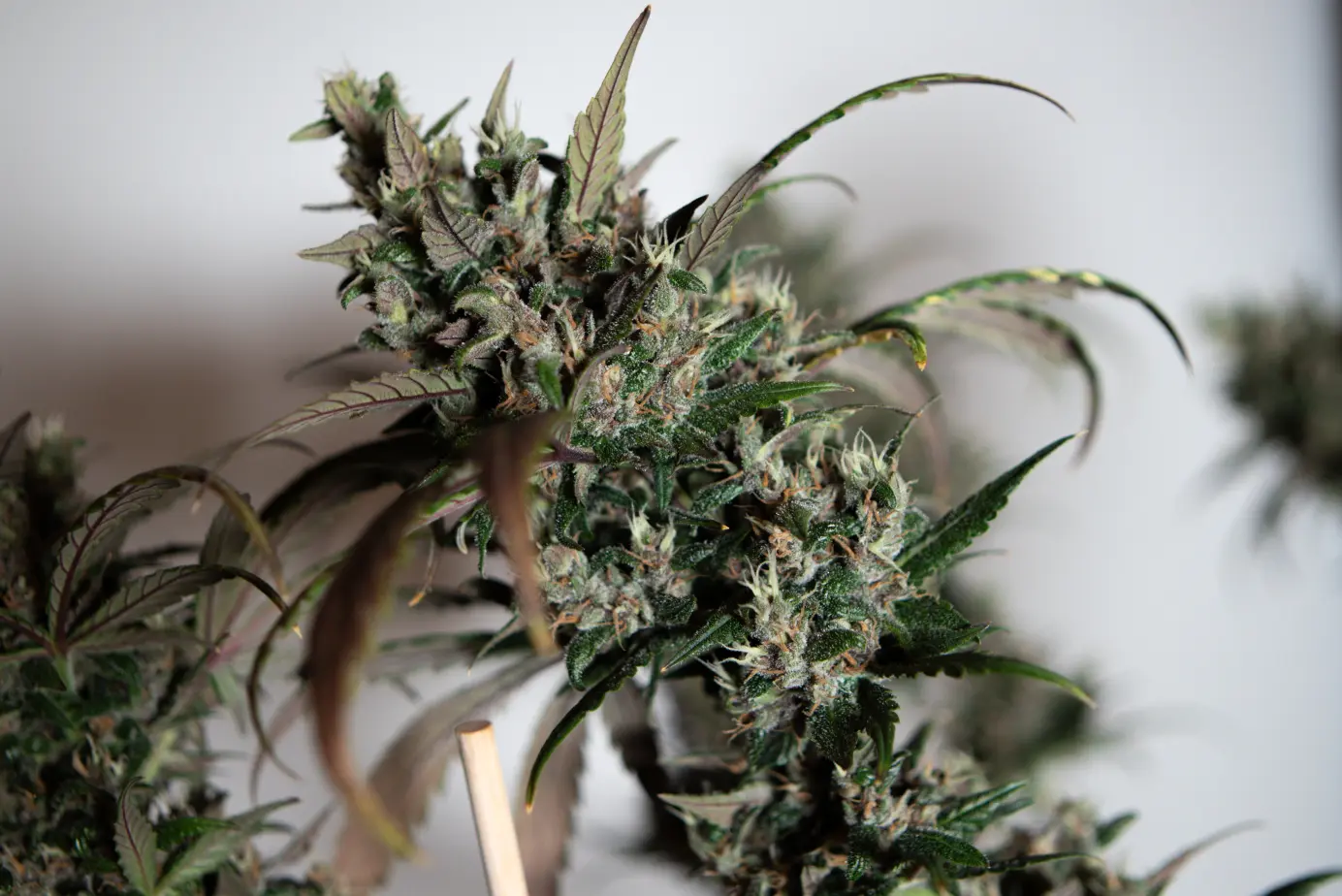
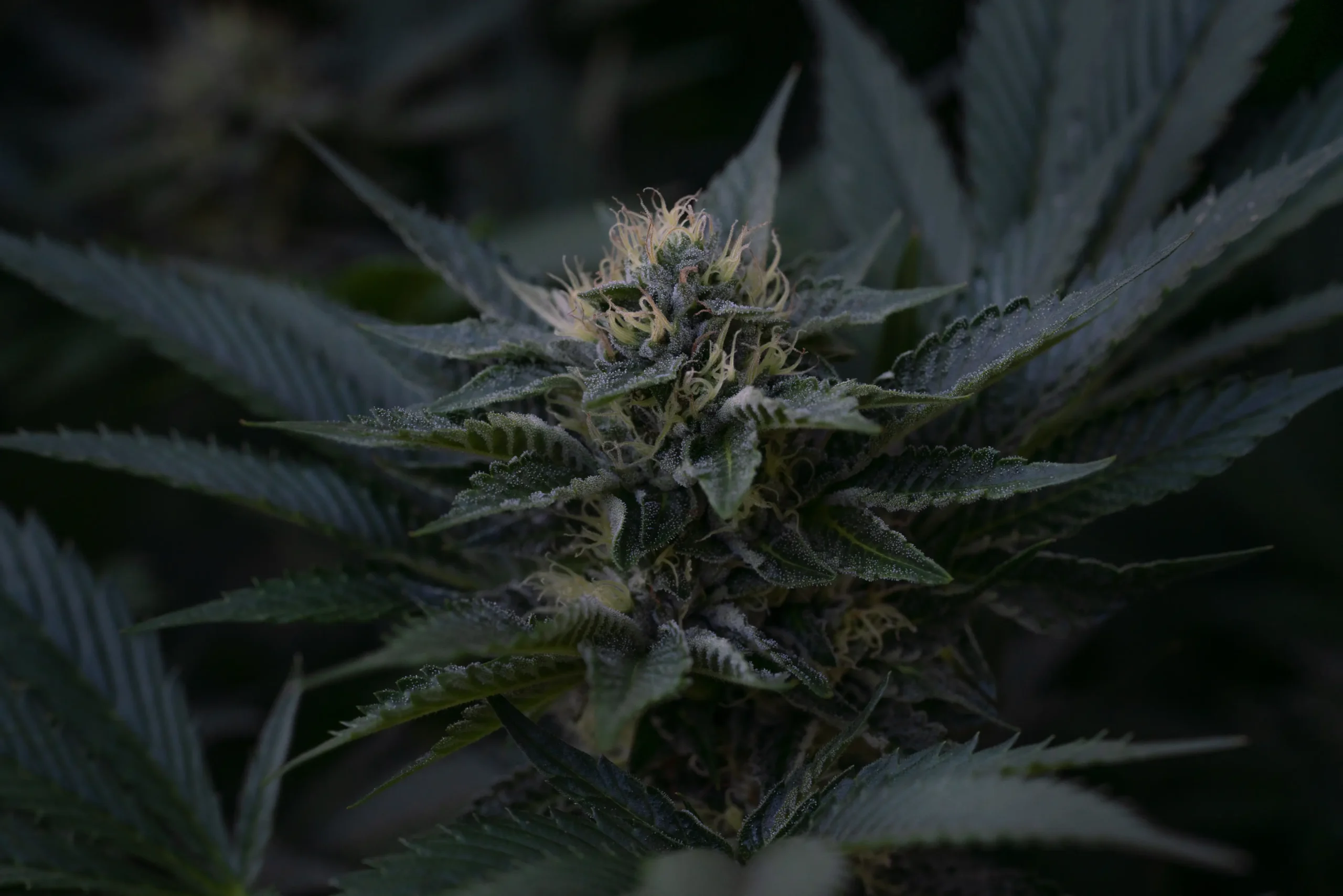
In the contemporary realm of high-potency exotic cannabis breeding, few modern cultivars command the reverence, awe, and horticultural curiosity generated by Blackberry Moonrocks. Renowned across commercial breeding circuits and elite private collector vaults as one of the most chemically concentrated cultivars ever stabilized, Blackberry Moonrocks represents a masterclass in modern resin production. Developed through a meticulous cross of Blue Moonrock and Blackberry Kush, this indica-dominant hybrid regularly registers cannabinoid concentrations exceeding thirty-two percent total active cannabinoids. It displays an astonishing glandular coverage where dense, spherical calyx clusters appear literally dipped in liquefied diamonds and coated in sparkling silver crystalline resin heads.
From a sensory perspective, Blackberry Moonrocks provides an unforgettable olfactory and gustatory journey through deep, opulent fruit orchards and pungent organic fuel reserves. Breaking apart a cured flower liberates an intoxicating fragrance characterized by fermented wild blackberries, sweet blueberry syrup, candied elderberries, dried lavender blossoms, crushed black peppercorns, rich loamy forest earth, and sharp, pungent diesel fuel. When combusted or vaporized at low temperatures, the smoke coats the palate in velvety, sugary berry nectar followed by a deeply grounding, skunky herbal finish that lingers on the tongue long after exhalation.
Agronomically, Blackberry Moonrocks exhibits a classic, sturdy indica architecture characterized by thick, fibrous main stalks, short internodal tiers, and broad, dark forest-green fan leaves. When triggered into a generative twelve-hour photoperiod, plants demonstrate a controlled vertical stretch of seventy to ninety percent, making canopy management predictable and efficient. However, cultivating Blackberry Moonrocks to its absolute genetic zenith demands precision environmental steering, vigilant humidity management, and sophisticated curing protocols. The exceptional floral density of its finished buds presents severe vulnerability to internal botrytis if canopy microclimates are neglected during late bloom. This comprehensive technical cultivation guide details the genetic pedigree, phenotype selection parameters, crop steering parameters, nutrient requirements, and post-harvest drying science required to cultivate Blackberry Moonrocks to connoisseur standards.
Cultivar Quick Overview: Blackberry Moonrocks
Pedigree: Blue Moonrock x Blackberry Kush | Classification: Indica-Dominant Hybrid (80% Indica / 20% Sativa)
Average THC: 28% to 33% | Total Terpenes: 2.8% to 3.8% | Bloom Cycle: 56 to 63 Days (8 to 9 Weeks)
Aroma Spectrum: Wild blackberries, blueberry syrup, lavender blossoms, rich loamy earth, sharp chemical fuel.
Canopy Challenge: Dense, rock-hard bud morphology requires aggressive late-bloom humidity suppression (42% to 46% RH) and active lower canopy defoliation to eliminate botrytis risk.
Strain Features
Blackberry Moonrocks occupies an elite tier of botanical performance, pairing staggering laboratory-verified potency with an unforgettable anthocyanin-rich dark purple bag appeal. The comprehensive table below provides commercial cultivators and analytical laboratories with verified physical, chemical, and agronomic benchmarks for authentic cuts.
| Horticultural Benchmark | Agronomic Specification | Analytical Laboratory Target |
|---|---|---|
| Genotypic Pedigree | Blue Moonrock (Blueberry x Moonwalk) x Blackberry Kush (Afghani x Blackberry) | Stabilized indica-dominant heirloom hybrid |
| Taxonomic Morphology | Compact, squat indica bush with thick lateral branching | Internodal spacing: 3.5 to 5.0 centimeters |
| Active Cannabinoid Window | 28.0% to 33.5% Total Cannabinoids | Delta-9-THC: 27.5% to 32.0%, CBG: 0.8% to 1.6%, CBN: 0.2% |
| Generative Bloom Duration | 56 to 63 Days (8 to 9 Weeks) | Commercial harvest window: Day 58 to Day 61 |
| Vegetative Stretch Index | 70% to 90% vertical elongation after 12/12 photoperiod transition | Manageable single-tier trellis or scrog application |
| Terpene Density & Composition | 2.8% to 3.8% Total Terpenes (dry weight) | Dominant: Beta-Myrcene, Beta-Caryophyllene, Linalool, Alpha-Pinene |
| Commercial Indoor Yield | 450 to 550 grams per square meter (g/m2) | High density floral clusters with minimal trim waste |
| Anthocyanin Trigger Threshold | Night temperatures maintained below 18.5 degrees Celsius (65 F) | Intense royal purple, indigo, and black calyx pigmentation |
| Optimal Canopy PPFD Range | 900 to 1,150 micromoles per square meter per second (umol/m2/s) | Supplemental CO2 recommended at 1,100 to 1,350 ppm |
| Optimal Vapor Pressure Deficit | Vegetative: 0.85 to 1.1 kPa | Mid Bloom: 1.25 to 1.45 kPa | Late Bloom: 1.55 to 1.70 kPa | Prevents stagnant boundary layers in dense colas |
Genetic Lineage & Breeding History
To understand the immense potency, chemical complexity, and striking pigmentation of Blackberry Moonrocks, one must analyze the storied heritage of its two foundational parent strains: Blue Moonrock and Blackberry Kush. Each parent contributes distinct, time-tested genetic adaptations that coalesce into an extraordinarily resilient, high-output cultivar.
Blue Moonrock, the maternal donor in this elite cross, is itself an extraordinary hybrid born from crossing the legendary Oregon Blueberry line with Moonwalk. Blue Moonrock was bred specifically to maximize glandular trichome cap head diameter and cannabinoid production. From its Blueberry ancestor, Blue Moonrock inherited sweet, confectionary fruit esters, rich fructose tones, and cold-induced anthocyanin synthesis pathways. From Moonwalk, it acquired an ultra-dense floral bract architecture and an unparalleled density of glandular stalked trichomes that literally coat floral bracts, petioles, and surrounding sugar leaves. Blue Moonrock passed down the sheer chemical horsepower that allows Blackberry Moonrocks to routinely break through the thirty percent THC threshold.
Blackberry Kush, the paternal pollen contributor, brings legendary heritage genetics rooted in pure ancient landrace botany. A direct cross between a vintage clone-only Blackberry cut and a dark, hash-making pure Afghani indica, Blackberry Kush is celebrated across global cannabis culture for its earthy, diesel-fuel musk, heavy resin viscosity, and profound body stone. The Afghani landrace genetics endow Blackberry Moonrocks with thick, sturdy vascular stalks capable of supporting dense colas without buckling, wide root systems with aggressive cation exchange capacity, and pronounced resistance to mechanical environmental stress. Furthermore, Blackberry Kush contributes high concentrations of beta-caryophyllene and linalool, creating the complex, relaxing entourage effect that distinguishes authentic Blackberry Moonrocks from modern, one-dimensional dessert strains.
When master breeders stabilized this cross, the primary selection criteria centered on finding a phenotype that preserved the astonishing cannabinoid output of Blue Moonrock while capturing the dark blackberry and petrol aroma of Blackberry Kush. The resulting elite clone, popularized globally as Blackberry Moonrocks, stands as a testament to disciplined, multi-generational genetic selection, offering commercial growers a true powerhouse that excels in jar appeal, lab analytics, and solventless extraction performance.
Core Phenotypes & Selection Criteria
Commercial facility operators and pheno-hunting teams working with Blackberry Moonrocks seeds or tissue-culture clones will encounter two primary phenotypic variations: the Midnight Purple Phenotype and the Frosted Fuel Phenotype. Both cuts exhibit exceptional commercial viability, yet each possesses distinct agronomic traits that cater to specific operational goals.
The Midnight Purple Phenotype is the most visually spectacular and widely sought-after cut, representing approximately 65% of seed populations. In vegetative growth, this cut exhibits broad, waxy fan leaves with deep emerald pigmentation that develop purple venation along petioles as early as week four of veg. During generative bloom, upon introducing a night temperature differential of six to eight degrees Celsius, the calyxes, floral bracts, and sugar leaves transform into a breathtaking tapestry of dark violet, royal purple, and near-black hues. The floral clusters develop into rock-hard, spherical nuggets with an extraordinarily tight calyx-to-leaf ratio. Aromatically, this phenotype leans heavily into sweet wild blackberry preserves, blueberry syrup, and delicate lavender blossoms. Cultivators selecting for premium dry flower jar appeal should prioritize this phenotype.
The Frosted Fuel Phenotype emerges in roughly 35% of selections and reflects a stronger expression of the Afghani and Moonwalk ancestral lineages. This cut displays a slightly lighter olive-green base coloration with subtle lavender streaks confined primarily to inner calyx margins. However, what it concedes in dark pigmentation, it compensates for with staggering resin production and aggressive diesel fuel aromatics. Glandular trichome coverage on this cut is so dense that floral clusters appear coated in white powdered sugar. The terpene profile is dominated by sharp, chemical fuel, pungent crushed black pepper, and earthy damp soil, layered over a tart dark-berry foundation. Analytical tests on the Frosted Fuel cut consistently reveal the highest THC readings (often 32% to 33.5%) and exceptional solventless hash washing yields. Extraction facilities prioritizing live rosin grams per square foot should select this cut.
Effect Breakdown & Pharmacodynamics
The physiological, cerebral, and somatic effects induced by Blackberry Moonrocks are swift, profound, and exceptionally long-lasting. Due to its staggering concentration of delta-9-tetrahydrocannabinol coupled with high levels of myrcene and beta-caryophyllene, Blackberry Moonrocks delivers an experience that commands respect from even the most seasoned cannabis connoisseurs.
Upon initial inhalation, users experience an immediate, warm cerebral surge characterized by euphoric cognitive decompression. Everyday stress, mental fatigue, and repetitive racing thoughts dissipate rapidly, replaced by a dreamy, contemplative state of sensory calm. Unlike racy, energizing sativas that can trigger rapid heart rates or anxiety in sensitive individuals, Blackberry Moonrocks induces an expansive, comforting mental quietude. Colors appear richer, ambient sound softens, and a gentle euphoria settles over the mind.
Within twenty to thirty minutes, the heavy indica pharmacodynamics take full command of the somatic system. A heavy, warming wave of physical relaxation descends from the neck and shoulders down through the spine and extremities. Muscular tension melts away, joint discomfort is profoundly alleviated, and an irresistible sense of physical gravity anchors the body to the furniture. In higher doses, Blackberry Moonrocks induces deep, narcotic sedation, making it an extraordinary choice for evening wind-down routines or individuals suffering from persistent sleep disruption. The duration of active effects frequently extends beyond three to four hours, concluding in a restful, restorative slumber.
Flavor & Aroma Bouquet
The sensory complexity of Blackberry Moonrocks is one of its most defining attributes, distinguishing it as a true connoisseur cultivar. Its rich terpene and volatile thiol profile creates a dynamic, layered aromatic journey that evolves dramatically from the live growing plant to the cured jar and final combustion.
During the flowering cycle, living plants in the cultivation room emit a rich, syrupy aroma of ripening dark berries, sweet concord grape juice, and floral lavender. As flowers reach peak ripeness during weeks seven and eight, the aroma deepens, taking on pungent, skunky diesel notes and earthy wet cedar undertones that can easily overpower carbon filtration systems if airflow is inadequate.
Once properly dried and cured at 60 degrees Fahrenheit and 60% relative humidity, opening a jar of Blackberry Moonrocks releases an intense olfactory bouquet. The initial nose hits with concentrated blackberry jam, tart wild raspberries, and sweet blueberry preserves. As the flower is ground, deep secondary notes emerge: sharp kerosene fuel, freshly cracked black pepper, damp forest humus, and exotic floral musk. Inhalation delivers sweet, velvety berry pastry on the palate, while the exhalation reveals earthy pine, pungent diesel, and lingering herbal spice that leaves a luxurious sweet aftertaste.
Dominant Terpenes & Entourage Chemistry
Analytical chromatography profiles of Blackberry Moonrocks reveal a rich, synergistic terpene matrix that serves as the biochemical engine behind its unique therapeutic properties and complex flavor profile. Total terpene content typically ranges between 2.8% and 3.8% of dry flower weight.
Beta-Myrcene (0.85% to 1.15%) represents the primary dominant terpene in authentic cuts. Known for its earthy, herbal, and musky fragrance with subtle fruit notes, myrcene plays a critical role in enhancing cannabinoid pharmacodynamics. By modulating blood-brain barrier permeability, myrcene accelerates the uptake of THC into central nervous system receptors, contributing significantly to the heavy, sedating body melt characteristic of the cultivar.
Beta-Caryophyllene (0.55% to 0.75%) is the secondary dominant constituent, providing sharp cracked pepper, woody spice, and rich diesel undertones. Beta-caryophyllene is unique among terpenes as it functions directly as a dietary cannabinoid, selectively binding to peripheral CB2 receptors throughout the human immune and endocannabinoid systems. This mechanism provides potent systemic anti-inflammatory and pain-relieving relief without triggering psychotropic effects.
Linalool (0.35% to 0.48%) contributes the delicate, sweet lavender and floral spice notes that elevate the bouquet. Linalool acts synergistically with GABA receptors in the central nervous system, imparting powerful anxiolytic, anticonvulsant, and muscle-relaxing properties. Alpha-Pinene (0.22% to 0.32%) introduces crisp pine needles and fresh forest air, acting as a natural bronchodilator and mild acetylcholinesterase inhibitor that helps preserve cognitive clarity during the initial onset. Finally, Alpha-Humulene (0.15% to 0.22%) adds dry woody earthiness and acts as a natural appetite suppressant and anti-inflammatory agent.
Indoor vs Outdoor Cultivation Dynamics
Blackberry Moonrocks can be successfully cultivated in both controlled indoor environments and sun-drenched outdoor farm plots, yet each setting presents distinct operational challenges and agronomic trade-offs that commercial cultivators must anticipate.
Indoor cultivation represents the gold standard for producing connoisseur-grade Blackberry Moonrocks flower. In an indoor sealed environment, cultivators have absolute control over atmospheric temperature, vapor pressure deficit, supplemental carbon dioxide, and high-intensity LED lighting. This granular control allows growers to safely drive extreme floral density while completely mitigating botrytis risk through automated dehumidification and continuous microclimate air movement. Furthermore, indoor growers can easily induce the six to eight degree night-temperature drop required to trigger maximum purple and black anthocyanin pigmentation without exposing plants to outdoor humidity spikes or morning dew.
Outdoor cultivation of Blackberry Moonrocks is best suited for warm, arid Mediterranean or semi-arid climates such as Southern California, Southern Oregon, or the Mediterranean basin. When grown in native soil amended with rich organic compost, outdoor plants develop into broad, robust bushes yielding upwards of 600 to 800 grams per plant. Natural full-spectrum solar radiation and ultraviolet light stimulate extraordinary terpene synthesis and thick cuticle wax layers. However, outdoor growers in humid, temperate, or rainy autumn climates must exercise extreme caution. Because Blackberry Moonrocks forms rock-solid, golf-ball calyx clusters with minimal internal air penetration, autumn rains or dense morning fog during late September and early October pose a severe threat of internal bud rot (Botrytis cinerea). Outdoor crops must be harvested promptly or grown under protective hoop houses with active ridge ventilation.
Strain-Specific Grow Guidance
Cultivating Blackberry Moonrocks successfully requires adjusting standard horticultural practices to accommodate its dense indica growth habits, moderate vegetative stretch, and heavy nutrient demands during generative bulking.
In vegetative development, Blackberry Moonrocks grows at a steady, moderate pace, developing compact internodes and wide, light-blocking shade leaves. Cultivators should top plants once or twice above the fourth or fifth node to break apical dominance and encourage four to six primary lateral leads. Due to its short internodal spacing, proactive low-stress training (LST) and gentle horizontal branch spreading are critical to allow light penetration into the inner canopy. Installing a single layer of supportive trellis netting during late veg allows cultivators to weave branches horizontally, establishing an even, uniform canopy before transitioning to bloom.
Defoliation is an essential cultural practice when managing Blackberry Moonrocks. A comprehensive lower-canopy lollipop and inner-leaf defoliation should be conducted on Day 21 of flowering, right as the initial stretch concludes. Strip away the bottom third of the plant, removing spindly undergrowth, non-productive bud sites, and large water leaves that shade developing colas. A secondary, light defoliation on Day 42 helps clear out newly formed interior leaves, ensuring unrestricted air circulation through the swelling flower clusters and exposing lower bracts to direct photon flux.
Crop Steering & Irrigation Matrix
Precision crop steering provides commercial facility operators with the scientific methodology required to manipulate root-zone water content, electrical conductivity (EC), and dryback percentages to systematically direct Blackberry Moonrocks toward maximum floral biomass and trichome synthesis.
During the vegetative establishment and early photoperiod transition phase (weeks one through three of 12/12), apply generative crop steering protocols to restrain vertical elongation and force rapid floral cluster initiation. Delay the initial irrigation event of the morning until two to 2.5 hours after lights-on. Deliver small irrigation pulses (three to four percent of substrate volume per shot) with feed EC calibrated between 2.4 and 2.8 mS/cm. Allow substantial overnight drybacks of 45% to 50% of the substrate maximum water holding capacity. This controlled osmotic stress directs plant energy toward vascular stem thickening, short internodal tiers, and tight floral stacking rather than runaway stem stretch.
| Crop Steering Phase | Target Volumetric Water Content (VWC) | Substrate Pore Water EC Target | Daily Overnight Dryback % | Irrigation Shot Strategy |
|---|---|---|---|---|
| Vegetative Ramp-Up (Weeks 1-3) | P1: 55% to 65% Saturation | P2: Maintain 60% | 2.0 to 2.4 mS/cm | 35% to 40% Dryback | Generative morning delay (2 hrs post lights-on), 4-6 shots at 3% volume |
| Stretch & Floral Induction (Weeks 1-3 Bloom) | P1: 50% to 58% Saturation | P2: Maintain 55% | 2.6 to 3.2 mS/cm | 45% to 50% Dryback | Strict generative steering, small frequent pulses, 10% to 15% runoff |
| Floral Bulking (Weeks 4-7 Bloom) | P1: 65% to 75% Saturation | P2: Maintain 70% | 2.2 to 2.6 mS/cm | 25% to 30% Dryback | Vegetative steering, early P1 start (1 hr post lights-on), 8-12 shots, 20% runoff |
| Late Ripening & Finish (Weeks 8-9 Bloom) | P1: 45% to 52% Saturation | P2: Maintain 48% | 1.4 to 1.8 mS/cm | 40% to 45% Dryback | Generative dryback taper, reduced nutrient input, clean white ash flush |
From week four through week seven (the active bulking window), shift the irrigation steering protocol toward a vegetative profile to maximize flower biomass and calyx expansion. Initiate irrigation approximately 1.5 hours after lights-on and deliver frequent, consistent pulses to maintain high substrate saturation throughout the photoperiod. Target smaller overnight drybacks of 25% to 30%, keeping feed EC around 2.2 to 2.5 mS/cm. This constant hydraulic pressure drives rapid cell division within developing calyxes, swelling floral clusters into dense moonrock nuggets.
Precision crop steering allows commercial growers to manipulate substrate water content, electrical conductivity (EC), and dryback percentages to guide Blackberry Moonrocks through vegetative establishment and generative floral swelling.
During the transition and stretch phase (weeks one through three of 12/12), apply generative crop steering protocols to restrain vertical elongation and force rapid floral site initiation. Delay the first irrigation event of the day until two to 2.5 hours after lights-on. Deliver small irrigation pulses (three to four percent of substrate volume) with feed EC set to 2.4 to 2.8 mS/cm. Allow substantial overnight drybacks of 45% to 50% of the substrate maximum water holding capacity. This osmotic tension directs plant energy toward thick stem formation and tight floral stacking.
Technical Grower Question: Rootzone EC Spike Management
Grower Question: In week six of flowering with Blackberry Moonrocks in coco-perlite, my runoff EC suddenly spiked to 4.2 mS/cm while input EC was 2.4 mS/cm, and leaf tips started showing slight chlorotic burn. How should I adjust my irrigation to protect trichome development without shocking the rootzone?
Agronomic Solution: When rootzone EC spikes significantly above feed EC in late bloom, it indicates that transpiration is outstripping water uptake, causing mineral salts to concentrate in the substrate pore water. Immediately drop input feed EC to 1.8 mS/cm and increase your total irrigation volume by 20% to achieve 25% runoff on the first two morning shots. Do not flush with pure zero-EC water, as this causes catastrophic osmotic shock and calyx swelling stalls. Maintain a steady 1.8 EC feed with balanced calcium and magnesium until leachate EC drops below 2.8 mS/cm, then resume standard bulking feeds.
From week four through week seven (the bulking phase), shift toward vegetative irrigation steering to maximize flower biomass. Initiate irrigation 1.5 hours after lights-on and deliver frequent, consistent pulses to maintain high substrate saturation. Target smaller overnight drybacks of 25% to 30%, keeping feed EC around 2.2 to 2.5 mS/cm. In weeks eight and nine (ripening and finish), return to generative steering with 40% drybacks and gradually taper nutrient inputs down to 1.2 to 1.4 mS/cm to encourage the plant to metabolize residual starches and mobilize stored nutrients, resulting in clean, white-burning ash and pure flavor expression.
Living Soil, Organics & Secondary Metabolites
While Blackberry Moonrocks performs with extreme vigor in automated coco-coir systems, cultivating this cultivar in biologically active living soil beds unlocks an extraordinary, deep terpene profile characterized by complex fermented berry esters and rich forest earth tones.
Establishing an active living soil ecosystem begins with a well-aerated base rich in quality worm castings, aged compost, coarse pumice, and sphagnum peat moss. Inoculating the rhizosphere with beneficial mycorrhizal fungi (Glomus intraradices) and plant growth-promoting rhizobacteria (Bacillus subtilis and Bacillus amyloliquefaciens) creates a symbiotic subterranean network that facilitates the solubilization and uptake of immobile phosphorus, iron, and trace micronutrients critical for glandular trichome synthesis.
Throughout the generative cycle, organic cultivators should top-dress living soil beds with nutrient-dense amendments at Day 14 and Day 35 of bloom. A balanced top-dress formulation of fish bone meal, micronized soft rock phosphate, kelp meal, volcanic basalt rock dust, and langbeinite provides slow-release potassium, sulfur, and magnesium without introducing harsh mineral salts. Supplementing with aerated compost teas brewed with forest humus, organic blackstrap molasses, and humic acid supplies a massive influx of beneficial microorganisms that break down organic matter into readily absorbable bio-compounds, maximizing secondary metabolite synthesis and anthocyanin depth.
Lighting Spectrum, DLI & Photobiology
Blackberry Moonrocks is a high-light-tolerant cultivar that thrives under intensive horticultural lighting, capable of converting high photon densities into dense cannabinoid and terpene reserves when environmental carbon dioxide is supplemented appropriately.
During vegetative growth, maintain photosynthetic photon flux density (PPFD) between 450 and 650 umol/m2/s, providing a Daily Light Integral (DLI) of 30 to 42 mol/m2/day under an 18/6 photoperiod. This promotes tight internodal spacing and thick leaf cuticles without inducing photo-oxidative stress. As plants enter generative bloom, gradually elevate PPFD levels to 850 to 1,000 umol/m2/s during weeks two through six. In commercial facilities equipped with sealed climate systems and supplemental CO2 maintained at 1,100 to 1,350 ppm, PPFD can be safely pushed to 1,150 umol/m2/s, driving photosynthetic efficiency and flower expansion to maximum potential.
The photobiological interaction between red, far-red, and blue wavelengths plays a foundational role in managing Blackberry Moonrocks morphology. During the initial stretch, maintaining an elevated blue ratio (450 nm) helps suppress excessive stem elongation by maintaining cryptochrome receptor activity. Once the canopy is set at week four, increasing the ratio of 660 nm deep-red photons stimulates photosystem II and photosystem I cooperation, maximizing daily net photosynthetic assimilation.
In the final fourteen days of bloom, supplemental ultraviolet radiation (UV-A at 385 nm and UV-B at 310 nm) applied in controlled two-hour midday windows triggers protective secondary metabolic pathways. The plant responds to ultraviolet photons by synthesizing sunscreen compounds, specifically phenolic flavonoids and glandular cannabinoid acids. This biological defense response visibly enlarges glandular trichome cap diameters and increases delta-9-THC concentrations by up to 1.5 percentage points.
Blackberry Moonrocks is a high-light-tolerant cultivar that thrives under intensive horticultural lighting, capable of converting high photon densities into dense cannabinoid and terpene reserves when environmental carbon dioxide is supplemented appropriately.
During vegetative growth, maintain photosynthetic photon flux density (PPFD) between 450 and 650 umol/m2/s, providing a Daily Light Integral (DLI) of 30 to 42 mol/m2/day under an 18/6 photoperiod. This promotes tight internodal spacing and thick leaf cuticles without inducing photo-oxidative stress. As plants enter generative bloom, gradually elevate PPFD levels to 850 to 1,000 umol/m2/s during weeks two through six. In commercial facilities equipped with sealed climate systems and supplemental CO2 maintained at 1,100 to 1,350 ppm, PPFD can be safely pushed to 1,150 umol/m2/s, driving photosynthetic efficiency and flower expansion to maximum potential.
Spectral composition plays a pivotal role in optimizing Blackberry Moonrocks morphology and chemical expression. Utilizing broad-spectrum white LED fixtures with a robust red-to-far-red ratio (660 nm deep red) enhances the Emerson effect, stimulating rapid floral biomass accumulation. In late bloom (weeks seven and eight), supplementing with ultraviolet radiation (UV-A and UV-B) in controlled two-hour midday pulses stimulates plant defense mechanisms, triggering glandular trichome head enlargement and upregulating cannabinoid synthesis as natural UV protection.
Mineral Nutrition & Deficiency Management
Blackberry Moonrocks displays a robust appetite for balanced macro and micro-nutrients during generative flowering, with specific physiological demands that cultivators must monitor closely to prevent common nutritional deficiencies.
Calcium and magnesium demands are notably pronounced in Blackberry Moonrocks, especially when cultivated under high-intensity LED lighting fixtures. Magnesium is the central metallic ion in the chlorophyll molecule and acts as an essential cofactor for enzymes involved in phosphorus transport. If magnesium availability drops below 60 ppm in the feed solution, plants will quickly display interveinal chlorosis on lower and mid-canopy leaves around week four of bloom. Similarly, calcium is vital for cellular membrane integrity and cell wall rigidity. Ensure a consistent calcium input of 140 to 160 ppm throughout vegetative and flowering stages to support dense floral cell expansion and prevent tissue collapse.
Phosphorus and potassium steering must be managed with precision during the mid-bloom bulking phase. While Blackberry Moonrocks welcomes elevated PK ratios during weeks four through six, excessive phosphorus applications can lock out iron, zinc, and copper, leading to leaf tip necrosis and stunted resin production. Nitrogen inputs must be significantly reduced after week five of bloom. Continuing high nitrogen feeds late into flowering delays calyx ripening, hinders anthocyanin development, and leaves harsh vegetative chlorophyll residues in cured buds.
Integrated Pest & Pathogen Management
Due to its extraordinarily dense, golf-ball floral structure, Blackberry Moonrocks requires an aggressive, proactive Integrated Pest Management (IPM) strategy that prioritizes cultural, biological, and environmental controls.
Botrytis cinerea (gray mold) represents the single greatest pathogen risk for Blackberry Moonrocks. The cultivar produces flowers so tightly packed that internal moisture trapped within the core of developing colas cannot escape if ambient humidity exceeds safe thresholds. Commercial cultivators must enforce a strict late-bloom environmental protocol: keep relative humidity between 42% and 46%, maintain vapor pressure deficit between 1.55 and 1.70 kPa, and ensure continuous, gentle oscillating airflow beneath and through the canopy. Night temperatures must never be allowed to drop rapidly while humidity is high, as this causes dew point condensation directly on cold floral tissue, creating the exact moisture trigger required for fungal spore germination.
For insect pest management, preventive bio-controls should be established during vegetative growth. Introduce beneficial predatory mites such as Amblyseius swirskii and Neoseiulus californicus to suppress two-spotted spider mites and thrips before flowers begin to form. Foliar applications of biological fungicides such as Bacillus amyloliquefaciens or Reynoutria sachalinensis extract during vegetative growth and early stretch help prime the plant systemic acquired resistance (SAR) against powdery mildew. No foliar sprays of any kind should be applied after week three of flowering to protect trichome integrity and ensure zero chemical residues.
Solventless Hash & Live Rosin Extraction
Blackberry Moonrocks has earned widespread acclaim among craft solventless extractors, hash makers, and rosin connoisseurs due to its remarkable trichome head morphology and high resin gland yield.
Microscopic evaluation of Blackberry Moonrocks flowers reveals an abundance of large, bulbous glandular stalked trichomes, with head diameters predominantly measuring between 90 and 120 microns. The trichome stalks are relatively brittle at freezing temperatures, allowing the resin heads to detach cleanly from plant tissue during ice water agitation without excessive plant cell rupture. When washing whole-plant fresh frozen (WPFF) material harvested at peak trichome cloudiness, Blackberry Moonrocks routinely delivers fresh-frozen wash yields between 4.2% and 5.2%.
| Extraction Phase | Operating Parameter | Connoisseur Live Rosin Specification |
|---|---|---|
| Harvest to Freezing | Whole Plant Fresh Frozen (WPFF) | Harvest in dark, buck directly into food-grade bags, freeze within 45 minutes at -20 C |
| Ice Water Wash Cycle | Wash Duration & Water Temp | Four washes (3, 6, 9, 12 minutes) at 0.5 to 1.5 degrees Celsius in RO ice bath |
| Micron Sieve Isolation | Target Trichome Fraction | Primary melt: 73u to 119u | Food/edible grade: 45u and 160u |
| Freeze Drying Profile | Sublimation & Shelf Temp | Shelf temp: 7.5 degrees Celsius (45 F) | Cycle duration: 18 to 22 hours at 120 mTorr vacuum |
| Rosin Pressing Parameters | Platen Temp & Pressure | 74 to 79 degrees Celsius (165 to 175 F) | 25-micron double bag | 600 to 750 psi platen pressure |
| Cold Cure Stabilization | Post-Press Maturation | Airtight glass jar at 12 to 14 degrees Celsius (54 to 57 F) for 14 days, resulting in wet badder consistency |
When pressing the harvested bubble hash into live hash rosin, optimal temperatures range between 72 and 80 degrees Celsius (162 to 176 degrees Fahrenheit) through 25-micron filtration sleeves. The resulting cold-cured rosin displays a luxurious, wet, badder-like consistency with an exquisite pale lavender to golden butter hue. The terpene retention is extraordinary, capturing the intense, mouth-coating aroma of wild blackberry pie, sweet blueberry jam, and pungent diesel fuel that sets solventless competition standards.
Blackberry Moonrocks has earned widespread acclaim among craft solventless extractors, hash makers, and rosin connoisseurs due to its remarkable trichome head morphology and high resin gland yield.
Microscopic evaluation of Blackberry Moonrocks flowers reveals an abundance of large, bulbous glandular stalked trichomes, with head diameters predominantly measuring between 90 and 120 microns. The trichome stalks are relatively brittle at freezing temperatures, allowing the resin heads to detach cleanly from plant tissue during ice water agitation without excessive plant cell rupture. When washing whole-plant fresh frozen (WPFF) material harvested at peak trichome cloudiness, Blackberry Moonrocks routinely delivers fresh-frozen wash yields between 4.2% and 5.2%.
When pressing the harvested bubble hash into live hash rosin, optimal temperatures range between 72 and 80 degrees Celsius (162 to 176 degrees Fahrenheit) through 25-micron filtration sleeves. The resulting cold-cured rosin displays a luxurious, wet, badder-like consistency with an exquisite pale lavender to golden butter hue. The terpene retention is extraordinary, capturing the intense, mouth-coating aroma of wild blackberry pie, sweet blueberry jam, and pungent diesel fuel that sets solventless competition standards.
Harvest Timing, Drying & Curing Science
The post-harvest phase is where the exceptional chemical potential of Blackberry Moonrocks is either preserved or permanently degraded. Executing a scientific, controlled dry and cure is paramount to preserving volatile monoterpenes and achieving smooth, clean combustion.
Determining the optimal harvest window requires daily trichome inspection under a 60x jeweler loupe or digital microscope. Commercial growers should avoid harvesting based solely on pistil color or calendar days. The ideal harvest window for Blackberry Moonrocks occurs when 85% to 90% of glandular trichome heads have transitioned from clear to fully milky white, with approximately 8% to 12% turning amber. Harvesting at this exact ratio captures peak delta-9-THC concentration and full terpene expression while providing the deep, relaxing somatic body stone intended by the breeders.
Harvested whole plants should be hung in a dedicated dark drying room maintained under strict 60/60 parameters: 15.5 degrees Celsius (60 degrees Fahrenheit) and 60% relative humidity, accompanied by gentle, indirect air circulation. This slow drying process should take between 12 and 16 days. As moisture gently wicks from internal stems toward the outer bracts, vegetative chlorophyll and starches break down naturally into simple sugars without boiling off delicate monoterpenes such as myrcene and pinene. Once small branches snap cleanly rather than bend, flower is meticulously dry-trimmed and placed into airtight glass jars or food-grade curing vessels, burped periodically until internal water activity stabilizes precisely at 0.58 to 0.62 aw.
Weedth Bud Flavor Tips
Maximizing the decadent dark berry and fuel flavor profile of Blackberry Moonrocks requires deliberate agronomic steering during the final fourteen days of generative flowering. Follow these field-tested techniques to elevate flavor expression to connoisseur standards.
First, reduce rhizosphere electrical conductivity gradually starting on Day 49 of bloom. Rather than administering a harsh zero-EC pure water flush that can shock the rootzone and induce premature cell senescence, taper nutrient feeds down to 1.2 to 1.4 mS/cm using clean, dechlorinated water supplemented with organic humic and fulvic acids. This stimulates the plant to mobilize and metabolize internal nutrient reserves and excess mineral salts, eliminating bitter, metallic tastes from the finished smoke.
Second, implement a strategic late-bloom rootzone drydown and light intensity taper during the final 72 hours before harvest. Reducing day temperatures to 21 degrees Celsius and lowering LED light intensity by 30% prevents volatile terpene offgassing from upper floral bracts. Harvesting plants in the dark just before lights-on ensures that terpene concentrations are at their absolute circadian peak before photons begin warming the canopy.
Weedth Bud Boost Tips
Commercial cultivators seeking to maximize calyx swelling, floral density, and total cannabinoid concentration in Blackberry Moonrocks can employ targeted agronomic inputs and environmental optimization strategies.
During the critical bulking window between Day 28 and Day 45 of bloom, optimize the supply of bioavailable silica (orthosilicic acid) and trace sulfur. Silica strengthens cellular wall matrices, creating thick, rigid stems that transport water and minerals efficiently to developing colas while increasing pest resistance. Sulfur is an indispensable building block for amino acids and plays a vital role in terpene synthesis and resin gland accumulation.
Maintain a tight, consistent day-to-night vapor pressure deficit (VPD) profile. By keeping VPD steadily between 1.30 and 1.45 kPa during mid bloom, plants maintain continuous transpiration pull without experiencing stomatal closure from water stress. This steady transpiration ensures that calcium, magnesium, and potassium are delivered continuously to swelling floral bracts, resulting in dense, rock-solid moonrock buds that command top-dollar commercial valuation.
Grower Notes and Feedback
In my cultivation runs with Blackberry Moonrocks across multiple indoor cycles, several consistent agronomic patterns have emerged that dictate commercial success. The cultivar responds exceptionally well to early canopy spreading. If left untrained, it naturally develops a dominant central spear with compact lateral shoots. By topping early and weaving branches horizontally through a supportive trellis net during the first two weeks of 12/12, I achieved an extraordinarily uniform, multi-top canopy where every cola received direct photon flux.
The most critical observation from my grow room logs revolves around late-flower humidity and airflow management. Because Blackberry Moonrocks forms golf-ball calyx clusters with virtually zero internal air space, maintaining high air exchange beneath the canopy is essential. In my facility, I position supplemental under-canopy horizontal air movers blowing gently upwards through the foliage, which completely eliminates stagnant microclimates and micro-condensation on lower colas. When night temperatures are dropped to 17.5 degrees Celsius during the final ten days, the entire canopy turns a breathtaking, shimmering dark violet that looks astonishing in finished dispensary jars.
Post-harvest feedback from my testing panels consistently rates Blackberry Moonrocks as a top-tier night-time cultivar. The heavy myrcene and caryophyllene concentration delivers an unmistakably potent body melt that relaxes tense muscles within minutes of the first puff. Dispensary buyers consistently praise its exceptional jar appeal, noting that the combination of near-black calyxes, fiery amber hairs, and blinding trichome coverage makes it an instant top-shelf seller that moves off shelves faster than traditional green cultivars.
Weedth Editor’s Note
Cultivating Blackberry Moonrocks in my research facility has consistently proven to be one of the most rewarding and sensory-rich experiences in my commercial horticultural career. I run this cultivar in five-gallon aerated fabric containers filled with a high-porosity seventy-thirty coco coir and coarse perlite medium, integrated into an automated micro-drip fertigation system. In vegetative growth, the plants display vigorous root colonization and form stout, fibrous stalks with broad, waxy shade leaves. I top the plants once at node five and apply gentle low-stress training to spread the primary lateral branches outwards, establishing an even, sixteen-top canopy structure before initiating generative bloom.
When transitioning to the 12/12 photoperiod, Blackberry Moonrocks exhibits a very predictable and manageable seventy to eighty percent vertical stretch during the first twenty-one days. I apply strict generative steering during this phase, holding off the first irrigation shot until two hours after lights-on and targeting a forty-five percent dryback to promote tight internodal stacking. During peak bloom from week four to seven, I push feed EC to 2.4 mS/cm with balanced calcium, magnesium, and bioavailable silica under 1,050 micromoles of high-efficiency LED light with CO2 supplemented at 1,200 ppm. The floral bracts stack with incredible density, forming rock-hard, spherical nuggets completely frosted in thick resin glands.
As the plants enter late flowering from day 45 to day 60, the visual transformation is nothing short of breathtaking. I drop my night temperatures to 17 degrees Celsius while maintaining daytime temperatures at 23 degrees Celsius and driving relative humidity down to 44 percent. This cool night differential triggers intense anthocyanin accumulation, causing the dense calyxes to turn a rich, dark indigo and near-black shade. By day 59, the trichome heads are swollen, bulbous, and milky white, with roughly ten percent showing rich amber color, signaling that peak delta-9-THC and terpene content have been achieved.
Following a patient sixteen-day slow dry at 60 degrees Fahrenheit and 60 percent relative humidity, the cured flowers deliver an exquisite, mouth-watering smoke. The smoke coats the palate in sweet, candied wild blackberries, tart elderberry syrup, and pungent, chemical diesel fumes that linger long after exhaling. The only true drawback to cultivating Blackberry Moonrocks is its extreme floral density, which requires absolute discipline with late-flower dehumidification and aggressive lower canopy defoliation to eliminate botrytis risk. For serious craft cultivators seeking jaw-dropping jar appeal, staggering 32% THC potency, and unmatched bag appeal, Blackberry Moonrocks is an indispensable champion that belongs in every elite grow room.
Similar Strains
For cultivators and consumers who appreciate the intense dark berry aromatics, extraordinary cannabinoid potency, and heavy indica relaxation of Blackberry Moonrocks, several closely related cultivars offer comparable agronomic traits and sensory profiles.
| Cultivar Name | Genetic Pedigree | Shared Terpenes & Sensory Traits | Key Agronomic Distinction |
|---|---|---|---|
| Blackberry Kush | Afghani x Blackberry | Beta-Myrcene, Caryophyllene, rich wild berry, earthy loamy musk | Slightly lower THC (20% to 24%) with shorter stature and lighter floral yield |
| Blue Cheese | Blueberry x UK Cheese | Myrcene, Caryophyllene, sweet fruit jam, pungent savory fuel funk | More skunky, cheese-dominant terpene profile with greater vegetative stretch |
| Granddaddy Purple | Purple Urkle x Big Bud | Myrcene, Pinene, sweet concord grape, dark berry candy, deep sedation | Larger, oversized floral clusters with slightly higher leaf-to-calyx ratio |
| Slurricane | Do-Si-Dos x Purple Punch | Caryophyllene, Limonene, sweet sugary berries, creamy pastry, heavy couchlock | Higher limonene brightness with softer, more dessert-forward aroma bouquet |
Among these relatives, Blackberry Kush shares the direct paternal lineage, providing the authentic heritage earthy hash undertones that ground the strain. Granddaddy Purple offers similar dark purple pigmentation and heavy evening relaxation, while Slurricane provides a modern dessert twist with vibrant sugary berry notes. However, Blackberry Moonrocks stands alone in its sheer cannabinoid concentration, regularly surpassing thirty-two percent total active cannabinoids and producing an unparalleled density of glandular resin heads.
Cultivator FAQ & Troubleshooting
Q1: What causes Blackberry Moonrocks to develop its signature dark purple and black coloration?
The striking purple and near-black coloration of Blackberry Moonrocks is driven by high concentrations of water-soluble anthocyanin pigments stored within the plant vacuoles. While the genetic capacity for anthocyanin synthesis is inherited from its Blue Moonrock and Blackberry Kush parents, full visual expression is triggered by temperature differentials during late bloom. Dropping night temperatures to 16.5 to 18.5 degrees Celsius (62 to 65 F) during weeks seven and eight causes chlorophyll production to slow down, allowing the underlying purple, violet, and black anthocyanins to dominate the calyxes and sugar leaves.
Q2: How can I prevent internal bud rot (botrytis) in Blackberry Moonrocks during late flowering?
Preventing botrytis in Blackberry Moonrocks requires proactive microclimate management. Because the colas are exceptionally dense, maintain relative humidity strictly between 42% and 46% during the final three weeks of bloom, keeping vapor pressure deficit between 1.55 and 1.70 kPa. Ensure continuous, oscillating airflow beneath the canopy to prevent stagnant moisture pockets. Perform an aggressive lower-canopy lollipop at Day 21 of bloom and a secondary light defoliation at Day 42 to remove interior leaves that trap humidity. Never allow night temperatures to plunge rapidly while relative humidity is elevated, as condensation on cold flower tissue will trigger fungal germination.
Q3: Does Blackberry Moonrocks perform well for solventless ice water hash extraction?
Yes, Blackberry Moonrocks is an outstanding candidate for solventless hash and live rosin extraction. The cultivar produces an abundance of large, bulbous 90u to 120u glandular stalked trichomes with fragile neck junctions that shear cleanly during ice water agitation. When washing whole-plant fresh frozen material harvested at peak cloudiness, fresh frozen yields typically range between 4.2% and 5.2%, producing cold-cured live rosin with a pale lavender to golden hue and an intense, terpene-rich blackberry jam and diesel flavor profile.
Q4: What is the optimal feeding EC and pH for Blackberry Moonrocks in coco coir?
In coco coir, maintain irrigation solution pH strictly between 5.8 and 6.1 to ensure optimal availability of calcium, magnesium, and phosphorus. During vegetative growth, maintain feed EC between 1.6 and 1.9 mS/cm. During early bloom and stretch (weeks one through three), steer generatively at 2.2 to 2.4 mS/cm. During peak floral bulking (weeks four through seven), feed EC can be elevated to 2.4 to 2.6 mS/cm with robust calcium and magnesium supplementation. In late bloom (weeks eight and nine), taper feed EC down to 1.2 to 1.4 mS/cm to facilitate smooth, clean combustion in cured flowers.
Q5: When is the exact harvest window for maximum THC potency in Blackberry Moonrocks?
The peak harvest window for Blackberry Moonrocks occurs between Day 58 and Day 62 of flowering when evaluated under a 60x loupe. Harvest when 85% to 90% of glandular trichome heads are milky white, with approximately 8% to 12% showing amber coloration. Harvesting earlier when trichomes are predominantly clear will result in a racy, incomplete high with diminished cannabinoid potency. Harvesting later than Day 64 will lead to excessive THC degradation into CBN, resulting in heavy couchlock sedation and diminished terpene brightness.
Share this article
A quick overview of the topics covered in this article.
Follow us
Latest articles
November 9, 2026
November 9, 2026
November 9, 2026
November 9, 2026
