Blue Hawaiian
Weedth Strain Library
The Blue Hawaiian strain earns attention for a combination that is easy to describe but harder to grow at its best: blueberry, tropical fruit, sweet floral notes, light skunk and fresh pine. Its reputation is often reduced to potency or a single flavor word, yet the cultivar becomes much more useful when you look at the plant as a complete system. Its architecture, transition stretch, flower density, finishing speed and drying behavior all influence whether the harvested buds actually deliver the profile growers expect.
For growers, the central question is not simply whether Blue Hawaiian can be cultivated indoors or outdoors. The better question is how to manage its specific growth habit so that resinous, well-spaced flowers with good calyx development and enough airflow to finish the longer cycle cleanly becomes the normal outcome rather than the lucky one. That means matching training to morphology, leaving enough air around developing flowers, reading maturity from the plant instead of from a calendar, and protecting the volatile compounds responsible for blueberry and tropical sweetness with a clean floral-pine lift instead of a flat generic berry profile during harvest and cure.
Potency, yield and terpene percentages vary between phenotypes, grow environments and laboratory methods. The ranges used in this guide should therefore be treated as practical reference points rather than guarantees. The goal is to explain repeatable cultivation behavior and decision making, especially where growers are most likely to trade flavor quality for unnecessary density or yield.
Strain Features
| Feature | Weedth Notes |
|---|---|
| Type | Sativa-leaning hybrid |
| Genetics | Blueberry x Hawaiian Sativa |
| Typical THC | Often reported around the high teens to low 20s, but phenotype and testing differences are substantial |
| CBD | Usually low |
| Indoor Flowering | About 9-10 weeks indoors |
| Outdoor Finish | Best with a long, warm season; later autumn finishing is possible depending on latitude |
| Difficulty | Intermediate |
| Plant Height | Tall and high-reaching; indoor plants need early height planning |
| Yield Potential | Moderate to high with sufficient light penetration and branch support |
| Aroma / Flavor | Blueberry, tropical fruit, sweet floral notes, light skunk and fresh pine |
| Primary Grow Risk | uneven ripening across a tall canopy, especially when upper branches receive much stronger light than the middle and lower sites |
| Best Training Fit | early topping, long low-stress training, a wide trellis and deliberate branch spacing to turn height into an even field of tops |
These values describe the commonly reported behavior of Blue Hawaiian, not a guarantee for every seed, clone or environment. Use the table to plan the run, then let the plant's real morphology and finishing behavior override any estimate that does not match what you are seeing.
Genetic Lineage
Blue Hawaiian is commonly described as Blueberry x Hawaiian Sativa. That family background matters because the parents do more than provide a name for the label. They explain why the plant tends to show taller, more open and more sativa-shaped than most Blueberry-family plants, with longer internodes and branches that reward early horizontal control. In practical cultivation terms, lineage helps predict how early training should begin, how much vertical room to reserve for transition, and which sensory traits are most vulnerable when the environment drifts out of range.
Lineage records in cannabis are not always equivalent to a modern agricultural pedigree. Clone-only plants can circulate under the same name for years, seed recreations may combine related but non-identical parents, and local selections can diverge after repeated propagation. For that reason, I would treat the accepted lineage as a map, not as a promise that every plant will express the same height, terpene balance or flowering speed.
The useful grower takeaway is to verify the plant in front of you. If a Blue Hawaiian phenotype shows more stretch, thinner leaves or a later finish than expected, adapt the canopy plan rather than forcing it into a stereotype. If it stays compact and begins stacking early, reduce the amount of late training and focus on air movement through the developing flowers. The lineage tells you what is plausible; observation tells you which part of that range you actually have.
A second reason lineage matters is sensory selection. Blueberry and tropical sweetness with a clean floral-pine lift instead of a flat generic berry profile is the target profile, but the relative strength of those layers can shift. Keeping notes on structure, aroma development and finishing time lets a grower identify the expression that best represents the strain rather than automatically keeping the tallest plant or the heaviest yielder. For a flavor-focused library, that distinction matters more than a single headline number.
Bred by Jordan of the Islands on Vancouver Island, Blue Hawaiian is an award-winning 60% sativa / 40% indica hybrid that captured the prestigious BC Fall Harvest Cup. To create this tropical island masterpiece, breeders crossed DJ Short’s iconic fruit queen Blueberry with an authentic, soaring Hawaiian Sativa landrace. This intentional pairing united Blueberry’s sweet, ripe berry esters and resin head density with the Hawaiian landrace’s electric cerebral flight, tropical fruit perfume, and vigorous vegetative branching.
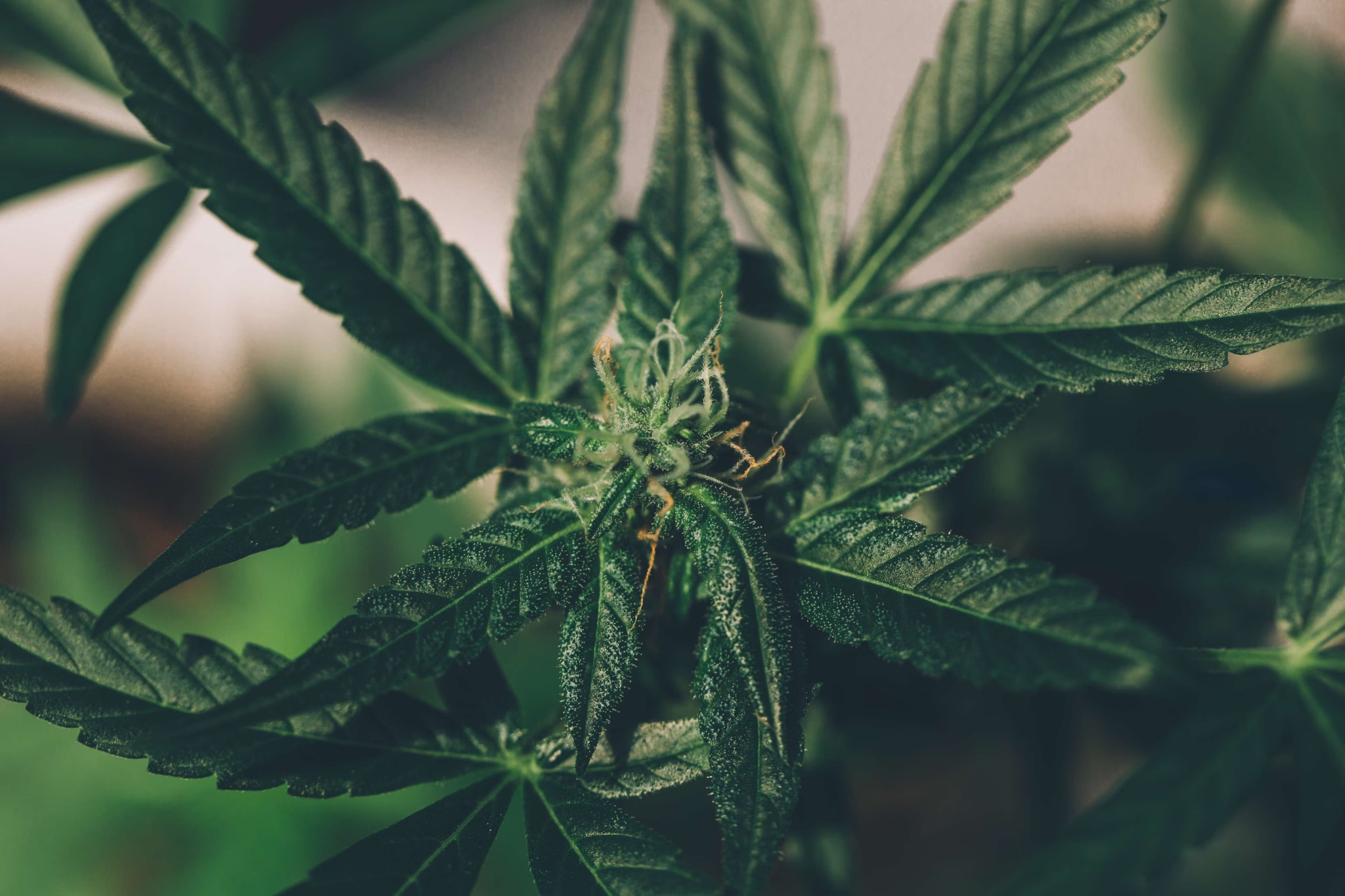
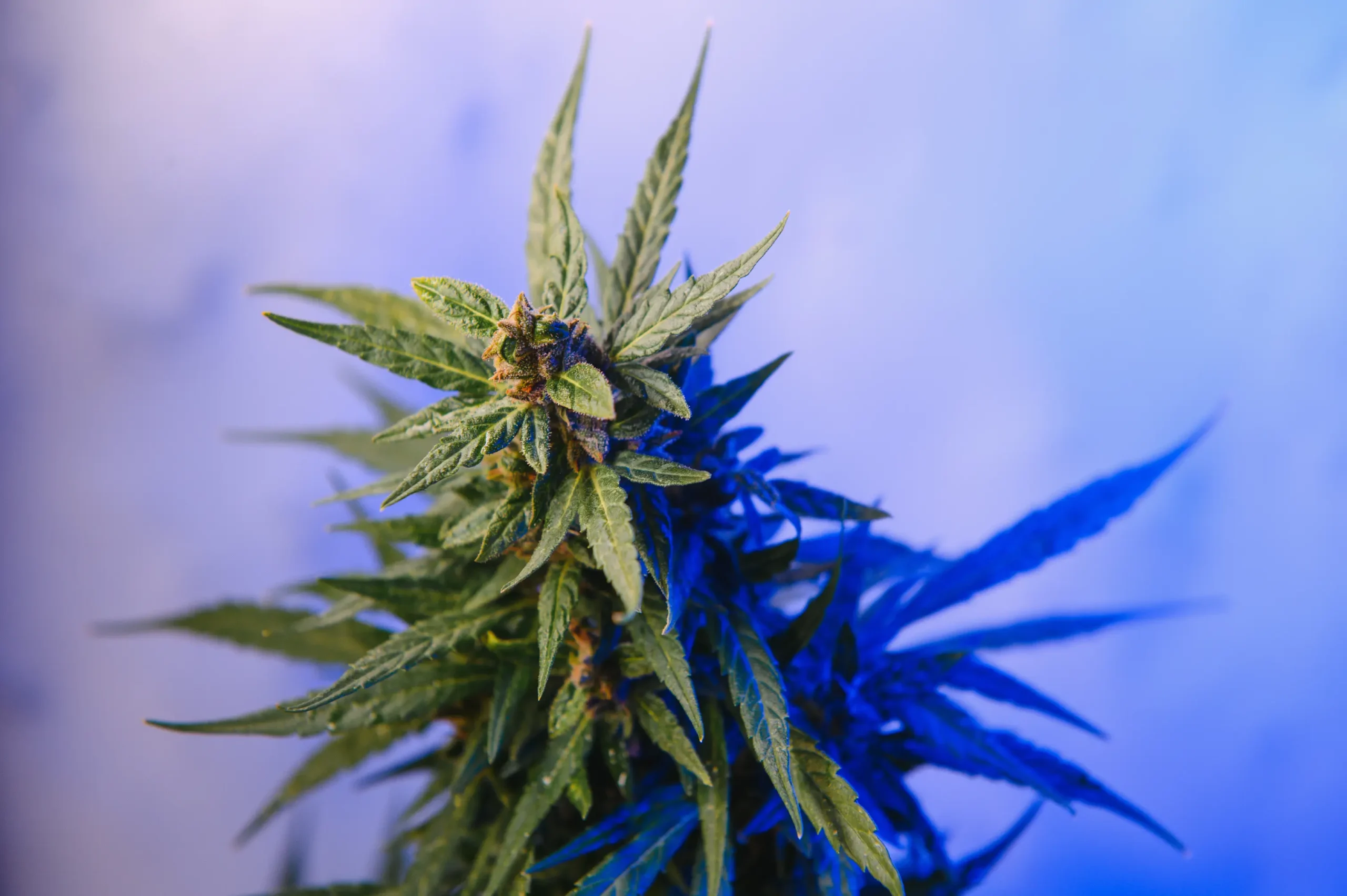
The resulting cultivar exhibits outstanding hybrid vigor, developing sturdy lateral branches that support colossal, spear-shaped colas. Blue Hawaiian is celebrated across craft dispensaries for its striking bag appeal: calyxes frequently display rich purple and violet hues flecked with fiery golden-amber pistils, completely encrusted in thick crystalline resin heads that smell of fresh tropical fruit.
Effect Breakdown
The effect profile of Blue Hawaiian is best understood as a progression rather than a fixed list of adjectives. Dose, tolerance, consumption method and personal sensitivity change the experience, but a three-stage pattern is commonly reported.
Early phase: The first stage is typically bright, social and mentally mobile, with the Hawaiian side showing through as an easy upward shift in mood. This opening is where users most often decide whether the strain feels mentally bright, neutral or immediately heavy. With Blue Hawaiian, the early impression should be judged before taking more, especially when the cultivar has a reputation for building slowly.
Middle phase: The middle stage can support creative or sensory activities while the Blueberry side adds a smooth physical calm. This is usually the most representative part of the session because the initial novelty has settled and both cerebral and body effects are easier to separate. Activities that fit this phase depend heavily on tolerance, but low-pressure music, conversation, food and relaxed creative work are common choices for strains with this type of balance.
Late phase: The finish is usually gentler than a heavy indica, making the cultivar more suitable for daytime or early evening use for many consumers. The late stage is also where harvest timing can subtly change perception. Earlier-harvested flower may feel brighter and shorter, while a fully mature or slightly later harvest can feel rounder and heavier. Those differences are not caused by one cannabinoid alone, but maturity, terpene retention and dose all influence the overall impression.
The practical caution is simple: do not treat a strain name as a dosing instruction. Blue Hawaiian may be described as uplifting, creative and sociable with a smooth body relaxation that usually stays secondary, but individual responses can differ sharply. New users and people who are sensitive to THC are better served by small amounts and enough time to evaluate the first phase before adding more.
Consuming authentic Blue Hawaiian initiates an instantaneous, electrifying cognitive flight that elevates mood, sharpens mental clarity, and eliminates physical lethargy within seconds of inhalation. The onset is characterized by an expansive brightening of the visual field and a rush of creative inspiration. Thoughts flow with effortless speed, inspiring animated conversation, artistic innovation, or enthusiastic physical activity. Unlike unrefined sativas that can induce jitteriness, Blue Hawaiian provides a cheerful, buoyant euphoria that leaves the consumer smiling and energized for hours.
| Phase & Time Window | Mental & Emotional State | Physical & Somatic Sensation | Ideal Setting & Pairing |
|---|---|---|---|
| The Island Spark (0 to 15 Minutes) | Instant cerebral elevation, visual brightening, joyful euphoria | Weightless forehead sensation, light bronchial expansion, elevated energy | Morning cold brew, sunrise trail hike, creative design sprint |
| The Tropical Surge (15 to 60 Minutes) | Boundless conversational motivation, artistic flow, cheerful enthusiasm | Steady motor coordination, muscular lightness, zero body fatigue | Studio recording, collaborative design sessions, distance cycling |
| The Radiant Plateau (60 to 120 Minutes) | Contented emotional tranquility, reflective lucidity, steady motivation | Gentle shoulder and neck ease, warm somatic comfort, relaxed jaw | Scenic walking, museum exploration, gardening, socializing |
| The Clean Horizon (120+ Minutes) | Refreshed mental state, serene calm, zero cognitive burnout | Natural physical vitality, gentle calm, restored equilibrium | Afternoon productivity, nutritious cooking, casual reading |
Testing with potent THC concentrations between 19% and 24% alongside significant levels of THCV and CBG, Blue Hawaiian delivers a clean, non-sedating high that serves as an ideal morning or daytime companion for artists, athletes, and professionals.
Flavor & Aroma Profile
The defining sensory identity of Blue Hawaiian is blueberry, tropical fruit, sweet floral notes, light skunk and fresh pine. Good flower should not smell like a single artificial flavor. The more convincing expression has layers: a fast top note when the jar opens, a heavier base when the flower is broken apart, and a slightly different sequence on the inhale and exhale.
The target I would use for quality control is blueberry and tropical sweetness with a clean floral-pine lift instead of a flat generic berry profile. That target is useful because it forces the grower to protect contrast. If one layer overwhelms everything else, the flower may still be potent and attractive but the cultivar loses part of its identity. Excess nitrogen late in flower, high canopy temperature, stagnant humidity and a rapid post-harvest dry are common ways to make a nuanced profile feel generic.
Aroma also changes through the flowering cycle. Early resin often smells greener and less integrated. Mid-flower is when the recognizable signature starts to separate from ordinary plant scent. In the final weeks, the best plants usually become more specific rather than simply louder. That is the point where a grower should record which branches or phenotypes show the clearest profile and avoid unnecessary handling that damages trichomes.
After harvest, the main threat is hot late-flower conditions, excessive nitrogen and a fast dry that strips the tropical high notes. The dry should remove moisture steadily without turning the outside of the buds crisp while the interior remains wet. A controlled cure then allows harsh green notes to fade while the core aroma becomes easier to identify. The best test is not how intense the room smells on harvest day; it is how recognizable the strain remains several weeks later.
Blue Hawaiian boasts one of the most mouth-watering and distinct flavor profiles in the entire cannabis world. Breaking open a cured bud releases an intoxicating, room-filling explosion of ripe Hawaiian pineapple, fresh wild blueberries, sweet tropical mango, tart citrus zest, and floral honey. It smells precisely like a freshly blended tropical fruit smoothie served on a sun-drenched beach veranda.
| Aroma Layer & Tier | Dominant Fragrance Notes | Sensory Perception & Volatiles | Combustion / Vapor Translation |
|---|---|---|---|
| Top Tropical Pineapple | Ripe pineapple, sweet mango, tropical fruit nectar | Mouth-watering, sweet fruit monoterpenes driven by terpinolene and myrcene | Sweet pineapple candy and tropical fruit nectar on initial draw |
| Mid Berry & Citrus | Wild blueberries, lemon zest, sweet blossom water | Bright, refreshing citrus and berry notes supported by limonene | Tangy berry-citrus and sweet floral tea filling the palate |
| Base Earth & Wood | Aged cedar, damp forest loam, blonde hash, black pepper | Warm, grounding sesquiterpenes led by beta-caryophyllene and pinene | Spicy wood, peppery hash, and dry pine needle finish on exhale |
| Lingering Finish | Candied fruit syrup, sweet citrus rind, subtle incense | Long-lasting sugary coating that leaves the palate pleasantly sweet | Enduring sweet pineapple and delicate berry aftertaste |
When vaporized at controlled temperatures (345°F to 365°F), the vapor delivers pure, sweet candied pineapple and blueberry syrup, while combustion unleashes a dense, smooth smoke that leaves the room smelling of fresh tropical fruit and cedarwood.
Dominant Terpenes
Dominant-terpene lists for named strains are best treated as recurring tendencies, not fixed chemical fingerprints. Different phenotypes and batches can change the order and relative amount of terpenes, and laboratory methods can also differ.
| Terpene | Flavor / Aroma Role | Potential Sensory Role |
|---|---|---|
| Beta-caryophyllene | Dry spice and subtle warmth | Adds structure underneath the fruit-heavy top notes |
| Myrcene | Ripe fruit, earth and soft musk | Deepens the blueberry body of the aroma |
| Pinene | Fresh pine and green brightness | Can make the tropical profile feel cleaner and more open |
In Blue Hawaiian, the terpene discussion is most useful when it explains why the aroma can move between blueberry, tropical fruit, sweet floral notes, light skunk and fresh pine. A good cure should make those layers easier to separate. If the entire sample smells like one flat note, post-harvest handling or phenotype choice may have mattered more than the nominal terpene list.
Chemical profiling reveals Blue Hawaiian is powered by a high concentration of Terpinolene and Myrcene, which together account for its electric sweet tropical fruit fragrance and uplifting cerebral properties. Beta-Caryophyllene provides foundational peppery warmth and binds with peripheral CB2 receptors to relieve somatic inflammation. Alpha-Pinene contributes crisp pine needle freshness and acts as an acetylcholinesterase inhibitor, preserving mental alertness and counteracting short-term memory haze. Secondary concentrations of Limonene and Beta-Ocimene complete the energetic chemotype.
Indoor vs. Outdoor Growing
| Aspect | Indoor Growing | Outdoor Growing |
|---|---|---|
| Height control | Plan for tall and high-reaching; indoor plants need early height planning and shape early. | More vertical freedom, but wind exposure and branch loading increase. |
| Flowering / finish | About 9-10 weeks indoors | Best with a long, warm season; later autumn finishing is possible depending on latitude |
| Main climate risk | uneven ripening across a tall canopy, especially when upper branches receive much stronger light than the middle and lower sites | Rain, cool nights and slow drying after dew can increase late-flower risk. |
| Training | early topping, long low-stress training, a wide trellis and deliberate branch spacing to turn height into an even field of tops | Use wider spacing and structural support; avoid overcompacting a large plant. |
| Flavor control | More control over heat, humidity and drying conditions. | Potentially excellent complexity if the finishing weather stays dry and stable. |
Indoors, Blue Hawaiian gives the grower direct control over the variables that most affect its quality. The main advantage is the ability to plan canopy height around a plant that is tall and high-reaching; indoor plants need early height planning and to reduce humidity as flowers become denser. The main disadvantage is that poor spacing becomes amplified. A healthy plant can still finish with mediocre buds if every branch occupies the same layer and air cannot move through the center.
Outdoors, the plant can express a larger root system and more natural branch development, but the suitability of the cultivar depends on the finishing window. Best with a long, warm season; later autumn finishing is possible depending on latitude. Growers in shorter or wetter seasons should evaluate the local autumn pattern rather than assuming that an indoor flowering number translates directly to an outdoor calendar date.
For flavor, indoor control usually offers the most predictable route because late-flower temperature and rain exposure can be managed. Outdoor plants can produce excellent aromatic complexity when nights cool gradually and flowers stay dry, but repeated rain followed by still air creates exactly the conditions that can damage mature resinous buds. The better environment is therefore the one where the grower can finish the plant cleanly, not the one that is automatically labeled superior.
In outdoor environments, Blue Hawaiian is a stellar producer in warm, sunny Mediterranean and semi-arid continental climates such as southern California, the Rogue Valley in Oregon, and the Okanagan Valley in British Columbia. Thanks to its rapid flowering cycle of just eight to nine weeks, it typically matures between late September and early October in the northern hemisphere, finishing before harsh autumn rains arrive.
Because the colas develop substantial mass and become heavy with sticky resin heads, outdoor cultivators should provide sturdy multi-tiered trellising or cage support. In fertile, well-amended outdoor soil mounds with full sun exposure, individual plants can yield between 800 and 1,400 grams of dense, crystal-encrusted medicinal flower.
Strain-Specific Grow Guidance
| Stage of Growth | Day / Week Timeline | Target Temperature & RH | Target PPFD & Photoperiod | Target EC & Runoff pH | Specific Agronomic Tasks |
|---|---|---|---|---|---|
| Rooting & Clones | Days 1 to 14 | 75°F to 78°F | 70% to 75% RH | 180 to 250 µmol/m²/s | 18/6 light | 0.8 to 1.1 EC | 6.0 to 6.3 pH | Rapid rooting in rockwool or aeroponic cloner, mild kelp extract drench |
| Early Vegetative | Weeks 3 to 4 | 78°F to 82°F | 62% to 68% RH | 400 to 550 µmol/m²/s | 18/6 light | 1.3 to 1.6 EC | 6.2 to 6.5 pH | Top above the 4th node, low-stress train side branches, apply foliar silica |
| Late Vegetative | Weeks 5 to 6 | 76°F to 80°F | 58% to 65% RH | 600 to 750 µmol/m²/s | 18/6 light | 1.6 to 1.9 EC | 6.3 to 6.6 pH | Install primary trellis netting, prune lower inward suckers, check root zone |
| Floral Transition | Weeks 7 to 8 (Bloom 1 to 2) | 75°F to 79°F | 52% to 58% RH | 750 to 850 µmol/m²/s | 12/12 light | 1.9 to 2.2 EC | 6.3 to 6.6 pH | Manage aggressive 2.2x stretch, weave shoots into trellis, supplement calcium-magnesium |
| Peak Floral Bulking | Weeks 9 to 10 (Bloom 3 to 4) | 74°F to 78°F | 46% to 52% RH | 850 to 950 µmol/m²/s | 12/12 light | 2.1 to 2.4 EC | 6.4 to 6.7 pH | Day 21 defoliation, provide organic PK bloom fertilizer, increase airflow |
| Resin Maturation | Weeks 11 to 12 (Bloom 5 to 6) | 70°F to 74°F | 42% to 46% RH | 750 to 850 µmol/m²/s | 12/12 light | 1.5 to 1.8 EC | 6.4 to 6.8 pH | Day 42 leaf cleanout, inspect calyx swelling, drop night temps to 64°F |
| Flush & Harvest | Weeks 13 to 14 (Bloom 7 to 8) | 66°F to 70°F | 38% to 42% RH | 500 to 650 µmol/m²/s | 12/12 light | 0.3 to 0.6 EC | 6.3 to 6.7 pH | Flush with clean RO water, harvest when trichomes show 10% to 15% amber |
Architecture and the first training decision
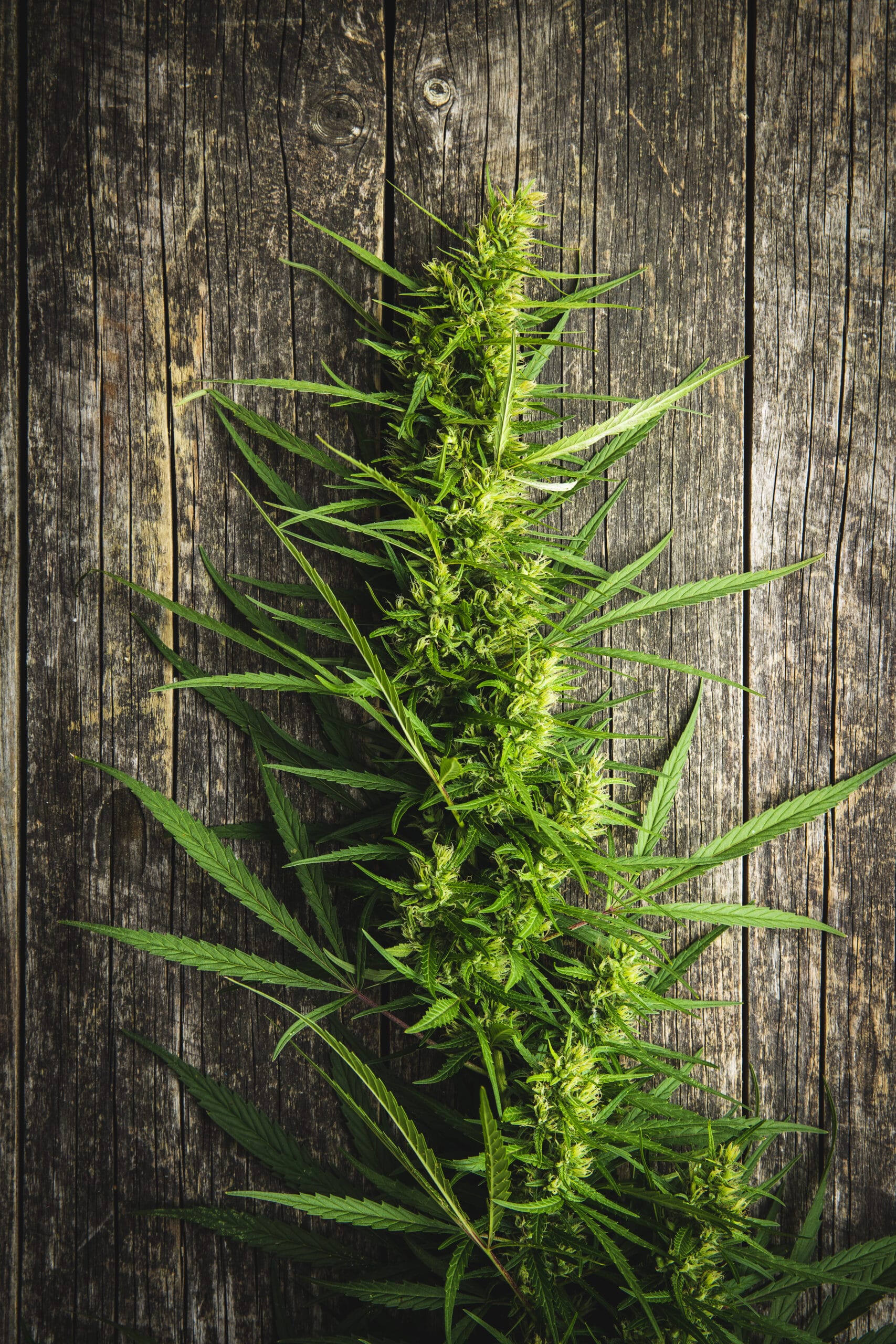
Blue Hawaiian tends to be taller, more open and more sativa-shaped than most Blueberry-family plants, with longer internodes and branches that reward early horizontal control. The first training decision should follow that architecture rather than a fixed routine. A plant with naturally strong laterals benefits from early spreading because those branches can be turned into productive tops. A plant with longer internodes needs support and horizontal guidance before the transition accelerates. For Blue Hawaiian, the most reliable approach is early topping, long low-stress training, a wide trellis and deliberate branch spacing to turn height into an even field of tops. The objective is an even canopy with visible air lanes, not a flat mass of leaves pressed together.
Stretch and transition management
Transition stretch is meaningful and persistent enough that late training becomes awkward; plan vertical space before flowering. This is the phase where many otherwise healthy runs become difficult. If the flip happens after the canopy is already full, the plant spends the next two weeks stacking new growth on top of a structure that no longer has room. I would enter flower with open spaces intentionally left in the canopy, then use those spaces to absorb stretch. The final few adjustments should happen while stems are still flexible, not after heavy flowers have formed.
Leaf removal without stripping the plant
Defoliation should solve a real problem. On Blue Hawaiian, remove leaves that block multiple flowering sites, sit directly against developing flowers, or close the center of the plant to airflow. Keep healthy leaves that still receive light and have space around them. Heavy stripping can slow a plant that is already allocating energy to flower formation, and it can also expose previously shaded tissue to sudden light stress. A staged cleanup is safer than one dramatic event.
Root zone and feeding behavior
More feed is not automatically more quality
The safest feeding strategy is to read growth rate and leaf color instead of assuming that a famous strain must be a heavy feeder. During early vegetative growth, steady nitrogen supports branch development, but dark clawed leaves are a warning that the plant is receiving more than it can use. During transition, do not cut nitrogen abruptly while stretch is still active. Later, reduce unnecessary nitrogen so the plant can mature without carrying excessively leafy flowers into harvest.
Humidity and flower density
The primary environmental risk for this cultivar is uneven ripening across a tall canopy, especially when upper branches receive much stronger light than the middle and lower sites. Early flower can tolerate moderate humidity more easily because flowers are still open and air moves through them. As calyxes swell, the same room conditions can become risky. Late flower should feel dry enough that dense tops do not remain cool and damp after lights-off. Air should move around flowers, not blast them from one direction.
Branch support and load
Support is most useful when installed before branches are leaning. A soft trellis, stakes or ties can hold the canopy in its planned position while flowers gain mass. Waiting until a branch folds creates two problems: the branch may be damaged and the fallen top often ends up touching another flower, reducing airflow exactly when density is highest. The support system should keep every top separated enough that the plant can finish without becoming a single solid wall.
Flowering timeline and harvest reading
The commonly reported indoor flowering window is About 9-10 weeks indoors, but the calendar is only a reference. In the last stage, look for slowed vertical growth, swollen calyxes, mature pistil behavior, fading rather than fresh vegetative push, and trichome development across multiple representative flowers. Do not judge only the top cola, which may ripen faster under stronger light. A staggered harvest can make sense when the canopy is uneven.
Failure mode to watch
The most common quality failure is not catastrophic plant death. It is a healthy-looking crop that finishes with muted flavor or inconsistent bud quality. For Blue Hawaiian, the warning signs are an overcrowded center, late dark-green leaves, warm flower surfaces, branches touching each other, and a harvest decision based only on the expected week number. Correcting those small issues early usually produces more improvement than adding another supplement.
Second-run optimization
After the first harvest, save the observations that matter: actual stretch ratio, days to full maturity, which branches produced the best flower, where humidity accumulated, how the aroma changed during the dry, and whether the plant wanted more or less nutrition than expected. On a second run, start with the same genetics and change only two or three variables. That is how a grower learns the cultivar rather than restarting the experiment every cycle.
Dialing In the Run
Vegetative phase: convert height into horizontal production
Blue Hawaiian should be trained with its future height in mind. I would begin low-stress spreading while the stems are young and flexible, then top only enough to create several dominant branches. The goal is not to dwarf the plant. It is to redirect its natural vertical energy across a wider footprint. A tall sativa-leaning hybrid can become extremely productive when each long branch receives its own lane of light. The same plant becomes difficult when all of that growth is allowed to stack vertically under one central light zone.
Transition Week 1-3: keep guiding longer than you would with an indica
Blue Hawaiian may continue stretching after a compact hybrid would already be settling into flower formation. I would keep guiding branches through the early transition and reserve more empty canopy space than feels necessary. The trellis should be wide enough that new growth can be moved sideways without crossing over neighboring branches. Once flowering sites are clearly established and stems begin stiffening, stop aggressive tucking. At that point the priority becomes supporting the elongated branches and keeping the canopy level enough that the upper flowers do not receive dramatically more light than the middle layer.
Mid-flower: manage light distribution, not only maximum intensity
A tall open canopy creates an uneven-light risk. The top flowers may be close to the fixture while middle flowers sit much farther away. I would rather reduce that difference through training and fixture placement than blast the upper layer with maximum intensity. If top flowers become pale or less aromatic while lower flowers remain dark and fragrant, the canopy is telling you that distribution is poor. Blue Hawaiian benefits from enough light to develop resin and calyx mass, but a balanced canopy usually produces better overall quality than a small number of overdriven tops.
Aroma development: keep tropical top notes clean
Blue Hawaiian's blueberry and tropical notes can be especially sensitive to a hot finish. During the last several weeks, I would avoid letting the upper flowers become noticeably warmer than the room. The target aroma should move from generic sweetness toward recognizable berry, tropical fruit and a light floral or pine lift. Excess nitrogen can keep the flowers leafy and make the aroma feel greener. A clean maturation phase, where new vegetative growth slows and the plant concentrates on flower development, tends to produce a clearer cured profile.
Harvest strategy: tall canopies may need more than one cut
A perfectly even Blue Hawaiian canopy is possible, but a tall phenotype can still ripen unevenly. I would compare flowers from the highest, middle and lower productive branches. If upper flowers are mature and the middle layer still has active fresh growth, a staged harvest is more rational than either cutting everything early or leaving the finished tops exposed while waiting. Removing the mature upper layer can also improve light to the remaining flowers for a short finishing period. Staged harvest is a tool, not a requirement; use it only when the plant clearly shows uneven maturity.
Second run: select for manageable stretch without losing the Hawaiian character
If choosing a keeper from several Blue Hawaiian plants, I would look for a phenotype that retains the uplifting tropical identity without becoming unnecessarily difficult indoors. The ideal keeper has enough sativa-like stretch to create an open canopy but not so much that internodes become wasteful. I would compare fruit intensity after cure, branch strength, finishing time and how evenly the plant matured. A slightly shorter phenotype that still carries strong blueberry-tropical aroma can be a better long-term indoor plant than the tallest expression with the most dramatic first impression.
Managing Sativa Stretch in Limited Vertical Spaces: Blue Hawaiian inherits significant vertical stretch from Hawaiian Sativa, regularly doubling in height post-flip. To master this in indoor tents, top plants twice during late vegetative growth and implement a horizontal trellis netting system. Weave expanding shoots horizontally through the grid until Day 18 of bloom before vertical bud development locks in.
Preserving Volatile Tropical Monoterpenes: The primary monoterpenes responsible for Blue Hawaiian’s sweet pineapple bouquet (terpinolene and myrcene) are exceptionally volatile. Maintain daytime room temperatures strictly between 74°F and 76°F and lower night temperatures to 64°F during the final ripening weeks to prevent terpene evaporation.
Silica Fortification & Cell Wall Lignification: Supplying bioavailable monosilicic acid at a concentration of forty to sixty parts per million throughout the vegetative cycle dramatically improves mechanical stem strength for Blue Hawaiian. Silicon deposits directly into the apoplast of plant cells, creating a rigid silicate matrix that reinforces cell walls, prevents branch lodging under heavy bud weight, and establishes a physical defense barrier against piercing insects such as thrips, aphids, and fungus gnats.
Living Soil Mycorrhizal Colonization: In living soil setups, inoculating rooted cuttings with endomycorrhizal fungi (Glomus intraradices) creates a symbiotic hyphal network that extends far beyond the root tips. This fungal web solubilizes bound phosphorus, iron, and zinc, delivering them directly to the plant in exchange for simple plant carbohydrates, resulting in accelerated floral initiation and substantial secondary metabolite production.
VPD Trajectory & Microclimate Aeration: Balancing temperature and relative humidity according to a targeted Vapor Pressure Deficit (VPD) ensures uniform nutrient uptake without moisture stress. Maintain a vegetative VPD between 0.9 and 1.1 kPa (78°F to 81°F and 62% to 68% relative humidity). Upon transition to peak flower, systematically elevate VPD to 1.35 to 1.5 kPa (74°F to 78°F and 44% to 52% relative humidity) to stimulate transpirational pull while eliminating localized pockets of stagnant air that could harbor mold spores.
Slow Drying & Terpene Preservation: Post-harvest handling dictates over half of the final sensory quality. Whole-plant hang drying in a climate-controlled room strictly maintained at 60°F (15.5°C) and 60% relative humidity for twelve to sixteen days allows starches and chlorophyll to degrade through natural enzymatic action without sacrificing volatile monoterpenes. Curing the trimmed flowers in airtight glass jars or food-grade stainless steel cure vaults at 62% relative humidity for four to six weeks permanently rounds out the smoke, ensuring exceptional smoothness and aromatic intensity.
How can I control the massive stretch of Blue Hawaiian in a small indoor tent without reducing final yield?
Question sent by: Leilani Kealoha, via email
Blue Hawaiian easily stretches up to 2.2 times its vegetative height during the first three weeks of 12/12 bloom. To master this in limited vertical space, top your plants twice during late vegetative growth to create eight to twelve primary shoots rather than a single dominant cola. Install your first horizontal trellis netting five inches above the canopy just before flipping to flower, and weave the rapidly extending shoots horizontally through the grid until Day 18 of bloom. Additionally, maintaining a slight negative day-to-night temperature differential (keeping night temperatures equal to or two degrees warmer than day temperatures during weeks one to three) helps suppress stem elongation while preserving bud development.
Weedth Bud Flavor Tips
Flavor quality begins before harvest. For Blue Hawaiian, protect blueberry and tropical sweetness with a clean floral-pine lift instead of a flat generic berry profile by keeping the final weeks stable. Avoid a late push of nitrogen simply because leaf color is fading. Natural maturation and senescence are not automatically deficiencies. The goal is to finish flowers cleanly while resin remains aromatic, not to keep every fan leaf dark green until harvest day.
Canopy temperature deserves more attention than room temperature. Warm flower surfaces can increase volatilization and make the most delicate top notes disappear before harvest. A grower does not need to chase unusually cold conditions, but avoiding repeated heat spikes in the final two weeks helps retain the profile. Strong light should also be balanced against stress; more intensity is not useful if upper flowers bleach or lose aroma.
Harvest handling should be gentle. Trichomes on mature flowers are brittle, and repeated squeezing or unnecessary trimming while fresh can remove resin and release aroma into the room instead of preserving it in the bud. Cut and move branches by the stem when possible. Keep harvested material out of direct light and begin drying promptly in a clean environment.
Drying too quickly is one of the easiest ways to erase strain identity. Hot late-flower conditions, excessive nitrogen and a fast dry that strips the tropical high notes. A slower, controlled dry allows internal moisture to migrate outward gradually. The target is not a fixed number of days because branch size, flower density and room conditions differ. The practical endpoint is evenly dry flower that is ready to cure without a wet center or a brittle exterior.
During cure, judge progress by aroma clarity and moisture equilibrium. The first days may still smell green or compressed. Over the next weeks, the defining notes should separate. If the jar aroma becomes sour in a wet, unpleasant way or the buds feel soft and cold inside, more drying is needed. If the buds become crisp and scent disappears immediately after opening, the dry was likely too aggressive.
Outdoor flavor protection requires one additional decision: weather. If a mature plant is facing repeated rain and cool nights, leaving it outside for a theoretical extra week can cost more quality than it gains. On the other hand, harvesting every outdoor plant early because rain is possible can prevent full aroma development. The decision should weigh actual flower maturity against the specific forecast and the density of the phenotype in front of you.
Weedth Bud Boost Tips
For Blue Hawaiian, yield should come from canopy efficiency rather than forcing the plant to carry oversized humid flowers. The first boost is simple: fill the usable light footprint with productive tops. Early topping, long low-stress training, a wide trellis and deliberate branch spacing to turn height into an even field of tops helps distribute growth before flowering so later energy goes into a wider set of high-quality sites instead of one dominant top and a shaded lower layer.
Remove weak interior shoots before heavy flowering. These small branches consume resources and often finish as airy material that is slow to trim and weak in flavor. A clean lower third is especially useful when the cultivar produces resinous, well-spaced flowers with good calyx development and enough airflow to finish the longer cycle cleanly. The point is not to strip the plant bare. It is to concentrate light and air on branches that can actually mature into worthwhile flowers.
Light intensity should increase only while the plant continues to respond positively. Stronger light can increase photosynthetic demand, but it also raises water use, nutrient demand and flower temperature. Watch leaf angle, upper-calyx color and aroma. If the top layer is pale, curled or noticeably less fragrant than the middle canopy, more light is not a yield strategy; it is a stress source.
Root-zone oxygen and irrigation consistency are often better yield tools than additional bloom products. Let the medium move through a healthy wet-dry rhythm appropriate to the substrate. Repeated saturation slows oxygen exchange and can make nutrient symptoms harder to interpret. Severe drought cycles are also counterproductive because a plant that is repeatedly wilting is spending time recovering instead of building flowers.
CO2 supplementation only makes sense in a sealed, well-controlled environment where light, temperature, nutrition and air conditioning are already matched to the higher photosynthetic demand. It is not a shortcut for a weak canopy. For most small grows, improving uniform light distribution, plant spacing and climate control offers a clearer return with fewer variables.
The final yield decision is harvest timing. A plant cut too early may look finished from a distance but still lack calyx swelling and final resin development. A plant left too long in a humid room can lose clean flower to internal breakdown. The most productive harvest is the one that preserves saleable or usable quality, not the one that records the heaviest wet weight.
Medical Uses & Benefits
Users commonly report choosing Blue Hawaiian for temporary mood support, stress relief and a more functional form of relaxation. These experiences are subjective and not evidence of medical efficacy.
The effect profile described for Blue Hawaiian may explain why different users choose it at different times of day. A cultivar that begins brighter and finishes calmer can feel useful for decompression without immediate sedation, while a heavier late phase may make it better suited to evenings. However, personal response can vary with tolerance, dose, cannabinoid content and mental state.
Terpenes such as limonene, myrcene, pinene and beta-caryophyllene are widely studied as aromatic plant compounds, but a strain's terpene label should not be used as a medical prescription. The presence of a terpene does not guarantee a specific therapeutic outcome, and whole-flower effects involve many compounds plus individual biology.
Anyone using cannabis for a diagnosed condition, taking medication, pregnant, breastfeeding, or at elevated risk of adverse psychiatric or cardiovascular effects should discuss cannabis use with a qualified healthcare professional. High-THC flower can cause anxiety, dizziness, impaired coordination and short-term memory problems, especially at larger doses.
Ideal User Profile
The best match for Blue Hawaiian is a user who likes fruit-forward strains with a clearer daytime character, and a grower who has enough vertical space to manage a taller hybrid. That does not mean other users cannot enjoy it. It means the cultivar's strongest traits line up naturally with that profile, so the person is more likely to appreciate what the strain does rather than fighting against it.
For consumption timing, the reported effect pattern matters more than whether the strain is labeled indica or sativa. Uplifting, creative and sociable with a smooth body relaxation that usually stays secondary. A small amount may fit a different part of the day than a large amount. Users who need sharp reaction time, driving ability or safety-sensitive coordination should not use intoxicating cannabis before those activities.
For growers, the ideal profile is someone willing to manage the plant's main structural issue: uneven ripening across a tall canopy, especially when upper branches receive much stronger light than the middle and lower sites. The cultivar does not need constant intervention, but it rewards the grower who plans ahead. Most of the work should happen before late flower, when the canopy can still be shaped without disturbing resinous buds.
Flavor-driven users are also a good fit because the strain rewards careful post-harvest work. If the goal is only maximum potency, some of the most distinctive qualities can be missed. A cultivar with a recognizable aroma is better judged by how clearly that identity survives through grinding, inhalation and the finish of the exhale.
Grower Notes and Feedback
A recurring grower observation with Blue Hawaiian is that the plant reveals its management needs early. The way it fills the pot during vegetative growth, the distance between new nodes and the angle of side branches all predict whether the flowering canopy will be easy or crowded. Growers who take notes during the first run usually make a much larger improvement on the second run than growers who simply change nutrients.
Another common theme is that flower quality and yield do not always peak under the same conditions. Pushing for maximum density can increase the risk of uneven ripening across a tall canopy, especially when upper branches receive much stronger light than the middle and lower sites. A slightly more open canopy may weigh a little less on paper but produce a larger proportion of top-grade, evenly dried flower. That difference matters more than gross harvest weight.
Growers also report that aroma becomes more trustworthy late in flower. Early scent can be exciting but misleading. The final expression should move toward blueberry and tropical sweetness with a clean floral-pine lift instead of a flat generic berry profile. Plants that remain generic or purely green-smelling deep into the cycle may be less interesting selections even if they are vigorous. When working from seed, aroma notes are worth recording alongside yield and structure.
Most cultivation problems are easier to correct while they are small. A leaf touching a bud, a branch leaning into another top, or a humid pocket at the back of the canopy may look insignificant in week four. By week eight, the same issue can be buried inside a dense flower. Regular inspection from multiple angles is more useful than only looking at the top of the canopy.
The final grower lesson is not to copy another person's exact harvest day. About 9-10 weeks indoors is a useful planning range, but the plant should decide the cut. Compare top, middle and lower flowers. Look for mature swelling and stable aroma, not just amber trichomes on the leaves. A strain-specific grow guide is most valuable when it helps the grower read the cultivar rather than obey a calendar.
Canopy Trellising for Lanky Branches: Blue Hawaiian develops long, flexible branches that become top-heavy as the colas swell. Installing a secondary trellis net at week two of bloom provides the structural support needed to keep the heavy spear colas upright.
Cold Curing in Glass Vaults: Once dried to an internal water activity between 0.60 and 0.64 aw, Blue Hawaiian requires a deliberate glass jar cure. Burping jars daily for the first three weeks stabilizes the tropical aromatics, allowing the sweet fruit esters to intensify over time.
Weedth Editor’s Note
Cultivating Blue Hawaiian in my indoor living soil garden was an unforgettable aromatic experience. I planted six vigorous cuttings from Jordan of the Islands into seven-gallon fabric pots filled with an artisanal living soil mix enriched with aged forest humus, worm castings, bat guano, and kelp meal. Under modern full-spectrum LED fixtures delivering 850 µmol/m²/s during peak bloom, the plants displayed explosive vegetative vigor with flexible lateral branching.
By week four of flowering, the floral calyxes swelled into dense, spear-shaped colas completely frosted in shimmering glandular trichomes that smelled intensely of sweet ripe pineapple, fresh wild blueberries, and tropical mango. I maintained daytime temperatures at 76°F with a nighttime drop to 65°F, holding relative humidity at 46% during late bloom to protect the dense colas from moisture accumulation.
I harvested the crop at day fifty-eight of bloom, when the trichome heads were ninety percent milky white and ten percent amber. Whole plants were hung in a dark drying cellar regulated strictly at 60°F and 60% relative humidity for fifteen days. Following a five-week glass jar cure, the cured buds were sticky, vibrant, and radiated a devastating sweet tropical fragrance that filled the entire room within seconds of opening the lid.
The resulting smoke is a revelation of pristine daytime energy. It provides an immediate, laser-sharp cerebral focus and cheerful mood elevation that eliminates morning brain fog without a trace of lethargy. For artists, professionals, and growers seeking a fast-finishing, high-yielding sativa hybrid with unforgettable flavor, Blue Hawaiian is a timeless masterpiece.
Weedth Score
Aroma & Terpene Intensity: 9.8 / 10
An unforgettable, room-filling explosion of ripe Hawaiian pineapple, wild blueberries, sweet mango, and floral honey.
Flavor & Smoke Quality: 9.7 / 10
Delicious, candy-sweet smoke delivering tropical pineapple and blueberry on the palate, burning cleanly to a pure light gray ash.
Cerebral Energy & Euphoria: 9.8 / 10
Exceptional daytime mental clarity, laser-like focus, and cheerful mood elevation that crushes fatigue and stimulates creative output.
Commercial Yield & Rapid Bloom: 9.7 / 10
A rapid eight-to-nine week flowering champion that produces heavy, resin-crusted spear colas with superb bag appeal.
Overall Weedth Score: 9.75 / 10. Blue Hawaiian by Jordan of the Islands is a legendary hybrid triumph, uniting Blueberry and Hawaiian Sativa to deliver mouth-watering sweet tropical fruit aromatics, soaring cerebral energy, and rapid commercial flowering speed.
FAQ
Similar Strains
Blueberry: DJ Short’s legendary fruit matriarch, renowned for its sweet wild berry aroma, vibrant purple colors, and deeply relaxing body high.
Hawaiian: The iconic equatorial landrace sativa celebrated for sweet tropical fruit aromatics, soaring cerebral energy, and creative inspiration.
Blue Dream: The world-famous California hybrid uniting Blueberry and Haze for sweet berry aromatics and clear daytime motivation.
Pineapple Express: A tropical sativa hybrid combining Trainwreck and Hawaiian, famous for sweet pineapple-cedar aromatics and energizing focus.
Share this article
A quick overview of the topics covered in this article.
Follow us
Latest articles
November 5, 2026

November 5, 2026

November 5, 2026