Blue Moonshine
A compact Blueberry-family indica with dense hash-plant flowers, fermented berry aroma, unusual leaf traits, and a fast body-centered finish.
Blue Moonshine is an old-school Blueberry-family indica known for short stature, rock-hard resinous buds, plum-and-blueberry aroma, and a narcotic body effect that can feel much stronger than its headline THC number suggests. It is a cultivar for growers who value character over speed of vegetative growth and cured flower quality over maximum commercial uniformity.
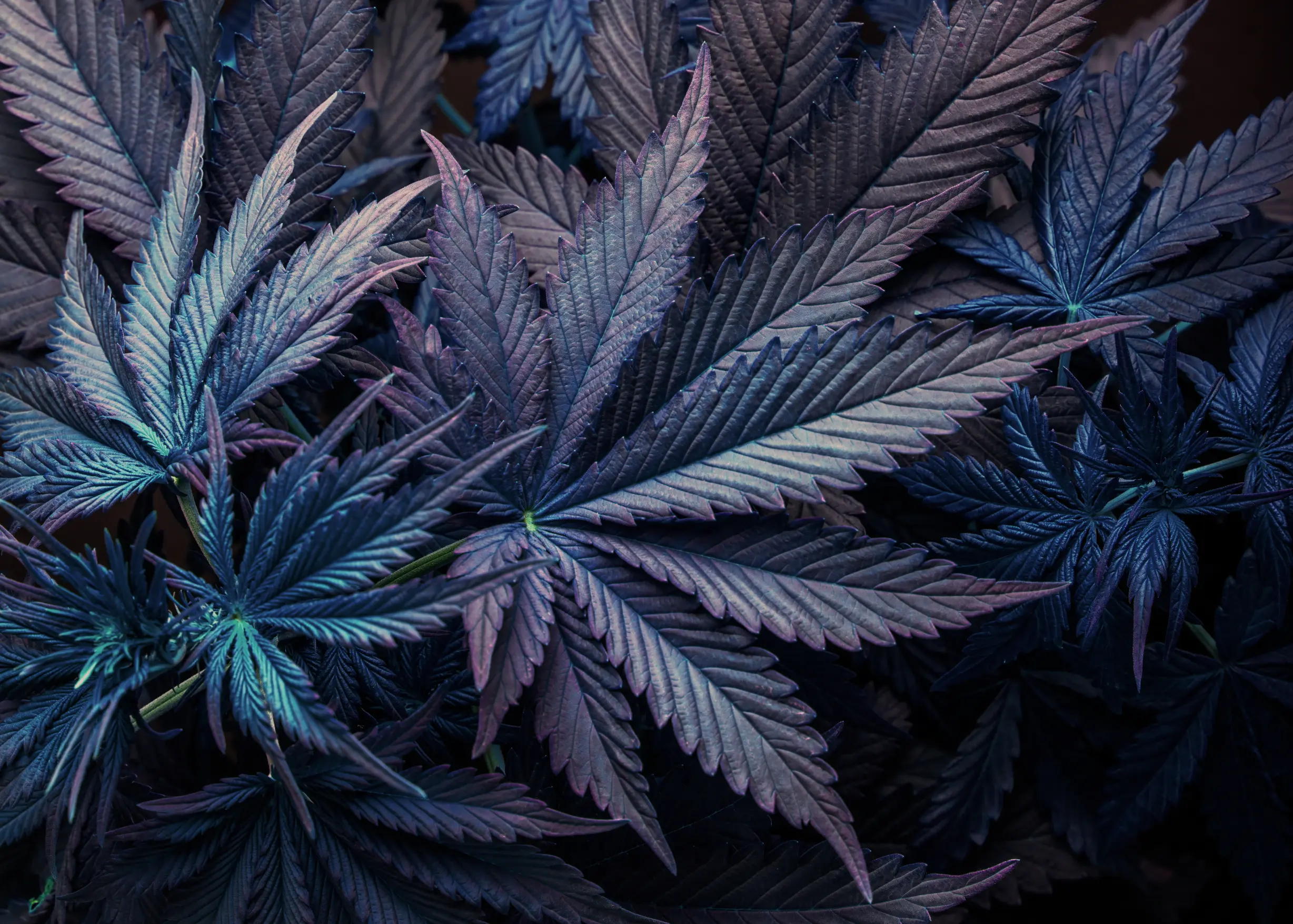
The plant can look unusual before it looks impressive. Broad dark leaves may curl, crinkle, or show irregular variegation that resembles stress. Growth can be slow and squat. A grower who responds to every unusual leaf with more fertilizer can damage a plant that was expressing inherited morphology rather than deficiency.
The cultivation challenge is to build enough productive sites before a short flowering window while keeping the center dry once the flowers harden. Blue Moonshine performs best when the grower accepts its compact pace, feeds lightly, keeps the root zone oxygenated, and uses a drying process slow enough to preserve fermented blueberry, plum skin, spice, hash, and a slightly sharp fruit-alcohol note.
Strain Features
| Feature | Details |
|---|---|
| Strain Type | Indica-dominant Blueberry-family cultivar with a heavy body effect and a dreamy, sometimes trippy mental layer. |
| Genetic Background | An in-family Blueberry selection derived from older Afghan and Thai-related ancestry. Exact modern parental labels are not always published consistently. |
| THC Range | Often reported in the low-to-high teens, although well-selected plants can feel stronger than the number suggests. |
| CBD | Usually low. |
| Dominant Terpenes | Commonly beta-caryophyllene, humulene, and limonene in tested batches, with myrcene, pinene, and floral minor terpenes varying by phenotype. |
| Aroma | Blueberry, plum, fermented fruit, grape skin, spice, earth, hash, herbs, and occasional bubblegum. |
| Effect Character | Fast physical relaxation, euphoria, tactile warmth, dreaminess, and sleepiness at higher doses. |
| Flowering Time | Approximately 7-9 weeks indoors. Some older selections may run closer to nine weeks. |
| Outdoor Harvest | Generally mid-to-late autumn; outdoor success depends on a dry finish because the buds become extremely dense. |
| Height | Short to medium, commonly around 70-100 cm indoors depending on veg time. |
| Stretch | Low. It should enter flower with most of its final canopy already built. |
| Yield | Moderate. High-quality phenotypes can yield well for their size but should not be treated as bulk-production plants. |
| Bud Structure | Very dense, rounded or blocky hash-plant flowers with tall-standing trichomes. |
| Leaf Traits | Broad dark leaves may curl, krinkle, twist, or show variegation without indicating a health problem. |
| Training Response | Best with one early top, gentle LST, compact SOG, or a patient small SCROG. |
| Main Cultivation Risk | Overfeeding a naturally dark plant, overwatering a slow canopy, and hidden moisture inside rock-hard flowers. |
| Grow Difficulty | Moderate. The plant is sturdy but requires accurate interpretation rather than constant correction. |
| Best Time of Use | Evening or nighttime. |
Blue Moonshine is often described as a true hash-plant expression within the Blue family. Its value lies in resin, density, aroma, and effect rather than rapid vertical development.
The grower should expect less stretch, more leaf oddity, and a shorter correction window than with many modern hybrids. Structural and nutritional decisions need to be mostly settled before flowering begins.
Genetic Lineage
A Blueberry-family selection rather than a simple modern cross
Blue Moonshine is generally treated as an in-family selection from the broader Blueberry gene pool rather than a White-family cross. Its ancestry is associated with older Afghan and Thai-related material that was combined and selected for color, fruit aroma, resin, and distinctive effects.
This background explains why the plant can display traits that do not fit a modern uniform production hybrid. Leaf shape, color, growth rate, and flower aroma may vary while still remaining within the expected family expression.
Afghan influence
The Afghan side contributes short stature, broad leaves, dense flowers, hash-like resin, and a strong physical effect. It also explains the plant’s limited stretch and the need to complete most canopy development in veg. The roots and canopy can use water more slowly than a tall vigorous hybrid of the same container size.
Thai and tropical influence
Thai-related ancestry is associated with the unusual dreamy or mentally elastic quality that can sit above the body stone. It may also contribute fermented fruit, spice, floral complexity, and occasional leaf irregularities. This is why the effect can feel more interesting than a simple sleep-focused indica.
Why leaf abnormalities are part of the story
Crinkled or variegated leaves are often described in related Blue lines. These traits can be inherited and recessive rather than signs of disease. The practical challenge is distinguishing a stable oddity from active stress. A genetically unusual leaf remains consistent while new growth continues at a healthy pace. A deficiency or root problem usually progresses, changes color, or reduces vigor.
Phenotypes worth separating
A compact hash-plant phenotype stays very short, produces dark broad leaves, and forms dense rounded flowers with heavy body effects. A slightly taller fruit phenotype may branch more freely and express stronger blueberry, plum, or bubblegum. The latter can be easier to spread, while the former may produce the most intense resin and density.
Lineage note: Do not discard an unusual plant simply because the leaves curl or show variegation. Evaluate growth rate, root health, flower quality, and cured aroma before deciding whether the trait is harmful.
Effect Breakdown
The first wave
Blue Moonshine often begins with a compact but noticeable euphoric shift. The mind feels softer, the body feels lighter for a few minutes, and sensory details can become slightly exaggerated. Some users describe a brief creative or amused phase before sedation develops.
The opening can be deceptively pleasant and easy. The cultivar is not known for a long energetic runway, so redosing during this period can turn a comfortable session into deep couch-lock.
The physical center of the experience
The body effect becomes the main feature. Muscles loosen, posture settles, and movement feels less necessary. The sensation may be warm, tingly, or weightless before it becomes heavy. Pain and tension can feel more distant even though the mind remains aware.
Dreaminess and altered pacing
The Thai-related side can create a strange dreamy quality rather than simple sedation. Time may feel slower, music may become immersive, and thoughts can drift without urgency. This is one reason experienced users sometimes describe Blue Moonshine as mildly trippy or unusual for a compact indica.
Late phase and sleep
At moderate-to-high doses, sleepiness becomes strong. The cultivar can reduce motivation, coordination, and short-term memory for several hours. A late-harvested phenotype may feel especially narcotic and can leave residual heaviness the next morning.
Dose sensitivity
New users should approach carefully. Dry mouth, dry eyes, dizziness, and an overwhelming body stone are the most likely problems. The low reported THC of some samples should not be used as a dosing guarantee because chemotype, tolerance, and terpene balance change the experience.
| Stage | Typical Character | Practical Use |
|---|---|---|
| Opening | Euphoria, tactile brightness, softened mood. | Quiet evening activities and music. |
| Developing body phase | Warmth, muscle relaxation, slower movement. | Rest, appetite, and physical decompression. |
| Peak | Dreamy mental drift, deep body stone, possible couch-lock. | Low-demand settings with no need to drive or work. |
| Late phase | Sleepiness and residual calm. | Bedtime for users who tolerate heavy indicas. |
Dose note: A smaller dose preserves the cultivar’s unusual dreamy character. A large dose can turn that nuance into simple sedation.
Flavor & Aroma Profile
Why the name “Moonshine” fits
The aroma is not limited to fresh blueberries. Mature flowers can smell like crushed plum, blueberry skins, fermenting fruit, wine must, or a jar of berries beginning to produce alcohol. This sharp ripe quality separates Blue Moonshine from softer dessert-style Blueberry hybrids.
Aroma during flowering
The living plant may begin with green herbs and light fruit. During late flower, the smell becomes sharper and darker. Breaking a small lower flower can release berry, spice, earth, and a nose-tingling fermented note. Some phenotypes add bubblegum or floral perfume.
Jar aroma
After a stable cure, the best flowers smell of blueberry jam, plum skin, fermented grape, pepper, and dark soil. Hash and dry herbs sit underneath. The profile should feel ripe and resinous rather than sugary.
Inhale and exhale
The inhale can begin with sweet berry and soft fruit. The exhale brings pepper, earth, wood, and hash. A well-cured phenotype leaves a dark fruit aftertaste with a slight fermented tang. Poorly dried flower loses the fruit and becomes mostly earthy or grassy.
Color is not flavor
Purple leaves and calyxes can strengthen visual appeal but do not guarantee blueberry aroma. Some green phenotypes are louder and sweeter. Keeper selection should be based on cured flavor and effect, not on color alone.
Flavor identity: The best expression smells like ripe berries turning into wine, supported by spice and hash rather than artificial candy.
Dominant Terpenes
Beta-caryophyllene
Beta-caryophyllene often provides the peppery structure behind the fruit. It supports dry spice, wood, and the warm hash impression. In laboratory research it can interact with CB2 receptors, but a terpene profile cannot predict a clinical outcome or exact subjective effect.
Humulene
Humulene adds hops, dry wood, and an almost bitter herbal edge. It helps the ripe fruit feel fermented rather than syrupy. Humulene can become more obvious on the exhale and in later-harvested flower.
Limonene
Limonene contributes lift and can sharpen plum or blueberry into something closer to fruit skin. Its presence is not always perceived as lemon. In this cultivar it may register as a bright edge behind dark fruit.
Myrcene
Myrcene may support musk, ripe fruit, earth, and the heavy body phase. The amount can vary between samples. A myrcene-rich phenotype may smell deeper and feel more sedating, while a lower-myrcene fruit expression may preserve more mental clarity.
Pinene and floral minor terpenes
Pinene can add fresh wood and a cleaner finish. Linalool and other floral compounds may create perfume, lavender, or berry-blossom notes. These minor compounds often make the difference between a simple earthy indica and a memorable Blue Moonshine jar.
Chemotype note: The published dominant terpene can change by batch. Use the actual flower’s aroma and any available lab profile rather than treating one database result as universal.
Indoor vs. Outdoor Growing
| Factor | Indoor Cultivation | Outdoor Cultivation |
|---|---|---|
| Growth rate | Slow-to-moderate, compact, easy to fit under lights. | Can remain smaller than neighboring cultivars even with a long season. |
| Best format | SOG with selected plants or a patient compact SCROG. | Low open bush with support and excellent sun exposure. |
| Flower density | Very high; interior moisture is the main risk. | Sun can create extremely hard buds that need a dry autumn. |
| Feeding | Light-to-moderate; excess nitrogen is common. | Organic soil can support aroma, but rich ground may produce leafy plants. |
| Stretch | Low. | Low-to-moderate with long vegetative growth. |
| Main advantage | Precise humidity and slow plant pace are easy to manage. | Natural light may deepen fruit, color, and resin complexity. |
| Main limitation | Long veg relative to final yield and risk of overwatering. | Late harvest and dense buds make wet climates unsuitable. |
Indoor cultivation
Blue Moonshine was developed with indoor quality in mind. Short stature and limited stretch make it practical in low rooms. The plant can be placed relatively close to the light without a long vertical gap, but the canopy should remain shallow so lower sites do not disappear beneath broad leaves.
Indoor control is particularly valuable during drying. Rock-hard flowers require a stable environment and enough time for internal moisture to equalize. A rushed commercial-style dry sacrifices the reason to grow the cultivar.
Outdoor cultivation
Outdoor plants can produce rich color and strong aroma in a sunny, dry climate. The cultivar does not necessarily become enormous, so it should not be judged against tall sativa hybrids. Its quality comes from density and resin.
The flowering window can extend into cooler autumn conditions in some selections. Morning dew and rain are serious concerns. A movable container, rain roof with open sides, or greenhouse with active venting can improve the chance of finishing clean flower.
When a greenhouse helps
A greenhouse protects dense flowers from direct rain but must release moisture overnight. Blue Moonshine should not sit in cold stagnant air. Use horizontal airflow and keep branches away from plastic surfaces where condensation forms.
Environment priority: Outdoor success depends less on summer vigor and more on whether the final dense flowers can finish and dry without prolonged moisture.
Strain-Specific Grow Guidance
Do not overreact to the leaves
Document leaf traits from the beginning. If curling, krinkling, or variegation remains stable while new growth and roots are healthy, treat it as a phenotype characteristic. If the pattern spreads with necrosis, chlorosis, stalled growth, or wet soil, investigate environment and nutrition.
Build the plant before flowering
Do not let the stretch make the decisions
Limited stretch means a small plant will finish small. Give enough vegetative time for the intended footprint, but do not wait for a dense ball of foliage. A shallow canopy with several established leaders is more useful than a taller compact column.
Top once, then use gentle outward pressure
One early top can improve lateral development. Pull branches outward with soft ties as they lengthen. Repeated topping can consume too much time and create many short shoots. The goal is six to ten productive sites, not the highest possible branch count.
Use SOG only with known material
A compact SOG can be efficient when the plants are uniform and the desired phenotype is known. Seed variation can create different heights and maturation times. Keep enough space for air to move between crowns and remove lower sites before flower density increases.
Feed lightly and separate genetic darkness from nitrogen excess
Dark leaves are normal, but glossy clawed leaves and burnt tips indicate excess. Blue Moonshine often performs well with a lighter nitrogen program than vigorous skunk hybrids. Increase nutrition only when growth rate, lower-leaf color, and root-zone conditions support the decision.
Avoid oversized wet containers
A compact canopy may not use water quickly. Transplant in stages or water the active root zone until roots colonize the container. Allow meaningful dryback and maintain drainage. Chronic saturation can mimic nutrient deficiency while reducing vigor.
Keep calcium and magnesium diagnosis conservative
Leaf irregularity can resemble mineral problems. Confirm pH, root health, and progression before adding supplements. Excess correction can raise salt concentration and create a real imbalance on top of a harmless genetic trait.
Thin the center without stripping the plant
Remove weak inward shoots and selected broad leaves that seal the center. Do not remove large amounts of healthy foliage at once. Slow plants need time to recover. The correct result is visible air channels and direct light on the chosen flowers.
Lower humidity before the buds become rock hard
Do not wait until the final week. Begin reducing humidity as flower density increases and monitor the dark period. Air should move below, through, and above the canopy without a fan constantly drying one side of a cola.
Read maturity beyond color
Purple or blue hues can appear before the resin is mature. Wait for calyx expansion, reduced new pistil production, and mostly cloudy flower trichomes. The aroma should shift from green berry to fermented fruit, spice, and hash.
Consider phenotype-specific harvest
If one plant is fully swollen while another continues to build, harvest separately. The compact schedule should not force every phenotype onto one date. Label branches and maintain separate drying lots so the final comparison remains meaningful.
| Observed Symptom | Likely Explanations | First Check |
|---|---|---|
| Curled dark leaves | Inherited Blue-family trait, excess nitrogen, heat, or wet roots. | Compare new growth, pot weight, and leaf-tip condition. |
| Very slow growth | Genetic pace, cold root zone, overwatering, or low light. | Root temperature, drainage, and actual canopy PPFD. |
| Purple color | Genetics, maturity, cooler nights, or phosphorus stress. | Growth rate and whether tissue remains healthy. |
| Small dense buds | Normal compact structure or insufficient veg. | Total number of well-lit sites and pre-flower plant size. |
| Berry aroma fading | Heat, early harvest, fast drying, or repeated air exposure. | Drying temperature and storage routine. |
Master advice: Blue Moonshine rewards a grower who can observe without immediately intervening. Accurate diagnosis is more valuable than a stronger feed chart.
A practical leaf-trait diagnosis sequence
When a leaf twists or curls, begin with the least invasive checks. Confirm that the pot is not saturated, the root zone is warm enough, and the light is not excessive. Compare the same node on other branches. If the odd shape is symmetrical, stable, and not accompanied by spotting or stalled growth, document it and wait. Only after a changing pattern is confirmed should nutrition be adjusted.
Managing a slow mother plant
Blue Moonshine can be valuable as a selected mother even when vegetative speed is modest. Keep the mother in a smaller, well-aerated root zone and prune lightly rather than allowing an old dense center to develop. Take cuttings from healthy outer growth and allow more rooting and recovery time than a vigorous skunk hybrid. The goal is genetic preservation, not rapid mother-plant biomass.
Late-flower temperature and color
Cool nights can deepen blue and purple tones in capable phenotypes, but severe drops slow roots and raise condensation risk. A modest and stable day-night difference is enough. The plant should continue using water and maintaining healthy leaves. Color gained through stress is less valuable than aroma preserved through stable maturity.
Whole-plant versus branch drying
A small Blue Moonshine plant can be dried whole in a dry climate because the compact frame slows moisture loss. In a normal or humid room, branch drying is safer. Separate the densest crowns and leave smaller branches intact. The choice should be based on room humidity, air exchange, and bud density rather than a fixed philosophy.
Evaluating the cure at two temperatures
When comparing phenotypes, sample the aroma at room temperature and again after gently warming a small sealed sample in the hand. The warmer sample can reveal plum, fermentation, floral notes, or hidden pepper. Do not heat the main jar. This small comparison helps distinguish a complex quiet phenotype from one that is simply low in aroma.
Weedth Bud Flavor Tips
Harvest after fermentation replaces green fruit
Immature flowers can smell sweet but simple. The more distinctive fermented berry and plum note develops with maturity. Harvest after calyx swelling and aroma deepening, while avoiding an excessively late window that turns the profile mostly earthy and sedative.
Use a slow, even dry for hard flowers
Dense buds should be hung with enough separation to prevent contact. Whole-plant drying may be too slow in humid conditions, while cutting every bud from the stem can be too fast. Branch drying offers a useful middle ground for most rooms.
Do not judge the jar during the first week
The first sealed stage may smell sharp, grassy, or peppery. Over several weeks, the blueberry, plum, bubblegum, and hash notes become easier to distinguish. Keep different phenotypes separate and use clean neutral containers.
Protect the fermented top note
Repeated warm air exposure quickly flattens the sharp fruit-alcohol impression. Divide the harvest into small lots. Store whole flowers in darkness and grind only what is needed for immediate use.
Choose vapor temperature according to the profile
Lower vapor temperatures can emphasize fruit, floral notes, and brightness. Higher temperatures bring pepper, earth, and hash but can become thick. A gradual temperature increase reveals more of the cultivar than starting at the maximum setting.
Cure checkpoint: A good cure should make the aroma feel darker, rounder, and more fermented, not simply louder.
Weedth Bud Boost Tips
Increase productive area before increasing inputs
Blue Moonshine does not become a high-yield plant merely through stronger feeding. Yield improves when veg time, plant count, and canopy footprint are matched. Build enough tops before flower and keep them within the useful light zone.
Use a compact SCROG for fewer plants
A small screen can distribute the low branches and create a shallow, even canopy. Fill most of the screen before the flip because stretch is limited. Stop tucking once stems harden and avoid stacking flowers directly above one another.
Use SOG for turnaround, not crowding
A SOG can reduce veg time, but only if plants are spaced so each crown receives light and air. High density increases yield per area up to a point, then reduces chemical uniformity and creates shaded lower flower. Remove the unproductive base.
Keep light strong but canopy temperature moderate
Dense flowers respond to adequate light, yet excessive leaf temperature can reduce aroma and cause the upper leaves to curl more strongly. Increase intensity gradually and monitor the actual canopy rather than relying only on fixture power.
Outdoor yield depends on early establishment
Start early enough for the plant to create a broad framework before flowering. Use a well-drained root zone and a low support cage. The plant may remain compact, but each branch can carry heavy flowers near the end.
Select the keeper for dry yield and flavor
Weigh trimmed dry flower, but also compare the percentage of hard premium buds, trimming time, mold loss, cured aroma, and effect. A slightly lower-yielding fruit phenotype may provide more value than a heavier plant with flat earth flavor.
Yield principle: The main yield lever is pre-flower architecture. Once the short bloom begins, there is little time to create new productive structure.
Medical Uses & Benefits
Blue Moonshine is commonly used by consumers seeking nighttime relaxation, pain relief, appetite, and sleep. Some users also value its euphoric or dreamy opening for stress and low mood. These are self-reported uses rather than clinical evidence for a standardized strain.
| Reported Use | How the Effect May Relate | Caution |
|---|---|---|
| Pain | The strong body phase may reduce the prominence of chronic or muscular discomfort. | Sedation and impaired coordination can be substantial. |
| Insomnia | Sleepiness often develops after the peak. | The dreamy mental stage can delay sleep in a minority of users. |
| Stress | Euphoria and physical calm may interrupt tension. | High doses can feel disorienting or overly heavy. |
| Appetite loss | Hunger can increase as the body effect develops. | Not ideal for users trying to avoid appetite stimulation. |
| Low mood | A small dose may provide warmth and temporary emotional lift. | It is not a replacement for mental-health treatment. |
| Muscle tension | The body-centered effect may feel loosening. | Respiratory irritation remains a concern with inhaled products. |
Batch variability is important. A fruit-forward phenotype may feel more euphoric, while a compact hash phenotype may be more sedating. Medical users should start low and evaluate the actual product rather than assuming the name predicts dose.
Medical note: Discuss cannabis use with a qualified clinician, especially when combining it with sedatives, pain medication, or treatments that affect blood pressure.
Ideal User Profile
Blue Moonshine is a strong match for the user who values old-school berry and hash character and has no need to remain highly active after consumption.
- Evening users seeking a body-centered, sleep-friendly effect.
- Flavor enthusiasts interested in plum, blueberry, fermented fruit, spice, and hash.
- Growers who enjoy phenotype observation and are comfortable with unusual leaf traits.
- Small-space cultivators who can provide enough veg time and late-flower humidity control.
- Experienced consumers who prefer a dreamy indica over a simple knockout effect.
It is less suitable for morning use, fast commercial turnover, wet outdoor regions, or growers who respond to every unusual leaf by increasing fertilizer. Beginners can grow it, but they need patience and a willingness to diagnose slowly.
Outdoor root-zone planning
Outdoors, place Blue Moonshine in soil that drains well and warms early. Cold wet ground exaggerates its slow pace. A raised bed or aerated container can provide better root oxygen than deep heavy native soil. Mulch can protect moisture in hot weather, but keep it away from the stem and reduce it if autumn soil remains wet.
Why strong resin does not justify rough handling
The flowers look durable because they are hard, yet the tall gland heads can be removed by repeated touching. Support branches by the stem, trim over a clean tray, and avoid compressing buds into containers. Preserving the visible frost protects both aroma and the tactile quality of the finished flower.
Aroma selection should happen after full moisture stabilization
A jar that smells loud on day three can become flat after two weeks if the flower was sealed with excess moisture or if the aroma came mostly from fresh green compounds. Evaluate Blue Moonshine only after the internal moisture has stabilized and the fermented fruit, spice, and hash have separated. This prevents keeping a flashy but unstable phenotype.
Grower Notes and Feedback
The plant can look wrong while growing correctly
Growers often report curled, twisted, or variegated leaves. The successful response is documentation and comparison, not panic. Healthy inherited irregularity remains consistent and the plant continues to build roots and flowers.
Vegetative speed can disappoint impatient growers
Blue Moonshine may appear slow beside modern hybrids. Extending veg or increasing plant count is more effective than pushing nutrition. Once flowering begins, the plant can form dense buds quickly, but it will not create a large missing framework.
The aroma changes dramatically after harvest
Fresh flowers may smell sharp, green, or almost chemical. The fermented berry and plum often improve during cure. Growers who judge the cultivar immediately after drying may underestimate its final complexity.
Density is both the reward and the risk
The rock-hard buds create excellent bag appeal and resin concentration. They also make drying and mold prevention more demanding. The best growers reduce humidity before the flowers look finished and separate heavy branches during drying.
Yield should be evaluated honestly
Blue Moonshine is not normally chosen as a bulk cultivar. A good plant can yield well for its size, especially in SOG, but the deeper value is resin, flavor, and effect. Keeping a low-quality phenotype only because it is heavier defeats the purpose.
Grower note: Photograph unusual leaves and label every phenotype. The visual record helps separate genetic character from a changing environmental problem.
Weedth Editor's Note
The point where this plant reveals itself
Blue Moonshine is the kind of cultivar that rewards calm observation. The leaves can make a grower think something is wrong, and the slow pace can encourage unnecessary feeding. I would resist both reactions until the roots, new growth, and environment told me there was a real problem.
My preferred structure would be compact and open. I would top once, pull the branches away from the center, and allow enough veg time for a shallow canopy. I would not keep topping a slow plant just to create a visually complicated frame.
In late flower, I would treat every hard bud as a moisture reservoir. I would lower night humidity early and avoid letting colas touch. During drying, I would use branches rather than a whole intact plant unless the room was unusually dry.
The flavor is the reason I would make room for it. Blueberry alone is common, but blueberry mixed with plum skin, fermentation, pepper, and hash is more distinctive. That combination needs several weeks of cure before it becomes coherent.
I would recommend Blue Moonshine to a patient grower who values cultivar personality. It is not the plant I would choose for maximum speed, but it is exactly the kind of plant that can make a small personal garden feel different from a shelf of modern sweet hybrids.
Weedth Score
Growing Experience 7.8/10 – Compact and sturdy, but slow growth, leaf oddities, and dense buds require accurate interpretation.
Bud Structure & Visual Appeal 9.2/10 – Rock-hard hash-plant flowers with heavy resin and possible blue-purple coloration.
Aroma Complexity 9.0/10 – Blueberry, plum, fermentation, pepper, herbs, and hash create an unusual old-school profile.
Flavor & Smoothness 8.7/10 – Excellent after a patient cure; rushed flower becomes earthy and sharp.
Effects & High Experience 8.8/10 – Dreamy euphoria followed by powerful physical relaxation and sleepiness.
Overall Satisfaction & Recommendation 8.6/10 – A connoisseur indica for growers who accept moderate pace and prioritize resin and character.
The plant may look strange, the jar may smell sharp at first, and then the cure reveals exactly why the cultivar survived.
FAQ
Is Blue Moonshine a White Widow cross?
No. It is generally described as a Blueberry-family indica selection. Its heavy resin can resemble White-family cultivars, but the genetic background is different.
Why are the leaves curled or crinkled?
Some Blue Moonshine plants inherit leaf irregularities. Confirm that roots, new growth, pH, and environment are healthy before treating the appearance as a deficiency.
How long does it flower?
Most plants finish in approximately seven to nine weeks indoors. Older selections or outdoor plants can run longer depending on phenotype and climate.
Does it stretch much?
No. Stretch is usually low. Build most of the intended canopy before flowering and do not expect a small plant to double dramatically.
Is it a high-yielding strain?
Yield is usually moderate. It can be efficient in SOG or a compact SCROG, but it is better known for density, resin, flavor, and effect than for bulk production.
Why does it smell fermented?
The sharp ripe fruit aroma is part of the cultivar’s identity. Mature flower can resemble berries, plum, grape skins, wine must, or fruit beginning to ferment.
Is it difficult to dry?
The rock-hard flowers dry slowly inside. Use branch spacing, stable humidity, and enough time for moisture to equalize before long-term storage.
When should it be harvested?
Harvest after full calyx swelling when most flower trichomes are cloudy. More amber creates a heavier effect but can reduce the sharper fruit notes.
Is it good for beginners?
A patient beginner can succeed, but the unusual leaves and slow water use can cause overcorrection. It is easier for a grower who understands dryback and conservative feeding.
Similar Strains
- Blueberry: The clearest family comparison, with softer fresh-berry flavor and a less fermented edge.
- Grape Krush: Shares Blue-family leaf oddities, purple potential, light feeding, and a calm body effect.
- F-13: A brighter Blue-family hybrid with spear-shaped flowers and a more motivational daytime experience.
- Hash Plant: Similar compact hash-plant structure and dense resin, with earth and spice instead of berry fermentation.
- Black Diamond: Dark fruit, purple color, dense flowers, and a heavy evening effect with more OG earth.
- Maple Leaf Indica: A fast Afghan-style alternative with syrup, citrus, incense, and a deeply physical finish.
Share this article
A quick overview of the topics covered in this article.
Follow us
Latest articles
September 9, 2026
September 9, 2026
September 9, 2026