Candyland
Candyland is a useful reminder that leaf shape and internode spacing do not always tell the same story. The cultivar is generally described as sativa-leaning and can grow with real branch vigor, yet many reports also note relatively thin sun leaves combined with surprisingly tight internodal spacing. That mix can produce a plant that looks open from a distance but becomes crowded quickly where multiple branches rise from a compact section of stem.
The commonly documented lineage is Granddaddy Purple crossed with a Platinum Cookies-type parent. The combination explains the apparent contradiction. Granddaddy Purple contributes dense flower, dark fruit, purple potential, and a heavier structural background. The Cookies side adds resin, compact bud formation, and a sweet floral profile. The sativa-leaning effect and active branch growth keep the plant from behaving like a simple purple indica, but the finished flowers can still become dense enough that canopy spacing matters late.
Candyland usually falls into a practical eight-to-nine-week flowering window. Some plants can continue throwing fresh pistils or small amounts of new calyx growth beyond the most optimistic schedule, so the published week should be treated as a range rather than a deadline. The cultivar is often recommended for SOG-style growing, but that advice only works when the grower remembers what happens after the branches start filling the short spaces between nodes with compact resinous buds.
The central cultivation question is how to use Candyland's sativa-leaning vigor and short internodes without turning its branchy frame into an overcrowded canopy once the compact flowers expand. The answer is more selective than simply topping and defoliating. Branch number, plant count, and final spacing need to work together. The grower should preserve enough open volume that late flowers remain separate even when the plant appears underfilled early in the cycle.
The sensory profile is brighter than Granddaddy Purple but less purely citrus than many daytime strains. Sweet flowers, honey, berry, strawberry, pepper, herbs, and a light citrus lift are common descriptions. Caryophyllene, limonene, and humulene recur in modern terpene profiles. The effect is usually happy, energetic, uplifted, and social, which makes the cultivar more daytime-oriented than its purple ancestry might suggest.
Strain Features
| Feature | Details |
|---|---|
| Strain Type | Sativa-leaning hybrid with meaningful indica phenotype variation |
| Genetic Profile | Granddaddy Purple x Platinum Cookies-type genetics |
| THC | Commonly moderate to strong; exact results vary across modern batches |
| CBD | Usually low |
| Dominant Terpenes | Beta-caryophyllene, limonene and humulene recur frequently |
| Flavor / Aroma | Sweet flowers, honey, berry, strawberry, pepper, herbs and light citrus |
| Effect Character | Uplifted, energetic, happy, social and creative; physical relaxation can appear later |
| Flowering Time | Commonly about 8 to 9 weeks indoors |
| Outdoor Harvest | Often around early October in suitable Northern Hemisphere climates |
| Plant Architecture | Medium to tall potential, active lateral branching, thin leaves with relatively tight internodes |
| Stretch | Moderate in many expressions, with phenotype variation |
| Bud Structure | Compact, dense and resinous despite the sativa-leaning effect profile |
| Color Expression | Some phenotypes can develop purple calyxes naturally; not a requirement |
| Training Compatibility | SOG, early topping, LST, open SCROG and selective pruning |
| Primary Grow Risk | Tight node spacing plus multiple branches can create late canopy congestion around dense flowers |
| Grow Difficulty | Moderate; generally vigorous, but canopy geometry deserves attention |
| Best Time of Use | Daytime to early evening for most users |
Genetic Lineage
Candyland combines Granddaddy Purple with a Platinum Cookies-type parent, bringing together purple indica ancestry and resin-heavy Cookies genetics in a cultivar that often behaves more actively than the parent list might suggest. The lineage explains why the plant can make compact, frosty flowers without necessarily growing as a squat indica.
Granddaddy Purple contributes the dark berry side of the flavor, anthocyanin potential, and a tendency toward substantial floral density. It also helps explain why some Candyland phenotypes can show broader leaves or a more compact overall silhouette than the strain's sativa label suggests.
The Cookies side strengthens resin production, tightens flower structure, and adds a sweet floral-spice component. Cookies genetics are also compatible with relatively close node spacing, which becomes horticulturally important when Candyland's more energetic branching begins filling the available space.
The result is a plant where phenotype variation deserves more than one sentence. Some expressions lean clearly toward a tall, branchy sativa shape. Others reveal more indica structure, with shorter reach, broader foliage, and denser central growth. Modern grow descriptions explicitly note multiple indica phenotypes, which means plant count and training should remain flexible on the first seed run.
Color can also segregate. Some plants produce purple calyxes under ordinary healthy conditions, while others stay green and gold. That trait should be recorded, but it is not a reliable proxy for potency or flavor. The sativa-like effect can appear in both colored and green plants.
For selection, the ideal keeper should combine enough branch openness for easy cultivation with the dense resinous flower the strain is known for. Flavor stability matters just as much. A plant that smells floral and berry-rich in late bloom but cures into generic pepper and earth has not preserved the most distinctive part of the cross.
Effect Breakdown
Candyland usually begins in a brighter place than its Granddaddy Purple ancestry would suggest. At a light dose, the first impression is often happy and mentally active. The user may feel more interested in conversation, creative play, music, or movement rather than physically slowed.
The effect tends to be social rather than intensely introspective. Thoughts can feel quicker, but the cultivar is generally described as friendlier and more comfortable than a very racy long-flowering sativa. A mild physical looseness may be present from the start without dominating the experience.
At a moderate dose, energy and euphoria can become more obvious. This is where Candyland earns its daytime reputation. The strain can make routine activity feel more enjoyable and can support a creative or conversational mood without immediately pulling the user toward the couch.
The Cookies and purple ancestry show more clearly as the session develops. Physical relaxation can gradually appear under the mental lift, particularly in heavier or more indica-leaning phenotypes. This makes the strain more balanced over time than a pure stimulating sativa.
Higher doses can reduce that functional quality. Mental energy may become distractible, and THC-sensitive users can experience anxiety, dry mouth, dry eyes, or dizziness. The effect is not usually described as heavily sedating, but a strong dose can become physically relaxed enough that the early productivity disappears.
The best use window is therefore dose-dependent. A small or moderate amount often fits daytime and social settings, while a larger amount can move the same flower toward an easygoing early evening session. The cultivar is flexible, but the user should not mistake energetic for non-intoxicating.
Flavor & Aroma Profile
Candyland has a softer sweetness than strains built around sharp candy or citrus. The jar often begins with sweet flowers, honey, berry, and a faint pastry-like warmth rather than one aggressive fruit note. Pepper and herbs sit underneath that sweetness and prevent the profile from becoming syrupy.
Berry can range from dark purple fruit to a brighter strawberry impression. Some phenotypes are clearly influenced by the Granddaddy Purple side and feel deeper, while others carry more floral sweetness and citrus from the Cookies direction. This is another place where the strain's phenotype range matters.
Breaking the flower usually increases pepper, resin, and dry herbs. The sweet floral top remains, but the grinder exposes a less delicate base. A good phenotype keeps both sides in balance. If the bud smells only peppery once broken, the fruit-floral layer may have been lost during the finish or drying process.
On inhale, honeyed sweetness and berry can lead. The middle can become floral and lightly citrusy. The exhale often leaves pepper, herbs, earth, and a slightly hoppy bitterness consistent with the caryophyllene-humulene side of the terpene profile.
Some cured Candyland has a strawberry-like aftertaste that is more obvious in vapor than in heavy smoke. Other examples are almost perfumed, with floral sweetness lingering after the pepper has faded. These are useful phenotype differences rather than flaws.
The plant's visual frost can create the expectation of an extremely loud flavor. That is not always the case. Candyland can be visually spectacular while remaining relatively elegant in aroma. The goal of post-harvest handling is clarity, not artificial intensity.
Poor drying tends to leave the most durable notes: pepper, dry herbs, earth. Well-finished flower keeps honey, flowers, and berry present above that base. The difference is especially obvious after several weeks in storage.
Dominant Terpenes
| Terpene | Aroma Role | Cultivar Relevance | Scientific Caution |
|---|---|---|---|
| Beta-caryophyllene | Pepper, dry spice, wood | Frequently leads modern Candyland profiles and fits the peppery finish | CB2 receptor activity does not prove cultivar-specific medical benefits |
| Limonene | Citrus peel, brightness | Helps lift the floral-sweet profile and can support brighter phenotypes | Does not guarantee energy or euphoria |
| Humulene | Dry herbs, hops, wood | Fits the herbal and slightly bitter base beneath honey and berry | Does not reliably predict appetite effects |
| Myrcene | Earth, herbs, ripe fruit | May be more noticeable in heavier or fruitier phenotypes | Its presence does not automatically make a phenotype sedating |
Candyland's terpene pattern is unusual because the cultivar often tastes sweeter than a caryophyllene-led profile sounds on paper. The sweetness is built from the whole volatile mixture rather than from one headline terpene. Honey, strawberry, and floral impressions likely depend on minor compounds and ratios that a short terpene table cannot capture.
Terpene order also varies by batch. Caryophyllene, limonene, and humulene recur often enough to describe the framework, but the selected phenotype and post-harvest handling determine whether the final flower reads as berry-floral, peppery-herbal, or somewhere between.
The energetic effect should not be attributed directly to limonene or any single aromatic compound. Dose, THC, tolerance, and the complete chemotype remain more important for the subjective experience.
Indoor vs. Outdoor Growing
| Decision Point | Indoor Growing | Outdoor Growing |
|---|---|---|
| Primary Challenge | Keeping tight node spacing and branch count from creating a crowded late canopy | Controlling total plant spread and protecting compact flowers during the finish |
| Plant Size | Medium to tall depending on phenotype and training | Can become a large branchy plant with enough root space |
| Stretch | Moderate in many expressions; indica-leaning phenotypes may stay shorter | More vertical freedom, but branch spread can become substantial |
| Flowering Time | Commonly 8 to 9 weeks | Often suitable for an early-October harvest in appropriate climates |
| Training | SOG, early topping, LST and open SCROG can all work | Early topping and perimeter support help organize large branches |
| Internodes | Often tighter than expected for a sativa-leaning cultivar | Tight nodes can create dense branch junctions inside a large plant |
| Bud Density | Compact resinous flowers require real spacing late | Rain and dew can remain trapped where flowers and leaves overlap |
| Color | Natural purple can appear in some phenotypes without forced cold | Outdoor temperature variation may deepen color, but quality should remain the priority |
| Best Fit | Growers who want an active daytime cultivar but can manage dense flower geometry | Sunny sites with enough room and a reasonably dry finishing period |
Indoor Candyland is attractive because the flowering window is short enough to remain efficient and the plant responds to several common training styles. The important point is not which technique is "best." It is how many branches the room can finish without turning the tight node pattern into congestion.
SOG can work well with uniform plants because each individual can stay simple. A low open SCROG can work well with fewer plants because the branches are deliberately separated. Problems arise when the grower combines long veg, repeated topping, and a full screen, then discovers that compact flowers are forming at every close node.
Outdoors, the plant has space to reveal more lateral vigor. The same tight internodes that are convenient in a small indoor plant can create dense branch junctions on a large bush, so interior pruning and support still matter.
The climate decision is straightforward. Full sun can produce excellent resin and color, but a cultivar with compact flowers should not be placed in a site where autumn moisture lingers every morning. Outdoor Candyland benefits from moving air and a finish dry enough that the dense buds can mature without repeated wetting.
Strain-Specific Grow Guidance
Read internode spacing before deciding plant count
Candyland can show thin sativa-like leaves while keeping nodes closer together than expected. This means the plant may visually appear airy from above even as the stem is preparing to support many flowering sites within a short vertical distance.
On a seed run, measure the actual spacing between strong branches rather than assuming leaf shape predicts canopy openness. A tight-node plant should be given more horizontal room or fewer retained leaders than a longer-node sister.
Choose either simple plant density or complex training, not both
The cultivar's compatibility with SOG makes sense because many small plants can remain structurally simple. One or a few main leaders per plant reduce the number of branch intersections while the genetic tendency toward dense resinous flower provides the final mass.
Build support before the flowers demand it
With fewer plants, topping and LST can create a productive wide canopy. The mistake is combining high plant density with heavily branched individual plants. Tight nodes plus many branches plus dense flowers is an unnecessary humidity problem.
Stop filling the screen before it looks complete
If using SCROG, leave visible openings at the flip. Moderate stretch and continued lateral development can close those spaces naturally. A screen that is completely green before flowering leaves nowhere for flower volume to go later.
The final canopy should contain separate tops, not a continuous surface. This matters more for Candyland than the early sativa appearance suggests because the buds themselves can become compact and chunky.
Clean branch junctions after stretch
Short internodes can create crowded points where several shoots and large leaves emerge close together. Once the transition settles, inspect these junctions from the side. Remove weak inward shoots that will remain shaded and any leaf that is permanently pressed against a developing flower.
Do not remove exposed productive laterals simply because they originated low. A branchy Candyland plant can mature useful secondary flower when side light reaches it. The pruning line should follow actual light and airflow.
Let phenotype determine feeding pace
Some Candyland plants grow rapidly and can use a substantial nutrient supply. More compact phenotypes may have lower demand. The first run should establish how the selected plant responds rather than assuming the sativa label means constant hunger.
If leaves become very dark while internodes stay tight and the center grows increasingly leafy, additional nitrogen is likely working against canopy quality. Maintain healthy growth without forcing vegetative richness deep into the eight-to-nine-week flower cycle.
Watch water use through rapid transition
A vigorous plant may dry the root zone quickly while building branches, then slow once the flower set is established. Tight internodes can also shade the medium more strongly as the canopy fills.
Continue irrigating from actual dryback rather than from the fastest week of growth. An oxygenated root zone makes the plant easier to read and reduces the temptation to diagnose overwatering symptoms as nutrient deficiency.
Preserve airspace around compact buds
Cannabis flower can hold more humidity internally than the room sensor shows. Candyland's compact flowers make this relevant even though the plant is usually categorized on the sativa side.
The most useful humidity management is physical separation. Keep mature tops from touching and prevent large fan leaves from lying across several buds at once. Air circulation then has a path through the canopy rather than only across the outer surface.
Allow natural purple without turning color into a project
Some Candyland phenotypes can show purple calyxes naturally, even without deliberate cold stress. That is a useful selection trait if visual appeal matters, but it should remain secondary to flavor, maturity, and flower safety.
If the plant stays green, do not lower temperatures aggressively to imitate a different phenotype. Color is genetically influenced and is not a requirement for the cultivar's energetic effect or resin production.
Support long laterals before flower mass redirects them
A sativa-leaning branch can remain upright for most of the grow and begin leaning only when several close nodes fill with compact buds. A loose net or perimeter ties can hold each branch in its own zone.
Avoid tying heavy branches inward. The support should preserve the openings created earlier, not close them at the exact point when humidity risk is increasing.
Do not confuse fresh late pistils with immaturity automatically
Some Candyland plants can continue producing fresh pistils around the commonly advertised harvest window. This does not always mean the entire plant requires a long extension, and it does not automatically mean heat stress either.
Look at the pattern. If fresh growth is uniform and the flower continues swelling normally, the phenotype may simply run later. If only the hottest tops throw thin new growth while color and aroma deteriorate, local stress is more likely.
Harvest from the whole flower
Eight to nine weeks is a useful planning range, not an order. The correct harvest window combines calyx swelling, mature flower trichomes, reduced overall pistil production, and a fully developed sweet-floral-berry aroma.
If the plant has a strong purple phenotype, ignore the color as a maturity clock. Purple can appear early. The finished flower should be biologically complete whether the calyxes are violet, green, or a mixture of both.
Weedth Bud Flavor Tips
Candyland's delicate notes are honey, flowers, berry, and strawberry. Pepper and dry herbs are much harder to lose. The post-harvest goal is therefore to preserve the soft upper layer so the cured flower does not collapse into a generic spicy hybrid.
Indoors, compare the top canopy with flowers from cooler side branches. If the highest tops smell mostly peppery while lower flower remains floral and sweet, the late canopy was probably too hot or too close to the light. Correct that environmental difference on the next clone run.
Outdoors, choose a mature dry-weather harvest window. The flower does not need to be left outside merely to deepen purple color if rain is approaching. A clean green-and-gold harvest can preserve more flavor than a darker plant cut after repeated wetting.
During drying, compact buds should lose moisture slowly and evenly. Direct fan air can strip the floral surface while leaving inner moisture behind. Use moving room air and enough spacing that individual branches do not form a dense drying canopy of their own.
Candyland often becomes more interesting after several weeks in cure. Freshly dried flower can lean peppery and herbal. As green moisture fades, honey, berry, and flowers should become easier to separate. If the sweetness disappears completely, the crop was probably dried too aggressively.
Keep purple and green phenotypes separate. Their sensory differences may be more important than their color differences. A purple plant can be darker and berry-heavy, while a green plant can show brighter floral citrus. The keeper decision belongs after cure.
Avoid adding moisture with fruit peel or scented material. The strain already has a subtle sweet profile and does not benefit from contamination or mold risk. Flavor should come from genetics and preservation.
A strong storage test is useful. Candyland should retain at least part of its honey-floral identity after a month in a sealed container. If the aroma becomes only pepper and dry herbs, storage stability may be a weaker trait in that phenotype.
Weedth Bud Boost Tips
Candyland yield should be planned around node density. The plant already creates many potential flowering points in a short distance, so increasing branch number endlessly is unnecessary. The grower's job is deciding which sites deserve light and space.
In SOG, keep the individual plant simple and use uniformity to fill the room. In a lower-density grow, use topping and LST to build a wider framework. Both approaches can work; mixing high plant count with heavily branched plants usually creates more interior flower than premium flower.
After stretch, remove the shoots that remain buried inside tight branch junctions. This can improve trim efficiency and airflow without sacrificing exposed lower sites that are genuinely productive.
Support improves quality yield by keeping branches in their original light lanes. A lateral that bends across its neighbor in week seven can shade both and create flower contact even if neither branch breaks.
Do not chase heavier buds with excessive bloom inputs. General cannabis nutrition research shows that yield response has an optimum and that additional potassium beyond the useful range does not automatically produce more flower. The cultivar already has the genetic ability to build compact buds.
Outdoor plants can become large, but the highest usable yield often comes from a manageable broad plant that can be inspected and supported. A huge interior full of shaded close-node growth is a poor use of the season.
Color should never enter the yield calculation. A green phenotype with cleaner honey-berry flavor and a higher percentage of dense dry flower can be the better keeper than the darkest plant in the garden.
Candyland quality yield is a branchy but readable canopy where tight internodes support compact resinous flowers without turning the plant into a solid humid mass.
Medical Uses & Benefits
Candyland is most often used for mood elevation, energy, social engagement, stress distraction, and relief from physical tension. These are common user-reported experiences rather than evidence that the cultivar treats a diagnosed medical condition.
The daytime profile may appeal to people who want cannabis without immediate heavy sedation. A moderate dose can feel mentally bright while the body remains loose enough to reduce the sense of physical tension.
Pain relief is also reported, but the strain's energetic direction can be a limitation for someone who wants to sleep through severe discomfort. It is better described as a functional daytime option for some users than as a universal pain strain.
Higher doses can increase anxiety, distraction, dry mouth, dry eyes, or dizziness. The uplifting reputation should not be confused with an absence of THC-related impairment.
Most examples are THC-dominant with low CBD. Anyone using cannabis for a diagnosed condition or alongside prescription medication should consult a qualified healthcare professional.
Ideal User Profile
Candyland fits users who want a positive daytime or social high with enough physical softness to remain comfortable. It suits creative hobbies, conversation, music, walking, casual outdoor activity, and relaxed productivity better than immediate sleep.
The flavor audience is someone who prefers floral sweetness to loud citrus or heavy gas. Honey, berry, strawberry, pepper, and herbs make the profile softer and more layered than a single-note candy strain.
For growers, it is a strong match for people who enjoy canopy planning. The plant is vigorous enough to be forgiving, but its unusual combination of tight internodes and sativa-leaning branch behavior rewards observation.
It can fit SOG growers who want simple uniform plants and low-density growers who prefer a trained canopy. The less suitable grower is someone who wants to keep every branch and every close node just because the plant appears capable of carrying them.
Outdoor growers should have enough space and a reasonably dry finishing season. The plant can become substantial, and compact flowers lose much of their advantage if rain forces an early harvest.
Grower Notes and Feedback
One recurring description is the combination of thin leaves and tight internodes. This is the trait growers should remember because it explains why Candyland can look more open than it actually is. The plant may present a sativa-like silhouette while creating close branch junctions beneath the top layer.
Another recurring observation is resin. Mature flowers can become heavily frosted, and the compact calyx structure gives the buds a dense finished appearance. This visual quality is strong enough that the cultivar can look ready before its late pistil production has fully settled.
Grow reports and current cultivation records also point to phenotype variation. Some plants lean more indica, and natural purple calyx expression can appear without deliberate cold stress. These traits should be recorded rather than treated as requirements.
The eight-to-nine-week flowering reputation is broadly useful, but individual plants can continue fresh growth later. A grower should not assume that a plant at week eight is late merely because it still has white pistils. Calyx maturity and overall flower development remain more useful.
SOG compatibility is another repeated theme. The reason is not that Candyland must be grown in SOG, but that the cultivar's close nodes and dense flowers can work efficiently when each plant is kept simple. The same genetics can become congested when the individual plants are heavily branched at high density.
The flower's sweet aroma can also be quieter than the trichome coverage suggests. Some growers expect a frosty plant to be extremely loud. Candyland can be more refined, with floral and honeyed notes that reward a careful cure rather than overwhelming the room from a distance.
The best second-run notes would record node spacing, stretch, final branch count, the depth of premium flower, whether purple appeared naturally, the timing of late pistil growth, and which phenotype preserved the most honey-berry character after storage.
Weedth Editor's Note
The decision I would not postpone
I think Candyland is easiest to misunderstand before flower. Thin leaves make the plant look airy, and the active branching makes it tempting to keep creating more tops. The tight nodes are the warning that this can become too much later.
I would leave more empty space than feels necessary at the flip. Compact flowers need physical volume, and I would rather let that volume become bud than use it for overlapping leaves and interior shoots.
If I were running several phenotypes, I would keep color out of the first keeper decision. Purple is attractive, but the plant I want is the one that holds honey, flowers, and berry after cure while keeping a manageable structure.
I would also pay attention to the flowers that continue making fresh pistils near the expected harvest window. I would not cut them simply to match a week count, but I would compare the pattern across the plant before assuming every new pistil means the crop needs a long extension.
Candyland interests me because the grow can remain fairly practical while the finished flower still feels individual. The best result is not a giant sativa tree or a rock-hard purple indica. It is a lively, resinous hybrid that keeps both openness and density in the right places.
Weedth Score
Growing Experience 8.3/10 Vigorous and adaptable, but tight internodes and phenotype variation make canopy density more important than the sativa label suggests.
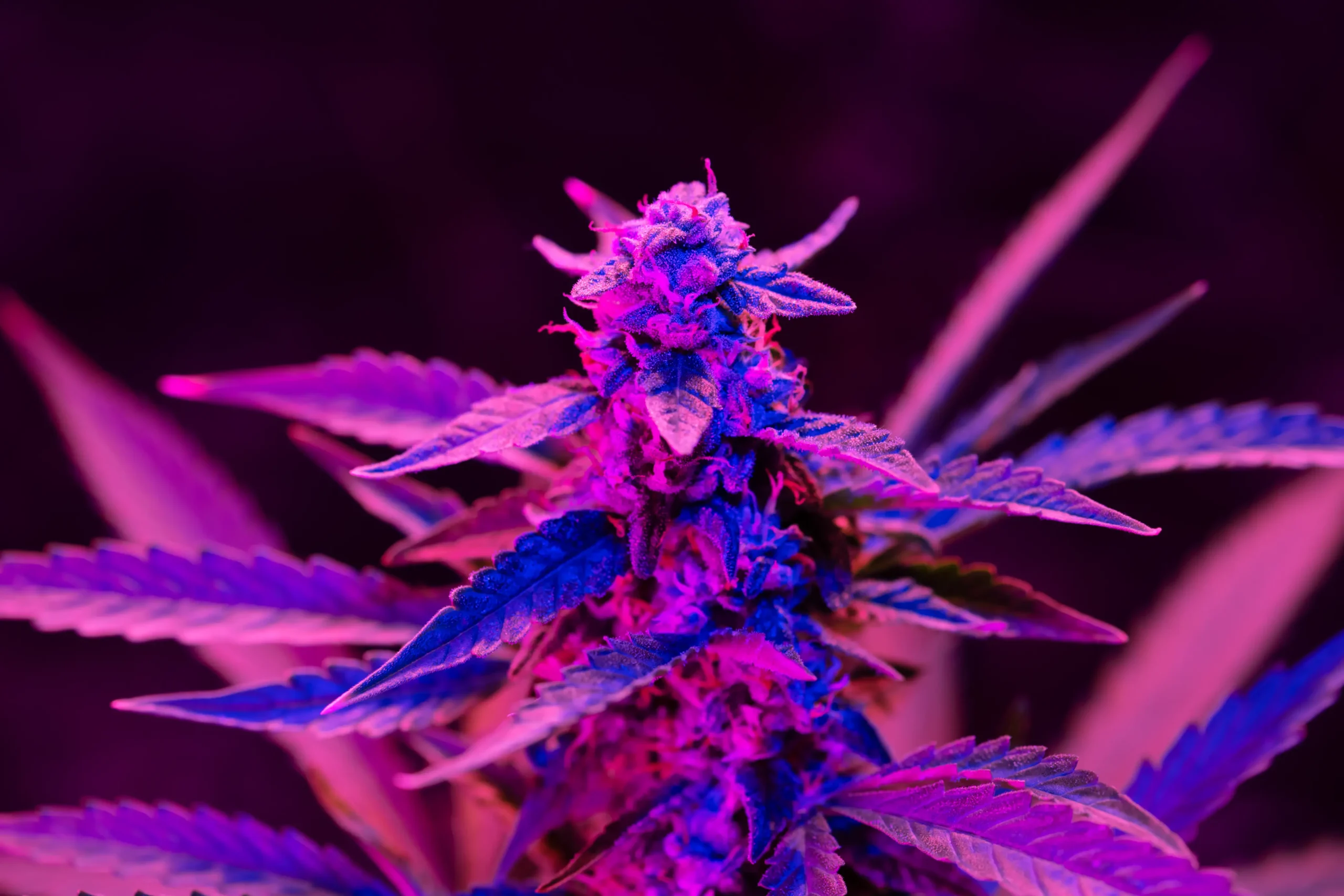
Bud Structure & Visual Appeal 9.0/10 Compact resinous flowers, golden pistils and occasional natural purple expression create excellent bag appeal.
Aroma Complexity 8.8/10 Honey, flowers, berry, pepper, herbs and citrus create a layered profile without relying on one aggressive note.
Flavor & Smoothness 8.7/10 Very enjoyable after a careful cure, with floral sweetness that can be lost through rapid drying.
Effects & High Experience 8.8/10 Happy, energetic and social at useful doses, with enough later relaxation to feel balanced rather than racy for many users.
Overall Satisfaction & Recommendation 8.7/10 A distinctive daytime hybrid for growers who can manage close nodes without overfilling the canopy.
Personal closer: I would keep the Candyland that stays floral and honeyed after cure while leaving enough natural space between its resinous flowers to make the grow feel simple.
FAQ
What is Candyland's lineage?
The most commonly documented lineage is Granddaddy Purple crossed with Platinum Cookies-type genetics. That combination explains the berry-purple background, strong resin, compact flowers, and sweet floral-spice profile.
Is Candyland a sativa or indica?
It is usually described as sativa-leaning, but multiple indica-leaning phenotypes can appear. Plant structure should be judged from the actual phenotype rather than from the label alone.
How long does Candyland flower?
About eight to nine weeks is a common indoor range. Some plants continue fresh pistil or calyx growth later, so use overall flower maturity rather than a hard day count.
Why does Candyland have tight internodes if it is sativa-leaning?
The hybrid combines active branch growth with compact-node genetics from its purple and Cookies background. Thin leaves do not automatically mean long internodal spacing.
How much does Candyland stretch?
Moderate stretch is common, but phenotype variation matters. Indica-leaning plants may stay shorter while more sativa-shaped plants use more vertical space.
Is Candyland good for SOG?
Yes. Its close nodes and dense flowers can work efficiently when many uniform plants are kept structurally simple and given enough final space around each main top.
Is Candyland good for SCROG?
Yes, especially a loose screen with open areas at the flip. Do not fill every square early because compact buds need room to expand later.
Should Candyland be heavily defoliated?
No. Open the branch geometry first and selectively remove leaves that permanently block airflow or lie against flowers. Heavy stripping is not necessary for healthy plants.
Is Candyland a heavy feeder?
Vigorous plants may use a solid nutrient supply, but demand varies by phenotype. Follow water use, leaf condition, and root health rather than assuming all sativa-leaning plants need aggressive feeding.
Why is my Candyland turning purple without cold temperatures?
Some phenotypes can express purple calyxes naturally because pigmentation has a genetic component. Color does not require deliberate cold stress and is not proof of maturity.
Is Candyland prone to bud rot?
Compact flowers and tight branch junctions can create humidity pockets when the canopy is crowded. Keep mature tops separated and allow air to move through the center.
Does Candyland need branch support?
Long laterals can benefit from support once close nodes fill with dense flowers. A loose net or perimeter ties can keep branches in separate light lanes.
Why is Candyland still making white pistils around week eight?
Some phenotypes continue late calyx and pistil production. Check the whole plant for calyx maturity, flower trichomes, aroma, and whether the new growth is uniform or limited to stressed tops.
When should Candyland be harvested?
Harvest when calyxes are fully developed, flower trichomes are mature, fresh pistil production has slowed, and the sweet floral-berry aroma is fully expressed. Do not use purple color alone as a clock.
Is Candyland a good daytime strain?
For many users, yes. Uplift, energy, happiness and social ease are commonly reported, although high doses can reduce focus or increase anxiety in sensitive users.
Similar Strains
Granddaddy Purple: The parental reference for berry, purple expression and physical relaxation, but much heavier and more nighttime-oriented in effect.
Girl Scout Cookies (GSC): A close family comparison for resinous compact flower and sweet-spice flavor, with a denser hybrid effect and less direct floral-honey character.
Tropicana Cookies: A brighter citrus-forward alternative with strong color potential and a more orange-focused terpene profile.
Strawberry Cough: Similar daytime social energy and berry appeal, but with longer, more obviously sativa structure and less compact flower density.
Purple Haze: A floral, purple, energetic comparison that stretches more and generally requires more vertical management.
Wedding Cake: A denser dessert-style alternative for growers who like resin and sweet spice but want heavier effects and less sativa-oriented energy.
Share this article
A quick overview of the topics covered in this article.
Follow us
Latest articles
September 30, 2026
September 30, 2026
September 30, 2026