
Cannabis Carbon Filter Guide: Sizing, Placement, Setup, and Lifespan
Cannabis Carbon Filter Guide: Sizing, Placement, Setup, and Lifespan
Direct Answer: Carbon Scrubbing Architecture and Engineering Matrix
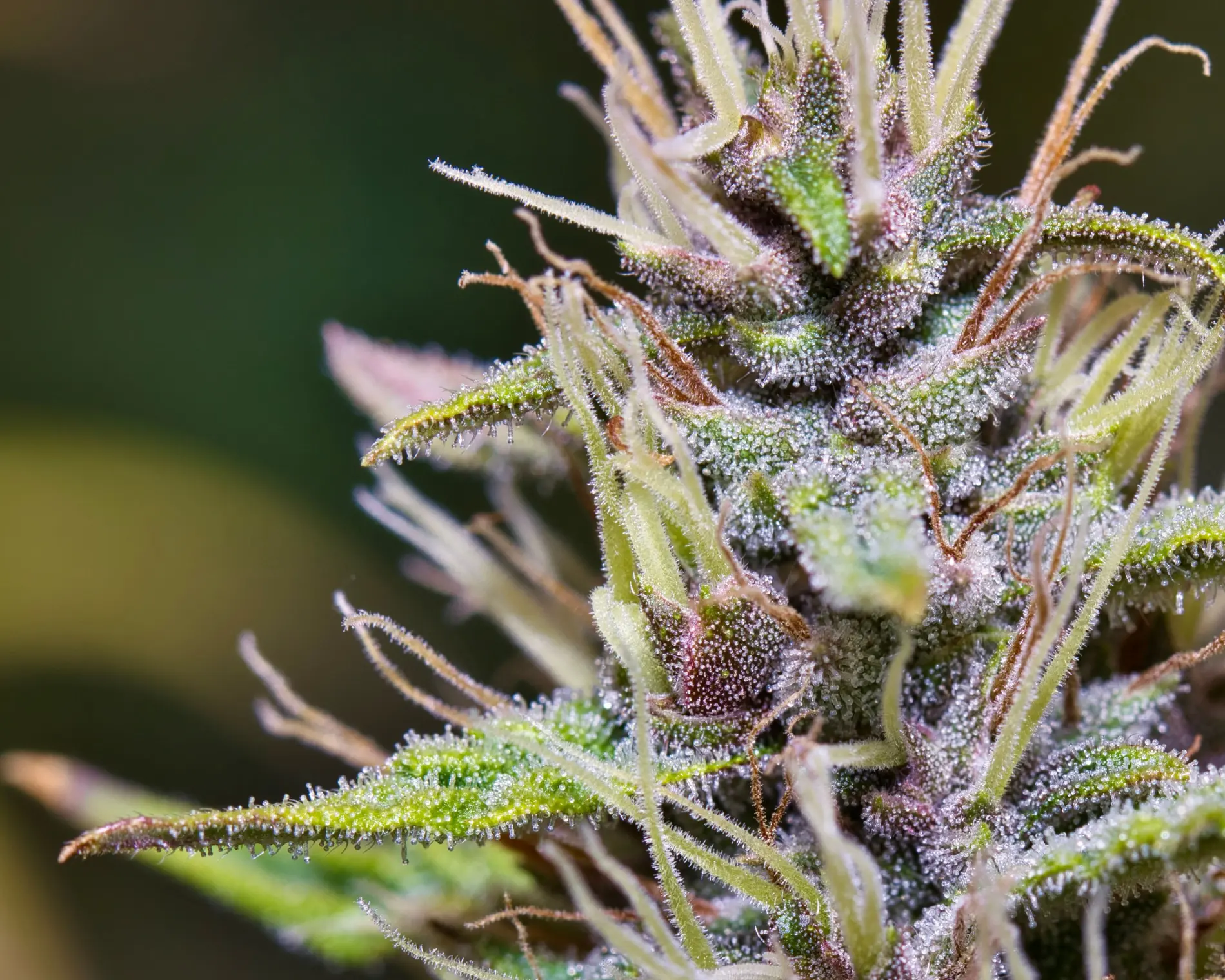
Eliminating pungent cannabis odors from an indoor cultivation facility requires deploying an activated carbon filter engineered specifically for gas-phase organic vapor adsorption. Flowering cannabis plants synthesize and volatilize complex bouquets of volatile organic compounds (VOCs), including monoterpenes (myrcene, limonene, pinene), sesquiterpenes (caryophyllene, humulene), and ultra-potent volatile sulfur compounds (VSCs), primarily 3-methyl-2-butene-1-thiol (prenylthiol). Human olfactory receptors can detect prenylthiol at concentrations below 1 part per billion (ppb). Masking sprays, ozone generators, and ionizing filters cannot neutralize these compounds at commercial production concentrations; only physical gas adsorption inside activated carbon can guarantee 100% molecular containment.
A successful carbon scrubbing installation relies on four non-negotiable engineering principles: utilizing premium virgin Australian RC-48 or activated coconut shell carbon with an internal specific surface area exceeding 1,050 m²/gram; sizing the carbon canister CFM rating at least 20% to 30% higher than the fan operating CFM; maintaining exhaust air relative humidity strictly below 70% to prevent capillary water condensation from blinding micropores; and guaranteeing a minimum air residence contact time of 0.10 to 0.15 seconds across a 38mm to 50mm packed carbon bed. Sizing a carbon filter equal to or smaller than your fan CFM guarantees premature odor breakthrough during late flowering.
Always pair your inline fan with a carbon filter rated for 20% to 30% higher CFM capacity than the maximum output of your fan. For example, if your 6-inch inline fan moves 350 CFM, select a carbon filter rated for at least 420 to 450 CFM. Oversizing the filter reduces static pressure resistance by up to 0.15 in. w.g., extends air-to-carbon contact residence time, ensures whisper-quiet airflow, and doubles the usable lifespan of the carbon bed.
1. Carbon Filter Sizing and Airflow Match Matrix
The table below provides engineering specifications for matching carbon filter dimensions to grow tent sizes, lighting wattages, and fan airflow ratings:
| Canopy Scale | Flange Diameter & Bed Length | Carbon Weight (RC-48) | Max Filter CFM Rating | Optimal Operating Fan CFM |
|---|---|---|---|---|
| 2×2 ft Tent (4 sq ft) | 4-inch x 12-inch (100 x 300 mm) | 5.5 – 7.0 lbs (2.5 – 3.2 kg) | 150 – 200 CFM | 80 – 120 CFM |
| 3×3 ft Tent (9 sq ft) | 4-inch x 18-inch or 6-inch x 16-inch | 9.0 – 12.0 lbs (4.1 – 5.5 kg) | 250 – 320 CFM | 160 – 220 CFM |
| 4×4 ft Tent (16 sq ft) | 6-inch x 20-inch or 6-inch x 24-inch | 14.0 – 18.0 lbs (6.4 – 8.2 kg) | 450 – 550 CFM | 300 – 380 CFM |
| 5×5 ft Tent (25 sq ft) | 8-inch x 24-inch (200 x 600 mm) | 22.0 – 28.0 lbs (10.0 – 12.7 kg) | 700 – 850 CFM | 450 – 600 CFM |
| 8×8 ft to 10×10 ft Room | 10-inch x 39-inch or 12-inch x 48-inch | 45.0 – 65.0 lbs (20.5 – 29.5 kg) | 1,200 – 1,600 CFM | 850 – 1,200 CFM |
Physical Chemistry of Adsorption: Micropores, Surface Area, and Van der Waals Forces
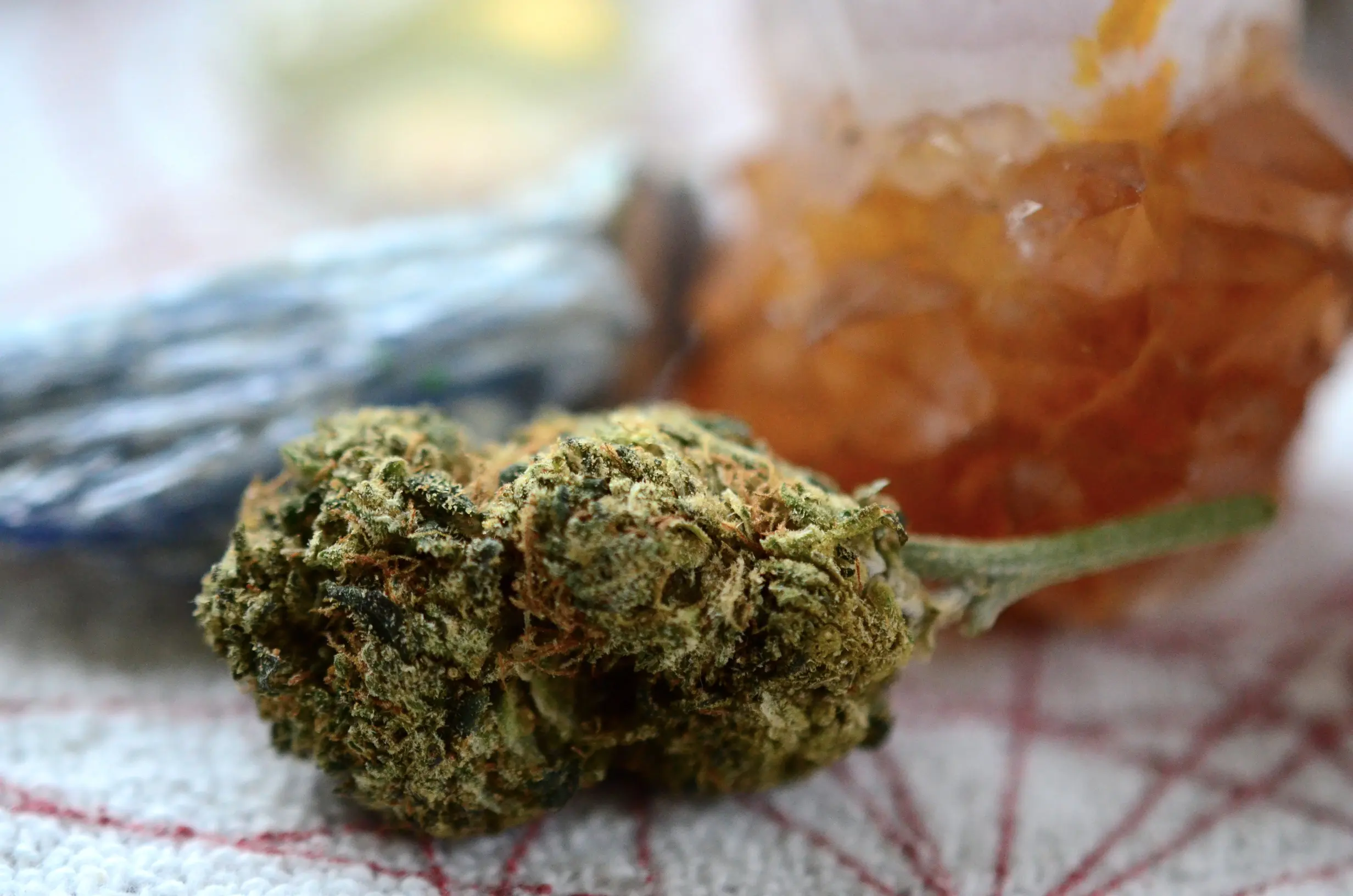
To select an effective carbon scrubber, cultivators must understand the difference between adsorption and absorption. Absorption is a bulk volumetric process, like a kitchen sponge soaking up water. In contrast, adsorption is a surface-based physical phenomenon where gas-phase volatile molecules adhere to solid internal pore walls via weak intermolecular electrostatic attractions known as London dispersion forces (Van der Waals forces).
1. Activation Physics and Internal Surface Area
Raw coal or coconut shell is not naturally adsorptive. To activate carbon, raw carbonaceous material is heated inside a rotary kiln to extreme temperatures (800 °C to 1,000 °C / 1,470 °F to 1,830 °F) in the presence of superheated steam. Steam gasifies volatile hydrocarbons, eroding millions of microscopic channels through the carbon matrix and leaving an intricate network of graphitic carbon plates.
This activation process generates an astonishing internal specific surface area:
- One single gram of virgin activated carbon contains between 1,000 and 1,200 square meters of internal surface area.
- A standard 6×20-inch carbon filter containing 15 pounds (6.8 kg) of activated carbon provides over 7.5 million square meters of adsorptive surface, equivalent to more than 1,400 full-sized football fields of molecular capture area.
2. Pore Size Distribution: Micropores vs Macropores
Carbon pores are classified by internal diameter under IUPAC standards:
- Macropores (>50 nm): Serve as transport conduits that allow air molecules to enter the interior granule body rapidly.
- Mesopores (2 to 50 nm): Transition channels that guide organic molecules into the inner matrix.
- Micropores (<2 nm): The primary adsorption engine. Volatile terpenes and sulfur thiols have molecular kinetic diameters between 0.5 and 1.5 nanometers. Premium virgin Australian RC-48 carbon features a pore size distribution where over 80% of total pore volume sits in the micropore range, creating a perfect geometric lock for cannabis odor molecules. Cheap recycled pelletized carbon contains excessive macropores that allow terpenes to slip through uncaptured.
3. Standard Quality Metrics: CTC Activity and Iodine Number
When evaluating activated carbon quality specifications, commercial manufacturers cite two primary ASTM standardized metrics:
- Carbon Tetrachloride (CTC) Activity (ASTM D5742): Measures the percentage by weight of carbon tetrachloride vapor adsorbed by carbon at saturation. Premium horticultural carbon scrubbers require a CTC rating of ≥ 60% to 70%. Cheap utility carbon rates between 40% and 50% CTC, indicating significantly reduced pore capacity for gaseous volatile compounds. Note: Modern environmental laboratories increasingly use butane working capacity (BWC) as a non-toxic replacement, where a BWC of ≥ 20 g/100g correlates to ≥ 60% CTC.
- Iodine Number (ASTM D4607): Measures the milligrams of liquid iodine adsorbed per gram of carbon at 0.02 N equilibrium concentration. Iodine number indicates microporosity between 1.0 and 1.5 nanometers. High-performance virgin Australian RC-48 carbon exhibits an iodine number of 1,050 to 1,200 mg/g.
4. Mathematical Modeling: The Wheeler-Jonas Breakthrough Equation
Chemical engineers model gas-phase volatile organic compound (VOC) adsorption lifespan across fixed granular carbon beds using the classic Wheeler-Jonas breakthrough equation:
tb = (We / C0 Q) ≤ft[ W – (rhoB Q / kv) ln≤ft((C0 / Cb)) ]
Where variables correspond to installed cultivation conditions:
- tb: Time to odor breakthrough (minutes of operational fan life).
- We: Dynamic adsorption capacity (grams of terpene per gram of activated carbon, typically 0.15 to 0.25 g/g under indoor grow conditions).
- W: Total mass of packed carbon granules in the canister (grams).
- Q: Volumetric exhaust airflow rate through the carbon bed (cubic meters per minute).
- C0: Inlet concentration of volatile organic terpenes and sulfur odorants.
- Cb: Permissible breakthrough concentration at duct exhaust (effectively zero for stealth cultivation).
- rhoB: Packed bed bulk density (approximately 0.45 to 0.52 g/cm³ for machine-vibrated RC-48 carbon).
- kv: Overall adsorption rate coefficient (minute&sup-1;), governed by granule mesh size and pore diffusion rates.
The Wheeler-Jonas model demonstrates mathematically why reducing airflow velocity (Q) dramatically increases breakthrough time (tb): reducing fan CFM directly expands the critical bed residence time and maximizes the mass of terpenes captured per gram of carbon before saturation occurs.
Never purchase cheap carbon filters filled with extruded pelletized carbon (shaped like tiny cylinder pellets). Pelletized carbon utilizes industrial coal dust bound together with chemical tar or clay binders that block up to 30% of internal micropores. Premium horticultural scrubbers utilize granulated virgin activated carbon (4×8 or 4×12 mesh) packed under high vibration. Granular carbon provides 25% higher bulk density and superior packing geometry without bypass air voids.
Contact Residence Time: The 0.10-Second Bed Depth Requirement
The single most critical operational metric determining carbon filter efficacy is Residence Contact Time (tresidence). Adsorption is not instantaneous; a gas-phase terpene molecule must diffuse through the laminar boundary layer around a carbon granule, penetrate the pore channel, and establish Van der Waals bonds with carbon atoms.
1. Mathematical Contact Time Equation
Calculate residence contact time using bed volume and volumetric airflow:
tresidence = {Vbed}{Qairflow} = (Carbon Bed Volume (cu ft) / Airflow Rate (cu ft per second))
Extensive chemical engineering testing demonstrates that complete adsorption of heavy monoterpenes and volatile sulfur compounds requires an absolute minimum residence time of 0.10 to 0.15 seconds:
- If air travels across a 2-inch (50 mm) thick carbon bed at 1.5 feet per second: t = (2 / 12 / 1.5) = (0.1667 / 1.5) ≈ 0.111 seconds. Adsorption is 100% complete; exhaust air is totally scrubbed.
- If an overpowered fan forces air through that same bed at 3.0 feet per second: t = (0.1667 / 3.0) ≈ 0.055 seconds. Contact time is cut in half, allowing skunky prenylthiol molecules to blast right through the bed into the outdoor atmosphere without adsorbing.
The 70% Relative Humidity Trap: Capillary Condensation and Breakthrough
The primary environmental killer of activated carbon filters in cannabis cultivation is excessive relative humidity.
1. The Kelvin Equation and Capillary Condensation
Water vapor is an omnipresent component of grow room exhaust air. In standard gas-phase chemistry, water vapor is weakly adsorbed by activated carbon because carbon surfaces are naturally hydrophobic. However, within microscopic pore structures under 2 nanometers, the Kelvin effect dramatically lowers the equilibrium vapor pressure of water:
ln≤ft((P / P0)) = (2 gamma Vm / r R T)
When exhaust air relative humidity crosses 70% RH, water vapor undergoes capillary condensation inside micropores, turning from vapor into liquid water droplets at temperatures far above the standard dew point. Liquid water floods the micropores, establishing a physical barrier that prevents hydrophobic terpene and sulfur molecules from reaching active graphitic binding sites.
- At 50% to 65% RH, carbon operates at 100% capacity; pore channels remain open and dry.
- At 70% to 75% RH, organic vapor adsorption capacity drops by 40% to 60%. Pungent flowering odors begin leaking out the exhaust.
- At 80%+ RH (common during unheated lights-off periods), carbon becomes completely water-saturated, dumping previously captured VOCs back into the exhaust air in a catastrophic odor blowout.
If your carbon filter becomes waterlogged during a high-humidity spike, the filter is not permanently ruined. Lower room humidity to 45% using a commercial dehumidifier and run dry air through the filter for 24 to 48 hours. Water will evaporate out of the micropores, restoring adsorptive capacity. However, repeated wetting-and-drying cycles cause carbon granules to crumble and compact, accelerating channel formation.
Filter Sizing Workflow: Sizing Filters 20% to 30% Above Fan CFM
Follow this standardized 4-step engineering workflow to match carbon filters to your facility:
- Step 1: Determine Required Operating Airflow: Calculate the true CFM required to remove lighting sensible heat (CFM = (Watts × 3.412 / 1.08 × Δ T)). For a 4×4 ft tent with a 650W LED, this equals approximately 340 CFM.
- Step 2: Add Static Pressure Buffer: Operating against 0.60 in. w.g. resistance requires selecting an inline fan rated for approximately 450 to 500 free-air CFM.
- Step 3: Apply the 20% Filter Oversizing Factor: Multiply operating fan CFM by 1.25: 340 × 1.25 = 425 CFM. Select a carbon filter rated for a maximum throughput of 450 to 550 CFM (e.g., a 6×24-inch or 8×24-inch canister).
- Step 4: Verify Duct Flange Sizing: Ensure filter flange diameter matches or exceeds fan ducting. Never reduce an 8-inch fan down to a 4-inch carbon filter; necking down duct size triples static pressure resistance, causing fan stall and severe motor heat.
System Placement and Layout: Overhead Hanging, Pull-Through vs Push-Through
Proper physical placement inside the grow space ensures optimal thermal stratification capture and ergonomic service access.
1. Overhead Ceiling Mounting
Always mount the carbon filter horizontally at the highest vertical point inside the grow tent or room. Heat and humidity rise naturally via thermal convection, accumulating in a dense hot-air ceiling pocket. Pulling air from the ceiling evacuates the warmest, most humid air first, stabilizing canopy microclimates.
- Direct Coupling: Whenever space permits, connect the inline fan directly to the carbon filter flange using a rubber vibration-isolation coupling collar. Eliminating flexible ducting between the filter and fan eliminates negative-pressure duct collapse and eliminates air leaks.
- Heavy-Duty Suspension: A loaded 8×24-inch carbon filter weighs 30 to 35 pounds. Suspend the filter using two independent heavy-duty ratcheting rope hangers or nylon utility straps secured around ceiling crossbars. Never hang filters from zip ties or electrical cords.
Can I put my carbon filter outside the tent on the floor and blow air through it?
Question sent by: Garrett Vance, via email.
“My tent ceiling is too crowded with lights. Can I put my carbon filter outside the tent on the floor and blow air through it?”
Yes, this is known as a Push-Through Configuration, but you must modify your setup to avoid rapid filter failure:
1. Internal Prefiltration: When blowing air through a filter, the white fabric prefilter on the outside of the canister is completely useless because air travels from the inside core outward. You must take the prefilter sleeve off the outside, roll it up, and slide it tightly into the internal hollow core of the filter. If you skip this, airborne dust and pollen will coat the internal carbon face, blinding the filter within 60 days.
2. Airtight Duct Connections: Any tiny pinhole leak in the ducting between the fan and external filter will spray raw, pressurized flowering odor directly into the room. Use metal foil tape and heavy-duty worm-drive hose clamps on all duct seams.
Prefilter Maintenance: Dust Loading, Washing Cycles, and Static Pressure
The white fabric prefilter sleeve wrapped around the outside of your carbon canister is the first line of defense protecting expensive activated carbon from particulate blinding.
1. The Particulate Blinding Mechanism
Grow room air contains high concentrations of airborne dust, mineral salts from ultrasonic humidifiers, insect shed, and biological trichome debris. If raw air contacts bare carbon granules, large dust particulates (10 to 100 microns) physically cover the carbon surface, sealing the macropore entrances.
- A choked prefilter increases static pressure drop by 0.20 to 0.35 in. w.g., cutting exhaust fan airflow by up to 30%.
- Washing Protocol: Remove the fabric prefilter every 60 days. Wash it in warm water with mild detergent (no fabric softeners or bleach). Rinse thoroughly until water runs crystal clear, and allow it to air-dry 100% completely before reinstalling. Never reinstall a damp prefilter, as moisture will trigger mold growth against the carbon bed.
- Ultrasonic Humidifier Warning: If you use an ultrasonic humidifier filled with hard tap water, the ultrasonic transducer atomizes dissolved calcium and magnesium into fine white dust. This mineral dust will coat your prefilter in a chalky white film within 14 days. Always use reverse osmosis (RO) or distilled water in grow room humidifiers.
| System Element | Frequency | Action Protocol | Operational Standard |
|---|---|---|---|
| Fabric Prefilter Sleeve | Every 60 Days | Machine wash gentle warm; air dry completely before re-sleeving. | Clean white fabric; static pressure drop < 0.08 in. w.g. |
| Duct Clamp Connections | Monthly | Tighten worm-drive clamps; inspect foil tape for lifting or tears. | 100% airtight seal; zero negative pressure air leaks. |
| Exhaust Air Humidity Check | Continuous | Monitor digital hygrometer placed in exhaust duct stream. | Exhaust RH maintained ≤ 65% at all times. |
| Bed Compaction Tap Test | Between Cycles | Gently tap canister with rubber mallet to inspect for settling voids. | Firm, solid packed carbon bed; zero bypass channel gaps. |
| End-of-Life Replacement | 12 – 18 Months | Replace complete carbon filter canister upon first faint odor hint. | Total zero odor breakthrough during peak week 8 flower. |
Odor Failure Modes: Channeled Beds, Seam Leaks, and Saturation Warning Signs
Detecting early warning signs of carbon filter failure prevents catastrophic neighborhood odor leaks.
1. Bed Channeling and Air Bypassing
If a carbon filter is dropped, subjected to extreme motor vibration, or filled with loose, poorly packed carbon, granules settle over time. Settling leaves an open void or crack at the top of the canister. Air follows the path of least physical resistance, rushing through the open void without contacting carbon. If you smell faint terpenes outside while the filter is only six months old, remove the filter and inspect for bed settling.
2. Chemical Saturation (Breakthrough Point)
Activated carbon has a finite adsorptive capacity (typically 20% to 30% of its dry weight in VOCs). Once micropores become filled with adsorbed molecules, the filter reaches the Breakthrough Point:
- First, faint sweet, floral terpenes slip through during warm lights-on runs.
- Within 7 to 10 days, pungent skunky thiols break through completely.
- Once breakthrough begins, the carbon cannot be restored by washing or baking in a home oven. The canister must be replaced immediately. In continuous perpetual harvest facilities, replace filters proactively at 12 to 14 months of operation.
The 24-Hour Odor Commissioning and Isopropyl Smoke Test
Validate the optical and molecular seal of your carbon scrubber before flowering buds develop.
1. The Essential Oil Validation Protocol
- Power System to Operational Speed: Turn on your inline fan to its target 60% operating speed with the carbon filter fully connected.
- Aerosol Challenge Test: Place an ultrasonic aroma diffuser filled with water and 10 drops of pure peppermint, eucalyptus, or pine essential oil inside the sealed grow tent. (These essential oils contain monoterpenes chemically similar to cannabis volatiles).
- Olfactory Sniff Verification: Stand outside at the exterior duct termination point. Sniff the exhaust air for 10 minutes. Exhaust air should smell completely neutral or like faint clean laundry; you should detect zero hint of peppermint or eucalyptus. If you smell the oil, inspect duct clamps, check for seam leaks, and verify prefilter positioning.
- Vacuum Negative Pressure Check: Verify that tent walls pull inward gently, confirming that all tent seams and zippers are under continuous negative draft.
Operational Maintenance and Filter Replacement Schedule
A disciplined maintenance calendar ensures continuous, reliable odor mitigation across multiple cycles.
Can I refill my own carbon filter using bulk activated carbon bought online to save money?
Question sent by: Marcus Finch, via contact form.
While DIY refilling sounds economical, it almost always fails in practice for two reasons:
1. Machine Vibration Packing: Commercial filter manufacturers fill canisters on specialized vibrating pneumatic tables that settle carbon granules under continuous 60 Hz vibration. This packs the bed to maximum bulk density without air pockets. When you pour carbon by hand, settling occurs within weeks of fan operation, creating air bypass channels that leak raw odor.
2. Carbon Quality: Most bulk carbon sold online is aquarium-grade or general wastewater grade, featuring large pore structures unsuited for gas-phase terpene capture. Buying a fresh, factory-packed virgin Australian RC-48 filter every 12 to 18 months ($80 to $140) is cheap insurance against catastrophic odor discovery.
Comprehensive Topic Deep Dives: Setup, Sizing, and Prefilter Care
To cover all essential aspects of carbon filtration without splintering information across multiple URLs, we address the five primary operational subtopics below:
1. Carbon Filter for Cannabis: Sizing, Placement, and Lifespan
Effective carbon filtration requires balancing bed geometry, contact residence time, and spatial location. In a standard 4×4 ft cultivation tent, select a 6-inch filter holding at least 15 pounds of virgin RC-48 carbon rated for 450 to 500 CFM. Mount the filter horizontally at the highest point of the ceiling to capture warm, buoyant odor plumes. Under proper relative humidity conditions (under 65% RH) and routine bi-monthly prefilter washing, a commercial carbon canister provides a reliable operational lifespan of 12 to 18 continuous months before breakthrough occurs.
2. Carbon Filter and Inline Fan Setup
Connecting your carbon filter to an inline fan requires airtight mechanical coupling. Mount the filter and fan directly together using a 6-inch rubber collar secured with dual stainless-steel worm-drive hose clamps. Wrap all seams in heavy-duty aluminum foil tape. Suspend the combined assembly from tent roof crossbars using four independent ratcheting rope hangers to distribute weight evenly and acoustically decouple motor vibration from the tent frame.
3. How to Size and Maintain a Carbon Filter
Sizing must be calculated from fan operating airflow, not room volume alone. If your fan operates at 300 CFM under duct load, your carbon filter must be rated for at least 360 to 400 CFM (a 20% safety margin). Maintenance consists of inspecting the outer prefilter every 30 days, washing it in warm water every 60 days, and logging the installation date to ensure the carbon bed is proactively replaced after four harvest cycles.
4. Pull-Through vs Push-Through Carbon Filter Layouts
The pull-through configuration (Filter → Fan → Exhaust) is the industry standard because air passes through the outer prefilter, protecting the carbon bed and keeping fan impellers clean. The push-through configuration (Fan → Duct → Filter) should only be used when ceiling clearance inside the tent is severely restricted, requiring the prefilter sleeve to be installed inside the internal core and all duct seams to be 100% airtight under positive pressure.
5. Carbon Prefilter Cleaning and Replacement Guide
The fabric prefilter captures airborne dust, pollen, and humidifier minerals before they blind the micropores of the carbon bed. Wash the prefilter every 60 days in warm soapy water, rinse thoroughly, and allow it to dry completely before re-sleeving. If the prefilter develops tears, thinning fabric, or stubborn mineral crusting, discard it and install a replacement commercial dust sleeve immediately.
Final Carbon Filter Decision Checklist and Next Weedth Resources
Execute this practical checklist to ensure your carbon filtration system delivers 100% odor security before entering the flowering cycle.
Carbon Filter Setup and Maintenance Checklist
- 20% Oversizing Factor Applied: Filter CFM rated at least 20% higher than fan operating CFM to ensure ≥0.10s contact time.
- Virgin Granular Carbon Verified: Filter packed with virgin Australian RC-48 or coconut carbon; recycled pellets avoided.
- Exhaust Humidity Clamped ≤ 65%: Dehumidifier operational to prevent capillary water condensation from blinding micropores.
- Ceiling Pull-Through Mounting: Filter hung horizontally at top of tent; fan pulls air through outer prefilter bed.
- Airtight Mechanical Seals: Rubber coupling collar and worm-drive clamps sealed with heavy-duty aluminum foil tape.
- Independent Rope Hangers: Filter suspended from ceiling crossbars using dual ratcheting straps rated for ≥75 lbs.
- Reverse Osmosis in Humidifiers: RO or distilled water used exclusively to eliminate white calcium mineral dust.
- Prefilter Washing Logged: Fabric sleeve scheduled for warm water washing every 60 days to prevent static pressure spikes.
- Essential Oil Challenge Test Passed: Zero aroma detected at exhaust termination during 10-minute diffuser test.
- Proactive 14-Month Reset Logged: Replacement date marked on canister to retire bed before breakthrough occurs.
Scientific References
- American Society of Heating, Refrigerating and Air-Conditioning Engineers (ASHRAE). (2021). ASHRAE Handbook – Fundamentals: Chapter 11 – Air Contaminants and Odors. ASHRAE, Atlanta, GA.
- American Society for Testing and Materials (ASTM). (2018). ASTM D5742-18: Standard Test Method for Determination of Butane Activity of Activated Carbon. ASTM International, West Conshohocken, PA.
- Zheng, Y. (Ed.). (2021). Handbook of Cannabis Production in Controlled Environments. CRC Press, Boca Raton, FL.
- Air Movement and Control Association (AMCA). (2016). AMCA Publication 201: Fans and Systems. AMCA International, Arlington Heights, IL.
- Bilodeau, S. E., Dufour, B., & Bouchard, J. (2019). Thermal and environmental control inside modern cannabis production facilities. Agronomy, 9(8), 443. DOI: 10.3390/agronomy9080443
- Oswalt, D., et al. (2021). Identification of 3-methyl-2-butene-1-thiol as the primary odorant in cannabis sativa skunky aroma. ACS Omega, 6(47), 31667-31676.
Share this article
A quick overview of the topics covered in this article.
Follow us
Latest articles
November 2, 2026
November 2, 2026
November 2, 2026
November 2, 2026
