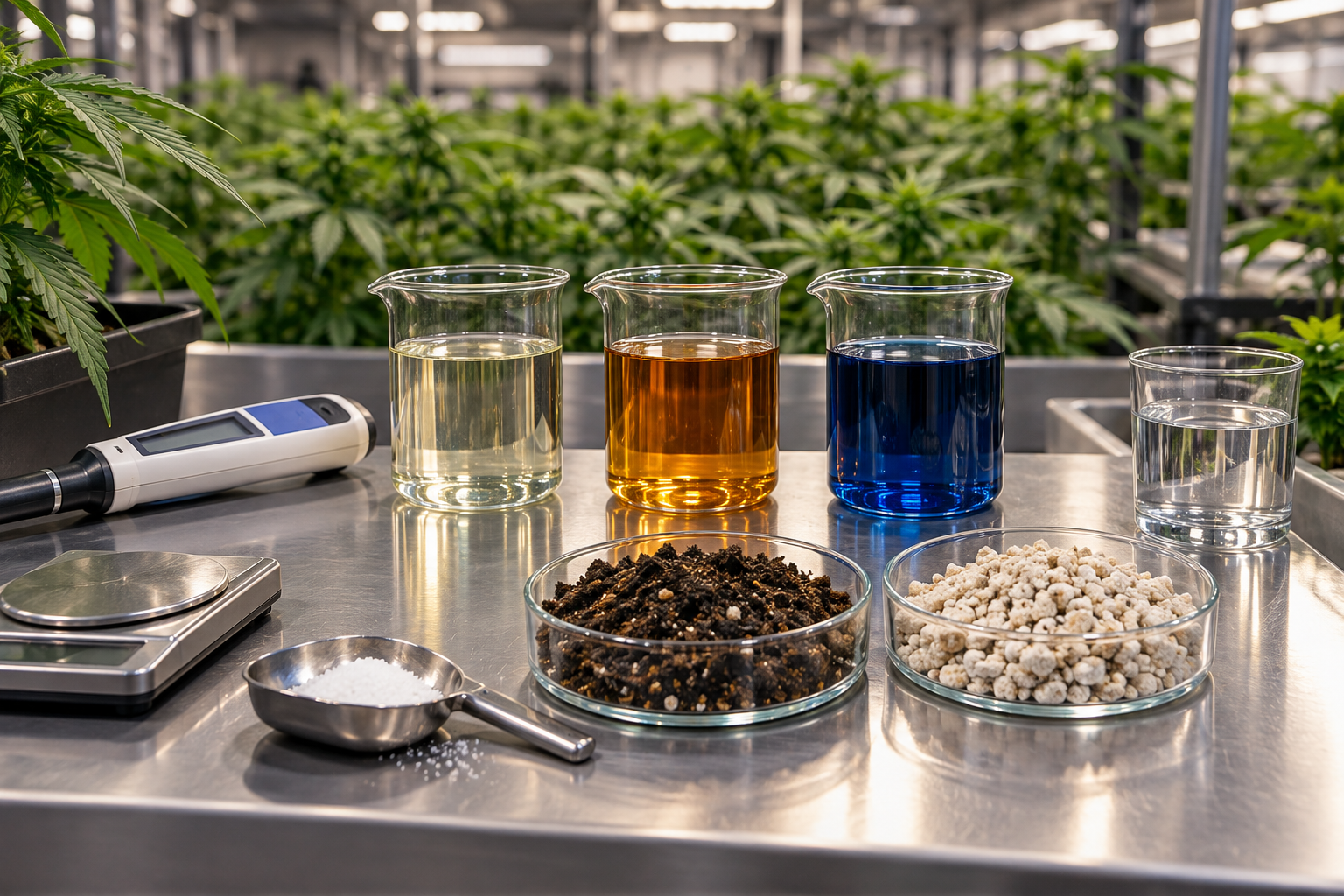
Cultivar-Specific Cannabis Feeding Records: Genetics, Phenotypic EC Scaling, and Run-to-Run Nutrient Logging
Universal commercial feeding charts represent an agronomic compromise that inevitably underperforms across genetically diverse cannabis canopies. Every cannabis cultivar possesses a distinct genetic blueprint that dictates root morphology, transpiration efficiency, xylem sap flow velocity, and cation-to-anion uptake kinetics. Treating a heavy-feeding polyhybrid with the same electrical conductivity (EC) schedule and nitrogen-to-potassium ratio as an equatorial narrow-leaf heirloom results in either osmotic stress and marginal leaf burn or acute vegetative starvation. Establishing cultivar-specific feeding records transforms qualitative guesswork into an empirical, repeatable cultivation science. By coupling input mineral formulations with root-zone leachate EC, pore-water electrical conductivity, daily volumetric water consumption, and canopy thermal imaging, cultivators can map the precise osmotic thresholds and macronutrient consumption curves for each distinct genetic line. This comprehensive manual details the biophysical mechanisms governing cultivar nutrient variance, establishes clinical run-to-run calibration protocols, provides structured logging frameworks, and outlines corrective workflows to optimize nutrient use efficiency across successive clonal cycles.
The Agronomic Myth of Universal Cannabis Feeding Schedules
In commercial agriculture, no serious greenhouse operator fertilizes tomatoes, bell peppers, and cucumbers using identical nutrient solution concentrations, yet the cannabis industry has spent decades attempting to force hundreds of disparate chemovars into identical bottle-feeding regimens. The standard nutrient feed charts distributed by fertilizer manufacturers are engineered around commercial safety margins rather than optimal plant physiology. Because fertilizer manufacturers must prevent inexperienced home growers from catastrophically burning their crops, standard retail charts are either systematically diluted or skewed heavily toward luxury consumption of expensive supplemental additives. When applied indiscriminately to a modern cultivation facility housing genetically diverse cuts, these universal schedules generate a chaotic landscape of nutrient imbalances, localized toxicity, and stunted yield potential.
The fundamental flaw of the universal feeding chart lies in the conflation of taxonomic species with uniform physiological function. Modern drug-type cannabis (Cannabis sativa L.) consists of highly recombined polyhybrids descended from landrace lineages that evolved across wildly divergent environmental niches. An Afghan broad-leaf landrace originating from arid, mineral-rich, high-salinity mountain soils developed root systems equipped with active proton pumps and robust membrane transporters designed to extract moisture and cations under osmotic pressure. Conversely, an equatorial landrace from the high-rainfall, leached, low-cation soils of Southeast Asia evolved to thrive in environments with low solute concentrations, exhibiting hyper-efficient nutrient scavenging and exceptional sensitivity to high root-zone nitrate levels. When these ancestral lineages are hybridized, their recombinant progeny inherit unpredictable mosaics of nutrient transporters, transpiration rates, and metabolic sinks.
A cultivar-specific feeding record is not merely a historical diary of how many milliliters of fertilizer were added to a reservoir; it is a clinical feedback loop that measures the interaction between plant genetics, the root-zone chemical environment, and atmospheric transpiration demands. By documenting input formulation parameters, root-zone leachate dynamics, and physiological responses over successive cycles, commercial and craft cultivators isolate the genetic baseline of each cultivar. This empirical documentation prevents the fatal operational error of over-correcting environment or substrate conditions when the true limiting factor is a misalignment between fertilizer stoichiometry and cultivar genetics.
Biophysical and Physiological Drivers of Cultivar Nutrient Demand
To understand why different cultivars require customized fertility programs, cultivators must examine the cellular and physical mechanisms governing solute uptake within the rhizosphere. The rate at which an individual cannabis plant assimilates essential macro- and micronutrients is not an arbitrary biological variable; it is governed by four primary biophysical drivers: xylem sap tension driven by leaf stomatal conductance, the density and affinity of transmembrane transport proteins, the ratio of vegetative sinks to floral sinks, and the plant’s internal osmotic pressure regulation.
Nutrient ions do not passively drift into cannabis root tissues; they enter either through mass flow, diffusion, or active transport against an electrochemical gradient. Water movement through the plant is governed by the water potential gradient between the root-zone substrate solution, the living xylem conduits, the mesophyll cells of the leaf, and the surrounding ambient atmosphere. Cultivars possessing broad, thin laminar leaves with high stomatal densities transpire significantly greater volumes of water per square meter of canopy under identical vapor pressure deficit (VPD) conditions than cultivars featuring dense, leathery foliage with heavy wax cuticles. Under high-PPFD LED arrays, a hyper-transpiring cultivar draws massive volumes of substrate solution into its xylem, carrying unbuffered mineral ions such as calcium (Ca2+) and boron (B) directly into the leaves. If the input solution EC is set excessively high, this transpiration-driven mass flow results in acute salt toxicity, leaf tip necrosis, and calcium oxalate crystal accumulation within the marginal cells.
Universal feeding charts fail to capture the disparate osmotic tolerances and transpiration rates of individual cannabis cultivars.
1. The Cation-to-Anion Transporter Stoichiometry
Root plasma membranes contain specialized transport proteins, including high-affinity nitrate transporters (NRTs), potassium channels (AKT/HAK), and cyclic nucleotide-gated channels for divalent cations like calcium and magnesium. Genetic expression of these transport proteins varies dramatically between cannabis lines. For example, cultivars with high endogenous terpene synthesis, particularly those exhibiting pungent skunk and sulfur-forward volatile sulfur compounds (VSCs), exhibit substantially higher expression of sulfate permeases (SULTR), allowing them to metabolize higher concentrations of sulfate (SO42-) without displaying antagonistic suppression of nitrate uptake.
Conversely, cultivars exhibiting extreme nitrogen sensitivity (frequently seen in sativa-dominant heritage lines and specific modern dessert polyhybrids) possess lower thresholds for nitrate reduction within the root cortical cells. When exposed to an input solution containing high nitrate concentrations (exceeding 180 to 200 mg/L elemental N), these cultivars cannot assimilate the excess inorganic nitrogen through the GS-GOGAT (glutamine synthetase-glutamate synthase) pathway quickly enough. Unassimilated nitrate accumulates in leaf vacuoles, causing intense dark green foliar pigmentation, downward leaf curling (“the claw”), severe internodal stretching, and the suppression of floral bud initiation. Cultivar-specific records quantify the exact nitrate ceiling where vegetative vigor transitions into metabolic toxicity.
2. Osmotic Tolerance and Root-Zone EC Thresholds
The electrical conductivity of the root-zone substrate solution defines its osmotic potential. According to the van ‘t Hoff equation, the osmotic pressure of a dilute solution is directly proportional to the total molar concentration of all dissolved solutes:
Osmotic Potential (Π) = -C × R × T
Where C is the total solute concentration in moles per liter, R is the universal gas constant (0.08314 L·bar·mol-1·K-1), and T is the absolute temperature in Kelvin. As the concentration of mineral salts in the root zone rises, the osmotic potential becomes increasingly negative, making it thermodynamically more difficult for root cortical cells to extract water molecules from the pore space. Cultivars with high root membrane integrity, high proline accumulation capacity, and dense root hairs can maintain turgor pressure and nutrient absorption at root-zone pore water EC levels exceeding 3.5 to 4.5 dS/m. In contrast, sensitive cultivars experience osmotic root drought at identical salinity levels, manifesting symptoms identical to underwatering despite the substrate being saturated to container capacity.
The Cultivar Nutrient Ledger: Critical Agronomic Metrics to Record
To construct an actionable, high-utility cultivar feeding record, cultivators must abandon qualitative observations such as “the plant looks happy” or “foliage looks slightly pale” in favor of standardized, repeatable empirical metrics. A professional cultivation log must capture data across three primary domains: Input Chemistry, Substrate/Leachate Dynamics, and Canopy Physiological Response. Failure to record all three domains simultaneously creates incomplete datasets that lead to erroneous agronomic conclusions.
For instance, observing a leaf tip burn symptom without recording the corresponding leachate electrical conductivity and daily dry-back percentage leaves the cultivator guessing whether the burn was caused by excessive fertilizer concentration in the reservoir, inadequate leaching fraction leading to evaporative salt crystallization, or excessive atmospheric VPD forcing hyper-transpiration. The following parameters constitute the essential baseline of any rigorous cultivar feeding ledger:
| Agronomic Parameter | Measurement Tool | Sampling Frequency | Clinical Significance for Cultivar Logging |
|---|---|---|---|
| Input Electrical Conductivity (ECin) | Calibrated digital EC meter (dS/m or mS/cm) | Every fertigation event | Establishes the precise baseline solute mass delivered to the root zone before substrate interaction. |
| Input pH (pHin) | Glass-bulb double junction pH meter | Every fertigation event | Ensures mineral elements remain soluble and bioavailable; verifies that delivery chemistry meets target specs. |
| Leachate Runoff Volume (%) | Volumetric graduated cylinder | Daily / per irrigation cycle | Calculates leaching fraction (Vrunoff / Vapplied); confirms whether salts are being flushed or accumulated. |
| Leachate Electrical Conductivity (ECout) | Digital conductivity meter | Daily at peak dry-back collection | Determines the Delta EC (ΔEC = ECout – ECin); reveals if the cultivar is accumulating salts (+ΔEC) or stripping minerals (-ΔEC). |
| Leachate pH (pHout) | Calibrated pH meter | Daily at peak collection | Indicates root-zone cation vs anion uptake stoichiometry; rising pH indicates nitrate uptake; falling pH indicates ammonium/cation uptake. |
| Substrate Volumetric Water Content (VWC) | TDR / Capacitance soil moisture sensors | Continuous (logged every 5-15 min) | Tracks cultivar-specific transpiration curves, dry-back velocity, and irrigation event triggering thresholds. |
| Canopy Leaf Temperature (Tleaf) | Infrared spot radiometer / thermal imaging | Twice weekly during peak PPFD photoperiod | Calculates true leaf-to-air VPD; identifies stomatal closure caused by osmotic root stress or root rot. |
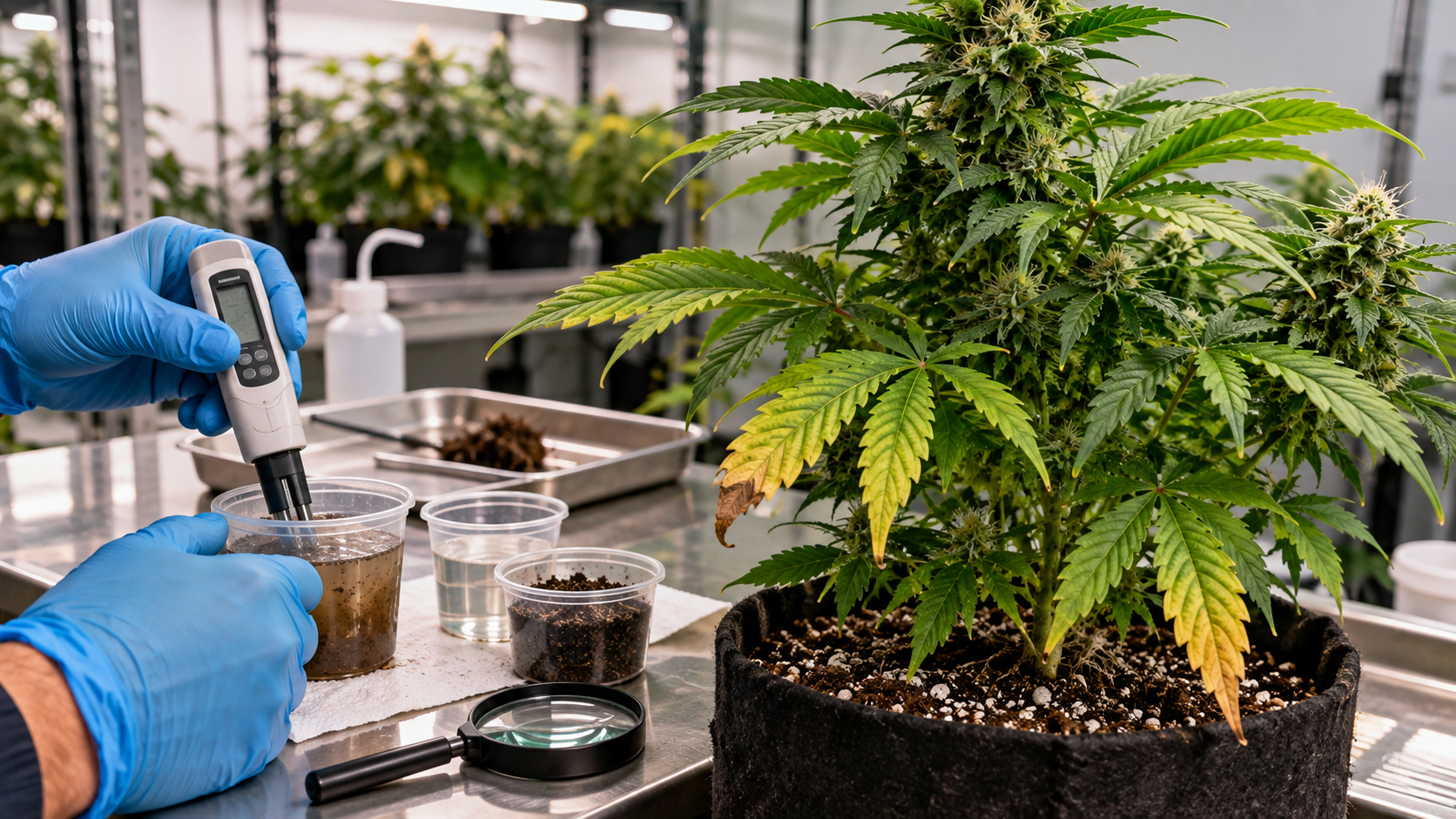
Systematic tracking of root-zone delta EC and leachate drainage separates true genetic demand from environmental salt accumulation.
Cultivator Inquiry: Multi-Cultivar Fertigation on Unified Manifolds
How do I balance reservoir EC when running multiple cultivars on one manifold?
Question sent by: Marcus Vance, via email.
“We run four different genetics in a 12-light flowering room connected to a single automated fertigation manifold and reservoir. Two of the cultivars are heavy-yielding OG Kush polyhybrids that demand heavy feeding, while the other two are delicate sativa-dominant crosses that show severe tip burn and clawing whenever our reservoir EC exceeds 2.0 dS/m. Because we can only mix one reservoir, how do we establish cultivar-specific feeding control without ripping out our entire plumbing infrastructure?”
Marcus, this plumbing dilemma represents one of the most common bottlenecks in craft and commercial facilities transition from single-strain monocultures to multi-cultivar craft offerings. When you are hydraulically locked into a single fertigation manifold, you cannot change the input electrical conductivity (ECin) or elemental ion ratios between individual pots. However, you can control the root-zone pore-water EC and moisture dynamics by manipulating volumetric delivery and irrigation frequency per cultivar.
First, adjust emitter flow rates rather than reservoir chemistry. Equip your heavy-feeding cultivars with higher-flow pressure-compensating (PC) emitters (for example, two 0.5 GPH emitters per container) while equipping the sensitive, low-EC cultivars with lower-flow emitters (a single 0.3 GPH emitter) or fewer delivery stakes. This delivers differing volumetric doses during the same valve run time.
Second, set your central reservoir EC to satisfy the lowest common osmotic denominator in the room: in your case, the sensitive sativa-dominant lines (1.6 to 1.8 dS/m). To satisfy the higher mineral demands of the heavy-feeding OG lines without raising reservoir EC, increase their total daily fertigation volume to drive a higher leaching fraction (20% to 25%). Higher leaching fractions continuously replenish the pore-water solution with fresh ions, preventing the heavy feeders from depleting local root-surface minerals, while shorter dry-backs prevent evaporative concentration. Conversely, allow the sensitive lines to experience moderate, controlled dry-backs with a 10% to 15% leaching fraction. By steering the root-zone moisture curve, you regulate nutrient availability mechanically rather than chemically until dedicated multi-zone valve automation can be installed.
Run-to-Run Clonal Calibration: The Three-Cycle Optimization Protocol
Optimizing fertility for an elite cannabis cultivar is not achieved in a single 10-week harvest cycle; it requires a systematic, iterative protocol spanning at least three successive clonal turns. Cannabis is an exceptionally plastic organism. When a cultivar is brought into a new environment from external tissue culture or clone nurseries, its immediate physiological response reflects past environmental conditioning and root-zone stress as much as its baseline genetic potential. Rushing to alter fertilizer chemistry based on anomalies observed during the initial run frequently leads to chasing phantom deficiencies.
The three-cycle calibration methodology establishes a rigid scientific control protocol. By holding core cultivation variables constant across cycles (substrate physical properties, container volume, irrigation manifold hydraulics, atmospheric temperature, and light intensity curves), the cultivator isolates nutrient assimilation as the primary experimental variable.
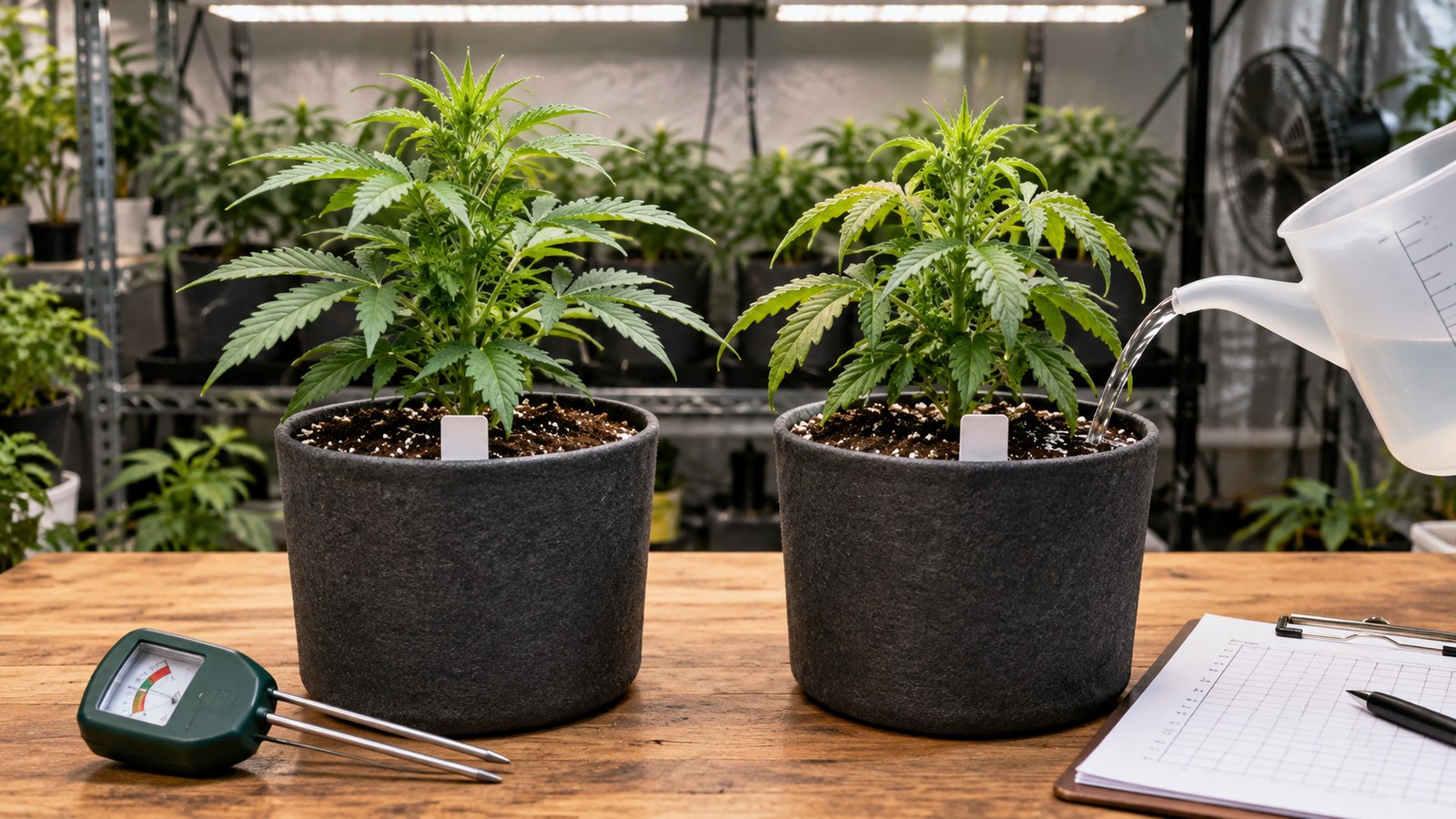
Controlled run-to-run calibration requires holding environmental baselines constant while adjusting single mineral variables.
Cycle 1: Baselining and Osmotic Boundary Mapping
The objective of the first cycle is not to maximize commercial yield, but to establish the cultivar’s safe operational boundaries. Cultivators deploy a conservative, balanced baseline formulation (such as a standard 3-1-2 N-P-K vegetative ratio shifting to a 1-2-3 generative ratio) at a moderate input EC of 1.6 to 1.8 dS/m in coco or rockwool, or 1.2 to 1.4 dS/m in peat blends.
Throughout Cycle 1, the primary focus is recording the daily Delta EC (ΔEC = ECrunoff – ECinput). If the Delta EC consistently trends negative (e.g., input is 1.8 dS/m and runoff emerges at 1.4 dS/m), the plant is actively mining minerals faster than they are being supplied, indicating a high-demand genetic line capable of handling higher input conductivity. If the Delta EC spikes rapidly positive (e.g., input is 1.8 dS/m and runoff climbs to 2.8 dS/m despite standard leaching fractions), the cultivar cannot process that solute load, indicating that input EC must be scaled downward in the subsequent turn.
Cycle 2: Elemental Stoichiometry and Transition Timing Tuning
Armed with the osmotic boundary data from Cycle 1, the second cycle fine-tunes specific macronutrient ratios and transition timing. The most critical inflection point in cannabis nutrition occurs during the transition from vegetative photoperiods (18/6) to generative flowering photoperiods (12/12), specifically between Weeks 2 and 4 of bloom (the “stretch” phase).
During Cycle 2, cultivators record the exact day vegetative internodal elongation halts and true floral cluster initiation begins. Cultivars with high vegetative vigor require prolonged nitrogen feeding through Week 3 of flower to maintain chloroplast integrity through the stretch, whereas indica-dominant lines that set flowers rapidly require an immediate reduction in nitrate nitrogen at Day 10 of flower to prevent leaf cupping and excessive foliage density. Cycle 2 records determine whether the cultivar benefits from supplemental potassium and phosphorus earlier or later in the bloom cycle.
Cycle 3: Production Steady-State and Quality Optimization
By the third cycle, the cultivar’s precise EC tolerance curve, weekly nitrogen decline rate, and cation demands are locked into the facility’s standard operating procedure (SOP). Cycle 3 focuses on secondary and tertiary quality traits: terpene synthesis, volatile sulfur compound concentration, anthocyanin expression (purple coloration), and post-harvest ash cleanliness.
During this final calibration run, cultivators test targeted micro-adjustments: increasing sulfate (SO42-) concentrations from 60 mg/L to 100 mg/L during peak resin synthesis (Weeks 5 to 7), adjusting the calcium-to-magnesium ratio from 2:1 to 3:1 to evaluate stalk rigidity, or implementing a precision low-EC nutrient taper during the final 10 to 14 days before harvest. The data logged across all three cycles becomes an invaluable asset that guarantees repeatable, high-potency yields.
Cultivar Archetype Nutritional Matrix and Benchmarks
While every elite clone exhibits unique nuances, modern cannabis genetics can be categorized into distinct nutritional archetypes based on their physiological heritage and metabolic demands. The following empirical matrix provides baseline nutritional parameters across five dominant commercial cannabis archetypes cultivated in inert soilless substrates (coco coir, rockwool, or precision peat perlite blends) under high-PPFD LED fixtures (800 to 1,100 μmol/m2/s) supplemented with 1,000 to 1,200 ppm CO2:
| Genetic Archetype | Representative Lineages | Peak Veg EC (dS/m) | Peak Bloom EC (dS/m) | Elemental N Target (Bloom Wk 4) | Ideal Ca:Mg Ratio | Key Nutritional Sensitivity |
|---|---|---|---|---|---|---|
| Heavy-Feeding Polyhybrid | OG Kush, GMO, Chem, Sour Diesel | 1.8 – 2.2 | 2.4 – 2.8 | 130 – 150 ppm | 2.5:1 – 3:1 | High demand for Ca and Mg under high PPFD; easily shows interveinal chlorosis if Mg drops below 55 ppm. |
| Delicate / Narrow-Leaf Sativa | Haze, Durban, Thai, Landrace sativas | 1.2 – 1.5 | 1.6 – 1.9 | 80 – 100 ppm | 2:1 | Extreme sensitivity to nitrate nitrogen; leaf clawing, floral stall, and iron lockout at high pH. |
| Modern “Dessert” / High-Resin Cut | Gelato, Runtz, Wedding Cake, Zkittlez | 1.6 – 1.9 | 2.0 – 2.3 | 110 – 125 ppm | 3:1 | Moderate root vigor; easily suffers from root-tip dieback if dry-backs exceed 40% VWC during early bloom. |
| High-Anthocyanin “Purple” Line | Granddaddy Purple, Tropicana, Purple Urkle | 1.5 – 1.8 | 2.0 – 2.4 | 90 – 110 ppm | 2.5:1 | Requires earlier nitrogen taper (Week 5 bloom) to unlock anthocyanin expression; sensitive to high ammonium salts. |
| Day-Neutral / Autoflower Hybrid | Ruderalis × Modern Polyhybrid | 1.2 – 1.6 | 1.7 – 2.1 | 100 – 115 ppm | 2:1 – 2.5:1 | Inflexible metabolic clock; zero vegetative recovery buffer; high sensitivity to osmotic shock during root establishment. |
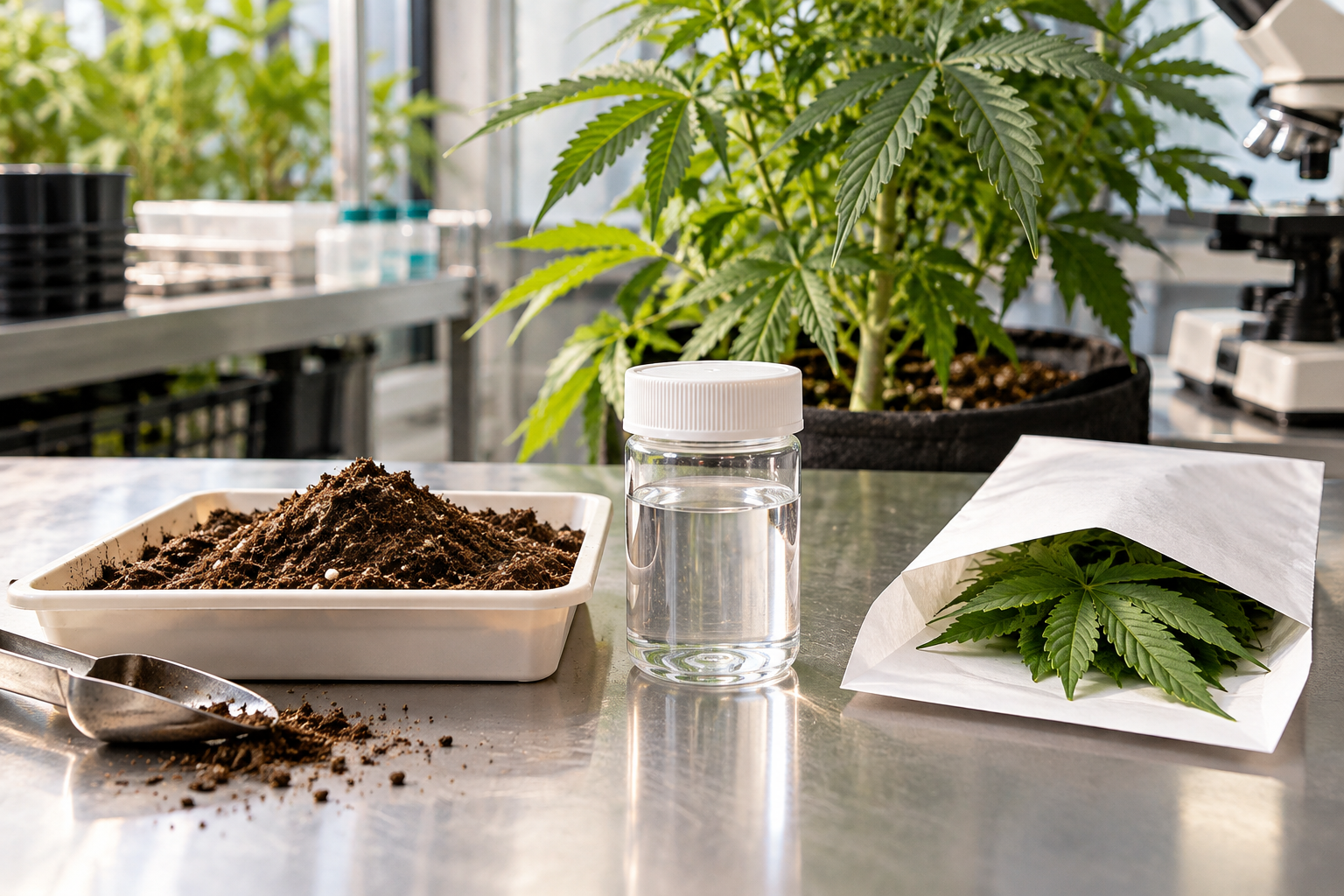
Laboratory petiole sap and dry-tissue analysis confirm whether cultivar-specific adjustments translate into physiological uptake.
Diagnostic Pitfalls: Chasing Genetic Traits vs Physiological Imbalances
One of the most destructive habits in cannabis cultivation is misinterpreting normal genetic expressions as nutrient deficiencies or, conversely, dismissing serious root-zone pathologies as “just how this strain grows.” Without rigorous cultivar-specific feeding records, growers fall victim to three major diagnostic errors that compromise crop health and yield.
1. Confusing Anthocyanin Phenotype Fade with True Nitrogen Starvation
During the final three weeks of flowering, many elite cultivars naturally downregulate chlorophyll synthesis in response to photoperiod duration and temperature drops, unmasking purple, magenta, and burgundy anthocyanin pigments. In a healthy, genetically driven senescence, the fading progresses uniformly from the outer leaf margins inward, and the vascular leaf veins retain structural integrity without necrotic spotting.
When an inexperienced cultivator misinterprets this natural pigment unmasking as acute nitrogen or phosphorus deficiency, they frequently make the catastrophic mistake of reintroducing high-nitrogen fertilizer or heavy bloom boosters late in flower. This floods the root zone with unneeded mineral salts, ruining the floral aroma profile, causing harsh combustion smoke, and triggering unwanted secondary vegetative re-growth (“foxtailing”) on mature calyxes. Cultivar records document the exact calendar day when natural pigment transition is expected, preventing knee-jerk feeding reactions.
2. The “Chasing Symptoms” Foliar Spray Trap
When a cultivar exhibits foliar interveinal chlorosis, the standard response is to apply a foliar spray of Epsom salt (magnesium sulfate) or chelated iron. While foliar application can provide a transient cosmetic greening, it treats the symptom while masking the root-zone pathology. In 90% of cases involving genetically sensitive cultivars, interveinal chlorosis is not caused by an absence of magnesium in the reservoir; it is caused by cation antagonism resulting from excessive potassium (K+) feeding, high root-zone substrate EC, or low substrate temperature (<18 °C) inhibiting active magnesium transport.
Relying on cultivar feeding logs reveals the true root cause: if your log shows that root-zone leachate EC crept upward from 2.2 dS/m to 3.6 dS/m over the preceding seven days, the plant is locked out by osmotic pressure and potassium competition. The correct action is a targeted substrate leachate reset rather than blasting delicate floral structures with foliar chemical sprays.
Clinical Cultivar Calibration and Remediation Workflow
When logging indicates that a specific cultivar is drifting outside its optimal nutritional equilibrium, cultivators must execute a systematic, repeatable remediation sequence. Never change multiple variables simultaneously; altering input EC, reservoir pH, light intensity, and watering frequency at the same time obscures which intervention solved the issue.
Phase 1: Diagnostic Triad Verification
Before altering any fertilizer formulation, measure the three diagnostic root-zone metrics simultaneously:
- Step 1: Measure Input Parameters. Test your fresh reservoir solution to confirm input EC and input pH match target baseline specifications. Check reservoir temperature (ideal: 18 – 21 °C).
- Step 2: Measure Drainage Leachate. Collect the first 20% of runoff emerging from the bottom of the container. Measure and record leachate volume, leachate EC, and leachate pH.
- Step 3: Calculate the Delta Values. Subtract input EC from runoff EC (ΔEC = ECout – ECin). Subtract input pH from runoff pH (ΔpH = pHout – pHin).
Phase 2: Data Interpretation and Decision Logic
Evaluate the calculated Delta values against clinical thresholds:
- Scenario A: High Positive Delta EC (ΔEC > +0.8 dS/m). The cultivar cannot consume the delivered solute mass, or substrate dry-backs are too severe, causing salt crystallization. Action: Increase irrigation volume by 20% to elevate leaching fraction, and reduce input EC by 0.3 to 0.5 dS/m on subsequent feeding cycles.
- Scenario B: Negative Delta EC (ΔEC < -0.3 dS/m). The cultivar is stripping minerals faster than irrigation supplies them. Substrate reserves are depleting. Action: Increase input EC by 0.2 to 0.4 dS/m, or increase daily irrigation frequency while holding EC constant.
- Scenario C: Drastic Falling pH (ΔpH < -0.8 units below input). Root zone is rapidly acidifying. Indicates excessive ammonium/urea assimilation, high cation uptake, or anaerobic root rot. Action: Inspect root health for Pythium; increase nitrate-to-ammonium ratio; flush with 1.2 dS/m balanced solution buffered to pH 6.2.
- Scenario D: Drastic Rising pH (ΔpH > +1.0 unit above input). Root zone is pushing alkaline. Indicates rapid nitrate uptake accompanied by hydroxyl (OH–) or bicarbonate (HCO3–) extrusion, or algal growth. Action: Normal during rapid vegetative growth; ensure input pH is maintained at 5.7 to 5.9 to prevent micronutrient precipitation.
Phase 3: Observation, Re-Inspection, and Log Updating
After executing a single corrective intervention, allow 48 to 72 hours for vascular transport and cellular recovery. Measure and log leachate metrics daily. Do not perform secondary chemical alterations until the physiological trajectory has stabilized. Once the target Delta EC (-0.1 to +0.3 dS/m equilibrium) is re-established, document the exact operational settings into the cultivar’s permanent master file.
Cultivar Feeding Management Standard Operating Checklist
Deploy this verification checklist across every grow room containing multiple cannabis cultivars to ensure data integrity and nutritional precision:
- Every individual cultivar container is labeled with distinct clone lot ID, mother plant lineage, and cutting date.
- Dedicated leachate collection trays or catchment saucers are assigned to benchmark sentinel plants of each cultivar.
- Input EC and input pH meters are calibrated weekly using fresh 1413 μS/cm and 4.01 / 7.00 reference buffer solutions.
- Daily leachate volume, ECout, and pHout are recorded at the exact same hour each morning to ensure data consistency.
- Delta EC (ΔEC) and Delta pH (ΔpH) are calculated automatically within the digital or physical cultivation ledger.
- Canopy leaf temperatures are sampled across all cultivars using an infrared thermometer during the third hour of full-intensity photoperiod.
- Cultivar-specific nitrogen reduction dates (stretching completion) are documented and applied on subsequent turns.
- No foliar corrective sprays are applied until root-zone leachate data confirms whether the issue is systemic or localized.
- Run-to-run harvest yield (grams per watt), cannabinoid potency (%), and total terpene concentration (%) are correlated against the feeding log to lock in optimal parameters.
- Historical feeding ledgers are permanently archived in the cultivation knowledge base for future pheno-hunting comparisons.
Scientific References
- Bernstein, N., Gorelick, J., Zerahia, R., & Koch, S. (2019). Impact of environmental conditions and nutrient availability on secondary metabolite production in medical cannabis. Industrial Crops and Products, 138, 111467.
- Bugbee, B. (2020). Toward an optimal spectral quality and nutritional regime for indoor cannabis cultivation. Frontiers in Plant Science, 11, 570.
- Marschner, H. (2012). Marschner’s Mineral Nutrition of Higher Plants (3rd ed.). Academic Press, London.
- Saloner, A., & Bernstein, N. (2020). Response of medical cannabis to nitrogen: Macronutrient uptake, biomass accumulation, and physiological functioning. Industrial Crops and Products, 158, 112995.
- Stanghellini, C., & Voogt, W. (2019). Managing nutrition in closed-loop and open-drain hydroponic greenhouse systems. HortScience, 54(5), 788-795.
- van Delden, S. H., et al. (2020). Current and future perspectives on indoor and controlled-environment cannabis production. Industrial Crops and Products, 158, 113048.
- Zheng, Y. (2021). Handbook of Cannabis Production in Controlled Environments. CRC Press, Boca Raton, FL.
Share this article
A quick overview of the topics covered in this article.
Follow us
Latest articles

November 3, 2026

November 3, 2026
November 3, 2026

November 3, 2026