
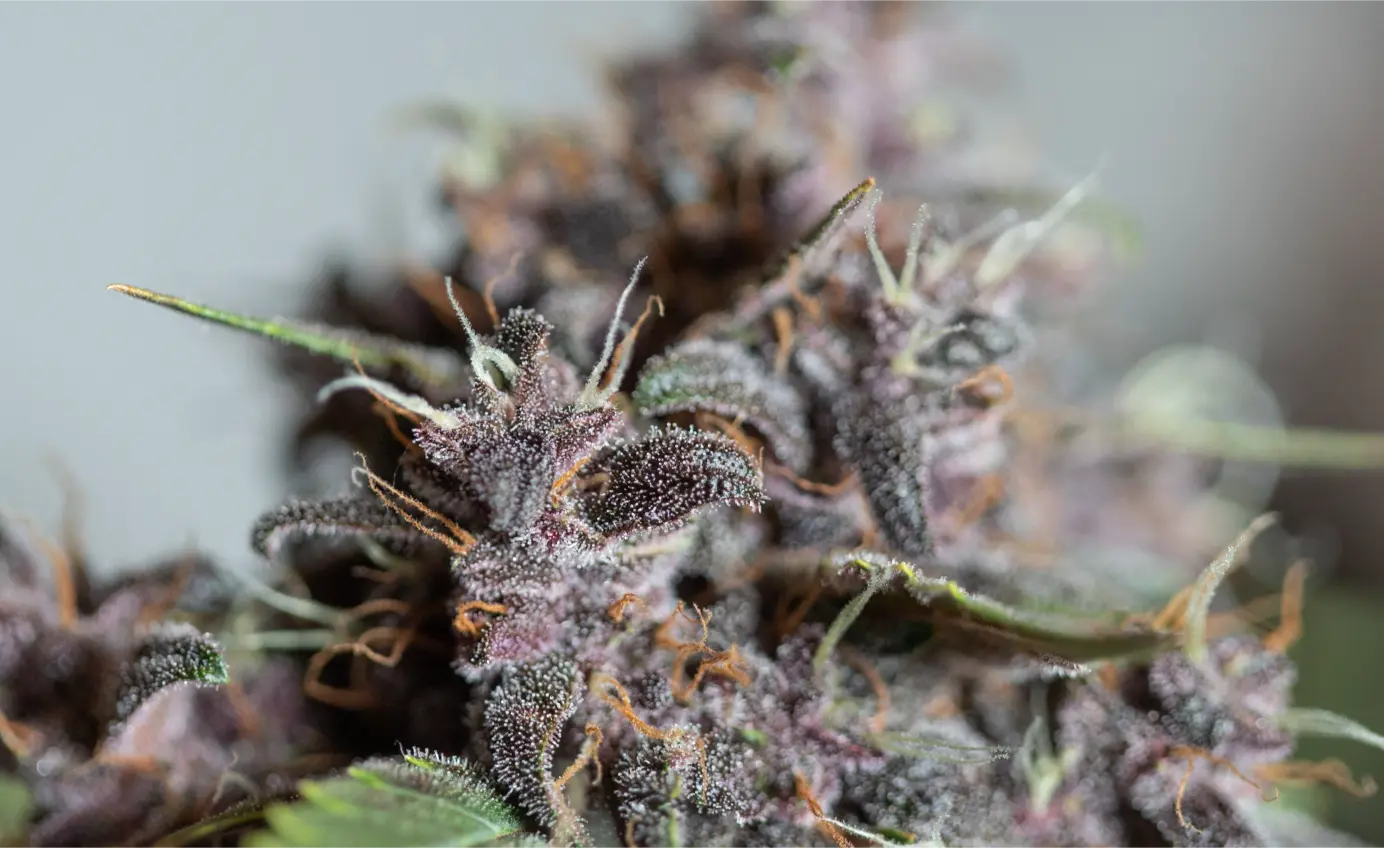
Hash Plant Strain: Complete Cultivar & Grow Guide
In the expansive lineage of heirloom cannabis cultivars, Hash Plant occupies a hallowed position as one of the quintessential foundational pillars of classic Dutch indoor breeding. Developed during the golden era of the late 1980s by the pioneering geneticists at The Seed Bank and Sensi Seeds in Amsterdam, this formidable indica-dominant cultivar was engineered to satisfy one primary, unwavering objective: producing massive quantities of thick, crystalline glandular trichomes tailored for traditional hashish production. Long before modern dispensary shelves were flooded with dessert polyhybrids and exotic confectionery profiles, Hash Plant defined the very standard of concentrated resin density, rapid reproductive maturity, and deep, unapologetic narcotic body relaxation.
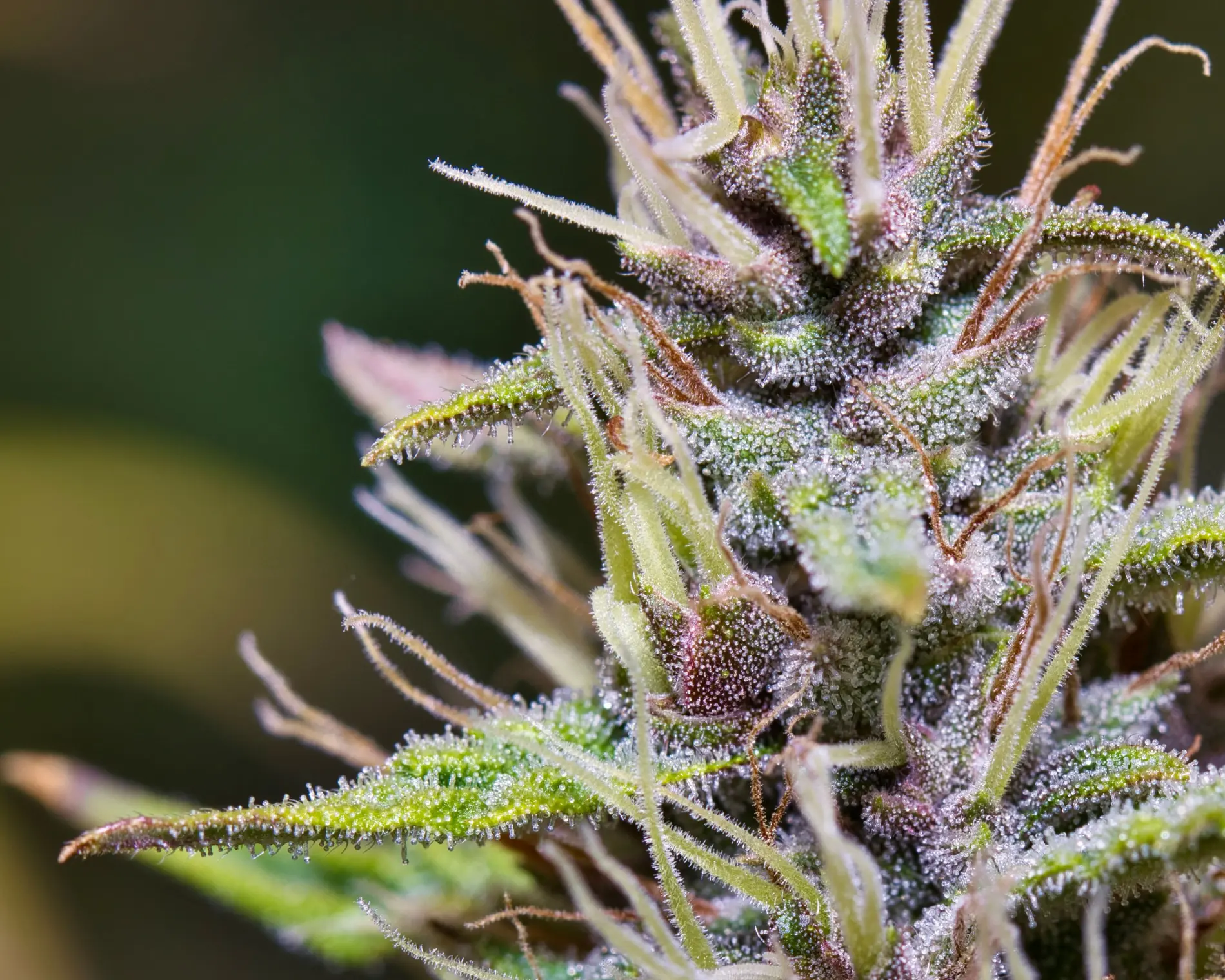
Agronomically, Hash Plant represents the physical embodiment of the classic Hindu Kush and northern Afghan mountain landraces. Combining elite, resin-encrusted Afghan indica genetics with the stabilized structural vigor and indoor adaptability of Northern Lights #1, the plant develops an ultra-compact, stout columnar morphology characterized by thick woody stems, remarkably short internodal spacing, and broad, dark emerald fan leaves with thick waxy cuticles. In bloom, Hash Plant moves with startling speed, routinely completing its generative cycle in just 45 to 50 days (6.5 to 7.5 weeks). It produces dense, rock-hard golf-ball and spear-shaped calyx clusters that look as though they have been dipped in molten sugar, exhibiting high-capitate trichome heads with exceptionally fragile abscission zones that make the cultivar a legendary favorite for solventless dry-sifting, ice water hash making, and temple ball aging.
However, capitalizing on Hash Plant’s legendary speed and resin density requires a disciplined, production-minded cultivation philosophy. Because the cultivar carries an exceptionally short flowering cycle and low vertical stretch (rarely exceeding 1.2x to 1.4x pre-flip height), mistakes made during vegetative development or early bloom become magnified; the plant simply does not possess the long generative window required to recover from severe overfeeding, root damage, or aggressive late topping. Furthermore, the extreme density and tight calyx packing of its floral colas make the cultivar sensitive to internal humidity entrapment during weeks 5 through 7. This comprehensive agronomic manual provides commercial facility operators, Sea of Green specialists, and passionate craft cultivators with an exhaustive technical blueprint, covering historical lineage, phenotype selection, precision crop steering, and specialized solventless hashish processing protocols.
Strain Features
| Feature | Details |
|---|---|
| Strain Type | Pure to strongly dominant indica (approximately 85% to 90% Indica / 10% to 15% Sativa) |
| Genetic Lineage | Pure Afghan Indica Landrace crossed with Northern Lights #1 |
| THC Potency Range | 18% to 24% total THC with dense secondary cannabinoid expression |
| CBD & Secondary Cannabinoids | CBD: 0.1% to 0.5%, CBG: 1.0% to 1.8%, CBN: 0.3% to 0.8% in fully matured flower, CBC: 0.2% to 0.4% |
| Dominant Terpenes | Beta-Myrcene, Beta-Caryophyllene, Alpha-Pinene, Alpha-Humulene, Linalool, Ocimene |
| Aromatic Profile | Aged Afghan black hashish, rich sandalwood, dark cedar, crushed peppercorn, damp forest loam, sweet herbal spice, and balsamic pine |
| Flavor Profile | Rich woody resin and spicy clove on inhale, finishing with dark hashish sweetness, roasted nuts, and damp earth on exhale |
| Onset & Effect Character | Near-instantaneous physical onset; rapid somatic heaviness, tranquil cognitive stillness, increased appetite, and profound sleep induction |
| Flowering Time | Rapid 45 to 50 days (6.5 to 7.5 weeks) indoors; mid to late September outdoors in Northern temperate zones |
| Flowering Stretch Multiplier | 1.2x to 1.4x pre-flip height; minimal vertical elongation, highly compact and stable columnar structure |
| Canopy Architecture | Short, stout, columnar indica frame with thick woody main stem, tight internodes, and heavy central cola development |
| Bud Morphology | Dense, rounded to spade-shaped floral clusters completely encrusted in thick, sticky, sand-like trichome gland heads |
| Yield Potential | Indoor: 450 to 550 g/m² (or higher under optimized high-density Sea of Green); Outdoor: 550 to 800+ grams per plant |
| Cultivation Difficulty | Easy to moderate; rapid growth forgiving of minor environmental shifts, but sensitive to late-flower overwatering and high humidity |
Fast-Finishing Precision
Because Hash Plant matures in only 45 to 50 days, execute your final canopy cleanup and defoliation early around day 18 to 21. Any severe stress applied after week 3 will stunt calyx expansion, as the plant does not have time to recover before its rapid final ripening phase begins.
Genetic Lineage
The genetic provenance of Hash Plant represents one of the most historically significant achievements in the stabilization of mountain indica germplasm for controlled indoor cultivation. During the late 1970s and early 1980s, connoisseur hashish enthusiasts transported heirloom landrace seeds from the remote valleys of northern Afghanistan, particularly from regions celebrated for centuries-old sieved charas production such as Mazar-i-Sharif, Balkh, and Kunduz.
These original Afghan landrace specimens possessed astounding natural resin gland production, short columnar statures, broad leathery sun leaves, and early flowering triggers evolved to withstand harsh mountainous autumn frosts. However, these pure landrace cuts occasionally struggled under artificial high-intensity discharge lighting, exhibiting slower indoor vegetative rooting and sensitivity to wet root systems. In Amsterdam, master breeders at The Seed Bank and Sensi Seeds crossed this prized Afghan clone with an elite selection of Northern Lights #1 (itself a predominantly Afghani-derived cultivar stabilized in the Pacific Northwest of the United States).
This historic hybridization produced magical botanical synergy. Northern Lights #1 reinforced the line’s hybrid vigor, accelerated indoor root colonization, enhanced indoor light-use efficiency, and dialed the flowering speed down to an astonishing 45 to 50 days. Concurrently, the cross preserved 100% of the authentic Afghan black hashish flavor, thick capitate trichome head coverage, and deeply sedating pharmacological profile that established Hash Plant as an eternal cornerstone of cannabis genetics.
Core Phenotypes & Selection Criteria
When selecting mother plants from regular or feminized seed lines of Hash Plant, cultivators encounter four distinct phenotypic profiles. Identifying these variations early in vegetative development allows growers to tailor their production strategy to specific market goals:
1. The 45-Day Afghan Hash Queen (The Production Phenotype)
This is the classic expression celebrated in Dutch coffee shop lore. The plant forms an ultra-stout, single-stalk columnar Christmas tree with virtually zero lateral stretch. Calyxes begin stacking into solid clusters by day 14 and swell into rock-hard, resin-coated spears that finish completely by day 45 to 48. Its aroma is pure, unadulterated spicy black hash, damp cedar, and rich forest loam. It is the premier choice for commercial Sea of Green (SOG) rooms seeking lightning-fast harvest turnaround.
2. The Northern Lights Leaning Scent Cut (The Commercial Bulk Phenotype)
Displaying stronger influence from its Northern Lights ancestor, this phenotype branches out slightly more and stretches 1.4x pre-flip height. The buds are slightly larger and spear-shaped, displaying bright lime-green bracts with fiery orange stigmas. Its aroma incorporates subtle notes of fresh pine resin and sweet herbal spice alongside the heavy hashish core. It takes a few extra days to mature (finishing around day 52 to 55), but delivers the highest overall dry harvest weight per square meter.
3. The Sandalwood & Incense Phenotype (The Connoisseur Cut)
A rare and exquisite expression characterized by deep, exotic aromatic complexity. While maintaining a compact frame, its cured flowers smell of aged temple incense, warm Mysore sandalwood, toasted cloves, and dark leather. Its smoke is remarkably thick, velvety, and sweet, leaving a lingering hashish perfume in the room for hours. Solventless extracts made from this phenotype command elite connoisseur pricing.
4. The Compact Dwarf Resin Monster (The Sift Specialist)
An ultra-squat phenotype that barely reaches 50 cm in final height. The internodes are packed so closely that the entire main stem becomes a single, continuous club of swollen calyxes. Trichome density is staggering, with resin glands extending halfway down the petioles of upper fan leaves. While raw floral yield is moderate, its resin-to-biomass ratio is among the highest ever recorded, making it the ultimate selection for dry-sift and water hash production.
Effect Breakdown
Hash Plant is the quintessential heavy indica, renowned for delivering immediate, uncompromising somatic sedation and peaceful mental quietude.
The Rapid Somatic Descent: Minutes 1 to 15
Unlike modern sativas or complex polyhybrids that begin with an active cerebral ascent, Hash Plant makes its presence felt physically almost immediately upon exhale. A comforting, heavy warmth originates at the base of the skull and spreads across the shoulders, chest, and spine. Facial muscles relax, the jaw unclasps, and mental chatter slows to a peaceful crawl. Any lingering stress, anxiety, or irritability dissolves, replaced by a grounded, contented stillness.
The Physical Decompression Phase: Minutes 15 to 60
As the session progresses, the full narcotic weight of its mountain indica heritage takes command. Limbs feel weighted and warm, making physical movement slow and deliberate. Chronic muscular aches, joint stiffness, and neuropathic pain signals are muffled beneath a thick blanket of somatic comfort. Appetite becomes strongly stimulated during this phase, creating intense cravings for rich, satisfying food. Users feel completely content to rest quietly, listen to soothing music, or enjoy peaceful conversation.
The Restorative Sleep Inducer: Beyond 60 Minutes
In the latter stages of the experience, particularly following moderate to heavy consumption, Hash Plant leads decisively toward restorative slow-wave sleep. Eyelids become too heavy to keep open, cognitive thoughts drift into dreamlike imagery, and the body slides naturally into deep, unbroken slumber. When used as a nighttime sleep aid, patients awake the next morning feeling physically refreshed and decompressed.
Consumption Caution
Due to its rapid physical onset and powerful sedative trajectory, Hash Plant should be reserved strictly for late evening or nighttime consumption. Consuming this strain during working hours or before tasks requiring alertness or physical coordination will induce heavy lethargy and unproductive couch-lock.
Flavor & Aroma Profile
The sensory profile of Hash Plant is an authentic journey back to the roots of traditional cannabis history, celebrating pure resin, noble woods, and ancient spice.
Aroma: Ancient Hashish and Temple Woods
Unsealing a properly cured jar of Hash Plant releases an intoxicating, concentrated aroma of aged Afghan black hash, dark sandalwood, and fresh cedar shavings. Unlike modern fruity dessert strains, there are no artificial candy notes here; instead, the nose encounters deep earthy musk, toasted coriander, crushed black peppercorns, damp forest loam, and an underlying sweetness reminiscent of dried figs and balsamic pine. Breaking a dense calyx apart intensifies the rich, hashy perfume, filling the entire room with an earthy, resinous fragrance.
Flavor: Velvet Resin and Savory Spice
On the palate, Hash Plant delivers an exceptionally thick, full-bodied smoke that feels rich and satisfying without biting the throat. The inhale coats the tongue with roasted cloves, earthy spice, and warm cedar wood. As the smoke expands, deeper notes of dark hashish, roasted walnuts, and sweet herbal incense emerge on the palate. The exhale is remarkably clean, leaving a lingering aftertaste of sweet resin, leather, and grounding pine that endures for many minutes.
Vaporization Dynamics
To appreciate the subtle layers of Hash Plant’s terpene spectrum, vaporization at controlled temperatures is recommended. Low temperatures between 172°C and 182°C (341°F to 360°F) vaporize the delicate pinene and sweet ocimene fractions, highlighting herbal pine and clean cedar notes. Raising temperatures to 195°C to 205°C (383°F to 401°F) activates the heavy beta-caryophyllene, humulene, and myrcene sesquiterpenes, unleashing the full, authentic taste of traditional pressed hashish and maximizing physical relaxation.
Dominant Terpenes
Gas chromatography analysis reveals that Hash Plant produces a focused terpene profile dominated by heavy sesquiterpenes and relaxing monoterpenes, typically registering between 1.8% and 3.2% total terpene content in high-grade indoor flower.
| Terpene Compound | Typical Concentration | Sensory Profile | Physiological and Entourage Dynamics |
|---|---|---|---|
| Beta-Myrcene | 0.65% to 1.20% | Damp forest earth, herbal musk, ripe dark fruit | Increases cellular membrane permeability, accelerating cannabinoid uptake; responsible for the cultivar’s heavy physical couch-lock |
| Beta-Caryophyllene | 0.50% to 0.95% | Cracked black pepper, warm baking spice, dark wood | Directly binds to peripheral CB2 receptors, providing powerful anti-inflammatory, analgesic, and gastroprotective benefits |
| Alpha-Pinene | 0.20% to 0.45% | Crisp pine resin, rosemary, fresh forest air | Acts as a natural bronchodilator, aids mental clarity, and balances the heavy sedative properties of myrcene |
| Alpha-Humulene | 0.15% to 0.35% | Earthy hops, woody spice, dry herbal tea | Works synergistically with caryophyllene to suppress systemic inflammation; modulates appetite stimulation |
| Linalool | 0.10% to 0.25% | Soft floral lavender, sweet herbal cream | Modulates central GABA receptor pathways, delivering profound stress reduction, emotional calm, and restorative sleep |
| Ocimene | 0.05% to 0.18% | Sweet herbal spice, woody undertones, citrus | Provides antimicrobial and antifungal defense; contributes to the subtle sweet finish in cured flower |
Indoor vs Outdoor Growing
Cultivating Hash Plant successfully depends on matching your growing environment to the physiological characteristics of a fast-finishing, compact mountain indica.
| Agronomic Dimension | Indoor Controlled Facility | Outdoor Open-Air Cultivation |
|---|---|---|
| Photoperiod & Speed | Ultra-fast 45 to 50-day bloom cycle; enables up to 7 perpetual room rotations annually in commercial setups | Triggers early flowering in late summer; matures between September 15 and September 30 before autumn rains |
| Canopy Management | Ideal for Sea of Green (SOG) layouts with high plant densities (16 to 25 plants/m²) and minimal vegetative time | Builds stout, compact bushes 1.2 to 1.6 meters tall; requires minimal staking due to thick woody main stems |
| Humidity & Mold Risk | Fully manageable with commercial dehumidification; drop RH to 40% during weeks 5 to 7 to prevent bud rot | High natural resistance to cold autumn temperatures, but dense colas require protection from sustained rain |
| Temperature & Color | Maintains rich forest green foliage; dropping late night temperatures to 16°C to 18°C enhances resin density | Thrives in cool climates; autumn night drops bring out deep dark green and subtle bronze hues across calyxes |
| Yield Potential | 450 to 550 g/m² under standard lighting; can exceed 650 g/m² under high-density automated SOG arrays | 550 to 800+ grams per plant when rooted in rich, organically amended living soil beds in full sun |
| Terpene Retention | Strict environmental thermal control preserves volatile pine and noble wood monoterpenes | Deep, intense earthy hashish and spicy cedar sun-grown aroma; exceptionally durable resin glands |
Strain-Specific Grow Guidance
Hash Plant is celebrated for its forgiving structural resilience, but maximizing its rapid commercial turnaround requires understanding its compact morphology and brief flowering window.
Vegetative Architecture and Minimal Training
Unlike stretchy sativas or vigorous polyhybrids, Hash Plant requires minimal vegetative manipulation. The plant naturally focuses its energy into a dominant central cola supported by short, sturdy lateral shoots. For single-plant production, top the main stem once at the fourth node during week 3 of vegetative growth to encourage four to six primary floral tops. However, for commercial production, many growers prefer to leave plants completely untopped, flowering them as compact single-stem spears in high-density arrangements.
Flowering Stretch and Spatial Efficiency
Upon flipping the photoperiod to 12/12, Hash Plant exhibits very little stretch, expanding by only 1.2x to 1.4x pre-flip height. Stems remain thick, rigid, and self-supporting throughout the entire cycle. Trellising is rarely necessary for physical support, though a single layer of wide-mesh netting can be deployed to gently space branches and ensure uniform photon delivery across all bud sites.
Selective Defoliation and Internal Airflow
Because Hash Plant produces large, broad indica fan leaves that overlap tightly along the short stem, proactive defoliation is essential to prevent microclimate moisture pockets. Execute a clean lower canopy strip (lollipopping) on day 18 of flower, removing the lowest 25% of shaded undergrowth and non-viable larf shoots. On day 32 (week 5), perform a selective leaf pluck, removing only large inward-facing fan leaves that cast shadows over swollen secondary colas. This surgical defoliation ensures unimpeded horizontal air movement through the center of the dense canopy.
Week-by-Week Environmental and Crop Steering Schedule
| Flowering Stage | Target Day Range | Day / Night Temp | Relative Humidity (RH) | VPD Target | Target PPFD | Nutrient EC & Steering Focus |
|---|---|---|---|---|---|---|
| Stage 1: Transition & Early Buttons | Days 1 to 14 (Weeks 1 to 2) | 25°C / 20°C (77°F / 68°F) | 65% to 70% | 1.0 to 1.2 kPa | 600 to 700 μmol/m²/s | EC 1.6 to 1.8 mS/cm; balanced N-P-K, support rapid root establishment and early calyx initiation |
| Stage 2: Rapid Calyx Stacking | Days 15 to 28 (Weeks 3 to 4) | 24°C / 19°C (75°F / 66°F) | 55% to 60% | 1.2 to 1.4 kPa | 750 to 850 μmol/m²/s | EC 1.8 to 2.2 mS/cm; ramp phosphorus and potassium, initiate selective defoliation |
| Stage 3: Peak Bulking & Resin Surge | Days 29 to 38 (Weeks 5 to 6) | 23°C / 18°C (73°F / 64°F) | 45% to 50% | 1.4 to 1.6 kPa | 850 to 950 μmol/m²/s | EC 2.0 to 2.3 mS/cm; peak PK delivery, maintain calcium for cell wall strength in dense colas |
| Stage 4: Final Ripening | Days 39 to 44 (Week 7) | 22°C / 16°C (72°F / 61°F) | 40% to 45% | 1.5 to 1.7 kPa | 700 to 800 μmol/m²/s | EC 1.0 to 1.2 mS/cm; drop nocturnal temp to enhance resin firmness, taper fertilizer inputs |
| Stage 5: Final Leaching | Days 45 to 50 (Late Week 7) | 21°C / 15°C (70°F / 59°F) | 38% to 42% | 1.6 to 1.8 kPa | 500 to 600 μmol/m²/s | EC 0.2 to 0.4 mS/cm; clean reverse osmosis flush, harvest when trichomes reach 90% cloudiness |
Nutrition and Rapid Cycle Management
Hash Plant is a moderate feeder that performs best with balanced mineral or organic nutrition. Because its lifecycle is so compact, avoid excessive nitrogen at all times. High nitrogen past day 25 produces overly leafy floral clusters, delays ripening, and leaves a harsh, acrid taste in the cured flower. Provide steady levels of calcium and magnesium to support dense cellular wall construction, and elevate potassium and phosphorus during weeks 3 through 5 to maximize trichome gland volume.
Harvest Timing Cue
Because Hash Plant flowers so rapidly, trichome maturity progresses quickly. Inspect calyxes daily starting at day 42. For maximum hash-making efficiency and classic narcotic physical sedation, harvest when 90% of trichome heads are milky white and 10% to 15% display deep amber coloration.
Sea of Green (SOG) Production Mastery
Hash Plant is widely considered by commercial facility operators to be the ultimate cultivar for high-density Sea of Green (SOG) production. Its short stature, rigid stem architecture, minimal stretch, and dominant central cola habit make it ideally suited to maximize biomass per square meter.
Plant Density & Container Sizing
In a dedicated SOG arrangement, root well-rooted clones in 2 to 3-liter containers (or 15 cm rockwool blocks) arranged at a density of 16 to 25 plants per square meter. Provide a brief vegetative period of only 7 to 10 days to allow root establishment before flipping directly to a 12/12 photoperiod. This prevents lateral branches from crowding each other and directs 90% of the plant’s energy into one massive, continuous central cola spear.
Annual Harvest Turnaround Economics
Because Hash Plant completes flowering in just 45 to 50 days, commercial facilities can complete 6.5 to 7 full flowering cycles per room each calendar year. When combined with modest SOG yields of 400 to 500 g/m² per harvest, the cumulative annual output easily eclipses slower-flowering sativa or hybrid cultivars, delivering unparalleled economic productivity for commercial licensed producers.
Mother Plant Management & Perpetual Cloning Cycles
Maintaining a dedicated mother room is essential for sustaining continuous Sea of Green rotations. Because SOG demands large batches of identical, uniform clones on a rigid 7-week cycle, mother plants should be kept under strong blue-dominant vegetative light (5000K to 6500K) to encourage short internodes and copious lateral tip generation. Taking uniform, semi-hardwood cuttings every 45 days ensures zero downtime between flowering room flips, maximizing facility square-meter utilization year-round.
Living Soil & Traditional Afghan Agronomy
While automated mineral fertigation produces high yields in commercial SOG arrays, cultivating Hash Plant in mineral-rich living organic soil taps directly into the cultivar’s ancestral evolutionary heritage.
Mineral-Rich Volcanic Amending
The high-altitude river valleys of northern Afghanistan feature mineral-rich alluvial soils packed with decomposed granite, basalt rock dust, gypsum, and active volcanic clays. Replicating this mineral spectrum by amending organic living soil beds with basalt rock dust, greensand, and micronized calcium carbonate provides essential trace elements. Silicon and calcium reinforce glandular trichome stalks, making them physically robust during growth while facilitating clean mechanical separation during dry-sifting.
Mycorrhizal Networks & Terpene Density
Inoculating organic beds with endomycorrhizal fungi (Glomus intraradices) establishes a dense hyphal web that dramatically increases the surface area of the root zone. Mycorrhizal fungi accelerate the solubilization of organic phosphorus, driving intense resin head development. Cultivators utilizing living soil report a noticeably deeper, more pungent aged hashish and sandalwood aroma, producing cured flowers that deliver a silky, rich smoke burning to immaculate pure white ash.
Crop Steering & Irrigation Matrix
To achieve commercial perfection with Hash Plant in soilless substrates such as rockwool or coco coir, professional growers apply precision crop steering. Manipulating volumetric water content (VWC) and pore water electrical conductivity (EC) aligns plant energy with its rapid flowering schedule.
Early Generative Push (Weeks 1 to 3)
Because Hash Plant has such a short stretch, begin generative irrigation steering on day 1 of 12/12. Allow overnight drybacks of 45% to 50% and apply small, concentrated irrigation shots (2% to 3% of media volume) starting 2 hours after lights-on. This elevates root-zone EC to between 4.0 and 5.0 mS/cm, signaling the plant to initiate dense floral clustering immediately without unnecessary vegetative delay.
Vegetative Bulking Push (Weeks 4 to 5)
From day 22 to day 35, pivot into vegetative steering to maximize calyx swelling. Deliver larger irrigation shots (4% to 5% of media volume) every 45 minutes once lights turn on, maintaining substrate moisture at 55% to 65% VWC with shallower overnight drybacks of 25% to 30%. Root zone EC should be stabilized between 2.6 and 3.2 mS/cm. This constant hydration and nutrient supply fuels explosive calyx stacking across the main cola.
Late Generative Ripening Shift (Week 6 to Harvest)
Starting at day 36, return to generative steering. Increase overnight drybacks to 40% to 45% and taper total daily irrigation volume. This mild water deficit signals the plant to accelerate secondary metabolite synthesis, swelling glandular trichome heads with rich sesquiterpenes and cannabinoids before the final clean water flush.
Lighting Spectrum & Photobiology
Hash Plant possesses naturally high photosynthetic photon efficiency, thriving under modern full-spectrum LED fixtures when microclimates are properly maintained.
Target PPFD and Daily Light Integral (DLI)
In vegetative propagation, maintain PPFD between 400 and 500 μmol/m²/s under an 18-hour photoperiod (DLI 26 to 32 mol/m²/day). Upon flipping to 12/12, ramp PPFD quickly to 700 μmol/m²/s in week 1, reaching peak intensity of 850 to 950 μmol/m²/s during weeks 3 through 6 (DLI 37 to 41 mol/m²/day). In sealed facilities supplemented with 1,100 to 1,250 ppm CO2, Hash Plant can efficiently process PPFD levels up to 1,050 μmol/m²/s, resulting in noticeably thicker calyx clusters and denser resin head accumulation.
Far-Red & UV Photobiology
Delivering a 10 to 15-minute end-of-day far-red treatment (730 nm) stimulates phytochrome photo-equilibrium shifts, speeding up floral initiation by several days. Furthermore, introducing moderate UVA (385 nm) during weeks 4 through 6 prompts the plant to synthesize additional protective flavonoids and cannabinoids, enhancing the frosty appearance and resin stickiness of the finished colas.
Mineral Nutrition & Deficiency Guide
Managing mineral nutrition with precision ensures Hash Plant reaches full maturity without encountering toxicities or nutrient lockouts during its brief lifecycle.
| Nutrient Element | Optimal Range | Deficiency Symptoms | Toxicity Symptoms & Management |
|---|---|---|---|
| Nitrogen (N) | 120 to 150 ppm (veg); 50 to 70 ppm (bloom) | Premature chlorosis of bottom foliage, pale stems, slow development | Dark emerald clawed leaves, brittle foliage, delayed ripening; reduce nitrate inputs immediately after week 3 |
| Phosphorus (P) | 50 to 70 ppm (veg); 90 to 120 ppm (bloom) | Red or purple petiole striping accompanied by dark bronze necrotic spotting on mature leaves | Rarely toxic directly, but high phosphorus locks out iron, zinc, and calcium; maintain balanced bloom formulations |
| Potassium (K) | 150 to 180 ppm (veg); 220 to 280 ppm (mid bloom) | Marginal chlorosis turning into crisp brown necrotic edges on fan leaves | Excess potassium interferes with calcium and magnesium absorption; monitor runoff EC and keep K balanced |
| Calcium (Ca) | 140 to 180 ppm throughout cycle | Localized brown necrotic flecking on new leaves, distorted shoot tips, weak branches | Extremely rare; ensure steady transpiration through proper VPD to maintain continuous calcium transport to colas |
| Magnesium (Mg) | 60 to 80 ppm throughout cycle | Distinct interveinal chlorosis on middle canopy leaves while veins remain dark green | High magnesium restricts calcium uptake; supplement with balanced magnesium sulfate (Epsom salts) |
| Sulfur (S) | 70 to 100 ppm during bloom | General yellowing of new upper leaves resembling nitrogen deficiency, muted aroma | Virtually non-toxic in hydroponics; essential for the enzymatic synthesis of pungent thiols and terpenes |
Pathogen Management & Microclimate Control
Because Hash Plant develops exceptionally dense, compact floral colas with minimal internal airspace, strict environmental controls are vital to preventing fungal contamination.
Botrytis Cinerea (Bud Rot) Mitigation
The primary vulnerability of Hash Plant in late bloom is Botrytis cinerea (gray mold). Spores germinate inside dense colas if relative humidity spikes or air movement stagnates. Cultivators must maintain late-flower relative humidity below 45% (targeting 38% to 42% during the final two weeks) and ensure continuous, gentle horizontal airflow through the canopy. Avoid all foliar sprays after week 2 of flowering; deliver preventative biological inoculants such as Bacillus subtilis exclusively via root drenches.
Pest Scouting and Biological Agents
Hash Plant’s broad, waxy foliage can occasionally host two-spotted spider mites (Tetranychus urticae). Introduce beneficial predatory mites such as Neoseiulus californicus during early vegetative growth to establish a biological defense shield that keeps pest populations suppressed throughout the short flowering cycle.
Traditional Hashish & Dry-Sift Protocols
Hash Plant was bred specifically for dry-sifting and traditional charas production, possessing the ideal trichome gland head morphology for mechanical separation.
Trichome Head Abscission Mechanics
Under microscopic analysis, Hash Plant displays massive, spherical capitate-stalked trichome heads averaging 100 to 140 micrometers in diameter. The abscission zone connecting the gland head to the stalk is remarkably narrow and brittle when chilled. In cold room dry-sifting (temperatures maintained below 10°C / 50°F), gentle mechanical tumbling separates gland heads cleanly from stalks without pulverizing surrounding leaf matter, producing pure golden kief with minimal plant contaminant.
Dry-Sieve Micron Screens & Static Tech
For connoisseur dry-sift collection, run cured whole flower across a stack of stainless steel mesh screens. The initial 160-micron screen catches bulk plant debris while allowing gland heads to pass. The primary collection occurs on the 104-micron and 73-micron screens, isolating pristine, spherical trichome heads. Applying static parchment separation (static tech) removes any remaining microscopic hair or leaf fragments, leaving a 99% pure melt that bubbles vigorously under a flame.
French Pressing & Temple Ball Aging
Pure Hash Plant dry sift is the premier material for traditional hot bottle pressing and temple ball curing. By wrapping the sift in cellophane or parchment and rolling it with a heated wine bottle filled with boiling water, the cuticular waxes melt and fuse, decarb-activating cannabinoids into a rich, dark, pliable hashish paste. When rolled into smooth spheres (temple balls) and aged in an airtight, cool cellar for 3 to 12 months, the hash develops an extraordinary, velvety smoothness and rich spicy sandalwood bouquet that modern extracts cannot replicate.
During the aging phase, hashin, a unique monoterpenoid compound formed almost exclusively during the thermal and oxidative maturation of traditional sieved hashish, develops inside the curing core. This compound imparts the unmistakable old-school earth and sacred temple incense aroma that has enchanted connoisseurs across Central Asia and Europe for generations.
Water Activity & Terpene Retention
The final aromatic depth of Hash Plant depends heavily on post-harvest thermodynamics and patient glass curing.
Equilibrium Water Activity Targets
Whole plants should be harvested and hung to dry in a dark room maintained strictly at 15°C to 16°C (59°F to 61°F) and 60% relative humidity for 12 to 16 days. The target is an equilibrium water activity (aw) between 0.58 and 0.62 aw at 18°C. Dropping below 0.55 aw makes the tight buds brittle and degrades the layered woody resin profile, while moisture levels above 0.65 aw present unacceptable fungal proliferation risks during storage.
Slow Glass Curing & Chlorophyll Degradation
Once the smaller stems snap cleanly, manicured buds should be transferred into glass curing vessels filled to 70% capacity. Burp the vessels daily for 15 minutes during the initial two weeks to release trapped moisture and ethylene. Over a 3 to 5-week cure, residual chlorophyll and starches break down enzymatically, allowing the dark hashish, sweet sandalwood, and roasted clove undertones to harmonize, delivering a smooth, luxury smoke that burns to fluffy white ash.
Weedth Bud Flavor Tips
Preserving the nuanced woody-spice contrast of Hash Plant requires meticulous attention to plant nutrition, harvest timing, and post-harvest environmental parameters.
Clean Mineral Leaching
Execute a disciplined 5 to 7-day clean water leach using reverse osmosis water prior to harvest. Forcing the plant to metabolize stored nitrates and mineral salts within its vegetative tissues prevents an acrid, metallic aftertaste and ensures the cured flower burns to a clean, fluffy white ash with thick, sweet smoke.
Low Canopy Finishing Temperatures
Never allow late-flowering canopy temperatures to exceed 24°C (75°F). Maintaining day temperatures around 21°C to 22°C (70°F to 72°F) and night temperatures at 16°C to 17°C (61°F to 63°F) during the final two weeks locks in volatile monoterpenes and accelerates resin head maturation.
Gentle Hand Manicuring
Hash Plant flowers should always be trimmed by hand. Machine trimmers batter the exterior of dense calyxes, rupturing delicate capitate trichome gland heads and releasing oxidation-prone terpenes. Hand trimming preserves trichome structural integrity and maximizes shelf life.
Weedth Bud Boost Tips
Commercial growers seeking to maximize marketable yields toward the 550 g/m² benchmark without compromising density or terpene content should implement targeted cultivation optimizations.
Optimize SOG Plant Density
Deploy 16 to 25 plants per square meter with a short 7-day vegetative period. This produces a uniform sea of dominant central colas that intercept virtually 100% of incident light photons, maximizing grams per square meter per day of operational time.
Carbon Dioxide Supplementation
Enriching the sealed indoor atmosphere with 1,100 to 1,250 ppm of carbon dioxide (CO2) during weeks 2 through 5 of bloom stimulates photosynthetic activity. Paired with elevated PPFD (850 to 950 μmol/m²/s), CO2 supplementation substantially accelerates calyx swelling and overall bud mass.
Mid-Bloom Potassium and Phosphorus Boost
Provide targeted, bioavailable PK supplementation between days 18 and 35 of flowering. This supplies the essential elemental building blocks required for rapid floral cell expansion and heavy trichome gland formation during Hash Plant’s accelerated bulking window.
Medical Uses & Benefits
Hash Plant is a cornerstone cultivar in medical cannabis therapy, celebrated for its fast, dependable physical symptom relief.
Severe Insomnia and Sleep Initiation
Thanks to its heavy myrcene concentration, high THC content, and rapid conversion to CBN in mature trichomes, Hash Plant is one of the most effective natural sleep aids available. Taken an hour before bed, it quiets restless mental ideation and eases patients into deep, restorative slow-wave sleep.
Chronic Musculoskeletal Pain and Muscle Spasms
Patients suffering from fibromyalgia, arthritis, chronic lower back pain, and muscle spasticity report significant relief with Hash Plant. The direct interaction of beta-caryophyllene with CB2 receptors suppresses peripheral inflammation, while central cannabinoid pathways soften somatic pain signals throughout the body.
Chronic Stress, Anxiety, and Nervous Exhaustion
The grounded, tranquil mental calm induced by Hash Plant provides rapid relief for patients dealing with acute emotional tension, work burnout, and stress-related hypervigilance, allowing the nervous system to rest and recover.
Appetite Stimulation and Cachexia
Hash Plant reliably stimulates appetite within thirty minutes of consumption, making it a valuable option for patients undergoing chemotherapy, taking appetite-suppressing medications, or struggling with eating disorders.
Ideal User Profile
Hash Plant is an exquisite cultivar tailored for specific lifestyle contexts and consumer preferences.
The Traditional Hash and Resin Connoisseur
Consumers who prize authentic, old-school aromas of aged Afghan hashish, rich sandalwood, and spicy cedar will find Hash Plant to be an absolute revelation that outclasses generic modern polyhybrids.
The Evening Decompression and Sleep Seeker
This user wants to melt away physical tension, enjoy a comforting meal, and transition smoothly into a restful night of deep, uninterrupted sleep. It is the ultimate strain for relaxing on the couch with a good book or quiet music.
Who Should Exercise Caution
Individuals needing sharp, analytical focus, intense physical stamina, or daytime productivity should avoid Hash Plant during working hours. Its weighted physical comfort and tranquil mental quietude are counterproductive for high-stress business meetings, complex technical operations, or athletic activities.
Grower Notes and Feedback
Grower journals and commercial cultivation logs consistently praise Hash Plant for its lightning-fast flowering speed, compact structure, and extraordinary resin production.
Cultivators note that the cultivar is exceptionally well-behaved indoors, requiring almost no structural staking and making highly efficient use of vertical headroom. The most common caution from experienced growers centers on late-flowering microclimate control; due to the extreme density of the buds, failure to maintain low relative humidity during the final two weeks can result in devastating internal Botrytis rot. Outdoor growers celebrate its early finish (mid-to-late September), which allows them to harvest before heavy autumn rains arrive.
Weedth Editor’s Note
Hash Plant is a true heritage masterpiece that represents everything we love about classic Dutch and Afghan cannabis breeding. In an era dominated by overly sweet, candy-flavored hype crosses, Hash Plant reminds us what real, concentrated cannabis resin is all about: spicy black hash, sacred sandalwood, and deep physical calm.
If you choose to cultivate this strain, embrace its natural strengths. Don’t waste weeks topping and vegging it into a sprawling bush. Put it into a high-density Sea of Green, give it 7 days of veg, flip to 12/12, and watch it turn into a solid field of sparkling, frost-covered colas in just six and a half weeks. Keep your drying slow and cool, and you will have some of the richest, most therapeutic hash and flower in existence.
Weedth Score
| Assessment Category | Score (1 to 10) | Editorial Assessment & Cultivation Notes |
|---|---|---|
| Growing Experience | 9.2 / 10 | Stout columnar frame, lightning-fast 45 to 50-day bloom, and unbeatable suitability for Sea of Green production |
| Bud Density & Bag Appeal | 9.5 / 10 | Rock-hard calyx clusters completely encrusted in thick, sand-like trichome crystals with fiery orange hairs |
| Aroma Complexity | 9.4 / 10 | Authentic, deep heirloom bouquet of aged Afghan black hash, dark sandalwood, cedar, and roasted cloves |
| Flavor Smoothness & Translation | 9.3 / 10 | Thick, velvety smoke delivering rich woody resin and savory spice that finishes clean and burns to pure white ash |
| Effects & Physical Comfort | 9.6 / 10 | Profound, fast-acting somatic relaxation and peaceful mental quietude; one of the finest natural sleep aids in cannabis |
| Overall Connoisseur Rating | 9.4 / 10 | An immortal classic that defines the gold standard for traditional resin production, rapid turnaround, and narcotic comfort |
FAQ
Is Hash Plant an indica or a sativa?
Hash Plant is a heavily dominant indica cultivar, typically testing at 85% to 90% indica and 10% to 15% sativa. It exhibits classic mountain indica morphology, including a short stout frame, broad fan leaves, rapid flowering speed, and deep physical body relaxation.
What are the genetics of Hash Plant?
Hash Plant was created by crossing an elite, pure Afghan Landrace indica clone with Northern Lights #1. Developed by The Seed Bank and Sensi Seeds in Amsterdam, this cross stabilized the authentic Afghan hashish resin profile while adding indoor hybrid vigor and rapid flowering speed.
How long does Hash Plant take to flower?
Indoors under 12/12 lighting, Hash Plant is remarkably fast, finishing in just 45 to 50 days (6.5 to 7.5 weeks). Outdoors, it finishes early, typically between mid and late September in Northern temperate zones.
What does Hash Plant smell and taste like?
Hash Plant exhibits an iconic aroma of aged Afghan black hash, dark sandalwood, fresh cedar wood, crushed black pepper, damp forest earth, and sweet herbal incense. On the palate, it delivers rich woody resin and savory clove smoke that finishes with dark hashish sweetness.
Is Hash Plant good for beginner growers?
Yes. Hash Plant is very beginner-friendly due to its sturdy stem structure, minimal vertical stretch, and rapid flowering cycle. However, beginners must be vigilant about controlling late-flower humidity to prevent bud rot inside its dense, rock-hard colas.
Why is Hash Plant so popular for Sea of Green (SOG) setups?
Hash Plant is considered the premier SOG cultivar because of its short, compact columnar structure, minimal stretch (1.2x to 1.4x), and strong tendency to form one massive central cola. Planting 16 to 25 plants per square meter with only 7 days of veg maximizes annual commercial harvest turnover.
How does Hash Plant perform for dry-sifting and traditional hash making?
Hash Plant was bred specifically for hashish production. It develops massive 100 to 140-micron capitate-stalked trichome heads with brittle abscission zones that separate effortlessly from dry flower, yielding 99% pure melt that rolls into exquisite aged temple balls.
How much does Hash Plant stretch after flipping to 12/12?
Hash Plant exhibits very low stretch, typically expanding by only 1.2x to 1.4x its vegetative height. A plant flipped at 30 cm will typically finish between 36 and 42 cm, making it ideal for vertical grow racks and grow tents with limited headroom.
What medical conditions respond well to Hash Plant?
Hash Plant is widely used by medical patients to treat chronic insomnia, severe musculoskeletal pain, arthritis, fibromyalgia, muscle spasticity, and chronic stress. Its high myrcene and caryophyllene content delivers profound physical comfort and restorative sleep.
How should I dry and cure Hash Plant to preserve its hash flavor?
Dry whole plants slowly in a dark room held strictly at 15°C to 16°C (59°F to 61°F) and 60% relative humidity for 12 to 16 days until stems snap. Cure in airtight glass jars filled to 70% capacity at 60% to 62% RH for 3 to 5 weeks to allow harsh plant compounds to break down enzymatically.
How does Hash Plant compare to Afghan Kush or Northern Lights in speed and yield?
Pure Afghan Kush typically requires 55 to 60 days of flowering and produces stocky, highly resinous buds with earthy musk. Northern Lights finishes in 50 to 55 days with higher overall biomass and pine-sweetness. Hash Plant combines the best traits of both, finishing faster than either ancestor (45 to 50 days) while maintaining the compact, rock-hard resin density of the finest traditional Afghan charas lines.
Can Hash Plant be grown successfully outdoors in cool northern latitudes?
Yes. Hash Plant is exceptionally well adapted to northern temperate zones because its flowering cycle initiates early and completes between mid and late September. This rapid finish allows cultivators to harvest mature, frost-covered colas before the arrival of heavy October autumn rains and destructive frosts that affect longer-flowering cultivars.
Similar Strains
| Cultivar Name | Genetic Relationship | Aromatic & Flavor Overlap | Agronomic & Growth Similarities |
|---|---|---|---|
| Northern Lights | Direct genetic parent (Northern Lights #1) | Sweet pine, pungent earth, and spicy hashish | Stout compact frame, rapid flowering speed, dense resinous buds, and powerful physical sedation |
| Afghani | Direct foundational landrace ancestor | Deep earth, raw black hashish, dark woods, and herbal spice | Broad dark fan leaves, low stretch, high resin content, and narcotic somatic relaxation |
| Hindu Kush | Landrace pure indica from the Hindu Kush range | Sandalwood, sweet musk, spicy clove, and damp loam | Stocky columnar structure, thick trichome coverage, and deep physical calm |
| Black Domina | Afghan x Northern Lights x Ortega x Hash Plant hybrid | Dark hashish, black pepper, spicy cedar, and blackberry | Obsidian dark green foliage, rapid flowering turnaround, and heavy nighttime couch-lock |
| Master Kush | Hindu Kush x Skunk #1 hybrid | Woody pine, earthy incense, and peppery spice | Compact plant habit, high mold resilience, and long-lasting somatic pain relief |
Share this article
A quick overview of the topics covered in this article.
Follow us
Latest articles
November 2, 2026
November 2, 2026
November 2, 2026
November 2, 2026
