
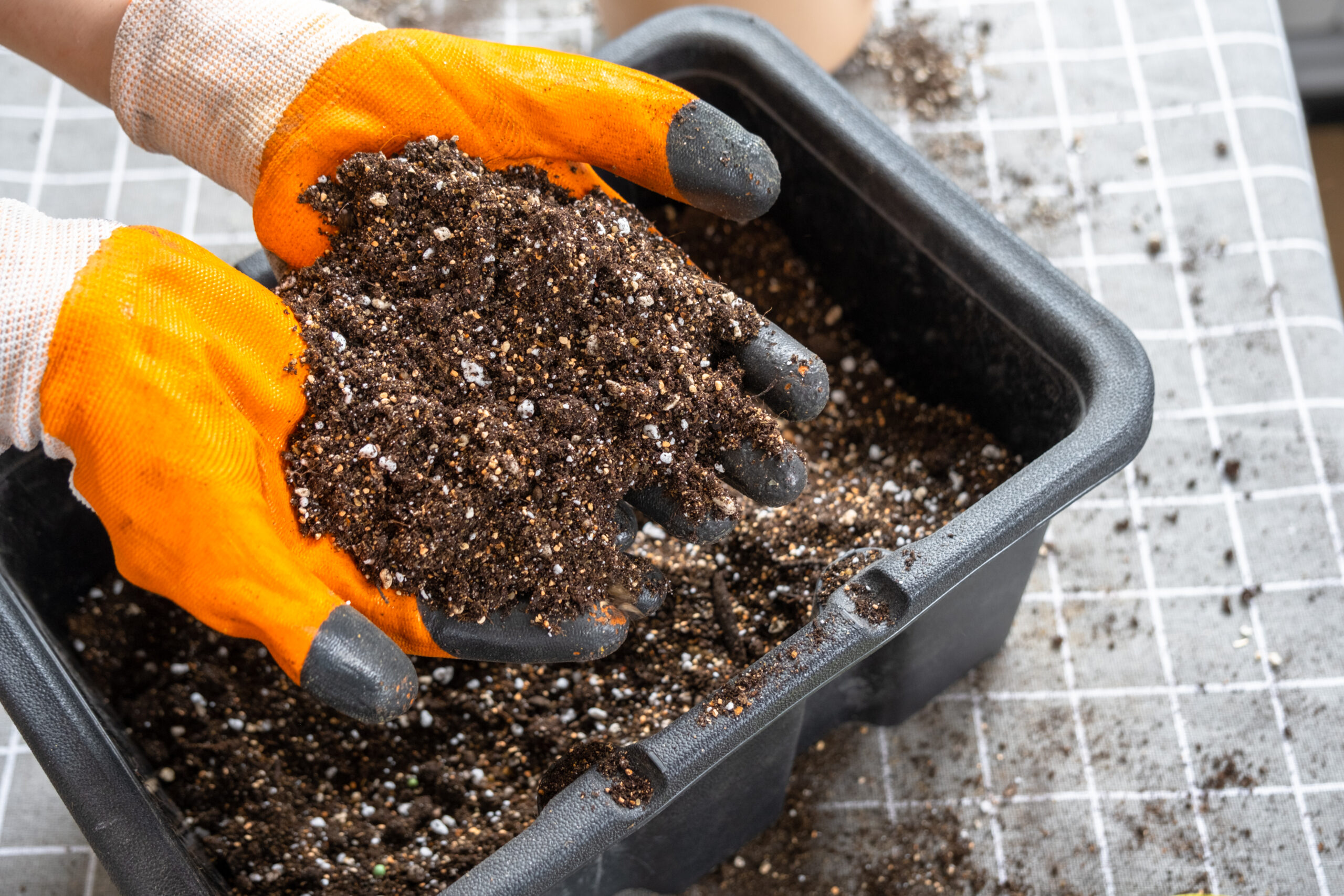
How to Reuse Indoor Growing Medium Safely
How to Reuse Indoor Growing Medium Safely
Reusing an indoor cannabis growing medium can reduce waste and operating cost, but it should never be automatic. A pot that held a healthy plant may still contain accumulated salts, exhausted fertility, compacted particles, pest eggs, root debris, or a pH problem that only becomes obvious when the next plant struggles. The useful question is not “can this medium be reused?” It is “what condition is it in, what was grown in it, and can it be rebuilt without carrying a problem into the next cycle?”
Healthy living soil can improve through repeated cycles when it is managed deliberately. Coco can often be rinsed, re-buffered, and reused. Clay pebbles are among the simplest media to clean. A peat-based mix that has collapsed into fine, wet material may not be worth rescuing. And any medium from a crop with unexplained root disease, severe pest pressure, chemical contamination, or heavy salt stress deserves a much more cautious answer.
Let’s sort the medium before we save it. This guide explains how reuse changes between soil, living soil, coco, peat mixes, and hydroponic media, how to assess risk, how to recondition a safe batch, and when disposal is the more responsible decision.
Important: Reuse is safest when the previous crop was healthy, the root zone was understood, and the medium can still hold water and air in a predictable way. Do not reuse blindly just because the plant reached harvest.
Reconditioning means restoring a used medium’s physical structure, salt balance, and fertility before it holds another root system.
It is more than removing the old plant. A reusable medium should be clean enough to handle, airy enough to water properly, and chemically stable enough that the next plant can root into it without carrying last cycle’s mistakes.
Start with a reuse decision, not a cleaning routine
Before handling the medium, reconstruct the previous crop. Did it finish with healthy white or cream-colored roots? Did watering remain predictable? Was there a recurring fungus gnat cycle, a sour smell, unexplained wilting, root rot, or severe nutrient burn? Was the crop exposed to a pesticide, herbicide drift, or a contamination source you cannot identify?
Those details decide whether reuse is reasonable. A medium can look clean on the surface while keeping the conditions that made the previous plant struggle. Conversely, a healthy finished root zone with manageable nutrient history may be a good candidate for a careful rebuild.
| Previous crop history | Reuse decision | Why | Next step |
|---|---|---|---|
| Healthy crop, stable watering, no serious pests or disease | Usually suitable for assessment and reconditioning. | The main work is restoring structure, nutrients, and salt balance. | Remove roots, inspect, test or rinse as needed, then rebuild. |
| Mild, understood nutrient imbalance | Often reusable with care. | Salt and pH history may need correction before another plant is added. | Measure EC and pH when possible, then correct gradually. |
| Fungus gnats, mites, root aphids, or recurring pest pressure | High caution. | Medium, pots, trays, and room surfaces can all help carry pests forward. | Identify the pest first. Do not assume a rinse makes the system clean. |
| Root rot, wilt, foul smell, unexplained decline, or confirmed disease | Do not reuse for a new indoor cannabis crop unless you have a verified treatment plan. | Pathogens and the conditions that favored them can persist or return through tools and containers. | Dispose or isolate appropriately; sanitize containers and equipment. |
| Unknown chemical contamination or herbicide exposure | Do not reuse. | The risk is not worth transferring into a controlled indoor root zone. | Use clean new medium and investigate the contamination source. |

What must be restored before the next plant goes in?
A used medium changes in three connected ways. Its physical structure changes as roots, watering, and fine particles alter air-filled pore space. Its chemical condition changes as nutrients are added, absorbed, left behind, or concentrated by evaporation. Its biological condition changes as microbes, decomposing roots, pests, and pathogens respond to the environment.
Good reuse work looks at all three. Feeding an old mix without restoring aeration can leave a plant wet and hungry-looking. Flushing a salty medium without replacing depleted structure can create the same problem under a different name. Sanitizing a container while leaving diseased root debris in the old medium can also miss the actual risk.
Physical structure: air, drainage, and water-holding capacity
Pick up a handful after the medium has dried enough to handle. Does it crumble with visible coarse particles, or does it smear into a dense mass? Does water soak in evenly, or run down the pot wall and leave dry pockets? Is the material full of fine dust, sludge, and matted roots? These observations tell you whether the medium still has a workable balance between water retention and aeration.
Perlite, coarse coco, bark, pumice, and similar structural components can lose effectiveness over time as they break down, become filled with fines, or are removed during cleanup. Reusing a medium often means adding fresh aeration material rather than simply adding more fertilizer.
Chemical condition: salts, pH, and nutrient balance
Every feed program leaves a history. In container culture, soluble salts can accumulate when plants use more water than nutrients, when runoff is limited, when source water is already high in dissolved minerals, or when fertilizer concentration is repeatedly increased to solve a symptom. A high-salt medium can slow germination, damage fine roots, and make a plant look deficient even while nutrients are present.
EC and pH measurements give the clearest answer. A laboratory greenhouse-media test is the strongest option when a large batch is involved. For a home grow, use the same runoff or slurry method consistently and treat the reading as a trend, not a perfect diagnosis. If the medium was heavily fed or shows unexplained stress, do not guess that a fresh top-dress will solve it.
Biological condition: helpful life versus a carried problem
Living soil is intentionally biological, so sterilizing it every cycle would defeat much of its purpose. At the same time, “living” does not mean self-correcting. Repeated wetness, decaying plant tissue, pest pressure, or excessive amendments can shift the root zone away from the stable conditions that made it useful.
For any medium, smell is a clue. A mild earthy smell can be normal. A sour, sewage-like, anaerobic, or sharply chemical smell is a reason to stop and investigate before replanting. Smell alone cannot diagnose a pathogen, but it can reveal poor oxygen conditions or decomposition that should not be ignored.
Remember: A clean-looking pot is not proof of a clean root zone. Inspect roots, texture, moisture behavior, smell, pest history, and EC or pH trend before choosing reuse.
How to reuse healthy soil and living soil
Soil-based mixes and living soil can be good reuse candidates when the previous crop was healthy. The method should respect the medium rather than trying to force it back to a brand-new bagged product. In living soil, small roots may be left to decompose after the main stem is cut at the surface. In a conventional soil mix, removing the larger root mass and breaking apart compacted zones is usually more practical.
- Remove the main stem and large roots. Do not aggressively pulverize the medium. Take out thick root crowns and any visibly decayed, slimy, or diseased tissue.
- Screen only when it helps. A coarse screen can separate old roots, hard clumps, and unwanted debris. Over-screening may remove useful structure and biology from a living mix.
- Check moisture behavior. Re-wet a small sample slowly. If it repels water or remains dense and muddy, plan a structural rebuild instead of simply adding nutrients.
- Restore aeration. Add a fresh, clean structural ingredient appropriate to the system. The goal is better pore space, not a decorative drainage layer at the bottom of the pot.
- Rebuild fertility conservatively. Compost, worm castings, and measured amendments may be suitable in a known living-soil program. Do not stack several rich inputs without knowing what remains from the old cycle.
- Allow the mix to settle and stabilize. A strongly amended mix may need moisture and time before transplanting. Check that it does not heat excessively or develop an off smell.
“Can I leave the roots in living soil after harvest?”
Question sent by: Morgan Lee, via e-mail.
Small roots can be left to decompose in a healthy living-soil system, especially when the stem is cut at soil level. Remove a large woody crown if it interferes with the next plant, and do not leave tissue that was slimy, diseased, or pest-infested. The priority is a stable, oxygenated medium, not following a ritual regardless of what the previous root zone looked like.
How to reuse coco coir without carrying salt problems forward
Coco can be reused because its fibers remain useful after a crop, but it needs more deliberate reconditioning than many growers expect. Coco is a soilless medium, not a soil with a large nutrient reserve. It can retain salts, accumulate fines, and create calcium-magnesium management problems if it is not rinsed and buffered for the next cycle.
First remove roots and inspect the material. If it has a sour smell, obvious pest activity, severe algae, or a history of root disease, do not put it straight back into production. If the crop was healthy, rinse with appropriate water until the leachate trend is reasonable for your system. The aim is not to chase a single universal runoff number. It is to remove the excess from the last program and start the next cycle with a known baseline.
Then re-buffer with a calcium and magnesium source appropriate to your cultivation method. Coco can exchange ions with the solution around roots, so beginning a new plant in unconditioned reused coco can lead to misleading deficiency symptoms. Reintroduce a complete coco-appropriate nutrient program only after the medium is clean, hydrated, and draining evenly.

Use reused coco only after it drains evenly and starts from a known EC baseline.
Rinse gradually, remove old roots and excess fines, then re-buffer before introducing a young plant. Keep the next feed plan simple enough to observe.
Assume every pale leaf in reused coco needs more Cal-Mag.
Pale growth can also come from high EC, pH drift, poor irrigation distribution, root stress, or compaction. Confirm the root-zone condition before adding another supplement.
Peat-based mixes: when rebuilding is better than reusing
Peat-based potting mixes are often the least rewarding medium to reuse repeatedly. Peat can break down, become compacted, and turn hydrophobic if it dries too far. Rehydrating a tired mix can produce water channels: the top looks wet while sections of the root zone remain dry. At the other extreme, a fine, compacted mix may stay wet for too long and reduce root oxygen.
A lightly used, healthy peat mix may be reused as part of a rebuilt blend, especially when mixed with fresh medium and enough clean aeration material. But if it has lost its spring, contains a large amount of fine debris, has a serious pest history, or behaves unpredictably under water, it is more sensible to retire it from high-value indoor cannabis containers. It may still have a place in an appropriate outdoor ornamental or composting system where lawful and environmentally suitable, but do not move a suspected indoor pest or disease problem into another grow area.
Clay pebbles, perlite, and inert hydroponic media
Inert media are not automatically sterile, but they are often physically easier to reuse. Expanded clay pebbles can be rinsed free of roots and biofilm, then sanitized when the system history calls for it. Perlite is cheap but difficult to reclaim cleanly once it has broken into fines or collected root debris. Rockwool is generally not a practical medium to reuse for a new cannabis crop because its structure and moisture behavior change after a cycle, and it is difficult to clean reliably without creating dust and handling problems.
| Medium | Reuse potential | Main preparation | Reason to stop |
|---|---|---|---|
| Living soil | High when the system is healthy. | Remove problem debris, restore structure and measured fertility, let the soil stabilize. | Root disease, persistent pests, toxic buildup, severe anaerobic conditions. |
| Conventional soil mix | Moderate. | Remove roots, assess EC and pH, add fresh aeration and modest fertility. | Compaction, repeated wetness, unknown contamination, disease history. |
| Coco coir | Moderate to high. | Remove roots, rinse salts, remove fines, re-buffer, establish a fresh feed baseline. | Root disease, pest infestation, sour smell, badly compacted fibers. |
| Clay pebbles | High. | Rinse, remove roots and biofilm, sanitize when necessary, rinse again. | Persistent contamination or damaged material that cannot be cleaned. |
| Peat-based mix | Low to moderate. | Use only as part of a rebuilt mix if its texture remains sound. | Hydrophobic behavior, collapse, fines, pests, disease, poor drainage. |
| Rockwool | Low. | Usually retire after the crop and manage disposal responsibly. | Changed structure, root debris, uneven rewetting, sanitation difficulty. |
Cleaning containers and tools is part of medium reuse
A rebuilt medium can be recontaminated immediately by a dirty pot, saucer, tray, stake, scissors, hose end, or floor-level storage area. Remove all visible soil and plant debris before sanitizing. Cleaning and sanitizing are different steps: a product cannot reliably sanitize dirt-covered surfaces.
Use a suitable sanitation method for the material and follow its label directions. Containers need drainage, intact surfaces, and a clean storage area before they return to the grow room. Keep used medium and cleaned equipment separate so the old root-zone debris does not travel back to the prepared batch.
Do not mix cleaning chemicals or improvise strong sanitation treatments in a small indoor space.
Some combinations create hazardous fumes, and residues can injure roots. Follow the product label, use ventilation and protective equipment as directed, rinse when the method requires it, and keep all chemical handling away from plants, nutrients, and electrical equipment.
How to test a reconditioned medium before trusting a full crop
The best time to find a problem is before a full tent is planted. If you are reusing a large batch, fill one small container first. Wet it thoroughly and watch whether it drains evenly, smells normal, and reaches a predictable dry-back. If you can test EC and pH, record the starting numbers. A small non-cannabis test plant or a low-stakes rooted plant can also reveal a harsh, salty, or waterlogged medium without putting the entire cycle at risk.
Do not treat a single leaf as a verdict. Look for a pattern: new roots exploring the medium, normal water use, stable leaf posture, no unusual surface algae or pest emergence, and no sharp EC increase after the first feed events. The goal is a medium that behaves predictably enough for the grower to make informed adjustments.
“My reused soil stays wet much longer than it did last cycle. Should I add more nutrients to wake it up?”
Question sent by: Jordan Patel, via Facebook page.
No. Slow dry-back usually points to root-zone physics or environment before it points to a lack of fertilizer. Check for compaction, fine particles, oversized pots, cool root temperatures, low airflow, and a watering volume that no longer fits the medium. Restore aeration and a sensible watering rhythm before asking the plant to handle a stronger feed.
Common reuse mistakes that create the next crop’s first problem
Adding more amendments before checking EC
Old medium can look depleted while still holding too much soluble fertilizer. Top-dressing or mixing several amendments into an already salty root zone can turn a mild problem into root stress. Establish a baseline first, then rebuild only what the medium actually needs.
Trying to sterilize living soil as a routine step
Heat and chemical treatments may reduce pathogens when used correctly, but they also change the biological system. A healthy living soil is normally managed through balanced moisture, organic matter, aeration, and observation. If disease risk is serious enough to demand aggressive treatment, consider whether the medium should remain part of a high-value indoor crop at all.
Ignoring irrigation after a structural rebuild
Adding perlite, fresh coco, or compost changes how the pot holds water. Do not follow the old watering schedule automatically. Lift the pot, observe dry-back, and re-establish the new rhythm before making nutrition changes.
Building a safer next cycle
Reuse is worthwhile when it produces a root zone you understand. Start with the crop history. Remove and isolate suspect material. Restore structure before fertility. Establish a known salt and pH baseline. Clean the containers and tools that touch the medium. Then test a small batch before committing a full cannabis run.
That approach is quieter than simply dumping in fresh amendments, but it gives the next plant what it actually needs: air around the roots, predictable moisture, sensible nutrition, and a clean enough start to reveal problems early rather than hide them under another bottle or additive.
- The previous crop did not have unexplained root disease, severe pest pressure, or contamination.
- Large roots and visibly decayed tissue have been removed.
- The medium still wets and drains evenly.
- Compaction and excess fines have been corrected with appropriate clean structure.
- EC and pH have been checked when the crop history suggests a salt or availability problem.
- Coco has been rinsed and re-buffered before replanting.
- Containers, trays, tools, and storage surfaces have been cleaned before use.
- A small test container has been observed before committing the entire batch.
- The watering routine will be reset for the rebuilt medium.
Selected sources behind this guide
Share this article
A quick overview of the topics covered in this article.
Follow us
Latest articles
October 22, 2026
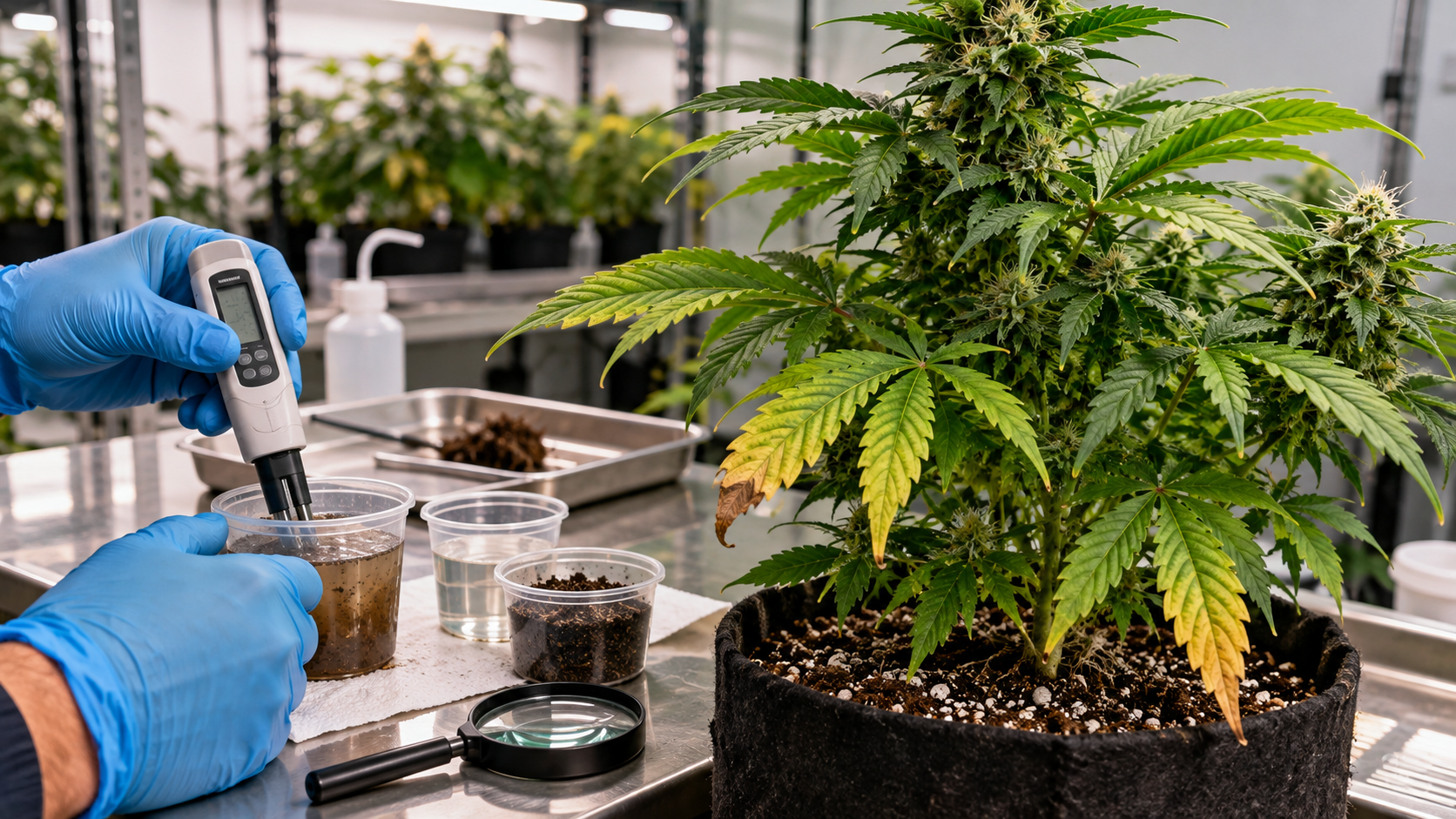
October 22, 2026
October 22, 2026
October 22, 2026