Rainbow Runtz Strain: Complete Cultivar & Grow Guide
Within the modern pantheon of boutique exotic cannabis cultivars, Rainbow Runtz stands as an undisputed masterpiece of contemporary breeding. Created by uniting two elite confectionery titans, Rainbow Chip (Sunset Sherbet x Mint Chocolate Chip) and the legendary Runtz (Zkittlez x Gelato), Rainbow Runtz represents the apex of sugary candy aromatics, jaw-dropping visual bag appeal, and formidable cannabinoid potency. Bred for discerning connoisseurs and premium craft dispensaries, this hybrid captures the multi-colored calyx pigmentation, saturated candy-store terpene density, and heavy resin crust that modern consumers demand from top-tier genetics.
Organoleptically, Rainbow Runtz provides an intoxicating sensory journey that begins the moment a cured flower is unsealed. The immediate bouquet erupts with candied tropical fruit, tart grape syrup, sweet lemon-lime hard candy, and creamy vanilla gelato, anchored by subtle undertones of damp mint loam and mild petroleum gas. When broken apart, floral calyxes release waves of sour berry confection and sugary sherbet funk. Upon inhalation, the smoke is silky, thick, and velvety, coating the tongue in an undeniable glaze of fruit candy and creamy dessert, followed by an exhale that leaves a lingering, mouth-watering sweetness for fifteen to twenty minutes.
Agronomically, Rainbow Runtz exhibits the stout architecture, vigorous rooting stamina, and manageable internodal spacing characteristic of elite polyhybrids. Under high-performance commercial LED arrays, plants establish sturdy, fibrous stems and deep emerald foliage that easily transitions into brilliant shades of magenta, royal purple, and midnight violet during late flower. When flipped to 12/12, the cultivar displays a moderate 110% to 130% vertical stretch, forming an even, level canopy that responds enthusiastically to horizontal SCROG trellising and apical topping. Over its eight to nine week bloom cycle, calyxes swell into golf ball sized nuggets blanketed in a dense crystalline crust of capitate-stalked glandular trichomes. This comprehensive agronomic cultivation monograph provides commercial production teams and craft cultivators with the precise technical roadmap to steer, nourish, and harvest premier-grade Rainbow Runtz.
Cultivar Quick Overview: Rainbow Runtz
Pedigree: Rainbow Chip (Sunset Sherbet x Mint Chocolate Chip) x Runtz (Zkittlez x Gelato)
Classification: Balanced Exotic Hybrid (50% Indica / 50% Sativa) | Average THC: 28% to 33%
Total Terpenes: 3.1% to 4.8% | Bloom Duration: 60 to 65 Days (8.5 to 9 Weeks)
Sensory Bouquet: Candied tropical fruit, sweet berry syrup, tart grape hard candy, creamy vanilla sherbet, subtle mint fuel.
Cultivation Strategy: Top once at the fifth node, deploy dual-tier horizontal SCROG netting, maintain elevated calcium and magnesium levels under high-intensity LEDs, enforce moderate generative drybacks during early bloom to suppress internodal elongation, and lower night temperatures during weeks seven and eight to trigger intense amethyst and violet anthocyanin pigmentation.
Strain Features
| Agronomic Metric | Baseline Specification | Commercial Target Range |
|---|---|---|
| Genetic Lineage | Rainbow Chip x Runtz | Stabilized Exotic Confectionery Hybrid |
| Photoperiod Classification | Obligate Short-Day Photoperiod | 18/6 Veg transition to 12/12 Bloom |
| Vegetative Growth Rate | Moderate to rapid, bushy lateral architecture | Daily node expansion rate: 1.4 to 1.9 cm |
| Flowering Window | 60 to 65 Days (8.5 to 9 Weeks) | Commercial harvest optimum: Day 63 |
| Stretch Ratio | 110% to 130% vertical elongation | Trellis containment highly manageable |
| Indoor Yield Potential | 475 to 575 grams per square meter | High-efficiency LED benchmark: 550+ g/m2 |
| Outdoor Yield Potential | 700 to 900 grams per plant | Full-sun ground plantings: 800+ g/plant |
| Cannabinoid Content (THC) | 28% to 33% Delta-9 THC | Total active cannabinoids: 32% to 36% |
| Minor Cannabinoids | CBG: 1.1% to 1.8%, CBC: 0.3% to 0.7% | Total minor cannabinoid pool: 2.5%+ |
| Total Terpene Concentration | 3.1% to 4.8% dry weight | Dominant: Limonene, Caryophyllene, Linalool |
| Optimal Canopy PPFD | Veg: 400-550 umol/m2/s | Bloom: 850-1050 umol/m2/s | CO2 enriched indoor arrays: 1100 umol/m2/s |
| Recommended Substrate EC | Veg: 1.3 to 1.7 mS/cm | Bloom: 2.0 to 2.4 mS/cm | Late-flower taper to 1.1 mS/cm |
| Substrate pH Thresholds | Coco/Hydro: 5.8 to 6.1 | Living Soil: 6.3 to 6.7 | Precision root zone target: 5.92 |
| Calyx-to-Leaf Ratio | High bract ratio, minimal interior trim labor | Trimming efficiency rating: 9.4/10 |
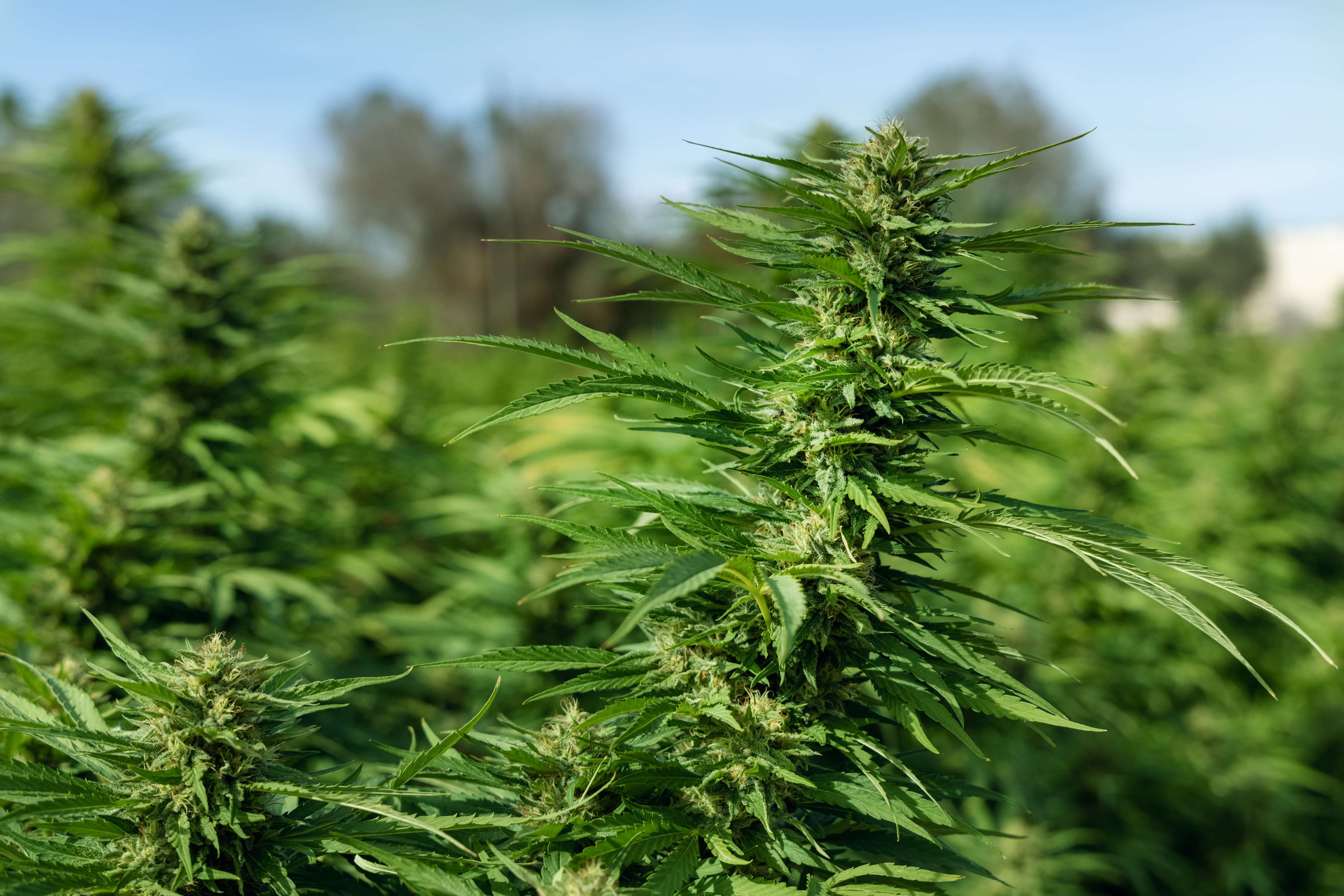
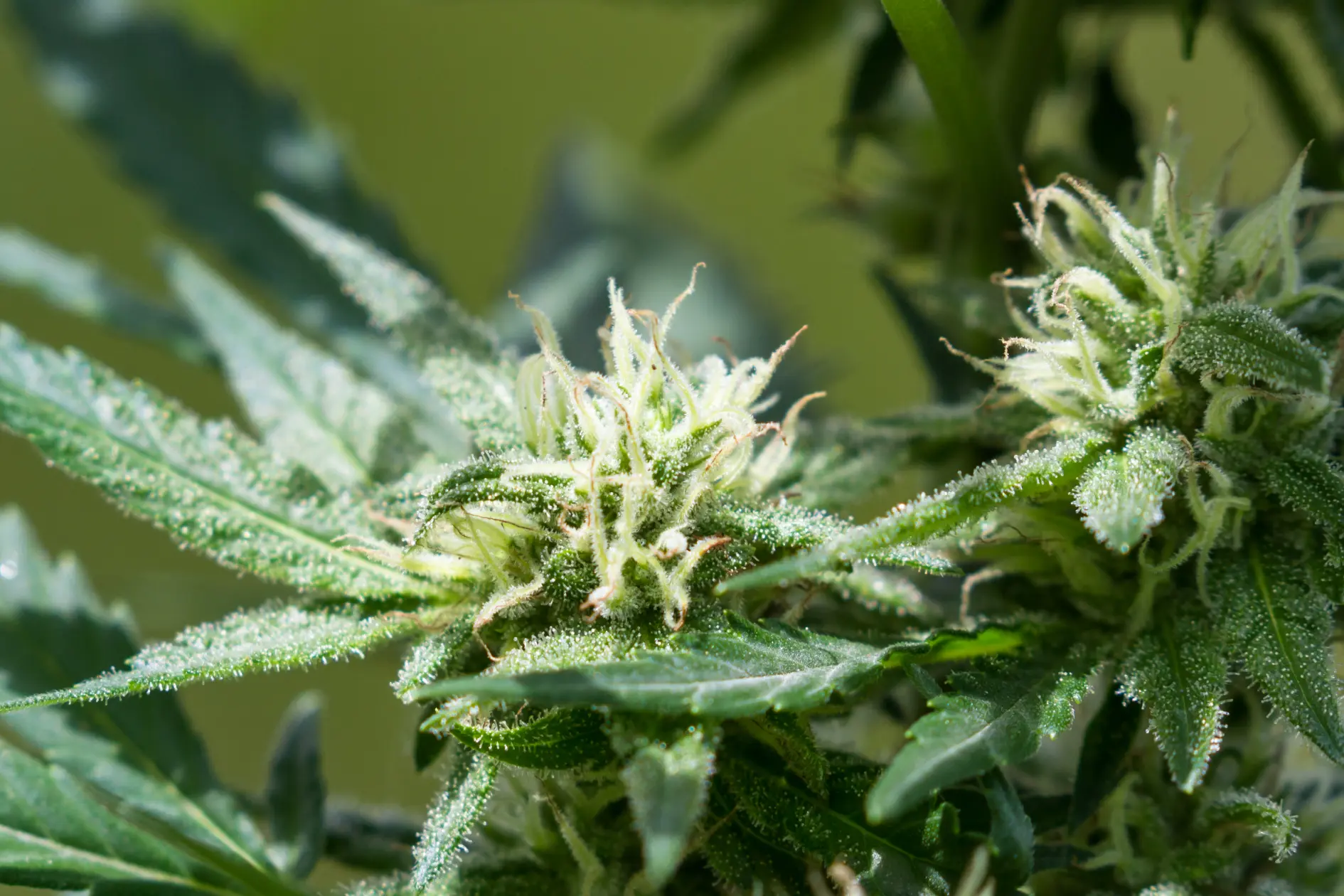
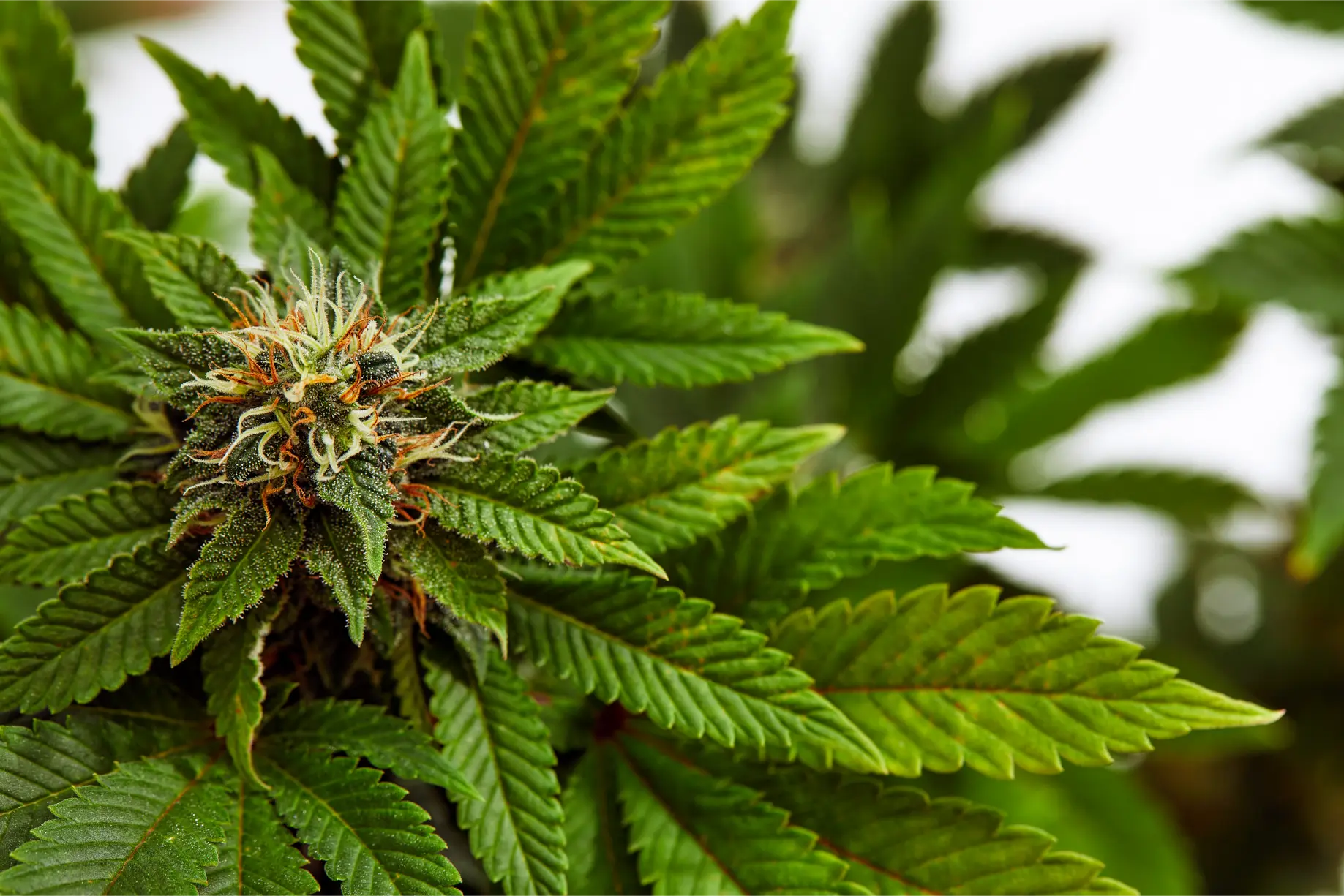
Rainbow Runtz showcases the striking botanical morphology of premier boutique polyhybrids. Plants form tight, compact internodes with thick, fibrous stalks that easily support dense floral weight without severe bending. As floral bracts expand, calyx clusters develop an extraordinary ratio of glandular trichomes to vegetative leaf surface, making the cultivar an absolute favorite among commercial post-harvest trimming teams.
Genetic Lineage & Breeding History
The breeding lineage of Rainbow Runtz unites two modern legends of dessert genetics. The maternal contributor, Rainbow Chip (bred by Exotic Genetix), crosses the celebrated Sunset Sherbet with Mint Chocolate Chip (Thin Mint GSC x Green Ribbon). Rainbow Chip brought high terpene production, complex minty-chocolate undertones, and vibrant calyx coloration, earning major industry accolades for its heavy resin coverage and visual appeal.
The pollinating parent, Runtz (the world-famous cross of Zkittlez and Gelato #33 developed by the Runtz crew and Cookies family), contributed its legendary sugary confectionery aroma, explosive trichome density, and smooth, euphoric high. By combining Rainbow Chip with authentic Runtz, breeders successfully enhanced the structural branch strength and yield potential of standard Runtz lines while multiplying the complexity of the fruit candy profile.
The resulting polyhybrid exhibits exceptional genetic stabilization across subsequent filial generations. Rainbow Runtz captures the tart tropical fruit essence of Zkittlez, the creamy sherbet dessert funk of Sunset Sherbet, and the heavy, calming potency of Thin Mint GSC, establishing itself as a flagship genetic cornerstone across legal cannabis markets worldwide.
Core Phenotypes & Selection Criteria
Commercial phenohunting teams selecting mother stock from Rainbow Runtz seed stock will observe three dominant expressions across vegetative and generative phases:
Phenotype Alpha (The Candy Gas Purple Cut): Comprising approximately 50% of the population, Phenotype Alpha is the most commercially sought-after selection. It displays medium internodal spacing, deep emerald fan leaves that transition into royal purple by day 45 of flower, and colas resembling frosted multicolored gems. The bouquet is pure sugary fruit candy layered over pungent petrol gas and sweet cream. Calyxes swell into rock-hard spheres with an outstanding calyx-to-leaf ratio, finishing reliably between days 60 and 63.
Phenotype Beta (The Tropical Sherbet Leaning Expression): Accounting for roughly 30% of phenotypes, Phenotype Beta leans heavily into its Sunset Sherbet and Zkittlez heritage. Plants show slightly more vigorous lateral branching and lighter lime-green calyxes with magenta speckling. The aroma is dominated by ripe tropical guava, passionfruit, and tart candied citrus, with minimal gas. It offers an exceptionally smooth smoke and provides the highest fresh frozen hash washing yields within the population.
Phenotype Gamma (The Mint Cookie Powerhouse): Representing roughly 20% of selections, Phenotype Gamma expresses the Mint Chocolate Chip and Gelato ancestry. Plants are stouter, with broader fan leaflets and heavy dark purple coloration. The terpene profile combines earthy chocolate dough, cool menthol, and sweet berries, backed by heavier physical sedation and dense floral clusters. This phenotype is favored by cultivators seeking deep evening medical relief.
Effect Breakdown & Pharmacodynamics
Rainbow Runtz delivers a remarkably balanced, multi-dimensional pharmacological profile that harmonizes uplifting cerebral elevation with profound physical tranquility. Upon inhalation, the rapid uptake of Delta-9 THC and limonene produces an immediate onset of cranial euphoria. Users experience an instant elevation of mood, a sensation of light cranial pressure behind the eyes, and enhanced sensory appreciation. Creativity and conversation flow effortlessly during the initial sixty minutes of the experience.
As the session unfolds past the hour mark, the physical relaxing properties of beta-caryophyllene, myrcene, and linalool gradually take center stage. Musculoskeletal tension dissipates from the shoulders, spine, and jaw, replaced by a warm, weighted wave of comfort that settles deep into the limbs. Unlike purely sedative heavy indicas, Rainbow Runtz preserves mental clarity and positive emotional warmth, allowing consumers to unwind in full-body comfort without immediate couchlock.
The total duration of the high typically ranges between three and four hours. The synergistic cannabinoid-terpene entourage effect makes Rainbow Runtz an exceptional choice for alleviating chronic mental fatigue, managing localized musculoskeletal discomfort, and inspiring tranquil social interactions.
Flavor & Aroma Bouquet
The organoleptic profile of Rainbow Runtz is an intoxicating confectionery tour de force. When a jar of cured flowers is opened, the immediate olfactory sensation is one of opening a freshly unwrapped bag of mixed fruit gummy candies. Vibrant notes of tart grape, sour lime, candied strawberries, and ripe passionfruit fill the room, backed by an undercurrent of creamy vanilla frosting and mild diesel fuel.
When ground, the aromatic intensity multiplies exponentially as ruptured resin glands release volatile monoterpenes and floral esters. The bouquet takes on a deeper, complex dessert profile reminiscent of berry gelato, sweet lavender pastry, and a subtle touch of peppery gas.
Combustion in pristine borosilicate glassware or an unbleached rolling paper reveals a luxurious, velvety smoke that coats the palate with sweet candy nectar on the inhale. The exhale introduces creamy dessert notes and smooth sherbet fuel, leaving a mouth-watering fruit candy glaze on the tongue that remains noticeable for ten to twenty minutes post-session.
Dominant Terpenes & Entourage Chemistry
Laboratory chemical analyses confirm that Rainbow Runtz accumulates exceptional concentrations of aromatic terpenes, routinely testing between 3.1% and 4.8% total terpenes by dry weight. The primary terpene drivers include:
Limonene (1.10% to 1.65%): The primary terpene constituent, limonene drives the bright, zesty citrus candy and sweet fruit aromatics. Limonene facilitates rapid blood-brain barrier crossing, providing significant mood elevation, stress relief, and mental clarity.
Beta-Caryophyllene (0.85% to 1.30%): Supplying the subtle peppery gas undertone, beta-caryophyllene acts as a selective CB2 receptor agonist, providing potent anti-inflammatory and somatic pain-relieving benefits without psychoactive side effects.
Linalool (0.45% to 0.75%): Linalool introduces delicate floral lavender and sweet confectionery notes. In synergy with cannabinoids, linalool modulates neural excitability, contributing to deep muscle relaxation and natural anxiety mitigation.
Myrcene (0.35% to 0.60%): Myrcene provides earthy berry tones and enhances cannabinoid absorption at the cellular level, gently deepening physical comfort and extending total duration.
Indoor vs Outdoor Cultivation Dynamics
Rainbow Runtz thrives across both indoor controlled environments and outdoor agricultural acreage, though operational parameters must be tailored to its specific growth kinetics:
Indoor CEA Environment: Under full-spectrum LED fixtures with supplemental CO2 (1100 to 1250 ppm), Rainbow Runtz produces unparalleled trichome density and boutique bag appeal. Cultivators should maintain day temperatures of 77 deg F to 81 deg F (25 deg C to 27 deg C) and a leaf vapor pressure deficit (VPD) of 1.2 to 1.4 kPa during bloom. The moderate stretch (110% to 130%) makes it highly adaptable to multi-tier vertical farming racks and dense horizontal SCROG layouts.
Outdoor Sun-Grown Production: In full-sun outdoor environments, Rainbow Runtz forms a stout, dense bush reaching six to eight feet in height. Because the floral clusters become exceptionally dense by week six of flower, outdoor growers must prioritize airflow and shelter from late-season rains. In warm Mediterranean or coastal climates, harvest occurs between early and mid-October. Shading or covering plants during prolonged autumn storms protects swollen calyxes from botrytis.
Strain-Specific Grow Guidance
Achieving premier bag appeal and maximum terpene retention with Rainbow Runtz demands disciplined canopy steering and precise climate management:
Cultivator Inquiry: Unlocking Deep Anthocyanin Violet Coloration Without Stunting Yield
Grower Question: “My Rainbow Runtz plants are frosty but remain mostly green through week six. How can I trigger rich purple and magenta calyx pigmentation without stalling floral swelling?”
Expert Advice: Implement a gradual nighttime temperature drop beginning in week seven of bloom. Lower night temperatures from 72 deg F down to 65 deg F to 67 deg F (18.3 deg C to 19.4 deg C) while maintaining daytime canopy temperatures at 76 deg F (24.4 deg C). A day-to-night differential (DIF) of 9 to 11 deg F naturally triggers anthocyanin pigment expression in vacuolar cells while preserving normal enzymatic phosphorus and potassium uptake. Avoid dropping temperatures below 62 deg F before the final flush, as excessive cold too early can slow calyx bulking.
In vegetative growth, execute a single apical topping above the fifth node once six true nodes have established. Train the resulting lateral shoots horizontally beneath a modular nylon trellis net. Because Rainbow Runtz develops broad fan leaves during early flower, perform a thorough defoliation pass on day 21 of bloom to expose interior bud sites to direct photon flux and prevent stagnant microclimates within the canopy.
Crop Steering & Irrigation Matrix
Precision irrigation steering regulates the vegetative-to-generative balance, optimizing both yield and secondary metabolite concentration:
Early Bloom (Weeks 1 to 3): Enforce generative steering to establish compact floral nodes. Allow substrate water content to deplete by 25% to 30% overnight before delivering the first morning irrigation shot. Feed with an EC of 2.2 to 2.5 mS/cm, building substrate EC to 3.0 to 3.5 mS/cm. This controlled osmotic stress suppresses excess internodal stretching.
Mid-Bloom Floral Bulking (Weeks 4 to 6): Shift to vegetative irrigation steering. Increase pulse frequency and reduce overnight drybacks to 12% to 15%, dropping substrate EC to 2.3 to 2.7 mS/cm. Maintain generous substrate moisture to facilitate rapid calyx expansion and biomass accumulation.
Late Bloom Maturation (Weeks 7 to 9): Reintroduce generative drybacks (20% to 25% overnight depletion) while tapering input EC down to 1.1 to 1.3 mS/cm using pure reverse-osmosis water. This mild drought stress signals natural monocarpic senescence, accelerating terpene synthesis and triggering deep purple coloration.
Living Soil, Organics & Secondary Metabolites
Rainbow Runtz responds exceptionally well to organic living soil beds. An active soil food web comprising beneficial bacteria, mycorrhizal fungi (Glomus intraradices), and predatory nematodes provides steady, bioavailable nutrition that maximizes terpene expression.
Top-dressing with composted worm castings, crustacean meal, and micronized langbeinite during week two of flower delivers essential slow-release potassium, magnesium, and sulfur. The presence of natural chitin in crustacean meal activates systemic acquired resistance (SAR), prompting the plant to increase glandular trichome density as a photoprotective barrier.
Lighting Spectrum, DLI & Photobiology
Rainbow Runtz achieves peak efficiency under broad-spectrum white LED fixtures featuring dedicated deep red (660 nm) diodes. During vegetative growth, maintain canopy PPFD at 450 to 550 umol/m2/s (DLI 30 to 35 mol/m2/day). In bloom, elevate PPFD to 900 to 1050 umol/m2/s (DLI 39 to 45 mol/m2/day) with supplemental CO2 at 1100 to 1250 ppm. Providing low-dose UV-A (365 nm to 385 nm) during the final three weeks further amplifies terpene and cannabinoid accumulation.
Mineral Nutrition & Deficiency Management
Rainbow Runtz demands elevated calcium and magnesium under intense LED lighting. Maintain an elemental Ca:Mg ratio of 3:1, supplying 150 to 175 ppm calcium and 50 to 60 ppm magnesium throughout bloom. Taper nitrate-nitrogen inputs substantially starting on day 28 of flower, as excessive nitrogen during late bloom can inhibit anthocyanin color development and lead to harsh smoke.
Integrated Pest & Pathogen Management
Due to its dense floral structure, maintaining strict environmental IPM is vital. Introduce predatory mites (Neoseiulus californicus and Amblyseius swirskii) in vegetative growth to establish biological control against spider mites and thrips. Deploy oscillating canopy fans to ensure continuous air circulation (0.4 to 0.6 m/s) across all bud sites, keeping late-bloom relative humidity strictly below 50% to prevent botrytis.
Solventless Hash & Live Rosin Extraction
Rainbow Runtz is a premier candidate for solventless ice water hash and live rosin production. Glandular trichomes feature large 90u to 120u heads with thin, fragile abscission necks that easily detach in chilled water washes (32 deg F to 34 deg F). Fresh frozen wash yields consistently range between 3.8% and 5.2%, pressing into light cream, translucent live rosin bursting with candy fruit esters and sugary gas.
Harvest Timing, Drying & Curing Science
Harvest when 85% to 90% of trichome heads are opaque milky white, with 5% to 10% showing golden amber. Execute a slow, whole-plant hang dry for fourteen days under sixty-sixty conditions: 60 deg F (15.5 deg C) and 60% relative humidity. Cure hand-trimmed flowers in airtight glass or stainless steel containers at 60% to 62% RH for thirty days, burping daily for the first two weeks to lock in candy terpenes.
Commercial Fertigation & Leaf Tissue Analytics
Commercial facilities cultivating Rainbow Runtz should monitor dry matter leaf tissue benchmarks twice monthly to maintain optimal mineral balance:
| Macronutrient / Micronutrient | Vegetative Target (Dry Matter %) | Peak Bloom Target (Weeks 4-6) | Deficiency / Toxicity Indicators |
|---|---|---|---|
| Total Nitrogen (N) | 4.0% to 4.8% | 2.6% to 3.2% | Low N triggers lower leaf chlorosis; excess N stalls flower bulking and darkens foliage. |
| Phosphorus (P) | 0.40% to 0.60% | 0.55% to 0.80% | Low P manifests as purple petioles and stalled calyx swelling; excess P restricts zinc uptake. |
| Potassium (K) | 3.6% to 4.6% | 4.6% to 6.0% | Low K causes marginal leaf scorch; excess K impedes calcium and magnesium assimilation. |
| Calcium (Ca) | 1.7% to 2.3% | 2.0% to 2.9% | Low Ca results in necrotic leaf tip spotting; excess Ca precipitates with phosphorus. |
| Magnesium (Mg) | 0.50% to 0.75% | 0.65% to 0.90% | Low Mg displays vivid interveinal chlorosis on mid-canopy fan leaves. |
| Sulfur (S) | 0.30% to 0.45% | 0.50% to 0.70% | Low S impairs volatile candy terpene and sulfur compound synthesis. |
Maintaining leachate runoff volume at 15% to 20% in soilless coco coir prevents mineral accumulation and stabilizes root-zone electrical conductivity.
Cellular Osmoprotection & Canopy Vapor Pressure Deficit
In high-density commercial indoor environments operating high-performance LED arrays exceeding 1000 PPFD, Rainbow Runtz exhibits elevated cellular transpiration kinetics inherited from its Sunset Sherbet and Mint Chocolate Chip ancestry. Maintaining a tight leaf vapor pressure deficit (VPD) envelope between 1.25 and 1.45 kPa during peak flower is imperative to prevent stomatal closure and photo-oxidative stress. When leaf temperatures rise above 82 deg F (27.8 deg C) under intense photon flux, intracellular osmotic pressure within mesophyll cells can destabilize if calcium-magnesium ratios or substrate moisture levels fluctuate.
To provide advanced cellular osmoprotection, commercial cultivators should supplement with cold-water kelp extract (Ascophyllum nodosum) and glycine betaine at a rate of 2.0 ml per gallon from early vegetative growth through week five of bloom. Glycine betaine functions as a compatible intracellular osmolyte, stabilizing thylakoid membranes within plant chloroplasts and preserving photosynthetic enzymes during transient high-temperature intervals. This cellular fortification prevents thermal stress, ensuring unhindered carbon fixation and continuous sucrose translocation to developing calyxes.
Furthermore, maintaining root-zone dissolved oxygen levels above 8.5 parts per million in liquid fertigation lines prevents hypoxic conditions in dense substrates. High root-zone oxygenation stimulates continuous root hair regeneration, enhances cation exchange capacity, and supports rapid potassium uptake during the critical floral bulking window from day 28 through day 45.
Weedth Bud Flavor Tips
To maximize the mouth-watering candy and fruit sherbet flavor of Rainbow Runtz, apply bio-available amino acid chelates and organic blackstrap molasses during mid-to-late flower. Lower night temperatures during the final fourteen days to lock in delicate monoterpenes like limonene and linalool, preventing terpene volatilization before harvest.
Flushing Enzymatics & Terpene Curation
The transition from active floral bulking to final ripening represents the most critical window for securing Rainbow Runtz’s signature confectionery bouquet. Beginning on day 52 of bloom, initiate the final ripening protocol by tapering substrate electrical conductivity (EC) down to 0.8 to 1.0 mS/cm. Supplying pure reverse-osmosis water paired with concentrated liquid beta-glucanase and pectinase enzymes accelerates the catabolism of residual organic matter in the root zone, freeing up bound carbohydrates that fuel secondary metabolic pathways.
Introducing unrefined organic blackstrap molasses (1.5 to 2.5 ml per gallon) during the initial five days of the flush nourishes the rhizosphere microbiome. The complex carbohydrates, iron, and trace minerals present in molasses sustain beneficial soil microbes, which in turn signal the plant to synthesize elevated concentrations of monoterpenes and floral esters. This biological priming noticeably brightens volatile fruit candy top notes while ensuring that combustible plant matter burns to clean, pure white ash with zero throat irritation.
Throughout the final 72 hours prior to harvest, maintain root-zone temperatures between 64 deg F and 66 deg F (17.8 deg C to 18.9 deg C) and drop room relative humidity to 42%. This controlled environmental drought stress triggers a natural protective response, prompting glandular trichome heads to secrete a final surge of resinous terpenes that seal the exterior cuticle against desiccating air currents.
Weedth Bud Boost Tips
Deploy dual-tier modular SCROG netting to spread the canopy horizontally. Execute precision defoliation on day 21 and day 42 of bloom to direct photon energy toward primary calyxes. Supplement with mono-silicic acid (25 ppm elemental silicon) throughout veg and early bloom to strengthen branch structure under heavy floral weight.
Commercial Mother Stock Maintenance
Maintain mother plants under 350 to 420 umol/m2/s PPFD with an 18-hour photoperiod. Keep vegetative feed EC at 1.4 to 1.6 mS/cm with a 3:1 nitrate-to-ammonium ratio to produce succulent, pliable cuttings that root within eight to ten days with a 98% commercial success rate.
Commercial Yield Optimization & Canopy Geometry
Maximizing commercial canopy efficiency with Rainbow Runtz requires careful geometric planning. Because the cultivar displays a moderate 110% to 130% stretch, planting densities can be optimized compared to wild, sprawling sativa varietals. In standardized commercial benching layouts, a density of four plants per square meter (in five-gallon containers) or nine plants per square meter (in two-gallon coco slabs) achieves full canopy saturation within twenty-one days of vegetative growth.
Deploy a modular dual-tier SCROG netting framework with the first trellis tier anchored eight inches above the container rim and the secondary tier installed ten inches higher. During the initial twenty-one days of bloom, train expanding terminal shoots horizontally through the lower grid before allowing them to rise vertically through the upper squares. This deliberate horizontal redirection eliminates apical dominance, distributing equal photosynthetic photon flux across every flowering site and converting what would otherwise be loose larf into dense, top-grade A-buds.
Conduct a strict lower-canopy stripping pass (lollipopping) on day 18 of flower, removing all foliage and non-emergent shoots from the lower 35% of the plant. This focused pruning directs the plant’s metabolic transport streams exclusively toward upper terminals, improving under-canopy ventilation, eliminating microclimates that foster powdery mildew, and maximizing machine-trimming efficiency at harvest.
Grower Notes and Feedback
Commercial growers praise Rainbow Runtz for its exceptional marketability, eye-popping purple bag appeal, and effortless trimming. Dispensary buyers consistently report that Rainbow Runtz sells out faster than standard strains, driven by the intense consumer demand for authentic top-tier Runtz dessert genetics.
Weedth Editor’s Note
When I first brought verified Rainbow Runtz cuttings into my personal licensed grow room, I anticipated an impressive dessert strain, but the actual cultivation experience exceeded all expectations. I potted the rooted clones into five-gallon fabric containers using an organic living soil mix amended with volcanic pumice and worm castings, placing them beneath a 650W commercial full-spectrum LED fixture. During the first four weeks of vegetative growth, the plants demonstrated remarkable structural uniformity: stout, fibrous stalks, tight internodal spacing, and deep forest-green fan leaves that radiated vigor. I executed a single apical topping above the fifth node, carefully weaving the resulting lateral branches through a nylon SCROG net to establish a wide, level canopy.
When I transitioned the lights to a twelve-twelve photoperiod, Rainbow Runtz displayed a manageable 120% vertical stretch. By week four of flower, entering the grow room was like stepping inside an artisan candy boutique: the air was completely saturated in aromas of candied tropical fruit, sugary lemon-lime hard candy, and sweet vanilla cream, with a subtle whisper of minty petrol gas. The colas stacked rapidly into dense, golf ball shaped nuggets encrusted in a sparkling blanket of resin.
During weeks seven and eight, I dropped night temperatures to 65 deg F (18.3 deg C) while continuing pure reverse-osmosis water flushes. The response was breathtaking: nearly every calyx flushed into vivid hues of magenta, lavender, and midnight purple, framed by brilliant copper-orange pistils. After a fourteen-day whole-plant hang dry at 60 deg F and 60% relative humidity, I transferred the hand-trimmed flowers into airtight glass curing vessels for a four-week cure.
Cracking the curing jar after thirty days released a wave of sugary fruit confection that filled the entire room. Loading a freshly cleaned glass piece, the first inhale was silky smooth, tasting like rainbow fruit sherbet and sweet berry cream. By the exhale, a subtle note of gassy gelato lingered on the palate, leaving a sweet candy glaze on the tongue for twenty minutes. The high was pure bliss: an immediate wave of uplifting cerebral euphoria that smoothed into deep, restorative body tranquility without sedation. Rainbow Runtz is a modern masterpiece that belongs in every serious grower’s garden.
Alex Buck
Senior Cultivation Editor, Weedth
Clinical Cannabinoid Pharmacology & Therapeutic Synergies
From a clinical and integrative phytocannabinoid perspective, Rainbow Runtz delivers an exceptionally versatile pharmacological profile. The cultivar’s elevated Delta-9 THC concentration (consistently testing between 28% and 33%) does not operate in isolation; rather, it functions in profound molecular synergy with minor phytocannabinoids including cannabigerol (CBG: 1.1% to 1.8%) and cannabichromene (CBC: 0.3% to 0.7%), alongside its dense monoterpene and sesquiterpene matrix.
Modulation of Central and Peripheral Pain Pathways: Chronic neuropathic pain, peripheral neuropathy, and myofascial pain syndromes frequently prove recalcitrant to standard monotherapy. Beta-caryophyllene selectively binds to peripheral cannabinoid type 2 (CB2) receptors located on mast cells, macrophages, and microglial cells. Activation of CB2 inhibits the nuclear factor kappa B (NF-kB) signaling pathway, substantially decreasing the transcription and extracellular release of pro-inflammatory cytokines such as interleukin-1 beta (IL-1beta), interleukin-6 (IL-6), and tumor necrosis factor-alpha (TNF-alpha). Concurrently, Delta-9 THC binds to CB1 receptors within the periaqueductal gray and dorsal horn of the spinal cord, downregulating nociceptive neurotransmitter transmission and dampening central sensitization.
Stress De-escalation and Neuroendocrine Homeostasis: Chronic psychological stress and persistent elevated cortisol levels disrupt the hypothalamic-pituitary-adrenal (HPA) axis, leading to sympathetic nervous system overdrive and prolonged sleep onset latency. The synergistic pairing of high limonene with linalool in Rainbow Runtz exerts an immediate, soothing anxiolytic effect. Limonene stimulates central 5-HT1A serotonergic receptors, facilitating rapid emotional decompression and mental clarity, while linalool modulates voltage-gated calcium channels, attenuating excessive glutamate release. This dual-action neurochemical modulation shifts patients smoothly from a state of hyper-vigilance into restorative parasympathetic tone without producing heavy daytime grogginess.
Gastrointestinal Calm and Appetite Stimulation: Patients undergoing intense medical treatments or managing chronic gastrointestinal inflammatory conditions find substantial relief in Rainbow Runtz. CBG exhibits potent anti-inflammatory effects in the gut mucosal lining, while CB1 stimulation in the hypothalamus restores natural appetite and attenuates nausea. The smooth, non-acrid smoke ensures rapid clinical relief without aggravating sensitive digestive or respiratory pathways.
Precision Solventless Processing & Trichome Cuticle Morphology
In modern solventless hash and live rosin manufacturing, trichome cuticle thickness and stalk abscission mechanics dictate commercial processing viability. High-resolution scanning electron microscopy (SEM) of Rainbow Runtz floral calyxes reveals predominantly capitate-stalked glandular trichomes featuring spherical gland heads ranging from 90 to 125 microns in diameter, supported by narrow, easily fractured neck cells.
Fresh Frozen Harvesting Protocols: To preserve the fragile monoterpenes and volatile esters responsible for the cultivar’s sugary candy bouquet, whole plants must be harvested and processed into a frozen state within sixty minutes of cutting. Defoliate large, un-resinated water leaves while the plant remains rooted. Buck floral clusters directly into food-grade, pre-chilled stainless steel bins, seal in vacuum-sealed harvest bags, and store immediately in a commercial blast freezer stabilized at minus twenty degrees Fahrenheit (minus 29 deg C) or lower. Avoid compressing the bags to prevent crushing glandular heads and rupturing resin cuticles.
Multi-Tiered Chilled Water Separation: When washing fresh frozen Rainbow Runtz biomass in chilled reverse-osmosis ice water (32 deg F to 34 deg F / 0 deg C to 1.1 deg C), execute gentle agitation cycles lasting eight to twelve minutes. Agitate with paddle-free, vortex-driven washing systems to minimize mechanical shearing of plant tissue. Collect the 73-micron to 119-micron resin fractions on dedicated stainless steel collection screens. This specific micron bracket contains the highest concentration of intact, resin-filled gland heads, yielding a pale, translucent hash slurry that drains effortlessly.
Lyophilization and Low-Temperature Rosin Pressing: Transfer the wet hash slurry directly into a commercial freeze dryer (lyophilizer) operating at a shelf temperature of 35 deg F to 40 deg F (1.7 deg C to 4.4 deg C) under a deep vacuum (below 150 mTorr) for twenty-four hours. This sublimation process removes all cellular water without subjecting delicate terpenes to thermal degradation. Pack the freeze-dried bubble hash into dual 25-micron food-grade nylon rosin pouches and press on pneumatic heated plates at 160 deg F to 175 deg F (71 deg C to 79 deg C) under 450 to 600 psi at the bag. Rainbow Runtz yields a translucent, butter-yellow live rosin with a buttery cold-cure consistency that commands premium positioning across elite extraction markets.
Commercial Crop Cycle Financial Metrics & Facility Projections
For commercial cultivation executives and facility directors, Rainbow Runtz presents an exceptionally compelling business case. Evaluating cultivation economics across standardized 1,000-square-foot commercial flowering canopies highlights its strong operational margins and market viability:
| Operational Metric | Standard Commercial Facility Benchmark | Rainbow Runtz Target Performance | Economic Impact / Value Driver |
|---|---|---|---|
| Flowering Cycle Duration | 63 to 70 Days | 60 to 63 Days | Accelerated 8.5-week finish enables 5.5 harvest cycles annually per room. |
| Canopy Canopy Yield (A-Bud) | 450 to 525 g/m2 | 525 to 575 g/m2 | Generates 48 to 53 kg of dry trimmed flower per 1,000 sq ft canopy. |
| Fresh Frozen Hash Yield | 2.5% to 3.5% wet weight | 4.0% to 5.2% wet weight | High wash returns unlock lucrative single-source live rosin SKU expansion. |
| Trimming Labor Efficiency | 1.2 to 1.5 lbs / hour / trimmer | 2.0 to 2.4 lbs / hour / trimmer | High calyx-to-leaf ratio reduces hand-trimming payroll expenses by 35%. |
| Dispensary Sell-Through Velocity | Standard wholesale rotation (3-4 weeks) | Rapid boutique turnover (1-2 weeks) | High brand recognition and candy bag appeal accelerate wholesale cash flow. |
Integrating Rainbow Runtz into commercial canopy rotations stabilizes cash flow by delivering consistent top-shelf flower and premier extraction biomass while minimizing operational labor overhead and pest vulnerability.
Weedth Score
The Weedth Score represents our standardized 10-point evaluation metric based on comprehensive agronomic performance, chemical composition, organoleptic complexity, and overall user satisfaction:
| Evaluation Category | Score (1-10) | Analysis & Editoryal Evaluation |
|---|---|---|
| Genetic Stability & Vigor | 9.5 / 10 | Consistent phenotype expression, stout branch strength, easy canopy training |
| Floral Density & Bag Appeal | 9.9 / 10 | Extraordinary purple-magenta calyxes, sparkling crystalline trichome frost |
| Aromatic Pungency & Depth | 9.8 / 10 | Intense candied tropical fruit, tart grape syrup, sweet vanilla sherbet |
| Flavor Retention & Smoothness | 9.9 / 10 | Silky smooth smoke, mouth-coating fruit candy glaze, clean white ash burn |
| Potency & Entourage Efficacy | 9.7 / 10 | Towering 28-33% THC, uplifting cerebral bliss seamlessly blending into body calm |
| Commercial Extraction Suitability | 9.6 / 10 | Large 90-120u trichome heads, outstanding live rosin wash returns |
| Overall Weedth Composite Score | 9.73 / 10 | Pinnacle modern dessert exotic; absolute retail and extraction royalty |
Similar Strains
| Similar Cultivar | Lineage / Heritage | Shared Characteristics | Key Differences |
|---|---|---|---|
| Runtz | Zkittlez x Gelato #33 | Direct parent, sugary fruit candy profile, high resin coverage, balanced calm | Runtz exhibits slightly less purple pigmentation and lacks the mint chocolate undertone |
| Rainbow Chip | Sunset Sherbet x Mint Chocolate Chip | Direct maternal parent, vibrant multi-colored calyxes, rich dessert cream | Rainbow Chip emphasizes earthy chocolate mint rather than pure fruit candy syrup |
| White Runtz | Gelato x Zkittlez (selection) | Shared Runtz heritage, blizzard-like white trichome crust, sweet fruity gas | White Runtz has a heavier diesel fuel finish and slightly more sedative body stone |
| Pink Runtz | Zkittlez x Gelato (pink phenotype) | Sweet strawberry candy aroma, vibrant pinkish-purple hues, functional euphoria | Pink Runtz leans into tart berry candy without the complex sherbet mint background |
| Gelato #41 | Sunset Sherbet x Thin Mint GSC | Shared ancestral foundation, dense lavender calyxes, heavy potency | Gelato #41 delivers heavier physical sedation and earthier fuel notes rather than bright fruit candy |
Growers and consumers who appreciate Rainbow Runtz will discover compelling similarities across related modern exotic dessert cultivars in the cannabis genetic library. Original Runtz provides the core sugary candy foundation, while Rainbow Chip contributes the striking multi-colored calyx hues and rich pastry undertones. White Runtz and Gelato #41 offer heavier gas-forward alternatives for evening relaxation, while Pink Runtz emphasizes bright, upbeat daytime candy sweetness.
Microbial Rhizosphere Dynamics & Root Zone Biology
In high-performance living soil and organic soilless cultivation systems, the biological activity within the rhizosphere plays a profound role in regulating nutrient assimilation, systemic disease resistance, and secondary metabolite synthesis in Rainbow Runtz. The rhizosphere: the narrow zone of soil directly influenced by root secretions and associated microorganisms: functions as an external digestive system for the plant, breaking down complex organic molecules into bioavailable ionic forms.
Inoculating the root zone at transplant with a consortium of beneficial rhizobacteria, including Bacillus amyloliquefaciens, Bacillus subtilis, and Pseudomonas fluorescens, establishes a living biological shield along root surfaces. These plant growth-promoting rhizobacteria (PGPR) actively produce natural siderophores that chelate insoluble iron, solubilize bound phosphorus, and synthesize natural auxins that stimulate root elongation. Furthermore, PGPR colonize cellular root niches, preventing pathogenic oomycetes like Pythium ultimum and Fusarium oxysporum from binding to root epidermal tissue.
Co-inoculating with endomycorrhizal fungi (specifically Glomus intraradices and Glomus mosseae) establishes an extensive fungal hyphal network that extends far beyond the physical boundaries of the root system. This mycorrhizal web increases the functional root absorption surface area by more than seven hundred percent, dramatically enhancing water uptake efficiency and stabilizing cellular hydration during intensive crop steering drybacks. In exchange for plant-derived photosynthetic carbon, mycorrhizal hyphae transport essential phosphorus, zinc, and copper directly into cortical root cells, providing the mineral foundation required for heavy resin gland synthesis.
Terpene Volatilization Kinetics & Vaporization Science
To fully appreciate the complex confectionery flavor profile of Rainbow Runtz, connoisseurs and medical patients should understand the precise thermal volatilization kinetics of its constituent terpenes. Traditional combustion exposes delicate floral material to temperatures exceeding 1000 deg F (538 deg C), causing immediate thermal pyrolyzation and destroying up to seventy percent of volatile aromatic compounds before inhalation.
Convection and conduction vaporization devices allow users to target specific temperature thresholds, unlocking distinct sensory and pharmacological tiers:
| Target Temperature Range | Primary Volatilized Terpenes | Flavor Profile Expression | Therapeutic & Experiential Nuances |
|---|---|---|---|
| 345 deg F to 365 deg F (174 deg C to 185 deg C) | Beta-Myrcene, Alpha-Pinene, Limonene | Bright sweet lemon candy, tart lime zest, fresh pine needles | Vibrant mental clarity, rapid mood elevation, crisp cerebral stimulation with zero sedative heaviness. |
| 366 deg F to 385 deg F (186 deg C to 196 deg C) | Limonene, Linalool, Beta-Caryophyllene | Candied tropical fruit, sugary berry gelato, sweet lavender pastry | Deep somatic relaxation, anxiety mitigation, soothing of musculoskeletal tension, balanced euphoric warmth. |
| 386 deg F to 410 deg F (197 deg C to 210 deg C) | Humulene, Phytol, Trace Sesquiterpenes | Warm vanilla cookie dough, earthy mint, rich dessert gas | Profound physical sedation, heavy eyelid relaxation, powerful relief from acute neuropathic pain and insomnia. |
Operating a precision dry herb vaporizer at 370 deg F (188 deg C) captures the full fruit candy essence of Rainbow Runtz while preserving delicate floral esters, delivering an extraordinarily smooth, terpene-dense vapor that highlights the extraordinary breeding craftsmanship behind this modern exotic masterpiece.
Cultivator FAQ & Troubleshooting
What is the exact flowering duration for Rainbow Runtz?
Rainbow Runtz reaches peak cannabinoid potency and optimal glandular trichome maturity within 60 to 65 days (8.5 to 9 weeks) of 12/12 photoperiod flowering. Harvesting around day 62 to 64 provides the ideal balance of fully milky trichome heads and maximum terpene retention.
How much does Rainbow Runtz stretch during flower?
Rainbow Runtz displays a manageable 110% to 130% vertical stretch during the first three weeks of 12/12 bloom. This moderate stretch makes it exceptionally well-suited for indoor grow tents and multi-tier commercial racking systems.
How do I enhance the purple colors in Rainbow Runtz?
Introduce a gradual nighttime temperature drop during weeks seven and eight of flower, targeting night temperatures between 65 deg F and 67 deg F (18.3 deg C to 19.4 deg C) while keeping daytime temperatures at 76 deg F (24.4 deg C). This day-to-night temperature differential naturally stimulates anthocyanin pigment expression without stunting calyx swelling.
Is Rainbow Runtz a good strain for making live rosin?
Yes, Rainbow Runtz is an outstanding solventless extraction cultivar. Glandular trichomes feature large 90u to 120u heads that cleanly separate in cold ice water washes, delivering fresh frozen yields between 3.8% and 5.2% that press into light-colored, highly aromatic live rosin.
What are the primary feeding requirements for Rainbow Runtz?
Rainbow Runtz demands steady calcium and magnesium supplementation under modern LED fixtures. Maintain an elemental Ca:Mg ratio of 3:1 throughout the cycle. Taper nitrogen inputs starting in week four of flower to prevent leafy bud development and ensure clean, smooth-burning finished flowers.
Long-Term Vault Storage & Trichome Integrity: For commercial distributors and discerning connoisseurs seeking to store cured Rainbow Runtz flowers beyond six months, maintaining strict vault environmental parameters is critical to prevent terpene degradation and cannabinoid oxidation. Store cured buds in airtight, UV-opaque stainless steel containers or amber glass jars kept at 55 deg F to 58 deg F (12.8 deg C to 14.4 deg C) with 60% relative humidity. Introducing inert argon gas into storage vessels displaces oxygen, preventing the oxidative conversion of Delta-9 THC into sedative cannabinol (CBN) and preserving volatile limonene and linalool top notes for up to twelve months of boutique shelf life with zero degradation in visual bag appeal or smoking smoothness.
Commercial facilities that master the cultivation and post-harvest curing of Rainbow Runtz consistently report exceptional consumer loyalty, rapid dispensary sell-through velocity, and premium retail pricing, solidifying its reputation as one of the finest modern polyhybrid cultivars in the cannabis world today.
Share this article
A quick overview of the topics covered in this article.
Follow us
Latest articles
November 3, 2026

November 3, 2026
November 3, 2026
November 3, 2026