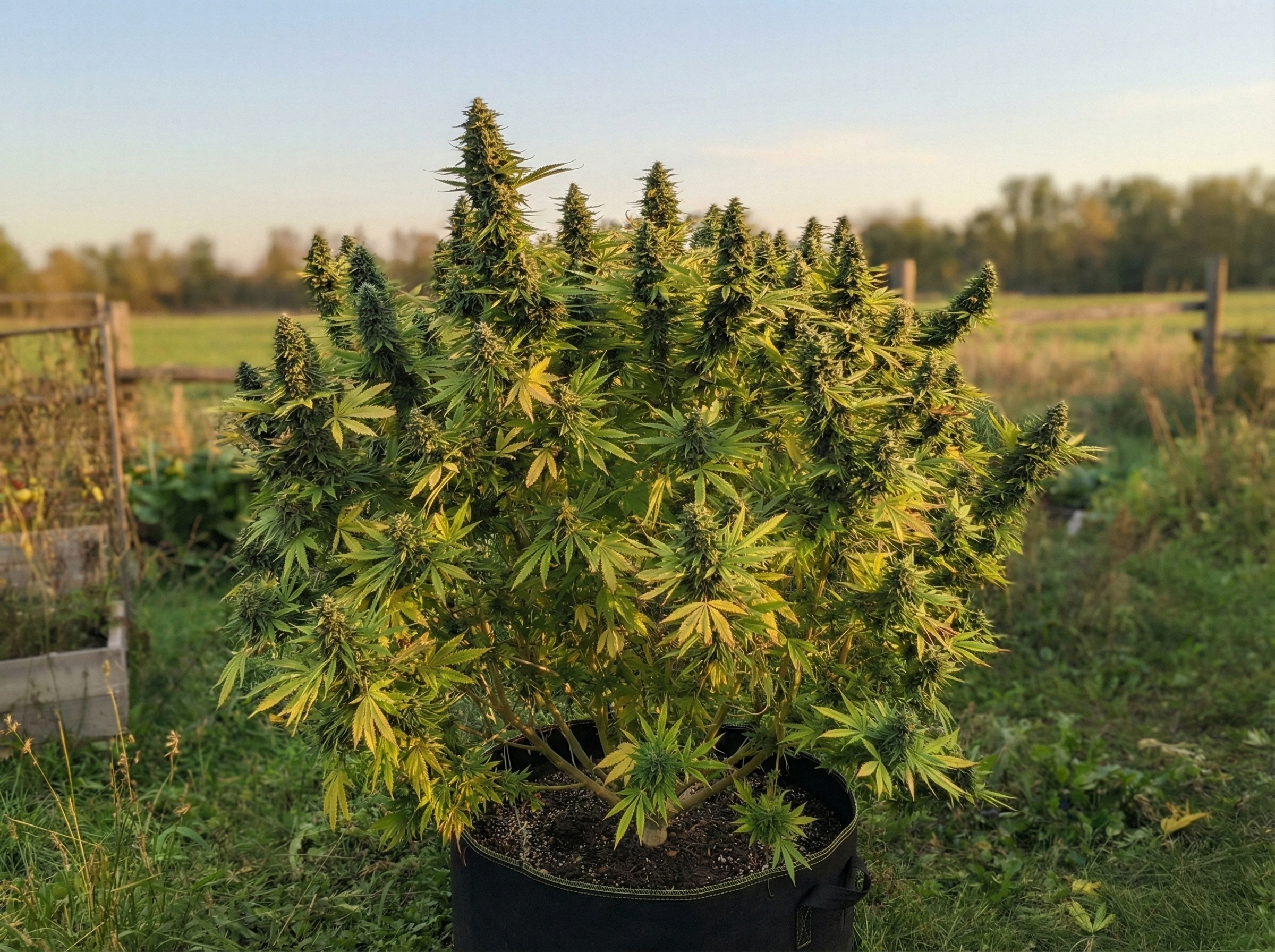
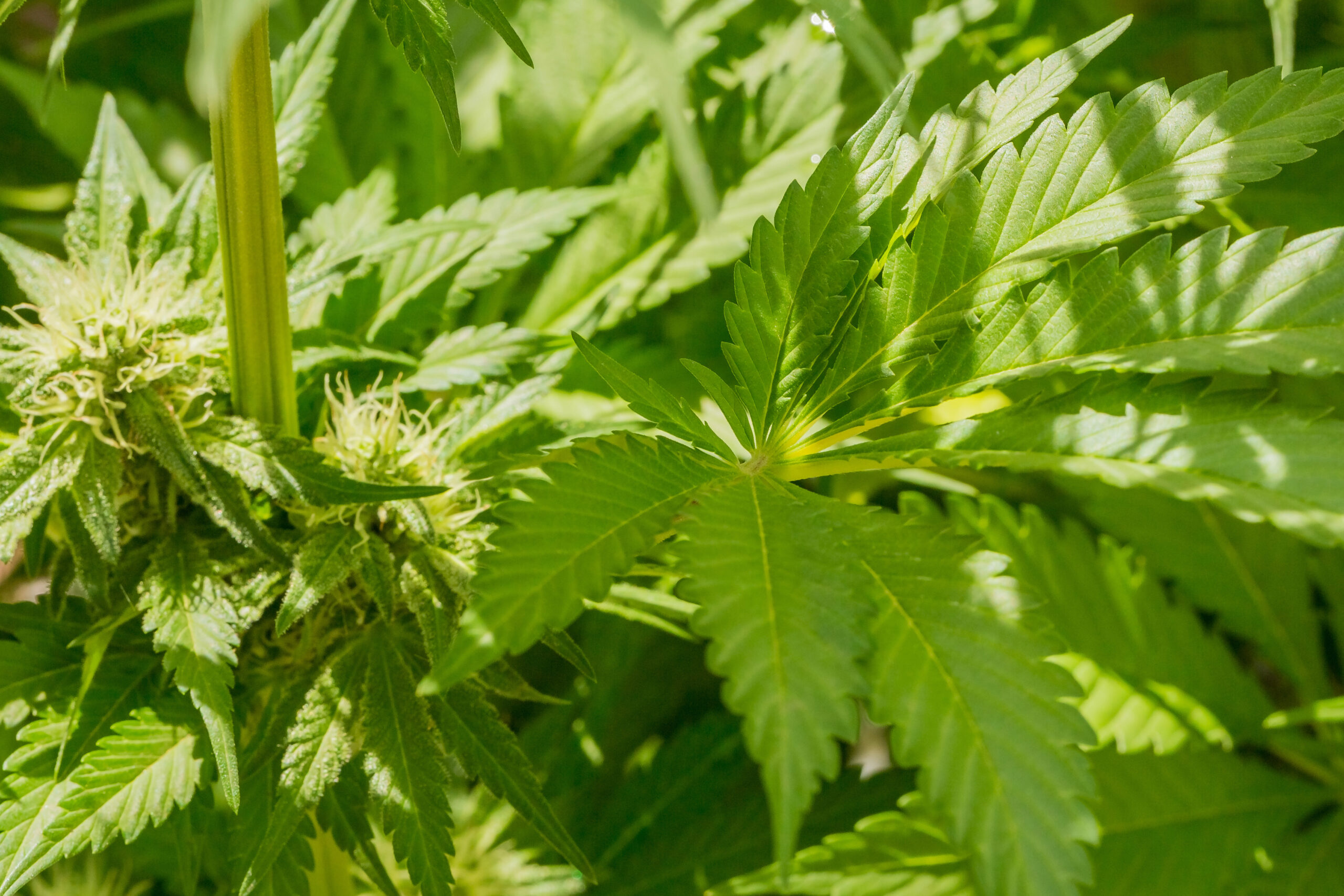
Outdoor Cultivar Trials: How to Compare Plants Fairly
Outdoor cultivar trials become misleading very easily. One plant gets the sunnier edge of the garden, another dries faster because its container sits in more wind, a third is transplanted a week late, and the grower still ends the season saying one cultivar “won.” The plants may have been different, but the trial did not separate genetic differences from site and management differences well enough to know why.
A useful home trial does not need to imitate a university research station. It does need a repeatable question, comparable starting material, enough replication to show some within-cultivar variation, a layout that accounts for obvious site gradients, predefined management rules, fixed checkpoints, and a harvest comparison that does not punish early or late cultivars simply because the calendar says so. Fair does not always mean identical treatment. It means applying the same decision logic and recording where cultivars require different amounts of water, support, time, or intervention.
This resource stays focused on that procedure. For complete outdoor site planning, soil, irrigation, seasonal timing, pests, security, and the full seed-to-harvest workflow, use the Outdoor Grow Comprehensive Guide. The goal here is narrower: by the end of one trial, you should be able to explain what you compared, how you controlled obvious sources of bias, where the comparison failed, and how confident you are in the result.
Decide What the Trial Is Actually Testing
“Which cultivar is best?” is too broad to be a useful trial question. Best for what? A dry inland garden may care most about water demand and heat recovery. A cool coastal garden may care about flowering onset, morning dry-down, disease pressure, and whether flowers can finish before repeated autumn rain. A small fenced garden may value manageable height and branch strength more than maximum biomass.
Write the trial question before the plants are assigned to positions. A strong question names the environment and the traits that will drive the final decision. For example: “Which of these three cultivars finishes reliably in this site before persistent wet weather while maintaining acceptable flower quality and without excessive disease intervention?” That question is far more useful than “which grows fastest?” because it defines what success means for that garden.
Choose one primary outcome and several supporting traits
The primary outcome is the result that would change your cultivar choice. It might be normal finish before a local weather deadline, usable dry flower after disease losses, disease burden, or water demand under one root-zone system. Supporting traits help explain the result: flowering onset, canopy size, stem strength, irrigation frequency, support events, flower architecture, or harvest reason.
Do not let the trial become a scoreboard with twenty equally weighted traits. If finish reliability is the main constraint, a cultivar that repeatedly needs a forced early harvest should not “win” because it was taller in July. Conversely, if the trial is specifically testing plant architecture for a low-visibility garden, height and training workload may legitimately matter more than total yield.
Turn seller and breeder claims into hypotheses, not facts
Claims such as “early flowering,” “mold resistant,” “huge yield,” “cold tolerant,” or “ideal outdoors” can help you decide what to measure, but they should not be entered into the record as proven traits. Convert each important claim into an observation that your trial can test. “Early” becomes the recorded date of a predefined flowering stage and the final harvest window. “Mold resistant” becomes disease incidence, severity, affected flower mass, and the number of interventions under the weather actually experienced.
The same applies to parentage, generation labels, or a familiar cultivar name. These labels describe the material you received, but they do not guarantee uniform performance. If you need a deeper explanation of cultivar, genotype, phenotype, seed line, clone, F1, F2, S1, or genotype by environment, keep that background in the separate What Is a Cannabis Strain? resource rather than turning this trial page into a genetics glossary.
Experimental unit
The experimental unit is the smallest independently managed unit that receives a trial treatment. In a simple home cultivar trial, this is usually one individual plant in its own position or container. Several measurements taken from one plant are repeated measurements of that plant, not several independent replicates.
Define must-pass constraints before preferences
Some traits are preferences. Others are gates. A pleasant aroma is a preference if the plant first has to finish without unacceptable disease loss. Very high theoretical yield is a preference if the cultivar can complete the season. If a plant cannot satisfy a must-pass constraint, write that down before you begin ranking softer qualities.
This prevents end-of-season bias. Growers naturally become attached to an impressive plant and may quietly change the decision criteria after seeing it. A prewritten rule such as “forced harvest before the defined maturity window counts as a climate-fit failure” makes the season easier to interpret later.
Field Advice: Write the trial question and three must-pass constraints on the first page of the record. If you cannot explain what would make you keep or reject a cultivar before planting, the trial is not ready to start.
Build Comparable Starting Material Without Pretending Genetics Are Identical
The trial begins before the plants reach the garden. Starting material determines what kind of conclusion you can make. Seed-grown plants and clone-grown plants can both be compared, but they answer different questions.
With seed-grown material, each plant is a distinct genetic individual. The trial is therefore evaluating a seed population as it was supplied, including its within-line variation. With clones, replicated cuttings from one selected genotype can reduce genetic variation within that cultivar, but differences in cutting age, rooting quality, mother-plant health, pathogen status, and transplant condition can still bias the comparison.
Seed trials compare populations, not identical plants
Two seeds from the same packet are siblings, not copies. One may branch more, start flowering earlier, or carry a different disease response than another. That variability is not automatically a flaw in the trial. It may be one of the most useful results if your real buying decision is whether the seed line is predictable enough for your garden.
This is why one exceptional seed-grown plant should not be allowed to represent an entire cultivar. Record every plant separately. If four siblings produce one excellent phenotype, two average plants, and one plant that cannot finish, that distribution tells you more about the material than the single standout plant.
Clone trials need comparable propagation quality
Clones can make a cultivar comparison cleaner when the objective is genotype performance, but only if the propagation material is reasonably matched. Avoid assigning one cultivar freshly rooted cuttings while another begins as larger, hardened plants. Record the propagation source, rooting date or receipt date, transplant date, initial size, and any health or quarantine issue that could explain later differences.
If clones arrive from different sources, provenance becomes part of the uncertainty. A name match does not prove genetic identity, and a weak or infected batch can make a healthy genotype appear inferior. Keep source identity in the record and avoid universal statements about the cultivar when the trial actually tested one particular cutting source.
Match the starting window closely enough to make early growth interpretable
Plants do not need to be millimeter-matched, but large age and size differences can dominate the first part of the season. Transplant within the same practical window, use comparable root-zone volumes and media when the trial is container based, and document meaningful exceptions. If one plant enters the trial already root-bound, nutrient-stressed, pest-damaged, or several growth stages behind, mark that plant as compromised rather than pretending the baseline was equal.
Take baseline measurements before permanent positions are assigned. Useful measurements include plant height, two canopy-width measurements at right angles, general vigor, visible stress, and root-ball condition at transplant where it can be observed without damaging the plant. Photographs from the same angle are especially useful because they preserve differences you may forget by harvest.
“If one seedling is clearly smaller at transplant, should I remove it from the trial?”
Question sent by: Ethan Brooks, via email.
Not automatically. First decide whether the difference looks like normal variation within the seed line or a known starting disadvantage such as root restriction, pest damage, delayed transplanting, or an earlier nutrient problem. Keep the plant in the raw record either way. If the baseline was compromised by a known non-genetic event, flag that plant before the trial starts and avoid letting it silently pull the cultivar average downward. If several independently raised plants from the same seed line begin smaller under comparable conditions, that pattern may itself be part of the population you are trying to evaluate.
Keep lot and plant identity attached to every observation
Each plant needs a unique ID that does not change during the trial. The record should connect that ID to the cultivar name, seed packet or lot information when available, source, propagation type, sowing or receipt date, transplant date, and permanent garden position. Do not rely on memory once several similar plants are established.
A lost label is not a small cosmetic problem in a cultivar trial. If identity cannot be reconstructed confidently from a duplicate map or record, that plant can no longer support a cultivar-specific conclusion. It may still be grown, but its data should be excluded from the cultivar comparison rather than guessed back into the dataset.
Lay Out the Garden to Separate Cultivar Effects From Site Effects
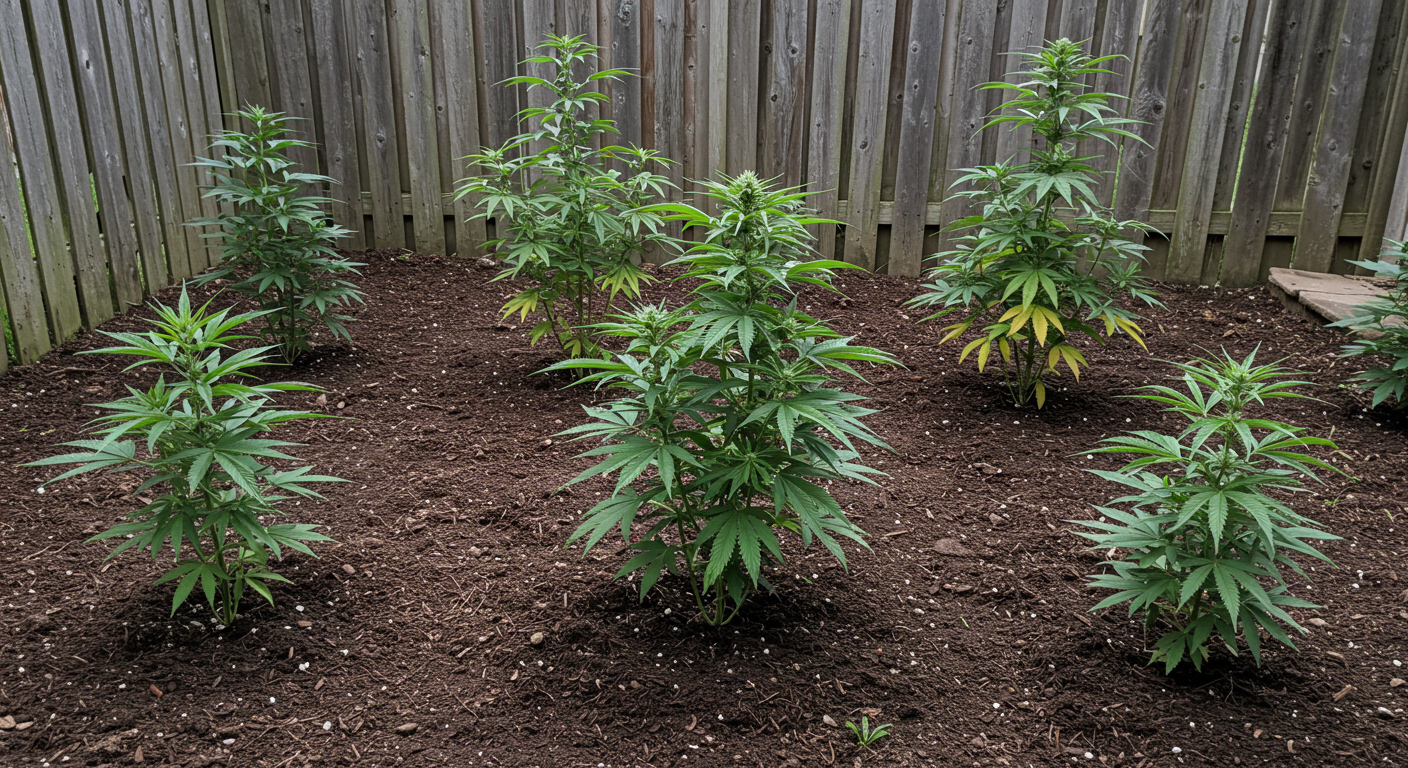
Outdoor gardens are not uniform fields. One side receives earlier shade. A fence changes wind. A slope changes drainage. Native soil can vary within a few meters. Containers on paving may run hotter than containers beside vegetation. If every plant of Cultivar A is placed on one side and every plant of Cultivar B is placed on the other, the trial has mixed cultivar with position.
The simplest defense is to spread each cultivar across the important site gradient instead of grouping all replicates together. Professional field trials often use randomization, replication, and blocking for this reason. A home garden can use the same logic without copying the scale of agricultural research.
Map the main site gradient before assigning plants
Walk the trial area and identify the strongest repeated difference. It might be morning-to-afternoon sun, an uphill-to-downhill moisture gradient, proximity to a windbreak, reflected heat from a wall, or native-soil variation. Do not try to block for every tiny difference. Choose the gradient most likely to affect the traits you intend to compare.
If the garden is container based and the surface, sun exposure, wind, and irrigation access are already very uniform, the gradient may be weak. In native ground, it is usually stronger. A simple sketch showing sun direction, slope, structures, and plant positions will be more useful at harvest than a perfect-looking spreadsheet with no site context.
Block
A block is a group of trial positions that are more similar to each other than to positions elsewhere in the garden. Each block should contain the cultivars being compared when space allows. Differences between blocks can then be separated from the cultivar comparison more clearly.
Use replication to see whether a result repeats
Replication means having more than one independent plant representing each cultivar. A single plant can produce a useful observation, but it cannot show whether the result is typical of that cultivar or simply unusual for that individual. More biological replicates reveal the spread within a seed line and make it harder for one damaged or exceptional plant to dominate the conclusion.
There is no magic home-grow number that makes a cultivar trial scientifically valid. Plant count is constrained by law, space, cost, and the size of mature outdoor plants. As a practical principle, three or more independent plants per cultivar usually reveal within-cultivar spread more usefully than a single plant, but this is not a universal statistical threshold and it does not replace a proper power calculation. If legal limits allow only one plant per cultivar, describe the result as an observation, not a reliable cultivar ranking.
Do not exceed the plant-count rules that apply where you live just to improve replication. A smaller legal trial with honest uncertainty is more useful than an illegal or unmanageable one.
Randomize cultivar position inside each block
Once blocks or comparable position groups are defined, assign cultivars to positions randomly rather than placing them in the order the pots happen to be carried outside. Randomization prevents the grower from unconsciously putting the expected “best” cultivar in the most favorable position.
For a small trial, randomization can be simple: write plant IDs on slips, shuffle them, and assign one to each predefined position. Keep the assignment map. If a plant must be moved later for safety or legal reasons, record the date, old position, new position, and why. Moving one plant into a sheltered corner can change the meaning of every later disease, wind, and finish observation.
Pro Tip: Make two copies of the position map before transplant day. Keep one with the trial notes and one somewhere separate from the garden. A weather-damaged marker or moved container should not be able to erase the identity of a season’s data.
Watch edge effects and neighbor effects
Plants on an outer edge can receive more light and wind than plants inside a dense row. Large cultivars can also shade or physically crowd smaller neighbors. If one cultivar consistently becomes taller, that trait can begin altering the environment of adjacent plants and create a feedback loop in the trial.
Provide enough spacing that normal architecture can express without immediate competition, and keep spacing rules consistent. If plants become large enough to shade one another anyway, record it. Do not quietly prune the aggressive cultivar much harder unless the protocol already defines how size-control decisions will be made.
Do not confuse a garden position with a cultivar result
If every replicate of one cultivar occupies the same wetter, shadier, hotter, or windier zone, you cannot confidently separate genetics from position. Redesign the layout before planting, or describe the comparison later as confounded rather than forcing a winner.
Standardize Decision Rules, Not Blindly Identical Inputs
A common trial mistake is to make every input identical even when the plants are telling you their needs differ. Giving every plant exactly the same irrigation volume may sound fair, but it can systematically overwater a smaller cultivar and underwater a larger one. The resulting stress is then partly created by the protocol rather than by outdoor adaptation.
A stronger approach is to define the same management rule before the trial and apply it to every plant. The amount or frequency may differ as a consequence of plant demand, and that difference becomes data.
Irrigate from the same trigger, then record demand
If containers are the same size and filled with the same medium, use the same root-zone decision method for all plants. That may be container weight, a consistent moisture-sensor location, a defined dryback observation, or another method you already use reliably. When the trigger is reached, irrigate to the same endpoint appropriate for that system rather than giving every plant an arbitrary identical volume.
Record irrigation date and approximate volume. By late summer, you may discover that one cultivar reaches the same moisture trigger much sooner and consistently uses more water. That is a meaningful outdoor management trait. The trial would hide it if all plants were watered on a fixed calendar.
Keep the base nutrition strategy comparable
Use the same medium, amendment program, or base feeding strategy where the trial design allows it. If the objective is general cultivar fit, apply corrective changes from predefined symptoms or measurements rather than feeding one favorite plant more aggressively because it looks promising.
If one cultivar repeatedly requires a lower feed strength, extra amendment, or a different irrigation frequency to remain healthy, do not automatically call that unfair treatment. Record the deviation and the trigger that justified it. Management demand can be part of the cultivar decision. What becomes unfair is changing the rules privately for one plant and then comparing the final yield as though management was equal.
Standardize pruning, training, and support triggers
Training is difficult to equalize because architecture itself is a cultivar trait. Topping every plant on the same date can affect a slow plant and a fast plant differently. Leaving every plant untouched can also be unrealistic if your real garden always uses height control.
Choose a management rule that matches the purpose of the trial. You might top once when a plant reaches a predefined structural stage, use the same maximum height boundary for all plants, or keep all plants minimally trained and record architecture as expressed. The important part is that the decision rule is known before one cultivar starts to look better than another.
Support can be handled similarly. Do not prop up one cultivar at the first sign of lean while waiting for another to collapse. Define a trigger such as branch angle, flower load, wind exposure, or visible bending that prompts support. Record every support event. A cultivar needing twice as much staking to protect its crop has told you something useful.
“If one cultivar needs water much more often, does that mean the trial is no longer fair?”
Question sent by: PrairieLeaf, via Facebook page.
No. Fairness comes from applying the same irrigation decision rule, not forcing identical volumes or dates. If every plant is irrigated when the same root-zone trigger is reached and one cultivar reaches that trigger sooner, the extra irrigation demand is part of its performance. Record the frequency and volume instead of erasing the difference.
Record rescue interventions as protocol deviations
Outdoor trials encounter real problems. A branch breaks in a storm. One plant gets a localized pest outbreak. An emitter clogs. A dog knocks over a container. Saving the plant is usually more important than protecting experimental purity, especially in a home garden.
Make the correction, then flag it. Record the event, date, severity, action, and whether it could affect the traits you plan to compare. A major root-zone failure can invalidate yield data while leaving flowering-onset data usable. A broken branch can reduce final mass without invalidating disease observations on the remaining canopy.
Use one rule and record different plant demand
Water, support, prune, and correct problems from predefined triggers. The amount of management each cultivar requires becomes part of the result.
Force identical inputs when plant demand clearly differs
Equal liters, equal dates, or equal interventions can create artificial stress and hide the real management cost of a cultivar.

Measure the Same Traits at Fixed Checkpoints
A trial becomes difficult to interpret when the grower records whatever looked interesting that week. Decide the core measurements before the season and collect them from every plant at the same checkpoints. You can add notes later, but the comparison needs a common backbone.
Home trials do not require constant measurement. Consistency matters more than volume. A short set of measurements repeated every one or two weeks, plus event-based dates such as flowering onset and harvest, usually produces a more usable record than daily notes that stop halfway through summer.
Establish a baseline before the plants begin competing with the site
At transplant or permanent placement, record plant ID, cultivar, propagation type, source or lot, date, position, container or ground system, starting height, canopy width, visible health, and any known stress history. Photograph each plant with the label visible and a size reference in frame.
This baseline prevents a late-season memory error: “Cultivar B was always more vigorous.” If B entered the trial 30 percent larger, early canopy dominance may be a starting-material effect rather than a cultivar response.
Use operational definitions that another person could repeat
Terms such as “vigorous,” “moldy,” “early,” or “ready” are too subjective unless the trial defines what they mean. You do not need validated laboratory scoring systems for every trait, but you do need internal consistency.
For example, flowering onset might be defined as the first date when several branch sites show sustained pistillate flower development rather than isolated preflowers. Disease severity might use a simple home scale defined before the trial, such as 0 for no visible symptoms, 1 for isolated symptoms, 2 for several localized sites, 3 for widespread symptoms requiring management, and 4 for severe disease affecting harvestable tissue. This is an internal comparison scale, not a universal cannabis disease standard.
| Trial Trait | Repeatable Home-Grow Measurement |
|---|---|
| Establishment | Survival, transplant recovery time, visible stress, and whether replacement was required. |
| Plant size | Height from a consistent reference point plus two canopy-width measurements. Record major topping or breakage that changes architecture. |
| Flowering onset | Date when the trial’s predefined flowering stage is first reached. Use the same operational definition for every plant. |
| Irrigation demand | Number of irrigation events, approximate volume, and the common root-zone trigger used to decide when to irrigate. |
| Support demand | Number and type of staking, tying, trellis, or branch-support interventions plus the reason each was added. |
| Disease pressure | Presence, severity score, affected plant area or flower sites, intervention date, and whether harvestable material was lost. |
| Weather response | Notes after major heat, wind, rain, cold, or storm events using the same 24-hour and follow-up inspection timing for all plants. |
| Finish reliability | Normal maturity versus forced harvest, harvest date, reason for cutting, and the weather or disease condition that set the deadline. |
| Usable flower result | Dry usable flower measured after a consistent postharvest process, with diseased, damaged, or discarded material recorded separately. |
Keep measurement position and timing consistent
Measure plant height from the same reference point. If stem diameter matters, mark the measurement location so you do not move higher or lower on the stem each time. Take photographs from the same side and roughly the same distance. If you score leaf posture or midday stress, compare plants at the same time of day because outdoor appearance can change dramatically between morning and afternoon.
Consistency also applies to weather. A nearby regional weather station is useful for context, but a garden sensor can reveal microclimate differences that the regional record misses. If possible, log temperature and humidity near canopy height in a representative position and keep the sensor location fixed. Record major rain, wind, or heat events that may explain sudden changes across all cultivars.
Tip: Freeze the measurement method once the trial begins. If height was measured from the media surface to the highest natural growing point in June, do not switch to a different reference point in August because the plants have become harder to measure.
Add event-based observations when the weather tests the plants
Fixed checkpoints show gradual development. Event-based checks show resilience. After a heatwave, major storm, heavy rain period, or cold night, inspect every plant using the same sequence and timing. A 24-hour check may capture immediate injury, while a later check can reveal recovery or delayed disease.
Do not change the scoring system because one cultivar looks worse. The purpose is to see whether the difference persists. If one plant wilts more during a hot afternoon but returns to normal by evening without unusual root-zone dryness, that is a different result from a plant that remains stressed the next morning and requires extra irrigation.
Field Advice: Record the plant’s condition before an emergency correction whenever it is safe to do so. A photograph, moisture reading, branch-damage note, or disease score taken before irrigation, staking, pruning, or treatment preserves evidence that disappears as soon as you intervene.
Record individual plants first, cultivar summaries second
Keep raw plant-level data visible. A cultivar average can hide a wide seed-line spread. If three plants finish at very different times, the range is part of the cultivar story. For small home trials, list every plant value and summarize with a mean or median only as a secondary view.
Do not report statistical significance from a tiny garden dataset unless the design and sample size genuinely support formal analysis. The practical question is often simpler: did the pattern repeat across independent plants, blocks, or seasons, and was the difference large enough to matter to the grower?
| Stage / Period | Plant Status | Main Task | Risk / Check |
|---|---|---|---|
| Baseline | Before permanent outdoor placement or transplant | Record identity, source, starting size, health, root-zone system, and assigned position | Do not begin with undocumented size, age, or health differences |
| Early establishment | Plants adapting to the trial site | Record survival, recovery, irrigation demand, and early vigor using the common management rules | Propagation stress can masquerade as cultivar weakness |
| Vegetative checkpoints | Canopy expanding under outdoor conditions | Repeat size, architecture, irrigation, support, health, and weather-response observations | Edge effects and shading can increase as plants grow |
| Flowering transition | Reproductive growth begins | Record the predefined flowering-onset date for every plant | Do not use a breeder week count as the observed outdoor start date |
| Mid flower | Flower architecture and disease risk becoming clearer | Score disease, support demand, canopy airflow issues, and weather response | Management differences can widen quickly during flower bulking |
| Late flower | Plants approaching maturity under seasonal pressure | Record maturity progression, disease losses, weather deadlines, and likely harvest window | Do not force all cultivars onto one calendar harvest date |
| Harvest | Normal maturity or forced cut | Record date, maturity basis, harvest reason, wet-weather or disease pressure, and material discarded | Forced harvest is trial data, not a normal mature finish |
| Postharvest comparison | Material dried and stabilized under a common process | Compare usable dry flower, losses, aroma or quality notes, and optional laboratory results using consistent sampling | Different drying, trimming, or sample positions can overwhelm cultivar differences |
Handle Flowering, Harvest, and Postharvest Comparisons Fairly
Flowering and harvest are where many otherwise careful cultivar trials become unfair. Outdoor cannabis cultivars can enter reproductive development at different times and mature at different rates. Research in Cannabis sativa shows substantial genetic variation in flowering behavior, meaningful genotype by environment effects, and cultivar-dependent responses during floral maturation. That makes “all plants harvested on October 1” a poor default comparison.
The trial must distinguish two questions: how the cultivar matures biologically, and whether the local season allows that cultivar to reach the desired stage safely. Those are related, but they are not the same.
Record flowering onset from a predefined plant stage
Do not start the flowering clock because the calendar reached August or because another cultivar has begun forming flowers. Record the date each plant reaches the trial’s operational flowering stage. If seed-grown siblings differ, keep their dates separate before calculating any cultivar summary.
Breeder flowering durations can be stored as a claim for later comparison, but do not use “8 weeks” to overwrite the outdoor observation. The clock may have been defined under indoor conditions, may start from a different stage, or may describe a different genotype or production population.
Compare maturity, not one universal calendar date
When the objective is mature flower performance, harvest each plant at a comparable maturity stage using the same set of cues. Avoid a single rigid signal such as a fixed percentage of brown stigmas or one amber-trichome rule. Cannabis maturity varies by genotype, and research shows that cannabinoid peaks can occur at different visible stages among genotypes.
Use a consistent combination of flower and bract development, glandular trichome observation on comparable flower tissue, whole-plant progression, and the cultivar’s recent rate of change. Write the criteria before the first plant is ready. If you use magnification, inspect the same flower zone and avoid relying only on sugar-leaf trichomes, which can mature differently from the bracts used for the harvest decision.
“One cultivar is ready much earlier than another. Should I wait so I can harvest them on the same day?”
Question sent by: Olivia Carter, via contact form.
No. A same-day harvest can make the comparison less fair because the plants may be at different biological stages. Apply the same maturity decision framework to each cultivar and record the date on which each plant reaches it. The difference in finish timing is one of the results you are trying to measure. If autumn weather forces the later cultivar down before it reaches the same maturity criteria, record that separately as a forced harvest rather than stretching the definition of readiness.
Separate normal finish from forced harvest
An outdoor cultivar that cannot reach your defined maturity window before repeated rain, frost, severe disease, or another site deadline has produced an important trial result. Do not hide that by calling an early cut a normal harvest.
Record “normal maturity” or “forced harvest” for every plant, then record the reason. A late cultivar may produce excellent flower in a long dry autumn and fail in a short wet one. That does not make the cultivar globally poor. It means the local climate fit is conditional.
Do not rescue a late cultivar by changing the definition of success
If the trial’s must-pass rule was “finish before persistent autumn rain,” a plant cut early because disease risk became unacceptable did not complete that rule. Record the forced harvest honestly even if the plant was otherwise vigorous or aromatic.
Standardize the postharvest comparison enough to preserve the trial
Final flower quality cannot be compared fairly if one plant is dried rapidly in warm air while another dries slowly in a cooler, more stable environment. You do not need to turn this resource into a complete drying and curing guide, but the trial should keep postharvest handling as consistent as practical.
Use the same trimming standard, comparable flower positions, the same drying space or process, and a common point at which usable dry flower is weighed. Record material discarded because of disease, physical damage, or contamination separately. Wet whole-plant mass is a poor final cultivar metric because stem, leaf, and water content can differ substantially.
If aroma or flavor is part of the trial, blind-code samples after a common stabilization period so the familiar cultivar name does not influence the first judgment. If laboratory testing is available and lawful, sample comparable flower positions and document the sampling method. One laboratory result from one exceptional top flower should not be presented as the chemical identity of the entire seed population.
Remember: The fairest harvest comparison is not “same date.” It is “same decision framework,” with forced harvests preserved as evidence about local outdoor fit.
Diagnose Trial Failures Before Ranking Cultivars
A home trial does not become useless because something went wrong. Outdoor growing guarantees uneven events. The useful question is whether the failure affected one measurement, one plant, one block, or the entire comparison.
Before ranking cultivars, review every deviation and ask whether it could explain the apparent winner. This is the trial equivalent of diagnosing a plant problem before treating it.
Separate cultivar failure from trial failure
A cultivar failure is a repeatable plant response under the rules of the trial: several replicates lodge under comparable flower load, consistently reach the irrigation trigger much sooner, or repeatedly enter the wet season before maturity. A trial failure is a design or management event that prevents interpretation: one cultivar receives the shaded positions, its irrigation line fails for a week, labels are lost, or plants entered the trial at very different ages.
Some events sit between the two. If one cultivar suffers more branch breakage in the same storm while nearby cultivars remain intact, the pattern may reflect architecture or stem strength. If only one plant breaks because a gate falls on it, that event is not evidence of genetic weakness.
Do not automatically delete outliers
An unusual plant can be inconvenient, but removing it because it makes the cultivar look inconsistent defeats part of the purpose of seed-line evaluation. First ask whether the plant experienced a known external event. If not, keep the observation and report the spread.
For clone trials, an outlier may deserve extra investigation because replicated cuttings should be genetically very similar. Check rooting history, hidden disease, label accuracy, root-zone failure, and position before assuming a spontaneous genetic explanation.
Remember: An outlier is not automatically bad data. It becomes bad data only when you have a defensible reason to show that the observation no longer represents the comparison you intended to make.
Common shortcuts that create false confidence
Several rules of thumb repeatedly distort outdoor cultivar comparisons:
- “The tallest plant is the most vigorous.” Height can reflect architecture, shade response, internode length, or late flowering rather than useful biomass or flower performance.
- “Same strain name means same genetics.” A name is an identity claim, not proof that two seed sources or cuts are genetically identical.
- “Same seed pack means uniform plants.” Sexually produced seeds are different genetic individuals, and population uniformity varies.
- “Everyone received the same liters, so the test was fair.” Identical input can create unequal root-zone conditions when plant water use differs.
- “Harvested on the same day means equal maturity.” Cultivars can begin and progress through flowering at different times.
- “No mold means disease resistant.” A dry season may not have tested disease response strongly enough to support that conclusion.
- “The best single plant proves the cultivar.” One standout does not describe within-cultivar consistency.
Use weather strength to judge how hard a trait was actually tested
A disease-resistance conclusion is weak when the season was unusually dry and disease pressure stayed low across the garden. Heat tolerance was not strongly tested if the trial never experienced meaningful heat stress. Wind strength cannot be judged from a sheltered season with no major event.
Record the environmental challenge alongside the result. “No visible Botrytis during six weeks of repeated wet flower weather” carries more evidence for that site than “no visible Botrytis in a dry autumn.” The first still does not prove universal resistance, but it tells future you what the plant actually faced.
Flag data by confidence instead of pretending every number is equal
At the end of the season, mark each major trait as high confidence, provisional, or inconclusive based on the trial itself. High confidence means the pattern repeated across several independent plants or blocks and no obvious confound explains it. Provisional means a useful pattern appeared but replication, weather challenge, or management deviations limit certainty. Inconclusive means the trial did not test the trait cleanly enough to rank cultivars.
This approach is more honest than forcing a numeric score for every cultivar. A cultivar can be high-confidence for flowering onset and water demand while still being inconclusive for disease resistance because the year was too dry.
Important: A failed comparison is still useful if you can name why it failed. The dangerous result is a confident ranking built from a design that never separated cultivar, position, starting material, and management.
Turn One Season Into a Defensible Cultivar Decision
The final goal is not to crown a permanent winner. It is to make a better decision for the next outdoor season. Start by returning to the primary question and must-pass constraints you wrote before planting. Ignore traits that became impressive but were not relevant to the decision unless they revealed a new practical issue worth testing later.
For each cultivar, summarize the number of plants evaluated, the range of flowering-onset dates, normal versus forced finishes, usable dry flower result, disease burden, irrigation demand, support workload, major protocol deviations, and any quality observation that was collected consistently. Keep the individual plant values beside the summary so variability does not disappear.
Use must-pass constraints before preference ranking
If a cultivar failed a must-pass condition repeatedly, say so plainly. For a short wet season, repeated forced harvest may outweigh an excellent aroma score. For a water-limited garden, consistently high irrigation demand may outweigh a small yield advantage. For a low-visibility site, repeated height-control interventions may matter more than total biomass.
Then compare preferences among the cultivars that passed the hard constraints. This keeps the decision tied to the actual garden rather than to a generic idea of what cannabis performance should look like.
Distinguish local fit from universal genetic claims
Your home trial can support a statement such as “Cultivar A was the most reliable finisher in this garden during this season.” It usually cannot support “Cultivar A is the best outdoor cultivar” or “Cultivar B is mold resistant everywhere.” Multi-location and multi-year hemp research repeatedly shows that cultivar rankings can change with environment, and genotype by environment interactions are part of Cannabis sativa performance.
If a decision matters enough to keep testing, repeat the cultivar in a second season or a second part of the site. A pattern that repeats under different weather carries more weight. A ranking that flips between years is also useful because it tells you the cultivar is sensitive to conditions that need to be identified.
Master Advice: Treat the first season as local evidence, not a final verdict on the genetics. The strongest home-grow conclusion is a pattern that survives another season, another block, or another reasonable change in weather without needing the scoring rules to be rewritten.
Decide what to keep, retest, or stop growing
A practical end-of-season decision can use three categories without pretending they are scientific grades:
- Keep for this site: passed the must-pass constraints and repeated the desired traits across enough plants to justify another season.
- Retest: showed promise, but replication was low, one block was compromised, the weather never tested the main risk, or seed-line variation was too wide for a confident decision.
- Stop for this site: repeatedly failed a hard constraint under a fair comparison, such as finish timing, disease loss, space requirement, or management demand.
“Stop for this site” is deliberately local. Another latitude, season, root-zone system, or protection strategy may produce a different result. The point of the trial is to replace catalog confidence with your own documented local evidence.
Before you call one cultivar better, confirm these points
- The trial had one written primary question and clear must-pass constraints.
- Every plant had a unique ID linked to source or lot information and permanent position.
- Starting age, health, root-zone system, and transplant timing were comparable or deviations were recorded.
- Cultivars were distributed across the main site gradient instead of grouped by position.
- The trial used biological replication where legal plant limits and space allowed it.
- Irrigation, nutrition, training, support, and rescue decisions followed predefined rules.
- Fixed measurements were collected from every plant at the same checkpoints.
- Flowering onset used one operational definition rather than a breeder calendar.
- Harvest compared maturity using the same decision framework, and forced harvests were labeled honestly.
- Postharvest yield and quality were compared under a consistent process.
- Storm damage, irrigation failures, lost labels, disease events, and other confounds were flagged before ranking.
- The final conclusion describes this site and season rather than claiming universal cultivar superiority.
A fair cultivar trial does not remove outdoor variability. It organizes enough of that variability that you can see which differences belong to the plants, which belong to the garden, and which remain uncertain. The strongest result is not the cleanest-looking spreadsheet. It is a conclusion that survives a careful challenge: the same pattern appeared across comparable plants, under the same decision rules, and there is no simpler site or management explanation for it.
That is the point at which a home grower can move from “I liked this plant” to “I have a defensible reason to run this cultivar again.”
Share this article
A quick overview of the topics covered in this article.
Follow us
Latest articles
October 24, 2026
October 24, 2026
October 24, 2026