
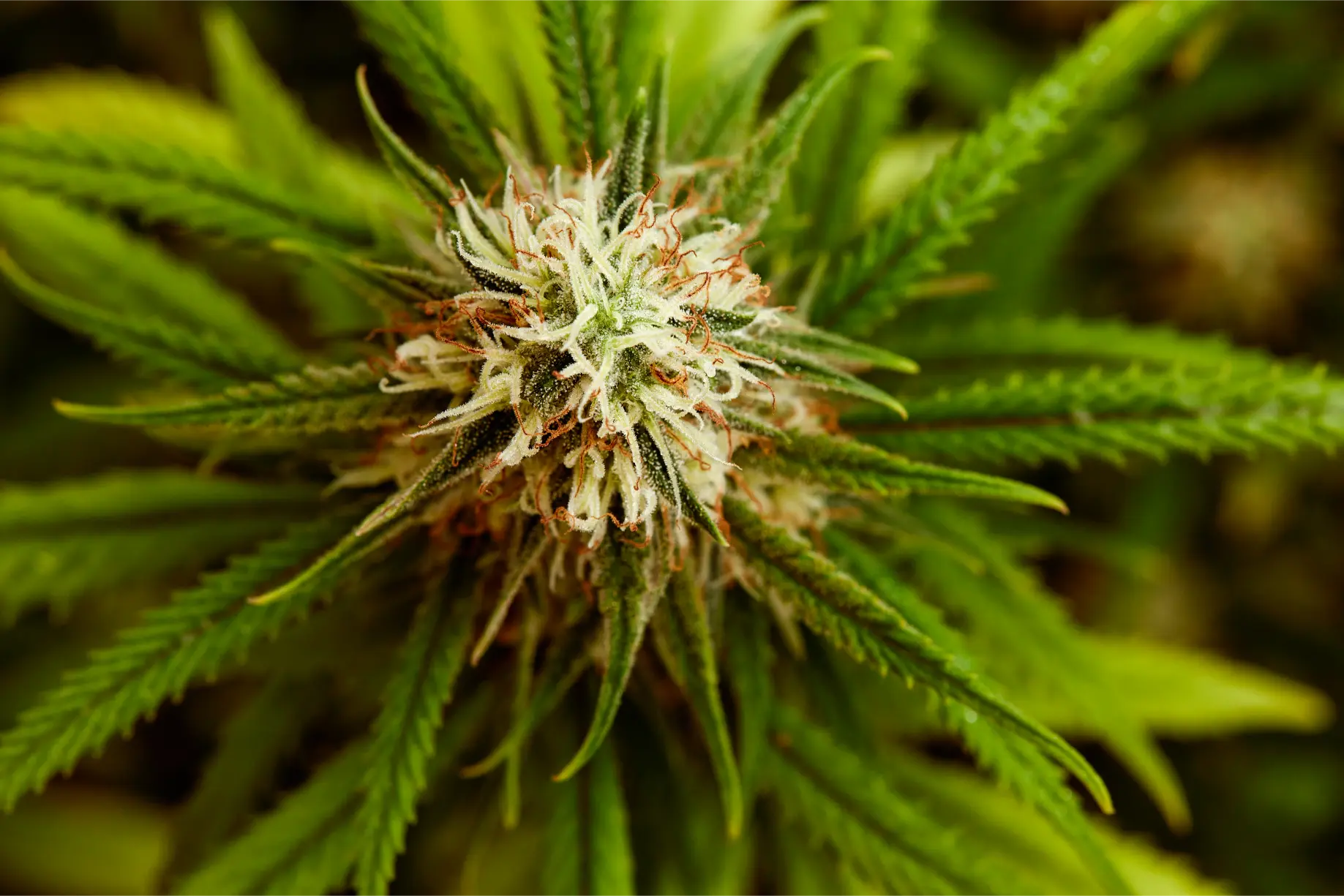
Devil Driver Strain: Complete Cultivar & Grow Guide
In the vibrant realm of contemporary craft cannabis breeding, Devil Driver has established an unshakeable reputation as an aromatic masterpiece, seamlessly merging the decadent, creamy fruit-confectionery heritage of modern dessert cultivars with the bright, mouth-watering tropical zest of exotic sativa genetics. Developed by the visionary breeders at Clearwater Genetics, Devil Driver is the result of crossing the acclaimed Sundae Driver (Fruity Pebbles OG x Grape Pie) with the electrifying Melonade (Watermelon Zkittlez x Lemon Tree). The resulting hybrid stands out in today’s crowded market by delivering a remarkably intricate olfactory journey: vibrant top notes of fresh honeydew melon, ripe cantaloupe, and candied lemon rind interlock with deep undertones of crushed Concord grape preserves, vanilla bean cream, floral sugar, and a delicate kiss of refined hydrocarbon gas.
From a horticultural perspective, Devil Driver offers cultivators a highly rewarding, responsive canopy architecture that bridges the structural gap between dense, squat dessert plants and tall, unruly tropical sativas. Expressing a balanced to slightly sativa-dominant hybrid vigor, the plant establishes strong, pliable lateral branches capable of supporting an expansive, multi-topped canopy. Rather than stacking into one massive, moisture-trapping central terminal spear, Devil Driver organizes its floral biomass into dense, spherical-to-spear-shaped calyx clusters that march uniformly along every secondary stem run. This open, aerated node spacing permits deep artificial photon penetration and encourages unhindered cross-canopy airflow, significantly reducing the localized humidity pockets that so often threaten high-resin dessert crops in late bloom.
However, unlocking the full connoisseur potential of Devil Driver demands strict environmental discipline, particularly concerning temperature regulation and post-harvest drying dynamics. The cultivar’s most celebrated asset, its sparkling cantaloupe, melon, and citrus top-note matrix, is governed by volatile monoterpenes and esters that possess low thermal evaporation thresholds. Cultivators who push canopy surface temperatures past physiological optimums during the final three weeks of bloom or rush the drying process risk stripping away the fresh melon clarity, leaving behind a one-dimensional grape-gas profile that fails to express the cultivar’s true greatness. This master cultivation guide provides an exhaustive roadmap to growing Devil Driver, outlining its genetic pedigree, phytochemical composition, canopy training methodologies, balanced fertigation targets, and post-harvest curing protocols.
Strain Features
| Feature | Details |
|---|---|
| Strain Type | Balanced hybrid (approximately 50% Sativa / 50% Indica with energetic initial expression) |
| Genetic Lineage | Sundae Driver (Fruity Pebbles OG x Grape Pie) x Melonade (Watermelon Zkittlez x Lemon Tree) |
| THC Potency | 22% to 28% total cannabinoids under optimized commercial cultivation regimens |
| CBD Content | Low (consistently beneath 0.3% in certified chromatographic tests) |
| Primary Terpenes | Beta-Myrcene, Beta-Caryophyllene, D-Limonene, Linalool, Beta-Ocimene |
| Flowering Time (Indoor) | 8.5 to 9.5 weeks (60 to 65 days from the onset of twelve-twelve photoperiod) |
| Harvest Window (Outdoor) | Late September to early October in Northern Hemisphere temperate growing regions |
| Plant Morphology | Medium-tall stature, robust lateral branching, open internodal spacing, spear colas |
| Stretch Potential | Moderate to strong (typically 1.6x to 2.0x vertical increase during the first three weeks of flower) |
| Bud Density & Structure | Dense, resin-crusted calyx clusters with moderate leafiness and excellent trichome coverage |
| Color Expression | Emerald green base with rich streaks of royal violet, magenta, and bright tangerine pistils |
| Aroma & Palate | Fresh cantaloupe, sweet honeydew, candied lemon, grape cream, floral sugar, light petroleum |
| Yield Potential | 475 to 575 g/m² indoors; up to 800 g per plant outdoors under direct natural sunlight |
| Difficulty Level | Intermediate; demands proactive canopy training, trellis support, and cool late-bloom finishing |
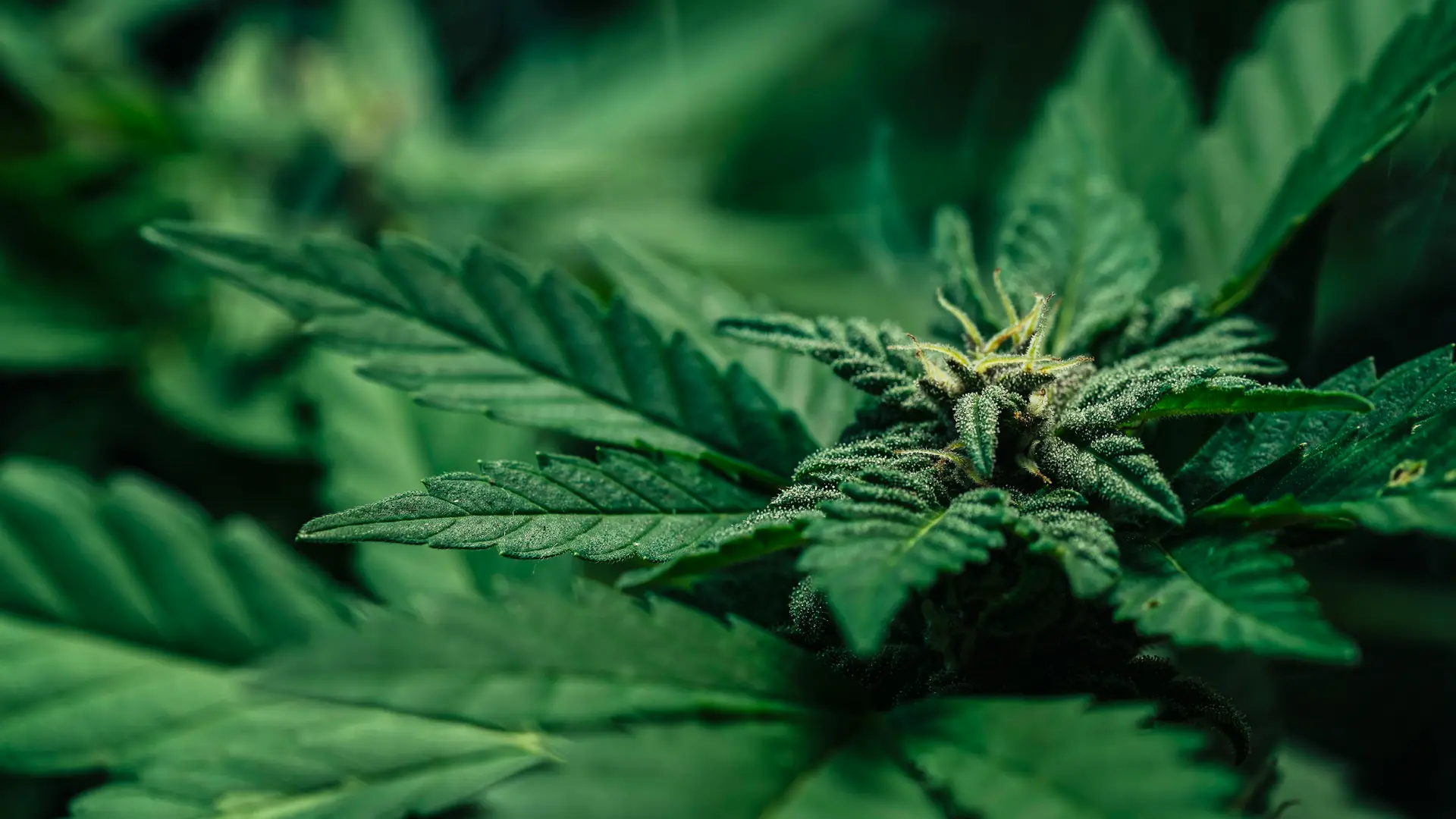
When observing Devil Driver in the cultivation room, horticulturists will note a vigorous, well-balanced vegetative architecture that blends the best traits of its parentage. The plant displays strong apical dominance in early veg, but responds with remarkable enthusiasm to pruning and low-stress training. Its vegetative foliage features medium-width fan leaves with crisp, sharp serrations, exhibiting a bright, healthy jade green coloration that reflects efficient nutrient processing and vigorous photosynthetic activity. Stem girth expands rapidly, providing a sturdy vascular framework capable of supporting substantial floral weight later in the cycle.
The floral morphology of Devil Driver is a visual delight. As the plant enters the bulking phase during weeks five through eight, calyxes swell in tight, spiraling clusters along every secondary branch, forming elongated, semi-spear-shaped colas. While dense and firm to the touch, the floral clusters maintain enough micro-separation between nodes to prevent the complete inner-stem moisture stagnation that can plague pure indica genetics. The calyx-to-leaf ratio is highly favorable: sugar leaves are narrow, heavily encrusted with resin, and easy to manicure, significantly reducing the labor hours required for commercial harvest processing.
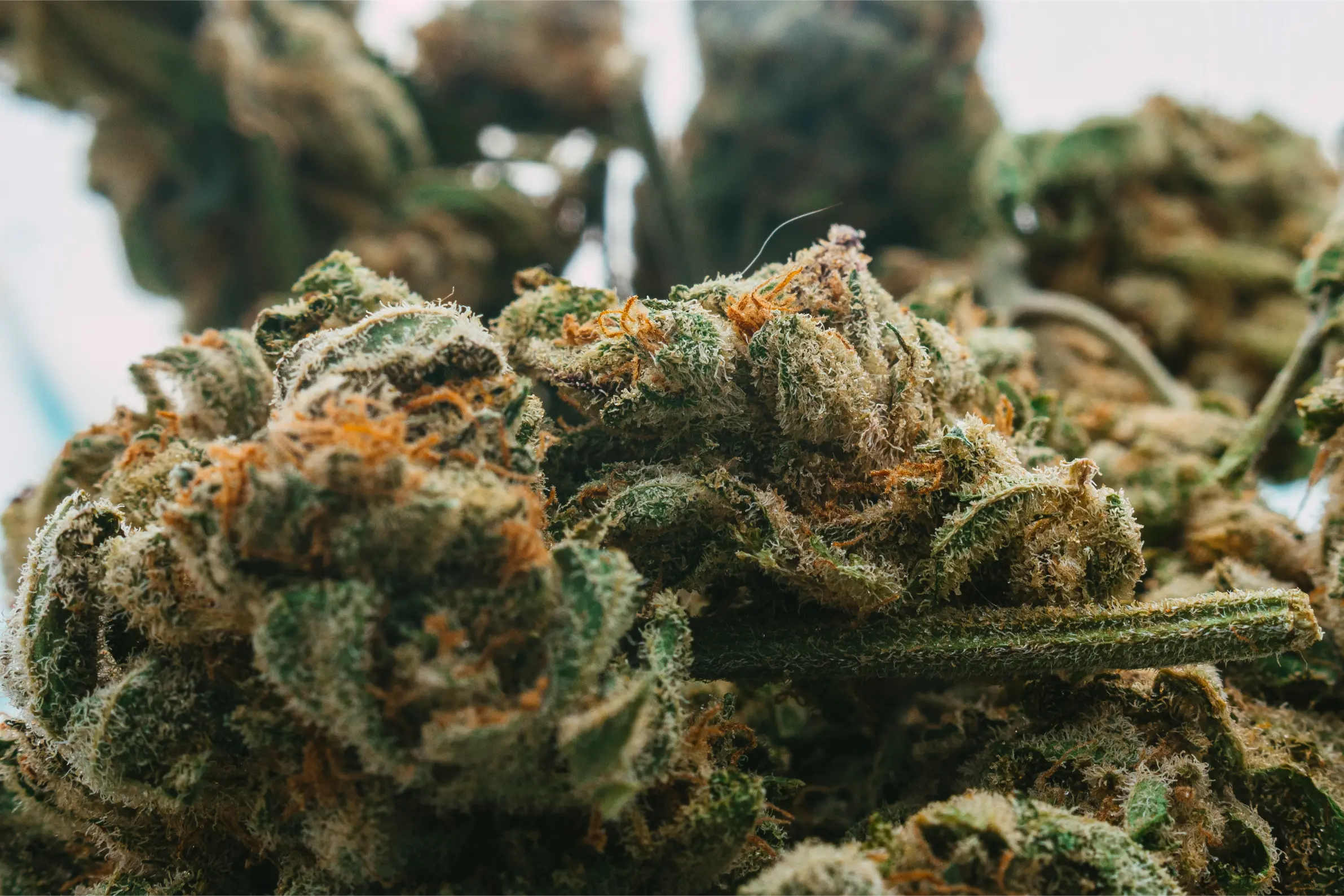
In terms of visual bag appeal, cured Devil Driver flower commands top-shelf status in any dispensary showcase. As cooler nighttime temperatures are introduced during late bloom, the emerald green calyxes take on vivid flushes of royal violet, lavender, and magenta, creating a striking contrast against electric tangerine pistils. Covering the entire surface of the buds is a thick, shimmering blanket of capitate-stalked glandular trichomes with large, intact resin heads that wash with exceptional efficiency in ice-water extraction systems, producing pale, aromatic solventless live hash that retains the cultivar’s distinctive melon candy essence.
Genetic Lineage
The breeding of Devil Driver represents an intentional, masterfully executed project by Clearwater Genetics, aimed at uniting the sweet, creamy fruit-confectionery profile of Sundae Driver with the loud, high-energy citrus-melon aromatics of Melonade. The maternal parent, Sundae Driver (bred by Cannarado Genetics by pairing Fruity Pebbles OG with Grape Pie), is universally celebrated for its smooth, dessert-forward flavor profile. Sundae Driver contributed deep grape candy notes, marshmallow cream, dense floral bracts, stunning purple coloration, and a relaxing, stress-melting physical finish. However, Sundae Driver can occasionally display modest vegetative stretch and a relatively laid-back, mild psychoactive plateau.
To infuse vibrant vegetative vigor, greater yield potential, and an electrifying daytime mental onset, Clearwater Genetics introduced Melonade as the pollen donor. Bred by Alien Labs and Dying Breed Seeds by crossing Watermelon Zkittlez with Lemon Tree, Melonade is a high-potency, sativa-leaning powerhouse renowned for winning prestigious awards, including the High Times Cannabis Cup. Melonade brought an explosive bouquet of fresh cantaloupe, sweet watermelon candy, and tart lemon zest, alongside an open, stretchy branch structure and an upbeat, creative cerebral rush that elevates mood and sparks conversation.
The union of Sundae Driver and Melonade yielded a balanced genetic marvel that resolves the inherent agronomic weaknesses of both parental lines. Where pure Melonade can be somewhat gangly, stretchy, and sensitive to heavy feeding, the addition of Sundae Driver introduced structural bud density, thicker stems, and a velvety vanilla-cream foundation. Conversely, the introduction of Melonade elevated the cross with incredible hybrid vigor, making Devil Driver an enthusiastic rooter and rapid vegetator that builds expansive canopies in significantly less time than traditional dessert cuts.
Phenotypic variation within Devil Driver seed populations typically divides into two primary aromatic categories. The first expression, frequently referred to as the Melon-Dominant cut, leans heavily toward the Melonade grandfather line, producing tall, vigorous plants that stretch up to 2.0x and emit an intoxicating aroma of ripe cantaloupe, honeydew melon, and sweet lemon drops with subtle grape undertones. The second expression, the Grape-Cream phenotype, stretches slightly less (1.5x to 1.7x), develops deeper purple coloration in late flower, and showcases a rich profile of Concord grape preserves, sweet vanilla pastry, and warm peppery diesel. The most prized keeper cuts achieve a perfect harmony between both parents, delivering loud cantaloupe and lemon on the initial inhale followed by decadent grape cream and gas on the finish.
Effect Breakdown
The psychoactive onset of Devil Driver is notably rapid, lively, and mentally refreshing, establishing its presence within two to four minutes of the initial draw. Consumers experience an immediate surge of cerebral euphoria that registers as a clean, tingling sensation across the forehead and temples. This cognitive ignition sweeps away feelings of mental stagnation, lethargy, and gloom, replacing them with a bright, sunny optimism. Rather than inducing the foggy, disorganized headspace common to heavy dessert strains, Devil Driver sharpens sensory awareness, making music sound more vibrant, visual colors appear richer, and ideas flow with effortless fluid momentum.
During the primary plateau of the high, which typically spans forty-five to seventy-five minutes, Devil Driver functions as an extraordinary creative catalyst and social lubricant. Users feel talkative, enthusiastic, and socially confident, making it an ideal companion for lively conversations, collaborative studio sessions, creative writing, or outdoor explorations. The presence of limonene and ocimene maintains cognitive clarity and energetic motivation, while the subtle influence of myrcene ensures the experience remains smooth and grounded rather than frantic or overly intense.
As the experience reaches its second hour, the soothing somatic heritage of Sundae Driver gently asserts itself. A warm wave of physical relaxation moves across the neck, down the shoulder blades, and into the lower back and legs. Muscular tension melts away, joint stiffness dissolves, and the physical body feels lightly comforted and at ease. Crucially, this physical tranquility occurs without the paralyzing couch-lock or sudden drowsiness that forces consumers to retreat to bed, allowing users to remain upright, functional, and productive throughout the afternoon and early evening.
Dosage discipline is an essential consideration when enjoying Devil Driver. At moderate consumption levels, it is one of the most versatile, joyful, and well-behaved daytime hybrids in modern cannabis. However, because certified laboratory samples consistently measure between 22% and 28% total THC, excessive intake can push the experience past its functional sweet spot. Low-tolerance consumers or individuals prone to cannabinoid-induced anxiety should approach high-potency Devil Driver flower with measured respect, taking small puffs and allowing the initial cerebral rush to stabilize before consuming additional amounts.
Flavor & Aroma Profile
The aromatic bouquet of Devil Driver is a stunning multi-layered sensory symphony that captures the imagination of fruit and dessert enthusiasts alike. When a freshly cured jar is unsealed, the initial olfactory strike is nothing short of mouth-watering: a sweet, vibrant wave of freshly sliced cantaloupe, ripe honeydew melon, and candied lemon rind fills the surrounding airspace. This bright tropical opening is immediately followed by a rich, confectionery layer of sweet grape juice, wild berry compote, and warm vanilla frosting that speaks directly to the Sundae Driver lineage.
As the dense, frosty calyxes are broken apart by hand or passed through a grinder, the aromatic complexity deepens significantly. The broken trichome heads release an intoxicating undertone of floral sugar blossoms, sweet lavender, and cracked black pepper, anchored by a distinct, pungent whisper of refined chemical gasoline. This subtle hydrocarbon fume provides a sophisticated savory edge that cuts through the sugary sweetness, ensuring the profile remains complex, mature, and endlessly intriguing to connoisseurs.
On the palate, Devil Driver delivers an exceptionally clean, vibrant translation of its aromatic profile. Inhaling through a temperature-controlled dry-herb vaporizer at 340°F to 365°F provides an explosion of juicy cantaloupe melon, sweet key lime, and tropical fruit punch. The vapor feels silky, cool, and gentle on the throat, devoid of the harsh astringency that can accompany less refined citrus cultivars. The sweet melon notes dance across the front of the tongue, creating a refreshing, almost thirst-quenching sensory sensation.
Upon exhalation, the flavor profile transitions into a rich, decadent dessert experience. The bright melon top notes give way to smooth vanilla bean cream, baked sugar cookies, and sweet Concord grape preserves, rounded out by a warm peppery spice and faint diesel fumes on the finish. This complex, sweet-and-savory aftertaste coats the palate, lingering for minutes after the vapor has cleared. If the flower is dried under warm conditions or harvested before full terpene synthesis is achieved, the delicate melon and cantaloupe top notes can be lost, leaving behind only grape and fuel; however, a disciplined cold cure locks in the full tropical melon confectionery profile.
Dominant Terpenes
| Terpene | Estimated Range | Aroma Profile | Physiological & Entourage Role |
|---|---|---|---|
| Beta-Myrcene | 0.6% to 1.3% | Ripe tropical fruit, earthy musk, sweet melon | Enhances blood-brain barrier permeability; provides smooth somatic muscle relaxation and bridges fruit and dessert flavor notes |
| Beta-Caryophyllene | 0.4% to 0.9% | Cracked black pepper, warm woody spice, dry earth | Binds selectively to human peripheral CB2 receptors, delivering systemic anti-inflammatory relief without central nervous system sedation |
| D-Limonene | 0.4% to 0.8% | Candied lemon peel, tart citrus zest, sweet orange | Drives cognitive elevation and mood brightening; modulates dopamine and serotonin receptors to promote a cheerful mental state |
| Linalool | 0.2% to 0.5% | Floral lavender, sweet French spice, vanilla cream | Modulates GABAergic neurotransmission to alleviate situational anxiety, smooth out mental tension, and enrich creamy mouthfeel |
| Beta-Ocimene | 0.1% to 0.4% | Sweet herbal foliage, cantaloupe, tropical flowers | Imparts uplifting, antiviral, and decongestant properties; central to the distinctive sweet cantaloupe and honeydew aromatic top notes |
The phytochemical profile of Devil Driver demonstrates an exquisite synergy between monoterpenes and sesquiterpenes, creating an entourage effect that guides both its mouth-watering flavor and its balanced, daytime-friendly physiological impact. Leading the terpene matrix in many verified laboratory assays is beta-myrcene, which provides the rich, ripe melon foundation and earthy undertones. In human pharmacology, myrcene is known to enhance the permeability of cellular membranes, facilitating the rapid transport of cannabinoids like delta-9-THC into the bloodstream and across the blood-brain barrier, thereby enhancing the overall potency and onset of the cultivar.
Operating in close concert with myrcene is beta-caryophyllene, a sesquiterpene that possesses the remarkable capability of acting as a full agonist at human CB2 receptors. Because CB2 receptors are located primarily throughout peripheral tissues, immune cells, and the musculoskeletal system, caryophyllene delivers meaningful somatic anti-inflammatory and analgesic relief without contributing to psychotropic cloudiness. In Devil Driver, caryophyllene provides the warm, peppery spice that balances the sweet tropical melon and anchors the smoke with depth and character.
The secondary terpene fraction, featuring d-limonene, linalool, and beta-ocimene, provides the crucial cognitive and emotional steering for the high. Limonene stimulates positive mood elevation and creative alertness, while ocimene lends its signature cantaloupe, tropical fruit, and sweet herbal complexity. Linalool acts as a gentle neurochemical brake, ensuring that the energetic cerebral stimulation from limonene and THC remains buoyant, calm, and free from jittery or overwhelming sensations. Together, this harmonious biochemical ensemble produces an uplifting, restorative, and profoundly enjoyable cannabis experience.
Indoor vs Outdoor Growing
| Cultivation Parameter | Indoor Environment | Outdoor Environment |
|---|---|---|
| Canopy Height & Space | Requires disciplined topping, LST, and single-to-double trellis netting to manage 1.6x to 2.0x stretch | Plants develop expansive 7- to 9-foot bush geometry with extensive lateral branches requiring heavy caging |
| Terpene & Aroma Preservation | Optimal; late-bloom temperatures can be cooled to 72°F to 75°F to protect volatile cantaloupe monoterpenes | Full solar spectrum maximizes resin volume, but late-season heatwaves can thermally degrade delicate melon esters |
| Moisture & Mold Resilience | Precise environmental control allows progressive RH reduction down to 42% to 45% (VPD 1.35 to 1.50 kPa) | Moderate resilience due to open node structure, but dense purple bracts must be protected from autumn rains |
| Flowering Time & Harvest | Predictable 60 to 65 days under controlled 12/12 artificial lighting fixtures | Finishes late September to early October; well-suited for temperate climates with relatively dry autumns |
| Structural Support Needs | High; lateral branches require trellis support as dense calyx clusters stack and gain weight | Critical; heavy-duty perimeter fencing and internal bamboo staking necessary to resist autumn winds |
| Averaged Harvest Yield | 475 to 575 grams per square meter under high-efficiency LED or DE HPS fixtures | 650 to 800+ grams per plant in 100- to 150-gallon organic living soil beds |
When selecting the ideal growing environment for Devil Driver, cultivators must weigh their specific goals between ultimate aromatic refinement and massive outdoor biomass. Indoors, Devil Driver is an absolute joy to cultivate because the controlled environment allows the horticulturist to preserve every nuance of its delicate melon-citrus terpene profile. The volatile monoterpenes and esters responsible for its signature fresh cantaloupe and sweet honeydew aroma begin evaporating at temperatures above 78°F. In a sealed indoor facility equipped with reliable climate control, running daytime temperatures at 74°F to 76°F and nighttime temperatures at 64°F to 66°F during weeks six through nine locks in these fragile compounds, producing cured flowers that reek of luxury fruit confectionery.
Indoor cultivation, however, requires active canopy orchestration to prevent vertical crowding. Because Devil Driver carries active sativa traits from its Melonade parentage, it stretches vigorously during the first three weeks of twelve-twelve lighting, often expanding to nearly double its vegetative height. In grow spaces with restricted ceiling clearance, failing to train the branches horizontally will result in colas pushing directly into lighting fixtures, causing bleached calyx tips and heat stress. Installing a double-tier trellis and training shoots outward across the screen ensures an even, productive canopy where every flower site receives uniform illumination.
Outdoors, Devil Driver flourishes into a magnificent, high-yielding garden specimen when planted in regions with warm, sunny summers and dry, temperate early autumns. Given full solar exposure and large 100- to 200-gallon living soil beds, the plant develops an expansive, eight-foot wide canopy with thick, resilient main stems. The full solar ultraviolet spectrum triggers substantial glandular trichome density and encourages deep anthocyanin expression across the bracts, resulting in gorgeous purple and emerald colas speckled with fiery orange pistils by late September.
While Devil Driver exhibits better airflow and mold resistance than extremely compact, cabbage-like cookie cultivars, outdoor growers must remain vigilant during late September. Autumn rainfall, heavy morning river valley dews, and prolonged periods of high humidity can penetrate the dense calyx clusters, creating microclimates where gray mold (botrytis) can take hold. Growers in regions prone to early autumn rains should ensure plants are sheltered under open-sided hoop houses or shaken thoroughly after morning dews to maintain dry, pristine flower heads right up to harvest.
Strain-Specific Grow Guidance
Successfully cultivating Devil Driver requires an agronomic strategy tailored to its energetic vegetative vigor, enthusiastic flowering stretch, and heat-sensitive aromatic profile. During the vegetative stage, Devil Driver thrives under warm, humid conditions that encourage rapid cell division and root expansion. Maintain ambient daytime temperatures between 78°F and 82°F (25.5°C to 28°C) with a relative humidity of 65% to 70%, establishing a comfortable vegetative VPD of 0.8 to 1.1 kPa. Provide light intensity of 400 to 550 µmol/m²/s PPFD to encourage stocky internodal growth and prevent premature stretching.
Canopy training must begin early to take full advantage of the cultivar’s flexible lateral branching. We recommend topping the main apical shoot when the plant has established five to six true vegetative nodes, cutting back cleanly to node four. This directs growth hormones into the secondary branches, which quickly expand outward at a 45-degree angle. As these lateral shoots grow, secure them horizontally using soft plant wire or low-stress training clips. By week four of vegetative growth, the plant will have formed a broad, symmetrical canopy with six to ten primary shooting tips, perfectly prepped for the trellis net.
When transitioning the photoperiod to twelve-twelve, be prepared for a substantial stretch phase that lasts between 18 and 22 days. Cultivators should install their first trellis net approximately eight to ten inches above the vegetative canopy just before flipping the lights. During the first two weeks of bloom, weave and tuck each rising shoot outward into adjacent trellis squares, ensuring even spacing across the screen. After day 14 of flower, stop tucking and install a second trellis net twelve inches above the first, allowing the developing colas to rise through the squares with dedicated vertical support.
CULTIVATION ALERT: PRESERVING VOLATILE MELON MONOTERPENES AGAINST LATE-FLOWER HEAT
The defining commercial signature of Devil Driver is its rare cantaloupe, honeydew melon, and sweet citrus bouquet, which is driven by exceptionally fragile monoterpenes and fruit esters. These volatile aromatic compounds begin boiling off at temperatures exceeding 78°F (25.5°C) and degrade rapidly under direct infrared radiation from high-intensity fixtures. During weeks six through nine of bloom, keep canopy surface temperatures strictly between 73°F and 76°F (22.8°C to 24.4°C) and provide continuous, gentle horizontal air circulation across the top colas. Allowing the canopy to overheat will burn off the melon top notes, leaving behind only generic grape and gas.
Nutritional management should be calibrated for moderate-to-strong feeding during peak vegetative growth and the transition stretch, followed by careful tapering as flowers bulk. In coco coir or rockwool, maintain a vegetative EC of 1.4 to 1.7 mS/cm with a pH of 5.8 to 6.2. Ensure robust availability of calcium and magnesium during the stretch phase, as rapid cell expansion under modern LED fixtures creates heavy demand for these structural ions. Supplementing with 100 to 150 ppm of chelated cal-mag prevents premature leaf spotting and supports strong vascular stem walls.
Once floral stretch concludes at week three, adjust fertigation toward a bloom formulation with increased potassium and phosphorus while gradually reducing nitrogen. Excess nitrogen during weeks six through nine is particularly detrimental to Devil Driver: it causes calyxes to retain excess green chlorophyll, imparts a harsh, leafy taste to the finished smoke, and dampens the bright melon aroma. Ramp bloom EC up to a peak of 1.9 to 2.1 mS/cm during weeks five and six, then progressively step down the nutrient concentration across weeks seven and eight. In the final ten to twelve days, irrigate with clean, conditioned, low-EC water to encourage the plant to metabolize residual salts, ensuring a pristine white ash burn.
GROWER DILEMMA: DEFOLIATING TO BALANCE AIRFLOW WITH PHOTOSYNTHETIC CAPACITY
Devil Driver develops broad, lush fan leaves that can quickly shade developing secondary floral sites and trap microclimate humidity within the lower canopy. How should growers prune this cultivar without stunting its vigorous flower development? We recommend a structured two-stage defoliation: perform a thorough canopy cleanout on Day 21 of flower (stripping out shaded undergrowth in the bottom 30% of the plant and removing inward-facing fan leaves that block lower colas), followed by a gentle touch-up on Day 42 to clear any remaining fan leaves that shade primary bud sites. Avoid stripping plants bare; Devil Driver relies on healthy upper leaves to synthesize the carbohydrates that fuel its intense terpene and resin production.
Harvest timing on Devil Driver should be determined by examining glandular trichome heads on the calyxes rather than relying solely on pistil browning. Most phenotypes reach peak maturity between days 60 and 65 of twelve-twelve lighting. By day 58, the calyxes will have swollen substantially and the aroma will shift from sharp green citrus to ripe, juicy cantaloupe and grape cream. Using a 60x microscope, inspect the capitate-stalked trichomes across the middle colas: harvest when 90% to 95% of the resin heads have transitioned to a milky opaque appearance, with approximately 5% displaying rich golden amber hues.
Weedth Bud Flavor Tips
Maximizing the extraordinary flavor profile of Devil Driver requires careful attention to late-bloom environmental variables and post-harvest handling. The primary driver of connoisseur-grade flavor is thermal stability. During the final three weeks of bloom, maintain daytime room temperatures at 74°F (23.3°C) and drop nighttime temperatures to 64°F to 66°F (17.7°C to 18.8°C). This ten-degree diurnal difference stimulates secondary metabolite production and promotes vivid anthocyanin pigmentation, while preventing the excessive heat that causes fragile melon and citrus monoterpenes to evaporate into the ventilation exhaust.
Enhancing root zone biological health with organic soil inoculants and carbohydrates also plays a major role in terpene synthesis. Introducing humic acids, fulvic minerals, and blackstrap molasses during weeks three through six feeds beneficial mycorrhizae and bacteria in the rhizosphere. In response, these microorganisms release bio-stimulants and organic enzymes that trigger the plant’s systemic defense mechanisms, prompting the glandular trichomes to produce higher concentrations of beta-caryophyllene, linalool, and secondary fruit esters that enrich the grape cream finish.
Post-harvest drying is where the vibrant melon aroma of Devil Driver is either preserved or permanently lost. Cultivators must never use automated wet trimming on this cultivar. Chopping wet colas and tumbling them through mechanical trimmers damages delicate trichome heads and smears chlorophyll over the calyxes, imparting a harsh grassy off-flavor. Instead, practice whole-plant hanging or hang large multi-branch sections with fan leaves intact. Maintain the drying space strictly at 60°F (15.5°C) and 60% relative humidity in complete darkness with gentle, indirect air circulation for 14 to 16 full days.
Once small branch stems snap crisply rather than bending, perform a careful dry hand trim and place the manicured buds into airtight glass curing jars, filling them to approximately 70% capacity. Burp the jars once daily for ten minutes during the first two weeks, monitoring internal humidity with calibrated mini-hygrometers to hold RH between 58% and 62%. Devil Driver requires a minimum three-to-four-week cure for the sweet cantaloupe, bright lemon, and rich grape cream terpenes to fully harmonize into a silky smooth, connoisseur smoke that leaves a lingering confectionery glaze on the palate.
Weedth Bud Boost Tips
For commercial operators and craft specialists seeking to maximize both harvest yield and cannabinoid potency on Devil Driver without degrading terpene complexity, advanced environmental optimization and generative irrigation steering are paramount. Under high-efficiency full-spectrum LED fixtures, elevate light intensity to a PPFD of 850 to 950 µmol/m²/s during the peak bulking window in weeks four through seven. Pair this high photon flux with atmospheric carbon dioxide supplementation maintained between 1100 and 1200 ppm during lights-on to accelerate photosynthesis and fuel rapid calyx expansion.
Irrigation strategy in inert media like coco coir should be dialed in with high-frequency pulse feeding. Deliver multiple small irrigation shots during the first six hours of the light cycle, ensuring a total daily runoff of 15% to 20% to prevent the buildup of concentrated fertilizer salts in the substrate. Allow a daily substrate dry-back of 25% to 35% before lights-off. This controlled dry-back improves root zone oxygenation, encourages vigorous fibrous root branching, and signals the plant to produce a denser forest of capitate-stalked glandular trichomes across all floral surfaces.
Trellis support is mandatory for high-yielding Devil Driver crops. Because the cultivar develops elongated, flexible lateral branches inherited from its Melonade parentage, the weight of stacking calyx clusters during weeks seven and eight will cause unsupported stems to lean, bow, or snap. When stems bend under heavy floral weight, the vascular xylem and phloem vessels become restricted, choking the transport of water, carbohydrates, and mineral nutrients to the swelling buds. Installing a sturdy double-tier trellis system keeps branches upright and vascular pathways fully open, allowing colas to bulk to their maximum genetic potential.
Finally, incorporate soluble potassium silicate throughout vegetative growth and into week six of flower. Soluble silica strengthens the cellular walls of the stems and floral bracts, providing structural rigidity that supports heavy colas while improving the plant’s natural resilience against environmental heat stress and fungal pathogens. Paired with a gradual flush using pure water during the final ten days, this boost protocol ensures rock-solid, heavily frosted colas that command premium value in any market.
Medical Uses & Benefits
Beyond its widespread acclaim among recreational connoisseurs, Devil Driver offers significant therapeutic value for medical cannabis patients seeking relief from an array of cognitive, emotional, and physical conditions. The cultivar’s most pronounced medical application lies in the psychological sphere, particularly for the clinical management of chronic stress, daytime depressive states, and mental fatigue. The rich concentration of d-limonene, working in synergy with elevated levels of delta-9-THC, exerts an immediate uplifting influence on neurological pathways associated with mood regulation and emotional resilience, helping patients break free from cycles of depressive rumination and lethargy.
For individuals dealing with attention deficit challenges, daytime brain fog, or lack of executive motivation, Devil Driver’s crisp cerebral onset can provide functional focus. Unlike heavy, sedating indicas that diminish cognitive drive, this cultivar stimulates mental alertness and sensory engagement without introducing chaotic mental noise. Patients report enhanced ability to initiate and complete complex daily tasks, maintain conversational fluency, and engage in therapeutic creative pursuits. The presence of alpha-pinene and ocimene assists in preserving mental clarity, mitigating common cognitive side effects of cannabis consumption.
From a somatic standpoint, Devil Driver provides effective, daytime-appropriate relief for mild to moderate musculoskeletal pain, tension headaches, and systemic inflammation. The beta-caryophyllene content selectively targets peripheral CB2 receptors, modulating the release of pro-inflammatory cytokines and easing muscular tension across the cervical spine, shoulders, and lower back. Because this anti-inflammatory action occurs without significant CB1-mediated sedation in the body, patients can manage chronic discomfort while remaining active, productive, and physically functional throughout their daytime hours.
Additionally, Devil Driver displays therapeutic efficacy for patients experiencing mild social anxiety, situational stress, or stress-induced appetite suppression. The calming influence of linalool buffers the stimulating effects of limonene, fostering a state of social ease, emotional warmth, and reduced self-consciousness. Following the initial cerebral expansion, the gentle somatic relaxation frequently stimulates appetite, offering comfortable relief for patients struggling with nausea or reduced hunger due to prescription medications. However, patients with a known history of THC-induced panic attacks should begin with conservative microdoses, as the rapid cerebral onset can feel intense if consumed in large quantities.
Ideal User Profile
Devil Driver is tailored specifically for the discerning cannabis enthusiast who prioritizes mouth-watering tropical fruit flavors, uplifting mental clarity, and versatile daytime hybrid functionality. Creative professionals, including visual artists, graphic designers, writers, and musicians, will find Devil Driver to be an inspiring companion during brainstorming and execution phases. The cultivar clears away cognitive fatigue, opening innovative mental pathways and fostering sustained focus without the physical heaviness that often accompanies traditional dessert varieties.
Social enthusiasts and active outdoor adventurers also represent the ideal audience for Devil Driver. Whether heading out for a morning nature hike, spending a sunny afternoon at the beach, attending an outdoor music festival, or hosting an intimate backyard dinner party, this cultivar elevates sensory enjoyment, enriches conversation, and keeps physical energy levels buoyed. The cheerful, talkative nature of the high breaks down social barriers and instills an infectious sense of shared humor and warmth, making it a premier selection for daytime gatherings with friends.
Connoisseur flavor chasers who judge cannabis by the complexity of its terpene profile and the smoothness of its burn will find Devil Driver utterly captivating. If your palate craves fresh cantaloupe melon balanced by rich grape cream, candied lemon, and refined fuel, Devil Driver delivers an unforgettable, top-tier tasting experience. Its vibrant purple and emerald bag appeal and thick blanket of crystalline trichomes also make it an essential showpiece for craft collectors who take pride in showcasing elite genetics to fellow aficionados.
Conversely, Devil Driver is not recommended for users seeking an immediate, heavy nighttime sedative to combat severe clinical insomnia. While the later stages of the high provide delightful physical tranquility, the initial cerebral stimulation and upbeat mental energy can actively interfere with sleep onset if consumed immediately before bed. Furthermore, individuals who prefer mild, low-potency flower or those exceptionally sensitive to soaring sativa effects should approach Devil Driver with caution, starting with a single measured puff to evaluate their physiological response before increasing consumption.
Grower Notes and Feedback
A comprehensive review of commercial cultivation forums, boutique caregiver logs, and craft grower journals highlights several consistent themes regarding Devil Driver’s performance in the garden. Cultivators universally praise the strain for its remarkable hybrid vigor and rapid root development. Rooted cuttings transition into vegetative growth with exceptional speed, establishing vigorous taproots and fibrous root systems that eagerly absorb water and mineral nutrition. Growers operating in living soil beds note that Devil Driver responds enthusiastically to microbial teas and organic amendments, displaying rapid stem thickening and vibrant, lush fan leaf expansion.
The most consistent feedback from experienced growers revolves around managing the cultivar’s vertical stretch during transition. In community logs, cultivators frequently note that Devil Driver can easily outgrow smaller indoor tents if the photoperiod flip is delayed. Those who have mastered the cut recommend flipping plants when they have reached only 45% to 50% of their intended final height, relying on aggressive horizontal trellis training to spread the canopy evenly across the growing footprint. Trellis netting is widely considered mandatory; multiple commercial growers report that un-trellised Devil Driver crops will inevitably lean and sag under their own weight during the final fourteen days of bloom, resulting in damaged colas and shaded bud sites.
Another recurring observation centers on the harvest window and sensory development. Several commercial growers emphasize that Devil Driver’s sweet melon aroma peaks in perceived brightness around day 58 to 62. Commercial operations that conduct lab analytics report that total cannabinoid content, bud density, and the deep grape cream undertones expand dramatically during week eight. Patient growers who allow their plants to reach a full 60 to 65 days are rewarded with significantly higher overall bag appeal, superior rosin extraction yields, and a smoother, more complex smoke that commands premium shelf placement.
Trimming feedback for Devil Driver is overwhelmingly positive across commercial facilities. Thanks to its favorable calyx-to-leaf ratio, hand trimmers can process large volumes of Devil Driver flower with minimal hand fatigue. The sugar leaves are narrow and heavily encrusted with resin, allowing trimmers to quickly clean the perimeter of each cola while preserving the integrity of the swollen calyx clusters. Furthermore, the extracted trim from Devil Driver runs yields phenomenal solventless bubble hash and live rosin, producing a pale golden extract that bursts with sparkling cantaloupe and grape cream aromas.
Weedth Editor’s Note
When I ran this cut in my 4×4 tent during a crisp autumn cycle, Devil Driver delivered one of the most memorable sensory experiences I have ever enjoyed in my garden. Here in the Great Lakes region, indoor cultivation as October arrives requires constant vigilance against environmental swings: cold autumn winds push outdoor temperatures into the low forties, chilling the basement slab down to 56°F if pots are left directly on the concrete. To prevent root zone stalling and maintain rapid nutrient uptake, I raised my fabric containers six inches off the floor on insulated timber platforms, wrapping the beds in insulating reflective foil to maintain a cozy 68°F root zone.
I vegetated my rooted cutting under a 600W metal halide fixture, topping the main stem at the fourth node and using plastic-coated training wire to tie down the lateral branches into a wide, open bush. The vegetative vigor was remarkable: thick green stems and broad fan leaves absorbed balanced nutrient feeds with eager appetite. When I flipped the timer to twelve-twelve under my 1000W double-ended high-pressure sodium lamp, the vertical stretch surged with energetic force, expanding by nearly 1.8x over the next 20 days. Weaving those eager shoots through my heavy nylon trellis net created an immaculate, multi-topped canopy where every floral site received direct photon exposure.
By week six of bloom, rubbing a sugar leaf filled the entire basement with an intoxicating scent of fresh cantaloupe melon and sweet candied lemons. However, running a 1000W HPS fixture in an enclosed tent generates intense radiant heat, and I knew that allowing canopy temperatures to drift past 78°F would boil off those delicate melon monoterpenes. I dialed up my inline exhaust ventilation, brought in cool conditioned intake air, and kept the canopy surface locked at a stable 74°F during the day, dropping night temperatures to 64°F to draw out the plant’s royal violet and magenta pigments.
By day 63, the colas were standing tall: dense, frosty spires of swollen purple calyxes adorned with fiery orange hairs and coated in a blizzard of crystalline trichomes. Harvesting the plant whole-hung at 60°F and 60% relative humidity for fifteen days, followed by a month-long cure in sealed glass jars, yielded an astonishingly clean smoke that burned with pure white ash. The inhale delivered sweet honeydew melon and tart lemon drops, while the exhale revealed decadent grape cream and peppery gas. Devil Driver is an absolute masterpiece for growers who value mouth-watering fruit flavor and uplifting daytime energy.
Weedth Score
The Weedth Score evaluates cultivars across six comprehensive performance metrics, synthesizing commercial agronomic feasibility, visual bag appeal, phytochemical complexity, combustion quality, physiological impact, and overall cultivation satisfaction. Every metric is rigorously scored on a ten-point scale to provide growers and connoisseurs with an unvarnished assessment of genetic quality.
Growing Experience: 8.6 out of 10. Devil Driver offers an engaging, highly responsive growing experience that rewards attentive horticultural technique. Its vigorous vegetative growth, swift root development, and eager lateral branching make it an absolute pleasure to shape and train using LST and trellising. The plant takes well to moderate nutrient regimens and displays good natural resilience against standard pests. However, its strong flowering stretch requires active canopy management, and its sensitivity to high late-bloom temperatures prevents it from achieving a higher score. It is an exceptional cultivar for growers who enjoy hands-on canopy architecture.
Bud Structure & Visual Appeal: 9.3 out of 10. The visual presentation of properly cultivated Devil Driver is truly world-class. Its elongated spear-shaped colas boast swollen, spiraling calyx clusters that stack uniformly, avoiding the dense, leafy lumpiness seen in lower-grade commercial crops. The contrast between its emerald green calyxes, royal violet flushes, and fiery mandarin pistils creates immediate shelf appeal. Coated from base to tip in a shimmering blanket of capitate-stalked glandular trichomes, cured Devil Driver buds glisten under dispensary spotlights like frosted confectionery.
Aroma Complexity: 9.6 out of 10. Aroma is where Devil Driver firmly establishes its legendary status. The initial burst of freshly sliced cantaloupe, sweet honeydew melon, and candied lemon peel is intoxicatingly bright, clean, and authentic. What elevates the profile into the upper echelon of cannabis genetics is the nuanced undercurrent of vanilla bean cream, sweet Concord grape preserves, and peppery hydrocarbon fuel inherited from Sundae Driver. It fills an entire room within seconds of opening a jar and maintains its aromatic integrity throughout prolonged storage.
Flavor & Smoothness: 9.4 out of 10. The flavor translation from unburned flower to inhaled vapor and smoke is virtually flawless. When consumed via a dry-herb vaporizer or a clean glass piece, the inhale delivers juicy cantaloupe melon, sweet citrus candy, and tropical fruit punch. The exhale introduces savory notes of cracked pepper, sweet oak, and refined hydrocarbon gas. The smoke is extraordinarily smooth on the throat and lungs, leaving a sweet fruit-cream glaze on the tongue that lingers for minutes without any bitter or harsh aftertaste.
Effects & High Experience: 9.2 out of 10. The effect profile of Devil Driver represents the pinnacle of balanced, daytime hybrid perfection. The onset delivers an immediate, joyful cerebral lift that sparks creative motivation, conversational warmth, and enhanced sensory appreciation without inducing cognitive fog or jittery anxiety. As the experience matures, a soothing wave of somatic relaxation eases bodily tension without causing physical heaviness or sedation. It is an immaculate high for creative work, social gatherings, and active daytime adventures.
Overall Weedth Score: 9.2 out of 10. Devil Driver is an undisputed triumph of modern cannabis breeding, seamlessly merging the rare, mouth-watering cantaloupe and lemon terpenes of Melonade with the decadent resin, bud density, and smooth physical tranquility of Sundae Driver. For cultivators equipped to manage its flowering stretch and maintain cool canopy temperatures in late bloom, Devil Driver stands as an essential, top-tier addition to any elite genetic library.
FAQ
What exact genetic lineage constitutes Devil Driver?
Devil Driver is a boutique hybrid created through the crossing of Sundae Driver and Melonade, bred by Clearwater Genetics. Sundae Driver (Fruity Pebbles OG x Grape Pie) contributes dense floral bracts, stunning purple coloration, sweet Concord grape and vanilla cream flavors, and a calming somatic finish. Melonade (Watermelon Zkittlez x Lemon Tree) introduces explosive cantaloupe, honeydew, and lemon candy terpenes, strong hybrid vigor, and an uplifting, creative cerebral onset.
How significant is the flowering stretch and how should cultivators control it?
Devil Driver undergoes a moderate to strong vertical stretch, typically increasing in height by 1.6x to 2.0x during the first three weeks of twelve-twelve photoperiod lighting. To effectively control this vertical expansion, cultivators should top the main stem early during vegetative growth (cutting back to node four), apply low-stress training to spread lateral branches horizontally, and weave expanding shoots through a rigid trellis net during the first two weeks after the photoperiod flip. Cultivators should initiate bloom when plants reach 45% to 50% of their desired final vertical height.
What is the optimal flowering duration for maximum terpene preservation?
Indoors, Devil Driver typically requires 8.5 to 9.5 weeks (60 to 65 days) of twelve-twelve lighting to achieve full physiological maturity. While the melon aroma becomes very intense around week seven, harvesting too early results in underdeveloped calyx density and a fleeting, racy high. Calyxes swell substantially in weeks eight and nine, allowing the creamy grape and diesel secondary terpenes to mature. Cultivators should harvest when 90% to 95% of glandular trichome heads on the calyxes have turned milky opaque, with roughly 5% showing amber pigmentation.
Does Devil Driver perform well in Sea of Green (SOG) or Screen of Green (SCROG)?
Devil Driver performs significantly better in a Screen of Green (SCROG) configuration than in a Sea of Green (SOG) setup. Because of its vigorous lateral branching and enthusiastic stretch, packing numerous single-stem plants into a tight SOG layout often leads to severe canopy overcrowding, uneven light penetration, and restricted airflow. Conversely, utilizing a SCROG system with fewer plants allows the cultivator to train multiple lateral branches horizontally across the net, producing a uniform sea of upright spear colas that receive optimal photon distribution.
Why does my Devil Driver cut smell more like grape and gas than melon?
Aroma variation in Devil Driver can result from genetic phenotype differences or environmental conditions. Certain phenotypes lean more heavily toward the Sundae Driver parent, expressing higher levels of beta-caryophyllene, linalool, and myrcene, which produce sweet grape cream and gas notes with muted melon. Additionally, if canopy temperatures exceeded 78°F during late bloom, or if the crop was dried too warm or too fast, the highly volatile cantaloupe and lemon monoterpenes may have evaporated, leaving behind only the heavier, less volatile grape and fuel sesquiterpenes.
What are the key environmental vulnerability factors for Devil Driver colas?
The primary vulnerability for Devil Driver is internal botrytis cinerea (gray mold) in its stacking calyx clusters during the final three weeks of flowering. Because the calyxes form tight clusters along the stems, trapped humidity combined with stagnant airflow can create an ideal environment for fungal development. Cultivators must maintain late-bloom relative humidity between 42% and 45% (VPD 1.35 to 1.50 kPa), ensure continuous oscillating airflow across the canopy, and prune away dying interior leaves.
What feeding regime produces the cleanest burn and white ash on Devil Driver?
Producing a silky smooth smoke and pristine white ash with Devil Driver requires strict nitrogen discipline in late bloom and a proper finishing flush. Nitrogen input should be tapered sharply after the third week of bloom, transitioning toward elevated potassium and phosphorus during weeks five and six. In the final ten to twelve days prior to harvest, flush the root zone with clean, conditioned, low-EC water to force the plant to metabolize residual nitrates and excess chlorophyll stored in its tissues.
How does Devil Driver differ physiologically and experientially from Sundae Driver?
While both cultivars share the smooth, creamy grape-confectionery profile of Sundae Driver, their morphology and effects differ substantially. Sundae Driver is a more compact, slower-stretching plant that delivers a laid-back, mild-to-moderate physical relaxation with a gentle mood lift. Devil Driver incorporates Melonade, giving it significantly higher hybrid vigor, an explosive cantaloupe and citrus top note, higher THC potency (22% to 28%), and an energetic, creative cerebral rush that elevates daytime productivity.
Similar Strains
Sundae Driver: As the direct maternal parent of Devil Driver, Sundae Driver provides the blueprint for creamy dessert sweetness, colorful violet hues, and smooth physical ease. A cross of Fruity Pebbles OG and Grape Pie, Sundae Driver delivers notes of sweet marshmallow cream, grape candy, and light earth. While sharing Devil Driver’s smooth combustion and relaxing finish, Sundae Driver is more compact in the garden, stretches less, and lacks the bright cantaloupe melon and energetic mental drive contributed by Melonade.
Melonade: The pollen parent of Devil Driver, Melonade represents the tropical fruit and cerebral power of the cross. A cross of Watermelon Zkittlez and Lemon Tree, Melonade is famous for its mouth-watering aroma of ripe watermelon, sweet cantaloupe, and tart lemon zest. In the garden, Melonade stretches vigorously and produces a soaring, high-energy sativa high. Cultivators who appreciate Devil Driver’s tropical melon top notes and creative focus will recognize Melonade as the direct genetic source of those traits.
Dante’s Inferno: Bred by crossing Oreoz with Devil Driver, Dante’s Inferno represents a direct descendant that inherits Devil Driver’s fruit and fuel complexity. While Devil Driver is an energetic, emerald-and-violet daytime hybrid, Dante’s Inferno leans into jet-black anthocyanin pigmentation, rock-hard bud density, and a heavy, two-stage high that finishes with deep somatic tranquilization. Connoisseurs frequently keep both in their collections for daytime and evening enjoyment.
Gelonade: Another award-winning citrus-dessert powerhouse, Gelonade (Lemon Tree x Gelato #41) shares direct genetic kinship through the Lemon Tree line. Gelonade delivers an electrifying burst of Meyer lemon zest, key lime, and vanilla bean cream, accompanied by a bright, motivating cerebral lift. While Gelonade focuses on lemon and gelato cream rather than cantaloupe and grape, both cultivars represent the pinnacle of flavorful daytime hybrid perfection.
Gastro Pop: A modern exotic pairing Apples and Bananas with Grape Gasoline, Gastro Pop rivals Devil Driver in confectionery complexity and bag appeal. Gastro Pop delivers fizzy grape soda, tart apple, and intense chemical diesel aromas alongside frosty, purple-splashed colas. While Gastro Pop delivers a slightly heavier physical stone, both cultivars appeal to connoisseurs who demand rich fruit candy balanced by unrefined hydrocarbon fumes.
Watermelon Zkittlez: As the grandparent of Devil Driver through Melonade, Watermelon Zkittlez is celebrated for its mouth-watering candy sweetness and cheerful daytime high. It shares Devil Driver’s juicy melon-candy palate and mood-elevating euphoria, making it an excellent alternative for consumers who love bright fruit terpenes without heavy sedation.
Final Verdict
Devil Driver stands as a brilliant triumph in modern boutique cannabis breeding, seamlessly uniting the mouth-watering cantaloupe, honeydew melon, and lemon candy of Melonade with the decadent resin, bud density, and creamy grape dessert foundation of Sundae Driver. The result is a cultivar that excels across every horticultural and sensory metric: vibrant emerald and royal violet bag appeal, an avalanche of sparkling glandular trichomes, an unforgettable tropical fruit-cream bouquet, and an uplifting, crystal-clear high that inspires creativity and warms the soul.
For commercial cultivators and craft artisans, Devil Driver offers an exceptionally rewarding crop that pays handsome dividends upon harvest. While managing its enthusiastic vertical stretch requires disciplined trellising and its fragile monoterpenes demand cool canopy temperatures in late bloom, its rapid vegetative vigor, favorable calyx-to-leaf ratio, and generous yields make it a standout performer in any controlled indoor or greenhouse facility. When brought to full sixty-to-sixty-five-day maturity and cured with patience, Devil Driver produces pristine, connoisseur-grade flower that commands top-tier reverence.
For the consumer, Devil Driver delivers a truly memorable sensory journey and an immaculate, functional daytime high. From the instant its pungent cantaloupe-grape aroma fills the room to the final smooth, peppery exhale, it energizes the mind and eases physical tension without sluggishness. Whether you are embarking on an intensive creative project, heading out for an active outdoor adventure, or simply enjoying a vibrant social gathering with good friends, Devil Driver provides a joyful, uplifting, and deeply satisfying cannabis experience that solidifies its status as a modern classic.
Share this article
A quick overview of the topics covered in this article.
Follow us
Latest articles
November 3, 2026
November 3, 2026
November 3, 2026
November 3, 2026
