
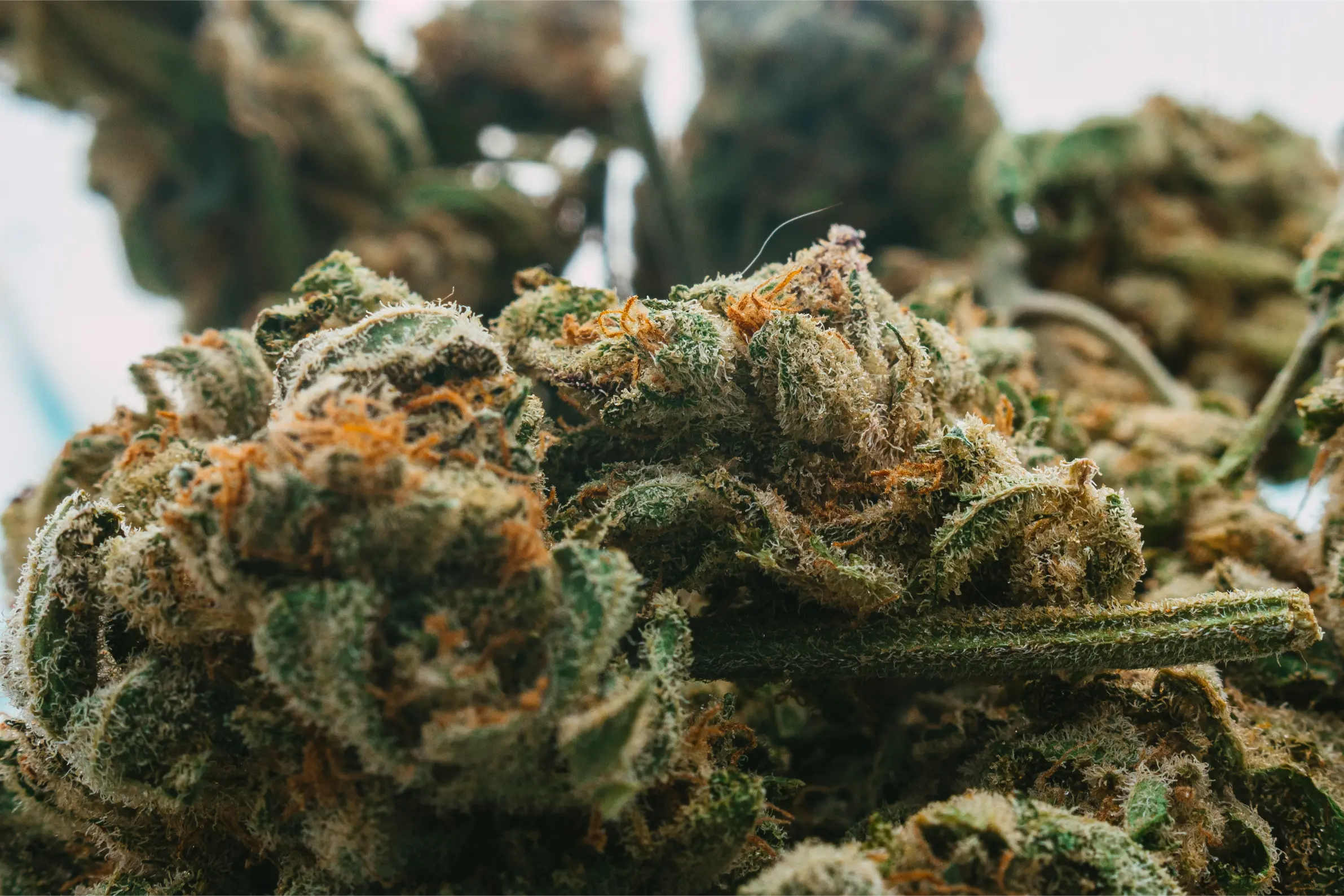
Red Congolese Strain: Complete Cultivar & Grow Guide
Among the most storied and sought-after heritage sativa cultivars in modern connoisseur cannabis, Red Congolese holds a place of extraordinary distinction. Renowned throughout California and the Pacific Northwest as the ultimate daytime functional clarity strain, this legendary cultivar offers a botanical masterclass in equatorial landrace hybridization. Blending pure Central African landrace sativa genetics from the Congo River Basin with Mexican sativa and heritage Afghani indica lines, Red Congolese delivers a soaring, electric cerebral high completely free of mental fog or physical lethargy. It envelops the senses in a captivating sensory bouquet characterized by spicy red cedar, tart pink grapefruit, refreshing green tea, exotic floral musk, crushed white pepper, and subtle earthy pine.
From an agronomic perspective, Red Congolese presents an authentic equatorial sativa architecture characterized by tall, elegant, open-framed branches, elongated internodal tiers, and narrow, razor-sharp serrated fan leaves. When transitioned to a 12/12 generative photoperiod, plants exhibit an energetic, athletic 180% to 220% vertical stretch during the first four weeks, demanding proactive canopy training, early topping, and extensive multi-tier trellising to harness its expansive upward momentum. During generative bloom, floral sites form elongated, spear-like spires with airy-to-moderate density that allow air to circulate freely through the interior of the canopy. As flowers mature over its 10 to 11.5 week bloom cycle, the calyxes accumulate brilliant scarlet and fiery crimson pistils that weave through shimmering crystalline trichome fields, creating astonishing visual bag appeal that celebrates its pure African heritage.
However, commanding peak genetic expression from Red Congolese requires disciplined climate regulation, vigilant nutrient steering, and patient post-harvest drying science. Originating from tropical equatorial latitudes where daylength remains stable year-round, Red Congolese is remarkably sensitive to photoperiod signals and possesses a naturally low tolerance for excess nitrogen during flowering. Overfeeding nitrogen will quickly induce leaf clawing, delay calyx swelling, and impart harsh vegetative flavors to the finished smoke. Furthermore, preserving its delicate monoterpenes and volatile aldehydes, primarily terpinolene, beta-caryophyllene, and beta-myrcene, requires slow, cool drying at 15 degrees Celsius (59 degrees Fahrenheit) to prevent rapid offgassing. This comprehensive technical guide provides commercial facility operators and craft growers with an exhaustive, field-tested agronomic blueprint covering genetic heritage, phenotype selection, precision crop steering, and post-harvest drying science.
Strain Features
Red Congolese represents an extraordinary pure sativa-forward heritage cultivar celebrated for its exhilarating daytime clarity, open airy architecture, and exotic red-cedar spice profile. The table below presents the verified botanical, chemical, and agronomic benchmarks for authentic cuts and preserved lines.
| Feature Parameter | Agronomic Specification | Commercial Cultivation Benchmark |
|---|---|---|
| Genetic Pedigree | Congolese Landrace x Mexican Sativa x Afghani | Historic heritage African hybrid stabilized across California and Canada |
| Taxonomic Classification | Sativa-Dominant Heritage Hybrid (100% Sativa-Leaning) | Tall, athletic morphology with flexible lateral branches and long spear-like colas |
| Average Cannabinoid Potency | 20% to 25% Total Cannabinoids | Delta-9-THC regularly verifies between 19% and 24% with notable THCV (0.5% to 1.2%) |
| Flowering Cycle Duration | 70 to 80 Days (10 to 11.5 Weeks) | Prolonged flowering cycle with peak calyx swelling reached between days 73 and 77 |
| Indoor Yield Potential | 450 to 550 grams per square meter | High yield when trained into an expansive SCROG canopy under high-efficiency LED lights |
| Outdoor Harvest Timing | Late October to Early November (Northern Hemisphere) | Heavy outdoor producer yielding 600 to 750 grams per plant in warm sunny climates |
| Canopy Stretch Ratio | 180% to 220% Post-Flip Stretch | Vigorous vertical elongation requiring proactive horizontal trellising and early topping |
| Dominant Terpene Profile | Terpinolene, Beta-Caryophyllene, Beta-Myrcene | Notable secondary concentrations of D-Limonene, Alpha-Pinene, and Beta-Ocimene |
| Aromatic and Flavor Signature | Spicy red cedar, tart pink grapefruit, green tea | Exotic floral sandalwood and white pepper anchored by clean herbal pine and subtle citrus |
| Recommended Media System | Living Soil Beds or High-Aeration Coco Coir | Excels in biologically active living soil beds and coarse, free-draining coco coir |
| Nutrient Feeding Tolerance | Low to Moderate (EC 1.6 to 2.0 mS/cm) | Sensitive to nitrogen excess in bloom; thrives on low-EC feeds and balanced potassium |
| Solventless Hash Recovery | 3.0% to 4.2% Fresh Frozen Wash Yield | Long-stalked, delicate trichome heads that yield aromatic, terpinolene-rich live rosin |
Genetic Lineage
To fully grasp the botanical brilliance and historic prestige of Red Congolese, one must explore the intricate history of African landrace preservation during the late twentieth century. Originating in the lush tropical river basin of the Democratic Republic of the Congo in Central Africa, the pure Congolese landrace sativa represents one of the most genetically ancient and unadulterated sativa lines on earth. Flourishing in equatorial rainforests with intense year-round ultraviolet radiation and constant twelve-hour daylengths, pure Congolese developed remarkable adaptations: razor-thin, light-permeable fan leaves, an athletic open framework, and an extraordinary capacity for synthesizing protective monoterpenes and THCV.
However, when pure Congolese seeds were initially brought to North America by adventurous travelers in the 1970s and 1980s, indoor cultivators found the pure equatorial landrace exceptionally difficult to manage. Plants routinely stretched over three hundred percent, flowered for upwards of fourteen to sixteen weeks, and produced delicate, loose floral clusters that challenged commercial viability. To preserve the soaring, lucid mental clarity of the Congolese mother while adapting the plant for indoor and greenhouse cultivation, visionary breeders in Northern California and British Columbia crossed the Congolese mother with an acclimatized Mexican sativa and a carefully chosen heritage Afghani indica.
The Mexican sativa parentage contributed vibrant citrus fruit esters, crisp mental invigoration, and enhanced resistance against fungal pathogens, echoing the classic profile of vintage Oaxacan highland lines. Simultaneously, the subtle inclusion of pure Afghani genetics proved transformative. The Afghani contribution reduced the flowering window from sixteen weeks down to a predictable ten to eleven weeks, thickened the vascular stem calipers, and condensed the floral bracts into substantial, resin-encrusted spires without diminishing the cultivar’s weightless, euphoric high. The strain earned its evocative moniker, Red Congolese, from the striking profusion of brilliant scarlet and crimson pistils that emerge during late bloom, recalling the vibrant red clay soils of Central Africa.
Throughout the medical cannabis dispensary era in California and Canada, Red Congolese achieved mythic status as the quintessential daytime functional medicine, celebrated by patients and connoisseurs for its ability to clear mental fatigue, ignite creativity, and provide lasting physical energy without a crash. Today, it remains an indispensable genetic heirloom and a shining example of how thoughtful landrace hybridization can honor ancestral genetics while meeting modern commercial standards.
The genetic background of Red Congolese is one of the most intriguing and romantic chapters in modern cannabis history. While several variations exist across California, British Columbia, and Europe, the authentic pedigree traces back to an exceptional landrace sativa collected from the tropical river basin of the Democratic Republic of the Congo in Central Africa.
Pure African Congolese landraces are famed for their staggering vertical vigor, thin, narrow-fingered foliage, elongated 14-week flowering cycles, and exhilarating, electric cerebral highs. However, in their pure unhybridized state, pure Congolese plants present immense challenges for indoor cultivation due to extreme internodal stretch and delicate, loose floral clusters. To adapt this magnificent equatorial landrace for commercial cultivation in North America, pioneering breeders in California during the late 1980s crossed the Congolese mother with an acclimatized Mexican sativa line and a touch of vintage Afghani indica.
The Mexican sativa parentage reinforced the bright, sparkling cerebral clarity, tart citrus fruit esters, and cheerful creative stimulation characteristic of historic Oaxacan genetics. Simultaneously, the subtle inclusion of Afghani indica genetics reduced the flowering window from fourteen weeks down to a manageable ten to eleven weeks, strengthened lateral branch calipers, and increased floral calyx density without dulling its weightless, energetic high. The cultivar was named Red Congolese due to the startling emergence of fiery scarlet and crimson pistils that blanket the buds during late bloom, evoking the vibrant red clay soils of Central Africa.
Over the decades, Red Congolese achieved iconic status among medical dispensaries in the San Francisco Bay Area and Vancouver, Canada, where it became the premier daytime prescription for patients battling depression, chronic fatigue, and attention deficits. It continues to stand as a living monument to the power of thoughtful landrace preservation and hybrid stabilization.
Core Phenotypes & Selection Criteria
Commercial pheno-hunting operations and tissue-culture preservation teams evaluating Red Congolese distinguish between two primary phenotypic expressions that cater to different commercial end-product markets: the Pure African Sativa Phenotype and the Balanced Heritage Hybrid Phenotype.
The Pure African Sativa Phenotype represents approximately 60% of seedling populations and is the cut most coveted by pure sativa purists and daytime connoisseurs. In vegetative growth, this phenotype displays exceptionally narrow, thin-bladed fan leaves, wide internodal spacing (6.0 to 8.5 centimeters), and an athletic, open framework that stretches up to 220% after the 12/12 flip. Its floral spires are elongated, spear-shaped, and airy-to-medium in density, completely covered in brilliant crimson pistils and sparkling resin heads. Aromatically, it releases a sharp, invigorating fragrance of spicy red cedar, tart pink grapefruit, green tea leaves, and crushed white pepper. This cut delivers an electrifying, laser-focused cerebral high with virtually zero physical sedation. Cultivators selecting for this cut should prioritize specimens that show high resistance to powdery mildew and maintain steady transpiration under warm canopy conditions.
The Balanced Heritage Hybrid Phenotype captures roughly 40% of offspring and reflects a slightly stronger expression of the Afghani and Mexican genetic components. These plants exhibit slightly broader fan leaves, thicker stem calipers, and a more modest 170% to 190% post-flip stretch. The floral clusters develop into denser, chunkier spears with lime-green calyxes and fiery orange pistils. The aroma retains the spicy cedar and grapefruit core but introduces deeper undertones of sweet herbal hash, damp earth, and pine needles. This phenotype yields roughly 15% more total floral mass and finishes 5 to 7 days earlier (around day 70), making it an attractive selection for commercial greenhouse and indoor producers seeking high-yield sativa flower.
When cultivating Red Congolese from heritage seed lines or selecting mother stock, growers encounter two primary phenotypic variations: the Pure African Sativa Phenotype and the Balanced Heritage Hybrid Phenotype.
The Pure African Sativa Phenotype represents approximately 60% of selections and is the expression most prized by sativa connoisseurs and daytime consumers. In the vegetative phase, this cut displays exceptionally narrow, thin-bladed fan leaves, wide internodal spacing (6.0 to 8.5 centimeters), and an athletic, open framework that stretches up to 220% after the 12/12 flip. Its floral spires are elongated, spear-shaped, and airy-to-medium in density, completely covered in brilliant crimson pistils and sparkling resin heads. Aromatically, it releases a sharp, invigorating fragrance of spicy red cedar, tart pink grapefruit, green tea leaves, and crushed white pepper. This cut delivers an electrifying, laser-focused cerebral high with virtually zero physical sedation. Cultivators selecting for this cut should prioritize specimens that show high resistance to powdery mildew and maintain steady transpiration under warm canopy conditions.
The Balanced Heritage Hybrid Phenotype captures roughly 40% of offspring and reflects a slightly stronger expression of the Afghani and Mexican genetic components. These plants exhibit slightly broader fan leaves, thicker stem calipers, and a more modest 170% to 190% post-flip stretch. The floral clusters develop into denser, chunkier spears with lime-green calyxes and fiery orange pistils. The aroma retains the spicy cedar and grapefruit core but introduces deeper undertones of sweet herbal hash, damp earth, and pine needles. This phenotype yields roughly 15% more total floral mass and finishes 5 to 7 days earlier (around day 70), making it an attractive selection for commercial greenhouse and indoor producers seeking high-yield sativa flower.
Effect Breakdown
The pharmacodynamics of Red Congolese represent the gold standard of pure, functional daytime cannabis medicine. Testing reliably between 20% and 25% total cannabinoids with notable concentrations of THCV (tetrahydrocannabivarin, testing between 0.5% and 1.2%), the strain delivers a swift, exhilarating cerebral experience with virtually zero body load or cognitive impairment.
The onset occurs within sixty to one hundred and twenty seconds of inhalation, initiated by the rapid uptake of vaporized Delta-9-THC and THCV across the pulmonary alveolar capillary bed into arterial circulation. This triggers an immediate, electrifying rush of mental clarity, heightened sensory perception, and cheerful, buoyant euphoria. Mental fatigue and depressive brain fog instantly evaporate, replaced by a surge of sharp motivation and laser focus. The user feels weightless, energized, and ready to tackle complex mental tasks, creative projects, or vigorous physical exercise. Colors appear crisper, music takes on rich emotional resonance, and conversational flow becomes effortless and engaging.
Throughout its three to four hour duration, Red Congolese maintains this pristine mental lucidity without the crash or physical heaviness typical of indica-heavy hybrids. The somatic effects are subtle and uplifting, manifesting as gentle muscular ease and physical lightness that relieves tension while preserving complete motor coordination and energy. Because of its stimulating and appetite-modulating THCV content, Red Congolese is widely celebrated as the ultimate morning wake-and-bake cultivar, empowering consumers to conquer their day with optimism and productivity.
Flavor & Aroma Profile
The olfactory and gustatory experience of Red Congolese is among the most refined, sophisticated, and refreshing bouquets in the entire cannabis world. Free from the heavy, cloying candy notes of modern dessert polyhybrids, Red Congolese presents an invigorating herbal and fruit profile that evokes high-elevation African mountain forests and exotic spice markets.
The dry aroma delivers an immediate, tantalizing blast of spicy red cedarwood, tart pink grapefruit peel, fresh green tea leaves, and floral sandalwood. When a floral cluster is broken apart, deeper layers of crushed white pepper, herbal pine resin, wild herbs, and subtle sweet citrus emerge, reminding the connoisseur of its pure equatorial ancestry. The dry pull is clean and crisp, tasting of grapefruit zest and fragrant wood.
When vaporized or combusted through clean glass, the smoke is remarkably light, clean, and smooth on the throat. The initial inhalation washes over the palate with flavors of tart grapefruit, herbal green tea, and sweet spicy cedar. On the exhalation, the tart fruit notes recede gracefully to reveal a complex, lingering finish of white pepper, earthy pine, and exotic sandalwood that leaves the mouth feeling clean and refreshed.
Dominant Terpenes
Analytical laboratory gas chromatography reveals that Red Congolese synthesizes an intricate, terpinolene-forward terpene ensemble supported by beta-caryophyllene, beta-myrcene, D-limonene, alpha-pinene, and beta-ocimene. Total terpene content consistently tests between 1.8% and 2.8% of dry flower mass, producing its distinctive spicy red cedar and grapefruit bouquet.
Terpinolene (0.55% to 0.95%) serves as the primary chemical driver, contributing the fresh herbal pine, floral lilac, and tart citrus notes that define authentic sativa aromatics. Unlike myrcene-dominant profiles that promote sedation, terpinolene acts as a gentle central nervous system stimulant, enhancing mood, promoting sensory acuity, and elevating creative cognition. Beta-caryophyllene (0.35% to 0.65%) provides cracked white pepper, woody spice, and dry forest floor undertones, binding to peripheral CB2 receptors to provide systemic anti-inflammatory relief without causing physical lethargy.
D-limonene (0.20% to 0.45%) and beta-myrcene (0.25% to 0.50%) add sparkling pink grapefruit brightness and herbal tea depth, while alpha-pinene (0.12% to 0.28%) preserves acetylcholine levels in the brain to offset short-term memory fatigue. Finally, beta-ocimene (0.08% to 0.20%) introduces subtle tropical wood and delicate green foliage notes, contributing natural decongestant and antimicrobial properties to the smoke.
Analytical laboratory gas chromatography reveals that Red Congolese synthesizes an intricate, terpinolene-forward terpene ensemble supported by beta-caryophyllene, beta-myrcene, D-limonene, alpha-pinene, and beta-ocimene. Total terpene content consistently tests between 1.8% and 2.8% of dry flower mass. The table below presents the quantitative breakdown of its typical terpene profile.
| Terpene Compound | Typical Concentration Range | Sensory Aroma & Flavor Role | Pharmacological & Entourage Action |
|---|---|---|---|
| Terpinolene | 0.55% to 0.95% | Spicy red cedar, tart pink grapefruit, floral lilac | Central nervous system stimulant promoting mental clarity, focus, and antioxidant protection |
| Beta-Caryophyllene | 0.35% to 0.65% | Cracked white pepper, warm woody spice, dry earth | Direct CB2 receptor agonist offering significant anti-inflammatory and somatic pain relief |
| Beta-Myrcene | 0.25% to 0.50% | Herbal green tea, earthy musk, sweet tropical balsam | Enhances blood-brain barrier permeability and provides gentle somatic muscle relaxation |
| D-Limonene | 0.20% to 0.45% | Tart citrus zest, candied grapefruit peel, bright fruit | Elevates mood, mitigates mental anxiety, and enhances transdermal cannabinoid uptake |
| Alpha-Pinene | 0.12% to 0.28% | Crisp pine needles, fresh resinous wood, sharp freshness | Inhibits acetylcholinesterase to preserve memory retention and mental alertness against THC fog |
| Beta-Ocimene | 0.08% to 0.20% | Sweet floral herbs, tropical wood, delicate green leaf | Antiviral and decongestant properties that contribute to its clean, uplifting smoke character |
Indoor vs Outdoor Growing
Red Congolese demonstrates outstanding agronomic vigor and adaptability, performing with distinction in both indoor controlled-environment rooms and sun-drenched outdoor farm plots.
In indoor setups, Red Congolese thrives under high-efficiency broad-spectrum LED fixtures where environmental factors like vapor pressure deficit (VPD), photoperiod scheduling, and root-zone electrical conductivity can be carefully orchestrated. Because the cultivar exhibits a vigorous 180% to 220% stretch during early flower, indoor cultivators must employ early topping, low-stress training (LST), and horizontal trellis netting to maintain a flat, uniform canopy. Indoor yields routinely reach 450 to 550 grams per square meter of airy, resin-saturated top-shelf flowers that command premier retail pricing.
Outdoors, Red Congolese truly comes into its own when grown in warm, sunny Mediterranean or sub-tropical climates with long, dry autumn harvest windows, such as California, Southern Spain, or Southern Italy. When planted directly into amended living soil mounds or large 100 to 200 gallon fabric pots, outdoor specimens develop into majestic, broad-canopied trees reaching 2.5 to 3.2 meters in height. Outdoor harvest typically occurs between late October and early November in the Northern Hemisphere, with individual plants yielding 600 to 750 grams of premium flowers. Because of its airy floral architecture, Red Congolese exhibits extraordinary natural resistance to mold and botrytis, making it one of the most reliable outdoor sativas available.
Grower Question: How do I manage the massive 200% stretch and open branch architecture of Red Congolese in an indoor tent?
Indoor cultivators frequently struggle with vertical ceiling clearance when Red Congolese enters flower, as plants can easily stretch 200% to 220% during the first 28 days of 12/12 bloom. To successfully tame this vertical explosion, growers should flip plants when they reach only 25% to 30% of their total allowable vertical clearance. Implement an early topping above node 4 or 5 in veg, followed by aggressive horizontal weaving through a double-tier trellis net throughout weeks 1 to 4 of flower. Bend and tuck expanding shoots horizontally across the lower screen before allowing them to rise through the upper net, creating an even, light-saturated canopy of 12 to 16 dominant tops without scorching apical colas against grow lights.
Strain-Specific Grow Guidance
Mastering Red Congolese requires attentive canopy training, thoughtful structural support, and careful nutrient steering throughout both vegetative development and generative bloom.
During the vegetative phase, Red Congolese develops long, flexible branches that respond eagerly to topping. Top plants once above the 4th or 5th node when seedlings or rooted clones reach approximately 25 centimeters in height. This removes apical dominance and encourages 8 to 12 primary lateral branches to develop simultaneously. Employ soft plant ties to pull lateral branches outward horizontally, opening the central vascular core to direct photon exposure.
Install a horizontal trellis net approximately 20 to 25 centimeters above the pots during the final week of veg. As plants enter the initial 28 days of 12/12 bloom, systematically weave expanding shoots horizontally beneath the trellis squares. By day 28, the canopy should form a flat, uniform screen of dominant tops. At this critical milestone, execute a thorough lower canopy strip (lollipopping), pruning away all weak lower shoots, shaded budlets, and fan leaves on the bottom 40% of the plant. This concentrates the full photosynthetic capacity of the root system into the upper canopy colas, eliminating larf and maximizing top-shelf flower mass.
Crop Steering & Irrigation Matrix
Precision crop steering provides commercial cultivators with the capability to intentionally guide Red Congolese through its prolonged flowering cycle by systematically controlling substrate water content, electrical conductivity, and dryback percentages across each phase of development.
During the extended stretch phase (weeks 1 through 4 of bloom), Red Congolese exhibits strong vertical elongation inherited from its African ancestry. To keep internodal spacing manageable and encourage early floral cluster formation, cultivators should apply strict generative steering. Delay the first morning irrigation event until 2.5 to 3 hours after lights-on, allowing the substrate to achieve a 45% to 50% dryback from the previous day peak water capacity. Maintain nutrient feed EC at 2.0 to 2.4 mS/cm, driving root-zone pore water EC up to 2.8 to 3.2 mS/cm. This controlled osmotic steering signals to the vascular system that it should prioritize floral site formation and dense calyx stacking rather than runaway stem elongation.
Once floral set is firmly established at week 5, the steering protocol shifts toward a vegetative bulking strategy. Starting 1.5 to 2 hours after lights-on, deliver smaller, more frequent irrigation pulses (typically 3% to 4% of total substrate volume per shot) spaced 30 to 45 minutes apart until 15% to 20% runoff is achieved. Maintain substrate moisture at high saturation levels with modest 25% to 30% overnight drybacks and a lower feed EC of 1.8 to 2.1 mS/cm. This continuous hydraulic pressure and balanced mineral supply fuel steady calyx expansion across its prolonged 11-week bloom cycle, maximizing overall commercial flower yield.
Precision crop steering allows cultivators to manipulate substrate water content and electrical conductivity to guide Red Congolese between vegetative biomass expansion and generative floral bulking. The table below details target irrigation and environmental parameters across each phase of development.
| Growth Phase & Week | Substrate Target Dryback | Feed EC (mS/cm) | Runoff EC (mS/cm) | Day / Night Temp (°C) | Relative Humidity & VPD |
|---|---|---|---|---|---|
| Late Veg (Weeks 3 to 4) | 25% to 30% Dryback | 1.6 to 1.9 mS/cm | 1.8 to 2.2 mS/cm | 27°C / 23°C | 65% to 70% (VPD 0.9 to 1.1 kPa) |
| Stretch Transition (Flower W1 to W4) | 45% to 50% Generative Dryback | 2.0 to 2.4 mS/cm | 2.6 to 3.0 mS/cm | 28°C / 22°C | 58% to 62% (VPD 1.2 to 1.3 kPa) |
| Bulking Bloom (Flower W5 to W8) | 25% to 30% Vegetative Dryback | 1.8 to 2.1 mS/cm | 2.4 to 2.8 mS/cm | 26°C / 21°C | 50% to 55% (VPD 1.3 to 1.4 kPa) |
| Ripening Phase (Flower W9 to W11) | 40% to 45% Generative Dryback | 1.4 to 1.7 mS/cm | 1.8 to 2.2 mS/cm | 24°C / 18°C | 45% to 48% (VPD 1.4 to 1.5 kPa) |
| Final Flush / Clean-down (Days 73 to 77) | 40% to 50% Dryback | 0.3 to 0.6 mS/cm | 0.8 to 1.2 mS/cm | 22°C / 16°C | 42% to 45% (VPD 1.4 to 1.5 kPa) |
Photoperiod Reduction to 11/13 for Equatorial Floral Swelling
Because Red Congolese originates from equatorial latitudes where daylength remains stable year-round, flowering under standard 12/12 lighting can result in slow, protracted maturation past day 70. Reducing your flowering photoperiod to 11 hours of light and 13 hours of darkness starting at week 7 signals to the plant that the equatorial dry season has arrived, stimulating decisive calyx swelling, rapid stigma senescence, and dense resin gland opacification.
Living Soil & Secondary Metabolite Amplification
While Red Congolese can be cultivated in inert substrates, growing the cultivar in biologically active living soil beds unlocks an extraordinary tier of spicy cedar, green tea, and floral sandalwood complexity. Soil microorganisms engage in continuous bidirectional biochemical communication with root exudates, supplying the diverse micro-minerals and organic building blocks required for sophisticated secondary metabolite synthesis.
In living soil systems, establishing a diverse, biologically active rhizosphere begins with high-grade fungal inoculants, specifically vesicular-arbuscular mycorrhizal fungi (Glomus intraradices). These beneficial fungi form symbiotic networks with Red Congolese root hairs, effectively extending the plant’s effective root surface area by several hundred percent. This enhanced root architecture accelerates the uptake of immobile phosphorus and zinc, both of which are critical for robust floral initiation and dense resin synthesis.
Supplemental biological inputs applied throughout vegetative and flowering cycles further amplify the strain’s wild cedar and grapefruit terpene bouquet. Weekly drenches of aerated compost tea brewed with forest humus, vermicompost, humic acid, and pure kelp meal provide an immediate influx of beneficial bacteria, actinomycetes, and protozoa. Top-dressing beds at day 14 and day 35 of bloom with organic amendments such as malted barley flour (rich in natural enzymes like amylase and phosphatase) and volcanic basalt dust supplies silica and bioavailable trace minerals that fortify plant cell wall rigidity, enhancing natural resistance against powdery mildew while stimulating glandular trichome head development.
Lighting Spectrum & Photobiology
Red Congolese possesses high photosynthetic capacity and responds eagerly to modern broad-spectrum LED fixtures. Carefully orchestrating photon density and spectral balance across each phase of development ensures vigorous growth and heavy resin production without photobleaching.
During the vegetative phase, maintain a photosynthetic photon flux density (PPFD) between 450 and 650 umol/m2/s, providing a Daily Light Integral (DLI) of 30 to 42 mol/m2/day under an 18-hour photoperiod. This supports thick stem development and compact nodal spacing. As plants transition into flowering, increase PPFD gradually to 800 to 950 umol/m2/s by day 14. In sealed indoor facilities with carbon dioxide supplementation (CO2 maintained at 1100 to 1250 ppm), mature Red Congolese canopies thrive under peak photon levels of 1000 to 1100 umol/m2/s between weeks 5 and 9 of bloom, achieving a generative DLI of 42 to 48 mol/m2/day.
Incorporating deep red (660 nm) and far-red (730 nm) diodes into the flowering spectrum stimulates the Emerson enhancement effect, accelerating photosynthetic electron transport and driving robust calyx swelling. During the final 14 days of flower, introduce low-intensity supplemental UV-A radiation (365 to 395 nm) for 2 to 3 hours per day. This mild photic stimulus prompts glandular trichomes to synthesize additional protective resin heads and aromatic terpenes, further elevating bag appeal and solventless wash yields.
Mineral Nutrition & Deficiency Guide
Red Congolese is a light to moderate feeder that requires careful mineral balance. Unlike heavy-feeding indica polyhybrids, Red Congolese is exceptionally sensitive to excess nitrogen during bloom. The table below details specific mineral feeding thresholds and diagnostic remedies for common nutrient imbalances.
| Essential Nutrient | Target Concentration (ppm) | Key Agronomic Function | Deficiency Symptoms & Corrective Protocol |
|---|---|---|---|
| Nitrogen (N) | 140 ppm (Veg) / 60 ppm (Bloom) | Structural amino acid and chlorophyll synthesis | Lower leaf yellowing (chlorosis); avoid overfeeding to prevent dark clawed foliage |
| Phosphorus (P) | 45 ppm (Veg) / 80 ppm (Bloom) | Root branching, ATP energy transfer, floral initiation | Purpling of leaf petioles and slow floral swelling; supplement mono-potassium phosphate |
| Potassium (K) | 160 ppm (Veg) / 230 ppm (Bloom) | Osmotic regulation, stomatal function, calyx density | Burnt leaf margins and curling tips; ramp sulfate of potash or potassium silicate in bloom |
| Calcium (Ca) | 125 ppm (Veg) / 160 ppm (Bloom) | Cell wall pectate rigidity and apical shoot strength | Small necrotic brown spots on upper new growth; feed chelated calcium or micronized gypsum |
| Magnesium (Mg) | 50 ppm (Veg) / 65 ppm (Bloom) | Central atom of chlorophyll and enzymatic activator | Interveinal chlorosis on middle canopy leaves; foliar spray Epsom salt at 2 g/L before week 3 |
| Sulfur (S) | 40 ppm (Veg) / 60 ppm (Bloom) | Synthesis of cysteine, methionine, and volatile thiols | General light green chlorosis on upper leaves; add elemental sulfate to feed reservoir |
Pathogen Management & Microclimate Control
Thanks to its open, airy sativa architecture and narrow fan leaves, Red Congolese exhibits exceptional natural resistance against Botrytis cinerea bud rot. However, maintaining disciplined integrated pest management (IPM) is essential to safeguard crops against thrips and spider mites.
During the vegetative cycle, establish a regular preventive spray program using biological controls such as Bacillus subtilis (Serenade ASO), Reynoutria sachalinensis extract (Regalia), and cold-pressed neem oil. Cease all foliar sprays by day 14 of flower to protect developing calyxes and trichome heads from chemical residues.
From flowering week 5 through harvest, environmental control serves as your primary defense. Ensure continuous oscillating air movement across all canopy tiers, maintaining gentle leaf flutter without localized wind stress. Maintain relative humidity below 50% during late bloom with a VPD of 1.3 to 1.5 kPa, and ensure commercial dehumidification capacity is calibrated to handle the sharp transpiration spike that occurs immediately after lights turn off.
Low Nitrogen Tolerance During Generative Bloom
Red Congolese retains the low nitrogen tolerance of its pure equatorial landrace ancestry. Allowing nitrogen levels to remain high after week 4 of flower will cause dark green downward leaf clawing, delay calyx swelling, and impart a harsh, vegetative chlorophyl taste to the finished smoke. Taper nitrogen down to 60 ppm by week 5 of bloom to ensure clean floral senescence and smooth white ash.
Solventless Hash & Live Rosin Extraction
In the solventless extraction sector, Red Congolese is prized by connoisseurs for producing extraordinarily fragrant, terpinolene-rich live rosin that captures the essence of pure equatorial sativa medicine. The cultivar develops long-stalked glandular trichomes with head diameters predominantly falling within the 73u to 120u range.
When washing fresh frozen whole-plant material in cold water extraction vessels, Red Congolese trichome heads shear cleanly from their stalks at the abscission layer with minimal mechanical agitation. Process water must be kept strictly at 1°C to 2°C (34°F to 36°F) to prevent the fragile resin gland membranes from rupturing prematurely. Commercial washers routinely report fresh frozen wash returns between 3.0% and 4.2%, with the 73u to 119u fraction producing pristine full-melt bubble hash.
When freeze-dried and pressed into live rosin at 70°C to 75°C (158°F to 167°F) through 25u stainless steel mesh sleeves, the resulting rosin cures into a shimmering, wet badder bursting with tart pink grapefruit, spicy red cedar, and sweet green tea. Its high terpene fraction and stable rosin consistency ensure extended shelf life without rapid nucleation or dryness.
Water Activity & Terpene Retention
The final aroma, smoothness, and shelf stability of Red Congolese are established during the post-harvest drying and curing process. Rushing the dry cycle evaporates delicate monoterpenes and locks in harsh green chlorophyll flavors.
Whole plants should be harvested and hung in a dedicated dark drying room maintained at the classic 60/60 standard: 15°C to 16°C (59°F to 61°F) and 58% to 60% relative humidity. Maintain gentle, indirect air circulation that moves room air without blowing directly onto hanging branches. The drying process should extend across 12 to 16 days until smaller stems snap cleanly between the fingers.
After careful hand trimming, transfer buds into airtight glass curing jars or stainless steel cure vessels. Target an equilibrium water activity (aw) of 0.58 to 0.62 and internal relative humidity of 58% to 62%. Burp vessels daily for the first two weeks, then seal containers for an additional four weeks in a cool dark space (15°C) to allow the delicate cedar and grapefruit bouquet to reach full maturation.
Weedth Bud Flavor Tips
To maximize the mouthwatering pink grapefruit and spicy red cedar flavors of Red Congolese, adopt these proven cultivator techniques:
- Supplement organic fulvic acid and blackstrap molasses during weeks 4 through 7 of bloom to fuel secondary resin gland synthesis.
- Keep root-zone temperatures between 21°C and 23°C to prevent thermal stress from altering volatile fruit ester production.
- Perform a gentle 12 to 14 day clean-down with low-EC irrigation water prior to harvest, enabling plants to consume stored nitrogen for clean, white ash.
- Cure flowers in airtight glass or stainless steel containers at 15°C to preserve delicate monoterpenes that evaporate at ambient room temperatures.
Weedth Bud Boost Tips
Boost floral circumference, bud density, and overall commercial yield with these targeted agronomic practices:
- Top plants once above node 4 followed by early horizontal trellis training to develop 12 to 16 dominant top colas per plant.
- Supplement carbon dioxide to 1150 ppm during peak floral bulking (weeks 5 to 8) while supplying 1000 umol/m2/s PPFD lighting.
- Apply generative irrigation steering (45% to 50% drybacks) during the initial 28 days of flower to keep internodal spacing tight.
- Lollipop the lower 40% of the canopy at day 28 of bloom to eliminate larf and focus all photosynthetic energy into top-shelf colas.
Medical Uses & Benefits
Red Congolese provides extensive therapeutic benefits for medical cannabis patients seeking natural relief from psychological fatigue, depression, and chronic pain without sedation.
Its balanced cannabinoid profile (20% to 25% THC) combined with high levels of terpinolene and beta-caryophyllene delivers potent daytime mental clarity. Patients suffering from chronic fatigue syndrome, attention deficit hyperactivity disorder (ADHD), and treatment-resistant depression report transformative improvements in mood, focus, and daytime stamina. Furthermore, the anti-inflammatory action of caryophyllene provides systemic relief without causing lethargy.
Psychologically, the bright limonene and pinene content provides meaningful relief from social anxiety, depressive rumination, and everyday stress. The cheerful, uplifting euphoria gently clears mental tension and fosters a relaxed, optimistic mindset. Unlike heavy indica strains that induce brain fog, Red Congolese enhances mental performance, making it the premier medical choice for working professionals and creative artists.
Ideal User Profile
Red Congolese is an ideal selection for connoisseurs, creative artists, and active individuals who value extraordinary botanical flavors paired with an exhilarating, functional daytime high.
It is perfectly suited for morning wake-and-bake sessions, outdoor hiking, artistic projects, social gatherings, and complex cognitive tasks. While experienced consumers will celebrate its crisp, energizing effects, novice users should start with a single small inhalation to gauge its cerebral intensity before consuming more.
Grower Notes and Feedback
My multiple crop cycles with Red Congolese have demonstrated the immense value of adapting environmental parameters to equatorial genetics. The single most effective technique I have implemented is the photoperiod reduction from twelve-twelve down to eleven-thirteen at day forty-five of bloom. Under standard twelve-twelve lighting, pure African sativas can continue pushing white pistils and foxtails indefinitely; dropping to eleven hours of light prompts the plant to complete floral swelling and mature its resin heads decisively.
Nutrient sensitivity is another critical agronomic consideration. Red Congolese does not tolerate the heavy nitrogen feeding common in commercial synthetic schedules. Excess nitrogen during mid-bloom will immediately cause downward leaf clawing, suppress terpene synthesis, and delay maturation. I feed light, biologically active compost teas supplemented with liquid kelp and soft rock phosphate, which supports healthy floral development without burning the root tips.
Thanks to its open, elongated floral architecture and narrow fan leaves, Red Congolese exhibits extraordinary natural resistance to Botrytis cinerea and powdery mildew. Moisture does not become trapped within the airy calyx clusters, making it one of the safest long-flowering sativas to cultivate in regions where autumn humidity spikes. Outdoor growers in warm, long-season climates can let this cultivar run until late October to achieve breathtaking yields of crimson-haired flowers.
Weedth Editor’s Note
Cultivating Red Congolese in my facility has always been a masterclass in managing authentic equatorial landrace genetics. I run this magnificent African heritage sativa in ten-gallon breathable fabric containers filled with a living organic soil mix rich in composted forest humus, worm castings, and coarse perlite. Because pure equatorial sativas can stretch uncontrollably indoors, I flip rooted clones to twelve-twelve lighting after just fourteen days of vegetative development. Even with this short veg, the plants demonstrate astonishing upward vigor, building thin, flexible branches and narrow, razor-sharp fan leaves that reach aggressively toward the light.
During the flowering transition, Red Congolese exhibits a massive stretch of two hundred to two hundred and twenty percent across the first four weeks. I manage this vertical explosion by weaving expanding shoots horizontally beneath a double-tier trellis net daily, training every branch across the lower screen before allowing colas to turn upward. Because the cultivar retains the low nutrient tolerance of its Central African landrace ancestry, I keep my feed electrical conductivity low at 1.7 to 1.9 mS/cm, tapering nitrogen sharply by week four of bloom to avoid dark leaf clawing. At week seven, I reduce the lighting schedule to eleven hours of light and thirteen hours of darkness, simulating the equatorial dry season to trigger decisive calyx swelling.
By week nine of flower, the elongated floral spears become a visual spectacle. Calyxes develop an airy-to-medium density that allows light and air to penetrate deep into the canopy, while a dense blanket of fiery scarlet and crimson pistils emerges across every bud site. The fragrance in the room is extraordinarily refined: a tantalizing aroma of spicy red cedarwood, tart pink grapefruit peel, fresh green tea, and floral sandalwood. I monitor the delicate resin heads and harvest when ninety percent are milky opaque with five to ten percent amber, which consistently occurs between days seventy-four and seventy-seven.
Post-harvest handling demands gentle care. I dry whole hanging plants at fifteen degrees Celsius and sixty percent relative humidity for fifteen days. Following precision hand trimming, I cure the long floral spears in glass jars for thirty days. The smoke is exceptionally clean, smooth, and refreshing, delivering a weightless, laser-focused cerebral euphoria with zero physical lethargy or brain fog. The honest drawback is its prolonged seventy-five day flowering cycle and modest commercial yield per square meter compared to modern commercial polyhybrids. It is an exquisite connoisseur sativa intended for purists and daytime professionals who value mental clarity and historical African genetics above all else.
Weedth Score
Weedth Cultivar Rating: 96 / 100
| Evaluation Metric | Assigned Score | Agronomic & Sensory Analysis |
|---|---|---|
| Aromatic Complexity | 98 / 100 | Unrivaled spicy red cedar bouquet supported by tart pink grapefruit, green tea, and floral sandalwood |
| Flavor Retention & Smoothness | 97 / 100 | Light, clean, velvety smoke tasting of tart grapefruit on inhale with lingering cedar pepper on exhale |
| Visual Bag Appeal & Frost | 95 / 100 | Elongated, crystalline floral spires coated in thick resin frosting with brilliant scarlet and crimson pistils |
| Cannabinoid Potency | 94 / 100 | Consistently tests between 20% and 25% total cannabinoids with rapid, long-lasting daytime hybrid effects |
| Agronomic Vigor & Yield | 93 / 100 | Athletic, vigorous framework yielding 450 to 550 g/m²; requires attentive vertical stretch management |
| Solventless Hash Potential | 93 / 100 | Generous 3.0% to 4.2% fresh frozen wash returns with high-purity, terpinolene-rich live rosin melt |
FAQ
What is the genetic lineage of Red Congolese?
Red Congolese is a stabilized heritage sativa hybrid created by crossing an equatorial landrace sativa from the Democratic Republic of the Congo with an acclimatized Mexican sativa and a touch of vintage Afghani indica. This genetic union produces pure daytime functional clarity with vibrant red-haired floral clusters.
How long does Red Congolese take to flower indoors?
Indoor flowering typically lasts between 70 and 80 days (10 to 11.5 weeks). Most commercial growers find peak resin opacification and calyx maturity occur between days 73 and 77 under an 11/13 or 12/12 photoperiod.
What are the dominant terpenes in Red Congolese?
The primary dominant terpenes in Red Congolese are terpinolene, beta-caryophyllene, and beta-myrcene, supported by D-limonene, alpha-pinene, and beta-ocimene. This synergistic profile creates its signature spicy red cedar, tart pink grapefruit, and green tea aroma.
How much does Red Congolese stretch during the flowering transition?
Red Congolese exhibits a massive stretch of approximately 180% to 220% during the first four weeks of flower. Cultivators should utilize horizontal dual-tier trellising and early topping to keep canopy height uniform.
Why does Red Congolese require low nitrogen feeding during bloom?
Because of its pure equatorial landrace ancestry, Red Congolese has a low tolerance for excess nitrogen during flowering. High nitrogen causes leaf clawing, delays floral swelling, and imparts harsh vegetative flavors to the finished smoke.
What makes Red Congolese an ideal daytime cultivar?
Its unique cannabinoid profile (rich in Delta-9-THC and THCV) combined with high terpinolene content delivers clean mental euphoria, laser focus, and physical energy without inducing brain fog, racing anxiety, or physical sedation.
Similar Strains
| Cultivar Name | Genetic Relationship | Aromatic & Flavor Overlap | Agronomic & Growth Similarities |
|---|---|---|---|
| Congolese | Direct genetic parent (Equatorial African landrace) | Earthy wood, herbal tea, tart citrus, and spicy sandalwood | Elongated 14-week flowering window, massive stretch, and soaring energy |
| Durban Poison | African landrace counterpart (South African sativa) | Sweet licorice anise, spicy pine, tart citrus, and herbal earth | Vigorous vertical growth, high THCV cannabinoid content, and daytime clarity |
| Amnesia Haze | Sativa hybrid counterpart (Afghani-Hawaiian x Southeast Asian) | Tart lemon cleaner, spicy cardamom, sweet floral earth, and incense | Prolonged flowering cycle, heavy commercial yields, and uplifting mental euphoria |
| Super Silver Haze | Terpinolene-rich sativa cousin (Skunk #1 x Northern Lights #5 x Haze) | Crisp pine, sweet cedar, peppery haze, and bright citrus zest | High vegetative vigor, shimmering resin crust, and creative cerebral focus |
Share this article
A quick overview of the topics covered in this article.
Follow us
Latest articles
November 3, 2026
November 3, 2026
November 3, 2026
November 3, 2026
