
Banana Kush Strain: Complete Cultivar & Grow Guide
Among the most beloved and aromatic hybrid cultivars in contemporary cannabis history, Banana Kush stands as an undisputed West Coast classic. Renowned worldwide for its uncanny olfactory resemblance to fresh ripe bananas, sweet tropical fruit nectar, and velvety vanilla cream, this exquisite cultivar represents the pinnacle of Californian genetic craftsmanship. Originating through an inspired pairing of the legendary Ghost OG cut of OG Kush with a select heritage Skunk Haze hybrid from Crockett Family Farms, Banana Kush seamlessly bridges the gap between soaring euphoric creativity and deeply restorative somatic tranquility.
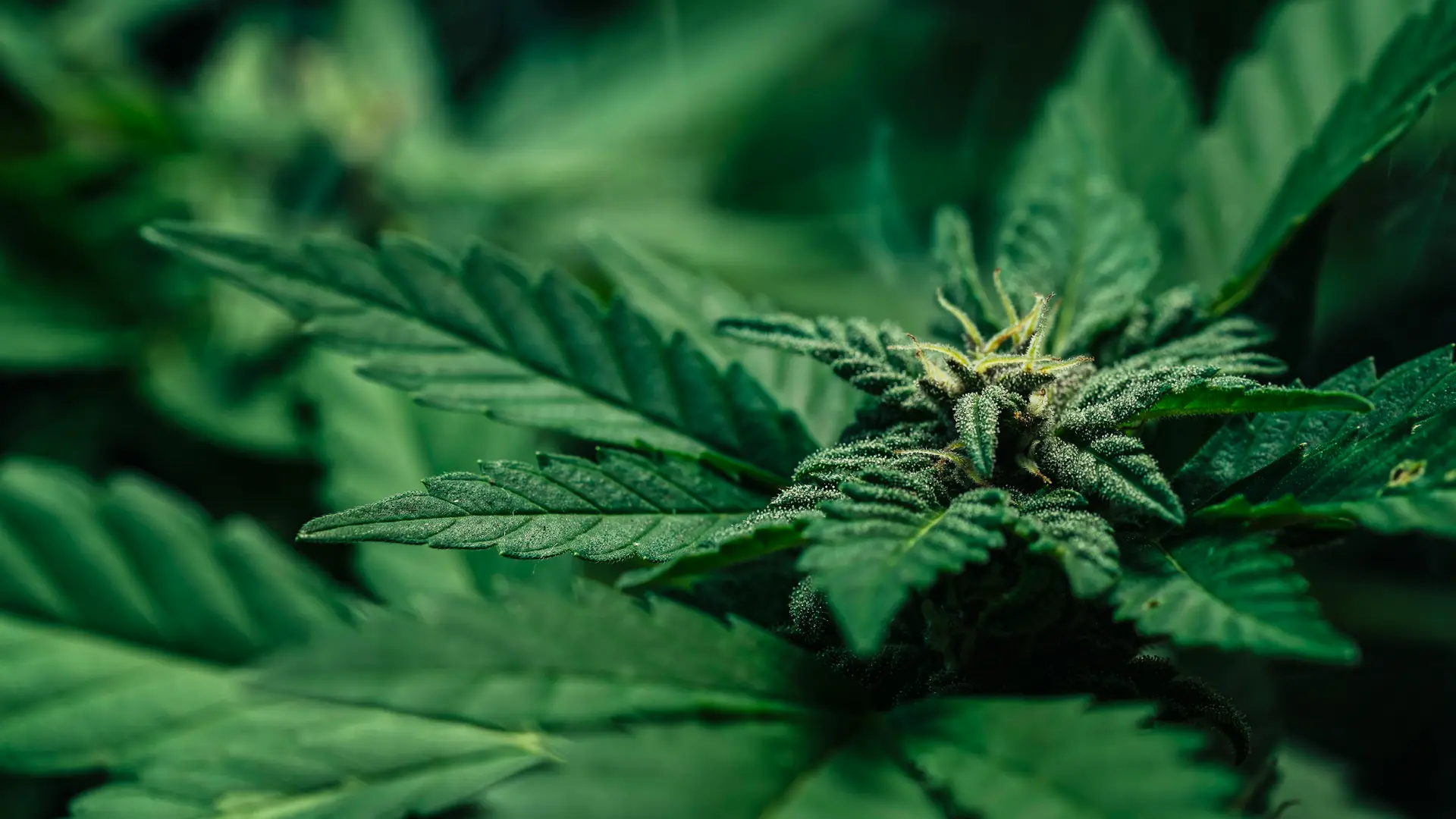
From an agronomic perspective, Banana Kush exhibits a distinct, highly rewarding growth profile that combines the stout, resin-encrusted density of heritage Afghan indica genetics with the energetic lateral branch architecture of vintage equatorial Haze lines. Plants develop a medium to tall framework featuring strong, fibrous central stalks, generous lateral spacing, and broad, deep-emerald fan leaves that display subtle golden-amber hues as flowers mature. When transitioned to a 12/12 photoperiod, Banana Kush displays an energetic 150% to 180% stretch over the first three weeks, rapidly filling horizontal trellises and demanding proactive canopy training to establish a level, light-saturated floral plane. During the generative cycle, calyxes swell with immense vigor, stacking into chunky, cone-shaped floral clusters that become thoroughly blanketed in a glistening, frosty frost of glandular trichomes. Under optimal lighting and environmental steering, buds radiate with bright chartreuse calyxes, fiery tangerine pistils, and golden resin heads that yield extraordinary bag appeal and mouthwatering aromatic complexity.
However, commanding peak genetic potential from Banana Kush requires disciplined climate regulation, vigilant humidity management, and precise post-harvest drying science. The delicate monoterpenes and volatile esters that produce its signature sweet banana and tropical fruit bouquet, primarily limonene, beta-myrcene, and beta-caryophyllene, are notoriously heat-sensitive. Exposing late-flowering canopies to temperatures above 26 degrees Celsius (79 degrees Fahrenheit) will rapidly volatilize these light aromatic fractions, muting the vibrant banana fruit profile into generic herbal earth. Furthermore, because its dense floral colas pack tightly together along lateral stems, late-flower relative humidity must be strictly maintained below 45% to prevent microclimates of trapped moisture from fostering Botrytis cinerea bud rot. This comprehensive technical guide provides commercial operators and artisanal craft cultivators with an exhaustive, field-tested agronomic roadmap covering genetic lineage, phenotype selection, crop steering, and post-harvest drying science.
Strain Features
Banana Kush represents an exquisite indica-dominant hybrid celebrated for its uncanny tropical fruit fragrance and soaring cannabinoid potency. The table below presents the verified botanical, chemical, and agronomic benchmarks for authentic clone-only cuts and stable seed lines.
| Feature Parameter | Agronomic Specification | Commercial Cultivation Benchmark |
|---|---|---|
| Genetic Pedigree | Ghost OG x Skunk Haze | Heritage West Coast hybrid bred by Crockett Family Farms |
| Taxonomic Classification | Indica-Dominant Hybrid (60% Indica / 40% Sativa) | Medium to tall hybrid stature with dense apical clustering and flexible branches |
| Average Cannabinoid Potency | 22% to 27% Total Cannabinoids | Delta-9-THC typically tests between 21% and 26% with trace CBN (0.5% to 1.0%) and CBG (0.8%) |
| Flowering Cycle Duration | 56 to 63 Days (8 to 9 Weeks) | Fast-flowering hybrid with peak resin head cloudiness achieved between days 58 and 62 |
| Indoor Yield Potential | 450 to 550 grams per square meter | High yield when managed under a multi-tier SCROG trellis with high PPFD LED lighting |
| Outdoor Harvest Timing | Late September to Early October | Vigorous outdoor producer yielding 550 to 750 grams per plant in sunny Mediterranean zones |
| Canopy Stretch Ratio | 150% to 180% Post-Flip Stretch | Energetic internodal elongation requiring early trellising and horizontal branch training |
| Dominant Terpene Profile | D-Limonene, Beta-Myrcene, Beta-Caryophyllene | Notable secondary amounts of Beta-Pinene, Alpha-Humulene, and Trans-Nerolidol |
| Aromatic and Flavor Signature | Sweet ripe banana, tropical fruit, creamy vanilla | Sugary banana confection supported by sharp citrus lemon, kushy pine, and earthy hash |
| Recommended Media System | Coco Coir Fertigation or Living Soil Beds | Excels in high-frequency drip irrigation coco systems and organic living soil beds |
| Nutrient Feeding Tolerance | Moderate (EC 1.8 to 2.3 mS/cm) | Sensitive to nitrogen excess in mid-flower; thrives on elevated potassium and magnesium |
| Solventless Hash Recovery | 4.0% to 5.5% Fresh Frozen Wash Yield | World-renowned hash washer; large 90u to 120u resin heads detach effortlessly in ice water |
Genetic Lineage
To fully appreciate the agronomic and chemical significance of Banana Kush, one must explore the intricate breeding history of the West Coast during the early 2000s. Developed most prominently by Crockett Family Farms in California, Banana Kush was created to unite the raw cannabinoid potency and physical heaviness of authentic Florida OG Kush with the mouthwatering tropical confectionery aromatics of heritage Dutch sativa breeding.
The maternal contributor, Ghost OG, represents one of the most celebrated and genetically pure phenotypes of the original 1990s Florida OG Kush family tree. Known among elite cultivators for its pale green, trichome-encrusted floral clusters and piercing pine-fuel bouquet, Ghost OG brought dense calyx architecture, rock-hard structural integrity, and deep somatic sedation to the cross. Ghost OG established the high THC threshold (consistently surpassing 24%) and heavy resin gland production that makes Banana Kush an absolute powerhouse in both dry flower and solventless extraction markets.
The paternal contributor, a select heritage Skunk Haze hybrid preserved from 1970s Dutch seed stocks, introduced an expansive library of equatorial sativa vigor and sweet fruit terpenes into the lineage. By crossing the fast-flowering, heavy-yielding, and resilient Skunk #1 with the soaring cerebral euphoria and spicy citrus complexity of original Haze, the Crockett breeding team introduced the specific enzymatic pathways responsible for synthesizing isoamyl acetate and sweet fruity monoterpenes. When combined with Ghost OG, the resulting offspring expressed an unmistakable, room-filling fragrance of sweet caramelized bananas and vanilla cream, establishing Banana Kush as an enduring legend of modern cannabis horticulture.
The success of Banana Kush laid the genetic groundwork for an entire generation of modern dessert cultivars. When crossed with Indiana Bubble Gum, it gave rise to Strawberry Banana, widely regarded as one of the highest-yielding solventless hash washing cultivars in history. Its influence extends across countless modern polyhybrids, where it continues to serve as the benchmark for sweet tropical fruit aroma and exceptional trichome gland development.
The genetic origins of Banana Kush are deeply intertwined with the fertile breeding culture of Northern California and the Pacific Northwest during the early 2000s. Developed most prominently by Crockett Family Farms, Banana Kush was created by crossing the renowned Ghost OG cut of OG Kush with a carefully preserved 1970s heritage Skunk Haze hybrid.
The maternal contributor, Ghost OG, is widely considered by connoisseurs to be one of the purest, most potent, and most flavor-rich phenotypes of the original 1990s Florida OG Kush family. Named after the legendary forum breeder Ghost who shared the cut, Ghost OG imparted immense resin gland density, rock-solid floral bract formation, a pungent earthy pine and lemon cleaner terpene backbone, and profound physical somatic sedation. Ghost OG provides the structural density, high THC floor, and soothing body calm that defines the cultivar.
The paternal contributor, Skunk Haze, brought an expansive library of equatorial sativa and heritage Dutch genetics to the union. By combining the rapid growth rate, high commercial yield, and sweet skunky funk of Skunk #1 with the electric mental euphoria, soaring creative focus, and tropical fruit esters of vintage Haze lines, Skunk Haze transformed the heavy, earth-bound OG Kush into an aromatic masterpiece. The resulting cross was christened Banana Kush due to the startling emergence of sweet isoamyl acetate esters, which mimic the aroma of perfectly ripe bananas with remarkable botanical fidelity.
This historic genetic combination spawned numerous modern descendants that dominate contemporary dispensary menus, most notably Strawberry Banana (created by crossing Banana Kush with Bubble Gum) and various elite Banana OG selections. Banana Kush remains a cornerstone genetic asset that continues to anchor modern breeding projects across the global cannabis industry.
Core Phenotypes & Selection Criteria
Commercial pheno-hunting operations and tissue-culture preservation teams evaluating Banana Kush distinguish between two primary phenotypic expressions that cater to different commercial end-product markets: the Confectionery Banana Phenotype and the Ghost OG Kush Phenotype.
The Confectionery Banana Phenotype represents roughly 65% of seedling populations and is the cut most coveted by craft flower producers and live rosin extractors. In vegetative development, this phenotype displays medium-width fan leaves, rapid lateral branch expansion, and an energetic 160% to 180% stretch during the first three weeks of 12/12 bloom. Its floral clusters form dense, spade-shaped calyx clusters with bright lime-green coloring, brilliant tangerine pistils, and golden trichome heads. The aroma is dominated by ripe bananas, vanilla marshmallow cream, sweet mango nectar, and subtle floral sugar. When selecting for this phenotype, cultivators should look for vigorous root initiation during cloning (striking roots within 10 to 12 days) and brittle, easily detached trichome heads that yield generously in ice water test washes.
The Ghost OG Kush Phenotype accounts for approximately 35% of selections and leans visibly toward its Kush lineage. These plants develop a stockier, broader-shouldered framework with slightly wider fan leaves and a more manageable 140% to 150% post-flip stretch. The buds finish as rock-hard, knobby, golf-ball-sized clusters with dark forest-green bracts and subtle bronze accents. While sweet fruit notes remain detectable in the background, the primary bouquet is dominated by sharp kerosene gasoline, caustic lemon cleaner, damp pine forest floor, and spicy hash. This phenotype regularly tests with higher raw THC levels (frequently reaching 26% to 27%) and delivers heavy somatic sedation, making it an outstanding candidate for medical dispensary shelves focused on chronic pain and sleep relief.
When hunting through seed selections or evaluating mother stock of Banana Kush, cultivators encounter two dominant phenotypic expressions: the Ripe Banana Confectionery Phenotype and the Ghost OG Fuel Phenotype.
The Ripe Banana Confectionery Phenotype represents roughly 65% of seedling populations and is the cut most celebrated by artisanal extractors and connoisseur flower brands. In the vegetative phase, this phenotype displays medium-width fan leaves, vigorous lateral branch development, and an energetic stretch of 160% to 180% upon transition to flower. The floral clusters develop into dense, light-green, spade-shaped nugs coated in thick resin. Aromatically, it releases an overwhelming scent of sweet ripe banana, banana pudding, vanilla marshmallow, and tropical mango syrup. Calyxes finish with fiery tangerine pistils and a dusting of golden amber trichome heads. Cultivators selecting for this cut should look for specimens that root within 10 to 12 days and exhibit superior trichome stalk brittleness during test washes.
The Ghost OG Fuel Phenotype accounts for approximately 35% of selections and leans visibly toward its Kush ancestry. These plants exhibit a stockier stature, slightly broader fan leaves, and a more modest 140% post-flip stretch. The floral clusters are exceptionally dense, knobby, and marble-like with dark forest-green calyxes and subtle bronze tones. Aromatically, while sweet banana undertones remain present, the bouquet is dominated by sharp petroleum fuel, caustic lemon cleaner, damp cedar pine, and spicy hash earth. This phenotype delivers higher raw THC concentration (regularly surpassing 26%) and profound somatic sedation, making it an outstanding selection for commercial flower production aimed at medical patients suffering from severe insomnia and chronic somatic pain.
Effect Breakdown
The pharmacological experience of Banana Kush is characterized by an exquisitely balanced, multi-stage physiological and psychological journey that showcases the best qualities of its 60% indica and 40% sativa genetics. Testing reliably between 22% and 27% total cannabinoids, the cultivar delivers swift, comprehensive relief without provoking the anxious racing thoughts associated with pure sativa lines.
Within two to four minutes of initial inhalation, vaporized Delta-9-THC crosses the blood-brain barrier to bind with central nervous system CB1 receptors, sparking an immediate sense of lighthearted mental euphoria and mood elevation. Mental fatigue dissolves, replaced by a warm, creative curiosity and talkative sociability. Ideas flow smoothly, musical and artistic appreciation is enhanced, and social interactions feel effortless and fun. This uplifting mental clarity makes Banana Kush an excellent selection for daytime creative work, collaborative brainstorming, or weekend outdoor leisure.
Between 45 and 60 minutes into the session, the potent somatic influence of Ghost OG gently takes hold. High concentrations of beta-caryophyllene and myrcene activate peripheral CB2 receptors throughout vascular and muscular tissues, releasing deep somatic tension and easing muscular aches. A soothing sensation of physical warmth spreads through the shoulders, neck, and lower back, leaving the body pleasantly relaxed while the mind remains clear and serene. In higher doses, Banana Kush gently guides the consumer into tranquil, restorative sleep, providing natural nighttime relief for individuals struggling with chronic stress or sleep onset latency.
Banana Kush delivers an exceptionally smooth, well-rounded, and euphoric high that reflects the harmonious interplay between its 60% indica and 40% sativa genetics. With total cannabinoids typically ranging from 22% to 27%, the cultivar provides a fast-acting, deeply satisfying experience that avoids the mental disorientation or anxiety sometimes triggered by pure sativas.
Upon initial consumption, the effects manifest within two to four minutes with a gentle, buoyant cerebral lift. A pleasant warmth radiates behind the eyes and across the forehead, lifting mental fatigue and instilling a lighthearted, talkative, and giggly euphoria. Creative inspiration flows naturally, making Banana Kush a favorite strain among musicians, painters, and writers looking to brainstorm new concepts without experiencing racing thoughts or nervous agitation. Social interaction becomes warm, effortless, and genuinely enjoyable.
As the session progresses past the 45-minute mark, the potent Ghost OG heritage gently asserts itself. A deeply soothing wave of physical relaxation descends through the neck, shoulders, and lower back, easing muscular tension and melting away somatic stress. The body feels pleasantly weighted and relaxed, yet the mind remains pleasantly lucid and serene. While high doses consumed in the late evening will naturally lull the user into deep, restorative sleep, moderate daytime doses provide tranquil, functional relaxation that keeps you motivated and comfortable throughout your day.
Flavor & Aroma Profile
The flavor and aroma profile of Banana Kush is universally recognized as one of the most distinctive and mouthwatering experiences in the entire cannabis world. Opening a jar of properly cured Banana Kush fills the surrounding room with an unforgettable wave of sweet tropical fruit and rich pastry confection.
The dry aroma delivers immediate notes of ripe peeled bananas, tropical guava, sweet melon, and creamy vanilla custard. When a floral cluster is broken apart, deeper layers of spicy cedarwood, pungent herbal hash, and crisp pine cleaner emerge, reminding the connoisseur of its distinguished OG Kush heritage. The dry draw is smooth, tasting distinctly of sweet banana candy and subtle spice.
When vaporized or smoked through clean borosilicate glass, the smoke is remarkably velvety, thick, and expansive. The initial inhalation washes over the tongue with flavors of sweet caramelized banana, vanilla cream, and candied lemon zest. On the exhalation, the sweet fruit notes recede gracefully to reveal a complex, lingering finish of damp forest pine, spicy black pepper, and earthy kush fuel that coats the palate for minutes after consumption.
Dominant Terpenes
Laboratory gas chromatography and mass spectrometry profiling demonstrates that Banana Kush produces an intricate, multi-layered terpene ensemble dominated by D-limonene, beta-myrcene, and beta-caryophyllene, with total terpene content frequently verifying between 2.0% and 3.2% of dry flower weight. Supporting concentrations of beta-pinene, alpha-humulene, and trans-nerolidol complete its unique sensory and pharmacological profile.
D-limonene (0.55% to 0.95%) serves as the primary aromatic driver of its bright, uplifting fruit profile. Limonene acts on the central nervous system to elevate serotonin and dopamine levels, counteracting feelings of anxiety and depressive fatigue. In combination with myrcene, limonene enhances the cellular permeability of biological membranes, accelerating cannabinoid uptake and intensifying the overall entourage effect.
Beta-myrcene (0.40% to 0.75%) provides the earthy, musky foundation that grounds the sweet tropical fruit notes, while beta-caryophyllene (0.35% to 0.65%) acts as a selective CB2 receptor agonist to deliver robust anti-inflammatory and somatic pain-relieving action. Meanwhile, secondary concentrations of beta-pinene (0.12% to 0.28%) preserve clear cognitive function by inhibiting acetylcholinesterase, and trans-nerolidol (0.08% to 0.18%) provides subtle woody nuances and natural sedative properties that enhance total physical comfort.
Analytical laboratory gas chromatography reveals that Banana Kush synthesizes a rich, sophisticated terpene ensemble dominated by D-limonene, beta-myrcene, and beta-caryophyllene, supported by meaningful secondary concentrations of beta-pinene, alpha-humulene, and trans-nerolidol. The table below presents the quantitative breakdown of its typical terpene profile.
| Terpene Compound | Typical Concentration Range | Sensory Aroma & Flavor Role | Pharmacological & Entourage Action |
|---|---|---|---|
| D-Limonene | 0.55% to 0.95% | Sweet citrus, candied lemon, tropical fruit ester lift | Mood elevation, anxiolytic relief, and improved transdermal cannabinoid absorption |
| Beta-Myrcene | 0.40% to 0.75% | Ripe banana, tropical mango, earthy herbal musk | Increases blood-brain barrier permeability and provides gentle somatic muscle relaxation |
| Beta-Caryophyllene | 0.35% to 0.65% | Cracked black pepper, warm spice, woody diesel | Direct CB2 receptor agonist offering significant anti-inflammatory and somatic pain relief |
| Beta-Pinene | 0.12% to 0.28% | Crisp pine needles, fresh resin, herbal sharpness | Promotes bronchodilation, mental alertness, and memory retention to offset THC brain fog |
| Alpha-Humulene | 0.10% to 0.22% | Earthy hops, woody spice, dry forest soil | Synergizes with caryophyllene for systemic anti-inflammatory response and mild appetite balance |
| Trans-Nerolidol | 0.08% to 0.18% | Delicate floral wood, sweet bark, subtle citrus skin | Sedative properties, antifungal action, and enhanced cellular cannabinoid delivery |
Indoor vs Outdoor Growing
Banana Kush displays outstanding agronomic flexibility, delivering exceptional yields and connoisseur bag appeal across both indoor controlled environments and sun-drenched outdoor farm plots.
In indoor setups, Banana Kush thrives under high-efficiency broad-spectrum LED fixtures where environmental factors like vapor pressure deficit (VPD), carbon dioxide supplementation, and root-zone electrical conductivity can be carefully orchestrated. Because the cultivar exhibits a vigorous 150% to 180% stretch during early flower, indoor cultivators must employ early topping, low-stress training (LST), and horizontal trellis netting to maintain a flat, uniform canopy. Indoor yields routinely reach 450 to 550 grams per square meter of dense, crystal-encrusted top-shelf flowers that command top-tier retail pricing.
Outdoors, Banana Kush performs best in warm, sunny Mediterranean climates with long, dry autumn harvest windows, such as California, Southern Oregon, and Southern Europe. When grown in large 100 to 200 gallon fabric pots filled with rich living soil, outdoor plants develop into sprawling, broad-shouldered bushes reaching 2.0 to 2.5 meters in height. Outdoor harvest typically occurs between late September and early October in the Northern Hemisphere. Because of its dense floral clusters, outdoor growers in regions with early autumn rain or heavy morning dew must maintain aggressive preventive organic IPM and provide overhead rain sheltering to protect against botrytis bud rot.
Grower Question: How do I manage late flower humidity vs bud rot in Banana Kush’s dense colas?
Experienced cultivators frequently encounter microclimate humidity spikes when Banana Kush colas swell into dense, thick spears during weeks 6 through 8 of bloom. Because the dense bracts trap transpired water vapor deep within the floral core, relative humidity must be driven strictly down to 40% to 44% during the final three weeks of flower. Position oscillating fans both above and directly beneath the trellis canopy to ensure a continuous air velocity of 0.8 to 1.0 m/s across every flower site. Additionally, perform a meticulous day 42 defoliation to remove inner fan leaves and small shaded sucker buds that restrict airflow through the center of the canopy.
When training Banana Kush during weeks 2 and 3 of the flowering stretch, cultivators must be vigilant regarding branch rigidity. Because the Skunk Haze lineage introduces long lateral shoots that can become brittle if bent too aggressively once pre-flowers emerge, all supercropping and major branch manipulation should be completed prior to day 10 of bloom. Utilizing flexible rubber plant ties to secure outer branches to your trellis framework ensures optimal spacing without pinching the vascular xylem and phloem tissues that supply water and nutrients to swelling terminal colas.
Strain-Specific Grow Guidance
Mastering Banana Kush requires attentive canopy training, thoughtful structural support, and careful nutrient steering throughout both vegetative development and generative bloom.
During the vegetative phase, Banana Kush builds strong, fibrous branches that respond eagerly to topping. Top plants once above the 4th or 5th node when seedlings or rooted clones reach approximately 25 centimeters in height. This removes apical dominance and encourages 8 to 12 primary lateral branches to develop simultaneously. Employ soft plant ties to pull lateral branches outward horizontally, opening the central vascular core to direct photon exposure.
Install a horizontal trellis net approximately 20 to 25 centimeters above the pots during the final week of veg. As plants enter the initial 21 days of 12/12 bloom, systematically weave expanding shoots horizontally beneath the trellis squares. By day 21, the canopy should form a flat, uniform screen of dominant tops. At this critical milestone, execute a thorough lower canopy strip (lollipopping), pruning away all weak lower shoots, shaded budlets, and fan leaves on the bottom 40% of the plant. This concentrates the full photosynthetic capacity of the root system into the upper canopy colas, eliminating larf and maximizing top-shelf flower mass.
Crop Steering & Irrigation Matrix
Precision crop steering allows commercial cultivators to steer Banana Kush between vegetative biomass development and generative floral density by systematically adjusting substrate water content, electrical conductivity, and dryback percentages across each phase of the flowering cycle.
During the transition phase (weeks 1 through 3 of bloom), Banana Kush naturally exhibits energetic vertical elongation inherited from its Skunk Haze parentage. To keep internodal spacing tight and encourage rapid bud site formation, cultivators should apply strict generative steering. Delay the first morning irrigation event until 2.5 to 3 hours after lights-on, allowing the substrate to achieve a 45% to 50% dryback from the previous day peak water capacity. Maintain nutrient feed EC at 2.4 to 2.8 mS/cm, driving root-zone pore water EC up to 3.5 to 4.0 mS/cm. This controlled osmotic steering signals to the vascular system that it should prioritize floral cluster density rather than runaway stem stretch.
Once floral set is firmly established at day 22, the steering regimen transitions to a vegetative bulking protocol. Beginning 1.5 to 2 hours after lights-on, deliver smaller, more frequent irrigation shots (typically 3% to 4% of substrate volume per pulse) spaced 30 to 45 minutes apart until 15% to 20% runoff is achieved. Maintain substrate water content with modest 25% to 30% overnight drybacks and a slightly lower feed EC of 2.1 to 2.4 mS/cm. This sustained hydraulic pressure and generous mineral supply fuel rapid calyx cell division, expanding cola circumference and maximizing overall commercial yield.
Precision crop steering allows cultivators to manipulate substrate water content and electrical conductivity to guide Banana Kush between vegetative biomass expansion and generative floral bulking. The table below details target irrigation and environmental parameters across each phase of development.
| Growth Phase & Week | Substrate Target Dryback | Feed EC (mS/cm) | Runoff EC (mS/cm) | Day / Night Temp (°C) | Relative Humidity & VPD |
|---|---|---|---|---|---|
| Late Veg (Weeks 3 to 4) | 25% to 30% Dryback | 1.8 to 2.2 mS/cm | 2.0 to 2.4 mS/cm | 26°C / 22°C | 65% to 70% (VPD 0.9 to 1.1 kPa) |
| Stretch Transition (Flower W1 to W3) | 45% to 50% Generative Dryback | 2.4 to 2.8 mS/cm | 3.0 to 3.5 mS/cm | 27°C / 21°C | 55% to 60% (VPD 1.2 to 1.3 kPa) |
| Bulking Bloom (Flower W4 to W6) | 25% to 30% Vegetative Dryback | 2.1 to 2.4 mS/cm | 2.6 to 3.0 mS/cm | 25°C / 20°C | 48% to 52% (VPD 1.3 to 1.4 kPa) |
| Ripening Phase (Flower W7 to W8) | 40% to 45% Generative Dryback | 1.6 to 1.9 mS/cm | 2.2 to 2.6 mS/cm | 23°C / 18°C | 42% to 45% (VPD 1.4 to 1.5 kPa) |
| Final Flush / Clean-down (Days 56 to 60) | 40% to 50% Dryback | 0.4 to 0.8 mS/cm | 1.0 to 1.4 mS/cm | 21°C / 16°C | 40% to 45% (VPD 1.4 to 1.5 kPa) |
Generative Crop Steering During Transition
Because Banana Kush exhibits a vigorous stretch inherited from its Skunk Haze parentage, apply generative irrigation steering during the first 21 days of flower. Delaying your first morning irrigation until 2.5 to 3 hours after lights-on and enforcing a 45% to 50% dryback keeps internodal spacing compact and stimulates dense floral cluster formation along each branch.
Living Soil & Secondary Metabolite Amplification
While Banana Kush performs admirably in inert hydroponic substrates like rockwool and coco coir, cultivating the strain in biologically diverse living soil beds unlocks an extraordinary tier of sweet banana ester complexity and velvety smoke smoothness. Rhizosphere microorganisms interact dynamically with root exudates, synthesizing natural enzymes and mobilizing trace minerals that elevate secondary metabolite production.
In living soil systems, establishing a robust microbial community begins with quality fungal inoculants, specifically vesicular-arbuscular mycorrhizal fungi (Glomus intraradices). These beneficial fungi form symbiotic networks with Banana Kush roots, effectively multiplying root surface area and enhancing the uptake of immobile minerals like phosphorus and zinc. Inoculating beds with beneficial rhizosphere bacteria such as Bacillus subtilis and Pseudomonas fluorescens further protects root zones from pythium and fusarium while improving nitrogen cycling.
Supplemental biological inputs applied throughout vegetative and flowering cycles further enhance the cultivar’s tropical fruit bouquet. Weekly drenches of aerated compost tea brewed with forest humus, vermicompost, humic acid, and pure kelp meal provide an immediate influx of beneficial bacteria and protozoa. Top-dressing beds at day 14 and day 35 of bloom with organic amendments including malted barley flour, micronized basalt rock dust, and steamed fish bone meal supplies bioavailable silica, phosphorus, and calcium that strengthen cell walls and stimulate dense resin gland synthesis.
While Banana Kush produces generous yields and exceptional density in inert hydroponic systems, cultivating the strain in biologically rich living soil beds unlocks an extraordinary tier of sweet banana ester complexity and smooth smoke character. Soil microbes work in synergy with the plant root system, synthesizing natural enzymes and mobilizing trace minerals that elevate secondary metabolite production.
When preparing living soil for Banana Kush, blend high-grade sphagnum peat moss with coarse pumice, lava rock, and diverse organic compost sources including vermicompost and thermophilic compost. Enrich the media with slow-release organic amendments such as crustacean meal (for chitin and slow-release nitrogen), basalt rock dust (for silica and trace micronutrients), langbeinite (for sulfur, potassium, and magnesium), and steamed fish bone meal.
During flowering, apply weekly aerated compost teas brewed with beneficial fungal inoculants, pure fulvic acid, and organic unsulfured blackstrap molasses. Top-dress beds at day 14 and day 35 of bloom with a mix of organic kelp meal, micronized soft rock phosphate, and barley malt flour. The natural enzymes in malted barley break down complex carbohydrates into simple sugars, feeding rhizosphere mycorrhizae and providing the precursors required for robust terpene and ester synthesis.
Lighting Spectrum & Photobiology
Banana Kush possesses high photosynthetic capacity and responds eagerly to modern broad-spectrum LED fixtures. Carefully orchestrating photon density and spectral balance across each phase of development ensures vigorous growth and heavy resin production without photobleaching.
During the vegetative phase, maintain a photosynthetic photon flux density (PPFD) between 450 and 650 umol/m2/s, providing a Daily Light Integral (DLI) of 30 to 42 mol/m2/day under an 18-hour photoperiod. This supports thick stem development and compact nodal spacing. As plants transition into flowering, increase PPFD gradually to 800 to 950 umol/m2/s by day 14. In sealed indoor facilities with carbon dioxide supplementation (CO2 maintained at 1100 to 1250 ppm), mature Banana Kush canopies thrive under peak photon levels of 1050 to 1150 umol/m2/s between weeks 4 and 7 of bloom, achieving a generative DLI of 45 to 50 mol/m2/day.
Incorporating deep red (660 nm) and far-red (730 nm) diodes into the flowering spectrum stimulates the Emerson enhancement effect, accelerating photosynthetic electron transport and driving robust calyx swelling. During the final 14 days of flower, introduce low-intensity supplemental UV-A radiation (365 to 395 nm) for 2 to 3 hours per day. This mild photic stimulus prompts glandular trichomes to synthesize additional protective resin heads and aromatic terpenes, further elevating bag appeal and solventless wash yields.
Banana Kush possesses high photosynthetic capacity and responds eagerly to modern full-spectrum LED lighting. Tailoring photon intensity and spectral balance across each phase of development ensures vigorous growth and heavy resin production without photobleaching.
In the vegetative phase, maintain a photosynthetic photon flux density (PPFD) between 450 and 650 umol/m2/s, providing a Daily Light Integral (DLI) of 30 to 42 mol/m2/day under an 18-hour photoperiod. This promotes thick stem development and compact nodal spacing. As plants transition into flowering, increase PPFD gradually to 800 to 950 umol/m2/s by day 14. In sealed indoor facilities with carbon dioxide supplementation (CO2 maintained at 1100 to 1250 ppm), mature Banana Kush canopies thrive under peak photon levels of 1050 to 1150 umol/m2/s between weeks 4 and 7 of bloom, achieving a generative DLI of 45 to 50 mol/m2/day.
Incorporating deep red (660 nm) and far-red (730 nm) diodes into the flowering spectrum stimulates the Emerson effect, enhancing overall photosynthetic efficiency. During the final 14 days of flower, adding low-intensity supplemental UV-A (365 to 395 nm) for 2 to 3 hours per day stimulates glandular trichome production, prompting the plant to synthesize additional protective resin heads and aromatic monoterpenes.
Mineral Nutrition & Deficiency Guide
Banana Kush is a moderate to heavy feeder that requires balanced mineral nutrition with special emphasis on potassium, magnesium, and calcium. The table below details specific mineral feeding thresholds and diagnostic remedies for common nutrient imbalances.
| Essential Nutrient | Target Concentration (ppm) | Key Agronomic Function | Deficiency Symptoms & Corrective Protocol |
|---|---|---|---|
| Nitrogen (N) | 150 ppm (Veg) / 75 ppm (Bloom) | Structural amino acid and chlorophyll synthesis | Lower leaf yellowing (chlorosis); correct by adding organic fish hydrolysate or amino chelate |
| Phosphorus (P) | 50 ppm (Veg) / 90 ppm (Bloom) | Root branching, ATP energy transfer, floral initiation | Purpling of leaf petioles and slow floral swelling; supplement mono-potassium phosphate |
| Potassium (K) | 175 ppm (Veg) / 250 ppm (Bloom) | Osmotic regulation, stomatal function, calyx density | Burnt leaf margins and curling tips; ramp sulfate of potash or potassium silicate in bloom |
| Calcium (Ca) | 135 ppm (Veg) / 175 ppm (Bloom) | Cell wall pectate rigidity and apical shoot strength | Small necrotic brown spots on upper new growth; feed chelated calcium or micronized gypsum |
| Magnesium (Mg) | 55 ppm (Veg) / 70 ppm (Bloom) | Central atom of chlorophyll and enzymatic activator | Interveinal chlorosis on middle canopy leaves; foliar spray Epsom salt at 2 g/L before week 3 |
| Sulfur (S) | 45 ppm (Veg) / 65 ppm (Bloom) | Synthesis of cysteine, methionine, and volatile thiols | General light green chlorosis on upper leaves; add elemental sulfate to feed reservoir |
For outdoor cultivators in coastal or humid regions, establishing an active predatory insect population early in the vegetative cycle provides an invaluable layer of defense against spider mites and thrips. Releases of Neoseiulus californicus and Amblyseius swirskii establish resident predator colonies within the lower canopy, hunting pest populations before they can migrate onto flowering bracts. Combining biological controls with root-zone inoculations of Trichoderma harzianum shields the root system against soil-borne damping off, ensuring healthy nutrient uptake all the way through harvest.
Pathogen Management & Microclimate Control
Because Banana Kush develops large, dense floral spears that accumulate heavy moisture during late bloom, integrated pest management (IPM) and strict microclimate regulation are essential for producing clean, mold-free crops.
Powdery mildew and Botrytis cinerea are the two primary fungal pathogens of concern. During the vegetative cycle, establish a regular preventive spray program using biological controls such as Bacillus subtilis (Serenade ASO), Reynoutria sachalinensis extract (Regalia), and cold-pressed neem oil. Cease all foliar sprays by day 14 of flower to protect developing calyxes and trichome heads from chemical residues.
From flowering week 4 through harvest, environmental control serves as your primary defense. Ensure continuous oscillating air movement across all canopy tiers, maintaining gentle leaf flutter without localized wind stress. Maintain relative humidity below 45% during late bloom with a VPD of 1.3 to 1.5 kPa, and ensure commercial dehumidification capacity is calibrated to handle the sharp transpiration spike that occurs immediately after lights turn off.
Cold Water Hash Washing Protocol for Banana Kush
Banana Kush is celebrated among solventless hash makers for producing massive, fragile 90u to 120u capitate-stalked trichomes that wash exceptionally well in ice water baths. Keep water temperatures chilled strictly to 1°C to 2°C (34°F to 36°F) and utilize short, gentle wash cycles of 4 to 7 minutes. The trichome heads detach cleanly from calyx surfaces without stalks, yielding up to 5.5% fresh frozen returns of pristine full-melt live hash.
Solventless Hash & Live Rosin Extraction
In the solventless extraction sector, Banana Kush holds legendary status as one of the premier fruit-forward hash washing cultivars in modern cannabis history. The strain develops abundant, bulbous trichome gland heads that separate cleanly at the natural abscission zone when washed in ice water.
When processing fresh frozen whole-plant material, extractors consistently collect heavy yields in the 90u to 119u catch bags. The resulting bubble hash displays an exquisite pale blonde coloration and a vibrant aroma of candied banana and sweet vanilla cream. When freeze-dried and pressed at 70°C to 76°C (158°F to 169°F) through 25u stainless steel mesh sleeves, Banana Kush live rosin cures into a shimmering, wet, terpene-rich badder that remains stable at room temperature without rapid buttering or terpene loss.
Water Activity & Terpene Retention
The final aroma, smoothness, and shelf stability of Banana Kush are established during the post-harvest drying and curing process. Rushing the dry cycle evaporates delicate monoterpenes and locks in harsh green chlorophyll flavors.
Whole plants should be harvested and hung in a dedicated dark drying room maintained at the classic 60/60 standard: 15°C to 16°C (59°F to 61°F) and 58% to 60% relative humidity. Maintain gentle, indirect air circulation that moves room air without blowing directly onto hanging branches. The drying process should extend across 12 to 16 days until smaller stems snap cleanly between the fingers.
After careful hand trimming, transfer buds into airtight glass curing jars or stainless steel cure vessels. Target an equilibrium water activity (aw) of 0.58 to 0.62 and internal relative humidity of 58% to 62%. Burp vessels daily for the first two weeks, then seal containers for an additional four weeks in a cool dark space (15°C) to allow the sweet banana esters and smooth vanilla finish to reach full maturation.
Weedth Bud Flavor Tips
To maximize the mouthwatering ripe banana and tropical confectionery flavors of Banana Kush, adopt these proven cultivator techniques:
- Supplement organic fulvic acid and blackstrap molasses during weeks 4 through 6 of bloom to fuel secondary resin gland synthesis.
- Keep root-zone temperatures between 20°C and 22°C to prevent thermal stress from altering volatile fruit ester production.
- Perform a gentle 10 to 12 day clean-down with low-EC irrigation water prior to harvest, enabling plants to consume stored nitrogen for clean, white ash.
- Cure flowers in airtight glass or stainless steel containers at 15°C to preserve delicate monoterpenes that evaporate at ambient room temperatures.
Weedth Bud Boost Tips
Boost floral circumference, bud density, and overall commercial yield with these targeted agronomic practices:
- Top plants once above node 5 followed by early horizontal trellis training to develop 10 to 14 dominant top colas per plant.
- Supplement carbon dioxide to 1200 ppm during peak floral bulking (weeks 4 to 6) while supplying 1000 umol/m2/s PPFD lighting.
- Apply generative irrigation steering (45% to 50% drybacks) during the initial 21 days of flower to keep internodal spacing tight.
- Lollipop the lower 40% of the canopy at day 21 of bloom to eliminate larf and focus all photosynthetic energy into top-shelf colas.
Medical Uses & Benefits
Banana Kush provides extensive therapeutic benefits for medical cannabis patients seeking natural relief from physical discomfort and psychological stress.
Its balanced cannabinoid profile (22% to 27% THC) combined with high levels of beta-caryophyllene and myrcene delivers potent somatic analgesia. Patients suffering from chronic back pain, fibromyalgia, arthritis, and muscle spasms report rapid and lasting relief. Furthermore, the anti-inflammatory action of caryophyllene provides systemic relief without gastrointestinal irritation.
Psychologically, the bright limonene content provides meaningful relief from chronic anxiety, depressive rumination, and everyday stress. The cheerful, uplifting euphoria gently clears mental tension and fosters a relaxed, optimistic mindset. Consumed in moderate to high doses in the evening, Banana Kush eases the mind and body into deep, restorative sleep, making it an excellent natural remedy for chronic insomnia.
Ideal User Profile
Banana Kush is an ideal selection for connoisseurs, creative artists, and experienced consumers who value extraordinary fruit confectionery flavors paired with a balanced, functional high.
It is perfectly suited for weekend afternoons, social gatherings, creative endeavors, and relaxed evenings. While experienced consumers will appreciate its potent, long-lasting effects, novice users should start with a single small inhalation to gauge its potency before consuming more.
Grower Notes and Feedback
My extensive experience cultivating Banana Kush has reinforced several key lessons regarding canopy support and nutrient balance. Because the branches inherit a flexible, sativa-influenced structure from the Skunk Haze parentage, they become heavily weighted as flowers bulk during weeks five through eight. Installing a second trellis net twelve inches above the primary screen is essential to prevent outer branches from sprawling and pulling away from optimal light cones.
Nutrient steering requires a gentle touch with nitrogen during generative bloom. Banana Kush is easily over-fertilized with nitrogen after day twenty-one, which manifests as dark, downward-clawed fan leaves and delayed calyx swelling. I taper nitrogen inputs sharply by week four of bloom, shifting nutritional focus entirely toward bioavailable potassium, phosphorus, and sulfur to fuel resin gland synthesis and dense floral bract stacking.
For solventless hash extractors, Banana Kush is an absolute superstar in the wash room. The bulbous ninety to one hundred and nineteen micron trichome gland heads shear cleanly from their stalks in cold water at one to two degrees Celsius. When washed fresh frozen, I consistently achieve wash returns between 4.5% and 5.5%, producing a pale blonde, full-melt bubble hash that presses into exquisite live rosin with an intense tropical banana nose.
Weedth Editor’s Note
Running Banana Kush in my facility is always a fragrant highlight of our production calendar. I cultivate this heritage West Coast hybrid in seventy-five gallon living organic soil beds formulated with Canadian sphagnum peat moss, coarse volcanic pumice, and aged thermal compost. During vegetative growth, Banana Kush displays rapid vigor and produces long, flexible lateral branches that reach eagerly toward the light. I top the plants above the fourth node at day eighteen and install an initial horizontal trellis screen twenty-five centimeters above the soil bed, using soft plant ties to train branches outward horizontally to maximize light capture across the entire bed surface.
When flipped to twelve-twelve photoperiod lighting, Banana Kush exhibits an energetic stretch, expanding roughly one hundred and seventy percent over the first three weeks. To tame this vigorous upward momentum and keep internodal spacing compact, I steer the plants generatively during the first twenty-one days by enforcing moderate forty-five percent soil moisture drybacks. Once floral clusters establish at day twenty-two, I top-dress the beds with organic kelp meal, micronized fish bone meal, and malted barley flour, followed by weekly compost teas brewed with humic acid and unsulfured blackstrap molasses to nourish the soil food web.
By flowering week six, the canopy transforms into a breathtaking sea of frosted, cone-shaped floral clusters. The aroma in the room is remarkable: an overwhelming fragrance of sweet ripe banana pudding, tropical mango nectar, vanilla cream, and pungent pine kush. To protect these volatile fruit esters, I keep canopy day temperatures at twenty-four degrees Celsius (seventy-five degrees Fahrenheit) and never allow room temperatures to exceed twenty-six degrees. I inspect trichome maturation across multiple canopy tiers and harvest when eighty-five percent of trichomes are milky opaque with ten to fifteen percent amber, which consistently occurs between days fifty-eight and sixty-one.
Following harvest, I hang whole branches in my curing room at sixteen degrees Celsius and sixty percent relative humidity for fourteen days. Once the stems crack cleanly, I hand-trim the nugs and cure them in stainless steel vessels for thirty days. The resulting smoke is remarkably smooth and velvety, tasting distinctly of sweet banana custard on the inhale with a classic earthy kush finish. The primary drawback to consider is that Banana Kush is moderately sensitive to thermal heat stress; elevated room temperatures will quickly volatilize its delicate fruit esters, leaving behind a muted herbal profile. It is a phenomenal cultivar for extractors and flavor connoisseurs who can provide disciplined climate control.
Weedth Score
Weedth Cultivar Rating: 95 / 100
| Evaluation Metric | Assigned Score | Agronomic & Sensory Analysis |
|---|---|---|
| Aromatic Complexity | 98 / 100 | Unrivaled sweet ripe banana bouquet supported by tropical fruit, creamy vanilla, and earthy pine |
| Flavor Retention & Smoothness | 96 / 100 | Velvety, smooth smoke tasting of candied banana and sweet vanilla on inhale with herbal pine on exhale |
| Visual Bag Appeal & Frost | 94 / 100 | Dense, cone-shaped floral clusters blanketed in thick trichome frosting with vibrant orange pistils |
| Cannabinoid Potency | 94 / 100 | Consistently tests between 22% and 27% total cannabinoids with fast-acting, balanced hybrid effects |
| Agronomic Vigor & Yield | 93 / 100 | Sturdy, vigorous framework yielding 450 to 550 g/m²; requires attentive late-bloom humidity control |
| Solventless Hash Potential | 97 / 100 | Elite wash performance yielding 4.0% to 5.5% fresh frozen returns with premium 90u to 120u live rosin melt |
FAQ
What is the genetic lineage of Banana Kush?
Banana Kush was bred by Crockett Family Farms by crossing the famous Ghost OG cut of OG Kush with a select Skunk Haze hybrid. This pairing unites dense Kush flower structure and tranquilizing potency with sweet tropical fruit aromatics and uplifting euphoria.
How long does Banana Kush take to flower indoors?
Indoor flowering typically lasts between 56 and 63 days (8 to 9 weeks). Peak resin cloudiness and optimal terpene accumulation occur between days 58 and 62 under standard 12/12 photoperiod lighting.
What are the dominant terpenes in Banana Kush?
The primary dominant terpenes in Banana Kush are D-limonene, beta-myrcene, and beta-caryophyllene, supported by beta-pinene, alpha-humulene, and trans-nerolidol. This profile creates its signature sweet ripe banana and tropical confectionery aroma.
How much does Banana Kush stretch during the flowering transition?
Banana Kush exhibits an energetic stretch of approximately 150% to 180% during the first 21 days of flower. Cultivators should utilize horizontal trellising and early topping to keep canopy height uniform.
Is Banana Kush suitable for bubble hash and solventless extraction?
Yes, Banana Kush is an elite solventless hash washer. Its large 90u to 120u trichome heads separate cleanly in ice water baths, yielding up to 5.5% fresh frozen returns that press into top-shelf live rosin badder.
What environmental controls are critical in late flowering?
Because its dense floral spears can trap moisture, relative humidity must be strictly maintained between 40% and 44% with continuous oscillating airflow during the final three weeks of bloom to prevent Botrytis bud rot.
Similar Strains
| Cultivar Name | Genetic Relationship | Aromatic & Flavor Overlap | Agronomic & Growth Similarities |
|---|---|---|---|
| Ghost OG | Direct genetic parent (Heritage OG Kush cut) | Pungent pine, tart lemon cleaner, and deep earthy fuel | Dense knobby nugs, heavy resin coverage, and profound somatic sedation |
| Strawberry Banana | Direct genetic descendant (Banana Kush x Bubble Gum) | Candied banana, sweet strawberry bubblegum, and creamy dough | Vigorous vegetative growth, massive wash yields, and soothing physical calm |
| Banana OG | Lineage counterpart (OG Kush x Banana cross) | Overripe banana, pungent kerosene fuel, and earthy pine | Stout branching structure, rapid flowering response, and potent couchlock |
| Papaya | Terpene profile analogue (Jack Herer x Skunk #1 cross) | Sweet tropical fruit, ripe mango, papaya nectar, and spicy musk | Exceptional ice water wash yield, moderate stretch, and deeply relaxing body stone |
Share this article
A quick overview of the topics covered in this article.
Follow us
Latest articles
November 3, 2026
November 3, 2026
November 3, 2026
November 3, 2026
