Trichoderma and Bacillus Subtilis in Cannabis Soil: Colonization Dynamics, Pathogen Suppression, and Root Exudate Priming
In the biosecurity and agronomic management of commercial cannabis substrates, relying exclusively on synthetic chemical fungicides or sterile hydrogen peroxide flushes to suppress root pathogens represents an obsolete, high-risk strategy. In soilless substrates, living soils, and coco coir beds, opportunistic oomycetes and fungal pathogens: predominantly Pythium ultimum, Fusarium oxysporum, and Rhizoctonia solani: wait to exploit subterranean oxygen dips, heat spikes, and physical root wounding. The modern biological paradigm replaces chemical sterilization with proactive ecological niche saturation, deploying two elite microbial workhorses: the filamentous beneficial fungus Trichoderma (specifically Trichoderma harzianum and Trichoderma virens) and the endospore-forming rhizobacterium Bacillus subtilis (and its closely related kin, Bacillus amyloliquefaciens and Bacillus velezensis). When introduced into the rhizosphere during seed germination, cloning, and transplanting, these organisms do not merely inhabit the substrate; they actively colonize root epidermal tissue, forming a physical living armor, secreting specialized antibiotic lipopeptides, parasitizing pathogenic hyphae, and priming the plant’s internal immune system through Induced Systemic Resistance (ISR).
However, successfully establishing these biological powerhouses requires understanding the exact physiological mechanisms, environmental parameters, and biochemical compatibility limits that govern microbial survival. Inexperienced growers frequently purchase commercial microbial products with expired shelf lives, tank-mix inoculants with concentrated chemical fertilizers exceeding 3.0 dS/m EC, or dump oxidative sterilants (such as hypochlorous acid) into their reservoirs, instantly destroying the beneficial colonies they intended to nurture. Furthermore, while Trichoderma and Bacillus subtilis form exceptionally powerful synergies when managed correctly, their growth kinetics, spatial niches, and nutritional requirements differ substantially. This comprehensive agronomic guide establishes the biological mechanisms, colonization kinetics, substrate compatibility thresholds, and commercial application protocols required to master Trichoderma and Bacillus subtilis in cannabis cultivation, connecting directly with our core guides on beneficial microbes in cannabis root zones, root rot diagnosis and prevention, and living soil moisture management.
Biological Modes of Action: Mycoparasitism, Antibiotic Lipopeptides, and Siderophores
The disease-suppressive capabilities of Trichoderma and Bacillus subtilis operate through distinct, complementary biochemical mechanisms:
- Direct Mycoparasitism (Trichoderma): Trichoderma is an aggressive fungal predator. When its hyphae detect biochemical signals (such as lectins and fungal cell wall fragments) emitted by pathogenic fungi like Pythium, Rhizoctonia, or Botrytis, Trichoderma grows directly toward the host. Upon contact, it coils tightly around the pathogenic hyphae, producing appressoria-like structures that anchor to the target. Trichoderma then secretes a cocktail of hydrolytic enzymes: chitinases, beta-1,3-glucanases, and proteases: that dissolve the structural polymers of the pathogen’s cell wall. The fungus punctures the host, enters the lumen, and consumes the internal cytoplasm, completely destroying the pathogen.
- Antibiotic Lipopeptide Secretion (Bacillus subtilis): Bacillus subtilis is a prolific biochemical bio-factory. During vegetative growth and biofilm formation along root surfaces, Bacillus synthesizes and secretes three primary families of non-ribosomal cyclic lipopeptides: surfactin, iturin, and fengycin. Surfactin acts as a powerful bio-surfactant that disrupts pathogenic bacterial cell membranes and facilitates rapid bacterial swarming motility. Iturin and fengycin exhibit extraordinary antifungal activity: they insert into the fungal plasma membrane, binding to ergosterol and forming trans-membrane ion-conducting pores. These pores trigger uncontrolled potassium and cytoplasmic leakage, causing rapid cell lysis of germinating fungal spores.
- Siderophore Synthesis and Iron Starvation: Iron (specifically ferric iron, Fe3+) is an absolute metabolic requirement for fungal spore germination and virulence. Both Trichoderma and Bacillus subtilis secrete high-affinity iron-chelating molecules known as siderophores (such as bacillibactin produced by Bacillus). These microbial siderophores scavenge virtually every free ferric ion from the surrounding soil solution, binding iron with thermodynamic stability constants exceeding 1035. While cannabis roots can easily extract iron from these microbial chelates via root ferric reductase enzymes, opportunistic pathogens like Pythium and Fusarium are completely starved of iron, preventing spore germination and hyphal elongation.
The Biochemical Arsenal: Surfactin, Iturin, and Fengycin
The antifungal efficacy of Bacillus subtilis strains is dictated by the genetic expression of non-ribosomal peptide synthetases. Commercial biocontrol strains (such as Bacillus subtilis QST 713 or Bacillus amyloliquefaciens D747) allocate up to 8% to 10% of their total metabolic genome to synthesizing cyclic lipopeptides. Unlike synthetic single-site chemical fungicides (to which fungi rapidly evolve resistance through single-point gene mutations), the multi-target physical disruption caused by iturin and fengycin pore formation makes fungal resistance virtually impossible, providing durable, multi-generational crop protection.
Colonization Kinetics, Biofilm Formation, and Root Exudate Priming
To deliver lasting protection, introduced microbes must successfully colonize root surfaces rather than washing through drainage trays:
- Chemotaxis and Root Exudate Attraction: Living cannabis roots exude between 10% and 25% of their total photosynthetically fixed carbon into the surrounding rhizosphere in the form of low-molecular-weight organic compounds: malate, succinate, citrate, glucose, fructose, and specific amino acids (tryptophan, glutamate). Planktonic Bacillus subtilis cells utilize flagellar swimming motility guided by methyl-accepting chemotaxis proteins to migrate toward root elongation zones. Similarly, Trichoderma conidia detect root exudates, germinating germ tubes within 6 to 12 hours of contact.
- Extracellular Polymeric Substance (EPS) Biofilm Assembly: Upon reaching root epidermal cell walls, Bacillus subtilis undergoes a phenotypic switch from motile single cells into sessile multicellular chains. The cells produce an extracellular matrix composed of exopolysaccharide (EpsA-O operon) and the amyloid-like protein TasA. This self-produced EPS matrix forms a dense, continuous biological biofilm that glues the bacterial colony to root hairs. This biofilm functions as a subterranean armor, physically blocking pathogen attachment while creating a stable, hydrated micro-niche that protects root cells from osmotic desiccation during dry-backs.
- Endophytic Penetration by Trichoderma: Unlike mycorrhizal fungi which penetrate deep into cortical cells to form arbuscules, Trichoderma is an opportunistic plant symbiont. Its hyphae penetrate the outer two to three layers of the root cortex, colonizing intercellular apoplastic spaces. The plant perceives Trichoderma as a mild intruder, sealing off deeper vascular penetration through localized callose deposition. This controlled superficial colonization establishes a permanent symbiotic interface: the plant feeds Trichoderma sucrose and organic acids, while Trichoderma mobilizes locked minerals and releases auxin-like compounds that accelerate lateral root branching.
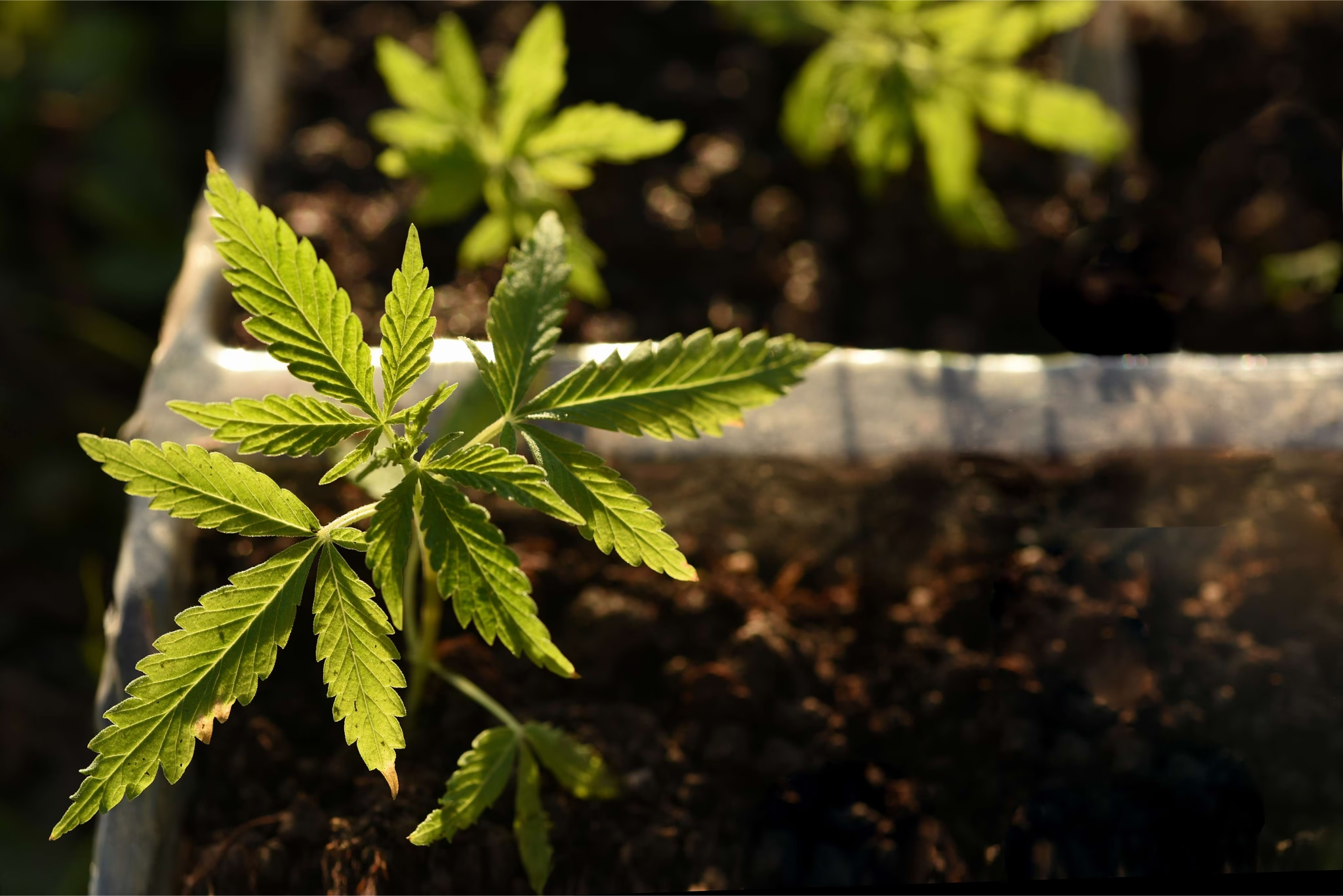
Healthy vegetative cannabis root system protected by thick bacterial biofilms and symbiotic Trichoderma fungal mantles.
Substrate Compatibility: Living Soil, Peat, Coco Coir, and Hydroponics
Microbial establishment and longevity vary significantly across different cannabis cultivation substrates:
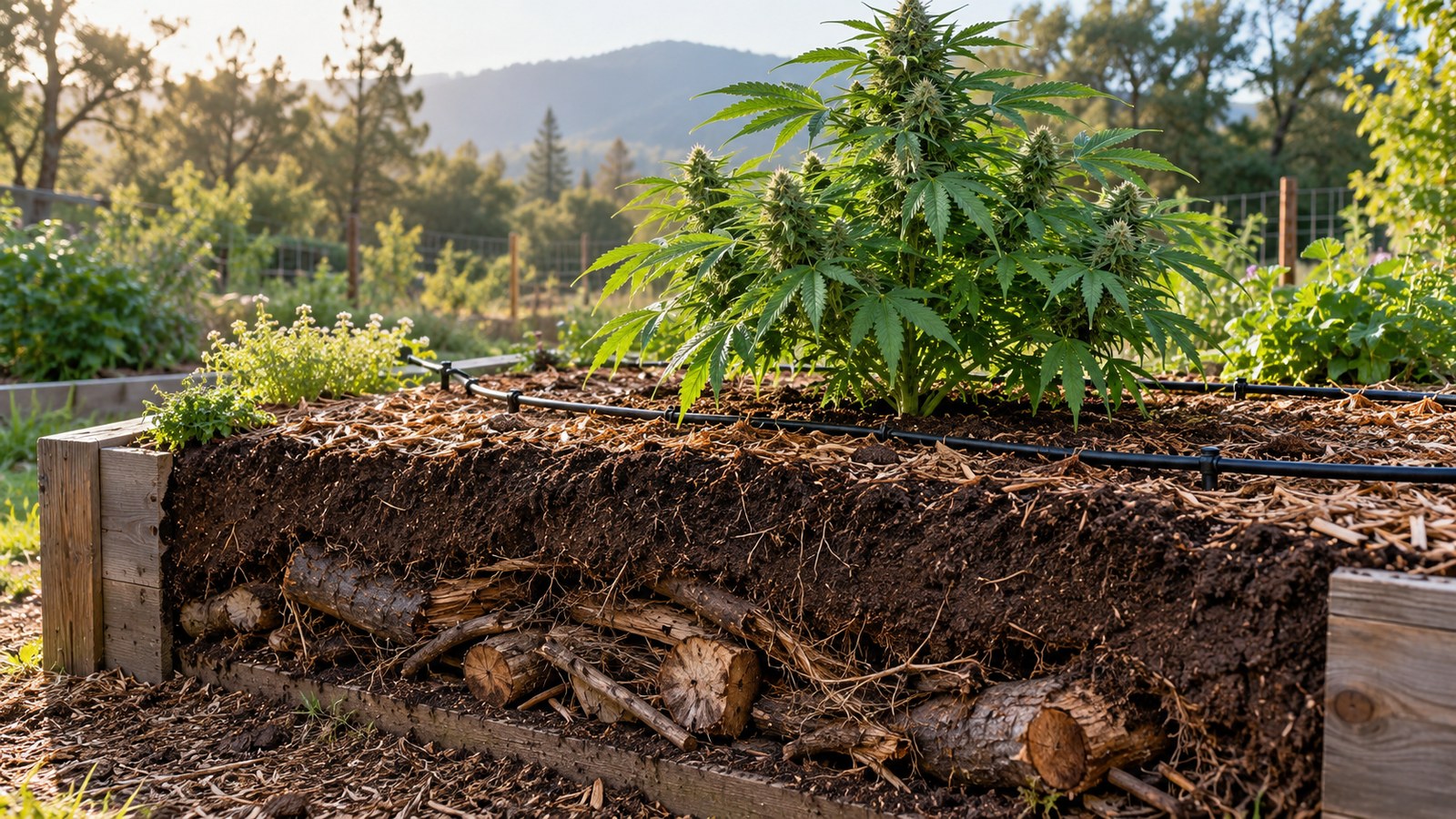
- Living Organic Soil Raised Beds: Represents the natural home for both organisms. Rich indigenous humic substances, worm castings, and decaying organic matter provide abundant carbon resources. In living soil beds, Trichoderma establishes extensive mycelial webs that persist across entire annual cycles, while Bacillus subtilis cycles organic nitrogen into bio-available ammonium. Inoculations need only occur at planting and following seasonal top-dressing events.
- Coconut Coir Substrates (70/30 Coco/Perlite): Coconut coir is an exceptional habitat for Trichoderma. Derived from fibrous coconut mesocarp, coco contains high concentrations of natural cellulose and complex lignins. Trichoderma thrives on lignin matrices, colonizing pots rapidly. However, because pure coco coir lacks free simple sugars, Bacillus subtilis populations require supplemental prebiotic inputs: humic acids, fulvic acids, and bio-safe amino acids: to sustain high biofilm density.
- Horticultural Rockwool Blocks and Slabs: Spun basalt rockwool presents an abiotic, sterile challenge. Rockwool possesses zero native carbon, zero cation exchange capacity, and fluctuating pore-water EC during high-frequency pulse fertigation. In rockwool, Trichoderma hyphae can struggle to survive rapid dry-backs without organic carbon. However, Bacillus subtilis excels in rockwool because it forms resilient bacterial endospores. When substrate moisture drops or EC spikes, Bacillus forms dehydrated, heat-resistant spores that survive extreme stress, germinating back into active vegetative cells within minutes of the next irrigation pulse.
- Recirculating Deep Water Culture (DWC) and NFT: In bare-root hydroponics, raw fungal powders and un-formulated Trichoderma spores can cause biological slimes that clog small pumps and foul aerators. In recirculating DWC, cultivators should deploy liquid-formulated, pure-strain Bacillus subtilis or Bacillus amyloliquefaciens, avoiding heavy organic suspensions. Maintaining water temperatures between 18 °C and 20 °C ensures bacterial viability while suppressing Pythium zoosporogenesis.
| Biological Parameter | Trichoderma harzianum / virens | Bacillus subtilis / amyloliquefaciens |
|---|---|---|
| Organism Classification | Filamentous Ascomycete Fungus | Gram-Positive, Endospore-Forming Bacterium |
| Primary Biocontrol Mechanism | Hyper-mycoparasitism; cell-wall enzymatic lysis | Cyclic lipopeptides (surfactin, iturin, fengycin) |
| Rhizosphere Niche | Intercellular cortex apoplast & bulk soil mycelium | Foliar phyllosphere & root epidermal biofilm |
| Optimum Growth Temperature | 22 °C – 28 °C (72 °F – 82 °F) | 25 °C – 35 °C (Endospores survive > 60 °C) |
| Salinity (EC) Tolerance Floor | Moderate: suppressed above 3.2 dS/m EC | Exceptional: tolerates hypertonic EC up to 6.0 dS/m |
| Chemical Fungicide Sensitivity | Highly sensitive: killed by systemic triazoles | Completely immune to conventional fungicides |
The comparative biological metrics detailed in Table 1 demonstrate why commercial growers frequently combine Trichoderma and Bacillus subtilis into an integrated subterranean defense program. While Trichoderma actively tracks down and destroys mature fungal hyphae through physical mycoparasitism, Bacillus subtilis saturates the root surface with potent antibiotic lipopeptides that lyse fungal spores before germination can occur. Furthermore, because Bacillus subtilis is a bacterium rather than a fungus, it is completely immune to fungal diseases and insensitive to conventional agricultural fungicides. However, when cultivators begin mixing multiple biological amendments in commercial fertigation tanks, they frequently worry about competitive antagonism between different organisms, especially when combining beneficial fungi with commercial mycorrhizal products.
Will aggressive Trichoderma attack and kill my expensive mycorrhizal fungi in the root zone?
Question sent by: Dario Rossi, via email.
“I bought an expensive mycorrhizal inoculant (Rhizophagus irregularis) to coat my root balls during transplanting. A fellow grower warned me that if I also apply Trichoderma harzianum, the Trichoderma will treat the mycorrhizae as a prey fungus, parasitizing the hyphae and eating my mycorrhizal investment. Is this true, or can I use both together safely?”
You can use both together safely and achieve profound synergistic benefits, provided you follow a critical two-week colonization spacing protocol.
In high concentrations under petri-dish laboratory conditions, certain aggressive Trichoderma strains can indeed parasitize external mycorrhizal spores if applied simultaneously in large volumes. However, in living substrates, Trichoderma and Arbuscular Mycorrhizal Fungi (AMF) occupy fundamentally different ecological niches within the root structure. Mycorrhizae penetrate deep into the inner cortical cells of cannabis roots, forming protected intracellular arbuscules and vesicles that Trichoderma never reaches. Trichoderma colonizes only the outermost two layers of the root cortex and roams the surrounding bulk soil.
Numerous peer-reviewed agricultural trials demonstrate that co-inoculation of Trichoderma with AMF like Rhizophagus irregularis produces higher floral biomass and superior phosphorus uptake compared to either organism alone. Trichoderma secretes organic acids that solubilize rock phosphate, which the extended mycorrhizal hyphal network then transports directly into the root core.
The Commercial Staging SOP:
- Step 1 (Day of Transplant): Apply your mycorrhizal inoculant directly to the root ball and planting hole so spores make physical, direct contact with active root tips. Mycorrhizae require 10 to 14 days to germinate, penetrate cortical cells, and establish functional intracellular symbiosis.
- Step 2 (Day 14 Post-Transplant): Once mycorrhizal colonization is safely established inside root tissues, apply your Trichoderma and Bacillus subtilis drench. The Trichoderma will colonize the outer root mantle, protecting the roots and extra-radical mycorrhizal hyphae from Pythium attack while boosting systemic plant immunity.
Dario’s concern touches on an essential principle of multi-species microbial management: temporal and spatial staging. By giving slow-colonizing arbuscular mycorrhizae a head start before introducing rapid-growing Trichoderma, cultivators establish a harmonious tripartite symbiosis where plant, fungus, and bacterium mutually reinforce each other. In addition to biological timing, cultivators must navigate chemical tank-mixing hazards. Commercial fertigation reservoirs often contain concentrated fertilizer salts, micronutrient chelates, and chemical line cleaners. If growers indiscriminately dump beneficial biologicals into high-salinity stock tanks, the osmotic shock and oxidative chemistry can kill billions of active spores in minutes. Understanding chemical compatibility boundaries ensures that biological inoculations translate into thriving subterranean populations.
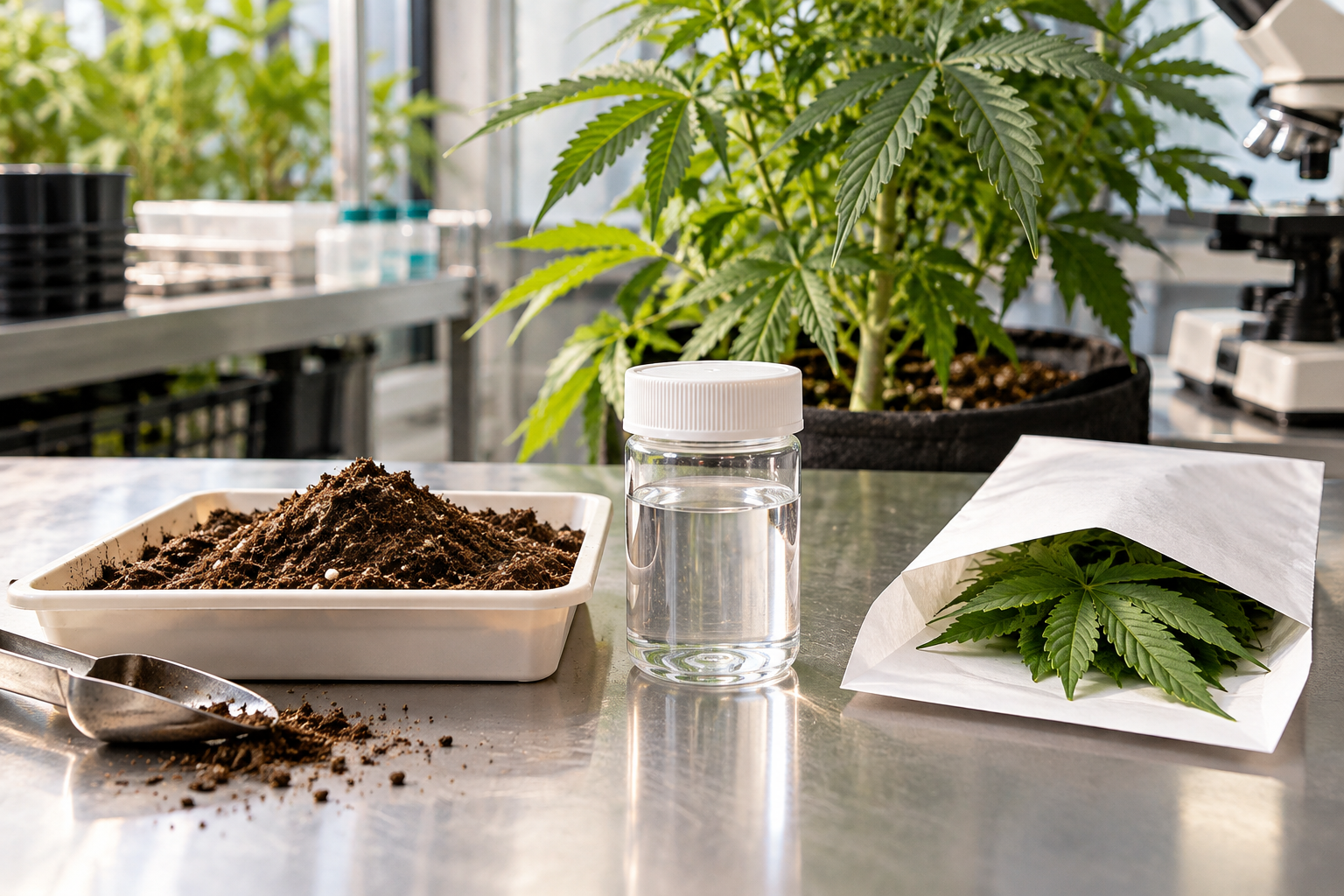
Substrate microbial plating and PCR soil analysis used to audit colony-forming unit (CFU) viability and root colonization.
Chemical Compatibility: Tank-Mixing Hazards, Salts, and Oxidizers
To avoid accidental sterilization of beneficial inoculants, commercial facilities adhere to strict chemical boundaries:
- Concentrated Fertilizer Stock Tanks: Never add Trichoderma or Bacillus products into concentrated fertilizer stock tanks (such as 100x or 200x Part A / Part B concentrates). The extreme ionic strength (EC exceeding 50 dS/m) and concentrated nitrate salts induce instantaneous hyperosmotic lysis, destroying vegetative cells and dehydrating fungal conidia. Inoculants should only be introduced into the final diluted, pH-adjusted irrigation solution or applied as a dedicated top drench.
- Oxidative Water Sanitizers (H2O2, Chlorine, HOCl): Facilities running automated drip systems frequently dose low levels of hypochlorous acid (HOCl, 1 to 5 ppm) or hydrogen peroxide into their lines to prevent algae and mineral scaling. Oxidizers are non-selective biophilic poisons that destroy cellular membranes through hydroxyl free-radical oxidation. If an irrigation line contains active chlorine or peroxide, it will kill introduced Trichoderma upon contact. Cultivators must turn off chemical injection pumps and flush lines with clean, non-chlorinated water 24 hours prior to biological inoculation.
- Water Temperature and Dissolved Oxygen Limits: Trichoderma spores thrive best when irrigation water temperature ranges between 20 °C and 25 °C (68 °F to 77 °F). Irrigating with ice-cold water below 15 °C induces metabolic dormancy, stalling hyphal germination. Conversely, solution temperatures exceeding 30 °C combined with dissolved oxygen below 5.0 mg/L create hypoxic conditions that suppress beneficial spore germination while triggering explosive Pythium zoospore release.
The Sterilization Trap: Why Hydrogen Peroxide Creates Pathogen Super-Infections
When novice growers detect early signs of root browning, many panic and drench the substrate with 3% hydrogen peroxide (H2O2) to “sterilize the root rot.” While peroxide temporarily oxidizes brown fungal tissue, it also completely wipes out all beneficial Bacillus and Trichoderma protective shields, sterilizing the root zone. In biology, a sterile void never remains empty. Pathogenic water molds like Pythium produce swimming flagellated zoospores that reproduce ten times faster than beneficial fungi. Within 72 hours of a peroxide flush, the opportunistic pathogen recolonizes the defenseless, chemically burned roots with devastating fury. Never flush a living root zone with peroxide: combat pathogens with biological competitive exclusion.
Avoiding chemical sterilants is essential for maintaining a healthy biological root zone. However, even when a grower eliminates chemical oxidizers and maintains optimal water temperatures, biological inoculations can fail if the commercial product itself is biologically defunct. The global commercial biostimulant and microbial market suffers from widespread quality control discrepancies: peer-reviewed university testing routinely finds that up to 40% of off-the-shelf retail biological products contain zero viable colony-forming units (CFUs) or are heavily contaminated with industrial molds. Cultivators investing thousands of dollars in commercial biological programs must understand how to evaluate product viability, verify manufacturer CFU claims, and store living inoculants properly.
How can I verify that my bottle of beneficial bacteria is still alive before applying it to my crop?
Question sent by: Meagan Vance, via email.
“I bought a gallon of liquid Bacillus subtilis inoculant that sat in my hot garage for two months during summer heatwaves. The label claims 1 billion CFU per milliliter, but the liquid smells faintly sour. How can I test whether these bacteria are actually alive before I waste time dumping them into my commercial irrigation tanks?”
Testing liquid biological inoculants for living viability can be conducted quickly using a simple milk curdling test or a basic nutrient broth turbidity test.
Liquid microbial formulations stored in hot environments (> 35 °C / 95 °F) suffer rapid biological mortality. While Bacillus subtilis endospores are extraordinarily heat-resistant, prolonged heat in liquid suspension triggers premature spore germination; once germinated into active vegetative cells without food, the bacteria starve, die, and undergo autolysis, leaving behind useless protein soup.
The Quick In-House Viability Test:
- Method 1: Nutrient Agar Plating (Gold Standard): Inoculate a sterile petri dish of nutrient agar or potato dextrose agar (PDA) with a 1:1,000 diluted drop of the product. Incubate at 28 °C for 24 to 48 hours. Active Bacillus subtilis colonies will appear as distinctive, rough, wrinkled, dull white-to-cream circular colonies with irregular lobed margins. Active Trichoderma will form rapid-growing white mycelial mats that turn deep emerald green within 72 hours as conidiospores form.
- Method 2: Warm Milk Protein Clot Test: Bacillus species produce active extracellular proteases that cleave milk casein. Warm 100 mL of pasteurized whole milk to 30 °C and stir in 5 mL of your liquid inoculant in a sterile jar. Seal loosely and place in a warm dark spot for 12 to 18 hours. If the bacteria are alive, the milk will curdle into a firm cottage-cheese-like curd, accompanied by a pleasant yeasty odor. If the milk remains thin and watery, the bacterial CFU count is biologically dead.
Always purchase dry wettable powders rather than liquid suspensions whenever possible: dehydrated endospores in dry powder retain 95%+ viability for up to two years when stored in a cool, dark room.
Meagan’s scenario highlights why commercial facilities must implement rigorous quality control standards for biological inputs. Selecting shelf-stable dry powders and conducting routine batch viability checks guarantees that every milliliter of irrigation water carries millions of living, virulent biocontrol agents into the root matrix. Once these organisms successfully colonize the root system, their beneficial impact extends far beyond subterranean root protection. Through complex biochemical signaling pathways, subterranean microbial colonization triggers profound physiological enhancements throughout the above-ground canopy, boosting photosynthetic carbon fixation and activating systemic plant defenses.
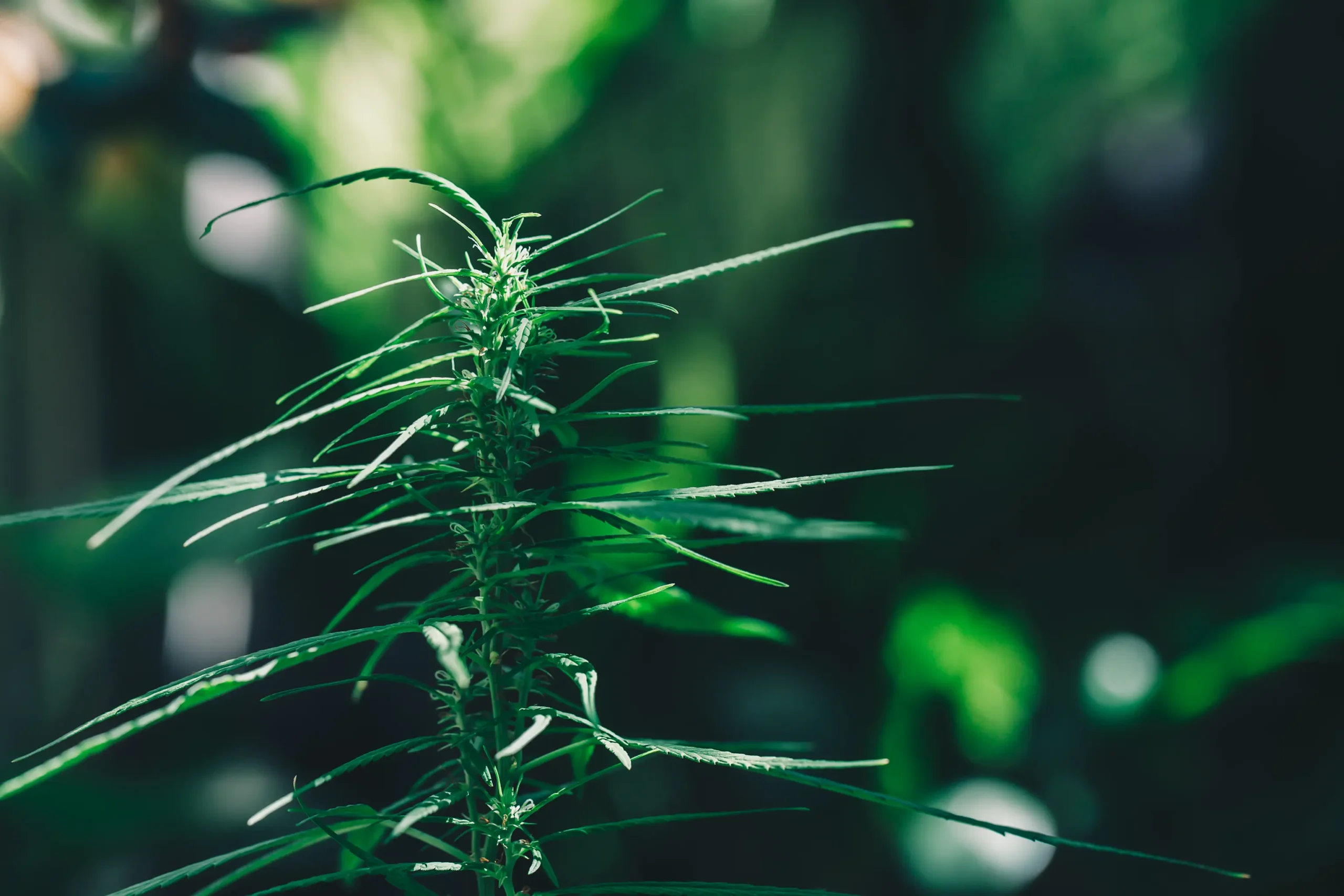
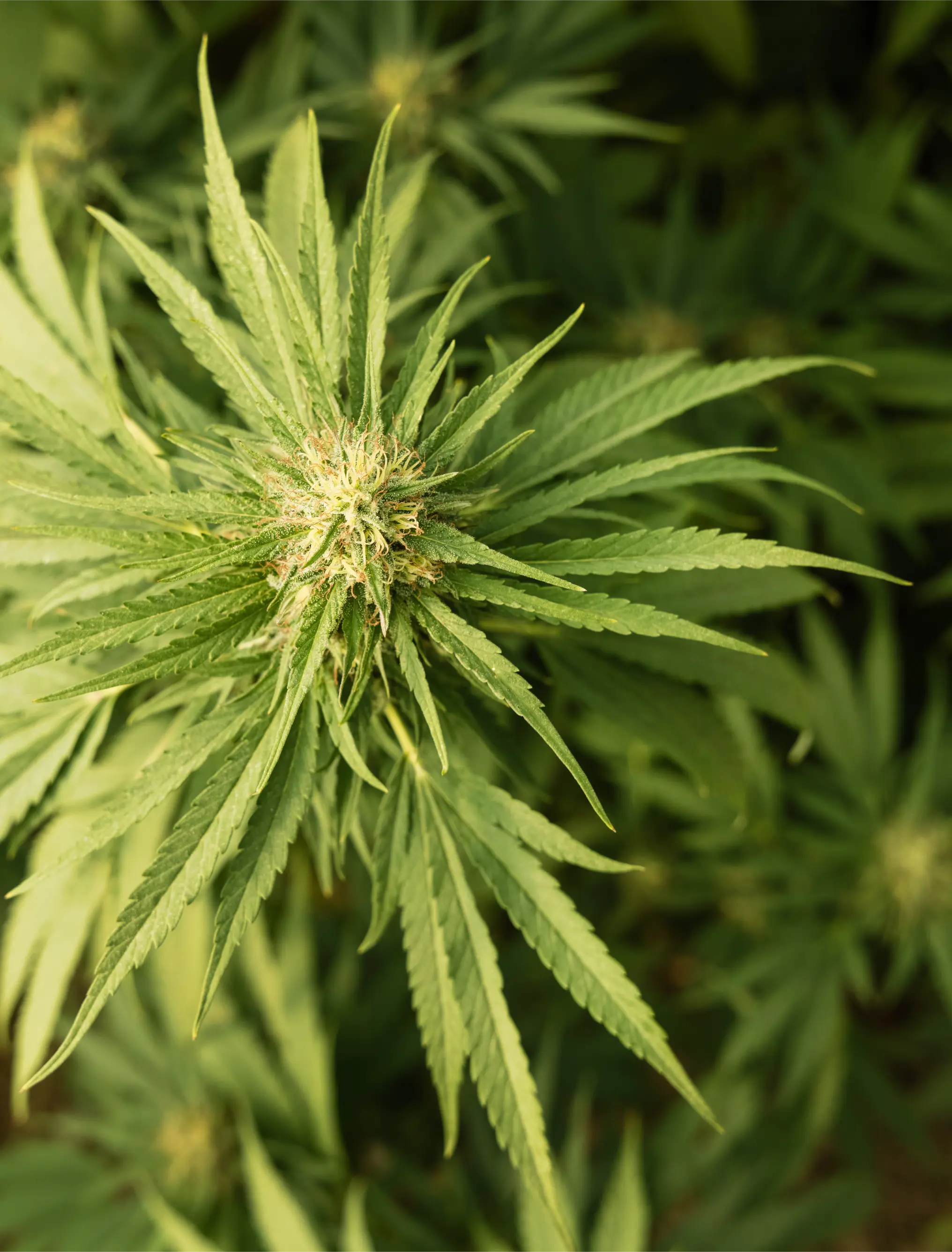
Vigorous commercial canopy exhibiting systemic acquired resistance against foliar blights driven by root-zone microbial priming.
Induced Systemic Resistance (ISR) and Whole-Canopy Immune Priming
One of the most remarkable physiological benefits of root colonization by Trichoderma and Bacillus subtilis is the systemic priming of plant defenses across the entire foliar canopy:
- The Jasmonic Acid / Ethylene Signaling Cascade (ISR): Unlike Systemic Acquired Resistance (SAR): which is triggered by necrotic pathogen infection and mediated by salicylic acid: Induced Systemic Resistance (ISR) is activated by non-pathogenic root colonization and mediated by jasmonic acid (JA) and ethylene (ET) signaling pathways. When Bacillus lipopeptides or Trichoderma cell-wall fragments bind to root plasma membrane receptors, the plant perceives a friendly symbiont, transmitting long-distance hormonal signals up through the vascular xylem into upper fan leaves and floral bracts.
- Canopy Defense Priming: In an un-inoculated cannabis plant, when airborne powdery mildew conidia (Golovinomyces spadiceus) or Botrytis spores land on leaves, the plant takes 24 to 48 hours to recognize the pathogen and synthesize defensive phytoalexins, by which time the fungus has breached the epidermal layer. In a plant primed by root-zone Bacillus and Trichoderma, leaf cells exist in a pre-sensitized, primed defensive state. Upon spore contact, primed leaves synthesize protective callose papillae, peroxidase enzymes, and antimicrobial phytoalexins up to three times faster, halting fungal infection at the leaf surface before visible mildew spots can form.
- Growth Promotion and Auxin Upregulation: Both organisms function as potent bio-fertilizers. Bacillus subtilis produces the endogenous auxin indole-3-acetic acid (IAA), which stimulates primary root elongation and lateral root hair proliferation. Simultaneously, Trichoderma releases volatile organic compounds (such as 6-pentyl-alpha-pyrone) that increase chlorophyll content, enhance photosynthetic light-use efficiency, and accelerate vegetative canopy expansion.
| Growth Stage | Recommended Inoculant | Application Method & Rate | Primary Agronomic Target |
|---|---|---|---|
| Cloning & Seedling Germination | Bacillus subtilis (liquid/powder) | Stem dip or plug soak (1-2 g/gal) | Prevent damping-off (Pythium); stimulate root primordia |
| Transplanting (Veg Week 1) | Trichoderma + Mycorrhizae | Root ball dusting + drench (2 g/pot) | Establish cortical colonization; accelerate root spread |
| Mid-Vegetative Maintenance | Bacillus subtilis + Fulvic Acid | Irrigation drench every 14 days (1 g/gal) | Biofilm maintenance; stimulate lateral root branching |
| Early Flower (Weeks 1-3) | Trichoderma + Bacillus combo | Substrate root drench at flip (2 g/gal) | Prime canopy ISR; protect roots during stretch dry-backs |
| Peak Flower (Weeks 4-6) | Bacillus subtilis pure strain | Root drench monthly (1 g/gal) | Suppress Pythium in warm roots; enhance P mobilization |
Storage, Shelf Life, and Handling Standards for Living Inoculants
To guarantee maximum biological efficacy in commercial cannabis production, facilities must establish standard operating procedures for the procurement, storage, and handling of living microbial inoculants. Living spores are perishable biological assets; exposing products to ultraviolet light, high temperatures, or excessive moisture causes rapid degradation of viable colony-forming units. Dry wettable powder formulations should be stored in airtight, moisture-proof containers in a dedicated climate-controlled biological storage refrigerator maintained between 4 °C and 8 °C (39 °F to 46 °F). Under proper cold storage, dry endospores of Bacillus subtilis retain over 90% viability for up to twenty-four months, while dry Trichoderma conidia remain viable for twelve to eighteen months.
When preparing biological solutions for irrigation application, technicians must never use hot water or chlorinated municipal tap water. Water should be pre-filtered through reverse-osmosis membranes or de-chlorinated via aeration and adjusted to 20 °C to 22 °C. Inoculants should be gently pre-slurried in a clean 5-gallon bucket of lukewarm water for fifteen minutes to allow dehydrated spores to imbibe moisture before introducing them into the main irrigation tank. Once mixed in an aqueous solution, the entire batch should be applied to crops within four to six hours: leaving mixed microbial solutions sitting in un-aerated tanks overnight leads to rapid oxygen depletion, cellular asphyxiation, and contamination by opportunistic wild yeasts. Following these rigorous handling protocols ensures that millions of virulent, active biocontrol agents reach the rhizosphere intact.
Trichoderma and Bacillus Subtilis Master Checklist
Audit these critical biological and application parameters before deploying microbial biocontrols:
- Inoculant viability and CFU counts are verified via certified lab assay or in-house spore germination tests.
- Dry wettable powders are selected over liquid suspensions for commercial shelf stability and longevity.
- Inoculants are stored in dark, airtight containers in a climate-controlled cold refrigerator (4 °C to 8 °C).
- When combining with mycorrhizae, mycorrhizal spores are applied at transplant 14 days before Trichoderma.
- Irrigation water is completely de-chlorinated and verified free of chemical sterilants (H2O2, HOCl).
- Inoculants are mixed into final diluted nutrient solution (< 2.2 dS/m EC) and never into concentrated stock tanks.
- Solution temperature is conditioned between 20 °C and 23 °C with dissolved oxygen maintained above 6.5 mg/L.
- Mixed biological solutions are applied to crops within 4 hours of hydration to prevent container anoxia.
- Hydrogen peroxide and hypochlorous acid flushes are strictly prohibited in biologically active root zones.
- Re-inoculations are scheduled every 14 to 21 days during vegetative growth to maintain active biofilm density.
Scientific References
- Harman, G. E., Howell, C. R., Viterbo, A., Chet, I., & Lorito, M. (2004). Trichoderma species: opportunistic, avirulent plant symbionts. Nature Reviews Microbiology, 2(1), 43-56.
- Ongena, M., & Jacques, P. (2008). Bacillus lipopeptides: versatile weapons for plant disease biocontrol. Trends in Microbiology, 16(3), 115-125.
- Lugtenberg, B., & Kamilova, F. (2009). Plant-growth-promoting rhizobacteria. Annual Review of Microbiology, 63, 541-556.
- Shoresh, M., Harman, G. E., & Mastouri, F. (2010). Induced systemic resistance and plant responses to fungal biocontrol agents. Annual Review of Phytopathology, 48, 21-43.
- Bais, H. P., Fall, R., & Vivanco, J. M. (2004). Biocontrol of Bacillus subtilis against infection of Arabidopsis roots by Pseudomonas syringae is facilitated by biofilm formation and surfactin production. Plant Physiology, 134(1), 307-319.
- Zheng, Y. (2021). Handbook of Cannabis Production in Controlled Environments. CRC Press, Boca Raton, FL.
- Benhamou, N., & Chet, I. (1993). Hyphal interactions between Trichoderma harzianum and Rhizoctonia solani: ultrastructure and cytochemistry of host cell wall degradation. Phytopathology, 83(10), 1062-1071.
- Pieterse, C. M., Zamioudis, C., Berendsen, R. L., Weller, D. M., Van Wees, S. C., & Bakker, P. A. (2014). Induced systemic resistance by beneficial microbes. Annual Review of Phytopathology, 52, 347-375.
Share this article
A quick overview of the topics covered in this article.