
Compressed CO2 vs Combustion Generators
In high-performance controlled environment agriculture, selecting the right carbon dioxide delivery method is one of the most critical thermodynamic and operational decisions a cultivator can make. Indoor cannabis canopies illuminated by high-intensity discharge or modern light-emitting diode (LED) arrays consume atmospheric carbon dioxide at extraordinary rates during the photoperiod. To sustain elevated photosynthesis above 1,000 parts per million (ppm), commercial and serious craft growers rely on two primary technologies: compressed liquefied carbon dioxide delivered via high-pressure cylinders or cryogenic dewars, and hydrocarbon combustion generators fueled by liquid propane (LP) or natural gas (NG).
While both technologies successfully elevate atmospheric carbon dioxide, their thermodynamic impacts on the grow room microclimate could not be more divergent. Compressed gas delivery is purely additive: it injects pure, dry, ambient-temperature carbon dioxide gas directly into the canopy air stream without adding thermal energy or moisture. In sharp contrast, combustion generators are chemical reactors. Every pound of propane or natural gas ignited by an open flame releases sensible heat, substantial volumes of water vapor, and, under sub-optimal combustion conditions, phytotoxic and lethal byproducts such as carbon monoxide, nitrogen dioxide, and ethylene gas. Choosing between compressed cylinders and catalytic burners requires an engineering evaluation of heating, ventilation, air conditioning, and dehumidification (HVACD) capacity, room air volume, energy tariffs, and life-safety protocols.
Thermodynamic Reality: The True Cost of Free Heat from Burners
Novice cultivators often view combustion generators as an economical two-in-one solution that provides both supplemental carbon dioxide and supplemental room heating. However, in modern sealed grow rooms illuminated by high-efficiency LED fixtures, sensible heat is rarely the limiting factor during lights-on periods. Adding open combustion flames introduces massive sensible thermal loads and latent humidity into an already stressed thermal envelope. For every pound of propane burned, the air conditioner must remove roughly 21,500 BTUs of sensible heat, and the commercial dehumidifier must extract approximately 1.5 pounds (0.18 gallons) of condensed water vapor. The electrical power consumed by chillers and compressor-driven dehumidifiers to remove this parasitic load frequently obliterates any initial fuel savings.
Furthermore, the physiological health of the cannabis crop is exquisitely sensitive to combustion chemistry. When a combustion generator experiences incomplete ignition due to restricted air intake, clogged burner orifices, or fluctuating gas line pressure, it generates trace amounts of ethylene gas (C2H4). Ethylene is an active plant hormone capable of inducing epinasty, downward leaf curling, premature floral senescence, and irreversible crop stunting at concentrations as low as 0.05 ppm (50 parts per billion). In contrast, compressed gas cylinders contain certified 99.9 percent pure food-grade or beverage-grade carbon dioxide, completely free of volatile organic compounds, sulfur compounds, and toxic combustion residues.
This comprehensive engineering guide delivers an exhaustive technical comparison between compressed carbon dioxide systems and combustion generators. Cultivators will examine the stoichiometry of hydrocarbon combustion, HVACD sizing penalties, ethylene toxicity risks, operating cost math per pound of assimilated gas, equipment layout geometries, and empty-room commissioning tests required to select the optimal delivery system for their specific facility architecture.
Stoichiometry and Thermodynamic Mechanics of Hydrocarbon Combustion
To Understand Why Combustion Generators Behave So
To understand why combustion generators behave so differently from compressed gas cylinders, cultivators must analyze the fundamental chemical reactions governing hydrocarbon combustion. Horticultural combustion generators burn either liquefied petroleum gas (commercial propane, predominantly C3H8) or utility natural gas (predominantly methane, CH4). In a perfectly stoichiometric combustion environment, hydrocarbon fuel combines with atmospheric oxygen to produce carbon dioxide, water vapor, and radiant heat energy. However, achieving perfect stoichiometric combustion inside an enclosed agricultural building is an elusive engineering challenge.
Propane combustion requires an immense volume of air to sustain a clean, complete reaction. The theoretical air-to-fuel ratio for commercial propane is approximately 24 to 1 by volume. This means that to burn a single cubic foot of propane vapor cleanly, the burner requires twenty-four cubic feet of fresh atmospheric air containing roughly five cubic feet of pure oxygen. Inside a tightly sealed grow room designed to prevent carbon dioxide escape, an operating multi-burner generator rapidly consumes ambient oxygen from the room atmosphere. As oxygen concentrations decline from the standard ambient level of 20.9 percent toward 19.5 percent or lower, combustion efficiency degrades exponentially, causing flame temperatures to fall and shifting the reaction from clean complete oxidation to toxic partial combustion.
“My grow room logs look stable on paper, but I am still unsure about to understand why combustion generators behave so. Should I adjust my equipment settings immediately or run a baseline verification test first?”
Question sent by: RedwoodResinWorks, via reader Q&A form.
Start by taking a direct baseline measurement rather than guessing from foliar symptoms alone. In practice, For every single pound of carbon dioxide generated by burning propane, approximately 0.54 pounds (0.065 gallons) of pure water vapor is injected directly into the grow room air stream, accompanied by roughly 7,200 BTUs of sensible heat.
Once you have confirmed the baseline reading, adjust only one variable at a time and log the response over the next 24 to 48 hours. When this liquid CO2 expands through a two-stage pressure regulator, it undergoes endothermic Joule-Thomson cooling, absorbing heat from the ambient room as it expands from 850 psig down to delivery pressure.
The chemical equation for the complete stoichiometric combustion of propane is written as follows:
Chemical Stoichiometry: Propane and Natural Gas Combustion
Propane Combustion: C3H8 + 5 O2 -> 3 CO2 + 4 H2O + 21,548 BTU/lb fuel.
By Mass: 1 lb propane (0.236 gal) consumes 3.63 lbs O2 to produce 2.99 lbs CO2, 1.63 lbs water vapor (0.195 gal), and 21,548 BTUs of sensible heat.
Natural Gas (Methane) Combustion: CH4 + 2 O2 -> CO2 + 2 H2O + 23,875 BTU/lb fuel.
By Mass: 1 lb methane (approx 23.6 cu ft) consumes 4.0 lbs O2 to produce 2.75 lbs CO2, 2.25 lbs water vapor (0.27 gal), and 23,875 BTUs of sensible heat.
These Stoichiometric Ratios Reveal the Physical Burden
These stoichiometric ratios reveal the physical burden imposed by combustion generators. For every single pound of carbon dioxide generated by burning propane, approximately 0.54 pounds (0.065 gallons) of pure water vapor is injected directly into the grow room air stream, accompanied by roughly 7,200 BTUs of sensible heat. In a medium-sized commercial flower room requiring 30 pounds of supplemental CO2 per day to maintain 1,200 ppm under high PPFD illumination, a propane burner injects roughly 216,000 BTUs of sensible heat and 16.2 pounds (nearly 2 gallons) of moisture directly into the room atmosphere every twelve hours.
In Sharp Contrast, Compressed Carbon Dioxide
In sharp contrast, compressed carbon dioxide involves zero chemical combustion and zero atmospheric oxygen consumption. Carbon dioxide is harvested as an industrial byproduct of ammonia synthesis or bio-ethanol fermentation, purified to 99.9 percent, and liquefied under pressure into DOT-approved steel or aluminum cylinders. When this liquid CO2 expands through a two-stage pressure regulator, it undergoes endothermic Joule-Thomson cooling, absorbing heat from the ambient room as it expands from 850 psig down to delivery pressure. A compressed gas system adds absolutely zero water vapor, consumes zero room oxygen, and imposes a microscopic negative thermal load on the room air conditioning system.
Additionally, modern compressed carbon dioxide distribution systems can be pulsed with millisecond precision through high-speed electronic solenoids. A commercial environmental computer can inject micro-doses of gas to maintain an exact target of 1,200 ppm within a tight band of plus or minus 25 ppm. Combustion generators, by contrast, possess significant thermal inertia: burner pilot assemblies, solenoid manifolds, and heavy heat exchangers continue radiating heat and leaking combustion residues into the room for minutes after the controller cuts the command signal, leading to wide atmospheric oscillations and wasted fuel.
HVACD Load Sizing and Latent Moisture Removal Penalties
The Primary Operational Conflict with Combustion Generators
The primary operational conflict with combustion generators occurs within the HVACD system. Modern indoor cultivation relies heavily on high-efficiency LED lighting fixtures, which produce far less radiant infrared heat than legacy double-ended high-pressure sodium (HPS) fixtures. While LED fixtures reduce sensible cooling requirements, cannabis plants grown under LEDs transpire up to 98 percent of their daily irrigation water into the room atmosphere as latent moisture. Consequently, the primary HVACD challenge in modern sealed grow rooms is dehumidification, not sensible cooling.
When an open-flame combustion generator fires, it actively fights the environmental control equipment. The air conditioning compressors must cycle on to remove the burner heat, while commercial dehumidifiers must run continuously to remove the combustion-generated water vapor in addition to heavy canopy transpiration. If the room dehumidifiers are already operating near maximum capacity during peak mid-flowering, the additional latent moisture from a gas burner can push the indoor relative humidity above 70 percent, collapsing the vapor pressure deficit (VPD) into the botrytis and powdery mildew hazard zone.
“How much margin for error do I really have with the primary operational conflict with combustion generators during peak flowering when plant demand is at its highest?”
Question sent by: Dalton Gallo, via grow journal submission.
Start by taking a direct baseline measurement rather than guessing from foliar symptoms alone. In practice, When an open-flame combustion generator fires, it actively fights the environmental control equipment.
Once you have confirmed the baseline reading, adjust only one variable at a time and log the response over the next 24 to 48 hours. While natural gas and bulk propane offer lower raw fuel costs per pound of generated carbon dioxide, this apparent financial advantage is rapidly eroded when factoring in the electrical kilowatt-hours required to power air conditioners and dehumidifiers to remove the parasitic heat and moisture.
To Quantify This Impact Consider the Sensible
To quantify this impact, consider the Sensible Heat Ratio (SHR) of the cultivation envelope. In standard commercial HVAC engineering, cooling systems are designed with an SHR of approximately 0.75 to 0.80, meaning 75 to 80 percent of cooling capacity handles sensible heat while 20 to 25 percent removes latent moisture. A dense flowering cannabis canopy under LED illumination shifts the room SHR down to 0.45 or 0.50, requiring specialized dedicated dehumidification equipment. Adding a combustion generator into this delicate balance injects an uncoordinated pulse of both sensible and latent load. The sudden influx of heat forces air conditioner compressors to ramp up, rapidly lowering evaporator coil temperatures, which can induce coil freeze-up if airflow or refrigerant charge is slightly sub-optimal.
| Environmental Variable | Compressed Gas (Cylinders / Dewars) | Propane (LP) Combustion Generator | Natural Gas (NG) Combustion Generator |
|---|---|---|---|
| Sensible Heat Addition | Zero (slight cooling effect from expansion) | High (~7,200 BTU per lb CO2 produced) | Very High (~8,680 BTU per lb CO2 produced) |
| Latent Moisture Addition | Zero (completely dry delivery) | High (0.54 lbs H2O per lb CO2 produced) | Severe (0.82 lbs H2O per lb CO2 produced) |
| Toxic Gas Risks | None (pure 99.9% CO2; asphyxiation only) | Carbon Monoxide (CO), Ethylene (C2H4), SO2 | Carbon Monoxide (CO), Ethylene (C2H4), NOx |
| Electrical Infrastructure | Minimal (15W solenoid valve) | High (AC & dehumidifier power surge) | High (AC & dehumidifier power surge) |
| Fuel Storage Footprint | Heavy high-pressure cylinders or dewars | External bulk tank or 20/100 lb LP tanks | Permanent utility pipe connection |
| Operating Cost per lb CO2 | $0.50 to $1.20 (swaps) / $0.15 (bulk dewar) | $0.30 to $0.50 (LP fuel equivalent) | $0.15 to $0.25 (utility gas rate) |
The Table Above Highlights the Crucial Engineering Tradeoff.
The table above highlights the crucial engineering tradeoff. While natural gas and bulk propane offer lower raw fuel costs per pound of generated carbon dioxide, this apparent financial advantage is rapidly eroded when factoring in the electrical kilowatt-hours required to power air conditioners and dehumidifiers to remove the parasitic heat and moisture. In hot summer months or enclosed residential basements with limited cooling capacity, operating a combustion generator often forces the cultivator to purchase thousands of dollars in additional refrigeration equipment just to maintain target temperatures.
Conversely, in cold winter climates or uninsulated warehouse envelopes where heating is actively required during the photoperiod, a combustion generator can function as an efficient supplemental heater, reducing or eliminating the need for expensive resistive electric space heaters. However, this advantage is strictly seasonal; the moment outdoor ambient temperatures rise in the spring, the combustion generator transforms into an intolerable thermal and latent liability.
Phytotoxicity Hazards: Ethylene, Carbon Monoxide, and Incomplete Combustion
The Biological Risk of Combustion Byproducts
Beyond thermodynamic and mechanical considerations, the biological risk of combustion byproducts represents the most hazardous pitfall of gas burners. In a laboratory-grade environment with excess oxygen, hydrocarbon combustion produces only carbon dioxide and water. However, a sealed indoor grow room is not an ideal open-air laboratory. In a sealed room, oxygen levels fluctuate, burner air intakes become clogged with dust and airborne trichomes, gas pressures fluctuate through low-cost regulators, and exhaust air is recirculated across open flames.
When combustion occurs under sub-optimal or oxygen-deprived conditions, incomplete combustion reactions generate lethal and phytotoxic chemical compounds:
“When working on the biological risk of combustion byproducts in my home grow, how do I know if my current setup is drifting out of range before visible plant stress appears?”
Question sent by: Dalton McAllister, via email.
Start by taking a direct baseline measurement rather than guessing from foliar symptoms alone. In practice, When combustion occurs under sub-optimal or oxygen-deprived conditions, incomplete combustion reactions generate lethal and phytotoxic chemical compounds: The biological sensitivity of cannabis to ethylene gas cannot be overstated.
Once you have confirmed the baseline reading, adjust only one variable at a time and log the response over the next 24 to 48 hours. When exposed to even intermittent bursts of ethylene from a burner experiencing a dirty ignition cycle, the plant interprets the chemical signal as severe systemic stress or early senescence.
The Biological Sensitivity of Cannabis to Ethylene
The biological sensitivity of cannabis to ethylene gas cannot be overstated. During the critical floral transition and mid-bloom swelling phases (weeks three through seven of the 12/12 photoperiod), developing female inflorescences express high densities of ethylene receptors. When exposed to even intermittent bursts of ethylene from a burner experiencing a dirty ignition cycle, the plant interprets the chemical signal as severe systemic stress or early senescence. The floral bracts cease swelling, resin gland heads fail to expand, and trichome heads oxidize prematurely from clear to dark amber weeks before cannabinoid maturation is complete. Once ethylene-induced damage occurs, flushing the root zone or increasing lighting intensity cannot reverse the floral atrophy.
Field Verification Checklist
- Ethylene Gas (C2H4): The most potent phytotoxin in indoor horticulture. Even trace concentrations between 0.05 and 0.10 ppm (50 to 100 ppb) cause severe floral distortion, leaf downward curling (epinasty), chlorosis, premature pistil browning, flower bud abortion, and permanent metabolic stunting. Ethylene damage is frequently misdiagnosed by inexperienced growers as overwatering, severe nitrogen toxicity, or root rot.
- Carbon Monoxide (CO): A colorless, odorless, and highly toxic gas produced by incomplete carbon oxidation. While cannabis plants exhibit high tolerance to carbon monoxide, it poses an immediate, fatal threat to human cultivators. OSHA mandates an 8-hour permissible exposure limit of 50 ppm, with immediate evacuation required above 100 ppm.
- Sulfur Dioxide (SO2) and Nitrogen Oxides (NOx): Commercial propane contains odorant additives (ethyl mercaptan) and sulfur trace compounds. When burned, these additives form sulfur dioxide and acidic nitrogen oxides. When combined with atmospheric moisture, SO2 and NOx dissolve into microscopic airborne droplets of sulfurous and nitric acid, burning tender leaf margins and creating necrotic spotting across upper sun leaves.
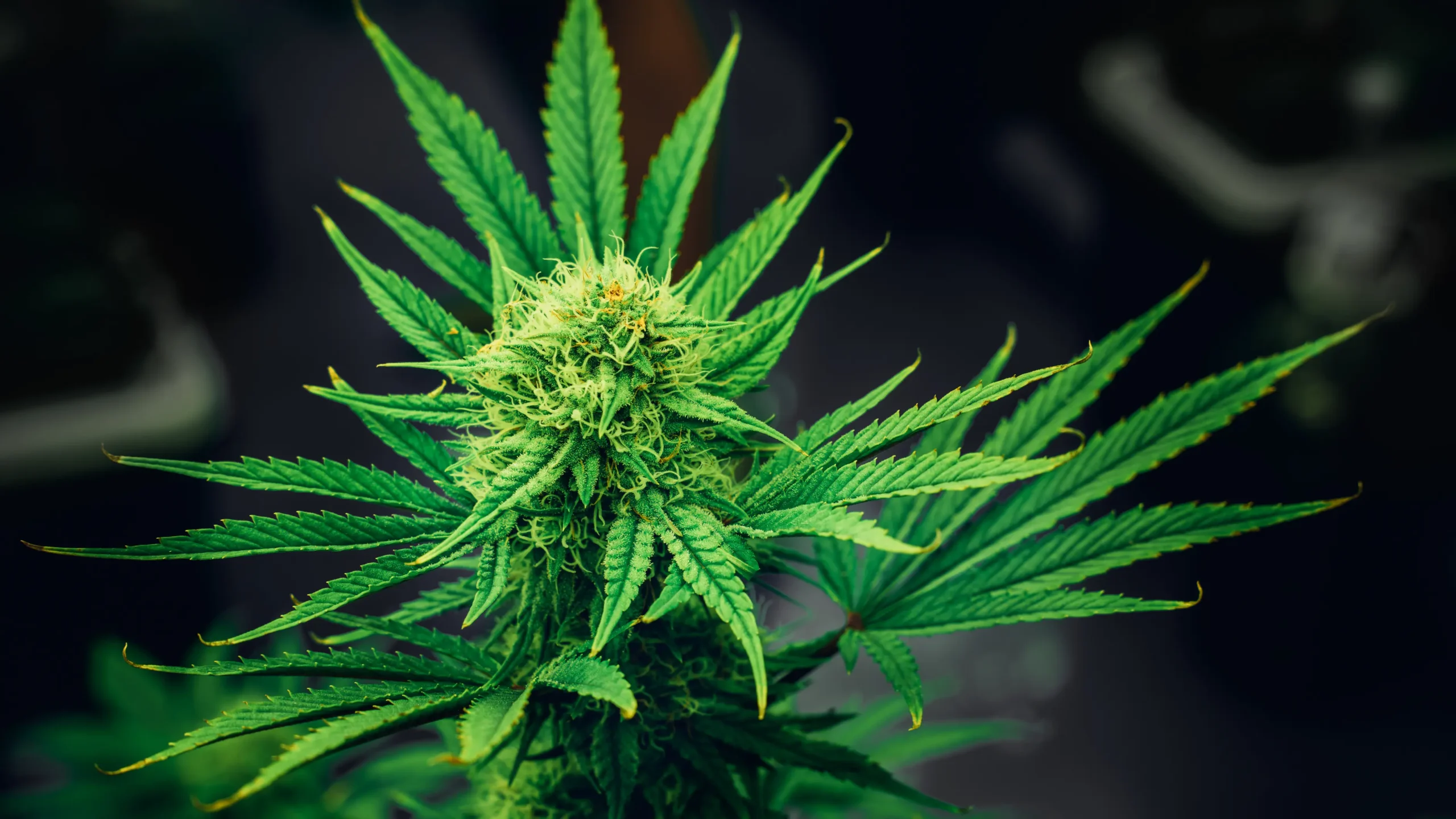
Compressed carbon dioxide systems eliminate 100 percent of these phytotoxic risks. Food-grade (E290) and beverage-grade compressed CO2 are subjected to multi-stage catalytic scrubbing, cryogenic fractional distillation, and rigorous gas chromatography testing before cylinder bottling. There is zero risk of ethylene, carbon monoxide, sulfur dioxide, or acid vapor entering the growing atmosphere. For high-value medical and recreational crops where visual bag appeal, terpene retention, and strict compliance testing for heavy metals and contaminants are paramount, compressed gas remains the gold standard of horticultural purity.
Equipment Architecture, Plumbing, and Distribution Layouts
The Physical Plumbing and Mechanical Installation
The physical plumbing and mechanical installation of compressed gas systems and combustion generators require distinct engineering approaches. Understanding proper equipment layout prevents microclimate stratification and ensures uniform canopy absorption.
Compressed Gas System Architecture. A compressed gas installation consists of a high-pressure storage vessel (typically a 50 lb steel cylinder or a 230-liter cryogenic liquid dewar), a brass CGA-320 dual-stage pressure regulator equipped with a glass tube flowmeter, a normally-closed 24V or 120V electric solenoid valve, and low-pressure delivery tubing. The delivery tubing should be arranged as an overhead distribution loop suspended directly above the light fixtures. Small 1/16-inch laser-drilled perforations spaced every 12 to 18 inches allow the dense, cool gas to shower downward over the active canopy. Overhead oscillating fans and horizontal air-movement circulators immediately catch this falling gas and homogenize it throughout the plant foliage.
Combustion Generator Architecture.
Combustion Generator Architecture. A combustion generator consists of a metal chassis housing multiple brass burner jets, an electronic spark ignition module, a safety thermocouple or flame-rectification sensor, and an internal gas pressure regulator. Generators must be suspended securely from structural ceiling beams using non-combustible steel chain, maintaining at least 24 inches of clearance from ceilings and walls and at least 36 inches of clearance from combustible plant canopies. Burners must be positioned directly in the turbulent discharge air stream of a heavy-duty oscillating or wall-mounted circulation fan to rapidly disperse the concentrated plume of hot, buoyant gas throughout the room volume.
“Can I use a 20-pound barbecue propane tank with a commercial grow room combustion generator inside my sealed basement room?”
Question sent by: Brody Fairchild, via email.
You must never store or operate portable 20-pound (DOT-4BA) propane tanks inside an enclosed residential dwelling, basement, or living space. National fire codes, including NFPA 54 (National Fuel Gas Code) and NFPA 58 (Liquefied Petroleum Gas Code), strictly prohibit bringing portable refillable LP gas cylinders larger than one pound into any occupied structure or basement. Propane is heavier than air (specific gravity of 1.50) and settles along the floor if a leak occurs. In an unventilated basement, escaping propane will pool around water heaters, electrical panels, or sump pump motors, creating an explosive fuel-air bomb capable of leveling the entire building upon spark ignition.
If you choose to operate a combustion generator in a residential grow room, the fuel source must be either a permanent utility natural gas pipe installed and pressure-tested by a licensed gas fitter, or an outdoor bulk propane tank with rigid copper or black iron piping penetrating the building foundation in strict accordance with municipal mechanical codes. For indoor growers without exterior gas piping, compressed carbon dioxide cylinders are the only safe, legal, and code-compliant choice.
Regardless of which delivery system is selected, both technologies must be controlled by a centralized environmental automation computer utilizing a high-precision dual-beam Non-Dispersive Infrared (NDIR) optical sensor. The sensor must be suspended at the mid-canopy height in an area of active, representative airflow, shielded from direct radiant lamp heat and away from the direct discharge path of the injection line or burner plume.
Economic Sizing and Operational Cost Calculations
The Economic Feasibility of Compressed Gas Versus
The economic feasibility of compressed gas versus combustion generation depends on facility scale, local utility tariffs, and equipment capital expenditures. Small to medium-sized craft gardens (1 to 6 light fixtures) almost universally benefit from compressed gas cylinders due to minimal capital investment, compact footprint, and zero impact on HVACD sizing. Large commercial facilities (20 to 100+ fixtures) must weigh the recurring labor cost of swapping heavy cylinders against the lower fuel cost of bulk propane or natural gas.
To evaluate the raw fuel economics, consider the enrichment requirements of a 20-fixture commercial flower room (approximately 800 square feet, 8,000 cubic feet of room volume). Maintaining 1,200 ppm under 1,000 μmol/m²/s PPFD requires an average injection rate of approximately 25 pounds of carbon dioxide per 12-hour photoperiod.
Field Advice: Economic Comparison: Monthly Operational Cost Model (25 lbs CO2 / Day). Option A: 50 lb Compressed Gas Cylinders (Swaps)
Monthly CO2 required: 25 lbs x 30 days = 750 lbs CO2 (15 cylinder swaps).
Local cylinder exchange fee: $35.00 per 50 lb cylinder.
Direct monthly fuel cost: 15 x $35.00 = $525.00.
Parasitic HVACD electrical cost: $0.00.
Total Monthly Cost: $525.00.Option B: Propane Combustion Generator
Propane required: 750 lbs CO2 / 2.99 lbs CO2 per lb fuel = 250.8 lbs propane (approx 59.2 gallons).
Bulk propane cost: $3.20 per gallon.
Direct monthly fuel cost: 59.2 x $3.20 = $189.44.
Parasitic Sensible Heat: 250.8 lbs x 21,548 BTU = 5,404,238 BTU / month.
AC power to remove heat (SEER 16): 337.8 kWh x $0.15/kWh = $50.67.
Parasitic Latent Moisture: 250.8 lbs x 1.63 lbs = 408.8 lbs H2O (49 gallons) / month.
Dehumidifier power to remove moisture (2.5 L/kWh): 74.2 kWh x $0.15/kWh = $11.13.
Total Monthly Cost: $251.24.
The Economic Model Illustrates That While Propane Generation
The economic model illustrates that while propane generation provides a monthly utility savings of roughly $274 in raw operational cost at this scale, it introduces substantial upfront capital requirements: purchasing an industrial multi-burner generator ($400 to $800), trenching and installing exterior gas piping ($1,500 to $3,500), and increasing HVACD capacity to handle the extra 1.5 tons of sensible cooling and supplemental dehumidification. For operations with fewer than 10 to 12 fixtures, the capital amortization of gas infrastructure and HVAC upgrades far outweighs the modest monthly fuel savings, making compressed gas cylinders the vastly superior financial investment.
Furthermore, large commercial facilities running 50 lights or more can bypass high-pressure cylinder swap fees entirely by installing a bulk cryogenic liquid carbon dioxide dewar (typically 180 to 230 liters capacity). Bulk liquid dewars deliver pure, cryogenic carbon dioxide at commercial bulk rates of $0.15 to $0.22 per pound, capturing the rock-bottom operating costs of natural gas while retaining the clean, moisture-free, zero-ethylene advantages of compressed gas. Cryogenic dewars also utilize wireless automated telemetry scales that notify the industrial gas supplier when liquid levels drop below 20 percent, triggering seamless automatic replenishment without staff labor.
Failure Modes, Diagnostic Matrix, and Emergency Commissioning
Both Compressed Gas Systems and Combustion Generators
Both compressed gas systems and combustion generators are subject to distinct mechanical and atmospheric failure modes. Operators must be trained to recognize the symptoms of malfunction before crop damage or human injury occurs:
| Symptom / Failure | System Type | Root Mechanical Cause | Verification and Corrective Action |
|---|---|---|---|
| Regulator Icing / Flow Freeze | Compressed CO2 | Joule-Thomson cooling at high flow (>25 CFH) | Install 120V electric inline regulator heater collar |
| Rapid Gas Depletion (Empty in days) | Compressed CO2 | Leaking CGA-320 nylon washer or stem fitting | Static pressure decay test; soapy bubble leak detection |
| Downward Leaf Curling (Epinasty) | Combustion Gen | Ethylene contamination from incomplete burn | Shut down burner; test with 0-0.5 ppm ethylene tube; verify blue flame |
| Yellow Flame Tips / Black Soot | Combustion Gen | Restricted air intake; clogged burner orifices | Clean burner nozzles with compressed air; open intake louvers |
| Severe Humidity Spikes at Lights-On | Combustion Gen | Burner moisture overwhelming dehumidifier | Increase dehumidifier capacity or transition to compressed CO2 |
| CO2 Level Stalling Below 600 ppm | Both Systems | Active exhaust fan running; open building leaks | Seal lung room penetrations; interlock exhaust dampers with controller |
Before introducing crops into an enriched facility, cultivators must perform a comprehensive empty-room commissioning test. The commissioning procedure verifies that the atmospheric enrichment system integrates flawlessly with the building envelope and life-safety controls:
Step 1: Baseline Leakage Rate Test.
Step 1: Baseline Leakage Rate Test. With the grow room completely sealed, all ventilation dampers closed, and all plants excluded, enrich the room atmosphere to 1,500 ppm using the primary CO2 system. De-energize the injection system and record the carbon dioxide concentration decay over a four-hour window. A high-quality sealed room should lose fewer than 50 to 75 ppm per hour through passive building leakage. If levels drop by more than 200 ppm per hour, inspect door gaskets, duct penetrations, and electrical conduit seals.
Step 2: Thermal and Latent Equilibrium Run.
Step 2: Thermal and Latent Equilibrium Run. For combustion generator installations, fire the burner continuously for two hours while all grow lights operate at 100 percent output. Monitor room temperature, relative humidity, and canopy VPD. Confirm that the air conditioning system maintains target temperature (28 to 30 degrees Celsius) without short-cycling and that room relative humidity stabilizes between 55 and 65 percent without moisture condensation on reflective walls.
Step 3: Life-Safety Interlock Verification. Test the low-level life-safety alarm system. Expose the floor-mounted NDIR safety sensor to a test gas concentration exceeding 5,000 ppm. Confirm that the environmental controller immediately de-energizes the gas supply solenoid, extinguishes burner ignition modules, triggers exterior audible-visual alarms, and powers on emergency purge exhaust fans within five seconds of alarm detection.
Field Verification Checklist
- Daily Inspection: Record CO2 controller baseline readings during active photoperiod. Verify that burner flames burn with a crisp, vibrant blue cone; yellow or orange flame tips indicate dangerous incomplete combustion. For cylinder systems, log gross cylinder weight and supply gauge pressure.
- Bi-Weekly Maintenance: Inspect flexible delivery lines, brass quick-connect fittings, and solenoid valves for mechanical wear. Clean burner intake lint screens and vacuum dust away from combustion orifices.
- Monthly Calibration: Inspect dual-beam NDIR sensors. Clean optical dust filters. Compare sensor readings against a calibrated handheld reference meter placed at the same canopy location. Verify emergency shutoff valve operation.
- Post-Harvest Reset: Between harvest cycles, thoroughly wipe down and sanitize delivery manifolds. Replace all disposable CGA-320 nylon or fiber sealing washers on cylinder regulators. Disassemble and clean burner jet assemblies using electrical contact cleaner and clean compressed air. Inspect structural hanging chains and earthquake restraints.
Preventative Maintenance and Recheck Schedule
Maintaining Long-term Operational Safety and Peak Photosynthetic Performance
Maintaining long-term operational safety and peak photosynthetic performance requires a disciplined preventative maintenance schedule. Cultivators should follow this structured checklist across every growing cycle:
Scientific References
- Nelson, P. V. (2012). Greenhouse Operation and Management (7th ed.). Boston, MA: Prentice Hall.
- Mortensen, L. M. (1987). Review: CO2 enrichment in greenhouses. Crop responses. Scientia Horticulturae, 33(1-2), 1-25.
- Reid, M. S. (1995). Ethylene in plant biology. In P. J. Davies (Ed.), Plant Hormones: Physiology, Biochemistry and Molecular Biology (pp. 486-508). Dordrecht: Springer.
- National Fire Protection Association (NFPA). (2021). NFPA 54: National Fuel Gas Code. Quincy, MA: NFPA.
- Kramer, P. J., & Boyer, J. S. (1995). Water Relations of Plants and Soils. San Diego, CA: Academic Press.
- Zheng, Y. (Ed.). (2021). Handbook of Cannabis Production in Controlled Environments. Boca Raton, FL: CRC Press.
Share this article
A quick overview of the topics covered in this article.
Follow us
Latest articles
November 7, 2026
November 7, 2026
November 7, 2026
November 7, 2026
