Grow-Room Reservoir Setup and Maintenance
In commercial controlled environment agriculture and precision indoor cannabis cultivation, the nutrient reservoir is the central biochemical and thermodynamic engine of the entire facility. Whether supplying automated drain-to-waste drip manifolds, recirculating hydroponic flood tables, or gravity-fed subirrigation lines, every milliliter of water and every gram of mineral nutrition absorbed by the root zone originates inside the central holding tank. While cultivators often invest tens of thousands of dollars into high-efficiency LED fixtures and commercial HVACD climate computers, an improperly configured or poorly maintained nutrient reservoir will silently undermine crop health, stunt vegetative growth, and induce widespread nutrient lockouts.
Managing an indoor cultivation reservoir requires far more than simply dissolving chemical fertilizer powders in water and adding acid to hit an arbitrary pH target. A nutrient reservoir is a dynamic, living fluid environment governed by the physical laws of thermodynamics, fluid dynamics, and aqueous chemical equilibrium. Water temperature directly dictates dissolved oxygen capacity; dissolved carbon dioxide levels dictate carbonic acid buffering and pH stability; and the interaction between specific cation and anion species dictates whether essential elements remain freely bioavailable in ionic solution or precipitate into insoluble, unusable mineral sludge at the bottom of the tank.
When reservoir parameters drift out of calibration, the consequences reverberate across the entire canopy. Elevated water temperatures transform clean holding tanks into breeding grounds for pathogenic water molds; unshielded translucent plastics foster massive green algae blooms; and incorrect mixing sequences lock out calcium and phosphorus before the solution ever reaches a plant container. In this comprehensive technical guide, we dissect the physics of reservoir engineering, establish strict physicochemical baselines, detail professional nutrient mixing sequences, and provide repeatable preventative maintenance protocols for commercial cultivation facilities.
Thermodynamic Law: Water Temperature, Dissolved Oxygen, and Henry’s Law
The single most important physical parameter governing reservoir biology is water temperature. According to Henry’s Law, the solubility of a gas in a liquid is inversely proportional to temperature: as liquid temperature increases, gas molecules gain kinetic energy and escape from the liquid phase into the atmosphere. In a nutrient reservoir, fully aerated water at 18 degrees Celsius (64.4°F) holds approximately 9.5 milligrams per liter (PPM) of dissolved oxygen (DO). When water temperature climbs to 24 degrees Celsius (75.2°F), maximum dissolved oxygen drops to 8.4 mg/L; at 28 degrees Celsius (82.4°F), DO collapses below 7.8 mg/L. Concurrently, microbial respiration rates double for every 10-degree rise, meaning that warm water holds significantly less oxygen precisely when root cells and bacteria demand the most oxygen to survive.
Maintaining the critical reservoir temperature window between 18°C and 20°C (65°F to 68°F) is the primary line of defense against crop disease. Below 16°C (60°F), plant metabolic enzyme activity slows, root hydraulic conductivity decreases, and phosphorus uptake is severely restricted, causing purple stem striping and stunted root development. Above 21°C (70°F), the environment shifts violently in favor of opportunistic oomycetes, specifically Pythium ultimum and Phytophthora spp., whose motile zoospores germinate exponentially in warm, oxygen-depleted aqueous environments. Investing in active reservoir temperature control is not an optional luxury; it is a foundational prerequisite for root biosecurity.
Furthermore, cultivators must recognize that the chemical stability of a reservoir depends heavily on the chemical purity of the incoming source water. Starting with variable municipal tap water loaded with high background sodium chloride and calcium bicarbonate creates unpredictable chemical buffering that battles commercial nutrient formulations. Starting with clean, multi-stage reverse osmosis (RO) permeate provides a blank slate, allowing master growers to calibrate exact elemental ratios and maintain rock-solid pH stability throughout the crop cycle.
Physicochemical Parameters: The Four Pillars of Reservoir Monitoring
To operate a grow-room reservoir with commercial precision, cultivators must continuously monitor and calibrate four interdependent physicochemical metrics: temperature, dissolved oxygen, electrical conductivity, and potential of hydrogen.
1. Water Temperature (Target: 18°C to 20°C / 65°F to 68°F). As established by fluid thermodynamics, this narrow temperature corridor represents the optimal biological equilibrium between maximum dissolved oxygen retention and vigorous root metabolic activity. Temperatures should be monitored continuously with submerged, waterproof digital temperature thermistors. In warm indoor facilities where high-intensity LED drivers or ambient room temperatures exceed 26°C, deploying an active in-line refrigerant water chiller is mandatory to prevent thermal runaway in the nutrient tank.
2. Dissolved Oxygen (Target: 7.0 to 9.5 mg/L or PPM). Gaseous oxygen dissolved in water is the physiological fuel that powers active mineral ion transport across root cell membranes. Root cells consume dissolved oxygen to generate adenosine triphosphate (ATP) through oxidative phosphorylation. When reservoir dissolved oxygen levels fall below 5.0 mg/L, root cells become hypoxic, nutrient transport pumps stall, and roots can no longer absorb nitrogen, phosphorus, or potassium. Cultivators must maintain high DO through gentle magnetic fluid circulation, venturi injectors, or fine ceramic micro-bubble diffusion.
- 3. Electrical Conductivity (EC) and Total Dissolved Solids (TDS): Electrical conductivity measures the capacity of water to conduct an electric current, which scales directly with the concentration of dissolved mineral ions. Target reservoir EC varies by growth stage: Seedlings and unrooted clones require 0.8 to 1.2 mS/cm; vegetative canopies require 1.4 to 1.8 mS/cm; and heavy flowering crops require 1.8 to 2.4 mS/cm (or higher under elevated PPFD and CO2 supplementation). Meters must be calibrated monthly using certified 1.413 mS/cm reference standard solutions.
- 4. Potential of Hydrogen (pH Target: 5.6 to 6.2 for Hydroponics/Coco; 6.2 to 6.8 for Soil): Aqueous pH measures the logarithmic activity of free hydrogen ions (H+) in solution. The pH of the nutrient reservoir directly dictates the solubility and chemical availability of every mineral element. At a pH below 5.5, calcium, magnesium, and phosphorus availability drops sharply; at a pH above 6.5 in hydroponics, iron, manganese, zinc, copper, and boron precipitate out of solution into insoluble metal hydroxides, triggering severe interveinal chlorosis across young canopy foliage.
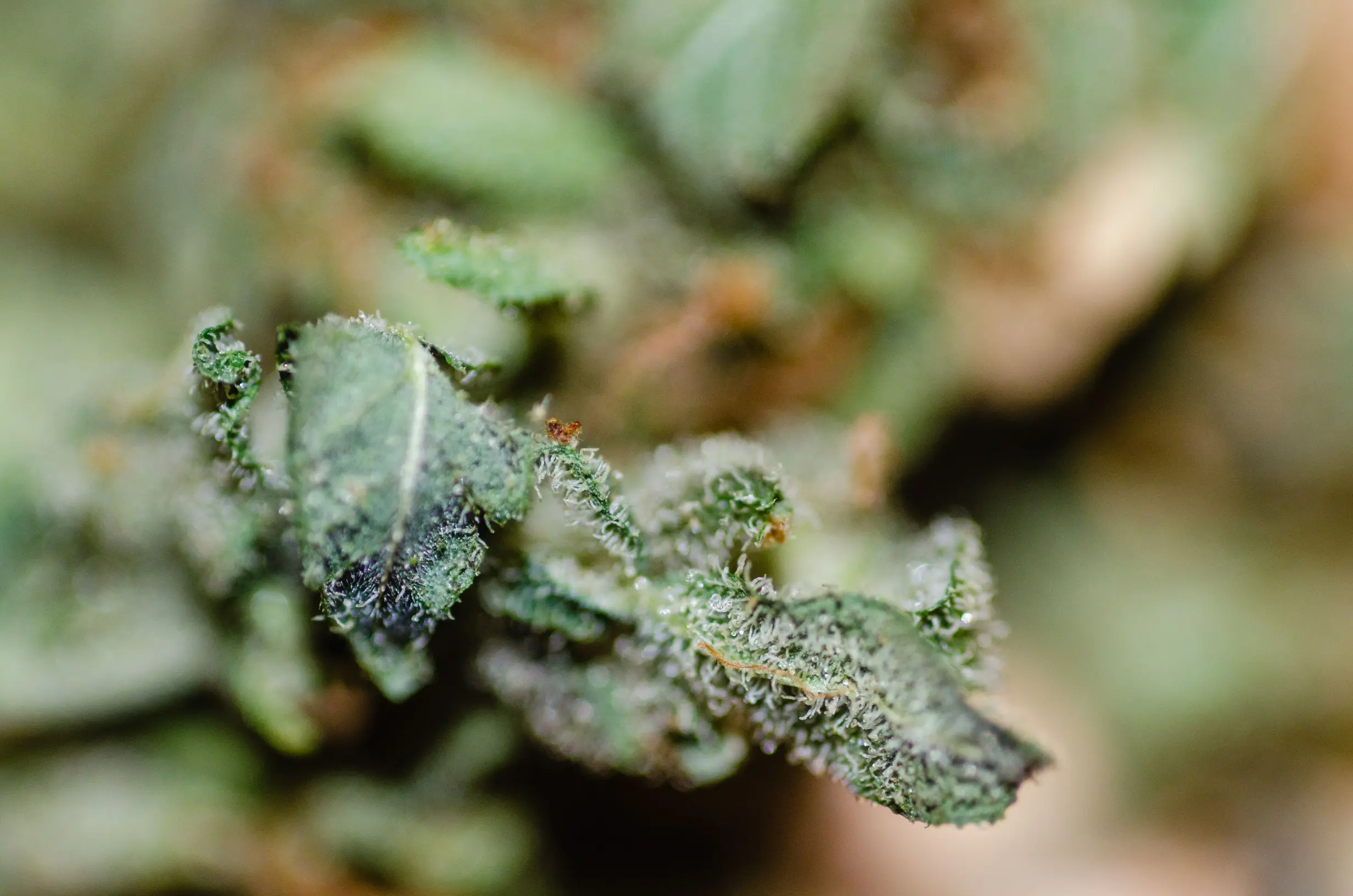
Figure 1: Flawless vegetative cell expansion and vibrant foliar chlorophyll synthesis require consistent reservoir EC and strict avoidance of micronutrient precipitation.
Understanding why reservoir pH naturally drifts is essential for proper maintenance. In freshly mixed nutrient reservoirs, pH frequently drifts upward over the first 24 to 48 hours. This drift is driven primarily by dissolved carbon dioxide equilibrium. Atmospheric air contains carbon dioxide, which dissolves into water to form carbonic acid (H2CO3), a weak acid. When water is vigorously agitated, pumped, or circulated, dissolved carbon dioxide gas outgasses into the grow room atmosphere. As carbonic acid leaves the liquid, free hydrogen ions are consumed, causing the pH of the reservoir to rise naturally from 5.6 up to 6.2 or 6.4.
Conversely, in recirculating hydroponic systems where drainage water returns from the plant root zone back into the central reservoir, pH drift provides real-time telemetry on plant feeding dynamics. If the crop is absorbing water faster than mineral salts (under high heat and dry air), reservoir EC will rise while water volume drops. If the crop is absorbing specific nitrate anions (NO3-) faster than cations, root cells release hydroxide (OH-) or bicarbonate (HCO3-) ions into the return water, driving reservoir pH upward. Monitoring these drift patterns allows growers to adjust nutrient concentrations dynamically.
Reservoir Architecture: Sizing, Materials, and Mechanical Design
Constructing a professional grow-room reservoir begins with selecting appropriate tank materials and engineering mechanical fluid circulation.
Tank Construction Material and Light Exclusion. Never utilize clear, translucent, or light-colored plastic containers (such as semi-transparent storage totes or standard white plastic barrels) for nutrient reservoirs. When photosynthetically active radiation (PAR) from overhead grow lights penetrates through translucent tank walls, it strikes standing water rich in nitrates and phosphates. Within days, unicellular green algae and photosynthetic cyanobacteria colonize the tank, forming thick green coatings across walls, consuming dissolved nutrients, and releasing organic polysaccharides that clog irrigation emitters and harbor bacteria. Reservoirs must be constructed from food-grade, virgin high-density polyethylene (HDPE) or polypropylene (PP) that is completely opaque (black, dark navy, or dark gray) and UV-stabilized.
Capacity Sizing and the 3-to-5-Day Buffer Rule. An undersized reservoir experiences violent fluctuations in EC, pH, and water temperature as plants drink, requiring constant manual top-offs and chemical corrections. Conversely, an excessively oversized reservoir holds stagnant water for weeks, wasting expensive nutrients and increasing the risk of biological contamination. Commercial engineering specifies sizing the reservoir based on a 3-to-5-day operational consumption buffer:
Secondary Containment and Spill Mitigation. Commercial facility risk management protocols require that every indoor nutrient reservoir be installed within a secondary containment vessel. Even high-grade polyethylene tanks can suffer bulkhead fitting stress fractures, pipe decoupling, or automated float-valve overflows. Placing the primary reservoir inside an unpunctured, heavy-duty polypropylene spill berm or secondary containment tray capable of capturing 110 percent of the total tank volume protects commercial facilities against tens of thousands of dollars in water damage. Furthermore, installing digital optical water sensors linked to automated main shutoff solenoids immediately isolates incoming water lines if water touches the floor.
Reservoir Volume (Gallons) = (Number of Plants x Peak Daily Transpiration per Plant in Gallons) x 4 Days
For example, a boutique indoor garden containing 12 mature flowering cannabis plants under intense LED lighting will transpire approximately 0.75 to 1.0 gallon of water per plant daily during peak bloom. Total daily canopy consumption is approximately 10 gallons. Multiplying by a 4-day operational buffer yields an ideal reservoir capacity of 40 to 50 gallons. This volume provides sufficient thermal and chemical inertia to maintain stable conditions while ensuring fresh nutrient solution is mixed weekly.
Engineering Requirement: Water Chiller Sizing and Heat Load Calculations
Selecting an undersized water chiller is one of the most common mistakes in grow-room setup. A chiller must not only cool the static volume of water, but must also overcome continuous parasitic heat loads: heat emitted by submerged circulation pumps (every Watt of pump power transfers heat directly into the water!), conductive heat gain through tank walls from the warm grow room air, and radiant heat absorption from overhead lighting. To size a chiller accurately, calculate the required British Thermal Units (BTU/hr): BTU/hr = (Total Gallons x 8.33 x Desired Temperature Pull-Down in °F) / Pull-Down Time in Hours. Always add a 30 percent safety factor to compensate for submerged pump wattage and ambient ambient room heat.
Internal Mechanical Circulation: Wavemakers vs. Submersible Pumps. Standing nutrient solution naturally stratifies: heavy mineral salts settle toward the tank floor, while warmer, lighter water rises to the surface. To maintain homogeneous nutrient distribution, the reservoir must incorporate continuous gentle mechanical circulation. However, using high-wattage utility pumps or high-pressure fountain nozzles creates excessive fluid shear and violent surface splashing, which accelerates CO2 outgassing and drives rapid pH escalation.
The optimal modern engineering solution is installing a low-voltage, magnetic-drive aquarium wavemaker or cross-flow circulation pump mounted magnetically to the inside tank wall. A 10-Watt DC wavemaker gently moves hundreds of gallons of water per hour across the floor of the tank in a smooth, laminar toroidal flow. This keeps mineral salts perfectly suspended without creating surface splashing, minimizing pump heat transfer and preserving stable reservoir pH for days.
The Professional Nutrient Mixing Sequence: Preventing Chemical Precipitation
A frequent cause of unexplained crop deficiencies, clogged drip emitters, and cloudy reservoir water is chemical precipitation caused by improper nutrient mixing sequences. When concentrated mineral fertilizers are introduced in the wrong order or without adequate dilution, chemical reactions occur that permanently destroy nutrient availability.
Why does the pH in my 50-gallon nutrient reservoir keep drifting up from 5.8 to 6.8 every 24 hours even after I add pH Down?
Question sent by: Harrison Vance, via email.
The persistent upward pH drift in your nutrient reservoir is almost certainly caused by the way you are aerating or circulating the water. The most common culprit is running an aggressive bubbling air pump connected to submerged air stones. Air stones vigorously bubble room air through your solution, which rapidly strips dissolved carbon dioxide out of the liquid. In water, dissolved CO2 forms carbonic acid, a natural chemical buffer that holds pH down; when bubbles strip that CO2 away, carbonic acid leaves the water, causing your pH to surge upward by 0.5 to 1.0 points every single day!
To stabilize your reservoir permanently, eliminate your air stones immediately. Replace them with a small, low-wattage magnetic aquarium wavemaker positioned mid-tank to circulate the water gently without breaking the top surface tension. Next, verify your starting water chemistry: if you are using pure reverse osmosis water with zero carbonate hardness, your water has zero buffering capacity. Add a quality Cal-Mag supplement to establish a baseline EC of 0.3 to 0.4 mS/cm before adding your base nutrients and adjusting pH, giving the solution the mineral alkalinity required to hold its target pH steady.
The most dangerous chemical incompatibility in plant nutrition exists between concentrated calcium and concentrated sulfates or phosphates. Commercial two-part hydroponic fertilizers separate these elements into Part A and Part B for a fundamental chemical reason: Part A contains concentrated calcium nitrate and chelated iron, while Part B contains concentrated potassium phosphate, monopotassium phosphate, and magnesium sulfate. If concentrated Part A and concentrated Part B are poured directly into a mixing cup together without massive water dilution, an instantaneous double-displacement chemical reaction occurs:
Ca2+ + SO4(2-) → CaSO4 ↓ (Calcium Sulfate / Insoluble Gypsum Precipitation)
3 Ca2+ + 2 PO4(3-) → Ca3(PO4)2 ↓ (Tricalcium Phosphate Precipitation)
These chemical precipitates form a cloudy, insoluble white crystalline fallout that settles to the bottom of the reservoir like fine sand. Once calcium binds with sulfate or phosphate into insoluble gypsum, neither element can be absorbed by plant roots! The solution is permanently ruined, and the plants will display severe calcium and phosphorus deficiencies within days regardless of how much fertilizer is added.
To prevent chemical precipitation, cultivators must follow this standardized seven-step mixing sequence:
- Step 1: Fill Reservoir with Clean Reverse Osmosis Water. Fill the tank to 90 percent of target capacity with pure RO water (EC <20 μS/cm, water temperature calibrated to 18°C to 20°C). Turn on the circulation wavemaker.
- Step 2: Add and Fully Dissolve Silica Amendments. If using potassium silicate or monosilicic acid, always add silica first. Silicates are highly alkaline and will precipitate if added to acidic nutrient baths. Stir thoroughly and allow 15 minutes of circulation to ensure complete molecular hydration.
- Step 3: Add Calcium/Magnesium Buffering (Cal-Mag). Add Cal-Mag supplement until the baseline water EC reaches 0.3 to 0.4 mS/cm (150 to 200 PPM). This provides essential carbonate and mineral buffering, stabilizing water chemistry before concentrated fertilizers enter.
- Step 4: Add Part A Concentrated Fertilizer. Pour in Part A (calcium nitrate and chelated iron). Stir thoroughly and allow the circulation pump to homogenize the tank completely for at least five minutes until the solution is crystal clear.
- Step 5: Add Part B Concentrated Fertilizer. Slowly pour in Part B (phosphates, sulfates, and potassium). Because Part A is now fully diluted across dozens of gallons of water, calcium and sulfate ions are kept physically isolated by water molecules, completely preventing chemical precipitation.
- Step 6: Add Concentrated Micronutrients and Beneficial Biologicals. Incorporate beneficial microbial inoculants, fulvic acid, root stimulators, or enzyme complexes.
- Step 7: Final pH Calibration and Settling. Measure solution pH with a calibrated digital meter. Add diluted phosphoric acid (pH Down) or potassium hydroxide (pH Up) in tiny increments. Allow the tank to circulate for thirty minutes before taking the final verification reading.
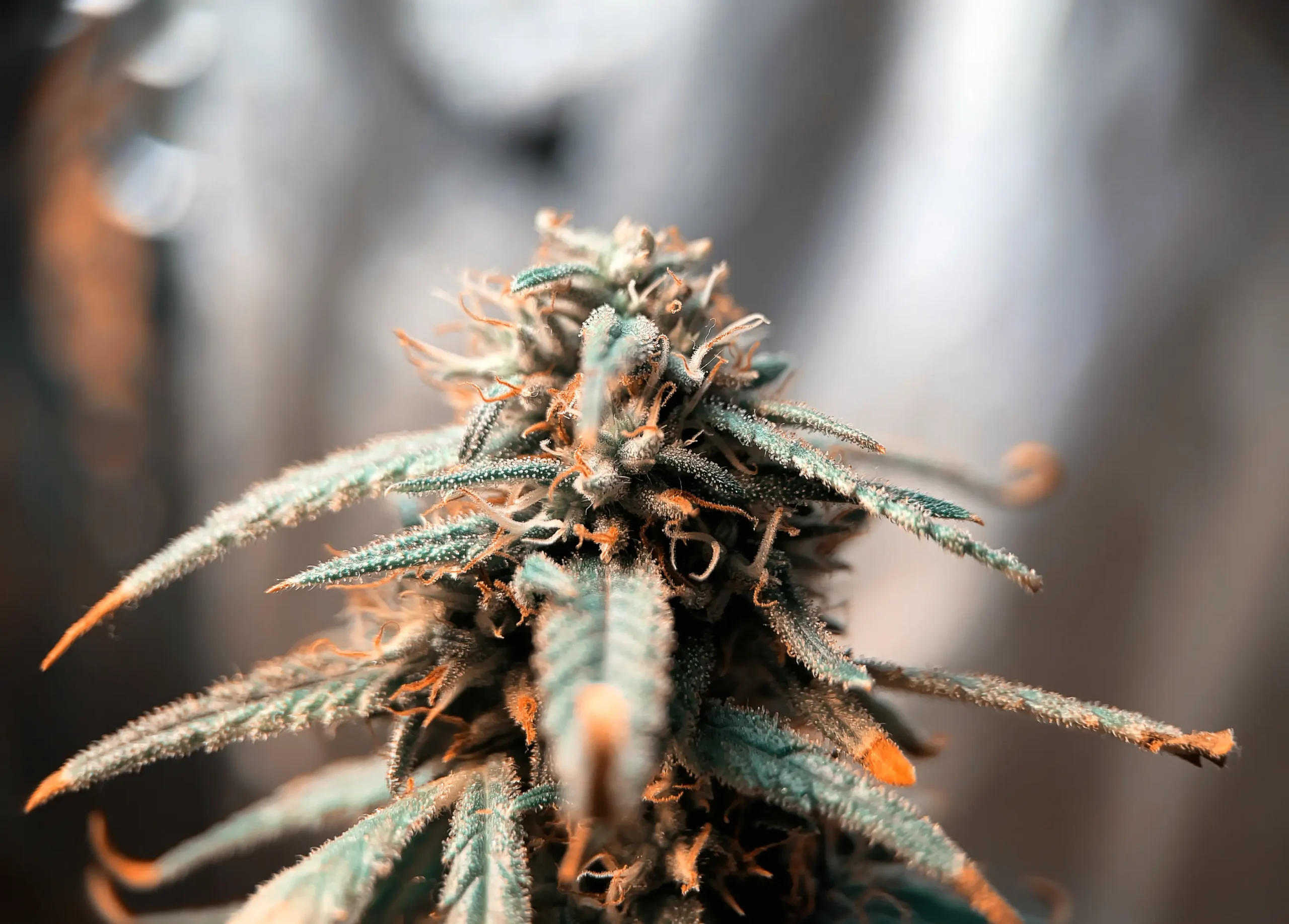
Figure 2: Consistent floral maturation and dense glandular trichome coverage require uninterrupted root-zone calcium and phosphorus availability.
Reservoir Architecture Comparison: Systems and Applications
Selecting the appropriate reservoir architecture requires evaluating how fluid dynamics, atmospheric air exchange, and root-zone drainage interact within your specific cultivation methodology. A single holding tank cannot serve every horticultural purpose equally: an automated high-frequency drain-to-waste manifold operates with completely different fluid turnover requirements, microbial risks, and chemical stability expectations than an active recirculating deep water culture sump.
In drain-to-waste systems, the nutrient batch remains physically isolated from plant root biology, allowing solution to stay fresh and chemically stable for up to a week. In contrast, recirculating systems continuously mix root-zone drainage back into the supply tank, requiring continuous water chilling, intense aeration, and vigilant sensor calibration to catch rapid nutrient shifts before they induce osmotic stress. The following engineering matrix compares the four primary reservoir configurations across critical operational parameters.
| Reservoir System Type | Fluid Turnover Rate | Dissolved Oxygen Demand | Biological Pathogen Risk | pH Stability Profile | Weekly Maintenance Requirement |
|---|---|---|---|---|---|
| Drain-to-Waste Batch Tank | Batch used every 3-5 days | Moderate (7.0 – 8.5 mg/L) | Low (Fresh solution only) | High (Predictable CO2 drift) | Weekly full drain & wipe down |
| Recirculating Hydroponic Sump | Continuous 24/7 cycling | Critical (8.5 – 10.0 mg/L) | Severe (Root effluent returns) | Low (Violent biological drift) | Daily EC/pH logging; 7-day complete reset |
| AutoPot Gravity Tank | Continuous demand wicking | Low to Moderate (No air stones) | Low to Moderate (Clean mineral salts) | Very High (Stable when sealed) | Weekly line flush; bi-weekly filter check |
| DWC Central Mixing Sump | Continuous active circulation | Extreme (>9.5 mg/L continuous) | Extreme (Bare root immersion) | Moderate (Plant uptake driven) | Daily sensor calibration; 10-day sanitization |
The comparative matrix highlights the immense operational differences between drain-to-waste batch reservoirs and recirculating hydroponic sumps. In a drain-to-waste reservoir, because irrigation water travels strictly in one direction (from the tank to the plant, with zero runoff returning), biological contamination risks are exceptionally low. The cultivator maintains complete control over the chemical environment.
In recirculating hydroponic sumps (such as flood-and-drain tables, top-drip buckets, or nutrient film technique), the reservoir receives continuous return runoff that has washed across warm root systems. This return water carries detached root slough, organic root exudates, and microbial spores, creating a high-risk environment that requires continuous active water chilling (below 19°C), intense dissolved oxygenation, and weekly full-system dump-and-sterilize routines.
Biofilm Management and Sterilization: Clean-in-Place (CIP) Protocols
Over extended cultivation cycles, even the cleanest mineral nutrient reservoirs develop microscopic biological coatings known as biofilms. Heterotrophic bacteria and fungi colonize wet tank walls, plumbing fittings, and submerged pump impellers, secreting a protective polysaccharide matrix that shields pathogens from mild disinfectants.
Cultivators must choose between two mutually exclusive management philosophies: the Sterile Path or the Beneficial Biological Path.
The Sterile Path: Hypochlorous Acid (HOCl). In commercial rockwool, coco coir, and pure hydroponic facilities, maintaining complete sterility is the industry gold standard. Rather than using harsh, corrosive sodium hypochlorite (household bleach), commercial operators deploy Hypochlorous Acid (HOCl). HOCl is a powerful, non-phytotoxic oxidizing agent that is chemically identical to the compound produced by the mammalian immune system to destroy pathogens. Dosing active HOCl continuously at 2 to 5 PPM free available chlorine oxidizes organic matter, completely eliminates biofilms, and prevents Pythium zoospore germination while leaving zero toxic chemical residues in plant tissues.
The Beneficial Biological Path: Competitive Microbial Exclusion. For organic living soil cultivators or growers who prefer biological pest management, chemical sterilizers cannot be used. Instead, cultivators inoculate the reservoir with robust colonies of beneficial plant-growth-promoting rhizobacteria (PGPR), specifically Bacillus subtilis, Bacillus amyloliquefaciens, and beneficial Trichoderma fungi. These beneficial microbes rapidly colonize the rhizosphere and reservoir surfaces, actively consuming organic root exudates and producing natural antibiotic lipopeptides (surfactin and iturin) that physically exclude pathogenic organisms.
Chemical Safety Hazard: Concentrated Acids and Caustic Adjusters
Adjusting nutrient reservoir pH involves handling aggressive industrial chemicals: 75% to 85% concentrated Phosphoric Acid (pH Down) or 10% to 50% concentrated Potassium Hydroxide (pH Up). Never pour concentrated acid or caustic bases directly into a full reservoir in large un-diluted volumes! Concentrated acid striking concentrated nutrient salts causes immediate localized precipitation. Furthermore, splashing concentrated acid creates extreme skin and eye burn hazards. Always wear safety goggles and nitrile gloves. Pre-dilute concentrated pH adjusters in a 1-liter plastic pitcher of RO water before gently stirring into the main reservoir.
Mixing sterile oxidizing agents with beneficial biology is the single most common conceptual error made by novice growers. Adding hypochlorous acid, hydrogen peroxide, or chlorine to a reservoir containing expensive mycorrhizal inoculants, compost teas, or organic enzymes instantly kills the beneficial microorganisms, wasting capital and creating dead organic biomass that feeds secondary bacterial rot. Choose one path and execute it with 100 percent consistency.
Between crop harvest cycles, the entire reservoir and distribution network must undergo a comprehensive Clean-in-Place (CIP) sanitization. The tank is drained, scrubbed with a 5 percent food-grade citric acid solution to dissolve mineral salt scale, rinsed, and circulated with an EPA-registered peracetic acid (peroxyacetic acid) sanitizer to eradicate all residual fungal and bacterial spores before new crops are potted.
Pre-Cycle Reservoir Commissioning and Inspection Checklist
Before filling a nutrient reservoir to begin a new crop cycle, technicians must complete this diagnostic engineering checklist.
- Complete Light-Tight Seal Verification: Inspect reservoir body and lid under bright overhead grow lights; verify 100% opacity with zero light transmission into the fluid chamber.
- Digital Sensor Probe Calibration: Calibrate pH glass electrodes using fresh pH 4.01 and pH 7.00 buffer standards; calibrate EC probes using certified 1.413 mS/cm conductivity reference solution.
- Submersible Pump Impeller Inspection: Disassemble circulation pump volute; inspect magnetic rotor and ceramic shaft for hair, mineral scale, or physical wear; lubricate silicone seals.
- Water Chiller Pull-Down Verification: Fill tank with water, power on the water chiller, and confirm the compressor successfully pulls water temperature down from 24°C to 19°C within 60 minutes.
- Plumbing Leak and Pressure Test: Pressurize distribution manifold and check every bulkhead fitting, uniseal grommet, and ball valve for weeping or pressure drops.
- Emergency High-Water Overflow Inspection: Ensure secondary overflow plumbing drains freely to an exterior floor drain or automated sump basin, protecting the facility from catastrophic flood events.
Executing this rigorous commissioning verification ensures that nutrient delivery infrastructure operates reliably, protecting high-value crops from equipment failures and biological contamination.
Preventative Maintenance and Sanitation Schedule
To preserve chemical stability, prevent emitter clogging, and extend equipment operational lifespan, commercial cultivators should adhere to this structured maintenance schedule.
| Maintenance Interval | Target Component | Inspection and Service Action | Operational Benchmark |
|---|---|---|---|
| Daily | Telemetry Verification | Log reservoir temperature, EC, pH, and water volume; inspect for unusual drift. | Temp 18-20°C; DO >7.5 mg/L; EC within ±0.1 mS/cm; pH 5.6-6.2. |
| Weekly | Reservoir Reset & Wipe Down | Drain remaining fluid, wipe internal walls with clean microfiber cloth, fill fresh batch. | Zero visible biofilm or salt encrustation on walls or floor. |
| Weekly | Inline Filter Cleaning | Isolate main valve, unscrew 100-mesh disc or screen filter, rinse sediment under tap. | 100% unobstructed screen; zero pressure drop across filter body. |
| Monthly | Probe Deep Clean & Calibration | Soak pH probe in electrode cleaning solution (0.1M HCl), rinse in DI water, re-calibrate. | Fast sensor response (<15 sec); slope efficiency between 95% and 102%. |
| Quarterly (Between Cycles) | Chiller Condenser Coil Cleaning | Vacuum dust and debris from water chiller air intake grill and cooling radiator fins. | Unobstructed refrigeration airflow; optimal compressor heat exchange. |
| Between Cycles | Full-System Descaling & CIP | Circulate 5% citric acid descaler for 4 hours; flush; circulate 0.2% peracetic acid sanitizer. | Completely dissolves mineral scale; eradicates microbial biofilms. |
Adhering to this rigorous preventative maintenance protocol eliminates unexpected nutrient crashes, prevents crop-stunting biological infections, and ensures that indoor cultivation reservoirs deliver maximum growth rates and explosive flowering yields season after season.
Scientific References and Technical Standards
- Ashton, F. M., & Crafts, A. S. (1981). Mode of Action of Herbicides (2nd ed.). John Wiley & Sons, New York.
- Handreck, K. A., & Black, N. D. (2002). Growing Media for Ornamental Plants and Turf (3rd ed.). UNSW Press, Sydney, Australia.
- Marschner, H. (2012). Marschner’s Mineral Nutrition of Higher Plants (3rd ed.). Academic Press, London, UK.
- Raviv, M., & Lieth, J. H. (2008). Soilless Culture: Theory and Practice. Elsevier Science, Amsterdam, Netherlands.
- Resh, H. M. (2012). Hydroponic Food Production: A Definitive Guidebook for the Advanced Home Gardener and the Commercial Hydroponic Grower (7th ed.). CRC Press, Boca Raton, FL.
- Taiz, L., Zeiger, E., Møller, I. M., & Murphy, A. (2015). Plant Physiology and Development (6th ed.). Sinauer Associates, Sunderland, MA.
- Zheng, Y. (Ed.). (2021). Handbook of Cannabis Production in Controlled Environments. CRC Press, Boca Raton, FL.
Share this article
A quick overview of the topics covered in this article.
Follow us
Latest articles

November 6, 2026

November 6, 2026

November 6, 2026

November 6, 2026