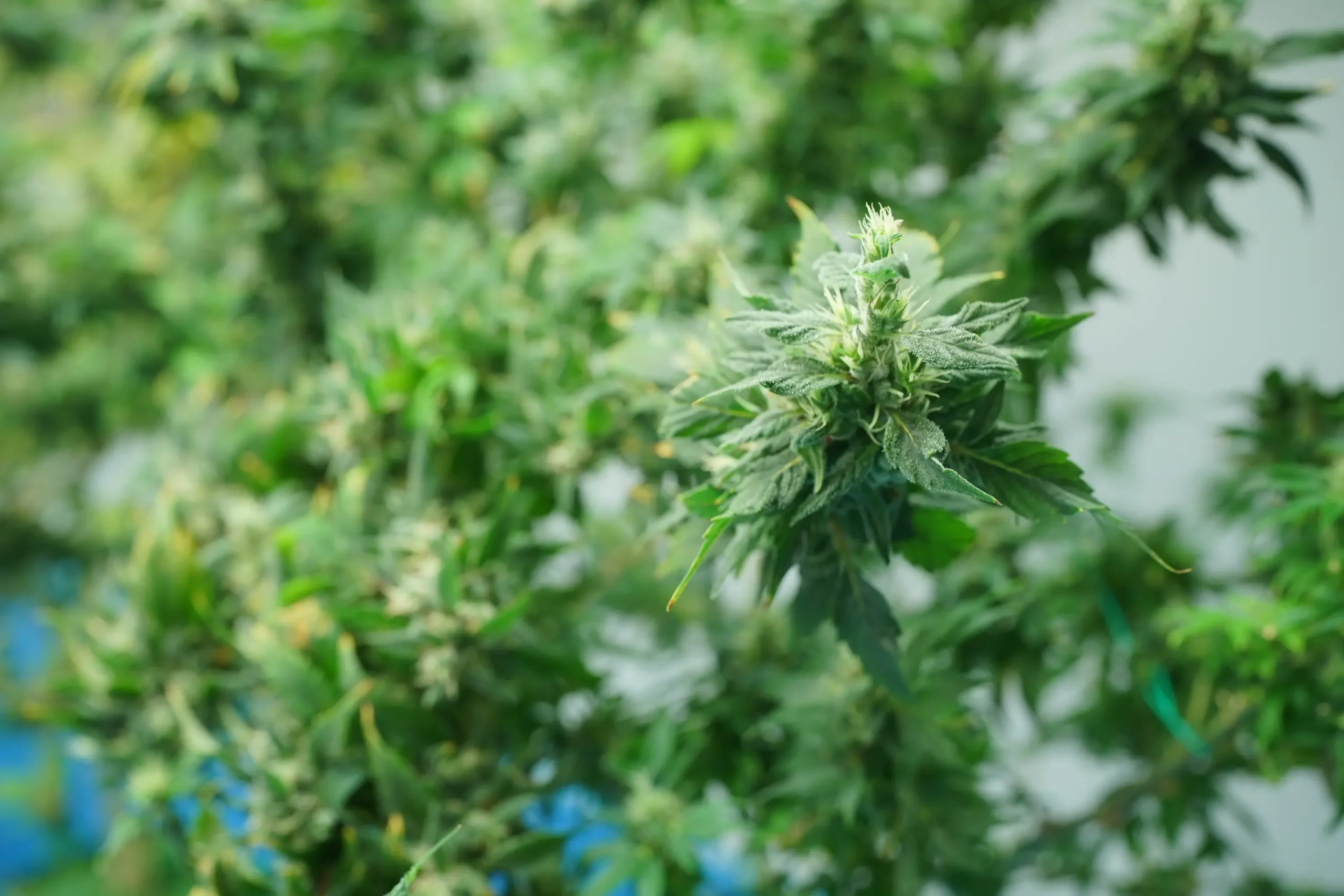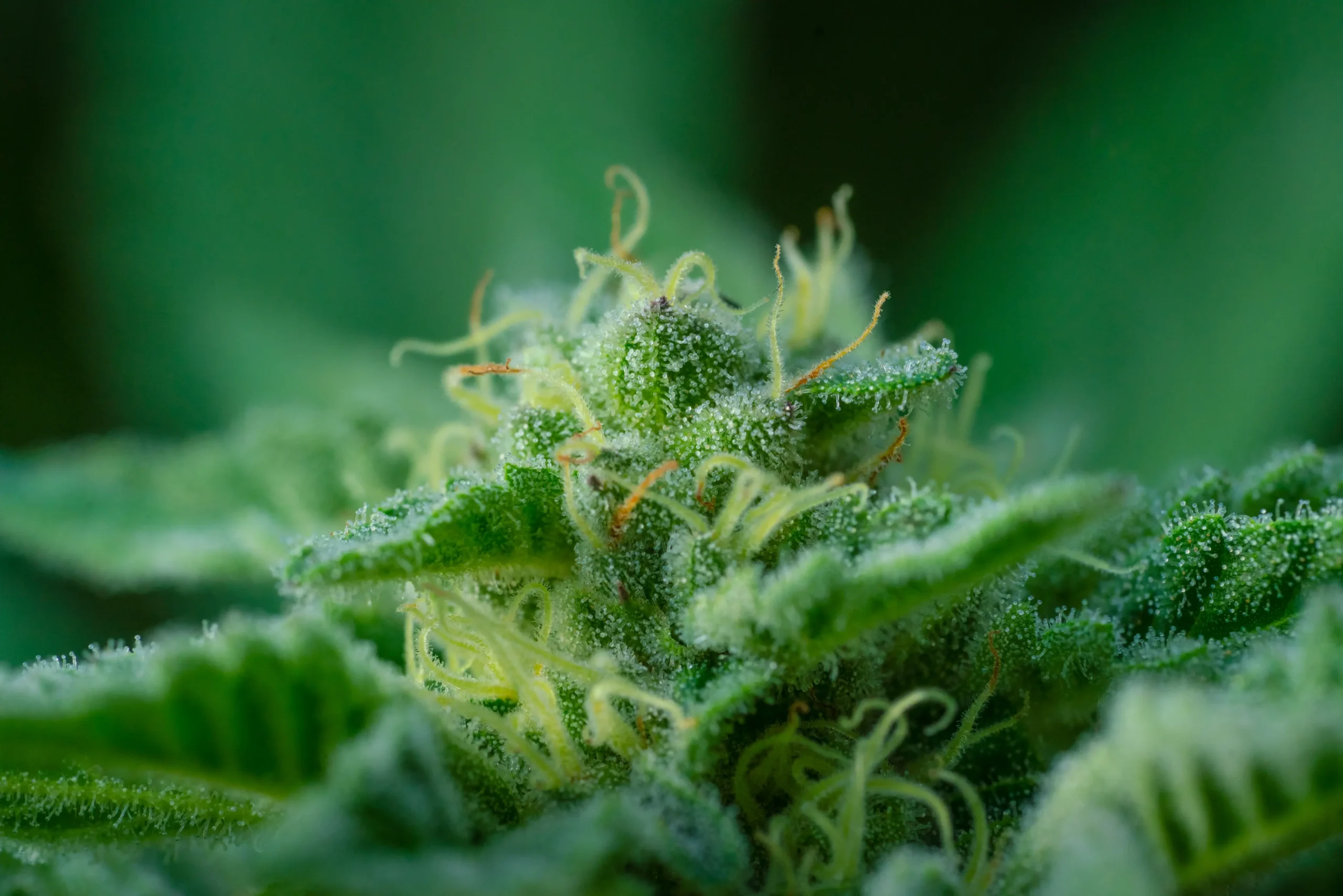
Leaching Fraction Calculator and Guide
In high-performance controlled environment agriculture and precision cannabis fertigation, the leaching fraction (LF) represents the single most important mass-balance mechanism governing root-zone chemistry. Every time an automated fertigation system or manual operator delivers nutrient solution to a container, plant roots selectively extract water molecules and essential mineral ions while transpiring pure water vapor into the atmosphere. The unabsorbed mineral ions remain behind in the substrate solution, gradually accumulating within the microscopic capillary pore spaces of the root zone.
Without adequate drainage and volumetric flushing, residual fertilizer salts continuously concentrate, driving electrical conductivity (EC) to toxic thresholds and creating severe osmotic stress that restricts vascular water uptake. Conversely, excessive leaching wastes costly refined fertilizer, over-saturates root systems, induces root hair hypoxia, and discharges environmentally hazardous nitrate and phosphate effluent into local watersheds. Balancing this delicate hydrological equilibrium is the precise domain of the leaching fraction.
The leaching fraction mathematically defines the exact proportion of applied irrigation water that percolates through the substrate profile and exits the container base as drainage runoff. Far from being a static or arbitrary rule of thumb, precision leaching management is a dynamic agronomic tool utilized by top commercial cultivators to execute precision crop steering, control vegetative versus generative morphology, and prevent irreversible salt accumulation across extended flowering cycles. In this comprehensive guide, we unpack the governing physical equations, analyze substrate-specific dynamics, establish step-by-step diagnostic workflows, and provide actionable operational frameworks for indoor cannabis facilities.
Mastering the physics of the leaching fraction allows cultivators to manipulate root-zone osmotic potential with surgical precision. Rather than fearing elevated run-off electrical conductivity or blindly flushing containers with large volumes of plain reverse-osmosis water, commercial facility operators treat the leaching fraction as an active steering lever. By carefully modulating the ratio of applied water to drained water, growers dictate exactly how many millisiemens of mineral nutrition remain accessible to root hairs at each phenological stage of floral development.
The Mass-Balance Law: Fundamental Mathematics of the Leaching Fraction
In irrigation engineering and agronomy, the volumetric Leaching Fraction (LF) is mathematically defined as the volume of drainage water (V_d) divided by the total volume of applied irrigation water (V_i): LF = (V_d / V_i) x 100. At steady-state mass balance, where root-zone salinity remains perfectly stable without salt accumulation or depletion, the leaching fraction can also be determined by the electrical conductivity of the applied irrigation water (EC_i) relative to the target drainage electrical conductivity (EC_d): LF = EC_i / EC_d. For example, delivering nutrient solution at 2.0 mS/cm while maintaining a drainage target of 2.5 mS/cm requires a mathematical leaching fraction of 2.0 / 2.5 = 0.80 (an 80 percent steady-state ratio, or approximately a 20 percent volumetric runoff fraction under active plant transpiration).
To fully grasp why leaching is biologically indispensable, cultivators must examine the microscopic interactions occurring along root hair surfaces. Plant roots do not drink nutrient solution like a simple open tube; rather, water absorption is driven by water potential gradients between the plant vascular system and the surrounding substrate solution. Mineral ions such as potassium, calcium, magnesium, nitrate, and phosphate move toward the root surface via mass flow and diffusion, where transmembrane transport proteins actively move specific ions into vascular xylem tissue.
Because cannabis transpires pure water vapor into the air while absorbing mineral ions selectively, the concentration of unabsorbed ions inside substrate pore water naturally rises between irrigation events. If an irrigation event merely satisfies the plant’s transpirational water loss without generating drainage, every subsequent feeding stacks additional mineral ions on top of the residual ions from previous days. Within a single week of zero-runoff watering, a substrate fed with a modest 1.8 mS/cm nutrient solution can escalate to an extreme root-zone electrical conductivity exceeding 6.0 mS/cm.
As electrical conductivity climbs, root-zone osmotic water potential drops precipitously. The high concentration of dissolved ions in the substrate water creates an osmotic pull that fights against the plant’s vascular water absorption. Even if the container feels heavy and moist to the touch, the plant experiences physiological drought stress because its roots cannot overcome the intense external osmotic pressure. In severe cases, high osmotic stress induces leaf tip necrosis, marginal chlorosis, vascular wilting, and complete cessation of flower development.
Volumetric Leaching Fraction vs. Electrical Conductivity (EC) Leaching Ratios
Growers frequently confuse the physical volumetric leaching fraction with the electrical conductivity ratio. Volumetric LF represents the raw liquid volume of runoff collected in milliliters divided by the volume dispensed. The EC ratio, however, compares the electrical conductivity of the drainage runoff to the electrical conductivity of the input fertigation feed (EC_drain / EC_in). In an ideal, stabilized vegetative environment, the EC ratio should hover between 1.1 and 1.3 (meaning runoff EC is roughly 10 to 30 percent higher than input EC). If the EC ratio climbs above 1.5, the current volumetric leaching fraction is insufficient to clear accumulated salts, demanding an immediate operational adjustment.
Different cultivation substrates interact with irrigation water and dissolved mineral ions according to distinct physical and chemical mechanisms. Applying a uniform leaching fraction across different growing media guarantees erratic nutritional performance. Cultivators must tailor their target leaching percentages to the specific porosity, cation exchange capacity (CEC), and water retention curves of their chosen substrate matrix.
In inert rockwool cubes and slabs, there is virtually zero chemical buffering capacity and zero cation exchange capacity. Rockwool features an extremely high total porosity exceeding 95 percent, allowing water and dissolved ions to move rapidly through the mineral wool fibers with minimal hydraulic resistance. Because rockwool does not bind or exchange cations, the root-zone electrical conductivity responds almost instantaneously to changes in fertigation input and leaching fraction. Commercial cultivators steering generative flowering in rockwool typically maintain a tight leaching fraction of 10 to 15 percent, while vegetative bulking phases may utilize 20 to 25 percent leaching fractions to maintain low, stable root-zone EC.
Conversely, coconut coir possesses complex physicochemical characteristics that profoundly influence leaching behavior. High-quality buffered coco coir exhibits a naturally high cation exchange capacity loaded with exchangeable potassium and sodium sites. During early crop development, unbuffered or poorly buffered coco fibers actively bind dissolved calcium and magnesium ions from the nutrient solution while releasing potassium into the substrate pore water. To prevent dangerous localized potassium accumulation and ensure consistent calcium availability, coco coir fertigation requires a consistent 15 to 20 percent leaching fraction during every active feeding event.
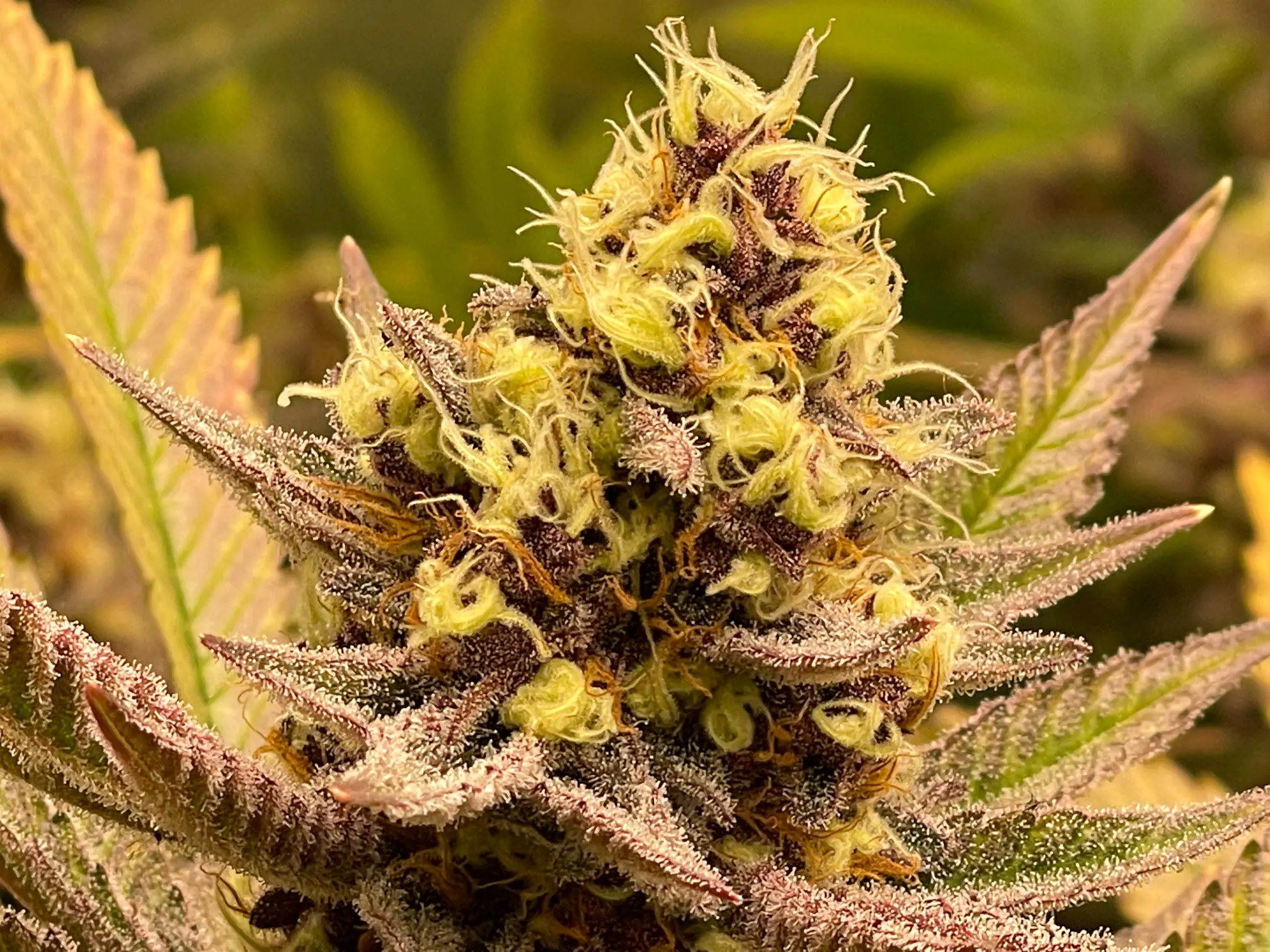
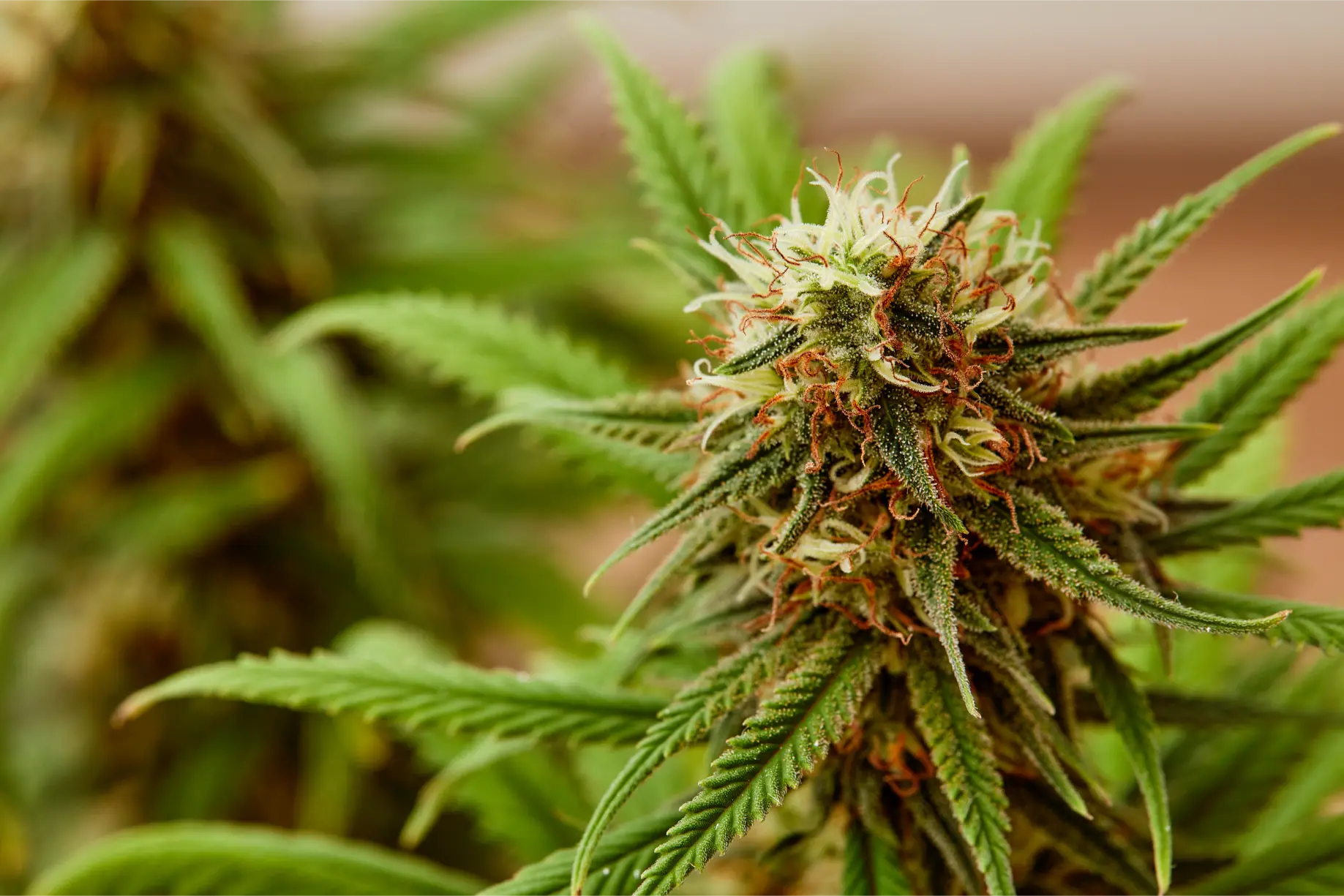
Figure 1: Consistent leaching fraction control stabilizes root-zone electrical conductivity, preventing marginal leaf burn and ensuring exceptional floral density.
In peat-based potting soils and living organic substrates, leaching dynamics operate under entirely different constraints. Natural peat moss contains complex organic humic acids and colloidal clay fractions that provide substantial chemical buffering. Unlike inert soilless substrates, high leaching fractions in living soil wash away valuable beneficial microbial inoculants, soluble organic nitrogen, and biological exudates. In containerized peat soils, cultivators generally target a modest leaching fraction of 10 to 12 percent, applying water slowly to prevent structural aggregate breakdown and soil compaction.
To accurately determine the leaching fraction across an indoor grow room, technicians must execute a standardized volumetric measurement protocol. Subjective visual estimation of runoff puddles in drainage trays is completely unreliable and invariably leads to severe over- or under-leaching. Facility operators should designate dedicated sample containers across each irrigation zone to collect and measure exact volumetric quantities.
The standard operational procedure begins by recording the precise volume of nutrient solution delivered to the sample container during a single irrigation pulse or throughout a full day of scheduled feedings. This value represents the input volume (V_i), measured in milliliters. Next, collect 100 percent of the drainage effluent that discharges from the base of the container into a clean, calibrated graduated cylinder. This recorded volume represents the drainage volume (V_d). Dividing V_d by V_i and multiplying by 100 yields your empirical volumetric leaching fraction.
The First-Shot Bias: Why You Must Never Measure Runoff During Initial Dry-Down
A frequent diagnostic mistake in commercial facilities is sampling runoff electrical conductivity from the very first few milliliters of drainage that emerge from a container. Because gravity draws heavy, concentrated mineral salts toward the container bottom during the preceding dry-down interval, the initial 10 to 15 percent of drainage runoff contains an artificially high salt concentration that does not accurately reflect the average root-zone electrical conductivity. Always allow the entire irrigation pulse and drainage event to conclude fully, thoroughly agitate the collected runoff vessel to homogenize the effluent, and then measure the blended composite sample with a calibrated EC probe.
Beyond maintaining baseline nutritional stability, manipulating the leaching fraction is one of the foundational techniques in commercial crop steering. Crop steering involves intentionally modulating environmental and root-zone parameters to direct plant energy toward either vegetative biomass accumulation (leaf, stem, and root expansion) or generative reproductive development (dense calyx formation, trichome biosynthesis, and terpene production).
During the early flowering stretch (weeks one through three of the 12/12 photoperiod), commercial cultivators execute generative crop steering to restrict excessive internodal elongation and trigger rapid floral initiation. By reducing the overall irrigation volume and allowing the leaching fraction to drop down to 5 to 10 percent (or even zero runoff during the morning ramp-up pulses), the root-zone electrical conductivity naturally stacks higher than the incoming feed EC. This controlled osmotic steering sends powerful hormonal signals through the plant vascular system, suppressing stretchy vegetative growth and encouraging compact, multi-site bud clusters.
Once the canopy enters the mid-flowering bulking phase (weeks four through seven), the steering objective shifts toward vegetative bulking to maximize flower mass and swelling calyx volume. Cultivators increase total daily irrigation volume and raise the leaching fraction to 18 to 25 percent. This higher leaching volume continually refreshes the root zone with oxygenated nutrient solution, flushes out accumulated metabolic waste products, and keeps substrate EC closely aligned with input EC, maximizing transpirational water flow and mass-flow nutrient transport into expanding floral bracts.
Why does my coco runoff EC spike to 4.2 when my input is only 1.8, and how high should I increase my leaching fraction to fix it?
Question sent by: Marcus Vance, via email.
A runoff EC of 4.2 mS/cm against an input feed of 1.8 mS/cm indicates that your daily irrigation volume has been insufficient to satisfy plant transpiration while maintaining adequate salt export. Between your feeding events, your cannabis plants are transpiring pure water at an aggressive rate, leaving concentrated mineral salts to accumulate within the coco fiber micropores. Over several days, this compounding salt build-up has pushed your root zone into severe osmotic stress!
To correct this safely without shocking the plant root system, you must avoid flushing with pure reverse-osmosis water, which would cause violent osmotic cellular rupture (cytorrhysis). Instead, mix your standard balanced nutrient formula at a slightly reduced input EC of 1.4 to 1.5 mS/cm and increase your volumetric leaching fraction to 25 to 30 percent across three or four closely spaced pulses over the next forty-eight hours. This steady, high-leaching application will gently dissolve and sweep accumulated mineral salts out of the container base, smoothly restoring runoff EC back to a healthy 2.0 to 2.2 mS/cm range without inducing vascular shock.
When analyzing elevated runoff electrical conductivity, cultivators must carefully differentiate between true salt accumulation caused by low leaching fractions and diagnostic look-alikes. For instance, severe root rot caused by Pythium or Fusarium fungal pathogens damages the protective outer cortical layers of root hairs, causing cell contents to lyse and leak organic ions into the substrate solution. A dying root system often produces an alarming runoff EC spike even when irrigation volumes appear normal. Inspecting root health for crisp white coloration and firm tensile strength immediately separates fungal root necrosis from simple salt accumulation.
Another common diagnostic pitfall is substrate bypass channeling masquerading as an adequate leaching fraction. When peat or coco substrates experience excessive dry-back, the organic matrix shrinks and separates from the container walls, creating open vertical channels. When irrigation is applied, water cascades down these outer perimeter chasms and exits the container bottom almost instantly. The grower measures a seemingly generous 25 percent runoff volume and assumes the leaching fraction is optimal, yet the runoff EC remains low while the central root core remains bone-dry and encrusted with un-leached mineral salts.
To detect bypass channeling, compare the physical mass of the container before and ten minutes after irrigation. If a 3-gallon container receiving 1,500 milliliters of water discharges 400 milliliters of runoff but gains only 400 grams of total weight, more than 700 milliliters of water have channeled straight out of the pot without hydrating the core. Bottom-soaking or applying a commercial yucca-based horticultural wetting agent dissolves hydrophobic organic waxes and restores uniform capillary percolation.
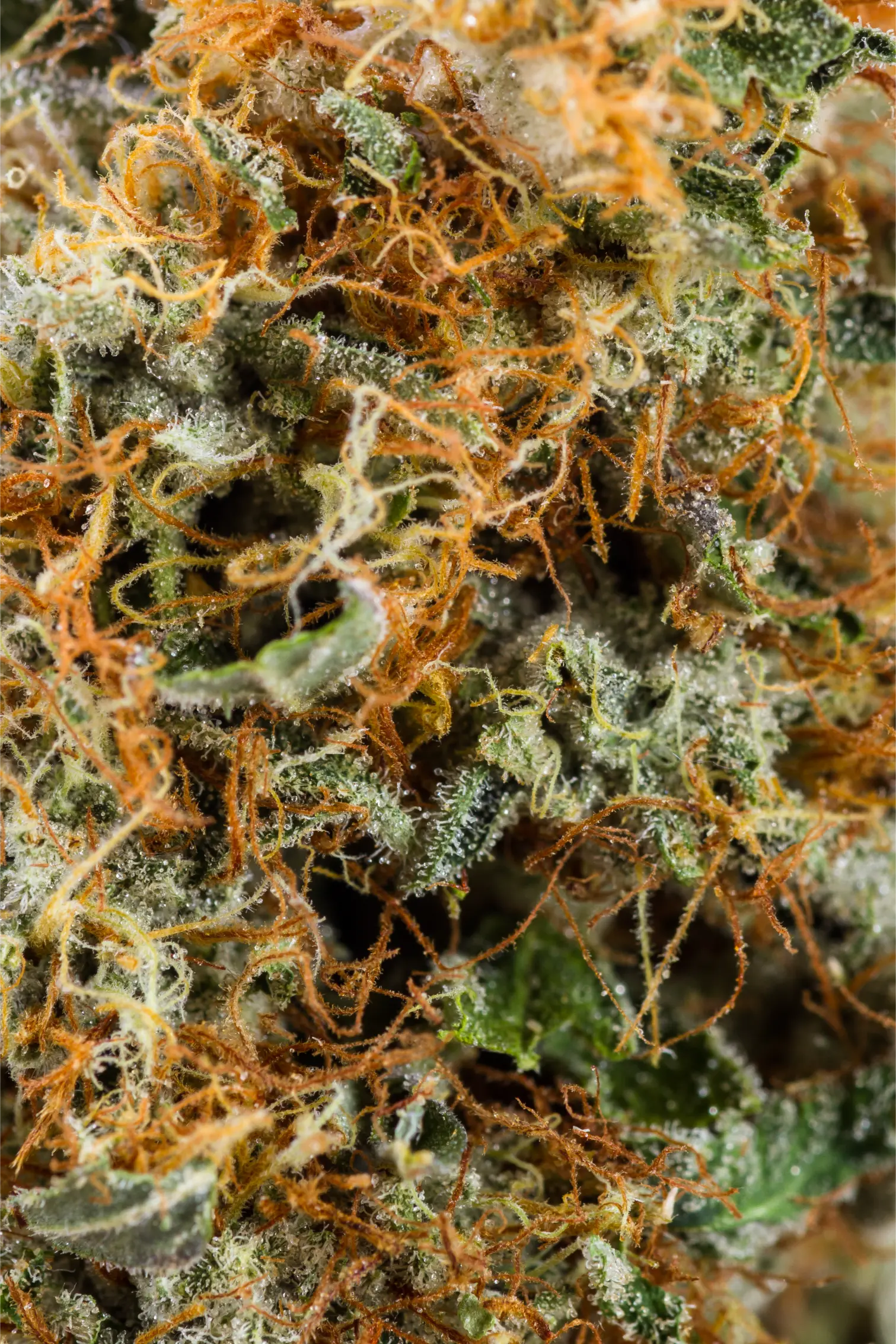
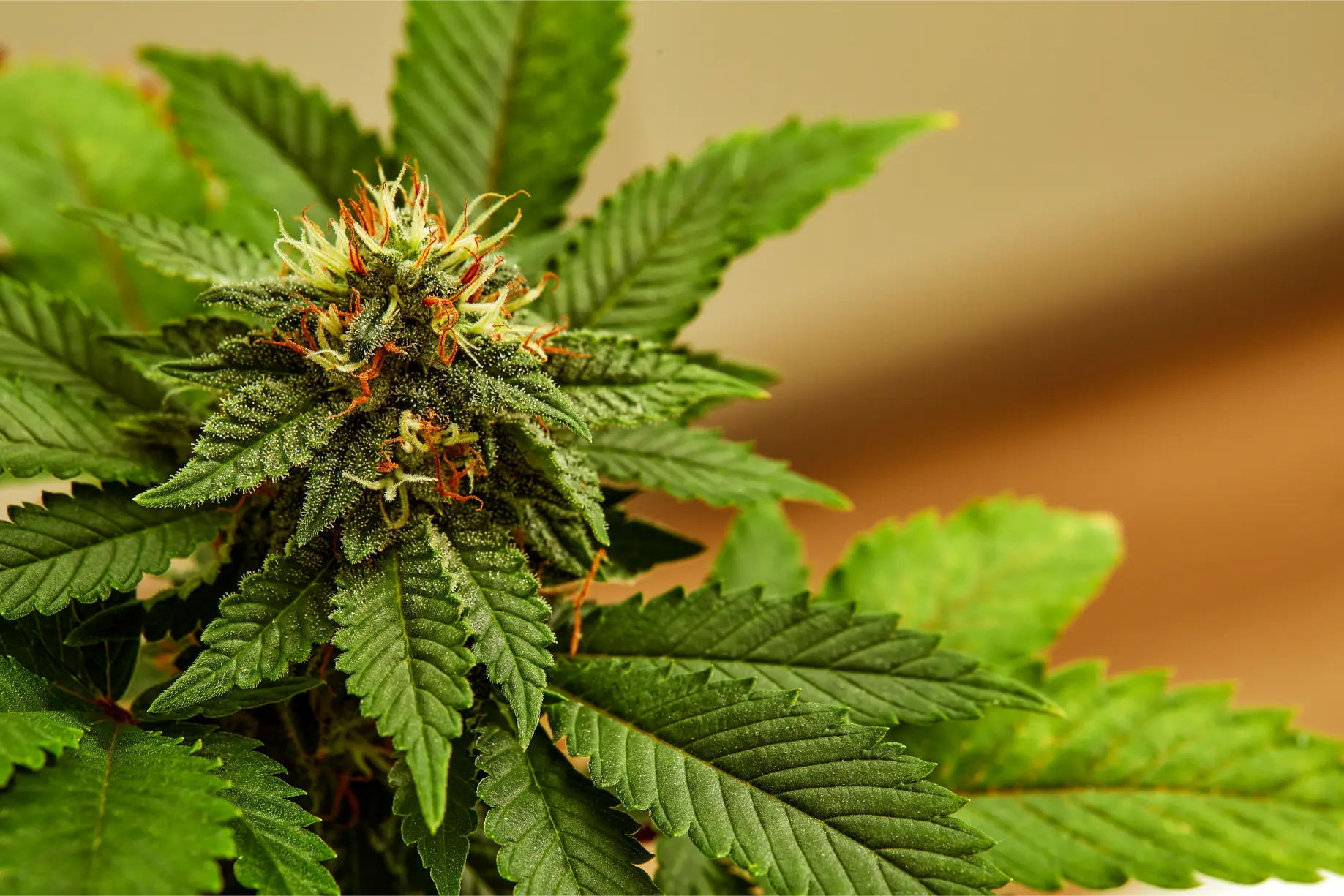
Figure 2: Precision leaching fraction management protects delicate stigmas and glandular trichomes from osmotic desiccation during late-stage floral maturation.
Beyond agronomic plant health, leaching fraction management carries profound economic and environmental implications for commercial indoor cultivation facilities. In large-scale licensed facilities operating hundreds of cultivation tables, every percentage point of unnecessary leaching translates directly into thousands of dollars of wasted specialty fertilizers, reverse-osmosis wastewater generation, and disposal surcharges.
Consider a 10,000-square-foot canopy utilizing 2,000 gallons of fertigation solution daily. Operating at an unmonitored, sloppy 30 percent leaching fraction generates 600 gallons of high-strength agricultural effluent every single day. Over a single standard eight-week flowering cycle, this equals more than 33,000 gallons of concentrated fertilizer wastewater that must be stored, treated, neutralized, or hauled away by specialized waste disposal contractors. By calibrating irrigation delivery to a targeted 15 percent leaching fraction, facility operators instantly cut fertilizer consumption and wastewater production in half, preserving thousands of dollars in facility operational margins.
Furthermore, state and municipal environmental regulatory agencies increasingly enforce strict discharge limitations on commercial cannabis effluent. Discharging runoff containing high concentrations of nitrates (NO3-) and phosphates (PO43-) into municipal sewer systems or agricultural drainage ditches violates environmental statutes in many legal jurisdictions. Implementing precision leaching fraction protocols ensures that facilities minimize overall effluent volume while maintaining compliance with local environmental stewardship mandates.
| Substrate Type | Growth Stage | Target Input EC (mS/cm) | Target Runoff EC (mS/cm) | Recommended Leaching Fraction | Agronomic Crop Steering Objective |
|---|---|---|---|---|---|
| Rockwool Matrix | Early Flower (Weeks 1-3) | 2.2 – 2.5 | 3.5 – 5.0 | 8% – 12% | Generative steering; restrict internodal stretch; trigger floral sites |
| Rockwool Matrix | Mid Flower (Weeks 4-7) | 2.0 – 2.4 | 2.2 – 2.8 | 18% – 25% | Vegetative bulking; maximum transpirational flow; calyx swelling |
| Rockwool Matrix | Ripening (Week 8+) | 1.0 – 1.4 | 1.5 – 2.0 | 20% – 30% | Nutrient depletion; chlorophyll mobilization; clean senescence |
| Buffered Coco Coir | Vegetative Canopy | 1.6 – 1.9 | 1.8 – 2.2 | 15% – 20% | Rapid biomass expansion; stable root-zone calcium absorption |
| Buffered Coco Coir | Generative Bulking | 1.9 – 2.3 | 2.3 – 2.8 | 15% – 22% | Continuous salt clearance; high osmotic potential; terpene synthesis |
| Peat / Soil Blends | Full Bloom | 1.4 – 1.8 | 1.6 – 2.0 | 10% – 14% | Microbial community preservation; prevent physical media compaction |
In modern high-tech commercial cultivation facilities, calculating and adjusting the leaching fraction is no longer performed manually with plastic buckets and hand-held measuring cylinders. Commercial operations integrate automated drainage telemetry skids directly into their automated fertigation control platforms (such as Argus, Priva, TrolMaster, or Agrowtek systems).
These advanced systems utilize dedicated runoff scale benches equipped with high-accuracy digital load cells or precision tipping-bucket flow gauges installed beneath individual sample tables. As fertigation pumps fire, the central climate computer logs the precise delivery volume via inline electromagnetic flow meters. As drainage liquid collects in the bench troughs and passes through the tipping-bucket sensor, the computer calculates the real-time volumetric leaching fraction in real time.
Simultaneously, continuous flow-through toroidal conductivity sensors analyze the electrical conductivity and pH of the drainage effluent as it passes through the collection manifold. If the computer detects that runoff EC has risen above the pre-programmed target ceiling (indicating insufficient leaching), the automated algorithm automatically increases the duration of the subsequent irrigation pulse by 10 to 15 percent to increase the leaching fraction. This closed-loop automation eliminates human error and guarantees absolute root-zone stability twenty-four hours a day.
Osmotic Shock Prevention: The Golden Rule of Corrective Leaching
When high-salinity accumulation is discovered in a container, inexperienced cultivators often panic and flush the pot with massive volumes of pure reverse-osmosis (0.0 EC) water. This drastic intervention is biologically catastrophic! Plunging root-zone electrical conductivity from 5.0 mS/cm down to 0.2 mS/cm in a matter of minutes creates a violent osmotic pressure differential that causes root cortical cells to absorb water faster than cell walls can expand, resulting in widespread cellular rupture (cytorrhysis) and root death. Always execute corrective leaching using a balanced nutrient solution formulated at an EC no more than 0.6 to 0.8 mS/cm below your current substrate target.
When diagnosing and resolving leaching failures in indoor gardens, technicians frequently encounter several recurring operational stumbling blocks. Identifying the root cause of these failures ensures that corrective measures are targeted and permanent.
One common failure mode is zero drainage production despite substantial increases in irrigation shot size. When a grower increases watering volume by 30 percent yet sees zero runoff emerge from the container, the substrate is typically suffering from inadequate bottom drainage or a perched water table. Flat-bottom plastic nursery containers sitting flush against solid tray surfaces create surface tension seals that block bottom drainage holes. Lifting the container reveals that the bottom two inches of media are completely anaerobic and waterlogged. Installing heavy-duty plastic pot elevators immediately breaks this surface tension seal and allows gravity to pull free gravitational water out of the pot.
A second common operational failure is rapid, premature drainage with zero reduction in substrate electrical conductivity. As previously noted, this symptom is the classic hallmark of hydrophobic bypass channeling. The water applied during irrigation finds rapid transit paths along the pot walls or through large root channels without penetrating the densely packed core where the highest salt concentrations reside. Bottom-watering the affected containers in shallow saucers for thirty minutes forces water to rise via capillary action, dissolving stubborn salt crystals from the bottom up and re-wetting hydrophobic organic fibers.
A third scenario involves runoff electrical conductivity that continues to climb despite maintaining a measured 20 percent leaching fraction. This occurs when environmental transpiration demand is outstripping irrigation frequency. If high-intensity LED lighting and excessive vapor pressure deficit (VPD) force the crop to transpire liquid faster than the irrigation schedule replenishes it, the substrate undergoes severe dry-backs between pulses. Even though 20 percent runoff is achieved during the single daily watering event, the long dry intervals in between allow mineral salts to continually concentrate. The solution is splitting the total daily water volume into four to six smaller, pulsed irrigation events throughout the photoperiod.
- Drainage Slope and Trough Grade Verified: Confirm that all cultivation benches maintain a continuous downward slope of at least 1/4-inch per foot toward the central drainage trough.
- Elevated Pot Risers Installed: Ensure that 100 percent of plant containers sit elevated on rigid plastic pot elevators to prevent saucer re-wicking and surface tension drainage blockage.
- Calibrated Runoff Collection Vessels Deployed: Position identical graduated collection cylinders beneath representative sample containers across each distinct irrigation zone.
- Input and Drainage EC Sensors Calibrated: Calibrate all portable and inline electrical conductivity meters using certified 1,413 microSiemens per centimeter standard reference solution.
- Substrate Dry-Back Profiles Monitored: Integrate digital substrate volumetric moisture sensors to verify that daily dry-back percentages align with your targeted leaching schedule.
- Wastewater Reclamation or Disposal Plumbed: Confirm that drainage effluent plumbing securely conveys runoff to compliant storage tanks or dedicated agricultural drain lines.
Transitioning from reactive troubleshooting to proactive agronomic excellence requires tracking leaching fraction metrics across every crop cycle. Commercial facility management software should log daily irrigation input volumes, collected drainage volumes, input EC, and composite drainage EC for every cultivation bench. Visualizing these parameters on a shared operational dashboard allows head growers to observe trends before physiological crop symptoms emerge.
For example, observing that runoff EC across a specific room has gradually trended upward from 2.2 mS/cm to 2.9 mS/cm over a four-day span signals that plant transpirational demand has increased as flower clusters swell. Rather than waiting for leaf tip burn to manifest, the cultivation team can proactively increase the daily fertigation pulse duration by 8 percent, restoring the leaching fraction to its target equilibrium smoothly and seamlessly.
Furthermore, evaluating weekly water-use efficiency allows facilities to benchmark individual genetic cultivars. Different cannabis cultivars exhibit radically distinct transpirational rates and nutrient uptake kinetics. A vigorous sativa-dominant cultivar may require a 22 percent leaching fraction to maintain root-zone balance under high PPFD, whereas a broad-leaf indica cultivar on the adjacent bench may thrive under an identical light environment with only a 12 percent leaching fraction. Establishing genetic-specific leaching fraction standards is the ultimate hallmark of elite commercial cultivation facilities.
| Operational Interval | Target Audit Parameter | Standard Inspection Protocol | Target Benchmark and Threshold |
|---|---|---|---|
| Daily (Every Cycle) | Volumetric Leaching Fraction | Measure collected runoff volume (V_d) against delivered volume (V_i) across sample stations. | Within ±2% of phenological target (e.g., 15% in mid-bloom); zero dry containers. |
| Daily (Every Cycle) | Composite Drainage EC and pH | Measure thoroughly homogenized runoff effluent from sample collection vessels. | EC ratio between 1.1 and 1.3 relative to input feed; pH stable between 5.8 and 6.4. |
| Weekly | Bench-to-Bench Uniformity Audit | Compare drainage volume percentages across all rolling tables within the cultivation room. | Emission and drainage uniformity >90%; zero localized drainage outliers. |
| Weekly | Sensor Probe Calibration | Check hand-held EC/pH pens and inline flow meters against certified reference standards. | Handheld pen accuracy within ±0.05 EC; inline meters reading within ±2% of actual volume. |
| Between Harvests | Drain Trough and Basin Scrub | Clean and sanitize all collection troughs, collection pipes, and sump basins with 10% bleach or peracetic acid. | 100% free of biofilm, algae, and mineral scale; free-flowing gravitational drainage. |
| Between Harvests | Wastewater Sump Pump Service | Inspect automatic float switches, check valves, and impeller screens on all drainage sump pumps. | Immediate pump activation upon basin filling; zero mechanical binding or electrical faults. |
Executing this structured operational schedule elevates indoor cannabis fertigation from an intuitive guessing game into an empirical, reproducible science. Cultivators who systematically measure, calculate, and adjust their leaching fractions unlock the full genetic potential of their cannabis cultivars, maximizing flower mass, cannabinoid potency, and aromatic terpene concentrations.
By understanding the mathematical mass-balance equations governing salt accumulation, respecting the unique physical dynamics of different growing media, and deploying automated drainage monitoring systems, commercial facilities achieve absolute mastery over their root-zone environment. In high-efficiency indoor cannabis production, the leaching fraction is not merely an indicator of runoff; it is the ultimate control dial that dictates the health, vigor, and profitability of your entire cultivation canopy.
Investing in precision drainage management pays immediate dividends in reduced input costs, pristine crop quality, and consistent harvest yields. As commercial cannabis markets mature and profit margins tighten, the operations that thrive will be those that engineer their irrigation infrastructure with scientific rigor, utilizing every drop of water and every gram of nutrient with surgical agricultural efficiency.
Scientific References and Technical Standards
- ASABE Standards (2017). ANSI/ASAE S398.1: Procedure for Sprinkler Testing and Performance Reporting. American Society of Agricultural and Biological Engineers, St. Joseph, MI.
- Bugbee, B. (2004). Toward an understanding of the nutritional dynamics of soilless substrates. In Proceedings of the International Symposium on Growing Media and Hydroponics (Vol. 644, pp. 287-294). ISHS, Leuven, Belgium.
- Handreck, K. A., & Black, N. D. (2002). Growing Media for Ornamental Plants and Turf (3rd ed.). UNSW Press, Sydney, Australia.
- Rhoades, J. D. (1974). Drainage for salinity control. In J. van Schilfgaarde (Ed.), Drainage for Agriculture (Agronomy Monograph No. 17, pp. 433-461). American Society of Agronomy, Madison, WI.
- Taiz, L., Zeiger, E., Møller, I. M., & Murphy, A. (2015). Plant Physiology and Development (6th ed.). Sinauer Associates, Sunderland, MA.
- van Schilfgaarde, J., Bernstein, L., Rhoades, J. D., & Rawlins, S. L. (1974). Irrigation management for salt control. Journal of the Irrigation and Drainage Division, 100(3), 321-338.
- Zheng, Y. (Ed.). (2021). Handbook of Cannabis Production in Controlled Environments. CRC Press, Boca Raton, FL.
Share this article
A quick overview of the topics covered in this article.
Follow us
Latest articles
November 6, 2026

November 6, 2026

November 6, 2026
November 6, 2026