Cannabis Grow Timeline: How Long It Takes from Seed to Harvest
Planning an indoor cannabis cultivation cycle requires understanding the biological clock that governs plant development from a dormant seed to cured, terpene-rich flower. For novice cultivators, estimating the time investment required to produce a top-tier harvest is often distorted by marketing claims of eight-week turnaround times. In biological reality, bringing a cannabis crop to its genetic potential involves distinct developmental stages, each with specific physiological requirements, metabolic priorities, and environmental targets.
The total duration of a cannabis cultivation cycle typically spans between ten and twenty-four weeks, depending heavily on genetic architecture (autoflower versus photoperiod), cultivation medium (deep water culture, buffered coconut coir, or living organic soil), vegetative training objectives, and post-harvest curing protocols. Understanding this developmental timeline allows cultivators to plan facility crop rotations, synchronize lighting schedules, budget electrical and nutrient inputs, and schedule labor-intensive tasks like defoliation, trellising, and trimming with precision.
Furthermore, evaluating crop maturity through chronological calendar days alone is one of the most common mistakes in home and craft cultivation. While standard timelines provide an essential operational framework, true harvest readiness is dictated by plant phenology, vascular health, glandular trichome maturation, and post-harvest chemical stabilization. Rushing the final two weeks of flowering or cutting the drying and curing phase short can easily degrade the cannabinoid potency and aromatic profile of an otherwise exceptional crop.
In this comprehensive architectural guide, we break down the complete cannabis lifecycle into its constituent developmental phases. We incorporate both high-level scheduling timelines and rigorous week-by-week operational expectations, dissecting the hormonal triggers, vascular transformations, and environmental steering parameters that govern each stage from radical emergence to the final curing jar.
The Master Timeline Formula: Photoperiod vs. Autoflowering Life Cycles
The total timeline of a cannabis cultivation cycle is calculated as the sum of five distinct developmental periods: Total Days = Germination (3 to 7 days) + Seedling Phase (14 to 21 days) + Vegetative Phase (21 to 56 days) + Flowering Phase (49 to 77 days) + Drying and Curing (14 to 28 days). For standard photoperiod cultivars, the grower retains full control over the vegetative duration by maintaining long-day photoperiods (18 hours of light or more), allowing the total cycle to range from 14 to 24 weeks. For day-neutral autoflowering cultivars, an internal genetic timer initiates flowering automatically around day 21 to 28 regardless of light schedule, compressing the complete seed-to-jar timeline into a swift 9 to 12 weeks.
To accurately plan a cultivation calendar, growers must understand the fundamental divergence between photoperiod-sensitive cannabis and day-neutral autoflowering genetics. Photoperiod cannabis varieties (Cannabis sativa and Cannabis indica) rely on phytochrome photoreceptors to detect seasonal changes in night length. Under natural outdoor conditions or an indoor 18-to-24-hour vegetative lighting regime, high levels of the active phytochrome form (Pfr) suppress the expression of flowering locus T (FT) proteins, keeping the plant locked in continuous vegetative biomass accumulation.
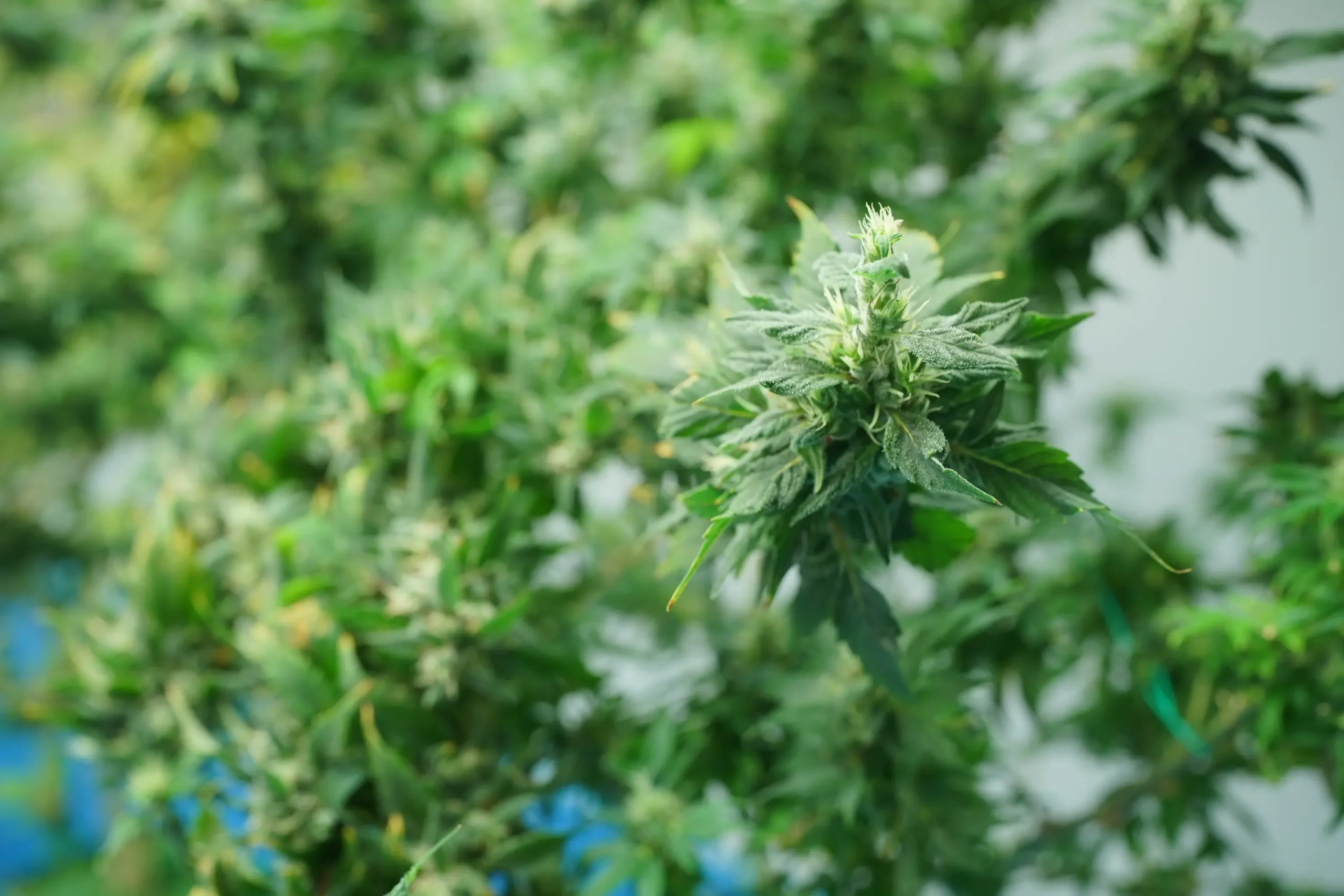
This biological mechanism grants indoor photoperiod growers total architectural sovereignty over canopy scale. A cultivator managing a large sea-of-green (SOG) grid of small clones may flip lights to a 12/12 photoperiod after only two weeks of vegetative growth, harvesting a mature crop in thirteen weeks total. Conversely, a cultivator employing a wide screen-of-green (SCROG) trellis or training large multi-topped outdoor trees may extend vegetative growth for eight to twelve weeks, establishing a massive root zone and complex lateral branching capable of supporting multi-pound yields.
Autoflowering cultivars incorporate genetic traits from Cannabis ruderalis, an evolutionary subspecies adapted to the short, intense summer photoperiods of high-latitude Central and Eastern Europe. Ruderalis plants evolved to ignore photoperiod signals entirely, relying instead on a fixed chronological ontogeny. An autoflower begins forming floral primordia once it develops approximately four to six nodes of true leaves, typically around day 21 post-germination. While this fixed developmental timeline guarantees rapid harvests and allows for continuous perpetual lighting (such as 20 hours of light per day throughout bloom), it affords zero margin for grower error. Any early stress that stunts vegetative growth permanently caps final harvest yield.
How Long Does It Take to Grow Cannabis from Seed to Harvest?
When prospective growers ask how long it takes to produce cannabis from seed to harvest, the definitive answer depends on the target cultivation strategy and post-harvest standards. In a modern indoor environment utilizing commercial rockwool or coconut coir fertigation, an experienced grower running a vigorous hybrid photoperiod strain typically requires seventeen weeks: one week for germination, two weeks for seedling establishment, four weeks of vegetative canopy development, nine weeks of flowering, and one week of controlled dark drying. Adding a mandatory three-week glass jar or cure-bag moisture equilibration brings the total production timeline to twenty weeks.
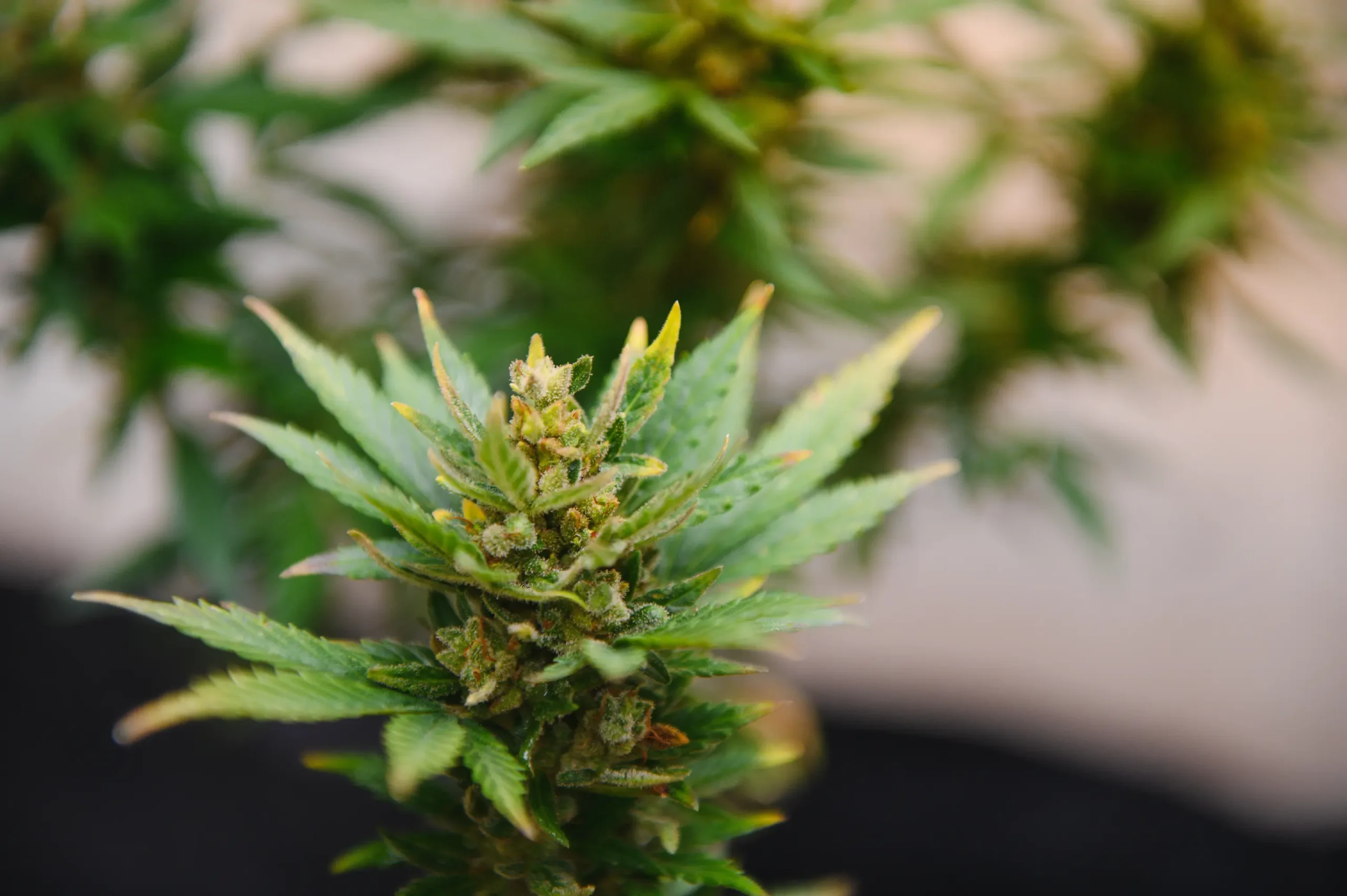
Figure 1: Synchronized vegetative branching established during weeks three through six creates the structural framework required to support heavy floral colas.
In living organic soil systems, development often progresses at a slightly more deliberate pace compared to aggressive hydroponics. Liquid mineral hydroponics and precision high-frequency drip fertigation force-feed ionic minerals directly to root membranes via hydraulic mass flow, accelerating vegetative cell division by twenty to thirty percent. In contrast, organic soil systems rely on the biological activity of mycorrhizal fungi, bacteria, and protozoa to mineralize organic matter into bioavailable ions. While organic living soil may require an additional week or two of vegetative growth to achieve equivalent canopy volume, many growers favor this method for enhanced terpene complexity and lower input labor.
Outdoor cultivation timelines are dictated entirely by planetary mechanics and local latitudinal daylight hours. In the Northern Hemisphere, seeds are typically germinated indoors between late March and early May, then transplanted outdoors after the final spring frost. Plants grow vegetatively throughout the long days of June and July, initiate flowering as daylight naturally wanes below fourteen hours in August, and reach full floral maturity between late September and late October. For outdoor cultivators, the seed-to-harvest journey represents a comprehensive six- to seven-month agricultural commitment.
Post-harvest processing represents the final, non-negotiable phase of the production timeline. Novice growers frequently make the catastrophic mistake of assuming their work concludes the moment the wet plant is severed at the base. Consuming freshly harvested cannabis that has merely been dehydrated for four days results in an acrid, grassy smoke laden with harsh residual chlorophyll, nitrates, and moisture pockets. Professional curing requires at least fourteen to twenty-one days of controlled dark storage to allow enzymatic degradation of starches and slow moisture equilibration across the dense calyx matrix.
The Environmental Deceleration Factor: How Microclimates Alter Timeline Speed
Ambient environmental parameters exert massive control over enzymatic reaction rates and plant metabolic velocity. Operating a vegetative grow tent at 68 degrees Fahrenheit (20 degrees Celsius) under low light levels (PPFD below 300 micromoles) decelerates vascular transpiration and enzymatic Calvin-cycle activity, extending the seedling and vegetative stages by up to forty percent. Conversely, optimizing leaf surface temperature to 82 degrees Fahrenheit (28 degrees Celsius) under high PPFD (700 to 900 micromoles) with supplemental carbon dioxide at 1,200 PPM maximizes photosynthetic assimilation rates, shaving ten to fourteen days off the total vegetative timeline while producing significantly thicker stems and denser nodal spacing.
To navigate this multi-month agricultural journey successfully, cultivators must break down the lifecycle into granular, actionable phases. Each phase represents a distinct biological paradigm with unique environmental setpoints, vapor pressure deficit (VPD) targets, daily light integrals (DLI), and irrigation electrical conductivity (EC) requirements.
The journey commences with Phase 1: Germination and Radical Emergence (Days 1 to 7). During this initial stage, the dormant cannabis seed absorbs water through its outer micropyle in a process known as imbibition. This rapid hydration triggers gibberellic acid synthesis, which activates hydrolytic enzymes that convert stored endosperm starches into metabolic sugars. Within forty-eight to ninety-six hours, the seed shell splits, and the white primary radicle (taproot) emerges, seeking gravitational downward anchorage.
Once planted into a pre-moistened starter plug or seedling soil, the hypocotyl arches upward toward the light, shedding the protective seed hull and unfolding its two smooth, rounded embryonic cotyledon leaves. Cotyledons contain the seed’s initial nutritional reserves, sustaining the seedling until its first true serrated photosynthetic leaves emerge. Environmental parameters during germination must be warm and humid: a substrate temperature of 75 to 80 degrees Fahrenheit (24 to 27 degrees Celsius) with ambient relative humidity maintained at 70 to 80 percent under a low photosynthetic photon flux density of 100 to 150 micromoles per square meter per second.
Phase 2: The Seedling Establishment Stage (Days 7 to 21). As the seedling develops its first, second, and third pairs of true serrated leaves, its internal vascular system transitions from embryonic reliance to fully autonomous autotrophic photosynthesis. The taproot drives deep into the substrate, initiating lateral secondary root branching covered in delicate, microscopic root hairs that absorb dissolved mineral ions and water.
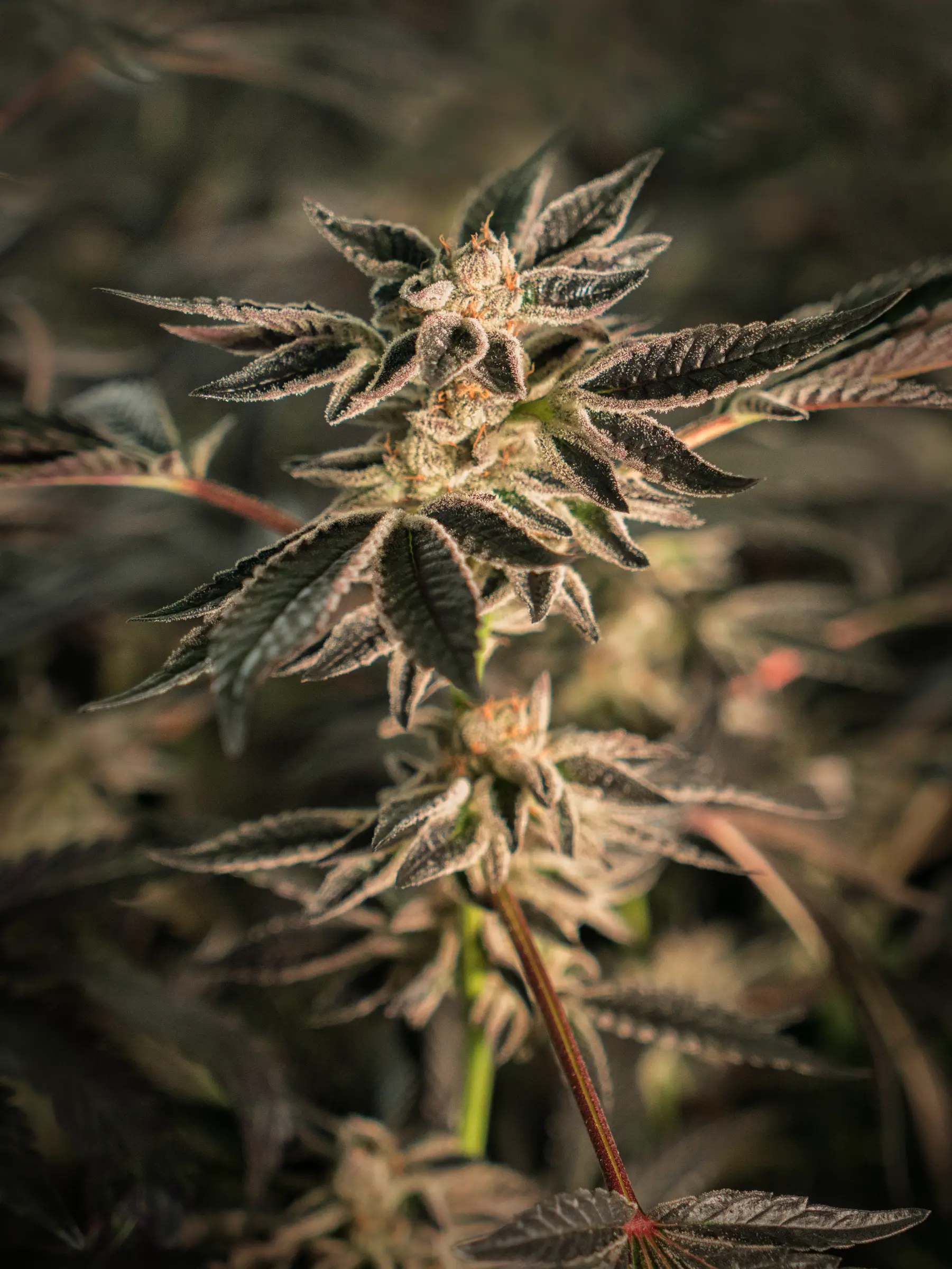
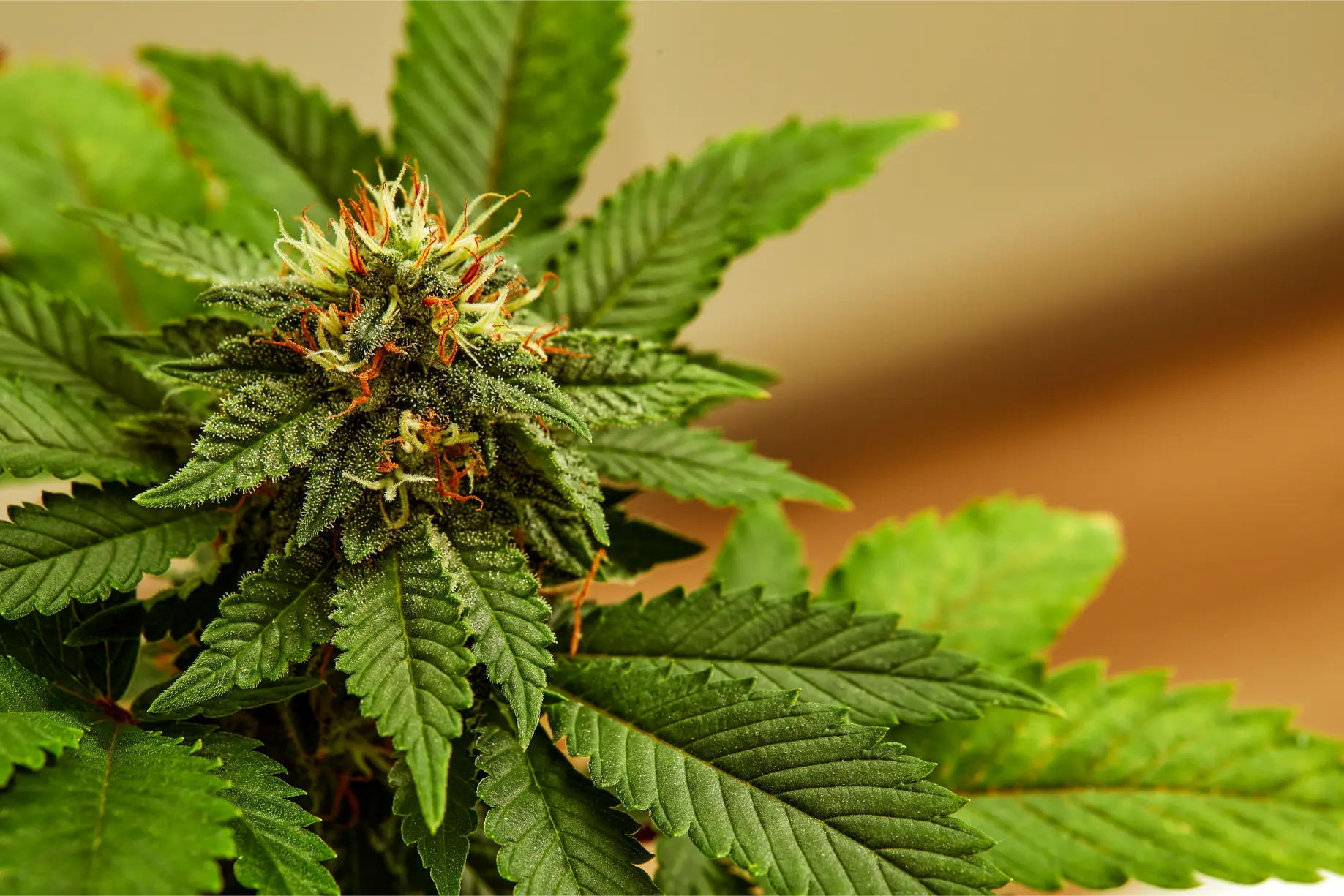
Figure 2: Broad, healthy fan leaves developed during the seedling-to-vegetative transition capture photons to drive rapid subterranean root colonization.
During the seedling stage, the young plant possesses minimal root volume and a very thin cuticular wax layer on its leaves, making it extraordinarily susceptible to desiccation and osmotic shock. Light intensity should be increased gently to 250 to 350 micromoles, maintaining a vapor pressure deficit of 0.8 to 1.0 kilopascals to encourage gentle, steady transpiration without causing cellular stress. Fertigation inputs must remain diluted, with nutrient solutions mixed to a modest electrical conductivity of 0.8 to 1.2 mS/cm, emphasizing root-stimulating phosphorus, soluble calcium, and fulvic fractions.
By day twenty-one, a healthy seedling has established four to five distinct leaf nodes and displays vibrant multi-fingered fan leaves. At this biological milestone, the root system has successfully colonized its nursery container, signaling that the plant is structurally prepared for transplanting into its final production container and transitioning into the rapid biomass expansion of the vegetative stage.
Phase 3: The Vegetative Biomass and Structural Canopy Stage (Weeks 4 to 8). Once transplanted into larger containers, the cannabis plant enters an exponential growth phase. Under an 18/6 or 20/4 photoperiod, apical meristems divide vigorously, producing new nodes, robust lateral branches, and expansive fan leaves. During peak vegetative growth, healthy cannabis plants can surge in height by one to two inches every single day.
Can I trigger my indoor photoperiod cannabis plants into flowering after only three weeks of vegetative growth to save time?
Question sent by: Julian Mercer, via email.
Yes, you can absolutely flip photoperiod cannabis plants to a 12/12 flowering schedule after only three weeks of vegetative growth, but you must align your plant density with this accelerated timeline! A plant flipped at three weeks will have a modest root system and limited lateral branching, producing a single primary cola and yielding approximately 1 to 2 ounces of dry flower rather than the 4 to 8 ounces achievable from an eight-week vegetative canopy.
To maximize total room yield under an accelerated three-week flip, commercial growers deploy the Sea of Green (SOG) methodology: pack four to nine plants per square meter in smaller 1-to-2-gallon containers rather than placing one large plant in a 7-gallon container. This creates a dense, multi-plant canopy that fills the entire cultivation footprint in a fraction of the time, shaving three to five weeks off your vegetative calendar while matching the total harvest weight of a prolonged vegetative cycle.
The vegetative phase is the critical window for physical plant training. If left completely untrained, cannabis exhibits strong apical dominance, concentrating its auxin hormones at the main central shoot to grow into a tall, Christmas-tree-shaped profile. Under indoor grow lights, where photon intensity decays exponentially with distance according to the inverse-square law, an untrained tall plant results in one dense top cola and a mass of loose, underdeveloped larf along the shaded lower branches.
To eliminate this inefficiency, cultivators execute precision training techniques between weeks four and six. Topping (excising the apical shoot above the fourth or fifth node) redistributes growth auxins to the lower lateral shoots, transforming a single central stalk into multiple symmetrical main colas. Implementing low-stress training (LST) by tying branches downward or weaving stems beneath a horizontal nylon screen-of-green (SCROG) trellis forces the canopy into a perfectly flat, uniform plane. This structural architecture guarantees that every developing floral site receives identical photon irradiance during the upcoming flowering stage.
Phase 4: The Flowering Stretch and Floral Induction (Weeks 1 to 3 of 12/12). When the indoor lighting controller switches to an uninterrupted twelve-hour dark period, phytochrome red (Pr) levels accumulate within leaf tissue overnight, removing the biochemical block on floral development. The plant undergoes a dramatic physiological surge known as the flowering stretch.
| Developmental Phase | Photoperiod Timeline | Autoflower Timeline | Primary Biological Priority | Target Daily Light Integral (DLI) |
|---|---|---|---|---|
| Germination | Days 1 – 7 | Days 1 – 5 | Radicle emergence; cotyledon deployment; taproot anchorage | 10 – 15 mol/m²/day |
| Seedling Stage | Weeks 2 – 3 | Weeks 2 – 3 | Early vegetative leaf pairs; cuticular wax development; root colonization | 18 – 25 mol/m²/day |
| Vegetative Canopy | Weeks 4 – 8 | Weeks 3 – 4 (brief) | Rapid biomass expansion; lateral branching; canopy training (SCROG/LST) | 35 – 45 mol/m²/day |
| Flowering Stretch | Weeks 9 – 11 (Bloom 1-3) | Weeks 5 – 7 | Internodal elongation; pre-flower emergence; floral site differentiation | 40 – 50 mol/m²/day |
| Floral Bulking | Weeks 12 – 15 (Bloom 4-7) | Weeks 8 – 10 | Calyx stacking; trichome biosynthesis; intensive P/K mineral absorption | 45 – 55 mol/m²/day |
| Ripening & Senescence | Weeks 16 – 17 (Bloom 8-9) | Weeks 10 – 11 | Glandular head clouding; pistil recession; chlorophyll degradation | 30 – 40 mol/m²/day |
| Drying & Curing | Weeks 18 – 20 | Weeks 12 – 14 | Enzymatic moisture stabilization; terpene preservation; water activity cure | 0 mol/m²/day (Darkness) |
During the three-week stretch, elevated gibberellin synthesis causes internodal stem cells to elongate rapidly. Depending on genetic lineage, cannabis plants will double or even triple in vertical height between day one and day twenty-one of bloom. Pure Sativa cultivars exhibit the most extreme stretch, often surging by 200 to 300 percent, while stocky Indica cultivars expand by a modest 50 to 100 percent. Cultivators must anticipate this vertical explosion by adjusting light fixture hanging heights and weaving vigorous shoots beneath support netting before stems lignify and stiffen.
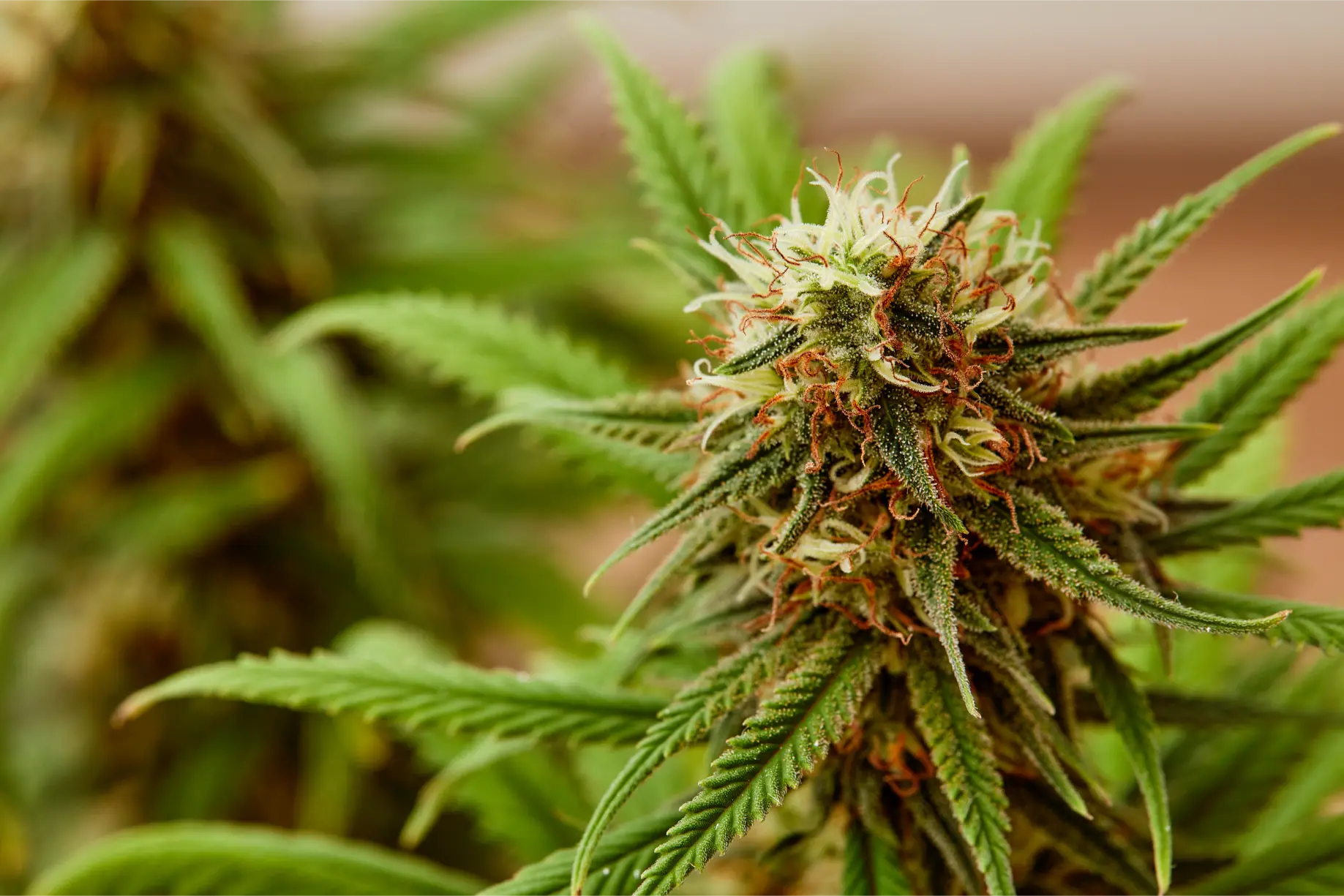
By the conclusion of week three of flowering, vertical elongation halts completely as the plant reallocates its metabolic energy toward reproductive flower construction. Tiny clusters of white hair-like stigmas (pistils) emerge from swelling pre-flower bracts at every stem node. This biological transition marks the end of structural canopy vegetative expansion and inaugurates the intensive floral bulking phase.
Phase 5: Floral Bulking, Calyx Stacking, and Resin Biosynthesis (Weeks 4 to 7 of 12/12). During mid-bloom, the individual pre-flower clusters swell and fuse together into thick, continuous floral colas. In this phase, the plant’s nutritional demands shift dramatically: vegetative nitrogen requirements drop, while demand for phosphorus (essential for cellular ATP energy transfer and nucleic acid synthesis) and potassium (governing stomatal regulation and carbohydrate transport) reaches its operational peak.
Trichome Glandular Anatomy: The True Chronometer of Harvest Readiness
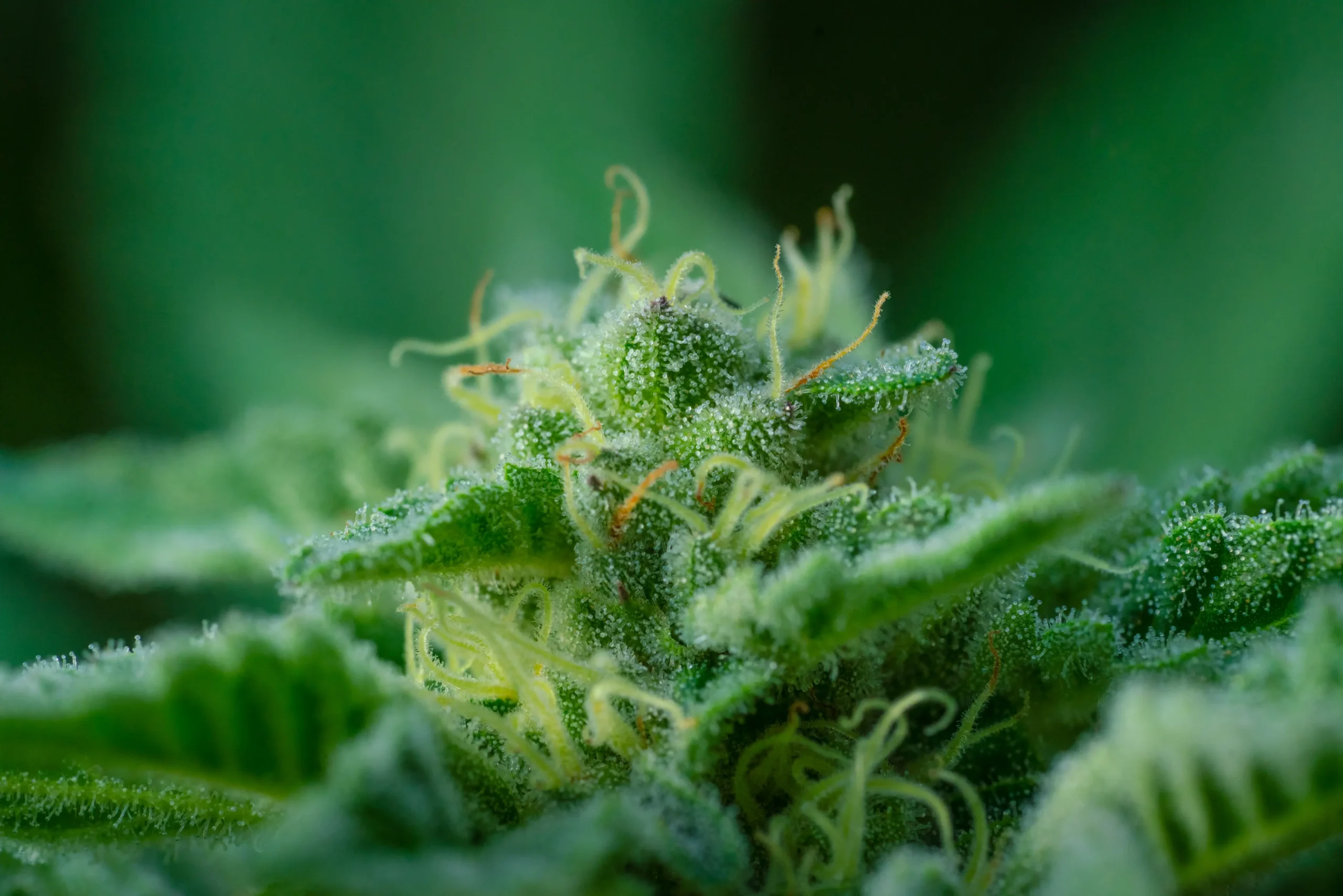
The definitive indicator of cannabis maturity is not pistil coloration or calendar weeks; it is the physical optical status of the glandular capitate-stalked trichomes that coat floral calyxes and sugar leaves. Using a 60x jewelers loupe or digital microscope, inspect trichome heads across the central calyxes (ignoring sugar leaves, which mature up to two weeks earlier). Trichomes progress through three distinct optical stages: (1) Clear (immature, low cannabinoid content); (2) Milky Cloudy (peak tetrahydrocannabinolic acid synthesis and maximum terpene concentration); and (3) Amber (oxidative degradation of THCA into sedating cannabinol, CBN). The commercial standard for balanced psychoactive potency is harvesting when 85 to 90 percent of trichome heads are milky cloudy with 10 to 15 percent displaying rich amber coloration.
Simultaneously, specialized epidermal cells across floral bracts differentiate into thousands of capitate-stalked glandular trichomes. These microscopic resin glands function as the biochemical factories of the cannabis plant. Within the secretory disc cells at the base of each spherical trichome head, the plant synthesizes primary cannabinoids (such as CBGA, which enzymatically branches into THCA, CBDA, and CBCA) along with a rich bouquet of aromatic volatile monoterpenes and sesquiterpenes (myrcene, limonene, caryophyllene, and pinene).
Environmental conditions during mid-to-late bloom must be managed with absolute precision to safeguard these delicate aromatic compounds. Monoterpenes are volatile hydrocarbons that evaporate rapidly when room temperatures exceed 80 degrees Fahrenheit (27 degrees Celsius). Furthermore, as floral colas swell into dense, compact clusters, the microclimatic relative humidity trapped within bud cores skyrockets. Cultivators must drop ambient relative humidity down to 45 to 50 percent and maintain vigorous, non-turbulent air circulation to eliminate boundary layers and prevent devastating infections of botrytis cinerea (gray bud rot).
Phase 6: Floral Ripening, Senescence, and the Terminal Harvest Window (Weeks 8 to 10+). During the final two weeks of the flowering timeline, calyx swelling reaches its physical limit. The plant ceases producing new white stigmas; existing pistils shrivel, curl inward, and oxidize from bright white to vivid shades of orange, rust, and crimson. Stored starch reserves within mature fan leaves are mobilized into developing seeds (or resin heads in unpollinated sensimilla crops), causing outer fan leaves to naturally yellow, fade, and display autumn hues.
- Substrate EC and Runoff Monitored: Taper nutrient fertilizer inputs during late bloom; allow the plant to consume internal nutrient reserves without inducing severe osmotic stress.
- Trichome Glandular Status Audited: Inspect calyx trichomes with a 60x microscope; confirm that at least 85 percent of heads have transitioned from clear to solid milky cloudy.
- Amber Trichome Ratio Confirmed: Verify 10 to 15 percent amber trichome heads on calyxes to ensure maximum cannabinoid density and mature terpene complexity.
- Drying Facility Pre-Conditioned: Sterilize and pre-condition the dedicated dark drying room to precisely 60 degrees Fahrenheit and 60 percent relative humidity 48 hours prior to harvest.
- Sanitized Harvesting Shears Prepared: Disassemble, clean, and sharpen high-grade curved stainless steel pruning shears using 70 percent isopropyl alcohol.
- Dark Period Harvest Executed: Cut whole plants at the base during early morning hours or right before lights-on to capture peak diurnal terpene concentrations.
Phase 7: Post-Harvest Drying, Moisture Stabilization, and Curing (Weeks 11 to 14 post-flip). The final chapter of the cannabis timeline takes place entirely in the dark. Once harvested, whole plants or whole hanging branches should be transferred immediately to a climate-controlled drying room operating under the industry gold standard: 60 degrees Fahrenheit (15.5 degrees Celsius) and 60 percent relative humidity with zero light exposure.
Under these cool, humid conditions, moisture evaporates slowly and uniformly from the core of the stems out through the delicate calyxes over an extended ten to fourteen-day window. This deliberate deceleration allows endogenous plant enzymes (such as amylases and proteases) to break down harsh cellular starches, residual nitrates, and green chlorophyll molecules into smooth, non-bitter sugars. Rushing this process with warm temperatures or dry air traps chlorophyll inside the dried plant tissue, permanently destroying bag appeal and imparting an unpleasant hay-like aroma that no subsequent jar curing can reverse.
When smaller lateral branches snap cleanly rather than bending with pliable give, the dried flower is ready for bucking, precision manicuring, and airtight curing. Sealing manicured buds inside airtight glass mason jars or specialized vapor-permeable curing bags (such as Grove Bags) initiates the moisture equilibration phase. In this closed micro-environment, internal core moisture migrates outward, equalizing substrate water activity to a safe, shelf-stable target between 0.58 and 0.62 aw. Opening jars daily (burping) during the first two weeks releases trapped moisture and refreshes oxygen, completing the chemical transformation that yields connoisseur-grade cannabis.
First Cannabis Grow Timeline: Week-by-Week Expectations
For first-time cultivators embarking on their initial garden run, maintaining a week-by-week operational journal demystifies the multi-month process and eliminates subjective anxiety. Understanding what a healthy cannabis plant should look like at each stage ensures that minor normal developmental shifts are not mistaken for catastrophic failures.
| Cultivation Week | Visual Plant Appearance | Expected Plant Actions | Key Operational Risks and Failure Modes |
|---|---|---|---|
| Week 1 (Germination) | Dormant seed splits; white taproot emerges; cotyledons open. | Maintain warm, dark, moist substrate; provide gentle humidity dome. | Damping off; drowning seed in waterlogged media; planting too deep. |
| Week 2 (Seedling) | First single-finger serrated leaves appear; stem reaches 2-3 inches. | Introduce mild light (200 PPFD); deliver weak root-booster solution. | Stem stretching from low light; seedling tip burn from hot soil. |
| Week 3 (Early Veg) | First 3-finger and 5-finger fan leaves unfold; lateral nodes form. | Transplant into final pot; increase light to 400 PPFD; begin gentle breeze. | Transplant root shock; over-watering small plant in oversized pot. |
| Week 4 (Mid Veg) | Vigorous bushy growth; thick main stem; robust multi-fingered foliage. | Top apical shoot above 4th node; begin Low-Stress Training (LST). | Snapping brittle lateral branches during aggressive LST bending. |
| Week 5 (Late Veg) | Canopy broadens; multiple tops establish a flat, uniform surface. | Install horizontal SCROG trellis netting; tuck runaway shoots. | Uneven canopy height; localized nutrient deficiencies in fast growth. |
| Week 6 (Pre-Flip) | Full horizontal trellis fill (75% screen coverage achieved). | Prune shaded lower undergrowth (lollipop); inspect for pests. | Over-pruning foliage; flipping lights before screen is sufficiently filled. |
| Week 7 (Bloom W1) | Vertical surge initiates; stems stretch toward light fixtures. | Switch light timers to 12/12; continue tucking shoots under screen. | Light timer errors; light leaks disrupting critical 12-hour dark period. |
| Week 8 (Bloom W2) | Rapid vertical elongation continues; pre-flower sites appear at nodes. | Maintain higher light intensity (600-750 PPFD); monitor canopy gap. | Canopy growing too close to lights, causing severe photobleaching. |
| Week 9 (Bloom W3) | Vertical stretch slows; distinct tufts of white pistils crown each shoot. | Perform day-21 defoliation to expose bud sites; transition to bloom nutrients. | Stripping too many fan leaves, crippling transpirational driving force. |
| Week 10 (Bloom W4) | Bud clusters swell and fuse into solid columns; early trichomes sparkle. | Increase light to maximum (800-900 PPFD); lower room RH below 50%. | High humidity pockets causing early powdery mildew development. |
| Week 11 (Bloom W5) | Dense floral bracts swell; heavy resin aroma permeates cultivation space. | Support heavy colas with secondary trellis or plant yoyos; check runoff EC. | Salt buildup in root zone from insufficient leaching fractions. |
| Week 12 (Bloom W6) | Colas gain substantial girth and weight; trichomes cover calyx surfaces. | Maintain high P/K nutrition; keep leaf temperatures at 75-78°F. | Heat stress causing foxtailing or terpene degradation on top colas. |
| Week 13 (Bloom W7) | Floral calyx swelling peaks; pistils begin turning orange and receding. | Begin daily trichome audits under 60x loupe; check for clear vs cloudy. | Assuming brown pistils mean harvest readiness without checking resin heads. |
| Week 14 (Bloom W8) | Fan leaves naturally fade; calyxes look swollen and dense; strong aroma. | Taper nutrient inputs; verify 90% cloudy trichomes on central calyxes. | Premature chopping out of impatience before full calyx swell occurs. |
| Week 15 (Harvest) | Trichomes show 10-15% amber heads; minimal clear heads remain. | Cut whole plants; hang in pre-conditioned 60°F / 60% RH dark room. | Drying room too warm or dry, destroying monoterpenes and causing hay smell. |
| Week 16-17 (Drying) | Leaves become crisp; moisture equilibrates; small stems begin to snap. | Monitor moisture loss daily; keep room dark with gentle indirect air. | Rushing dry in 4-5 days; running direct fan airflow onto hanging buds. |
| Week 18+ (Curing) | Buds bucked and trimmed; sealed in glass jars; smooth aroma develops. | Burp jars daily for 15 minutes; maintain jar hygrometers at 58-62% RH. | Sealing overly wet buds in jars, leading to fatal mold blooms. |
Adhering to this structured developmental roadmap protects cultivators from the most common pitfalls of indoor cannabis gardening. By respecting the immutable biological requirements of each developmental phase, growers eliminate the frantic guesswork that leads to stunted vegetative growth, light-stressed flowering tops, and harsh, poorly cured final flowers.
Documenting environmental data points throughout every cycle establishes an invaluable institutional knowledge base. Recording daily vapor pressure deficit, daily light integrals, canopy root-zone temperatures, and irrigation electrical conductivity curves allows growers to benchmark successive crops with scientific repeatability. When a specific cultivar performs exceptionally well, having precise temporal records ensures that the identical environmental curve can be replicated across future production runs.
Furthermore, understanding this timeline provides peace of mind during the late-flowering plateau. Commercial novices often panic during weeks six through eight when vegetative stretch has ceased and bud size appears to stall. Recognizing that this window is dedicated to microscopic glandular trichome synthesis, calyx swelling, and resin densification prevents growers from making destructive knee-jerk interventions like overdosing booster fertilizers or adjusting light heights excessively.
Ultimately, high-efficiency cannabis cultivation is an exercise in environmental harmony and patient agronomic execution. Whether you are running a swift ten-week autoflowering cycle or cultivating a multi-month connoisseur photoperiod heirloom, understanding the temporal mechanics that govern root expansion, vascular branching, floral differentiation, and terpene stabilization ensures that your garden delivers exceptional harvest quality, outstanding yields, and unforgettable aromatic potency harvest after harvest.
Scientific References and Technical Standards
- Bernstein, N., Gorelick, J., Zerahia, R., & Koch, S. (2019). Impact of environmental conditions on secondary metabolite production in Cannabis sativa L. Industrial Crops and Products, 139, 111467.
- Bugbee, B. (2016). Toward an optimal spectral quality for plant growth and development: The importance of green light and far-red radiation. Acta Horticulturae, 1134, 1-12.
- Eaves, J., Eaves, O., & Chandra, S. (2020). The economics of indoor cannabis cultivation: Energy, labor, and production efficiency. Agricultural and Resource Economics Review, 49(3), 478-498.
- Potter, D. J. (2014). A review of the cultivation and processing of cannabis (Cannabis sativa L.) for production of prescription medicines. Reviews in Analytical Chemistry, 33(4), 237-257.
- Taiz, L., Zeiger, E., Møller, I. M., & Murphy, A. (2015). Plant Physiology and Development (6th ed.). Sinauer Associates, Sunderland, MA.
- Vergara, D., Baker, H., Clancy, K., Keepers, K. G., Murchison, J. P., & Kane, N. C. (2016). Phylogenetic and genomic diversity in Cannabis sativa. F1000Research, 5, 2788.
- Zheng, Y. (Ed.). (2021). Handbook of Cannabis Production in Controlled Environments. CRC Press, Boca Raton, FL.
Share this article
A quick overview of the topics covered in this article.
Follow us
Latest articles
November 6, 2026

November 6, 2026

November 6, 2026
November 6, 2026