Drain-to-Waste vs Recirculating Irrigation
In the architectural design of modern controlled environment agriculture and commercial indoor cannabis cultivation, selecting an irrigation delivery framework is the foundational engineering decision that dictates daily labor workflow, facility plumbing infrastructure, chemical fertilizer expenditure, and crop biosecurity. Cultivators navigating irrigation automation inevitably arrive at a critical hydrodynamic crossroads: should the facility deploy an open-loop Drain-to-Waste (Run-to-Waste) system, or an engineered closed-loop Recirculating (Recirculative) hydroponic platform?
The philosophical divide between these two hydraulic methodologies centers on the fate of drainage effluent. In a Drain-to-Waste (DTW) system, fresh, precisely formulated nutrient solution is pumped from a batch reservoir through automated drip emitters into an inert growing medium (such as stonewool or coconut coir). The medium is irrigated until a calculated 10 to 20 percent volume excess exits the bottom of the container as runoff, which is permanently evacuated to waste plumbing. In contrast, a Recirculating system continuously recovers drainage effluent, channeling return water back into the primary reservoir where it is re-chilled, re-aerated, and pumped through the root zone repeatedly across multi-day cycles.
Advocates of recirculating systems emphasize extraordinary environmental sustainability, claiming up to 70 percent water savings and substantial reductions in chemical fertilizer purchases. Proponents of drain-to-waste counter that open-loop fertigation delivers absolute chemical predictability, eliminates root-zone pathogen transmission between plants, and enables high-precision automated crop steering. In this comprehensive technical guide, we dissect the fluid physics, chemical dynamics, biological hazards, and commercial economics of both irrigation architectures to help growers make a definitive, data-backed operational decision.
Agronomic Law: The Mass Balance Principle in Root-Zone Hydrology
Irrigation efficiency is governed by the conservation of mass within the plant root zone. When nutrient solution enters a container, water is either transpired by the canopy, evaporated from the substrate surface, or discharged as drainage runoff. Concurrently, dissolved mineral ions are either assimilated by root cells into plant tissue, bound to substrate cation exchange sites, or accumulated as residual salts in pore spaces. In drain-to-waste systems, the deliberate generation of a leaching fraction physically washes excess, non-assimilated mineral ions out of the container, preventing osmotic stress. In recirculating systems, unabsorbed mineral ions return to the reservoir, fundamentally altering the elemental ratios of the bulk solution with each irrigation pass.
Before selecting an irrigation architecture, cultivators must evaluate their specific geographic, regulatory, and agronomic operating environment. In arid regions like Southern California, Nevada, or Spain, municipal water scarcity and punitive municipal discharge surcharges often force commercial operators toward closed-loop water recapture. Conversely, in commercial facilities operating hundreds of flowering canopy lights, the catastrophic financial risk of a single waterborne pathogen wiping out an entire harvest often makes drain-to-waste the only viable choice for commercial risk management.
From an environmental physics perspective, water dynamics within indoor cultivation rooms cannot be evaluated in isolation from HVACD latent load performance. In a commercial facility running a drain-to-waste fertigation regimen with a standard 15 percent leaching fraction, drainage catch pans and open runoff gutters continuously evaporate ambient moisture into the air. If drainage water is allowed to sit exposed to room air, it significantly elevates room latent moisture loads, forcing dehumidification equipment to run harder and consuming additional kilowatt-hours of electrical compressor power. Implementing sealed, hard-piped drainage collection manifolds that immediately evacuate runoff to external sumps prevents secondary evaporation, maintaining strict atmospheric vapor pressure deficit control.
Furthermore, the physical characteristics of the growing medium dictate irrigation compatibility. While inert, loose aggregates like expanded clay pebbles (LECA) thrive under the high-flow continuous flush of recirculating systems, dense fibrous media like high-porosity coco coir or stonewool slabs excel under the scheduled, low-volume pulse fertigation typical of precision drain-to-waste crop steering. In the following sections, we will explore the precise mechanics of both platforms, analyze nutrient drift dynamics, and establish clear decision frameworks.
The Mechanics of Drain-to-Waste: Precision Delivery and Leaching Fractions
Drain-to-Waste (frequently abbreviated as DTW or Run-to-Waste) is the dominant irrigation methodology employed by high-yield commercial cannabis licensed producers throughout North America. In an open-loop DTW system, nutrient solution moves through the facility in a strictly linear, one-way trajectory: Water Supply → RO Filtration → Batch Mixing Tank → Pressure-Compensating Drip Manifold → Substrate Root Zone → Drainage Catchment → Sewer Evacuation.
The defining operational mechanism of drain-to-waste cultivation is the Leaching Fraction (LF), also known as the runoff percentage. Because plants do not absorb water and mineral nutrients in identical proportions, and because indoor tap water or fertilizers carry background salts (such as sodium, chlorides, and excess sulfates), mineral salts naturally accumulate within substrate micropores between irrigations. If a grower irrigates with zero runoff, these residual salts build up rapidly, causing root-zone electrical conductivity (EC) to spike to toxic levels (often exceeding 4.0 to 6.0 mS/cm).
To prevent this salt accumulation, the cultivator programs automated drip cycles to deliver slightly more liquid than the container can hold at container capacity. The Leaching Fraction is calculated using this standard hydraulic equation:
Leaching Fraction (LF %) = (Volume of Drainage Runoff / Volume of Nutrient Solution Applied) x 100
- Target Leaching Fraction (10 to 20 percent): A standard operational benchmark in rockwool and coco coir cultivation. Delivering a 15 percent leaching fraction ensures that every irrigation event gently flushes old, depleted pore water out of the pot, replacing it with a fresh, balanced charge of oxygenated nutrient solution.
- Substrate EC Stability: By measuring the electrical conductivity of the drainage runoff and comparing it to input EC, growers can diagnose root activity instantly. If runoff EC is within ±0.3 mS/cm of input, feeding is perfectly balanced; if runoff EC climbs 1.0 mS/cm above input, the leaching fraction must be increased immediately.
- Zero Cross-Contamination: Because drainage effluent is immediately pumped away to waste plumbing, each plant container exists as an isolated biological island. If plant number four develops a localized root infection or crown rot, the pathogen cannot travel through plumbing lines to infect adjacent containers.
In addition to biological isolation, drain-to-waste systems empower commercial growers to manipulate vegetative versus generative crop morphology with mathematical precision through controlled dry-back management. By programming automated micro-pulse irrigations during peak photoperiod hours and permitting significant container moisture depletion overnight, cultivators generate controlled osmotic and matric stress that steers plants toward tight internodal spacing, increased flower site initiation, and denser floral calyx clusters.
Furthermore, maintaining emitter flow uniformity is critical in drain-to-waste networks. Commercial systems rely on pressure-compensating (PC) drip emitters and labyrinth tortuous-path micro-tubing to ensure that every container across a multi-bench canopy receives identical fertigation volumes regardless of line elevation changes or friction loss along main supply headers.
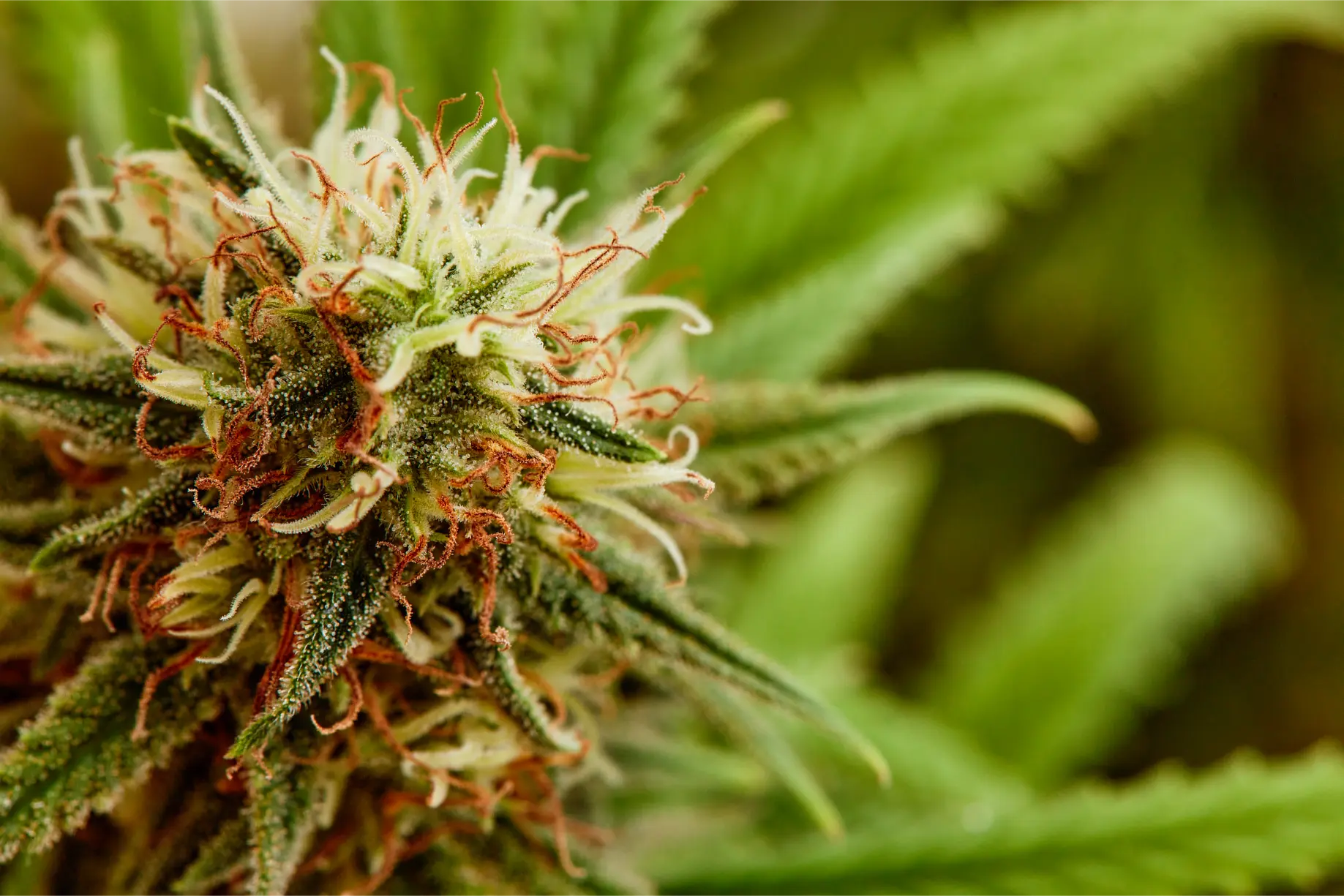
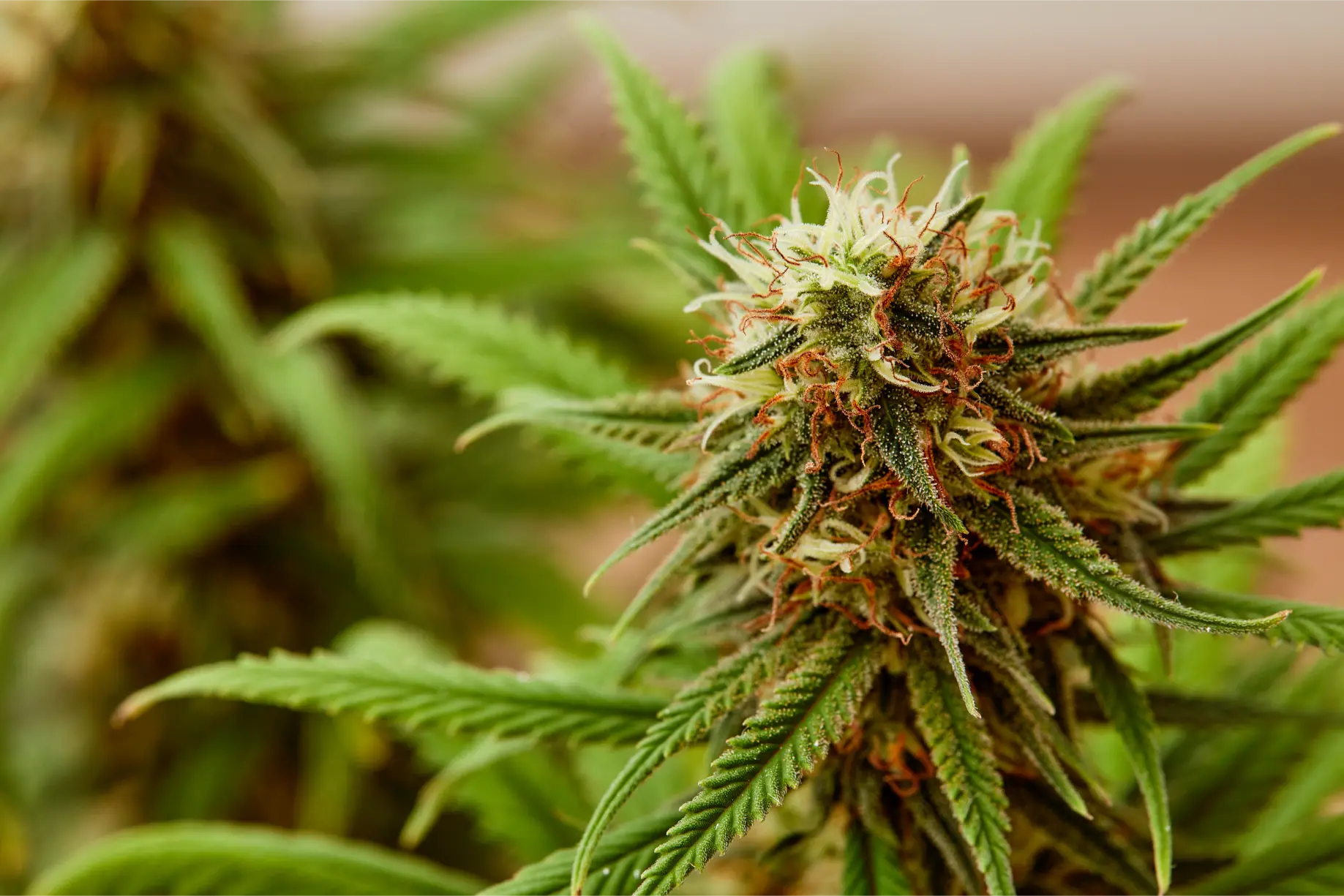
Figure 1: High-frequency drain-to-waste pulse fertigation maintains optimal substrate electrical conductivity and continuous root-zone oxygenation during rapid floral stretch.
Furthermore, maintaining emitter flow uniformity is critical in drain-to-waste networks. Commercial systems rely on pressure-compensating (PC) drip emitters and labyrinth tortuous-path micro-tubing to ensure that every container across a 500-plant canopy receives identical fertigation volumes regardless of elevation changes or friction loss along main supply headers.
The primary operational disadvantage of drain-to-waste irrigation is resource consumption. Discarding 15 to 20 percent of every gallon of mixed nutrient solution translates to thousands of gallons of wasted water and hundreds of pounds of expensive mineral fertilizers over a commercial harvest cycle. Furthermore, many municipal jurisdictions impose strict environmental wastewater discharge regulations, penalizing commercial facilities for dumping high-nitrate and high-phosphate agricultural runoff into public sewer systems.
To mitigate this waste, advanced commercial DTW facilities deploy secondary reclamation infrastructure: runoff is collected in centralized sumps, passed through ultrafiltration membranes, and re-used to irrigate outdoor landscaping or non-crop vegetation, satisfying environmental sustainability goals while preserving the sterile isolation of the primary indoor canopy.
The Mechanics of Recirculating Hydroponics: Closed-Loop Water Conservation
Recirculating hydroponic systems (also termed closed-loop, recirculative, or re-circulating systems) represent an entirely different fluidic paradigm. In a closed-loop system, irrigation water operates in a continuous circular loop: Central Reservoir → Root Zone → Drainage Return Sump → Chiller & Aeration Loop → Central Reservoir.
Recirculating systems encompass several distinct mechanical configurations, including Deep Water Culture (DWC), Recirculating Deep Water Culture (RDWC), Nutrient Film Technique (NFT), Aeroponics, and traditional Ebb-and-Flow (Flood-and-Drain) rolling tables. Regardless of mechanical delivery, the fundamental defining trait is that drainage runoff is never discarded; it is captured and returned to the primary tank to be fed to the crop again.
The compelling operational benefit of recirculating systems is extraordinary resource efficiency. Because water is continuously recycled, a closed-loop system consumes 60 to 80 percent less fresh water and 50 to 70 percent less chemical fertilizer than an equivalent drain-to-waste facility. In off-grid facilities, rural locations with low-yield water wells, or regions with severe municipal water metering, recirculating hydroponics provides an unmatched sustainability advantage.
Biological Threat: The Monoculture Inoculation Vector
The single greatest operational hazard in recirculating hydroponics is biological disease transmission. In a closed-loop system running twenty or forty plants from a shared central reservoir, all root systems share the exact same body of liquid water. If a single plant in the corner of the room experiences root stress and develops Pythium ultimum (root rot), billions of microscopic, flagellated waterborne zoospores are shed into the drainage return line. Within hours, the central pump redistributes these pathogenic spores to every single plant connected to the manifold! An infection that would remain confined to one container in a drain-to-waste setup becomes an unstoppable room-wide epidemic in a recirculating system, often destroying an entire commercial crop in less than seventy-two hours.
Beyond biological risks, recirculating systems present severe aqueous chemistry management challenges, specifically the phenomenon of selective ion uptake and nutrient drift. Plants do not consume all dissolved mineral ions at uniform rates. During vegetative growth, a cannabis plant absorbs nitrate anions (NO3-) and potassium cations (K+) at lightning speed, while absorbing calcium (Ca2+), magnesium (Mg2+), and sulfate anions (SO4(2-)) much more slowly.
As recycled water returns to the reservoir, the chemical profile of the water shifts dramatically. Even if the cultivator uses an EC meter that displays a “perfect” reading of 2.0 mS/cm, that 2.0 EC no longer reflects balanced nutrition. The solution has become severely depleted in nitrogen and potassium, while accumulating high background concentrations of unabsorbed sulfates and sodium. Unless the master grower possesses a commercial gas chromatograph or conducts daily laboratory wet-chemistry assays, guessing which specific elements are missing becomes impossible, inevitably leading to mysterious mid-flowering deficiencies and leaf chlorosis.
Physicochemical Comparison: Nutrient Drift vs. Root-Zone Predictability
To understand the profound chemical differences between open and closed irrigation frameworks, cultivators must analyze how nutrient concentration and aqueous pH evolve over time in each platform.
Should I switch my 20-light commercial grow room from drain-to-waste coco drip to a recirculating flood-and-drain system to save on my monthly water and fertilizer bills?
Question sent by: Dominic Rossi, via email.
For a 20-light commercial cultivation facility, switching from drain-to-waste coco drip to a recirculating flood-and-drain system is almost certainly an economic and operational mistake. While recirculating systems will reduce your municipal water and fertilizer expenditures by roughly $300 to $500 per month, the hidden operational liabilities vastly outweigh those modest savings.
In a commercial 20-light room, recirculating systems require massive water chillers to maintain reservoir temperatures below 19°C (drawing continuous compressor power), daily laboratory-grade EC and pH tracking, complete reservoir dumps and tank sanitization every seven days, and continuous biological sterilization (UV-C or hypochlorous acid). Most critically, if Pythium root rot enters a recirculating reservoir, it infects all 20 lights simultaneously, risking a $40,000+ harvest loss! In contrast, drain-to-waste coco drip delivers absolute chemical predictability, allows high-precision automated crop steering (manipulating dry-backs to steer vegetative vs generative growth), and isolates every plant biologically. The yield gains and risk mitigation of drain-to-waste easily pay for the extra water and fertilizer ten times over.
The operational reality of recirculating systems is that holding tanks must be completely dumped and refilled with fresh nutrients every 7 to 10 days to correct for elemental drift. When calculating annual operating budgets, growers frequently discover that these mandatory weekly reservoir dumps consume hundreds of gallons of concentrated nutrient solution, erasing more than half of the theoretical fertilizer savings initially projected on paper.
In contrast, a drain-to-waste batch tank holds pristine, uncontaminated nutrient solution that never contacts plant roots or organic debris. Because the solution is mixed in fresh batches using pure reverse osmosis water, the chemical composition remains 100 percent stable for up to seven days. The grower knows with mathematical certainty that every plant receives the exact same ratio of elemental nutrition during every pulse event.

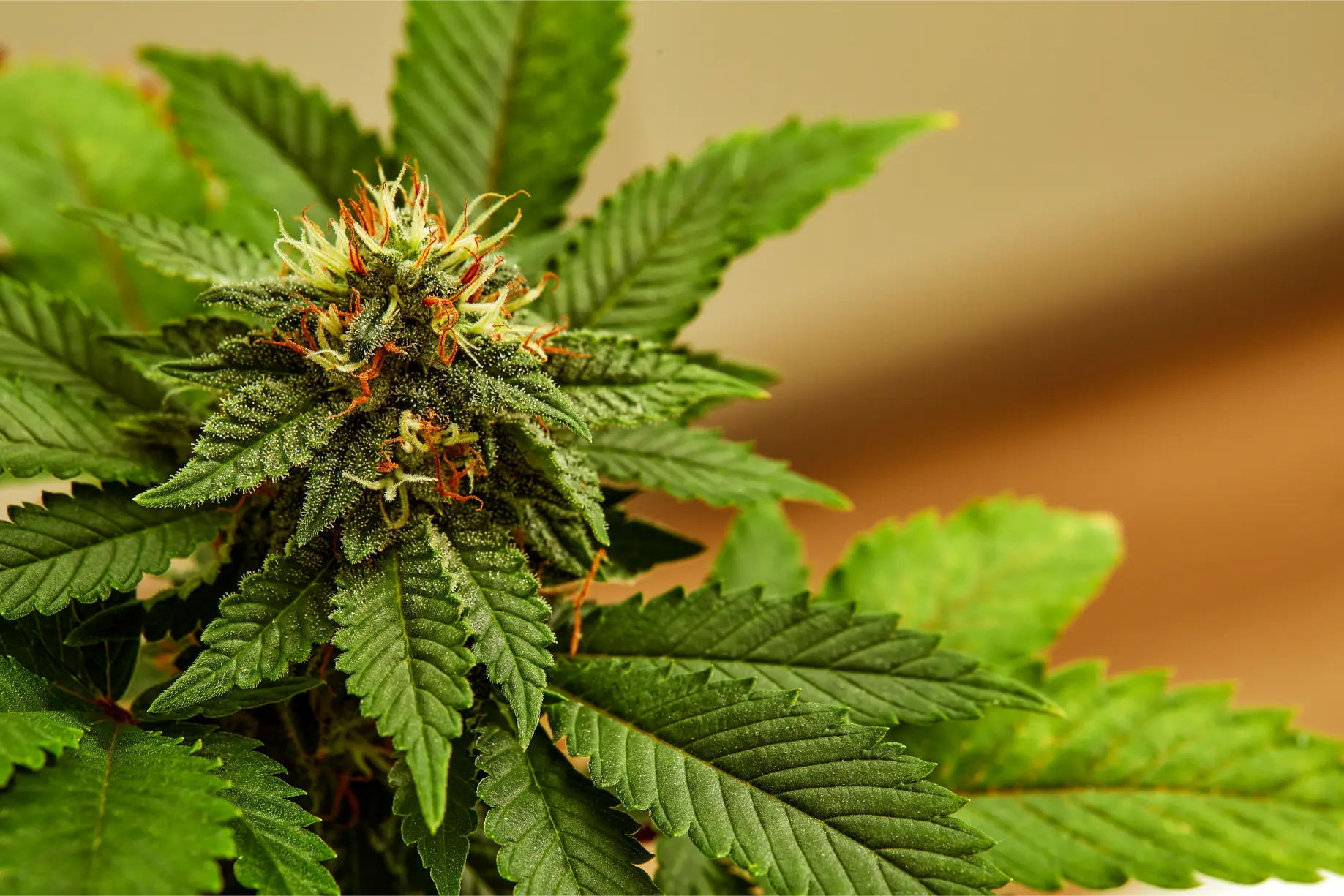
Figure 2: Vibrant anthocyanin expression and dense calyx swelling require steady root-zone electrical conductivity without the chemical oscillations typical of unmonitored recirculating sumps.
Comprehensive Comparison Matrix: Drain-to-Waste vs. Recirculating Systems
Deciding between open-loop drain-to-waste and closed-loop recirculating infrastructure requires a holistic evaluation of initial capital expenditure (CapEx) against ongoing operational expenditure (OpEx). While drain-to-waste systems generate ongoing consumable costs through fertilizer and water runoff, they significantly reduce the mechanical complexity, electrical chiller demand, and daily laboratory monitoring labor required by recirculating facilities.
Conversely, closed-loop facilities require substantial upfront investments in commercial water chillers, secondary UV-C disinfection reactors, automated dosing computers, and oversized drainage plumbing. In commercial facilities running hundreds of canopy lights, the cost of operating a 10-horsepower chiller to keep recirculating water at 18 degrees Celsius can exceed the entire cost of the extra fertilizer used in a drain-to-waste facility.
Furthermore, commercial crop insurance underwriters and investment directors frequently favor drain-to-waste architecture because it eliminates catastrophic systemic risks. In a closed-loop facility, an undetected plumbing failure or pump burnout can contaminate an entire room, resulting in an unrecoverable multi-hundred-thousand-dollar total loss. To clarify these operational tradeoffs, the following technical engineering matrix compares Drain-to-Waste and Recirculating Hydroponics across resource efficiency, biological risk, management complexity, and economic return on investment.
| Evaluation Parameter | Drain-to-Waste (Run-to-Waste) | Recirculating Hydroponics | Commercial Winner |
|---|---|---|---|
| Water Consumption Efficiency | Moderate (10-20% discharged as runoff) | Extremely High (60-80% water savings) | Recirculating |
| Chemical Fertilizer Expenditure | Higher (Nutrients discarded in runoff) | Significantly Lower (50-70% savings) | Recirculating |
| Biological Pathogen Risk (Pythium) | Extremely Low (Isolated biological islands) | Severe (Shared water infects all plants) | Drain-to-Waste |
| Nutrient Stability & Predictability | Flawless (Batch solution never alters) | Poor (Selective ion uptake causes drift) | Drain-to-Waste |
| Automated Crop Steering Capability | World-Class (Precise dry-back control) | Limited (Substrate continuously saturated) | Drain-to-Waste |
| Water Chiller Energy Requirement | Low (Batch mixed at room temp or cool) | High (Continuous active chilling <19°C) | Drain-to-Waste |
| Wastewater Environmental Compliance | Requires drainage capture or permits | Zero discharge during active cycles | Recirculating |
| Commercial Scalability (>50 Lights) | Universal commercial standard | Rare (Confined to specialized RDWC/NFT) | Drain-to-Waste |
The engineering comparison demonstrates why the global commercial cannabis industry has standardized overwhelmingly around drain-to-waste fertigation. While recirculating systems hold the undeniable crown for water and fertilizer conservation, commercial production is an exercise in risk mitigation and yield optimization. The catastrophic threat of facility-wide root rot, coupled with the inability to execute advanced generative dry-back crop steering, makes recirculating systems a high-risk gamble at commercial scale.
However, for home cultivators operating one or two personal grow tents, craft hobbyists focused on zero-waste environmental footprints, or regions where wastewater discharge is strictly prohibited by law, modern recirculating platforms (particularly Recirculating Deep Water Culture with active chilling and hypochlorous acid sterilization) deliver explosive vegetative growth rates that outpace any potted substrate.
Substrate Compatibility: Matching Growing Media to Irrigation Style
Operating an automated irrigation system requires pairing the fluid delivery architecture with a physical growing medium engineered for that specific hydraulic flow.
Optimal Media for Drain-to-Waste: Coconut Coir and Stonewool (Rockwool). High-frequency drain-to-waste fertigation relies on substrates that exhibit rapid drainage, high capillary wicking, and predictable water-holding capacities. Stonewool cubes and slabs (such as Grodan Gro-Blocks and Uni-Slabs) are the undisputed benchmark for precision DTW. Stonewool possesses a total pore space of 96 percent, with an air-filled porosity of 15 to 20 percent immediately after gravitational drainage. This allows cultivators to execute multiple micro-pulse irrigations per day (up to 8 to 12 pulses during lights-on), flushing pore spaces continuously while steering vegetative vs. generative growth through controlled dry-back percentages. High-porosity coco-perlite blends (70/30) offer similar advantages for organic-synthetic hybrid growers.
Optimal Media for Recirculating Systems: Expanded Clay Pebbles (LECA) and Bare Root. In recirculating systems like flood-and-drain tables, top-drip buckets, or RDWC, water flows across the root zone with high frequency or continuous immersion. Utilizing fine substrates like peat moss or pure coco coir in a recirculating system is disastrous: fine fibers wash through pot drainage holes, clogging return plumbing, fouling pump impellers, and filling the central reservoir with decomposing organic sludge. Recirculating systems mandate inert, coarse, structural media like expanded clay pebbles (8-16mm LECA), coarse pumice, or no substrate whatsoever (as in aeroponics and pure DWC), where bare root systems are bathed directly in oxygen-saturated nutrient solution.
Regulatory Compliance: Managing Agricultural Runoff Legally
In many legal commercial cannabis markets (including California, Oregon, Michigan, and Canada), discharging untreated agricultural drainage effluent directly into municipal sewer lines, storm drains, or agricultural groundwater is strictly illegal. Cultivators deploying drain-to-waste systems must install dedicated catchment plumbing that channels runoff into holding tanks. Commercial operators must either: (1) Contract certified hazardous waste haulers to pump and treat wastewater off-site; (2) Install on-site closed-loop reverse osmosis water treatment systems that strip nutrients and recycle permeate; or (3) Establish certified agricultural vegetative evaporation ponds that comply with regional Water Quality Control Board mandates.
Ensuring that drain-to-waste drainage collection trays maintain adequate positive slope (at least 1/4 inch per foot of linear run) toward centralized collection sumps prevents standing puddles beneath rolling tables. Stagnant runoff on floor trays fosters algae growth, attracts fungus gnats, and increases ambient relative humidity inside the room, placing unnecessary latent moisture loads on air conditioning equipment.
Furthermore, in recirculating installations, return plumbing lines should be sized with significant oversized diameters (typically 1.5 to 2 inches) and utilize smooth, rigid schedule 40 PVC piping rather than corrugated flexible hose. Thick, smooth pipes resist biofilm accumulation and prevent gravity return lines from developing airlocks that cause flood trays to overflow.
In addition to piping geometry, oxygenation dynamics in recirculating sumps require dedicated dissolved oxygen management. Because water returning from plant root systems has had its dissolved oxygen depleted by cellular root respiration and microbial metabolism, returning effluent frequently measures below 4.0 milligrams per liter of dissolved oxygen. Re-injecting oxygen into the central reservoir using high-efficiency venturi aerators or fine ceramic micro-diffusers is essential before the liquid is recirculated back to the crop. Maintaining steady-state dissolved oxygen above 8.0 mg/L suppresses anaerobic root pathogens while optimizing root metabolic ATP production.
Operational Protocols and Commissioning Checklists
Before launching an automated cultivation cycle on either an open-loop or closed-loop irrigation platform, facility technicians must execute these standardized commissioning protocols.
Drain-to-Waste Commissioning Protocol. Fill the batch reservoir with clean RO water, mix nutrient solution to target vegetative EC (1.4 mS/cm), and verify pH (5.8). Power on the high-pressure delivery pump and inspect every pressure-compensating drip emitter. Place individual measuring catch-cups beneath twelve sample drippers across the room; run the pump for precisely two minutes. Measure catch-cup volumes using a graduated cylinder to verify emitter flow uniformity (acceptable variation must be within ±5 percent). Documenting baseline volumetric output across all zones establishes a benchmark for detecting clogged micro-tubing or pump pressure loss over time. Confirm that all drainage collection sumps and automated runoff evacuation pumps cycle reliably without overflowing.
Recirculating System Commissioning Protocol. Fill the central reservoir and run clean water through the entire loop for forty-eight hours without plants. Verify that all bulkhead uniseal fittings and PVC glued joints are 100 percent watertight. Power on the water chiller and confirm that the refrigeration unit pulls water temperature down to 18.5°C (65°F) and holds it steady against circulation pump heat. Dose the system with 3 PPM active hypochlorous acid (HOCl) to sterilize all internal pipe surfaces before introducing rooted clones.
Pre-Cycle Irrigation Architecture Audit Checklist
Verify that your cultivation infrastructure satisfies this technical checklist prior to transplanting valuable cannabis crops.
- Plumbing Architecture Defined: Confirm that the plumbing layout matches the intended methodology (one-way drainage piping for DTW vs gravity return gutters for recirculating).
- Substrate Pairing Verified: Verify that stonewool or 70/30 coco-perlite is deployed for drain-to-waste, or that clean, washed expanded clay pebbles (LECA) are deployed for recirculating.
- Water Chiller Operational (Recirculating Only): Confirm that the water chiller compressor cycles properly and maintains reservoir fluid temperature below 19°C (66°F) under full ambient heat load.
- Runoff Evacuation Verified (DTW Only): Confirm that drainage collection sumps, float switches, and sump discharge pumps are wired, tested, and plumbed to compliant holding tanks.
- In-Line Filtration Installed: Ensure a 100-mesh disc filter or stainless steel screen filter is installed on the delivery pump discharge to protect drip emitters from sediment fouling.
- Digital Sensor Calibration: Calibrate all pH and electrical conductivity (EC) telemetry probes using fresh NIST-traceable standard calibration buffer solutions.
Adhering strictly to this engineering checklist prevents unexpected plumbing catastrophes, maintains pristine root-zone hygiene, and ensures seamless, automated crop fertigation throughout the crop cycle.
Preventative Maintenance and Sanitation Schedule
To preserve equipment longevity, prevent mineral scaling, and eliminate microbial biofouling, commercial cultivators should adhere to this structured maintenance schedule across both open and closed irrigation networks.
| Service Frequency | Target Platform | Inspection and Maintenance Action | Operational Benchmark |
|---|---|---|---|
| Daily | Recirculating Sump | Measure and log water temperature, EC, pH, and water volume loss; adjust as needed. | Temp <19°C; DO >8.0 mg/L; EC ±0.1 mS/cm; pH 5.6-6.2. |
| Daily | Drain-to-Waste | Measure input EC/pH and sample runoff EC/pH from three representative crop zones. | Runoff volume 10-15% of input; runoff EC within ±0.3 mS/cm of input. |
| Weekly | Recirculating Sump | Execute complete 100% reservoir dump; wipe tank interior; mix fresh nutrient batch. | Completely eliminates accumulated unabsorbed sulfates and sodium. |
| Weekly | Drain-to-Waste Manifold | Inspect drip emitters for salt crystallization; open flush valves on drip headers for 15 sec. | 100% uniform emitter flow; zero clogged or weeping drip stakes. |
| Between Cycles | Both Platforms | Circulate 5% food-grade citric acid solution through all lines to dissolve mineral scale. | Restores like-new pump flow rates; completely strips calcium buildup. |
| Between Cycles | Both Platforms | Flush plumbing with 0.2% peracetic acid or 200 PPM active hypochlorous acid sanitizer. | Total biological eradication; zero viable Pythium or fungal spores in lines. |
Following this structured maintenance schedule guarantees that irrigation infrastructure performs flawlessly, turning water and mineral fertilizers into heavy, terpene-rich cannabis harvests across years of continuous cultivation.
Scientific References and Technical Standards
- Ashton, F. M., & Crafts, A. S. (1981). Mode of Action of Herbicides (2nd ed.). John Wiley & Sons, New York.
- Biernbaum, J. A. (1992). Subirrigation for greenhouse crops. HortTechnology, 2(3), 302-309.
- Handreck, K. A., & Black, N. D. (2002). Growing Media for Ornamental Plants and Turf (3rd ed.). UNSW Press, Sydney, Australia.
- Marschner, H. (2012). Marschner’s Mineral Nutrition of Higher Plants (3rd ed.). Academic Press, London, UK.
- Raviv, M., & Lieth, J. H. (2008). Soilless Culture: Theory and Practice. Elsevier Science, Amsterdam, Netherlands.
- Resh, H. M. (2012). Hydroponic Food Production: A Definitive Guidebook for the Advanced Home Gardener and the Commercial Hydroponic Grower (7th ed.). CRC Press, Boca Raton, FL.
- Taiz, L., Zeiger, E., Møller, I. M., & Murphy, A. (2015). Plant Physiology and Development (6th ed.). Sinauer Associates, Sunderland, MA.
- Zheng, Y. (Ed.). (2021). Handbook of Cannabis Production in Controlled Environments. CRC Press, Boca Raton, FL.
Share this article
A quick overview of the topics covered in this article.
Follow us
Latest articles
November 6, 2026

November 6, 2026

November 6, 2026
November 6, 2026