Why One Cannabis Pot Dries Faster Than the Others
Every indoor horticulturist and craft cannabis cultivator has encountered this perplexing grow-room mystery: an array of identical genetic cuttings taken from the same mother plant, potted into identical five-gallon containers with the exact same brand of potting soil, and irrigated with the exact same volume of nutrient solution on Monday morning. Yet, by Wednesday afternoon, container number two is completely bone-dry and feather-light upon lifting, while container number four adjacent to it remains saturated, heavy, and cool to the touch.
When faced with uneven container dry-back rates, novice cultivators frequently react with intuitive but damaging interventions. Some assume that all plants must be treated identically, forcing water onto the wet container and causing chronic root hypoxia and Pythium root rot. Others withhold water from the thirsty, dry container to force it to match the calendar schedule of its neighbors, inflicting severe drought stress, stomatal closure, and root hair desiccation. Both reactions fail because they treat the symptom while ignoring the underlying physical and biological drivers of soil moisture depletion.
A plant container does not dry out according to a calendar schedule; it dries out according to the immutable laws of fluid mechanics, plant vascular physiology, and atmospheric thermodynamics. When one pot dries significantly faster than its peers, that divergence is driven by three primary mechanisms: disparate root biomass surface area, localized microclimatic variations in vapor pressure deficit (VPD) and airflow velocity, or hidden substrate anomalies like hydrophobic bypass channeling. In this comprehensive technical guide, we dissect the biophysics of container moisture loss, detail empirical diagnostic testing sequences, and provide systemic management protocols to restore canopy uniformity.
The Master Thermodynamic Law: The Penman-Monteith Evapotranspiration Equation
The total rate of water loss from a potted plant is termed evapotranspiration (ET), which represents the combined sum of two distinct physical processes: direct evaporation from the substrate surface and transpirational water pull through plant foliar stomata. In controlled environment agriculture, evapotranspiration is governed by the FAO-56 Penman-Monteith equation, which combines the surface energy balance (solar and radiant lamp net radiation) with atmospheric aerodynamic transport (vapor pressure deficit, ambient temperature, and boundary layer air velocity). In a mature cannabis canopy, direct soil evaporation accounts for less than 10 percent of moisture loss; over 90 percent of water depletion is driven by active foliar transpiration, meaning that any microclimate factor that accelerates leaf transpiration exponentially accelerates the rate at which that specific pot dries out.
To diagnose why containers dry at disparate rates, cultivators must look beneath the soil surface. Plant roots and canopy foliage exist in a state of continuous functional equilibrium. A plant that developed twenty percent more root biomass during the early vegetative stage possesses a vastly larger absorptive surface area, allowing it to extract water from substrate micropores at double the velocity of a plant with a restricted root system. As that fast-rooting plant drinks more water, it pulls fresh atmospheric oxygen into the substrate sooner, stimulating even faster root growth and expanding its canopy leaf area index (LAI), creating an escalating feedback loop that leaves neighboring pots far behind.
Furthermore, indoor grow rooms are rarely the perfectly homogeneous environments that growers assume them to be. Sub-canopy microclimates vary substantially across a four-by-four or five-by-five foot tent footprint. A container positioned directly in the turbulent air plume of an oscillating circulation fan or adjacent to the warm exhaust port of an internal dehumidifier experiences drastically higher boundary layer conductance, driving rapid water loss that has nothing to do with soil quality. In the following sections, we will explore the internal and external vectors governing dry-back disparities, analyze common diagnostic look-alikes, and establish proven canopy equalization workflows.
Root Biomass Disparity: The Physiological Transpiration Engine
The primary internal biological driver behind uneven container dry-back is disparity in functional root biomass and active root surface area. Even when cultivating identical genetic clones clipped from the exact same donor mother plant, individual cuttings develop root systems at varying speeds.
When stem cuttings are rooted in vegetative propagation plugs, subtle micro-environmental differences influence initial rooting vigor: the physiological age of the mother shoot, the specific internodal position of the cutting, localized humidity variations in the clone dome, and uneven application of rooting hormone (indole-3-butyric acid). One cutting may initiate eight primary adventitious root initials within seven days, while an adjacent cutting initiates only three. When both cuttings are transplanted into final containers on the same date, they enter the vegetative phase with fundamentally unequal subterranean foundations.
The relationship between root surface area and water extraction velocity is governed by Poiseuille’s law of vascular hydraulic conductivity and root matric suction:
- Root Hair Absorptive Surface Area: Water is absorbed primarily through delicate single-cell root hairs located in the root elongation zone. A vigorous, highly branched root system possesses millions of microscopic root hairs that interface with substrate water films across thousands of square centimeters of surface area, extracting available pore water rapidly.
- The Compounding Biomass Feedback Loop: As a vigorous root system rapidly extracts water from the substrate, it draws atmospheric air containing 20.9 percent oxygen deep into the root zone. This continuous oxygenation fuels cellular ATP synthesis, accelerating root branching and stimulating rapid vegetative shoot expansion. More leaves create greater total stomatal surface area, which pulls even more water from the container.
- The Stunted Companion Trap: Conversely, a cutting with a smaller, delayed root system drinks water slowly. The substrate remains saturated with moisture for four to six days. This persistent water saturation excludes oxygen, inducing sub-clinical hypoxia that further retards root expansion. The slow plant remains trapped in wet soil, while the fast plant dries out every 48 hours.
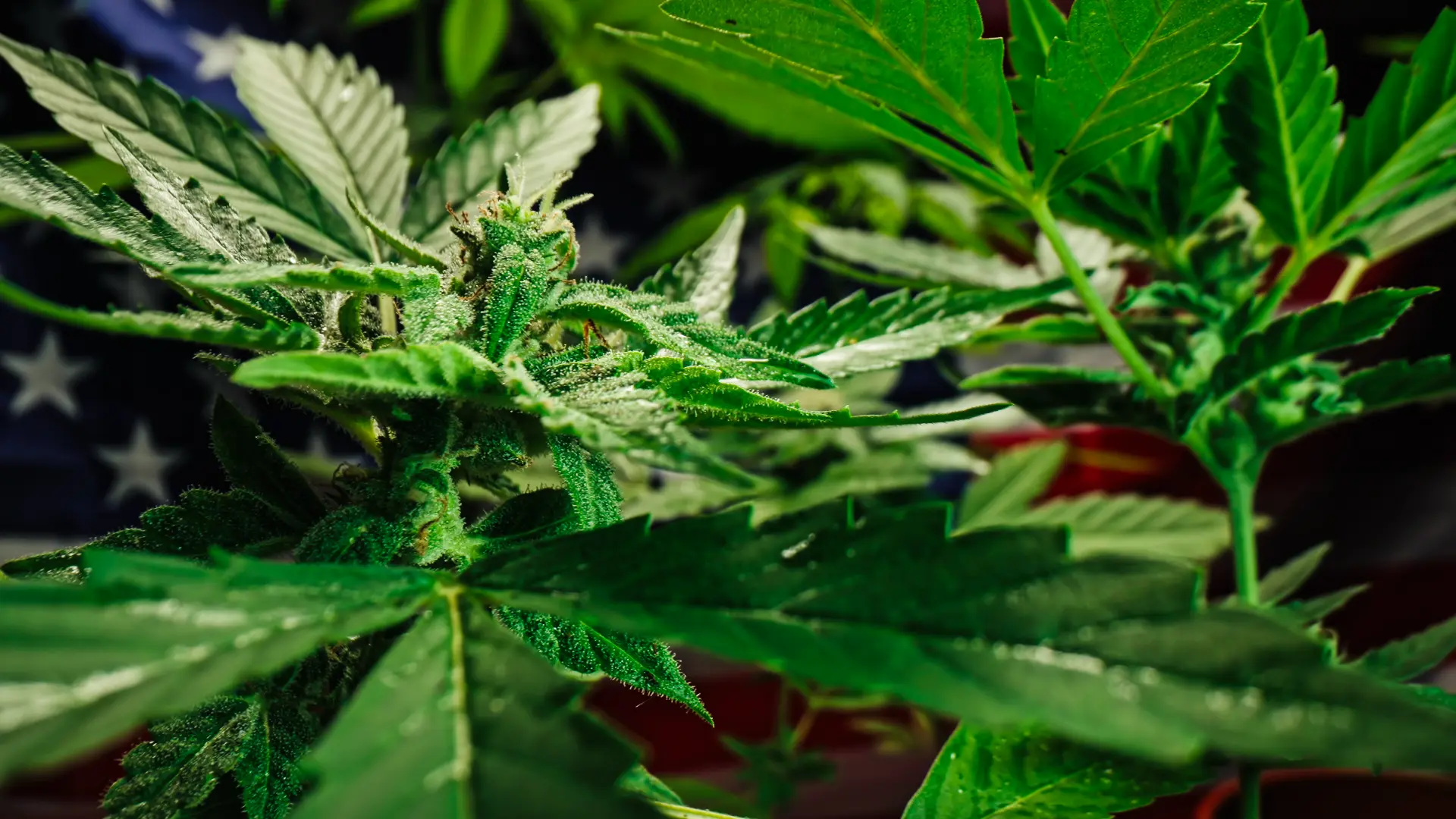
Figure 1: High leaf area index directly correlates with extensive root surface area, driving rapid daily container dry-back rates.
Cultivators must recognize that visual canopy size above ground does not always mirror root biomass below ground. Two plants may exhibit identical thirty-centimeter canopy heights, yet root excavation or volumetric moisture telemetry frequently reveals that one plant has thoroughly colonized the entire container volume from top to bottom, while the other possesses roots confined strictly to the center core. The thoroughly rooted pot dries evenly across its entire profile, while the poorly rooted pot dries only in the center, leaving outer and lower soil cold and waterlogged.
Furthermore, symbiotic biological colonization introduces profound variations. A container that received successful early inoculation with beneficial mycorrhizal fungi (Glomus intraradices) develops an extensive network of microscopic fungal hyphae that extends inches beyond the physical root tips. These fungal hyphae act as secondary root systems, accessing microscopic water films in tiny micropores that plant roots cannot physically penetrate, accelerating container dry-down velocity by up to 30 percent compared to un-inoculated pots.
Microclimate Variations: Airflow, Radiation, and Temperature Gradients
While root biomass represents the internal biological engine, localized environmental microclimates represent the external physical engine that pulls moisture out of specific containers. Indoor grow tents and commercial warehouse rooms are plagued by subtle, invisible atmospheric gradients.
1. Boundary Layer Airflow Dynamics. Surrounding every cannabis leaf is a thin, microscopic blanket of still, stagnant air known as the boundary layer. As water vapor transpires through stomatal pores, it accumulates in this boundary layer, elevating localized humidity right against the leaf cuticle and slowing further evaporation. When an oscillating circulation fan blows directly across a specific plant, high-velocity air physically strips this boundary layer away, replacing it with dry room air. Boundary layer resistance drops to near zero, causing transpirational water loss to accelerate exponentially. A container sitting directly in the direct air blast of a fan can transpire twice as much water daily as an identical plant sitting in gentle, stagnant air in the opposite corner of the room.
2. Radiant Thermal Hotspots and PPFD Gradients. Photosynthetically Active Radiation (PAR) from high-intensity LED or HPS fixtures delivers immense thermal radiation to plant canopies. Light fixtures do not emit light uniformly: PPFD maps demonstrate that light intensity is heavily concentrated in the center of the canopy footprint (often measuring 1,000 to 1,100 μmol/m²/s), while tapering off sharply toward the tent perimeter and corners (often dropping to 450 to 550 μmol/m²/s). Infrared thermal imaging reveals that leaves directly beneath the center hotspot operate at temperatures 2°C to 4°C warmer than corner leaves. Higher leaf temperature elevates internal foliar vapor pressure, creating a steep leaf-to-air vapor pressure deficit (VPD) that forces center containers to dry out significantly faster than perimeter pots.
The Proximity Factor: Dehumidifiers, Heaters, and Duct Discharges
Growers frequently place internal equipment inside their cultivation tents without considering convective thermal discharge. An internal 50-pint commercial dehumidifier pulls moist air across cold coils, but exhausts dry air that is 3°C to 5°C warmer than ambient room temperature directly out of its exhaust louvers. If container number one sits twelve inches away from this dehumidifier exhaust stream, it is constantly bathed in a hot, dry, low-VPD thermal microclimate. That specific container will dry out in thirty-six hours, while plants four feet away on the intake side take four days to deplete their moisture.
3. Floor Conduction and Root-Zone Temperature. In basement and garage grow rooms, floor temperature creates massive subterranean microclimates. Concrete slabs in contact with cold ground often hover between 10°C and 14°C (50°F to 57°F) during winter months. Containers sitting directly on bare concrete experience severe conductive cooling through their bases: root temperatures plunge below 15°C, paralyzing root water uptake and slowing dry-back to a crawl. Conversely, a container sitting near an uninsulated warm duct run or elevated on a wooden pallet maintains an optimal 20°C root temperature, drinking water vigorously.
Furthermore, air distribution along the floor dictates container sidewall evaporation. In fabric aeration pots (such as SmartPots), water evaporates continuously through the porous geotextile sidewalls. If lower passive intake vents direct dry incoming air across the side of one specific pot, sidewall evaporation dries that container out rapidly from the outside in, while pots shielded from the intake draft remain uniformly moist.
Substrate Hydraulic Anomalies: Channeling vs. True Transpiration
When a cultivator discovers a container that is bone-dry only twenty-four hours after watering, they frequently assume the plant is drinking like a champion. In many cases, however, the plant drank virtually nothing: the container suffered from an acute physical substrate defect known as preferential bypass channeling.
Preferential bypass channeling occurs when peat moss, coconut coir, or organic potting soil undergoes severe localized dry-out. Peat moss and decomposed organic matter contain natural waxy lipids and suberin compounds that become intensely hydrophobic (water-repellent) when volumetric water content drops below 20 percent. The contact angle of water against hydrophobic peat fibers exceeds 90 degrees, causing the soil to actively repel moisture rather than absorb it.
When the grower pours two liters of nutrient solution onto a hydrophobic pot, the water refuses to infiltrate the dry soil core. Instead, water follows the path of least physical resistance: it runs sideways across the dry crusted surface, finds the gap where the soil has shrunk away from the smooth plastic container wall, and cascades straight down the inside perimeter of the pot, pouring out of the bottom drainage holes into the saucer in less than fifteen seconds!
Why is one of my plants in the corner of my tent drying out twice as fast as the plant right in the middle?
Question sent by: Marcus Thorne, via email.
The rapid drying of your corner plant is almost certainly driven by a severe microclimate airflow vector combined with equipment proximity. Growers often assume center plants under the brightest light dry fastest, but corner plants frequently sit directly in the high-velocity return air path of wall-mounted circulation fans, or adjacent to the warm, dry exhaust blast of an internal dehumidifier.
When high-velocity dry air constantly strips the microscopic boundary layer of moisture from leaf surfaces, transpirational pull increases dramatically. Furthermore, inspect the physical pot: if dry air is hitting the porous sidewalls of a fabric pot in that corner, moisture is evaporating directly through the felt fabric into the room. To verify this, swap that corner plant with a center plant; if the newly moved plant begins drying rapidly within two days, you have confirmed an airflow microclimate hotspot that requires re-aiming your circulation fans or shielding the intake airflow.
Bypass channeling creates an insidious optical illusion: the grower sees abundant runoff in the saucer, assumes the soil is 100 percent saturated, and empties the drain tray. In reality, the central root ball where ninety percent of the feeder roots reside remained bone-dry and untouched by water! The plant wilts within twenty-four hours, the container feels light, and the grower concludes the plant has a massive appetite, pouring more water down the exact same bypass channels and accelerating root desiccation.
A second physical cause of uneven dry-back is inconsistent packing density during potting. If one container was hand-tamped firmly while another was filled loosely, their bulk densities and total pore volumes differ substantially. The loosely packed pot holds significantly less water at container capacity and drains faster under gravity, while the densely packed pot holds a larger water volume and dries out much more slowly.
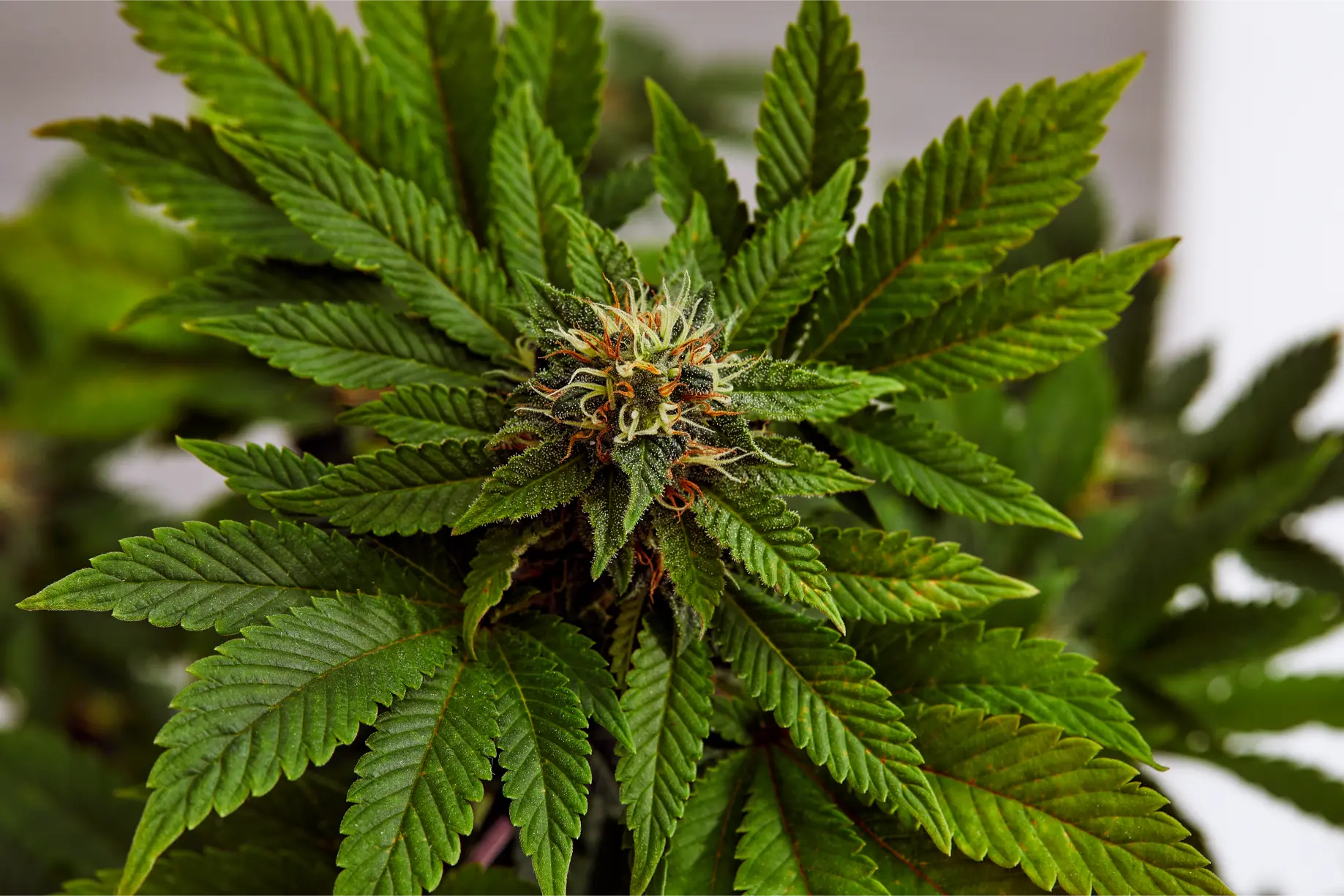
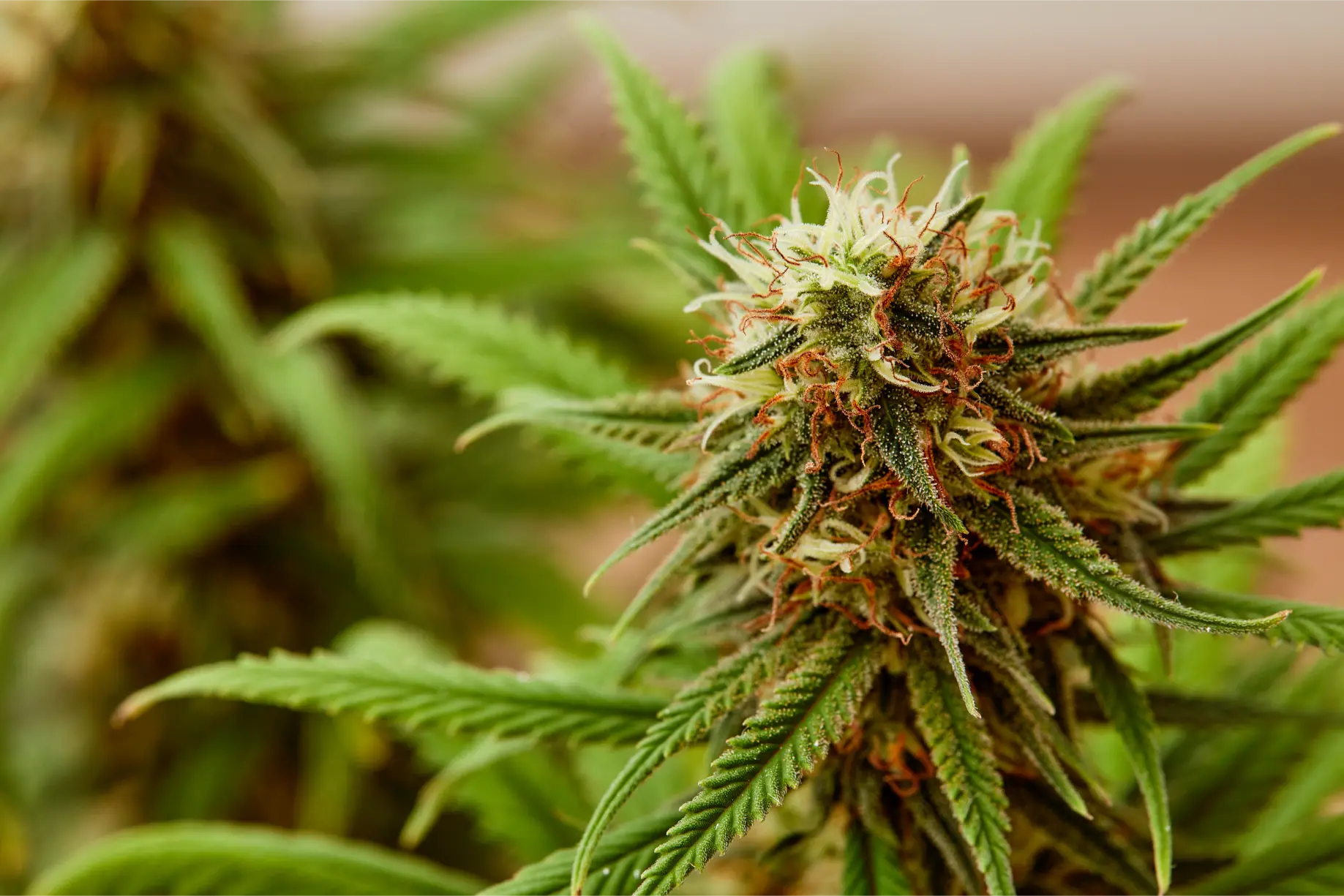
Figure 2: Sustaining uniform floral density across the entire canopy requires identifying and correcting individual container dry-back anomalies early in the vegetative cycle.
Diagnostic Protocol: The Dual-Weighing Gravimetric and VWC Audit
To eliminate subjective guesswork and determine precisely why a container is drying at an abnormal rate, cultivators should execute this objective, empirical diagnostic testing protocol.
Step 1: The Dual-Weighing Gravimetric Audit. Instead of relying on the inaccurate finger-in-the-soil method, use an inexpensive digital luggage scale or bench scale to track physical container weight in kilograms or pounds. Immediately after watering all plants to full container capacity and allowing gravitational drainage to cease (twenty minutes post-irrigation), weigh every container and record the baseline saturated weight (W_sat). Twenty-four hours later, re-weigh all containers to record the intermediate weight (W_24). The difference represents true total water loss in grams (since 1 gram of water equals exactly 1 milliliter):
Daily Transpiration Loss (mL) = W_sat (grams) – W_24 (grams)
If the fast-drying pot lost 2,200 grams of water while its neighbor lost only 900 grams, you have mathematically confirmed an extreme disparity in transpirational consumption. If the fast-drying pot weighed 30 percent less than its neighbor immediately after watering (W_sat was much lower), the container suffered from bypass channeling and never absorbed its full water capacity!
Step 2: Substrate Volumetric Water Content (VWC) Core Profiling. Deploy a digital soil moisture sensor utilizing Time-Domain Reflectometry (TDR) or frequency capacitance (such as an Aroya, TrolMaster, or Ecowitt sensor). Take volumetric moisture readings across three vertical depths: top two inches, mid-root zone, and container floor. In a healthy plant drying via active transpiration, VWC drops uniformly across all three depths. In a channeled, hydrophobic container, the top and bottom may read 45 percent VWC while the mid-depth root core reads 8 percent VWC, exposing severe un-wetted dry pockets.
Step 3: Runoff Volume and EC Audit. When irrigating, measure the exact volume of runoff produced by the fast-drying container compared to the slow-drying container. If both received exactly 2,000 mL of water, but the fast-drying container produced 1,200 mL of runoff (60% runoff) while the slow container produced 300 mL (15% runoff), the fast container is suffering from severe channeling and soil shrinkage, not high transpiration.
Diagnostic Matrix: Root-Zone Dry-Back Disparities
The following diagnostic reference matrix compares the four primary causes of uneven container dry-back across physical symptoms, gravimetric measurements, and corrective engineering actions.
| Underlying Root Cause | Visual Plant Appearance | Saturated Weight (W_sat) | Daily Weight Loss (Rate) | Runoff Behavior | Immediate Corrective Action |
|---|---|---|---|---|---|
| High Root Biomass Transpiration | Large, vigorous canopy; bright turgid foliage | Normal full weight (Heavy) | Very Fast (>1,800 g/day) | Normal (10-15% delayed runoff) | Increase irrigation volume/frequency for this specific plant |
| Localized Airflow / VPD Hotspot | Normal canopy size; wind-rippled leaves | Normal full weight (Heavy) | Very Fast (>1,500 g/day) | Normal (10-15% delayed runoff) | Re-aim oscillating fans; rotate pot to cooler tent zone |
| Preferential Bypass Channeling | Stunted, pale growth; wilting despite watering | Abnormally Light (-30% to -40%) | Appears Fast (Runs out instantly) | Excessive (>50% instant runoff) | Bottom-soak pot for 30 min; apply yucca surfactant drench |
| Root Rot / Hypoxia (Slow Pot) | Downward drooping leaves; yellowing lower canopy | Stays Heavy for 5+ days | Extremely Slow (<300 g/day) | Sluggish, dark runoff | Halt watering; elevate pot; aerate substrate with perlite |
By comparing gravimetric measurements against this diagnostic matrix, cultivators can immediately identify whether a fast-drying container is a high-performing champion that requires more food, or an afflicted, channeled pot requiring rewetting remediation.
Once the root cause is established, cultivators must implement systematic corrections to re-synchronize canopy dry-back rates across the room.
Systemic Correction Sequences: Restoring Canopy Uniformity
Re-establishing uniform irrigation cycles across a divergent canopy requires executing targeted mechanical, biological, and environmental corrections.
Correction Protocol 1: Remediating Hydrophobic Bypass Channeling. If gravimetric testing confirms that a fast-drying container is failing to absorb water due to hydrophobicity, execute the Sub-Surface Re-Hydration Protocol. Prepare a shallow tub or basin with room-temperature water amended with an organic non-ionic wetting agent (such as cold-pressed yucca schidigera extract at 1/4 teaspoon per gallon or horticultural saponin). Place the dry container into the tub, allowing water to reach halfway up the pot. Allow the container to soak from the bottom up for thirty to forty-five minutes. Through capillary matric suction, the surfactant water breaks surface tension, dissolves hydrophobic waxy coatings, and rehydrates the internal dry core from the bottom up. Once fully saturated, lift the pot, allow gravitational drainage for fifteen minutes, and weigh to verify that full saturated weight is restored.
Correction Protocol 2: The Canopy Chess Rotation Workflow. To neutralize localized microclimate hotspots, commercial cultivators implement weekly container rotation protocols (canopy chess). Every seven days, rotate container positions systematically: move center plants to perimeter positions, and shift corner plants into center high-PPFD positions. Swapping positions equalizes cumulative photon exposure, balances boundary-layer airflow velocity over time, and prevents individual containers from developing chronic localized transpirational divergence.
Correction Protocol 3: Automated Micro-Pulse Irrigation Zoning. In automated commercial drip installations, attempting to hand-water individual outlier pots is labor-inefficient. Instead, divide automated drip manifolds into two independently scheduled solenoid zones: Zone A for high-vigor, fast-drinking plants, and Zone B for moderate-drinking plants. High-vigor plants receive five pulse irrigations daily, while moderate plants receive three pulses. This ensures every container achieves its target 10 to 15 percent leaching fraction without overwatering slower companions.
For operations running single-zone manifolds where independent zoning is mechanically impossible, cultivators can install dual-stake dripper assemblies on fast-drying outlier pots. By inserting a second pressure-compensating drip stake into the thirsty container, that specific pot receives double the volumetric delivery during each scheduled pulse event, equalizing container moisture content across the entire room without altering central controller runtimes.
The Golden Rule: Never Water on a Rigid Calendar Schedule
The single most destructive habit in container cultivation is pouring water into every pot simply because “it is Wednesday.” Every container must be evaluated on its own physical merit. In manual hand-watered gardens, adopt the Pot-Lift Threshold: lift each container by its rim before watering. If the pot feels heavy and water-logged, skip it, regardless of what schedule says! Only irrigate containers that have reached their target 50 to 60 percent dry-back threshold. Treating each container as an individual biological system permanently eliminates root rot and guarantees optimal root-zone oxygenation.
Furthermore, cultivators should inspect physical drainage saucers beneath outlier pots. If one container sits flush inside a warped saucer where drainage runoff pools and fails to drain away, the substrate base reabsorbs wastewater via capillary suction, keeping that pot artificially heavy and wet for days while elevated neighbors dry freely.
Additionally, verify that fabric container sidewalls have not developed heavy salt encrustation. Porous fabric pots exposed to direct dry fan drafts accumulate white crystalline mineral salts along their outer felt weave. These salt deposits alter fabric porosity, increasing evaporative wicking from the pot perimeter and accelerating localized dry-down rates.
Container Dry-Back Uniformity Inspection Checklist
Before initiating floral induction or expanding automated irrigation schedules, verify that all containers in the garden satisfy this uniformity inspection checklist.
- Gravimetric Baseline Logged: Record initial saturated container weights (W_sat) for all plants twenty minutes after full irrigation to confirm uniform substrate water retention.
- Airflow Vector Alignment Checked: Verify that oscillating circulation fans deliver gentle, diffuse canopy turbulence rather than focused, high-velocity air blasts aimed directly at individual pots.
- Equipment Thermal Exhaust Shielded: Ensure internal dehumidifiers and space heaters are positioned so their warm, dry exhaust plumes discharge into open ceiling air rather than directly against nearby container sidewalls.
- Bypass Channeling Eliminated: Inspect dry containers during irrigation; confirm water infiltrates the surface evenly within twenty seconds rather than cascading instantly down the inside pot walls.
- Elevated Pot Risers Confirmed: Verify that every container sits upon an elevated plastic riser, guaranteeing an unbroken air gap that prevents capillary reabsorption of standing saucer runoff.
- Light Intensity Map Verified: Check canopy PPFD distribution with a quantum PAR meter; adjust fixture hanging height to achieve balanced light intensity across the entire canopy footprint.
Adhering to this operational checklist ensures that indoor cultivation spaces maintain high microclimatic uniformity, preventing localized moisture extremes and fostering robust, simultaneous canopy maturation.
Preventative Maintenance and Canopy Uniformity Schedule
To preserve long-term crop uniformity and prevent creeping moisture disparities across flowering cycles, commercial cultivators should adhere to this structured audit schedule.
| Audit Frequency | Target Inspection | Diagnostic Action | Operational Benchmark |
|---|---|---|---|
| Daily | Canopy Turgor & Pot Lift | Conduct physical lift check on all containers; log any outlier pots that feel abnormally light or heavy. | Containers follow synchronized 48-to-72-hour wet-dry depletion cycles. |
| Weekly | Gravimetric 24-Hr Weight Audit | Weigh three fast pots and three slow pots; calculate exact 24-hour transpirational moisture loss in grams. | Daily transpiration variation between plants within ±15% across uniform genetics. |
| Weekly | Canopy Chess Position Rotation | Rotate pot positions across the room grid (swap perimeter containers with center containers). | Equalizes cumulative photon exposure and boundary layer airflow over the cycle. |
| Bi-Weekly | Substrate Wetting Agent Maintenance | Apply a light soil drench containing organic yucca surfactant (1/4 tsp/gal) to prevent hydrophobicity. | Zero preferential bypass channeling; uniform surface water penetration. |
| Between Cycles | Substrate Blending Uniformity | If mixing bulk media, test bulk density and air-filled porosity across multiple batch samples. | Substrate porosity and bulk density variation within ±5% across all pots. |
Adhering to this rigorous preventative maintenance protocol ensures that physical container hydrology remains stable, transpirational pull remains balanced, and every plant across the cultivation room delivers maximum genetic potential and uniform harvest quality.
Scientific References and Technical Standards
- Allen, R. G., Pereira, L. S., Raes, D., & Smith, M. (1998). Crop Evapotranspiration: Guidelines for Computing Crop Water Requirements (FAO Irrigation and Drainage Paper 56). Food and Agriculture Organization of the United Nations, Rome, Italy.
- Boyer, J. S. (1995). Measuring the Water Status of Plants and Soils. Academic Press, San Diego, CA.
- Fonteno, W. C. (1993). Problems and considerations in determining physical properties of horticultural substrates. Acta Horticulturae, 342, 197-204.
- Handreck, K. A., & Black, N. D. (2002). Growing Media for Ornamental Plants and Turf (3rd ed.). UNSW Press, Sydney, Australia.
- Monteith, J. L. (1965). Evaporation and environment. Symposia of the Society for Experimental Biology, 19, 205-234.
- Taiz, L., Zeiger, E., Møller, I. M., & Murphy, A. (2015). Plant Physiology and Development (6th ed.). Sinauer Associates, Sunderland, MA.
- Zheng, Y. (Ed.). (2021). Handbook of Cannabis Production in Controlled Environments. CRC Press, Boca Raton, FL.
Share this article
A quick overview of the topics covered in this article.
Follow us
Latest articles
November 6, 2026

November 6, 2026

November 6, 2026
November 6, 2026