
Ants, Honeydew, and Sap-Feeding Insects
Ants climbing up cannabis stalks almost never eat healthy leaves or buds. Instead, steady ant highways up stems are a reliable visual alarm that phloem-feeding insects, most commonly aphids, soft scale insects, mealybugs, or whiteflies, are actively tapping the plant’s sap stream and excreting sugar-rich honeydew. Because ants harvest that sweet honeydew as a high-energy food source, they aggressively patrol the foliage, chase away lady beetles and lacewings, and physically relocate sap feeders onto fresh shoot tips.
Simply misting the ants off the plant or scattering chalk around pots fails because the underlying sap-feeding colony keeps producing sugar while worker ants return within minutes from soil nests. Breaking this triangle cleanly requires addressing all three parts in order: find and identify the specific sap-feeder under magnification, block ants from ascending stems so predators can work, and remove sticky honeydew before black sooty mold fungi coat the photosynthetic canopy.
Why Ants Patrol Cannabis Stems: Sap-Feeder Mutualism
Understanding phloem physiology explains both why sap feeders excrete liquid sugar and why ants defend them fiercely.
Phloem Sap Pressure and Honeydew Excretion
Plants transport sucrose and dissolved amino acids under positive turgor pressure through vascular phloem sieve tubes. Piercing-sucking hemipteran pests insert needle-like stylets directly into phloem bundles; because phloem sap contains abundant carbohydrates but relatively dilute amino acids, insects process large volumes of sap and excrete excess sugar solution cleanly out the anus as clear, sticky honeydew.
How Ant Farming Sabotages Biological Pest Control
Argentine ants, pavement ants, and carpenter ants form tight protective mutualisms with aphids, scale, and mealybugs. Worker ants stroke aphid cornicles to collect fresh honeydew droplets and, in return, bite or toss invading biological predators, such as green lacewing larvae (Chrysoperla rufilabris), ladybird beetles, hoverfly larvae, and parasitic wasps (Aphidius colemani). Releasing beneficial insects into an unbanded, ant-guarded outdoor crop rarely lowers pest pressure until stem access is blocked.
Secondary Black Sooty Mold Fouling
Uneaten honeydew dripping onto lower fan leaves and developing sugar leaves does not poison tissue directly, but it fuels dark saprophytic fungi (commonly called sooty mold, including Capnodium and Cladosporium species). A dense black velvety crust blocks incident light across leaves and ruins the visual and aromatic integrity of late-stage flower buds.
Hemipteran Ant Mutualism
A cooperative ecological partnership in which sap-feeding insects (aphids, soft scales, mealybugs, leafhoppers) trade nutrient-rich honeydew for physical defense against predators, sanitary removal of fouling wastes, and assisted dispersal by foraging ant colonies.
Tracing exact ant destinations reveals which pest is hiding on stems, undersides, or below the mulch layer.
Seeing steady lines of ants climbing main stalks often confuses growers who assume ants are chewing the cannabis plant directly.
“Why do small black ants keep marching up my outdoor plant stems when I cannot see any chewed leaves?”
Question sent by: Garrett Ellington, via email.
Ants are farming sap-feeding insects rather than chewing foliage themselves. Follow a line of climbing ants to the underside of tender leaves or shaded woody stem nodes to locate aphids, soft scales, or mealybugs excreting sweet liquid honeydew.
Evaluating plant response calmly after addressing the primary mechanism protects ants, honeydew, and sap-feeding insects outcomes over the days ahead.
Diagnostic Inspection: Tracing Ant Highways to Specific Sap Feeders
Never guess which sap-feeding pest is feeding on the crop; follow a five-minute stem-to-tip trail trace with a hand lens.
Check Shoot Tips and Abaxial Leaf Veins First
Aphids cluster densely along tender apical shoots and underneath upper fan leaves where phloem pressure is highest. Look for pear-shaped green, yellow, pink, or dark bodies alongside tiny pale shed skins stuck in sticky shine.
Examine Woody Nodes, Petiole Crotches, and Soil Collars
If ants stop halfway up lignified main branches rather than climbing to green leaves, check tightly around nodal crotches and woody bark for immobile dome-shaped bumps (soft scales) or cottony white segmented wax masses (mealybugs). Ants also occasionally tend subterranean root aphids just below the soil line, so follow downward-moving trails right to the crown collar as well.
| Sap-Feeding Pest & Ants | Primary Plant Location | Characteristic Signs | Confirmed Control Focus |
|---|---|---|---|
| Aphids (Foliar) | Young shoot tips, abaxial leaf midribs, floral bracts | Soft pear-shaped bodies, shed white exoskeletons, sticky clear shine | Exclude ants + dislodging/permitted early bio-sprays + green lacewing larvae |
| Soft Scale Insects | Woody lower main stems, branch forks, leaf petioles | Smooth brown/tan dome bumps that barely move; heavy honeydew streams | Exclude ants + manually wipe stem armor off + check nearby woody orchard shrubs |
| Mealybugs | Protected stem axils, undersides of shaded leaves, pot rims | White waxy cottony tufts, slow oval bodies, persistent ant tending | Isolate affected plant + stem ant barriers + Cryptolaemus/lacewing support |
| Whiteflies | Lower canopy undersides; flutter into air when tapped | Tiny white moth-like adults + translucent flat nymphs under leaves | Yellow sticky monitoring cards + Encarsia formosa + exclude canopy ants |
Separating true honeydew from plant guttation, spider-mite sheen, or foliar oil residue prevents wasted sprays.
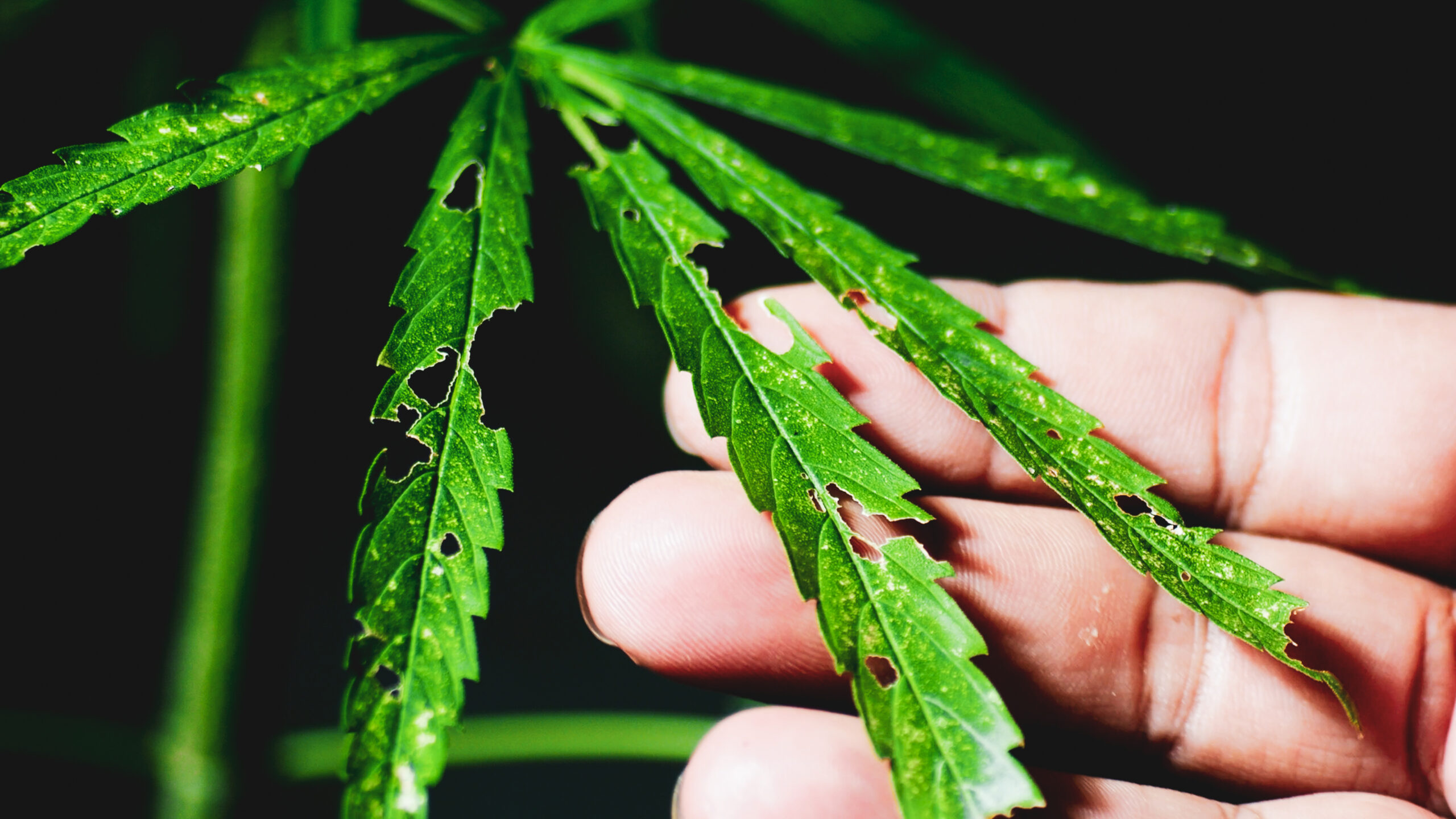
Combining structured field cues with clean environmental benchmarks separates primary triggers from harmless look-alikes.
Differentiating Look-Alikes: Guttation Drops, Mites, and Oil Sheen
Not every glistening leaf surface outdoors comes from insects, knowing the physical difference saves unnecessary intervention.
Early Morning Xylem Guttation vs Continuous Sticky Honeydew
High nighttime root pressure in moist beds forces crystal droplets of xylem fluid out of leaf-margin teeth (hydathodes) right before sunrise. Unlike sugary honeydew scattered across random upper leaf blades directly beneath infested branches, guttation droplets sit strictly along serrated leaf margins and evaporate clean as daylight warms.
Silky Spider-Mite Webbing vs Waxy Mealybug Cotton
Spider mites are arachnids, not honeydew producers, and ants rarely farm them. If sticky-looking shimmer appears alongside bronze stippled speckles and microscopic spherical eggs, without ants trailing up and down stalks, confirm spider mites under 30x magnification rather than assuming sap feeders.
Field Advice: Follow three individual ants uninterrupted for 60 seconds before applying anything. Wherever an ant stops to stroke a stationary bump or cluster under a vein, that exact spot holds the primary pest colony.
Breaking the ant bridge first turns predators and sanitation back into effective tools.
Reviewing connected site and crop factors helps lock in consistent results across harvests.
Shiny wet droplets on outdoor leaves inside a completely dry heatwave quickly point back to phloem excretion.
“Can I wrap duct tape sticky-side-out or spread sticky tanglefoot paste straight onto the base of my cannabis stalk?”
Question sent by: CascadeSapScout, via contact form.
Do not smear sticky petroleum or polybutene pastes directly onto living cannabis bark, because hot sun and oils penetrate and burn green stem tissue. Wrap a loose collar of tree wrap or painter’s tape around the stalk first, coat only the outer collar, and inspect every two weeks so rapid stem growth never girdles.
Verifying environmental and physical checkpoints before layering a second intervention avoids compounding preventable crop stress.
Disrupting the Mutualism: Exclusion Bands, Baits, and Predator Release
Controlling ant-farmed pests works reliably only when stems are sealed cleanly and surrounding yard reservoirs are addressed.
Safe Sticky Stem Barriers (Never Directly on Bark)
Smearing horticultural sticky polybutene paste directly onto soft green cannabis stems burns cortical tissue and girdles the plant as the stalk thickens. Instead, wrap a clean 5-to-8 cm strip of gardener’s tree wrap, heavy kraft paper, or foam weatherstripping loosely around the lower trunk, secure gently with elastic tie, and coat ONLY the outer wrap with horticultural sticky barrier so ascending ants cannot bridge upward.
Pruning ‘Green Bridges’ and Enclosed Sweet Bait Stations
Stem wraps fail instantly if drooping side branches touch neighboring weeds, tomato stakes, trellis netting anchored to ground posts, or fence boards, ants will walk straight across those bridges. Trim back touching weeds, isolate container rims off infested soil, and place tamper-resistant enclosed liquid borax-sugar ant bait stations strictly at ground perimeter trails (never pouring liquid bait directly into plant root zones).
Clearing Honeydew and Supporting Natural Enemies
In vegetative crops, gentle warm-water spraying washes sticky honeydew sugars off leaves and clears initial sooty mold film once ants are blocked. Once stem traffic ceases, green lacewing larvae (Chrysoperla) and native syrphid flies clean up residual aphid colonies efficiently without fighting off defender ants.
| Control Layer | Target Part of Cycle | Clean Implementation | Mistake to Avoid |
|---|---|---|---|
| Wrapped trunk sticky band | Blocks ground-to-canopy ant traffic | 5-8 cm cloth/kraft collar wrapped loosely around base trunk; coat exterior only | Smearing sticky resin straight onto living cannabis epidermis |
| Physical ‘bridge’ trimming | Prevents bypass detours into canopy | Trim grass, weeds, and low foliage touching soil, stakes, or fences | Banding trunk while low fan leaves still drag across soil mulch |
| Perimeter enclosed baits | Reduces off-plant worker colony numbers | Weatherproof liquid/gel sugar baits set outside container/bed paths | Drenching borax solutions directly into cannabis potting soil or beds |
| Beneficial insect release | Consumes unprotected aphids/mealybugs | Release Chrysoperla lacewing larvae after ant patrol stops | Releasing predators onto heavily ant-patrolled stems |
Checking surrounding yard hosts prevents re-infestation right after your first cleanup succeeds.
Remember: Ants climbing a cannabis stalk are almost never the primary pest; they are agricultural livestock herders guarding an active aphid, scale, or mealybug infestation.
Keeping clear operational boundaries prevents well-intentioned shortcuts from compounding small mistakes.
Dropping beneficial predators onto an ant-patrolled plant fails surprisingly fast unless the ant highway itself is disrupted.
“Shiny sticky droplets appeared overnight on lower leaves inside a dry tent with no watering splashes. Is that sap from the plant?”
Question sent by: Wyatt Norwood, via Facebook page.
Random sticky clear glaze pooled across top surfaces of lower fan leaves directly beneath upper branches is honeydew excreted by sap-feeding insects overhead rather than plant guttation. Check the undersides of leaves immediately above the sticky spots using a 20x loupe.
Keeping clear field measurements across consecutive checks ensures adjustments track the real root cause accurately.
Prevention Mistakes and Surrounding Host Management
Outdoor cannabis often inherits ant-farmed aphids and scales from adjacent ornamental shrubs, fruit trees, and weeds.
High-Nitrogen Succulent Flush Invites Phloem Feeders
Aggressive synthetic or high-nitrate vegetative feeding pushes rapid, soft, thin-walled shoot tips packed with soluble free amino acids, the single strongest nutritional magnet for reproducing aphids. Keeping vegetative nutrition balanced without excess nitrogen luxury consumption slows aphid reproductive doubling times substantially.
Trap Plants and Adjacent Host Shrubs (Milkweed, Citrus, Hibiscus)
Ants routinely manage perennial scale and aphid nurseries on roses, citrus, stone fruit, oleander, and border weeds before herding crawlers onto neighboring summer cannabis. Inspect border perennials within ten meters of outdoor beds so hidden reservoirs do not keep seeding clean cannabis canopies.
Ant-and-Sap-Feeder Best Practices
Trace active ant trails directly to exact leaf undersides or woody nodes; install removable paper or fabric trunk collars coated with barrier paste; eliminate ground-touching foliage bridges; introduce lacewing predators once stems are clear of defending ants.
Harmful Yard Shortcuts
Avoid applying horticultural sticky goo straight onto living plant bark; avoid scattering uncontained insecticide granules over edible soil beds; avoid ignoring black sooty mold crusts on sticky honeydew; avoid soaking maturing flower colas with harsh oils or soaps.
A repeatable scouting walk every four days catches rising ant numbers while colonies are still confined to single shoots.

Documented canopy checkpoints and baseline equipment readings make follow-up evaluation fast and objective.
Weekly Canopy Inspection and Containment Verification
Re-check trunk wraps, surrounding foliage bridges, and leaf undersides 72 hours after blocking ant access.
Confirming Stem Wrap Integrity as Stalks Thicken
Outdoor vegetative stalks swell rapidly during June and July. Loosen and re-fit trunk collars every two to three weeks so tight ties never girdle vascular flow, and wipe accumulated dust off sticky bands so ants cannot walk across dirt bridges.
Verifying Predator Persistence and Honeydew Reduction
Successful intervention shows two clear signals within five to seven days: sticky droplets stop forming on clean upper leaves beneath tagged colonies, and dried mummified aphid shells or predator larvae remain undisturbed on leaf undersides.
Ant, Honeydew, and Sap-Feeder Verification Checklist
- Inspect sunny stem stalks and leaf sheen daily for upward ant lines or glistening honeydew droplets.
- Trace individual foraging ants for 60 seconds with a 20x lens to identify aphids, scale, mealybugs, or root aphids.
- Cut away every weed, grass blade, low fan leaf, or tie wire creating a ground bridge onto the upper plant.
- Wrap lower main trunks loosely with removable cloth/kraft tape collars before applying sticky barrier paste.
- Place enclosed tamper-resistant ant baits along exterior yard ant trails away from edible soil root zones.
- Wash vegetative honeydew cleanly with plain water only after ants are blocked and airflow dries leaves rapidly.
- Loosen trunk wraps every 2-3 weeks during rapid stem thickening and verify sap-feeder numbers are dropping.
Interrupting the ant partnership removes the sap feeders’ bodyguards and restores balanced natural pest suppression across the garden.
Separating leaf-stem mutualisms outdoors from indoor fungus gnat or mite misconceptions keeps crop response clean.
“I released ladybugs onto my aphid-infested outdoor bed and they flew away within a day while ants were still on the stems. Why?”
Question sent by: FraserAphidWatch, via X.
Patrolling ants physically attack and chase away ladybugs and lacewing larvae to protect their honeydew supply, while adult ladybugs also disperse quickly once disturbed. Block ant trunk highways and trim ground bridges first, then introduce green lacewing larvae right near active clusters.
Consistent routine tracking keeps long-term crop hygiene and quality repeatable from harvest to harvest.
Scientific References
- Styrsky, J. D., & Eubanks, M. D. (2007). Ecological consequences of interactions between ants and honeydew-producing insects. Proceedings of the Royal Society B.
- University of California Statewide IPM Program (UC IPM). Ant management, honeydew, sooty mold, and physical trunk barrier wraps on woody and herbaceous crops.
- Cranshaw, W., Schreiner, M., Britt, K., et al. (2019). Developing insect pest management systems for hemp in the United States. Journal of Integrated Pest Management.
- Nelson, M. A., et al. (2021). Biological control disruption by mutualistic ants in protected and field horticultural production.
Share this article
A quick overview of the topics covered in this article.
Follow us
Latest articles
November 17, 2026
November 17, 2026
November 17, 2026
November 17, 2026
