Blue Cheese
Blue Cheese is easiest to misunderstand when it is reduced to its name. The finished flower can indeed smell sweet, sour, musky, creamy, and unmistakably funky, but the cultivar is more interesting than a novelty aroma. Its real identity comes from the tension between two very different genetic families. Blueberry contributes soft fruit, rounded sweetness, color potential, and a calmer indica-leaning finish. UK Cheese contributes the penetrating skunk-derived pungency, vigorous branching, and a savory edge that can become far louder after drying and curing than it seemed on the living plant.
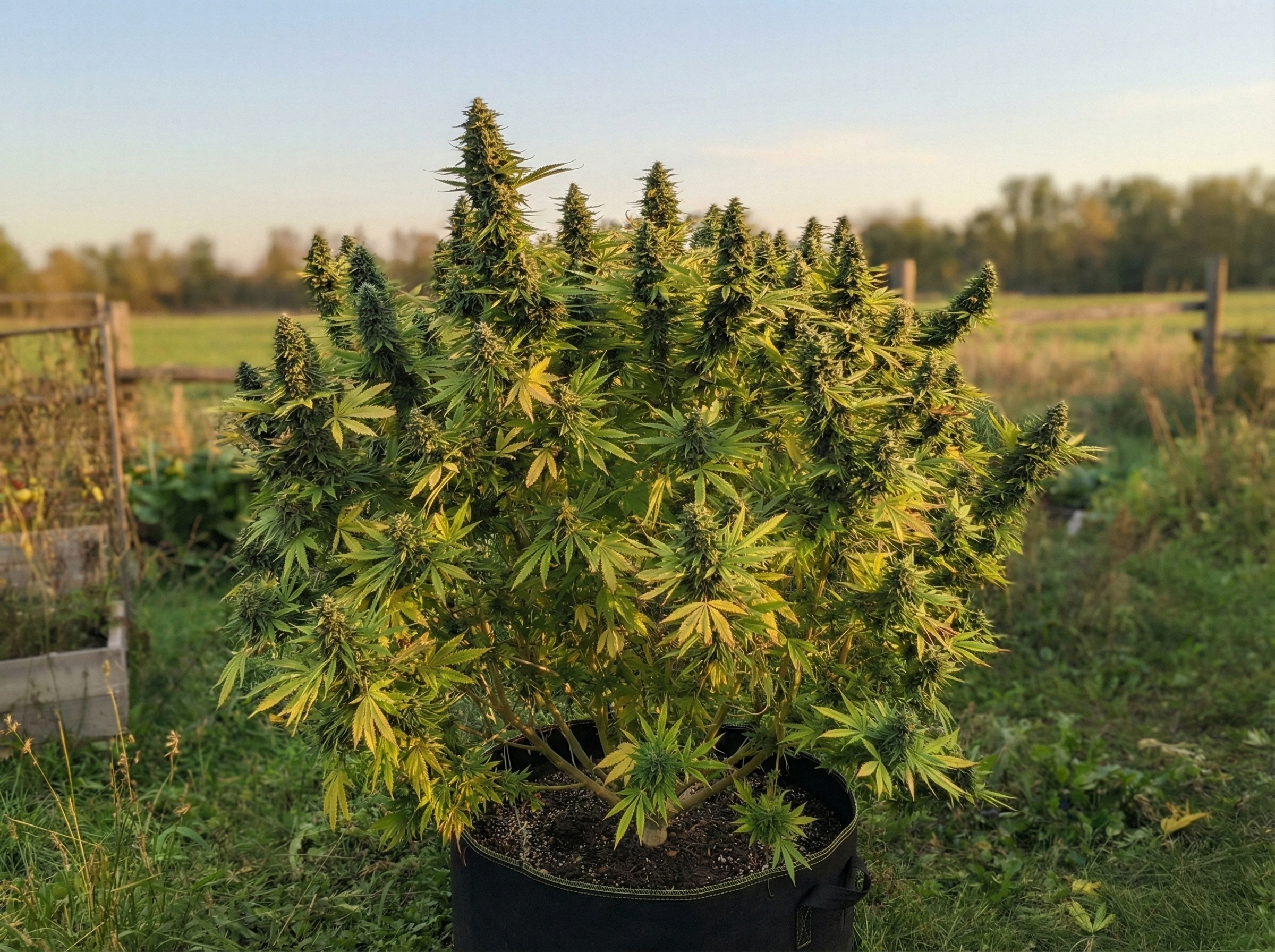
That combination gives growers a plant that is usually manageable in height but not always manageable in density. Many expressions build a broad canopy quickly, carry large fan leaves, and turn side branches into legitimate flowering limbs. Other expressions stretch much harder after the flowering transition than the compact indica label suggests. The most useful assumption is therefore not that Blue Cheese will stay short. It is that the plant will try to occupy horizontal and vertical space at the same time, and the grower needs to decide early which branches are actually worth keeping.
The strain also exposes a common mistake in flavor-focused growing. The strongest-smelling Blue Cheese flower is not automatically the best-tasting one. A plant can produce overwhelming late-flower odor yet finish with a muddy, earthy smoke if it is harvested too early, dried too quickly, or cured while the center of dense buds is still wet. The best examples keep the contrast intact: berry sweetness remains recognizable while the savory, fermented, peppery, and skunky base becomes deeper rather than harsher.
Its cultivation reputation ranges from easy and resilient to nutrient-sensitive and occasionally unpredictable. That disagreement is useful rather than inconvenient. It suggests that Blue Cheese should be treated as a cultivar family with meaningful phenotype variation, not as a single perfectly uniform plant. Some plants accept stronger feeding and vigorous training. Others show burnt tips, clawing, or stalled growth when pushed. Some remain squat. Others stretch enough to surprise growers who planned around the name rather than the plant in front of them.
The central grower task is to build a productive lateral canopy without letting that same canopy become the reason quality falls. Blue Cheese performs best when branch count, canopy depth, flower density, and post-harvest moisture are managed as one connected problem. More bud sites are not useful if half of them finish shaded, leafy, humid, and weak in flavor.
Strain Features
| Feature | Details |
|---|---|
| Strain Type | Indica-dominant hybrid in most documented expressions, though exact percentages vary between lines |
| Genetic Profile | Commonly reported around 70-80% indica influence with a smaller sativa contribution |
| Lineage | Blueberry x UK Cheese, with UK Cheese itself tracing to a pungent Skunk #1 phenotype |
| THC | Commonly reported from the mid-teens into the low 20% range; individual tested batches can fall outside this range |
| CBD | Usually low, often below 1% in THC-dominant flower |
| Dominant Terpenes | Myrcene, beta-caryophyllene, limonene, humulene, linalool, pinene, and occasionally terpinolene appear across different samples; ranking is not consistent |
| Flavor and Aroma | Blueberry, sweet berry, creamy fruit, aged-cheese funk, skunk, earth, pepper, mild citrus, and occasional floral or herbal notes |
| Effect Character | Relaxing and mood-lifting at moderate doses, with stronger body heaviness, appetite, and sleepiness as dose rises |
| Flowering Time | Commonly about 8-10 weeks indoors; faster and slower expressions exist |
| Outdoor Harvest | Usually late September through October in the Northern Hemisphere, depending on phenotype and climate |
| Plant Architecture | Bushy to medium-tall, with strong lateral branching and large foliage; some phenotypes stretch considerably after the flip |
| Stretch | Moderate on average, but highly phenotype-dependent; taller expressions can surprise growers in limited vertical space |
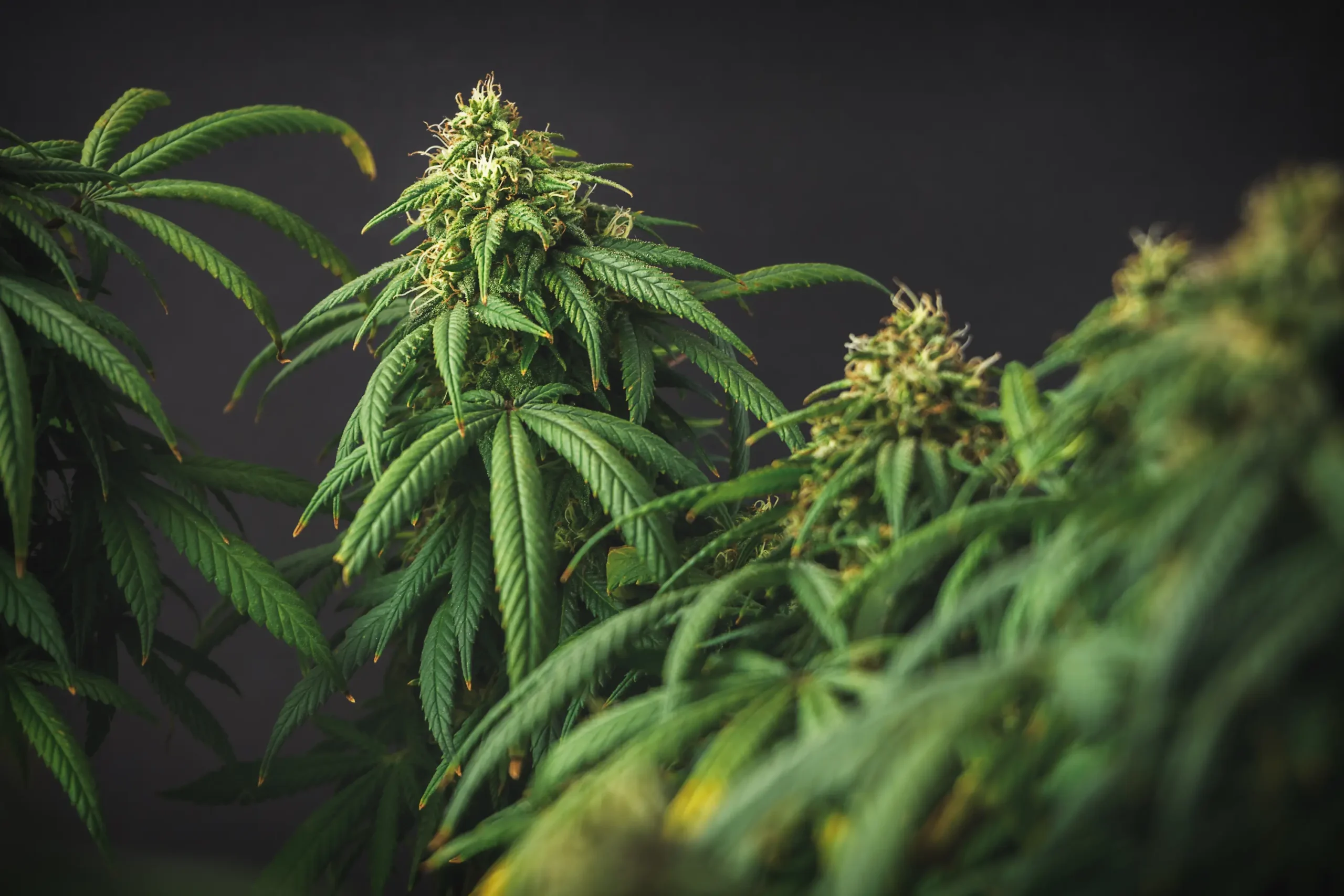
| Bud Density | Medium-dense to very dense, especially on well-lit upper branches |
| Resin Production | Generally good to high, with sticky sugar leaves and substantial trichome coverage on mature flower |
| Odor Intensity | High to very high in late flower, drying, and early cure |
| Training Compatibility | Topping, LST, selective pruning, and SCROG can work very well when the canopy is not overfilled |
| Feeding Behavior | Best treated as responsive rather than universally heavy-feeding; grow reports range from strong appetite to clear nutrient sensitivity |
| Main Quality Risk | Overcrowding plus dense flower, followed by rushed drying that removes fruit character while leaving heavier earthy and skunky notes |
| Grow Difficulty | Easy to moderate for basic plant health, moderate when the goal is premium flavor and uniform dense flower |
| Best Time of Use | Late afternoon through evening for most consumers; heavier doses are better suited to nighttime |
The numbers attached to Blue Cheese deserve caution. Different seed lines and commercial flower batches carrying the same name have tested at noticeably different THC levels and have not shared one fixed terpene hierarchy. The useful constants are broader: Blueberry and Cheese family genetics, indica-leaning effects, strong late-flower aroma, productive lateral growth, and a flavor profile that depends heavily on phenotype and post-harvest handling.
Genetic Lineage
Blue Cheese is generally documented as a cross between Blueberry and UK Cheese. The direction of that cross is commonly described as a Blueberry male used with a UK Cheese female, although later reproductions and renamed versions do not necessarily preserve the exact same parental selections. That distinction matters because Blueberry itself exists through several preserved and reconstructed lines, while UK Cheese originated as a selected clone rather than a broad seed population.
UK Cheese is best understood as a particularly pungent phenotype of Skunk #1 that became widely circulated in Britain. Its importance to Blue Cheese goes beyond the obvious savory smell. Skunk-derived plants are associated with vigor, strong branching, quick canopy development, and an ability to produce substantial flower mass without an unusually long flowering cycle. The Cheese selection added an odor so distinctive that it became a family identity of its own.
Blueberry contributes the opposite side of the sensory profile. Rather than sharp savory pungency, it brings ripe berry, soft sweetness, occasional floral or vanilla-like tones, and the possibility of darker coloration in some expressions. It also contributes a calmer physical character and a broad-leaf, indica-leaning plant form in many descendants.
The result is not simply half berry and half cheese. Blue Cheese behaves more like a genetic negotiation between sweetness and pungency. One plant may smell like blueberry skin and cream with only a sour background. Another may carry a forceful fermented-skunk character in which the fruit appears mainly after grinding. A third may smell sweet in flower but become far more savory after curing.
Why the Cheese Side Is More Than a Terpene List
The pungent side of cannabis aroma is often explained too casually as myrcene plus caryophyllene. Those terpenes contribute earth, herbs, pepper, and spice, but modern analytical work on cannabis has shown that the characteristic skunk-like punch can be driven by volatile sulfur compounds present at very low concentrations. These sulfur-bearing odorants become especially relevant to a Cheese-family cultivar because a flower can smell dramatically more pungent than its dominant-terpene chart would predict.
That helps explain why laboratory terpene rankings do not fully describe a convincing Blue Cheese phenotype. Two samples can have similar myrcene or caryophyllene levels and still differ greatly in actual perceived funk. Terpenes remain important to the fruit, herbal, floral, peppery, and citrus parts of the profile, but the savory pungency may depend on additional volatile chemistry that standard retail terpene panels do not always capture.
Phenotype Variation Is Part of the Cultivar
Blue Cheese should not be expected to grow with perfect uniformity across unrelated seed lines. Recurring differences include plant height, stretch, leaf width, flowering duration, berry intensity, savory intensity, bud density, nutrient tolerance, and the timing of late-flower fade.
Compact phenotypes often show tighter internodes, heavy lateral branching, and a canopy that becomes crowded before height becomes a problem. Taller phenotypes may appear manageable in vegetative growth and then extend strongly after the flowering transition, producing longer branches with more space between flower clusters. The compact plant is usually easier to fit into a small room, but it may require more selective thinning. The taller plant can be easier to ventilate but may need earlier training and stronger support.
Flavor selection can be just as important as structural selection. A grower looking for a keeper should evaluate the plant after drying and curing, not only during flowering. The most desirable Blue Cheese phenotype is the one that preserves both sides of the cross after cure, not simply the one with the loudest live-plant odor.
Effect Breakdown
Blue Cheese is usually described as relaxing, but the experience is not necessarily flat or immediately sedating. The most characteristic progression begins with a mild emotional lift, settles into physical calm, and becomes noticeably heavier when dose or tolerance allows.
At a restrained dose, the first effect often feels socially easy rather than intensely cerebral. Mood may brighten, conversation can become more enjoyable, and there is often a slightly amused or giggly quality. This is not the sharp mental acceleration associated with a strong Haze. Thoughts usually remain slower and more comfortable, which makes the strain easier to use in low-pressure social settings.
The middle of the experience is where the indica influence becomes clearer. Muscles relax, posture softens, and the need to keep moving decreases. The body effect can feel warm and enveloping without immediately becoming immobilizing. For experienced consumers, this range may suit cooking, watching a film, listening to music, casual gaming, or simply decompressing after work.
Appetite often appears as the body effect settles in. The sensory profile itself can make food feel especially appealing because the strain already emphasizes sweet, savory, and creamy associations. This is one reason user reports frequently pair Blue Cheese with hunger as well as relaxation.
At higher doses, the strain becomes less functional. Physical heaviness deepens, mental speed falls, and sleepiness may become the dominant endpoint. A consumer who felt sociable after a small amount may become content to remain quiet and stationary after more. This dose-dependent transition is one of the strain's most useful features for experienced users and one of its main risks for beginners.
Blue Cheese is not universally anxiety-free. Although its reputation is calming, any THC-rich flower can produce dizziness, dry mouth, dry eyes, racing thoughts, or paranoia in sensitive users. Some people experience a very comfortable mood lift, while others find the pungent, heavy onset surprisingly strong. The cultivar is best approached according to personal tolerance rather than the comforting reputation of the name.
The after-stage tends to be softer than the beginning. The initial mood lift fades into physical relaxation, appetite, and tiredness. In a moderate session, that finish can feel clean and restful. In a heavy session, it may leave residual lethargy or mental fog, especially if consumed late or combined with sleep deprivation.
Flavor & Aroma Profile
Blue Cheese is most useful to describe as a contrast between a volatile fruit layer and a persistent savory base. The berry portion is easier to lose. The funk is harder to hide.
The Berry Layer
Well-preserved flower can open with blueberry skin, mixed berries, sweet cream, or a soft fruit-candy impression. It is rarely identical to fresh blueberries. The aroma usually feels darker and more fermented, closer to berry compote, overripe fruit, or blueberry yogurt than a bowl of fresh fruit.
Some phenotypes push this sweet side strongly enough that the first impression seems almost dessert-like. Others reveal berry only after the flower is broken apart. This difference matters during keeper selection because the fruit-forward plant may be more vulnerable to heat and rapid drying but can produce the most distinctive cured flavor when handled carefully.
The Savory Layer
The Cheese side is not literally dairy. It is better described as a combination of sourness, musk, skunk, earth, pepper, and a fermented or aged quality that the brain associates with strong cheese. In some expressions it can also suggest damp wood, old spice, sour cream, or a faint onion-like edge.
The most convincing Blue Cheese flowers do not smell clean in the conventional sense. The aroma is supposed to contain a controlled amount of funk. The difference between desirable pungency and poor post-harvest quality is whether the smell remains complex. A good jar smells like fruit sitting on top of savory fermentation. A bad jar smells wet, grassy, musty, or uniformly sour.
What Happens When the Flower Is Broken Apart
Grinding usually changes the balance. The sweet exterior can give way to stronger pepper, skunk, earth, and sharp herbal notes. This is where caryophyllene-rich and myrcene-rich expressions often feel more obvious, while minor sulfur-bearing compounds may amplify the overall pungency far beyond what a terpene label suggests.
Freshly broken flower should smell intense without smelling damp. An ammonia-like or stagnant odor during cure is not a desirable Cheese trait. It can indicate that flower was sealed with too much internal moisture.
Flavor on the Palate
The inhale can begin sweeter than the jar aroma suggests. Blueberry, soft cream, herbal sweetness, and mild citrus may appear first. The middle of the palate usually becomes earthier and more peppery. On the exhale, savory Cheese character often becomes clearer, leaving a skunky, musky, slightly spicy finish.
Vapor tends to emphasize fruit, floral tones, and creaminess. Combustion pushes the experience toward spice, earth, toast, and skunk. A flower that tastes only earthy despite smelling fruity usually lost part of its delicate volatile profile before consumption.
Cure Evolution
Blue Cheese can change noticeably during the first weeks after drying. Freshly dried flower may smell more berry-forward, green, or sharp. As residual plant aroma decreases, the savory side can become clearer and the overall profile more unified.
Research on pungent sulfur compounds in cannabis shows that some of these odorants rise late in flowering, can peak during curing, and then decline with storage. That does not prove an identical pattern in every Blue Cheese plant, but it gives a useful explanation for why the Cheese character can seem to develop in early cure and then flatten when jars are repeatedly opened or stored warm.
The best cured Blue Cheese does not become more pungent forever. It reaches a window where fruit, sour funk, pepper, and earth are all distinct at the same time. That is the flavor target.
Dominant Terpenes
Blue Cheese does not have one dependable terpene ranking across all samples. Some databases describe myrcene as dominant, followed by limonene and caryophyllene. Other tested products have shown caryophyllene first, while still others have contained notable terpinolene, linalool, nerolidol, humulene, or pinene. The safest interpretation is that the strain has a recurring terpene family rather than a single universal formula.
| Terpene | Likely Sensory Role in Blue Cheese | Responsible Interpretation |
|---|---|---|
| Myrcene | Earth, musk, herbs, ripe fruit, and part of the heavy aromatic base | Frequently prominent and consistent with the cultivar's earthy-fruity character; it should not be treated as a guaranteed cause of sedation |
| Beta-Caryophyllene | Black pepper, dry spice, wood, and a warm savory edge | Common in tested samples and especially relevant to the peppery Cheese side; it also interacts with CB2 receptors |
| Limonene | Citrus peel and brightness that can lift the berry layer | Appears in many profiles but is not always dominant; subjective mood effects remain individual |
| Humulene | Dry wood, hops, earth, and mild bitterness | Helps deepen the savory, earthy side when present in meaningful amounts |
| Linalool | Floral softness and a faint lavender-like sweetness | Can make fruit-forward phenotypes feel smoother or creamier in aroma |
| Pinene | Fresh pine, green herbs, and crispness | Adds definition to otherwise heavy fruit and earth notes in some expressions |
| Terpinolene | Sharp herbs, flowers, pine, and citrus-like freshness | Not universal, but some tested Blue Cheese products show enough terpinolene to change the profile significantly |
A strain name should never substitute for batch-specific testing. One Blue Cheese sample may be myrcene-forward, another caryophyllene-forward, and another surprisingly rich in terpinolene or linalool. Cultivation environment, maturity, drying, storage, and genetic source can all shift the result.
The Cheese aroma also demonstrates why terpene tables have limits. A terpene chart can help explain fruit, pepper, citrus, herbs, and floral background, but the sharp skunky pungency of cannabis can involve volatile sulfur compounds at concentrations far below the major terpenes. If a Blue Cheese sample smells much louder than its terpene percentage seems to justify, the chemistry may simply be more complex than the standard panel.
Indoor vs. Outdoor Growing
| Cultivation Factor | Indoor Growing | Outdoor Growing |
|---|---|---|
| Canopy Control | Easy to top, bend, and spread, but broad foliage can make a screen too dense if every shoot is retained | More room allows lateral branches to develop fully, but unsupported plants can become wide and difficult to inspect |
| Stretch | Easier to anticipate and correct; phenotype differences matter greatly in low ceilings | Less limiting unless privacy, wind, or greenhouse height is a concern |
| Flower Density | Upper buds can become very dense, making late-flower humidity control important | Strong sun can build large dense colas that are vulnerable to rain and cool autumn nights |
| Flavor Control | Best environment for protecting berry notes from heat, rain, and weather-forced harvest | Sun-grown flower can become deeply aromatic, but the finish is more dependent on seasonal conditions |
| Odor Management | Major concern because late-flower and drying odor can saturate enclosed spaces | Odor disperses but can travel far downwind and become a privacy concern |
| Training Value | High. Topping plus LST or a selectively filled SCROG can turn side branches into uniform premium tops | Early topping and branch spreading can create a broad productive plant and reduce leverage in wind |
| Mold Risk | Room RH can be controlled, but hidden moisture remains possible inside dense colas | Rain, dew, caterpillar damage, and cold nights raise late-season risk despite the cultivar's generally hardy reputation |
| Feeding Control | Easier to respond to phenotype-specific appetite and avoid salt accumulation | Large root zones can support vigorous plants, but soil variability makes feeding less precise |
| Harvest Flexibility | The grower can wait for berry and Cheese aromas to fully mature if the room remains healthy | Weather may force a choice between ideal flavor maturity and crop safety |
| Best Fit | Growers prioritizing flavor consistency, controlled canopy depth, and precise harvest timing | Growers with a mild to warm season, relatively dry finish, and enough space for strong lateral growth |
Indoors, Blue Cheese makes the most sense when the grower wants to control its two main weaknesses: canopy crowding and post-flower humidity. The plant can be shaped into a wide, efficient canopy, and its intense odor can be contained more predictably than outdoors near neighbors. The main mistake is treating its willingness to branch as permission to keep every branch.
Outdoors, the cultivar can use long side limbs efficiently and often handles cooler conditions better than many tropical sativa-dominant plants. The problem comes at the finish. Dense flowers that tolerated open summer air can become much less forgiving when nights cool, dew lingers, and rain arrives. A region with a dry early autumn is a far better match than a climate where mature flowers must sit wet for days.
The indoor-versus-outdoor decision therefore comes down to finishing conditions rather than raw plant size. Blue Cheese is worth growing outdoors when the season can protect mature dense flower. If autumn is routinely wet, indoor environmental control is a quality tool, not merely a convenience.
Strain-Specific Grow Guidance
Start by Deciding How Deep the Canopy Is Allowed to Become
Blue Cheese can look efficient during vegetative growth because the plant fills space quickly. Large leaves intercept light well, side branches rise toward the top, and a grower may see dozens of potential flowering tips. The problem appears later when those same branches produce overlapping leaves and dense flowers at several different depths.
A productive Blue Cheese canopy should not be built as a solid cube of vegetation. It should be built as a layer of strong branches with enough depth to exploit the cultivar's lateral growth without burying interior buds. In practice, the grower should decide which branches have a realistic path to direct light before the stretch is complete.
Lower shoots that remain several layers beneath the top are unlikely to become premium flower simply because the strain is vigorous. Keeping them can increase total wet weight while reducing airflow, harvest uniformity, and trim quality.
Vegetative Growth: Bushy Does Not Always Mean Short
Many expressions establish a broad, indica-like frame with strong lateral growth and relatively large leaves. This makes the plant easy to underestimate vertically. A grower may see a compact bush at the end of veg and assume very little stretch is coming.
That assumption is risky. Grow reports include both compact plants and expressions with substantial flowering stretch. The correct response is to read internodal behavior before the flip. A plant already lengthening its upper internodes under strong vegetative growth is more likely to need extra headroom than a phenotype remaining tightly stacked.
Blue Cheese generally responds well to one early topping once it is growing vigorously. The cut reduces the dominance of the central shoot and allows the existing side branches to become more equal. A second topping can be useful in a long vegetative cycle, but repeated high-stress work is rarely necessary. The cultivar already wants to branch. The grower usually needs to organize that branching rather than create more of it.
LST and SCROG: Use the Plant's Strength Without Building a Wall
Low-stress training fits Blue Cheese particularly well because strong side branches can be guided outward and converted into primary flowering sites. A screen can also work, especially when plant count is low and each plant must cover a wider footprint.
The important detail is screen occupancy. Filling every opening before the flip can turn a productive Blue Cheese screen into an impenetrable layer once stretch and foliage expansion continue. Leave room for the plant to finish the screen during transition.
A good SCROG for this cultivar has visible pathways through the canopy. Air can move between future colas, and the grower can reach beneath the screen to remove weak interior shoots. A bad SCROG looks impressive in week one of flower and becomes impossible to inspect in week seven.
Defoliation Should Be Corrective, Not Ritual
Large fan leaves can block several flowering sites at once, especially in compact phenotypes. Selective removal is useful when leaves overlap heavily, trap moisture, or create complete shade beneath the top layer.
Aggressive stripping can be counterproductive. Blue Cheese is capable of producing dense flower mass and needs healthy leaf area to support it. The goal is not to make the plant look bare. The goal is to remove specific leaves and shoots that prevent the canopy from functioning.
A practical test is to look through the plant at branch level. If the interior is visually sealed by overlapping leaves, thinning is justified. If light and air already pass through, additional defoliation may provide little benefit.
Feeding: The Conflicting Reports Are the Point
Blue Cheese is often described as a strong feeder because vigorous plants can carry substantial foliage and flower mass. At the same time, experienced growers have reported nutrient burn, clawing, and better results after reducing feed strength. These observations are not necessarily contradictory. They may reflect phenotype differences, root-zone conditions, and grow systems rather than one universal appetite.
The safest strategy is to treat Blue Cheese as responsive rather than inherently hungry. A large, fast-growing plant in a highly aerated medium may consume more nutrition than a compact plant in a slower soil system. The plant should earn stronger feeding through growth rate, color, water use, and healthy roots.
Excess nitrogen deserves particular attention during the flowering transition. Too much can preserve oversized dark foliage, increase canopy humidity, and keep secondary growth active when the plant should be consolidating flower sites. Deep green leaves with clawed tips are a warning that the apparent vigor is becoming inefficient.
Some grow reports also describe calcium and magnesium demand becoming visible under intensive indoor conditions. That should not be converted into a strain-specific supplement prescription. It is better understood as a reminder that a fast-growing, heavily lit plant can expose root-zone or nutrient-balance problems quickly.
Root Zone and Watering
The broad canopy can transpire heavily once established, but overwatering a young or recently transplanted plant can still slow root expansion. Blue Cheese should not be watered according to the size it is expected to become. It should be watered according to the root system it currently has.
A well-aerated medium is especially useful because the cultivar often combines rapid canopy growth with dense foliage. When the root zone remains saturated, the plant can lose vigor while the leaves continue to create a humid interior. That combination makes diagnosis confusing because the canopy may look overgrown and underpowered at the same time.
During late flower, irrigation rhythm can change as stretch ends and the plant shifts toward maturation. Do not continue increasing water simply because the flowers are getting larger. Follow actual container dryback and plant demand.
Light: Flattening the Plant Matters More Than Chasing Intensity
Blue Cheese can produce dense upper buds under strong light, but the strain's lateral growth means light distribution is usually more important than maximizing intensity at the highest top.
An uneven canopy creates two different crops on the same plant. Upper flowers become dense and resinous while shaded lower branches remain leafy and late. Raising light to protect a few tall tops can further reduce the useful depth of the rest of the canopy.
The best response is structural. Train the tallest branches outward early, keep the premium zone relatively even, and remove growth that cannot remain close enough to useful light. Stronger light does not rescue a badly organized canopy.
Flowering Transition: Watch the Phenotype, Not the Label
During the first weeks of flower, compact phenotypes may extend moderately and quickly begin stacking. Taller expressions can continue stretching long enough to require additional tucking, tying, or bending.
Support should be installed before the plant needs it. Blue Cheese side branches can carry substantial terminal buds, and a branch that looked rigid in early flower may lean once the final weeks add weight.
Build support before the flowers demand it
A trellis is useful even when it is not used as a true SCROG. It can function simply as a support grid, keeping heavy branches separated so individual flowers do not collapse into each other.
Flower Development: Density Arrives Before the Grower Is Finished Managing Humidity
Upper Blue Cheese flowers can become firm and sticky, with closely packed calyxes and resinous sugar leaves. This is where its grower-friendly reputation needs qualification. The plant may resist many ordinary stresses well, but dense flowers are still dense flowers.
Room humidity can appear acceptable while moisture persists inside the largest colas. The risk increases where branches touch, where dead sugar leaves are trapped inside flower, or where airflow moves only across the top of the canopy.
Late in bloom, inspect the flowers physically rather than relying only on environmental sensors. A sugar leaf that suddenly dies while the rest of the branch remains healthy deserves attention. So does a sour smell that is different from the cultivar's normal Cheese aroma. Internal brown tissue, collapsing calyxes, or a leaf that pulls out with almost no resistance can indicate decay.
Mold Resistance Needs a More Careful Interpretation
Blue Cheese is often described as hardy and reasonably resistant to mold or infection. That description should not be interpreted as immunity. Resistance at the plant level and risk inside a mature cola are different questions.
The cultivar can be vigorous and resilient while still producing flowers that hold moisture. The practical advantage is that a healthy plant may tolerate variable conditions better than a fragile cultivar. The practical limitation is that no genetic reputation can compensate for repeated rain or stagnant air inside dense late-flower buds.
Outdoor growers should be especially cautious after rain or heavy dew. If several mature flowers are touching, separate them gently and inspect their interior. Preventing one infected cola from remaining compressed against another can save far more flower than trying to preserve every branch exactly as it grew.
Harvest Timing: Flavor Maturity Is More Than Amber Trichomes
Blue Cheese can look finished before its aroma is fully organized. Pistils may darken and resin may appear mature while new calyx swelling or fresh pistils continue on some tops. This is especially common when a phenotype stretches longer or flowers unevenly across the canopy.
Use trichomes on calyx tissue, not only sugar leaves. Then add structural and sensory cues: calyx swelling, slowing pistil production, a mature berry-savory aroma, and a general reduction in new flower growth.
An early harvest tends to preserve a brighter, more head-focused effect and may smell fruitier, but the Cheese base can feel underdeveloped. A later harvest generally produces heavier body effects and deeper savory aroma, but waiting too long can flatten the berry top notes and increase risk inside the densest flowers.
The best flavor window is usually where the fruit still smells alive and the Cheese note has stopped smelling green. Do not chase amber trichomes so far that the most delicate part of the profile disappears.
Trimming and Flower Handling
Blue Cheese can be moderately leafy, depending on phenotype. Resinous sugar leaves often sit close to the flower and can make the trim sticky. Handle colas by the branch whenever possible and avoid compressing buds while wet.
The strongest reason for careful handling is not appearance. Trichomes and volatile aroma compounds are concentrated on exposed floral surfaces. Rough trimming, repeated squeezing, and stacking wet branches on top of each other damage exactly the material a flavor-focused grow is trying to preserve.
Weedth Bud Flavor Tips
Blue Cheese should not be dried and cured as if the objective were simply to remove water. The target is to preserve two aroma systems that do not behave identically. The berry layer is delicate and easily flattened by warmth and rapid moisture loss. The pungent Cheese side can become stronger during early cure but can also fade with repeated oxygen exposure and warm storage.
Protect the Fruit Before the Plant Is Cut
The flavor process begins in late flower. Sustained canopy heat, severe drought, excessive light stress, and repeated handling can reduce the aromatic clarity of the upper flowers before harvest day arrives.
This matters more with Blue Cheese than with a cultivar whose identity rests mainly on persistent earth or fuel. If the berry notes are lost, the strain can still smell strong, but it becomes much less distinctive. The grower is left with a broad skunky-earthy profile instead of the sweet-savory contrast that defines the best flower.
Late-flower nitrogen should also be controlled. Excessive leafy growth around mature flowers can complicate drying and increase the amount of green plant aroma that must dissipate during cure.
Indoor Flavor Strategy
Indoors, the advantage is not that the plant automatically tastes better. The advantage is that the grower can protect the aroma window. A stable room allows the plant to reach maturity without rain, sudden cold, or a heat wave forcing an early harvest.
I would prioritize an even canopy, moderate root-zone nutrition, and lower handling over any late-stage "terpene boosting" ritual. Traditional claims involving severe drought, extended darkness, or heavy finishing products are far less reliable than simply keeping the plant healthy and harvesting at the right aromatic stage.
The indoor crop should enter drying clean and intact. Once cut, direct fan pressure should never be used to accelerate the exterior of dense buds while their centers remain moist.
Outdoor Flavor Strategy
Outdoor Blue Cheese can develop a deeper earthy and skunky base, particularly when the plant finishes under strong sun. The main challenge is protecting the harvest long enough for the berry and savory sides to mature together.
If the forecast turns wet near maturity, crop safety can become more important than waiting for a theoretical perfect trichome ratio. A clean flower harvested slightly early is more valuable than a fully mature flower with internal rot.
Large outdoor colas should be evaluated individually before drying. A branch that was exposed to rain, insect damage, or dense contact with another cola may need to be divided even if the rest of the plant can hang in larger sections.
Drying Dense Blue Cheese Flowers
Controlled research on cannabis and hemp has shown that higher drying temperatures can sharply reduce terpene retention. This is especially relevant to Blue Cheese because the fruit and floral components are the first qualities likely to feel diminished when drying is rushed.
A cool, dark, gently ventilated drying space protects aroma while moisture migrates from the center of the flower toward the surface. Air should circulate around hanging material without blowing continuously at individual buds.
Whole-plant hanging may be appropriate in a dry room when the plant is clean and colas are not excessively dense. Large-branch drying is safer when the canopy produced thick flowers or when ambient humidity is already high. Small-branch drying may be necessary after a wet outdoor harvest. The method should follow moisture risk rather than internet loyalty to one technique.
Cure Is Where the Savory Side Can Become More Convincing
Early cure often reorganizes Blue Cheese aroma. Grassy notes decrease, berry sweetness becomes clearer, and the sour savory character can become more obvious. This is one of the few cultivars where a jar can smell less impressive immediately after drying than it does after a controlled early cure.
Dense buds require caution. A flower that feels dry outside can release internal moisture after several sealed hours. If the jar aroma shifts toward ammonia, wet vegetation, or stagnant sourness, the flower was sealed too wet and should not simply be "burped harder" as if curing can replace drying.
The first several weeks are usually more important than a very long cure. The goal is not to age the fruit away. Once the berry, cream, pepper, and savory funk are balanced, long-term storage should focus on stability rather than continued transformation.
Storage: Protect the Funk as Well as the Fruit
Pungent cannabis odorants can be surprisingly volatile in storage. Repeatedly opening one large container exposes the entire harvest every time a small amount is removed.
Divide the finished crop into smaller airtight containers. Keep them cool and dark, and avoid unnecessary headspace changes. This preserves both the brighter fruit terpenes and the lower-concentration sulfur compounds that contribute to the cultivar's signature pungency.
The best Blue Cheese jar should still smell specific months later. If it has become merely earthy, dry, and generic, storage preserved cannabinoids better than it preserved the reason the strain was worth growing.
Weedth Bud Boost Tips
Blue Cheese can produce a strong harvest without being turned into a maximum-plant-count experiment. Its yield potential comes from productive lateral branches. The quality problem begins when the grower confuses every lateral branch with a premium flowering branch.
Indoor: Build Around Strong Side Branches
A practical indoor structure begins with an early top and gradual outward training. The plant naturally supplies the laterals. The grower should select the strongest ones, spread them across the light footprint, and allow the flowering stretch to finish the canopy.
A screen is useful when each plant has enough space to fill. It is less useful when many plants are already packed closely together. In a crowded room, the screen can make inspection and pruning harder without improving light distribution.
The best bud-boost strategy is therefore subtraction as much as addition. Remove weak shoots that cannot enter the productive light zone. Keep enough leaf to power the remaining branches. Support those branches before the flowers become heavy.
Veg Time Should Match the Phenotype
A compact Blue Cheese plant can benefit from a slightly longer vegetative period because its side branches need time to reach the canopy. A tall, fast-stretching phenotype should be flipped earlier.
This is why fixed statements such as "veg Blue Cheese for six weeks" are not useful. Two plants with the same name can require different schedules. Canopy footprint, internodal spacing, and rate of branch extension are better guides than calendar age.
More Feed Is Not a Reliable Yield Technique
Some Blue Cheese plants tolerate strong nutrition and continue growing. Others burn easily. Pushing every phenotype until the leaf tips scorch is not a useful definition of maximizing yield.
The objective is continuous photosynthetic health through stretch and flower bulking. Nutrient stress at the beginning of a nine-week bloom can reduce growth for longer than any theoretical benefit from high feed concentration.
A moderate plant that drinks consistently, holds healthy leaf color, and keeps expanding calyxes is in a better yield position than a dark, clawed plant receiving a stronger solution.
Lower Growth and Premium Bud Percentage
Because Blue Cheese produces heavy top flowers, weak lower sites create a sharp contrast in final quality. The top may be dense and resinous while the bottom remains airy, leafy, and less aromatic.
Removing obviously weak lower shoots after the canopy structure becomes clear can improve the percentage of harvest that finishes at premium quality. It may reduce the number of individual buds harvested, but it simplifies airflow, trimming, and drying while improving maturity consistency.
That trade is usually worth making in a flavor-focused grow.
Outdoor: Train for Sun and Weather, Not Just Size
A long outdoor season can produce a wide Blue Cheese plant with several major limbs. Early topping and outward branch positioning help distribute light and reduce the leverage created by one dominant central stem.
The plant should be accessible from more than one side. A huge shrub that cannot be inspected internally is a poor design for a cultivar with dense late-season flowers. Space between plants matters because lateral branches should expand into open air rather than interlock with neighboring canopies.
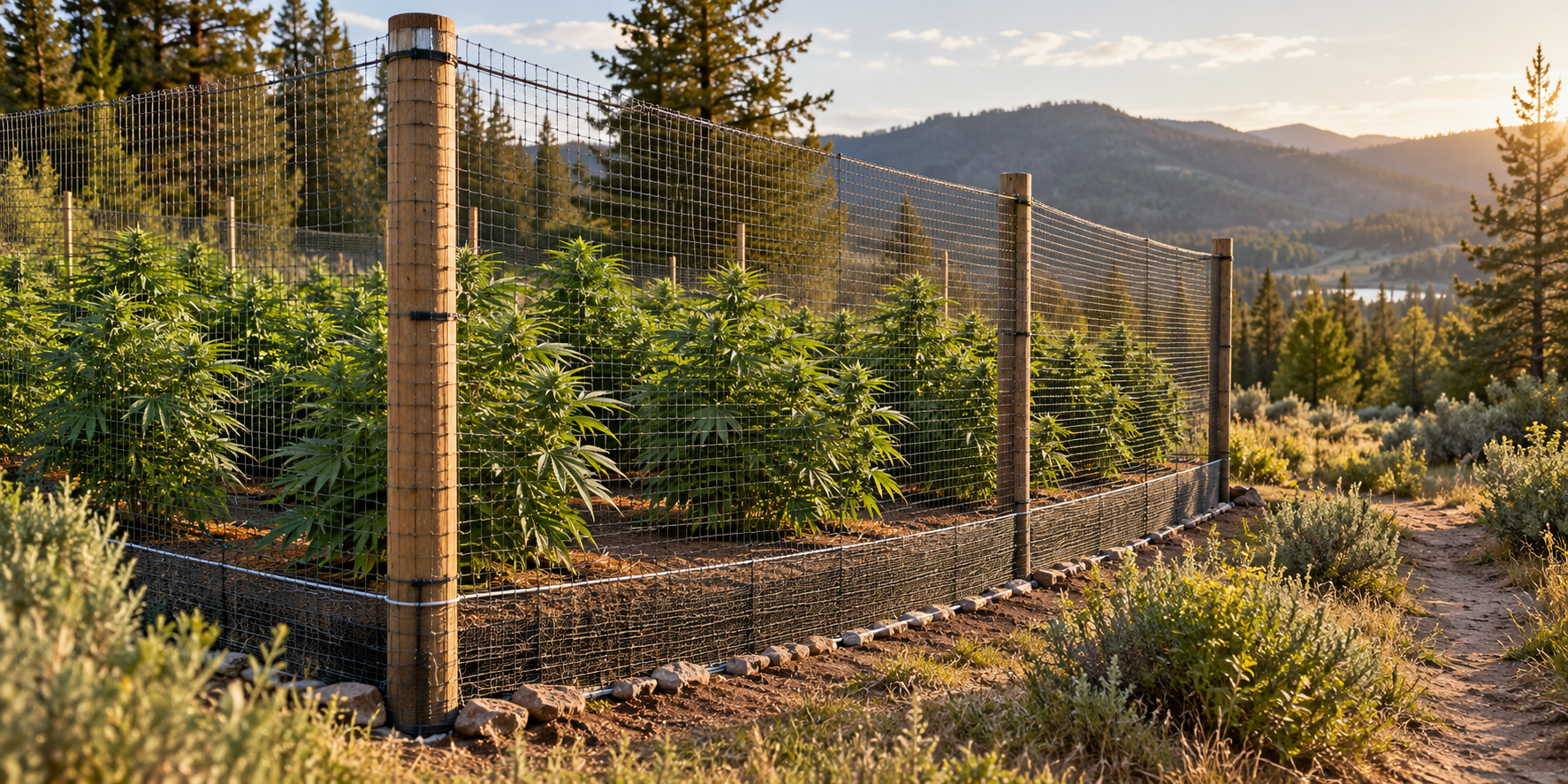
Support systems should be built before storms and flower weight make them necessary. A cage or perimeter frame often works better than adding individual stakes after branches begin collapsing.
Do Not Grow a Cola Larger Than You Can Dry Safely
The visual temptation with Blue Cheese is to allow the biggest top flowers possible. The larger the cola becomes, the more slowly its center loses moisture after harvest and the harder it becomes to inspect for hidden decay.
There is a point where a slightly smaller, better-spaced flower is a higher-quality yield than a massive cola. Weedth's quality-yield approach favors flower that can finish cleanly, dry evenly, and preserve aroma rather than wet biomass that creates post-harvest risk.
Medical Uses & Benefits
Blue Cheese is commonly chosen by consumers seeking relaxation, stress relief, appetite stimulation, sleep support, and relief from physical discomfort. These uses are based mainly on consumer reports and the known pharmacology of THC-rich cannabis. They should not be presented as proof that this cultivar treats a disease.
The most consistent fit is evening stress. At a moderate dose, the combination of mood lift and physical relaxation may help some users disengage from tension without immediately becoming sedated. This can be useful when the goal is to transition out of work mode rather than fall asleep at once.
Physical discomfort is another common reason people choose heavy indica-leaning flower. Blue Cheese's body effect may make muscle tension, soreness, or persistent aches feel less intrusive. That does not make it a substitute for medical evaluation, and higher THC does not guarantee greater pain relief for every individual.
Sleep becomes more relevant as dose rises. The cultivar is not always an immediate knockout at a small amount, but the later phase commonly becomes sleepy. For people whose difficulty sleeping is connected to physical tension or an inability to settle at night, that progression may be useful.
Appetite stimulation is also frequently reported. The strain's sensory-heavy profile and relaxing effect can make food more appealing, though individual responses differ.
There are meaningful limitations. THC-sensitive users may experience anxiety, dizziness, dry mouth, or excessive sedation. The usually low CBD content means there is little cannabinoid balance from cannabidiol. Someone looking for daytime clarity or precise concentration may find even a moderate amount too relaxing.
Ideal User Profile
Blue Cheese makes the most sense for someone who wants the evening to become softer, slower, and more sensory without necessarily becoming unconscious after the first few minutes.
A moderate-tolerance consumer who enjoys savory cannabis will probably appreciate it most. The flavor is not designed for someone who wants clean citrus, pure candy, or neutral vapor. Its appeal comes from the fact that berry sweetness sits next to musk, earth, pepper, and skunky funk. That contrast is the experience.
The cultivar also suits people who enjoy a social beginning followed by a quieter finish. A small session can fit a relaxed dinner, a film with friends, or music at home. A larger session is better reserved for a setting where staying on the couch is not a problem.
For growers, Blue Cheese fits someone willing to shape a plant rather than simply let it form a dense bush. It is approachable enough for a careful beginner, but the best results come from understanding canopy depth, phenotype-specific feeding, and post-harvest moisture.
It is a weaker choice for a grower who wants a nearly odorless room, a perfectly uniform seed population, or a cultivar that can be packed tightly without airflow consequences. It is also a poor choice for an outdoor location where mature flowers regularly sit through prolonged autumn rain.
Grower Notes and Feedback
One recurring pattern in grow reports is disagreement over nutrient appetite. Some growers describe Blue Cheese as capable of taking strong feeding without slowing down. Others report clear nutrient burn during vegetative growth and better performance after backing off. The useful conclusion is not that one group is wrong. It is that the name covers plants with different appetites, and root-zone conditions strongly influence how much nutrition a vigorous canopy can actually use.
Another common surprise is stretch. Many people expect an indica-dominant plant to remain compact. Some Blue Cheese plants do exactly that. Others become much taller than expected once flowering begins, enough that experienced growers warn limited-space cultivators to prepare for the transition early. This makes pre-flip structure more important than the indica label.
Growers frequently report good results from topping and LST. The reason is visible in the plant: laterals respond well when the central tip loses dominance. The risk appears when training succeeds too well. A plant with many equal tops can become difficult to thin, and large fan leaves can quickly close the spaces created by earlier training.
Curing also comes up repeatedly. Some growers notice the Cheese side becoming more pronounced after time in the jar while berry and zest become cleaner. Others find that fruit-forward flower turns bland when it is dried too hard. These observations align with the cultivar's chemistry: its defining profile depends on both common terpenes and lower-concentration pungent compounds, so post-harvest handling can change the balance noticeably.
Flower density is usually considered a positive trait, but several real-world grows show why density should be evaluated with branch spacing. Large buds are easier to celebrate than to dry. When branches collapse together or outdoor flowers receive heavy rain, the very quality that creates strong bag appeal becomes a moisture-management problem.
There is also meaningful variation in color. Some plants fade toward purple or blue tones as they mature, while others remain mostly green. Color should be treated as a phenotype trait rather than a quality score. A green flower with intense berry-funk aroma and clean resin can be far more desirable than a colorful plant with weak flavor.
The broad pattern across reports is consistent: Blue Cheese is rarely difficult to keep alive, but it is surprisingly easy to grow below its flavor potential. The plant's vigor can hide inefficient structure, and its powerful odor can convince a grower the flower is finished even when drying and curing have not yet brought the profile together.
Weedth Editor's Note
The point where this plant reveals itself
The feature I would manage first with Blue Cheese is not odor. The odor will announce itself without help. I would manage branch count.
This plant can make a grower feel successful very early because it fills space and creates a lot of potential tops. That is exactly when I think restraint matters. If every lateral is allowed to compete, the finished plant may look productive but divide the room into premium tops, shaded mids, and lower material that never develops the same density or aroma.
I would rather finish a smaller number of well-spaced branches and let each one become a strong piece of flower. That approach also makes the cultivar easier to dry, which matters because the drying room is where Blue Cheese can lose its identity quickly.
The flavor is the main reason I find this cultivar interesting. Pure sweetness becomes boring when every strain is described like dessert. Pure skunk can become one-dimensional as well. Blue Cheese works when both sides remain recognizable. The fruit softens the funk, and the funk prevents the fruit from feeling generic.
I would not chase the strongest nutrient schedule. The conflicting grow reports are enough reason to let the plant decide. If a phenotype is light green, vigorous, drinking aggressively, and building quickly, I would feed accordingly. If it is dark, clawed, or burning at the tips, I would not use the strain's reputation as an excuse to push harder.
I would also be cautious about calling it beginner-proof. A new grower can absolutely finish Blue Cheese, but a large dense cola is less forgiving than a small open flower when drying conditions are poor. Growing the plant and finishing the flower are two different skills.
My keeper would not necessarily be the shortest plant, the darkest plant, or even the loudest plant in late bloom. I would select after cure. I want berry to remain obvious after the jar has been open for several minutes, and I want the savory Cheese note to smell deep rather than damp. If the flavor survives that test, the plant has earned its space.
For a second run, I would make three adjustments based on the first plant's behavior: set the final branch count earlier, leave more empty space than seems necessary before stretch, and divide the densest flowers during drying if there is any doubt about internal moisture. Those changes protect both premium bud percentage and the aroma that defines the cultivar.
Blue Cheese is not the highest-yielding, strongest, or easiest strain in every room. It does not need to be. Its value is that a well-finished flower tastes unlike most modern sweet hybrids. When the berry remains bright and the savory funk remains clean, the cultivar has a personality that potency numbers cannot replace.
Weedth Score
Growing Experience 8.1/10 Vigorous, training-friendly, and generally resilient, but phenotype-dependent stretch and conflicting feeding tolerance prevent it from being completely predictable
Bud Structure & Visual Appeal 8.4/10 Dense, resinous flowers with strong bag appeal and occasional blue-purple fade; deductions reflect humidity risk and variation in leafiness
Aroma Complexity 9.0/10 The contrast between berry, cream, pepper, earth, skunk, and savory pungency is unusually distinctive, especially after a controlled cure
Flavor & Smoothness 8.6/10 Excellent when the fruit survives drying and the Cheese side matures cleanly; rushed post-harvest handling can flatten the profile dramatically
Effects & High Experience 8.2/10 Relaxing, mood-lifting, appetite-friendly, and versatile at moderate doses, but heavier sessions can become sleepy and less functional
Overall Satisfaction & Recommendation 8.5/10 A strong choice for flavor-focused growers and evening consumers who value character over raw THC numbers; less ideal for low-odor gardens or wet outdoor finishes
Personal line: I would grow Blue Cheese for the jar that smells sweet for one second and unmistakably funky the next.
FAQ
Is Blue Cheese an indica or a sativa?
Blue Cheese is generally classified as an indica-dominant hybrid. Exact percentages vary between available lines, but the plant and effect usually lean toward the indica side through broad foliage, strong physical relaxation, appetite stimulation, and increasing sleepiness at higher doses.
The sativa contribution is still noticeable. Some phenotypes stretch considerably in early flower, and the effect can begin with a cheerful, social lift before becoming physically heavy.
What are the genetics of Blue Cheese?
The most widely documented lineage is Blueberry crossed with UK Cheese. UK Cheese itself is a selected pungent phenotype of Skunk #1, so Blue Cheese effectively combines Blueberry's fruit-heavy indica family with a historically important Skunk-derived Cheese line.
Different reproductions may use different Blueberry selections or reconstructed Cheese material, which explains some of the variation found under the same strain name.
How much does Blue Cheese stretch after flowering begins?
There is no single reliable multiplier. Many plants stretch moderately and remain manageable, while some grow reports describe expressions that become much taller than expected.
Look at the individual plant during late veg. Wider internode spacing and rapidly extending upper shoots suggest a more stretch-prone phenotype. If height is limited, begin flowering before the canopy is completely full and leave room in the screen for transition growth.
Does Blue Cheese respond well to topping?
Yes. Healthy Blue Cheese plants commonly respond well to topping because the cultivar already develops useful lateral branches. Removing the main tip can allow several side branches to become primary tops.
The main caution is overproduction of branches. Repeated topping is not automatically better. Once the plant has enough strong flowering limbs to fill the available light footprint, additional tops can make the canopy too dense.
Is SCROG a good technique for Blue Cheese?
SCROG can be very effective when plant count is low and each plant needs to cover a wide area. The branches are usually responsive enough to be spread across a screen, and flowering stretch can help complete the canopy.
Do not fill the screen completely before the flip. A Blue Cheese screen should retain open pathways for airflow and branch access. The technique works best when weak lower growth is removed rather than trapped beneath the net.
Does Blue Cheese need heavy feeding?
Not reliably. Some expressions tolerate and use relatively strong nutrition, while others show nutrient burn or clawing when pushed. Grow reports conflict enough that a fixed "heavy feeder" label is not useful.
Start with moderate nutrition and increase only when growth rate, leaf color, water demand, and root health show that the plant is using what it receives. Excess nitrogen during the flowering transition is particularly unhelpful because it can deepen an already crowded canopy.
Why are my Blue Cheese buds airy on the lower branches?
Blue Cheese can create more flowering sites than the light footprint can finish well. Shaded interior shoots may remain leafy and loose while the top canopy becomes dense.
Improve the premium zone by spreading strong branches before flower and removing shoots that remain too far below useful light. The goal is not to eliminate all lower flower. It is to avoid carrying branches that have no realistic path to maturity.
Is Blue Cheese susceptible to bud rot?
The plant is often described as generally hardy, but mature Blue Cheese flowers can become dense enough to hold internal moisture. That makes late-flower humidity, rain, and stagnant contact between colas important risks.
Outdoor growers should inspect after prolonged wet weather. Indoor growers should move air through the canopy rather than only over the top. A cultivar can be resilient overall and still lose individual dense flowers to botrytis.
Why does my Blue Cheese smell more like berries than cheese?
Phenotype variation is the most likely explanation. Some plants strongly favor the Blueberry side, while others carry much more sour, skunky, fermented pungency.
Harvest timing and cure also change the balance. Fruit can be obvious early, while the savory side becomes clearer during cure. If the flower remains berry-forward after several weeks, that may simply be the phenotype rather than a cultivation error.
Why does my Blue Cheese smell very pungent but not taste very fruity?
The delicate berry fraction can be lost more easily than the earthy, peppery, and skunky base. Warm drying, very low drying humidity, direct fan pressure, late harvest, or long oxygen exposure can leave flower that smells strong but tastes comparatively generic.
For better flavor, protect the fruit notes before harvest and use a controlled cool dry. The goal is not to maximize odor strength. It is to preserve contrast.
Does the Cheese smell come only from terpenes?
Probably not. Terpenes such as myrcene, caryophyllene, limonene, humulene, and linalool help shape the aroma, but scientific analysis of cannabis pungency has identified volatile sulfur compounds as major contributors to skunk-like odor.
This is important for Blue Cheese because a standard terpene panel may not fully explain why one flower smells dramatically more pungent than another.
When should Blue Cheese be harvested for the best flavor?
Use mature calyx trichomes, calyx swelling, slowing fresh-pistil production, and aroma together. The best flavor window usually arrives after the savory side has matured but before the berry top notes have become dull.
Harvesting very early can preserve a brighter profile but leave the Cheese note green or thin. Waiting too long can produce a heavier effect while sacrificing fruit clarity.
How long should Blue Cheese cure?
Several weeks of controlled curing are usually enough to show whether the flower has reached its best balance. The early cure can reduce green plant aroma and make the savory side more obvious.
Longer is not automatically better. Once berry, cream, spice, and funk are balanced, the priority shifts to cool, dark, airtight storage. Excessive aging and repeated jar opening can reduce the volatile compounds that make the profile distinctive.
Is Blue Cheese suitable for beginner growers?
Yes, with a qualification. It is generally vigorous, accepts basic training, and can recover from ordinary mistakes. That makes the living plant relatively approachable.
The challenge appears in late flower and post-harvest. Dense buds, strong odor, and phenotype-dependent feeding require attention. A beginner who can manage airflow and drying carefully can do very well with it.
Can Blue Cheese grow outdoors in a cool climate?
It can tolerate mild to cool conditions better than long-season tropical cultivars, and many expressions finish within a practical autumn window. The problem is not cool air by itself. It is cool air combined with persistent moisture.
If autumn is wet, dense flowers may remain damp after rain and dew. A protected, ventilated location or a drier microclimate is safer than an exposed site where mature colas stay wet for long periods.
Why did the Cheese aroma become stronger during curing?
That is a plausible and frequently reported pattern. As grassy plant volatiles decline, the pungent background becomes easier to detect. Research on skunk-like sulfur compounds in cannabis also shows that some can rise late in flower and peak around curing before declining during storage.
The key is to distinguish clean pungency from excess moisture. A developing Cheese aroma should remain complex and recognizable. Ammonia, stagnant wet vegetation, or mustiness indicates a curing problem rather than desirable cultivar expression.
Similar Strains
UK Cheese
UK Cheese is the closest comparison for the savory side of Blue Cheese because it is one of its direct parents. Both can deliver forceful skunk-derived pungency, earthy spice, and strong late-flower odor. UK Cheese generally places less emphasis on berry sweetness and more on sour, musky, fermented funk. Choose it when the Cheese side is the main reason Blue Cheese appeals to you.
Blueberry
Blueberry represents the opposite parent. It shares the berry sweetness, calming body effect, broad-leaf morphology, and potential for dark coloration, but it usually lacks Blue Cheese's aggressive savory edge. Choose Blueberry when you want the fruit and relaxation without the same level of pungent skunk character.
Skunk #1
Skunk #1 sits behind the UK Cheese side and makes a useful grow-style comparison. It is known for vigor, strong branching, relatively practical flowering, and a pungent old-school profile. The difference is sensory balance: Skunk #1 is more direct and herbal-skunky, while Blue Cheese adds the Blueberry family's fruit and creamy sweetness.
Grape Ape
Grape Ape is not a direct close relative, but it suits consumers who value dark-fruit aroma and heavy evening relaxation. Its flavor moves toward grape, berry, earth, and sweetness rather than fermented Cheese. It is a good alternative for someone who likes the body effect and fruit side of Blue Cheese but dislikes savory funk.
Blue Dream
Blue Dream carries Blueberry influence but moves the experience in the opposite direction. It is generally taller, more sativa-leaning, and more suitable for daytime use. The berry connection remains familiar, but the effect is brighter and the plant demands different stretch management. It is useful for growers who want Blueberry-family flavor without an evening-heavy result.
GMO
GMO shares Blue Cheese's appeal to people who enjoy savory, unconventional cannabis aroma. Both can become extremely pungent and are more interesting than a simple sweet-fruit profile. GMO shifts the flavor toward garlic, fuel, earth, and spice, and its plant architecture can be more stretch-heavy. It is the stronger alternative for consumers who want even more aggressive savory character and less berry sweetness.
Share this article
A quick overview of the topics covered in this article.
Follow us
Latest articles
October 25, 2026
October 25, 2026
October 25, 2026