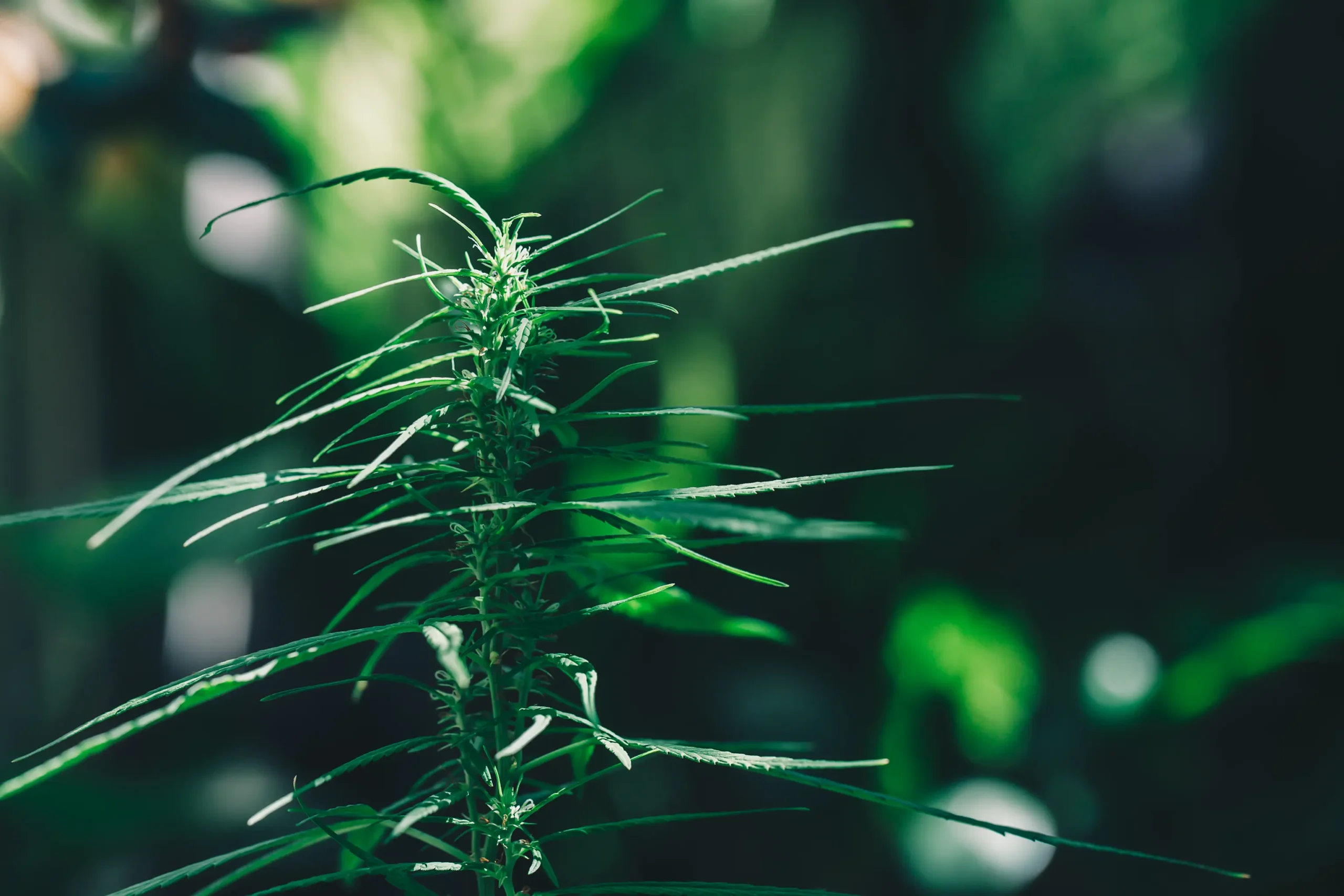
Cannabis Windburn vs Heat Stress vs High VPD
When indoor cannabis foliage begins to curl, cup, claw downward, or develop dry, necrotic margins, cultivators frequently struggle to pinpoint the underlying environmental trigger. Three distinct physical phenomena (excessive localized wind velocity, elevated ambient thermal energy, and high atmospheric vapor pressure deficit) produce strikingly similar foliar distress symptoms. A grower observing downward-curled fan leaves may assume the crop is suffering from nitrogen toxicity or mechanical windburn, when in reality the plants are reacting to high Leaf VPD that is pulling moisture out of the foliage faster than the vascular system can replace it.
Misdiagnosing these interrelated environmental stressors leads to costly operational blunders. A cultivator who mistranslates high VPD symptoms as windburn might shut off vital canopy circulation fans, inducing air stagnation that triggers Botrytis bud rot. Conversely, a grower who mistakes acute heat stress for nutrient burn might flush the root zone with plain water, creating osmotic shock and root hypoxia. Establishing absolute diagnostic certainty requires separating the biophysical mechanisms governing leaf boundary layer fluid dynamics, foliar energy balance, and cellular turgor regulation.
Biophysical Principle: The Stomatal Resistance Triad
Transpiration rate is governed by three interacting resistances in series: stomatal resistance (the biological opening and closing of guard cells), boundary layer resistance (the thin film of stagnant, humid air adhering to the leaf surface), and bulk atmospheric resistance (the ambient vapor pressure deficit). Windburn is primarily a mechanical boundary layer stripping failure; heat stress is an excessive thermal energy balance failure; and high VPD is an extreme atmospheric vapor gradient failure. While their visual foliar symptoms overlap, their physical driving forces require completely different environmental corrections.
Understanding this resistance triad is essential for accurate horticultural troubleshooting. The boundary layer acts as a protective micro-insulating blanket. In still air, this microscopic film of air saturates with water vapor transpired from stomatal pores, slowing further moisture loss. When an oscillating fan blasts a high-velocity laminar air jet directly against fan leaves, it physically strips this protective boundary layer down to microscopic thicknesses. Boundary layer resistance collapses to zero, exposing stomata to harsh, dehydrating air currents regardless of the ambient room humidity.
Under heat stress, the primary challenge is radiant and convective energy overload. Photons and warm air transfer sensible heat into the leaf tissue. If ambient temperatures exceed 30 degrees Celsius (86 degrees Fahrenheit) or if radiant infrared radiation from lighting fixtures is excessive, internal foliar enzymes begin to denature. To shed this thermal energy, the plant must transpire water aggressively. However, if root water uptake cannot keep pace with the required evaporative cooling, cellular turgor pressure collapses, forcing leaves to curl their margins upward into protective canoe or taco shapes to reduce surface area exposure to incoming light.
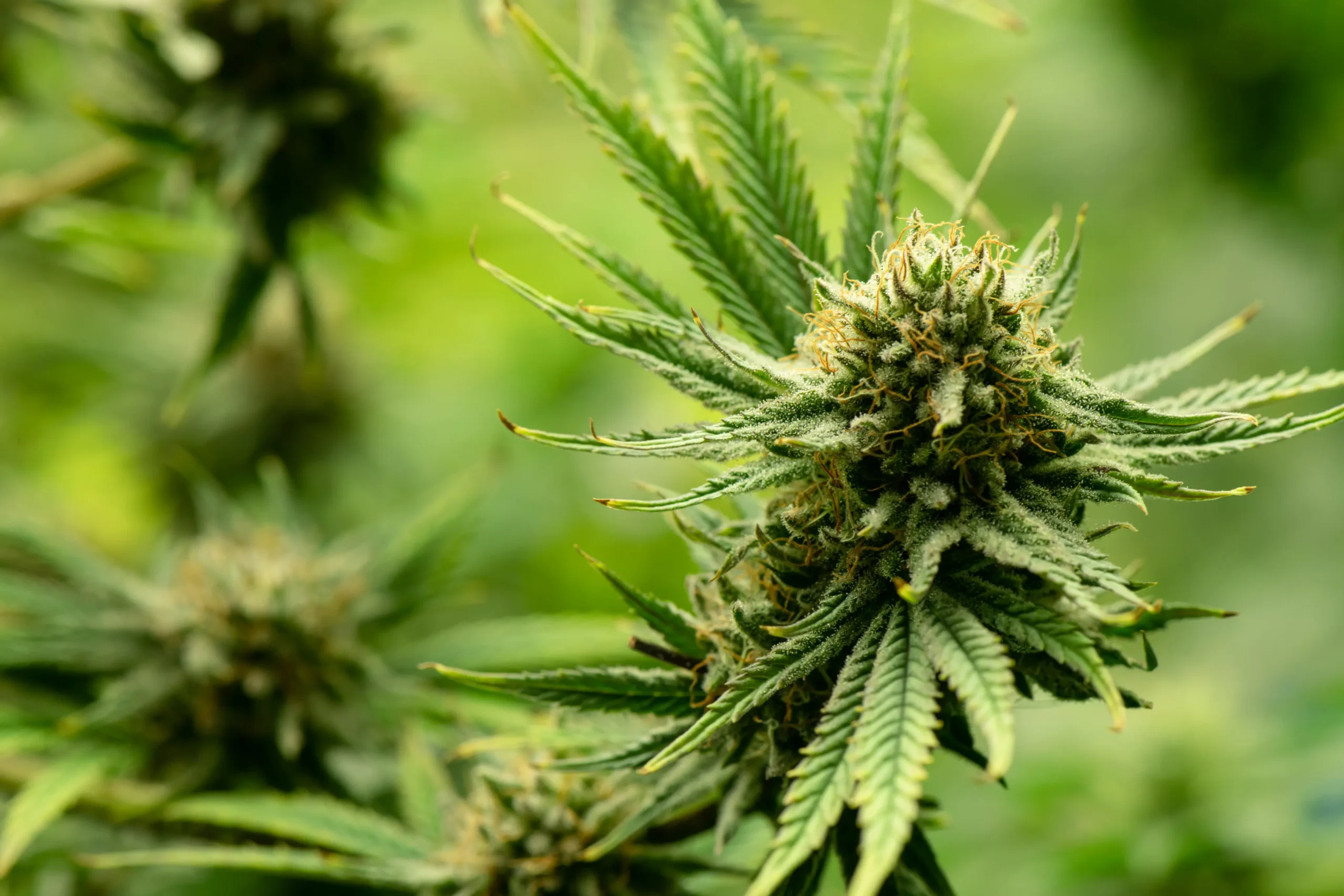
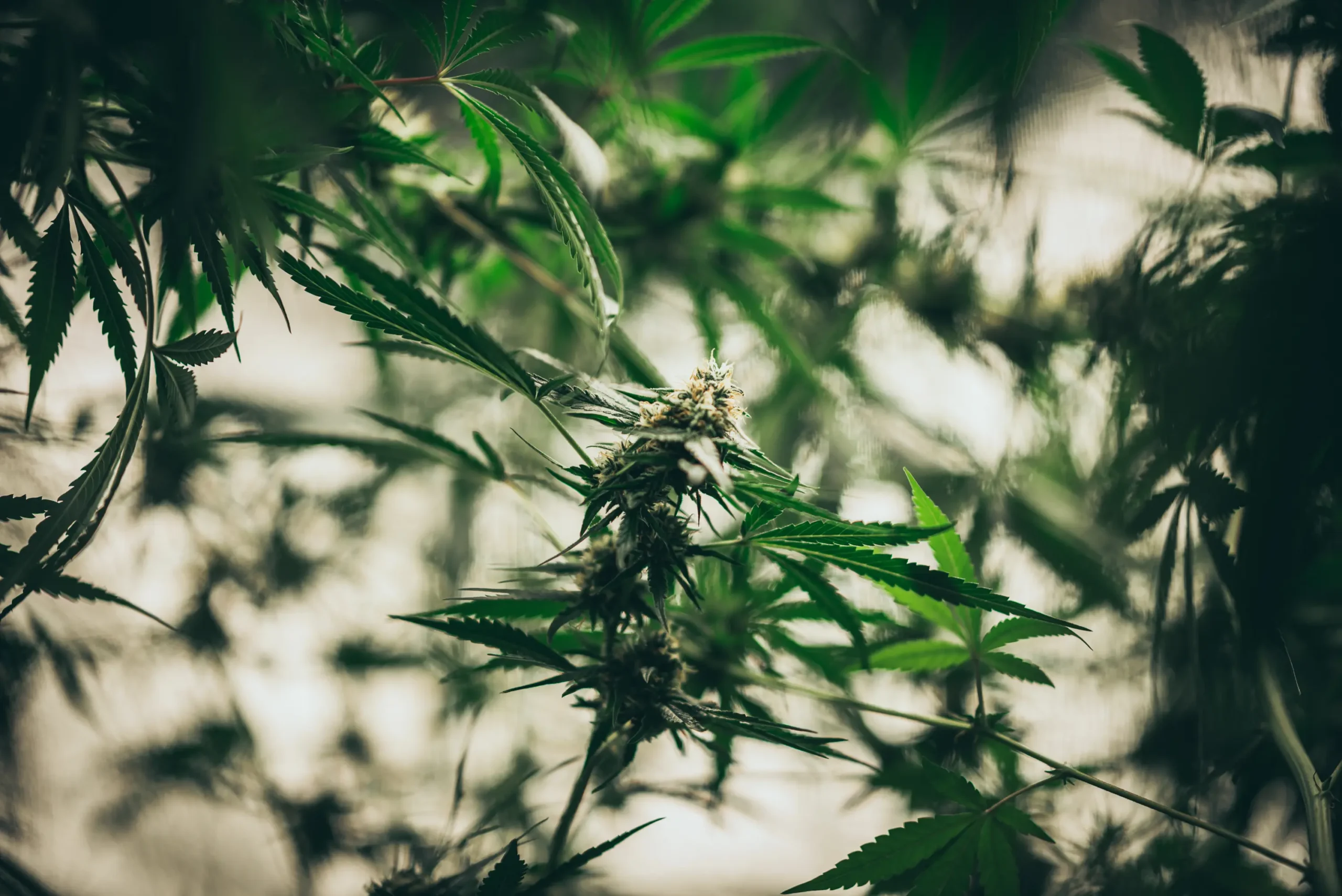
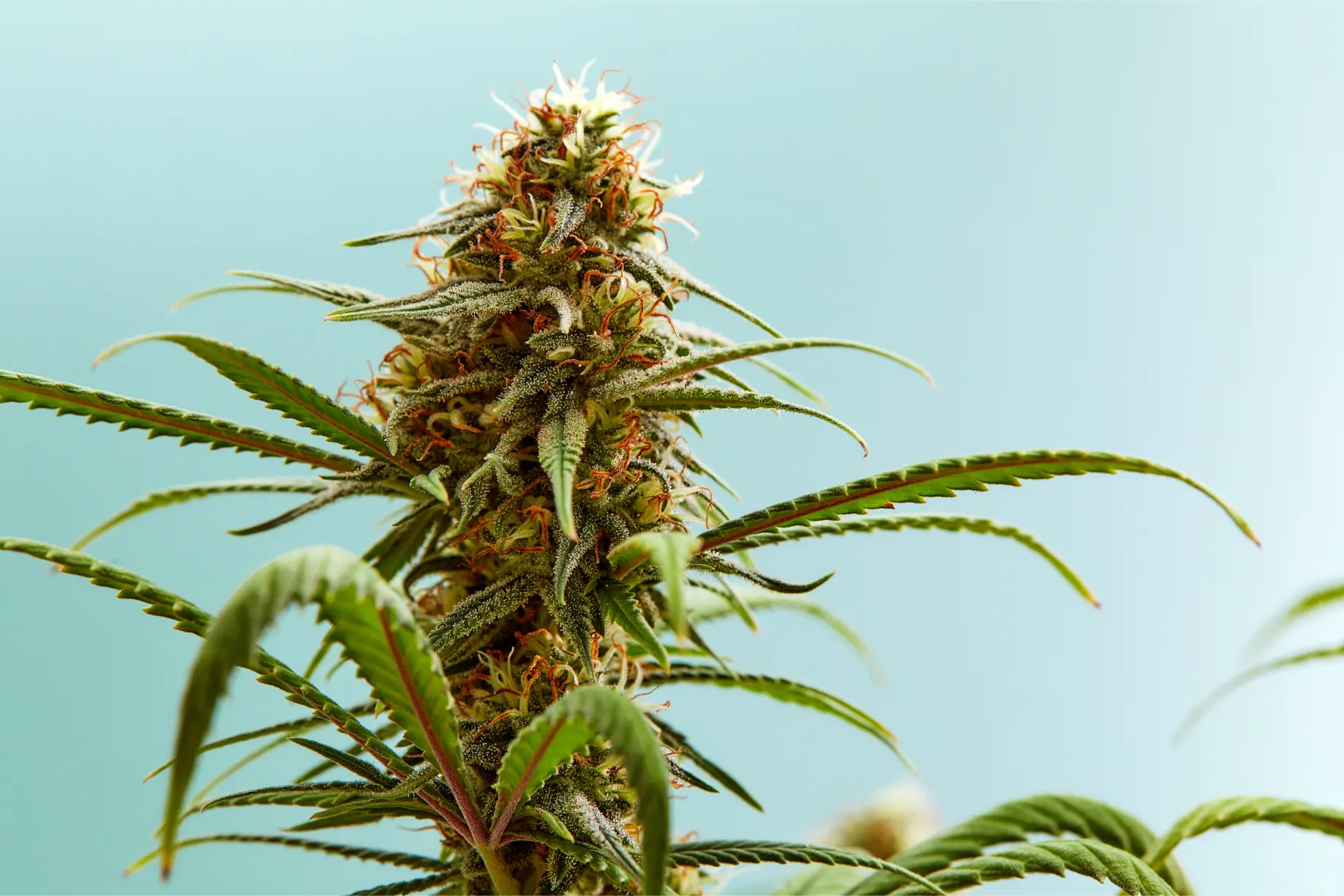
Foliar stress manifestation requiring careful visual diagnosis to distinguish mechanical windburn clawing from thermal tacoing and atmospheric VPD desiccation.
High Vapor Pressure Deficit (VPD) operates as an invisible atmospheric sponge. When air temperature is high and relative humidity is low (for example, 28 degrees Celsius and 35 percent RH, yielding a Leaf VPD exceeding 1.7 kPa), the atmosphere exerts immense physical suction on stomatal pores. Even in perfectly still air with gentle circulation, the steep vapor pressure gradient pulls water through leaf margins at an unsustainable rate. Leaves become leathery, crinkled, and curled, exhibiting dry crispy margins that mimic nutrient burn.
By learning to differentiate the spatial patterns, mechanical origins, and cellular responses of windburn, heat stress, and high VPD, indoor cultivators can accurately diagnose canopy issues within minutes. Rather than guessing and compounding plant stress, growers apply targeted environmental adjustments that restore biological equilibrium and protect heavy flowering colas.
Defining the Three Physical Stressors and Their Controlling Variables
A rigorous diagnosis begins by establishing the physical parameters that define each stress condition. Each problem is governed by specific measurable variables that can be validated using precision hand-held diagnostic instrumentation.
Windburn is strictly a fluid dynamic phenomenon governed by air velocity (measured in feet per minute or meters per second) and turbulence intensity. When air velocity across foliar tissue exceeds 1.5 to 2.0 meters per second (300 to 400 FPM) continuously, mechanical stress damages cell walls while hyper-accelerating localized transpiration. The symptom is localized: only the leaves directly in the crosshairs of an oscillating fan or duct discharge exhibit downward clawing and distorted, twisted growth, while foliage just six inches outside the air stream remains pristine.
The top leaves on two of my plants are curling downward into claws and feel stiff and papery. My friend said it is nitrogen toxicity, but my runoff EC is perfectly normal. What is causing this downward claw?
If your runoff electrical conductivity is normal and only specific plants directly in front of an oscillating fan are affected, you are dealing with mechanical windburn, not nitrogen toxicity. Nitrogen toxicity produces deep, dark green leaves across the entire plant alongside the claw. Windburn creates localized, pale or leathery downward-curled leaves strictly on the side facing the fan. Redirect your circulation fan to blow above or below the canopy rather than directly blasting the foliage.
Question sent by: Mateo, via email.
Mateo’s scenario highlights the crucial distinction between systemic nutritional disorders and localized aerodynamic stress. Nitrogen toxicity induces excessive chlorophyll synthesis alongside downward tip bending, resulting in an unnaturally dark forest-green hue across both upper and lower foliage. Windburn, conversely, leaves chlorophyll concentrations unaltered or slightly bleached, and its symptoms correlate 100 percent with physical fan line-of-sight.
Heat stress is governed by dry-bulb air temperature, radiant surface flux, and infrared leaf temperature offset. It manifests uniformly across the entire upper canopy plane directly beneath high-output lighting fixtures. Unlike windburn, heat stress affects all upper foliage equally, regardless of fan placement. The hallmark symptom is upward leaf margin curling (tacoing), where leaf serrations point vertically toward the ceiling as the plant attempts to shield its photosynthetic cells from excessive photon flux.
High VPD is governed by the difference between saturation vapor pressure inside the leaf substomatal cavity (VPsat) and actual ambient air vapor pressure (VPair). It operates room-wide, affecting all exposed canopy surfaces. While windburn claws downward and heat stress tacos upward, high VPD produces generalized foliar desiccation: leaves become crinkled, brittle, and develop dry margin necrosis because roots cannot pump water fast enough to balance atmospheric evaporation.
System Layout: Circulation Fan Geometry, Duct Collimation, and Sensor Shielding
Preventing and correcting these three stressors requires meticulous attention to physical room architecture and equipment placement. The most common layout defect leading to chronic windburn is mounting oscillating clip fans too close to the plant canopy.
In standard 4×4 or 5×5 grow tents, cultivators frequently attach small 6-inch oscillating fans directly to vertical corner tent poles, pointing them horizontally straight into the top colas. As the fan oscillates, its concentrated, high-velocity cone of air repeatedly batters the nearest branches. Over several days of continuous mechanical buffeting, stomatal guard cells become fatigued, cell walls micro-fracture, and leaf margins curl downward into the classic windburn claw. Circulation fans should never be aimed directly at foliage; they should be angled to bounce air off reflective tent walls or directed across the ceiling and floor spaces to create indirect, turbulent convection rolls.
Aerodynamic Rule: Laminar Wind Jets vs Diffuse Turbulent Circulation
Horticultural canopies require diffuse, undulating air movement with velocities between 0.3 and 0.8 meters per second (60 to 160 FPM). This gentle breeze is sufficient to rustle leaves lightly without bending stems. Concentrated laminar air jets (such as direct duct discharge or high-speed axial fan streams) strip boundary layer moisture instantly, inducing mechanical stress. Bouncing circulation fan air off structural walls diffuses high-velocity jets into soft, omnidirectional air currents that homogenize temperature and humidity without causing localized windburn.
Duct discharge positioning is another critical layout factor. Discharging cold, dry air conditioning supply air directly onto the canopy creates an acute localized high-VPD micro-zone. Even if the room average humidity is 55 percent, the air emerging from an AC diffuser may enter at 14 degrees Celsius and 30 percent RH. Foliage positioned within two feet of this cold, dry blast experiences violent transpirational shock. Supply duct diffusers must be equipped with distribution plenums, perforated fabric sleeves, or deflection grilles that direct discharge air along the ceiling, allowing it to blend thoroughly with ambient room air before descending into the canopy.
Environmental sensor placement errors routinely cause growers to misdiagnose heat stress and high VPD. Hanging an unshielded sensor directly under high-intensity LED light bars causes radiant photon absorption to heat the plastic housing, driving reported temperature up by 4 to 6 degrees Celsius and skewing reported VPD significantly higher than reality. An automated controller reacting to this biased sensor may throttle dehumidifiers or exhaust fans unnecessarily, worsening canopy conditions. Environmental sensors must be housed in aspirated radiation shields with continuous airflow to ensure accurate feedback.
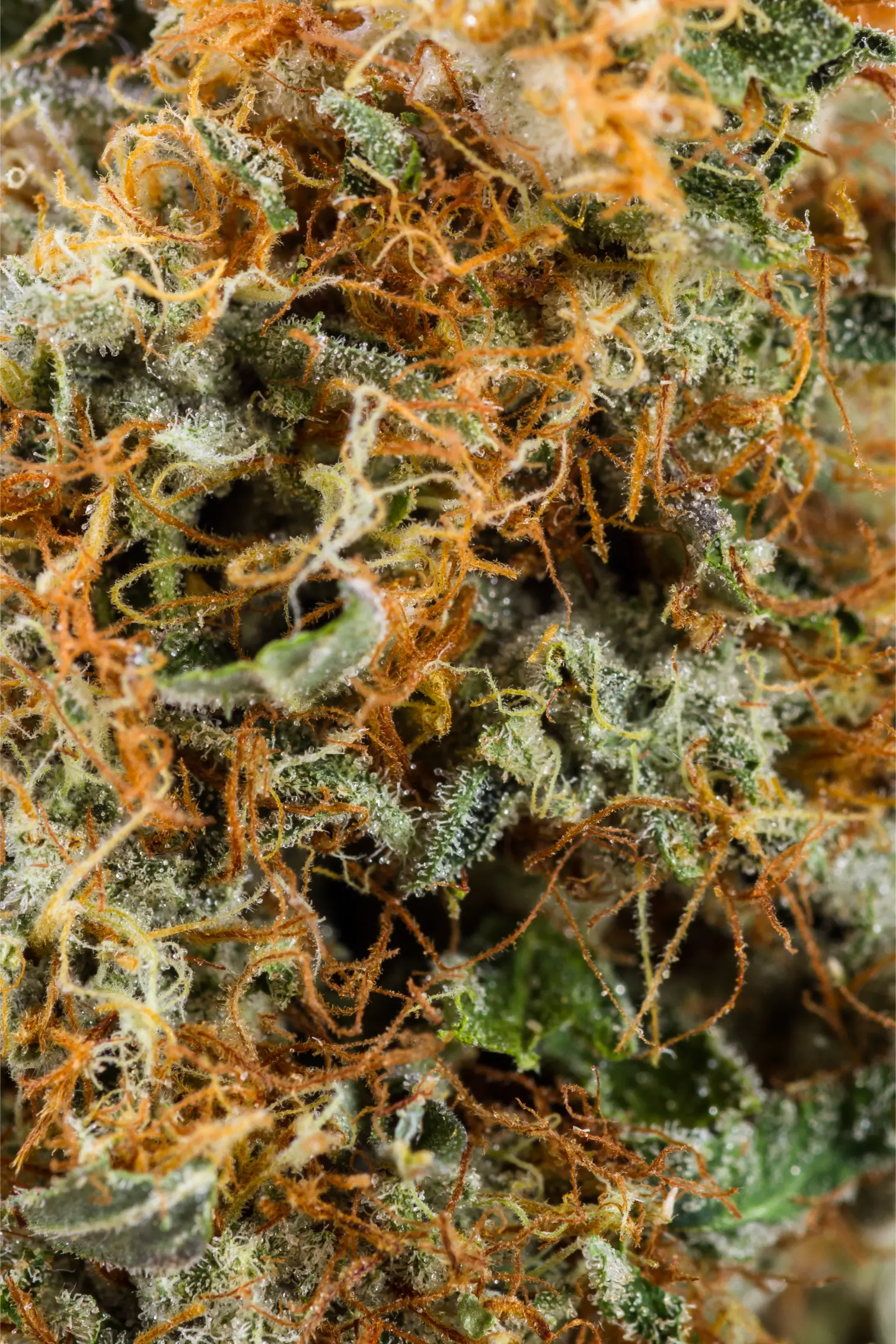
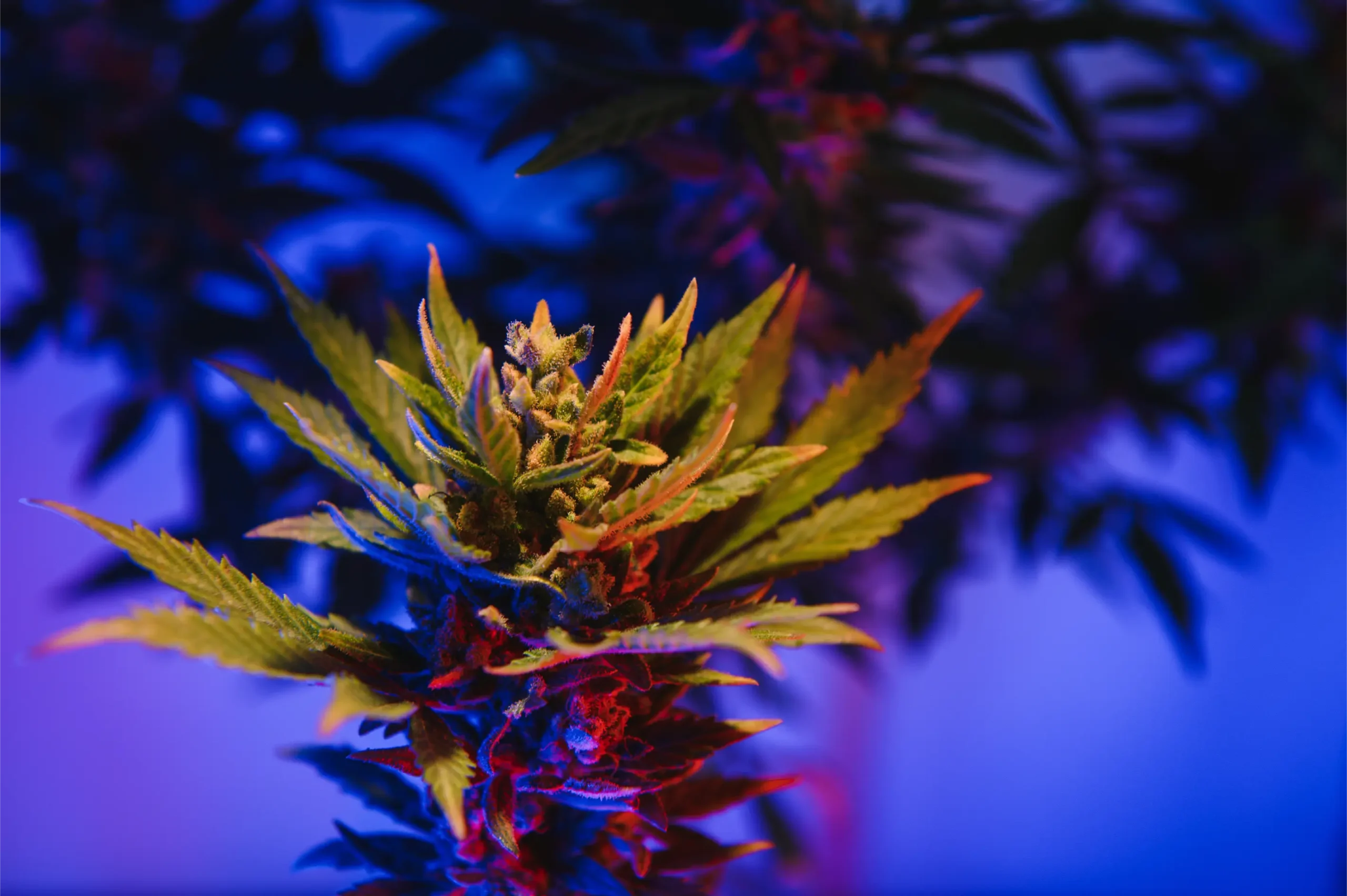
Microscopic foliar structure vulnerable to high-velocity laminar air jets, requiring diffuse boundary layer airflow to prevent stomatal fatigue and mechanical windburn.
Circulation fan height staging is essential as plants stretch during early bloom. As the canopy expands upward during the flowering stretch, leaves that were previously safe beneath the fan line can suddenly enter the direct air stream. Cultivators must raise circulation fans incrementally to maintain at least 12 to 18 inches of vertical clearance between fan housings and the top of the floral canopy, ensuring that air movement remains gentle and uniform throughout every week of flowering.
Furthermore, cultivators must inspect under-canopy airflow. Stripping lower foliage (lollipopping) improves under-canopy ventilation, allowing low-mounted oscillating fans to sweep across root containers and lower stems. This sweeps away stagnant humidity accumulating near substrate surfaces while avoiding high-velocity direct impingement on delicate upper sun leaves.
Comparative Diagnostic Matrix: Side-by-Side Symptomatology and Measurement
To eliminate diagnostic guesswork, cultivators should utilize a structured comparative matrix that contrasts the visual symptoms, physical locations, instrumental readings, and underlying mechanisms of windburn, heat stress, and high VPD.
| Diagnostic Feature | Mechanical Windburn | Thermal Heat Stress | Atmospheric High VPD |
|---|---|---|---|
| Foliar Symptom | Downward clawing, twisted stems, limp curling | Upward tacoing, raised serrations, bleaching | Crispy margins, leathery texture, dry tip burn |
| Canopy Distribution | Strictly localized (direct fan line-of-sight) | Uniform across top canopy directly under lights | Room-wide across all exposed leaf surfaces |
| Measured Variable | Air Velocity > 1.5 to 2.0 m/s (300+ FPM) | Air Temp > 30 °C; Leaf Temp > 29 °C | Leaf VPD > 1.6 to 1.8 kPa |
| Root Cause | Boundary layer stripped; mechanical fatigue | Excessive radiant/convective sensible heat | Atmospheric moisture deficit outpaces root uptake |
| Immediate Correction | Redirect or oscillate fan; bounce air off walls | Dim light fixture; raise lamp; improve exhaust | Increase room RH via humidifier; reduce exhaust CFM |
| Secondary Impact | Stomata forced shut; localized growth stall | Enzyme denaturation; foxtailing in floral colas | Osmotic salt buildup in root zone; tip necrosis |
As detailed in the comparative matrix above, leaf margin orientation provides the most immediate visual clue: downward clawing indicates mechanical windburn, upward tacoing indicates thermal heat stress, and flat but crispy, desiccated margins indicate extreme high VPD.
To confirm the diagnosis instrumentally, cultivators must deploy three essential measurement tools: an anemometer to measure air velocity, an infrared thermal radiometer (IR thermometer) to measure leaf temperature, and a calibrated thermo-hygrometer to measure ambient dry-bulb temperature and relative humidity. Point the anemometer directly at the affected foliage: if velocity exceeds 1.5 m/s, windburn is confirmed. Aim the IR thermometer at the upper sun leaves: if leaf temperature exceeds 29 degrees Celsius, heat stress is present. Calculate Leaf VPD using leaf temperature and ambient RH: if Leaf VPD exceeds 1.6 kPa in vegetative growth or 1.8 kPa in bloom, atmospheric vapor desiccation is actively occurring.
Dynamic Environmental Interactions: Root Osmotics, Photoperiod, and Transpiration
These three physical stressors do not operate in a vacuum. They interact dynamically with plant hydration, root-zone electrical conductivity (EC), photoperiod timing, and meteorological weather shifts, frequently exacerbating one another in compounding stress loops.
The most critical physiological buffer against all three stressors is root-zone hydration and osmotic pressure. Plants maintain cellular turgor through the transpirational stream, pulling water from the root zone through xylem vessels to the foliage via negative capillary tension. If the root substrate dries out, or if excessive fertilizer salts accumulate in the media (driving root-zone EC past 3.0 mS/cm), root osmotic potential collapses. The plant experiences physiological drought: even though water may be present, the high osmotic pressure prevents roots from absorbing it. Under physiological drought, even moderate wind velocity or normal 26-degree temperatures will trigger acute foliar wilting and tip necrosis.
My grow room runs at 28 degrees Celsius with 40% humidity, which gives a VPD of 1.6 kPa. The leaves look fine during the first 6 hours of light, but by hour 10 they start drooping and tacoing. Why does the stress get worse late in the day?
Your plants are suffering from cumulative transpirational dehydration. Under a 1.6 kPa VPD for 10 continuous hours, the plant transpires massive volumes of water. As water evaporates from the substrate, root-zone moisture tension rises while remaining fertilizer salts become concentrated, spiking root-zone EC. By hour 10, the roots cannot pull water fast enough to satisfy atmospheric demand, causing cellular turgor to collapse and leaves to taco. You must raise your humidity to 55 to 60 percent to lower VPD to 1.2 kPa, or increase irrigation frequency to maintain stable root hydration.
Question sent by: Rachel, via email.
Rachel’s experience demonstrates how high VPD compounds over the photoperiod. Cultivators who utilize small substrate containers or low-frequency irrigation cycles frequently observe this diurnal fatigue pattern. Early in the morning, fresh irrigation supplies ample water, allowing the plant to tolerate high atmospheric demand. As the photoperiod progresses, the root zone dries out, salt concentration spikes, and the plant collapses into acute water deficit stress. Implementing high-frequency fertigation or lowering atmospheric VPD eliminates this afternoon fatigue completely.
External weather fronts also trigger rapid transitions between these stress regimes. When a dry, high-pressure arctic front moves through during winter months, outdoor ambient humidity plummets to single digits. Residential heating systems warm this cold outdoor air, dropping indoor lung room humidity below 25 percent. A grow tent pulling air from this dry lung room experiences a massive VPD spike overnight. Cultivators must anticipate seasonal dry spells by integrating automated ultrasonic or evaporative humidifiers into the lung room to buffer incoming makeup air.
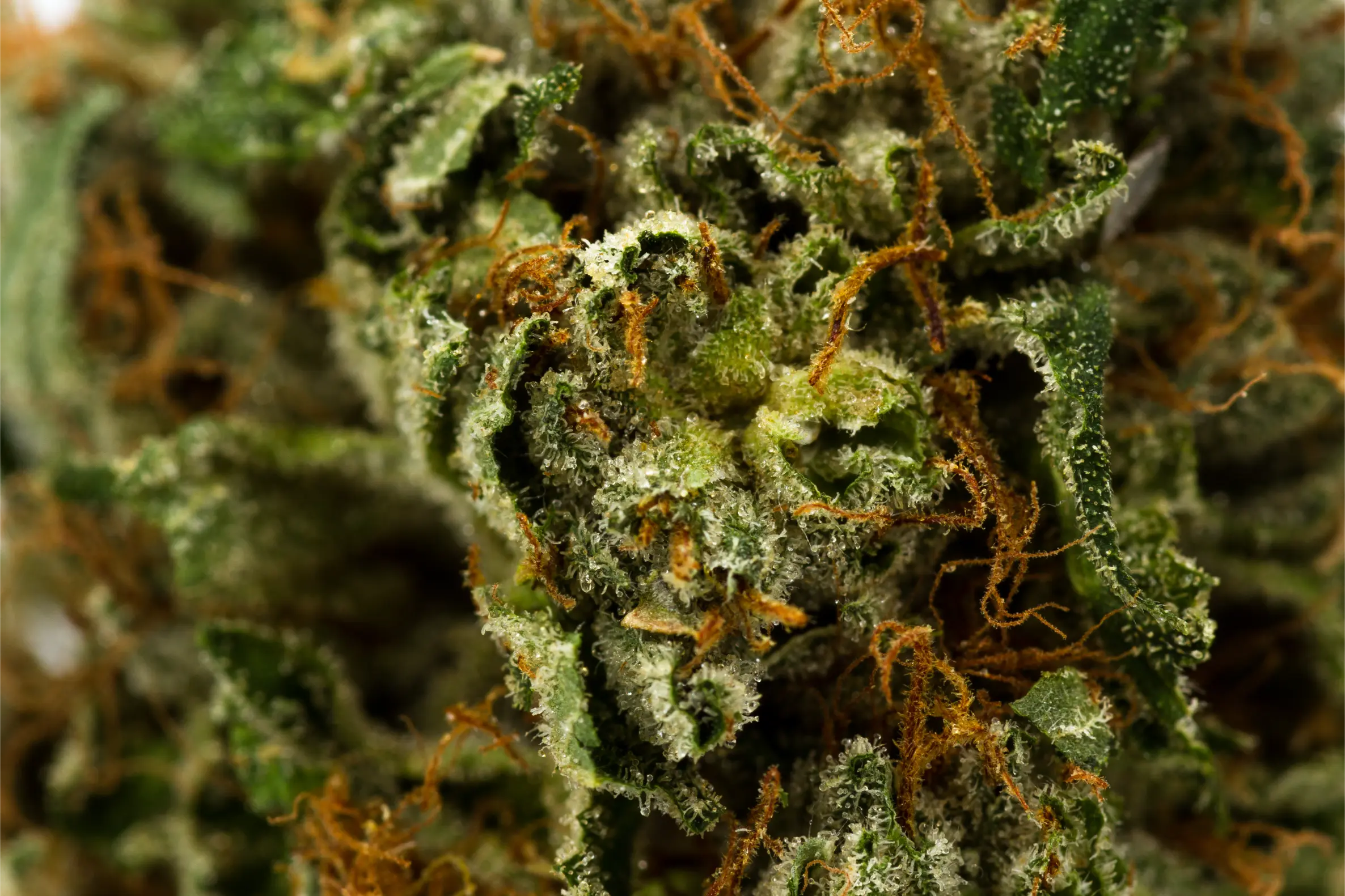
Foliar tissue recovering cellular turgor after environmental recalibration, illustrating the resilience of cannabis once vapor pressure deficit and air velocity are corrected.
Photoperiod lighting intensity shifts also dictate thermal tolerance. Under high photosynthetic photon flux density (PPFD exceeding 900 μmol/m²/s), plants demand higher ambient carbon dioxide concentrations (1,000 to 1,400 ppm) to process absorbed photonic energy. In the absence of supplemental CO2, excessive light intensity over-saturates the photosynthetic electron transport chain, generating reactive oxygen species that damage foliar chloroplasts. This photoinhibition mimics thermal heat stress, causing leaves to curl upward and bleach even if ambient air temperatures are within normal ranges.
When high light intensity combines with high VPD, transpirational demand accelerates exponentially. The plant vascular bundle must transport dissolved calcium ions to rapid cell division sites at the floral shoot tips. However, under excessive vapor pressure deficit, the transpiration stream moves so violently toward mature fan leaves that delicate floral bracts are bypassed. This causes localized calcium immobility disorders, leading to necrotic bract margins that serve as the primary physical gateway for Botrytis infection. Cultivators who mistake this calcium immobility for a root-zone nutrient deficiency often add more calcium-magnesium supplements, compounding osmotic stress without resolving the atmospheric driver.
Cultivators must maintain equilibrium across the holy trinity of indoor cultivation: Light Intensity (PPFD), Carbon Dioxide (CO2), and Vapor Pressure Deficit (VPD). When light intensity is pushed to maximum levels, VPD must be held strictly between 1.1 and 1.3 kPa, CO2 must be elevated, and root-zone moisture must be continuously replenished to enable transpirational cooling without cellular dehydration.
Failure Modes: Air Shear, Thermal Hot Spots, and Sensor Bias Cascades
When environmental stress symptoms persist despite basic adjustments, cultivators must investigate complex aerodynamic and control failure modes that undermine environmental stability.
A catastrophic aerodynamic failure mode is air shear boundary collision. This occurs when two high-powered oscillating fans are mounted on opposing tent poles, blowing directly toward each other. Where their turbulent air streams collide in the center of the room, a chaotic high-pressure vortex forms. Air velocities in this collision zone surge past 3.0 meters per second, subjecting central canopy colas to violent, unpredictable wind buffeting. Colas trapped in this collision zone develop severe mechanical windburn and stem cracking, while plants along the perimeter experience stagnant air. Circulation fans must always be phased in a coordinated circular pattern (swirl flow) around the perimeter of the room.
Diagnostic Warning: Unshielded Sensor Thermal Runaway Cascade
When an unshielded environmental sensor is suspended directly beneath an LED light bar, radiant heating causes the controller to misread air temperature high and relative humidity low. If the grower uses an automated controller configured for VPD control, the controller falsely calculates an astronomically high VPD. Reacting to this false data, the controller commands exhaust fans to shut down or commands commercial dehumidifiers to ramp to 100 percent. This creates a destructive runaway cascade where actual room humidity drops into single digits, inducing acute foliar desiccation across the entire garden.
Sensor bias cascades represent the most dangerous automated failure mode in modern computerized cultivation. Cultivators must verify that sensor readings reflect true bulk air conditions. If a controller displays an alarming VPD reading, always verify the data with a secondary, hand-held calibrated psychrometer before adjusting automated control parameters.
Thermal stratification hot spots are another common failure mode. Warm air rises naturally toward the ceiling. If the exhaust fan intake is mounted too low, or if ceiling circulation is inadequate, a stagnant thermal dome (often exceeding 35 degrees Celsius) forms in the top 18 inches of the room. When plants stretch into this thermal pocket, upper colas develop severe heat stress, displaying bleached white tips and loose, airy foxtails, while lower branches remain healthy. Moving the exhaust intake to the absolute highest point of the ceiling evacuates this thermal dome instantly.
Commissioning Protocol, Air Velocity Mapping, and Safe-Failure Setup
Before introducing live crops into an environment or following major mechanical reconfigurations, cultivators must execute a comprehensive commissioning protocol to map air velocities and calibrate environmental control loops.
Begin by conducting an aerodynamic velocity survey. With all exhaust fans, circulation fans, and air conditioning blowers running at standard operating speeds, traverse the canopy zone with a vane or hot-wire anemometer. Measure air velocity at nine evenly spaced grid points across the canopy plane. Verify that air velocity at every grid point falls strictly within the safe horticultural target window: between 0.3 and 0.8 meters per second (60 to 160 FPM). If any point exceeds 1.2 m/s, adjust fan angles or reduce fan speeds. If any point measures below 0.2 m/s, reposition circulation fans to eliminate dead zones.
- Canopy Air Velocity Survey: Confirm air velocity measures between 0.3 and 0.8 m/s across all canopy grid points.
- Line-of-Sight Fan Inspection: Verify zero oscillating fans or duct diffusers blast foliage directly within 3 feet.
- Aspirated Shield Verification: Ensure environmental sensors are housed in active aspirated radiation shields.
- Infrared Leaf Temperature Mapping: Verify foliar leaf temperatures measure 1.5 to 2.5 °C below ambient air under LEDs.
- Root-Zone Runoff EC Audit: Confirm substrate runoff electrical conductivity is within ±0.3 mS/cm of input feed EC.
- High-Temperature Dimming Failsafe: Program controller to automatically dim lights by 50% if air temperature exceeds 31 °C.
- High-VPD Humidification Trigger: Configure controller to engage emergency humidification if Leaf VPD exceeds 1.6 kPa.
Executing this commissioning checklist guarantees that the physical environment is safe, balanced, and resilient before plants are subjected to high-intensity flowering regimes. Automated safe-failure programming provides vital insurance against equipment malfunctions. If an air conditioning compressor fails or an exhaust fan motor trips its breaker during the middle of the photoperiod, ambient temperatures will spike rapidly. An automated controller programmed with high-temperature failsafe logic will instantly dim LED fixtures to 20 percent power or shut them off entirely when temperatures breach 31 degrees Celsius, preventing catastrophic heat scorching.
Similarly, safe-failure logic must protect against extreme high VPD events. If a dehumidifier relay sticks closed, or if an exhaust fan runs uncontrollably during a winter dry spell, driving VPD past 1.8 kPa, the environmental controller should trigger audible alarms, send smartphone push notifications, and engage emergency humidifier misting to maintain foliar hydration until technicians can intervene.
Preventative Maintenance Schedule and Transducer Recalibration
Sustaining flawless environmental balance across continuous harvest cycles requires disciplined preventative maintenance. Mechanical fans, sensor probes, and irrigation dosers steadily degrade over time, introducing subtle microclimatic drifts that re-trigger windburn, heat stress, and high VPD.
Establish a monthly maintenance routine between cropping cycles. Disconnect and inspect oscillating circulation fan motor heads. Miniature oscillating gears inside clip fans are prone to mechanical wear and plastic gear stripping. A fan that seizes mid-oscillation stops panning and transforms into a stationary, high-velocity jet aimed at a single plant, inducing acute localized windburn within 24 hours. Test oscillating mechanisms by hand to verify smooth, continuous rotation without sticking, clicking, or motor binding.
Maintenance Protocol: Circulation Fan Blade Sanitization and Bearing Lubrication
Every 60 to 90 days, remove circulation fan safety grilles and clean impeller blades using a microfiber cloth moistened with 70 percent isopropyl alcohol. Clinging dust, perlite particulates, and sticky airborne terpenes disrupt the aerodynamic profile of fan blades, increasing motor vibration, elevating acoustic decibel levels, and reducing airflow velocity. For fans with accessible bearing ports, apply one drop of synthetic non-detergent machine oil to motor shafts to prevent bearing seizure and extend mechanical lifespan.
Quarterly recalibration of environmental transducers is essential to prevent false-positive controller responses. Solid-state capacitive humidity sensors drift over time when exposed to volatile organic plant terpenes and aerosolized mineral salts. Place sensor probes inside a sealed container with a saturated sodium chloride salt slurry (producing a certified 75 percent RH reference standard) to check calibration accuracy. If the sensor reads outside plus or minus 2 percent RH, execute digital offset calibration in the controller software.
Furthermore, air velocity calibration must account for the physical growth of the canopy across flowering weeks. As buds swell and fan leaves overlap, canopy density increases aerodynamic drag, causing air that previously flowed freely to deflect into high-velocity choke points between branches. Re-checking localized air velocities weekly with a digital hot-wire anemometer ensures that developing colas are never subjected to laminar boundary stripping as they expand toward oscillating fan discharge cones.
By mastering the distinct physical mechanisms of mechanical windburn, radiant heat stress, and atmospheric high VPD, indoor cannabis cultivators eliminate the diagnostic guesswork that threatens crop health. By verifying line-of-sight fan geometry, measuring leaf surface temperatures with infrared radiometers, maintaining balanced root-zone osmotics, and deploying aspirated sensor shields, growers establish a rock-solid, stress-free cultivation environment. Cannabis plants respond with vigorous vegetative growth, massive floral calyx development, dense trichome production, and world-class harvest yields.
Scientific and Technical References
- Taiz, L., Zeiger, E., Møller, I. M., & Murphy, A. (2015). Plant Physiology and Development (6th ed.). Sinauer Associates. Foundational research on stomatal guard cell biophysics, foliar boundary layer resistance, xylem water potential, and transpirational cooling dynamics.
- Nobel, P. S. (2020). Physicochemical and Environmental Plant Physiology (5th ed.). Academic Press. In-depth mathematical analysis of leaf energy balance, sensible versus latent heat dissipation, boundary layer fluid mechanics, and wind velocity effects.
- ASABE. (2018). Heating, Ventilating and Cooling Greenhouses (ANSI/ASAE EP406.4). American Society of Agricultural and Biological Engineers. Engineering standards for air velocity distribution, circulation fan sizing, and psychrometric vapor pressure modeling in controlled environment agriculture.
- Kramer, P. J., & Boyer, J. S. (1995). Water Relations of Plants and Soils. Academic Press. Landmark study detailing root-zone osmotic pressure, physiological drought, and foliar desiccation under elevated atmospheric vapor pressure deficits.
Share this article
A quick overview of the topics covered in this article.
Follow us
Latest articles

November 6, 2026

November 6, 2026

November 6, 2026