Chocolate Thai
Cultivation, Flavor, Effects & Grower Guidance
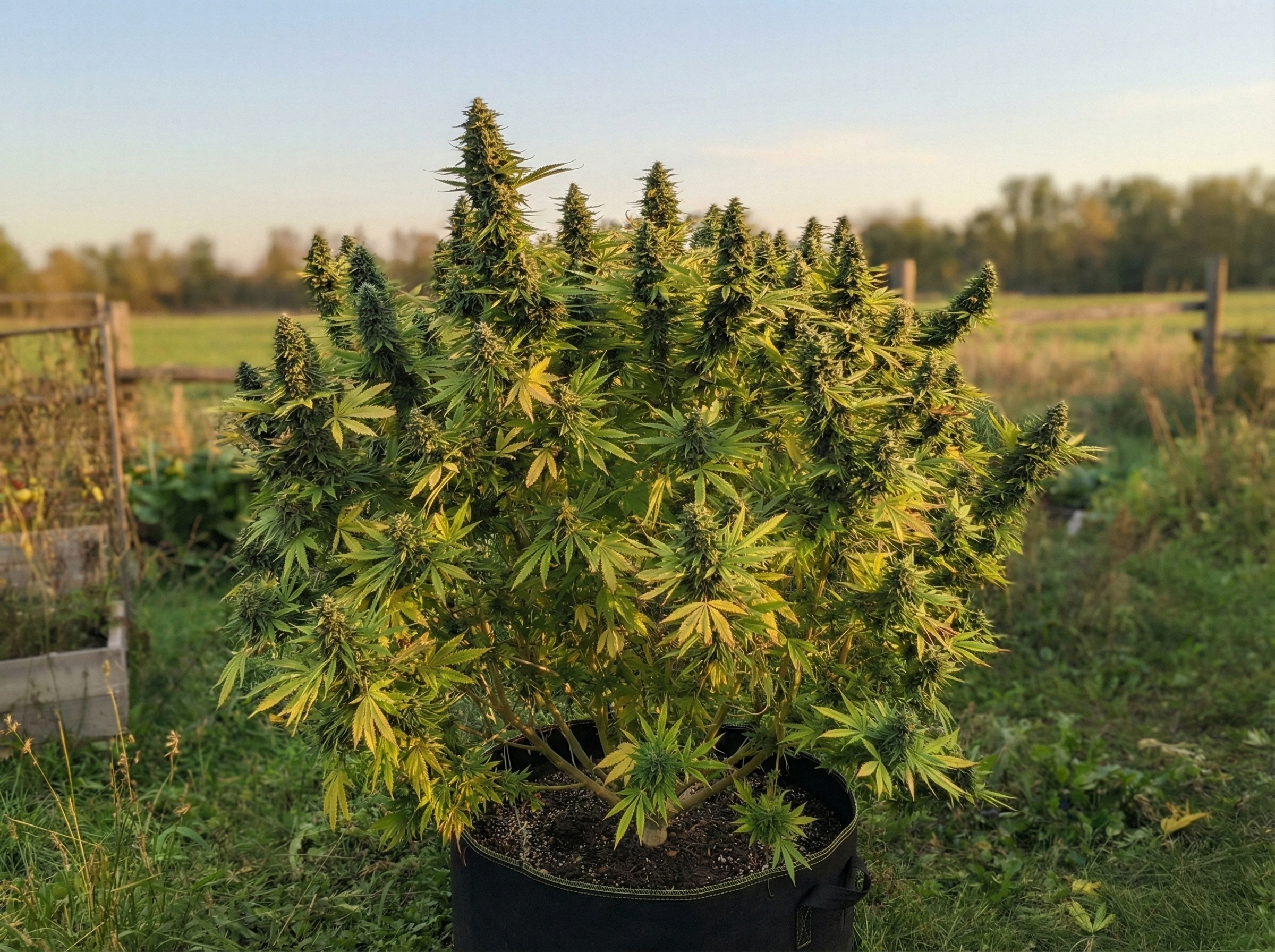
Chocolate Thai belongs to a different era of cannabis. Long before compact eight-week hybrids became the default expectation, Thai sativa material was valued for an unusually clear, electric, long-lasting high and for flowers that looked almost opposite to modern dense indoor buds. Traditional Chocolate Thai descriptions focus on narrow, elongated plants with thin leaves, long internodes, slow flower development, airy dark flowers, and a distinctive aroma that can suggest coffee, cocoa, toasted nuts, tobacco, spice, and dry tropical wood.
The name also requires caution. Historical records indicate that the original Thai material was difficult to preserve in the exact form that circulated internationally decades ago. Long flowering time, low yield by modern standards, cloning difficulty, and occasional intersex expression made the old material inconvenient for commercial cultivation. Modern plants sold or exchanged as Chocolate Thai may therefore be preserved lines, selections, reproductions, backcrosses, or hybrids inspired by the original. A serious profile should acknowledge this rather than pretending that every plant carrying the name is genetically identical.
For growers, Chocolate Thai is fascinating precisely because it does not behave like a modern indoor hybrid. It is a plant that rewards vertical planning, patience, restrained feeding, careful training, and a willingness to let the flowers mature slowly. The goal is not to force golf-ball density into a tropical sativa architecture. The goal is to keep the plant healthy long enough for resin and aroma to develop fully while preserving the open flower structure and soaring effect that define the old profile.
For consumers, Chocolate Thai is traditionally associated with mental clarity, motivation, creativity, sensory enhancement, and a slow-building cerebral high. It is usually better suited to daytime or early evening use than sleep. Users sensitive to stimulating THC effects should approach carefully because the same qualities that feel focused and euphoric to one person can feel racy or anxious to another.
Strain Features
| Feature | Details |
|---|---|
| Type | Sativa, traditionally treated as a Thai landrace or landrace-derived cultivar |
| Common Lineage | Thai landrace ancestry; exact modern examples may differ |
| Typical THC Range | Often reported in the mid-teens, but modern selections can vary substantially |
| CBD | Usually very low |
| Dominant Terpenes | Common modern reports include myrcene, caryophyllene, and pinene; historic chemistry is not standardized |
| Main Aroma | Coffee, cocoa, toasted nuts, tobacco, spice, dry wood, herbs |
| Main Flavor | Roasted coffee, bitter cocoa, nutty earth, spice, woody tobacco |
| Primary Effects | Focused, creative, energetic, euphoric, mentally expansive |
| Flowering Time | Commonly 12-16 weeks for old-style expressions; some modern selections finish faster |
| Plant Height | Tall to very tall |
| Stretch | High to very high |
| Yield Potential | Traditionally low to moderate; improved selections can perform better |
| Grow Difficulty | Difficult, mainly because of stretch, long flowering, and phenotype variability |
| Best Environment | Warm outdoor climates with a long season or carefully managed indoor rooms |
| Main Grow Challenge | Height, extended maturation, nutrient sensitivity, and possible intersex traits in unstable material |
| Training Response | Strong response to early topping, LST, screens, and controlled bending |
| Bud Structure | Elongated, airy to moderately filled spears rather than compact indica nuggets |
| Best Time of Use | Morning, daytime, or early evening for experienced users |
| Common Reported Uses | Mood lift, motivation, focus, creativity, and fatigue-oriented use |
The most important feature in this table is uncertainty. Chocolate Thai is a historical name attached to cannabis that has circulated through many hands for decades. Flowering time, potency, aroma, and plant stability can vary more than they do in highly uniform modern lines. Grow the plant in front of you, not the legend attached to the label.
Genetic Lineage
Chocolate Thai is associated with traditional cannabis from Thailand, a region that produced tall tropical sativas adapted to long warm seasons. These plants evolved and were selected under environmental conditions very different from the indoor rooms where many growers attempt to cultivate them today. Tropical day length, strong sun, warm nights, extended reproductive periods, and local selection pressure favored plants that continued stretching and building flower over a long window instead of racing toward a compact early finish.
That background explains nearly every challenge the grower encounters. A Thai-type plant can appear manageable during early vegetative growth and then accelerate dramatically after flowering begins. Internodes may remain wide. Side branches continue extending as new flower sites form. Buds develop length before density. A grower accustomed to short hybrids may interpret this as weak flowering when the plant is simply following a different developmental rhythm.
The historic term "Chocolate Thai" became linked to imported Thai cannabis known for brownish or dark flowers and a distinctive roasted, chocolate-coffee character. The color was not necessarily the result of modern purple breeding. Drying, curing, oxidation, maturity, local processing, and the naturally darker appearance of some tropical flowers could all contribute to the visual identity.
The old material was also associated with so-called Thai stick preparations, where flowers were bound around stems or sticks for handling and transport. That cultural history helped build the mythology around Chocolate Thai, but the cultivation lesson is more important than the packaging story: these were generally narrow, flexible sativa flowers rather than dense modern indoor colas.
Preservation is complicated. Historical accounts repeatedly describe the original material as long flowering, low yielding, difficult to clone, and prone to producing male flowers or seeds. Those traits create strong pressure for growers to hybridize or select away from the original form. Over time, a name can survive while the genetics underneath it change.
For this reason, modern Chocolate Thai should be approached as a historical cultivar family rather than one perfectly verified clone. Some plants may be close to old Thai expressions. Others may contain stabilizing genetics from different lines. This affects everything from flowering time to bud shape.
A plant finishing in nine weeks with compact dense flowers is unlikely to behave like the classic descriptions, even if it carries the same name. That does not automatically make it poor cannabis, but it means the grower should avoid using historical Chocolate Thai expectations to evaluate it.
Traditional Thai genetics are valuable because they contribute qualities that modern breeding can lose: long-duration cerebral effects, unusual aromatic compounds, high vigor, heat tolerance, and an open architecture that can be resilient in warm humid air when there is good movement. They also carry disadvantages for small indoor rooms, including extreme stretch and slow maturation.
Genetic expression can also vary within a seed population. One plant may show very narrow leaves and a fourteen-week finish, while another may be shorter, broader, and faster. If a grower is working with seed rather than a verified cutting, keeping detailed notes on each individual is essential.
The lineage therefore teaches a fundamental lesson: Chocolate Thai should not be forced to behave like an eight-week commercial hybrid. Its best qualities are connected to the same tropical architecture that makes it inconvenient. The patient grower accepts the long cycle and manages it rather than trying to erase it.
Effect Breakdown
Chocolate Thai is remembered primarily for its cerebral effect. The traditional experience is clear, bright, and energetic rather than physically heavy. Because modern examples can vary, the following stages describe the classic profile rather than guaranteeing the response of every product carrying the name.
Initial phase: gradual lift
The onset can feel slower and more subtle than the sudden impact of high-THC modern hybrids. The user may initially notice sharpened interest, brighter sensory perception, and a change in thought tempo rather than body heaviness.
This gradual rise can be deceptive. People sometimes take more because the first few minutes feel mild, only to discover that the high continues building. Patience is especially important with stimulating strains because excessive dosing can move the experience from clear and creative into scattered or anxious.
Mental acceleration
As the effect develops, attention often becomes more active. Music may sound more detailed. Conversation can become absorbing. Creative tasks can feel unusually interesting. Many users describe a strong urge to begin something rather than sit still.
Unlike a heavy indica, Chocolate Thai traditionally leaves the body relatively light. This makes movement, walking, organizing, writing, drawing, and social activities feel natural. The user may still be impaired, but the impairment is expressed through altered thought and perception rather than physical sedation.
Peak: focused euphoria or racing thought
At the peak, the difference between a good dose and an excessive one becomes obvious. At the right amount, Chocolate Thai can feel clean, euphoric, and mentally expansive. Ideas connect rapidly without necessarily becoming confused. Some users describe the effect as motivational because it reduces boredom and makes ordinary tasks more engaging.
At too high a dose, those same qualities can become racy. Thoughts may jump faster than the user can organize them. Heartbeat awareness can increase. Sensitive users may feel anxious or overstimulated. This is not a contradiction. Stimulating cannabis often has a narrow personal dosage window between "energizing" and "too much."
Body effect
The physical side is usually secondary. There may be light relaxation and reduced tension, but classic Chocolate Thai is not expected to produce deep couch-lock. If a modern sample is strongly sedating, that may reflect different genetics, a later harvest, high dose, or individual response.
Late phase
The comedown is often smoother than the peak. Mental intensity decreases gradually and can leave a pleasant afterglow rather than a sudden crash. Because traditional sativa effects can last a long time, late-day use may interfere with sleep for sensitive users even after the obvious high has softened.
Emotional character
The emotional tone is often described as upbeat, curious, and engaged. People who enjoy active cannabis experiences may find it socially warm and creatively useful. Those who use cannabis primarily to shut down stress or prepare for sleep may prefer something heavier.
Focus and creativity
"Focused" does not mean unimpaired. Chocolate Thai may make a creative project more enjoyable, but it can still reduce working memory, accuracy, and reaction time. It is better suited to exploratory activities than safety-critical or precision work.
Appetite
Appetite effects are less central than with many indicas, though they can still occur. Some users become absorbed in activity and do not notice hunger until later in the session.
Duration
Traditional accounts often emphasize a long-lasting high. Exact duration depends on dose, tolerance, product chemistry, and consumption method. The important practical point is that the strain can outlast the user's expectation if they are accustomed to shorter, heavier hybrids.
Weedth note: Chocolate Thai is not a strain to chase with repeated hits during the first few minutes. Let the cerebral rise complete before adding more.
Flavor & Aroma Profile
The Chocolate Thai name creates an obvious expectation, but the flavor is rarely identical to sweet milk chocolate. The more convincing descriptions are roasted and dry: cocoa powder, dark chocolate bitterness, coffee beans, toasted nuts, cured tobacco, warm spice, and tropical wood.
Living plant aroma
During vegetative growth, stem rubs may reveal pepper, herbs, wood, or sharp green spice. The famous chocolate-coffee quality usually becomes more recognizable as resin matures.
The flowering aroma can be less aggressively pungent than skunk or fuel strains while still being distinctive. Some phenotypes smell dry and woody. Others develop a richer roast profile with nutty sweetness. The scent can become stronger when the flowers are handled or broken apart.
Roasted character
The "chocolate" note is best understood as an association created by multiple volatile compounds rather than a single chocolate molecule. Dry wood, spice, nutty aromatics, earthy terpenes, and mild sweetness can combine into something the brain reads as cocoa or coffee.
This also explains why one Chocolate Thai plant can smell more like coffee while another leans toward tobacco or nuts. The aromatic family can remain recognizable even when the exact emphasis changes.
Tobacco and spice
Cured tobacco is one of the most useful descriptors for old Thai-type flowers. It captures the dry, slightly sweet, woody bitterness better than modern candy language. Pepper and herbal spice can add warmth on the exhale.
Flavor on inhale
The inhale is usually smoother and lighter than the smoke density of compact indica flower. Expect woody earth, nuts, and a mild roasted sweetness. Some examples show vanilla-like softness, while others are more bitter and coffee-like.
Flavor on exhale
The exhale often brings tobacco, pepper, and dry cocoa. A good cure can leave a lingering roasted aftertaste that becomes stronger several seconds after the smoke or vapor is gone.
What a poor dry does
Chocolate Thai's delicate profile can disappear quickly under excessive heat. A fast dry may leave little more than hay, wood, and generic smoke. This is especially frustrating because the plant can spend three or four months flowering. Losing the aroma in three days of careless drying defeats the purpose of growing it.
Why airy buds can taste excellent
Modern visual culture often equates density with quality. Chocolate Thai is a useful reminder that flower density and flavor are separate traits. An airy sativa bud can carry exceptional resin and aroma. Trying to force density with excessive light, heat, or late feeding can damage the qualities that make the strain interesting.
The best Chocolate Thai flavor is roasted, dry, layered, and lingering, not sugary. Growers looking for candy sweetness may be disappointed. Growers who appreciate coffee, tobacco, cocoa, spice, and old-school sativa character may find it unique.
Dominant Terpenes
Modern analytical listings commonly identify myrcene, beta-caryophyllene, and pinene among important Chocolate Thai terpenes. Because the original historical material was not chemically standardized, these should be treated as common modern observations rather than a definitive fingerprint of every authentic Thai plant.
Myrcene
Myrcene contributes earthy, herbal, and musky notes. In Chocolate Thai, it can support the dark roasted base that people interpret as coffee or cocoa. The aroma is often drier than the ripe tropical fruit character myrcene can create in other cultivars.
Beta-caryophyllene
Caryophyllene provides pepper and warm spice. It fits naturally with the tobacco-like exhale and can make the flower smell slightly dry or woody. Some examples reveal the caryophyllene note more strongly when ground.
Pinene
Pinene can contribute fresh wood, resin, and forest-like sharpness. In a tropical sativa profile, that note may read less like Christmas pine and more like dry resinous wood. It can keep the roasted aroma from becoming muddy.
Humulene and other possibilities
Some reports and chemical samples of related Thai material show humulene-like woody bitterness or other minor terpenes that contribute floral, citrus, or herbal notes. The historical chocolate association likely results from a complex mixture rather than one dominant compound.
Preserving volatile complexity
Long-flowering sativas deserve a flavor-first finish because the time investment is so large. Terpene research in cannabis shows that hotter drying conditions can sharply reduce volatile retention. A grower who spends fourteen weeks flowering Chocolate Thai should not use high heat to save two or three days during drying.
Phenotype evaluation
When selecting among seed-grown plants, evaluate aroma late in flower and again after cure. Early stem rubs are not enough. Keep the phenotype that combines the most distinctive roasted profile with stable sex expression, manageable structure, and acceptable flower production.
Indoor vs. Outdoor Growing
Chocolate Thai strongly favors environments that can accommodate its tropical timing and architecture.
| Aspect | Indoor | Outdoor |
|---|---|---|
| Height | Major challenge; stretch must be planned before flowering | Can become very tall if the season and root space allow |
| Flowering time | Long occupation of the room, often 12-16 weeks | Requires a long warm season to finish fully |
| Training | Essential in most rooms | Useful for height control and branch support |
| Bud structure | Open flowers reduce some humidity risk but can remain leafy | Airy spears suit warm moving air but storms can damage branches |
| Feeding | Often performs better with moderate rather than aggressive feeding | Rich soil should not be excessively nitrogen-heavy late |
| Yield | Traditionally modest relative to time; canopy training can improve efficiency | Large plant size can compensate when climate is suitable |
| Main risk | Ceiling contact, light burn, unstable flowers, overfeeding | Failure to finish before cold/wet weather |
Indoors
Indoor growers should assume the plant will stretch more than expected. Starting flower at a much smaller size than a compact hybrid is sensible. Long vegetative periods are usually unnecessary because much of the final structure develops after the photoperiod changes.
A wide screen or multiple tie-down points are useful. The grower should be able to keep bending and redirecting shoots during early flower without creating a crowded mat.
Outdoors
Outdoors is where tropical sativa architecture makes the most intuitive sense, but only in climates with enough season length. In short-season regions, the plant may still be immature when cold rain arrives. A greenhouse can extend the season, but humidity control becomes critical.
In genuinely warm climates, Chocolate Thai can grow into a large open plant with many long branches. Wind support may be necessary because the branches can be flexible and flower for months.
Strain-Specific Grow Guidance
Start small indoors
The biggest indoor mistake is flowering a plant that already looks "ready" by hybrid standards. Chocolate Thai can continue building height and branch length for weeks. A plant that begins the flowering cycle at 40 cm can become several times taller depending on phenotype.
If vertical space is limited, switch earlier than feels natural and train horizontally from the beginning.
Long vegetative time is optional
A tropical sativa does not need a long indoor vegetative period to become large. The post-flip stretch supplies substantial structure. Use vegetative time to build healthy roots and several trainable branches, not maximum biomass.
Topping strategy
Top early enough that the plant can recover before the most aggressive flowering stretch. One or two toppings can create multiple leaders that are easier to distribute across a screen. Repeated topping can create too many thin branches and extend an already long cycle.
LST and screen management
Chocolate Thai is an excellent candidate for low-stress training because the branches remain flexible while young. Spread shoots horizontally and continue tucking them during early flower. The screen should be large enough to absorb stretch rather than packed completely before the flip.
A useful strategy is to fill only part of the available screen in veg. Let the early flowering stretch complete the rest.
Supercropping
Controlled stem bending can save a canopy when one or two shoots run ahead. Perform it before stems become brittle and before heavy flowers develop. The goal is height management, not repeated stress for its own sake.
Internodal spacing
Do not let the stretch make the decisions
Wide internodes are normal. Do not assume the plant is weak simply because it does not stack nodes like an indica. Strong light and correct temperature can reduce excessive stretch, but the genotype will still remain open.
Feeding sensitivity
Old-style tropical sativas are often less tolerant of aggressive nutrient concentration than heavy modern hybrids. Too much nitrogen can produce dark clawed leaves, excessive leafy growth, delayed floral expression, and an even more unmanageable stretch.
Begin with moderate nutrition and increase only when the plant shows clear demand. Pale green should not automatically be corrected into dark green. Many healthy sativas naturally carry a lighter leaf tone.
Nitrogen transition
Reduce excessive nitrogen as flowering becomes established, but do not starve the plant during a fourteen-week reproductive cycle. Chocolate Thai needs sustained nutrition for much longer than an eight-week strain. The goal is a gradual transition, not a sudden deprivation.
Root zone
A long-flowering plant requires a root zone that remains functional for months. Salt buildup, compaction, chronic overwatering, or root disease becomes more damaging because there is so much time left in the cycle.
Use a well-aerated medium and maintain consistent irrigation. In containers, watch for root binding if the plant was vegged too long. A large canopy on a restricted root ball can become difficult to keep hydrated during peak transpiration.
Temperature
Chocolate Thai prefers warmth more than cold. Tropical genetics generally perform well under warm daytime conditions when airflow, root oxygen, and water are adequate. Avoid extreme heat that drives leaf temperature beyond useful photosynthesis or strips aroma.
Cool nights are not required for color. This is not a strain that should be pushed into cold stress.
Humidity
The open bud structure offers more internal airflow than compact indica flowers, but the long flowering duration still requires cleanliness. Powdery mildew, pests, or chronic high humidity have many weeks to establish if ignored.
Keep air moving through the plant. Remove dead or shaded interior leaves. Outdoors, wide spacing between plants is better than crowding.
Light intensity
Chocolate Thai can use strong light, but canopy uniformity matters because the plant is tall and uneven by nature. A single fixture positioned for the highest tip may leave lower branches underlit. Training is therefore a lighting strategy as much as a height strategy.
Do not respond to airy genetics by simply increasing light until the top burns. Flower structure is genetic. The objective is healthy resinous spears, not artificially compacted buds.
Flowering rhythm
Early flower may feel slow. The plant can spend weeks extending stems and building small floral clusters before visible bulk appears. This is normal. Do not increase nutrients aggressively because the buds are not swelling at week four the way an indica would.
Mid to late flower is where patience pays. Calyxes continue stacking gradually along the branches and resin expression becomes more obvious.
Sex stability and intersex inspection
Historical Chocolate Thai has a reputation for sexual instability. Modern selections may be much improved, but growers working from uncertain seed should inspect regularly, especially after stress.
Check nodes and flowers for unexpected pollen structures. Remove or isolate problematic plants according to the goals of the garden. Do not assume every unusual tropical flower shape is a male flower; learn the difference between swollen calyxes and pollen-bearing structures.
Pest management
A fourteen-week bloom gives pests a long opportunity to multiply. Prevention is easier than rescue. Inspect leaf undersides from the vegetative stage onward and keep the room clean. Late-flower spraying is especially undesirable on aromatic sativa flowers, so solve problems early.
Supporting branches
The plant may not form extremely dense flowers, but long branches can still sag under cumulative weight. Screens, soft ties, or stakes help keep branches separated and exposed to light.
Harvest timing
This is one of the hardest parts for growers accustomed to fast strains. Pistils can darken while new white pistils continue emerging farther up the flower. Tropical sativas may keep producing fresh growth late.
Look for an overall slowing of new floral expansion, mature resin across multiple parts of the plant, and a developed aroma. Do not harvest just because the calendar has reached week twelve.
A classic clear energetic effect is often associated with harvesting before excessive late degradation, but immature trichomes are not the same thing as an energetic harvest. Let the plant reach full maturity first.
Partial harvest
If upper flowers mature noticeably earlier than shaded lower branches, a staged harvest can make sense. Remove mature tops and allow lower sites more time under improved light. This is particularly useful on tall sativas where the canopy is difficult to keep perfectly even.
Outdoor season planning
In outdoor cultivation, work backward from the local weather. If autumn becomes cold and wet before a fourteen-week tropical plant can finish, Chocolate Thai is a poor outdoor choice regardless of how sunny summer is. A long greenhouse season or truly warm region is more suitable.
Master advice: The correct way to grow Chocolate Thai is to respect time. Do not turn every slow developmental stage into a problem that needs another product, more nutrients, or more light. Observe the plant before you intervene.
Weedth Bud Flavor Tips
Chocolate Thai is one of the clearest examples of why post-harvest handling is part of cultivation rather than an afterthought.
Harvest without heat exposure
After a long flowering period, do not leave cut branches in sunlight or a hot room. Move them into a dark controlled environment quickly. The roasted aroma is composed of volatile compounds that are easier to lose than to replace.
Dry slowly enough to preserve aroma
Scientific work on cannabis drying shows that higher temperatures reduce terpene retention. Chocolate Thai therefore benefits from a cool, gradual dry with gentle air exchange.
Because the buds are usually more open than dense indicas, they can dry faster than their size suggests. Do not assume large branches need the same drying duration as compact Kush colas.
Whole branch versus small branch
Larger branches can slow the dry and help preserve aroma in a dry climate. In humid conditions, smaller branches may provide safer moisture removal. Adjust the technique to the room rather than following a ritual.
Cure for integration
The coffee, tobacco, and cocoa-like profile can become clearer after several weeks of stable curing. Freshly dried flower may seem woody or herbal. With time, the roast and nutty qualities often integrate.
Avoid adding flavorings
Do not put chocolate, coffee beans, fruit peels, vanilla, or other aromatic materials in curing containers. They add contamination and moisture risk and do not recreate the strain's natural terpene chemistry.
Protect from repeated oxygen exposure
Once cured, store in cool darkness and open containers only as needed. Dividing a large harvest into smaller storage containers reduces how often the entire batch is exposed to fresh air.
Vapor evaluation
For flavor assessment, lower-temperature vaporization can reveal subtle roasted and woody notes that combustion can obscure. This is useful when comparing phenotypes after cure, although any inhalation still carries respiratory risk.
Outdoor flavor
Outdoor plants should be harvested during a dry period if possible. Long-flowering sativas can accumulate dust and environmental debris, so inspect flowers carefully. Avoid washing or treating harvested flowers with improvised solutions that can leave moisture inside the buds.
Weedth flavor tip: The best Chocolate Thai jar should smell like the genetics, not the grower's curing experiment. Preserve first. Add nothing.
Weedth Bud Boost Tips
With Chocolate Thai, "boosting" should mean increasing useful flower production without destroying the sativa structure.
Use the stretch as production area
Instead of trying to stop all vertical growth, redirect it. A screen lets long branches become horizontal flower-bearing arms. Each section exposed to strong light can develop multiple floral clusters.
Flip earlier
Yield per square meter can improve when the plant is flowered earlier and allowed to fill the space during stretch. A long veg followed by emergency pruning wastes time and creates excessive shaded growth.
Avoid too many main branches
Four to eight strong leaders may be more useful than dozens of thin shoots, depending on plant size. The cultivar already produces extensive branching. Select the branches that can reach light and remove weak interior growth.
Maintain root capacity for a long cycle
A plant cannot finish a fourteen-week bloom well if the root zone is failing in week eight. Use enough container volume, avoid chronic salt accumulation, and maintain oxygenation.
Feed for duration, not intensity
Long flowering requires sustained availability rather than aggressive peaks. Moderate repeated nutrition is often more effective than forcing high EC early and spending the final month correcting toxicity.
Keep the canopy active
Do not over-defoliate narrow-leaf sativas simply because they look leafy. Their leaves are the engine for a long reproductive cycle. Remove only material that blocks airflow, remains deeply shaded, or prevents branch management.
Support rather than compress
Use netting or ties to support long branches while preserving spacing between them. Do not bundle colas together. Open structure is one of the plant's advantages.
Lighting strategy
Research on cannabis shows that greater usable light can increase flower biomass within appropriate environmental limits. For Chocolate Thai, the most effective application is even distribution across the large canopy. Multiple overlapping light zones or a well-designed wide fixture can be more useful than a single intense hotspot.
CO2
CO2 supplementation is relevant only in sealed, high-light, climate-controlled rooms. It should not be used to compensate for insufficient training, weak ventilation, or an unstable root zone. Because Chocolate Thai already occupies the room for a long period, environmental complexity should be added only if the grower can maintain it consistently.
Do not force density
A low-density flower is not automatically a low-quality flower. The traditional Chocolate Thai value lies in resin, aroma, and effect. Excessive late bloom products or heat intended to make the buds harder can create nutrient stress and reduce quality.
Medical Uses & Benefits
Chocolate Thai is commonly described in consumer reports as an energizing, mentally engaging strain. Medical discussions should remain cautious because named strain evidence is limited and products are chemically inconsistent.
Fatigue and low motivation
Some users choose stimulating cannabis when they feel physically or mentally sluggish. Chocolate Thai's traditional clear and energetic profile may feel more compatible with daytime activity than sedating strains. That does not mean it treats chronic fatigue, which can have serious causes requiring medical assessment.
Mood
Euphoria and engagement are commonly reported. People with low mood sometimes describe energetic cultivars as temporarily motivating. High-THC sativas can also worsen anxiety, agitation, or insomnia, so individual response matters.
Stress
Chocolate Thai may reduce stress for users who experience mental uplift as relaxing. Others find fast cerebral activity increases stress. This is a good example of why strain reputation cannot predict medical response reliably.
Focus
Users sometimes report improved subjective focus, particularly on creative or repetitive tasks. Cannabis can still impair attention, short-term memory, judgment, and reaction time. It should not be used as a substitute for evidence-based treatment of attention disorders.
Physical discomfort
The body effect is usually lighter than in heavy indicas. Some users still report reduced awareness of pain, but Chocolate Thai is generally selected for mental rather than body-dominant relief.
Cautions
THC-rich stimulating cannabis may cause anxiety, panic, rapid heartbeat awareness, dry mouth, dizziness, or sleep disruption. New users and people with low THC tolerance should begin with a small dose. Do not drive while impaired.
Ideal User Profile
Chocolate Thai suits the cannabis user who misses or actively seeks old-school sativa character.
The ideal user values clarity, energy, flavor history, and a long cerebral arc more than immediate body relaxation. They may enjoy music production, visual art, conversation, walking, reading, or exploratory creative work.
It is less suitable for someone looking for bedtime sedation or a strain that turns off thought quickly. Users prone to cannabis-induced anxiety should approach carefully because the energetic profile can become uncomfortable at high doses.
For growers, the ideal Chocolate Thai cultivator has patience and enough space to train. A beginner can learn from the plant, but it is not the easiest first project. Growers who enjoy observing phenotype behavior, managing long flowering plants, and selecting for aroma will find it much more rewarding than someone focused on maximum grams per week.
Best use window: morning through early evening for experienced users. Avoid late-night use if stimulating strains interfere with sleep.
Grower Notes and Feedback
The most repeated grower comment about Chocolate Thai and related Thai lines is simple: they stretch. Plants can continue vertical growth deep into the flowering transition and may keep producing new floral points after compact hybrids would already be swelling.
Growers also report lighter feeding preferences. Dark green clawed leaves and excessive vertical growth often appear when tropical plants are pushed with strong nitrogen. This does not mean the strain wants no nutrition. It means the relationship between nutrient strength and useful flower production is different.
Long flowering time is the second major theme. Reports of twelve to fourteen weeks are common for old-style expressions, and some plants can take longer. Faster modern versions exist, which is why calendar expectations should be based on the individual plant.
A third theme is flower shape. Growers accustomed to dense indoor nuggets can initially think the buds are underdeveloped. Mature Chocolate Thai may remain narrow and airy. Resin and aroma are more meaningful quality markers than hardness.
Intersex expression is another historical concern. Stable modern selections may show little problem, but seed-grown plants from uncertain preservation lines deserve regular inspection. Stress from light leaks, severe pruning, heat, or root problems can make an unstable plant more likely to express unwanted reproductive traits.
The best grower reports tend to come from people who accept the plant instead of trying to turn it into something else. They train early, flower small, use moderate feeding, maintain the root zone, and wait.
Post-harvest feedback often emphasizes that aroma improves substantially in cure. The fresh dry can seem woody or plain. After time, coffee, tobacco, spice, and cocoa notes become easier to identify.
Weedth Editor's Note
What matters after the headline numbers
Chocolate Thai is the kind of plant that exposes impatience. A compact hybrid teaches you how to hit targets. A tropical sativa teaches you when to stop trying to control every visible difference.
The biggest mistake I made with long Thai-type plants was treating week five like week five of an eight-week strain. I saw narrow flowers, assumed the plant was behind, and tried to correct a problem that did not exist. More food did not make it finish faster. It only gave me darker leaves and more work.
Once I accepted the long rhythm, the grow became easier. I started flowering smaller plants, kept the branches moving sideways through the early stretch, and used the screen as a map rather than a cage. The plant could keep growing, but every new centimeter had somewhere useful to go.
I also learned to judge the flowers differently. Chocolate Thai is not supposed to look like a Kush. When I stopped waiting for rock-hard buds and started watching resin, calyx maturity, aroma, and the overall slowdown in new flower growth, harvest timing became much clearer.
The best expression I have experienced was not loud in the usual sense. The jar did not scream lemon or fuel. It smelled dry and dark: coffee grounds, cocoa powder, old wood, and something like cured tobacco. The flavor stayed on the tongue long after the exhale.
The effect was the reason I understood the old reputation. It came up slowly and then seemed to keep expanding. I felt awake, interested, and unusually absorbed in music. There was almost no desire to sit down. I also understood immediately why a beginner could take too much. The strain can move from "clear" to "too fast" if you keep smoking while waiting for the peak.
For growers who measure success only by grams per week, Chocolate Thai is difficult to justify. For growers who care about preserving unusual cannabis experiences, it makes perfect sense.
My advice is to grow it only when you have the space and time to let it be itself. If you spend fourteen weeks flowering a plant like this, give it a slow dry and a real cure. The last thing I would do is rush the final stage after waiting that long.
Weedth Score
Growing Experience – 7.5/10 Fascinating and educational, but the stretch, long flowering period, and possible stability issues demand more planning than most modern hybrids.
Bud Structure & Visual Appeal – 7.5/10 The elongated dark spears have historical character, but growers expecting dense commercial-style nuggets may find them visually modest.
Aroma Complexity – 9.5/10 Coffee, cocoa, tobacco, nuts, wood, earth, and spice create one of the most distinctive old-school aromatic families in cannabis.
Flavor & Smoothness – 9/10 Exceptional after a careful dry and cure. The flavor is mature and roasted rather than candy-like.
Effects & High Experience – 9.5/10 At the right dose, the clear, creative, long-lasting cerebral effect is the main reason the cultivar remains legendary.
Overall Satisfaction & Recommendation – 8.5/10 Not a universal strain and not an efficient production choice, but highly rewarding for experienced growers and sativa enthusiasts.
"Chocolate Thai asks for more room and more time, but the reward is a type of clear, roasted, old-school sativa experience that modern density alone cannot replace."
FAQ
Is Chocolate Thai really from Thailand?
The traditional strain is associated with Thai landrace cannabis that circulated internationally during the twentieth century. Modern plants carrying the name may not be genetically identical to that historical material, so the safest description is Thai landrace or Thai landrace-derived.
Does the original Chocolate Thai still exist?
That is difficult to prove. Historical accounts suggest the old material was challenging to preserve because of long flowering time, low yield, cloning difficulty, and sexual instability. Some preservation lines may descend closely from it, while many modern versions are selections or hybrids. Treat claims of absolute authenticity cautiously unless genetic provenance is unusually well documented.
How long does Chocolate Thai flower?
Old-style expressions commonly require around 12-16 weeks and some may take longer. Modern selections can finish faster. A nine-week plant is possible under the name, but it is not representative of the classic tropical description.
Why does Chocolate Thai stretch so much?
Tropical sativa genetics evolved under long warm seasons and often continue substantial stem extension after flowering begins. This is normal architecture rather than a sign that the plant lacks light, although insufficient light can exaggerate stretch.
How should I control the height indoors?
Flower relatively small plants, top early, use low-stress training, and continue redirecting flexible branches through the early flowering stretch. Screens are particularly effective because they turn vertical growth into horizontal production area.
Is Chocolate Thai a good beginner strain?
It is not the easiest first strain. The plant demands patience, height planning, and careful feeding. A beginner with adequate space can grow it successfully, but compact faster cultivars are more forgiving for learning basic indoor timing.
Does it need heavy feeding because it flowers so long?
It needs sustained nutrition, not necessarily high concentration. Tropical sativas can react poorly to excessive nitrogen or salts. Moderate feeding maintained over the long cycle is often more effective than aggressive early feeding.
Are airy buds a problem?
Not necessarily. Airy or elongated flowers are normal for traditional tropical sativas. Quality should be judged by health, resin, aroma, maturity, and cleanliness. Trying to force dense indica structure can create stress without improving the final experience.
What does Chocolate Thai actually taste like?
Think bitter cocoa, roasted coffee, toasted nuts, tobacco, dry wood, earth, and spice. Some examples show a mild vanilla or floral sweetness. It is usually not a sugary chocolate flavor.
Which terpenes are associated with it?
Modern profiles often list myrcene, beta-caryophyllene, and pinene among important terpenes. Historic Chocolate Thai was not standardized by modern laboratory testing, so no single terpene fingerprint should be treated as definitive.
Is Chocolate Thai high in THC?
Traditional descriptions often place potency in a moderate range by today's testing standards, frequently around the mid-teens. Perceived strength can still be substantial because the cerebral effect is long and intense. Modern selections may test higher.
Why can a mid-THC sativa feel so strong?
THC percentage does not describe the entire psychoactive experience. Dose, terpene profile, minor cannabinoids, individual tolerance, and the long cerebral progression all influence perceived strength.
Is it good for daytime use?
For experienced users who tolerate stimulating cannabis, yes. It is traditionally associated with energy, focus, conversation, and creative activity. It still impairs judgment and reaction time, so "daytime" does not mean safe for driving or hazardous work.
Can Chocolate Thai cause anxiety?
Yes. High-THC sativas can feel racy, especially at high doses. Users prone to panic or rapid thought loops should begin with a very small amount and allow time for the effect to build.
Does it grow better indoors or outdoors?
Outdoors in a warm long-season climate is botanically natural, but indoor growing provides control and allows cultivation in regions where autumn arrives too early. Indoor growers must manage height aggressively.
What climate does it prefer outdoors?
Warm conditions, strong sun, and a long frost-free season. Regions with cold wet autumns are poorly suited because the plant may not finish before weather deteriorates.
Does Chocolate Thai need a long cure?
It benefits from one. The roasted aroma can become clearer after several weeks of stable curing. Freshly dried flower may smell woody or herbal before the coffee, cocoa, and tobacco character integrates.
What is the main grow mistake?
Trying to rush it. Overfeeding, overtraining late, and harvesting early are often responses to impatience rather than actual plant problems. Let the tropical flowering rhythm unfold.
Similar Strains
Chocolope
A direct modern reference point because Chocolate Thai ancestry is central to its identity. Chocolope usually offers a faster, higher-yielding, more indoor-friendly expression while preserving coffee and chocolate-like sativa character.
Thai
The closest conceptual comparison. Traditional Thai cannabis shares long flowering, tall structure, narrow leaves, and a bright cerebral high. It is useful for growers who want to explore the landrace behavior behind Chocolate Thai.
Durban Poison
Not genetically the same, but similar in its clear daytime orientation, narrow-leaf morphology, and energetic effect. Durban Poison usually finishes faster and can be easier to manage.
Super Silver Haze
A strong alternative for users who want a long, uplifting, mentally active high and spicy herbal flavor. It is more hybridized and generally more productive indoors.
Kali Mist
Another classic sativa-style cultivar known for tall structure, long flowering, and a clear creative effect. Its flavor tends to be more spicy and incense-like than roasted cocoa.
Dr. Grinspoon
A useful comparison for growers interested in extreme sativa morphology and airy flower structure. It can be even less conventional visually, emphasizing cerebral effect over dense buds.
Chocolate Thai remains special because it represents a period when cannabis was judged less by nug hardness and more by aroma, duration, mental character, and regional identity. Growing it well means protecting exactly those traits.
Share this article
A quick overview of the topics covered in this article.
Follow us
Latest articles
October 25, 2026
October 25, 2026
October 25, 2026