Dutch Treat
Cultivation, Flavor, Effects & Grower Guidance
Dutch Treat is an old-school hybrid best known for combining a fast, euphoric cerebral lift with a calmer physical finish. Despite the name, its documented history points more strongly toward the Pacific Northwest than toward a simple Dutch origin story. The lineage is also not perfectly settled. The most repeated explanation is Northern Lights x Haze, while older genetic records sometimes list the original plant as an unknown hybrid. That uncertainty matters because modern versions can differ in height, finish time, and terpene balance.
The strain's most recognizable sensory trait is a bright sweet-pine profile with herbal, earthy, citrus, and eucalyptus-like notes. Modern laboratory descriptions frequently identify terpinolene as an important or dominant terpene, supported by myrcene and ocimene. This gives Dutch Treat a sharper, fresher aromatic character than many indica-dominant hybrids. It can smell like pine needles, sweet herbs, citrus peel, clean wood, and a faintly minty or eucalyptus-like top note.
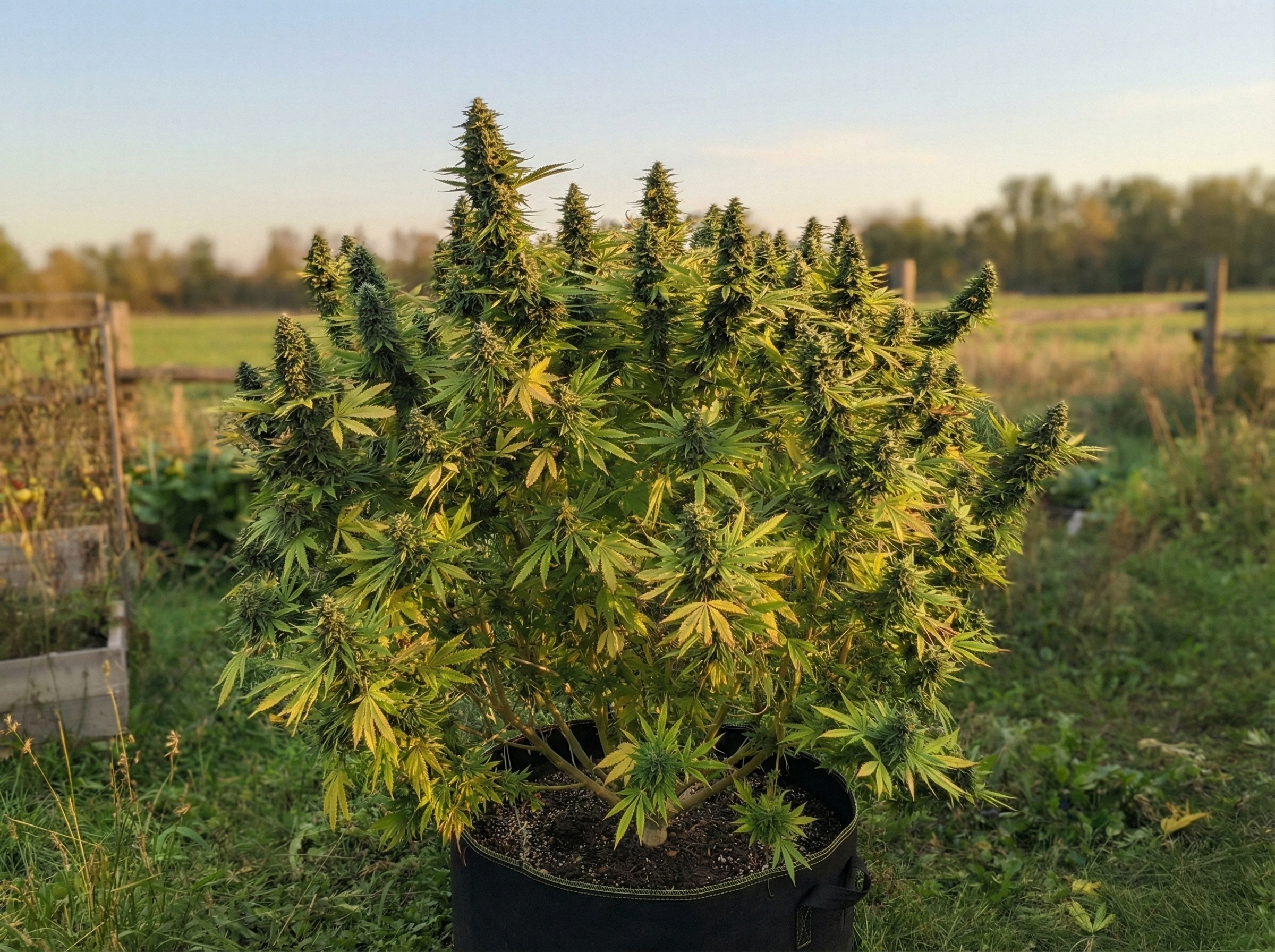
In the garden, Dutch Treat is valued because it can produce dense, sticky flowers without requiring extreme height. It usually stretches more than a pure compact indica but remains far easier to contain than a long tropical sativa. Flowering commonly falls around eight to ten weeks depending on the selection, with some older descriptions finishing slightly faster and others extending toward seventy days.
The strain is often described as beginner-friendly, but premium quality still depends on controlling the same traits that make it productive. Dense flowers need airflow. A vigorous plant needs selective lower cleanup. A terpinolene-rich aroma needs protection from high late-flower heat and rushed drying. Growers who treat Dutch Treat as a simple "set it and forget it" plant may still harvest acceptable flower, but growers who shape the canopy and protect the cure can produce a much more distinctive result.
Strain Features
| Feature | Details |
|---|---|
| Type | Indica-dominant hybrid with a noticeably cerebral effect |
| Common Lineage | Commonly reported as Northern Lights x Haze; historical records are not fully consistent |
| Typical THC Range | Often reported around 18-25%, with substantial batch variation |
| CBD | Usually low |
| Dominant Terpenes | Terpinolene, myrcene, ocimene; pinene and caryophyllene may contribute |
| Main Aroma | Sweet pine, citrus, herbs, eucalyptus-like freshness, earth |
| Main Flavor | Pine, sweet fruit, herbal spice, citrus peel, woody freshness |
| Primary Effects | Euphoric, uplifted, relaxed, creative, sociable |
| Flowering Time | Commonly about 8-10 weeks, often around 60-70 days |
| Plant Height | Medium, often compact to moderately stretchy |
| Stretch | Moderate |
| Yield Potential | High when the lower canopy is cleaned and the top is evenly lit |
| Grow Difficulty | Easy to moderate |
| Best Environment | Indoor cultivation is especially predictable; suitable outdoors in mild climates |
| Main Grow Challenge | Dense sticky flower and strong aroma require airflow and careful post-harvest handling |
| Training Response | Responds well to topping, LST, screens, and lower-canopy cleanup |
| Bud Structure | Dense, sticky, resin-coated buds with orange pistils |
| Best Time of Use | Afternoon to early evening |
| Common Reported Uses | Stress relief, mood lift, physical ease, fatigue-oriented use |
The strain name is older than modern genetic standardization, so the profile should be treated as a traditional Dutch Treat range rather than a guarantee that every plant sold under the name is identical.
Genetic Lineage
The most widely repeated Dutch Treat lineage is Northern Lights crossed with Haze. That explanation is botanically convincing because the plant and effect sit between the traits associated with those two breeding families. The Northern Lights side would account for compact flower density, resin production, manageable stature, and a relaxing body component. Haze influence would explain the brighter mental onset, sweet herbal-pine aroma, and moderate stretch.
However, older strain databases sometimes describe Dutch Treat simply as an unknown hybrid. Other records suggest that different versions circulated under the same name. The responsible approach is therefore to say that Northern Lights x Haze is the common lineage claim, not an independently verified universal pedigree.
This uncertainty is not unusual in cannabis. Many legacy varieties spread through cuttings and informal grow communities before there were standardized records. A local clone can become famous under a name, then seed reproductions or related crosses appear later. Over time, the name begins describing a recognizable style as much as a single genotype.
Dutch Treat's style is clear. The plant tends to be more compact than a classic Haze while preserving enough sativa influence to stretch and create an active cerebral effect. Leaves can be medium-width rather than extremely broad. Branches are strong enough to carry dense buds but benefit from support in high-yielding runs.
The lineage also helps explain why the effect is sometimes mislabeled. Users who feel the fast euphoric head rush may call Dutch Treat a sativa, while people who focus on the later body relaxation may call it an indica. The better description is a hybrid with sativa-like onset and indica-like settling.
Terpene expression further separates it from heavy Kush profiles. Terpinolene and ocimene can create a bright sweet-herbal top note that feels almost sparkling compared with myrcene-heavy earth. The result is a cultivar that smells fresh even when the effects become physically relaxing.
If the Northern Lights x Haze explanation is correct for a particular cut, phenotype variation can still shift the balance. A Haze-leaning plant may stretch farther, smell sharper, and finish later. A Northern Lights-leaning plant may stay shorter, build denser buds, and feel more physically calming.
Growers working from seed should therefore record stretch ratio, flowering duration, branch strength, terpene profile, and final effect for each plant. Selecting a keeper by name alone ignores the variability hidden inside the cultivar.
The strain's popularity in the Pacific Northwest also makes horticultural sense. A reasonably fast flowering hybrid with decent resistance, strong indoor performance, and dense resinous buds fits regions where outdoor autumn weather can become cool and damp. Nevertheless, dense flower still requires caution around prolonged rain.
The genetic takeaway is that Dutch Treat should be managed as a compact hybrid with enough Haze influence to demand stretch planning. It does not need the extreme early flowering of a tropical sativa, but it should not be allowed to enter bloom as an already overcrowded indica bush.
Effect Breakdown
Dutch Treat's effects are defined by contrast. The opening can feel bright and cerebral, while the middle and late phases become calmer and more physical.
Initial onset: fast euphoria
The first stage often arrives quickly. Users may notice a lift in mood, a light pressure behind the eyes, and an increase in interest or conversation. The mental effect is cleaner and more energetic than the strain's indica-dominant reputation might suggest.
At a modest dose, this can feel functional. Music becomes engaging, conversation flows, and routine activities seem less dull. The user may feel relaxed without losing the desire to move.
Creative and social phase
As the head effect develops, ideas can become more fluid. Dutch Treat is often appreciated for low-pressure creative activities because it provides stimulation without the extreme mental speed of some Haze-dominant strains.
The social effect is usually warm rather than manic. Users may become more talkative and cheerful but still feel grounded.
Transition to body relaxation
The physical component gradually becomes more noticeable. Muscles loosen and the body feels calmer. This transition is what gives Dutch Treat its versatility. It can fit an afternoon session where the user wants to remain awake but no longer wants to feel tense.
Peak
At the peak, the user may feel simultaneously euphoric and physically relaxed. High doses can reduce focus and increase couch time, but moderate use usually stops short of complete immobilization.
The balance can shift by phenotype. A terpinolene-rich Haze-leaning expression may feel brighter. A myrcene-rich compact expression may become heavier faster.
Late phase
The late phase is usually smooth. Mental energy declines and the body remains comfortable. Some users become sleepy, while others simply feel settled.
This makes Dutch Treat more flexible than a pure night indica. It can begin as an afternoon strain and end as an evening strain without a harsh change in character.
Anxiety risk
The strain is generally reported as less racy than strong sativas, but high THC can still cause anxiety, dizziness, or rapid thought in sensitive users. The fast onset can encourage unnecessary redosing, so give the first amount time to stabilize.
Appetite
Appetite may increase as the body relaxation develops. The effect is usually moderate rather than the dominant feature.
Duration
Inhaled flower commonly produces several hours of noticeable effects. High-tolerance users may find the cerebral stage shorter, while new users may experience a longer physical afterglow.
Weedth note: Dutch Treat is useful when you want the mind to brighten before the body slows down. Dose too heavily and the second half can arrive much earlier than expected.
Flavor & Aroma Profile
Dutch Treat is a strong example of an aromatic profile that is sweet without being dessert-like.
Pine
Pine is one of the most consistent descriptors. The aroma can resemble fresh pine needles, resinous wood, or a clean forest scent. In terpinolene-dominant expressions, the pine feels bright and volatile rather than heavy and earthy.
Sweet fruit
A soft fruit sweetness often sits behind the pine. Depending on phenotype, it can resemble pear, apple, berry, citrus, or mixed fruit rather than one specific fruit.
Eucalyptus-like freshness
Many users describe a eucalyptus or menthol-like quality. This should be understood as a sensory comparison, not proof that eucalyptus-specific compounds dominate. Terpinolene, pinene, ocimene, and other volatiles can combine into a cool green freshness.
Herbal layer
Dry herbs and light spice appear when the flower is broken apart. Some phenotypes show a Haze-like incense edge without becoming strongly metallic or fuel-like.
Earth
Myrcene and other base terpenes provide enough earth to keep the aroma grounded. The smell is rarely as dark as a Kush, but there is usually a soft soil or woody background.
Flavor on inhale
The inhale is typically sweet, piney, and herbal. Properly cured flower can feel smooth with a clean resinous coating on the palate.
Flavor on exhale
Citrus peel, earth, and a slightly cool herbal finish often become clearer. Some examples leave a sweet pine aftertaste that lingers for several minutes.
Aroma in flower
Late-flower plants can become strongly aromatic. The smell may seem less skunky than classic Skunk genetics but can still travel. Indoor odor control should be designed for mature flower rather than early veg.
Cure development
Freshly dried Dutch Treat can smell sharply green or pine-heavy. During cure, sweetness and fruit tend to become more integrated. The eucalyptus-like freshness should remain clean rather than becoming stale.
Dominant Terpenes
Dutch Treat is frequently associated with terpinolene, myrcene, and ocimene. This combination helps explain its unusual balance of bright aroma and relaxing effect.
Terpinolene
Terpinolene can smell sweet, herbal, piney, citrusy, and slightly floral all at once. It is a major reason Dutch Treat can be difficult to describe with one aroma word.
Terpinolene-rich cannabis often has a recognizable "fresh" quality that can resemble green wood, herbs, fruit peel, or aromatic cleaner. In Dutch Treat, this top note should remain pleasant and botanical rather than harsh.
Terpinolene is volatile, so protecting late-flower and post-harvest temperatures matters. A plant that smells explosive on the branch can become much quieter after a hot dry.
Myrcene
Myrcene supplies the earthy and musky foundation. It rounds the aroma and may contribute to the later body-heavy part of the subjective experience, though effects cannot be assigned to one terpene alone.
Ocimene
Ocimene can add sweet herbal, tropical, and green notes. In Dutch Treat, it supports the bright fruit-and-herb character and may contribute to the eucalyptus-like perception.
Pinene
Pinene may appear in meaningful secondary amounts and reinforces the conifer note. A pinene-rich phenotype can smell more like resinous forest air than sweet fruit.
Caryophyllene
Caryophyllene can contribute pepper and warm spice, especially on the exhale. It is usually less central than in strongly peppery cultivars but can deepen the profile.
Terpene preservation
Research on cannabis drying and storage shows that volatile composition changes significantly with post-harvest conditions. Dutch Treat is a strain where that science is obvious in practice. The bright top notes are the first part of the aroma to disappear when drying is too warm or storage is repeatedly exposed to heat and oxygen.
Indoor vs. Outdoor Growing
| Aspect | Indoor | Outdoor |
|---|---|---|
| Height | Easy to moderate to manage | Can become a medium-sized bush with more stretch |
| Flowering | Predictable, often 8-10 weeks | Usually finishes in early autumn in suitable climates |
| Yield | High with training and lower cleanup | Good per plant under sun and dry finishing weather |
| Terpene control | Excellent because heat and humidity can be managed | Weather has more influence on aroma preservation |
| Main risk | Dense bud humidity and canopy crowding | Rain and dew near harvest |
| Training | Topping, LST, screen, and lollipopping work well | Topping and branch spreading improve structure |
Indoors
Dutch Treat is particularly comfortable indoors because the plant responds well to canopy training and finishes in a manageable window. Soil and soilless systems can both work well.
The plant may stretch enough to require planning, but not so much that a normal room becomes impossible. A single topping followed by branch spreading often creates a productive shape.
Outdoors
Outdoor cultivation works in mild sunny regions where the flowering season remains reasonably dry. The plant can finish earlier than long Haze lines, which is useful in climates where autumn weather deteriorates quickly.
Dense flowers still need inspection after rain. The strain's reputation for toughness does not make it immune to bud rot.
Strain-Specific Grow Guidance
Vegetative shape
Dutch Treat usually develops a compact to medium frame with enough lateral branching to respond strongly to topping. Leaves may be medium-width, reflecting the hybrid ancestry.
The plant can look naturally balanced, which sometimes leads growers to skip training. That is acceptable for small plants, but a wider canopy usually increases light use and yield.
Topping
Top once after the plant has established healthy growth. Allow the new leaders to develop, then spread them outward. Multiple toppings are possible, but the strain rarely needs a complex mainline to produce well.
Stretch
Expect moderate stretch. Haze-leaning phenotypes may surprise you, especially under low light or high nitrogen. Keep enough vertical margin after the flip.
Screen use
Dutch Treat works well under a screen because branches are strong and flowers become heavy. Use the screen to create separation between tops, then consider a second support layer if colas become large.
Lower-canopy cleanup
This is one of the most useful strain-specific techniques. Dense upper buds and a bushy frame can leave the bottom producing weak shaded flowers. Remove lower shoots that cannot reach strong light before they consume weeks of resources.
Do not remove the entire lower half by rule. Clean according to actual light penetration.
Defoliation
Selective defoliation improves airflow. Remove overlapping fan leaves and those blocking multiple bud sites. Avoid stripping the plant heavily because healthy leaves support the high yield.
Nutrient level
Dutch Treat is usually described as relatively low-maintenance. A balanced feeding program is more useful than aggressive supplementation. Watch leaf tips and color.
Excess nitrogen can increase stretch and delay fade. Excess salt in late flower can reduce root function when the plant should be finishing.
Root zone
The cultivar performs well in aerated soil, coco, and hydroponic systems. The important factor is consistency. Dense flowering plants require reliable water uptake, and root problems can quickly translate into leaf stress and reduced aroma.
Irrigation rhythm
Let the medium guide watering frequency. A vigorous mid-flower plant may drink quickly. A maturing plant may slow down. Adjust rather than maintaining the same schedule through the entire cycle.
Light
Do not let the stretch make the decisions
Dutch Treat can convert strong light into dense flower, but top-note aroma is sensitive to excessive canopy heat. Monitor leaf temperature and avoid placing fixtures too close after stretch.
Scientific studies in cannabis show that higher usable light can increase yield under well-controlled conditions. The practical home-grow lesson is to first create an even canopy and stable climate. More photons do not repair a shaded interior or a hot leaf surface.
Temperature
Moderate indoor temperatures support both growth and aroma. Avoid severe late-flower heat. The terpinolene-rich profile benefits from a cooler, stable finish.
Humidity
As the buds become dense and sticky, humidity control becomes more important. Maintain airflow through the center of the plant and under the canopy. The room's average humidity does not reveal every microclimate inside a cola.
Disease resistance
Dutch Treat has a reputation for being reasonably resistant and forgiving, but no cultivar is immune. A healthy plant in moving air is far more resistant than a crowded plant in stagnant humidity.
Pest management
Inspect leaf undersides regularly. A compact bush can hide mites and other pests in the center. Solve infestations early so late flower remains free of sprays or residues.
Aroma and ventilation
The plant can become pungent as flowering advances. Size odor control for peak flower rather than the first month. A failing filter or insufficient exhaust becomes much more obvious late.
Flower development
Buds tend to become dense and resinous. Some phenotypes build rounded compact flowers while others show a slightly longer Haze influence. Both can be legitimate expressions.
Support
Heavy branches may need ties or netting in the final weeks. Add support before the stems are already leaning into each other.
Harvest timing
Most plants finish in the eight-to-ten-week range. Watch the exact phenotype. A fast plant may be mature before day sixty-five, while another continues swelling toward day seventy or beyond.
For a balanced Dutch Treat effect, aim for fully mature resin without pushing the plant unnecessarily late. The cultivar's appeal is the contrast between cerebral lift and body relaxation. Very late harvest and heavy dosing can tilt the experience toward sedation.
Outdoor harvest planning
In outdoor gardens, the best harvest date may be a compromise between ideal resin maturity and weather risk. If several days of heavy rain are approaching and the flowers are already mature, protecting clean flower is more important than chasing a few extra days.
Master advice: Dutch Treat rewards clean structure more than complicated technique. Top it, spread it, remove the weak bottom, support the heavy finish, and keep the late environment cool enough to protect the aroma.
Phenotype management in a legacy hybrid
Because Dutch Treat has circulated under more than one lineage description, seed-grown populations can show meaningful variation. One plant may stay short and finish quickly, while another carries a stronger Haze expression and continues stretching. Do not force every plant into the same irrigation, defoliation, or harvest schedule simply because the labels match.
During the first run, measure the height at the flowering switch and again when stretch finishes. Record the ratio. Also record days to visible flower set, days to mature resin, branch strength, and how quickly each container dries. Those notes become far more useful on the second run than a generic strain guide.
Managing a terpinolene-heavy canopy
Terpinolene-rich plants can smell spectacular before harvest and disappoint after drying if the late environment is too hot. Pay attention to leaf-surface temperature around the highest tops, especially after stretch when the canopy may have moved closer to the fixture. If the top flowers smell sharp and sweet in the morning but noticeably flatter after the warmest part of the light cycle, heat management deserves attention.
Improving air exchange, reducing localized hot spots, and maintaining appropriate fixture distance can preserve more aroma without sacrificing flower development. The aim is not to keep the room cold. It is to prevent repeated high-temperature periods that increase volatile loss and stress.
Canopy depth and quality distribution
Dutch Treat can produce enough foliage and flower mass that lower buds remain physically healthy but never reach premium density. This is a quality-distribution problem rather than a total-yield problem. A grower can harvest more grams by leaving every site, yet end up with a larger percentage of small shaded flower.
For a quality-first run, define the productive canopy depth by actual light penetration. Remove weak sites below that zone before they become expensive to maintain. This approach often makes trimming faster and drying more uniform because the harvest consists of fewer size classes.
Finishing without overcorrecting
Late flower is where growers sometimes create problems by reacting to normal senescence. A plant that is slowing water use, fading older leaves, and hardening mature buds may not need another nutrient correction. Before changing the feed, determine whether the pattern is consistent with natural finishing or an actual deficiency.
Overcorrecting a mature Dutch Treat plant can leave the root zone saltier, foliage greener, and flowers no better. The final weeks should become progressively less dramatic. Stable light, stable climate, clean airflow, and careful irrigation usually matter more than another additive.
Trimming and resin handling
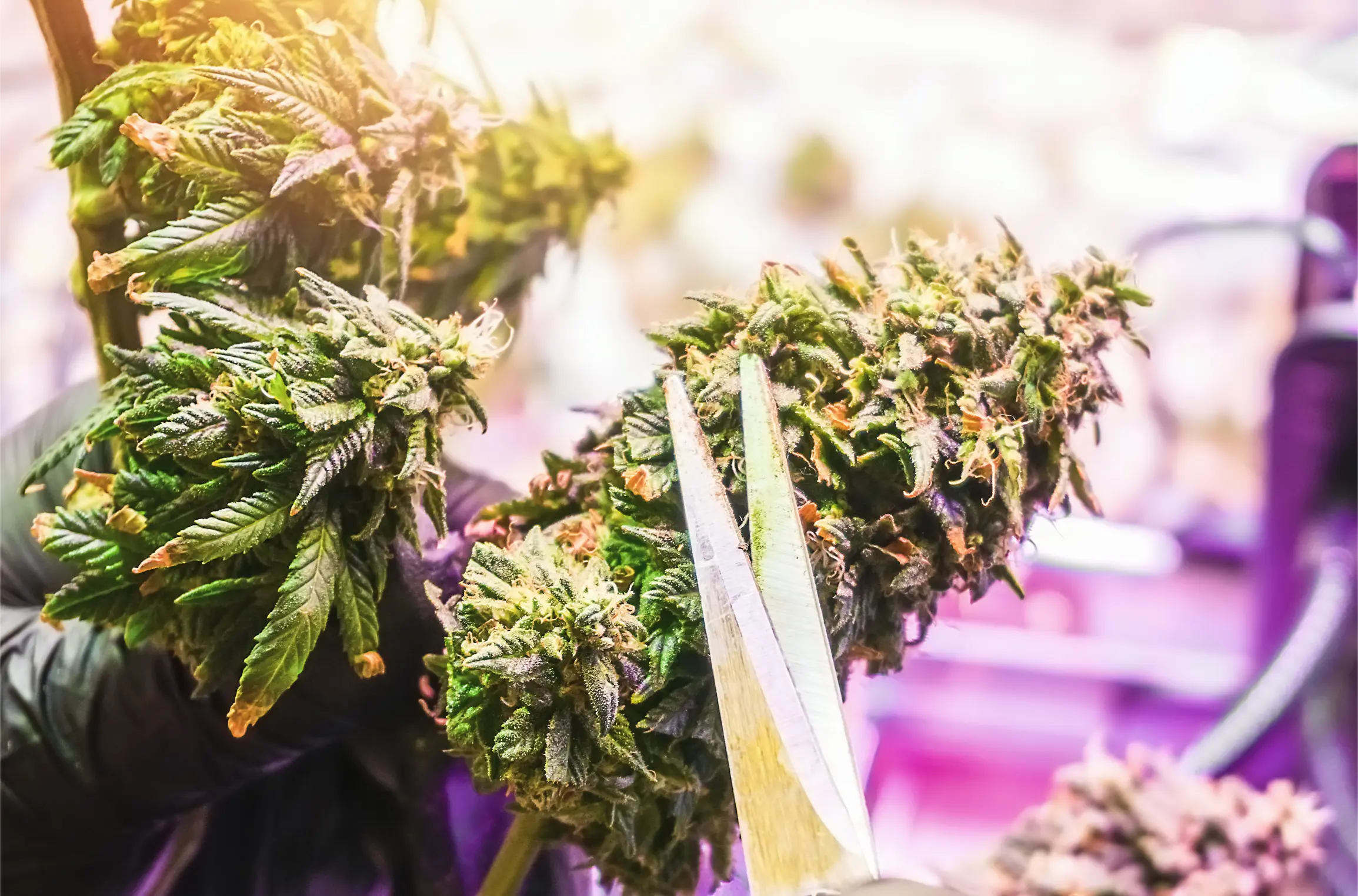
Dense Dutch Treat flower can be sticky enough to coat scissors quickly. Work in small batches and keep tools clean. If the flowers are too dry during trimming, brittle trichome heads can be knocked away easily. If they are too wet, resin smears and plant material compresses.
The ideal trimming point is when the exterior is dry enough to handle cleanly while the flower still has enough internal elasticity to resist crumbling. Do not chase a perfectly sculpted bud at the expense of resin. A slightly more natural trim often protects flavor better.
Weedth Bud Flavor Tips
Protect terpinolene in late flower
Bright terpinolene-heavy aromas can flatten quickly under heat. Keep the canopy comfortable during the last weeks and avoid repeated temperature spikes.
Harvest at aroma peak
A mature plant whose sweet pine and citrus aroma is fully developed should not automatically be left longer simply to darken more trichomes. Use maturity indicators together. Flavor is part of the harvest decision.
Slow drying
Cannabis post-harvest research shows that high drying temperature reduces terpene retention. Dutch Treat should be dried in darkness with controlled temperature, humidity, and gentle air exchange.
Watch dense centers
The buds can be sticky and compact. Large branches may dry unevenly. Check internal moisture rather than judging only the outside.
Cure for balance
The sharp pine and green-herbal notes often soften during cure while fruit, earth, and sweetness become more connected. A few weeks can make the smoke noticeably rounder.
Avoid flavor contamination
Do not introduce fruit peel, herbs, essential oils, or other aromatic materials into curing containers. They can add moisture, microbes, and foreign compounds.
Storage
Store cured flower cool, dark, and airtight. Frequent heat cycles are especially damaging to volatile top notes. Keep daily-use flower separate from long-term storage.
Gentle trimming
Do not shave the surface of resinous buds for cosmetic perfection. Preserve trichomes and small resinous leaf tips when they do not negatively affect the smoking quality.
Weedth flavor tip: If cured Dutch Treat smells like only pine, give the jar more time. The best samples usually develop sweetness, fruit, herbs, and earth around that pine core.
Weedth Bud Boost Tips
Build four to eight strong tops
Dutch Treat does not need dozens of leaders to yield well. A small number of evenly spaced strong branches can carry substantial flower and remain easy to support.
Use the lower cleanup strategically
Remove branches that clearly cannot reach the productive light zone. This increases the proportion of premium flowers and reduces trim work.
Maintain canopy uniformity
Flatten the strongest tops with LST or a screen so one branch does not monopolize the best light. Uniformity improves both yield and ripening consistency.
Root health before bloom products
If a grower wants bigger flowers, the first questions should be root oxygen, irrigation consistency, light, and leaf health. Extra bloom additives cannot compensate for a stressed root system.
Support before week seven
Install support while branches can still be moved without damaging resinous flowers. Late tying is awkward and can rub trichomes off neighboring buds.
Avoid excess nitrogen
Keeping leaves extremely dark through the final weeks can increase unnecessary foliage and delay a natural finish. Feed enough to maintain function, not permanent vegetative color.
Light and environment together
Higher light can increase cannabis yield when the plant can use it. If raising intensity, also check temperature, water demand, root-zone EC, and airflow. Dutch Treat's dense buds make environmental stability part of yield management.
CO2 only in matched systems
Supplemental CO2 is an advanced tool for sealed high-light rooms. It should not be the first intervention in a normal garden. Canopy shape and climate control offer more reliable returns for most growers.
Staged harvest if necessary
A dense upper canopy can shade lower flowers. If top buds reach maturity earlier, removing them can give lower sites more light and air for a short finishing period.
Medical Uses & Benefits
Dutch Treat is frequently chosen by medical cannabis users for a combination of mental uplift and physical relaxation. Evidence for specific named strains is limited, and products under the same name can differ, so these are reported-use patterns rather than treatment claims.
Stress
Many users describe the initial euphoria as mentally relieving. The later body calm can further reduce the feeling of tension. High THC can still worsen anxiety in sensitive users.
Fatigue
The bright cerebral onset may feel helpful to people who want to remain engaged rather than sedated. Medical fatigue has many causes and should be evaluated appropriately.
Pain and physical discomfort
The body-relaxing phase is one reason Dutch Treat appears in pain-oriented user reports. It can make mild to moderate discomfort feel less intrusive while preserving more mental activity than a heavy night indica.
Mood
Euphoria and sociability may temporarily improve subjective mood. Cannabis is not a substitute for treatment of persistent depression or other psychiatric conditions.
Sleep
Some users become sleepy later in the session, but Dutch Treat is less consistently sedating than pure night strains. It may work better as a transition from afternoon activity into evening rest.
Cautions
Possible adverse effects include dry mouth, dry eyes, dizziness, anxiety, impaired short-term memory, and slowed reaction time. Do not drive while impaired. Medical users should consider cannabinoid dose and product testing rather than relying only on a strain name.
Ideal User Profile
Dutch Treat is ideal for someone who wants a hybrid that changes character gradually.
The user enjoys an early mental lift but does not want a relentlessly stimulating sativa. They may use cannabis after work, during a creative hobby, before a relaxed social evening, or while listening to music.
Flavor preference matters. People who like pine, herbs, citrus, and clean woody sweetness are more likely to appreciate it than users who want heavy fuel or dessert flavors.
Intermediate users are the easiest match because the THC range can be significant. Beginners can enjoy the strain at low dose, especially if they wait for the body phase before redosing.
For growers, Dutch Treat fits small to medium indoor rooms where a productive plant is needed without extreme vertical stretch. It is a useful next step after a beginner has learned basic watering and wants to practice topping, canopy cleanup, and harvest refinement.
Best use window: afternoon through early evening.
Grower Notes and Feedback
Growers commonly praise Dutch Treat for a favorable relationship between effort and yield. The plant can produce heavily without requiring the elaborate management of long-flowering sativas.
Stretch reports differ. Some growers describe a short stocky plant, while others note meaningful upward movement. This likely reflects different cuts and reinforces the lineage uncertainty. The safest indoor plan is to reserve moderate stretch space.
Dense bud formation is a repeated positive. Flowers often stack well and become sticky. The same trait creates humidity risk, so airflow should increase as the buds harden.
Growers also report that the plant works well in screen systems. Branches can be spread without becoming excessively thin, and the screen later carries flower weight.
Aroma is often described as loud sweet pine with citrus and herbal notes. Terpinolene-rich examples can resemble Haze or Jack-style aromatic families without the full tropical flowering time.
The plant is generally considered forgiving. Minor feeding or training mistakes are less likely to derail the crop than with delicate long sativas. That does not mean the strain should be overfed. Healthy medium-green foliage and steady growth are enough.
Outdoor growers appreciate the relatively manageable finish, but wet autumns remain a concern because of flower density. The strain's reputation for resistance should not replace inspection.
Cure reports often mention that the smoke becomes smoother and more complex after several weeks. Fresh dried flower can be sharply piney. Mature jars reveal more sweetness and fruit.
Weedth Editor's Note
The tradeoff I would plan around
Dutch Treat is one of the strains I like recommending to growers who want to move beyond a completely hands-off plant without taking on a twelve-week sativa.
I treat it as a medium-stretch hybrid. Even when a cut looks short in veg, I leave enough headroom for the Haze side to show itself. One topping and a simple spread usually give me all the structure I need.
The lower cleanup matters more than dramatic defoliation. I would rather remove five weak branches that will never reach strong light than strip twenty healthy fan leaves from the top.
The smell is where I pay the most attention. When Dutch Treat is healthy late in flower, the room can smell like sweet pine, citrus peel, green herbs, and something almost eucalyptus-like. If that freshness begins disappearing during a hot week, I correct the environment instead of assuming the aroma will come back during cure.
The flowers can get heavier than the plant's medium size suggests. I prefer support netting before I need it. Once the buds are sticky, I do not want to be threading ties through the canopy and rubbing every cola.
I also like the strain because it tells you when the cure is improving. The first week after drying can be very pine-forward. After more time, the sweetness and fruit come forward and the smoke feels less sharp.
The high is similarly layered. I get the mental lift first, then the shoulders drop. That makes it useful for the part of the day when I am finished with serious work but not ready to sleep.
For beginners, the strain is forgiving enough to learn on, but I would still emphasize humidity. A dense healthy bud is not automatically a safe bud. I always inspect the interior of the largest flowers before harvest and during trimming.
Dutch Treat is not the most dramatic strain in any single category. Its strength is balance. The plant is manageable, the yield can be strong, the aroma is distinctive, and the effect has enough lift to stay interesting without becoming exhausting.
Weedth Score
Growing Experience – 9/10 Manageable structure, good yield, and strong training response make it satisfying for a wide range of growers.
Bud Structure & Visual Appeal – 8.5/10 Dense, sticky, resinous flowers have classic appeal. Some phenotypes are more visually striking than others.
Aroma Complexity – 9/10 Sweet pine, citrus, herbs, earth, fruit, and eucalyptus-like freshness create a recognizable old-school profile.
Flavor & Smoothness – 8.5/10 Very good after a patient cure. Rushed drying can make the pine feel sharp and reduce the fruit.
Effects & High Experience – 9/10 The transition from euphoric mental lift to physical calm is exceptionally balanced.
Overall Satisfaction & Recommendation – 9/10 A dependable legacy hybrid that remains relevant because it offers productivity, flavor, and versatile effects without extreme grow difficulty.
"Dutch Treat is the kind of hybrid I reach for when I want the mind awake, the body quiet, and neither one pushed too far."
FAQ
What is Dutch Treat's lineage?
The most common description is Northern Lights x Haze. Some historical databases list the original as unknown, so the lineage should be treated as a widely accepted explanation rather than an absolute fact for every version carrying the name.
Is Dutch Treat from the Netherlands?
The name suggests that, but the strain is strongly associated with the Pacific Northwest and Canadian grow history. It later became popular in European cannabis culture. Exact origin stories vary.
Is Dutch Treat indica or sativa?
It is usually described as indica-dominant, but the effects can feel sativa-like at first. The cerebral onset is uplifting and energetic, while the body becomes more relaxed later.
How long does it flower?
Most modern descriptions fall around 8-10 weeks, often roughly 60-70 days. Some cuts finish faster and others need slightly longer.
How much does it stretch?
Usually moderate. It is easier to contain than a Haze but can stretch more than a pure indica. Leave vertical room after the flowering switch.
Is it easy for beginners?
Generally yes. The plant is vigorous and responds well to basic training. Beginners should focus on watering, lower-canopy cleanup, and late-flower humidity.
What training works best?
One topping followed by LST or a screen is very effective. The plant does not require complex mainlining to produce a strong canopy.
Should I lollipop Dutch Treat?
Selective lower cleanup is useful. Remove branches and bud sites that clearly remain below productive light. Do not remove healthy lower growth by a fixed percentage without observing the canopy.
Does it yield well?
Yes, it is commonly regarded as a high-yielding hybrid. Actual yield depends on light, plant size, training, root health, and environment.
What does Dutch Treat smell like?
Sweet pine is the core. Citrus, herbs, fruit, earth, and a eucalyptus-like freshness often surround it.
What terpene is dominant?
Terpinolene is frequently reported as a major or dominant terpene, with myrcene and ocimene also common. Individual batches can differ.
Why does it sometimes smell like cleaner or eucalyptus?
Bright combinations of terpinolene, pinene, ocimene, citrus-like volatiles, and green herbal compounds can create that sensory impression. It is a flavor description rather than evidence of added eucalyptus.
Is Dutch Treat good for daytime use?
It can be, particularly in modest doses. The early effect is uplifting, but the body becomes more relaxed later. Afternoon is often a better fit than early morning for most users.
Does it cause couch-lock?
Moderate doses usually stop short of heavy couch-lock, but large doses or more indica-leaning phenotypes can become significantly sedating.
Can it cause anxiety?
Yes. Any high-THC cultivar can cause anxiety in sensitive users. The terpinolene-rich cerebral onset can feel stimulating, so begin low if energetic strains make you uneasy.
Is Dutch Treat mold resistant?
It has a reputation for being relatively resilient, but dense flowers can still develop mold in stagnant humidity. Resistance is not immunity.
Is it good outdoors?
Yes in mild climates with enough sun and a reasonably dry early autumn. Wet late-season weather requires close inspection.
How should I dry it?
Use a cool, dark, controlled environment with gentle air exchange. Dense flowers should be checked for uneven internal moisture. Avoid hot forced drying because the bright terpenes are easily lost.
What is the biggest mistake with Dutch Treat?
Treating its easy reputation as a reason to ignore canopy density. The plant can quietly build a crowded lower zone and heavy upper buds. Simple cleanup and airflow make a large quality difference.
Similar Strains
Northern Lights
The most logical comparison to the indica side of Dutch Treat's commonly reported lineage. It is compact, resinous, piney, and more physically relaxing.
Super Silver Haze
A useful comparison for the Haze side. It offers a brighter, longer cerebral high and a more demanding stretch, with citrus-spice aroma.
Jack Herer
Shares a terpinolene-rich pine-and-herb aromatic family and an uplifting cerebral effect. Jack Herer generally feels more energetic and can show more sativa architecture.
White Widow
A balanced legacy hybrid with manageable indoor growth, resinous buds, and a transition from mental uplift to physical relaxation.
Skunk #1
Another foundational hybrid that combines productive indoor structure with an upbeat-to-relaxed effect. The aroma is usually more skunky and musky.
Blue Dream
A more sativa-leaning alternative for users who enjoy Dutch Treat's uplifting beginning but want a longer, fruitier, more energetic experience.
Dutch Treat remains valuable because it occupies a practical middle ground: fast enough to manage, productive enough to satisfy, bright enough to stay interesting, and relaxing enough to finish the day comfortably.
Share this article
A quick overview of the topics covered in this article.
Follow us
Latest articles
October 25, 2026
October 25, 2026

October 25, 2026