Purple Octane
A Weedth cultivation-first profile focused on plant behavior, bud quality, flavor preservation and realistic grow decisions.
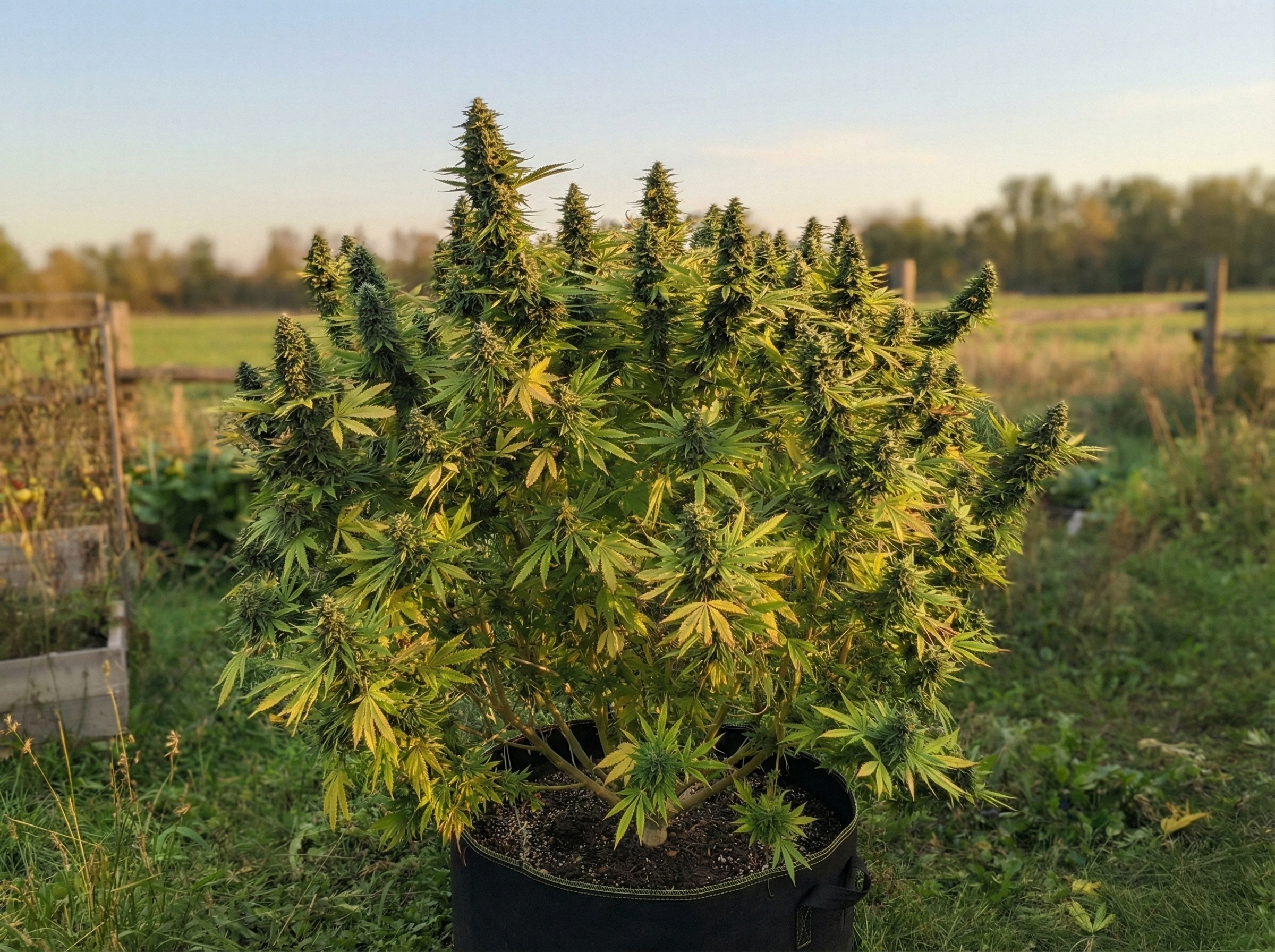
Purple Octane is best understood as a dense grape-gas cultivar that rewards structural support and mature aroma development, with the best runs prioritizing resin and flavor over exaggerated color or laboratory potency numbers. The goal of this profile is not to reduce the cultivar to a THC number or a short list of effects. The useful questions are how the plant behaves before and after the flowering flip, where it tends to hold moisture, how much structural work it rewards, how its aroma changes during ripening, and what post-harvest choices protect the character that made the cultivar worth growing in the first place.
Legal note: Cultivation rules vary by country, state and municipality. This guide is educational and should only be applied where cultivation is legal.
Strain Features
| Feature | Profile |
|---|---|
| Type | Heavy indica-leaning modern hybrid with dense purple flowers and intense grape-fuel aroma |
| Genetics | Most consistently reported as (Biscotti x Sherb BX1) x Jealousy F2 |
| THC | Frequently sold and reported as a high-potency cultivar; exact THC varies widely by batch, so treat high-20s and 30% claims as possible lab results rather than a fixed genetic value |
| CBD | Usually very low or trace |
| Indoor Flowering | Approximately 8-9 weeks indoors is commonly reported, with the final week best decided from trichome and calyx maturity |
| Outdoor Finish | Generally early-to-mid autumn where weather remains dry enough for dense purple flowers |
| Height / Structure | Medium, with sturdy hybrid branching, moderate stretch and dense upper flowers that can become very heavy by the final swell |
| Yield Potential | Medium to high under strong even light; a flat supported canopy is more useful than maximizing branch count because individual tops can become dense and weighty |
| Difficulty | Moderate; reports describe relatively easy growth, but high flower density, strong odor and the temptation to chase color can create avoidable late-flower mistakes |
| Aroma | deep grape, diesel, chemical fuel, sour gas, sweet fruit, earthy dough and occasional garlic-spice undertones |
| Flavor | sour grape and dense fuel at first, followed by sweet citrus, woody spice and lingering gas |
| Dominant Terpenes | Caryophyllene, Limonene, Myrcene |
| Typical Effects | a strong relaxing indica-style body effect with an initial euphoric or focused lift that can become heavy and sleepy as dose increases |
| Common Reported Uses | commonly reported for evening stress, body tension and sleep support; very potent batches can cause anxiety or dizziness in sensitive users |
The figures above are working ranges rather than promises. Purple Octane is circulated through different cuts and seed-derived expressions, so a grower should expect real variation in vigor, cannabinoid concentration, flowering speed and yield. The most reliable approach is to use the table for planning and then let the plant's own morphology, water use, flower development and trichome maturity drive final decisions.
Genetic Lineage
The most useful lineage description for Purple Octane is: Most consistently reported as (Biscotti x Sherb BX1) x Jealousy F2. Lineage matters because it gives the grower a framework for interpreting the plant, but it should not be treated as a complete prediction. Two plants carrying the same family names can express different internodal spacing, aroma intensity, stretch and finishing speed because selection history matters as much as the names on the family tree.
In practical terms, the lineage helps explain why Purple Octane shows medium-height plants with strong laterals and compact, frost-heavy flowers that can turn deep purple while producing a high calyx-to-leaf visual density. That combination should guide the first structural decisions in veg. Rather than copying a training recipe from an unrelated cultivar, build the plant around what its parentage tends to express: control the dominant growth habit, preserve strong productive laterals, and avoid creating a canopy that is denser than the flower structure can safely ventilate.
There is also a provenance issue worth acknowledging. Cannabis cultivar names are not governed by a single universal registry, and older names can be attached to multiple selections. For Purple Octane, the safest editorial approach is to describe the lineage that appears most consistently across strain records and to flag disagreement when it changes cultivation expectations. That is more useful than presenting uncertain ancestry as settled fact.
Phenotype selection therefore belongs inside the lineage discussion. For this cultivar, keepers should combine loud grape-fuel aroma, strong resin, sturdy branching and a flower density that can still be ventilated. Extremely dark plants with muted aroma are less valuable than greener plants with stronger finished flavor Keep notes on node spacing, branch angle, stem strength, aroma at stem rub, onset of flower, water use and final resin. Those observations become more valuable than the label once a grower is deciding which plant deserves to be kept or repeated.
Effect Breakdown
At a moderate dose, Purple Octane is commonly described as producing a strong relaxing indica-style body effect with an initial euphoric or focused lift that can become heavy and sleepy as dose increases. The first stage is usually the easiest to notice because perception changes before the body fully settles. Mood can brighten, attention may shift toward music, conversation or a task, and the cultivar's aromatic character often shapes the subjective impression before the heavier physical phase develops.
Purple Octane usually offers only a brief functional mental window. A moderate amount may feel calm and absorbed; a larger one can narrow attention quickly and make complex tasks unattractive. The heavy aroma and potency reputation should encourage slower dosing, not bravado.
The emotional tone is often insulated and low-pressure, fitting an evening when demands are finished. It can soften stress without producing the bright sociability of a citrus sativa. Sensitive users may still find the forceful onset uncomfortable if they consume too quickly.
The body phase is the center of Purple Octane. Weight builds through the limbs, appetite may increase and stillness becomes appealing. Mature grape-gas phenotypes can become strongly sleepy, especially at higher doses or when harvested later in their window.
User note: Treat reported effects as patterns, not promises. Start low if the batch is unfamiliar, especially when THC testing is high or when the cultivar has a reputation for a fast onset.
Flavor & Aroma Profile
The defining aromatic identity of Purple Octane is deep grape, diesel, chemical fuel, sour gas, sweet fruit, earthy dough and occasional garlic-spice undertones. The most interesting flowers are not simply 'loud.' They have separation between top notes, middle notes and the heavier base aroma. When the flower is handled gently and dried correctly, the first smell from a freshly opened container should lead into a second layer rather than collapsing into a single generic sweet or grassy odor.
On the palate, expect sour grape and dense fuel at first, followed by sweet citrus, woody spice and lingering gas. Combustion temperature, vaporization temperature, moisture content and cure quality all change which part of that profile is easiest to perceive. Over-dried flower tends to lose the bright volatile fraction first, leaving a flatter woody or earthy remainder. Flower stored too wet can smell muted, green or fermentative and carries a much greater microbial risk.
Purple Octane should be judged when sour grape, chemical fuel, dough and spice have separated after cure. Freshly dried flower may smell aggressively gassy while still smoking rough. The best jar keeps fruit above the dense base instead of becoming one dark fuel note.
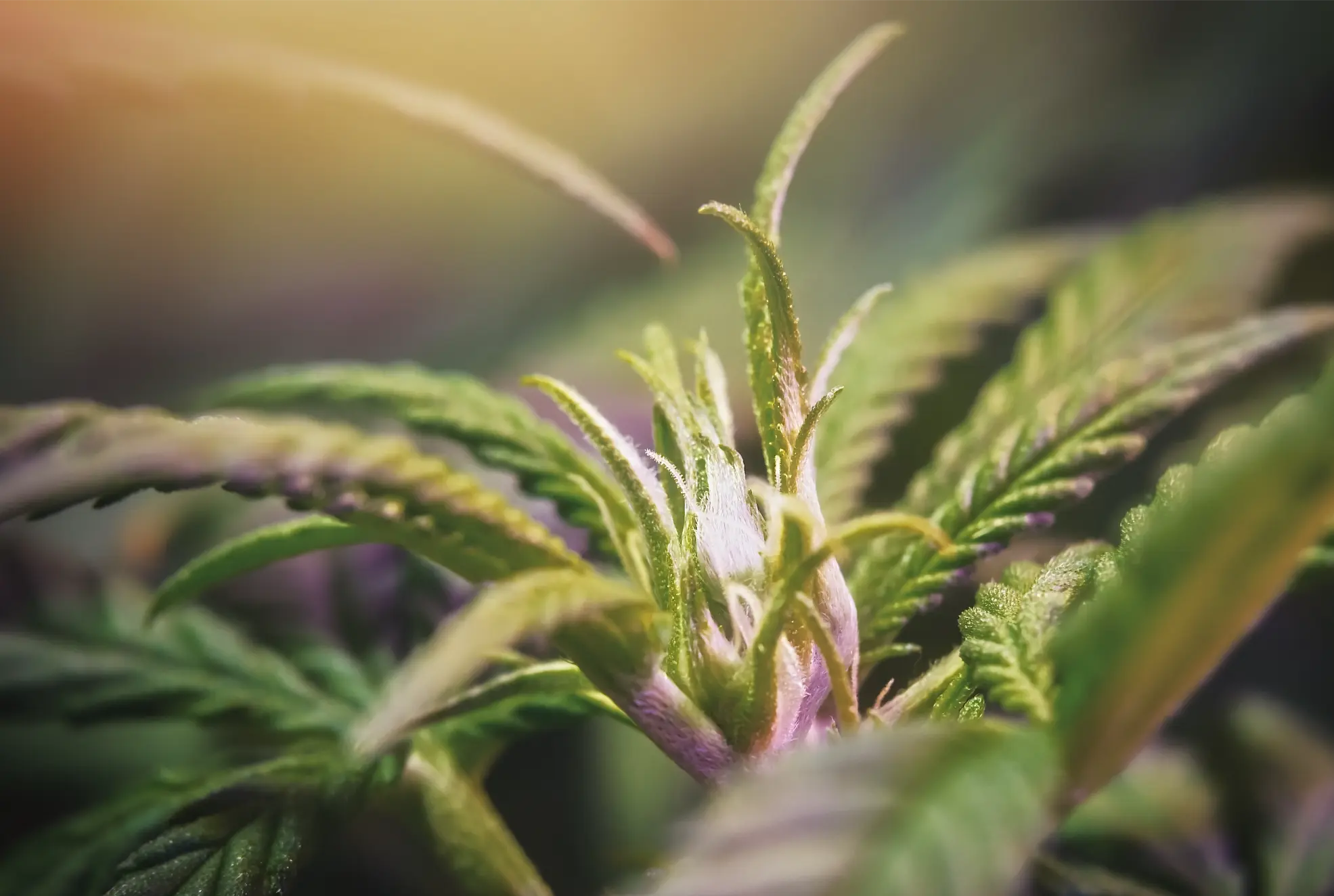
For Purple Octane, harvest timing deserves special attention. Follow swollen calyxes, developed grape-fuel aroma and mostly cloudy trichomes. A dark purple flower can still be immature, so do not let color override the microscope and the plant's declining fresh pistil production. That is why flavor-focused growers should record aroma changes during the final two weeks. Trichome color is essential, but aroma maturity and calyx swell provide an additional cultivar-specific signal that a calendar cannot replace.
Dominant Terpenes
Caryophyllene: adds pepper, dry spice and woody depth. It is a sesquiterpene and tends to read as a heavier base note beneath fruit, fuel or citrus.
Limonene: supports citrus peel, brightness and a cleaner top note. Its presence is especially noticeable when harvest and drying preserve volatile aroma rather than chasing maximum speed.
Myrcene: adds earthy, herbal and musky depth. It often sits underneath fruit or citrus notes and helps the aroma feel rounder and less sharp.
These terpenes should not be treated as a fixed recipe for every Purple Octane sample. Laboratory profiles can shift with phenotype, environment, maturity and post-harvest handling. The useful takeaway is that the cultivar's expected aroma has a chemical basis, and preserving volatile compounds requires controlling heat, light, oxygen exposure and drying speed rather than relying on a name alone.
Terpene discussion also needs restraint around health claims. Individual terpenes are actively studied, but the presence of a terpene in cannabis does not automatically translate into a predictable therapeutic outcome at typical flower concentrations. For a strain guide, terpenes are most reliable as tools for describing aroma, flavor and batch-to-batch differences.
Indoor vs. Outdoor Growing
Indoors, Purple Octane gives the grower direct control over the factors that matter most for this cultivar. Stretch behavior: moderate. The cultivar is usually easier to manage than lanky Haze or Diesel lines, but it still benefits from early flip planning and a support layer before the tops gain weight. Humidity strategy: dense purple nugs require disciplined late-flower RH and airflow. Do not assume reports of mold resistance mean the interior of a large cola is safe during cool, humid nights. Feeding response: moderate to moderately strong during active growth, but dark foliage can hide overfeeding. Keep late nitrogen conservative and let water use, tip condition and substrate EC determine whether more nutrition is actually needed. That control is valuable because it lets the grower shape an even canopy before flower density or branch leverage becomes difficult to correct.
Outdoors, the plant can use more root volume and natural light, but the trade-off is weather exposure. For this cultivar, outdoor success depends on a warm sunny finish with low rainfall. Purple coloration is easiest to enjoy when achieved through genetics and normal maturation rather than large temperature swings that increase condensation risk. Outdoor success should therefore be judged by the quality of the finishing period, not only by how vigorous the plant looked in July or August.
| Decision | Indoor | Outdoor |
|---|---|---|
| Best control point | Canopy height, RH, irrigation and light distribution | Site sun, airflow, rain exposure and branch support |
| Main risk | chasing purple color instead of maturity and allowing heavy upper flowers to lean together, creating humid contact points late in the cycle | Weather arriving before the preferred maturity window |
| Training priority | top once or twice, spread the mains into a broad even canopy, remove low shaded growth after stretch and support each major cola so branches remain separated rather than leaning together | Early staking, open center and branch separation |
| Harvest planning | Approximately 8-9 weeks indoors is commonly reported, with the final week best decided from trichome and calyx maturity | Generally early-to-mid autumn where weather remains dry enough for dense purple flowers |
| Flavor priority | Avoid heat and over-drying | Harvest into a cool, controlled drying space quickly |
Indoors, Purple Octane benefits from a flat supported canopy and strict humidity as heavy tops begin leaning. Outdoors, it needs a dry autumn and early staking because contact points between mature purple colas can remain wet. Color is easy to admire; internal air and support decide whether it is harvestable.
For height, Medium, with sturdy hybrid branching, moderate stretch and dense upper flowers that can become very heavy by the final swell. Indoors this means the flip date should be chosen from canopy occupancy and remaining headroom, not from plant age alone. Outdoors it means staking and spacing should be installed before the plant becomes a large sail in wind. Retrofitting support after heavy flowers form is always riskier than building it in while branches are still flexible.
Yield should be treated realistically: Medium to high under strong even light; a flat supported canopy is more useful than maximizing branch count because individual tops can become dense and weighty. The highest quality harvest is rarely the one with the maximum possible number of branches. Light distribution, airflow and mature flower percentage matter more than filling every cubic centimeter with foliage.
Strain-Specific Grow Guidance
Vegetative Structure and Canopy Design
The central structural fact about Purple Octane is medium-height plants with strong laterals and compact, frost-heavy flowers that can turn deep purple while producing a high calyx-to-leaf visual density. Start training from that reality. The plant does not need to be forced into a fashionable shape; it needs a shape that exposes productive sites without creating a stagnant interior. A good veg plan builds enough branches to fill the footprint, then stops adding complexity once the canopy can be illuminated evenly.
A practical method is to top once or twice, spread the mains into a broad even canopy, remove low shaded growth after stretch and support each major cola so branches remain separated rather than leaning together. This approach gives the grower several independent tops instead of one dominant apex and a shaded lower half. The timing matters. Do high-stress structural work while the plant is actively growing and can recover quickly. By early flower, the priority shifts from creating new structure to guiding existing branches into their final positions.
Stretch is cultivar-specific. For Purple Octane, moderate. The cultivar is usually easier to manage than lanky Haze or Diesel lines, but it still benefits from early flip planning and a support layer before the tops gain weight. Mark the light's final safe height before the flip and measure available vertical distance. Growers often create problems by treating stretch as an abstract percentage instead of a physical space budget. The plant should finish the stretch with enough distance from the fixture for stable leaf temperature and enough room for air to move above the colas.
Root Zone, Watering and Feeding
Nutrition should follow growth rate rather than reputation. For Purple Octane, moderate to moderately strong during active growth, but dark foliage can hide overfeeding. Keep late nitrogen conservative and let water use, tip condition and substrate EC determine whether more nutrition is actually needed. Watch the newest healthy leaves, lower-leaf mobility symptoms, tip burn and runoff or substrate EC where appropriate. A plant that is dark green, clawed and slow-drinking is not asking for more nitrogen just because the strain is known to produce dense flowers.
Purple Octane should drink steadily through bulk without sitting in a saturated container. Irrigate evenly, then let oxygen return according to the medium and root mass. Overwatering late can slow fade, keep the room humid and make already dense flowers more difficult to finish.
In an aerated soilless system, frequent events can support strong bulking when drainage and EC are measured. In soil, the same frequency may leave the root ball wet well beyond lights-off. Purple Octane rewards a stable cycle more than a generic high-frequency recipe.
Light, Temperature and Flower Development
Build support before the flowers demand it
Purple Octane can build hard resinous tops under strong even light once stretch is controlled. The limit is leaf temperature and the onset of bleached or continuously foxtailing tops. More photons are useful only while grape-fuel aroma, irrigation and canopy health remain intact.
For Purple Octane, light uniformity is especially valuable because chasing purple color instead of maturity and allowing heavy upper flowers to lean together, creating humid contact points late in the cycle. A broad even canopy lets the grower use useful intensity without leaving the center shaded or forcing the tallest tops too close to the fixture. If lower flowers are consistently weak, solve architecture first before adding complexity.
Cooler late nights can support natural purple expression, but color should never be forced with a temperature drop that stalls metabolism or raises condensation risk. I protect maturity and aroma first; genetically capable flowers will color without sacrificing their finish.
Humidity, Airflow and Disease Prevention
Humidity control is one of the most strain-specific parts of this guide. dense purple nugs require disciplined late-flower RH and airflow. Do not assume reports of mold resistance mean the interior of a large cola is safe during cool, humid nights. Relative humidity measured at the wall is not necessarily the humidity deep inside a cola or in the shaded center of a plant. Dense inflorescences create their own microclimate, so airflow and leaf removal must be designed around the flower itself.
Remove Purple Octane leaves that seal cola junctions or block horizontal air, then stop heavy stripping once bulk is underway. The plant needs enough leaf area to finish dense tops. The objective is separation, not a bare Instagram canopy.
Inspect where Purple Octane colas lean into the net or one another. A purple exterior can conceal a pale soft center, and a dead sugar leaf embedded in a hard top deserves immediate attention. Support each major branch so flowers do not create hidden humid seams.
Week-by-Week Cultivation Roadmap
Late veg: Finish structural topping, establish the final footprint, correct deficiencies and confirm vigorous root-zone dry-back. For Purple Octane, keep the strain-specific focus on chasing purple color instead of maturity and allowing heavy upper flowers to lean together, creating humid contact points late in the cycle.
Flower week 1: Begin the stretch map. Continue gentle tucking or tying and avoid heavy pruning if the plant is still recovering from the flip. For Purple Octane, keep the strain-specific focus on chasing purple color instead of maturity and allowing heavy upper flowers to lean together, creating humid contact points late in the cycle.
Flower week 2: Remove obviously weak lower shoots, separate fast-rising branches and verify that airflow reaches the center of the canopy. For Purple Octane, keep the strain-specific focus on chasing purple color instead of maturity and allowing heavy upper flowers to lean together, creating humid contact points late in the cycle.
Flower week 3: Treat the main stretch as nearly complete for planning purposes. Install or tighten support and stop chasing new branch count. For Purple Octane, keep the strain-specific focus on chasing purple color instead of maturity and allowing heavy upper flowers to lean together, creating humid contact points late in the cycle.
Flower weeks 4-5: Protect leaf function, hold stable nutrition, avoid repeated stress and watch the first meaningful increase in flower density. For Purple Octane, keep the strain-specific focus on chasing purple color instead of maturity and allowing heavy upper flowers to lean together, creating humid contact points late in the cycle.
Flower weeks 6-7: Reduce unnecessary canopy humidity, inspect interior flowers and let aroma development guide how aggressively you handle the plant. For Purple Octane, keep the strain-specific focus on chasing purple color instead of maturity and allowing heavy upper flowers to lean together, creating humid contact points late in the cycle.
Final weeks: Use trichomes, calyx swell, water-use slowdown and aroma maturity together. Do not force a calendar harvest if the phenotype is still building. For Purple Octane, keep the strain-specific focus on chasing purple color instead of maturity and allowing heavy upper flowers to lean together, creating humid contact points late in the cycle.
Master tip: With Purple Octane, the best yield improvement usually comes from fixing structure early enough that late flower becomes boring. If you are still solving height, airflow and support problems in the final two weeks, the canopy plan was too late.
Advanced Crop Steering and Failure Patterns
Crop steering for Purple Octane should begin with daily water-use observation rather than an arbitrary irrigation schedule. A plant that is rapidly expanding leaf area during stretch may need a different frequency from the same plant ten days later when vertical growth slows. The strain-specific objective is to keep the root zone active while avoiding the persistent saturation that can exaggerate chasing purple color instead of maturity and allowing heavy upper flowers to lean together, creating humid contact points late in the cycle. Track pot weight or substrate moisture at consistent times, then compare those readings with leaf posture and overnight recovery. This turns irrigation from guesswork into a repeatable response to the cultivar.
The second steering variable is vegetative duration. Because Medium, with sturdy hybrid branching, moderate stretch and dense upper flowers that can become very heavy by the final swell, veg time should be chosen from final canopy geometry rather than a fixed number of weeks. If the footprint is already nearly full before the flip, extra veg can create crowding that no amount of late defoliation will fully solve. If the plant is still narrow, a few more days of lateral training may add more usable yield than flipping early and relying on stretch to fill empty zones.
A common failure pattern with Purple Octane is reacting to one symptom in isolation. Slightly pale leaves do not always mean stronger feed, and dark leaves do not automatically mean perfect health. Consider irrigation frequency, root-zone temperature, recent training, light intensity and EC together. The cultivar's difficulty is best summarized as moderate, because its problems are manageable when read as a system. Chasing one number can turn a small imbalance into multiple overlapping stresses.
Flower support should also be treated as crop steering rather than emergency repair. Medium-height plants with strong laterals and compact, frost-heavy flowers that can turn deep purple while producing a high calyx-to-leaf visual density. As flowers add weight, unsupported branches change angle and can move tops out of their intended light lanes. That creates uneven maturity and shaded inner flowers. A well-positioned net or soft tie preserves branch orientation without squeezing the canopy together. The support system should make airflow easier, not create a woven wall that traps humidity.
For phenotype comparison, separate vigor from quality. Keepers should combine loud grape-fuel aroma, strong resin, sturdy branching and a flower density that can still be ventilated. Extremely dark plants with muted aroma are less valuable than greener plants with stronger finished flavor Measure the traits that matter to the finished jar: days to floral aroma, stem strength, calyx-to-leaf ratio, late-flower water demand, ease of trimming, resin coverage, aroma after drying and smoothness after cure. Keeping the fastest veg plant simply because it filled the space first can discard a slower phenotype with much better flower quality.
Harvest troubleshooting starts before the harvest day. If aroma weakens suddenly, inspect environmental heat and plant stress before assuming the cultivar is naturally mild. If upper flowers mature far ahead of lower flowers, review canopy depth and light distribution. If calyxes remain small despite mature-looking pistils, give the phenotype time and verify root health. For Purple Octane, the planned harvest rule remains: follow swollen calyxes, developed grape-fuel aroma and mostly cloudy trichomes. A dark purple flower can still be immature, so do not let color override the microscope and the plant's declining fresh pistil production
The final failure pattern is confusing visual intensity with quality. Dark leaves, purple color, very hard flowers or heavy frost can look impressive, but they do not replace clean aroma, mature resin and a safe dry. This is particularly relevant because chasing purple color instead of maturity and allowing heavy upper flowers to lean together, creating humid contact points late in the cycle. The best finished flower should open with the expected cultivar identity, burn or vaporize cleanly, and remain stable in storage without hidden moisture or a flattened aroma.
A repeat run should change only a few variables at a time. If the first Purple Octane crop was healthy but lacked flavor, adjust harvest timing, drying temperature and cure management before rewriting the nutrient program. If flavor was excellent but yield was low, improve canopy fill and productive branch count. If yield was high but lower flowers were weak, reduce canopy depth or improve light distribution. Controlled iteration is how strain-specific knowledge becomes more valuable than generic grow advice.
Weedth Bud Flavor Tips
Indoor Flavor Strategy
For indoor Purple Octane, flavor begins before harvest. Protect healthy leaves through the middle of flower, avoid chronic overfeeding, and prevent the room from running unnecessarily hot during the final aromatic phase. The target profile is sour grape and dense fuel at first, followed by sweet citrus, woody spice and lingering gas, so every late-flower decision should be judged by whether it protects that separation of notes.
Drought and hard cold do not manufacture sour grape or chemical gas. Severe late stress can slow resin maturity and make color the only impressive trait left. Stable roots, full calyx swell and a controlled dry are the defensible flavor strategy.
Outdoor Flavor Strategy
Outdoor aroma quality depends heavily on the final weather window. outdoor success depends on a warm sunny finish with low rainfall. Purple coloration is easiest to enjoy when achieved through genetics and normal maturation rather than large temperature swings that increase condensation risk When harvest approaches, avoid leaving cut branches in direct sun or a hot vehicle. Move the plant material into the controlled drying environment as soon as practical so the most volatile part of the aroma is not lost before drying even begins.
Morning harvest can be convenient in hot climates because plant temperature is lower, but the more important rule is to avoid harvesting wet material immediately after rain or heavy dew unless weather forces the decision. Surface moisture and dense flowers are a poor combination during the first hours after cutting.
Drying and Curing for Terpene Preservation
Purple Octane dries from the outside inward unevenly because the tops are compact and heavy. Hang branches with space, move air around rather than at the flowers and test the thickest colas before sealing. A cool gradual dry preserves fruit while preventing a wet core.
For Purple Octane, use this harvest rule: follow swollen calyxes, developed grape-fuel aroma and mostly cloudy trichomes. A dark purple flower can still be immature, so do not let color override the microscope and the plant's declining fresh pistil production. After cutting, minimize unnecessary handling because trichomes are physical structures that can be broken or rubbed away. Darkness, moderate temperature, controlled humidity and gentle air exchange protect aroma better than blasting flowers with direct fans.
Cure Purple Octane in smaller lots and monitor the first moisture rebound closely. The jar should develop grape, sour fuel and dough without sharp wetness. If the aroma turns flat or ammonia-like, reopen and correct moisture rather than calling it a stronger cure.
Flavor note: If the cured Purple Octane smells mainly like hay, generic wood or chlorophyll, do not assume the genetics failed. Fast drying, excess heat, harvesting too early and storing flower too wet can all erase the profile before the consumer ever experiences it.
Weedth Bud Boost Tips
The highest-return yield strategy for Purple Octane is structural efficiency. top once or twice, spread the mains into a broad even canopy, remove low shaded growth after stretch and support each major cola so branches remain separated rather than leaning together. A flat productive canopy converts more of the available light into mature flowers and reduces the amount of shaded lower material that consumes labor but never reaches the same density or resin quality.
Purple Octane does not need a forest of tops. A limited set of broad, supported leaders uses its heavy-cola habit more efficiently and leaves inspection lanes. Weak lower branches add little except interior humidity and mixed maturity.
Environmental enrichment such as elevated carbon dioxide only makes sense when light, temperature, nutrition, irrigation and room sealing are already managed as a system. It should not be used as a patch for poor canopy design. Without sufficient light and environmental control, extra complexity can add cost without delivering proportionate flower quality.
As Purple Octane bulks, root-zone oxygen keeps consumption and transpiration predictable. When a pot stays heavy unexpectedly, reduce irrigation pressure and investigate the medium before interpreting dark leaves as a request for more nutrition.
Support is part of yield protection. medium-height plants with strong laterals and compact, frost-heavy flowers that can turn deep purple while producing a high calyx-to-leaf visual density. Install a trellis, stakes or branch ties before the plant needs them. Once branches are loaded with resinous flowers, every emergency bend or tie increases the chance of snapping a stem or rubbing mature trichomes.
A final boost strategy is selective harvest only when the canopy matures unevenly. If upper flowers are ready while shaded lowers are still clearly immature, removing finished tops can allow more light and time to reach the remaining flowers. It is not mandatory, but it can be more quality-focused than cutting the entire plant at the maturity of the first cola.
Medical Uses & Benefits
Users commonly associate Purple Octane with commonly reported for evening stress, body tension and sleep support; very potent batches can cause anxiety or dizziness in sensitive users. These reports make sense as a description of how people choose the cultivar, but they should not be converted into a promise that the strain treats a medical condition. A flower sold under the same name can differ meaningfully in THC, minor cannabinoids and terpenes.
The experience described for this strain – a strong relaxing indica-style body effect with an initial euphoric or focused lift that can become heavy and sleepy as dose increases – may be useful to some adults who are trying to match cannabis use to a particular time of day or symptom pattern. For others, the same psychoactivity may be unwanted. Sedation, dizziness, anxiety, dry mouth and impaired coordination remain possible, especially with high doses.
Purple Octane is often selected for evening relaxation, appetite and sleep-oriented use, but those are user reports rather than treatment guarantees. High THC, medication interactions and individual vulnerability require tested batches and professional guidance for medical use.
Ideal User Profile
Purple Octane fits an adult user who appreciates sour grape and dense fuel at first, followed by sweet citrus, woody spice and lingering gas and wants a strong relaxing indica-style body effect with an initial euphoric or focused lift that can become heavy and sleepy as dose increases. The ideal user is less interested in chasing the highest THC number and more interested in a recognizable cultivar experience with a clear aroma identity and a predictable place in the day.
This cultivar suits experienced users seeking grape-fuel flavor and substantial body calm. New or THC-sensitive users should treat its potency reputation seriously and avoid rapid redosing.
It is a weaker fit for someone who needs complete mental sharpness, must drive or operate equipment, is pregnant, has a contraindicated health condition, or knows that THC reliably causes panic or dysphoria. Responsible use includes knowing when the strain is not appropriate.
Grower Notes and Feedback
A recurring cultivation pattern with Purple Octane is that the plant looks easier in veg than it can become in late flower. The reason is chasing purple color instead of maturity and allowing heavy upper flowers to lean together, creating humid contact points late in the cycle. Growers who plan for that issue before flowers harden usually describe the run as straightforward. Growers who wait until the final weeks often end up making reactive cuts, moving lights, adding support or fighting moisture at the worst possible time.
Another useful observation is feeding response. moderate to moderately strong during active growth, but dark foliage can hide overfeeding. Keep late nitrogen conservative and let water use, tip condition and substrate EC determine whether more nutrition is actually needed. This is a reminder to watch the plant rather than its reputation. The same cultivar in a small container under intense light can use water and nutrients very differently from a large soil plant in a mild room.
On phenotype selection, keepers should combine loud grape-fuel aroma, strong resin, sturdy branching and a flower density that can still be ventilated. Extremely dark plants with muted aroma are less valuable than greener plants with stronger finished flavor. Keep mother selections only after evaluating finished flower. A plant that looks perfect in veg can lose on aroma, resin or finish time, while a slightly awkward plant may produce the most distinctive cured flower.
A Purple Octane keeper must pass three tests: branches remain manageable under final weight, mature flowers retain sour grape above fuel, and dense centers dry safely. Color without those qualities is decoration, not selection success.
The practical grower summary is simple: a dense grape-gas cultivar that rewards structural support and mature aroma development, with the best runs prioritizing resin and flavor over exaggerated color or laboratory potency numbers. If a first run produces healthy flower but not the desired aroma intensity, adjust harvest timing and drying before redesigning the entire nutrient program. If the plant is healthy but the canopy is uneven, solve structure before buying more inputs.
Weedth Experience
The decision I would not postpone
From an editorial grow-planning perspective, I would treat Purple Octane as a dense grape-gas cultivar that rewards structural support and mature aroma development, with the best runs prioritizing resin and flavor over exaggerated color or laboratory potency numbers. I would not try to make it behave like a completely different cultivar. My first priority would be to build the canopy around its natural structure, then keep the late-flower environment quiet and predictable enough that the plant can finish without emergency corrections.
I would pay particular attention to chasing purple color instead of maturity and allowing heavy upper flowers to lean together, creating humid contact points late in the cycle. That is the point where a small decision early in the run has a large effect later. For me, this is the kind of cultivar where a cleaner interior and fewer well-supported branches are more convincing than a crowded plant that looks impressive in veg but turns into a humidity and trim problem at harvest.
For flavor, I would protect the profile described as deep grape, diesel, chemical fuel, sour gas, sweet fruit, earthy dough and occasional garlic-spice undertones. I would rather accept a few extra days of patient drying than rush the flowers because the outside feels dry. I would also avoid chasing visual color or a calendar date if trichomes, calyxes and aroma are telling a different story.
Purple Octane tempts me to judge with my eyes. Deep color, white frost and heavy tops look like an answer before the plant is truly finished. I wait for the calyxes, aroma and drinking pattern to agree. I support each leader early enough that no two colas collapse together, then dry the branches slowly enough for grape to remain above the gas. The keeper is not necessarily the darkest plant. It is the one whose cured jar still moves from sour fruit to chemical fuel and earthy dough without becoming harsh or one-dimensional.
Weedth Score
Growing Experience 8.0/10 Strong potential when its main structural risk is planned for early.
Bud Structure & Visual Appeal 8.7/10 Distinctive flower architecture with strong resin potential when the canopy is evenly lit.
Aroma Complexity 9.0/10 The cultivar has multiple recognizable aroma layers rather than a one-note profile.
Flavor & Smoothness 8.8/10 Excellent when harvested at full aromatic maturity and dried slowly enough to protect volatile notes.
Effects & High Experience 8.7/10 A characteristic effect pattern that is easy to recognize when dose and tolerance are appropriate.
Overall Satisfaction & Recommendation 8.8/10 A worthwhile cultivar for growers who value plant behavior and finished quality as much as raw potency.
My closing view: Purple Octane earns its place through a recognizable combination of structure, aroma and effect. I would grow it for the finished character, not because it promises an effortless run.
FAQ
Is Purple Octane easy to grow?
Moderate; reports describe relatively easy growth, but high flower density, strong odor and the temptation to chase color can create avoidable late-flower mistakes. The main issue is chasing purple color instead of maturity and allowing heavy upper flowers to lean together, creating humid contact points late in the cycle. A grower who plans that point early will find the plant much easier than someone who tries to correct it in late flower.
How long does Purple Octane flower indoors?
Approximately 8-9 weeks indoors is commonly reported, with the final week best decided from trichome and calyx maturity. Use the calendar for planning but confirm maturity from trichomes, calyx swell, aroma development and the plant's changing water use.
Does Purple Octane stretch a lot after the flip?
Moderate. The cultivar is usually easier to manage than lanky Haze or Diesel lines, but it still benefits from early flip planning and a support layer before the tops gain weight. Build the canopy with the final room height in mind and do the major structural work before stems harden.
What training works best for Purple Octane?
Top once or twice, spread the mains into a broad even canopy, remove low shaded growth after stretch and support each major cola so branches remain separated rather than leaning together. The aim is even light and airflow, not maximum branch count.
Is Purple Octane a heavy feeder?
Moderate to moderately strong during active growth, but dark foliage can hide overfeeding. Keep late nitrogen conservative and let water use, tip condition and substrate EC determine whether more nutrition is actually needed. Leaf color, tip condition and root-zone behavior are better guides than strain reputation.
What is the biggest late-flower risk?
Dense purple nugs require disciplined late-flower RH and airflow. Do not assume reports of mold resistance mean the interior of a large cola is safe during cool, humid nights. Inspect the interior of representative flowers rather than trusting room RH alone.
How can I get the best flavor from Purple Octane?
Bring the plant to full aromatic maturity, avoid excessive late heat, handle flowers gently, dry in darkness with controlled air exchange and cure only after internal moisture has stabilized. The target is sour grape and dense fuel at first, followed by sweet citrus, woody spice and lingering gas.
Can Purple Octane grow outdoors?
Yes where legal and where the season fits. Outdoor success depends on a warm sunny finish with low rainfall. Purple coloration is easiest to enjoy when achieved through genetics and normal maturation rather than large temperature swings that increase condensation risk. Expected finish: Generally early-to-mid autumn where weather remains dry enough for dense purple flowers.
How do I choose a keeper phenotype?
Keepers should combine loud grape-fuel aroma, strong resin, sturdy branching and a flower density that can still be ventilated. Extremely dark plants with muted aroma are less valuable than greener plants with stronger finished flavor. Evaluate cured flower before deciding because aroma, resin and finish quality matter more than veg appearance alone.
When should I harvest Purple Octane?
Follow swollen calyxes, developed grape-fuel aroma and mostly cloudy trichomes. A dark purple flower can still be immature, so do not let color override the microscope and the plant's declining fresh pistil production. Check multiple tops because light exposure can create different maturity rates across the same plant.
Similar Strains
The strains below are useful comparisons for Purple Octane, not substitutes. Similarity can come from lineage, effect, aroma or cultivation style, and no two cultivars should be expected to behave identically.
Biscotti: for doughy gas and dense indica-leaning flower.
Jealousy: for one side of the lineage and modern resin-heavy structure.
Sherbanger 22: for sweet gas with vigorous hybrid growth.
Grape Gasoline: for grape-fuel aroma and heavy evening effects.
Permanent Marker: for loud chemical-gas aroma and dense modern flower.
For a grower deciding what to run next, compare these cultivars by the constraint that mattered most in the Purple Octane garden: height, flower density, finish date, desired effect or aroma. That produces a more useful choice than simply selecting another strain with a familiar parent name.
Share this article
A quick overview of the topics covered in this article.
Follow us
Latest articles
October 25, 2026
October 25, 2026
October 25, 2026