Shiva Shanti
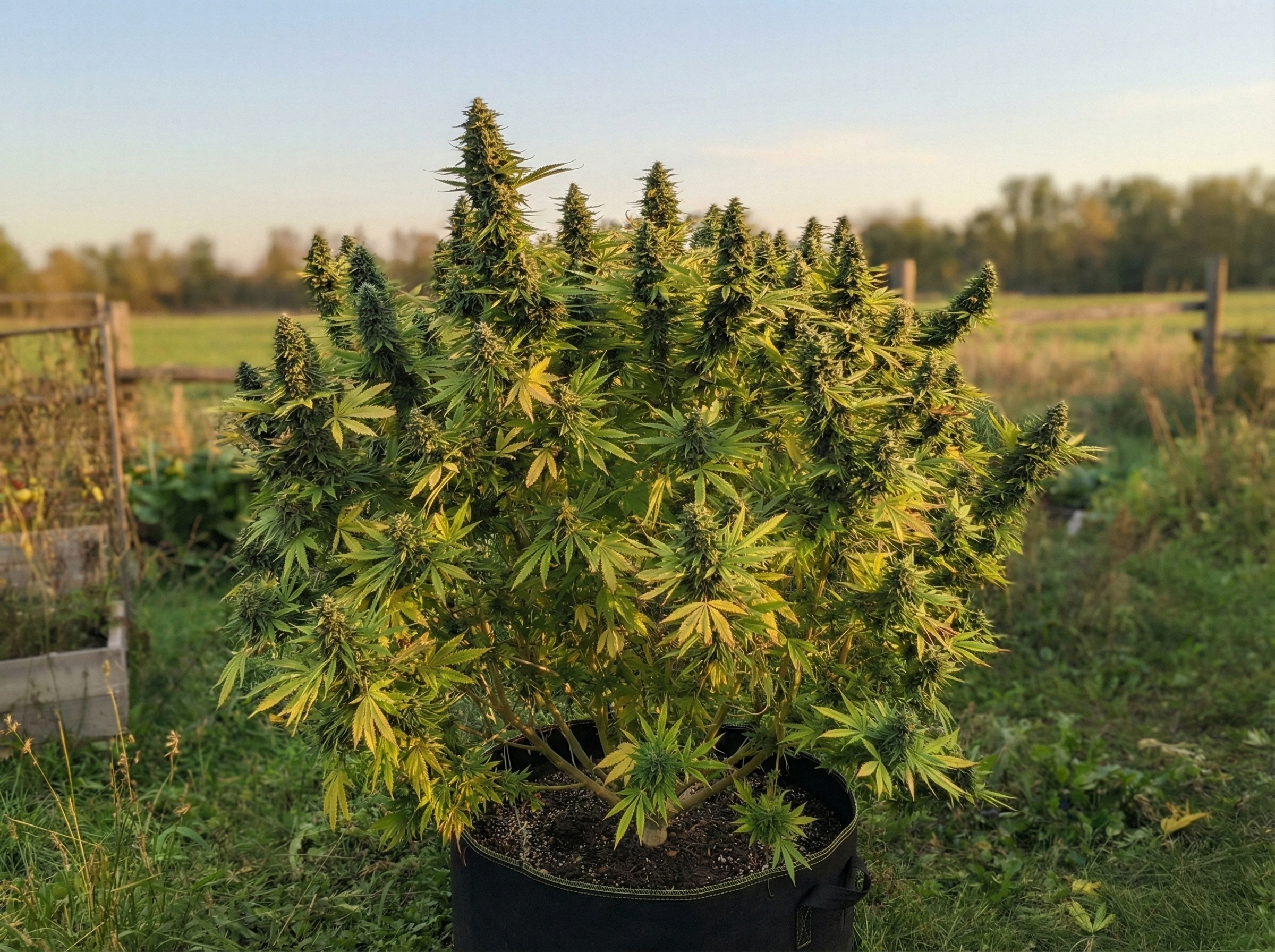
Shiva Shanti is an 85% indica, 15% sativa hybrid built from an Afghani line known as Garlic Bud and classic Kush genetics. On paper, it reads like a straightforward compact indica: short flowering, broad relaxation, heavy yields and dense spear-shaped flowers. In practice, its most useful lesson is that indica-dominant does not mean every phenotype stays short. The common expression is compact to medium-height, bushy, thick-stemmed and central-flower focused, but seed-grown plants can occasionally show much stronger stretch than expected. That phenotype variation should change how a careful grower plans the room.
Shiva Shanti is attractive to growers because it can finish quickly, often around 50-55 days, while producing substantial flower mass without requiring highly technical cultivation. Its thick central stem and strong main-flower tendency make it suitable for SOG-style efficiency, and its dense resinous buds can be highly rewarding for beginners. Yet the same density creates the main quality risk: interior humidity. The cultivar’s reputation for robustness and mold resistance should not encourage a wet room or overcrowded center. Flavor also deserves more attention than the “easy indica” label suggests. The best flowers combine sweet and sour resin, skunk, earth and a distinct garlicky/savory note in some phenotypes. That garlic top note can disappear during a hot dry, leaving only generic earthy Kush.
Strain Features
| Feature | Details |
|---|---|
| Type | Indica-dominant hybrid, commonly around 85% indica / 15% sativa |
| Genetics | Afghani Garlic Bud × classic Kush |
| Core Grow Identity | Fast-finishing, sturdy, high-yielding indica with strong central-flower development and occasional stretchier phenotypes |
| THC | THC-dominant; reported potency varies by phenotype, batch and production conditions |
| CBD | Usually low in classic psychoactive material |
| Flowering Time | Commonly about 50-55 days indoors |
| Stretch | Usually low-to-moderate, but occasional phenotypes can stretch far more strongly than the baseline suggests |
| Height | Often around medium indoor height; outdoor plants can become substantially taller in full sun |
| Plant Structure | Thick central stem, bushy lower framework, dark foliage and strong concentration of flower mass around main leaders |
| Bud Structure | Large, dense, elongated spear-shaped buds with heavy resin potential |
| Yield Identity | High potential with relatively simple training when the phenotype remains compact |
| Difficulty | Beginner-friendly to moderate; robust but dense flowers still need humidity discipline |
| Climate Fit | Strong indoor fit and good outdoor performance in warm, sunny climates |
| Flavor / Aroma | Sweet-sour resin, skunk, earth, Kush spice and occasional distinctive garlic/savory notes |
| Effect Character | Deep physical relaxation, calm contentment and a softer mental uplift before a heavier body finish |
| Main Grow Risks | Over-vegetating compact plants, ignoring rare high-stretch phenotypes, central-cola humidity, excess nitrogen, overwatering dense root zones, late branch lean and hot drying that removes garlic/sweet detail |
| Best Training Fit | SOG, one early topping if needed, LST, selective lollipopping, early supercropping for stretchier phenotypes and support for dense spears |
Genetic Lineage
Shiva Shanti’s core lineage is Afghani Garlic Bud × classic Kush. Those parents explain both the strain’s easy-growing reputation and its strong sensory identity.
The Afghani side contributes dense resin production, shorter flowering, sturdy growth and the savory aroma that gives certain plants a recognizable garlic-like quality. The Kush side reinforces compact structure, body-heavy effects, sweet-earth depth and the ability to produce large solid flowers without an excessively long finish.
This sounds simple until phenotype variation enters the room. The standard plant is usually compact to medium-height, with a thick main stem and much of the flower mass concentrated centrally. That architecture can be efficient under indoor light because a grower can run more plants with shorter veg. However, documented grower experience shows that an occasional plant can stretch dramatically after the flip, far beyond the usual description. That does not turn the strain into a sativa. It means the seed population still contains enough variation that the grower should not finalize spacing based only on a catalogue average.
The best management response is observation. During a seed run, keep a little extra headroom and do not lock every branch under rigid support before stretch begins. Measure each plant. A compact phenotype that gains 30-60% in height can be managed as a classic indica. A rare plant that suddenly doubles or more needs early bending or supercropping before flower structure hardens.
Keeper selection should include flavor. A plant that carries the Garlic Bud influence clearly after cure is valuable because that savory note separates Shiva Shanti from many generic earthy indica hybrids. If two plants yield similarly, keep the one that preserves sweet-sour skunk and garlic after four weeks of cure rather than selecting only by branch size.
Effect Breakdown
Shiva Shanti is usually experienced as a body-forward relaxing cultivar with a positive, contented mental layer rather than a sharply cerebral rush.
Opening: Calm Mental Shift
The first stage can feel pleasantly easing. Mood may lift slightly and the mind becomes less busy. The onset is not normally as electric as a Haze or Durban-derived strain. This makes Shiva Shanti easier to approach for users who dislike racing thoughts.
At higher doses, the calm opening can move quickly into heaviness. Users should still start low with an unfamiliar batch because potency varies and the relaxing reputation does not prevent overconsumption.
Middle: Physical Relaxation Builds
The body component becomes more obvious as the high develops. Muscles feel heavier, the urge to move may decrease and the user may prefer sitting, eating or watching something rather than beginning a demanding task.
This physical emphasis is why Shiva Shanti is more naturally suited to evening than early daytime for many people. A moderate dose can remain sociable, but a large dose may reduce motivation substantially.
Late Phase: Sedating Potential
The tail can become sleepy, especially in high doses or with later-harvested flowers. Appetite may increase. The mind often feels calm rather than intensely foggy, but performance and reaction time are still impaired.
A user seeking a bright creative cannabis experience should choose a more sativa-leaning cultivar. A user who wants decompression and a warm physical finish is closer to Shiva Shanti’s natural territory.
Flavor & Aroma Profile
Shiva Shanti can be more interesting than its old-school indica reputation suggests. The core is sweet-sour resin and skunk, but the best phenotypes add savory garlic, earthy Kush, dry spice and a faint honey-like sweetness.
Sweet and Sour Resin
The first impression in many plants is a combination of sweetness and sharp resin. This is not modern candy sweetness. It is closer to sticky plant resin with a sour edge. During cure, that contrast can become smoother and more integrated.
Garlic and Savory Notes
Some phenotypes show the Garlic Bud ancestry clearly. The aroma may suggest fresh garlic skin, savory herbs or a slightly sulfurous kitchen-spice quality. This is a valuable marker because it distinguishes a standout plant from a generic earthy Kush expression.
Savory volatile compounds can be delicate. A hot dry may remove the distinctive top note while leaving earth and skunk behind. The flower remains strong-smelling but loses identity.
Skunk and Earth
The base is pungent, earthy and resinous. This heavier layer tends to survive cure better than the sweet or garlic top notes. If the crop was dried poorly, the base can dominate and make every phenotype seem similar.
Flavor
Well-cured flower can begin sweet and sour, move into skunk and garlic, then finish earthy and spicy. A very garlicky phenotype may leave a savory aftertaste. Proper moisture balance is essential because dense buds can taste harsh if their exterior was overdried while the interior remained wet.
Dominant Terpenes
Historic seed-line cultivars do not have one fixed terpene hierarchy. Shiva Shanti’s sensory profile suggests several plausible recurring contributors.
| Terpene / Aromatic Candidate | Sensory Role | Practical Meaning |
|---|---|---|
| Myrcene | Earth, musk, herbs | Fits the heavy indica base and physical relaxation profile |
| Beta-caryophyllene | Pepper, dry spice, wood | Supports the spicy, pungent finish |
| Limonene | Sour citrus, brightness | Can contribute to the sweet-sour lift in fresher phenotypes |
| Alpha-pinene / Beta-pinene | Pine, resin | Adds fresh resin definition above the earthy base |
| Humulene | Woody, herbal, dry spice | Fits the mature earthy-Kush layer |
| Sulfur-containing aroma compounds | Garlic, savory pungency | May contribute to distinctive Garlic Bud-like phenotypes even though they are not classic terpenes |
The final line in that table matters. Modern cannabis aroma research increasingly recognizes that some powerful “garlic,” “skunk” and savory odors are influenced by volatile sulfur compounds rather than terpenes alone. Therefore a terpene chart cannot fully explain Shiva Shanti’s most distinctive phenotype.
For growers, this means flavor preservation should focus on the whole volatile profile. Cool drying, low light exposure and stable storage matter more than chasing a specific terpene supplement.
Indoor vs. Outdoor Growing
| Aspect | Indoor Growing | Outdoor Growing |
|---|---|---|
| Natural Structure | Usually compact-to-medium, central-flower dominant | Broader and taller with more root space and sun |
| Stretch | Usually manageable, but watch for rare high-stretch plants | Longer season can produce much larger plants |
| Flowering | Roughly 50-55 days is common | Early enough for many warm/mild outdoor seasons |
| Main Risk | Dense main-cola humidity and overcrowding | Dense flowers after rain, wind loading and over-large plants |
| Training | SOG, LST, one topping, selective lollipopping | Early branch opening, support, light interior thinning |
| Quality Goal | Dense mature spears with clean interior and preserved savory aroma | Fully mature resinous flowers before prolonged wet weather |
Indoor Growing
Shiva Shanti’s fast finish and compact baseline make it a natural indoor cultivar. It can work especially well in SOG because the plant does not require a long vegetative phase to develop a useful central flower.
The grower should still leave some flexibility during the first two weeks after the flip. If a stretchier phenotype appears, bend or supercrop it early rather than letting one plant grow into the light while the rest remain compact.
Dense main flowers should not be packed tightly together. SOG efficiency comes from using space well, not from eliminating all airflow. Leave enough separation that air can move between finished colas.
Outdoor Growing
Outdoors, the plant can become much larger and taller than its indoor reputation suggests. Full sun and root volume encourage branching and flower mass. Warm sunny climates are the natural fit, though the relatively short flowering period can help in milder regions.
Support becomes important as large flowers gain weight. A plant with a thick main stem can still split secondary branches. Use multiple stakes or a cage rather than relying on one central trunk.
After rain, inspect dense tops internally. The strain’s robust reputation does not make tightly packed calyxes immune to moisture problems.
Strain-Specific Grow Guidance
Vegetative Time: Short for SOG, Longer for a Trained Bush
Shiva Shanti gives the grower two viable indoor styles. In SOG, use shorter veg and allow the plant’s central-flower tendency to do the work. In a lower plant-count grow, top or bend early and give the laterals time to become strong leaders.
The mistake is mixing the two strategies. A long-vegged plant left mostly untrained can become a dense bush with too much interior foliage. A heavily topped plant flipped immediately may not have time to establish equal replacement leaders.
Identify the Stretch Phenotype Early
Measure every seed-grown plant at flip. If one plant begins extending much faster within the first week, treat it individually. Early supercropping or a soft tie can reduce height while stems are flexible.
Do not force the entire room to match the stretchier plant by raising lights excessively. Control the outlier instead. Likewise, do not crush a compact phenotype under a screen simply because another seedling required heavy training.
Central-Cola Humidity
The main cola can become large, dense and visually impressive. This is also the flower most likely to hide internal humidity. Keep air moving around it and avoid allowing side branches to press against the spear.
Late in bloom, inspect any sugar leaf that suddenly dies or browns inside an otherwise healthy top. A localized dead leaf can be an early warning of internal rot. Investigate rather than pulling the leaf and ignoring the source.
Defoliation
Shiva Shanti’s bushy indica structure can benefit from selective defoliation more than a very open sativa. Still, do not strip the plant heavily in one session. Remove leaves that create persistent interior shade, overlap heavily or block airflow.
A better method is staged cleanup. Open the center in late veg, reassess after stretch, then remove only the leaves that still create a problem. This preserves photosynthetic area while avoiding a stagnant core.
Lollipopping
SOG plants benefit from removing weak lower shoots that will never receive useful light. The cultivar’s central emphasis means deeply shaded lower branches often produce small flowers that add trim work without adding much premium weight.
In a trained bush, keep strong lower branches that have been spread into direct light. Lollipopping should follow light access rather than a fixed height line.
Feeding
Shiva Shanti does not need extreme fertilizer concentration to produce heavy flowers. Start moderate and watch leaf color and tip condition. Dark clawed leaves signal excess nitrogen, which can make the dense canopy harder to manage.
Cannabis nutrition studies show that more fertilizer is not linearly better. Both nitrogen and phosphorus have useful ranges, and excessive ammonium can reduce yield and secondary metabolites. Use a stable root-zone program rather than chasing late “bulk” with aggressive feeding.
As stretch stops, reduce vegetative nitrogen pressure gradually while maintaining enough nutrition for healthy leaves. Do not force a severe fade weeks before harvest.
Root-Zone Moisture
Compact indica canopies can mislead growers into assuming the plant drinks slowly. Under strong light and heavy flower load, Shiva Shanti can use water quickly. The correct irrigation interval depends on container size, medium and climate.
Avoid constant saturation. Dense roots need oxygen. A cold wet root zone can cause droop and nutrient uptake problems that are easily mistaken for deficiency.
In soil, use a well-aerated mix. In coco, maintain consistent fertigation and watch runoff trends. In hydroponics, protect root temperature and dissolved oxygen.
Light
Shiva Shanti’s dense flower potential responds well to strong, even light, but the compact canopy can create self-shading. Spread or thin enough that several productive tops receive useful photons.
Controlled cannabis research shows increasing PPFD can raise yield and apical flower density when the rest of the system supports the added demand. Do not translate that into a universal maximum-intensity target. Watch canopy temperature, leaf posture and water use.
Flower Support
Even compact plants can need support. Dense spear-shaped flowers become heavier late in the cycle, and side branches may lean away from the central stem. Install a loose second net or stakes before leaning begins.
Support should separate flowers rather than tie them into a bunch. Air space is part of disease prevention.
Mold and Pest Resistance
Shiva Shanti is often described as robust and resistant, which makes it beginner-friendly. Still, resistance should be interpreted as margin for error, not permission to ignore the environment.
Indoor pests often establish under leaves before the grower notices them. Inspect leaf undersides during veg. In flower, sanitation and stable humidity are more valuable than spraying around dense buds.
Harvest Timing
The short 50-55 day reputation can encourage a calendar harvest. Begin inspection near the expected finish, but cut only when flowers show full maturity. Look at calyx trichomes, calyx swelling, pistil recession and aroma.
A more body-heavy effect can be emphasized by allowing some amber development, while a slightly earlier fully mature harvest may keep more mental lift. Do not harvest clear trichomes simply to make the effect “less indica.”
Preserving the Garlic Phenotype
If a plant shows a strong savory garlic aroma, mark it early and track the smell through dry and cure. That trait can be a valuable keeper marker.
Avoid high drying temperatures. Sulfurous and other volatile top notes can be easily distorted, leaving a generic earthy/skunky base. The goal is not maximum stink during drying. It is retention in the final flower.
Outdoor Plant Size and Support
A plant in open soil can exceed the size suggested by indoor height descriptions. Build support with the mature plant in mind. A wide cage allows side branches to distribute flower weight and prevents a single storm from breaking the frame.
Keep lower foliage off wet soil and maintain access around the plant for inspection. An inaccessible huge bush is harder to protect than a slightly smaller organized one.
Second-Run Optimization
After the first run, classify the phenotype. Was it compact central-cola dominant, medium branchy, or unusually stretchy? Use that classification to choose the next training plan instead of repeating the same method for every seed plant.
Compare total dry weight with premium dry weight. If much of the harvest was small lower flower, clean up earlier. If large tops were difficult to dry safely, increase spacing and support rather than reducing yield through late emergency pruning.
Finally, compare live aroma with cured aroma. If garlic and sweet-sour notes were loud at harvest but absent later, the postharvest process is the problem. If they were never present, select a different phenotype.
Choosing Between SOG and a Trained Bush
Shiva Shanti is a good example of a cultivar where the grow method should follow plant count and phenotype rather than fashion. SOG makes sense when the grower wants fast turnover and has several uniform plants or clones. The central-flower tendency allows each plant to occupy a relatively narrow footprint, and the short flowering period rewards a concise vegetative phase. In that system, excessive topping creates unnecessary recovery time and can remove the architecture the cultivar naturally performs well with.
A trained bush makes more sense when plant count is low or when a branchier phenotype is selected. Top once after the plant is established, allow several replacement leaders to grow, then spread them with soft ties. Give those leaders enough vegetative time to become similar in diameter before initiating flower. The goal is not a flat screen with dozens of tips. It is a handful of well-supported spears with light and air between them.
The mistake is deciding that one method is universally “best.” A compact central-cola phenotype forced into a long SCROG veg can become unnecessarily dense. A stretchier phenotype left untouched in a SOG can tower above its neighbors. Use the first two weeks of flower to confirm what the plant actually is.
Reading Stretch Without Panicking
If one Shiva Shanti plant suddenly grows much faster than the others, first confirm that the difference is genetic rather than environmental. A plant directly under a brighter part of the fixture or in a warmer root zone may grow faster. If environmental conditions are similar and the internodes are clearly elongating, manage it as a phenotype difference.
Early intervention is easy. Bend the main leader below the average canopy or supercrop it while the stem is still flexible. Support the bent section and let the side branches rise. Do not repeatedly crush the same branch every few days. One clean structural correction is safer than a cycle of damage and recovery.
If the plant has already formed developed flower clusters, avoid hard supercropping unless height is becoming an emergency. Use a tie or support to lower the branch gradually. Late stem damage can create a weak point that later fails under dense flower weight.
Record the behavior. If the stretched phenotype also produces exceptional cured flavor, it may still be worth keeping for a taller room. If it simply creates management work without better flower, select the compact plant next cycle.
Managing Dense Spears Through Late Flower
A large Shiva Shanti spear should be thought of as a microclimate. The air at the surface of the canopy can be dry while the inner flower remains humid. The deeper the calyx mass, the slower moisture moves out after irrigation-driven transpiration or outdoor rain.
Keep neighboring branches from leaning against the main flower. Contact creates a hidden seam with almost no air exchange. Indoors, orient fans so the canopy has gentle movement from more than one direction. Below-canopy air movement is useful because moisture released from the medium and lower leaves otherwise rises through a stagnant center.
At lights-off, humidity may spike as air temperature drops. A dehumidifier or exhaust system that seems adequate during the day can be undersized for the night transition. Log the full cycle. If RH repeatedly rises late at night, correct that before the final two weeks when flowers are densest.
Inspect inside the spear without squeezing it. Separate calyx clusters gently at natural gaps, look for discolored leaf bases and smell for any localized fermented or musty note. A single sugar leaf that turns brown while surrounding foliage remains healthy can be an early clue that something is wrong inside.
Irrigation During a Short Flower Cycle
Because Shiva Shanti can finish quickly, irrigation mistakes during weeks three to six have a large effect on the final product. There is less time for a plant to recover from repeated root stress than in a twelve-week sativa cycle.
Use a consistent wet-dry rhythm appropriate to the medium. In soil or peat, water thoroughly enough to wet the active root zone, then allow oxygen to return before the next irrigation. Tiny daily surface drinks can create a wet upper layer and dry lower pockets, while chronic saturation reduces oxygen throughout the pot.
In coco, frequent irrigation can work very well when the medium is fully rooted and drainage is excellent. The principle is still oxygen: high-frequency fertigation succeeds because coco maintains air-filled porosity, not because cannabis roots prefer permanent waterlogging.
Watch water use as harvest approaches. A mature plant may reduce daily demand. Continuing the peak-bulk irrigation volume automatically can leave the medium wetter for longer, raising root-zone and room humidity precisely when the flowers are most vulnerable.
Nutrient Strength and the Dark-Leaf Trap
Shiva Shanti can tolerate a competent feeding program, but its dark indica foliage makes excess nitrogen easy to romanticize. Very dark green, glossy leaves are not automatically proof of health. If tips burn, blades claw downward or stems remain unusually soft, back away from nitrogen pressure.
The short flowering time also means there is little benefit in carrying a vegetative nutrient profile deep into bloom. Transition gradually, retain enough nitrogen for functional leaves, and avoid a late surge designed to keep the plant “green to the end.” Clean maturity is more important than cosmetic leaf color.
Phosphorus and potassium should remain adequate but not excessive. Controlled cannabis research has repeatedly shown that nutrient response has an optimum, not an unlimited upward slope. High concentration adds salt stress and environmental waste without guaranteeing heavier resinous flowers.
If yield is lower than expected, first inspect root health, light distribution and canopy density. A nutrient increase should be a response to evidence, not the default explanation for every small bud.
Temperature, Aroma and the Garlic Note
The savory phenotype deserves special temperature control. Garlic-like cannabis aroma can involve sulfur-containing volatile chemistry that is extremely potent even at low concentration. Potent odor does not mean those compounds are impossible to lose.
Late-flower heat can make the room smell dramatically stronger because volatiles are leaving the flower. This can create the false impression that heat is “bringing out terpenes.” The better goal is retention. Keep canopy temperature within a healthy range, avoid severe heat spikes and harvest into shade immediately.
During drying, do not place dense Shiva Shanti branches near a heater. Warm moving air can remove the savory top layer quickly. The flower may still smell earthy and skunky, but the unusual garlic identity becomes faint. A slower dry in cool darkness gives those heavier and lighter aromatic layers time to remain together.
Outdoor Rain Management
Shiva Shanti is not specifically a northern rain specialist, so dense outdoor flowers deserve caution in humid autumns. If the local climate regularly has prolonged rain during the expected finish, a greenhouse roof with strong side ventilation or a sunnier microclimate may be useful.
Dense flowers change the airflow plan
Rain protection must not become humidity protection that traps moisture. A sealed plastic structure can hold more humidity than open air. Keep sides open enough for cross-flow and make sure condensation does not drip onto flowers.
After rain, inspect the largest spears and branch junctions. If surface water remains, natural airflow and morning sun should remove it. Avoid blasting the plant with a leaf blower or violent shaking, which can damage mature resin and branches.
Harvest in Stages When Phenotypes Diverge
Seed-grown Shiva Shanti plants may not all finish on the same day. A compact fast plant can be fully mature while a stretchier sibling still pushes fresh pistils. Staged harvest is more rational than forcing the room into one date.
Cut the mature plant when its calyxes and trichomes are ready. Leave the later plant if the environment is safe. This keeps effect and flavor closer to each phenotype’s potential and prevents one plant from being harvested immature just for convenience.
The same principle can apply within a very large outdoor plant. Upper sun-exposed flowers may mature ahead of lower shaded branches. If weather and workflow allow, harvest the mature tops first and give the lower plant a little more time.
Premium-Bud Percentage as the Yield Metric
Shiva Shanti’s heavy-yield reputation should be evaluated by how much of the dry crop is mature, clean and worth keeping as whole flower. Separate premium tops, good secondary flower and low-grade material after drying. Weigh them individually.
If a technique increases total weight but creates more shaded lower buds, it may not improve the grow. If a slightly earlier cleanup reduces total biomass but increases the share of dense aromatic flower, that can be a better result for a flavor-focused garden.
This metric also helps compare SOG with a trained bush. One method may produce more grams per plant while the other produces more premium grams per square meter. The correct choice depends on room layout and plant count.
What I Would Change on the Second Run
The second cycle should be simpler because the phenotype is known. If the plant stayed compact, reduce unnecessary training and let the central architecture work. If it stretched, flip smaller and install support higher. If the lower third produced mostly weak flower, clean it earlier. If humidity rose inside the main cola, increase spacing before increasing fan speed.
If the garlic aroma was strong alive and weak after cure, preserve the plant and change the dry. If the cured flower retained the savory note but the effect was too heavy, harvest slightly earlier within full maturity rather than selecting an immature window. If the phenotype never showed the aroma or structure desired, choose another seed plant instead of trying to force genetics with additives.
The point of the second run is not to do more. It is to remove the decisions that were unnecessary the first time and concentrate effort on the few variables that actually changed quality.
Weedth Bud Flavor Tips
Flavor Starts with Maturity
A quick-finishing cultivar should still be allowed to finish. Immature Shiva Shanti can smell green and sharp, while mature flowers develop deeper sweet-sour resin and stronger savory definition.
Check aroma alongside trichomes during the final week. The target is a plant that has stopped simply “making buds” and has begun refining them.
Indoor Drying
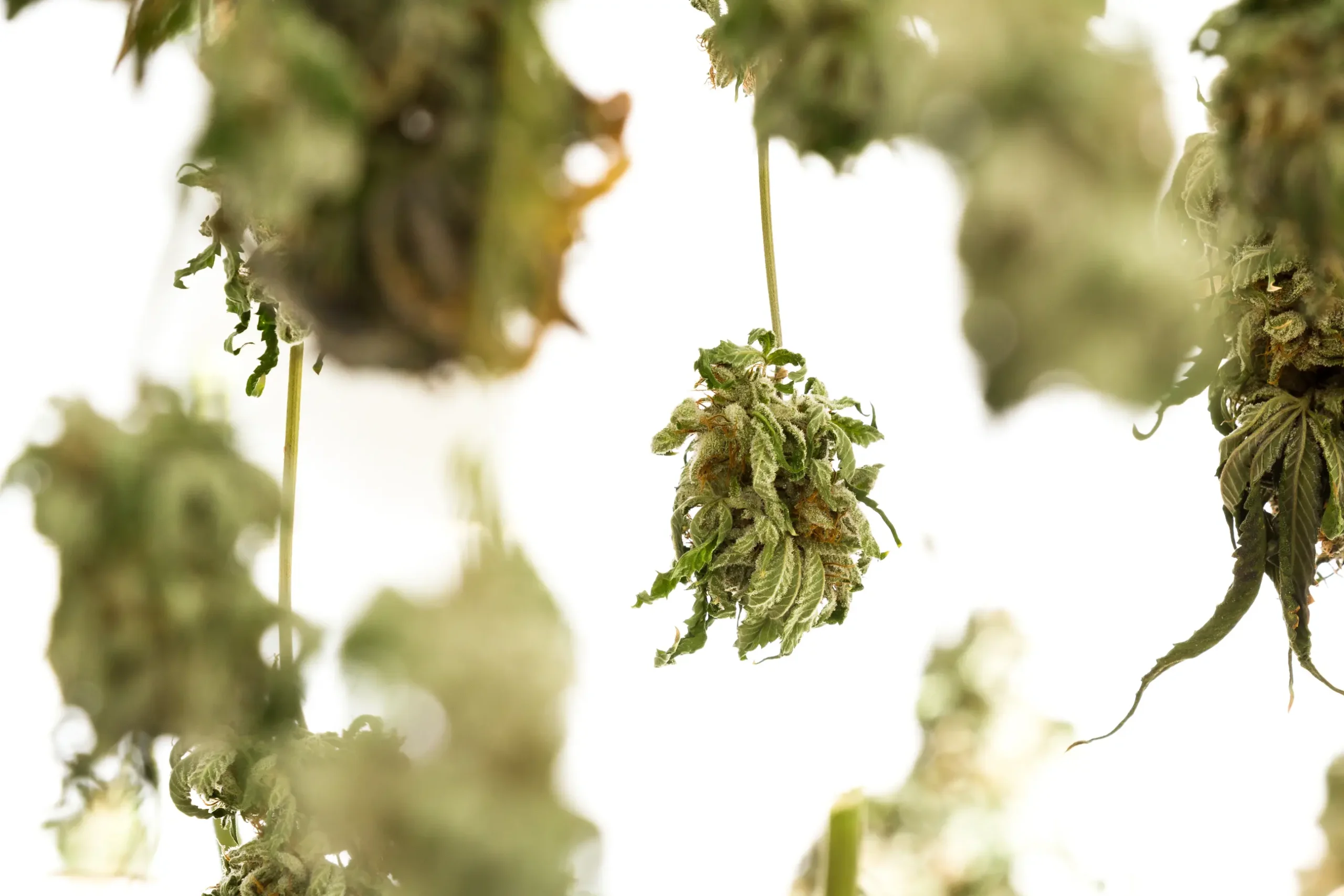
Dense spear-shaped flowers need space. Do not hang branches so close that colas touch. Use cool darkness and gentle indirect air exchange.
The outside may feel dry while the core remains wet. Check the thickest buds before sealing the entire batch. If necessary, separate smaller flowers so they are not overdried while large colas finish.
Outdoor Drying
Harvest after surface moisture has dried when possible. If weather forces a wet harvest, remove damaged material immediately and increase spacing. Do not use high heat to accelerate the process.
Cure
A good cure should separate sweet, sour, skunk and garlic layers. The savory top note may become more coherent after the initial green smell fades.
Store stable whole flowers in cool darkness. Excessive warm storage, repeated opening and pre-grinding all accelerate aroma loss.
Weedth Bud Boost Tips
SOG Efficiency
Shiva Shanti can be highly efficient in SOG because its compact common phenotype and strong central flower do not require long veg. Use enough spacing that mature colas do not touch.
Keep lower cleanup simple. Remove weak shoots that never reach light and let the plant concentrate on the main spear and strong laterals.
SCROG for Branchier Plants
A branchier phenotype can be topped once and spread across a small screen. Do not assume SCROG is automatically superior to SOG; choose it when the plant architecture justifies the extra veg and training.
Environment Before Additives
Dense flower yield is limited by light distribution, root health and humidity before it is limited by a specialized bloom product. Control those fundamentals first.
CO2 enrichment is useful only in a controlled high-light room capable of using it. UV is not a universal resin shortcut. Scientific work has not shown automatic yield or cannabinoid gains from adding UV to cannabis.
Outdoor Yield
Root-zone preparation, sun and support provide the biggest return. A plant with healthy roots and branches that remain intact through late flower will outperform a heavily fed plant that breaks or rots.
Medical Uses & Benefits
There is no strain-specific clinical evidence proving Shiva Shanti treats a disease. Consumers who prefer indica-dominant cannabis commonly seek similar effects for evening relaxation, physical unwinding, appetite or sleep preparation. Those are user preferences, not medical claims.
Because the cultivar can be body-heavy, it may feel more suitable to some users for nighttime than a stimulating sativa. However, THC can still cause anxiety, dizziness, dry mouth or increased heart rate, especially in sensitive users.
Anyone using cannabis for chronic pain, insomnia, anxiety or another diagnosis should discuss treatment with a qualified clinician where legal. Potency and individual response vary, and the strain name is not a medical dosage system.
Ideal User Profile
Shiva Shanti is well suited to beginner indoor growers who want a fast photoperiod indica with serious flower potential, provided they understand humidity control. It is also attractive to experienced growers who want an efficient SOG or a phenotype hunt for the savory Garlic Bud expression.
A low-to-medium indoor room is usually a good fit because the common phenotype stays manageable. Keep some headroom during seed runs in case a stretchier plant appears.
Outdoors, it suits warm sunny gardens where large resinous buds can finish without persistent autumn rain. The short flowering period adds flexibility, but the dense flowers still prefer dry late conditions.
For consumers, it fits evening users who enjoy sweet-sour skunk, earth and savory Kush-like flavors and want physical relaxation more than intense cerebral energy.
Grower Notes and Feedback
Most plants are manageable, but do not ignore outliers. The unusual high-stretch phenotype is exactly why seed-grown plants should be measured individually.
Central flower mass is a strength and a humidity risk. A large spear can be beautiful and productive while hiding moisture inside. Give it space.
Fast flowering does not mean no late swell. Let the plant complete calyx maturation rather than chopping solely because the calendar reaches day 50.
The garlic phenotype is worth protecting. If the savory aroma survives cure, that plant has a more distinctive identity than a generic earthy/skunk expression.
Moderate feeding is enough. The strain’s yield potential comes from genetics and healthy environment, not from extreme nutrient concentration.
A simple plant can still benefit from precise records. Height, stretch ratio, finish date, premium-bud percentage and cured aroma make the second run far more efficient.
Weedth Editor's Note
What matters after the headline numbers
Shiva Shanti is the kind of plant I would use to teach someone that “easy” and “careless” are not the same thing. The common phenotype is genuinely cooperative. It grows a strong stem, flowers quickly and can put a lot of weight into a straightforward structure. That makes the grow feel simple. The quality still depends on details, especially the air around the main cola.
I keep a little extra space during the first seed run because I do not assume every plant will stay compact. If one stretches hard, I bend it early and move on. I do not redesign the entire room for the outlier. With the compact plants, I keep training lighter and let the natural central-flower tendency work for me.
The flavor is what would decide my keeper. I like the sweet-sour skunk base, but I am specifically looking for the plant where the Garlic Bud side shows through. If I smell that savory garlic in late flower, I dry it cool and handle it gently because that is the note most likely to disappear. A hot dry can turn a distinctive Shiva Shanti into ordinary earthy Kush. When the cure preserves garlic, resin and sweetness together, the strain feels much more special than its beginner-friendly reputation suggests.
Weedth Score
Growing Experience 9.2/10 Fast, robust and accessible, with manageable phenotype variation
Bud Structure & Visual Appeal 9.1/10 Dense resinous spears and strong central flowers are highly attractive
Aroma Complexity 8.9/10 Sweet-sour skunk becomes distinctive when the garlic phenotype is present
Flavor & Smoothness 8.8/10 Rich and savory after a slow dry; generic when overheated
Effects & High Experience 8.8/10 Comfortable body relaxation with a calm positive mental layer
Overall Satisfaction & Recommendation 9.0/10 Excellent value for growers wanting a fast classic indica with real keeper potential
Weedth overall score: 9.0/10. I would recommend Shiva Shanti to a beginner because it makes good flower achievable, but I would still grow it like a connoisseur: select the right phenotype, keep the main flowers dry and protect the savory aroma after harvest.
FAQ
Is Shiva Shanti easy to grow?
Yes. It is generally robust, fast flowering and forgiving. The main advanced issue is managing humidity inside dense flowers and responding if a rare stretchier phenotype appears.
What is Shiva Shanti’s lineage?
The classic lineage is Afghani Garlic Bud × Kush, producing an indica-dominant plant with sweet-sour skunk and occasional garlic aroma.
How long does Shiva Shanti flower?
About 50-55 days is commonly reported indoors. Use that as an inspection window rather than an automatic harvest date.
How much does it stretch?
Most plants show low-to-moderate stretch, but occasional seed-grown phenotypes can stretch much more. Measure individual plants during the first run.
Is SOG a good method?
Yes. The common compact phenotype and strong central-flower development make Shiva Shanti very suitable for SOG with short veg.
Can it be topped?
Yes. One early topping works well for a lower plant-count grow. In a SOG, topping may be unnecessary because the natural main cola is productive.
Does it need strong feeding?
No. Use balanced moderate nutrition. Excess nitrogen can make the canopy too leafy around dense flowers and delay clean maturation.
Is it mold resistant?
It is generally robust, but dense buds can still develop mold in high humidity or after prolonged rain. Resistance is not immunity.
What causes the garlic smell?
The Garlic Bud ancestry can produce savory garlic-like volatile notes in some phenotypes. The aroma is likely influenced by compounds beyond classic terpenes, including volatile sulfur chemistry.
How do I preserve the garlic flavor?
Harvest mature flowers, keep drying temperatures cool, avoid direct fans and store cured whole flowers in cool darkness. Savory top notes are easier to lose than the earthy base.
Is Shiva Shanti suitable outdoors?
Yes, especially in warm sunny climates. Outdoor plants can become larger than indoor descriptions suggest and may need support late in flower.
When should I harvest for a more relaxing effect?
Wait for full maturity and allow some amber trichome development if a heavier body finish is desired. Avoid very late harvest that sacrifices aroma or flower condition.
Similar Strains
Afghan Kush: Similar for compact structure, hashy earth, resin and body-heavy effects. Afghan Kush is more purely traditional and usually lacks Shiva Shanti’s sweet-sour skunk/garlic twist.
Northern Lights: Another beginner-friendly fast indica with strong indoor efficiency. Northern Lights is usually softer in odor and more pine-sweet, while Shiva Shanti can be more pungent and savory.
Hash Plant: Similar for fast flowering, resinous dense flowers and a classic hash-oriented profile. Hash Plant often feels even more straightforwardly earthy and sedating.
Master Kush: Shares compact Kush architecture, short flowering and evening effects. Master Kush leans more incense-earth, while Shiva Shanti can show garlic and skunk.
Shiva Skunk: Related in old-school indoor utility and resin production, but Shiva Skunk has more Skunk-family influence and often a different stretch/branch pattern.
Sensi Star: A useful comparison for dense indica-dominant flowers and strong physical effects. Sensi Star can feel more potent and sharper, while Shiva Shanti is generally easier and more forgiving.
Share this article
A quick overview of the topics covered in this article.
Follow us
Latest articles
October 25, 2026
October 25, 2026

October 25, 2026