Silica for Indoor Cannabis: Potassium Silicate vs Monosilicic Acid, Stalk Strength, and Mildew Resistance
Silicon (Si) is categorized in classical plant physiology as a “non-essential but functionally indispensable” quasi-element, yet in high-intensity commercial cannabis cultivation, silica supplementation dictates the boundary between structural failure and record-breaking yields. Plants absorb silicon exclusively as uncharged, monomeric monosilicic acid (orthosilicic acid, Si(OH)4) via specialized Lsi1 and Lsi2 aquaporin-like transport channels. Once absorbed, silicon travels passively through the xylem transpiration stream, polymerizing irreversibly within leaf epidermal cells, vascular bundles, and glandular trichome stalks as solid amorphous opal phytoliths (SiO2· nH2O). This biomineralization reinforces cell wall elasticity, prevents xylem cavitation under high Vapor Pressure Deficit (VPD), stiffens trichome stalks, and erects an impenetrable mechanical and biochemical defense against powdery mildew (Golovinomyces ambrosiae). This guide examines the molecular divergence between agricultural potassium silicate and stabilized monosilicic acid, details polymerisation physics in irrigation lines, and establishes commercial dosing protocols for indoor cannabis systems.
Silicon Biophysics: Monosilicic Acid Uptake and Phytolith Deposition
Although silicon is the second most abundant element in the Earth’s crust (comprising approximately 28% of soil mass as quartz and silicates), mineral silicon is completely insoluble and unavailable to root systems in its solid rock form. Cannabis roots cannot absorb solid quartz, potassium silicate, or colloidal silicates.
Plants can only absorb silicon in the form of neutral, uncharged monosilicic acid (orthosilicic acid, Si(OH)4) dissolved in the rhizosphere water film at concentrations below 100 to 140 PPM. In biological solution, monosilicic acid possesses zero electrical charge at physiological pH (pH 5.0 to 7.0), allowing it to traverse biological membranes without being electrochemically repelled by the negative surface potential of root hairs.
Monosilicic acid uptake in cannabis roots is mediated by specialized channel proteins:
- Lsi1 (Low Silicon 1 Influx Channels): Specialized aquaporin-like transmembrane proteins localized in the plasma membrane of root epidermal and endodermal cells. Lsi1 facilitates the passive diffusion of Si(OH)4 from the external nutrient solution into root cortical cells.
- Lsi2 (Active Silicon Efflux Transporters): Energy-dependent, proton-coupled active anion transporters situated on the inner plasma membrane of endodermal cells. Lsi2 loads monosilicic acid against chemical gradients into the xylem vascular bundle.
Once loaded into the xylem sap, monosilicic acid travels upward with the transpirational stream via mass flow. When the transpiration stream reaches terminus tissues (leaf margins, outer epidermal cells, and glandular trichome stalks), water evaporates through stomata. As water molecules vanish, monosilicic acid reaches its thermodynamic saturation threshold (> 2.0 mM or approx. 120 PPM Si). At this concentration, individual Si(OH)4 monomers undergo non-reversible polycondensation, precipitating as solid, hydrated, amorphous silica known as opal phytoliths (SiO2· nH2O).
Once deposited as solid opal phytoliths, silicon is completely immobile within plant tissue. It cannot be mobilized, metabolized, or redistributed to newer vegetative shoots. Cannabis requires continuous silicon delivery throughout vegetative and flowering growth to protect freshly expanding tissues.
Unlike nitrogen or potassium, which cannabis can cannibalize from lower leaves when supplies run dry, silicon becomes an integrated structural mineral. Once opal phytoliths crystallize inside the epidermal cell matrix, they remain locked in place until the plant dies. If you discontinue silica supplementation midway through flowering, all newly emerging calyxes and sugar leaves will remain thin, soft, and vulnerable to fungal penetration.
Chemical Comparison: Potassium Silicate vs Stabilized Monosilicic Acid
Cannabis cultivators must distinguish between the two primary chemical classes of commercial silicon supplements: traditional alkaline Potassium Silicate and advanced Stabilized Monosilicic Acid:
| Parameter / Property | Potassium Silicate (K2SiO3) | Stabilized Monosilicic Acid (Si(OH)4) |
|---|---|---|
| Chemical Speciation | Polymerized polysilicate chains with potassium counter-ions | Pure uncharged monomeric orthosilicic acid |
| pH in Concentrated Form | Extremely alkaline (pH 11.5 – 12.8) | Acidic to neutral (pH 1.8 – 5.5, depending on stabilizer) |
| Bioavailability Speed | Slow; requires biological and chemical depolymerization in root zone | Immediate; absorbed directly by Lsi1 root channels within minutes |
| Impact on Reservoir pH | Spikes reservoir pH dramatically; requires substantial acid (pH Down) | Near-zero impact on reservoir pH at operational dosages |
| Polymerization Tendency | High; forms cloudy colloidal gel if mixed incorrectly or below pH 7.0 | Extremely low; chemical stabilizers (PEG/boron) prevent dimerization |
| Effective Target Dosing | 20 – 50 PPM elemental Si (heavy volume required) | 5 – 15 PPM elemental Si (micro-dosed concentrated formula) |
| Relative Product Cost | Very economical; widespread industrial commodity | High cost per liter; complex stabilization synthesis |
Industrial Synthesis and Chemical Architecture
Understanding how these two silica sources are manufactured clarifies why they behave so differently in fertigation solutions:
- Potassium Silicate Synthesis: Agricultural potassium silicate is manufactured by the thermochemical fusion of pure quartz sand (ext{SiO}2) with potassium carbonate (ext{K}2 ext{CO}3) at extreme furnace temperatures exceeding 1,100 °C to 1,300 °C. The resulting glass cullet is dissolved in water under high pressure and steam. In solution, the product consists of extended poly-silicate rings and linear polymers stabilized by excess potassium hydroxide (ext{KOH}). This high hydroxide concentration gives potassium silicate its harsh alkaline pH (pH 11.5 to 12.8). When a grower adds potassium silicate to water, it acts as a strong base, consuming hydronium ions and driving water pH upward.
- Stabilized Monosilicic Acid Synthesis: Stabilized monosilicic acid cannot be manufactured via simple mineral dissolution. Instead, monomeric ext{Si(OH)}4 is synthesized through the controlled acid hydrolysis of organic silicon precursors (such as tetraethyl orthosilicate) or the acidification of sodium silicate in the presence of steric stabilizing agents. To prevent the resulting ext{Si(OH)}4 monomers from immediately colliding and polymerizing into silica gel, manufacturers introduce organic stabilizing ligands such as polyethylene glycol (PEG), choline, or trace borate complexes. These stabilizing molecules wrap around individual ext{Si(OH)}4 monomers, creating steric hindrance that keeps the silicon purely monomeric even at high product concentrations. Because stabilized monosilicic acid is already fully hydrolysed and acidic, it integrates smoothly into fertigation solutions without altering pH.
While traditional potassium silicate remains a viable, cost-effective option for large-scale outdoor and living-soil facilities, high-precision automated hydroponic and rockwool facilities overwhelmingly prefer stabilized monosilicic acid. Monosilicic acid eliminates reservoir pH swings, prevents dripper emitter clogging, and delivers instant cellular assimilation without burdening the nutrient solution with unwanted excess potassium.
Question: We run an automated drip system in rockwool slabs. Over the last two weeks, our drippers have developed a chalky white crust, and flow rates dropped by 40%. When we mixed our 500-gallon batch tank, we noticed the water looked slightly hazy blue. We dose potassium silicate at 30 PPM Si. What happened?
You have experienced classic calcium silicate precipitation and colloidal polymerisation. The hazy blue hue in your tank is the Tyndall effect, caused by billions of suspended colloidal silica nanoparticles scattering light. This occurs when potassium silicate is added into water that already contains dissolved calcium nitrate, or when potassium silicate is dumped into the tank without sufficient dilution.
The free calcium ions cross-linked with poly-silicate chains, creating insoluble calcium silicate and silicic acid gel that plugged your drip emitters. To fix your system: strip and flush your drip lines with a horticultural line cleaner containing citric or nitric acid (pH 3.5 to 4.0) to dissolve the silicate crust. Going forward, always dilute potassium silicate into 100% of the raw water volume first, let it mix for 15 minutes, or transition your automated fertigation skid to stabilized monosilicic acid, which cannot cross-link into insoluble precipitates.
Polymerization Physics: Why Silicates Precipitate in Reservoirs
The single greatest operational hazard associated with silica supplementation in indoor fertigation is silicate polymerisation and colloidal precipitation. Understanding the physical chemistry of silicate solutions prevents catastrophic irrigation line blockages:
In concentrated alkaline potassium silicate products, silicon exists as long polyanionic silicate chains stabilized by hydroxide ions (OH–). When poured into water, silicate anions react according to thermodynamic equilibrium equations:
H3SiO4– + H+ ↔ Si(OH)4 (pKa ≈ 9.8)
When the pH of the irrigation water drops below 9.0 (as occurs when mixed into nutrient solutions formulated between pH 5.5 and 6.5), silicate ions convert rapidly into monomeric Si(OH)4. If the localized concentration of monosilicic acid exceeds its solubility limit of approximately 100 to 140 PPM (2.0 mM Si), adjacent monomers collide and undergo condensation polymerization:
Si(OH)4 + Si(OH)4 longrightarrow (HO)3Si-O-Si(OH)3 + H2O
This condensation reaction chains together millions of silica molecules, forming insoluble colloidal silica gel. If concentrated potassium silicate is poured directly into a batch tank containing concentrated calcium nitrate or magnesium sulfate, the divalent cations act as electrostatic coagulants, causing instantaneous precipitation of milky white calcium silicate sludge. This precipitate coats pressure-compensating drippers, plugs micro-tubing, and deprives crops of both calcium and silicon.
Never add potassium silicate to a reservoir that already contains concentrated base nutrients. Potassium silicate must ALWAYS be added FIRST to the full volume of raw RO or tap water and thoroughly mixed for at least 5 to 10 minutes. Only after the silicate is completely diluted and dispersed should you add base fertilizers. If using potassium silicate, check and adjust pH down to 6.2 before adding calcium nitrate to avoid localized salt drop-out.
Structural Mechanics: Stem Caliber, Branch Strength, and Trichome Rigidity
In controlled environment facilities operating high-PPFD lighting (800 to 1,200 μmol/m2/s), cannabis plants generate massive floral colas that put severe mechanical strain on branch architecture. Silicon deposition fundamentally alters the structural biomechanics of the plant:
- Stem Caliber and Collenchyma Thickening: Opal phytoliths deposit within the secondary cell walls of vascular bundles, thickening the cortex and xylem vessels. Lateral branches develop wider calibers, increased lignin cross-linking, and up to 40% greater tensile strength, allowing plants to support heavy dense colas without bending or requiring excessive trellis staking.
- Xylem Cavitation Prevention: Under intense LED transpiration demand, high negative hydrostatic pressures inside xylem vessels can pull air bubbles into the water column, causing vascular embolism and stem dieback. Silicified xylem wall linings withstand extreme negative pressures (-2.0 MPa or higher) without structural collapse.
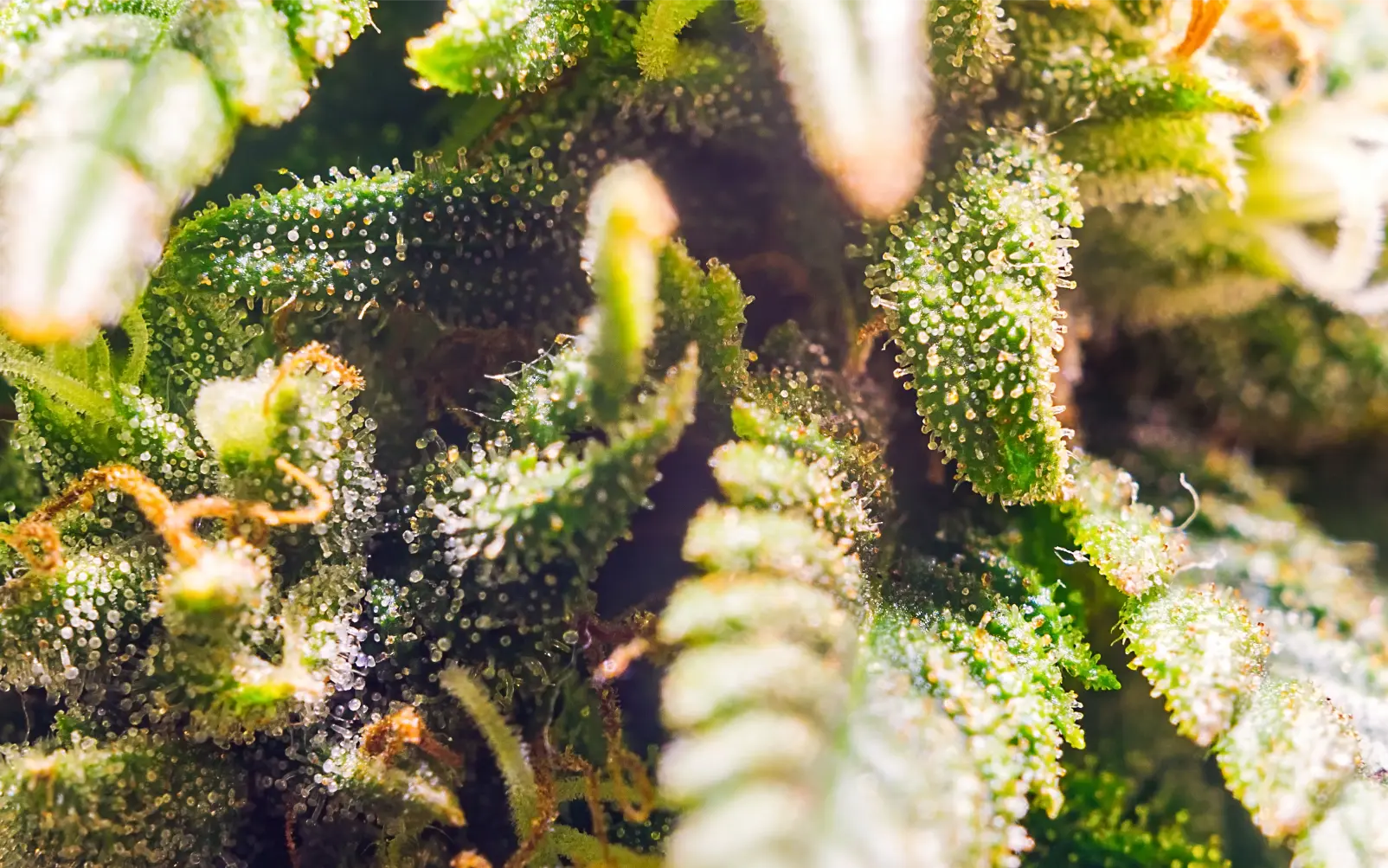
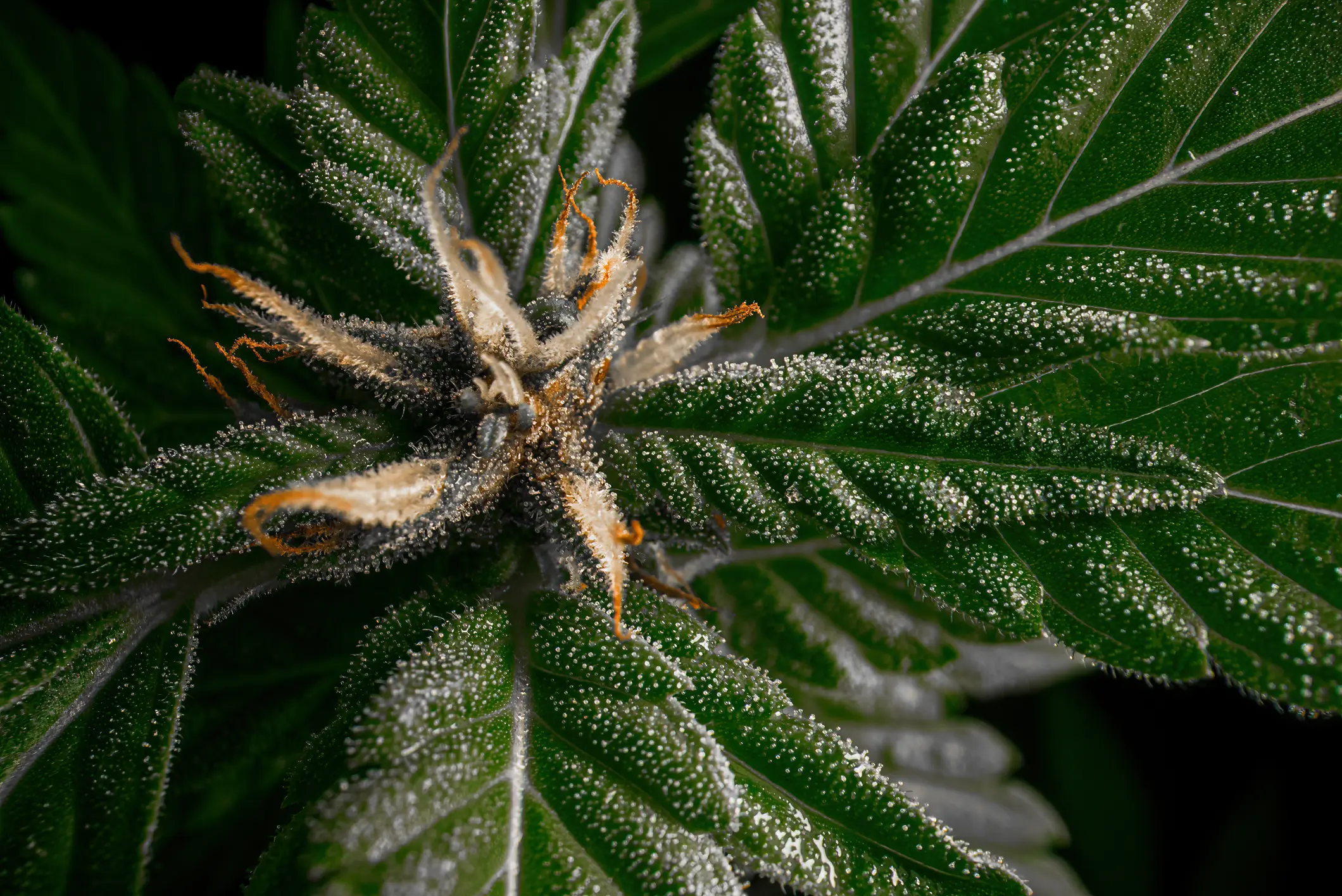
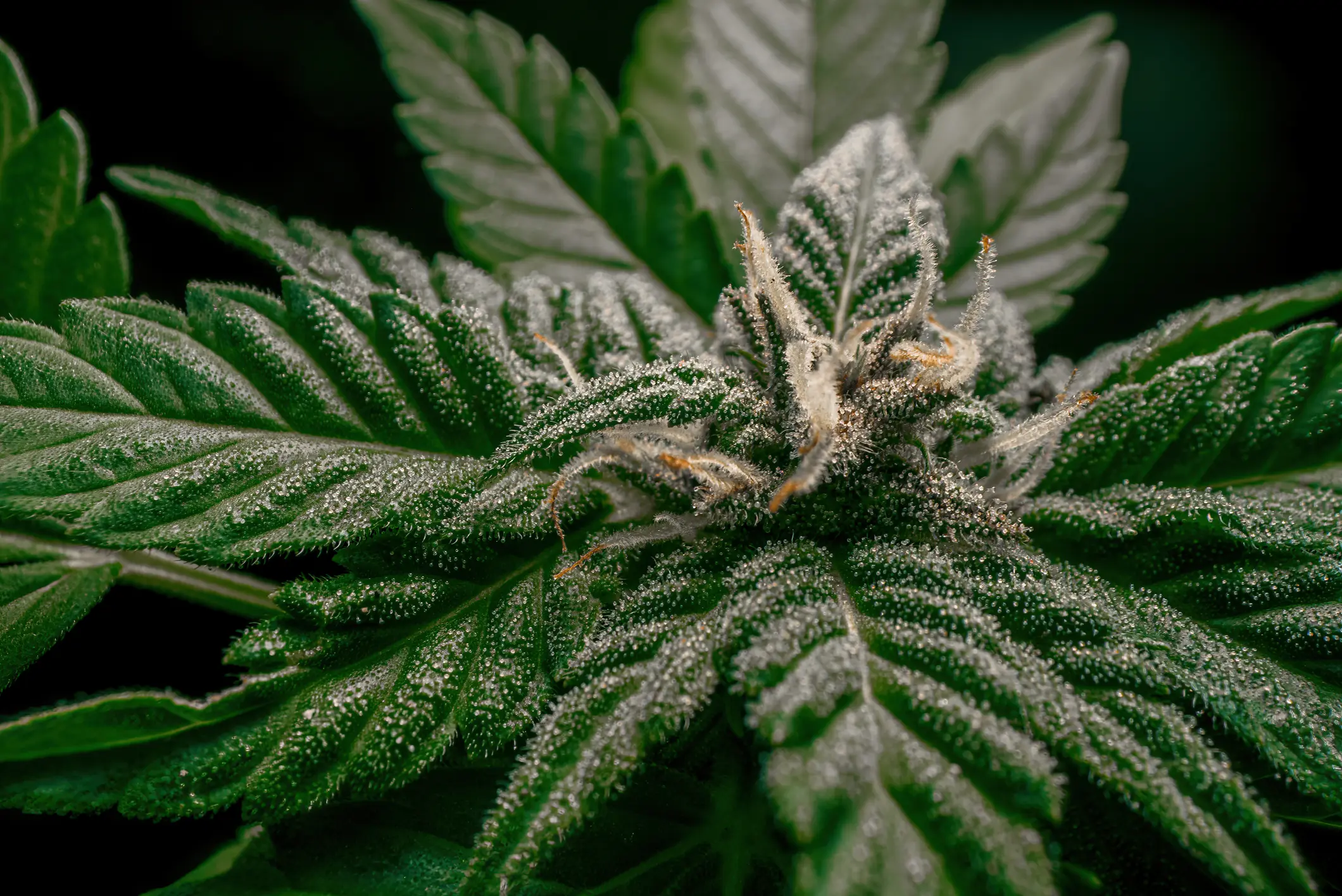
- Glandular Trichome Stalk Rigidification: Glandular trichomes consist of a multi-cellular stalk anchored into the epidermis topped by a secretory resin head containing cannabinoids and terpenes. Silicon deposits directly into the outer cell walls of trichome stalks, transforming them into rigid crystalline pillars. This prevents trichome stalks from wilting or collapsing under heat or airflow, ensuring resin glands remain intact until harvest.
Biomechanical Measurements: Modulus of Elasticity and Lodging Resistance
Quantitative biomechanical testing in controlled trials demonstrates that cannabis plants supplied with 30 PPM bioavailable silicon exhibit a 28% to 42% increase in flexural stem rigidity compared to non-silica control groups. In high-density indoor canopy architectures (such as Sea of Green or SCROG), high stem rigidity prevents secondary branch lodging where heavy floral colas collapse against one another, creating dense, unventilated microclimates that foster Botrytis bud rot. By keeping stems erect and upright, silicon maximizes light penetration into the mid-canopy, increasing secondary bud density by up to 18%.
Pathogen Resistance: Halting Powdery Mildew and Activating SAR
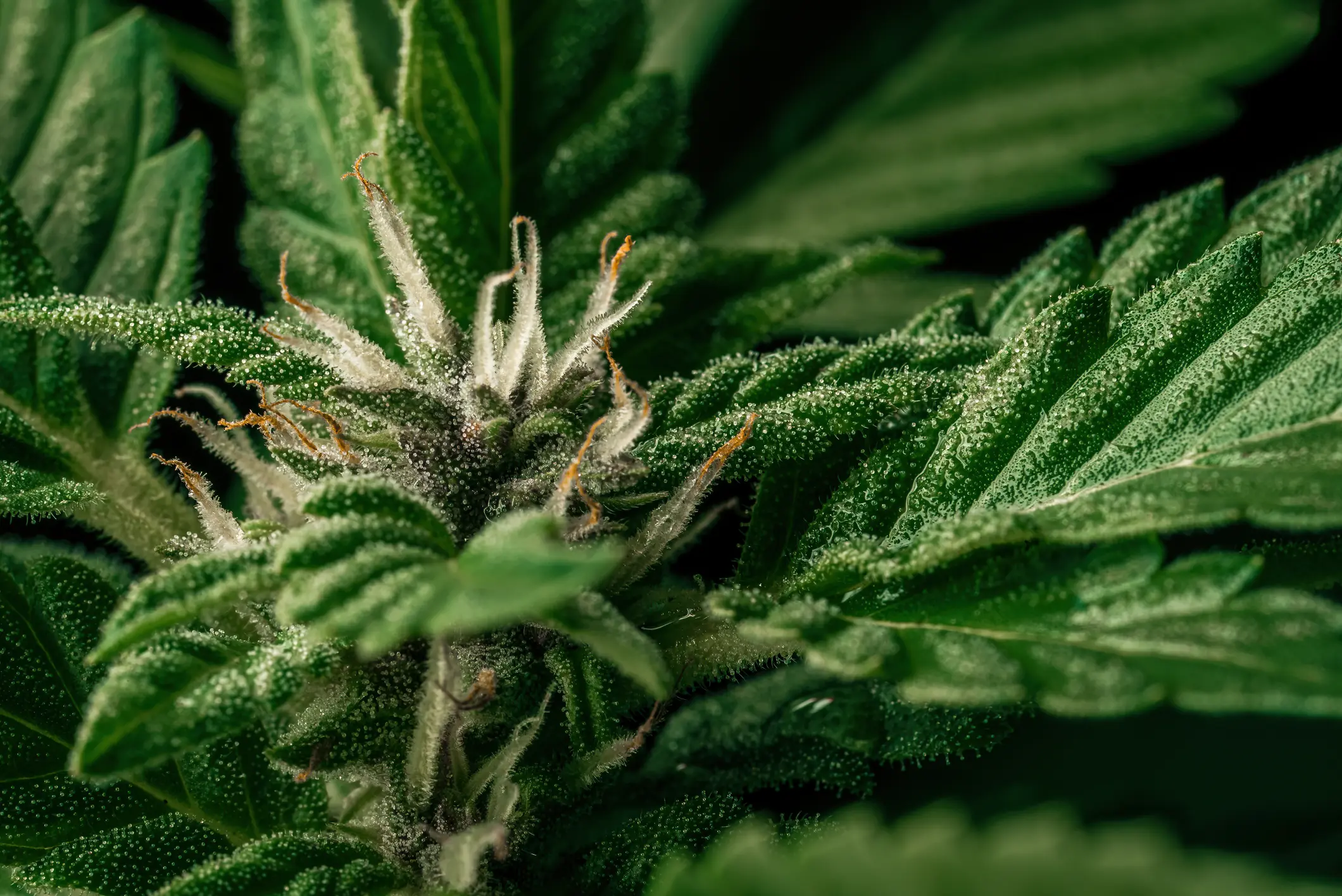
Powdery mildew, caused primarily by Golovinomyces ambrosiae (formerly classified as Golovinomyces cichoracearum) and Podosphaera macularis, is the single most destructive airborne fungal threat to indoor cannabis. Silicon provides a dual-layer immunological defense against fungal infection:
1. The Physical Mechanical Barrier
When an airborne fungal spore lands on a cannabis leaf, it germinates and produces an appressorium that attempts to drive a mechanical penetration peg through the leaf cuticle into epidermal cells. In silica-supplemented plants, the outer epidermal wall is fortified with a dense, double-layered silica-cellulose matrix. This silicified armor is physically impenetrable to fungal appressoria. Fungal penetration pegs repeatedly buckle and fail, starving the pathogen before it can establish a haustorium to siphon host nutrients.
2. Biochemical Systemic Acquired Resistance (SAR)
Silicon is far more than a passive physical shield; it functions as an active biochemical elicitor of plant defense mechanisms. When fungal hyphae come into contact with silicified epidermal cells, plants exhibit an accelerated systemic defense response:
- Phytoalexin Synthesis: Rapid transcriptional upregulation of genes encoding phenylalanine ammonia-lyase (PAL) and polyphenol oxidase, triggering massive accumulation of antimicrobial phenolic compounds and flavonoids at the infection site.
- Pathogenesis-Related (PR) Proteins: Stimulated production of glucanases and chitinases that degrade fungal cell walls.
- Lignification and Papilla Formation: Rapid deposition of callose and lignin plugs directly underneath attempted fungal penetrations, sealing off host tissue.
The Molecular Cascade: Salicylic Acid (SA) and PR-Protein Expression
At the transcriptomic level, silicon functions as a metabolic sensitizer. When pathogen-associated molecular patterns (PAMPs) are detected on leaf surfaces, silicon-fortified plants trigger a tenfold faster accumulation of endogenous salicylic acid (SA). Salicylic acid operates as the primary systemic hormone governing acquired resistance in cannabis. Elevated SA levels activate systemic transcription of Pathogenesis-Related gene families (PR-1, PR-2, and PR-5):
- PR-1 (Antimicrobial Peptides): Inhibits the growth and development of fungal mycelium.
- PR-2 (Glucanases): Hydrolyzes beta-glucan structural polymers inside fungal cell walls, causing fungal hyphae to rupture.
- PR-5 (Thaumatin-Like Proteins): Creates trans-membrane pores in fungal spore membranes, triggering immediate fungal cell lysis.
Because these defense proteins are expressed systemically throughout the entire plant vascular network, silica feeding provides durable, whole-canopy protection that persists throughout the vegetative and flowering cycles.
Beyond root fertigation, potassium silicate serves as an exceptional organic foliar contact fungicide. When mixed at 10 to 15 mL per gallon of RO water, potassium silicate produces a foliar spray with an alkaline pH of 9.5 to 10.2. Spraying this alkaline solution directly onto active powdery mildew colonies instantly disrupts fungal cell membrane osmotic pressure, dehydrating and killing mycelial hyphae within minutes while leaving a protective silicon film across leaf surfaces.
Question: I am in week 6 of flower and discovered a few small white powdery mildew spots on my lower fan leaves. Can I spray potassium silicate as a foliar spray on late flowering buds, or will it damage the pistils and resin?
You must never spray alkaline potassium silicate directly onto late-flowering floral clusters. Potassium silicate sprays feature a high pH (> 9.5) and leave behind white crystalline silicate residues that can burn fragile floral pistils, turn stigmas prematurely brown, and degrade glandular trichome heads. Furthermore, spraying liquid onto dense week-6 colas creates humidity pockets that invite destructive Botrytis (bud rot).
Instead, carefully pluck and remove the individually infected lower fan leaves and place them immediately into a sealed plastic bag to prevent spore distribution. Apply a targeted spot-spray of potassium silicate (10 mL/gal) strictly to lower vegetative leaves using a handheld spray bottle with a fine nozzle, avoiding the colas entirely. Increase grow room horizontal air circulation, lower relative humidity to 45%, and maintain root fertigation with monosilicic acid to elevate systemic resistance from the inside out.
Environmental Stress Mitigation: High-PPFD Heat, Drought, and Heavy Metals
Modern indoor cultivation environments subject cannabis plants to intense abiotic stressors. Silica nutrition provides decisive protection against three primary environmental hazards:
- Thermal and Heat Stress Tolerance (> 30 °C / 86 °F): Under high heat loads, leaf transpiration spikes uncontrollably. Silicon deposition beneath the leaf cuticle reduces non-stomatal cuticular transpiration by up to 30%, keeping leaves turgid and cool while preventing wilting under powerful LED photon bombardment.
- Osmotic and Drought Stress: In media with fluctuating dry-backs (such as rockwool or coco coir), silica preserves cellular water potential. Plants maintain stomatal conductance for carbon fixation longer into dry-back cycles without entering stress-induced photoinhibition.
- Heavy Metal Detoxification: Cannabis is a renowned hyperaccumulator of heavy metals (such as lead, cadmium, arsenic, and excess aluminum). In the root apoplast, monosilicic acid co-precipitates toxic heavy metal ions into harmless, metabolically inert metal-silicate complexes, preventing heavy metals from translocating into floral colas and failing state regulatory compliance tests.
Alleviating Salinity and Osmotic Stress with Monosilicic Acid
In recirculating hydroponics and automated drain-to-waste coir fertigation, root zones frequently experience localized electrical conductivity spikes between irrigation cycles. Excess sodium (ext{Na}+) and chloride (ext{Cl}–) ions compete with essential potassium, disrupting intracellular enzymatic hydration spheres. When plants absorb monosilicic acid, silicon biomineralization in root endodermal cell walls acts as an ultra-fine molecular sieve, significantly reducing the apoplastic bypass flow of toxic sodium ions into the xylem. Simultaneously, silicon upregulates plasma membrane ext{H}+-ATPase activity, enabling root cells to actively export sodium out of the cytoplasm and into the rhizosphere while selectively accumulating beneficial potassium.
Furthermore, silicon application enhances photosynthetic water use efficiency (WUE) under atmospheric drought stress. By reinforcing the guard cell walls surrounding stomatal apertures, silicon allows stomata to open and close with greater mechanical precision. Under midday peak-PPFD conditions, leaves maintain high stomatal conductance for carbon dioxide uptake without suffering uncontrolled transpirational moisture loss or midday leaf wilting.
Target Elemental PPM and Commercial Dosing Schedules
To achieve maximum agronomic benefit without causing emitter blockage or nutrient lockout, formulate silica inputs to target specific elemental silicon (Si) concentrations.
Calculating Elemental Silicon (Si) from Fertilizer Guaranteed Analysis
Cultivators often struggle to convert commercial fertilizer label percentages into actual reservoir parts-per-million. To calculate elemental silicon from commercial products, use the molecular conversion factor:
Commercial potassium silicate labels typically guarantee silicon as Soluble Silicon Dioxide (ext{SiO}2) or Potassium Silicate (ext{K}2 ext{SiO}3). Silicon has an atomic weight of 28.09 g/mol, while ext{SiO}2 has a molar mass of 60.08 g/mol. The pure elemental silicon fraction is approximately 0.4675 (or 46.75% of total ext{SiO}2 weight).
For example, if a liquid potassium silicate product guarantees 7.8% Soluble ext{SiO}2 with a specific gravity of 1.15 g/mL:
- One milliliter of product weighs 1.15 grams and contains: 1.15 multiplied by 0.078 = 0.0897 grams (89.7 mg) of ext{SiO}2.
- Convert to elemental silicon: 89.7 mg multiplied by 0.4675 = 41.93 mg of pure elemental Silicon per milliliter.
- Dosing 1 mL of this product per gallon of water (3.785 liters) delivers: 41.93 mg divided by 3.785 L = 11.08 PPM Elemental Si.
Armed with this formula, commercial cultivators can precisely hit target PPM ranges without relying on vague manufacturer dosage charts.
| Growth Phase | Potassium Silicate (Elemental Si) | Monosilicic Acid (Elemental Si) | Application Route | Agronomic Objective |
|---|---|---|---|---|
| Clones and Seedlings | 10 – 15 PPM Si | 3 – 5 PPM Si | Root drench & light foliar | Thicken delicate epidermal walls; accelerate root initiation |
| Vegetative Expansion | 25 – 40 PPM Si | 8 – 12 PPM Si | Continuous root fertigation | Expand stem caliber; maximize leaf blade turgor under high PPFD |
| Transition & Floral Stretch (Weeks 1 – 3) | 30 – 50 PPM Si | 10 – 15 PPM Si | Continuous root fertigation | Reinforce branch junctions; prepare scaffold for heavy cola mass |
| Mid-Flowering Bulking (Weeks 4 – 6) | 20 – 30 PPM Si | 8 – 10 PPM Si | Continuous root fertigation | Stiffen trichome stalks; maintain cuticle defense against spores |
| Late Ripening (Weeks 7 – Harvest) | 10 – 15 PPM Si (or taper) | 3 – 5 PPM Si (or taper) | Root fertigation | Preserve trichome integrity; maintain cell wall rigidity through flush |
Question: I grow in Recirculating Deep Water Culture (RDWC). Every time I add potassium silicate to top off my reservoir, my pH shoots from 5.8 to 6.8 within 3 hours, and I have to dump massive amounts of pH Down (phosphoric acid) to pull it back. Over a week, my EC climbs by 0.4 mS/cm just from pH adjusters. How can I dose silica without destabilizing my RDWC pH?
You are encountering the extreme alkaline buffering capacity of polymerized potassium silicate. In recirculating RDWC, plant roots absorb water and nutrients dynamically, while dissolved carbonates and silicates maintain high chemical equilibrium. Adding concentrated potassium silicate introduces both high hydroxide (ext{OH}–) alkalinity and potassium cations. When you counter this with concentrated phosphoric acid, the phosphate ions react with dissolved calcium in your RDWC buckets, increasing total EC and risking insoluble calcium phosphate precipitation.
To eliminate this instability in recirculating hydroponics: switch completely from potassium silicate to stabilized monosilicic acid (orthosilicic acid). Monosilicic acid is formulated at a neutral to slightly acidic pH and contains zero potassium counter-ions. You can dose monosilicic acid (0.5 to 1.0 mL per gallon) directly into your RDWC top-off reservoir without shifting pH by even 0.05 units. If you must use potassium silicate due to budget constraints, pre-dilute it in 5 gallons of RO water, titrate that 5-gallon bucket down to pH 6.0 using nitric or phosphoric acid BEFORE adding it to your primary RDWC system, and introduce it gradually over 12 hours.
Standard Operating Procedure: Flawless Reservoir and Foliar Mixing Order
Follow this exact chemical sequence when introducing silica into commercial irrigation systems:
- Step 1: Fill the Reservoir: Fill the tank with 100% of required raw RO or dechlorinated tap water. Turn on all circulation pumps or venturi aeration.
- Step 2: Add and Disperse Silica:
- If using Potassium Silicate: Add the measured silicate dose directly to the raw water. Allow circulation for 10 minutes. Test solution pH; if pH rises above 7.8, add a small dose of phosphoric or nitric acid to bring pH down to approximately 6.5 to 7.0 before introducing base nutrients.
- If using Stabilized Monosilicic Acid: Add monosilicic acid to the raw water. Monosilicic acid disperses rapidly and does not alter water pH; circulate for 3 minutes.
- Step 3: Add Baseline Calcium and Magnesium: Add Cal-Mag or Part A (calcium nitrate). Circulate thoroughly.
- Step 4: Add Macro and Micro Nutrients: Add Part B (phosphates, sulfates, and chelated micronutrients).
- Step 5: Final pH and EC Calibration: Check total EC. Adjust final solution pH to target (5.7 to 6.0 for coco/rockwool; 6.3 to 6.6 for soil).
To master root-zone irrigation frequency, dry-back curves, and EC management across different media, explore our dedicated engineering guide: Cannabis Irrigation Frequency by Medium: Coco, Rockwool, Soil, and DWC.
Final Standard Operating Checklist and Next Related Guide
Follow this standardized engineering checklist to execute silica supplementation with lab-grade precision:
Scientific References
- Epstein, E. (1999). Silicon. Annual Review of Plant Physiology and Plant Molecular Biology, 50(1), 641-664.
- Ma, J. F., & Yamaji, N. (2006). Silicon uptake and accumulation in higher plants. Trends in Plant Science, 11(8), 392-397.
- Fauteux, F., Rémus-Borel, W., Menzies, J. G., & Bélanger, R. R. (2005). Silicon and plant disease resistance against pathogenic fungi. FEMS Microbiology Letters, 249(1), 1-6.
- Zheng, Y. (2021). Handbook of Cannabis Production in Controlled Environments. CRC Press.
- Liang, Y., Sun, W., Zhu, Y. G., & Christie, P. (2007). Mechanisms of silicon-mediated alleviation of abiotic stresses in higher plants: A review. Environmental Pollution, 147(2), 422-428.
- Mitani, N., & Ma, J. F. (2005). Uptake system of silicon in different plant species. Journal of Experimental Botany, 56(414), 1255-1261.
- Bélanger, R. R., Benhamou, N., & Menzies, J. G. (2003). Cytological evidence of an active role of silicon in cucumber resistance to powdery mildew. Phytopathology, 93(4), 402-412.
- Marschner, H. (2012). Marschner’s Mineral Nutrition of Higher Plants (3rd ed.). Academic Press.
Share this article
A quick overview of the topics covered in this article.