Very Berry Haze
Very Berry Haze: Strain Profile & Grow Guide
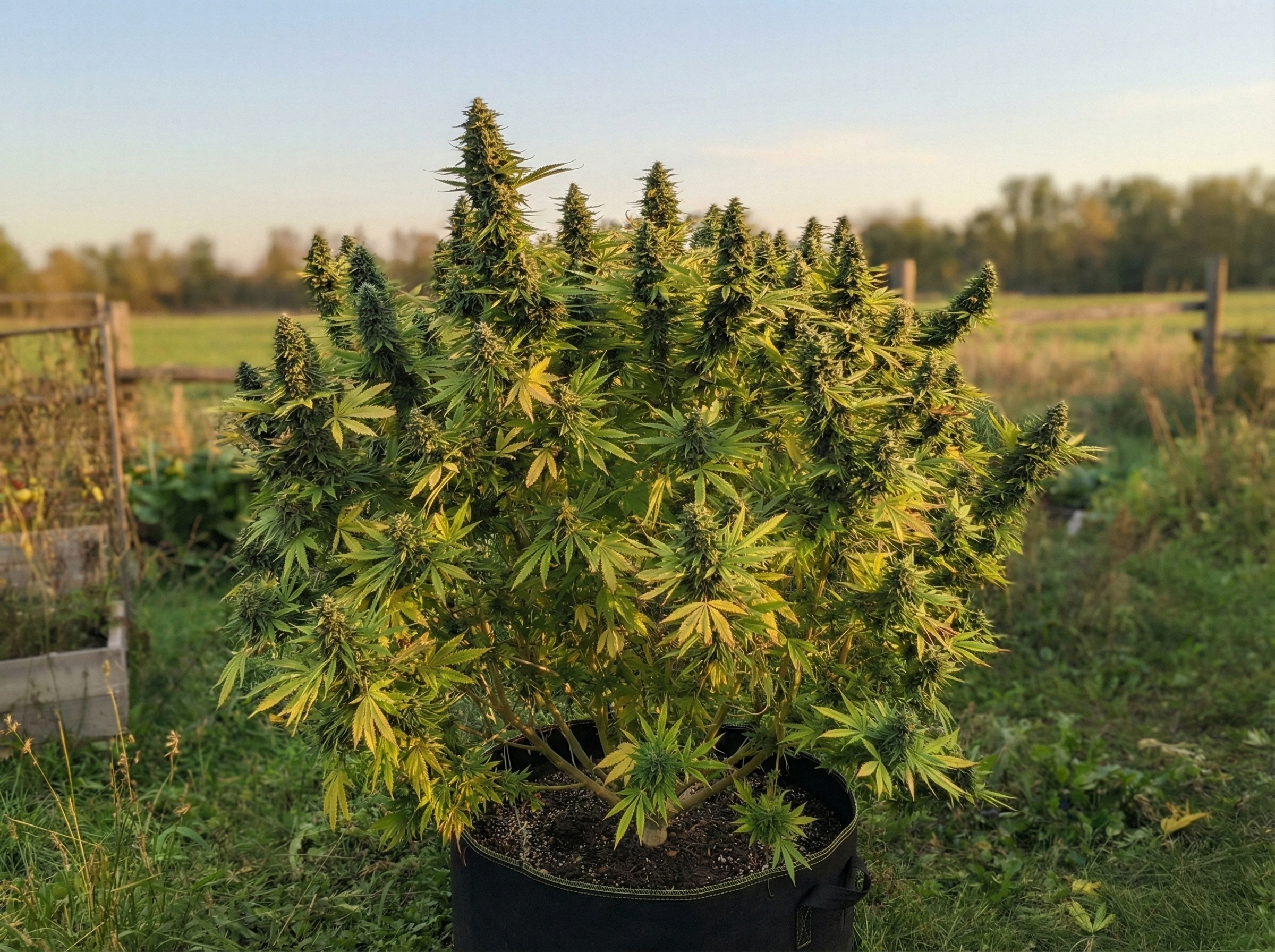
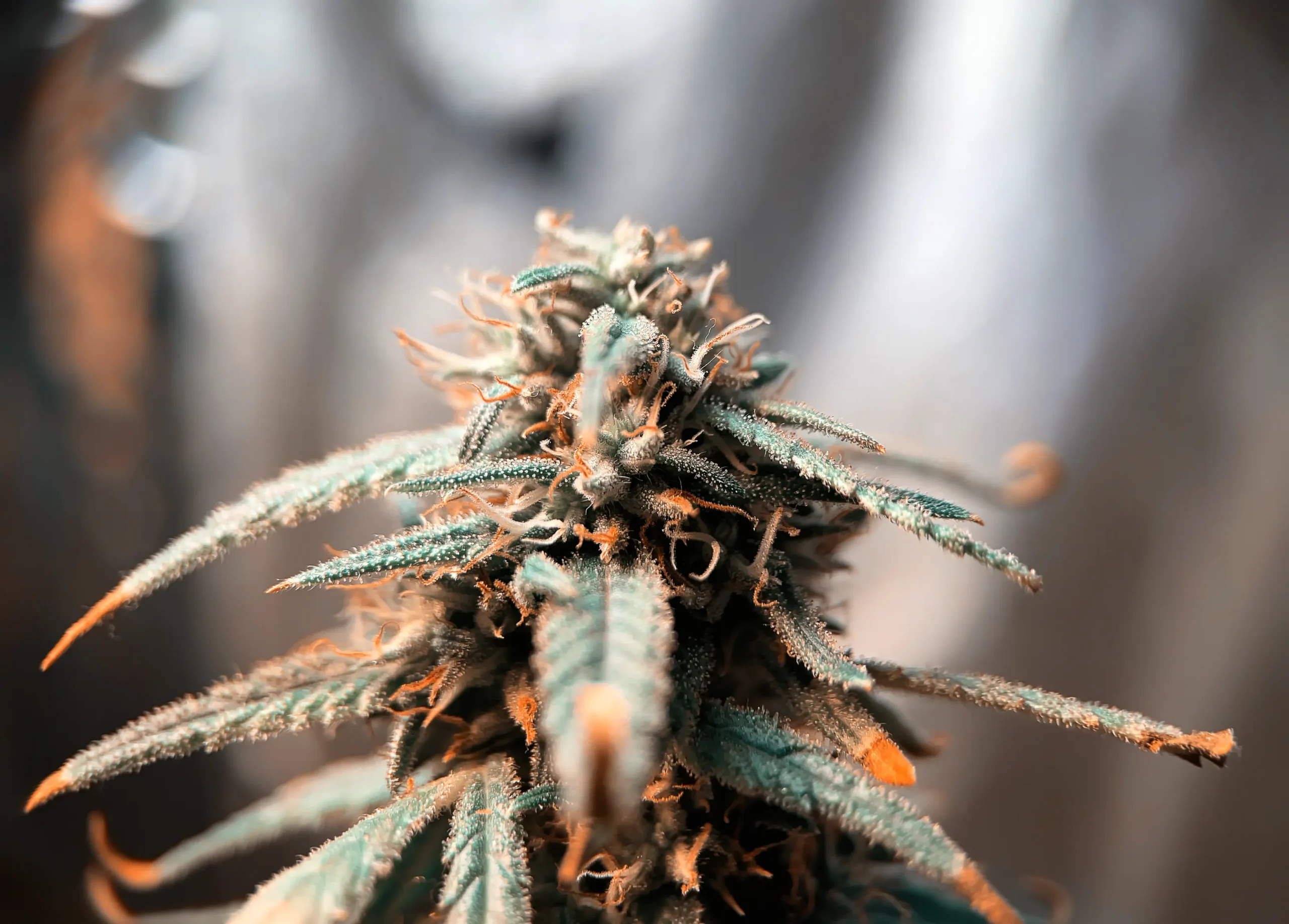
Very Berry Haze is a tall, fast-moving sativa whose name can create the wrong expectation. The berry aroma is real in good expressions, but the plant is not a compact fruit hybrid that can be placed in a corner and allowed to finish by itself. It behaves like a Haze-dominant cultivar: rapid vertical growth, long flexible branches, numerous flower sites and an outdoor season that can extend into late autumn. Its buds begin as small rounded clusters, then lengthen into larger formations as maturity approaches. The finished aroma can resemble boysenberry or mixed dark berries with earth, herbs and spice rather than simple blueberry candy.
The historical lineage is not perfectly settled. Older cultivar literature describes an East Coast Haze line preserved as a pure sativa, while modern databases commonly list Strawberry Cough and Super Silver Haze as the parents. Those accounts may describe different releases or later reinterpretations. What remains consistent is more useful to the grower: strong Haze architecture, fast stretch, a ten-week flowering window, flexible multi-branch growth and a berry-forward aromatic layer over an earthy sativa base.
The central cultivation question is how to control its size without eliminating the branches that produce most of its yield. Very Berry Haze does not naturally suit a single-cola plan. It wants to spread and create many long flowering arms. The grower must begin flowering early, install support before the stretch becomes rigid and keep the room warm enough for active metabolism while preventing humidity from accumulating around the lengthening buds. In colder conditions, the plant may slow, remain wet longer and become more vulnerable to mold even though its flowers are not as compact as a heavy indica.
Flavor quality depends on timing. The berry character often develops gradually and can be lost if the plant is taken early or dried hot. A complete finish produces dark fruit, sweet herbs, pepper, faint citrus and a Haze-like earthy incense note. The goal is not merely to restrain the plant. It is to convert its speed into an open, supported canopy and then preserve the volatile fruit that justifies the effort.
Strain Features
| Feature | Details |
|---|---|
| Strain Type | Sativa-dominant to near-pure sativa photoperiod cultivar |
| Common Lineage Account | Often listed as Strawberry Cough × Super Silver Haze |
| Historical Account | Older records describe an East Coast Haze-derived pure sativa line |
| Genetic Certainty | Disputed or release-dependent |
| THC | Commonly moderate to high, strongly sample-dependent |
| CBD | Usually low |
| Common Terpene Pattern | Terpinolene or myrcene may lead in different samples, with beta-caryophyllene, limonene and pinene contributing |
| Aroma | Boysenberry, dark berry, sweet herbs, earth, pepper, flowers and Haze incense |
| Effect Character | Energetic, focused and happy, with sensory expansion and limited couch-lock |
| Flowering Time | Commonly about 10 weeks indoors |
| Outdoor Harvest | Often late October to early November in suitable climates |
| Height | Tall to very tall |
| Stretch | Very high, potentially several times the pre-flower height |
| Natural Structure | Numerous long flexible branches with many flower sites |
| Flower Development | Small rounded clusters that elongate through late flower |
| Yield | Moderate to high indoors, potentially very high outdoors in a long warm season |
| Training Compatibility | Early topping, LST, supercropping before flower, wide SCROG and layered support |
| Main Grow Risk | Running out of space, cold-associated slowdown, late-season mold and weak unsupported branches |
| Grow Difficulty | Advanced |
| Best Time of Use | Morning or daytime for experienced users |
Exact yield claims for Very Berry Haze vary dramatically and should be treated cautiously. The plant can become enormous outdoors, but plant size is not the same as dry premium flower. Weather, support, root volume and harvest labor determine how much of a large sativa becomes usable high-quality bud.
Genetic Lineage
Competing origin accounts
Modern strain references often describe Very Berry Haze as a cross between Strawberry Cough and Super Silver Haze. That combination makes practical sense. Strawberry Cough could contribute red-fruit sweetness and an upbeat social effect, while Super Silver Haze explains the vigorous stretch, long branches, resin and Haze-like cerebral direction.
Older published material presents a different story, describing a U.S. East Coast Haze plant passed into a medical breeding program and treated as a pure sativa. This account emphasizes the plant’s Haze identity rather than a clearly named two-parent cross.
The disagreement should not be hidden. Cannabis names often survive through clones, seed reproductions and later crosses that are not chemically or genetically identical. Very Berry Haze may refer to more than one related expression in circulation.
What the plant consistently communicates
Regardless of the exact pedigree, the morphology strongly indicates a sativa-dominant background. The plant grows rapidly, produces thin leaflets and extends long branches during the flowering transition. Internodes open under stretch, allowing flower sites to appear along a large portion of each branch.
The buds do not begin as hard blocks. They start as small clusters and elongate over time. This is important for harvest expectations. A grower used to compact hybrids may think the plant is underperforming in mid-flower, then see a large increase in length and mass later.
Berry inheritance
The fruit component is often compared with boysenberry, a darker and earthier berry profile than strawberry or blueberry alone. This description fits a cultivar where fruit is mixed with herbal Haze notes. The aroma may suggest raspberry, blackberry and tart red fruit rather than one clean candy note.
Phenotype variation
Some expressions lean toward bright strawberry, citrus and flowers. Others show darker berry, earth and pepper. Stretch can also vary. One plant may triple after the flip, while another becomes much more difficult to contain.
A keeper should be selected for more than berry intensity. Look for a branch frame that can support the flower, a flowering time compatible with the grow space, good resistance to late humidity and an aroma that survives cure.
Effect Breakdown
The active beginning
Very Berry Haze generally begins with a quick increase in mental activity. Attention moves outward, the body feels lighter and ordinary surroundings may seem more interesting. Users commonly report energy, focus and happiness. The effect can suit walking, creative work, conversation or daytime recreation.
The word focused requires qualification. A moderate amount may help the user engage with one activity, but a larger amount can make attention jump between ideas. The strain may increase interest without guaranteeing discipline.
Sensory and emotional expansion
As the high develops, music, color and physical movement can feel more vivid. The emotional tone is often optimistic and social. Some users become talkative, while others enter a more private imaginative flow.
This is not usually a body-heavy cultivar. Physical discomfort may feel less intrusive, but the body remains available for activity. That quality distinguishes it from berry-flavored indicas that become sleepy soon after consumption.
Dose threshold
Very Berry Haze can change sharply with dose. A small amount may feel clean and functional. A moderate amount becomes euphoric and creative. A heavy amount can produce racing thoughts, dizziness, anxiety or a disorganized psychedelic state.
The cultivar is not ideal for a first cannabis experience. Experienced users may appreciate the intensity, but anyone prone to panic should approach it carefully.
Late phase
The main mental energy gradually softens rather than collapsing into immediate sedation. A mild body relaxation may appear, but most users do not experience classic couch-lock. Fatigue can follow a long intense session, especially when consumed early without food or hydration.
Duration
The active phase can remain noticeable for several hours. This makes the cultivar useful for extended activities but also increases the consequences of overconsumption. It should not be used before driving, operating equipment or handling high-stakes work.
Flavor & Aroma Profile
Why boysenberry is a useful comparison
Very Berry Haze is often described with the broad word berry. Boysenberry is more specific. It combines sweet, tart and earthy fruit qualities, which closely matches the cultivar’s strongest expressions. The aroma is darker than strawberry candy and more pungent than mild blueberry.
Aroma on the plant
During early flower, the plant may smell green, peppery and faintly sweet. The berry edge becomes more visible as resin develops. Late in flower, branch movement can release mixed dark fruit, herbs and Haze incense.
Some expressions show a floral strawberry note. Others are more like crushed blackberry leaves, tart fruit skin and dry earth.
Top, middle and base notes
Top notes: berry skin, red fruit, mild citrus and floral sweetness.
Middle notes: sweet herbs, pepper, fresh leaves and occasional pine.
Base notes: earth, incense, wood and musky Haze resin.
The profile should remain layered. A flower that smells only sweet may lack depth, while one that smells only earthy may have lost the fruit through genetics or poor drying.
Inhale and exhale
The inhale often begins with sweet-tart berry. The middle becomes herbal and lightly floral. The exhale brings pepper, earth and incense. The aftertaste can linger as fruit skin with dry spice.
Vapor at a moderate temperature may emphasize berry and flowers. Hot combustion tends to make the pepper and Haze base more dominant.
Cure development
Freshly dried flower may smell surprisingly grassy because the long buds contain a great deal of plant material and dry at different rates. During cure, the green edge should decline and the fruit should become more distinct.
Four to six weeks often reveals the best balance. If the berries disappear entirely, the dry may have been too warm or too fast. If the aroma becomes sour and musty, the large flowers entered storage with too much internal moisture.
Dominant Terpenes
Published profiles differ, which is expected in a cultivar with uncertain lineage and multiple releases.
| Terpene | Sensory Role | How It May Appear in Very Berry Haze |
|---|---|---|
| Terpinolene | Mixed fruit, flowers, herbs and wood | Fits bright, energetic Haze expressions with complex sweet-green aroma |
| Myrcene | Ripe fruit, earth and musk | May deepen dark berry and soften the late physical phase |
| Beta-caryophyllene | Pepper and warm spice | Explains the dry spicy exhale |
| Limonene | Citrus peel and bright sweetness | Can sharpen strawberry or berry top notes |
| Pinene | Pine and fresh herbs | May contribute to the green forest edge in some plants |
| Ocimene | Sweet herbs and tropical fruit | A possible contributor to airy floral-fruit expressions |
Terpene order should not be treated as fixed. Environment, plant selection and post-harvest method can change the measured profile. Terpenes also do not provide a reliable one-to-one prediction of subjective effects.
Indoor vs. Outdoor Growing
| Factor | Indoor | Outdoor |
|---|---|---|
| Height Challenge | Severe, requires early flip and continuous training | Extreme size possible with a long season |
| Best Architecture | Wide multi-branch screen with layered support | Large open framework with cages and multiple support levels |
| Flowering Time | About 10 weeks | Late October or early November in suitable regions |
| Main Risk | Ceiling contact, heat at the tops and crowded branch lanes | Cold rain, wind damage and incomplete finish |
| Temperature Need | Warm stable room supports active metabolism | Warm autumn required |
| Humidity Concern | Lengthening buds can hold moisture at junctions | Dew and rain on a very large canopy |
| Root Volume | Moderate to large, with frequent irrigation in strong light | Very large soil volume can create enormous plants |
| Yield | High if the screen is controlled | Potentially very high, but labor and weather determine usable yield |
| Flavor | Precise drying preserves berry | Sun may deepen aroma, but outdoor handling is difficult |
| Grower Fit | Experienced indoor trainer | Experienced outdoor grower in a long dry climate |
Indoor cultivation
Very Berry Haze can be grown indoors, but the room must be planned around the plant rather than expecting the plant to adapt passively. Historical descriptions report that a very small plant can finish around four feet after a ten-week flower. A plant flipped at ordinary hybrid size may reach the lights before stretch ends.
Indoor growing offers control over warmth and harvest timing. It is the better option outside long-summer climates. The limitation is canopy labor. Training must continue through transition, and support must be installed early.
Outdoor cultivation
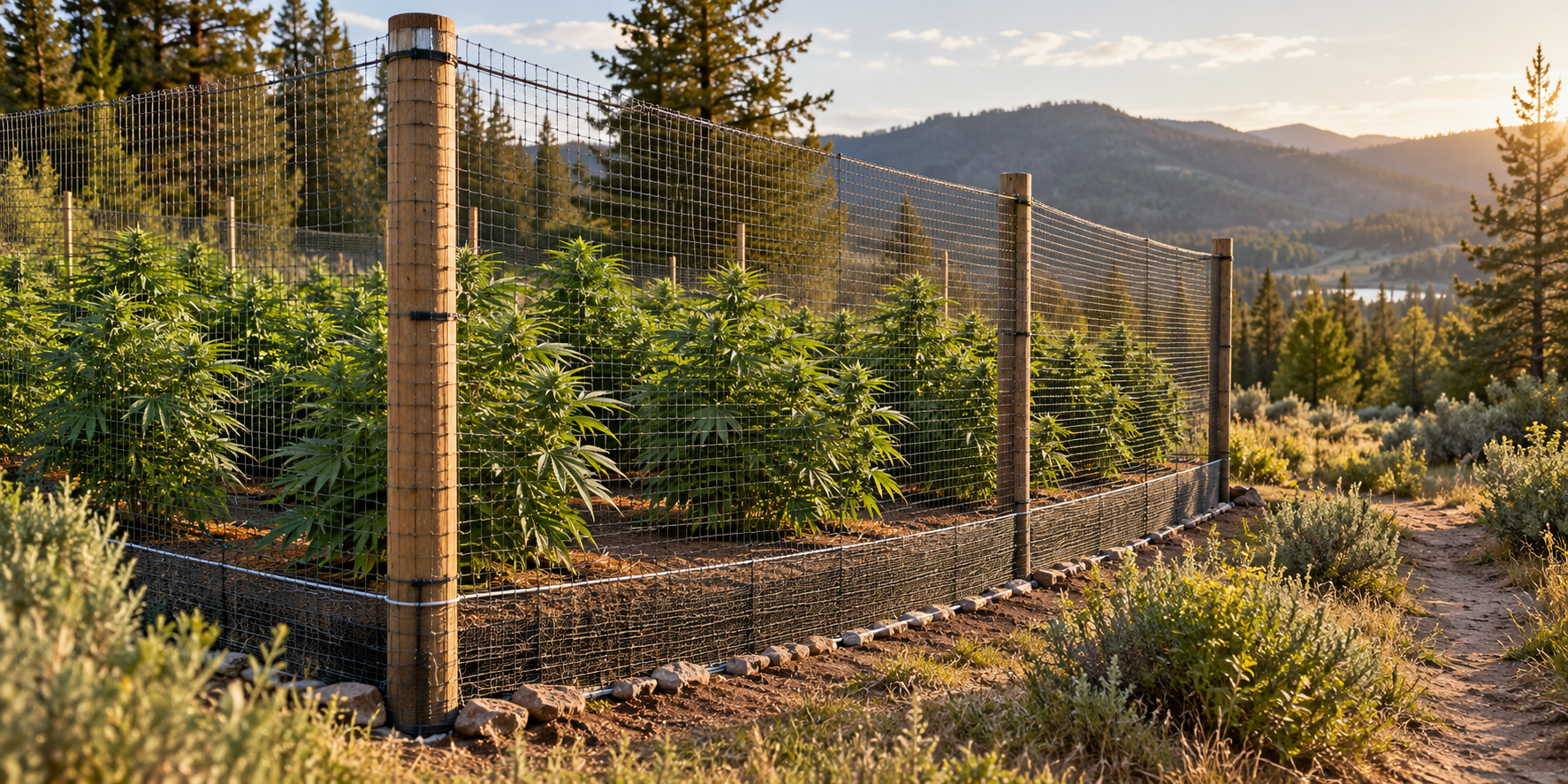
Outdoors, the plant can become several metres tall. This can produce a spectacular harvest in a warm dry region, but size multiplies every problem. Irrigation, support, pest inspection, trimming and drying all become major tasks.
Very Berry Haze is a poor choice for a short wet season. Finishing near November exposes it to cold nights, dew and storms. A greenhouse can extend the season, but only if it provides ventilation. A sealed humid greenhouse may be worse than open air.
Strain-Specific Grow Guidance
Flip much earlier than instinct suggests
The most common indoor mistake is waiting for the canopy to look full before flowering. Very Berry Haze can multiply its height and width during transition. Flip when the screen is only partially occupied.
A young plant with several established branches is enough. The stretch will create the rest of the canopy.
Top early, not repeatedly
One early topping encourages the multi-branch structure the cultivar already wants. A second topping may be useful in a large room. Repeated cuts can create too many thin branches and extend veg unnecessarily.
After topping, use LST to spread the leaders. The goal is to guide natural vigor, not constantly interrupt it.
Build a wide SCROG
A screen is one of the best ways to manage Very Berry Haze. Use a wide mesh and leave empty areas before the flip. Tuck branches through early flower while they remain flexible.
Do not weave branches tightly around the screen. Long stems need gentle curves. Sharp bends can split under later weight.
Supercropping window
Healthy branches can tolerate controlled supercropping during late veg or the first days of transition. This is useful for tops that escape the screen. Avoid crushing stems after flower clusters are established.
Layered support
One net controls the stretch, but a second support level may be required for late flower. The long branches are flexible and the elongated buds add weight across their length.
Support should separate branches rather than gather them. Tying several loaded arms together increases humidity and breakage risk.
Root demand and watering
Very Berry Haze grows quickly and can drink aggressively under strong light. A restricted root system may require frequent irrigation. In soil, use enough volume to avoid repeated severe drybacks.
The plant wants moisture but still needs oxygen. Do not maintain constant saturation. Strong growth above ground requires a porous medium below.
Feeding behavior
Vigorous sativas can appear hungry because they grow rapidly. Increase nutrition gradually and observe the tips. Excess nitrogen can extend soft vegetative growth into flower and make the stretch harder to control.
By mid-flower, the plant should shift from producing long new stems to developing flowers. Continuing a heavy vegetative feed can delay that change.
Temperature
Very Berry Haze performs best in warm stable conditions. Cold rooms slow water use and flower development. Historical grow observations also connect colder conditions with greater mold risk.
Warm does not mean hot. Excessive canopy temperature can bleach the highest buds and strip volatile berry aroma. Manage the distance between lights and tops before heat becomes a problem.
Humidity and airflow
The buds are not uniformly solid, but their length creates many stem junctions where moisture can remain. Fans should move air along and through the branch lanes.
Night humidity is critical. Large sativa canopies release substantial moisture after lights-off. Dehumidification capacity should be planned before late flower.
Lower canopy
Very Berry Haze creates many bud sites. Most will not become premium indoors. Remove lower branches and interior shoots that remain below the screen.
A deep untouched canopy produces a large amount of airy flower and makes irrigation access difficult. Keep the productive zone matched to actual light penetration.
Pest management
Long flowering gives pests more time to establish. Inspect the underside of thin leaves and branch junctions during veg. Use preventive biological or low-impact controls before flower rather than trying to treat a huge resinous canopy late.
Outdoors, caterpillars can enter the elongated buds and create hidden rot. Regular inspection is essential.
Harvest signs
Very Berry Haze may continue producing fresh pistils late, especially under high light. Do not rely on pistil color alone. Look for overall calyx swelling, mature aroma and mostly cloudy trichomes on the flower.
An early harvest produces a sharper and potentially more anxious effect with thin flavor. A fully mature harvest keeps the energy but adds depth and body comfort.
Greenhouse management is not just outdoor growing under a roof
Do not let the stretch make the decisions
A greenhouse can suit Very Berry Haze exceptionally well because it provides solar intensity, vertical room and partial weather protection. It also creates a specific risk: a huge transpiring canopy can raise humidity faster than passive vents can remove it. The structure should have enough roof height for the final stretch and enough side ventilation to exchange moist air without forcing branches against the walls.
Begin shaping the plant while access is still easy. Once long branches cross through neighboring growth, checking stems and flower junctions becomes difficult. Keep service lanes around the plant and avoid using every square centimeter of floor area. The unused space is not wasted. It becomes the airflow and inspection space that protects the harvest.
Match irrigation frequency to temperature and root volume
This cultivar can move from moderate water use to aggressive drinking as the canopy expands. A schedule that worked in early veg may become inadequate during stretch, while the same schedule can become excessive during a cool cloudy period. Judge irrigation by container weight, substrate moisture and the plant’s actual rate of use.
Repeated severe wilting during flower can reduce leaf function and interrupt the steady development of the long buds. Constant saturation is equally damaging because it limits oxygen and encourages weak roots. The most productive pattern is a complete irrigation followed by a controlled dryback that never becomes a prolonged drought. In automated systems, several smaller events may be appropriate once roots occupy the container, but runoff and root-zone conditions still need observation.
Separate stretch control from flower support
The first net should determine where branches grow. The later support layer should hold the flowers without changing the canopy architecture. Trying to use one tight net for both jobs can pull branches together as they gain weight. This creates shaded contact points and makes individual flowers difficult to inspect.
Place the second support before the elongated buds become fragile. Guide each branch into its own lane and allow enough movement for air to pass. Outdoors or in a greenhouse, add individual ties to the longest arms before wind and rain test them. Support the branch near the load rather than pulling only from the base.
Plan drying capacity before growing a giant plant
Very Berry Haze can produce a large volume of long, moisture-rich branches. The drying room must be able to hold them with separation. A grower who has enough space for the living canopy may still have too little controlled space for the harvested material. Crowding the dry room can erase months of work through uneven drying or mold.
Estimate hanging length and branch count before harvest. Clean the room, confirm dehumidification capacity and create several levels of hanging lines that do not place flowers directly above one another. Very large outdoor branches may need to be divided, but cutting every cola into small pieces can accelerate drying and reduce aroma. Use branch size as a humidity-management tool rather than following one fixed whole-plant rule.
Consider a staged harvest when the canopy matures unevenly
Long branches and multiple canopy levels do not always mature together. The upper flowers may reach full resin maturity while shaded lower sections remain soft and pistil-heavy. A staged harvest can protect the best tops from overmaturity while giving lower sites additional light and time.
This approach is useful only when the remaining plant can be kept healthy and the drying space can handle separate batches. Label each harvest date because the sections may dry and cure at different rates. The later material should be evaluated independently rather than mixed automatically with the premium first cut.
Master Tip: Space is decided before the flip. Very Berry Haze cannot be corrected efficiently after the stretch has filled the room.
Weedth Bud Flavor Tips
Preserve berry, not only Haze
The earthy Haze base is relatively persistent. The berry top note is volatile. A hot dry leaves incense and pepper while the fruit disappears.
Move harvested branches into a cool dark room quickly. Avoid leaving large outdoor plants in sun while trimming.
Break the plant into manageable units
Whole-plant drying can be impractical because the branch network is enormous. Cut medium branches with similar bud mass. This improves spacing and inspection.
Do not cut every flower into individual pieces. Some stem structure helps slow the dry and protect the trichomes.
Manage long buds
Elongated buds can be dry at the tip and wet near the stem. Rotate inspection points and test more than one location. Direct fans at walls or open space, not at the flowers.
Outdoor harvest handling
A large outdoor Very Berry Haze plant may require staged harvest. Take mature tops during a dry window and allow lower branches to finish. This reduces the amount entering the drying room at once.
Inspect for caterpillar damage, dead leaves and internal discoloration. One damaged section should not be hung among clean flowers.
Cure evolution
The first cure stage may be herbal. Dark berry appears gradually as the moisture equalizes. Four to eight weeks can improve the boysenberry-like depth.
Keep the jars in darkness and store whole buds. Frequent grinding and warm storage rapidly reduce the most delicate aroma.
Weedth Bud Boost Tips
Convert stretch into surface area
The cultivar’s yield potential comes from branch length. Use the screen to distribute that length horizontally. A tall untrained plant wastes light on the top and creates a shaded lower tower.
Do not overfill the screen
A partially filled screen at flip can become completely occupied after stretch. Starting with a full net creates overlapping branches, poor airflow and a difficult harvest.
Productive branch count
Keep the strongest leaders and remove weak duplicates. More branches do not always mean more dry flower. Each branch needs light, root support and physical space.
Light strategy
An even canopy can use strong light, but the highest tips must remain below bleaching range. Increase intensity gradually and maintain environmental capacity.
Nutrition strategy
Feed the speed, not the fear. A fast-growing plant may need regular nutrition, but dark clawed leaves indicate excess. Balanced uptake produces stronger stems and better flowering than constant maximum concentration.
Outdoor root and support planning
In the ground, Very Berry Haze can become huge. Install cages and anchor points early. A root zone capable of producing a four-metre plant must also have irrigation capacity through hot weather.
Weather is part of yield
A claimed giant harvest means little if November weather destroys the flowers. In marginal climates, light deprivation, greenhouse control or a different cultivar may produce more usable quality.
Drying capacity
Plan drying space before growing a massive plant. Overcrowding the drying room turns high field yield into mold and flat flavor. Harvest size must match processing capacity.
Medical Uses & Benefits
Very Berry Haze is commonly chosen for mood, energy, stress and daytime discomfort. The evidence is primarily user-reported.
Mood and depression
The energetic euphoric effect may temporarily lift low mood and increase interest in activity. High doses can have the opposite result if they create anxiety.
Fatigue
Experienced users may find it useful for mental and physical activation. Persistent fatigue should be medically evaluated rather than masked repeatedly.
Pain
Some users report relief from pain while remaining active. The cultivar may be more suitable for daytime mild-to-moderate discomfort than for severe nighttime pain.
Stress
A moderate amount can redirect attention and improve emotional tone. People whose stress presents as racing thoughts may find a strong dose too stimulating.
Anxiety caution
Consumer reports include both anxiety relief and anxiety as a negative effect. Dose, setting and tolerance are decisive.
Appetite and sleep
It is not primarily an appetite or sleep cultivar, though both effects can occur later. Users seeking sedation should choose a heavier strain.
Ideal User Profile
Very Berry Haze suits an experienced daytime consumer who enjoys energetic sativas but wants a sweet dark-fruit aroma. It works best when there is an activity, open time and a comfortable setting.
It may appeal to:
Creative users and musicians
Social consumers who enjoy talkative effects
Hikers or active recreational users in legal settings
People seeking a functional alternative to heavy berry indicas
Growers with tall rooms and strong training skills
Outdoor cultivators in warm, dry, long-season climates
It is less suitable for anxiety-prone beginners, low-ceiling tents without training, short wet seasons or anyone seeking immediate sleep.
Grower Notes and Feedback
The dominant grower observation is size. Very Berry Haze can become much larger than expected, even when flowered young. The plant should be planned by final dimensions, not by its appearance at flip.
Growers also note the number of flower sites. This creates excitement but requires pruning discipline. Indoor premium yield improves when weak lower sites are removed.
The berry aroma can vary from strawberry-like sweetness to darker earthy boysenberry. Some plants are more Haze-forward and spicy. Selection is useful if flavor is the main goal.
Cold conditions receive repeated criticism. The plant may slow and become more vulnerable to humidity problems when the room or autumn is too cool.
Outdoor yield can be exceptional, but large claims should be interpreted as ideal-case plant biomass. Support, pest control and drying labor increase with every additional branch.
Weedth Editor's Note
The decision I would not postpone
Very Berry Haze is not difficult because it is weak. It is difficult because it is fast, large and unwilling to wait for the grower to make structural decisions.
I would flip it earlier than feels comfortable and let the stretch complete the room. I would use two support levels and remove lower growth before the branches become woody.
The flavor is worth protecting. A mature berry-Haze expression has more depth than a generic sweet sativa, but the fruit disappears easily in heat. I would rather dry a staged harvest correctly than cut the whole outdoor plant and crowd one room.
Its main weakness is climate fit. A late sativa in a cold wet autumn is not a brave choice. It is an avoidable risk. Indoors or in a warm greenhouse, the same plant can be productive and impressive.
I recommend Very Berry Haze to growers who enjoy training and understand environmental load. It is not a beginner tent plant, but it can be an excellent demonstration of how sativa architecture becomes yield when every branch has a purpose.
I would also separate ripeness from calendar pressure. The most exposed tops may look ready while shaded berry-scented flowers lower down are still building calyx mass. Sampling several positions, and taking the upper canopy first when necessary, protects both yield and aroma. Very Berry Haze is memorable when the cured fruit remains distinct from the incense-like Haze base. That separation is the standard I would use when deciding whether the extra training and flowering time were justified.
Weedth Score
Growing Experience 7.7/10 Vigorous and productive, but extreme stretch and late environmental demands require skill
Bud Structure & Visual Appeal 8.5/10 Long resinous formations are impressive, though less compact than modern display buds
Aroma Complexity 9.0/10 Dark berry, herbs, pepper, flowers and Haze incense create real depth
Flavor & Smoothness 8.6/10 Excellent when fully mature and slowly dried, but berry is heat-sensitive
Effects & High Experience 8.8/10 Energetic, social and vivid without typical couch-lock, with anxiety risk at high dose
Overall Satisfaction & Recommendation 8.5/10 A strong advanced-grower sativa with excellent flavor potential and limited climate flexibility
Very Berry Haze rewards the grower who gives its branches direction before they decide the shape of the room themselves.
FAQ
What is the lineage of Very Berry Haze?
Modern listings often describe Strawberry Cough crossed with Super Silver Haze. Older records describe an East Coast Haze-derived pure sativa. The name may cover different related releases.
Is Very Berry Haze a pure sativa?
It behaves as a strongly sativa-dominant cultivar. Some historical descriptions call it pure sativa, while the commonly listed modern parentage would make it a sativa-dominant hybrid.
How much does it stretch?
A great deal. A very small plant can finish several times taller. Flip early and train continuously through the first weeks of flower.
How long does it flower?
Around ten weeks indoors is common. Outdoor maturity may arrive near late October or early November.
Is it good for SCROG?
Yes. A wide screen is one of the best ways to control the long branches. Leave substantial empty space before flowering.
Can it be grown in a small tent?
Only with very early flowering, aggressive planning and enough horizontal space. It is not a natural choice for a low tent.
Does it need support?
Yes. Long flexible branches benefit from a screen during stretch and a second support layer during bulking.
Why are the buds small in mid-flower?
They often begin as small rounded clusters and elongate later. Do not judge final yield too early.
Is Very Berry Haze mold resistant?
It can develop mold in cold, humid conditions and during wet late seasons. The elongated flowers still contain moist stem junctions.
What climate is best outdoors?
A warm, sunny and dry climate with a long autumn. Short, cold or rainy seasons are poor matches.
When should it be harvested for the best berry flavor?
Wait for complete calyx swelling, mature fruit aroma and mostly cloudy trichomes. Early harvest produces thinner flavor and a sharper effect.
Is it suitable for beginners?
The plant is vigorous but structurally demanding. It is better suited to experienced growers and consumers.
Similar Strains
Super Silver Haze: Shares vigorous stretch, long flowering arms and energetic effects. It is usually more incense, citrus and spice-forward.
Strawberry Cough: Offers a clearer strawberry aroma and social daytime high in a somewhat more manageable plant.
Blue Dream: A more forgiving berry-Haze alternative with high yield and a softer body balance. It is generally easier indoors.
Haze Berry: Similar berry flavor and sativa effect, often with a slightly more compact and predictable flowering pattern.
Ghost Train Haze: A stronger, sharper alternative for experienced users. It carries less berry sweetness and greater anxiety potential.
Kali Mist: Comparable open sativa architecture and clear daytime effect, with spice and incense replacing much of the fruit.
Share this article
A quick overview of the topics covered in this article.
Follow us
Latest articles
October 25, 2026
October 25, 2026
October 25, 2026