
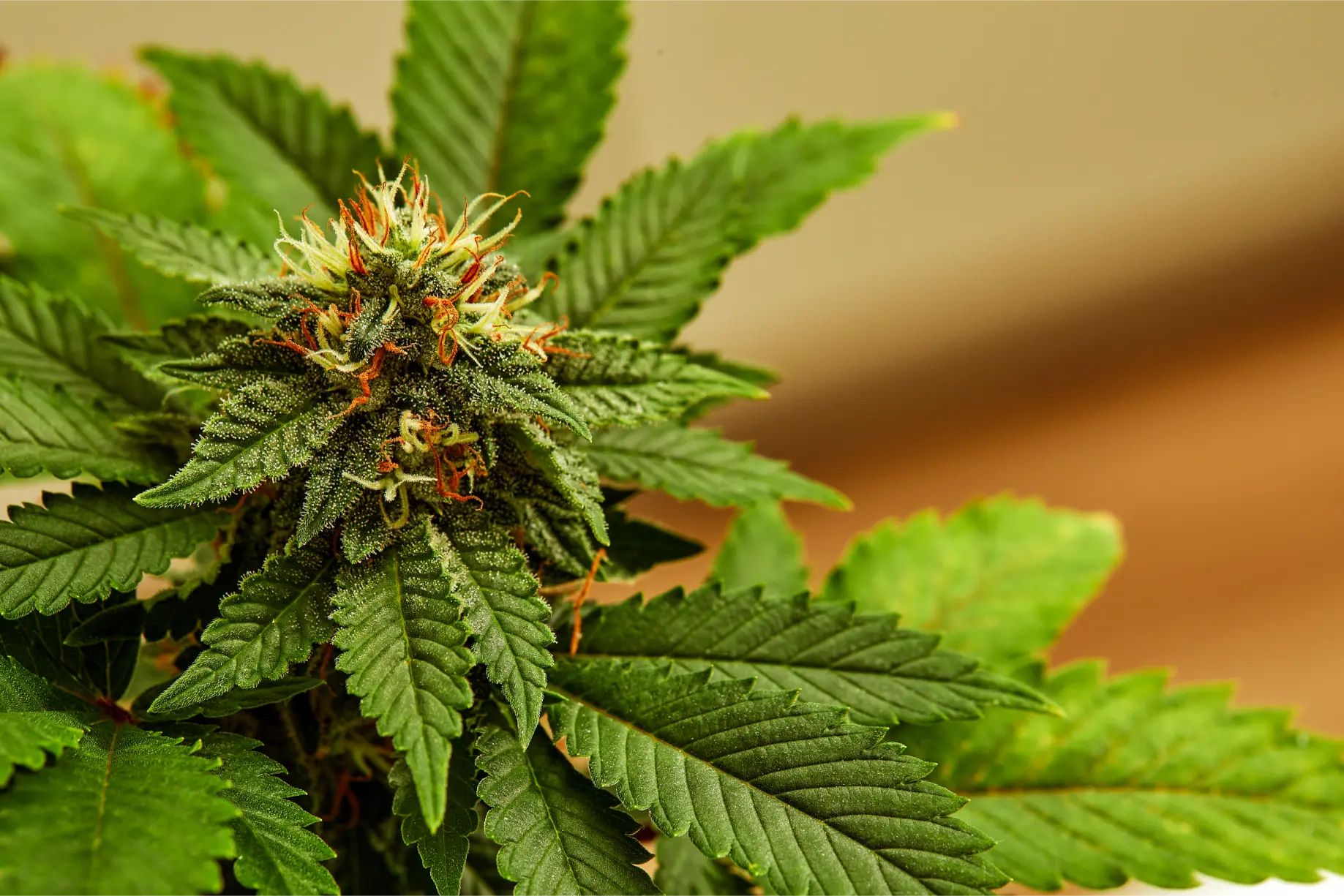
Animal Mints
Animal Mints (aka Animal Mintz) is a potent balanced hybrid bred from Animal Cookies and SinMint Cookies. It yields very high THC (typically mid-20% range, often 22–30%) and abundant resinous buds. True to its name, it has a strong minty-cookie aroma with sweet, earthy undertones. Effects are deeply relaxing: users describe an initial euphoric uplift followed by pronounced body sedation (“couchlock”). This makes Animal Mints popular for evening use and for symptom relief (pain, insomnia, stress). Its structure is indica-leaning with compact, frosty colas. Grow-wise, it’s vigorous and high-yielding (up to ~300– 425 g/plant) but classified as challenging (“master grower” level) due to its precise nutrient and climate needs.
Strain Features
| Feature | Detail |
|---|---|
| Genetic Profile | Balanced hybrid, commonly represented near 50% indica and 50% sativa |
| Lineage | Animal Cookies × SinMint Cookies |
| THC Direction | Very high; commonly reported around 22–30% depending on phenotype and cultivation |
| CBD | Typically very low |
| Flowering Time | About 8–10 weeks indoors; usually late September to early October outdoors in the Northern Hemisphere |
| Plant Structure | Medium-height, branchy plant with spear-shaped, tightly stacked flowers |
| Yield Potential | High when roots, feeding, support and climate remain balanced |
| Grow Difficulty | Demanding; best for attentive intermediate or experienced growers |
| Aroma Direction | Mint, vanilla cookie dough, fuel, pine, earth and pepper |
| Dominant Terpenes | Caryophyllene-forward with limonene, myrcene, linalool, humulene and pinene support |
| Best Use | Evening or nighttime; potent and body-heavy at full dose |
Genetic Lineage
Animal Mints was originally bred by the originating breeder (also released by other commercial lines) from Animal Cookies × SinMint Cookies. Animal Cookies itself is a powerful hybrid (Girl Scout Cookies × Fire OG lineage), while SinMint Cookies traces to Girl Scout Cookies × Blue Power (a skunky, diesel‐mint variety). Thus Animal Mints’ ancestry is rich in Girl Scout Cookies and cookie-cookie genetics. (Some sources also mention Thin Mint GSC and Fire OG contributing to its background.) This complex pedigree gives Animal Mints both the creamy “cookie” sweetness and the piney/diesel edge in flavor, and a high resin production from its Cookies heritage. It is usually sold as feminized seed.
Effect Breakdown
Animal Mints delivers a very potent hybrid high. Positive effects typically include relaxed euphoria, happiness, and hunger. Users feel initially uplifted, creative or giggly, with a smooth mental clarity. Within minutes the high deepens into full-body relaxation; limbs may feel heavy or immobilized (couch-lock) at higher doses. Commonly reported negative effects are dry mouth and eyes, and at very high doses or for sensitive users, anxiety or paranoia. Dizziness or headache can occur if over-consumed. Overall, Animal Mints is sedative and painrelieving, suitable for unwinding rather than productivity. Beginners are warned to consume it slowly – even experienced users note it “hits hard,” so start with small inhalations.
Flavor & Aroma Profile
Animal Mints is celebrated for its minty-dessert profile. Key flavor notes are mint/menthol, sweet vanilla-cookie, and fuel/gasoline. Secondary undertones include pine and spice (pepper, cinnamon). During smoking or vaping, you’ll first taste a cool sweet cream (cookie dough/ice-cream) that quickly gives way to a minty tingle. The finish is often diesel-gas with a slight peppery bite. a widely cited strain profile lists the top flavor keywords as menthol, mint, and apple, reflecting the sharp mint and sweet fruit hints that linger on the tongue. The aroma is similarly layered: fresh vanilla-cookie dough, sharp mint (often described like spearmint or peppermint candy), and a background of earthy pine and chemical/solvent notes. Connoisseurs note that a well-cured batch smells like sweet dough breathing out a refreshing mint freshness.
Dominant Terpenes
Animal Mints’ terpene profile is caryophyllene-dominant. Lab surveys find βcaryophyllene to range roughly 0.4–1.0% (by weight), making up the largest share. Limonene (citrus) and myrcene (herbal/earthy) are also significant (each typically ~0.3–0.8%). Secondary terpenes often include linalool (floral), humulene (woody/earthy), ocimene, and pinene (pine). Total terpene content is usually in the 1.5–3.0% range, which is relatively high for top-shelf flower. These terpenes explain the mint/pepper/ aromatic character: β-caryophyllene adds peppery spice, limonene adds citrus brightness, and myrcene adds an earthy sweetness.
Indoor vs Outdoor Growing
| Aspect | Indoor Growing | Outdoor Growing |
|---|---|---|
| Height & Shape | Medium, broad and branchy; manageable with early topping or LST. | Can become a wider shrub with longer veg and stronger lateral growth. |
| Main Strategy | Open the center, support heavy tops and maintain an even light field. | Use wide spacing, early branch support and protection from wet finishing weather. |
| Climate Risk | Dense flowers require 40–45% late-flower RH and strong internal airflow. | Rain and dew can remain trapped in the compact flower clusters. |
| Yield Logic | Root oxygen, stable EC and an efficient canopy matter more than forcing extra feed. | Large root space and full sun can produce very heavy plants. |
Animal Mints can be grown indoors or outdoors, though it prefers controlled conditions. It thrives in a warm, temperate climate with ample light and good airflow. Indoors, plants typically stay medium-height (~50–65″ or 4–5 ft), making them manageable for most tents. Outdoors (or in a greenhouse), the strain can reach ~6 ft if untrained. Animal Mints stretches somewhat (mid-flower stretch is moderate), so veg-phase training is recommended to control height. It performs well in both settings, but growers note it is best suited to indoor or greenhouse where humidity and temperature can be tightly managed. Its dense buds are prone to mold if humidity is too high in late flower, so dry climates (or dehumidification indoors) work best. grow reports describe very heavy yields in either environment (up to ~17 oz/m² indoor or 17 oz/plant outdoors), reflecting its hybrid vigor.
Strain-Specific Grow Guidance
Morphology
Bushy, Indica-leaning plant with a strong central stem. Internodes are fairly short (tight node spacing), so it doesn’t stretch excessively. Bright green fan leaves are broad. In late bloom it may show purple hues under cool nights.
Training
Responds well to standard training. Topping, LST (low-stress train), or ScrOG are recommended to open the canopy and expose bud sites. Many growers tie down branches to support heavy colas. SCROG nets or stakes help hold up the weight of resinous buds.
Nutrient/Tolerance
Moderate feeders. Use a balanced veg formula early, then switch to a bloom nutrient profile. Animal Mints feeds heavily in flower; many growers supplement with bloom boosters (PK, silicates) to maximize flower weight. However, it is sensitive to overfeeding – nutrient burn can appear quickly. Monitor EC/ppm and flush if needed.
Humidity/Mold Risk
Plants are fairly mold-resistant (noted by several sources), but the dense buds can trap moisture. Keep humidity low in flowering (40–45% RH) and ensure good airflow around colas to prevent bud rot.
Flowering Time & Harvest
Flowers in about 8–10 weeks (55–70 days) after lights flip. Outdoor harvest is typically late September/early October in the Northern Hemisphere. Look for ~80–90% amber pistils for peak potency.
Bud Structure
Buds are heavy, sticky, and tightly packed. Sugar leaves cling closely to the flowers. Good trimming is needed but keep some sugar leaf for resin.
Curing
Cure slowly in cool, dark conditions (60–65°F). Animal Mints’ complex mint/cookie terpenes benefit from a longer cure (2–4 weeks) to fully develop the flavor. Proper airtight jars will help retain the volatile mint/gas notes.
Yields
High under ideal care – roughly 300–400 g/plant (10–14 oz) indoors and up to 400+ g/ plant (14+ oz) outdoors is reported. Yield per area is also excellent (15–17 oz/m²). Actual yield varies with grower skill; it rewards meticulous cultivation. Animal Mints Cannabinoid Distribution 4%1% 5% THC CBG CBD Other cannabinoids 90% (Chart: Typical cannabinoid breakdown by content. THC dominates the profile.)
Why does Animal Mints look hungry in flower even though the leaf tips are already beginning to burn?
Question sent by: Tyler Harris, via e-mail
Animal Mints can build demand quickly, but pale lower leaves and burned tips do not automatically mean the same deficiency. Check root-zone EC, runoff, pH, irrigation frequency and temperature before adding strength. Salt accumulation can lock out nutrients while the tips continue to burn. Restore a clean, oxygenated root zone, then increase feed only if new growth confirms real hunger.
Weedth Bud Flavor Tips
Optimal Harvest
Pick when trichomes are mostly cloudy (around 75–85% cloudy, 10–15% amber). This balances peak THC with stable flavor. Over-ripe buds may taste harsh.
Flush
Perform a nutrient flush 1–2 weeks before harvest to remove excess salts; this can improve flavor smoothness.
Cool Drying
Hang-dry buds in a cool (65°F), dark environment for ~7–10 days to preserve terpenes. High drying temps can vaporize delicate mint/cookie aromatics.
Curing Jar
Cure with burping. The minty, diesel aroma intensifies as buds stabilize. A long slow cure (3–4+ weeks) often brings out the best sweet/minty notes.
Weedth Bud Boost Tips
NPK Boost
During early bloom, add a flowering booster (higher P/K) or bloom-specific additive. Animal Mints responds well to PK supplements that can increase trichome and bud density.
Silica Supplement
Consider adding a silicon supplement to strengthen cell walls – this helps support heavy colas without support.
CO₂ enrichment
If available, a CO₂-enriched room (1200–1500 ppm) during flowering can push yields higher, but ensure ventilation to keep oxygen up at night.
LST/Defoliation
Remove some lower fan leaves after stretch to improve light penetration to middle buds. A Sea-of-Green or Screen-of-Green setup can maximize budsites, since the strain does well with an even canopy.
Potency and dense flowers both demand respect
Animal Mints can test very high in THC and can become strongly sedating. In the garden, its tightly packed flowers also hold moisture. Start low when consuming, keep late-flower air dry and moving, and never treat a breeder-style potency or yield figure as a guaranteed result.
Medical Uses & Benefits
Animal Mints’ potent, sedative high lends itself to several therapeutic uses. Chronic pain and inflammation sufferers often report relief, likely due to the high THC content and anti-inflammatory βcaryophyllene. Its strong muscle relaxation and numbing effects can ease headaches and aches. The strain is frequently chosen for insomnia or sleep aid, as the deep body high will help users fall asleep. It’s also used for stress, anxiety, and mood disorders – the initial euphoria and calming effect can elevate mood and distract from anxiety (though anxious users should note possible paranoia at high doses). Appetite stimulation (“the munchies”) is another benefit, common with heavyindica strains; this can help patients with eating disorders or nausea. Typical dosing is inhalation (smoking/vaping) for quick relief; edibles will have a delayed, longerlasting effect (4–8+ hours) and may require lower doses due to the high THC. New medical users should start very low (a single small inhalation) and titrate up, due to potency. As always, medical use should be guided by physician advice.
Ideal User Profile
Experience
Advanced/experienced consumers. Because of the very high THC, novices or lowtolerance users should avoid or use minimal amounts.
Desired Effects
Someone seeking deep relaxation, stress relief, appetite gain, or help sleeping. Not ideal for daytime productivity (it can be sedating and couch-locking).
Flavor Preference
Fans of sweet dessert or minty flavors will appreciate the profile.
Sensitivity
Suitable for users who tolerate Indicas well. Patients needing significant pain relief or sleep aid may find it excellent; conversely, those prone to THC-induced anxiety should use cautiously.
Growth/Therapeutic Goals
Growers looking for a connoisseur-level strain with exceptional flavor and yield; patients wanting a “strong medicine” rather than a mild hybrid.
Grower Notes and Feedback
Across forums and grow diaries, Animal Mints is consistently described as vigorous and hardy when properly cared for. grow reports reports it as “hardy” and “easy to cultivate”, and many growers echo that it tolerates training and produces robust plants. HomeGrowDiary notes it is relatively resistant to mold and pests, likely due to its strong genetics, but also cautions that it will reward careful feeding with exceptionally dense buds. Typical yields (15–20 oz./plant outdoors; ~300 g indoors) align with these claims. However, many growers stress that Animal Mints is not for beginners. It is often labeled “master grower” difficulty because its nutrient and humidity requirements are strict. Forum users recommend novices start with smaller batches or clones and gradually identify which phenotype matches their preference. Those who have grown it praise the potency and flavor, but also note that one slight imbalance can cause issues (e.g. light nutrient burn or mildew if ignored). In summary, cultivated correctly it yields big and tastes great – but it demands consistent attention.
Weedth Editor’s Note
Animal Mints stands out as a modern classic “cookies-mint” hybrid. Its unique flavor (cool mint on a sugary base) and extreme potency give it a distinct identity among hybrids. These qualities earn high marks from cannabis connoisseurs, especially those who prize aroma and sedation. However, its aggressiveness – both in cultivation and effect – means it’s a niche strain. Growers must be meticulous, and casual users might find it overwhelming. Compared to standard Indicas, it is more powerful; compared to other cookie-family strains, its mint accent sets it apart. In our view, Animal Mints exemplifies the high-THC trend: phenomenal effect but requiring respect.
Weedth Score
Growing Experience – 7.8/10: Vigorous growth and large yields are rewarding, but high feeding demand, dense flowers, strong odor and a narrow environmental comfort zone make the cultivar much easier for attentive growers than first-timers.
Bud Structure & Visual Appeal – 9.2/10: Spear-shaped, tightly stacked flowers carry heavy trichome coverage and can show purple accents. The dense finish is striking, although it increases support and moisture-management work.
Aroma Complexity – 9.1/10: Mint, vanilla cookie dough, fuel, pine and pepper form a layered profile that changes from the closed jar to the broken flower.
Flavor & Smoothness – 8.7/10: A patient cure preserves the cool mint-cookie opening and softens the gas and pepper finish. Fast drying or excess late nutrition can make the smoke noticeably rougher.
Effects & High Experience – 9.0/10: The onset can feel bright and euphoric before a much heavier physical phase develops. Potency is a strength for experienced users and a clear limitation for low-tolerance consumers.
Overall Satisfaction – 8.9/10: Animal Mints is a connoisseur-oriented cultivar with memorable flavor, resin and weight. It earns its score when the grower respects its appetite, humidity risk and post-harvest sensitivity.
FAQ
What is Animal Mints best used for?
Its main uses are heavy relaxation, pain relief, appetite stimulation, and insomnia aid. Patients report relief from chronic pain, muscle spasms, stress, and sleep issues. It is not typically used for focus or energy.
How does Animal Mints taste and smell?
It smells and tastes like minty vanilla cookies with a fuel/gas aftertaste. Expect sweet cookie dough on inhale, a strong minty-coolness mid-bowl, and diesel or pepper notes on the exhale.
Is Animal Mints more Sativa or Indica?
It is roughly 50/50 hybrid but leans slightly Indica in effect (sedating). Physically it grows like an Indica-dominant plant with stout height and dense buds.
How long does it take to flower Animal Mints?
Flowering time is about 8–10 weeks after lights-flip (about 55–70 days). Outdoor harvest is usually late September/early October in Northern climates.
What are typical yields?
Under expert care, yields are high: roughly 300–400 g (10–14 oz) per plant indoors and up to 400+ g (15+ oz) outdoors. Very heavy colas can double-stack in a sea-of-green.
How do I use Animal Mints as medicine?
Commonly via inhalation (smoking or vaping). Because of the high THC, med users should take small doses. Its long-lasting sedation makes it useful for nighttime dosing. Some also make edibles/tinctures; start with low doses (e.g., 2.5–5 mg THC) and wait 1–2 hours for full effect.
Similar Strains
Strains similar to Animal Mints generally share cookie or minty/diesel heritage:
Animal Cookies: A parent strain (GSC × Fire OG); very potent with sweet, earthy cookie flavors. (Animal Mints often tastes like Animal Cookies with extra mint.)
SinMint Cookies: The other parent (GSC × Blue Power); has the same cool-mint profile. Think of Animal Mints as an offspring of SinMint.
Kush Mints: Child of Animal Mints × Kush; carries on the minty, cookie aroma with heavy body effect. (Identified as a direct “descendant” of Animal Mints.)
Wedding Cake: A popular GSC × Cherry Pie cross known for sweet, creamy, slightly minty flavor and relaxation. Shares the dessert-type sweetness and potency.
Do-Si-Dos: (GSC × Face Off OG) – dense, frosty buds with earthy, minty flavors and strong sedation, much like Animal Mints.
Thin Mint Cookies (GSC): The cookie “original,” providing similar sweet mint notes (Thin Mint GSC often shows up in Animal Mints’ lineage).
Chocolate Mint, Mint Chocolate Chip: These hybrids (crossing Thin Mint GSC with various chocolate or mint strains) emphasize the mint + cookie profile, akin to Animal Mints’ flavor.
GMO Cookies: (Garlic Cookies × GSC) – heavy-cookie terpene profile with a skunky bite. Though not minty, its high potency and cookie background make it comparable in effect. (These related strains share either genetics or a similar minty-cookie terpene profile. Animal Mints is more unique in its exact balance of mint, vanilla, and diesel notes.)
Share this article
A quick overview of the topics covered in this article.
Follow us
Latest articles
September 27, 2026
September 27, 2026
September 27, 2026
September 27, 2026