Apollo 11
Apollo 11 is a fast indoor hybrid whose finished flowers can look more dramatic than the plant that produced them. The plant usually remains compact and bushy, builds many short-spaced bud sites, and can mature in roughly eight weeks. By the middle of flower it may already be coated in resin, which makes the cultivar look closer to harvest than it really is. The grower's challenge is not containing extreme height. It is using a short cycle efficiently without mistaking early frost for complete calyx maturity or packing too many resinous sites into one small canopy.
The most consistently documented lineage combines a selected Jack Herer phenotype known for large yield and lime-citrus aroma with Cinderella 99. That pairing explains the plant's unusual balance. The Jack side contributes sharp aromatic complexity and a cerebral effect, while Cinderella 99 contributes compact branching, speed, resin, and relatively consistent indoor behavior. The result is neither a tall classic Jack nor a simple indica bush. Apollo 11 is a short, many-branched plant with long sativa-like leaves and a surprisingly high calyx-to-leaf ratio.
The central cultivation question is: how can a grower convert Apollo 11's short, fast, resin-heavy structure into uniform mature buds without overbuilding the canopy or cutting as soon as the frost appears? This puts branch count, transition timing, light distribution, and post-harvest citrus preservation ahead of aggressive yield techniques. The plant does not need to be made more complicated. It needs to be organized early enough that its short flowering window can be spent maturing rather than recovering from repeated intervention.
Apollo 11 is often described as relatively uniform, especially in original-style populations, but modern reproductions can still differ. Some flowers lean lemon-lime and pine, while others carry skunk, earth, cheese-like funk, or a darker tar note. Effect reports also range from clean and energetic to mentally heavy or dissociative at high doses. The name therefore describes a recognizable family pattern, not one guaranteed sensory experience.
The cultivar's quality ceiling is high because resin is rarely the limiting factor. The more difficult goal is refinement. Exceptional Apollo 11 should keep citrus and pine visible through the cure, produce a strong cerebral lift without rough green flavor, and mature evenly across the many small bud sites that make the plant productive.
Strain Features
| Feature | Details |
|---|---|
| Strain Type | Fast-flowering cerebral hybrid |
| Genetic Profile | Genius-type Jack Herer selection x Cinderella 99 |
| THC | Commonly strong; potency varies among modern samples |
| CBD | Usually low |
| Dominant Terpenes | Limonene, beta-caryophyllene, myrcene and pinene may recur; batch data vary |
| Flavor / Aroma | Lemon, lime, pine, skunk, earth, spice and occasional tar or cheese-like funk |
| Effect Character | Euphoric, uplifted, energetic, creative, mentally strong, lightly relaxing later |
| Flowering Time | Usually about 56 to 63 days indoors |
| Outdoor Finish | Often around early October in suitable climates |
| Stretch | Low to moderate |
| Plant Architecture | Compact, bushy, many-branched, short internodes, long narrow leaves |
| Flower Structure | Dense resinous sites with a high calyx-to-leaf ratio |
| Phenotype Consistency | Historically described as relatively uniform, but modern reproductions can vary |
| Training Compatibility | Topping, LST, open SCROG and compact multi-branch systems |
| Primary Grow Risk | Overbuilding the number of bud sites and harvesting from early resin instead of complete maturity |
| Best Time of Use | Daytime to early evening, depending on dose |
Genetic Lineage
Apollo 11 was created by crossing a selected Jack Herer phenotype with Cinderella 99. The Jack selection was valued for lime-citrus aroma, yield, and a clear but powerful head effect. Cinderella 99 contributed speed, compactness, branching, and extreme resin production. The cross was designed for indoor growers who wanted the cerebral quality of a longer sativa without the same flowering commitment.
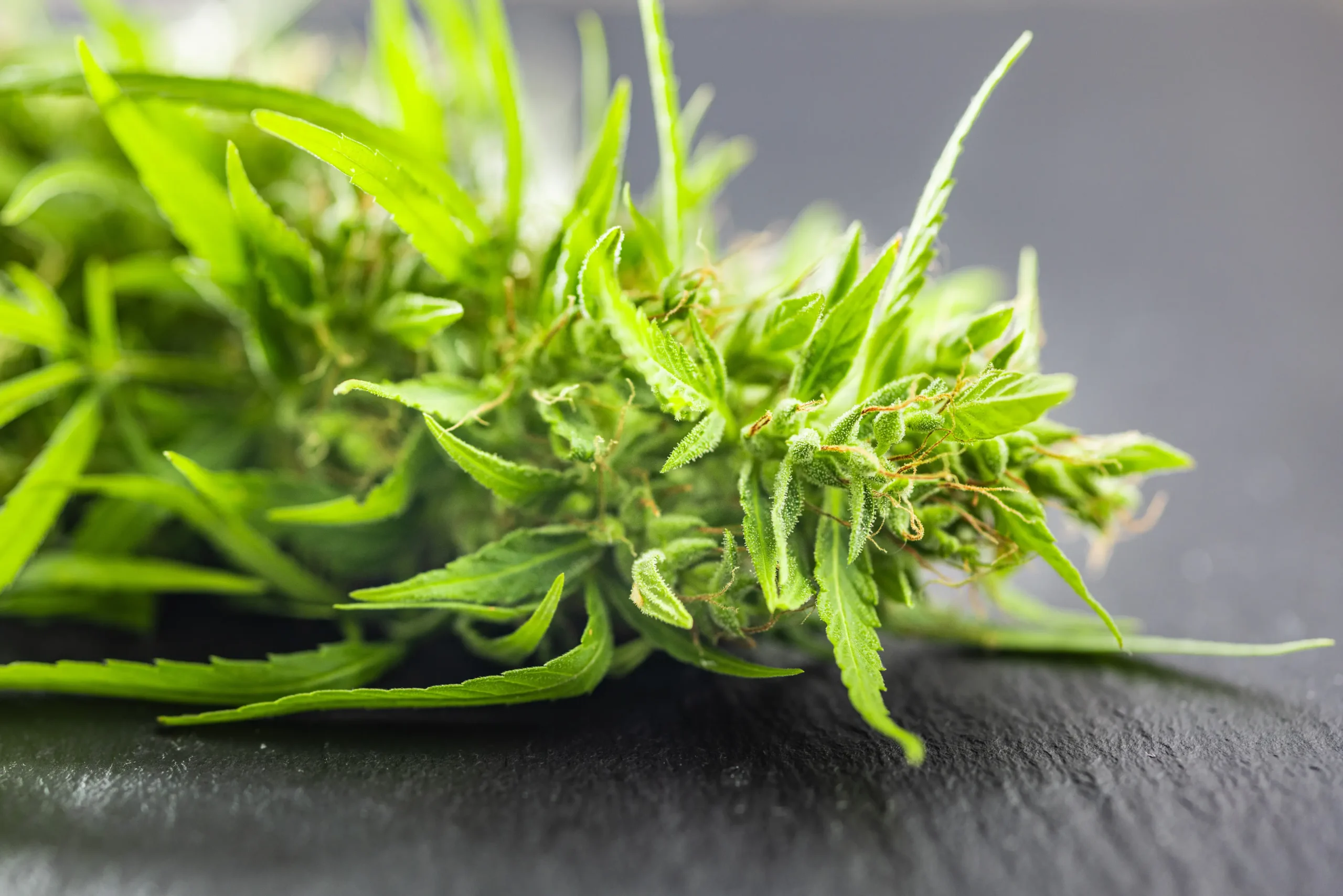
The lineage remains visible in the leaves and flowers. Long, narrow leaflets can make the plant look more sativa than its height suggests, while short internodes and a broad bushy frame keep it manageable. The calyx-to-leaf ratio is often high, which gives mature buds a cleaner appearance and can reduce trimming labor when the plant is not overfed.
The cultivar is closely related to Cinderella 99 and shares its speed, but Apollo 11 tends to carry a sharper lime, pine, skunk, or dark citrus character rather than purely tropical sweetness. It can also feel heavier in the head, especially at high doses.
Original descriptions emphasize limited phenotype variation. That should not be converted into a claim that every modern seed or clone is identical. Reproductions, selection history, and environment can alter stretch, aroma, density, and finish. A grower should still record the actual plant instead of relying on the historical promise of uniformity.
A useful keeper combines the short bushy structure with enough branch strength to carry multiple resinous sites. The best plant is not necessarily the frostiest in week five because frost is common across the line. Citrus stability, even maturity, and a manageable number of productive sites are more discriminating traits.
Effect Breakdown
The onset can feel immediate and very cerebral
Apollo 11 commonly begins with a strong change in mental perspective. Mood rises, attention sharpens, and the user may feel more energetic or creatively engaged within a short period.
At a small dose, the effect can remain clear enough for music, conversation, games, or creative tasks. The body is present but not dominant.
The middle can become more intense than the plant looks
Moderate doses deepen the head effect. Thought can feel fast, immersive, and euphoric, but the same intensity may become disorienting for low-tolerance users. Some people describe a heavy-headed or almost dissociative quality when too much is consumed.
The strain is therefore not best described as simply functional. It can be highly productive at the right dose and mentally overwhelming at a larger one.
The body arrives later
Physical relaxation becomes more noticeable after the initial peak. The body settles without consistently becoming sleepy, although stronger doses can make activity less appealing.
Dry mouth, dry eyes, dizziness, and anxiety are the most relevant limitations. Users sensitive to potent cerebral flower should approach it more cautiously than the compact plant and moderate flowering time might imply.
The overall effect is daytime-friendly for experienced users but not necessarily gentle. Apollo 11 is best when the dose is small enough to preserve the lifted, energetic stage without pushing the mind into confusion.
Flavor & Aroma Profile
A bright citrus shell
The first aroma is often lemon or lime, sometimes with a sharp cleaner-like quality. Pine and fresh herbs can make the citrus feel dry rather than sweet.
Some flowers show more skunk or cheese-like funk from the jar. These darker expressions can still carry citrus when broken apart, but they may feel less polished than a lime-dominant keeper.
A darker center
Grinding reveals earth, resin, pepper, skunk, and occasional tar. This darker middle keeps Apollo 11 from tasting like a simple lemon strain.
The combination can resemble citrus peel over warm soil and pine resin. In some batches, a faint sweet or tropical note appears behind the sharper aromatics.
A dry, resinous finish
The inhale is usually citrus-forward. The exhale becomes piney, earthy, and mildly bitter, with tar or skunk lingering on the palate.
A hot dry exaggerates the dark finish and removes the lime. The best cured flower retains citrus through the exhale instead of smelling bright and tasting only earthy.
Apollo 11 is more aromatic than delicate, but its top layer still needs protection. The plant can remain pungent after poor handling because skunk and resin survive. Pungency alone does not prove that the original flavor was preserved.
Dominant Terpenes
| Terpene | Aroma Role | Cultivar Relevance | Scientific Caution |
|---|---|---|---|
| Limonene | Lemon and lime peel | Consistent with the cultivar's best-known bright top note | Does not independently produce energy or focus |
| Beta-caryophyllene | Pepper, wood and spice | Supports the dry spicy exhale | CB2 receptor activity does not prove cultivar-specific medical outcomes |
| Pinene | Pine resin and fresh herbs | Fits many reported pine-heavy expressions | Does not guarantee improved memory or alertness |
| Myrcene | Earth, musk and herbs | Rounds the darker base behind citrus | Does not automatically make the strain sedating |
| Minor skunky and tar-like volatiles | Skunk, cheese-like funk and dark resin | Explain sensory traits not captured by a basic terpene table | Exact chemistry varies between batches and reproductions |
Apollo 11 does not have enough standardized laboratory data to justify one universal terpene order. The table describes recurring aromatic roles rather than a fixed formula.
The strong cerebral effect should be kept separate from terpene marketing. Aroma chemistry helps explain why the flower smells like citrus, pine, skunk, and earth. THC dose and the complete chemotype are more relevant to how intense the experience feels.
Indoor vs. Outdoor Growing
| Decision Point | Indoor Growing | Outdoor Growing |
|---|---|---|
| Main Opportunity | A compact high-resin plant can complete quickly under a controlled canopy | Fast finishing can avoid the latest autumn weather |
| Main Limitation | Many short-spaced sites can become crowded even without major height | Dense flowers and compact branching can hold moisture after rain |
| Stretch | Low to moderate and easy to predict after one clone run | Usually manageable, with more natural branch spread |
| Training | One early topping, LST and a loose screen | Early topping and cage support create a broad sunlit plant |
| Flowering Window | Roughly 56 to 63 days is common | Often early October, depending on latitude and phenotype |
| Resin Development | Appears early and can create false harvest confidence | Strong visual frost may develop before autumn maturity is complete |
| Support | Useful when many dense sites develop on short branches | Wind and rain add leverage to loaded branches |
| Best Fit | Indoor growers prioritizing fast turnaround and cerebral flower | Sunny, relatively dry sites where a compact plant can finish cleanly |
Apollo 11 is fundamentally an indoor-minded plant because the compact frame and short flowering cycle were selected for efficient controlled cultivation. It can still perform outdoors, especially where early autumn weather is unreliable, but the strongest advantage remains scheduling precision indoors.
The indoor challenge is not ceiling height. It is maintaining enough separation between the many sites created by short internodes and branching. Outdoors, sun angle and natural airflow help, but mature flowers still need protection from persistent wet weather.
Growers with limited height and a preference for fast, mentally active flower gain the most indoors. Outdoor growers benefit when they want a plant that finishes before very long sativas without giving up a sativa-like effect.
Strain-Specific Grow Guidance
Choose the final number of leaders early
Apollo 11 branches readily and can produce many bud sites. One early topping followed by branch spreading is usually enough. Repeated topping can create more sites than the compact footprint can illuminate or ventilate.
The ideal plant feels organized before the flip. Each main branch should have a clear destination rather than competing in a tight central cluster.
Do not fill every screen opening before transition
The plant may not stretch dramatically, but buds add substantial width. Leave modest open space so flowers can expand without touching.
A completely full vegetative screen can become a dense resin mat by week six. The problem is horizontal, not vertical.
Use the high calyx-to-leaf ratio as a quality advantage
Apollo 11 can finish with relatively little leaf inside the flower when nutrition and canopy density are controlled. Preserve that advantage by avoiding excessive late nitrogen.
More feed is not automatically more quality
If the plant becomes very dark and leafy, do not assume it needs more feeding because it is flowering quickly. A clean calyx-dominant finish is one of the cultivar's best traits.
Treat early resin as the start of quality, not the end of flower
Resin production can become visually impressive well before calyxes finish swelling. This makes premature harvest a recurring risk.
Use trichomes on the bracts, pistil slowdown, calyx completion, and fully developed citrus-pine aroma. Frost on sugar leaves is not enough.
Keep root-zone changes small during a short cycle
A rapid flowering cultivar has less time to recover from severe overwatering, strong nutrient correction, or repeated transplant stress once bloom begins.
Establish the final root volume before the flip and maintain predictable dryback. Stability is more useful than trying to force extra speed from an already fast plant.
Separate dense sites before they harden
Short internodes can place several flowers close together along the same branch. Guide or prune enough growth that mature sites have visible air around them.
Cannabis flower research shows internal humidity can exceed ambient conditions. A compact plant can therefore require just as much late airflow discipline as a much larger cultivar.
Support the plant before week seven
Thick branches are common, but the number of dense resinous sites can still pull them outward or inward late.
A loose support net should keep branches in their original lanes. It should not pull every bud toward the center of the plant.
Protect the top flowers from local heat
The compact plant can sit close to the fixture for most of flower without obvious height problems. That does not mean the upper buds are immune to heat or excessive intensity.
Compare lime aroma and calyx shape between the top and middle canopy. If top flowers lose citrus or stack abnormal fresh calyxes, adjust the environment rather than adding nutrients.
Plan density-based drying groups
Apollo 11 may produce many similar-looking buds, but the central sites can be denser than outer branches. Group the harvest by actual moisture behavior.
Do not seal the whole crop because the smaller buds feel ready. The densest flowers decide when long-term storage is safe.
Use canopy-zone comparison to separate maturity from light stress
Apollo 11 can look equally frosty across the plant while the highest flowers experience more heat and intensity than the middle branches. Compare calyx shape, lime aroma, and pistil behavior between zones rather than assuming the entire canopy matures identically.
If the tops keep throwing narrow fresh calyxes while cooler flowers finish normally, correct the local environment. Extending the whole crop or increasing feed will not solve a problem limited to the brightest zone.
Keep late irrigation corrections gentle
The short flowering window leaves little time for the plant to recover from severe drought, prolonged saturation, or a sudden increase in nutrient concentration.
When dryback changes after stretch, adjust the interval gradually and confirm the response over several irrigations. Stable roots help the cultivar convert its fast cycle into mature flower rather than merely fast-looking flower.
Weedth Bud Flavor Tips
The lime and lemon layer is the quality marker most likely to be lost. Keep late canopy temperatures conservative even if the plant appears healthy and resinous.
Harvest only after the citrus has developed depth. Early flower can smell sharp and green; mature flower adds pine, earth, and resin beneath it.
A short flowering cycle does not justify a fast dry. Dense resinous sites still need even moisture movement from center to surface.
Avoid direct fan air and excessive dry trimming. The high calyx-to-leaf ratio means the flower already needs relatively little handling.
During cure, the skunk and tar-like edge should soften while citrus remains. If the lime disappears completely, more curing will not rebuild compounds already lost to heat or dryness.
Keep dark-funk and bright-citrus phenotypes separate. The best keeper is often the plant that carries both, not necessarily the one that is loudest in the room.
Cool airtight storage protects the volatile citrus layer and keeps the dry pine-earth finish from becoming dominant too quickly.
Apollo 11 should be evaluated after the container has remained closed for a meaningful period. A bright fresh-dry lime note is encouraging, but the more valuable clone keeps citrus after the cure has softened the green edges.
The darker tar, skunk, or cheese-like phenotypes can be complex without being inferior. The best sensory decision is whether the funk supports the citrus and pine or buries them completely.
Because the flowers can trim cleanly, avoid unnecessary handling simply to improve appearance. Preserved calyx surfaces retain more resin and aroma than a heavily manicured bud polished for visual symmetry.
Weedth Bud Boost Tips
Apollo 11 yield is created by selecting the right number of sites, not by maximizing them. A few evenly lit branches with multiple dense flowers are more efficient than a crowded bush of small tops.
Use the clone's known final width to set plant count. Its compact height makes higher density possible, but only while mature flower still has physical space.
Remove weak interior shoots after transition and keep exposed side branches. The high calyx-to-leaf ratio can produce useful middle-canopy flower when light reaches it.
Do not push late bloom nutrients simply because the cultivar finishes quickly. General cannabis research supports cultivar-specific nutritional optima rather than unlimited phosphorus or potassium escalation.
Support branches before final swell so dense sites remain upright and evenly illuminated.
Measure premium dry flower after trimming rather than wet plant mass. Apollo 11's efficiency comes partly from clean flower and short room occupancy.
The best Apollo 11 crop is a compact, evenly spaced canopy of fully mature citrus-resin buds, not the earliest possible frosty harvest.
Annual room efficiency is one of Apollo 11's genuine strengths. Compare premium dry yield against flowering-room days, not only against a slower plant's single-harvest weight.
A selected clone with uniform branch angles can support a slightly higher plant count, but density should increase only while mature buds remain physically separated.
Medical Uses & Benefits
Apollo 11 is commonly chosen for mood elevation, creative engagement, stress distraction, and daytime energy. These are user-reported patterns rather than clinical evidence that the strain treats a condition.
The cerebral uplift may help some users feel more motivated or less mentally stuck. At the correct dose, the body remains light enough that the experience does not immediately become sedating.
The same intensity can worsen anxiety, dizziness, or dissociation when the dose is too high. Potent cerebral flower is not automatically appropriate for people seeking calm.
Moderate pain-distraction reports exist, but Apollo 11 is not best described as a deeply numbing cultivar. Its main effect is a change in mood and attention.
Most flower is THC-dominant and clearly intoxicating. A focused experience still affects reaction time and judgment.
Anyone using cannabis for a diagnosed condition or alongside medication should consult a qualified healthcare professional.
Ideal User Profile
Apollo 11 suits experienced users who want a fast, energetic cerebral shift and sharp citrus-pine flavor. It fits creative work, music, conversation, gaming, and early-day hobbies when the dose remains controlled.
It is less suitable for users who are easily overwhelmed by strong head effects or who want reliable nighttime sedation.
For growers, it is ideal for low ceilings and short production schedules. The plant rewards people who can decide branch count early and avoid late overmanagement.
It also fits growers who value resin and low trim burden but are willing to wait for real maturity despite early frost.
Outdoor growers in shorter seasons can benefit from the fast finish, provided dense flowers remain dry near harvest.
Grower Notes and Feedback
One recurring observation is how quickly Apollo 11 becomes frosty. The visual quality can appear weeks before the plant is biologically finished, which makes early harvest one of the most common mistakes.
Grow reports frequently describe compact, bushy plants with many sites and relatively little height. This consistency is valuable indoors, although modern versions should still be measured rather than assumed.
A common surprise is the strength of the effect. The short plant and fast schedule can suggest a mild easy hybrid, but finished flower can be mentally intense.
Aroma reports vary more than structure reports. Lemon and lime are common, while pine, skunk, earth, tar, and cheese-like funk appear in different examples.
The high calyx-to-leaf ratio is repeatedly praised because mature flowers can trim cleanly. Overfeeding or retaining too much inner growth can reduce that natural advantage.
Growers generally find the plant easy to train and quick to recover early. The short flowering window makes late corrections less desirable, so the best runs are organized before bloom.
A second-run log should record the number of main branches, screen fill at flip, first resin week, actual calyx maturity, support timing, and citrus retention after cure.
Another useful observation is that compact height does not always mean compact root demand. A vigorous plant carrying many sites can dry its container quickly during transition, then slow once vertical growth ends.
Growers who repeat the same clone often improve the crop more through timing than through added inputs: one correct topping date, one correct flip size, and support installed before the resin makes late work expensive.
Weedth Editor's Note
The point where this plant reveals itself
I think Apollo 11 tempts growers to celebrate too early. The resin appears fast, the plant stays tidy, and the schedule looks short. That is exactly when I would slow down and make sure the calyxes are actually finished.
I would not top this plant repeatedly. One clean structural decision early is enough. The cultivar already produces many sites, and extra complexity only creates more late flower surfaces competing for the same air and light.
My main quality check would be citrus from top to middle canopy. If the highest buds cure earthier than the side branches, I would lower the heat before touching the feeding program.
Apollo 11 is not the highest-yielding plant on paper, but the short room time, resin, and clean flowers make it more efficient than raw grams suggest.
I would keep the clone that stays lime-pine after a month in storage and delivers the clear euphoric phase without a rough, confused finish.
Weedth Score
Growing Experience 8.7/10 Compact growth, quick flowering and good training response are excellent; early resin can mislead harvest timing.
Bud Structure & Visual Appeal 9.0/10 High calyx-to-leaf ratio and heavy resin create clean attractive flowers.
Aroma Complexity 8.6/10 Citrus, pine, skunk, earth and tar provide depth, though some batches are less refined.
Flavor & Smoothness 8.5/10 Strong lime-pine quality when dried well; fast or hot handling can leave a darker rough finish.
Effects & High Experience 8.9/10 Powerful energetic cerebral effects are memorable but can overwhelm low-tolerance users.
Overall Satisfaction & Recommendation 8.8/10 A highly efficient fast cerebral hybrid for growers who value resin and schedule discipline.
Personal closer: Apollo 11 is at its best when the grower lets a fast plant finish completely and preserves enough lime to keep the resin from tasting merely dark and strong.
FAQ
What is Apollo 11's lineage?
It is most consistently documented as a selected Jack Herer phenotype crossed with Cinderella 99.
How long does Apollo 11 flower?
Approximately 56 to 63 days indoors is common, with some variation among modern versions.
How much does Apollo 11 stretch?
Usually low to moderate. It tends to remain compact and bushy rather than becoming a tall sativa.
Does Apollo 11 respond well to topping?
Yes. One early topping and LST usually create enough productive leaders.
Is Apollo 11 good for SCROG?
Yes, especially a loose screen that separates the many short-spaced bud sites.
Why is Apollo 11 so frosty early?
Extreme resin production is a cultivar trait. Early frost does not mean the calyxes and trichomes are fully mature.
Is Apollo 11 a heavy feeder?
It can grow vigorously, but the short cycle is better managed with stable complete nutrition than aggressive late feeding.
Why are my Apollo 11 buds crowded?
Short internodes and strong branching can create too many sites in a compact footprint. Reduce branch count or increase spacing.
Does Apollo 11 need support?
Often yes late in flower, especially when several dense sites develop on each branch.
When should Apollo 11 be harvested?
Use calyx completion, mature flower trichomes, slowing fresh pistils, and a complete citrus-pine-resin aroma rather than frost alone.
Why did the lime flavor disappear after drying?
Late heat, direct fan air, over-drying, or frequent warm storage exposure can remove citrus while skunk and earth remain.
Is Apollo 11 prone to mold?
Dense sites in a compact canopy can hold internal humidity if branches touch or airflow cannot reach the flower zone.
Can Apollo 11 grow outdoors?
Yes, and the fast finish can suit shorter seasons, provided late weather remains dry enough for dense flower.
Is Apollo 11 beginner-friendly?
It is relatively manageable, but potent effects, early resin, and compact bud density still reward careful observation.
Is Apollo 11 a daytime strain?
Many experienced users find it energetic and creative, though high doses can become mentally heavy or disorienting.
Similar Strains
Cinderella 99: The closest speed and structure comparison, with more tropical fruit and similarly clear daytime effects.
Jack Herer: The aromatic and cerebral family influence, but usually taller and more variable in flowering time.
Flo: Another fast sativa-leaning cultivar with clearer daytime effects, purple calyx potential and a more floral-hash profile.
Green Crack: A compact fast daytime strain with stronger direct stimulation and less resinous citrus complexity.
Pineapple Express: Offers energetic hybrid effects and faster flowering with a more tropical, less skunky aroma.
Agent Orange: A bright citrus-forward hybrid with greater stretch and a softer, more orange-sweet flavor direction.
Share this article
A quick overview of the topics covered in this article.
Follow us
Latest articles
September 10, 2026
September 10, 2026
September 10, 2026