Indoor vs Outdoor Cannabis Growing for Beginners
For aspiring cannabis cultivators embarking on their initial garden run, deciding between indoor and outdoor cultivation represents the single most consequential foundational fork in the road. Both methodologies possess profound agronomic advantages and distinct operational liabilities. While passionate advocates on both sides argue fiercely for their preferred medium, there is no universal superior choice; rather, the optimal cultivation environment depends entirely on your geographical climate zone, available financial budget, local regulatory landscape, and personal lifestyle schedule.
Indoor cultivation is essentially an exercise in precision environmental engineering. By erecting a sealed grow tent or converting a spare bedroom into a climate-controlled cleanroom, the grower acts as the primary deity of that ecosystem: dictating photon intensity, photoperiod duration, ambient temperature, relative humidity, vapor pressure deficit (VPD), and carbon dioxide enrichment. This total isolation from exterior weather volatility enables consistent, year-round harvest rotations and produces pristine, dense flowers with exceptional bag appeal and high cannabinoid concentrations.
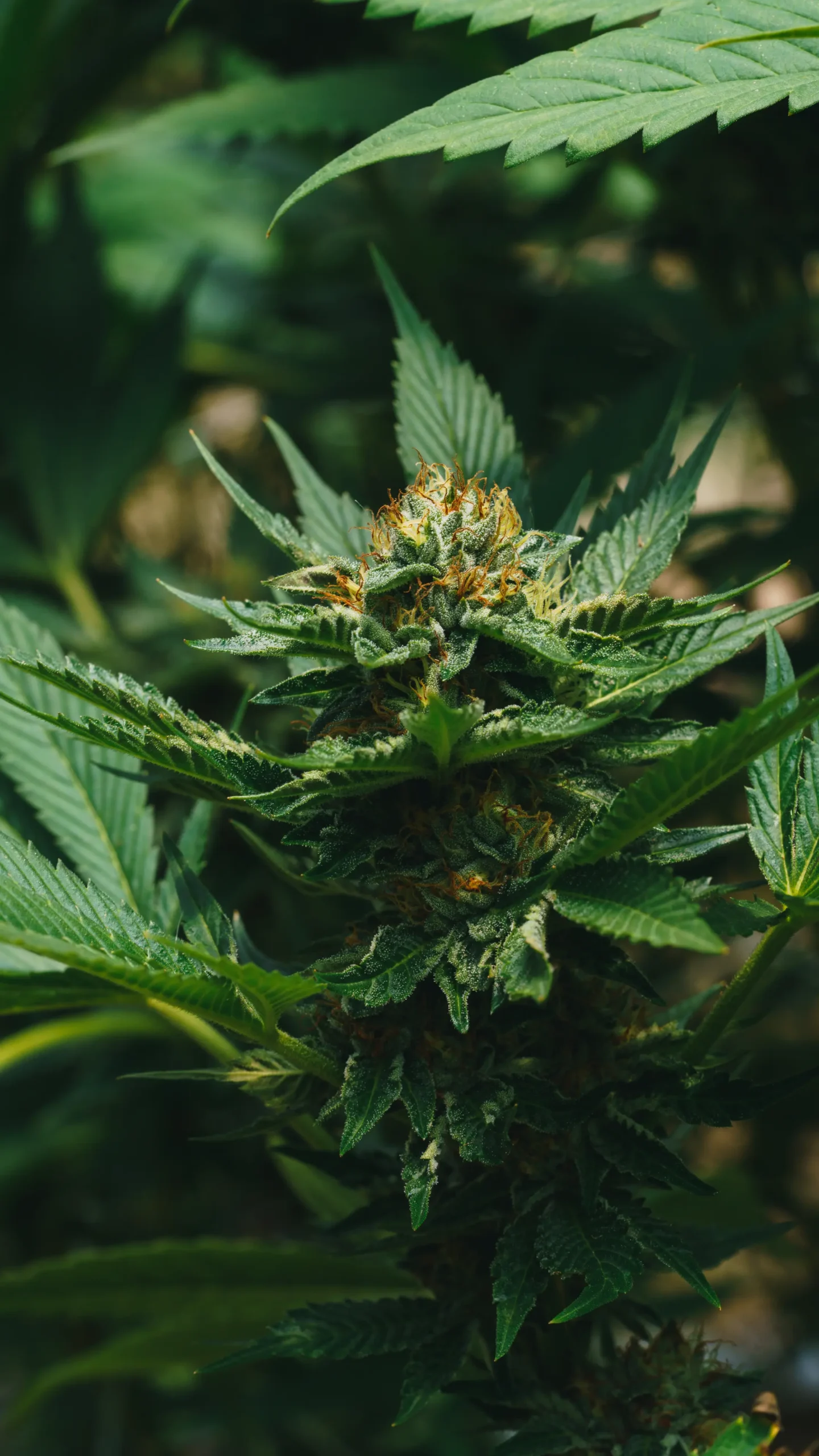
Conversely, outdoor cultivation harnesses the majestic, unmetered power of the natural sun and open-air soil ecology. Cultivating cannabis under open skies requires significantly lower initial financial capital, as there is no need to purchase expensive high-intensity LED luminaires, commercial dehumidifiers, or complex ventilation ductwork. When planted directly into native soil or large raised fabric beds, outdoor cannabis plants develop massive, tree-like root structures and expansive canopies capable of yielding several pounds of dry flower per plant, all fueled by zero kilowatt-hours of grid electricity.
However, outdoor cultivators remain entirely at the mercy of unpredictable meteorological phenomena: late spring cold snaps, scorching mid-summer heatwaves, torrential autumn rainfall, violent hail, voracious agricultural pests, and neighborhood windborne fungal spores. In this comprehensive technical guide, we systematically evaluate indoor and outdoor cultivation across every critical operational metric: equipment expenditures, energy consumption, biological risk management, legal privacy, yield economics, and sensory flower quality, providing novice growers with an objective decision-making blueprint.
The Photonic Energy Equation: Solar Lumens vs. Artificial Photons
The core scientific distinction between indoor and outdoor cultivation lies in photonic physics. The sun delivers an intense, full-spectrum electromagnetic flux ranging from ultraviolet (UV-A and UV-B) through the visible photosynthetically active radiation (PAR) band (400 to 700 nanometers) to far-red and infrared wavelengths. On a cloudless summer afternoon, outdoor solar irradiance frequently delivers a Photosynthetic Photon Flux Density (PPFD) between 1,800 and 2,000 micromoles per square meter per second, generating a massive Daily Light Integral (DLI) of 50 to 60 moles per square meter per day. Indoors, achieving a modest DLI of 35 to 45 moles requires operating a 650-watt commercial LED fixture for 12 to 18 hours daily, consuming substantial grid electricity and generating sensible thermal heat that must be continuously extracted via mechanical refrigeration or air conditioning.
Understanding the physics of natural solar radiation versus artificial horticultural lighting clarifies why indoor and outdoor plants develop differing morphological profiles. Under the natural sky, solar photons arrive from a vast celestial dome, penetrating deeply into lateral canopy foliage as the sun traverses the horizon from east to west. This moving light source naturally illuminates lower branch nodes, promoting even, rounded plant development without requiring intensive horizontal trellising.
Indoors, horticultural lighting arrays act as stationary, point-source or bar-style photon emitters suspended directly above the canopy. Photon irradiance decays rapidly with distance according to the inverse-square law: a canopy top situated twelve inches beneath an LED fixture may receive 900 micromoles of PAR, while foliage twenty-four inches below receives only 300 micromoles. To prevent lower branches from developing into loose, airy undergrowth (larf), indoor cultivators must employ aggressive canopy manipulation techniques, such as topping, low-stress training (LST), and screen-of-green (SCROG) trellising, to maintain an unnaturally flat canopy plane.
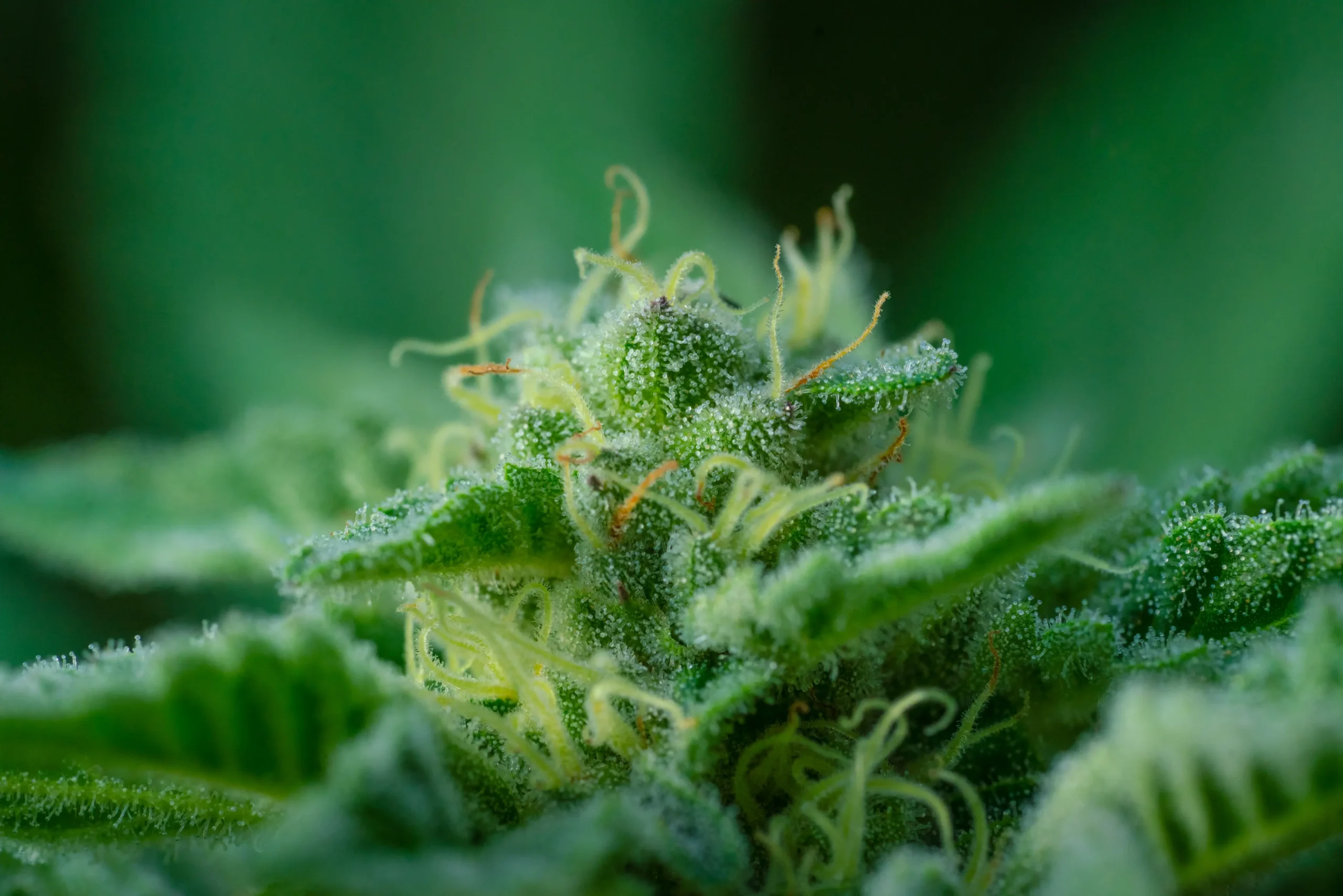
Furthermore, the sun provides natural ultraviolet radiation (UV-A at 315 to 400 nm and UV-B at 280 to 315 nm) that is largely absent from standard white-light LED fixtures. Plant physiology research demonstrates that cannabis produces glandular capitate-stalked trichomes and phenolic compounds partially as a protective sunscreen against damaging UV radiation. Consequently, sun-grown cannabis frequently develops thicker outer cuticular waxes and unique terpene and flavonoid ratios, yielding distinct, earthy aroma profiles often celebrated as authentic regional terroir.
The True Cost of Control: Equipment Depreciation and Electrical Draw
A complete 4×4-foot indoor cultivation setup requires an initial capital investment between 1,200 and 2,500 dollars, covering an engineered grow tent, a 650-watt full-spectrum LED fixture, an automated EC inline exhaust fan with digital environmental controllers, a high-capacity carbon filter, circulating fans, a commercial compressor dehumidifier, substrate containers, and digital pH/EC telemetry pens. Operating this equipment consumes approximately 800 to 1,100 kilowatt-hours of electricity per cycle, adding 120 to 250 dollars to monthly domestic utility bills. In sharp contrast, a beginner outdoor garden consisting of four 30-gallon fabric pots, premium organic potting soil, natural dry amendments, and basic watering hoses can be fully commissioned for under 400 dollars with zero operational electric utility costs.
Financial reality is frequently the primary deciding factor for beginner growers. When evaluating startup expenditures, novices must distinguish between non-recurring capital expenses (equipment that lasts multiple years) and recurring operational expenses (electricity, replacement carbon filter canisters, potting soil, and liquid nutrients). An indoor setup demands significant upfront capital before a single seed can be placed in moisture; attempting to cut corners by purchasing budget lighting or omitting dehumidification almost universally leads to poor yields, powdery mildew, or catastrophic crop failure.
However, indoor cultivation provides an economic counterweight: harvest velocity and calendar consistency. Because indoor lighting schedules are completely independent of changing seasons, an indoor cultivator can execute three to five full harvest cycles every calendar year. Utilizing a staggered two-tent perpetual rotation (one dedicated vegetative tent and one flowering tent), a home grower can harvest top-tier connoisseur flower every eight weeks, insulating personal consumption from market fluctuations and establishing continuous personal self-sufficiency.
Outdoor cultivation, while extraordinarily cost-effective on a per-gram basis, is fundamentally tied to the astronomical calendar. In temperate non-equatorial climates, outdoor cultivators receive exactly one harvest per year, culminating during the autumn equinox in late September or October. If an outdoor crop encounters a severe hail storm, an infestation of caterpillars, or late-season bud rot, the entire annual production is lost, forcing the cultivator to wait six months for the following spring planting window.
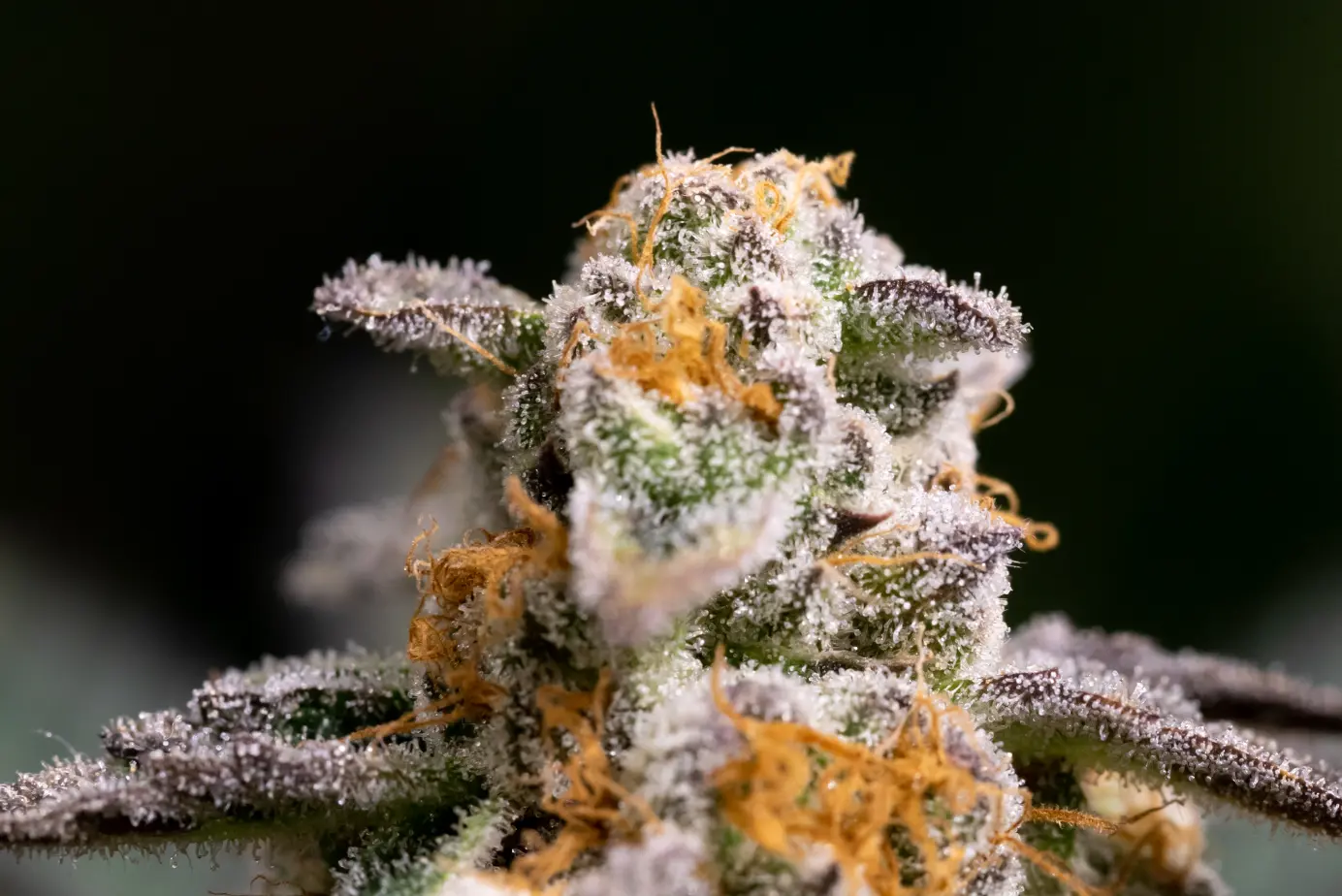
Figure 1: Complete environmental isolation in an indoor grow tent enables absolute control over vapor pressure deficit, temperature, and photoperiod timing.
Biological risk management represents another critical battleground where indoor and outdoor environments diverge dramatically. In an outdoor garden, your cannabis plants exist as active participants within a dynamic, open biological food web. On one hand, natural beneficial predators (ladybugs, parasitic wasps, lacewings, and predatory mites) patrol outdoor foliage, providing free biological control against common garden pests. Beneficial soil nematodes and subterranean earthworms continually aerate native soil and decompose organic matter into accessible ionic nutrients.
On the other hand, outdoor cannabis is exposed to an unrelenting array of destructive agricultural pests that indoor cleanrooms rarely encounter. Eurasian hemp borers tunnel into main stalks, hollowing out structural stems from the inside out until whole branches snap under their own weight. Cabbage loopers and corn earworm caterpillars burrow directly into the interior cores of swelling floral colas, devouring flower tissue and leaving behind moist feces that serve as primary infection vectors for lethal Botrytis cinerea (gray mold). Furthermore, mammalian wildlife (rabbits, deer, and field mice) can devour an entire vegetative canopy down to bare stalks in a single overnight feeding frenzy.
Indoors, the cultivation space operates as a semi-sterile cleanroom. Mammalian herbivores, stem borers, and severe outdoor windstorms are eliminated completely. However, if a persistent microscopic pest (such as two-spotted spider mites, broad mites, or cannabis aphids) penetrates the indoor barrier via contaminated clone cuttings, clothing, or pets, the indoor environment becomes a veritable incubator. Lacking natural predators and basking in constant, perfect tropical warmth, pest populations explode exponentially, requiring intensive integrated pest management (IPM) protocols to eradicate.
The Autumn Rain Hazard: Why Outdoor October Triggers Botrytis
The single greatest operational challenge facing outdoor cannabis growers in temperate climates is the autumn weather convergence. In September and October, as photoperiod plants enter their final four weeks of floral maturation and colas reach peak density, seasonal temperatures decline sharply while rainfall and overnight relative humidity skyrocket. When night temperatures drop near the dew point, ambient water vapor condenses directly inside the microscopic crevices of dense flower clusters. Lacking the high-volume mechanical airflow and commercial dehumidification of an indoor tent, trapped moisture cannot evaporate, creating the ideal physiological incubator for Botrytis cinerea (gray bud rot). A stunning outdoor plant bearing pounds of pristine flowers can turn into brown, necrotic fungal sludge in seventy-two hours of sustained autumn drizzle.
Overcoming the autumn rain hazard requires outdoor cultivators to adopt proactive agronomic strategies. Successful outdoor growers carefully select mold-resistant genetics adapted to short, wet seasons, such as fast-flowering Indica hybrids or cold-hardy Dutch strains. Additionally, erecting protective translucent clear poly hoop-houses or clear tarps over outdoor beds prevents direct rain from soaking swelling floral bracts while allowing photosynthetically active radiation to penetrate unobstructed. Immediately after rainstorms or heavy morning dews, commercial outdoor growers use portable leaf blowers to vigorously blow standing water droplets off mature colas.
Indoors, moisture management is entirely mechanical. High-capacity compressor dehumidifiers extract gallons of transpired water vapor from the air every twenty-four hours, keeping ambient relative humidity locked at 45 to 50 percent during mid-bloom and dropping to 40 percent during final ripening. Coupled with multiple oscillating circulation fans that maintain continuous air movement across every leaf boundary layer, indoor bud rot is virtually eliminated in properly engineered facilities.
However, indoor moisture control introduces secondary complications: heat dissipation and noise. High-intensity LED fixtures, electronic ballasts, and compressor motors generate substantial heat (British Thermal Units or BTUs) that must be removed. In summer months, an indoor grow tent situated in an uninsulated upstairs bedroom or attic requires dedicated supplemental air conditioning to prevent leaf surface temperatures from exceeding 85 degrees Fahrenheit, dramatically increasing operational complexity and monthly electrical overhead.
If I only have a budget of 500 dollars, should I set up a budget indoor tent or grow four outdoor plants in my backyard?
Question sent by: Derek Langley, via email.
With a hard budget of 500 dollars, you should unequivocally choose to grow outdoors in your backyard! Attempting to purchase a complete indoor setup for 500 dollars forces you into severe compromises: you would be stuck with an under-powered budget light fixture, a noisy low-grade exhaust fan, an undersized carbon filter, and zero budget remaining for essential climate equipment like a dehumidifier or digital telemetry pens. An indoor tent run on cut corners inevitably yields loose, low-potency flowers and carries a high risk of catastrophic crop failure or electrical hazards.
Conversely, investing 500 dollars into an outdoor garden makes you an elite, well-equipped grower: you can purchase four 30-gallon heavy-duty fabric pots (60 dollars), eight bags of premium organic living soil (200 dollars), high-grade slow-release organic dry amendments and compost teas (100 dollars), organic neem and Bacillus thuringiensis pest controls (40 dollars), and top-tier feminized genetics (60 dollars), with money left over for basic trellising bamboo stakes. Operating under the free, unmetered power of the summer sun, your 500-dollar outdoor investment can easily yield two to four pounds of clean, terpene-rich organic flower!
Legal security, privacy, and odor containment represent another critical dimension where the choice between indoor and outdoor cultivation becomes stark. In urban and suburban residential environments, personal discretion is paramount. Flowering cannabis produces powerful, pungent volatile organic compounds (terpenes, monoterpenes, and volatile sulfur compounds) that can easily be detected hundreds of yards downwind during late flowering.
Indoor cultivation offers near-total discretion. Inside an enclosed grow tent operated under negative static air pressure, 100 percent of exhaust air is forced through an activated virgin Australian RC-412 carbon filter before being discharged. The billions of microscopic macropores and mesopores across the activated carbon bed mechanically adsorb and chemically neutralize odor molecules, ensuring that exhaust air leaving the building is completely scrubbed of scent. Furthermore, an indoor tent completely hides your high-value crop from the curious eyes of neighbors, delivery drivers, and opportunistic thieves.
Outdoor cultivation, in contrast, cannot be scrubbed of aroma. A single mature outdoor plant measuring six feet tall and six feet wide will broadcast an unmistakable, skunky perfume across entire suburban neighborhoods during late August and September. Even in regions where personal home cultivation is completely legal, municipal zoning laws frequently mandate that outdoor plants must be situated within locked enclosures, screened from public view, and set back fifty to one hundred feet from adjacent property lines. Cultivators must evaluate their neighborhood density and personal security before planting cannabis along a shared backyard fence.
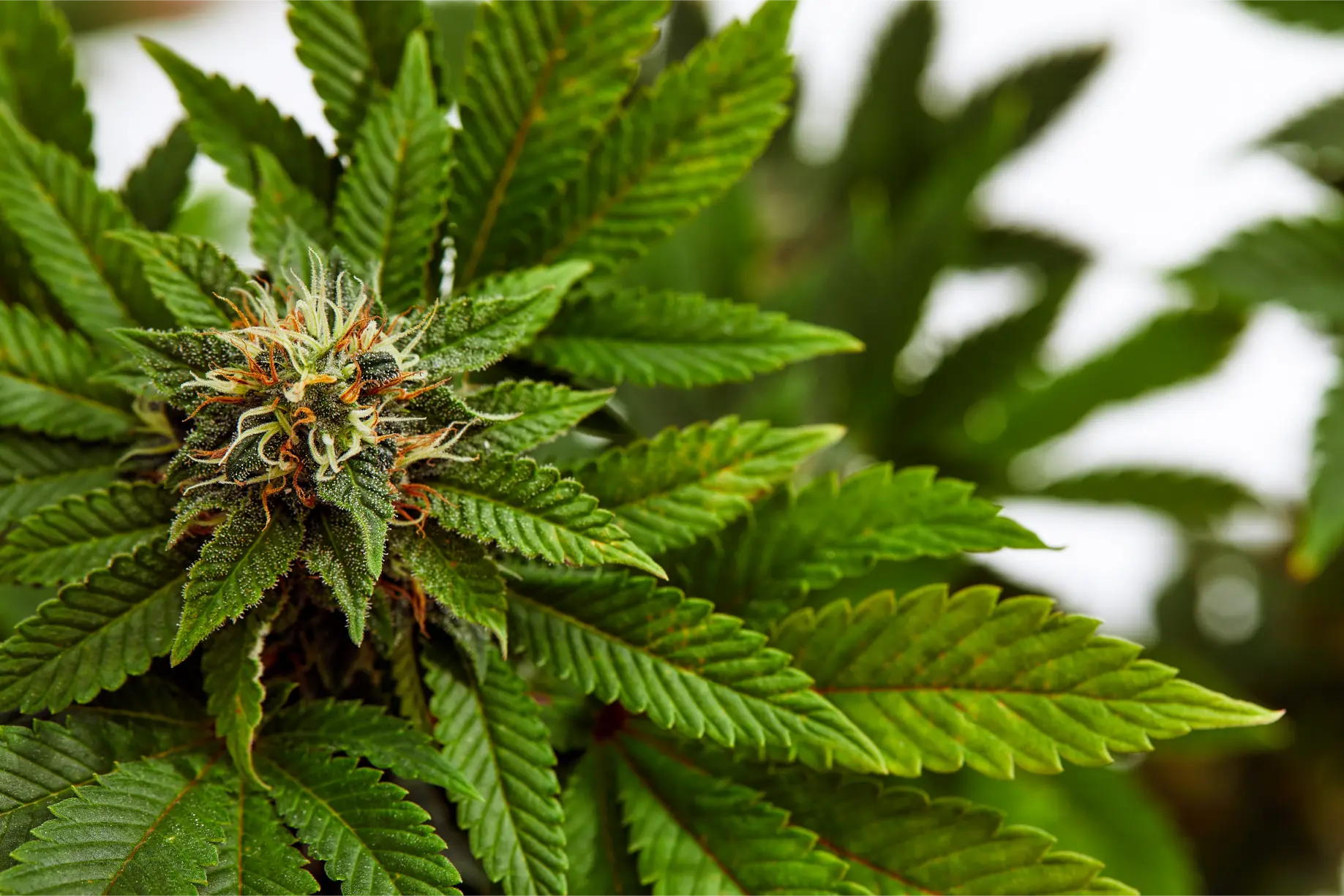
Figure 2: Natural solar irradiance and unrestricted root volume enable outdoor cannabis plants to achieve massive biomass expansion and multi-pound yields.
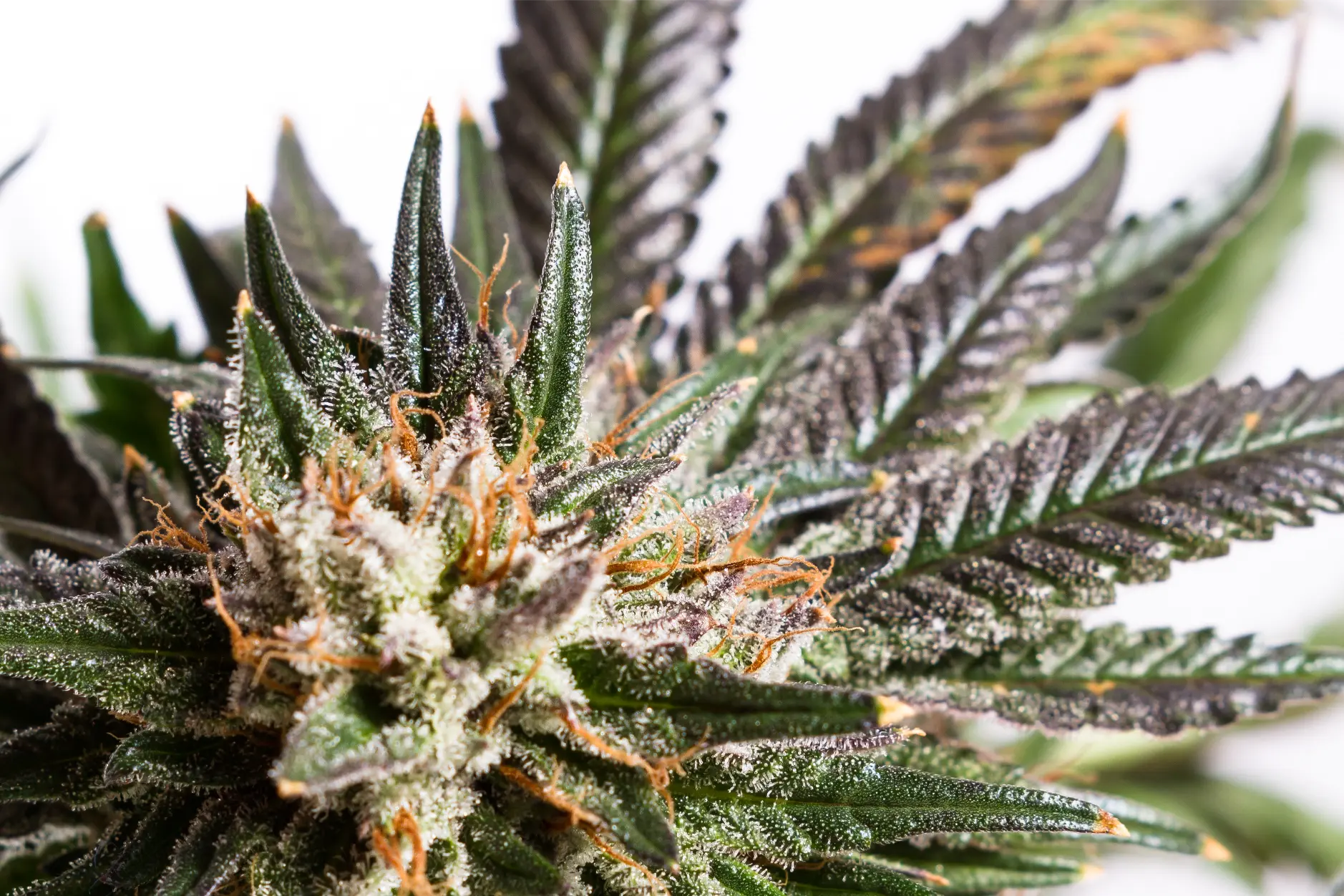
When analyzing end-product flower quality, connoisseurs and commercial consumers frequently hold distinct aesthetic preferences. Indoor flower is celebrated for its pristine visual bag appeal: because the blooms are cultivated in an enclosed cleanroom without wind, rain, dust, or insect encounters, the delicate outer trichome heads remain completely intact, giving manicured buds an intensely frosted, sparkling crystalline appearance. Furthermore, precise environmental control prevents volatile monoterpenes from vaporizing off, preserving bright, exotic candy and fuel flavor profiles.
Outdoor sun-grown cannabis often presents a darker, more rugged exterior appearance with thicker calyx structures and slightly more amber coloration due to solar UV oxidation. However, many experienced consumers report that sun-grown cannabis delivers a more robust, full-bodied physiological entourage effect. The complex interaction of the full solar spectrum, dynamic diurnal temperature swings, and mineral-rich living native soils encourages a broader spectrum of minor secondary cannabinoids (such as CBG, CBC, and THCV) alongside intense sesquiterpenes that create deeply relaxing, medicinal sensations.
To assist novice cultivators in weighing these interconnected variables, the following comprehensive comparison matrix contrasts the core mechanical, financial, and agronomic parameters governing indoor versus outdoor cannabis production.
| Operational Parameter | Indoor Cultivation | Outdoor Cultivation | Winner / Operational Advantage |
|---|---|---|---|
| Initial Setup Expenditure | High ($1,200 – $2,500 for a quality 4×4 setup) | Very Low ($250 – $500 for soil, pots, and nutrients) | Outdoor: Dramatically lower startup barrier |
| Recurring Electrical Cost | Moderate to High ($80 – $250 per month) | Zero ($0.00 for light and ventilation) | Outdoor: Free solar energy and passive airflow |
| Environmental Control | Absolute (Precision VPD, Temp, Light, CO2) | Zero (Vulnerable to rain, heat, frost, and storms) | Indoor: Total microclimate sovereignty |
| Harvest Frequency | 3 to 5 harvests per calendar year (Perpetual) | 1 harvest per calendar year (Late Autumn) | Indoor: Continuous year-round production |
| Yield Potential per Plant | Moderate (2 to 8 ounces per container) | Massive (1 to 5+ pounds per plant in large soil beds) | Outdoor: Massive biomass and root volume |
| Pest & Disease Pressure | Low incidence, but difficult eradication if infested | High incidence, but natural beneficial predators assist | Tie: Indoor cleanroom vs outdoor bio-balance |
| Stealth, Privacy & Odor | 100% Odor scrubbed via carbon filtration; hidden | Pungent downwind aroma; visible to neighbors/theft | Indoor: Superior residential discretion |
| Aesthetic Flower Appeal | Pristine, intact trichomes; exotic boutique bag appeal | Rustic, dense, darker tones; occasional weather wear | Indoor: Commercial aesthetic perfection |
For growers intrigued by the benefits of both paradigms, hybrid cultivation techniques offer an exceptional middle path. The most effective hybrid approach is utilizing a residential hobby greenhouse or cold frame. A greenhouse provides physical shelter against torrential autumn rain, hail, and high-velocity wind, while allowing natural, free solar radiation to fuel plant photosynthesis.
Modern hobby greenhouses can be customized with basic automated exhaust fans, passive insect-mesh intake louvers, and simple oscillating fans to maintain continuous air circulation. During early spring cold snaps, a thermostatically controlled space heater prevents root zones from freezing, allowing growers to germinate seeds four to six weeks earlier than conventional outdoor planting schedules.
Furthermore, ambitious outdoor cultivators can deploy light deprivation (light dep) techniques within a greenhouse or outdoor frame. By covering the greenhouse with an opaque, light-proof blackout tarp for twelve hours every evening starting in late June or early July, the grower artificially induces the 12/12 photoperiod two months ahead of schedule. This forces the cannabis crop to complete flowering during the hot, dry, sunny weeks of July and August, allowing for a glorious harvest in late August and completely bypassing the lethal, bud-rotting rains of October.
Light Deprivation (Light Dep) Mechanics for Outdoor Growers
Light deprivation represents the premier agronomic bridge between indoor control and outdoor solar power. By pulling a breathable, 100 percent light-tight blackout tarp over an outdoor hoop-house at 7:00 PM and removing it at 7:00 AM every single day, the cultivator establishes a rigid 12-hour dark period. This triggers rapid floral induction in the middle of summer when ambient solar radiation is at its annual peak (DLI over 55 moles). Plants finish flowering under maximum solar lumens without artificial light electricity, yielding rock-hard, high-potency colas that finish before autumn frost or rainy weather arrives.
Making your final decision requires honest self-assessment regarding your domestic living situation, available free time, and personality traits. If you are an analytical, detail-oriented person who enjoys monitoring digital instrumentation, dialing in environmental controllers, and working inside a clean, controlled environment, indoor growing will be an immensely rewarding technical hobby.
Conversely, if you possess a strong green thumb, love working outdoors with your hands in living soil, enjoy tending vegetable gardens, and have a secure, sunny backyard with friendly or distant neighbors, outdoor cannabis cultivation provides a deeply therapeutic, profoundly economical connection to the natural earth. Many cultivators begin outdoors during their first summer to learn basic plant morphology and nutrition at low financial risk, then invest their outdoor harvest savings into a state-of-the-art indoor setup for the winter months.
Furthermore, evaluating your weekly time commitment is critical for operational longevity. Indoor growing requires daily or bi-daily check-ins: verifying reservoir pH, inspecting runoff trays, monitoring digital climate hygrometers, and adjusting light fixture heights as stems stretch. While this consistent routine takes only fifteen to twenty minutes per day, skipping check-ins for several days can lead to dried-out pots or heat spikes. Outdoor growing, by contrast, operates on larger macro-cycles: watering large 30-gallon fabric beds is required only two or three times per week during peak summer, but late-season pest inspections and weather defense demand intensive multi-hour weekend sessions.
To help you solidify your cultivation path before purchasing any equipment or ordering seeds, review this operational readiness checklist.
- Local Legal Codes and Setbacks Verified: Confirm municipal home-cultivation limits, indoor electrical codes, and outdoor property line setback requirements.
- Realistic Financial Budget Established: Budget at least 1,200 dollars for a complete indoor setup, or allocate 350 to 500 dollars for high-grade outdoor containers and organic living soil.
- Solar Exposure or Electrical Capacity Audited: Verify that your outdoor garden receives at least 6 to 8 hours of direct unobstructed sunlight daily, or confirm that your indoor circuit can handle 1,000 continuous watts.
- Water Quality and Delivery Flow Assessed: Test your tap water for baseline electrical conductivity (EC) and pH; confirm access to outdoor hose connections or indoor reverse-osmosis filtration.
- Neighborhood Odor Sensitivity Evaluated: Determine whether pungent late-flowering cannabis aroma will cause domestic friction with adjacent residential neighbors.
- Pest and Weather Defense Prepared: Assemble organic pest control solutions (neem, BT, insecticidal soaps) for outdoor gardens, or clean and sterilize indoor grow tent cleanrooms.
Whether you choose the high-tech precision of an indoor grow tent or the natural, abundant majesty of an outdoor garden bed, success hinges on consistency, observation, and respect for plant biology. Both environments provide an incredible opportunity to produce world-class medical and recreational cannabis that far surpasses commercial dispensary offerings in freshness, terpene vibrancy, and personal satisfaction.
Understanding how outdoor climate patterns impact indoor grow rooms is equally essential for whole-facility planning. Novice cultivators often assume that indoor tents are completely hermetic environments isolated from exterior weather; in reality, your indoor grow tent draws makeup air directly from your residential living space or exterior environment. In peak winter, household heating dramatically lowers ambient indoor relative humidity, requiring supplemental ultrasonic humidification to maintain proper vegetative VPD. In mid-summer, humid ambient heat forces air conditioners and dehumidifiers to run at maximum duty cycles, elevating electrical consumption. Recognizing these seasonal indoor shifts allows you to plan your crop rotations harmoniously.
To assist with seasonal planning, the following timeline calendar outlines the operational flow for indoor year-round rotations compared to the single annual outdoor agricultural cycle.
| Calendar Month | Indoor Cultivation Workflow | Outdoor Cultivation Workflow | Primary Operational Focus |
|---|---|---|---|
| January – February | Winter cycle in full flower; run lights during off-peak night hours for heat. | Dormant season; plan garden bed layouts; order high-grade seeds. | Genetic selection; indoor climate heating management. |
| March – April | Spring cycle vegetative canopy training; SCROG weaving and topping. | Germinate seeds indoors under gentle LED; prep outdoor living soil beds. | Seedling establishment; outdoor compost top-dressing. |
| May – June | Spring harvest; dry and cure; clean tent cleanroom; start summer crop. | Harden off seedlings; transplant outdoors after last frost into final beds. | Transplant shock prevention; rapid outdoor vegetative expansion. |
| July – August | Summer indoor crop in bloom; maintain aggressive AC and dehumidification. | Peak outdoor vegetative growth; begin LST trellising; early flower stretch. | Outdoor caterpillar defense (BT); indoor thermal heat dissipation. |
| September – October | Autumn cycle flip to 12/12; monitor early bloom stretch and defoliation. | Late bloom swelling; monitor weather forecasts; protect colas from rain. | Botrytis prevention; outdoor trichome auditing under 60x microscope. |
| November – December | Autumn harvest; cure connoisseur flower; launch winter perpetual run. | Final harvest complete; whole-plant dark drying; winterize outdoor garden beds. | Water activity curing (0.58-0.62 aw); planting winter cover crops. |
Navigating the transition from novice to master cultivator is a continuous journey of empirical learning. As you gain practical experience with plant transpiration rates, nutrient uptake curves, and pest management, you will develop an intuitive understanding of the subtle dialogue between the cannabis plant and its surrounding environment.
Maintaining a meticulous cultivation logbook is the definitive habit separating amateur hobbyists from master craft cultivators. Documenting daily temperatures, lighting schedules, irrigation volumes, nutrient recipes, and visual plant responses allows you to connect specific operational inputs with final harvest outcomes. Whether troubleshooting an unexpected foliar discoloration or replicating an extraordinarily potent crop, your historic notes provide an objective roadmap for continuous agronomic refinement. Reviewing past logs before each new season transforms mistakes into permanent lessons, empowering you to achieve higher cannabinoid density, richer terpene profiles, and greater overall flower yields year after year.
Embrace the challenges and rewards unique to your chosen cultivation domain. By investing care, scientific curiosity, and rigorous daily attention into your garden, you will enjoy bountiful harvests of fragrant, crystal-coated cannabis flowers for years to come.
Scientific References and Technical Standards
- Bernstein, N., Gorelick, J., Zerahia, R., & Koch, S. (2019). Impact of environmental conditions on secondary metabolite production in Cannabis sativa L. Industrial Crops and Products, 139, 111467.
- Bugbee, B. (2016). Toward an optimal spectral quality for plant growth and development: The importance of green light and far-red radiation. Acta Horticulturae, 1134, 1-12.
- Eaves, J., Eaves, O., & Chandra, S. (2020). The economics of indoor cannabis cultivation: Energy, labor, and production efficiency. Agricultural and Resource Economics Review, 49(3), 478-498.
- Mahlberg, P. G., & Kim, E. S. (2004). Morphology, development, and cytochemistry of glandular trichomes on Cannabis sativa L. (Cannabaceae). Journal of Industrial Hemp, 9(1), 19-36.
- Taiz, L., Zeiger, E., Møller, I. M., & Murphy, A. (2015). Plant Physiology and Development (6th ed.). Sinauer Associates, Sunderland, MA.
- Vergara, D., Baker, H., Clancy, K., Keepers, K. G., Murchison, J. P., & Kane, N. C. (2016). Phylogenetic and genomic diversity in Cannabis sativa. F1000Research, 5, 2788.
- Zheng, Y. (Ed.). (2021). Handbook of Cannabis Production in Controlled Environments. CRC Press, Boca Raton, FL.
Share this article
A quick overview of the topics covered in this article.
Follow us
Latest articles
November 7, 2026
November 7, 2026

November 7, 2026