
Deep Chunk
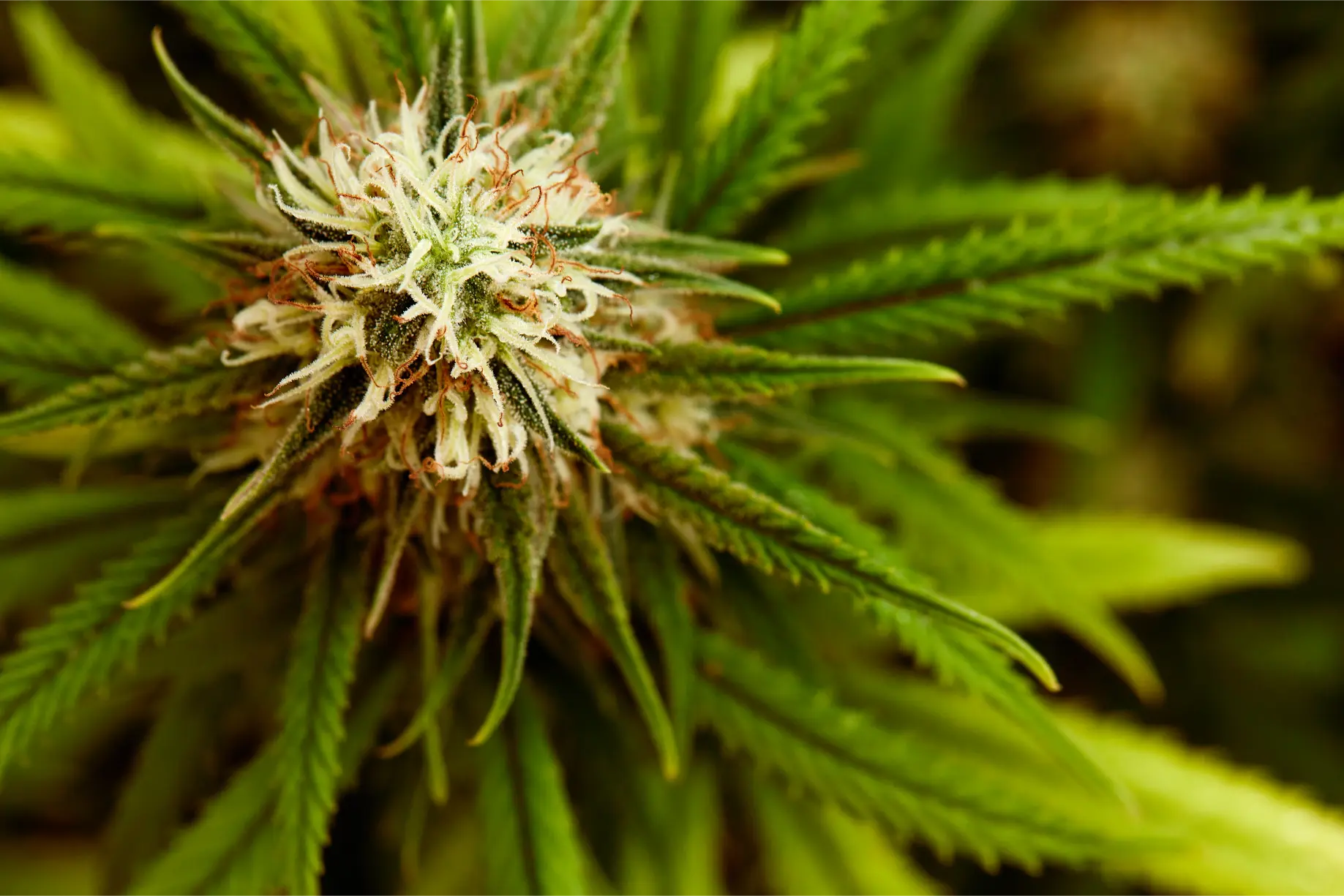
For Weedth, Deep Chunk is evaluated through cultivation behavior, bud quality and flavor retention, not through a headline THC value. Very short internodes, thick woody stems, extremely broad dark fan leaves and a compact crown that can become visually dense long before the plant is actually large. Tight, hard, resin-heavy flowers that can take on red, purple or near-black tones in some plants. Flower size is not always huge, but dry density can be substantial. The goal of the grow guidance below is to turn those traits into practical decisions about training, light, irrigation, humidity, harvest and postharvest handling.
Deep Chunk is unusually dependent on the integrity of the preserved population behind the name. A modern packet, an old private reproduction and a long-held clone may all carry the label while differing in vigor or finish. I therefore use the name as a prediction of broad-leaf architecture, slow extension, dense resin and hash-led aroma, then let the individual plant establish its own numerical ranges. This avoids turning one laboratory result or one seed run into a false universal specification.
Strain Features
| Feature | Details |
|---|---|
| Type | Pure broad-leaf Afghani indica line |
| Genetics | Preserved Afghani broad-leaf drug line maintained as an inbred population |
| THC / CBD | THC-dominant in classic psychoactive material; exact cannabinoid percentages vary by preserved line, phenotype, environment and laboratory method. CBD is generally low unless the material was specifically selected for a different chemotype. |
| Flowering Time | about 55-60 days indoors; late September to early October is a practical outdoor reference in temperate climates |
| Stretch | Low. Most plants remain short and stocky, with tight internodes and heavy lateral shade from very broad leaves. |
| Plant Structure | Very short internodes, thick woody stems, extremely broad dark fan leaves and a compact crown that can become visually dense long before the plant is actually large. |
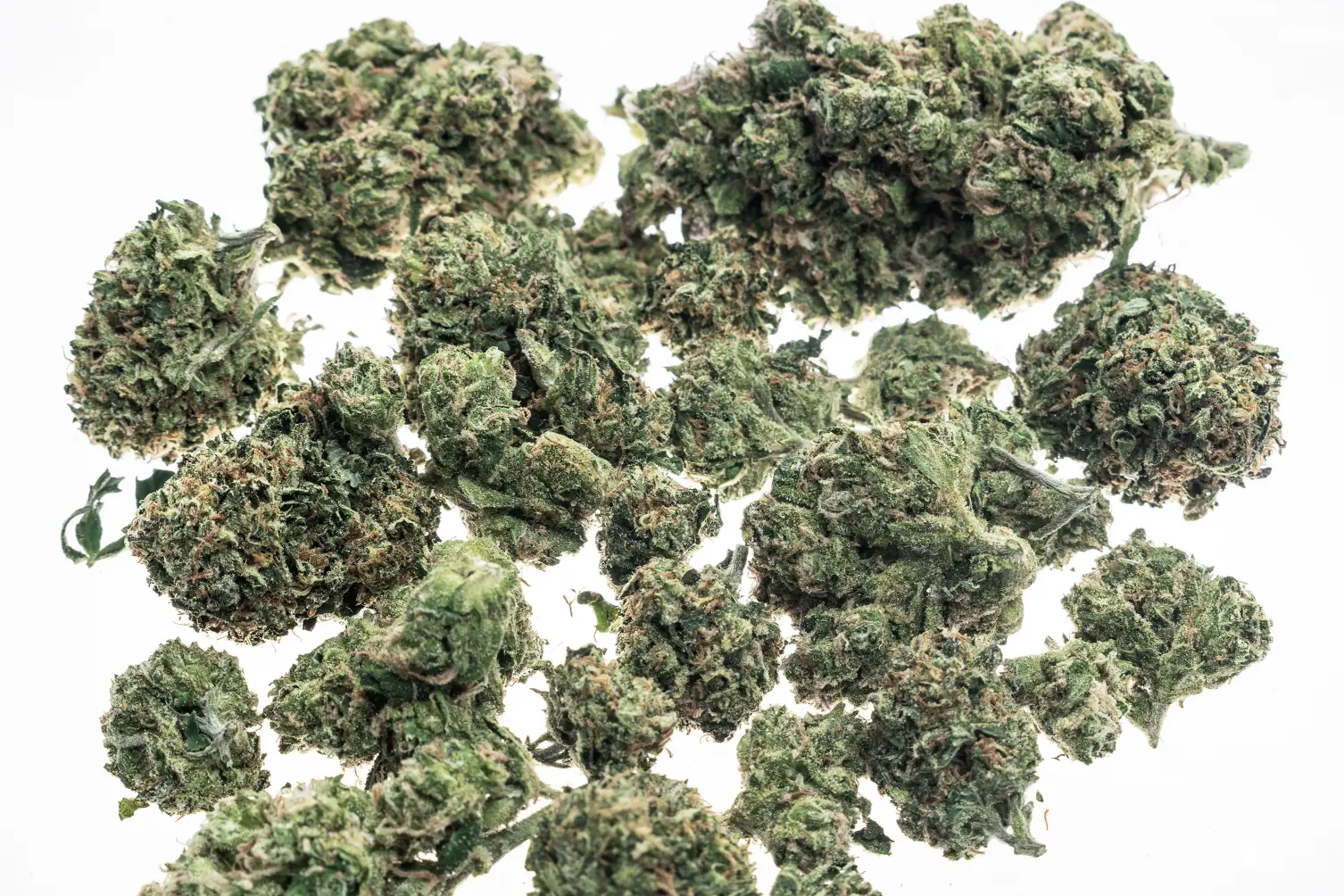
| Bud Structure | Tight, hard, resin-heavy flowers that can take on red, purple or near-black tones in some plants. Flower size is not always huge, but dry density can be substantial. |
| Yield Identity | Moderate total yield, often more valuable for resin density, flower solidity and old-school quality than for raw grams per square meter. |
| Climate Fit | Best in dry to temperate conditions with strong airflow. Dense flowers and a compressed canopy make prolonged humidity more dangerous than the plant’s sturdy appearance suggests. |
| Grow Difficulty | Moderate. The plant is structurally tough, but slow vegetative speed and tight canopy architecture punish overtraining, overwatering and poor airflow. |
| Flavor / Aroma | earth, hash, pine resin, coffee, dark chocolate, damp forest, mushroom-like earth and occasional plum or floral depth |
| Effect Character | A slow-building, deeply physical indica experience with mental quiet, heaviness and a warm settled finish. Some users still notice a brief uplift before the body effect dominates. |
| Primary Grow Risks | slow recovery after repeated topping; broad leaves stacking on each other; humid microclimates inside short plants; keeping the root zone wet because the canopy looks small; over-vegetating to compensate for moderate yield; mistaking purple color for harvest maturity; over-drying dense flowers before their cores equalize |
| Best Training Fit | Minimal intervention. One early top only if plant count is low, otherwise a natural single-leader or lightly bent multi-leader structure. Selective leaf removal is more useful than repeated topping. |
Genetic Lineage
Deep Chunk is best treated as a preserved Afghani population rather than a modern named cross. Historical descriptions place its source material in Afghanistan and describe it as a broad-leaf line that was maintained for generations rather than repeatedly crossed to unrelated modern cultivars. That matters because the grow behavior is unusually coherent: low stretch, very broad leaves, strong stems, short internodes and compact resinous flowers.
Because it is an old preserved line, exact contemporary potency numbers should not be treated as part of its genetic definition. Different preservation populations, seed age, selection pressure and cultivation method can move cannabinoid results significantly. The stable identity is morphological and sensory before it is numerical.
The broad-leaf architecture also explains why Deep Chunk behaves differently from many modern Kush-labeled hybrids. A modern hybrid may stretch enough to create its own air channels. Deep Chunk can remain so compressed that leaves overlap before flowering has properly started. The grower has to create air space deliberately without stripping the plant of its main photosynthetic engine.
For phenotype selection, I would prioritize four traits: healthy vegetative pace, open enough leaf orientation to prevent permanent leaf-on-leaf contact, hard flower formation without excessive internal moisture, and the deep hash-coffee-pine aroma surviving a full cure. A colorful plant that is slow, mold-prone and flat after cure is not a better keeper simply because it looks exotic.
Lineage becomes useful when it predicts work. With Deep Chunk, the relevant inherited traits are very short internodes, thick woody stems, extremely broad dark fan leaves and a compact crown that can become visually dense long before the plant is actually large. That architecture should change how a grower decides plant spacing, topping, lower cleanup and the point at which the canopy is considered full. Genetics is not a trivia section when it explains why the plant responds differently from a generic hybrid.
A useful Deep Chunk selection sheet is weighted toward patience rather than spectacle. I record days needed to resume growth after transplant, number of usable laterals before flip, leaf overlap at the center, irrigation interval, flower hardness and the point at which coffee-hash aroma overtakes fresh green plant smell. The keeper is rarely the tallest seedling. It is the individual that preserves the line
Effect Breakdown
Deep Chunk’s effect is more useful when described as a progression. The broad pattern is a slow-building, deeply physical indica experience with mental quiet, heaviness and a warm settled finish. some users still notice a brief uplift before the body effect dominates. Dose, tolerance, inhalation method and personal sensitivity can shift that balance, so the stages below are directional rather than medical promises.
Opening phase. The first phase is usually quieter than a modern high-terpinolene sativa. The shift can feel gradual, with shoulders and jaw relaxing before the user notices how far attention has narrowed.
Middle phase. As the middle phase develops, body weight becomes more obvious. Music, food and low-demand activities often feel more attractive than fast social situations or detailed work.
Late phase. Late in the experience, heavier phenotypes can become strongly sedating. A smaller dose may stay warm and functional, while a larger dose can make movement feel optional.
The roasted, woody smell can make the experience seem heavier before the full body effect has arrived, so I separate sensory expectation from the actual timeline. Deep Chunk is better judged by what changes over thirty to ninety minutes: muscular tension, willingness to move, mental noise and sleepiness. That observation is more honest than assigning the entire effect to myrcene or any other single compound.
Even a Deep Chunk sample that begins quietly can become substantially impairing as the physical phase accumulates. It is a poor choice before driving, machinery, demanding exercise or any task where slow reaction time matters. Dry mouth, dizziness, anxiety and an uncomfortable increase in heart rate remain possible, particularly when a dense, well-cured flower is dosed as casually as a milder daytime cultivar.
Flavor & Aroma Profile
The signature profile is earth, hash, pine resin, coffee, dark chocolate, damp forest, mushroom-like earth and occasional plum or floral depth. That description is most useful when treated as a sequence from volatile top notes to heavier base notes. The same harvested flower can smell different in late bloom, on day three of drying and after a month of cure because water content and volatile balance are changing.
Freshly broken flowers often lead with mineral earth, pine resin and dark hash.
A second layer can move toward roasted coffee, cacao husk, dry wood and an almost mushroom-like forest-floor depth.
Cool-grown colorful plants may add plum, violet or muted floral notes, but color itself does not create flavor.
The most fragile part is the pine and dry floral lift. A hot dry can leave only earthy hash and make the profile seem much simpler than it was on the living plant.
With Deep Chunk I compare aroma at three deliberate points: the first coffee or cedar signal on the living plant, the smell inside a large branch midway through drying, and the jar after internal moisture has equalized. The important question is whether the cure adds depth without erasing the dry hash edge. If the live plant was complex but the jar is merely woody, drying was probably too warm, too exposed or too fast for these compact flowers.
Deep Chunk creates a specific drying trap: the outside of a hard flower can feel ready while the center and short adjoining stem still hold considerable moisture. I prefer large branches, darkness, cool air and indirect movement, then judge the thickest representative flowers rather than the smallest pieces. A rushed surface-dry produces a misleadingly crisp bud that softens dangerously after sealing; an aggressive fan preserves neither safety nor the old-school resin character.
For Deep Chunk, the flavor target is not maximum odor in the room. Strong room odor can mean volatiles are leaving the plant. The target is a mature flower that keeps its defining contrast after drying: earth, hash, pine resin, coffee, dark chocolate, damp forest, mushroom-like earth and occasional plum or floral depth.
Dominant Terpenes
Deep Chunk should not be reduced to one terpene ranking. Preserved Afghani populations can move between myrcene-led earth, caryophyllene-like spice, pinene-like wood and heavier roasted or hash impressions that routine terpene panels do not completely explain. For selection, the repeatable sensory relationship matters more than forcing every plant into the same laboratory hierarchy.
| Terpene / Aromatic Candidate | Flavor / Aroma Role | How to Read It |
|---|---|---|
| Myrcene | earth, musk, herbal depth | Commonly associated with heavy earthy broad-leaf profiles; batch testing should confirm. |
| Beta-caryophyllene | pepper, dry wood, spice | Fits the hash, wood and dark-spice base. |
| Limonene | citrus peel lift | Can explain the faint lemon edge reported in some flowers. |
| Alpha-pinene | pine resin | Supports the forest and pine character. |
| Humulene | woody herbal dryness | May reinforce the dry hop-like, earthy finish. |
The coffee, leather, cedar and worked-hash impressions associated with Deep Chunk are a reminder that aroma is broader than the familiar terpene names printed on a label. Minor volatiles and their ratios can make two plants with similar headline terpenes smell markedly different. That is why I preserve and compare cured samples before deciding which seed plant best represents the line.
For this cultivar, aroma quality comes from completing the slow biological work: healthy roots through the long vegetative phase, enough leaf removal to prevent stale pockets, full calyx maturity and a dry that respects the thickness of the flower. Deliberate stress marketed as a terpene shortcut is especially unconvincing on a plant that already recovers slowly. Deep Chunk needs continuity more than provocation.
Indoor vs. Outdoor Growing
| Aspect | Indoor Growing | Outdoor Growing |
|---|---|---|
| Canopy | Indoor growing gives precise control over stretch, humidity and drying access. Minimal intervention. One early top only if plant count is low, otherwise a natural single-leader or lightly bent multi-leader structure. Selective leaf removal is more useful than repeated topping. The main indoor risk is slow recovery after repeated topping. | Outdoor growing can express larger root volume and natural spectrum, but weather changes the risk calculation. Best in dry to temperate conditions with strong airflow. Dense flowers and a compressed canopy make prolonged humidity more dangerous than the plant’s sturdy appearance suggests. Training should prioritize branch spacing, storm support and a harvest window that protects mature flower. |
| Flowering | about 55-60 days indoors; late September to early October is a practical outdoor reference in temperate climates | Latitude and seasonal weather move the calendar; use flower maturity plus forecast rather than a fixed date. |
| Stretch | Low. Most plants remain short and stocky, with tight internodes and heavy lateral shade from very broad leaves. | Root freedom can make the same genetic tendency larger outdoors, especially with a long vegetative season. |
| Humidity Risk | Control lights-off humidity and bud spacing directly. | Rain, dew and cold nights create moisture events that cannot be solved by room ventilation. |
| Training | Minimal intervention. One early top only if plant count is low, otherwise a natural single-leader or lightly bent multi-leader structure. Selective leaf removal is more useful than repeated topping. | Use fewer high-stress events and more early branch placement, staking and weather access. |
| Quality Goal | Even light, high premium-bud percentage and repeatable dry conditions. | Fully mature clean flower harvested before weather damage, with a shaded transition into drying. |
Deep Chunk keeps the same squat, broad-leaf identity indoors and outside, but the consequence changes. Indoors, the concern is leaf overlap and stagnant humidity around a low canopy. Outdoors, the concern is whether a slow plant can establish enough frame before flowering and finish dense flowers through autumn moisture. The correct setting is the one that gives this compact architecture time, sun or light, and a dry final window.
Controlled-environment cannabis research consistently shows that inflorescence yield can rise as canopy light increases when the rest of the environment can support that demand. The practical lesson is not to chase a universal PPFD number. It is to build an even canopy, avoid light-stressed tops, and increase intensity only when irrigation, nutrition, temperature and carbon supply are already stable. More light on a poorly watered or overheated canopy simply magnifies the weakest part of the system.
Irrigation should be driven by root-zone condition rather than a fixed calendar. Cannabis water-stress research shows that water availability changes biomass allocation and secondary metabolism, while field studies show that efficient drip delivery can improve water-use efficiency. In a container, the translation is simple: saturate the intended root volume, allow meaningful oxygen recovery, and adjust frequency as root mass, plant size and climate change. Keeping the medium permanently wet is not the same as keeping the plant well watered.
Strain-Specific Grow Guidance
The central cultivation problem with Deep Chunk is not generic cannabis care. It is slow recovery after repeated topping; broad leaves stacking on each other; humid microclimates inside short plants; keeping the root zone wet because the canopy looks small; over-vegetating to compensate for moderate yield; mistaking purple color for harvest maturity; over-drying dense flowers before their cores equalize. The following guidance is organized around preventing those losses while preserving the cultivar’s own growth pattern.
Respect the Slow Vegetative Clock
Deep Chunk can look almost stationary compared with a vigorous modern hybrid, especially after transplanting or topping. Do not interpret every slow week as a deficiency. The combination of tight internodes and broad leaves hides extension growth. Measure node production and root-zone dryback instead of judging only height. If roots are white and active, new leaves are healthy and the plant is building stem thickness, the correct move is usually patience rather than a stronger feed.
Do Not Top by Habit
Repeated topping is rarely the best use of time with this line. Every cut asks a slow plant to rebuild apical organization, and the resulting extra branches can pack an already compressed canopy. In a low plant-count garden, one early top can create two or four useful leaders. In a higher-density room, a natural main stem with gentle outward leaf positioning often produces a cleaner result.
Use Selective Defoliation as Airflow Surgery
The huge fan leaves are part of Deep Chunk’s identity, but they can lie directly on one another and create persistent humidity pockets. Remove only leaves that repeatedly trap moisture, fully shade a productive flower site, or press against neighboring plants. The goal is not a naked plant. The goal is dry contact points and visible air lanes through the crown.
Root-Zone Oxygen Matters More Than Canopy Size
A short plant can still have a highly active root system. Watering by plant height is a mistake. Deep Chunk is especially easy to keep too wet because the grower sees a squat canopy and assumes it consumes little water, then waters again before the lower medium has re-oxygenated. Use container weight, moisture depth or substrate sensors where available. Let roots breathe between complete irrigations.
Dense Flowers Change the Humidity Strategy
Warning
The costly mistake to avoid with Deep Chunk
The same genetics that create hard, weighty buds reduce the margin for error late in bloom. Run cleaner spacing as flowers harden, avoid leaf clusters touching bud surfaces, and make sure the night period does not begin with wet foliage. A room-level RH reading can look acceptable while the interior of a compact cola remains wetter than the surrounding air.
Color Is Not a Harvest Signal
Deep reds and purples are common enough that growers can become hypnotized by appearance. Anthocyanin expression may intensify with genetics and cooler nights, but maturity still has to be read from calyx development, pistil recession, trichome condition and the plant’s overall slowing of new flower production. Harvesting because the plant turned dark is as unreliable as harvesting because a calendar date arrived.
Yield Strategy: Protect Premium Density
Deep Chunk is not the strain I would force into a huge SCROG in search of maximum square-meter output. The better target is a high percentage of dense, resinous, fully matured flower. Keep strong sites, remove obvious weak interior shoots before they become sinks, and give each top enough light and air to finish as a hard bud rather than a shaded leafy cluster.
Harvest and Dry the Thickest Bud First in Your Mind
Before harvest, identify the largest and densest flower on the plant. Build the drying plan around that bud, not around the thinnest side branch. If the room is set so the smallest flowers become brittle in three days, the dense tops may still be wet internally. Separate unusually thick colas when needed and let moisture equalize gradually before sealing.
Leaf Temperature and Broad-Leaf Light Response
Very broad leaves can create hot upper surfaces and cool shaded lower layers at the same time. Use an even light field instead of placing a fixture extremely close to the center. If upper leaves taco or bleach while lower leaves remain dark, solve distance and distribution before increasing feed. Deep Chunk benefits more from broad uniform illumination than from a few intense hotspots.
Cloning and Mother Selection
Slow vegetative behavior can make clone production feel less convenient than with vigorous hybrids. Take cuts from healthy actively growing shoots rather than from shaded interior branches. Keep mothers open enough that new shoots receive light, and do not let the mother become a dense ball of overlapping fans. The best mother is not necessarily the darkest plant; it is the one that produces healthy repeatable cuts and keeps the desired flower quality.
Second-Run Adjustment
On the second run, reduce anything that did not clearly improve premium flower. If repeated topping delayed the crop, remove it. If the center stayed damp, increase spacing before adding more fan speed. If the cured jar lost pine and floral detail, change the dry before changing nutrients. Deep Chunk rewards subtraction because its genetics already supply density and resin.
Light Strategy
Controlled-environment cannabis research consistently shows that inflorescence yield can rise as canopy light increases when the rest of the environment can support that demand. The practical lesson is not to chase a universal PPFD number. It is to build an even canopy, avoid light-stressed tops, and increase intensity only when irrigation, nutrition, temperature and carbon supply are already stable. More light on a poorly watered or overheated canopy simply magnifies the weakest part of the system.
For Deep Chunk, that research translates into a cultivar-specific priority: build the canopy shape first, then add intensity. Very short internodes, thick woody stems, extremely broad dark fan leaves and a compact crown that can become visually dense long before the plant is actually large. A few overlit tops above a shaded interior do not represent a high-performance canopy. Use height control and branch placement so the plant can actually convert additional light into mature flower.
Ultraviolet light should not be treated as a guaranteed resin switch. Controlled studies have not shown a commercially reliable increase in flower yield or cannabinoid concentration from adding UV to otherwise adequate visible light. For a quality-focused grow, uniform photosynthetically active light, stable leaf temperature and healthy roots deserve priority over stress-based lighting tricks.
Feeding Strategy
Flowering-stage nutrition research also argues against the idea that more fertilizer automatically means more flower. Cannabis shows an optimum response to nitrogen and phosphorus, while very high potassium supply is not automatically rewarded with higher inflorescence yield. The useful grower habit is to watch plant response, runoff or root-zone EC where relevant, and leaf-tip behavior rather than feeding to a strain myth.
For Deep Chunk, begin with moderate nutrition and adjust from the active leaves and root-zone data. Dark foliage, slow height gain, fast stretch or late senescence can all be genetic traits rather than direct nutrient instructions. Increase feed only when the pattern of growth supports the decision. In late flower, the objective is healthy functional leaf area and clean maturation, not keeping every fan leaf cosmetically dark green until harvest.
Irrigation and Root-Zone Rhythm
Irrigation should be driven by root-zone condition rather than a fixed calendar. Cannabis water-stress research shows that water availability changes biomass allocation and secondary metabolism, while field studies show that efficient drip delivery can improve water-use efficiency. In a container, the translation is simple: saturate the intended root volume, allow meaningful oxygen recovery, and adjust frequency as root mass, plant size and climate change. Keeping the medium permanently wet is not the same as keeping the plant well watered.
Avoid small nervous irrigations that wet only the surface while leaving the lower container inconsistent. Conversely, do not repeatedly saturate a medium that has not had a chance to recover oxygen. The first run should teach you how quickly the container loses water at each stage. That dryback pattern is more useful than copying a schedule from a different cultivar, pot size or climate.
Humidity, Disease and Flower Density
Humidity deserves the same respect as light. Recent controlled research found that very high canopy humidity can delay flowering and sharply reduce flower biomass and cannabinoid accumulation. Dense cultivars therefore need more than a fan pointed at the room. They need space between flowering sites, leaf removal only where it improves exchange, dry leaf surfaces before the dark period, and enough air replacement that humidity does not climb around the buds after lights-off.
Read the cultivar’s flower architecture directly: Tight, hard, resin-heavy flowers that can take on red, purple or near-black tones in some plants. Flower size is not always huge, but dry density can be substantial. The denser the flower and the tighter the canopy, the more conservative the late-flower humidity strategy should be. Resistance traits can widen the safety margin, but they do not make stagnant wet air harmless.
Harvest Maturity and Quality Yield
Use at least four signals together: calyx development, rate of fresh pistil production, trichome condition on the calyxes, and the way the aroma changes over several days. Pistils alone are unreliable, and trichomes on sugar leaves often age faster than trichomes on the flower itself. The best flavor window is usually a period, not a single day.
Quality yield for Deep Chunk means the dry weight of clean, fully mature, well-lit flower that still expresses earth, hash, pine resin, coffee, dark chocolate, damp forest, mushroom-like earth and occasional plum or floral depth after cure. Separate premium tops, good secondary flower and low-grade material when weighing the first run. That ratio reveals whether training actually improved the crop or merely increased biomass.
Weedth Bud Flavor Tips
Flavor is protected by decisions made before harvest and after it. No finishing product can fully repair immature flower, overheated resin or a drying room that removes the volatile top layer in two days.
Tip. Do not chase color with cold stress. Healthy late-flower cooling can reveal genetics, but intentionally chilling the root zone or canopy hard enough to slow metabolism can flatten aroma and delay maturation.
Tip. Let the coffee, hash and chocolate notes develop through full maturity. An early harvest can preserve a greener pine note but miss the darker roasted depth that makes Deep Chunk distinctive.
Tip. Keep whole flowers intact through cure. Grinding or breaking dense buds repeatedly exposes a large resin-coated surface area and accelerates volatile loss.
Deep Chunk creates a specific drying trap: the outside of a hard flower can feel ready while the center and short adjoining stem still hold considerable moisture. I prefer large branches, darkness, cool air and indirect movement, then judge the thickest representative flowers rather than the smallest pieces. A rushed surface-dry produces a misleadingly crisp bud that softens dangerously after sealing; an aggressive fan preserves neither safety nor the old-school resin character.
During cure, allow moisture to equalize before long-term sealing. A jar that repeatedly develops an ammonia-like, sharp wet smell is not ‘curing harder’; it is too wet. Stable cured flower should feel resilient rather than brittle, open with the cultivar’s defining aroma and become smoother over time without losing its top notes.
For Deep Chunk, compare the live flower with the cured jar. The target is not to make the aroma stronger through additives. It is to keep the recognizable sequence of earth, hash, pine resin, coffee, dark chocolate, damp forest, mushroom-like earth and occasional plum or floral depth from collapsing into generic hay, earth or sweetness.
Weedth Bud Boost Tips
Bud boosting should begin with architecture and environment. The highest-return interventions are often boring: more even light, fewer useless lower sites, roots that cycle between water and oxygen correctly, and branch support installed before weight becomes a problem.
Grower move. Use plant count and short veg rather than repeated high-stress training if the legal and practical setup allows it.
Grower move. Improve light penetration by spacing plants and removing only the worst leaf overlap, not by stripping the canopy bare.
Grower move. Judge success by premium resinous flower weight and trichome condition, not by total wet biomass.
Controlled-environment cannabis research consistently shows that inflorescence yield can rise as canopy light increases when the rest of the environment can support that demand. The practical lesson is not to chase a universal PPFD number. It is to build an even canopy, avoid light-stressed tops, and increase intensity only when irrigation, nutrition, temperature and carbon supply are already stable. More light on a poorly watered or overheated canopy simply magnifies the weakest part of the system.
Flowering-stage nutrition research also argues against the idea that more fertilizer automatically means more flower. Cannabis shows an optimum response to nitrogen and phosphorus, while very high potassium supply is not automatically rewarded with higher inflorescence yield. The useful grower habit is to watch plant response, runoff or root-zone EC where relevant, and leaf-tip behavior rather than feeding to a strain myth.
CO2 enrichment only belongs in a room that can control light, temperature, irrigation and safety well enough to use it. It is not a substitute for an uneven canopy. Likewise, stress techniques should never be applied simply because a forum calls them a resin booster. Premium flower percentage is a better objective than spectacular-looking stress symptoms.
On the second run, change one major variable at a time. If Deep Chunk had too much larf, change lower cleanup or branch placement. If aroma disappeared, change the dry. If the canopy stretched beyond control, change flip size. A controlled second run teaches more than adding five new products at once.
Medical Uses & Benefits
Consumers may choose Deep Chunk for the subjective pattern described above, particularly a slow-building, deeply physical indica experience with mental quiet, heaviness and a warm settled finish. some users still notice a brief uplift before the body effect dominates.. Those preferences can overlap with goals such as relaxation, appetite, sleep preparation, mood change or temporary distraction from discomfort, but they should not be presented as proof that the cultivar treats a disease.
Strain names are not standardized medical formulations. Two products with the same name can differ in THC, CBD, minor cannabinoids and volatile chemistry. Clinical decisions should therefore be based on tested composition, route of administration, dose and patient response rather than a cultivar reputation.
THC can cause impairment, anxiety, dizziness, dry mouth and increased heart rate, and it may interact with medications. People who are pregnant, have cardiovascular concerns, are vulnerable to psychosis, or are using prescription drugs should seek medical advice. Medical users should start with a low dose and use regulated tested products where available.
Ideal User Profile
From a cultivation perspective, Deep Chunk best suits a grower who is comfortable with this reality: Moderate. The plant is structurally tough, but slow vegetative speed and tight canopy architecture punish overtraining, overwatering and poor airflow. The ideal setup is one that can accommodate low. most plants remain short and stocky, with tight internodes and heavy lateral shade from very broad leaves. and can manage the cultivar’s main risk before it becomes an emergency.
From a sensory perspective, it suits users who appreciate earth, hash, pine resin, coffee, dark chocolate, damp forest, mushroom-like earth and occasional plum or floral depth rather than choosing flower only by potency. The effect profile, a slow-building, deeply physical indica experience with mental quiet, heaviness and a warm settled finish. some users still notice a brief uplift before the body effect dominates., makes dose and time of day more important than a simple indica/sativa label.
A beginner may appreciate the limited stretch of Deep Chunk, but should not mistake short height for fast growth or automatic mold safety. It suits a patient grower who can read container weight, resist unnecessary feeding corrections and open the interior without repeatedly topping the plant. Anyone seeking rapid vegetative turnover or maximum grams per square metre may find its old-line pace frustrating.
For an experienced grower, the fascination is selection. One plant may express the coffee-hash profile beautifully but veg too slowly; another may branch better yet cure to a flatter woody jar. Running the candidates side by side and keeping a clone until after cure turns Deep Chunk from a nostalgic name into a usable preserved line with a known place in the room.
Grower Notes and Feedback
Morphology note. Very short internodes, thick woody stems, extremely broad dark fan leaves and a compact crown that can become visually dense long before the plant is actually large. The first run should document where flower mass actually forms instead of assuming every branch deserves equal space.
Flowering note. about 55-60 days indoors; late September to early October is a practical outdoor reference in temperate climates Treat that as a working window. Seed-grown plants, preserved cuts and environmental stress can move the finish.
Stretch note. Low. Most plants remain short and stocky, with tight internodes and heavy lateral shade from very broad leaves. Record a real ratio in your room. That number is the basis for next cycle’s flip height.
Feeding note. Start moderate. If leaves look dark, slow or unusual, rule out cultivar morphology and root-zone issues before increasing nutrient concentration.
Humidity note. Tight, hard, resin-heavy flowers that can take on red, purple or near-black tones in some plants. Flower size is not always huge, but dry density can be substantial. Flower density should change spacing and late-flower humidity targets even if the cultivar has a reputation for resilience.
Postharvest note. The defining aroma is earth, hash, pine resin, coffee, dark chocolate, damp forest, mushroom-like earth and occasional plum or floral depth. If those notes were strong alive and weak after cure, investigate harvest timing, drying temperature, direct airflow and storage before blaming genetics.
Keeper note. Select the plant that combines manageable structure, clean maturity, high premium-bud percentage and retained cured aroma. The tallest, darkest, purple-est or highest wet-weight plant is not automatically the best keeper.
Weedth Experience
The tradeoff I would plan around
Deep Chunk makes me slow down. I do less topping, less chasing and less last-minute correction than I would with a stretchy hybrid. The biggest mistake I can make is confusing its compactness with simplicity. Those huge leaves can turn the middle of the plant into a damp pocket, and the hard buds can hold moisture long after the outside feels dry. I keep the canopy open with a few deliberate leaf removals, let the root zone breathe, and wait for the hash-coffee aroma to become round instead of green. The reward is not record-breaking volume. It is a jar of extremely dense, resinous old-school flower that feels deliberate rather than inflated.
Deep Chunk changes my usual definition of progress. I stop measuring success by daily vertical movement and watch smaller signs: a new node unfolding, the pot drying a little faster, a lateral finally reaching clean light. That slower rhythm is part of the attraction. At cure, I want the flower to feel almost architectural in the hand and smell darker when broken than it did in the room. If it only delivers density, I have grown the shell of Deep Chunk. If the jar develops coffee, dry wood and worked resin while the smoke settles patiently into the body, the plant has justified all the time it occupied.
Weedth Score
Growing Experience 9.0/10 The score reflects how naturally the plant’s architecture can be converted into clean mature flower.
Bud Structure & Visual Appeal 9.2/10 Judged on density, resin, calyx development, trim quality and phenotype consistency rather than size alone.
Aroma Complexity 9.1/10 The defining profile of earth, hash, pine resin, coffee, dark chocolate, damp forest, mushroom-like earth and occasional plum or floral depth gives this cultivar a clear sensory identity when well preserved.
Flavor & Smoothness 8.9/10 A careful dry and cure are necessary for the score; overheated flower would rate substantially lower.
Effects & High Experience 9.0/10 Based on the common progression: A slow-building, deeply physical indica experience with mental quiet, heaviness and a warm settled finish. Some users still notice a brief uplift before the body effect dominates.
Overall Satisfaction & Recommendation 9.0/10 Recommended when the grower’s environment matches the cultivar rather than as a universal choice.
Weedth overall score: 9.0/10. This is an editorial quality score, not a laboratory ranking. Phenotype, grow quality and postharvest handling can move the real experience significantly.
I would keep Deep Chunk for the grower who wants its specific structure and aroma, not because a strain list says it should be the strongest plant in the room.
FAQ
Grower Question
Is Deep Chunk easy to grow?
Moderate. The plant is structurally tough, but slow vegetative speed and tight canopy architecture punish overtraining, overwatering and poor airflow. The practical difficulty comes from slow recovery after repeated topping; broad leaves stacking on each other; humid microclimates inside short plants; keeping the root zone wet because the canopy looks small; over-vegetating to compensate for moderate yield; mistaking purple color for harvest maturity; over-drying dense flowers before their cores equalize. A grower who solves those specific issues can find the plant much easier than its reputation suggests.
How long does Deep Chunk flower?
A useful working range is about 55-60 days indoors; late September to early October is a practical outdoor reference in temperate climates. Use the calendar to know when to start close inspection, then harvest by flower maturity, aroma and plant condition.
How much does Deep Chunk stretch?
Low. Most plants remain short and stocky, with tight internodes and heavy lateral shade from very broad leaves. Measure your own plant at flip and when stretch stops because phenotype and environment can change the ratio.
What training method works best for Deep Chunk?
Minimal intervention. One early top only if plant count is low, otherwise a natural single-leader or lightly bent multi-leader structure. Selective leaf removal is more useful than repeated topping. The best method is the one that opens useful flower sites without creating more branch density than the cultivar can ventilate.
What is the biggest cultivation mistake with Deep Chunk?
The biggest losses usually come from slow recovery after repeated topping; broad leaves stacking on each other; humid microclimates inside short plants; keeping the root zone wet because the canopy looks small; over-vegetating to compensate for moderate yield; mistaking purple color for harvest maturity; over-drying dense flowers before their cores equalize. Pick the one most relevant to your room and solve it before adding advanced techniques.
Is Deep Chunk suitable for indoor growing?
Yes, if the room can manage its architecture and flower density. Indoor growing gives precise control over stretch, humidity and drying access. Minimal intervention. One early top only if plant count is low, otherwise a natural single-leader or lightly bent multi-leader structure. Selective leaf removal is more useful than repeated topping. The main indoor risk is slow recovery after repeated topping.
Can Deep Chunk be grown outdoors?
Yes, where the season and climate fit. Outdoor growing can express larger root volume and natural spectrum, but weather changes the risk calculation. Best in dry to temperate conditions with strong airflow. Dense flowers and a compressed canopy make prolonged humidity more dangerous than the plant’s sturdy appearance suggests. Training should prioritize branch spacing, storm support and a harvest window that protects mature flower.
When should Deep Chunk be harvested for the best flavor?
Start close checks during the latter part of the normal window, then combine calyx swelling, slowing fresh pistils, trichomes on the flowers and the development of earth, hash, pine resin, coffee, dark chocolate, damp forest, mushroom-like earth and occasional plum or floral depth. Flavor maturity should agree with resin maturity.
How should Deep Chunk be dried?
Hang Deep Chunk in a cool, dark room with indirect circulation and generous separation between branches. Check the largest flowers and their short stems, not only the crispness of exposed sugar leaves. When the outside is ready before the core, allow more time rather than sealing early; the density of the cultivar makes internal equalization the decisive safety and flavor step.
Why can two Deep Chunk plants look or smell different?
Deep Chunk populations can differ in vigor, leaf width, purple response, coffee intensity and finishing speed depending on preservation history and selection. Treat each seed plant as an individual, keep labels attached through cure and compare the jar before discarding backups.
Does Deep Chunk need heavy feeding?
Deep Chunk generally rewards moderate, steady nutrition. Dark foliage, clawed tips and slow container dryback are stronger reasons to pause than a generic feed chart is a reason to increase. Its deliberate pace should not be chased with extra nitrogen.
What should I record on the first run?
On a first Deep Chunk run, record transplant recovery, nodes produced per week, irrigation interval, center-canopy humidity, response to each leaf removal, flower hardness and cured coffee-hash intensity. These measurements explain far more than final height on a cultivar that barely stretches.
Similar Strains
Afghan Kush: for broad-leaf Afghani structure, hashy aroma and body-heavy effects.
Hash Plant: for fast resinous indica flowers and old-school hash character.
Black Domina: for compact dark foliage, dense buds and a heavier evening profile.
Pakistan Chitral Kush: for preserved mountain genetics, color variation and resin-focused selection.
Maple Leaf Indica: for classic Afghani morphology and a low-stretch indoor shape.
Similarity does not mean interchangeability. The reason to choose Deep Chunk is its own combination of very short internodes, thick woody stems, extremely broad dark fan leaves and a compact crown that can become visually dense long before the plant is actually large. and the sensory profile of earth, hash, pine resin, coffee, dark chocolate, damp forest, mushroom-like earth and occasional plum or floral depth. Use similar strains as comparison points, not substitutes.
Share this article
A quick overview of the topics covered in this article.
Follow us
Latest articles
October 24, 2026
October 24, 2026
October 24, 2026
October 24, 2026