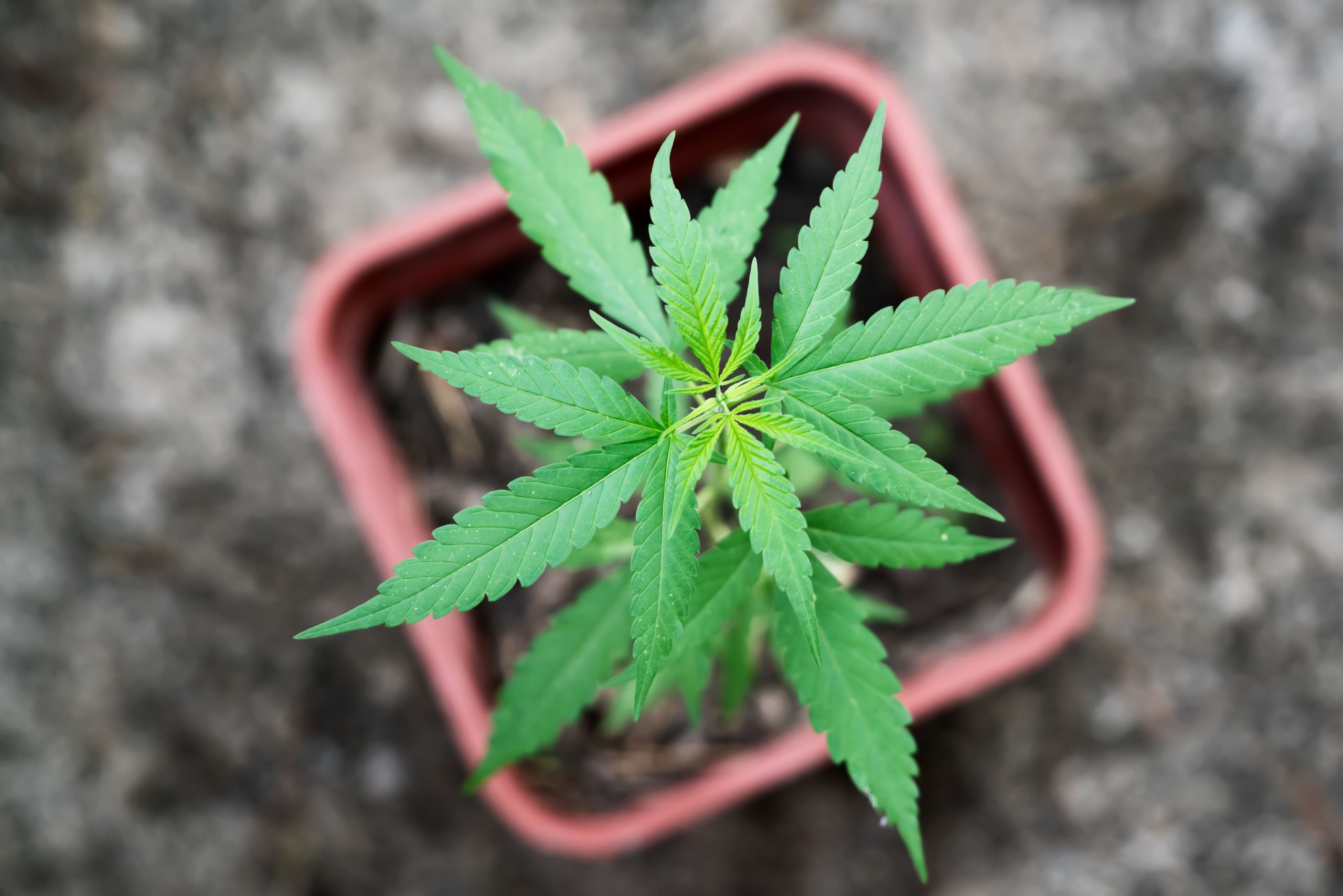
Why Cannabis Stretches: Light Intensity, Spectrum, Distance, Heat, and Genetics
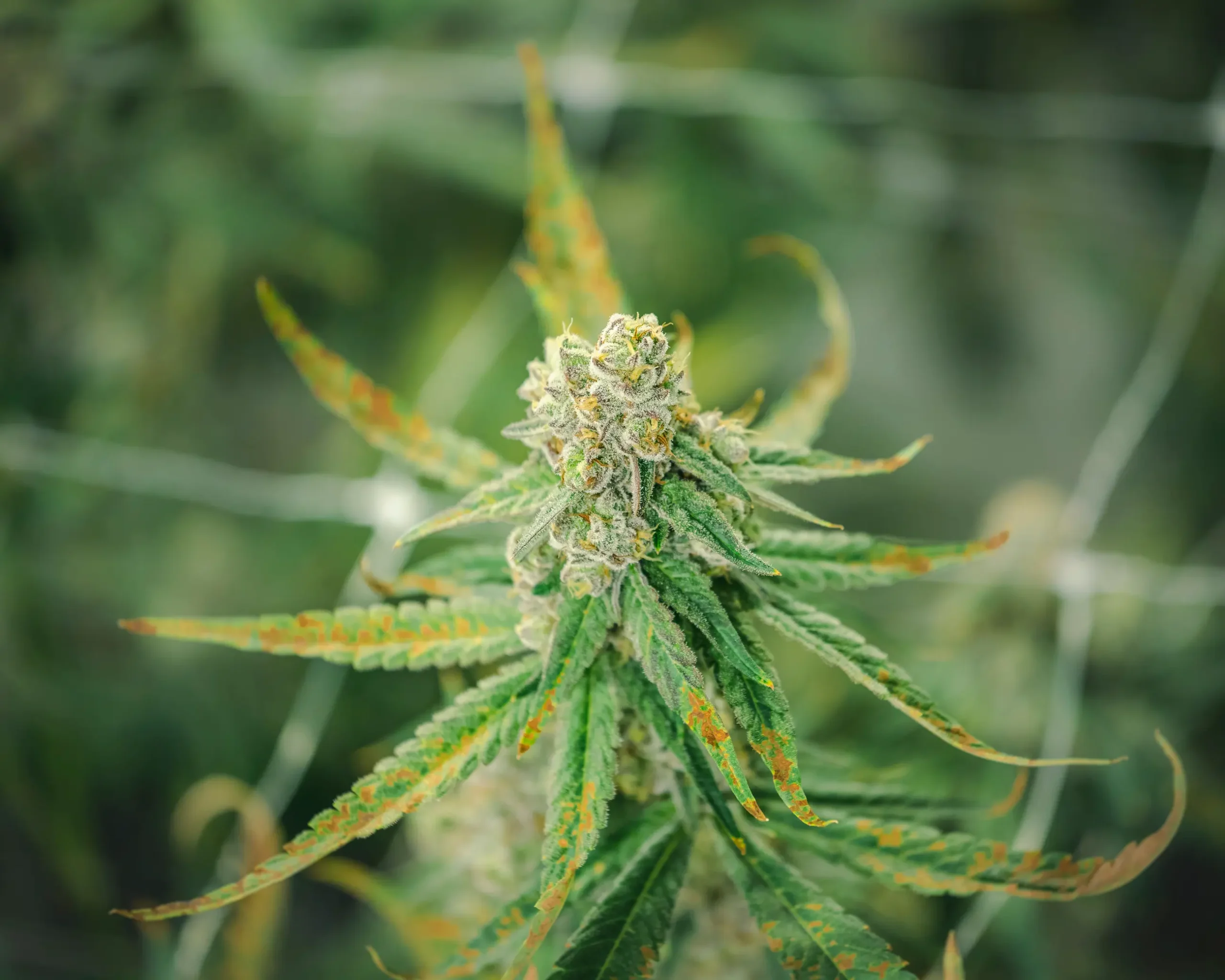
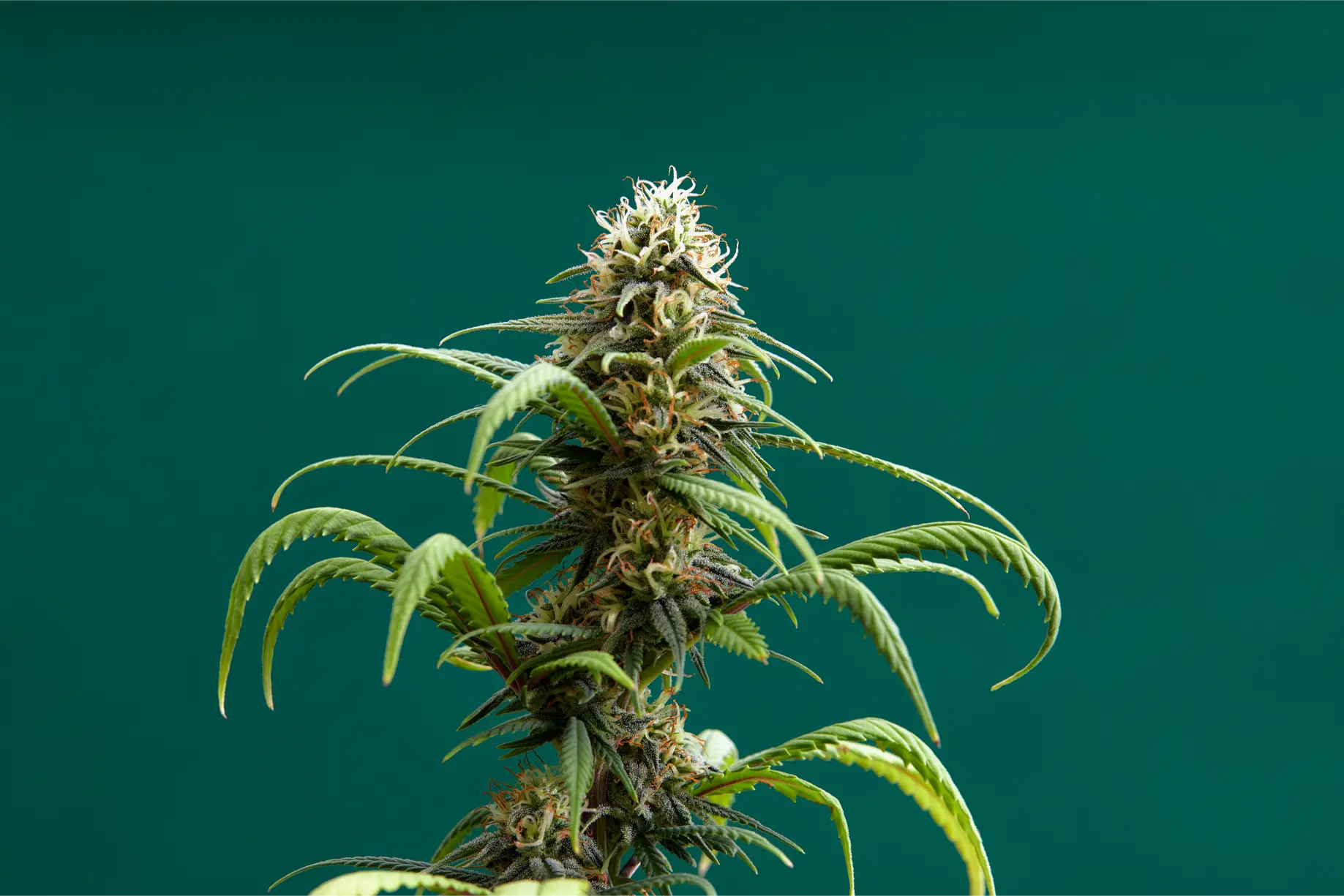
Stem elongation in cannabis is one of the most visible, rapid, and sometimes frustrating morphological phenomena encountered by indoor cultivators. While some degree of internodal expansion is a natural physiological requirement during the early flowering transition, excessive, uncontrolled stretching creates severe operational bottlenecks. Spindly stalks, weak vascular branches, uneven canopy penetration, and light-bleached apical crowns are frequent casualties of poorly managed stretch dynamics. In horticulture, stretching is not a single isolated event caused merely by a distant fixture; it is an integrated biological response governed by photomorphogenesis, spectral photon ratios, ambient thermal differentials, and deep-seated genetic adaptations. Understanding the five primary drivers of cannabis stem elongation transforms canopy management from chaotic reactive pruning into disciplined biological architecture.
- Direct Answer: The Five Fundamental Triggers of Cannabis Stem Elongation
- Photomorphogenesis and Hormonal Cascades: Phytochromes, Cryptochromes, and Auxin
- Environmental Interactions: Day-Night Temperature Differential (DIF) and Canopy Heat
- In-Depth Analysis of Critical Stretch Scenarios: Seedlings and High-Intensity Fixtures
- Genetic Predisposition vs Environmental Plasticity: Sativa vs Indica Stretch Ratios
- Step-by-Step Stretch Management SOP: Spectrum Tuning, Height Control, and Pruning
- Final Decision Checklist and Companion Weedth Resources
- Scientific References
Direct Answer: The Five Fundamental Triggers of Cannabis Stem Elongation
The definitive botanical answer to why cannabis stretches is that stem elongation represents an adaptive survival strategy known as the Shade Avoidance Response ($SAR$), cross-regulated by five interdependent variables:
- Insufficient Light Intensity (Low PPFD): When Photosynthetic Photon Flux Density falls below the physiological requirement of the plant developmental stage, chloroplasts receive inadequate energy for compact vegetative biomass. The plant responds by down-regulating lateral branch formation and allocating cellular resources into rapid vertical stem elongation to escape perceived vegetative competition.
- Spectral Photon Imbalance (Far-Red to Red and Blue Fractions): Plants perceive their optical environment through specialized photoreceptors. A low red to far-red photon ratio ($R:FR < 1.0$) or an insufficient fraction of high-energy blue photons ($400 to 500 nm$) signals to the plant that it is shaded beneath a dense overhead vegetative canopy, triggering immediate hypocotyl and internodal extension.
- Excessive Fixture Distance: Hanging luminaires too far above the canopy rapidly dilutes photon density across square area following the optical inverse square law. Even powerful fixtures produce severe stem stretching when suspended far beyond their designed focal distance.
- Thermal Differential (+DIF) and Ambient Heat: When daytime air temperatures significantly exceed nighttime temperatures (a positive DIF), plant cells produce elevated levels of gibberellins, stimulating cell wall loosening and rapid axial cell elongation. High radiant heat from uncooled diodes exacerbates this response.
- Genetic Inheritance and Phenotypic Vigor: Landrace genetics originating from equatorial latitudes (narrow-leaf sativa lines) evolved under intense year-round sunlight and crowded canopy competition, naturally displaying a 200% to 300% vertical stretch during the flowering transition. Broad-leaf Afghanica lines from high-altitude latitudes feature compact, stocky structures with modest 25% to 50% stretch profiles.
Shade Avoidance Response ($SAR$) and Day-Night Temperature Differential ($DIF$)
Shade Avoidance Response ($SAR$) is an evolutionary suite of morphological changes: including rapid stem elongation, petiole extension, and reduced lateral branching: triggered when phytochrome and cryptochrome photoreceptors detect depleted blue or red photons relative to far-red radiation. Day-Night Temperature Differential ($DIF$) is the mathematical difference between daytime temperature and nighttime temperature (DIF = Tday – Tnight). A strongly positive DIF accelerates stem lengthening, while a negative or zero DIF suppresses vertical stretch.
Managing cannabis stretch requires recognizing that stretching is not inherently defective biology; it is the plant dynamic adjustment to its sensory environment. During the initial two to three weeks of the 12/12 photoperiod transition, some vertical expansion is essential to space developing floral bud primordia along the branch architecture. However, when stretch is permitted to proceed unchecked due to optical or thermal mismanagement, the resulting canopy develops sparse floral clusters with vast internodal voids, thin structural branches incapable of supporting heavy late-bloom floral mass, and dangerous hotspots that scorch top colas.
Fundamental Photomorphogenic Rule: Light intensity provides the fuel for growth, but light spectrum and temperature differential dictate the physical blueprint. Blue photons and negative DIF compact the plant architecture; far-red photons and positive DIF stretch it toward the sky.
Photomorphogenesis and Hormonal Cascades: Phytochromes, Cryptochromes, and Auxin
To gain precise command over stem extension, agronomists must inspect the sub-cellular photoreceptor networks and endogenous plant hormone cascades that regulate cell division and elongation.
Phytochrome Photostationary State ($PSS$)
Phytochromes are specialized chromoproteins that exist in two interconvertible conformational states:
- Pr (Red-Absorbing Form): Absorbs red photons with a peak sensitivity around 660 nm, converting instantaneously into the biologically active Pfr conformation.
- Pfr (Far-Red Absorbing Form): Absorbs far-red photons around 730 nm, reverting back into the inactive Pr state.
The ratio of Pfr to total phytochrome (Pfr / Ptotal) is defined as the Phytochrome Photostationary State ($PSS$). In direct, unfiltered sunlight or under balanced broad-spectrum white LEDs, the red-to-far-red ratio is high ($R:FR > 1.2$), maintaining a high PSS value ($0.80 to 0.85$). In this active state, Pfr migrates into the cell nucleus, where it binds to and promotes the degradation of Phytochrome-Interacting Factors (PIFs), specifically PIF4 and PIF5. Because PIF transcription factors are suppressed, the genes responsible for stem elongation remain switched off, resulting in tight, compact internodal spacing.
However, when green plant leaves absorb red light for photosynthesis while transmitting or reflecting far-red light (700 to 750 nm), the surrounding photon pool becomes far-red enriched ($R:FR < 0.8$). Under low R:FR conditions, Pfr rapidly reverts to inactive Pr. PSS plummets below 0.70. Released from Pfr suppression, PIF transcription factors accumulate rapidly in the nucleus, directly activating the biosynthesis of free indole-3-acetic acid (auxin) and gibberellic acid (GA3). Auxin activates plasma membrane proton pumps (H+-ATPases), pumping protons into the apoplast and lowering cell wall pH to 4.5. This apoplastic acidification activates specialized cell-wall loosening enzymes called expansins, allowing turgor pressure to drive rapid axial cell elongation: the mechanical basis of stem stretch.
Brassinosteroids and BZR1 Transcriptional Crosstalk
Stem elongation does not rely on auxin and gibberellins alone; it requires close hormonal crosstalk with brassinosteroids (BRs), a class of polyhydroxylated steroidal plant hormones. When low PPFD or far-red light inactivates phytochromes, the central brassinosteroid signaling kinase BIN2 (Brassinosteroid-Insensitive 2) is deactivated. This allows the key transcription factor BZR1 (Brassinazole-Resistant 1) to dephosphorylate and translocate directly into the cell nucleus.
Inside the nucleus, BZR1 physically heterodimerizes with PIF4. This BZR1-PIF4 transcriptional module binds with extraordinary affinity to conserved E-box and G-box DNA motifs in the promoter regions of cell-expansion genes, including xyloglucan endotransglucosylase/hydrolases (XTHs) and expansins (EXPA). By remodeling the cellulose-hemicellulose cross-linking matrix within primary plant cell walls, brassinosteroid-PIF crosstalk amplifies auxin-driven cell wall extension, accelerating rapid internodal elongation under shade or low-intensity lighting conditions.
Cryptochromes and the Blue Light Brake
While phytochromes respond to red and far-red light, cryptochromes (CRY1 and CRY2) are flavoprotein photoreceptors that absorb blue photons (400 to 500 nm). Blue light acts as a powerful biological brake on stem extension.
When cryptochromes absorb blue photons, they undergo conformational phosphorylation, enabling them to directly inhibit COP1 (Constitutive Photomorphogenic 1), a central repressor of photomorphogenesis. In addition, blue light stimulates the degradation of auxin efflux carriers (PIN proteins), disrupting polar auxin transport down the stem axis. Commercial LED arrays engineered with high blue photon fractions (15% to 25% blue) suppress stem elongation even during high-stretch vegetative and pre-bloom periods, keeping canopies low, dense, and uniform.
| Stretch Trigger | Underlying Photobiological Mechanism | Hormonal Cascade Activated | Agronomical Countermeasure |
|---|---|---|---|
| Low PPFD Irradiance | Insufficient light saturation; carbohydrate starvation | Brassinosteroid elevation; auxin mobilization | Increase fixture intensity; lower fixture closer to canopy |
| High Far-Red Fraction | Depressed PSS ratio (Pfr / Ptotal < 0.70) | PIF4/PIF5 accumulation; GA3 synthesis; expansin activation | Eliminate supplemental 730 nm during transition; elevate 660 nm |
| Low Blue Photon Fraction | Inactivated CRY1/CRY2; uninhibited COP1 complex | Polar auxin transport surges; cell elongation proceeds | Deploy vegetative or full-spectrum spectrum with > 18% blue |
| Positive DIF (Hot Days / Cold Nights) | Thermal stimulation of active gibberellin synthesis | Active GA1 and GA4 surges during first 2 hours of day | Apply negative DIF or zero DIF; cool room at lights-on |
| Canopy Crowding | Leaf-filtered low R:FR ratio reflected between plants | Shade Avoidance Response ($SAR$) triggers lateral branch suppression | Increase plant container spacing; perform defoliation SOP |
Environmental Interactions: Day-Night Temperature Differential (DIF) and Canopy Heat
Beyond light photons, thermal dynamics exert massive control over cannabis stem elongation. Cultivators who operate high-PPFD fixtures frequently observe intense stretching despite high light levels, a conundrum rooted in environmental thermal differentials.
Understanding the DIF Concept
In commercial greenhouse and indoor horticulture, DIF is defined as the mathematical difference between the day air temperature (Tday) and the night air temperature (Tnight):
DIF = Tday – Tnight
The physiological response to DIF is predictable across C3 vascular plants:
- Positive DIF (Tday > Tnight by 10°F or more): For example, running daytime temperatures at 84°F and dropping night temperatures to 68°F (+16°F DIF). A strong positive DIF massively up-regulates the enzymatic synthesis of bioactive gibberellins (GA1 and GA4), accelerating internodal cell division and causing explosive vertical stretching.
- Zero DIF (Tday = Tnight): Operating day and night temperatures within 2°F of each other (e.g., 76°F day and 76°F night). Zero DIF stabilizes gibberellin levels, resulting in compact, dense internodal spacing.
- Negative DIF (Tday < Tnight): Running day temperatures slightly cooler than night temperatures (e.g., 75°F day and 78°F night). Negative DIF acts as a powerful biological growth retardant, suppressing stem extension without damaging floral development.
The “Morning Temperature Drop” Technique
Endogenous gibberellin synthesis and cell elongation do not occur evenly across the entire 24-hour cycle. In cannabis, the vast majority of cell elongation occurs during the final two hours of the dark period and the first two hours immediately after the luminaires turn on. Commercial facilities exploit this biological window by executing a morning temperature drop: actively chilling room air by 4°F to 6°F during the first two hours of the photoperiod. This localized morning cool pulse blunts the daily gibberellin surge, stopping stretch in its tracks while allowing growers to run warmer, high-efficiency temperatures during the remainder of the day.
In-Depth Analysis of Critical Stretch Scenarios: Seedlings and High-Intensity Fixtures
Two specific cultivation scenarios account for the majority of stretch-related inquiries: fragile seedling etiolation and paradoxical stretching beneath high-wattage commercial luminaires.
Why Cannabis Seedlings Stretch
Seedling stretch: formally termed hypocotyl etiolation: is the rapid, fragile elongation of the juvenile embryonic stem before secondary leaves establish. When a cannabis seed germinates in moist substrate, the emerging hypocotyl relies entirely on maternal carbohydrate reserves stored within the endosperm and cotyledons. In nature, the seed emerges beneath soil or leaf litter in darkness, programming the seedling to elongate vertically at maximum speed until photoreceptors detect sunlight.
In indoor grow rooms, seedling stretching occurs due to three common mistakes:
- Inadequate Seedling PPFD: Growers frequently place seedlings beneath weak 15W fluorescent tubes or dim LED strips delivering barely 50 to 80 μmol/m²/s PPFD. Because the Light Compensation Point is barely met, the seedling remains in etiolation mode, shooting upward 3 to 5 inches on a thin, thread-like stem that collapses under the weight of its own cotyledons. Cannabis seedlings thrive under 150 to 250 μmol/m²/s PPFD (DLI 10 to 16 mol/m²/d).
- Overly Distant Fixture Placement: Hanging a 650W commercial luminaire 48 inches above a seedling tray to prevent heat stress spreads photons across a massive footprint, reducing localized intensity to negligible levels. Lowering the fixture to 24 inches while dimming power to 25% delivers uniform photon density without radiative thermal stress.
- Absence of Blue Photons: Propagating seedlings beneath warm-white or red-dominant flowering spectrums lacking 450 nm blue photons prevents cryptochrome activation, inducing rapid stem elongation. Seedlings illuminated with 5,000K to 6,500K blue-rich spectrum maintain short, sturdy, self-supporting hypocotyls.
Why Cannabis Stretches Under a Powerful Grow Light
It is one of the most perplexing experiences in indoor cultivation: a grower installs a top-tier, high-output 800W commercial LED fixture, measures 1,000+ PPFD at the canopy, and yet the plants stretch uncontrollably into the light bars. This paradoxical high-light stretch is driven by specific optical and environmental imbalances:
- High Radiant Leaf Heating: Even though LED fixtures emit less infrared radiation than High-Pressure Sodium (HPS) fixtures, high-wattage multi-bar LEDs operating at 100% power emit intense photon flux that warms upper leaf surfaces. If canopy airspeed is stagnant, boundary layers trap heat, elevating leaf surface temperature to 86°F or higher. This localized heat accelerates cell division, driving rapid internodal extension directly into the diodes.
- Far-Red Contamination in the Transition Phase: Many modern commercial fixtures incorporate dedicated 730 nm far-red diodes intended to boost the Emerson enhancement effect. If these far-red channels are operated during Weeks 1 to 3 of flowering, the low R:FR ratio overrides high PPFD, forcing the plants into aggressive shade avoidance stretch. Far-red channels should be powered down or minimized until floral stretch terminates at the end of Week 3.
- Canopy Shading and Micro-Climates: In crowded high-density table layouts, upper sun leaves absorb virtually all blue and red photons, transmitting only far-red wavelengths down into the middle canopy. Even though top colas receive 1,000 PPFD, lower branches sit in deep far-red shade, stimulating systemic auxin transport that accelerates whole-plant vertical stretching.
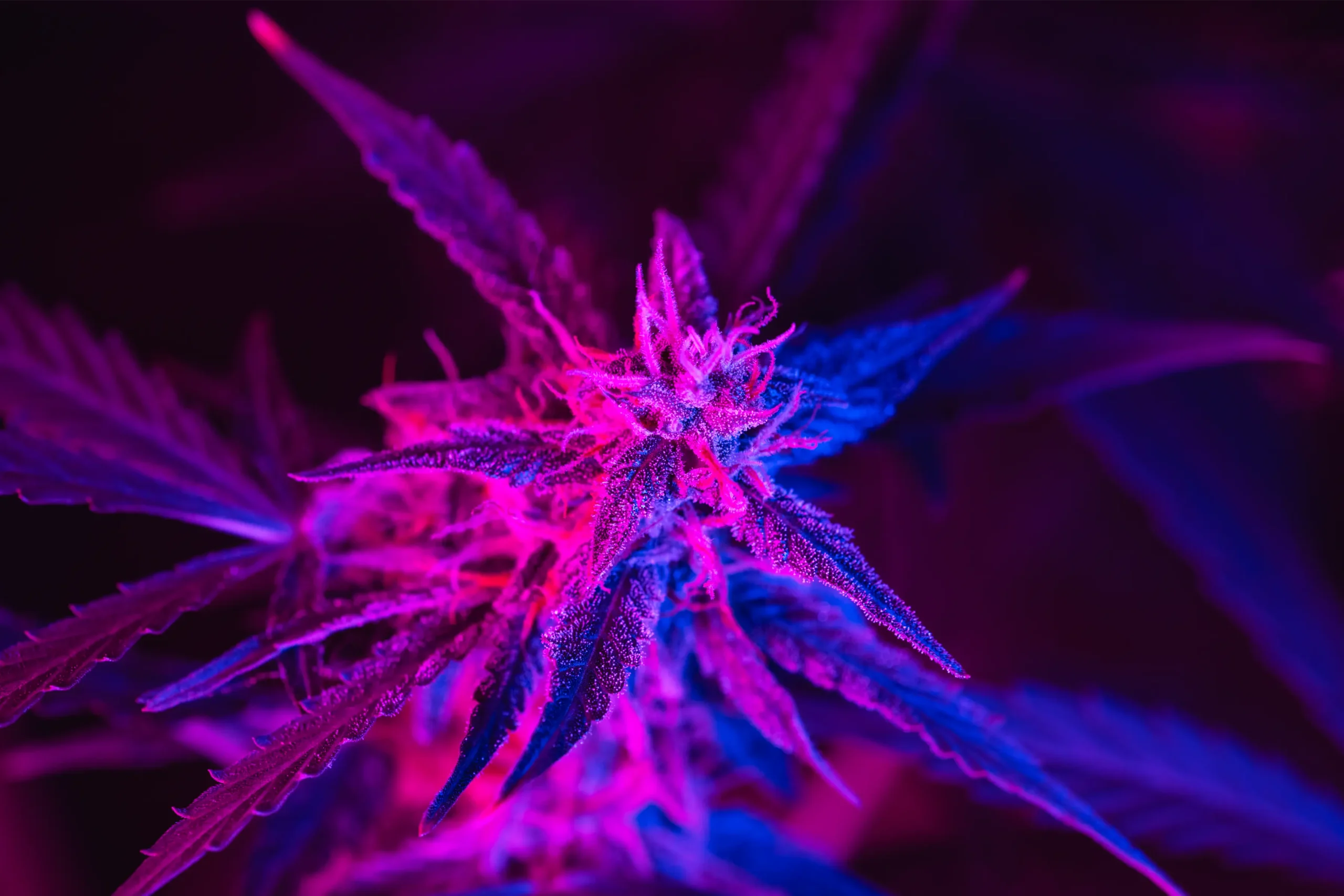
Genetic Predisposition vs Environmental Plasticity: Sativa vs Indica Stretch Ratios
Every cannabis cultivar carries a genetically programmed stretch potential that interacts with environmental cues. Cultivators must differentiate between inherited genetic architecture and environmentally induced stretching.
Equatorial Sativa Morphology
Equatorial landrace cultivars (such as Colombian, Thai, or Central African lines) evolved in tropical latitudes where the natural photoperiod fluctuates minimally throughout the year (roughly 12 hours of daylight year-round). Because seasonal photoperiod cues are subtle, these plants evolved to rely on continuous vegetative vigor to outgrow competing tropical canopy vegetation.
When switched to a 12/12 indoor flowering cycle, pure sativa or sativa-dominant hybrids continue expanding vegetatively for 4 to 6 weeks, frequently stretching 200% to 300% (doubling or tripling their pre-bloom height). Sativas produce high baseline concentrations of endogenous gibberellins, thin leaf petioles, and wide internodal spacing. Managing these genetics requires aggressive pre-bloom training, early flowering flips (at 8 to 12 inches of height), and blue-enriched spectral recipes.
High-Altitude Afghanica Morphology
Conversely, broad-leaf indica cultivars originating from mountainous regions of Afghanistan and Pakistan (such as Hindu Kush varieties) evolved in arid, high-altitude climates characterized by intense ultraviolet exposure, high winds, and severe winter freezes. To survive, these plants adapted a stocky, compact architecture with short internodes, thick fibrous stems, and broad, overlapping fan leaves designed to trap heat and resist wind shear.
Under 12/12 indoor induction, broad-leaf indicas exhibit a brief, modest stretch lasting only 10 to 14 days, typically expanding by 25% to 50% before arresting vertical extension to focus metabolic energy on floral bract swelling. Pushing high blue light or cold night temperatures on pure indicas can compress internodes so severely that developing buds crowd into dense, suffocated clusters susceptible to Botrytis bud rot.
| Spectral Band | Wavelength Window | Primary Photoreceptor | Morphological Impact on Stem |
|---|---|---|---|
| UVA / Blue | 380 – 480 nm | CRY1, CRY2, Phototropins | Potent stretch inhibitor; thickens cell walls; tightens internodes |
| Green | 500 – 600 nm | Cryptochromes (antagonist) | Deep canopy penetration; weak stretch stimulation in dense shade |
| Red | 620 – 680 nm | Phytochrome (Pr → Pfr) | Maintains active PSS; supports compact floral bulking |
| Far-Red | 700 – 750 nm | Phytochrome (Pfr → Pr) | Massive stretch accelerator; activates PIF4/5; loosens cell walls |
Step-by-Step Stretch Management SOP: Spectrum Tuning, Height Control, and Pruning
To maintain absolute control over canopy height and capture uniform photon distribution across all flowering sites, commercial operators implement a repeatable four-step standard operating procedure.
Step 1: The Pre-Bloom Blue Photon Shift
During the final week of vegetative growth and the first two weeks of 12/12 flowering (the active stretch window), deploy luminaires with high blue photon ratios (18% to 22% blue in the 400 to 500 nm range). If utilizing dimmable multi-channel LED fixtures, increase the blue channel to 100% while keeping red channels at 70%. The abundant blue photons maintain active cryptochrome suppression of polar auxin transport, reducing total vertical stretch by 25% to 40% without compromising photosynthetic rate.
Step 2: Negative or Zero DIF Climate Control
During Weeks 1 to 3 of flowering, program HVAC climate controllers to enforce zero DIF or a slight negative DIF. Keep daytime temperatures at 76°F to 78°F (24.4°C to 25.5°C) and maintain nighttime temperatures at 76°F to 77°F (24.4°C to 25.0°C). In addition, execute a 3°F to 5°F temperature drop during the first 90 minutes of lights-on. This thermal regime blocks the morning surge of active gibberellin synthesis, keeping internodes remarkably compact.
Step 3: Trellis Layering and Low-Stress Training (LST)
Install the first horizontal trellis netting layer 8 to 10 inches above the container surface before initiating 12/12. As branches stretch during Weeks 1 and 2, gently bend and weave dominant shoots beneath the netting squares, directing them outward toward the canopy perimeter. Install a second trellis netting layer 12 inches above the first at Day 14 of bloom to support expanding floral primordia and lock canopy geometry into a flat, uniform horizontal plane.
Step 4: Day 21 Defoliation and Apical Pruning
At Day 21 of 12/12, vertical stem elongation naturally terminates in healthy cannabis as the plant switches metabolic priority to floral swelling. Perform a thorough lower canopy cleanup (lollipopping): removing the lower third of spindly, shaded understory branches and large interior fan leaves that cast shade. Stripping shaded understory foliage eliminates internal far-red reflection, stabilizing canopy photomorphogenesis for the remainder of the flowering cycle.
How Managing DIF and Blue Light Tamed a 300% Sativa Canopy Stretch
In a commercial facility in Michigan, a cultivator ran a renowned Super Silver Haze hybrid known for aggressive stretching. In previous cycles, the plants stretched over 38 inches during the first three weeks of 12/12 beneath high-efficiency multi-bar LEDs, growing directly into the diode bars. The tops bleached white, developed severe foxtailing towers, and required emergency crimping that stunted floral yields.
The investigation: An environmental audit revealed two critical flaws: the facility ran a sharp +14°F DIF (84°F day / 70°F night), and the grower had activated a 730 nm far-red booster channel on Day 1 of bloom, believing it would accelerate flowering. The combination of strong positive DIF and far-red bombardment created a catastrophic shade avoidance cascade.
The correction: On the following run, we completely shut off the far-red channel until Day 22, increased the fixture blue spectrum ratio to 20%, and adjusted HVAC programming to maintain a tight zero DIF (77°F day / 77°F night) with a 4°F drop during the first two hours of lights-on. The results were astounding: total vertical stretch was curtailed by 42%, internodal spacing tightened from 4.5 inches down to 1.8 inches, branches remained stocky and self-supporting, and the canopy finished with pristine, emerald colas positioned exactly 14 inches below the luminaires.
When analyzing commercial canopy energetics, cultivators must understand that excessive stretch carries an enormous metabolic penalty. Synthesizing structural cellulose, hemicellulose, and lignin to build tall, empty stem tissue consumes substantial quantities of photosynthetically fixed sucrose and ATP. Every gram of carbon diverted into stretching internodes is a gram of carbohydrate that cannot be invested into calyx multiplication, glandular trichome initiation, or cannabinoid biosynthesis. Compacting the canopy architecture directly concentrates metabolic carbon into harvestable floral mass.
Furthermore, maintaining uniform vertical height across all flowering tops dramatically improves whole-room electrical efficiency ($g/kWh$). Because photon irradiance diminishes rapidly with distance from the light source, a canopy with wildly uneven top heights forces the grower to position fixtures high enough to avoid burning the tallest apical shoot. Consequently, secondary colas located just 12 inches lower receive 40% to 50% less PPFD, producing loose, airy B-grade buds. A flat, disciplined canopy ensures that every floral site operates at optimal photosynthetic saturation.
In addition, structural stem diameter directly governs xylem vascular transport capacity. When plants stretch rapidly under low light or far-red exposure, cell division outpaces secondary cell wall lignification, creating thin, hollow stems with narrow xylem vessels. Narrow vessels exhibit high hydraulic resistance, restricting the mass flow of water and divalent cations: particularly calcium (Ca2+) and magnesium (Mg2+): to developing apical colas during peak bloom. Compact, sturdy stems feature broad vascular bundles capable of supporting intense transpirational pull and heavy floral mass without lodging.
Do
Enforce Zero DIF and Boost Blue Spectrum During Transition
Keep day and night temperatures balanced and provide 18% to 22% blue photons during Weeks 1 to 3 of bloom to suppress gibberellin synthesis and compact internodes.
Avoid
Blast Far-Red (730 nm) on Hot, Positive-DIF Canopies
Never run supplemental far-red light alongside high daytime temperatures and cold nights; the combination triggers explosive, uncontrollable stem stretching.
Question:
Final Decision Checklist and Companion Weedth Resources
Before initiating your next vegetative cycle or transitioning crops into flowering, verify your operational parameters against this stretch prevention checklist:
Cannabis Stretch Diagnosis and Control Checklist
- Provide seedlings with 150 to 250 μmol/m²/s PPFD under blue-rich spectrum (5,000K) to prevent fragile hypocotyl etiolation.
- Hang vegetative luminaires at the manufacturer recommended focal height; avoid hanging fixtures too high to prevent photon dilution.
- Eliminate supplemental far-red (730 nm) illumination during the first 3 weeks of the 12/12 flowering transition.
- Maintain daytime and nighttime air temperatures within 2°F of each other (zero DIF) during Weeks 1 to 3 of bloom.
- Execute a 3°F to 5°F morning temperature drop during the first 90 minutes after lights turn on to blunt the daily gibberellin surge.
- Research cultivar parentage: expect 200%+ stretch on equatorial sativas and plan early vegetative flips accordingly.
- Install double-layer trellis netting to gently weave and horizontalize aggressive apical shoots before stems become woody.
- Perform a comprehensive Day 21 lower canopy defoliation (lollipopping) to eliminate internal canopy shading and far-red reflection.
Mastering why cannabis stretches transforms one of the most volatile phases of the cultivation cycle into a predictable, engineered process. By synchronizing photomorphogenic light spectra, thermal differentials, and physical canopy training, commercial growers achieve compact, structurally robust canopies that deliver exceptional floral density, maximum light utilization, and championship harvest value.
Final Verdict: Photons dictate direction, but spectrum and temperature set the boundaries. Control the optical signals, balance your day-night temperatures, and guide genetic vigor to build a disciplined canopy that thrives under high intensity.
To continue building your cultivation mastery with our companion foundational guides, explore Weedth resources below.
Scientific References
- Franklin, K. A., & Whitelam, G. C. (2005). Phytochromes and shade-avoidance responses in plants. Annals of Botany, 96(2), 169-175.
- Zhen, S., & Bugbee, B. (2020). Far-red photons have equivalent efficiency to traditional photosynthetic photons: Implications for redefining photosynthetically active radiation. Plant, Cell & Environment, 43(5), 1259-1272.
- Zheng, Y. (Ed.). (2021). Handbook of Cannabis Production in Controlled Environments. CRC Press.
- Mysliwa-Kurdziel, D., Solymosi, K., & Strzalka, K. (2013). Etioplast-to-chloroplast transformation: light regulation and signaling. Biologia Plantarum, 57(3), 401-414.
- Eichhorn Bilodeau, S., Wu, B. S., Rufyikiri, A. S., MacPherson, S., & Lefsrud, M. (2019). An update on plant photobiology and implications for Cannabis production. Frontiers in Plant Science, 10, 296.
Share this article
A quick overview of the topics covered in this article.