
HEPA vs Carbon Filter for Grow Rooms
When designing an indoor cannabis air filtration system, cultivators frequently encounter confusing and conflicting advice regarding air purification technologies. Novice growers often ask whether they should purchase a HEPA filter or a carbon filter for their grow tent, operating under the mistaken assumption that these two technologies are competing alternatives for the same task. In controlled environment agriculture (CEA), HEPA (High-Efficiency Particulate Air) filtration and activated carbon adsorption are not interchangeable options; they are fundamentally distinct, complementary technologies engineered to solve completely different physical and biological filtration challenges.
A HEPA filter is a mechanical particulate filter engineered to capture airborne physical solids (such as fungal spores, mold conidia, bacterial cells, dust mites, insect pests, and pulverised substrate perlite) down to 0.3 microns with 99.97 percent efficiency. However, a HEPA filter has zero ability to capture gas-phase molecules; volatile organic terpenes and pungent cannabis odors pass directly through HEPA media completely unrestricted. Conversely, an activated carbon filter is a chemical gas-phase adsorption canister engineered specifically to trap gaseous odor molecules via van der Waals forces, but it quickly clogs and fails if forced to act as a primary particulate dust filter.
Aerosol Physics Principle: Particulate Capture vs Gas-Phase Molecular Adsorption
Filtration physics divides airborne contaminants into two distinct thermodynamic categories: suspended aerosol particles (matter possessing mass and physical diameter greater than 0.01 microns) and gaseous molecules (individual volatile chemical compounds existing in the vapor phase, typically smaller than 0.001 microns). HEPA filters utilize mechanical impaction, interception, and Brownian diffusion across dense borosilicate microfibers to capture physical particles. Activated carbon utilizes van der Waals capillary attraction across microporous internal carbon surfaces to capture gaseous molecules. You cannot use a HEPA filter for odor, and you cannot use a carbon filter for cleanroom biosecurity.
Understanding this physical divergence establishes the proper architectural placement of both technologies within a cultivation facility. In high-performance indoor cultivation, HEPA filtration belongs almost exclusively on the intake air pathway, acting as an impenetrable biosecurity shield that sterilizes incoming outdoor or lung room makeup air before it enters the pristine canopy. By filtering out Botrytis cinerea spores, powdery mildew conidia, and microscopic russet mites at the intake, HEPA filtration prevents biological crop epidemics before they can start.
Activated carbon filtration, on the other hand, belongs on the exhaust and internal recirculation pathways. Located inside the upper ceiling space of the grow tent, the carbon filter intercepts volatile monoterpenes and sesquiterpenes evaporated from flowering colas, neutralizing odors before air is discharged out of the building. Cultivators who master the integration of both filtration stages achieve total biological biosecurity at the entrance and total odor stealth at the exit.
However, running both HEPA and carbon filtration systems introduces substantial fluid dynamic challenges, primarily cumulative external static pressure drop. HEPA media is exceptionally dense, creating static resistance that can easily exceed 0.50 to 1.0 inches of water gauge (125 to 250 Pascals). Pairing a dense intake HEPA filter with an exhaust carbon filter without proper blower engineering can choke volumetric air exchange, causing inline fan motors to overheat and enclosures to suffer severe heat and humidity spikes.
This technical comparison guide provides an exhaustive engineering breakdown of HEPA versus carbon filtration. Cultivators will master fluid dynamic sizing workflows, static pressure balancing, duct layout configurations, and maintenance protocols required to deploy both technologies effectively in home grow tents and commercial facilities alike.
Defining the Filtration Problem and Controlling Aerodynamic Variables
A Rigorous Engineering Comparison Begins by Defining
A rigorous engineering comparison begins by defining the controlling physical variables governing mechanical air purification. These variables include particulate aerodynamic diameter (microns), molecular vapor mass (Daltons), volumetric airflow rate (CFM), filter face velocity (feet per minute), clean filter initial static pressure drop (inches of water gauge), and loaded filter terminal pressure drop.
For particulate filtration (HEPA), the governing variable is the Most Penetrating Particle Size (MPPS), which occurs at exactly 0.3 microns. Particles larger than 0.3 microns are easily trapped by inertial impaction and direct interception, while particles smaller than 0.1 microns are trapped by Brownian random diffusion as they collide with air molecules. Standard true HEPA media (certified under DOE-STD-3020) must capture 99.97 percent of all particles at the challenging 0.3-micron MPPS. In a cannabis facility, this efficiency rating guarantees 100 percent exclusion of powdery mildew spores (which measure 5 to 12 microns in diameter) and Botrytis gray mold spores (which measure 8 to 15 microns).
“Can I put a HEPA filter box on the exhaust duct of my grow tent instead of a heavy carbon filter to stop the smell and keep my exhaust clean?”
Question sent by: KlamathKush, via email.
No, a HEPA filter will not reduce or eliminate cannabis odor at all. Botanical odor is composed of volatile gaseous molecules (terpenes, thiols, and esters) that are thousands of times smaller than the 0.3-micron fiber gaps of a HEPA filter. Terpene gas molecules will pass through a HEPA filter completely unobstructed, resulting in 100 percent odor escape. To eliminate odor, you must use an activated virgin carbon filter, which captures gaseous molecules via molecular adsorption. Reserve your HEPA filter strictly for the air intake to stop mold spores and bugs from entering.
Tristans Question Illustrates the Most Prevalent Misconception
Tristan’s question illustrates the most prevalent misconception in indoor air purification. Many growers assume that because HEPA filters are utilized in hospital operating rooms and cleanrooms, they represent the ultimate all-in-one air filter. However, cleanrooms utilize HEPA filters strictly for particulate sterility; when hospital operating rooms need to scrub anesthetic gases or toxic VOCs, they pair their HEPA filters with deep-bed activated carbon or potassium permanganate chemical scrubbers.
For gas-phase filtration (carbon), the governing variables are carbon bed contact dwell time (strictly 0.10 to 0.15 seconds) and relative humidity (which must remain below 65 percent to prevent capillary condensation). A carbon filter does not care about particle size because it is not capturing particles; it captures volatile chemical compounds by adsorbing them into millions of sub-nanometer micropores.
System Layout: Intake Biosecurity vs Exhaust Odor Scrubbing Geometry
The Physical Routing and Spatial Arrangement
The physical routing and spatial arrangement of filtration equipment dictate whether air moves through the facility with balanced, laminar stability or strains fan motors and creates severe microclimatic gradients. In high-performance facilities, HEPA and carbon filtration occupy opposing ends of the airflow loop.
Intake HEPA filtration must be positioned as a positive-pressure supply system. In a professional layout, a dedicated inline blower mounted in the lung room draws pre-conditioned air through an exterior intake louver, passes it through a multi-stage filter housing, and discharges sterile air directly into the bottom of the grow tent. The intake filter housing must utilize staged filtration: a low-cost, disposable MERV 8 pre-filter to capture coarse dust, pet hair, and airborne soil particles, followed by the deep-pleated HEPA secondary filter. The MERV 8 pre-filter extends the operational lifespan of the expensive HEPA media from three months to over two years by preventing premature face-loading.
“I am trying to dial in the physical routing and spatial arrangement for my indoor tent, what is the most reliable measurement to check first so I do not overcorrect?”
Question sent by: Kellan Yarbrough, via grow journal submission.
Start by taking a direct baseline measurement rather than guessing from foliar symptoms alone. In practice, This ensures that any microscopic pinhole leaks or loose clamps in the exhaust ducting remain under fail-safe negative pressure, preventing unscrubbed odor from escaping into the room.
Once you have confirmed the baseline reading, adjust only one variable at a time and log the response over the next 24 to 48 hours. Angling circulation fans upward into the exhaust filter disrupts this convection roll, creating chaotic turbulence that reduces filtration efficiency.
Exhaust carbon filtration must be maintained in the negative-pressure suction configuration inside the cultivation enclosure. The virgin carbon canister is suspended horizontally at the ceiling, connected directly to the intake collar of the exhaust fan. The fan pulls air through the carbon bed under negative pressure and pushes 100 percent scrubbed air out through the exhaust ductwork. This ensures that any microscopic pinhole leaks or loose clamps in the exhaust ducting remain under fail-safe negative pressure, preventing unscrubbed odor from escaping into the room.
Circulation Fan Integration Within the Canopy
Circulation fan integration within the canopy must work in synergy with the intake-to-exhaust flow path. Conditioned, sterile air emerging from the low-level HEPA intake should be directed across the root containers and lower stems by horizontal oscillating clip fans. The air rises through the canopy, absorbing sensible heat from lighting fixtures and latent moisture from transpiration, before being smoothly scavenged by the ceiling carbon filter. Angling circulation fans upward into the exhaust filter disrupts this convection roll, creating chaotic turbulence that reduces filtration efficiency.
Aerodynamic Rule: Dedicated Intake Blowers for HEPA Static Resistance
Never rely on a single exhaust fan to pull air passively through an intake HEPA filter. A true HEPA filter introduces 0.40 to 0.70 inches of water gauge of initial static resistance. If an exhaust fan tries to suck air passively through both a carbon exhaust filter and an intake HEPA filter, total system static pressure will exceed 1.2 inches w.g. The exhaust fan will stall, airflow CFM will collapse by 70 percent, and the extreme negative pressure will cave tent fabric walls inward against lights. Intake HEPA filters must always be powered by their own dedicated, speed-matched intake blower.
In Sealed Rooms with Closed-loop Mini-split Air
In sealed rooms with closed-loop mini-split air conditioning, HEPA and carbon filtration are integrated into continuous recirculating air scrubbers. A standalone mobile air scrubber containing both a MERV 8 pre-filter, an activated carbon bed, and a final HEPA stage runs continuously in the corner of the room. This continuously polishes the air, removing airborne foliar dust, capturing shed trichome heads, and scrubbing volatile organic compounds without discharging any air outside the building.
Furthermore, duct connections across both HEPA housings and carbon canisters must be mechanically secured with stainless steel worm-drive hose clamps and sealed airtight with UL 181-certified aluminum foil tape. Bypassing a HEPA filter through an unsealed gasket defeats the entire biosecurity purpose, allowing thousands of mold spores to enter through microscopic framing cracks.
Installed Sizing Workflow: Aerodynamic Static Pressure and Fan Matching
Sizing an Integrated HEPA and Carbon Filtration System
Sizing an integrated HEPA and carbon filtration system requires executing rigorous static pressure calculations. The common mistake of adding “free-air” fan ratings together guarantees severe mechanical cavitation and inadequate air exchange.
To accurately size equipment, cultivators must calculate the total system static pressure drop across all duct components under operational airflow velocities. A clean HEPA filter typically introduces 0.50 inches w.g. of resistance, while a packed virgin carbon filter introduces 0.35 inches w.g. Adding flexible duct bends, intake louvers, and backdraft dampers brings total system static resistance to approximately 1.05 inches of water gauge (260 Pascals). Typical axial or budget booster fans cannot operate against this pressure; cultivators must select high-static backward-curved centrifugal or EC mixed-flow blowers engineered to deliver rated CFM against high static drag.
“My grow room logs look stable on paper, but I am still unsure about sizing an integrated hepa and carbon filtration system. Should I adjust my equipment settings immediately or run a baseline verification test first?”
Question sent by: GuelphGreenhouse, via email.
Start by taking a direct baseline measurement rather than guessing from foliar symptoms alone. In practice, A clean HEPA filter typically introduces 0.50 inches w.g.
Once you have confirmed the baseline reading, adjust only one variable at a time and log the response over the next 24 to 48 hours. Pushing air through a compact HEPA filter at 900 FPM reduces diffusion efficiency, forces microscopic mold spores through fiber pores, and causes severe fan motor amp overload.
| Engineering Specification | Mechanical HEPA Filter | Activated Carbon Filter | Engineering Consequence |
|---|---|---|---|
| Target Contaminant Class | Physical Particles (0.3 μm MPPS) | Gaseous VOCs & Monoterpenes | HEPA stops mold/pests; Carbon stops odors. |
| Filtration Mechanism | Mechanical Impaction & Diffusion | Gas-Phase van der Waals Adsorption | HEPA requires fiber density; Carbon requires dwell time. |
| Primary Facility Location | Air Intake Supply (Positive Pressure) | Exhaust / Recirculation (Negative Pressure) | Separates cleanroom intake from odor discharge. |
| Static Pressure Resistance | High (0.45 to 0.85 in. w.g.) | Moderate (0.25 to 0.45 in. w.g.) | Requires dedicated EC blowers on both pathways. |
| Moisture Sensitivity | Moderate (high RH degrades paper fibers) | Extreme (RH > 70% causes pore flooding) | Carbon must be protected by active dehumidification. |
| Typical Service Lifespan | 12 to 24 months (with MERV 8 pre-filter) | 12 to 18 months (under continuous duty) | Both require regular pre-filter wash/replacement. |
The Comparative Matrix Above Clearly Outlines
The comparative matrix above clearly outlines the fundamental engineering trade-offs between both technologies. In a 4×4 grow tent operating a 650-watt LED fixture, sensible heat removal requires delivering approximately 250 to 300 CFM of actual, installed airflow. If the cultivator installs a 6-inch intake HEPA box and a 6-inch exhaust carbon canister, they must select two independent 6-inch EC fans (each rated for at least 400 to 450 CFM free-air) and throttle both fans using synchronized digital controllers to deliver an exact 280 CFM balanced flow.
Face velocity sizing across the HEPA filter must also be audited. HEPA media functions with maximum particle capture efficiency when air face velocity across the pleated borosilicate paper measures between 250 and 500 feet per minute (FPM). Pushing air through a compact HEPA filter at 900 FPM reduces diffusion efficiency, forces microscopic mold spores through fiber pores, and causes severe fan motor amp overload. Cultivators must ensure the cross-sectional face area of the HEPA box matches their volumetric CFM requirements.
Dynamic Environmental Loads: Seasonal Spore Counts, Weather, and Trichome Mass
Filtration Loads Within an Indoor Agricultural Facility
Filtration loads within an indoor agricultural facility fluctuate dramatically across seasonal weather transitions and crop phenological stages. A filtration setup that operates flawlessly in early spring will face immense biological and chemical pressure by mid-autumn.
Seasonal outdoor spore pressure is the primary driver of intake HEPA loading. During late summer and early autumn, outdoor agricultural harvest activities, decaying fallen leaves, and humid meteorological conditions cause outdoor mold spore concentrations (specifically Botrytis, Aspergillus, and Cladosporium) to spike into thousands of spores per cubic meter of air. An unshielded open intake port will pull millions of fungal spores directly into the grow room every hour, virtually guaranteeing crop infection. The intake HEPA filter intercepts 99.97 percent of these spores, maintaining sterile cleanroom conditions even during peak outdoor spore blooms.
“My intake HEPA filter worked great all winter, but in mid-summer my tent exhaust fan started screaming and tent temperature climbed by 4 degrees Celsius. Why did my airflow suddenly drop?”
Question sent by: Kellan Greenwood, via reader Q&A form.
Your intake HEPA filter pre-filter is severely face-loaded with outdoor dust, tree pollen, and insect debris. During spring and early summer, outdoor air carries massive particulate loads. As coarse pollen and dust coat the outer filter, static pressure drop across the HEPA assembly doubles from 0.50 to over 1.0 inches of water gauge. This massive pressure spike throttles your fan airflow, starving the tent of cooling air. You must replace the disposable MERV 8 pre-filter sleeve immediately; in heavy pollen seasons, pre-filters must be checked every 30 days.
Kendall’s experience highlights the vital role of sacrificial pre-filtration. A HEPA filter is engineered to capture sub-micron particles; it should never be allowed to load with coarse outdoor dust, tree pollen, or cottonwood fluff. A simple, inexpensive MERV 8 pre-filter captures 90 percent of these coarse particulates, keeping the delicate HEPA borosilicate pleats pristine and maintaining low static pressure drop throughout seasonal pollen surges.
Exhaust Carbon Loading
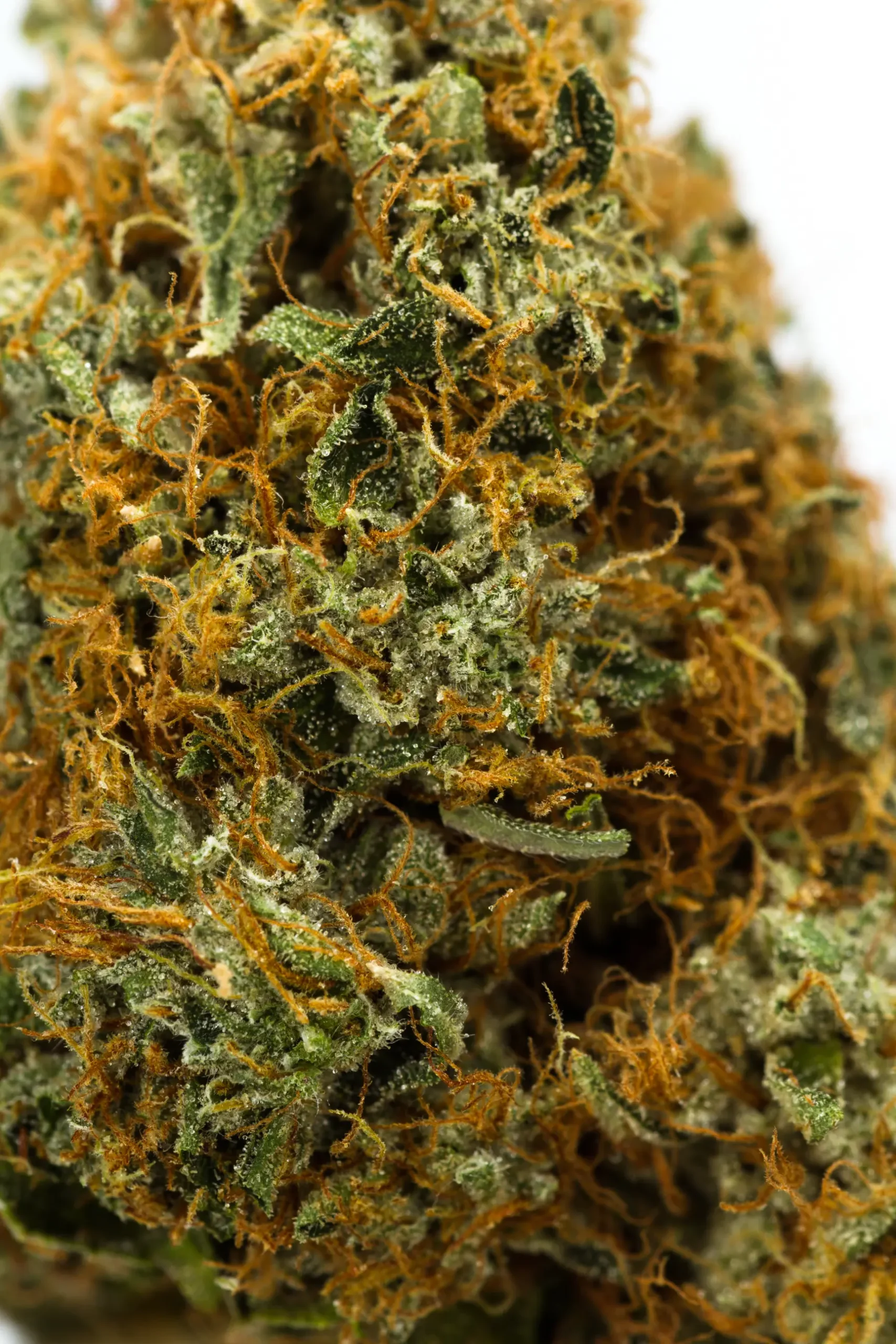
Conversely, exhaust carbon loading is driven entirely by internal crop phenology. As cannabis plants transition from vegetative growth into late bloom, glandular trichomes swell with volatile terpenes. The airborne VOC load on the carbon filter multiplies by ten to twenty times. If the cultivator allows room relative humidity to surge above 70 percent during the dark cycle of late bloom, the carbon filter will suffer sudden moisture flooding, causing catastrophic odor breakthrough precisely when trichome production is highest.
Outdoor Relative Humidity Also Impacts Filtration Media.
Outdoor relative humidity also impacts filtration media. During prolonged humid rainstorms, moisture-saturated air drawn into an intake HEPA filter can weaken paper-based fiberglass pleats if inferior cellulose-blend media is used. Professional facilities specify moisture-resistant, synthetic water-repellent borosilicate microglass media engineered to withstand 100 percent relative humidity without fiber swelling or structural pleat collapse.
Microscopic pest exclusion represents another critical dynamic biosecurity boundary. While adult fungus gnats and thrips measure 1 to 2 millimeters and are stopped by simple insect mesh, eriophyid mites (specifically cannabis russet mites and broad mites) measure between 100 and 200 microns in length with microscopic nymphs and eggs as small as 30 to 50 microns. In agricultural regions with nearby hemp fields or outdoor orchards, these microscopic pests are easily carried on wind currents and pulled directly into unshielded intake ports. An intake HEPA filter establishes an absolute mechanical barrier that completely excludes russet mite vectors, protecting valuable genetic crops from devastating, undetectable microscopic infestations.
Mechanical Failure Modes: Filter Blow-By, Carbon Flooding, and Motor Stalling
Both HEPA and Carbon Filtration Systems Carry
Both HEPA and carbon filtration systems carry distinct mechanical failure modes that can undermine crop health, violate security, or damage ventilation equipment.
In HEPA filtration systems, the most common failure mode is perimeter frame blow-by. Because HEPA media is exceptionally dense, air naturally seeks any path of lower aerodynamic resistance. If the HEPA filter cartridge is installed inside a sheet metal filter box without a continuous closed-cell neoprene perimeter compression gasket, high-velocity air will slip around the edges of the filter frame. This unfiltered bypass air carries mold spores and pests directly into the garden, rendering the expensive HEPA filter completely useless. Technicians must verify that filter hold-down clamps apply uniform mechanical compression along the entire perimeter gasket.
Diagnostic Warning: The Catastrophic Static Pressure Stall
When both an intake HEPA filter and an exhaust carbon filter become loaded with dust simultaneously, total system static resistance can exceed the maximum shut-off head pressure of the inline fans. When an inline fan encounters static pressure exceeding its impeller design limits, it enters aerodynamic stall. The fan blades churn the air in place without moving volumetric mass, motor operating temperature skyrockets, and internal thermal overload switches trip. In an unmonitored room, fan stall causes temperatures to surge past 38 °C within two hours, destroying the crop.
In Carbon Filtration Systems, the Primary Failure Mode
In carbon filtration systems, the primary failure mode is moisture flooding and pore displacement. When exhaust relative humidity exceeds 70 percent, capillary condensation fills the microscopic carbon pores with liquid water, physically displacing previously adsorbed terpenes and halting new adsorption. Cultivators who observe sudden odor breakthrough during late bloom must immediately audit exhaust humidity with a calibrated hygrometer before assuming the carbon filter is spent.
Another prevalent failure mode is carbon bed settlement and channeling. High-quality carbon canisters are machine-packed on pneumatic vibratory tables to achieve maximum packing density. However, prolonged vertical hanging or rough transport can cause granular carbon to settle downward, forming an empty air void beneath the top collar. Air rushes through this void without touching any carbon, causing severe odor escape. Inspecting the top collar and tapping the casing with a rubber mallet restores bed compaction.
Commissioning Protocol, Particle Counting, and Olfactory Testing
Before Relying on an Integrated Filtration Installation
Before relying on an integrated filtration installation to protect live crops or maintain stealth, cultivators must execute a comprehensive commissioning test to verify particulate biosecurity and gas-phase adsorption efficiency.
Begin by verifying HEPA intake integrity using a laser optical particle counter. Measure the particle count of ambient outdoor or lung room air across the 0.3-micron, 0.5-micron, and 5.0-micron channels. Next, place the particle counter sampling wand directly at the discharge collar of the intake HEPA filter box. The particle count on the discharge side must drop by at least 99.97 percent, registering near-zero particles per cubic foot. If significant particle counts are detected, perimeter gasket bypass is actively occurring and the filter hold-down clamps must be re-torqued.
Standard Operating Verification Checklist
- Optical Particle Counter HEPA Audit: Confirm > 99.97% particle reduction at 0.3 μm across intake discharge.
- Perimeter Gasket Compression Check: Verify closed-cell neoprene gasket is compressed by 30% to 50% along all edges.
- Exhaust Carbon Scent Challenge Test: Spray aerosol peppermint tracer oil inside tent; verify zero odor at exterior exhaust.
- Static Pressure Differential Mapping: Measure pressure drop across clean HEPA (< 0.60 in. w.g.) and carbon (< 0.40 in. w.g.).
- Dual-Blower Speed Synchronization: Balance intake and exhaust blowers to maintain slight negative enclosure pressure (-5 Pa).
- Exhaust Relative Humidity Verification: Confirm exhaust air stream measures strictly below 65% RH under full canopy load.
- Pre-Filter Latch and Seating Check: Ensure MERV 8 intake pre-filter and carbon pre-sleeve are seated with zero gaps.
Executing This Commissioning Checklist Eliminates All Biological
Executing this commissioning checklist eliminates all biological and olfactory risks. To verify exhaust carbon scrubbing efficiency, perform the olfactory essential oil challenge test: spray three bursts of pure peppermint or eucalyptus essential oil inside the empty grow tent directly beneath the carbon filter, power on the exhaust ventilation, and audit the exterior discharge vent. Discharged air must remain 100 percent odorless.
Next, perform the differential pressure balancing audit using a digital micromanometer. Measure enclosure static pressure relative to the surrounding room: the tent must maintain mild negative pressure (-0.02 inches w.g. / -5.0 Pascals). If the tent walls bow outward (positive pressure), throttle the intake blower down or ramp the exhaust fan speed upward until negative pressure is firmly established.
Preventative Maintenance Schedule and Media Replacement Protocols
Maintaining High-efficiency Particulate and Gas-phase Filtration Across
Maintaining high-efficiency particulate and gas-phase filtration across continuous cropping cycles requires disciplined, scheduled preventative maintenance. Filters operating in continuous agricultural duty cycles steadily load with particulates and organic compounds.
Establish a monthly pre-filter inspection and cleaning schedule. Inspect the sacrificial MERV 8 pre-filter on the intake HEPA box: replace disposable pleated pre-filters every 30 to 60 days during high pollen seasons. Concurrently, remove and hand-wash the white polyester pre-filter sleeve on the exhaust carbon filter in warm water with mild detergent, allowing it to air-dry completely before reinstallation. Regular pre-filter maintenance protects expensive primary media from premature blinding.
Field Advice: Maintenance Protocol: Static Pressure Benchmarking and Filter Replacement. Install permanent mini-magnehelic differential pressure gauges across your HEPA filter box and carbon filter canister. Record initial static pressure readings when filters are brand new (typically 0.50 in. w.g. for HEPA and 0.30 in. w.g. for carbon). As filters load with particulates and VOCs, static pressure drop increases steadily. When static pressure across the HEPA filter doubles to 1.0 inch w.g., the media has reached its terminal loading capacity and must be replaced. Replace carbon canisters proactively after 12 to 18 months of continuous flowering service.
Quarterly Maintenance Must Include a Complete Mechanical
Quarterly maintenance must include a complete mechanical and electrical inspection. Clean inline fan impeller blades with isopropyl alcohol to remove clinging perlite dust and resin films, restoring aerodynamic balance and preventing motor vibration. Inspect flexible duct sleeves and silicone couplings for degradation, re-torquing stainless steel worm-drive clamps to prevent mechanical bypass leaks.
In Commercial Cleanroom CEA Facilities Annual HEPA
In commercial cleanroom CEA facilities, annual HEPA integrity certification must be conducted following ISO 14644-3 cleanroom testing standards. Technicians introduce a challenge aerosol (such as polyalphaolefin or PAO) upstream of the HEPA filter box and scan the entire downstream filter face and perimeter gasket with a photometer probe. Any localized aerosol penetration exceeding 0.01 percent of the upstream challenge concentration indicates a pinhole tear in the media or gasket blow-by, requiring immediate silicone sealant repair or cartridge replacement before initiating a new cropping cycle.
By understanding the profound scientific differences between mechanical particulate filtration and gas-phase molecular adsorption, indoor cannabis cultivators deploy HEPA and carbon technologies with surgical precision. Intake HEPA filtration establishes an impenetrable biosecurity shield against mold spores and insect pests, while exhaust carbon filtration guarantees 100 percent odor containment and exterior discretion. The cultivation facility operates with rock-solid reliability, protecting valuable botanical assets and ensuring premium, uncontaminated harvest yields crop after crop.
Scientific References
- First, M. W. (1998). HEPA filters. Journal of the American Biological Safety Association, 3(1), 33-42. Foundational engineering principles governing HEPA filtration media, aerodynamic impaction mechanisms, and 0.3-micron MPPS ratings.
- ASHRAE. (2019). ASHRAE Handbook: HVAC Applications (SI Edition). Chapter 46: Control of Gaseous Indoor Air Contaminants. American Society of Heating, Refrigerating and Air-Conditioning Engineers. Engineering standards for activated carbon bed sizing, face velocities, and relative humidity limits in gas-phase filtration.
- U.S. Department of Energy. (2015). DOE-STD-3020-2015: Specification for HEPA Filters Used by DOE Contractors. U.S. Department of Energy. Comprehensive technical standards for HEPA media testing, borosilicate construction, and pressure drop limits.
- Ruthven, D. M. (1984). Principles of Adsorption and Adsorption Processes. John Wiley & Sons. Definitive chemical engineering text covering gas-phase molecular adsorption, van der Waals forces, and contact dwell time equations.
Share this article
A quick overview of the topics covered in this article.
Follow us
Latest articles
November 7, 2026
November 7, 2026
November 7, 2026
November 7, 2026
