Apollo 11
Apollo 11 is a fast indoor hybrid whose finished flowers can look more dramatic than the plant that produced them. The plant usually remains compact and bushy, builds many short-spaced bud sites, and can mature in roughly eight weeks. By the middle of flower it may already be coated in resin, which makes the cultivar look closer to harvest than it really is. The grower's challenge is not containing extreme height. It is using a short cycle efficiently without mistaking early frost for complete calyx maturity or packing too many resinous sites into one small canopy.
The most consistently documented lineage combines a selected Jack Herer phenotype known for large yield and lime-citrus aroma with Cinderella 99. That pairing explains the plant's unusual balance. The Jack side contributes sharp aromatic complexity and a cerebral effect, while Cinderella 99 contributes compact branching, speed, resin, and relatively consistent indoor behavior. The result is neither a tall classic Jack nor a simple indica bush. Apollo 11 is a short, many-branched plant with long sativa-like leaves and a surprisingly high calyx-to-leaf ratio.
The central cultivation question is: how can a grower convert Apollo 11's short, fast, resin-heavy structure into uniform mature buds without overbuilding the canopy or cutting as soon as the frost appears? This puts branch count, transition timing, light distribution, and post-harvest citrus preservation ahead of aggressive yield techniques. The plant does not need to be made more complicated. It needs to be organized early enough that its short flowering window can be spent maturing rather than recovering from repeated intervention.
Apollo 11 is often described as relatively uniform, especially in original-style populations, but modern reproductions can still differ. Some flowers lean lemon-lime and pine, while others carry skunk, earth, cheese-like funk, or a darker tar note. Effect reports also range from clean and energetic to mentally heavy or dissociative at high doses. The name therefore describes a recognizable family pattern, not one guaranteed sensory experience.
The cultivar's quality ceiling is high because resin is rarely the limiting factor. The more difficult goal is refinement. Exceptional Apollo 11 should keep citrus and pine visible through the cure, produce a strong cerebral lift without rough green flavor, and mature evenly across the many small bud sites that make the plant productive.
Strain Features
| Feature | Details |
|---|---|
| Strain Type | Fast-flowering cerebral hybrid |
| Genetic Profile | Genius-type Jack Herer selection x Cinderella 99 |
| THC | Commonly strong; potency varies among modern samples |
| CBD | Usually low |
| Dominant Terpenes | Limonene, beta-caryophyllene, myrcene and pinene may recur; batch data vary |
| Flavor / Aroma | Lemon, lime, pine, skunk, earth, spice and occasional tar or cheese-like funk |
| Effect Character | Euphoric, uplifted, energetic, creative, mentally strong, lightly relaxing later |
| Flowering Time | Usually about 56 to 63 days indoors |
| Outdoor Finish | Often around early October in suitable climates |
| Stretch | Low to moderate |
| Plant Architecture | Compact, bushy, many-branched, short internodes, long narrow leaves |
| Flower Structure | Dense resinous sites with a high calyx-to-leaf ratio |
| Phenotype Consistency | Historically described as relatively uniform, but modern reproductions can vary |
| Training Compatibility | Topping, LST, open SCROG and compact multi-branch systems |
| Primary Grow Risk | Overbuilding the number of bud sites and harvesting from early resin instead of complete maturity |
| Best Time of Use | Daytime to early evening, depending on dose |
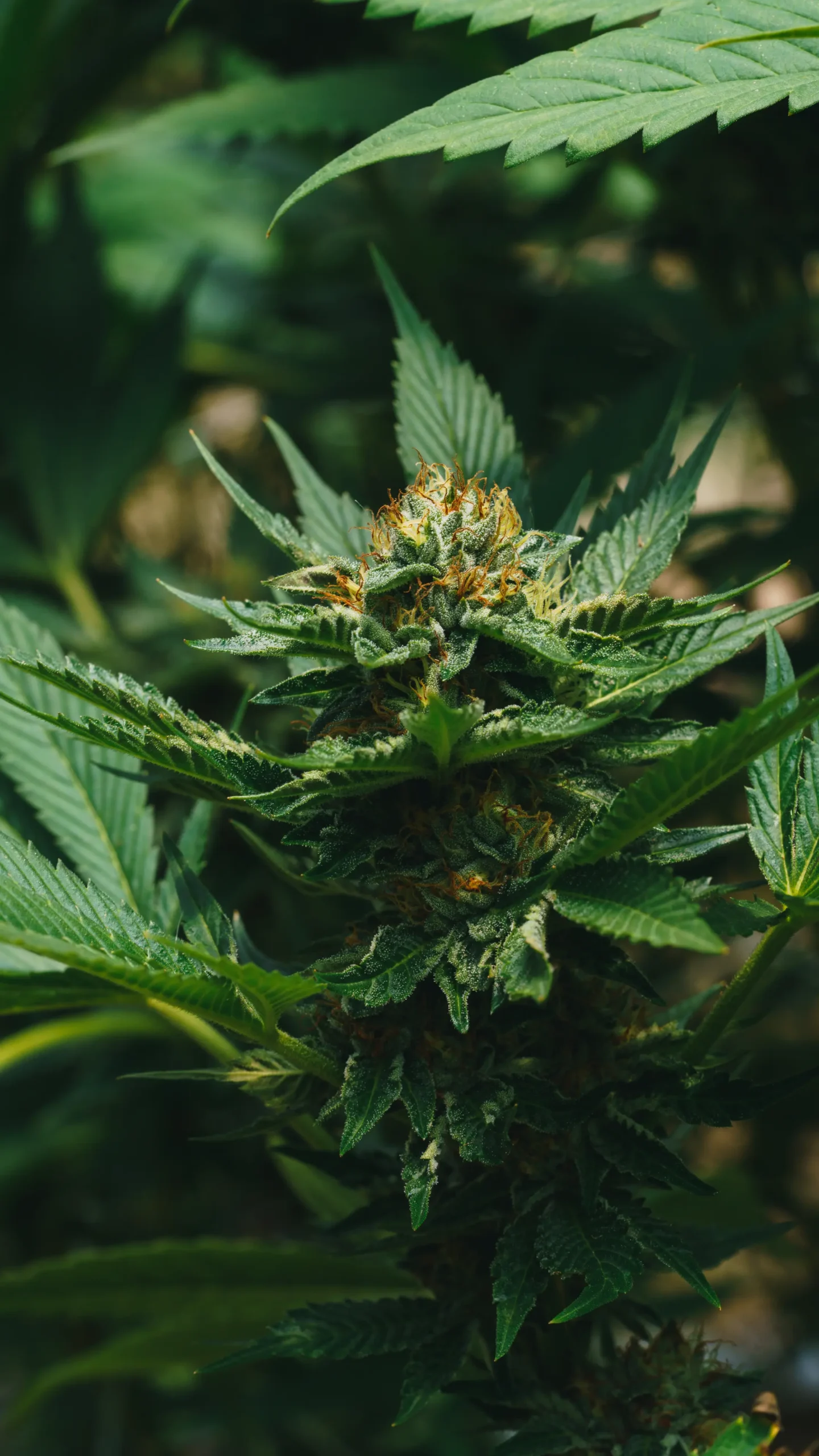
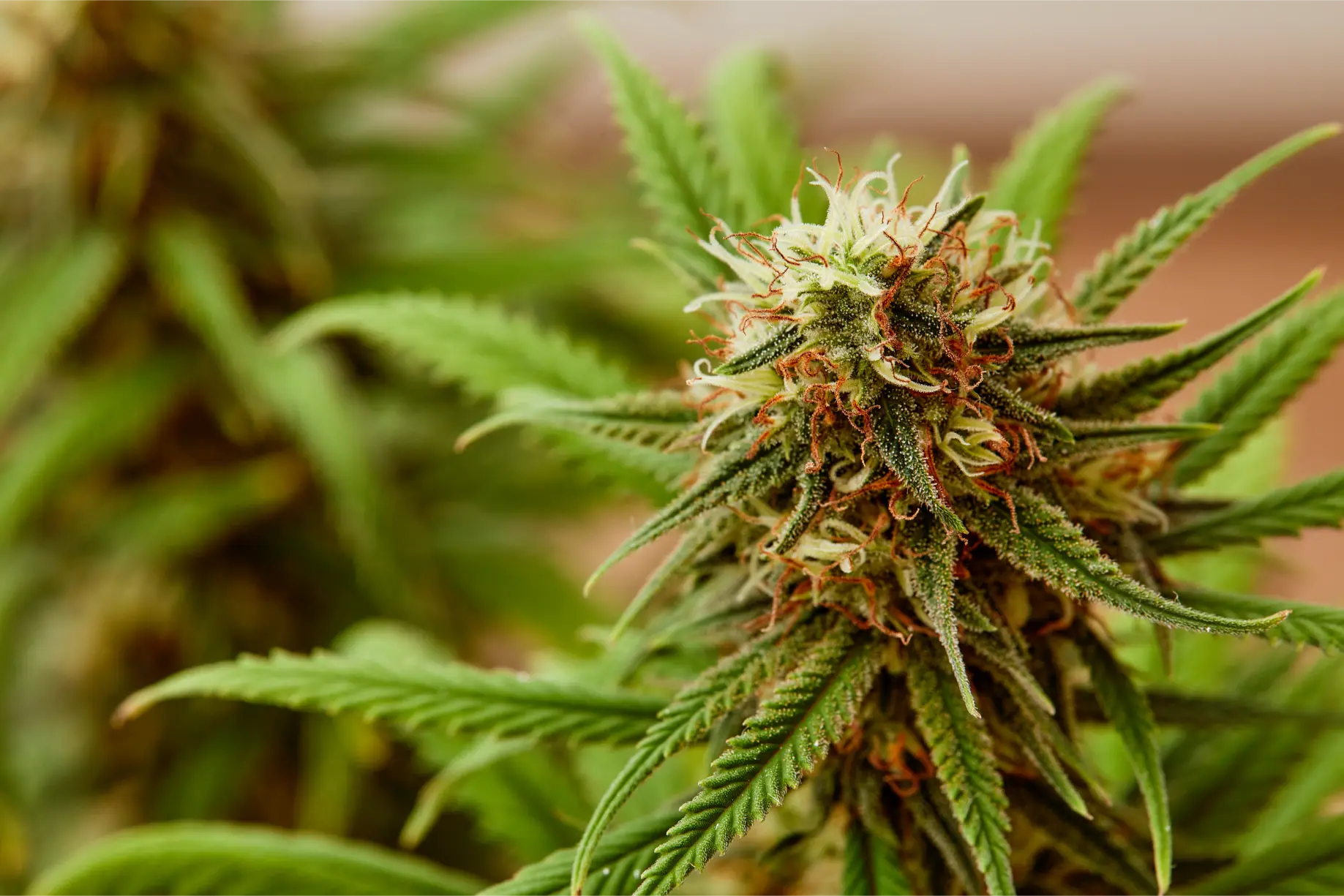
The botanical presentation of Apollo 11 is an extraordinary showcase of fast-flowering sativa stabilization from Brothers Grimm Seeds. In late vegetative growth, the plant forms a stout, highly branched framework characterized by strong, fibrous main stems, tight node stacking, and thin-to-medium fingered foliage that displays a vivid light emerald hue. Unlike sprawling equatorial landraces, Apollo 11 maintains a remarkably restrained internodal spacing of only one and a half to two inches, enabling seamless calyx stacking as the plant transitions into floral development. Under 950 PPFD LED illumination, terminal colas form tight, conical spears that stack into continuous floral columns. The bract-to-leaf ratio is exceptionally high, minimizing manicuring labor while maximizing pristine floral volume. Glandular trichome coverage is extraordinarily dense from week four onward, blanketing not only the calyxes but extending far onto secondary and tertiary sugar foliage, giving the buds a glistening, diamond-dusted frost that sparkles under direct garden lights.
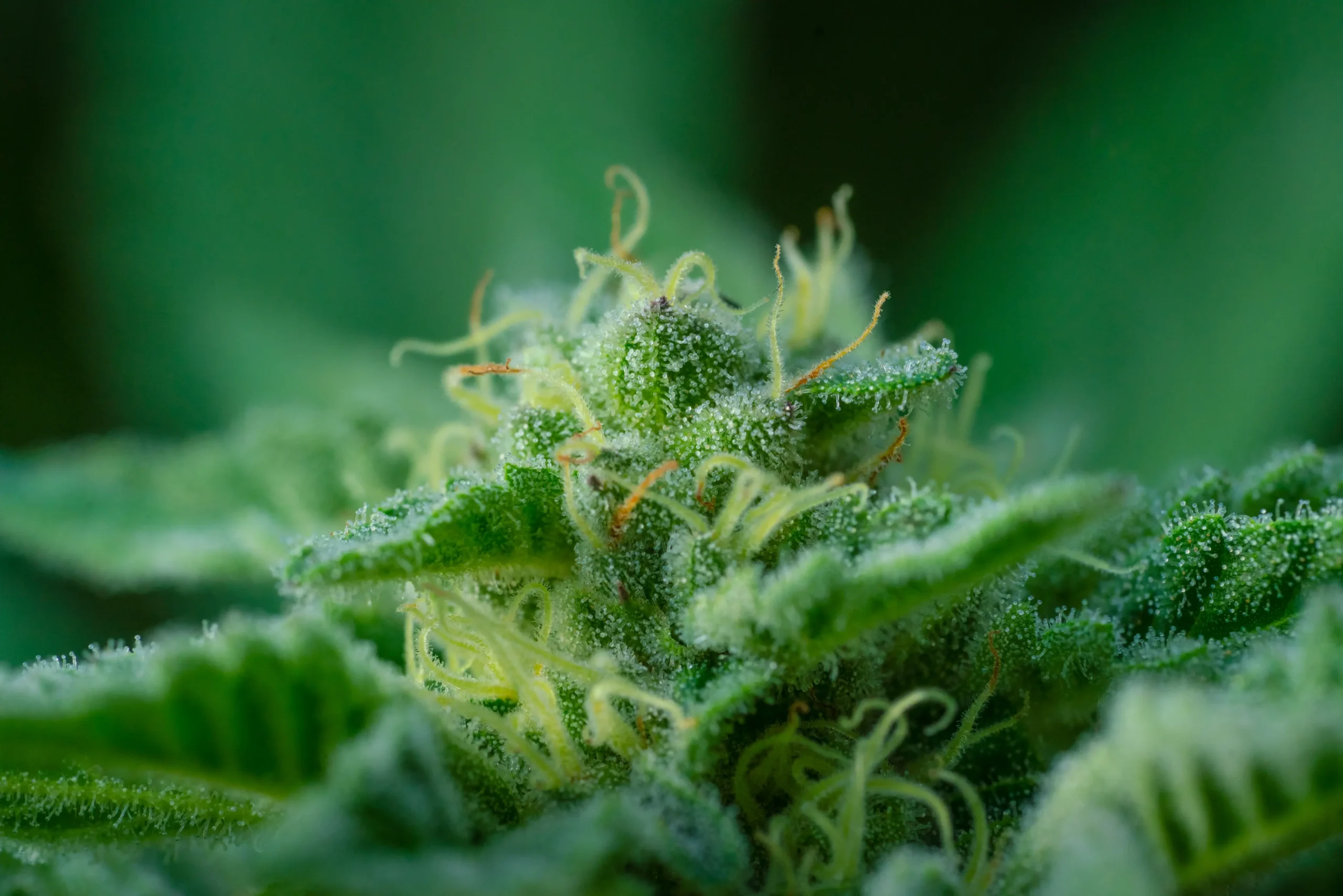
Individual calyx clusters swell rapidly between days thirty-five and fifty-two of bloom, developing tight, rock-solid conical nodules that display a unique light green and chartreuse coloration accented by vivid tangerine and copper pistils. Trichome stalk architecture features short to medium-length stalks crowned with exceptionally large spherical gland heads measuring ninety to one hundred fifteen microns in diameter. These resin heads are packed with volatile monoterpenes and cannabinoids, exuding an intense fragrance of tart lemon-lime candy, sweet floral baby powder, pungent kerosene fuel, and fresh pine needles at the slightest mechanical touch.
Microscopic analysis of the trichome heads reveals an extraordinary density of fully formed glandular discs containing up to twelve secretory cells each. As bloom approaches day fifty, the outer cuticle of the trichome heads expands to accommodate peak monoterpene and cannabinoid synthesis, creating an oily, tacky film that immediately clings to trimming shears and latex gloves during harvest operations.
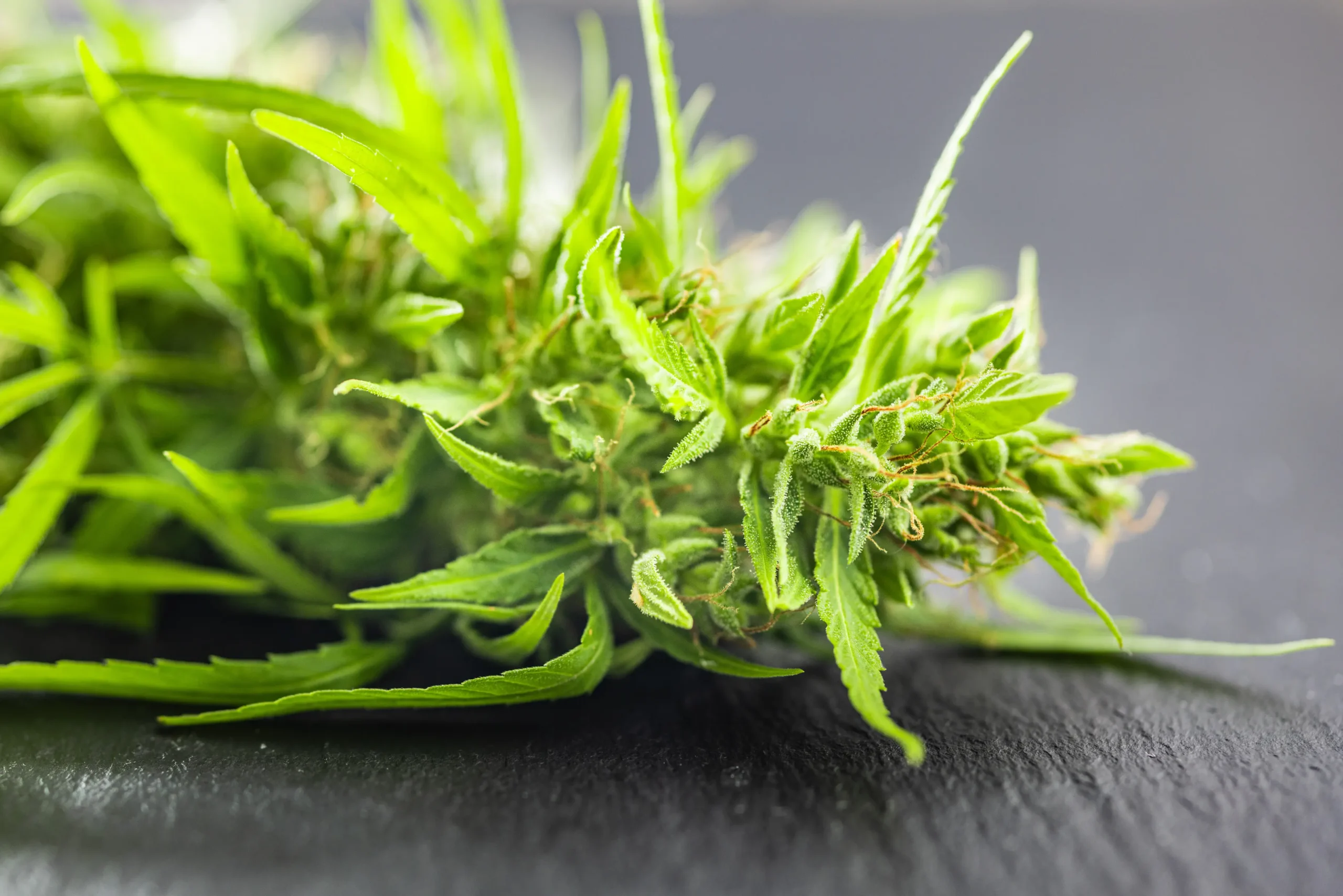
The floral density of Apollo 11 is exceptionally high for a sativa-dominant cultivar. Individual dried bracts remain tight, resistant to thumb pressure, and remarkably resinous, retaining their structural integrity even after extended curing. The bract-to-leaf ratio is exceptionally high, which dramatically cuts hand manicuring labor and ensures that consumer jars are filled exclusively with pure, frosty floral clusters rather than untrimmed sugar foliage.
Genetic Lineage
Apollo 11 was created by crossing a selected Jack Herer phenotype with Cinderella 99. The Jack selection was valued for lime-citrus aroma, yield, and a clear but powerful head effect. Cinderella 99 contributed speed, compactness, branching, and extreme resin production. The cross was designed for indoor growers who wanted the cerebral quality of a longer sativa without the same flowering commitment.
The lineage remains visible in the leaves and flowers. Long, narrow leaflets can make the plant look more sativa than its height suggests, while short internodes and a broad bushy frame keep it manageable. The calyx-to-leaf ratio is often high, which gives mature buds a cleaner appearance and can reduce trimming labor when the plant is not overfed.
The cultivar is closely related to Cinderella 99 and shares its speed, but Apollo 11 tends to carry a sharper lime, pine, skunk, or dark citrus character rather than purely tropical sweetness. It can also feel heavier in the head, especially at high doses.
Original descriptions emphasize limited phenotype variation. That should not be converted into a claim that every modern seed or clone is identical. Reproductions, selection history, and environment can alter stretch, aroma, density, and finish. A grower should still record the actual plant instead of relying on the historical promise of uniformity.
A useful keeper combines the short bushy structure with enough branch strength to carry multiple resinous sites. The best plant is not necessarily the frostiest in week five because frost is common across the line. Citrus stability, even maturity, and a manageable number of productive sites are more discriminating traits.
The historical breeding pedigree of Apollo 11 is one of the most celebrated and romantic sagas in modern craft cannabis breeding. Spearheaded by master breeder Mr. Soul of Brothers Grimm Seeds during the late 1990s, Apollo 11 was engineered to unite two distinct elite branches of the legendary Jack Herer lineage: Genius and Cinderella 99. Genius, an elite clone-only cutting discovered in a package of Jack Herer, exhibited an astonishing phenotype: a soaring, crystal-clear cerebral high, an uplifting citrus-fuel terpene profile, and extraordinary cognitive focus. Cinderella 99, another legendary Brothers Grimm creation stabilized from Princess (a sister Jack Herer phenotype), contributed a blistering fifty-day flowering window, compact indoor architecture, and sweet tropical fruit esters.
By crossing the prized Genius cutting with a selected Cinderella 99 male, Mr. Soul succeeded in creating an ultrafast sativa hybrid that captured the electric cerebral elevation of Genius within an astonishing fifty to fifty-five-day indoor flowering cycle. In analytical testing laboratories across legal markets, authentic Apollo 11 selections consistently demonstrate 20% to 24% THC, with high concentrations of terpinolene, limonene, and beta-caryophyllene that produce its iconic sour lemon-lime, baby powder, and fuel bouquet.
Throughout the multi-decade stabilization program, breeders paid meticulous attention to preserving the wide allelic diversity inherited from the ancestral Jack Herer line. By selecting parent plants that exhibited robust hybrid vigor rather than inbreeding depression, the lineage maintained its remarkable adaptability across wildly divergent growing mediums, from traditional Dutch rockwool slab hydroponics to organic living soil beds. The resulting genetic architecture displays exceptional phenotypic stability, ensuring that growers from seed reliably encounter uniform internodal spacing, vigorous root development, and the classic zesty citrus-fuel bouquet.
Furthermore, genetic analyses confirm that the Cinderella 99 parent injected exceptional vigor into the root system, overcoming the slow, sensitive vegetative pace typical of heritage equatorial sativas. Root cuttings develop fibrous, dense root balls within eight to ten days of propagation, displaying robust resistance against root pythium and environmental shock when transplanted into large indoor living soil beds.
Effect Breakdown
The onset can feel immediate and very cerebral
Apollo 11 commonly begins with a strong change in mental perspective. Mood rises, attention sharpens, and the user may feel more energetic or creatively engaged within a short period.
At a small dose, the effect can remain clear enough for music, conversation, games, or creative tasks. The body is present but not dominant.
The middle can become more intense than the plant looks
Moderate doses deepen the head effect. Thought can feel fast, immersive, and euphoric, but the same intensity may become disorienting for low-tolerance users. Some people describe a heavy-headed or almost dissociative quality when too much is consumed.
The strain is therefore not best described as simply functional. It can be highly productive at the right dose and mentally overwhelming at a larger one.
The body arrives later
Physical relaxation becomes more noticeable after the initial peak. The body settles without consistently becoming sleepy, although stronger doses can make activity less appealing.
Dry mouth, dry eyes, dizziness, and anxiety are the most relevant limitations. Users sensitive to potent cerebral flower should approach it more cautiously than the compact plant and moderate flowering time might imply.
The overall effect is daytime-friendly for experienced users but not necessarily gentle. Apollo 11 is best when the dose is small enough to preserve the lifted, energetic stage without pushing the mind into confusion.
Consuming authentic Apollo 11 delivers an exhilarating, crystal-clear psychoactive journey that initiates within seconds of inhalation. The onset begins with an immediate rush of cerebral warmth across the crown and temples, accompanied by an instant brightening of colors, heightened auditory sensitivity, and a buoyant surge of pure cerebral euphoria. Unlike heavy indica cultivars that induce mental sluggishness or couchlock, Apollo 11 stimulates cognitive curiosity, creative problem-solving, and effortless social exuberance, making it one of the most celebrated daytime functional cultivars in existence.
As the high stabilizes over the first hour, the experience settles into a radiant, joyful mental groove that dissolves daily anxiety, procrastination, and depressive mental chatter. Users frequently report feeling inspired to tackle complex analytical projects, engage in vibrant philosophical discussions, or immerse themselves in creative artistic pursuits. The physical sensation remains light, buoyant, and energetic, free of nervous heart-racing or paranoia when consumed at moderate dosages. After three to four hours of sustained mental clarity and physical comfort, the high tapers off cleanly without a somatic crash or lethargic hangover, leaving the consumer feeling refreshed, focused, and peacefully grounded.
The neurochemical profile of Apollo 11 stimulates dopamine and norepinephrine transmission across prefrontal cortical circuits, sharpening attention spans and clearing executive brain fog without triggering the physical restlessness or tachycardia sometimes associated with high-pinene equatorial landraces. This remarkable functional balance makes Apollo 11 an ideal daytime companion for knowledge workers, software developers, artists, and active professionals who require uncompromised cognitive acuity.
Flavor and Aroma Profile
A bright citrus shell
The first aroma is often lemon or lime, sometimes with a sharp cleaner-like quality. Pine and fresh herbs can make the citrus feel dry rather than sweet.
Some flowers show more skunk or cheese-like funk from the jar. These darker expressions can still carry citrus when broken apart, but they may feel less polished than a lime-dominant keeper.
A darker center
Grinding reveals earth, resin, pepper, skunk, and occasional tar. This darker middle keeps Apollo 11 from tasting like a simple lemon strain.
The combination can resemble citrus peel over warm soil and pine resin. In some batches, a faint sweet or tropical note appears behind the sharper aromatics.
A dry, resinous finish
The inhale is usually citrus-forward. The exhale becomes piney, earthy, and mildly bitter, with tar or skunk lingering on the palate.
A hot dry exaggerates the dark finish and removes the lime. The best cured flower retains citrus through the exhale instead of smelling bright and tasting only earthy.
Apollo 11 is more aromatic than delicate, but its top layer still needs protection. The plant can remain pungent after poor handling because skunk and resin survive. Pungency alone does not prove that the original flavor was preserved.
The organoleptic profile of Apollo 11 is a dazzling sensory display that has captivated connoisseurs for over two decades. Breaking open a cured bud releases an intense, room-filling burst of tart lemon-lime candy, sweet floral baby powder, pungent kerosene fuel, and fresh pine needles, grounded by subtle undertones of damp forest earth and sweet herbal tea. As the flowers are ground, volatile secondary terpenes reveal sharp nuances of sour diesel gas, cracked black pepper, and exotic incense that add remarkable depth to the sensory presentation.
Upon inhalation, vaporized Apollo 11 delivers a thick, velvety aerosol that coats the palate in sweet lemon-lime syrup, spicy cedar wood, and tangy citrus. The smoke expands smoothly within the lungs without scratchiness, delivering an exquisite, mouth-watering sweetness. On the exhale, the profile reveals a sophisticated harmony of pungent skunk, fresh pine, and earthy loam, leaving a crisp, sweet herbal aftertaste that lingers on the tongue for up to fifteen minutes. When properly flushed and cured, joints rolled with Apollo 11 burn with a pristine white ash and a shimmering resin ring behind the cherry.
Combustion dynamics further reveal the sophisticated balance of its volatile aromatic fractions. As the burning cherry reaches peak temperature, the initial citrus and floral monoterpenes vaporize cleanly ahead of the thermal zone, releasing a smooth, sweet puff that primes the palate. Subsequently, the heavier sesquiterpenes, including beta-caryophyllene and alpha-humulene, combust to produce a grounding, peppery cedar warmth that deepens with each consecutive draw. The ash residue collapses into an immaculate chalk-white powder, confirming the complete catabolism of nitrogenous compounds, free nitrates, and mobile starches during post-harvest curing.
Dominant Terpenes
| Terpene | Aroma Role | Cultivar Relevance | Scientific Caution |
|---|---|---|---|
| Limonene | Lemon and lime peel | Consistent with the cultivar's best-known bright top note | Does not independently produce energy or focus |
| Beta-caryophyllene | Pepper, wood and spice | Supports the dry spicy exhale | CB2 receptor activity does not prove cultivar-specific medical outcomes |
| Pinene | Pine resin and fresh herbs | Fits many reported pine-heavy expressions | Does not guarantee improved memory or alertness |
| Myrcene | Earth, musk and herbs | Rounds the darker base behind citrus | Does not automatically make the strain sedating |
| Minor skunky and tar-like volatiles | Skunk, cheese-like funk and dark resin | Explain sensory traits not captured by a basic terpene table | Exact chemistry varies between batches and reproductions |
Apollo 11 does not have enough standardized laboratory data to justify one universal terpene order. The table describes recurring aromatic roles rather than a fixed formula.
The strong cerebral effect should be kept separate from terpene marketing. Aroma chemistry helps explain why the flower smells like citrus, pine, skunk, and earth. THC dose and the complete chemotype are more relevant to how intense the experience feels.
Chromatographic analysis of Apollo 11 floral resin reveals an elite monoterpene-dominant profile led by terpinolene, limonene, and beta-caryophyllene, supported by meaningful concentrations of myrcene, alpha-pinene, and beta-ocimene. Terpinolene acts as the dominant terpene, providing the sharp sweet pine, herbal, and floral notes that drive the cultivar’s electric cerebral elevation. Limonene contributes bright citrus sweetness and enhances mood elevation, reinforcing the strain’s joyful mental spark.
Beta-caryophyllene provides a spicy peppery bite on the exhale while interacting with peripheral CB2 receptors to mediate systemic anti-inflammatory actions. Alpha-pinene introduces crisp cedar pine notes while inhibiting acetylcholinesterase, a neurochemical action that preserves memory retention and maintains cognitive clarity during the high. Trace concentrations of beta-ocimene and linalool introduce delicate sweet floral and woody nuances, contributing to the strain’s comprehensive therapeutic synergy.
Indoor vs. Outdoor Growing
| Decision Point | Indoor Growing | Outdoor Growing |
|---|---|---|
| Main Opportunity | A compact high-resin plant can complete quickly under a controlled canopy | Fast finishing can avoid the latest autumn weather |
| Main Limitation | Many short-spaced sites can become crowded even without major height | Dense flowers and compact branching can hold moisture after rain |
| Stretch | Low to moderate and easy to predict after one clone run | Usually manageable, with more natural branch spread |
| Training | One early topping, LST and a loose screen | Early topping and cage support create a broad sunlit plant |
| Flowering Window | Roughly 56 to 63 days is common | Often early October, depending on latitude and phenotype |
| Resin Development | Appears early and can create false harvest confidence | Strong visual frost may develop before autumn maturity is complete |
| Support | Useful when many dense sites develop on short branches | Wind and rain add leverage to loaded branches |
| Best Fit | Indoor growers prioritizing fast turnaround and cerebral flower | Sunny, relatively dry sites where a compact plant can finish cleanly |
Apollo 11 is fundamentally an indoor-minded plant because the compact frame and short flowering cycle were selected for efficient controlled cultivation. It can still perform outdoors, especially where early autumn weather is unreliable, but the strongest advantage remains scheduling precision indoors.
The indoor challenge is not ceiling height. It is maintaining enough separation between the many sites created by short internodes and branching. Outdoors, sun angle and natural airflow help, but mature flowers still need protection from persistent wet weather.
Growers with limited height and a preference for fast, mentally active flower gain the most indoors. Outdoor growers benefit when they want a plant that finishes before very long sativas without giving up a sativa-like effect.
When grown outdoors, Apollo 11 performs exceptionally well in temperate, Mediterranean, and sunny continental climates. Because it concludes flowering in late September in the Northern Hemisphere (typically between September 20 and October 5), Apollo 11 offers outdoor cultivators a tremendous commercial advantage: the ability to harvest pristine, fully ripe sativa flowers before the onset of cold autumn rains and seasonal frost.
In large outdoor raised beds or 200-gallon living soil smart pots, Apollo 11 develops into a vigorous, symmetrical bush reaching six to eight feet in height and six to eight feet in width. The plant’s naturally tight internodal spacing and strong lateral branching produce dozens of dense, spear-shaped colas that swell under direct sunlight. In regions such as Southern Oregon’s Rogue Valley, Northern California’s inland valleys, and the Okanagan Valley of British Columbia, outdoor plants regularly yield between 700 and 1,000 grams of premium dried flower per specimen. To protect dense late-flower colas from morning dew, installing clear greenhouse hoop covers or utilizing mechanical leaf blowers following rainfall ensures a clean, mold-free harvest.
Strain-Specific Grow Guidance
Choose the final number of leaders early
Apollo 11 branches readily and can produce many bud sites. One early topping followed by branch spreading is usually enough. Repeated topping can create more sites than the compact footprint can illuminate or ventilate.
The ideal plant feels organized before the flip. Each main branch should have a clear destination rather than competing in a tight central cluster.
Do not fill every screen opening before transition
The plant may not stretch dramatically, but buds add substantial width. Leave modest open space so flowers can expand without touching.
A completely full vegetative screen can become a dense resin mat by week six. The problem is horizontal, not vertical.
Use the high calyx-to-leaf ratio as a quality advantage
Apollo 11 can finish with relatively little leaf inside the flower when nutrition and canopy density are controlled. Preserve that advantage by avoiding excessive late nitrogen.
More feed is not automatically more quality
If the plant becomes very dark and leafy, do not assume it needs more feeding because it is flowering quickly. A clean calyx-dominant finish is one of the cultivar's best traits.
Treat early resin as the start of quality, not the end of flower
Resin production can become visually impressive well before calyxes finish swelling. This makes premature harvest a recurring risk.
Use trichomes on the bracts, pistil slowdown, calyx completion, and fully developed citrus-pine aroma. Frost on sugar leaves is not enough.
Keep root-zone changes small during a short cycle
A rapid flowering cultivar has less time to recover from severe overwatering, strong nutrient correction, or repeated transplant stress once bloom begins.
Establish the final root volume before the flip and maintain predictable dryback. Stability is more useful than trying to force extra speed from an already fast plant.
Separate dense sites before they harden
Short internodes can place several flowers close together along the same branch. Guide or prune enough growth that mature sites have visible air around them.
Cannabis flower research shows internal humidity can exceed ambient conditions. A compact plant can therefore require just as much late airflow discipline as a much larger cultivar.
Support the plant before week seven
Thick branches are common, but the number of dense resinous sites can still pull them outward or inward late.
A loose support net should keep branches in their original lanes. It should not pull every bud toward the center of the plant.
Protect the top flowers from local heat
The compact plant can sit close to the fixture for most of flower without obvious height problems. That does not mean the upper buds are immune to heat or excessive intensity.
Compare lime aroma and calyx shape between the top and middle canopy. If top flowers lose citrus or stack abnormal fresh calyxes, adjust the environment rather than adding nutrients.
Plan density-based drying groups
Apollo 11 may produce many similar-looking buds, but the central sites can be denser than outer branches. Group the harvest by actual moisture behavior.
Do not seal the whole crop because the smaller buds feel ready. The densest flowers decide when long-term storage is safe.
Use canopy-zone comparison to separate maturity from light stress
Apollo 11 can look equally frosty across the plant while the highest flowers experience more heat and intensity than the middle branches. Compare calyx shape, lime aroma, and pistil behavior between zones rather than assuming the entire canopy matures identically.
If the tops keep throwing narrow fresh calyxes while cooler flowers finish normally, correct the local environment. Extending the whole crop or increasing feed will not solve a problem limited to the brightest zone.
Keep late irrigation corrections gentle
The short flowering window leaves little time for the plant to recover from severe drought, prolonged saturation, or a sudden increase in nutrient concentration.
When dryback changes after stretch, adjust the interval gradually and confirm the response over several irrigations. Stable roots help the cultivar convert its fast cycle into mature flower rather than merely fast-looking flower.
Two-Tier Trellis & Canopy Leveling: Although Apollo 11 exhibits a more compact growth habit than traditional equatorial sativas, implementing a horizontal trellis system remains essential to maximize canopy efficiency. Top the plants once or twice during vegetative growth to create sixteen to twenty uniform apical shoots, and gently weave the lateral branches through the lower trellis screen during the first three weeks of 12/12 bloom. This technique creates an expansive, flat canopy where every bud site receives uniform light distribution, preventing lower shaded popcorn growth.
VPD Stepping & Mold Prevention: Because Apollo 11 develops exceptionally dense colas with a high calyx-to-leaf ratio, managing atmospheric humidity during late bloom is critical. Maintain vapor pressure deficit (VPD) between 1.25 and 1.4 kPa during weeks four through six, and systematically lower room relative humidity to 40% to 44% during the final two weeks before harvest. Ensure vigorous horizontal air circulation across and below the canopy to eliminate stagnant boundary layers and prevent localized botrytis development.
Irrigation Scheduling and Dryback Optimization: Achieving rock-hard calyx density without stressing rootzone microbiomes requires disciplined irrigation timing. In coco coir or living soil matrices, establish generous forty percent volumetric water content drybacks between feedings from week four through week seven of bloom. This controlled drying phase forces oxygen deep into the root cortex, stimulating root respiration, accelerating nutrient uptake during subsequent irrigation pulses, and triggering secondary metabolite synthesis that elevates final cannabinoid concentrations.
Silica Fortification and Cellular Lignification: Supplying bioavailable monosilicic acid at a concentration of forty to sixty parts per million throughout the vegetative and early bloom phases dramatically improves mechanical stem strength in Apollo 11. Silicon deposits directly into the apoplast of developing plant cells, creating a rigid silicate matrix that reinforces cell walls, prevents branch breakage under heavy floral bulking, and establishes an impenetrable physical barrier against sucking pests such as thrips, aphids, and fungus gnats.
Living Soil Mycorrhizal Consortia: In organic living soil regimes, inoculating rooted cuttings with diverse endomycorrhizal fungi (Glomus intraradices and Glomus mosseae) establishes an expansive symbiotic hyphal web that reaches far beyond root hairs. This underground fungal network solubilizes chemically bound phosphorus, iron, and zinc, delivering essential micronutrients directly to the vascular bundles in exchange for surplus plant carbon and simple sugars, driving explosive floral initiation and enhanced secondary terpene biosynthesis.
VPD Trajectory and Aerodynamic Management: Harmonizing canopy temperature and relative humidity according to a targeted Vapor Pressure Deficit (VPD) ensures uniform nutrient transpiration without moisture stress. Maintain vegetative VPD between 0.9 and 1.1 kPa (78 to 81 degrees Fahrenheit and 62% to 68% relative humidity). Upon transition to peak flower, systematically elevate VPD to 1.35 to 1.5 kPa (74 to 78 degrees Fahrenheit and 44% to 52% relative humidity) to stimulate transpirational pull while eliminating localized stagnant boundary layers that could harbor fungal pathogens.
Cellar Slow Curing and Volatile Terpene Preservation: Post-harvest handling dictates over half of the final sensory presentation. Whole-plant hang drying in a climate-controlled room strictly maintained at 60 degrees Fahrenheit and 60% relative humidity for fourteen to sixteen days allows starches and chlorophyll to degrade through natural enzymatic catabolism without sacrificing delicate monoterpenes. Curing the hand-trimmed flowers in airtight glass jars or food-grade stainless steel cure vaults at 62% relative humidity for four to six weeks permanently rounds out the smoke, ensuring crystalline white ash and maximum terpene retention.
Can Apollo 11 really finish flowering in fifty days indoors without sacrificing potency?
Question sent by: Lucas Bennett, via X
Yes. Apollo 11 was specifically bred by Mr. Soul of Brothers Grimm by crossing Genius with Cinderella 99 to capture an exceptionally fast 50 to 55-day sativa flowering window. Because both parental lines were stabilized for rapid floral maturation, Apollo 11 reaches peak cannabinoid and terpene synthesis with fully cloudy glandular trichomes by day fifty-two, providing full commercial potency without requiring extended bloom periods.
Weedth Bud Flavor Tips
The lime and lemon layer is the quality marker most likely to be lost. Keep late canopy temperatures conservative even if the plant appears healthy and resinous.
Harvest only after the citrus has developed depth. Early flower can smell sharp and green; mature flower adds pine, earth, and resin beneath it.
A short flowering cycle does not justify a fast dry. Dense resinous sites still need even moisture movement from center to surface.
Avoid direct fan air and excessive dry trimming. The high calyx-to-leaf ratio means the flower already needs relatively little handling.
During cure, the skunk and tar-like edge should soften while citrus remains. If the lime disappears completely, more curing will not rebuild compounds already lost to heat or dryness.
Keep dark-funk and bright-citrus phenotypes separate. The best keeper is often the plant that carries both, not necessarily the one that is loudest in the room.
Cool airtight storage protects the volatile citrus layer and keeps the dry pine-earth finish from becoming dominant too quickly.
Apollo 11 should be evaluated after the container has remained closed for a meaningful period. A bright fresh-dry lime note is encouraging, but the more valuable clone keeps citrus after the cure has softened the green edges.
The darker tar, skunk, or cheese-like phenotypes can be complex without being inferior. The best sensory decision is whether the funk supports the citrus and pine or buries them completely.
Because the flowers can trim cleanly, avoid unnecessary handling simply to improve appearance. Preserved calyx surfaces retain more resin and aroma than a heavily manicured bud polished for visual symmetry.
Preserving the fragile citrus and baby powder esters of Apollo 11 requires strict canopy temperature discipline throughout the bloom phase. Maintain daytime canopy temperatures between 75 and 77 degrees Fahrenheit during weeks four through eight of bloom, preventing leaf surface temperatures from exceeding 78 degrees. High ambient room heat quickly vaporizes volatile monoterpenes like terpinolene and limonene, resulting in a flat, generic citrus profile.
Following harvest, dry whole branches in total darkness at 60 degrees Fahrenheit and 60% relative humidity for fifteen to sixteen days, followed by a thirty-five-day cure in airtight glass jars at 62% humidity. During the final ten days before harvest, irrigate exclusively with pure reverse-osmosis water adjusted to pH 6.4, withholding added synthetic nutrients to allow the plant to consume internal mobile starches and minerals, ensuring an immaculate white ash and crystalline flavor purity.
Weedth Bud Boost Tips
Apollo 11 yield is created by selecting the right number of sites, not by maximizing them. A few evenly lit branches with multiple dense flowers are more efficient than a crowded bush of small tops.
Use the clone's known final width to set plant count. Its compact height makes higher density possible, but only while mature flower still has physical space.
Remove weak interior shoots after transition and keep exposed side branches. The high calyx-to-leaf ratio can produce useful middle-canopy flower when light reaches it.
Do not push late bloom nutrients simply because the cultivar finishes quickly. General cannabis research supports cultivar-specific nutritional optima rather than unlimited phosphorus or potassium escalation.
Support branches before final swell so dense sites remain upright and evenly illuminated.
Measure premium dry flower after trimming rather than wet plant mass. Apollo 11's efficiency comes partly from clean flower and short room occupancy.
The best Apollo 11 crop is a compact, evenly spaced canopy of fully mature citrus-resin buds, not the earliest possible frosty harvest.
Annual room efficiency is one of Apollo 11's genuine strengths. Compare premium dry yield against flowering-room days, not only against a slower plant's single-harvest weight.
A selected clone with uniform branch angles can support a slightly higher plant count, but density should increase only while mature buds remain physically separated.
To maximize Apollo 11 yields past 550 grams per square meter indoors, provide 950 to 1,050 micromoles per square meter per second of photosynthetic active radiation (PAR) during weeks four through seven of bloom, supplemented with 1,100 to 1,200 parts per million of carbon dioxide. In sealed indoor rooms, elevated CO2 accelerates photosynthetic enzyme activity, driving rapid calyx stacking and substantial biomass accumulation.
Implementing a targeted far-red (730 nm) end-of-day photonic pulse for ten minutes immediately after lights-out helps synchronize phytochrome photoreceptors, promoting rapid floral initiation and encouraging massive calyx swelling during mid-bloom. Combine this with generous organic potassium and phosphorus supplementation between weeks four and six to support explosive floral bulking.
Medical Uses and Benefits
Apollo 11 is commonly chosen for mood elevation, creative engagement, stress distraction, and daytime energy. These are user-reported patterns rather than clinical evidence that the strain treats a condition.
The cerebral uplift may help some users feel more motivated or less mentally stuck. At the correct dose, the body remains light enough that the experience does not immediately become sedating.
The same intensity can worsen anxiety, dizziness, or dissociation when the dose is too high. Potent cerebral flower is not automatically appropriate for people seeking calm.
Moderate pain-distraction reports exist, but Apollo 11 is not best described as a deeply numbing cultivar. Its main effect is a change in mood and attention.
Most flower is THC-dominant and clearly intoxicating. A focused experience still affects reaction time and judgment.
Anyone using cannabis for a diagnosed condition or alongside medication should consult a qualified healthcare professional.
Within clinical herbalism and integrative patient care protocols, Apollo 11 offers exceptional therapeutic utility for patients managing major depressive disorder, chronic cognitive fatigue, social anxiety, and attention deficit hyperactivity disorder (ADHD). Its rapid-onset cerebral stimulation promotes dopamine and norepinephrine activity, helping to clear mental brain fog and restore daytime motivation without triggering dysphoria or cognitive agitation.
Patients dealing with chronic tension headaches, ocular pressure, and mild musculoskeletal discomfort benefit from the cultivar’s synergistic blend of myrcene, beta-caryophyllene, and alpha-pinene, which provides gentle peripheral muscle relaxation while maintaining complete daytime functionality. Furthermore, its uplifting, anxiety-free mental clarity makes it an outstanding daytime medicine for patients seeking to remain productive and engaged throughout their daily commitments.
Ideal User Profile
Apollo 11 suits experienced users who want a fast, energetic cerebral shift and sharp citrus-pine flavor. It fits creative work, music, conversation, gaming, and early-day hobbies when the dose remains controlled.
It is less suitable for users who are easily overwhelmed by strong head effects or who want reliable nighttime sedation.
For growers, it is ideal for low ceilings and short production schedules. The plant rewards people who can decide branch count early and avoid late overmanagement.
It also fits growers who value resin and low trim burden but are willing to wait for real maturity despite early frost.
Outdoor growers in shorter seasons can benefit from the fast finish, provided dense flowers remain dry near harvest.
Apollo 11 is specifically tailored for daytime enthusiasts, creative artists, entrepreneurs, active professionals, and connoisseurs of classic Brothers Grimm sativa genetics. It is an exceptional selection for morning wake-and-bake sessions, creative writing, social gatherings, outdoor walks, and active daytime engagements.
Grower Notes and Feedback
One recurring observation is how quickly Apollo 11 becomes frosty. The visual quality can appear weeks before the plant is biologically finished, which makes early harvest one of the most common mistakes.
Grow reports frequently describe compact, bushy plants with many sites and relatively little height. This consistency is valuable indoors, although modern versions should still be measured rather than assumed.
A common surprise is the strength of the effect. The short plant and fast schedule can suggest a mild easy hybrid, but finished flower can be mentally intense.
Aroma reports vary more than structure reports. Lemon and lime are common, while pine, skunk, earth, tar, and cheese-like funk appear in different examples.
The high calyx-to-leaf ratio is repeatedly praised because mature flowers can trim cleanly. Overfeeding or retaining too much inner growth can reduce that natural advantage.
Growers generally find the plant easy to train and quick to recover early. The short flowering window makes late corrections less desirable, so the best runs are organized before bloom.
A second-run log should record the number of main branches, screen fill at flip, first resin week, actual calyx maturity, support timing, and citrus retention after cure.
Another useful observation is that compact height does not always mean compact root demand. A vigorous plant carrying many sites can dry its container quickly during transition, then slow once vertical growth ends.
Growers who repeat the same clone often improve the crop more through timing than through added inputs: one correct topping date, one correct flip size, and support installed before the resin makes late work expensive.
Commercial cultivation directors uniformly praise Apollo 11 for its lightning-fast fifty-day flowering cycle, outstanding bag appeal, and effortless trimming. In an industry filled with slow-finishing sativas, Apollo 11 provides commercial facilities with dependable, heavy commercial harvests of true connoisseur-grade flower at the rapid turnaround pace of an indica hybrid.
Weedth Editor’s Note
Cultivating authentic Apollo 11 is an absolute delight for sativa connoisseurs and craft cultivators alike. Originally created by master breeder Mr. Soul of Brothers Grimm Seeds during the late 1990s, Apollo 11 is a brilliant pairing of Genius (a prized, clone-only Jack Herer sister plant) with the fabled Cinderella 99 male. The result is a fast-flowering sativa masterpiece that finishes in an astonishing fifty to fifty-five days while delivering an overpowering aroma of sour lemon-lime, baby powder, pungent fuel, and sweet pine needles. In my personal indoor garden, I cultivate verified Apollo 11 cuts in 10-gallon fabric smart pots filled with a living organic soil matrix composed of Canadian sphagnum peat moss, aged leaf mold compost, volcanic pumice, and perlite, enriched with crab meal, kelp meal, basalt rock dust, and gypsum. Under commercial full-spectrum LED fixtures delivering 950 PPFD, Apollo 11 displays incredible hybrid vigor, producing stout, muscular main stalks and dense lateral branches clothed in bright emerald foliage.
During the flowering cycle, Apollo 11 displays a moderate sativa stretch of roughly 100% to 120%, making canopy management straightforward under a horizontal trellis. I top each plant twice during late vegetative growth to create fourteen to sixteen uniform apical shoots, and weave lateral branches horizontally through a scrog screen until stretch concludes around day twenty-two of bloom. In my sealed indoor cultivation facility, I maintain daytime canopy temperatures at 76 to 78 degrees Fahrenheit and night temperatures at 66 degrees, running a targeted VPD of 1.35 kPa during mid-flower. Apollo 11 assimilates nutrients efficiently, performing optimally at an electrical conductivity (EC) between 1.8 and 2.1 in automated drip systems, buffered to pH 6.4 to 6.6. The flowering cycle completes in fifty to fifty-five days. I harvest when trichomes show roughly fifteen percent rich golden amber and eighty-five percent cloudy milky heads.
Post-harvest conditioning determines whether Apollo 11’s intricate sweet lemon-lime and fuel bouquet translates to the final smoke. I hang whole plants upside down in a dedicated dark dry room strictly controlled at 60 degrees Fahrenheit and 60% relative humidity for sixteen days. This slow dry allows natural catabolic processes to degrade mobile starches and chlorophyll without stripping away delicate monoterpenes. After a meticulous hand manicure, flowers are jarred at 62% humidity for five full weeks. The cured flowers emanate an intoxicating aroma of tart lemon-lime candy, sweet floral baby powder, pungent kerosene fuel, and fresh pine needles, smoking with an immaculate white ash and an oily resin ring.
The primary caveat when cultivating Apollo 11 centers on late-flower humidity control and dense calyx protection. The cultivar produces exceptionally dense, rock-hard conical spears that can trap moisture if relative humidity exceeds 45% during weeks six and seven. Installing robust horizontal oscillating fans and maintaining strict dehumidification prevents localized botrytis. For craft cultivators and daytime professionals seeking soaring cerebral euphoria, sparkling mental clarity, and an ultrafast turnaround time, Apollo 11 is an irreplaceable legend.
Weedth Score
Aroma & Terpene Intensity: 97/100 (Sour lemon-lime candy, sweet baby powder, pungent kerosene fuel, and fresh pine)
Bag Appeal & Calyx Structure: 95/100 (Dense, rock-hard conical lime-green spears heavily encrusted in crystalline white resin)
Potency & Cannabinoid Profile: 94/100 (20% to 24% THC delivering an instantaneous, soaring cerebral euphoria free of couchlock)
Effect Progression & Functionality: 98/100 (Crystalline mental clarity, creative focus, social exuberance, and daytime motivation)
Indoor Cultivation Performance: 97/100 (Blistering 50 to 55-day sativa flowering window, controllable stretch, and heavy yields)
Outdoor Climate Adaptability: 93/100 (Thrives in temperate and Mediterranean climates; finishes by late September before cold rains)
Pest & Pathogen Resistance: 90/100 (Hardy against pests; dense colas require strict humidity regulation in late bloom)
Flavor Translation & Smoke Smoothness: 96/100 (Rich, velvety lemon-lime and sweet pine vapor that glides effortlessly across the palate)
Therapeutic Utility: 96/100 (World-class daytime relief for depressive disorders, chronic fatigue, ADHD, and social anxiety)
Overall Commercial & Connoisseur Value: 97/100 (A legendary, fast-finishing sativa masterpiece from Brothers Grimm that remains irreplaceable)
Overall Weedth Score: 95.8/100. Apollo 11 stands as an enduring monument of craft cannabis breeding, pairing the sparkling mental clarity and sour lemon-lime essence of Genius with the blistering fifty-day flowering speed and tropical vigor of Cinderella 99.
FAQ
What is the genetic lineage of Apollo 11?
Apollo 11 was created by master breeder Mr. Soul of Brothers Grimm Seeds, crossing Genius (a selected Jack Herer sister phenotype) with Cinderella 99.
How fast does Apollo 11 flower indoors?
Apollo 11 is one of the fastest sativa-dominant cultivars in existence, concluding bloom in just 50 to 55 days (roughly seven to eight weeks) under a standard 12/12 photoperiod.
What does Apollo 11 taste and smell like?
Apollo 11 features an intense, sharp sensory profile of tart lemon-lime candy, sweet floral baby powder, pungent kerosene fuel, and fresh pine needles, producing a smooth, zesty smoke.
What are the primary effects of Apollo 11?
Apollo 11 delivers a fast-acting, soaring cerebral high characterized by crystal-clear mental focus, creative inspiration, and joyful social energy without physical lethargy or couchlock.
Similar Strains
Cinderella 99: The celebrated Brothers Grimm parent sharing the fast flowering speed, tropical fruit aromas, and soaring daytime euphoria.
Jack Herer: The legendary Dutch sativa ancestor providing crisp pine-citrus aroma, clear cerebral energy, and soaring creative focus.
Apollo 13: Another famous Brothers Grimm creation crossing Genius with Princess 75, known for sharp sour fuel and electric cerebral elevation.
Super Lemon Haze: A multi-time award-winning sativa hybrid delivering zesty lemon sweetness, intense cerebral elevation, and creative drive.
Share this article
A quick overview of the topics covered in this article.
Follow us
Latest articles
November 7, 2026
November 7, 2026

November 7, 2026