
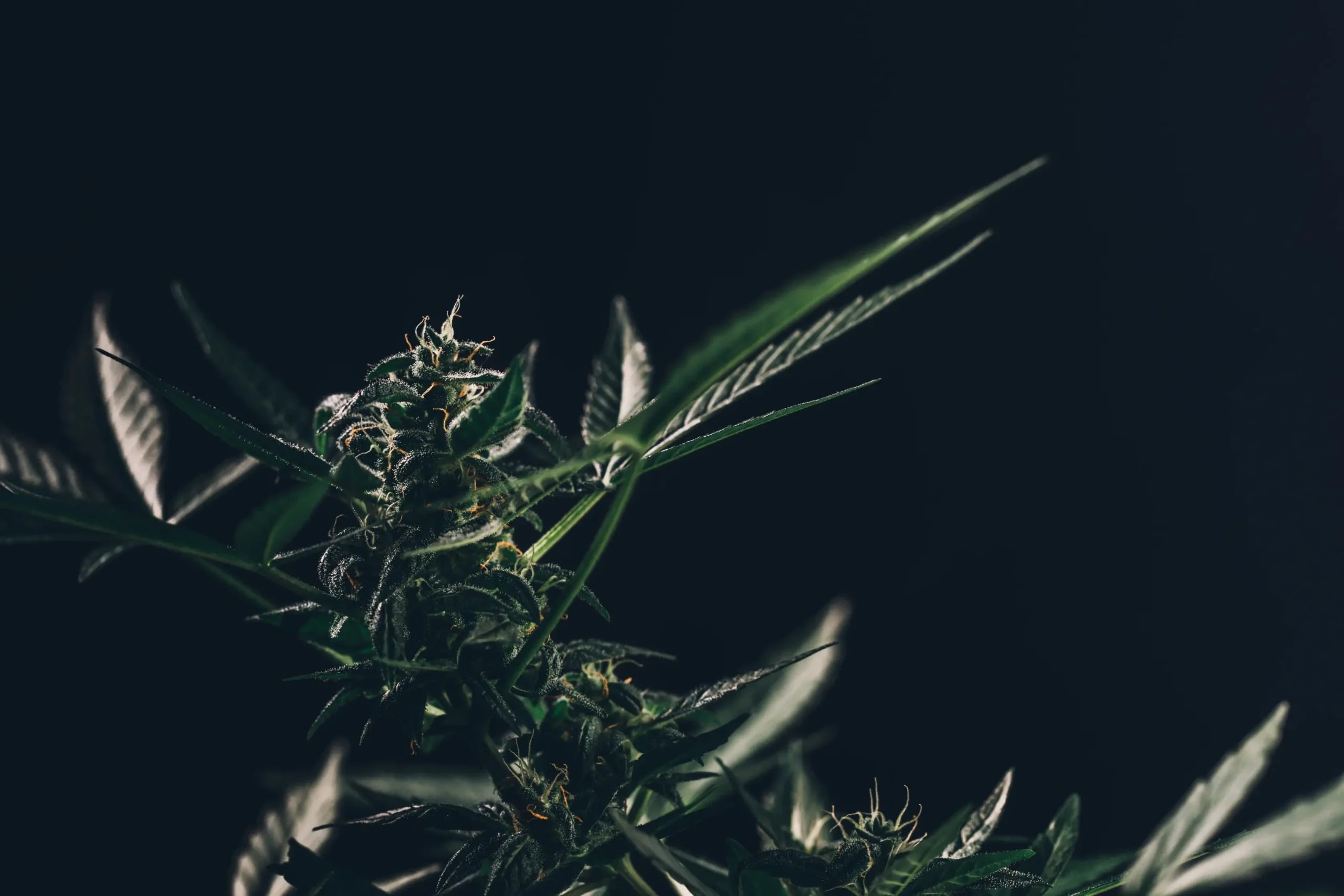
Grease Monkey
Grease Monkey – Strain Profile & Grow Guide
Grease Monkey is a resin-heavy hybrid known for combining sweet vanilla cream with skunk, diesel, roasted nuts, dark earth and a lingering peppery finish. Its aroma can seem soft when the jar is first opened, especially in phenotypes that lean toward the Cookies and Cream side, but breaking the flower usually exposes a much rougher layer of fuel, rubber, damp soil and sour musk. This contrast is central to the cultivar. Grease Monkey is not simply a dessert strain and it is not simply a gas strain. Its best expressions move between both identities without allowing either side to become flat.
The plant often develops a medium-to-tall frame with active lateral branching, noticeable flowering stretch and flowers that become much heavier than the branches appear prepared to carry. Early vegetative growth may look cooperative, but the final third of bloom changes the management problem. Colas harden, resin accumulates quickly and side branches begin leaning outward. A canopy that seemed open in week three can become crowded around the main flower clusters by week seven. That late shift explains why support, interior airflow and post-harvest moisture control matter more than aggressive training for its own sake.
Grease Monkey also rewards patience after harvest. The flower can smell loud within days of cutting, yet loudness should not be confused with finished flavor. Recently dried buds often present skunk, fuel and wet earth before vanilla, cocoa and nutty cream become clear. A rushed dry preserves the heaviest odors while removing the sweet top layer. The most complete flower comes from a grow that protects terpene-rich resin during late bloom, prevents hidden moisture in dense colas and gives the cure enough time to connect dessert sweetness with diesel funk.
Strain Features
| Feature | Details |
|---|---|
| Strain Type | Indica-leaning hybrid, although some expressions remain mentally bright and socially usable at moderate doses |
| Genetic Profile | GG4 x Cookies and Cream |
| THC | Commonly reported in the low-to-upper 20% range; unusually strong batches may test higher |
| CBD | Usually very low |
| Dominant Terpenes | Beta-caryophyllene and limonene are frequently reported; myrcene, humulene and pinene vary by phenotype and batch |
| Flavor / Aroma | Vanilla cream, roasted nuts, cocoa, skunk, diesel, rubber, pepper and dark earth |
| Effect Character | Fast euphoria and mood lift followed by progressively heavier body relaxation |
| Flowering Time | Commonly around 8 to 9 weeks; some expressions benefit from additional finishing time |
| Stretch | Moderate to strong, especially in vigorous or GG4-leaning plants |
| Plant Architecture | Medium-to-tall frame, active side branching and branches that may need late support |
| Bud Structure | Dense, chunky and heavily coated in sticky resin |
| Resin Production | High; sugar leaves and nearby fan-leaf edges can become heavily frosted |
| Odor Intensity | Very high during late flowering, trimming and early cure |
| Feeding Behavior | Usually tolerates moderate-to-strong nutrition when roots are healthy, but excess nitrogen can create a humid, leafy finish |
| Mold Risk | Moderate in open canopies and higher when dense colas touch or the interior remains humid |
| Grow Difficulty | Intermediate |
| Best Time of Use | Late afternoon or evening for most users; lighter doses may remain social and functional |
Genetic Lineage
Grease Monkey combines GG4 with Cookies and Cream. The lineage explains almost every major trait that growers notice: vigorous hybrid branching, sticky resin, a heavy fuel-skunk base, creamy sweetness, dense flower development and an effect that begins more mentally active than its final body weight suggests.
GG4 contributes much of the cultivar’s aggressive odor and resin behavior. Its influence can appear as diesel, sour earth, rubber, coffee, skunk and an almost industrial stickiness on mature flowers. Structurally, that side of the cross can increase stretch, lateral reach and the tendency for branches to become overloaded near the end. A GG4-leaning plant may enter flower with relatively open spacing, then develop long connected sections of flower that need support before they appear weak.
Cookies and Cream contributes the softer aromatic layer: vanilla, cocoa, roasted nuts, sweet dough and a smoother creamy impression. It can also increase flower density and give the finished buds a compact modern structure. This side of the lineage helps explain why Grease Monkey can smell almost like sweet confectionery from a distance while remaining strongly skunky and earthy when the resin is disturbed.
The cross is often described as indica-dominant, but the label does not fully explain the experience. Some plants provide a surprisingly energetic and humorous first phase before the body effect becomes obvious. This is consistent with a polyhybrid background in which the effect is not controlled by one simple indica-to-sativa ratio. Dose, tolerance, harvest maturity and the selected phenotype matter more than a fixed percentage.
Phenotype variation should be expected. One group leans strongly toward fuel, skunk and sour earth. These plants may stretch more and produce a sharper high before settling. Another group emphasizes vanilla, nuts and cocoa with a rounder structure and a heavier finish. A third expression may combine the two well, presenting creamy sweetness in the jar and an unmistakable diesel-skunk expansion after grinding. That balanced expression is usually the most representative of the cultivar’s full identity.
Color is also variable. Some plants remain bright green beneath the trichomes. Others develop olive, purple or dark charcoal accents as they mature. Color alone is not a reliable keeper criterion. A dark plant can still cure into a one-dimensional earthy profile, while a greener phenotype may retain stronger vanilla and diesel contrast. Selection should include the dried flower, not only the living plant.
The lineage also affects harvest interpretation. Heavy resin may appear early enough to make the plant look finished before the calyxes have completed their final swelling. The grower should not use frost as the main maturity signal. The GG4 side can make the plant look sticky and mature while the Cookies and Cream side continues building density and deeper dessert aroma. Waiting for structural maturity rather than visual frost usually improves both weight and flavor integration.
Effect Breakdown
Grease Monkey is best understood as a dose-responsive hybrid rather than a strain with one fixed effect. A light session and a heavy session can feel like different cultivars.
Light Dose: Bright, Amused and Social
At a low dose, the first change is often mental. Mood lifts, ordinary conversation feels easier and humor becomes more available. Some users report a slight sharpening of sensory attention, especially with music, food or visual media. The effect can feel pleasantly distracting without immediately damaging coordination. This is the stage that allows experienced users to enjoy Grease Monkey in the late afternoon rather than reserving it exclusively for bedtime.
The mental lift is not always clean focus. It is more accurately described as playful attention. The user may become absorbed in one task, jump between ideas or spend longer than expected enjoying something simple. Creative work can feel more inviting, but strict detail-oriented work may become less efficient as the dose increases.
Moderate Dose: Warmth Moves Into the Body
The body effect develops gradually. Shoulders drop, jaw tension eases and the user becomes more aware of physical comfort. The strain often produces a heavy warmth rather than an immediate numbness. At this stage, social interaction can remain enjoyable, but the desire to stand, move or complete demanding tasks begins to decline.
Appetite commonly increases during the middle phase. Sweet and savory food may become especially appealing because the strain’s own aroma primes the senses toward cream, nuts and skunk. Dry mouth can become noticeable, and hydration helps keep the experience comfortable.
High Dose: The Glue Side Takes Control
At larger doses, Grease Monkey becomes much less balanced. The body can feel deeply weighted, the eyelids heavier and short-term attention less reliable. Users may lose track of conversation or become content to remain in one position. This stage explains the strain’s strong evening reputation.
Some people experience a brief anxious or disorienting period before the body relaxation becomes dominant. This is more likely when the onset is fast, the product is unusually potent or the user is sensitive to high-THC chemotypes. The creamy flavor can make inhalation feel smooth enough that the dose accumulates before the full effect is clear.
Duration and the Late Finish
The experience can remain noticeable for several hours, particularly in high-potency batches. The late phase is usually calm, hungry and sleepy. It may leave some users mentally foggy after the strongest effects have faded, especially when the flower was harvested late or consumed heavily.
Harvest maturity influences the balance. Earlier flower often produces a brighter and slightly sharper experience. Later flower tends to strengthen body heaviness, appetite and sleepiness. The difference should not be overstated as exact chemistry varies, but growers frequently notice a meaningful shift when the same cut is harvested at different stages.
Common unwanted effects include dry mouth, dry eyes, dizziness and anxiety from overconsumption. Less experienced users should approach slowly. Grease Monkey can feel friendly during the first minutes and become considerably heavier after the dose has already been taken.
Flavor & Aroma Profile
Grease Monkey’s aroma develops in layers rather than presenting one clean headline note. The first layer is often sweet. A closed jar may suggest vanilla frosting, roasted nuts, cocoa powder or sweet dough. This can make the cultivar seem gentler than it is.
Once the flower is broken apart, the second layer appears. Skunk, diesel, rubber, sour soil and pepper expand rapidly. In some phenotypes, the odor resembles a workshop floor where fuel, warm rubber and damp cardboard have mixed. In others, the gas is softer and wrapped in cream. The cultivar earns its name from this sticky, mechanical and almost lubricated aromatic quality.
The inhale usually begins with cream and sweet earth. Vanilla, cocoa and nutty dough can be clear when the flower has been dried slowly. The exhale is heavier. Pepper, skunk, coffee, fuel and dark soil remain on the palate. A faint banana or fermented-fruit note may appear in certain batches, but it should not be treated as universal.
The quality difference between average and excellent Grease Monkey is often revealed in the aftertaste. Average flower leaves gas and dry earth. Excellent flower leaves gas first, then a slow return of vanilla cream and roasted nuts. That second wave is easy to lose through heat, over-drying or repeated oxygen exposure.
The flower can smell extremely strong before it is ready to consume. High resin production and pungent sulfurous compounds create early intensity during drying. This can mislead growers into ending the dry too soon. If the outside feels dry while the center remains moist, the smoke becomes harsh and the cure unstable. The large flowers need enough time for internal moisture to move outward.
Late-flower stress changes the profile. Severe heat can flatten vanilla and cocoa, leaving skunk and pepper. Excess nitrogen can create a greener, more vegetal aroma and make the smoke feel thick. Root-zone salt accumulation may add harshness that is easily mistaken for genetic diesel. The cultivar should be pungent, but pungency is not an excuse for poor smoothness.
Outdoor flower can develop more pronounced earth, pine and fermented-fruit notes. Indoor flower often shows cleaner cream and vanilla when the climate is stable. Neither environment automatically produces better flavor. The winning factor is whether the grow and post-harvest process protect the sweet volatile layer while allowing the dense resinous flowers to mature safely.
Dominant Terpenes
Terpene rankings differ across samples. Grease Monkey should not be reduced to one laboratory order because phenotype, environment, harvest timing and testing method can change the measured result. The following compounds are frequently associated with its recurring aroma.
| Terpene | Flavor and Aroma Role | Possible Contribution to the Experience |
|---|---|---|
| Beta-Caryophyllene | Black pepper, dry spice, woody warmth and part of the skunk-diesel foundation | May contribute to the grounded physical character, though user effects cannot be assigned to one terpene with certainty |
| Limonene | Citrus brightness, sweet lift and a cleaner edge inside the heavy gas profile | Often associated with the upbeat first phase and a less flat aromatic structure |
| Myrcene | Damp earth, ripe fruit, musk and depth | May support the heavier body relaxation reported at moderate and high doses |
| Humulene | Dry wood, hops, bitter herbs and roasted character | Helps explain the nutty, cocoa-like and savory finish in some samples |
| Pinene | Pine, fresh herbs and sharper forest notes | Can add clarity to the aroma and prevent the profile from feeling entirely sweet or muddy |
| Minor sulfur and ester compounds | Skunk, rubber, fuel, fermented fruit and creamy sweetness | Likely play a major role in the cultivar’s signature beyond the main terpene percentages |
Beta-caryophyllene frequently provides the strongest structural note. It is not always the loudest scent on its own, but it supports the peppery heat that connects vanilla sweetness to diesel. When the flower is over-dried, this dry spicy component can remain after softer aromas disappear.
Limonene contributes brightness rather than obvious lemon candy. In Grease Monkey, it may appear as a lift in the cream, a faint citrus-cleaner edge or a sharper high note above the earth. It helps the aroma move instead of sitting as one heavy block.
Myrcene is important where the flower leans toward damp soil, ripe fruit and heavy physical calm. Myrcene-rich expressions may feel softer and more sedating, though the overall cannabinoid profile and dose remain more important than any single terpene.
Humulene helps explain the roasted, woody and slightly bitter qualities that are sometimes described as nuts, coffee or cocoa. These notes become clearer after cure because fresh skunk and fuel can initially dominate the nose.
The most important practical point is that Grease Monkey’s signature depends on the relationship between major and minor volatiles. Protecting only one dominant terpene is not enough. The grower is trying to retain cream, skunk, rubber, cocoa, fuel and earth in balance. That requires stable late-flower temperatures, gentle handling and a dry slow enough to preserve the more fragile sweet fraction.
Indoor vs. Outdoor Growing
| Decision Point | Indoor Growing | Outdoor Growing |
|---|---|---|
| Height Management | Moderate-to-strong stretch can be shaped with topping and a partially open screen | Root volume and long vegetative growth can produce a broad, tall plant requiring early support |
| Canopy Density | Interior thinning is essential because side branches and dense flowers close the center late | Wider spacing and natural wind help, but large bushes still require selective pruning |
| Flower Quality | Environmental control can produce very compact, resin-heavy buds with cleaner vanilla notes | Sun-grown flower may show deeper earth, pine and fermented fruit, with greater weather risk |
| Humidity Risk | Average room humidity can hide moisture inside touching colas | Autumn rain, dew and cool nights increase the chance of trapped moisture |
| Support | A second net or soft branch ties are usually useful before the final swell | Cages, stakes and branch ties should be installed before flowers become heavy |
| Odor Management | Late-flower odor can overwhelm weak ventilation or filtration | Odor can travel far outdoors and should be considered in legal and privacy planning |
| Harvest Control | The grower can allow complete maturity without weather pressure | Outdoor harvest may need to be staged around rain or temperature changes |
| Best Fit | Intermediate growers focused on premium flower and controlled post-harvest quality | Warm, dry climates with space, privacy and dependable autumn conditions |
Indoors, Grease Monkey’s greatest advantage is control over the final three weeks. The plant can be allowed to finish dense flowers without rain, while canopy temperature and humidity can be adjusted as resin and weight increase. This controlled environment also makes it easier to protect vanilla and cream.
The indoor challenge is space. A plant may not appear difficult in vegetative growth, but moderate-to-strong transition stretch can fill an already crowded room. Once the flowers become heavy, the side branches lean and the gaps between colas disappear. The grower should design the canopy for late flower, not for the attractive full appearance seen at the flip.
Outdoors, the cultivar can produce large plants and substantial flower mass. Natural sun may deepen the savory and earthy side of the aroma. The plant benefits from moving air, but that advantage disappears if branches grow into one dense central mass or if autumn moisture remains inside the colas.
Outdoor growers should think about drying capacity before harvest. A large Grease Monkey plant can produce many heavy, resinous branches that cannot be hung tightly together. If the drying room does not have space for separation, the harvest can become a post-harvest humidity problem even when the field season was successful.
A protected structure can be useful in climates with unpredictable late rain, but it must remain ventilated. Covering the plant without exchanging air may keep direct rain off while creating humid stagnant conditions around the flowers. The aim is weather protection, not sealing the canopy.
Strain-Specific Grow Guidance
Start With a Wider Frame Than the Plant Appears to Need
Grease Monkey responds well to one early topping or a controlled main-stem bend. The plant usually produces enough lateral growth to build a wide canopy without repeated cutting. The objective is to create several strong arms and leave visible air lanes between them.
Repeated topping can become counterproductive. The cultivar already carries active side branching, and every additional cut may create more interior shoots than the room can finish. A grower who values premium flower should count strong future colas, not total growing tips.
Flip Before the Screen Looks Complete
Moderate-to-strong stretch means the plant should enter flower with unused screen space. The exact amount depends on the cut, but a completely filled vegetative canopy is rarely the safest choice. The first two to three weeks should finish the horizontal coverage.
Continue tucking while stems remain flexible. Once flowers begin forming connected clusters, use the net for support rather than constant redirection. Late bending can bruise resinous tissue and push neighboring colas together.
Read the Internodes, Not the Strain Label
A compact Cookies and Cream-leaning plant and a stretchier GG4-leaning plant should not receive identical spacing. The first run should document internode length, daily stretch and side-branch speed. Plants with longer internodes can be flipped earlier and spread farther. Compact plants may be allowed more vegetative fill.
This observation-based approach is more reliable than assuming every Grease Monkey is a short indica. The indica-leaning effect does not guarantee a compact plant.
Clean the Interior Before the Resin Makes Every Site Look Valuable
Grease Monkey can frost small lower buds enough to make the grower hesitate during pruning. Those sites may look attractive but remain soft, shaded and less mature. Remove weak lower branches and inward-facing shoots before the flower structure hardens.
A clean lower zone improves air movement under the canopy and concentrates the plant’s resources in the strongest branches. It also simplifies harvesting because fewer small resinous sites need to be processed separately.
Defoliate in Measured Passes
The cultivar benefits from selective leaf removal, especially around the end of stretch. Remove leaves that block several tops, press against developing flowers or close an important air path. A second light pass may be useful in mid-flower if the interior becomes crowded again.
Build support before the flowers demand it
Avoid turning defoliation into a dramatic event. The plant needs enough healthy leaf area to support dense late flowers. Severe stripping can slow recovery, increase stress and leave the canopy dependent on a small number of leaves.
Manage Nitrogen Before the Buds Become Dense
Grease Monkey can tolerate productive nutrition, but high tolerance is not the same as unlimited need. Excess nitrogen keeps the canopy dark, broad and leafy during a period when air movement should be improving.
Watch for clawed leaf tips, glossy dark color, slow drinking and continued leafy growth after the flower set is established. These signs suggest that the plant is carrying more vegetative nutrition than it can use cleanly. Reducing nitrogen earlier usually improves flower definition and post-harvest smoothness.
Separate Root-Zone Hunger From Root-Zone Stress
A vigorous Grease Monkey plant can use water and nutrients quickly. When growth slows, growers may assume the plant is hungry. The same symptoms can come from saturated roots, salt accumulation or incorrect root-zone conditions.
Check irrigation timing, root oxygen, container weight and the pattern of leaf response before increasing feed. A plant that remains heavy and drooped after watering does not need more solution. A plant that dries predictably, stays upright and fades from the lower leaves may genuinely need additional nutrition.
Maintain a Consistent Wet-to-Dry Rhythm
Constantly wet media can reduce oxygen and make the broad leaves appear heavy. Severe drought during transition can shorten final branches and harden stems before the canopy is organized. Grease Monkey performs best with a repeatable irrigation rhythm matched to root volume and environmental demand.
Late in flower, avoid dramatic drought techniques in the hope of increasing resin. The cultivar already produces abundant trichomes. Severe stress can reduce aroma clarity and make the plant more vulnerable to uneven ripening.
Prepare Support Before Week Six
The branch structure often looks strong during early bloom. This creates false confidence. Once the flowers harden and resin accumulates, weight shifts toward the branch ends and side branches begin falling away from the center.
Install a second net, soft ties or other support before the flowers are difficult to handle. Support should hold branches without compressing colas together. A branch that leans into another cola creates a hidden humidity pocket.
Treat Cola Contact as a Warning
Dense flowers touching one another do not receive the same air exposure as separated flowers. Contact points remain moist longer after irrigation, lights-off humidity rises or outdoor dew.
Inspect these areas from the stem side. Early warning signs include a soft patch, a dull gray-brown bract, an unusual stale odor or a section that separates too easily from the stem. The average room humidity can look acceptable while the center of a touching cola remains at risk.
Control Late-Flower Heat for Flavor, Not Just Plant Health
Grease Monkey may survive warm conditions, but survival is not the quality target. Vanilla, cocoa and sweet cream are more vulnerable to heat than skunk and earth. A warm finish can produce strong-smelling flower that lacks the dessert side of the lineage.
Maintain stable canopy temperature and avoid unnecessary light stress during the final weeks. If the top flowers bleach or the leaves repeatedly fold upward, intensity may be exceeding the environment’s ability to cool the canopy.
Watch for False Maturity
Heavy trichome coverage can make the plant look ready early. Use calyx swelling, pistil behavior and trichomes on calyx tissue rather than sugar leaves. Sugar-leaf trichomes often mature earlier and can mislead the grower.
A flower that is frosty but still producing many fresh white pistils may need more time. The later part of the window often adds density, cream and body weight. The risk of waiting should be balanced against humidity and weather, but visual frost alone is not enough reason to cut.
Choose the Harvest Window by the Desired Balance
An earlier harvest generally preserves more mental brightness, sharper skunk and a lighter body finish. A later harvest tends to deepen earth, cream and sedation. The difference will not be identical in every phenotype, but it is meaningful enough to consider.
The most representative harvest point is usually when calyxes are fully expanded, fresh pistils have slowed and most calyx trichomes are cloudy with a smaller amber fraction. The grower should also evaluate aroma. If vanilla is still developing behind the fuel, the plant may not be finished.
Plan the Dry Before the Chop
The plant’s dense colas and resin production require drying space. Do not assume the entire harvest can be hung as large intact branches in a small room. Thick top colas may need to be divided, while smaller branches can remain intact to slow their moisture loss.
The drying plan should include separation, indirect circulation and enough monitoring to catch a nighttime humidity rebound. A successful flowering cycle can still lose quality in the first forty-eight hours after harvest.
Weedth Bud Flavor Tips
Grease Monkey’s flavor target is a layered transition: sweet vanilla and roasted nuts should appear before skunk, diesel, pepper and dark earth. If the finished flower presents only gas, the grow may still be potent, but the cultivar’s full aromatic range has been reduced.
Indoor growers should keep the final canopy temperature stable and avoid unnecessary intensity late in bloom. The sweet fraction is more fragile than the skunk base. A slight reduction in environmental stress near harvest often protects more flavor than an aggressive final push for weight.
Outdoor growers should harvest after surface moisture has evaporated, but before strong sun heats the flowers. Cut branches should move directly into shade. Leaving resinous flowers in warm sunlight after cutting accelerates terpene loss and can make the outer bracts dry too quickly.
Drying should be slow enough for the dense centers to equalize. Large top colas may require division. This is not a failure of bud size. It is a quality decision. A whole cola that develops a dry shell and wet core is more dangerous than several medium branches that dry evenly.
Use indirect room circulation rather than air directed at the flowers. Direct airflow removes vanilla and cream quickly. The flower may remain loud because skunk and fuel survive, but the smoke becomes drier and less dimensional.
During early cure, Grease Monkey may smell aggressively earthy, rubbery or skunky. Several weeks often reveal cocoa, nuts and cream. Do not judge the final flavor after only a few days in the container. At the same time, cure cannot restore terpenes already lost to heat or over-drying.
Divide the finished flower into smaller containers. Repeatedly opening one large jar exposes the entire harvest to oxygen every time a small amount is removed. Smaller containers preserve the volatile sweet layer more effectively.
Handle mature buds gently. Grease Monkey’s resin can smear when warm and become brittle when excessively dry. Rough handling removes trichome heads and releases aroma before consumption. Keep storage cool, dark and stable.
Weedth Bud Boost Tips
The best Grease Monkey yield strategy begins with branch selection. A limited number of strong, well-spaced colas will produce more premium flower than a dense collection of small frosty sites. The cultivar makes resin easily; the grower’s job is to concentrate that resin on fully developed flowers.
Indoors, a partially open screen allows transition stretch to finish the canopy. The net should support the final flowers rather than merely hold branches flat. A second layer can prevent heavy side branches from falling into neighboring colas.
Keep the productive zone shallow. Lower flowers may look attractive, but poor light and cooler airflow can delay their maturity. Removing those sites early improves the uniformity of the main harvest and reduces the need for a second low-quality drying batch.
Stable root health is a stronger bud booster than extreme nutrient concentration. A plant that drinks predictably, maintains upright leaves and produces healthy new growth can use moderate feeding efficiently. A salt-stressed plant may look dark and powerful while flower expansion slows.
Light intensity should match the climate and root zone. Grease Monkey can support dense flower under strong light, but excessive top intensity in a warm room can bleach flowers and erase vanilla. More light is only useful when the plant can process it without chronic stress.
Outdoors, early structural support allows the plant to carry large flower mass. Install cages or stakes before the branches become rigid. Support added too late can damage roots, split branch junctions or force the grower to handle sticky flowers repeatedly.
Do not use late stress as a shortcut to resin. The cultivar already has high resin potential. Severe drought, excessive darkness or abrupt environmental shifts may reduce photosynthesis and aroma without improving usable quality.
Harvest timing is part of yield. Cutting at the first sign of cloudy trichomes may sacrifice the final calyx expansion. Waiting blindly can increase mold risk or soften the effect. The correct decision combines plant maturity, environmental safety and the desired balance between mental lift and body weight.
Medical Uses & Benefits
Grease Monkey is commonly selected by users seeking strong evening relaxation, relief from stress and a temporary reduction in the perception of physical discomfort. The effect profile is heavily THC-driven and should be discussed as reported experience rather than guaranteed treatment.
The early euphoric phase may help some users disengage from low mood or repetitive stress. Social interaction can feel easier, and the strain may create a sense of emotional distance from daily pressure. This benefit is dose-sensitive. Too much can replace relief with dizziness, anxiety or mental fog.
The later body phase is the reason many users choose Grease Monkey for physical tension. Muscles may feel looser, the body heavier and rest more inviting. People commonly report using it after work, exercise or long periods of physical strain. These reports do not establish a specific analgesic mechanism or medical effectiveness.
Appetite stimulation is also frequently mentioned. The strain’s sensory-rich profile and relaxing body effect can make food more appealing. Users who do not want appetite stimulation should consider this possibility before choosing it.
Sleep preparation may improve when the dose is high enough to produce the heavy late phase. Grease Monkey is not guaranteed to cause immediate sleep, because the first phase can be mentally bright. Timing matters. Some users prefer it one or two hours before bed rather than directly at bedtime.
People with low THC tolerance, a history of panic reactions or sensitivity to rapid onset should approach cautiously. Very low CBD provides little buffering. Dry mouth, dry eyes, dizziness and next-stage fatigue are possible.
Cannabis effects vary by individual physiology, product chemistry, dose and tolerance. Grease Monkey should not be presented as curing or treating a condition. Anyone using cannabis for a medical concern should seek qualified professional guidance.
Ideal User Profile
Grease Monkey suits experienced users who enjoy sweet gas hybrids and want the effect to become heavier over time. It is especially well matched to evenings when there is no need to maintain precise focus or physical coordination.
A moderate-dose user may enjoy the social and humorous opening. The strain can fit a relaxed dinner, music session, film or informal conversation. The user should still allow time for the body phase to develop before deciding whether to consume more.
Flavor-focused users will appreciate the contrast between vanilla cream and industrial skunk. People who prefer clean fruit or light floral strains may find the rubber, earth and fuel too heavy. The cultivar is intentionally pungent.
Growers should choose Grease Monkey when they are comfortable with canopy management, late branch support and dense-bud drying. It is not unusually fragile, but it punishes neglect during the final weeks. A grower who finishes the plant successfully but dries it too quickly will lose much of the reason for choosing it.
It is less suitable for very small low-ceiling spaces unless the grower flips early and trains confidently. It is also a poor choice where odor control, privacy or legal compliance cannot be managed.
Beginners can grow a known manageable cut, but the cultivar is better described as intermediate because the late-flower workload is easy to underestimate. The plant can look healthy and cooperative until branch weight, odor and humidity rise together.
Grower Notes and Feedback
Growers commonly describe Grease Monkey as vigorous without being uncontrollable when it is flipped on time. The plant responds well to topping and low-stress training, but it does not need a complicated mainline to produce many strong tops.
A frequent surprise is the weight change near the end. Branches that remained upright for most of flowering can begin leaning quickly as the colas harden. Growers who wait for visible sagging before adding support often end up tying individual branches in a crowded resinous canopy.
Another recurring observation is the value of lower cleanup. Small shaded sites can become frosty enough to look worth keeping. After drying, they often remain soft and require more trimming than their quality justifies. Earlier pruning produces a more uniform harvest.
Feeding reports vary. Some growers describe the plant as hungry, while others report tip burn under aggressive programs. The contradiction is often explained by root health, medium and phenotype. Healthy vigorous plants may use substantial nutrition. Saturated or salt-affected roots cannot.
The aroma can change dramatically during cure. Early jars may smell like skunk, rubber and wet soil. Vanilla, cocoa and nuts can become more obvious after several weeks. Growers who judge the cultivar immediately after drying may conclude that the sweet lineage disappeared when it is simply not yet integrated.
Trimming is usually sticky rather than technically difficult. Sugar leaves can carry heavy resin and may be worth separating for appropriate processing where lawful. The main challenge is keeping tools and gloves clean enough to avoid smearing resin across the flower.
Outdoor growers often report strong plant size and deep aroma, but late weather determines whether the large flowers remain safe. A broad plant with good air movement can perform well. A crowded plant exposed to repeated rain can develop hidden damage quickly.
The cultivar’s effect is also reported to vary with harvest timing. Earlier batches can feel more talkative and mentally sharp. Later batches tend to be heavier and sleepier. This makes a staged harvest useful when the same plant has tops and lower branches maturing at different rates.
Weedth Experience
The tradeoff I would plan around
The most revealing Grease Monkey lesson for me arrives after the plant has already looked successful. I can finish flower with clean leaves, heavy resin and branches that need support, then still lose the cultivar’s best contrast if I treat every cola as though it will release moisture at the same rate. This is the strain that made me stop judging a drying room only by its daytime reading.
The most instructive Grease Monkey scenario does not begin with a nutrient problem or a pest. It begins after what looked like a successful harvest.
The grower had managed the stretch well. The canopy was wide, the lower third had been cleaned and the branches were supported before they leaned. By the final week, the room smelled like vanilla frosting over diesel and damp earth. The top colas were dense enough that the grower decided to keep them intact during drying. They looked impressive hanging as whole branches, and the outside of the flowers began feeling dry after several days.
The mistake appeared at night. During the day, the drying room seemed stable. Air exchange was gentle, the branches were not receiving direct fan pressure and the outer bracts felt increasingly crisp. After lights-off in the surrounding building and a drop in room temperature, relative humidity climbed sharply. Moisture from the centers of the largest colas moved outward, and the room no longer had enough capacity to remove it quickly.
The first warning was not visible mold. It was the smell. The sharp vanilla-diesel aroma became flatter and slightly stale near two of the thickest tops. When the grower opened one cola along the stem, the center felt much softer than the outside. There was no major rot yet, but the moisture difference was obvious.
The response was not to aim a fan directly at the harvest. That would have dried the surface faster and made the internal imbalance worse. Instead, the largest colas were divided into smaller branches, spacing was increased and the room’s air exchange was adjusted to handle the nighttime humidity rise. Smaller flowers were left on longer branches so they would not dry too quickly.
The result was a mixed cure. The flowers that had remained evenly sized kept a clear vanilla-nut layer. The largest tops still tasted more earthy and less creamy, even though they remained usable. The lesson was not that large colas are undesirable. The lesson was that large colas need a different drying strategy.
On the next run, the grower changed the plan before harvest. The plant was supported in a way that allowed the thickest tops to be removed separately. The drying room was tested through a full night with wet plant material before the entire crop was cut. Large colas were divided immediately, while medium branches remained intact. No direct fan touched the flowers.
That second run did not look as dramatic on the hanging line, because the biggest flowers were no longer displayed as whole spears. The cured quality was better. Vanilla remained present after the skunk, and the roasted-nut finish returned on the exhale. The flowers also reached a more uniform internal moisture level, so the cure required less emergency opening and rearranging.
This is the type of decision that defines Grease Monkey quality. The plant’s cultivation is only part of the process. Its dense late structure creates a specific post-harvest risk, and the sweeter half of the aroma is the first thing sacrificed when that risk is handled poorly.
My editorial view is that Grease Monkey should be grown for contrast. The cultivar is most interesting when it smells rough and smooth at the same time: fuel and vanilla, rubber and cocoa, pepper and cream. A grow that produces only loud gas has captured part of the genetics, not the whole expression.
Weedth Score
Growing Experience 8.4/10 Vigorous and trainable, but late branch weight and dense-flower management demand attention
Bud Structure & Visual Appeal 9.2/10 Chunky, sticky and heavily frosted with excellent modern bag appeal
Aroma Complexity 9.3/10 Vanilla, nuts, cocoa, skunk, rubber, pepper and diesel create exceptional contrast
Flavor & Smoothness 8.6/10 Rich after a controlled dry; fast processing leaves a harsher gas-dominant result
Effects & High Experience 8.7/10 Playful and euphoric at first, then strongly relaxing and potentially sedating
Overall Satisfaction & Recommendation 8.9/10 A high-value cultivar for growers and users who appreciate sweet gas and heavy resin
Growing Experience – 8.4/10: Grease Monkey is responsive enough to be enjoyable. It accepts topping, low-stress training and a screen without needing extreme manipulation. The deduction comes from the way the workload increases late. Support, interior airflow and harvest preparation cannot be postponed.
Bud Structure & Visual Appeal – 9.2/10: The finished flower is one of the cultivar’s strongest qualities. Dense bracts, thick resin and deep green or purple accents create premium appearance. The same density increases drying and humidity risk, so the structure is visually excellent but operationally demanding.
Aroma Complexity – 9.3/10: Few hybrids combine sweet cream and industrial funk as effectively. The aroma is strong, layered and capable of changing during cure. It loses points only because some phenotypes lean heavily toward one side and become less balanced.
Flavor & Smoothness – 8.6/10: Properly finished flower can be creamy, nutty and deeply gaseous without feeling crude. The score reflects how easily vanilla disappears under warm or rapid drying. Average processing produces average flavor despite excellent genetics.
Effects & High Experience – 8.7/10: The progression is engaging. The first phase can be happy and social, while the later phase provides the heavy calm many users expect. The main limitation is dose sensitivity. The strain can become foggy or overly sedating quickly.
Overall Satisfaction & Recommendation – 8.9/10: Grease Monkey offers strong resin, memorable aroma, useful yield potential and a clear strain personality. It is highly recommended for intermediate growers who understand that the drying room is part of cultivation.
I would keep Grease Monkey for evenings when sweet cream and heavy fuel should arrive in the same jar, but I would never hang its largest colas without planning for the moisture hidden inside them.
FAQ
Is Grease Monkey an indica or a sativa?
Grease Monkey is generally described as an indica-leaning hybrid. Its final body effect can become heavy and sleepy, but the first phase is often euphoric, talkative or mentally active. The experience depends on dose, harvest maturity and phenotype more than a simple percentage.
Question sent by: Maya, via e-mail.
What is Grease Monkey’s lineage?
The commonly documented lineage is GG4 crossed with Cookies and Cream. GG4 contributes diesel, skunk, resin and stretch. Cookies and Cream contributes vanilla, cocoa, nuts, dense flower and a smoother dessert character.
How much does Grease Monkey stretch after the flip?
Moderate-to-strong stretch is common. Some plants remain manageable, while GG4-leaning expressions can expand considerably during the first two to three weeks. Flip with unused screen space and record the exact cut’s behavior.
Does Grease Monkey need a trellis?
A trellis is strongly recommended. The first layer can shape transition growth, and a second layer or soft ties can support heavy late branches. Support should keep colas separated rather than compressing them together.
Is Grease Monkey prone to mold?
The plant is not automatically fragile, but dense flowers and touching colas create hidden humidity risk. Interior pruning, late humidity control, air paths and careful drying are important. Outdoor rain increases the risk significantly.
How long does Grease Monkey flower?
Many expressions finish around eight to nine weeks, while some benefit from additional time. The grower should use calyx swelling, pistil behavior and calyx trichomes rather than following a calendar alone.
Why does my Grease Monkey smell earthy but not like vanilla?
The phenotype may be gas-dominant. Late heat, excess nitrogen, rapid drying and repeated oxygen exposure can also suppress vanilla and cocoa while leaving skunk and earth. Evaluate the flower again after several weeks of cure.
Does Grease Monkey need heavy feeding?
It can use substantial nutrition when vigorous and well rooted, but heavy feeding is not universally correct. Dark clawed leaves, burned tips, slow drinking and salt buildup indicate excess. Moderate, stable nutrition is safer than chasing maximum concentration.
When should Grease Monkey be harvested for a balanced effect?
A balanced harvest usually occurs after full calyx swelling, a clear reduction in fresh pistils and mostly cloudy calyx trichomes with a smaller amber fraction. Earlier harvest tends to feel brighter. Later harvest becomes heavier and more sedating.
Is Grease Monkey suitable for beginners?
A beginner can succeed with a known manageable cut, but the cultivar is better suited to attentive intermediate growers. The plant’s main difficulties appear late: branch support, odor, dense-bud humidity and post-harvest moisture management.
Similar Strains
GG4: Shares diesel, skunk, resin and a strong body finish. GG4 usually presents a rougher fuel profile and may stretch more, while Grease Monkey adds vanilla, cocoa and roasted-nut sweetness.
Cookies and Cream: Provides the creamy vanilla, cocoa and nutty side of the lineage. It is often softer in aroma and effect, while Grease Monkey carries more skunk, rubber and diesel weight.
GMO: Offers powerful savory funk, heavy resin and a strong evening effect. GMO leans toward garlic, fermentation and longer stretch, while Grease Monkey remains sweeter and more dessert-like.
First Class Funk: Matches the contrast between cream and aggressive chemical gas. It tends to emphasize garlic and ammonia, whereas Grease Monkey emphasizes skunk, rubber, vanilla and cocoa.
Motorbreath: Provides intense diesel, chemical earth and heavy relaxation. Motorbreath is generally less sweet and more direct, while Grease Monkey offers a broader dessert layer.
Share this article
A quick overview of the topics covered in this article.
Follow us
Latest articles
October 23, 2026
October 23, 2026
October 23, 2026
