
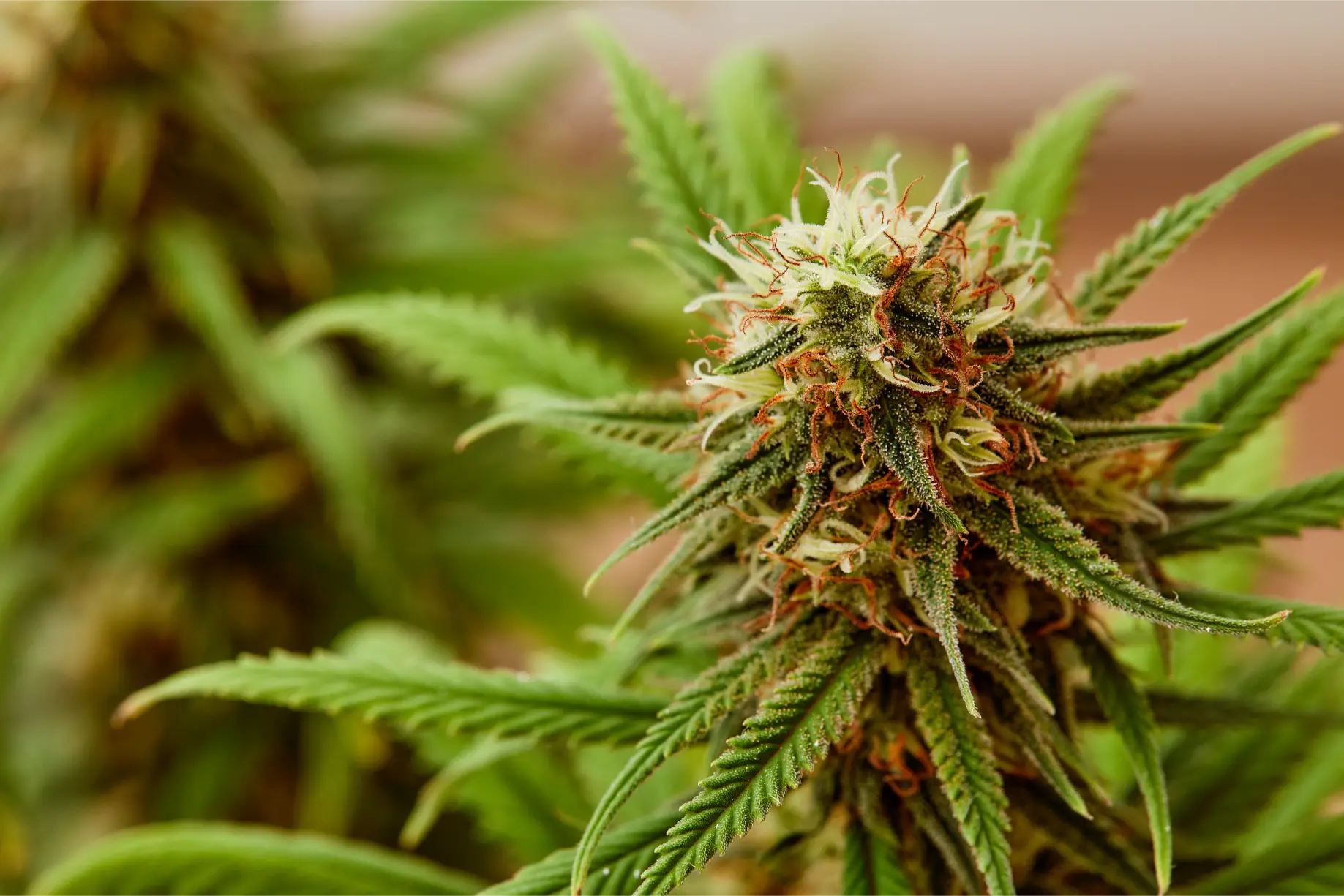
Dark Shadow Haze
Weedth Strain Library
Educational content. Always follow your local laws.
Dark Shadow Haze is best understood through one grower question: controlling a leggy, sativa-dominant stretch without stripping away the lateral sites that later carry large purple, resinous flowers. This strain is best understood as a grape-forward Haze hybrid whose main grow problem is architecture. Its most productive flowers are often carried on long branches that can outrun an indoor room before the grower realizes how much post-flip extension remains. That question is more useful than reducing the cultivar to a simple indica/sativa label because it explains why two gardens can produce very different versions of the same genetics. The plant can look vigorous and easy during vegetative growth, yet the decisions made before and during the first weeks of flowering determine whether the finished canopy produces expressive, clean flower or a compromised version of the same genetic potential.
The working identity used in this profile is sativa-dominant hybrid, commonly described around 70% sativa / 30% indica. Its lineage is Grape Ape x Nevil's Wreck. Public records and surviving cultivar descriptions do not always agree on every potency figure or phenotype ratio, so this guide does not pretend that one laboratory number defines all examples. A better grower model is to treat the strain as a population with a recognizable center: Ripe grape, dark berry, sweet fruit, incense-like haze, earth and light diesel. Its effect pattern is typically fast cerebral lift, focus and sensory brightness followed by a calmer, anchored body phase.
For cultivation, the most useful baseline is a flowering window of about 70 days or slightly longer indoors. The plant is generally tall and notably leggy; short vegetative periods or repeated topping are useful indoors, with longer internodes, flexible branches, vigorous apical growth and a tendency to build large flowers on a relatively open frame. purple color can emerge strongly in some expressions without requiring an extreme cold finish. The practical difficulty is moderate. That difficulty does not mean the strain is fragile. It means the grower needs to understand what the plant is trying to do before imposing a generic training, feeding or harvest schedule.
The Weedth approach here prioritizes bud quality and flavor rather than chasing a single yield number. Yield is best described as medium to high when the canopy is controlled; the plant can make large flowers but its leggy frame needs support. More important is how much of that harvest finishes at true maturity, with intact trichomes, clean internal flower tissue and a terpene profile that still reads as ripe grape, dark berry, sweet fruit, incense-like haze, earth and light diesel after drying. A heavy harvest with flat aroma is not a successful expression of this cultivar.
Dark Shadow Haze is treated as a tall Grape Ape and Nevil's Wreck hybrid whose value depends on converting leggy extension into supported fruit-and-incense flower. Where records differ, ranges are used; the practical decisions below follow the plant's actual stretch, branch leverage and maturity rather than a fixed market description.
Weedth Grower Note: This strain is best understood as a grape-forward Haze hybrid whose main grow problem is architecture. Its most productive flowers are often carried on long branches that can outrun an indoor room before the grower realizes how much post-flip extension remains.
Strain Features
| Feature | Details |
|---|---|
| Type | Sativa-dominant hybrid, commonly described around 70% sativa / 30% indica |
| Genetics | Grape Ape x Nevil's Wreck |
| THC | Common market samples vary widely; roughly mid-teens to mid-20s THC is a realistic editorial range rather than one fixed number |
| CBD | Usually low; some tested batches report around 1% or less |
| Flowering Time | About 70 days or slightly longer indoors |
| Outdoor Finish | Best in a long, warm season; finish can extend into October depending on latitude and phenotype |
| Yield | Medium to high when the canopy is controlled; the plant can make large flowers but its leggy frame needs support |
| Plant Height | Tall and notably leggy; short vegetative periods or repeated topping are useful indoors |
| Difficulty | Moderate |
| Aroma & Flavor | Ripe grape, dark berry, sweet fruit, incense-like haze, earth and light diesel |
| Effect Pattern | Fast cerebral lift, focus and sensory brightness followed by a calmer, anchored body phase |
| Terpene Pattern | Myrcene, pinene, caryophyllene, with some batches showing meaningful terpinolene and ocimene |
| Primary Grow Challenge | controlling a leggy, sativa-dominant stretch without stripping away the lateral sites that later carry large purple, resinous flowers |
The table is a working cultivation profile, not a guarantee that every plant sold or preserved under the name will match one number. Dark Shadow Haze has enough phenotype and batch variation that the grower should use these ranges to plan the room, then let the actual plant determine final irrigation, feeding and harvest decisions.
Genetic Lineage
Dark Shadow Haze joins Grape Ape with Nevil’s Wreck, pairing a dark-fruit, body-centered indica family with a tall Haze line. The useful result is tension rather than uniformity: grape density develops on a leggy frame that still wants vertical and lateral freedom.
Grape Ape contributes ripe grape, dark berry, earth, color potential, resin, and the calmer second half of the effect. Some plants express purple readily, but pigment is a phenotype trait and not a maturity gauge.
Nevil’s Wreck supplies longer internodes, flexible branches, apical vigor, incense, pine-like brightness, light diesel, and the fast cerebral opening. Its influence explains why a short veg or repeated early topping is more useful indoors than trying to compress the plant late.
Phenotypes can range from darker, broader and grape-forward to taller, more incense-led expressions that require more than the 70-day center point. The latter may ripen unevenly enough to justify a staged harvest.
A keeper should preserve contrast: ripe grape and dark berry must remain distinct from dry incense and diesel after cure. Stable stretch, lateral flower production, supported tops, and complete lower maturity matter more than matching one online photograph.
Effect Breakdown
Initial onset
Dark Shadow Haze normally starts in the head, with faster association, sensory brightness, and a noticeable lift in attention. Incense-forward plants may feel more expansive than the dark flower color suggests.
The first phase can support music, conversation, or exploratory creative work, but high doses make thought speed less precise. Users sensitive to Haze effects should avoid treating the grape sweetness as evidence of mild potency.
Peak effects
At the peak, mental energy remains present while Grape Ape begins anchoring the body. This produces focus with less physical restlessness than a pure long-flower sativa, although the balance changes substantially among phenotypes.
Grape-heavy flower tends to settle earlier and feel warmer. Nevil’s Wreck-leaning plants sustain the cerebral arc, sometimes producing a drier, more analytical experience before relaxation appears.
The best batches develop in stages rather than delivering one blunt sensation. Brightness, absorption, and body calm remain identifiable, mirroring the contrast between fruit and incense in the aroma.
Late phase
The end becomes quieter and physically grounded without always becoming sleepy. Moderate use can leave a clear afterglow; a later cut or larger dose makes the Grape Ape weight more pronounced.
Unevenly ripe flower can also create uneven effects. Mixing early lower buds with mature tops may blur the cultivar’s progression, another reason staged harvest can improve evaluation.
Best use and caution
Daytime may suit experienced users with a cerebral phenotype, but afternoon into evening accommodates the full arc more reliably. Driving or precision tasks should be avoided.
Anxiety-prone users should begin conservatively because the Haze opening can be quick. Waiting before redosing reduces the chance that stimulation stacks before the calmer phase arrives.
Flavor & Aroma Profile
A properly cured jar of Dark Shadow Haze should present a layered version of ripe grape, dark berry, sweet fruit, incense-like haze, earth and light diesel. The first aroma that escapes the container is usually the most volatile part of the profile. That top register is the first thing lost when flowers are dried too warm, stored with excessive headspace or repeatedly exposed to fresh oxygen. For a flavor-focused grower, the jar-opening aroma is therefore a post-harvest quality test as much as a genetic trait.
Breaking cured Dark Shadow Haze should release darker grape skin and Haze incense beneath the initial berry sweetness. If the broken flower becomes merely louder earth, the fruit may have been lost to canopy heat or a fast dry.
On inhalation, the desired target is not maximum harshness or maximum odor. The target is recognizable identity: ripe grape, dark berry, sweet fruit, incense-like haze, earth and light diesel. A clean dry lets the brighter compounds arrive first while the darker earthy, spicy, fuel or floral register fills in behind them. If the smoke tastes green, sharp or grassy, chlorophyll-rich plant material and uneven internal moisture may still be dominating the experience.
On the exhale, Dark Shadow Haze should move from ripe grape toward dry incense, pepper, earth and restrained diesel. That heavier finish is useful only when the inhale still carries fruit; otherwise the profile becomes an anonymous Haze base.
The key quality goal for this cultivar is simple: Protect the contrast between grape sweetness and the drier incense/diesel Haze register. A hot or rushed dry tends to erase the brighter fruit first and leave a flatter earthy-hazy core. That goal should guide harvest, trimming, drying and storage. Flavor additives cannot recreate a volatile profile that was lost through heat or oxidation.
Dominant Terpenes
The most defensible terpene description for Dark Shadow Haze is not a rigid three-compound ranking. Available modern data point toward myrcene, pinene, caryophyllene, with some batches showing meaningful terpinolene and ocimene. Order can change between phenotypes and cultivation environments, so the practical value is to understand what each compound can contribute rather than pretending every plant will test identically.
Myrcene gives Dark Shadow Haze its dark berry body and helps the later physical calm feel more anchored than the fast cerebral opening. It should support grape rather than turn the cured jar uniformly musky.
Limonene is not the headline note here, yet it can sharpen the edge of dark fruit and keep incense from feeling stale. The small bright fraction is particularly vulnerable in hot upper flowers and warm drying rooms.
Beta-caryophyllene explains part of Dark Shadow Haze's peppery, woody transition beneath grape. In sensory terms it supplies structure to the exhale; effect claims should remain secondary to the measurable batch chemistry.
Pinene, terpinolene and ocimene can make one Dark Shadow Haze phenotype feel clearer, more airy and more traditionally Haze-like than a myrcene-heavy sibling. Record these differences with stretch, flowering length and cured aroma when choosing a keeper.
Dark Shadow Haze expresses its grape-incense contrast only when the tall canopy stays within a reasonable leaf-temperature band. Genetics supplies the possibility; height control, harvest maturity and a cool dark dry determine whether the top note survives.
Indoor vs. Outdoor Growing
| Aspect | Indoor | Outdoor |
|---|---|---|
| Height | Tall and notably leggy; short vegetative periods or repeated topping are useful indoors | Can become substantially larger with unrestricted roots |
| Flowering / Finish | About 70 days or slightly longer indoors | Best in a long, warm season; finish can extend into October depending on latitude and phenotype |
| Main Risk | controlling a leggy, sativa-dominant stretch without stripping away the lateral sites that later carry large purple, resinous flowers | Weather, late humidity and mechanical support |
| Best Training | Top early, spread the strongest branches, use a broad screen or soft trellis, and stop major high-stress work once flowers begin stacking. Selective interior thinning is more useful than repeated heavy defoliation. | Early structural pruning, staking and branch spacing |
| Quality Priority | Protect the contrast between grape sweetness and the drier incense/diesel Haze register. A hot or rushed dry tends to erase the brighter fruit first and leave a flatter earthy-hazy core. | Finish cleanly before prolonged rain or frost |
Indoors, Dark Shadow Haze should be planned around its main structural behavior: controlling a leggy, sativa-dominant stretch without stripping away the lateral sites that later carry large purple, resinous flowers. The plant is tall and notably leggy; short vegetative periods or repeated topping are useful indoors. Expect strong vertical extension during the first several weeks after the photoperiod change. A short veg, early topping and horizontal branch placement are safer than trying to correct height late. This means the grower should decide final plant count and canopy footprint before the flip rather than reacting after the stretch is already filling the room.
A useful indoor temperature target for most of the cycle is roughly 22-27 C with strong air exchange. Late flower is usually cleaner when canopy humidity is held around the mid-40% range, adjusted to room temperature and VPD. The open plant structure helps, but individual late flowers can become large and internally humid. The risk shifts from whole-canopy stagnation to moisture pockets inside heavy tops. The number itself is less important than avoiding condensation, night-time humidity spikes and stagnant air inside the flowers.
Increase light only after Dark Shadow Haze has finished its main extension and every leader is assigned a supported lane. Driving intensity during uncontrolled stretch creates overheated tops and weak shaded laterals rather than denser uniform flower.
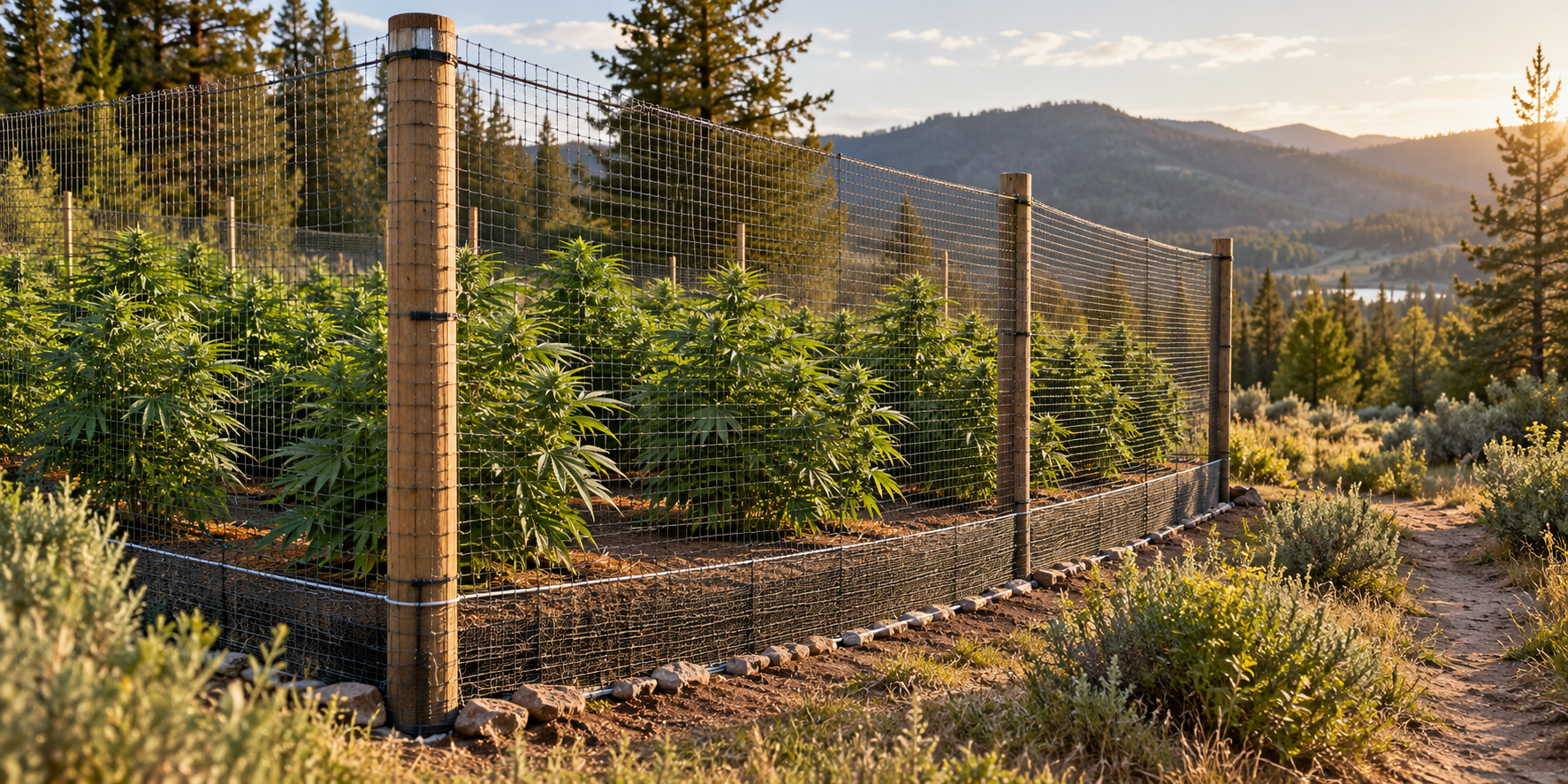
Outdoors, the working finish is best in a long, warm season; finish can extend into october depending on latitude and phenotype. Site selection should prioritize direct sun, wind movement and the ability to keep late flowers dry. A cultivar with a known indoor flowering time can still finish later outdoors because day length, latitude and autumn temperature change the rate of maturation.
Outdoors, unrestricted roots can turn Dark Shadow Haze from a manageable indoor frame into a tall, wind-loaded plant. Install a cage or multiple tie points early and preserve access through the center before October flowers make correction difficult.
Full sun can deepen Dark Shadow Haze yield and color, but a long wet finish can erase that advantage. The best site combines morning light, moving air and enough season for the Haze-leaning phenotype to finish without repeatedly wet grape-heavy flowers.
Strain-Specific Grow Guidance
Morphology and Canopy Planning
Morphology is the first strain-specific clue. Longer internodes, flexible branches, vigorous apical growth and a tendency to build large flowers on a relatively open frame. Purple color can emerge strongly in some expressions without requiring an extreme cold finish. A grower who understands that shape can predict where light and humidity will become limiting before visible problems appear.
Stretch management should begin before flowering. Expect strong vertical extension during the first several weeks after the photoperiod change. A short veg, early topping and horizontal branch placement are safer than trying to correct height late. Waiting until the canopy is already vertical creates two problems: repeated late bending stresses flower initiation, and tall tops receive excessive light while lower productive sites remain shaded.
Training should be matched to the plant rather than applied automatically. Top early, spread the strongest branches, use a broad screen or soft trellis, and stop major high-stress work once flowers begin stacking. Selective interior thinning is more useful than repeated heavy defoliation. The objective is an even field of healthy tops with air moving through the branch structure. A technique that creates more sites but also creates a damp, tangled interior is not a net gain.
Feeding, Irrigation and Root Zone
Feeding is another area where generic schedules fail. Moderate feeder. It generally performs better with steady nutrition than with aggressive EC. Excess nitrogen can prolong leafy stretch and delay the transition into clean flower building. Read new growth, leaf posture, tip color and root-zone EC together. One isolated symptom is not enough to justify a large correction.
Irrigation deserves equal attention. The open sativa frame can transpire quickly under strong light, but root-zone saturation still slows vigor. Use an aerated medium and let container weight guide irrigation. Container weight, runoff behavior and the rate of daily dry-back tell more than a fixed 'every two days' schedule. The correct frequency changes as root mass, flower load and environmental demand change.
A porous root zone keeps Dark Shadow Haze extension predictable. When a tall plant slows while the pot remains heavy, restore oxygen and irrigation rhythm before raising feed; saturated roots exaggerate weak internodes and uneven flower set.
Flowering Management
Use the first two to three flowering weeks to guide Dark Shadow Haze laterals horizontally while they remain flexible. Preserve sites that can reach the screen, remove only weak shaded shoots and stop major direction changes as the large terminal flowers begin forming.
Late flower changes the risk profile. The open plant structure helps, but individual late flowers can become large and internally humid. The risk shifts from whole-canopy stagnation to moisture pockets inside heavy tops. Inspect large flowers by gently separating visual layers without crushing trichomes. Smell can be an early warning: a dull, wet or fermenting odor inside one top is more concerning than normal strain funk.
Defoliate Dark Shadow Haze around crossover points and the shaded base of long leaders. Its open internodes already provide some air; stripping every healthy fan only reduces the leaf engine needed to fill a seventy-day flower cycle.
Support is fundamental to Dark Shadow Haze because flexible Haze stems can bow under large purple tops. A second net or individual ties preserve light angle and prevent adjacent grape-rich flowers from creating humid contact seams.
Inspect Dark Shadow Haze leaf undersides and long branch junctions before the resinous tops enlarge. Its open frame is easy to scout early but awkward to treat once tied into multiple support layers.
If Dark Shadow Haze loses grape at the hottest tops while lower flowers retain fruit and incense, treat leaf temperature as the first suspect. A whole-plant aroma decline alongside slow drinking points more toward root stress or excess late nitrogen.
Harvest and Phenotype Selection
Harvest planning should be strain-specific. Judge each top by trichome maturity rather than calendar alone. Some tall expressions ripen unevenly, so a staged harvest can protect both quality and maturity. Trichomes on calyxes are more informative than trichomes on small sugar leaves because leaf trichomes can amber earlier. Look at several positions on the plant and combine trichome state with calyx swelling and the decline of fresh pistil production.
Do not subject Dark Shadow Haze to severe drought, darkness or cold at the finish. Its long cycle needs functioning leaves and roots to complete bract swell; stability preserves more grape and incense than a dramatic last-week ritual.
If CO2 enrichment is used in a sealed room, it only makes sense when light intensity, nutrition and climate are already controlled. Elevated CO2 does not fix a shaded, overwatered or overheated canopy. For most small growers, improving light uniformity and root health gives a better return before adding complexity.
Select Dark Shadow Haze across the full cycle: rooting speed, stretch, usable lateral count, days to maturity, support demand, grape depth and incense persistence after cure. Purple color alone does not identify the best repeatable plant.
A Dark Shadow Haze plant that stays unusually short or loses fruit may be a legitimate phenotype, but first exclude restricted roots, overheated tops and uneven irrigation. Environmental errors can imitate genetic variation in a mixed seed run.
Judge Dark Shadow Haze by mature supported flower per lit screen area. Gross height and wet biomass flatter a leggy plant; the useful result is the proportion of grape-incense tops that finish evenly and dry without damage.
Plan drying space before Dark Shadow Haze harvest because its long supported leaders create bulky branch sections. Crowding them in a small room defeats the canopy work by trapping moisture between large flowers.
Do not let the stretch make the decisions
For Dark Shadow Haze, solve the strain's main constraint before chasing yield: controlling a leggy, sativa-dominant stretch without stripping away the lateral sites that later carry large purple, resinous flowers.
Weedth Bud Flavor Tips
For Dark Shadow Haze, the post-harvest target is Protect the contrast between grape sweetness and the drier incense/diesel Haze register. A hot or rushed dry tends to erase the brighter fruit first and leave a flatter earthy-hazy core. The first principle is to remove field heat quickly and begin drying in darkness with gentle air exchange. Direct fan blast on flowers dries the surface before internal moisture can migrate outward, creating brittle outsides and wet cores.
For Dark Shadow Haze, a cool dark dry near 16-19 C and roughly 55-60% RH is a practical starting range, adjusted for branch size and room load. The goal is enough time for grape-rich tops to equalize without turning the surface brittle.
Post-harvest research supports what this cultivar makes obvious: volatile fruit notes decline faster than the earthy-incense base. Warm air, direct fan pressure and repeated oxygen exposure can leave potent flower that no longer smells recognizably Dark Shadow Haze.
Use substantial branch sections for Dark Shadow Haze in a dry room that needs more resistance, but divide the plant when humidity is already high. The decision should follow flower mass and room capacity, not a fixed preference.
A snapping Dark Shadow Haze twig does not prove that the center of a large purple top is ready. Condition representative upper and lower flowers separately and watch their sealed moisture rebound before storing the harvest.
Cure cannot recreate grape lost to heat. It can equalize moisture and reveal the intended progression from berry to incense and diesel, provided the flowers entered the container dry enough and the first rebound was monitored.
Store Dark Shadow Haze cool, dark and in small sealed units. A working jar protects the reserve from the repeated oxygen exchange that gradually strips fruit while leaving only earth and Haze.
Never add grape, citrus peel or herbs to Dark Shadow Haze containers. Added organic material introduces moisture and hides the useful question of why the cultivar's own fruit failed to survive.
Ease nitrogen down after Dark Shadow Haze stretch while keeping enough functional leaf for its longer finish. Dark glossy tops near day seventy often signal delayed ripening and a flatter grape-incense balance.
Do not treat a fixed flush as a Dark Shadow Haze flavor switch. Correct excessive root-zone EC when measurement shows it, then allow stable maturation; unnecessary starvation can stop the late bract swell that supports weight and effect depth.
Dry-trim Dark Shadow Haze with minimal pressure on the purple resinous tops. Handle branches by stem and collect small lots; the grape-forward surface is precisely where rough machine contact costs the most aroma.
The final flavor check should happen after several weeks of stable cure. The flower should still read clearly as ripe grape, dark berry, sweet fruit, incense-like haze, earth and light diesel. If only generic hay, earth or harsh smoke remains, use that result as process feedback for the next cycle.
Weedth Bud Boost Tips
The strain-specific yield strategy is The best yield gains come from converting vertical stretch into horizontal productive area and supporting the large terminal flowers, not from heavy feeding. That is more reliable than forcing a generic bloom-booster program onto the plant.
Dark Shadow Haze yield begins with roots, an early topping and a wide set of laterals. Letting one apical shoot dominate in veg creates impressive height but fewer evenly lit, supportable tops after stretch.
A level Dark Shadow Haze screen converts its leggy habit into useful production. Repeated topping or early LST is justified only until the leaders fill their lanes; beyond that, more training delays a cultivar already willing to flower for ten weeks.
Raise Dark Shadow Haze intensity in stages after stretch, watching top aroma and leaf posture. Grape disappearing from the highest flowers is a quality warning even before bleaching or severe tacoing appears.
CO2 can raise the light ceiling in sealed rooms, but it should be considered an advanced optimization rather than a baseline requirement. It increases environmental complexity and is wasted when irrigation, temperature or canopy uniformity are already limiting.
Silicon can support stronger stems in many cannabis systems, but it does not replace physical trellising on a cultivar that produces heavy tops. Mechanical support should be planned independently of nutrient additives.
Phosphorus and potassium are needed for flowering, yet more is not automatically better. Excessive EC can reduce water uptake and create antagonisms that look like deficiency. Increase bloom nutrition only when the plant is healthy, actively transpiring and showing demand.
The best lower-pruning window is around the end of stretch. Remove small shoots and flower sites that remain far below the productive canopy. This reduces low-grade flower and makes watering, inspection and airflow easier without repeatedly stressing the plant later.
A second yield gain comes from keeping leaf temperature in range. Hot leaves close stomata and reduce carbon assimilation. Good air movement, appropriate light distance and sufficient irrigation during peak demand protect photosynthesis better than any additive.
Outdoor growers can improve yield by maximizing early root volume and building support before summer stretch. Mulch can moderate soil temperature outdoors, while good spacing lets sun and wind penetrate the plant. Do not plant so densely that autumn flowers touch each other after rain.
Harvest timing affects usable yield. Cutting too early leaves calyxes underfilled and resin immature. Waiting too long can increase disease risk and convert a lively effect into a heavier one. The best harvest point is the moment quality and maturity are both near their peak, not the day the plant reaches the highest wet weight.
Record dry yield by canopy area and quality grade. A cycle that produces slightly less total weight but a much higher proportion of top-grade flower is a successful improvement for a flavor-focused library.
Medical Uses & Benefits
Consumer reports around Dark Shadow Haze often describe the effect as fast cerebral lift, focus and sensory brightness followed by a calmer, anchored body phase. Those reports can explain why some adults choose the strain in contexts involving stress, low mood, discomfort or sleep, but they are not clinical evidence that the named cultivar treats a disease.
Cannabis effects depend on dose, THC exposure, minor cannabinoids, terpene composition, route of administration, tolerance and the individual user. Two batches sold under the same strain name can differ chemically enough to produce noticeably different experiences. For medical decision-making, a tested chemotype is more informative than a name alone.
High-THC flower can worsen anxiety, panic, dizziness, impaired coordination or rapid heart rate in some people. People with a history of psychosis, unstable cardiovascular disease, pregnancy, or interactions with other medications should seek professional medical guidance rather than self-selecting a strain from a profile.
The most responsible way to use strain information therapeutically is as context: whether the profile is usually stimulating or sedating, whether potency is likely to be high, and what adverse reactions are commonly reported. It should not replace diagnosis, dosing advice or evidence-based treatment.
Medical Note: Strain names are not standardized medicines. Symptom reports are observational and do not replace professional medical advice or laboratory-tested chemotype information.
Ideal User Profile
The ideal Dark Shadow Haze user is experienced or intermediate users who like cerebral, creative cannabis but want a later body anchor rather than a purely racy haze. The strain is better suited to someone who understands how their body responds to THC than to a person who assumes the name predicts a gentle experience.
Time of day should follow the effect arc rather than the indica/sativa category. If the first phase is bright and cerebral, earlier use may suit experienced consumers. If the late phase becomes heavy, allow enough time before driving, operating equipment or doing work that requires rapid judgment.
Flavor-driven users are also a strong match because this cultivar has a recognizable sensory identity. A person who only wants maximum potency may miss what makes the strain interesting. The best experience comes from flower that was harvested at full maturity and dried slowly enough to preserve its aromatic contrast.
Lower-tolerance users should begin with very little inhaled material and wait. Potency labels are imperfect and home-grown flower can be stronger than expected. The aim is to find the smallest amount that produces the desired experience without crossing into anxiety, dizziness or excessive sedation.
Grower Notes and Feedback
Dark Shadow Haze reports become clearer when the grower records whether a plant is Grape Ape-forward or Nevil’s Wreck-forward. The former tends to be darker and more compact; the latter is leggier, more incense-led, and often later.
A common structural error is removing useful laterals because the early frame appears sparse. Those flexible branches can carry substantial purple flower once they reach the light plane, so cleanup should distinguish weak shade growth from trainable Haze architecture.
Moderate feeding produces the most repeatable accounts. Excess nitrogen extends the leafy transition and delays clean stacking, while a wet root zone can mimic hunger by reducing oxygen and slowing uptake.
The open canopy lowers whole-room stagnation but does not eliminate flower risk. Individual tops can become large and internally humid late, shifting inspection from leaf density to the core of each heavy cola.
Growers should not use purple color as a harvest signal. Some phenotypes pigment early, while resin and lower bracts remain immature. Trichomes from several heights, aroma development, water use, and calyx swelling provide a better decision.
Staged harvest is repeatedly useful on tall expressions. Removing mature tops while lower laterals receive several more days can improve both effect consistency and the grape-incense separation in the final jars.
Cure reports reward patience: fruit may appear muted immediately after drying, then return as internal moisture equalizes. A keeper decision made in the first week can discard the phenotype before its dark berry and dry Haze register have stabilized.
Weedth Experience
Dark Shadow Haze makes me think about leverage before color. A young plant can look almost too open, with long internodes and flexible branches, yet those same laterals become valuable when they are guided into a wide plane instead of removed for being leggy.
I would top early, keep the vegetative period short and use a screen to turn vertical enthusiasm into horizontal reach. During stretch I would preserve every branch capable of reaching the plane, then add a second support layer before the purple flowers gain enough mass to bow their stems. The plant should finish dramatic, not disorganized.
Near day seventy I would stop looking at the calendar and compare bract swell, drinking rate, upper and lower trichomes, grape depth and incense clarity. A taller Haze-leaning plant may need more time than its darker sibling. That difference is worth respecting if the lower canopy remains healthy and dry.
The reward is a jar that changes character while it is open. Ripe grape arrives first, then dry incense, pepper and a light diesel shadow. The effect follows a similar arc, bright and sensory at the beginning, more anchored later. Purple alone would not earn this plant another run; that complete transition would.
Weedth Score
Growing Experience 8.1/10 Rewarding but height control and support require planning.
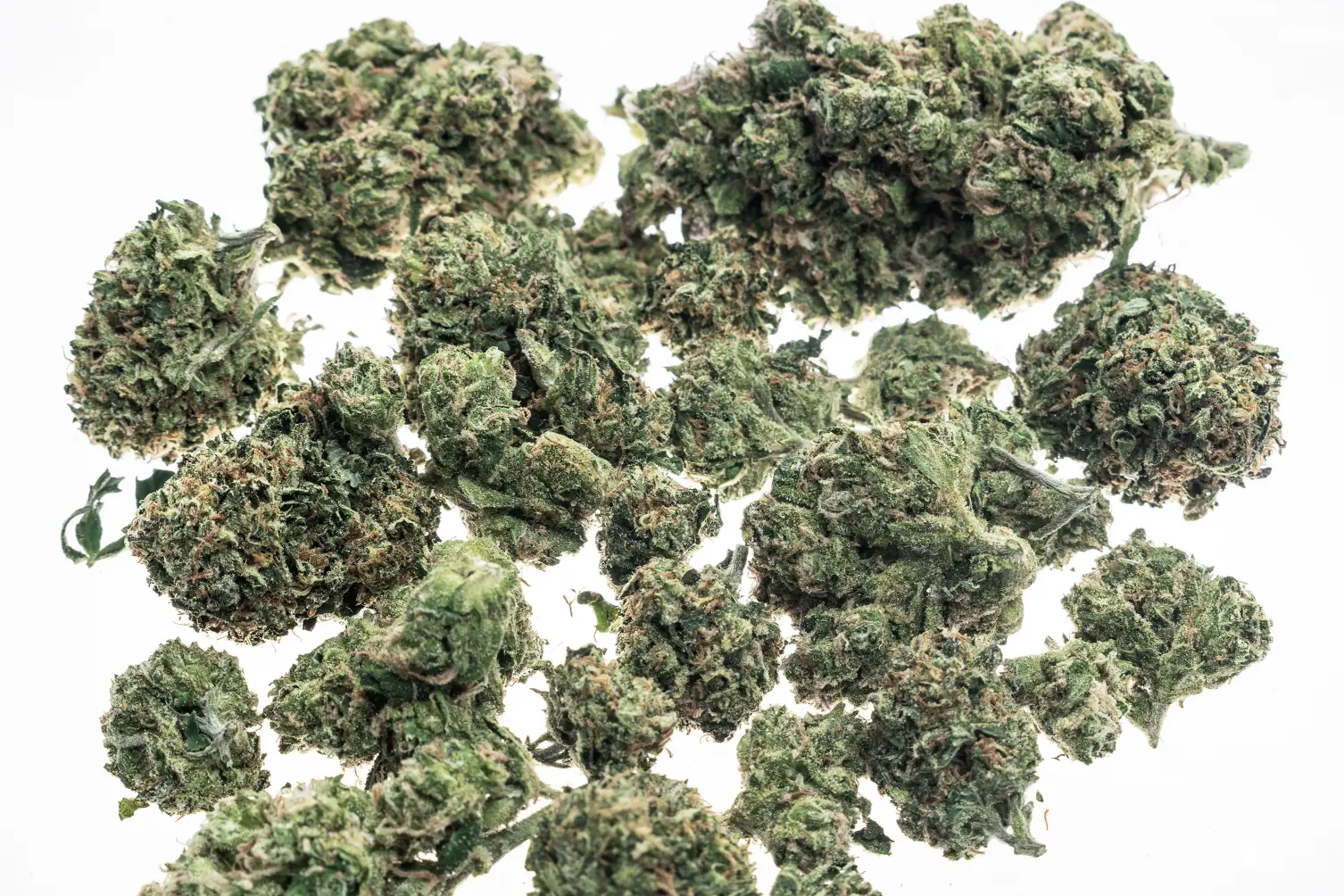
Bud Structure & Visual Appeal 9.0/10 Large resinous flowers and strong purple potential can be striking.
Aroma Complexity 9.3/10 Grape and berry over incense, earth and diesel gives real depth.
Flavor & Smoothness 8.8/10 Excellent when the fruit top notes survive the dry.
Effects & High Experience 9.0/10 Cerebral and vivid with a useful physical anchor.
Overall Satisfaction & Recommendation 8.8/10 Best for growers who enjoy managing sativa architecture.
Growing Experience – 8.1/10. Rewarding but height control and support require planning. The score reflects this cultivar's own goals rather than comparing every strain to one generic ideal.
Bud Structure & Visual Appeal – 9.0/10. Large resinous flowers and strong purple potential can be striking. The score reflects this cultivar's own goals rather than comparing every strain to one generic ideal.
Aroma Complexity – 9.3/10. Grape and berry over incense, earth and diesel gives real depth. The score reflects this cultivar's own goals rather than comparing every strain to one generic ideal.
Flavor & Smoothness – 8.8/10. Excellent when the fruit top notes survive the dry. The score reflects this cultivar's own goals rather than comparing every strain to one generic ideal.
Effects & High Experience – 9.0/10. Cerebral and vivid with a useful physical anchor. The score reflects this cultivar's own goals rather than comparing every strain to one generic ideal.
Overall Satisfaction & Recommendation – 8.8/10. Best for growers who enjoy managing sativa architecture. The score reflects this cultivar's own goals rather than comparing every strain to one generic ideal.
Personal closer: This strain is best understood as a grape-forward Haze hybrid whose main grow problem is architecture. Its most productive flowers are often carried on long branches that can outrun an indoor room before the grower realizes how much post-flip extension remains.
FAQ
What is Dark Shadow Haze?
Dark Shadow Haze is sativa-dominant hybrid, commonly described around 70% sativa / 30% indica. The working lineage is Grape Ape x Nevil's Wreck. The cultivar is most recognizable for ripe grape, dark berry, sweet fruit, incense-like haze, earth and light diesel and for the cultivation issue of controlling a leggy, sativa-dominant stretch without stripping away the lateral sites that later carry large purple, resinous flowers.
How long does Dark Shadow Haze flower?
A realistic indoor reference is about 70 days or slightly longer indoors. Treat that as the point to begin close maturity checks, not as an automatic chop date. Phenotype, light intensity, plant size and environment can move the final harvest earlier or later.
Is Dark Shadow Haze easy to grow?
The difficulty is best described as moderate. The plant is not necessarily fragile, but success depends on understanding its main issue: controlling a leggy, sativa-dominant stretch without stripping away the lateral sites that later carry large purple, resinous flowers. A grower who plans around that behavior will find it much more predictable.
How tall does Dark Shadow Haze get?
It is generally tall and notably leggy; short vegetative periods or repeated topping are useful indoors. Expect strong vertical extension during the first several weeks after the photoperiod change. A short veg, early topping and horizontal branch placement are safer than trying to correct height late. Indoor growers should set final veg time from available vertical space and expected stretch rather than from plant age alone.
What does Dark Shadow Haze smell and taste like?
The target profile is ripe grape, dark berry, sweet fruit, incense-like haze, earth and light diesel. The exact balance varies by phenotype and cure. A hot or rushed dry tends to reduce the brightest top notes first.
What are the dominant terpenes in Dark Shadow Haze?
Available data most often point toward myrcene, pinene, caryophyllene, with some batches showing meaningful terpinolene and ocimene. Terpene rankings can change substantially between batches, so use these as a working pattern rather than a guaranteed lab result.
Does Dark Shadow Haze need heavy feeding?
No. Moderate feeder. It generally performs better with steady nutrition than with aggressive EC. Excess nitrogen can prolong leafy stretch and delay the transition into clean flower building. Strong light and a healthy root system can increase nutrient demand, but increasing EC without evidence of demand is more likely to create stress than extra quality.
What is the main grow risk with Dark Shadow Haze?
The main risk is controlling a leggy, sativa-dominant stretch without stripping away the lateral sites that later carry large purple, resinous flowers. Secondary risks include late-flower humidity, root-zone saturation and forcing a calendar-based harvest when different flowers are not equally mature.
Can Dark Shadow Haze grow outdoors?
Yes, where the season allows best in a long, warm season; finish can extend into october depending on latitude and phenotype. Prioritize sun, airflow and a dry enough finish to protect mature flowers. Large outdoor plants should be supported before late flower.
When should Dark Shadow Haze be harvested?
Judge each top by trichome maturity rather than calendar alone. Some tall expressions ripen unevenly, so a staged harvest can protect both quality and maturity. Use calyx trichomes, calyx swelling and reduced fresh pistil production together. Color alone is not a reliable maturity signal.
How should Dark Shadow Haze be dried for flavor?
Dry slowly in darkness with gentle air exchange and moderate temperature. Protect the contrast between grape sweetness and the drier incense/diesel Haze register. A hot or rushed dry tends to erase the brighter fruit first and leave a flatter earthy-hazy core. Dense flowers may need more dehumidification or branch separation than airy flowers.
Is Dark Shadow Haze suitable for beginners?
A careful beginner can grow it, but moderate means it is better when the grower already understands irrigation, canopy management and harvest maturity. The plant becomes much easier when its main behavioral trait is planned for from the start.
Similar Strains
Grape Ape
Grape Ape is a useful comparison for the dark grape and berry side, though it is shorter and more body-led. The value of the comparison is not that the two strains are interchangeable, but that it gives the grower or consumer a familiar reference point for genetics, flavor, effect or cultivation behavior.
Trainwreck
Trainwreck is a useful comparison for fast cerebral intensity and open sativa structure. The value of the comparison is not that the two strains are interchangeable, but that it gives the grower or consumer a familiar reference point for genetics, flavor, effect or cultivation behavior.
Super Silver Haze
Super Silver Haze is a useful comparison for incense, energetic clarity and long-flower management. The value of the comparison is not that the two strains are interchangeable, but that it gives the grower or consumer a familiar reference point for genetics, flavor, effect or cultivation behavior.
Neville's Haze
Neville's Haze is a useful comparison for the elongated Haze architecture and soaring mental character. The value of the comparison is not that the two strains are interchangeable, but that it gives the grower or consumer a familiar reference point for genetics, flavor, effect or cultivation behavior.
Purple Haze
Purple Haze is a useful comparison for purple-capable sativa expression and bright cerebral effects. The value of the comparison is not that the two strains are interchangeable, but that it gives the grower or consumer a familiar reference point for genetics, flavor, effect or cultivation behavior.
The closest comparison depends on what you value most in Dark Shadow Haze. Genetics, aroma, effect and grow style point to different neighbors. Use the list above as a map, not as a claim that any alternative reproduces the same flower.
Share this article
A quick overview of the topics covered in this article.
Follow us
Latest articles
October 24, 2026
October 24, 2026
October 24, 2026
October 24, 2026