

Grape Krush
Educational content. Always follow your local laws.
Grape Krush is best understood through one grower question: distinguishing the cultivar’s characteristic crinkled leaf expression from actual root-zone stress while keeping a water-sensitive, sometimes slow vegetative plant aerated enough to build a large productive root system. Grape Krush forces the grower to diagnose before reacting. Crinkled leaves can be genetic, irrigation can exaggerate them, and the wrong response is often to add more nutrients. Root-zone aeration is the cultivation key that unlocks the cultivar. That question is more useful than reducing the cultivar to a simple indica/sativa label because it explains why two gardens can produce very different versions of the same genetics. The plant can look vigorous and easy during vegetative growth, yet the decisions made before and during the first weeks of flowering determine whether the finished canopy produces expressive, clean flower or a compromised version of the same genetic potential.
The working identity used in this profile is indica-sativa hybrid from the blueberry genetic family. Its lineage is Blueberry-family genetics; exact original parental detail is not consistently documented across surviving public records. Public records and surviving cultivar descriptions do not always agree on every potency figure or phenotype ratio, so this guide does not pretend that one laboratory number defines all examples. A better grower model is to treat the strain as a population with a recognizable center: Grape, berry, sweet fruit, floral tones, wine-like depth, earth, musk and occasional lavender. Its effect pattern is typically starts euphoric and mentally engaged, then slows into a deeper body relaxation that can become sleepy later.
For cultivation, the most useful baseline is a flowering window of about 8-9 weeks; original descriptions commonly center near 56 days. The plant is generally medium overall with occasional taller phenotypes, with the famous crinkle-leaf trait can appear from partial to full leaf deformation. it is part of the cultivar’s known phenotype range, but saturated media can make leaf distortion and slow growth worse, so appearance must be interpreted alongside root-zone behavior. The practical difficulty is moderate. That difficulty does not mean the strain is fragile. It means the grower needs to understand what the plant is trying to do before imposing a generic training, feeding or harvest schedule.
The Weedth approach here prioritizes bud quality and flavor rather than chasing a single yield number. Yield is best described as medium to high with large calyxes and heavy flower production in productive expressions. More important is how much of that harvest finishes at true maturity, with intact trichomes, clean internal flower tissue and a terpene profile that still reads as grape, berry, sweet fruit, floral tones, wine-like depth, earth, musk and occasional lavender after drying. A heavy harvest with flat aroma is not a successful expression of this cultivar.
This profile separates strain-specific observations from general cannabis physiology. Where cultivar records are inconsistent, the uncertainty is stated directly. Where a technique is general, it is only recommended when it solves a problem this strain actually presents. The goal is to help a grower make better decisions from canopy formation through cure, not to turn the plant into a checklist.
Weedth Grower Note: Grape Krush forces the grower to diagnose before reacting. Crinkled leaves can be genetic, irrigation can exaggerate them, and the wrong response is often to add more nutrients. Root-zone aeration is the cultivation key that unlocks the cultivar.
Strain Features
| Feature | Details |
|---|---|
| Type | Indica-sativa hybrid from the Blueberry genetic family |
| Genetics | Blueberry-family genetics; exact original parental detail is not consistently documented across surviving public records |
| THC | Potency varies by preservation line and modern reproduction; treat it as a moderate-to-strong cultivar rather than attaching one universal THC number |
| CBD | Usually low or unreported |
| Flowering Time | About 8-9 weeks; original descriptions commonly center near 56 days |
| Outdoor Finish | Late September into October depending on latitude and phenotype |
| Yield | Medium to high with large calyxes and heavy flower production in productive expressions |
| Plant Height | Medium overall with occasional taller phenotypes |
| Difficulty | Moderate |
| Aroma & Flavor | Grape, berry, sweet fruit, floral tones, wine-like depth, earth, musk and occasional lavender |
| Effect Pattern | Starts euphoric and mentally engaged, then slows into a deeper body relaxation that can become sleepy later |
| Terpene Pattern | Caryophyllene, limonene, linalool or bisabolol appear in some modern batches, but preserved lines can differ significantly |
| Primary Grow Challenge | distinguishing the cultivar’s characteristic crinkled leaf expression from actual root-zone stress while keeping a water-sensitive, sometimes slow vegetative plant aerated enough to build a large productive root system |
The table is a working cultivation profile, not a guarantee that every plant sold or preserved under the name will match one number. Grape Krush has enough phenotype and batch variation that the grower should use these ranges to plan the room, then let the actual plant determine final irrigation, feeding and harvest decisions.
Genetic Lineage
Grape Krush belongs to the Blueberry family, but surviving public records do not preserve one universally agreed parental formula. That uncertainty should remain visible rather than being replaced with a convenient modern cross.
The Blueberry inheritance explains grape and dark berry, floral sweetness, wine-like depth, musk, occasional lavender, large calyxes, and an effect that moves from engagement toward body relaxation. It also helps explain a vegetative plant that may begin slowly before becoming a productive medium frame.
The famous crinkled-leaf expression is part of the known phenotype range. Partial or extensive deformation can be genetic, yet saturated media and weak roots can intensify distortion. A grower should compare irrigation response, new growth, and root behavior before diagnosing the leaf by appearance alone.
Preservation lines can vary in stature, pigmentation, flowering speed, and aromatic emphasis. Some plants lean toward sweet grape and flowers, while others expose earth, musk, and wine skin. The most useful shared center is the relationship among the crinkle trait, water sensitivity, large calyx development, and cured grape-wine character.
A keeper should root reliably, recover from the slower vegetative phase, tolerate a breathable irrigation rhythm, and retain grape above floral wine and musk after cure. Purple color or a deformed leaf by itself proves neither identity nor quality.
Effect Breakdown
Initial onset
Grape Krush usually begins with a warm euphoric change and enough mental engagement for conversation, music, or a familiar creative activity. The start feels rounder than a sharp Haze rush, matching the wine-like fruit rather than behaving like a purely sedating purple cultivar.
At a light dose, attention can remain usable and mood may lift without much physical drag. Stronger flower makes the opening hazier and shortens the interval before the body phase becomes obvious.
Peak effects
During the peak, mental interest and physical release overlap. Limbs feel less tense, the pace of thought softens, and the user may remain socially present while becoming less interested in movement or task switching.
Fruit-forward phenotypes can preserve a more buoyant middle, while earthy, musky expressions tend to feel heavier. This variation is expected in surviving Blueberry-family material and is worth recording alongside aroma.
The best examples do not jump abruptly from uplift to sedation. They develop like the flavor: sweet grape first, floral-wine depth next, then an earthy body weight underneath.
Late phase
The finish is commonly slower and more physically relaxing. A modest session can end as a calm afterglow, while a larger dose or later harvest may become sleepy and inward.
Appetite, dry mouth, and reduced motivation can persist after the euphoric front has faded. Users should allow the full arc before deciding whether to add more.
Best use and caution
Late afternoon through nighttime is the most dependable window. Earlier use suits experienced users only when a possible sleepy ending will not interfere with responsibilities.
THC-sensitive users should begin conservatively because grape sweetness can make the experience seem gentler than it is. Dizziness or anxious self-awareness is more likely when the initial uplift is repeatedly dosed before the body phase arrives.
Flavor & Aroma Profile
A properly cured jar of Grape Krush should present a layered version of grape, berry, sweet fruit, floral tones, wine-like depth, earth, musk and occasional lavender. The first aroma that escapes the container is usually the most volatile part of the profile. That top register is the first thing lost when flowers are dried too warm, stored with excessive headspace or repeatedly exposed to fresh oxygen. For a flavor-focused grower, the jar-opening aroma is therefore a post-harvest quality test as much as a genetic trait.
Breaking a flower should deepen the profile rather than simply make it louder. Crushing ruptures more trichome and plant surfaces, releasing heavier compounds that may sit underneath the initial top notes. The contrast between the intact-bud aroma and the broken-bud aroma is one of the best ways to judge whether the cure preserved complexity. A flat flower smells almost the same before and after it is broken apart.
On inhalation, the desired target is not maximum harshness or maximum odor. The target is recognizable identity: grape, berry, sweet fruit, floral tones, wine-like depth, earth, musk and occasional lavender. A clean dry lets the brighter compounds arrive first while the darker earthy, spicy, fuel or floral register fills in behind them. If the smoke tastes green, sharp or grassy, chlorophyll-rich plant material and uneven internal moisture may still be dominating the experience.
Exhaled flavor usually emphasizes heavier and more persistent compounds. Pepper, wood, earth, fuel, musk and hash-like notes often become clearer on the exhale because these compounds linger longer on the palate than the most volatile fruit top notes. The balance of inhale and exhale is therefore a useful way to separate a well-preserved profile from a one-note aromatic blast.
The key quality goal for this cultivar is simple: Grape Krush is worth growing only if the grape-wine top notes survive. Cool drying, low oxygen exposure after cure and avoiding excessive late nitrogen are more useful than flavor additives. That goal should guide harvest, trimming, drying and storage. Flavor additives cannot recreate a volatile profile that was lost through heat or oxidation.
Dominant Terpenes
The most defensible terpene description for Grape Krush is not a rigid three-compound ranking. Available modern data point toward caryophyllene, limonene, linalool or bisabolol appear in some modern batches, but preserved lines can differ significantly. Order can change between phenotypes and cultivation environments, so the practical value is to understand what each compound can contribute rather than pretending every plant will test identically.
Myrcene commonly contributes earthy, herbal and musky depth in cannabis. When it is prominent, it can make fruit profiles feel darker and give fuel or hash profiles more body. It is also frequently discussed in relation to relaxing effects, although strain-specific human clinical evidence is not strong enough to assign one subjective outcome to myrcene alone.
Limonene contributes bright citrus and peel-like top notes. In a cultivar where lemon, sweet fruit or sharp freshness matters, preserving limonene-rich fractions is especially dependent on careful post-harvest handling. It should not be used as proof that a strain will treat anxiety or depression; aroma chemistry and therapeutic efficacy are different questions.
Beta-caryophyllene contributes pepper, wood and warm spice. It is unusual among common cannabis terpenes because it can interact with CB2 receptors, which makes it scientifically interesting, but that does not turn a caryophyllene-rich flower into a validated medicine for a specific condition. In sensory terms, it often supplies the dry spicy backbone that keeps sweet or fruit-heavy strains from tasting simple.
Pinene, terpinolene, linalool, ocimene, bisabolol and other secondary compounds can materially change the impression even when they are not the largest peak on a lab report. Pinene can add crisp resinous freshness, terpinolene can read as herbal, floral, citrus or fresh wood, linalool contributes floral softness, and ocimene can add sweet green or tropical lift. The ratio between compounds is often more important to the perceived aroma than any one number.
Terpene expression is also a cultivation outcome. Genetics set the potential, while light intensity, temperature, plant health, harvest maturity, drying and storage determine how much of that potential reaches the jar. High-quality cultivation does not manufacture a new flavor. It preserves and develops what the genotype already has.
Indoor vs. Outdoor Growing
| Aspect | Indoor | Outdoor |
|---|---|---|
| Height | Medium overall with occasional taller phenotypes | Can become substantially larger with unrestricted roots |
| Flowering / Finish | About 8-9 weeks; original descriptions commonly center near 56 days | Late September into October depending on latitude and phenotype |
| Main Risk | distinguishing the cultivar’s characteristic crinkled leaf expression from actual root-zone stress while keeping a water-sensitive, sometimes slow vegetative plant aerated enough to build a large productive root system | Weather, late humidity and mechanical support |
| Best Training | Top after the plant is growing strongly, not while it is still slow and root-limited. Gentle LST and a support net work better than repeated high-stress events. | Early structural pruning, staking and branch spacing |
| Quality Priority | Grape Krush is worth growing only if the grape-wine top notes survive. Cool drying, low oxygen exposure after cure and avoiding excessive late nitrogen are more useful than flavor additives. | Finish cleanly before prolonged rain or frost |
Indoors, Grape Krush should be planned around its main structural behavior: distinguishing the cultivar’s characteristic crinkled leaf expression from actual root-zone stress while keeping a water-sensitive, sometimes slow vegetative plant aerated enough to build a large productive root system. The plant is medium overall with occasional taller phenotypes. Usually moderate. Some plants stay compact while others show a taller Blueberry-sativa influence. Plan for variation rather than one fixed stretch ratio. This means the grower should decide final plant count and canopy footprint before the flip rather than reacting after the stretch is already filling the room.
A useful indoor temperature target for most of the cycle is roughly 22-27 C with strong air exchange. Late flower is usually cleaner when canopy humidity is held around the mid-40% range, adjusted to room temperature and VPD. Large calyxes and heavy buds need late-flower airflow. Purple coloration can hide small necrotic spots, so inspect by texture and smell as well as color. The number itself is less important than avoiding condensation, night-time humidity spikes and stagnant air inside the flowers.
Under modern broad-spectrum lighting, increase intensity progressively. Cannabis can use high PPFD when roots, nutrition, CO2 availability and temperature are aligned, but a strain-specific guide should not assume that more photons are always beneficial. Watch leaf angle, bleaching, foxtailing and reduced aroma as signs that the canopy is beyond the plant’s useful light load. Uniformity is more valuable than an extremely hot center spot.
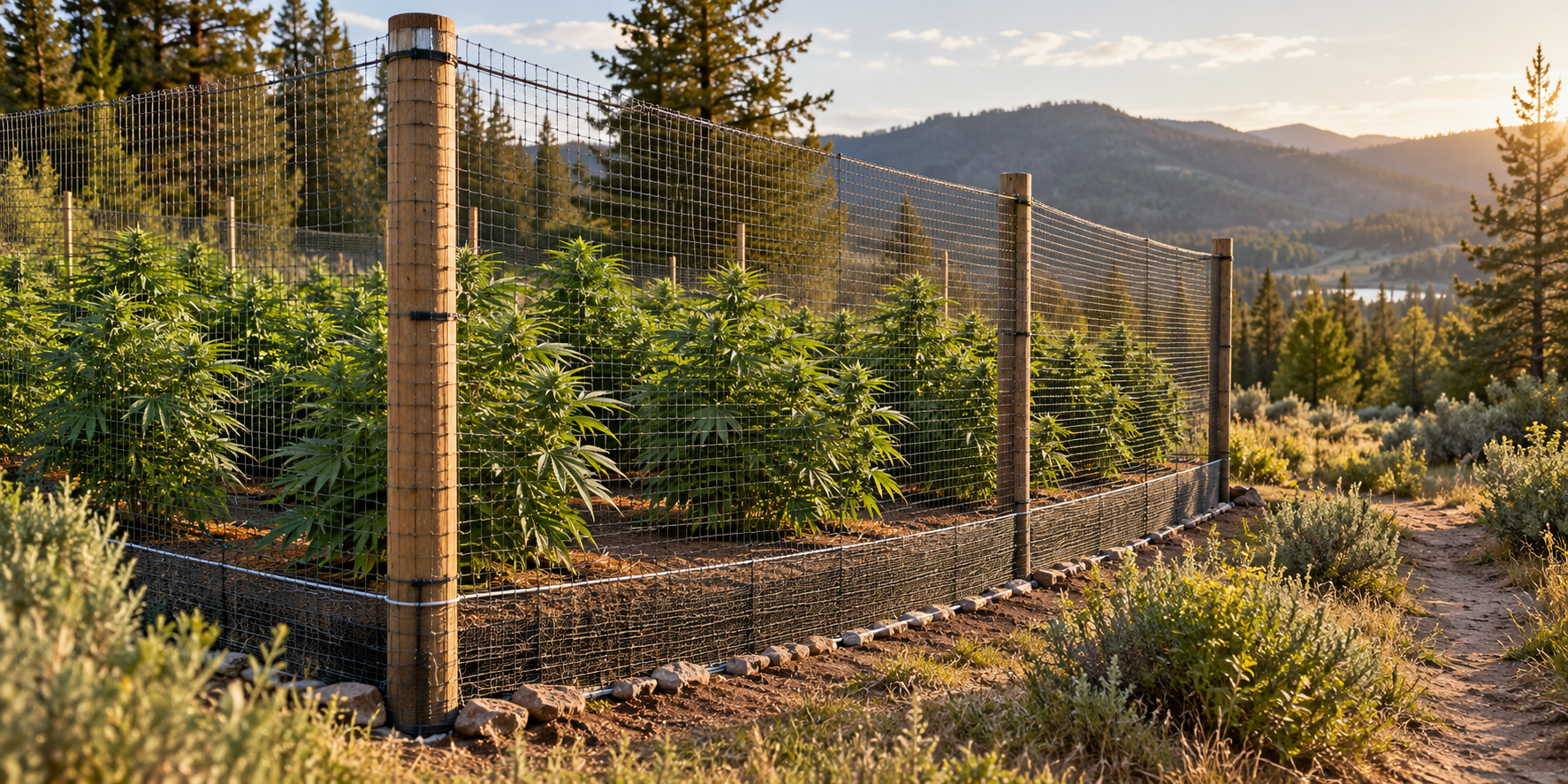
Outdoors, the working finish is late september into october depending on latitude and phenotype. Site selection should prioritize direct sun, wind movement and the ability to keep late flowers dry. A cultivar with a known indoor flowering time can still finish later outdoors because day length, latitude and autumn temperature change the rate of maturation.
Root volume outdoors changes the plant dramatically. A cultivar that looks medium indoors can become much larger in open ground, which increases both yield potential and the mechanical load on branches. Build support early enough that it becomes part of the plant rather than an emergency structure added after branches start leaning.
The outdoor quality decision is not simply ‘sun equals better flavor.’ Sun can support high biomass and complex secondary metabolism, but heat, rain, dust, insects and late-season humidity can erase the advantage. The best outdoor site is the site that lets the plant finish cleanly and lets the grower bring harvested material quickly into a controlled drying environment.
Strain-Specific Grow Guidance
Morphology and Canopy Planning
Morphology is the first strain-specific clue. The famous crinkle-leaf trait can appear from partial to full leaf deformation. It is part of the cultivar’s known phenotype range, but saturated media can make leaf distortion and slow growth worse, so appearance must be interpreted alongside root-zone behavior. A grower who understands that shape can predict where light and humidity will become limiting before visible problems appear.
Stretch management should begin before flowering. Usually moderate. Some plants stay compact while others show a taller Blueberry-sativa influence. Plan for variation rather than one fixed stretch ratio. Waiting until the canopy is already vertical creates two problems: repeated late bending stresses flower initiation, and tall tops receive excessive light while lower productive sites remain shaded.
Training should be matched to the plant rather than applied automatically. Top after the plant is growing strongly, not while it is still slow and root-limited. Gentle LST and a support net work better than repeated high-stress events. The objective is an even field of healthy tops with air moving through the branch structure. A technique that creates more sites but also creates a damp, tangled interior is not a net gain.
Feeding, Irrigation and Root Zone
Feeding is another area where generic schedules fail. Generally forgiving of mild feeding mistakes once established, but early vigor is more easily lost to wet roots than to lack of nutrients. Start conservative and increase only after root mass is obvious. Read new growth, leaf posture, tip color and root-zone EC together. One isolated symptom is not enough to justify a large correction.
Irrigation deserves equal attention. This is the defining cultivation variable. A very aerated medium and disciplined dry-back help separate benign genetic leaf crinkle from irrigation stress. Container weight, runoff behavior and the rate of daily dry-back tell more than a fixed ‘every two days’ schedule. The correct frequency changes as root mass, flower load and environmental demand change.
Root-zone oxygen is one of the easiest ways to improve both vigor and consistency. A porous medium, unobstructed drainage and irrigation events that fully wet the root ball without leaving it chronically saturated usually outperform shallow frequent watering. Healthy roots also make nutrient diagnosis easier because uptake problems are less likely to be confused with deficiency.
Flowering Management
During the first two to three weeks after the photoperiod change, prioritize architecture rather than bud size. This is the final window for tucking, soft branch placement and removal of weak interior shoots that will never reach useful light. Once flowers begin stacking, the grower should shift from shaping to protection.
Late flower changes the risk profile. Large calyxes and heavy buds need late-flower airflow. Purple coloration can hide small necrotic spots, so inspect by texture and smell as well as color. Inspect large flowers by gently separating visual layers without crushing trichomes. Smell can be an early warning: a dull, wet or fermenting odor inside one top is more concerning than normal strain funk.
Defoliation should be selective. Remove leaves that create a clear airflow blockage or that completely shade a valuable site, but do not strip healthy photosynthetic area simply because a calendar says ‘day 21 defoliation.’ The strain needs leaves to power flower filling and to buffer stress. A clean interior with a functioning upper canopy is the target.
Branch support is not only a yield tool. When heavy branches fold, vascular flow is restricted and flower surfaces can touch each other, creating humidity pockets. Install stakes or trellis before maximum flower weight. Soft ties should allow stem expansion and should never cut into tissue.
Pest management is easiest before flowers are dense. Inspect leaf undersides, petioles and branch junctions during veg and early flower. Avoid applying oily sprays to mature resinous flowers. Good sanitation, plant spacing and early detection are more compatible with high-quality flower than trying to rescue a severe late infestation.
Aroma during flowering is a diagnostic signal. A plant that suddenly loses its expected scent while remaining green may be experiencing heat, excessive nitrogen, root stress or simply be an aromatically weaker phenotype. Do not respond by adding unverified ‘terpene boosters.’ First correct the environmental or root-zone limitation.
Harvest and Phenotype Selection
Harvest planning should be strain-specific. Some expressions color strongly before they are chemically mature. Use trichomes, calyx swelling and declining white pistil production rather than purple color alone. Trichomes on calyxes are more informative than trichomes on small sugar leaves because leaf trichomes can amber earlier. Look at several positions on the plant and combine trichome state with calyx swelling and the decline of fresh pistil production.
The final week is not the moment for experimental stress. Severe drought, ice water, extended darkness or abrupt temperature shocks are often promoted as resin tricks, but they can also reduce plant function or increase disease risk. A stable finish is more repeatable and easier to compare between cycles.
If CO2 enrichment is used in a sealed room, it only makes sense when light intensity, nutrition and climate are already controlled. Elevated CO2 does not fix a shaded, overwatered or overheated canopy. For most small growers, improving light uniformity and root health gives a better return before adding complexity.
Phenotype selection should be based on the whole cycle. Keep notes on rooting speed, branch angle, stretch, flowering time, aroma while growing, flower density, trimming effort, cured flavor and effect. The loudest plant in week five is not automatically the best keeper if it finishes poorly or loses its top notes during cure.
When a plant deviates from the expected profile, diagnose before assuming genetic failure. Light stress, root restriction, nutrient antagonism and humidity can all change leaf shape, stretch and aroma. The same named cultivar grown in two different environments can look different while remaining genetically related.
For quality-focused production, the best metric is usable mature flower per illuminated area, not gross wet biomass. Remove lower growth that cannot reach maturity, keep productive tops separated, and accept that a slightly lower wet weight can produce more premium dry flower if the canopy is healthier and easier to dry.
Dry-room capacity should be part of the grow plan. A high-yield cycle can overwhelm a small drying space, forcing branches to be packed too close together. If the dry room cannot handle the harvest with air moving around every branch, the cultivation system is not actually sized correctly.
Warning
The costly mistake to avoid with Grape Krush
For Grape Krush, solve the strain’s main constraint before chasing yield: distinguishing the cultivar’s characteristic crinkled leaf expression from actual root-zone stress while keeping a water-sensitive, sometimes slow vegetative plant aerated enough to build a large productive root system.
Weedth Bud Flavor Tips
For Grape Krush, the post-harvest target is Grape Krush is worth growing only if the grape-wine top notes survive. Cool drying, low oxygen exposure after cure and avoiding excessive late nitrogen are more useful than flavor additives. The first principle is to remove field heat quickly and begin drying in darkness with gentle air exchange. Direct fan blast on flowers dries the surface before internal moisture can migrate outward, creating brittle outsides and wet cores.
A practical slow-dry target is roughly 16-20 C with relative humidity around the mid-50s to low-60s, adjusted for flower density and room load. Dense cultivars may need the lower end of the humidity range or more air exchange; airy cultivars can dry too quickly if the room is excessively dry. The correct endpoint is even internal moisture, not a fixed number of days.
Research on cannabis post-harvest handling consistently shows that drying and storage conditions change volatile composition. Monoterpenes are especially vulnerable to loss. That supports a conservative flavor strategy: avoid unnecessary heat, light and repeated oxygen exposure, then let the flower stabilize slowly.
Whole-plant versus branch drying should be chosen by flower density and room climate. Leaving more stem and leaf mass can slow drying in an arid room. Breaking a plant into smaller branches can be safer in a humid room or with extremely dense tops. The strain’s own flower structure should decide which method is safer.
Do not use stem snap as the only moisture test. Small stems can snap while the center of a large flower still contains too much water. A small sealed-container test with a hygrometer can reveal whether moisture rebounds after several hours. If it climbs too high, return the flowers to drying conditions before long-term sealing.
Curing is not a magic flavor-creation step. It is a controlled equalization and aging period that allows moisture to redistribute and harsh green characteristics to decline. Airtight storage should begin only after the flowers are dry enough to avoid microbial growth.
Keep cured flower cool and dark. Use containers sized closely to the amount of flower so there is not excessive headspace. Open containers only as often as needed to manage moisture early in cure. Once stable, repeated daily opening only adds oxygen and aroma loss.
Avoid putting fruit peel, herbs or other wet organic material into curing containers. They can change odor but also introduce moisture and microorganisms. If the strain’s flavor is not present after drying, the solution is to improve the next cultivation and post-harvest cycle, not to perfume the finished flower.
Late-flower feeding should also protect flavor. Do not keep pushing nitrogen because leaves look less green near maturity. Natural senescence is not automatically a deficiency. Overcorrecting a normal fade can leave the plant overly vegetative and may delay clean ripening.
Pre-harvest flushing should not be treated as a universal flavor guarantee. If root-zone EC is excessive, correcting the concentration and avoiding salt accumulation is sensible. But smoothness is influenced heavily by plant health, maturity, drying and cure. A ritualized period of plain water cannot rescue poorly dried flower.
Trim gently. Trichome heads contain much of the aroma chemistry the grower is trying to preserve. Handle dry flowers over a clean surface, avoid crushing them into containers and keep trimming tools clean so resin does not smear and oxidize unnecessarily.
The final flavor check should happen after several weeks of stable cure. The flower should still read clearly as grape, berry, sweet fruit, floral tones, wine-like depth, earth, musk and occasional lavender. If only generic hay, earth or harsh smoke remains, use that result as process feedback for the next cycle.
Weedth Bud Boost Tips
The strain-specific yield strategy is The biggest yield improvement is root-zone oxygen. A fast-draining medium and properly timed irrigation often add more productive growth than any bloom booster. That is more reliable than forcing a generic bloom-booster program onto the plant.
Start yield work in vegetative growth by building roots and branch structure. A large healthy root system allows the plant to exploit higher light later. A weak root system cannot be compensated for by increasing nutrient concentration during flowering.
Canopy uniformity is a yield multiplier because it converts more of the illuminated area into productive flower. Use topping, LST or a screen only to the degree the strain needs. The ideal canopy has multiple tops at similar height, open lanes for air movement and minimal low growth that will never receive sufficient light.
Increase light in steps rather than jumping directly to maximum intensity. Watch leaf posture and flower response. If leaves taco upward, bleach or lose aromatic intensity near the hottest zone, lower intensity or improve environmental support. More light is useful only while the plant can use it efficiently.
CO2 can raise the light ceiling in sealed rooms, but it should be considered an advanced optimization rather than a baseline requirement. It increases environmental complexity and is wasted when irrigation, temperature or canopy uniformity are already limiting.
Silicon can support stronger stems in many cannabis systems, but it does not replace physical trellising on a cultivar that produces heavy tops. Mechanical support should be planned independently of nutrient additives.
Phosphorus and potassium are needed for flowering, yet more is not automatically better. Excessive EC can reduce water uptake and create antagonisms that look like deficiency. Increase bloom nutrition only when the plant is healthy, actively transpiring and showing demand.
The best lower-pruning window is around the end of stretch. Remove small shoots and flower sites that remain far below the productive canopy. This reduces low-grade flower and makes watering, inspection and airflow easier without repeatedly stressing the plant later.
A second yield gain comes from keeping leaf temperature in range. Hot leaves close stomata and reduce carbon assimilation. Good air movement, appropriate light distance and sufficient irrigation during peak demand protect photosynthesis better than any additive.
Outdoor growers can improve yield by maximizing early root volume and building support before summer stretch. Mulch can moderate soil temperature outdoors, while good spacing lets sun and wind penetrate the plant. Do not plant so densely that autumn flowers touch each other after rain.
Harvest timing affects usable yield. Cutting too early leaves calyxes underfilled and resin immature. Waiting too long can increase disease risk and convert a lively effect into a heavier one. The best harvest point is the moment quality and maturity are both near their peak, not the day the plant reaches the highest wet weight.
Record dry yield by canopy area and quality grade. A cycle that produces slightly less total weight but a much higher proportion of top-grade flower is a successful improvement for a flavor-focused library.
Medical Uses & Benefits
Consumer reports around Grape Krush often describe the effect as starts euphoric and mentally engaged, then slows into a deeper body relaxation that can become sleepy later. Those reports can explain why some adults choose the strain in contexts involving stress, low mood, discomfort or sleep, but they are not clinical evidence that the named cultivar treats a disease.
Cannabis effects depend on dose, THC exposure, minor cannabinoids, terpene composition, route of administration, tolerance and the individual user. Two batches sold under the same strain name can differ chemically enough to produce noticeably different experiences. For medical decision-making, a tested chemotype is more informative than a name alone.
High-THC flower can worsen anxiety, panic, dizziness, impaired coordination or rapid heart rate in some people. People with a history of psychosis, unstable cardiovascular disease, pregnancy, or interactions with other medications should seek professional medical guidance rather than self-selecting a strain from a profile.
The most responsible way to use strain information therapeutically is as context: whether the profile is usually stimulating or sedating, whether potency is likely to be high, and what adverse reactions are commonly reported. It should not replace diagnosis, dosing advice or evidence-based treatment.
Medical Note: Strain names are not standardized medicines. Symptom reports are observational and do not replace professional medical advice or laboratory-tested chemotype information.
Ideal User Profile
The ideal Grape Krush user is flavor-focused consumers who like grape and berry profiles but want a high that can move from uplifted to distinctly relaxed rather than staying purely sedative from the first minutes. The strain is better suited to someone who understands how their body responds to THC than to a person who assumes the name predicts a gentle experience.
Time of day should follow the effect arc rather than the indica/sativa category. If the first phase is bright and cerebral, earlier use may suit experienced consumers. If the late phase becomes heavy, allow enough time before driving, operating equipment or doing work that requires rapid judgment.
Flavor-driven users are also a strong match because this cultivar has a recognizable sensory identity. A person who only wants maximum potency may miss what makes the strain interesting. The best experience comes from flower that was harvested at full maturity and dried slowly enough to preserve its aromatic contrast.
Lower-tolerance users should begin with very little inhaled material and wait. Potency labels are imperfect and home-grown flower can be stronger than expected. The aim is to find the smallest amount that produces the desired experience without crossing into anxiety, dizziness or excessive sedation.
Grower Notes and Feedback
The most consistent grower lesson with Grape Krush is to respect distinguishing the cultivar’s characteristic crinkled leaf expression from actual root-zone stress while keeping a water-sensitive, sometimes slow vegetative plant aerated enough to build a large productive root system. Growers who try to force the plant into a generic schedule often spend the rest of flowering correcting problems created in the first few weeks.
A second recurring lesson is that morphology can be misread. The famous crinkle-leaf trait can appear from partial to full leaf deformation. It is part of the cultivar’s known phenotype range, but saturated media can make leaf distortion and slow growth worse, so appearance must be interpreted alongside root-zone behavior. Learn the normal look of the cultivar before treating every unusual leaf, color shift or branch angle as a deficiency.
Feeding feedback is clearer when the root zone is healthy. Generally forgiving of mild feeding mistakes once established, but early vigor is more easily lost to wet roots than to lack of nutrients. Start conservative and increase only after root mass is obvious. If the plant slows after irrigation, check oxygen and saturation before assuming it needs more fertilizer.
The flowering room should be designed around late mass, not early appearance. Large calyxes and heavy buds need late-flower airflow. Purple coloration can hide small necrotic spots, so inspect by texture and smell as well as color. A canopy can look airy in week two and become a completely different humidity environment by week seven.
Growers also report better consistency when they photograph the same plant from the same angle each week and record irrigation volume, runoff EC, room temperature, humidity and major training events. This creates a real cultivar record rather than a memory of the harvest.
At harvest, the strain rewards patience but not blind delay. Some expressions color strongly before they are chemically mature. Use trichomes, calyx swelling and declining white pistil production rather than purple color alone. A microscope and repeated sampling from several flowers are more useful than comparing pistil color to an online photograph.
The final note is about cure. Many cultivars are judged too early. The aroma can seem muted in the first days after drying and become clearer as moisture equalizes. Give the flower enough stable curing time before deciding whether the phenotype is worth keeping.
Weedth Experience
The crinkled leaf is a clue, not a diagnosis
Grape Krush makes me look below the canopy before I react to the canopy. A distorted leaf can belong to the cultivar, but a plant that remains heavy and slow after irrigation is telling me something different about oxygen, root volume, or dryback.
I would begin in an airy medium and resist oversizing the first container. The early plant can be patient rather than vigorous; watering a large wet root zone to compensate only makes the genetic crinkle harder to interpret.
Once roots are established, I would top lightly and spread the productive arms without demanding repeated recovery. Medium plants and occasional taller expressions both benefit from an open center before large calyxes change airflow late.
Feeding stays conservative until water use proves the plant is expanding. Rich color and unusual leaves are poor reasons to increase nitrogen. I want the plant drinking predictably before I ask it to carry a stronger solution.
Color never chooses my harvest date. I watch swollen calyxes, declining fresh pistils, trichomes from several heights, water demand, and the moment grape becomes deeper and more wine-like instead of merely sweet.
The dry has to protect top notes without trapping moisture inside heavy flower. I would hang separated branches cool and dark, then cure with minimal oxygen exposure until grape, floral tones, wine skin, earth, musk, and lavender occupy distinct layers.
The version I keep is not necessarily the strangest-looking or darkest plant. It is the one whose roots become predictable, whose large flowers finish cleanly, and whose jar still smells unmistakably like grape wine after weeks of storage.
Weedth Score
Growing Experience 8.3/10 The water-sensitive root zone is the main learning curve.
Bud Structure & Visual Appeal 9.0/10 Large calyxes, color and crinkled-leaf character make it distinctive.
Aroma Complexity 9.2/10 Grape, berry, floral and wine-like notes can be exceptional.
Flavor & Smoothness 9.1/10 When preserved well, the grape identity is unusually convincing.
Effects & High Experience 8.8/10 Uplifted first, then deeply relaxed and sometimes sleepy.
Overall Satisfaction & Recommendation 9.0/10 A connoisseur fruit strain that rewards good irrigation judgment.
Growing Experience – 8.3/10. The water-sensitive root zone is the main learning curve. The score reflects this cultivar’s own goals rather than comparing every strain to one generic ideal.
Bud Structure & Visual Appeal – 9.0/10. Large calyxes, color and crinkled-leaf character make it distinctive. The score reflects this cultivar’s own goals rather than comparing every strain to one generic ideal.
Aroma Complexity – 9.2/10. Grape, berry, floral and wine-like notes can be exceptional. The score reflects this cultivar’s own goals rather than comparing every strain to one generic ideal.
Flavor & Smoothness – 9.1/10. When preserved well, the grape identity is unusually convincing. The score reflects this cultivar’s own goals rather than comparing every strain to one generic ideal.
Effects & High Experience – 8.8/10. Uplifted first, then deeply relaxed and sometimes sleepy. The score reflects this cultivar’s own goals rather than comparing every strain to one generic ideal.
Overall Satisfaction & Recommendation – 9.0/10. A connoisseur fruit strain that rewards good irrigation judgment. The score reflects this cultivar’s own goals rather than comparing every strain to one generic ideal.
Personal closer: Grape Krush forces the grower to diagnose before reacting. Crinkled leaves can be genetic, irrigation can exaggerate them, and the wrong response is often to add more nutrients. Root-zone aeration is the cultivation key that unlocks the cultivar.
FAQ
Grower Question
What is Grape Krush?
Grape Krush is indica-sativa hybrid from the blueberry genetic family. The working lineage is Blueberry-family genetics; exact original parental detail is not consistently documented across surviving public records. The cultivar is most recognizable for grape, berry, sweet fruit, floral tones, wine-like depth, earth, musk and occasional lavender and for the cultivation issue of distinguishing the cultivar’s characteristic crinkled leaf expression from actual root-zone stress while keeping a water-sensitive, sometimes slow vegetative plant aerated enough to build a large productive root system.
How long does Grape Krush flower?
A realistic indoor reference is about 8-9 weeks; original descriptions commonly center near 56 days. Treat that as the point to begin close maturity checks, not as an automatic chop date. Phenotype, light intensity, plant size and environment can move the final harvest earlier or later.
Is Grape Krush easy to grow?
The difficulty is best described as moderate. The plant is not necessarily fragile, but success depends on understanding its main issue: distinguishing the cultivar’s characteristic crinkled leaf expression from actual root-zone stress while keeping a water-sensitive, sometimes slow vegetative plant aerated enough to build a large productive root system. A grower who plans around that behavior will find it much more predictable.
How tall does Grape Krush get?
It is generally medium overall with occasional taller phenotypes. Usually moderate. Some plants stay compact while others show a taller Blueberry-sativa influence. Plan for variation rather than one fixed stretch ratio. Indoor growers should set final veg time from available vertical space and expected stretch rather than from plant age alone.
What does Grape Krush smell and taste like?
The target profile is grape, berry, sweet fruit, floral tones, wine-like depth, earth, musk and occasional lavender. The exact balance varies by phenotype and cure. A hot or rushed dry tends to reduce the brightest top notes first.
What are the dominant terpenes in Grape Krush?
Available data most often point toward caryophyllene, limonene, linalool or bisabolol appear in some modern batches, but preserved lines can differ significantly. Terpene rankings can change substantially between batches, so use these as a working pattern rather than a guaranteed lab result.
Does Grape Krush need heavy feeding?
No. Generally forgiving of mild feeding mistakes once established, but early vigor is more easily lost to wet roots than to lack of nutrients. Start conservative and increase only after root mass is obvious. Strong light and a healthy root system can increase nutrient demand, but increasing EC without evidence of demand is more likely to create stress than extra quality.
What is the main grow risk with Grape Krush?
The main risk is distinguishing the cultivar’s characteristic crinkled leaf expression from actual root-zone stress while keeping a water-sensitive, sometimes slow vegetative plant aerated enough to build a large productive root system. Secondary risks include late-flower humidity, root-zone saturation and forcing a calendar-based harvest when different flowers are not equally mature.
Can Grape Krush grow outdoors?
Yes, where the season allows late september into october depending on latitude and phenotype. Prioritize sun, airflow and a dry enough finish to protect mature flowers. Large outdoor plants should be supported before late flower.
When should Grape Krush be harvested?
Some expressions color strongly before they are chemically mature. Use trichomes, calyx swelling and declining white pistil production rather than purple color alone. Use calyx trichomes, calyx swelling and reduced fresh pistil production together. Color alone is not a reliable maturity signal.
How should Grape Krush be dried for flavor?
Dry slowly in darkness with gentle air exchange and moderate temperature. Grape Krush is worth growing only if the grape-wine top notes survive. Cool drying, low oxygen exposure after cure and avoiding excessive late nitrogen are more useful than flavor additives. Dense flowers may need more dehumidification or branch separation than airy flowers.
Is Grape Krush suitable for beginners?
A careful beginner can grow it, but moderate means it is better when the grower already understands irrigation, canopy management and harvest maturity. The plant becomes much easier when its main behavioral trait is planned for from the start.
Similar Strains
Blueberry
Blueberry is a useful comparison for shared family character, fruit aroma and color potential. The value of the comparison is not that the two strains are interchangeable, but that it gives the grower or consumer a familiar reference point for genetics, flavor, effect or cultivation behavior.
Grape Ape
Grape Ape is a useful comparison for grape-heavy aroma and later body relaxation. The value of the comparison is not that the two strains are interchangeable, but that it gives the grower or consumer a familiar reference point for genetics, flavor, effect or cultivation behavior.
Purple Urkle
Purple Urkle is a useful comparison for wine-grape flavor and deep evening effects. The value of the comparison is not that the two strains are interchangeable, but that it gives the grower or consumer a familiar reference point for genetics, flavor, effect or cultivation behavior.
Flo
Flo is a useful comparison for shared old-school family influence and a more cerebral expression. The value of the comparison is not that the two strains are interchangeable, but that it gives the grower or consumer a familiar reference point for genetics, flavor, effect or cultivation behavior.
F-13
F-13 is a useful comparison for related breeding family, color range and nuanced head effect. The value of the comparison is not that the two strains are interchangeable, but that it gives the grower or consumer a familiar reference point for genetics, flavor, effect or cultivation behavior.
The closest comparison depends on what you value most in Grape Krush. Genetics, aroma, effect and grow style point to different neighbors. Use the list above as a map, not as a claim that any alternative reproduces the same flower.
Share this article
A quick overview of the topics covered in this article.
Follow us
Latest articles
October 24, 2026
October 24, 2026
October 24, 2026
October 24, 2026