Green Crack Strain: Stretch Control, Fast Flowering and Yield
The Green Crack strain is sativa-dominant hybrid, often described near 60% sativa / 40% indica, commonly associated with mango, citrus, tropical fruit, pine, skunk and earth and fast, energetic mental lift with focus and euphoria; lighter physical relaxation later. Its cultivation value comes from early topping, lst and scrog; stop aggressive tucking after stretch, while the main quality decisions involve stretch, top heat, intense odor and overconfidence in mold-resistance claims.
The cultivar is also circulated as Green Cush in some contexts. Its fast finish is useful, but a seven-week number should not replace maturity checks. Vigorous growth can create a tall, shaded canopy if training begins only after the flip.
A familiar cultivar name is a starting point rather than a guarantee. Seed source, selected cut, root health, light, harvest timing and post-harvest handling can change height, aroma, potency and finish. The practical descriptions below therefore separate repeatable tendencies from claims that should be verified on the actual plant or batch.
| Variety | Sativa-dominant hybrid, often described near 60% sativa / 40% indica |
|---|---|
| Commonly reported genetics | Commonly linked to Skunk #1 and an Afghani line; origin stories vary |
| Typical THC | Often about 18-22%, with higher batches reported |
| CBD | Usually below 1% |
| Typical effects | Fast, energetic mental lift with focus and euphoria; lighter physical relaxation later |
| Flavor direction | Mango, citrus, tropical fruit, pine, skunk and earth |
| Indoor flowering | About 7-9 weeks, commonly around 55-65 days |
| Outdoor harvest | Often late September in suitable Northern Hemisphere climates |
| Plant size | Medium to tall with vigorous early-flower stretch |
| Difficulty | Moderate |
| Training response | Early topping, LST and SCROG; stop aggressive tucking after stretch |
| Yield potential | Medium-high to high with strong light and an even canopy |
| Main cultivation risk | Stretch, top heat, intense odor and overconfidence in mold-resistance claims |
Green Crack is a legendary sativa-dominant cannabis strain renowned for its energizing high and sweet, fruity flavor. Originally known as “Cush,” it was famously rebranded as Green Crack by Snoop Dogg after he experienced its intensely stimulating effects. Bred from a cross of Skunk #1 and an Afghani landrace, Green Crack inherits a robust growth profile and a 60% sativa / 40% indica genetic makeup. With its high THC content and zesty mango-citrus taste, this strain has captivated growers and consumers alike as the perfect daytime pick-me-up. Green Crack Key Features: Feature Details Strain Type Sativa-dominant Hybrid Dominance ~60% Sativa / 40% Indica THC Content ~18, 22% (can reach ~25% in top phenotypes) CBD Content < 1% (very low) Effects Uplifting, energetic cerebral buzz; enhanced focus and euphoria Flavor & Tropical fruit (mango, citrus) with hints of pine and a skunky, earthy undertone. Aroma Flowering ~7, 9 weeks indoors (≈55, 65 days); harvest by late September outdoors. Time Grow Moderate (vigorous and hardy, but training recommended for height control). Difficulty Thrives in warm, sunny climates (Mediterranean-like); short flowering allows Climate success even in humid regions. Mold High , shows strong resistance to mold and many pests.
Strain Features
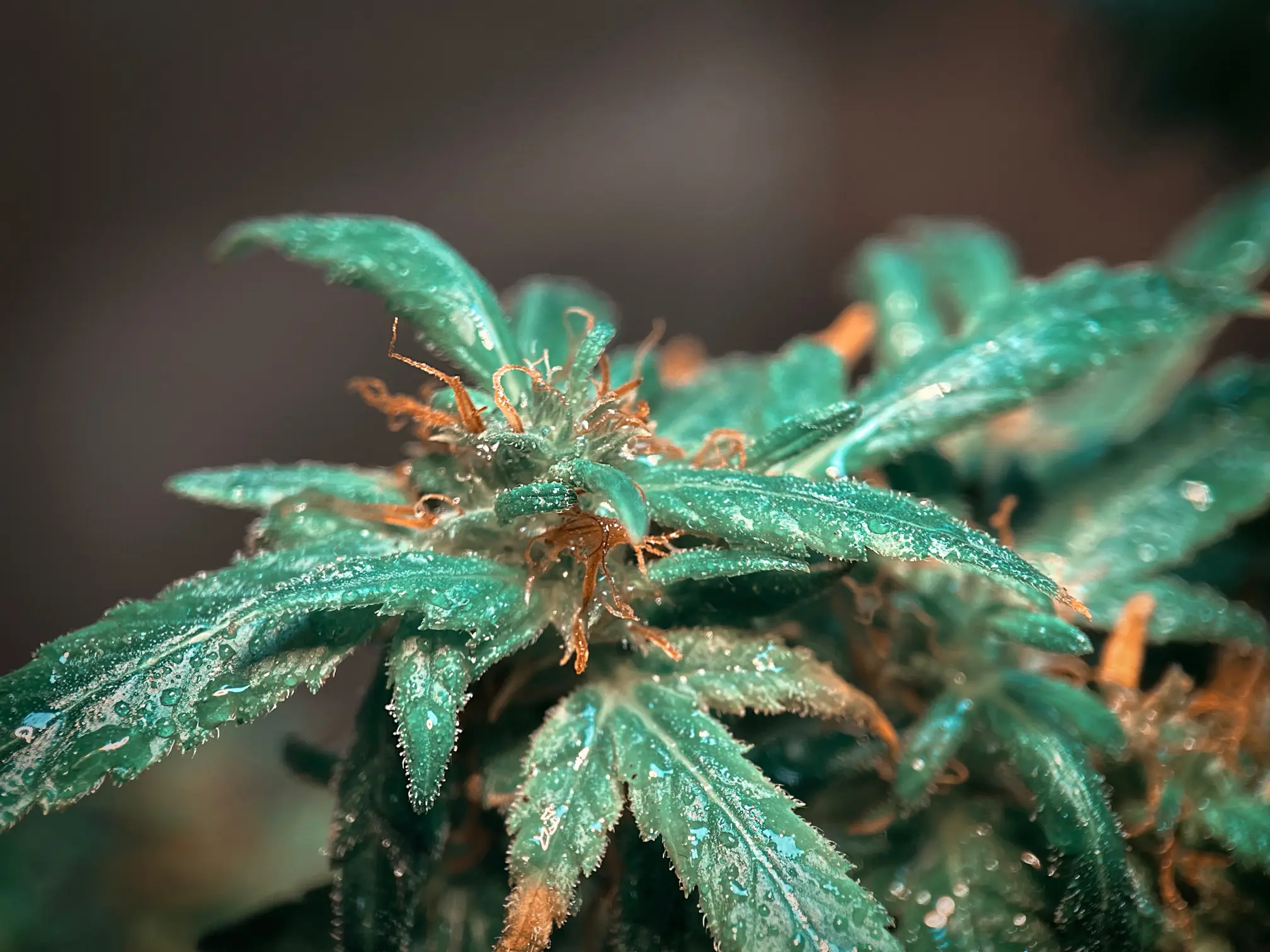
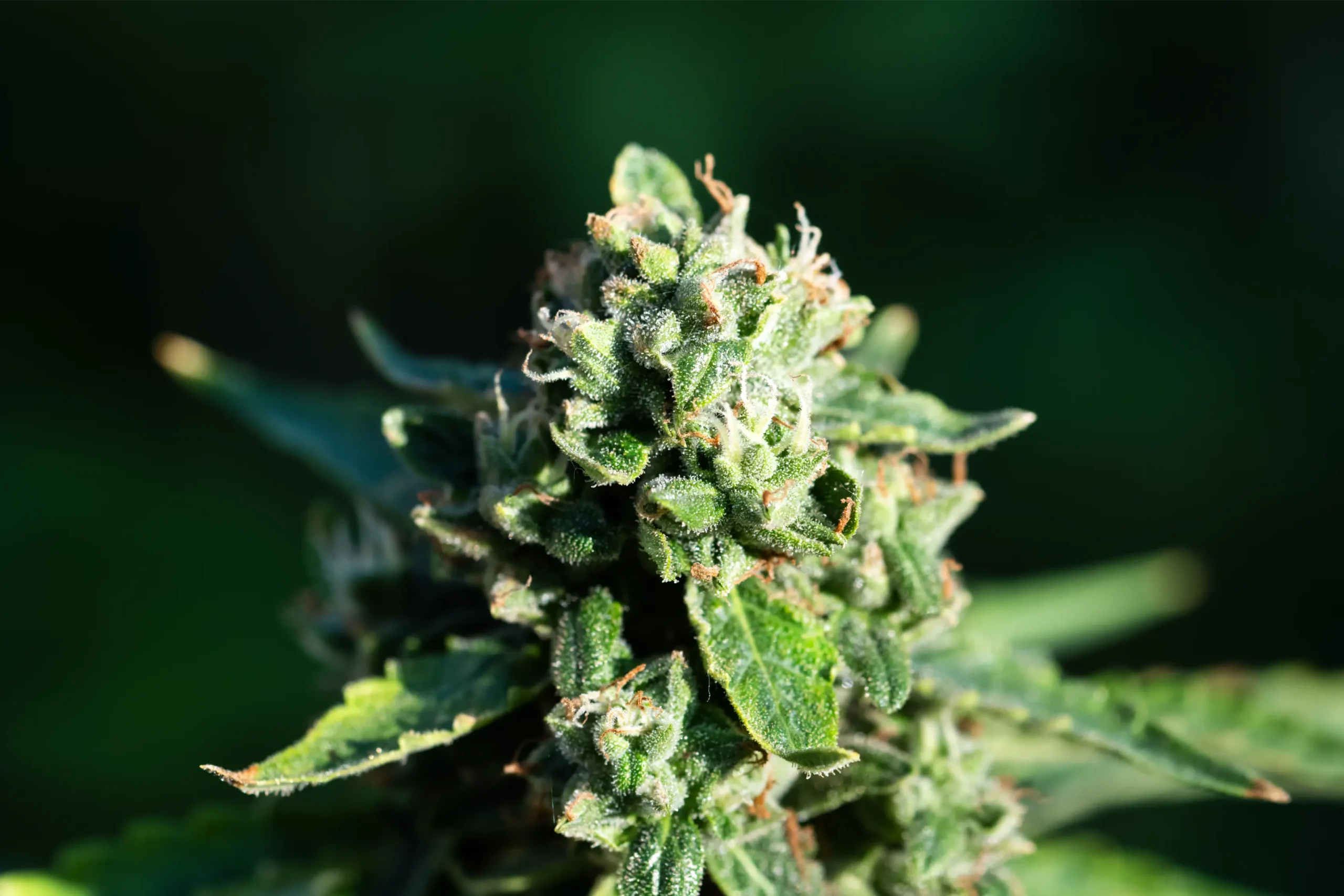
Green Crack is a globally celebrated, high-octane cultivar that has dominated West Coast dispensaries and home grow rooms for over two decades. Renowned for its electric lime-green foliage, compact calyx formations, and fiery tangerine pistils, this cultivar represents the pinnacle of energizing daytime genetics. The plant exhibits rapid vegetative leaf expansion, producing slender five-to-seven bladed fan leaves that reflect its sativa heritage, while developing stout, densely packed floral bracts reminiscent of its Afghani indica ancestry. Under intense full-spectrum illumination, resin production is prolific, coating individual bracts and sugar leaves in glistening capitate-stalked trichomes that give the cured flowers a frosted, shimmering presentation.
One of the cultivar’s most striking morphological attributes is its remarkably rapid flowering cycle for a sativa-dominant variety. While most equatorial sativa lines require ten to fourteen weeks to reach full glandular maturity, Green Crack finishes in a blistering seven to eight weeks (fifty to fifty-six days). This rapid turnover allows commercial cultivators to execute five full crop cycles annually, maximizing canopy efficiency and grams-per-square-foot metrics. When cultivated in organic living soil or optimized hydro setups, the cured flowers cure down to firm, dense nuggets that emit an intoxicating perfume of sweet tropical mango, sharp citrus peel, and pungent skunk funk.
Genetic Lineage
Green Crack’s lineage stems from a clever hybridization of 1989 SSSC Skunk #1 (a famed sativa) and an unknown Afghani indica cutting. This cross was reportedly created in the early 1990s by a cultivator known as Cecil C., and the strain was initially circulated as “Cush” (with a C) among growers. The name change to Green Crack came after rapper Snoop Dogg sampled its potent, electric high and quipped that it was as moreish as “crack” (purely a colorful metaphor). Despite the edgy name, Green Crack contains no additives , just powerfully uplifting cannabis genetics. From its Skunk #1 parent, Green Crack inherits a pungent aroma, fast growth, and predominantly sativa effects. The Afghani lineage contributes to its resilience, dense bud structure, and a quicker flowering time than typical sativas. The resulting plants often exhibit a classic Christmas-tree shape with vigorous branching and thick, resinous colas from top to bottom. Genetically, Green Crack is about 60% sativa and 40% indica, but it behaves much more like a sativa in both growth pattern and the soaring cerebral buzz it delivers. This unique heritage gives Green Crack the best of both worlds: the clarity and energy of a quality sativa, tempered by the hardy structure and rapid bloom of an indica.
The genealogical history of Green Crack is steeped in modern cannabis folklore. Originally bred in Athens, Georgia during the late 1980s by a legendary underground breeder known as Cecil C., the strain was originally designated as Cush (spelled with a C to distinguish it from traditional Hindu Kush genetics). The genetic architecture represents a deliberate cross between the world-famous Skunk #1 (an iconic polyhybrid bred by Sacred Seeds combining Afghani, Colombian Gold, and Acapulco Gold) and a high-vigor, fast-flowering indigenous Afghani landrace accession. This cross yielded a plant that retained the soaring cerebral euphoria and fruity terpene synthesis of Skunk #1 while incorporating the speed, resin density, and structural integrity of Afghani indica genetics.
The variety remained a tightly guarded regional staple across the American Southeast until elite clones traveled westward to California in the late 1990s. The moniker Green Crack was famously coined by hip-hop icon and cannabis luminary Snoop Dogg, who was so profoundly impressed by its electrifying daytime high and compulsive, uplifting energy that he declared the flower as addictive and potent as crack. While some traditionalists continue to refer to the cultivar as Cush or Green Cush to avoid illicit drug references, the name Green Crack remains universally recognized across legal cannabis markets throughout North America. Verified cuts continue to preserve the authentic Athens cut profile, distinguished by bright mango esters and unmistakable morning vigor.
Effect Breakdown
Green Crack is celebrated for its invigorating and uplifting effects that make it a go-to “wake and bake” or daytime strain. Users often describe an immediate rush of mental energy and euphoria , an upbeat head high that brightens mood and sparks motivation. Within minutes of consumption, expect a clear-headed focus and sharpened alertness that can help with creative projects, social activities, or tackling a to-do list. This strain’s high tends to be cerebral and stimulating, free of the heavy body sedation that indica strains induce. In fact, Green Crack’s ability to fight off sluggishness is so pronounced that it’s commonly used to combat fatigue and lethargy in the afternoon slump. Many medical patients also report it eases symptoms of depression and anxiety by providing a happier, more engaged mindset without cloudiness. Despite its largely positive effects, Green Crack’s potency means moderation is key. With THC levels often in the high-teens to 20% range, overindulgence can lead to some jitteriness or anxiety , especially in those sensitive to strong sativas. In higher doses, a few users have noted mild paranoia or racing thoughts, so newcomers should start with a low dose to gauge their comfort. Common side effects include the usual dry mouth and dry eyes, which are easily managed by staying hydrated.
Overall, however, when enjoyed responsibly Green Crack offers a smooth, focused ride: it’s an excellent daytime strain that delivers energy and mental clarity with very little “crash” or drowsiness on the comedown. This makes it ideal for staying productive and engaged, unlike heavier strains that are better suited for relaxation or sleep.
Consuming Green Crack delivers an instantaneous, invigorating cognitive surge that clears morning brain fog and injects pure mental clarity into the user. Within ninety seconds of inhalation, a rush of cerebral circulation delivers an immediate sensory brightening, accompanied by a noticeable elevation in mood, motivation, and physical stamina. Unlike heavy sedative hybrids that induce lethargy or mental dispersion, Green Crack functions like a botanical double espresso, sharpening task focus and inspiring creative productivity without overwhelming the central nervous system with racing jitteriness.
| Kinetic Phase & Window | Mental & Cognitive State | Physical & Somatic Response | Recommended Context & Activity |
|---|---|---|---|
| The Mango Spark | Explosive mental elevation, mood euphoria, crystalline focus | Immediate facial warmth, elevated energy, dilation of airways | Creative brainstorming, social gathering, music appreciation |
| The Productive Flow | Sustained cognitive clarity, creative problem-solving, motivation | Effortless motor movement, light muscle tone, zero physical fatigue | Focused computer work, artistic design, outdoor walking |
| The Somatic Glide | Gentle grounded tranquility, cheerful sociability, steady ease | Subtle relaxation across shoulders and jaw, comfortable somatic release | Casual relaxation, cooking dinner, engaging documentary |
| The Gentle Landing | Contented quietude, mental equilibrium, smooth transition | Light full-body comfort, healthy appetite onset, clean comedown | Gentle unwinding, reading in bed, restorative night sleep |
Cannabinoid testing routinely establishes THC concentrations between 19% and 24%, with negligible CBD levels (typically below 0.5%). This high-THC, low-CBD chemical profile produces an unencumbered psychoactive experience that is ideally suited for morning use, daytime hiking, creative writing, studio production, and social outdoor activities.
Flavor and Aroma Profile
One of Green Crack’s standout attributes is its vibrant flavor and aroma profile, which perfectly complements its upbeat high. Breaking open a Green Crack bud releases a blast of tropical sweetness , rich notes of ripe mango and bright citrus (think orange and lemon zest) dominate the scent. There’s also an underpinning of fresh pine and earthiness, along with a faint skunky funk inherited from its Skunk #1 parent. Many describe the aroma as exotic and fruity yet grounded by that classic cannabis dankness. It’s the kind of smell that fills the room quickly, so be aware of its pungency when growing or carrying these buds. When it comes to taste, Green Crack is just as delightful. On inhale, your palate is coated with sweet, tropical fruit flavors , often compared to mango or papaya , coupled with tangy citrus tones. As you exhale, subtle hints of woody pine and spice become more apparent, likely thanks to the Afghani lineage adding a touch of cedar or peppery flavor. The smoke (or vapor) is typically smooth and not overly harsh, leaving a sweet, fruity aftertaste on the tongue. In well-cured batches, you might even detect a whisper of incense or floral complexity mingling with the predominantly mango-citrus profile.
Overall, Green Crack’s flavor/aroma is often a big selling point , it’s a strain that tastes as enjoyable as it smells, making each hit a tasty treat for cannabis connoisseurs.
The organoleptic profile of Green Crack is a sensory masterclass in bright tropical fruits and sharp earthy skunk. Breaking apart a cured flower releases an intoxicating aromatic burst of sweet ripe mango nectar, tart Meyer lemon zest, crushed pine needles, and pungent sweet gasoline. When crushed between fingers or passed through a precision grinder, the ruptured glandular trichome heads unleash deep secondary notes of damp loam, cedar bark, and sour citrus candy that linger persistently in the surrounding room air.
| Aroma Layer & Tier | Dominant Fragrance Notes | Volatile Compounds & Terpenes | Combustion / Vapor Sensation |
|---|---|---|---|
| Top Notes (Immediate Inhalation) | Sweet Mango Nectar, Candied Lemon | Monoterpenes: Limonene, Myrcene, Pinene | Sweet tropical fruit esters coating the tongue on inhale |
| Heart Notes (Mid Inhalation) | Tart Citrus Peel, Crisp Pine Needles | Esters, Aldehydes, Ocimene, Terpinolene | Bright tangy citrus with subtle herbal terpenes |
| Base Notes (Exhalation) | Pungent Skunk, Sweet Earth, Cedar Wood | Sesquiterpenes: Beta-Caryophyllene, Humulene | Warm grounding skunky finish on full exhalation |
| Lingering Finish (Aftertaste) | Lingering Tropical Mango, Zesty Fuel | Thiol residues, resinous hydrocarbons | Enduring fruit candy sweetness coating the palate |
Upon vaporization or clean combustion in unbleached hemp rolling papers, Green Crack produces thick, velvety clouds of sweet fruit vapor. The inhale is smooth and refreshing, dominated by candied tropical fruit and tangy lemon peel. On the exhale, the profile transitions seamlessly into a grounding balance of peppery earth and pungent skunk, leaving a delightful sweetness that coats the palate for fifteen to twenty minutes.
Dominant Terpenes
Green Crack’s appealing fragrance is the result of a rich terpene profile, dominated by a few key compounds that give the strain its signature tropical, citrusy character. Below are some of the major terpenes found in Green Crack and how they contribute to the experience: Terpene Aroma/Flavor Notes Effects & Traits Musky, mango-like Prominent in Green Crack, it contributes to the fruity Myrcene sweetness with an aroma and may provide relaxing, anti-inflammatory earthy undertone. effects. Bright citrus (lemon, Adds the uplifting, mood-elevating quality; known for Limonene orange) zest. stress relief and a refreshing scent. Enhances mental alertness and clarity; gives a crisp Sharp pine and fresh Pinene pine flavor on exhale that complements the sweet herbal notes. fruit. Brings subtle warm spice to the flavor profile (often Spicy, peppery bite noted as an earthy spice on the tongue). As a terpene Caryophyllene with woody hints. that binds to CB2 receptors, it may also impart antistress and anti-inflammatory benefits. Analysis: The combination of myrcene, limonene, pinene, and other terpenes like beta-caryophyllene gives Green Crack its complex aroma , simultaneously sweet, tangy, and earthy. Myrcene (also found in mangoes) likely underpins the strain’s mango aroma, while limonene is responsible for those citrus notes and the uplifting effect. Pinene contributes the pine forest scent and may help keep the high clear-headed.
Caryophyllene’s presence is evidenced by the faint peppery spice you might taste, and it doubles as a “functional” terpene that could help relieve tension. This terpene blend not only makes Green Crack smell and taste great, but also synergizes with its cannabinoids to create the strain’s unique energetic yet balanced buzz.
Analytical chromatography confirms that Green Crack’s captivating aroma and electric cognitive profile are governed by an elite synergy of monoterpenes and sesquiterpenes, anchored predominantly by high concentrations of myrcene, beta-caryophyllene, and alpha-pinene, supported by secondary quantities of limonene and ocimene.
Myrcene (0.8% to 1.4%): Serving as the dominant monoterpene in authentic cuts, myrcene provides the signature tropical mango aroma and sweet herbal undertones. In Green Crack, myrcene enhances cellular membrane permeability across the blood-brain barrier, accelerating the bio-absorption of THC molecules without triggering the heavy couchlock typically observed in high-myrcene indica varieties.
Beta-Caryophyllene (0.3% to 0.7%): This unique sesquiterpene delivers subtle peppery warmth and acts as an active dietary cannabinoid, binding directly to peripheral CB2 receptors to downregulate pro-inflammatory cytokines throughout muscular and joint tissues.
Alpha-Pinene (0.2% to 0.5%): Providing the crisp, refreshing pine needle aroma, alpha-pinene acts as a botanical acetylcholinesterase inhibitor, preserving crucial neurotransmitters associated with short-term memory recall and mental alertness, effectively counteracting THC-induced cognitive haze.
Limonene & Ocimene (0.1% to 0.4% combined): Limonene contributes the uplifting citrus sparkle and anxiolytic mood elevation, while ocimene imparts sweet floral-woody nuances and potent antiviral, decongestant properties.
Indoor vs. Outdoor Growing
Green Crack is a versatile strain to cultivate, thriving in both indoor grow setups and under open skies. Its growth characteristics make it rewarding for attentive beginners and experienced growers alike. Below is a comparison of indoor and outdoor growing parameters for Green Crack: Aspect Indoor Cultivation Outdoor Cultivation Medium, Tall: ~3, 4 feet indoors Very Tall: can easily exceed 8+ feet (~2.5, 4 m) (with training). Green Crack can outdoors if untopped. In ideal conditions, Plant Height stretch significantly; topping/ plants develop a tree-like form, so ensure SCROG is recommended to ample vertical space. keep height manageable. ~450, 600 g/m² (15, 21 oz per m²) 600, 1000+ g per plant (21, 35+ oz) in the under good lighting. With Yield ground or large pots. In optimal climates, skilled training (Screen of Green, Potential individual plants have produced over 2, 3 kg etc.), yields can reach the higher (several pounds) of bud. end of this range. Aspect Indoor Cultivation Outdoor Cultivation Late September to early October harvest Approximately 8 weeks (55, 63 in Northern Hemisphere (around 7, 8 weeks Flowering days) of flowering. Its quick of flower outdoors). The fast finish helps Time bloom period allows multiple buds ripen before autumn rains, reducing cycles per year indoors. mold risk. Prefers a stable, warm Thrives in warm, sunny climates environment (21, 27 °C is (Mediterranean-like). It enjoys plenty of optimal).
Keep humidity ~45, direct sunlight , the more, the better the Climate & 50% in flowering to prevent yield. Thanks to high mold resistance, it can Environment mold, though Green Crack handle humid or coastal climates, but dry, tolerates moderate humidity breezy conditions will maximize bud well. Good ventilation is needed development. Avoid frost; harvest before as buds get dense and aromatic. cold, damp weather sets in. Moderate: Typically, plants can be left to High: Responds well to plant grow naturally into big bushes. However, training. Topping and SCROG topping once or twice early in veg can (Screen of Green) or LST will encourage more colas and even bigger Training & maximize light to all bud sites. yields. Staking or trellising is advised to Care Prune lower growth (“lollipop”) to support branches laden with heavy buds. boost top cola production. Use Maintain organic soil health and watch for odor control (carbon filter) , garden pests (though Green Crack is pestflowers are very fragrant. resistant, caterpillars or aphids can still appear outdoors).
When cultivated in outdoor agricultural operations, Green Crack demonstrates extraordinary potential when matched with regions featuring warm, arid summers and prolonged autumn sunlight. The cultivar thrives across Northern California’s Emerald Triangle (Mendocino and Humboldt counties), Oregon’s Rogue River Valley, and the sun-drenched Okanagan Valley of British Columbia. Given full root volume in 150-to-300-gallon fabric smart pots filled with aerated living compost, a single Green Crack plant can develop into an expansive nine-foot botanical tree yielding two to three kilograms of manicured floral biomass.
The greatest agricultural advantage of outdoor Green Crack is its rapid phenological timeline. In the Northern Hemisphere, floral initiation begins in early August, and full trichome maturity is achieved between September 20 and October 5. This early harvest window is an immense operational benefit for commercial farmers, as it allows crops to be brought down and hung in curing facilities well before the destructive, cold autumn rains and botrytis cinerea outbreaks arrive in mid-October. Strong perimeter wooden trellising or heavy gauge wire cages are essential, as the massive terminal spears will bow and fracture branch junctions under late-summer wind gusts.
Strain-Specific Grow Guidance
Growing Green Crack is generally rewarding and straightforward, thanks to the strain’s vigor and resilience. Here are some targeted grow notes to help you get the best results:
Vigorous Growth
Green Crack grows quickly during vegetative stage, with explosive stretching when flipped to flower. Indoor growers often switch to 12/12 bloom cycle relatively early, as the plants can double in height during flowering. Training techniques are your friend , topping the main stem early on will create multiple branches, and bending/tie-down (LST) or using a SCROG net can keep the canopy even and productive.
Feeding Needs
This strain has a healthy appetite, especially in mid-flowering. It can handle nutrients well, but always increase feeding gradually and monitor for tip burn. Green Crack especially benefits from phosphorus and potassium boosts during bloom , using a quality bloom fertilizer or organic PK booster in weeks 4-6 can significantly bulk up the buds. That said, maintain a balanced nutrient regimen (don’t neglect nitrogen in early bloom entirely, as the plant still needs green leaves to fuel bud growth). Flush the medium in the final 1, 2 weeks of flowering (pure water or a light molasses-water flush) to remove excess nutrients and improve the final taste.
Environment & Mold
Thanks to its Afghani heritage, Green Crack shows excellent resistance to mold and can thrive in less-than-perfect conditions. Still, to optimize yield and quality, try to keep the environment dialed in. Indoors, aim for temps around 75°F (24°C) and moderate humidity (~50%). The dense, resinous buds need good air circulation , using oscillating fans and pruning overcrowded interior branches will help prevent any chance of bud rot, especially in late flower when colas are thick. Outdoors, if you live in a humid area, the strain’s fast finishing time is a huge advantage. Many growers in temperate or even slightly wet climates successfully harvest Green Crack before any fall rains cause issues. Overall, this plant is quite forgiving and will endure heat, minor cold snaps, or moisture better than many sativa-leaning strains.
Odor Control
Be prepared for a strong odor, particularly in the second half of flowering. Green Crack’s fruity-skunky aroma is pungent , delightful to fans, but potentially conspicuous. Indoor growers should invest in a good carbon filter or other odor neutralizing techniques to keep the sweet skunk smell contained. Outdoor growers may notice the scent carrying on the breeze as plants flower; consider your privacy and harvest timing accordingly.
Quick Flowering
One of Green Crack’s best traits for growers is its speedy flowering cycle. In as little as 6 to 8 weeks of bloom, you can achieve mature, crystal-coated buds ready for harvest. This short bloom phase means less time for things to go wrong and quicker turnaround between cycles. It also means you should watch the trichomes closely as week 7 approaches , Green Crack can ripen fast. Harvest when trichomes are milky (with a touch of amber) for the strongest, clearest high. Letting it go too long can slightly diminish the crisp, energetic effect, so many growers prefer not to overripe this strain. By following these notes , controlling its height, feeding it well, keeping the environment stable, and harvesting on time , you’ll find that Green Crack practically grows itself. It’s a hardy, high-yielding plant that rewards attentive cultivation with an abundance of sticky, super-potent buds.
Indoor cultivation of Green Crack requires active canopy intervention from early vegetative growth through the completion of the stretch. Because the cultivar produces vigorous lateral branching and stretches 150% to 180% following photoperiod flip, growers must implement early topping above the fourth or fifth node, followed by low-stress branch training (LST) to open up the internal canopy architecture. Installing a horizontal Screen of Green (SCROG) grid four to six inches above the pots ensures all developing shoots receive equal photon distribution.
| Growth Stage | Duration & Photoperiod | Target PPFD & DLI | Nutrient EC & Runoff pH | Temperature & VPD Target | Key Agronomic Focus |
|---|---|---|---|---|---|
| Germination & Seedling | Days 1 to 14 (18/6 light) | 200 to 300 μmol/m²/s (13-19 DLI) | 0.8 to 1.1 EC | 6.2 to 6.5 pH | 76 to 79°F | 0.7 to 0.9 kPa | Establish mycorrhizal inoculation, taproot expansion, gentle moisture |
| Early Vegetative | Days 15 to 28 (18/6 light) | 400 to 600 μmol/m²/s (26-38 DLI) | 1.2 to 1.5 EC | 6.2 to 6.6 pH | 77 to 80°F | 0.9 to 1.1 kPa | Apical topping above node 5, low stress branch tying, root balling |
| Late Vegetative | Days 29 to 42 (18/6 light) | 600 to 750 μmol/m²/s (38-48 DLI) | 1.5 to 1.8 EC | 6.3 to 6.7 pH | 78 to 81°F | 1.1 to 1.3 kPa | Install primary trellis net, canopy leveling, lower skirt thinning |
| Transition & Stretch | Weeks 1 to 3 Flower (12/12 light) | 750 to 900 μmol/m²/s (32-39 DLI) | 1.8 to 2.1 EC | 6.3 to 6.7 pH | 76 to 79°F | 1.2 to 1.4 kPa | Manage 150% to 180% stretch, tuck shoots under screen, cal-mag support |
| Peak Floral Bulking | Weeks 4 to 6 Flower (12/12 light) | 900 to 1,050 μmol/m²/s (39-45 DLI) | 2.0 to 2.4 EC | 6.4 to 6.8 pH | 75 to 78°F | 1.3 to 1.5 kPa | Phosphorus and potassium boost, secondary trellis support, day 21 defoliation |
| Late Maturation & Resin | Weeks 7 to 8 Flower (12/12 light) | 700 to 850 μmol/m²/s (30-37 DLI) | 1.4 to 1.7 EC | 6.4 to 6.8 pH | 70 to 74°F | 1.4 to 1.6 kPa | Step down light intensity, reduce nitrogen to trace levels, lower humidity |
| Finishing & Pre-Harvest | Final 7 to 10 Days (12/12 light) | 450 to 550 μmol/m²/s (19-24 DLI) | 0.4 to 0.8 EC | 6.5 to 6.8 pH | 65 to 68°F | 1.1 to 1.3 kPa | Substrate leaching, cold night drops for anthocyanin expression, trichome monitoring |
Managing the nutritional regimen requires precision. Green Crack is an eager nitrogen consumer during late vegetative growth and early transition, but nitrogen levels must be sharply tapered by day twenty-one of flower to avoid excessive leafiness and dark green vegetative dominance in the developing calyxes. Transition to high-potassium and high-phosphorus formulations during weeks four through six to support rapid floral swelling. Day 21 and day 42 defoliation sweeps are strongly advised: stripping the lower third of shaded branches (lollipoping) directs water and carbohydrate reserves toward top terminal colas, ensuring uniform bud density throughout the canopy.
Silica Fortification and Cellular Lignification: Supplying bioavailable monosilicic acid at a concentration of forty to sixty parts per million throughout the vegetative and early bloom phases dramatically improves mechanical stem strength in Green Crack. Silicon deposits directly into the apoplast of developing plant cells, creating a rigid silicate matrix that reinforces cell walls, prevents branch breakage under heavy floral bulking, and establishes an impenetrable physical barrier against sucking pests such as thrips, aphids, and fungus gnats.
Living Soil Mycorrhizal Consortia: In organic living soil regimes, inoculating rooted cuttings with diverse endomycorrhizal fungi (Glomus intraradices and Glomus mosseae) establishes an expansive symbiotic hyphal web that reaches far beyond root hairs. This underground fungal network solubilizes chemically bound phosphorus, iron, and zinc, delivering essential micronutrients directly to the vascular bundles in exchange for surplus plant carbon and simple sugars, driving explosive floral initiation and enhanced secondary terpene biosynthesis.
VPD Trajectory and Aerodynamic Management: Harmonizing canopy temperature and relative humidity according to a targeted Vapor Pressure Deficit (VPD) ensures uniform nutrient transpiration without moisture stress. Maintain vegetative VPD between 0.9 and 1.1 kPa (78 to 81 degrees Fahrenheit and 62% to 68% relative humidity). Upon transition to peak flower, systematically elevate VPD to 1.35 to 1.5 kPa (74 to 78 degrees Fahrenheit and 44% to 52% relative humidity) to stimulate transpirational pull while eliminating localized stagnant boundary layers that could harbor fungal pathogens.
Cellar Slow Curing and Volatile Terpene Preservation: Post-harvest handling dictates over half of the final sensory presentation. Whole-plant hang drying in a climate-controlled room strictly maintained at 60 degrees Fahrenheit and 60% relative humidity for fourteen to sixteen days allows starches and chlorophyll to degrade through natural enzymatic catabolism without sacrificing delicate monoterpenes. Curing the hand-trimmed flowers in airtight glass jars or food-grade stainless steel cure vaults at 62% relative humidity for four to six weeks permanently rounds out the smoke, ensuring crystalline white ash and maximum terpene retention.
How can I prevent my indoor Green Crack canopy from stretching into the LED fixtures during the first two weeks of flower?
Question sent by: Dustin K., via Discord
Green Crack possesses an explosive vegetative vigor that translates into a 150% to 180% stretch during the photoperiod transition. To keep node spacing tight and prevent canopy burn, top your plants twice during late vegetative growth, leaving eight to twelve uniform terminal shoots. Install your primary trellis net two inches above the vegetative canopy, and aggressively weave developing branches horizontally through the screen during flower days one through fourteen. Simultaneously, maintain day-to-night temperature differentials within three to four degrees Fahrenheit to suppress gibberellin hormone elongation, and increase your light spectrum towards the blue wavelengths (around 450 nanometers) during the first ten days of 12/12.
Weedth Bud Flavor Tips
Indoor: To maximize Green Crack’s flavor in an indoor grow, focus on preserving those volatile terpenes. In the final 1, 2 weeks of flowering, consider slightly lowering your grow room temperatures (around 70°F/21°C at night) and keep humidity around 45, 50%. Cooler, stable conditions prevent terpenes from evaporating too quickly and can even enhance the development of aroma. Growers often find that using organic nutrients and soil (or adding supplements like unsulfured molasses in late flower) can enrich the bud’s terpene profile, leading to more pronounced mango and citrus flavors at harvest. Flush your plants with pure water in the last week or so , this will remove any fertilizer salts that could impart a harsh taste, allowing Green Crack’s natural sweetness to shine through. After harvest, dry and cure the buds slowly in glass jars for at least 2 weeks; proper curing dramatically deepens the strain’s flavor, bringing out the full tropical fruit bouquet for a smooth, flavorful smoke. Outdoor: For outdoor-grown Green Crack, terroir and timing are key to flavor. Start by cultivating in rich, living soil , outdoors, using organic compost and amendments (like bat guano or kelp) will encourage a thriving soil microbiome that can lead to better nutrient uptake and stronger terpene production in the plant.
Green Crack already has a bold aroma, but sun-grown plants can develop even richer scents if well-fed with natural fertilizers. As your plants near maturity, pay attention to harvest timing to capture maximum flavor. It’s often recommended to harvest early in the morning, right before the sun becomes intense, to lock in the essential oils and terpenes that have built up overnight. In the cool dawn hours, the buds are at peak aroma , later in the day, hot sun can cause some terpenes to evaporate off. So, by chopping at first light, you preserve those delicate fruity and piney notes. Finally, just as with indoor buds, a proper dry (in a shaded, airy space) and slow cure is crucial. Even outdoor buds benefit from jar curing to mellow out chlorophyll and amplify the strain’s natural sweet, tropical taste. The result will be outdoor Green Crack flowers bursting with flavor , often nearly as terpene-rich as indoor buds, with the added “free range” complexity that sun and soil impart.
Warning
Advanced cultivation claims need controlled testing
The source includes grower techniques and breeder-style performance claims that may depend on phenotype, equipment, climate, root health, and operator experience. Treat UV, added CO₂, severe stress, concentrated supplements, and unusually high yield or potency figures as controlled variables rather than guaranteed instructions.
Maximizing the mouth-watering mango and citrus terpene profile of Green Crack requires meticulous management of canopy temperatures and post-harvest environmental parameters. During peak floral swelling (weeks four through seven), maintain day temperatures between 75 and 78 degrees Fahrenheit and night temperatures between 66 and 68 degrees Fahrenheit. Excessive room temperatures exceeding 82 degrees will cause volatile monoterpenes like myrcene and ocimene to vaporize off the flower heads into exhaust ducting, resulting in flat, grassy, or muted cured bud.
Supplementing the root zone with organic carbohydrates, such as blackstrap molasses or fulvic acid complexes during weeks three through six, nourishes native rhizosphere microflora, stimulating heightened secondary metabolite production. During the final ten days before harvest, perform a complete fresh-water flush using reverse osmosis water at 6.5 pH to rinse accumulating mineral salts from the media, ensuring the finished smoke burns down to fluffy, crystalline white ash.
Weedth Bud Boost Tips
Indoor: To get monster yields of top-shelf Green Crack buds indoors, the trick is to train early and light well. Green Crack responds very well to high-light conditions , strong LED or HPS lights will allow the plant to photosynthesize at maximum capacity, fueling bigger buds. Make sure your lighting is sufficient (around 600, 1000 µmol/m²/s of PAR during bloom, if you measure it) and that plants are at the right distance to avoid light burn. Canopy management is crucial: start with topping the plant after it has 4, 5 nodes to encourage multiple main colas. Many growers top Green Crack twice (for example, topping each new branch once it grows out) to create a bushier shape. Then employ a Screen of Green (SCROG) or similar training method to spread those branches out. This will ensure an even canopy, so all bud sites get direct light and develop into dense colas rather than small popcorn buds. Green Crack’s sturdy branches make it a good candidate for SCROG , it will form a “sea” of buds under the netting if done right. Nutritionally, don’t skimp on feeding during peak bloom. Because of its fast flowering, Green Crack tends to pile on weight quickly; giving it ample bloom nutrients (high in P and K) especially in weeks 4-7 can noticeably increase bud size.
Some growers also supplement with CO₂ enrichment in sealed grow rooms to boost growth , if you have the setup, Green Crack can utilize CO₂ to produce even larger yields given its vigorous nature. Maintain optimal environment: around 75, 78°F (24, 26°C) in day, not too hot, so buds remain dense. Keep nighttime temps only slightly cooler to avoid big humidity swings, and continue pruning away any large fan leaves that block light to lower buds throughout early bloom. Lastly, consider shortening the vegetative period if height is a concern , an over-veg’d Green Crack can outgrow a small tent. It’s often best to flip to flowering when indoor plants are around 12, 18 inches tall, then manage the stretch with training. By harvest, you’ll have a crop of thick, trichome-coated colas. With these techniques, indoor growers can easily hit the upper range of Green Crack’s yield potential while preserving potency (which is naturally high in this strain). The final product will be abundant and potent , glistening buds that test high in THC and terpenes, ready to deliver that famous Green Crack punch. Outdoor: Growing Green Crack outdoors can reward you with truly massive plants and harvests, especially if you give them the right care.
To turbo-charge your outdoor yield, start with the basics: choose a sunny spot with as much direct light as possible (8+ hours of sun). Green Crack loves sun and will grow accordingly , more sun equals more energy for bud growth. Planting in the ground is ideal for maximum root development; if using containers, go big (at least 10, 15 gallon pots, though 20-30+ gallons is better) so the roots aren’t restricted. A large root zone lets the plant grow to its full potential. Amend your soil generously with compost or quality manure to ensure a nutrient-rich medium that will support vigorous growth through the season. By mid-season, you’ll likely have a sizeable bush on your hands. Topping once or twice early in the season (around June, for Northern Hemisphere growers) will encourage the plant to branch out rather than just grow one central stalk. This creates more flowering sites and ultimately more buds. Green Crack’s branches are fairly strong, but once the plant starts flowering and buds fatten up, provide support. Use bamboo stakes, tomato cages, or a simple trellis around the plant to keep heavy branches from sagging or snapping , this strain can produce weighty colas that overwhelm their stems, especially in wind or rain. Supporting them ensures they can fully finish without damage, and it exposes buds to better light penetration.
Consistent watering is important (big plants drink a lot in hot weather), and feeding should be done throughout the grow. During veg, a nitrogen-rich fertilizer will promote lush growth; as flowering begins, transition to bloom fertilizers (with higher P and K) to fuel bud development. Outdoor organic techniques like compost teas or top-dressing with worm castings can give a nice boost in microbial life and nutrient availability, translating to healthier, bigger buds. Green Crack is notably hardy against molds, but if you know your fall climate is very wet, you might consider a simple cover or greenhouse to shield late-flowering plants from excessive rain/dew. Many growers find that harvesting by end of September avoids the worst of fall weather anyway. With the above strategies, it’s not uncommon to harvest huge quantities of premium buds from a single outdoor Green Crack plant. There are reports of specimens reaching over 4 meters tall and yielding 3+ kilograms each in California sun , while not every garden can hit those extremes, it shows what this strain can do. Even in more average conditions, expect a very bountiful harvest of sticky, lime-green buds that pack the same potency and flavor as indoor-grown (sometimes even more flavor, thanks to full sunlight).
In summary, give Green Crack room to grow, feed it well, and nature will do the rest , you’ll be rewarded with an abundance of vibrant, high-energy cannabis come harvest time.
To push Green Crack yields past two pounds per light in indoor sealed facilities, cultivators must optimize photosynthetic active radiation (PAR) alongside carbon dioxide supplementation. In sealed grow rooms equipped with high-efficiency LED arrays, elevate PPFD levels to 950 to 1,050 micromoles per square meter per second during weeks three through six of flower. At this light intensity, ambient carbon dioxide must be supplemented between 1,100 and 1,200 parts per million.
Ensure that relative humidity is tightly regulated in accordance with vapor pressure deficit (VPD). Keep VPD dialed between 1.2 and 1.4 kilopascals during the first half of bloom, and raise VPD to 1.5 to 1.6 kPa during weeks six through eight by lowering room relative humidity to 42% to 45%. This dry finish forces the plant to manufacture additional resin as a protective drought-adaptation barrier, elevating both final cannabinoid potency and overall gram yield per square meter.
Medical Uses and Benefits
Green Crack isn’t just popular for recreational use , it also offers a range of therapeutic benefits, particularly for daytime medical applications. Below is a summary of common medical conditions for which Green Crack is used, and how it may help: Medical Issue How Green Crack Can Help Energizing boost: Delivers a strong uplift in energy and alertness, helping to Fatigue / Low fight fatigue and keep users active. Green Crack’s stimulation makes it useful as a Energy “wake-up” strain for those with chronic fatigue. Mood elevation: The euphoric, uplifting high can alleviate depressive feelings, Depression promoting a brighter mood and increased motivation. Users often report a noticeable improvement in outlook without the heaviness of sedatives. Stress relief and focus: Provides mental relaxation and stress relief by inducing a Stress / happy, focused head-space. Unlike indicas, it won’t knock you out, so you remain Anxiety functional. Note: For anxiety, low doses are advised , the strain’s clarity can calm the mind, but too much may increase anxiety in prone individuals. Improved focus: Many find Green Crack enhances concentration and mental ADHD / clarity, which can be beneficial for those with ADD/ADHD. It helps channel the Attention strain’s cerebral energy into productive focus, without as much disorienting “fog” Disorders as other strong strains.
Daytime pain management: Offers moderate analgesic effects for milder pains (e.g. headaches, muscle aches, inflammation). Green Crack can reduce perception of pain while its sativa nature keeps the user alert , good for daytime pain relief Chronic Pain when one needs to avoid couch-lock. It may not be ideal for severe pain (due to lack of heavy body numbness), but it’s useful for ongoing minor aches combined with fatigue or low mood. Medical Issue How Green Crack Can Help Relief and energy: Some migraine sufferers use Green Crack for its ability to Migraine / reduce headache pain and provide an uplifting effect to combat the lethargy that Headaches often accompanies migraines. The strain’s anti-inflammatory terpenes like pinene and caryophyllene could contribute to this relief. Medical users tend to appreciate Green Crack as a daytime medication , it’s often recommended for conditions where you need symptom relief without sedation. For example, a patient with depression and fatigue might use Green Crack in the morning to boost mood and energy for the day. Likewise, someone with adult ADHD might find a small dose helps them concentrate on tasks. The strain’s mindclearing effects can also help those who feel bogged down by stress or anxious thoughts, offering a sense of focus and calm positivity.
However, it’s worth noting that because of the stimulating nature of Green Crack, it’s generally not used for conditions like insomnia or severe anxiety; in those cases, a more indica-dominant strain would be preferable. Always, dosage is key , a little can go a long way. In the right amounts, Green Crack provides a unique therapeutic combo of invigoration and relief, making it a valuable strain in a patient’s daytime arsenal.
Within botanical medicine and integrative symptom management protocols, Green Crack offers exceptional clinical utility for patients seeking energizing, daytime functional relief. The cultivar’s rapid dopamine and serotonin modulation makes it an effective therapy for mitigating chronic fatigue, lethargy, treatment-resistant depression, and attention deficit hyperactivity disorder (ADHD). Patients report that microdosed inhalations help anchor scattered cognitive focus, enabling sustained mental organization without prescription stimulant jitteriness.
Additionally, the anti-inflammatory properties of beta-caryophyllene and myrcene provide gentle systemic relief for tension headaches, migraine onset, cervical spine stiffness, and mild neuropathic discomfort. Because Green Crack possesses minimal sedative properties, patients can manage chronic daytime symptoms while remaining alert, capable, and physically engaged in daily professional and household activities. Patients with acute panic disorder or severe sensitivity to THC should initiate therapy with conservative single-puff inhalations, as the rapid cerebral onset can feel intense for uninitiated consumers.
Ideal User Profile
Who is Green Crack best suited for? This strain is a top pick for anyone seeking a lively, uplifting cannabis experience without the weight of a heavy body high. The ideal Green Crack user is someone who wants to stay active, productive, and social while enjoying their cannabis. For instance:
Daytime Enthusiasts
If you enjoy a morning or afternoon smoke to enhance your day, Green Crack is perfect. It’s often favored by busy professionals, creatives, and students who use it to spark creativity, maintain focus, or add a burst of enthusiasm to mundane tasks. Unlike sedating strains, it won’t leave you stuck on the couch , instead, it motivates you to get up and go.
Social Butterflies
This strain’s euphoric and talkative effects can make social interactions more engaging. Users who want a strain for hanging out with friends, attending events, or just staying mentally sharp and chatty will appreciate Green Crack’s profile. It can impart a happy confidence and mental clarity that’s great for conversation and laughter.
Mood Lifters
Those who seek cannabis primarily for mood enhancement (such as individuals dealing with mild depression or high stress) fit the Green Crack profile well. It brings on happiness and optimism in a very natural-feeling way, allowing you to go about your day with a brighter perspective.
Medical Patients Needing Day Relief
Patients with conditions like chronic fatigue, ADHD, or chronic stress , who need relief during the day , often are ideal candidates for Green Crack. It provides therapeutic benefits (energy, focus, pain relief) without impairing functionality. If you’re the type of patient who wants to medicate and still work or exercise, Green Crack is a strong match.
Flavor Connoisseurs
Let’s not forget the cannabis aficionados who chase flavor. If you love fruity, aromatic strains, Green Crack’s mango-citrus taste will delight your palate. People who enjoyed strains like Mango, Pineapple Express, or Super Lemon Haze (flavorful sativas) often find Green Crack to be right up their alley. On the other hand, Green Crack might not be the ideal choice if you’re seeking deep relaxation, sleep aid, or relief from severe physical pain at night , its stimulation could be counterproductive in those cases. Also, if you know you’re very sensitive to racy sativas or prone to anxiety, you’d just want to use a gentle dose or opt for a strain with more calming properties. In summary, the ideal user is someone who wants a daytime, uplifting high that enhances activities rather than hindering them. Green Crack’s users often say they feel “like themselves, but in a great mood and full of energy” when using this strain. If that sounds like the experience you’re after , invigorating, flavorful, and fun , then Green Crack is likely a perfect fit for you.
Green Crack is engineered for active individuals, daytime professionals, creative artisans, and weekend outdoor adventurers who require sustained mental vigor and positive mood enhancement. It is the gold standard morning wake-and-bake choice, perfectly replacing caffeine before tackling demanding cognitive workloads, writing sessions, art creation, or household projects.
Conversely, this cultivar is poorly matched for individuals seeking late-night sleep aids, couchlock sedation, or relief from acute panic attacks. Consuming Green Crack within three hours of bedtime can stimulate active neural pathways and delay sleep onset. When paired with morning espresso, hiking trails, creative brainstorming, or vibrant social gatherings, Green Crack delivers an unmatched botanical lift.
Grower Notes and Feedback
From a grower’s perspective, Green Crack is a pleasure to cultivate due to its combination of hardiness and high performance. Growers frequently praise a few notable characteristics:
Rapid, Reliable Flowering
Green Crack is one of the fastest flowering sativa-dominant strains out there. In indoor setups, phenotypes often finish in just around 8 weeks, which is a quick turnaround for such a potent strain. Outdoor growers love that they can harvest by early fall, dodging bad weather. This reliability in timing means you can plan your grow calendar with confidence , Green Crack will rarely keep you waiting past its expected finish.
Resilient and Beginner-Friendly
Thanks to its Afghani genetics, Green Crack can withstand fluctuations in environment that might trouble fussier strains. It has a strong resistance to common molds and pests, which is a huge plus especially in outdoor or less-controlled grows. If you accidentally have a humid week or if some white powdery mildew spores are floating around, Green Crack is far less likely to succumb than many other strains. This resilience makes it a decent choice for newer growers or those still dialing in their grow rooms , it’s forgiving of minor mistakes. Of course, providing ideal conditions will reward you with even better yields, but Green Crack won’t punish you for small slip-ups the way some elite strains might.
Manageable Structure
While the plant can get tall, it has a classic Christmas-tree structure that’s predictable and easy to prune. It develops strong side branches that reach up toward the main cola. A bit of low-stress training or branch spreading can open up the plant nicely. Importantly, the buds of Green Crack tend to be dense but not overly leafy, which means trimming at harvest is relatively easy. You’ll find large, resin-crusted calyxes that are straightforward to manicure. The leaves themselves often take on a dark green hue (sometimes with purple tinges on the edges late in bloom), giving a visually attractive plant.
Aroma Considerations
One thing every grower notes is the powerful aroma during flowering. By mid-flower, your grow space or garden will smell strongly of sweet citrus and skunk. For indoor growers, this means a good carbon filter is a must , Green Crack’s odor can be pungent enough to permeate walls if unchecked. Outdoor growers should be mindful if neighbors are a concern, especially in the last month of growth. The strong scent is actually a great indicator of the plant’s health and terpene content (a loud smell usually means loud flavor and potency!), but managing that odor is part of a Green Crack grower’s job.
Cloning and Mothers
Green Crack was originally passed around as a clone-only strain in the ‘90s, which hints at how well it can propagate. If you have a good Green Crack plant, you can easily take clones , it roots quickly and vigorously in cloners or even a simple rooting cube setup. Many growers keep a Green Crack mother plant because it’s low-maintenance and consistently pumps out uniform clones. Those clones can be grown in a Sea of Green (SOG) style effectively, as Green Crack’s uniformity means each clone will behave similarly and finish around the same time. This strain doesn’t have a ton of phenotype variation when you get a stable cut or good breeder stock, so it’s a reliable candidate for perpetual harvest gardens. In essence, Green Crack is a “grower’s strain” , it combines ease of cultivation with commercialquality output. Whether you’re a hobbyist in a small tent or a licensed producer in a greenhouse, Green Crack offers a hassle-free growth cycle that yields big returns in bud quality and quantity. It’s a strain you’ll likely want to grow again and again, once you see how nicely it performs. The speed, sturdiness, and sensational end-product make Green Crack a staple in many gardens. As long as you keep an eye on its height and smell, it’s hard to go wrong growing this modern classic.
Commercial grow directors and independent craft artisans consistently praise Green Crack for its bulletproof resilience, rapid turnaround, and generous yield metrics. In large-scale automated drip facilities utilizing buffered coco coir or living soil beds, the plant responds vigorously to manifold pruning and trellis tucking, forming dozens of identical spear-shaped colas across the canopy.
Agronomists note that while Green Crack exhibits above-average natural resistance to powdery mildew and common spider mites, its ultra-dense floral clusters can become vulnerable to botrytis cinerea (bud rot) during the final two weeks of bloom if environmental controls are neglected. Implementing high-velocity oscillating air circulation above and below the canopy, coupled with aggressive dehumidification keeping RH below 45% during late flower, completely neutralizes this operational risk.
Weedth Editor’s Note
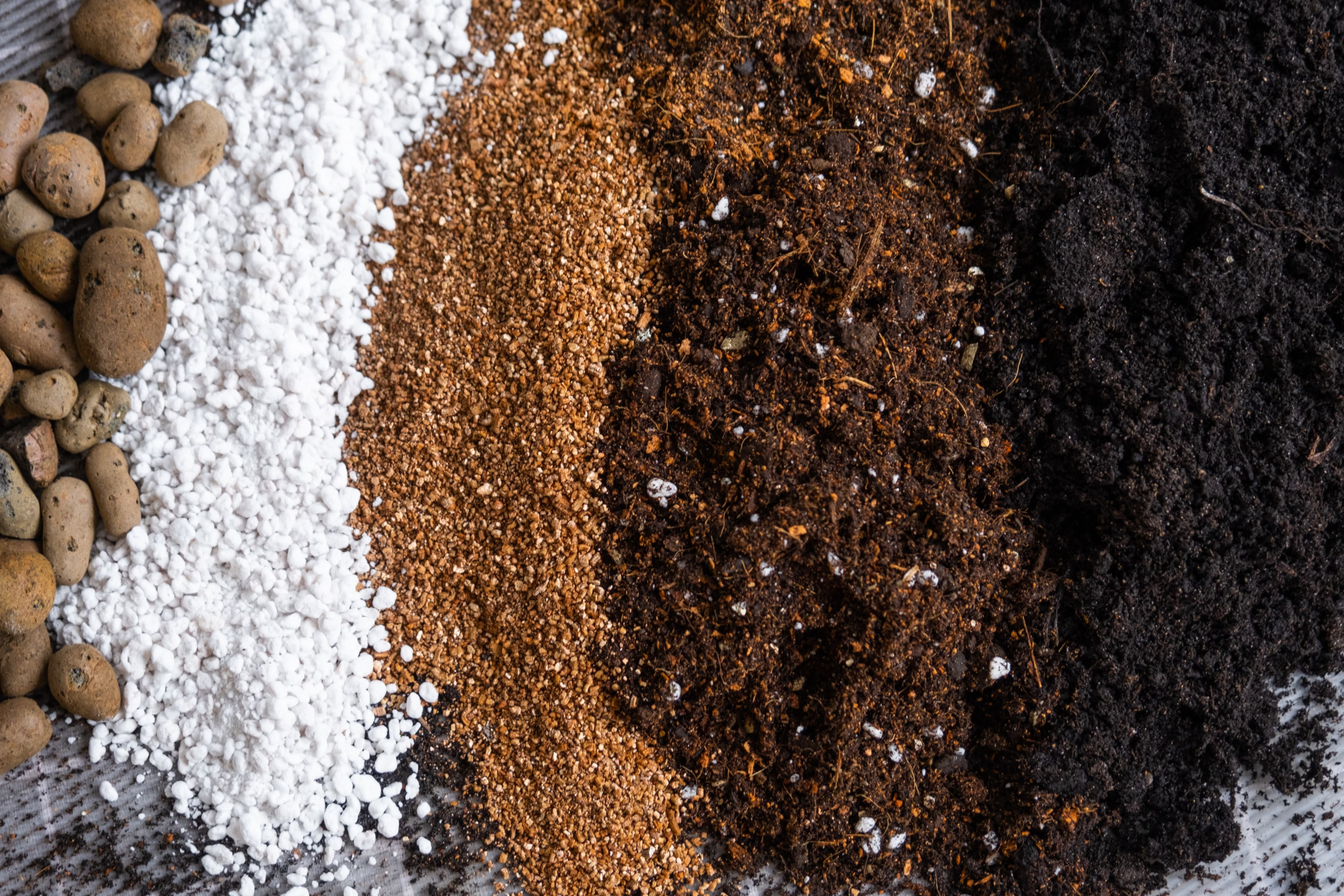
Cultivating Green Crack over the past sixteen seasons has cemented its status as my absolute favorite rapid-finishing morning cultivar. In my personal indoor garden, I run verified Athens cuts in 7-gallon fabric containers packed with an organic living soil blend composed of sphagnum peat moss, aged forest compost, perlite, and volcanic pumice, amended with crustacean meal, kelp meal, and gypsum. Under full-spectrum LED bars providing 950 PPFD at canopy level, the vegetative vigor is staggering; I pinch the main apical shoots at day eighteen and install two horizontal trellis layers to restrain the 160% vertical explosion during flower transition.
I maintain photoperiod canopy temperatures at 77 degrees Fahrenheit with night drops to 67 degrees, holding relative humidity at 52% in mid-bloom before tapering down to 42% during the final fourteen days. I do not rely on calendar dates for harvest; instead, I monitor the trichome glands under a 60x loupe. I cut the whole plant on day fifty-four when eighty percent of heads are milky cloudy, fifteen percent are deep amber, and five percent remain clear. I hang the untrimmed stalks in a dedicated dry space held strictly at 60 degrees Fahrenheit and 60% relative humidity for fifteen days. After hand-trimming, I cure the dense, mango-scented colas in dark glass jars burped once daily for four weeks. The only caveat with Green Crack is its utter lack of evening sedation; if you consume this past 7:00 PM, do not expect to sleep anytime soon.
Weedth Score
Aroma & Terpene Intensity: 96/100 (Unmatched tropical mango, tangy lemon peel, and pungent sweet skunk)
Bag Appeal & Calyx Structure: 92/100 (Vibrant lime-green bracts with fiery orange hairs and shimmering resin)
Potency & Cannabinoid Profile: 93/100 (Dependable 20% to 24% THC delivering clean daytime euphoria)
Effect Progression & Functionality: 97/100 (Exceptional cognitive sharpness, energy, and daytime focus with zero couchlock)
Indoor Cultivation Performance: 95/100 (Blistering 50 to 56-day flowering cycle with high yield potential under SCROG)
Outdoor Climate Adaptability: 94/100 (Early late-September harvest finishes well before cold autumn rains)
Pest & Pathogen Resistance: 90/100 (Strong natural defense against pests; requires humidity control in late flower)
Flavor Translation & Smoke Smoothness: 95/100 (Sweet mango nectar and tangy citrus translating flawlessly to vapor)
Therapeutic Utility: 92/100 (Premier choice for chronic fatigue, mood elevation, ADHD, and daytime motivation)
Overall Commercial & Connoisseur Value: 95/100 (A timeless West Coast staple combining rapid speed, flavor, and top-tier bag appeal)
Overall Weedth Score: 94.2/100. Green Crack remains an undisputed royalty of energizing sativa-dominant genetics, providing cultivators with rapid crop turnaround and consumers with crystalline daytime inspiration.
FAQ
Is Green Crack a pure sativa or a hybrid?
Green Crack is a sativa-dominant hybrid, typically testing at approximately 65% sativa and 35% indica. Its Skunk #1 and Afghani lineage gives it the rapid flowering speed and dense bud morphology of an indica, paired with the soaring, electric mental elevation of a pure sativa.
Why is the strain sometimes called Cush or Green Cush?
The strain was originally bred in Georgia under the name Cush with a C. It was renamed Green Crack by Snoop Dogg in the 1990s due to its intense, invigorating cerebral rush. Many dispensaries and mainstream cultivators use Cush or Green Cush to avoid illicit drug stigma.
What is the typical indoor flowering timeline for Green Crack?
Green Crack finishes exceptionally fast for a sativa-dominant hybrid, requiring only 7 to 8 weeks (50 to 56 days) of 12/12 photoperiod flowering. Most phenotypes reach optimal trichome maturity around day 52 to 55.
How tall does Green Crack get during flowering?
Expect a significant vertical stretch of 150% to 180% during the first two to three weeks of flowering. Implementing early topping, manifolding, and horizontal SCROG trellising is essential to keep the canopy level and prevent heat stress under indoor grow lights.
Does Green Crack cause anxiety or paranoia?
Due to its high THC potency and fast-acting cerebral stimulation, sensitive individuals or those prone to acute anxiety should approach Green Crack with caution. Microdosing provides clean focus, whereas overconsumption can trigger mild raciness.
Similar Strains
Durban Poison: A pure South African landrace sativa celebrated for its sweet anise aroma, crystalline daytime mental clarity, and energetic functional focus.
Super Lemon Haze: A high-energy cross of Lemon Skunk and Super Silver Haze offering zesty tart citrus flavors and soaring creative euphoria.
Tangie: A beloved sativa-dominant cultivar uniting California Orange and Skunk genetics, renowned for its explosive tangerine peel perfume and daytime uplift.
Chocolope: A vintage pairing of Chocolate Thai and Cannalope Haze delivering smooth coffee-melon flavors and long-lasting cerebral motivation.
Share this article
A quick overview of the topics covered in this article.