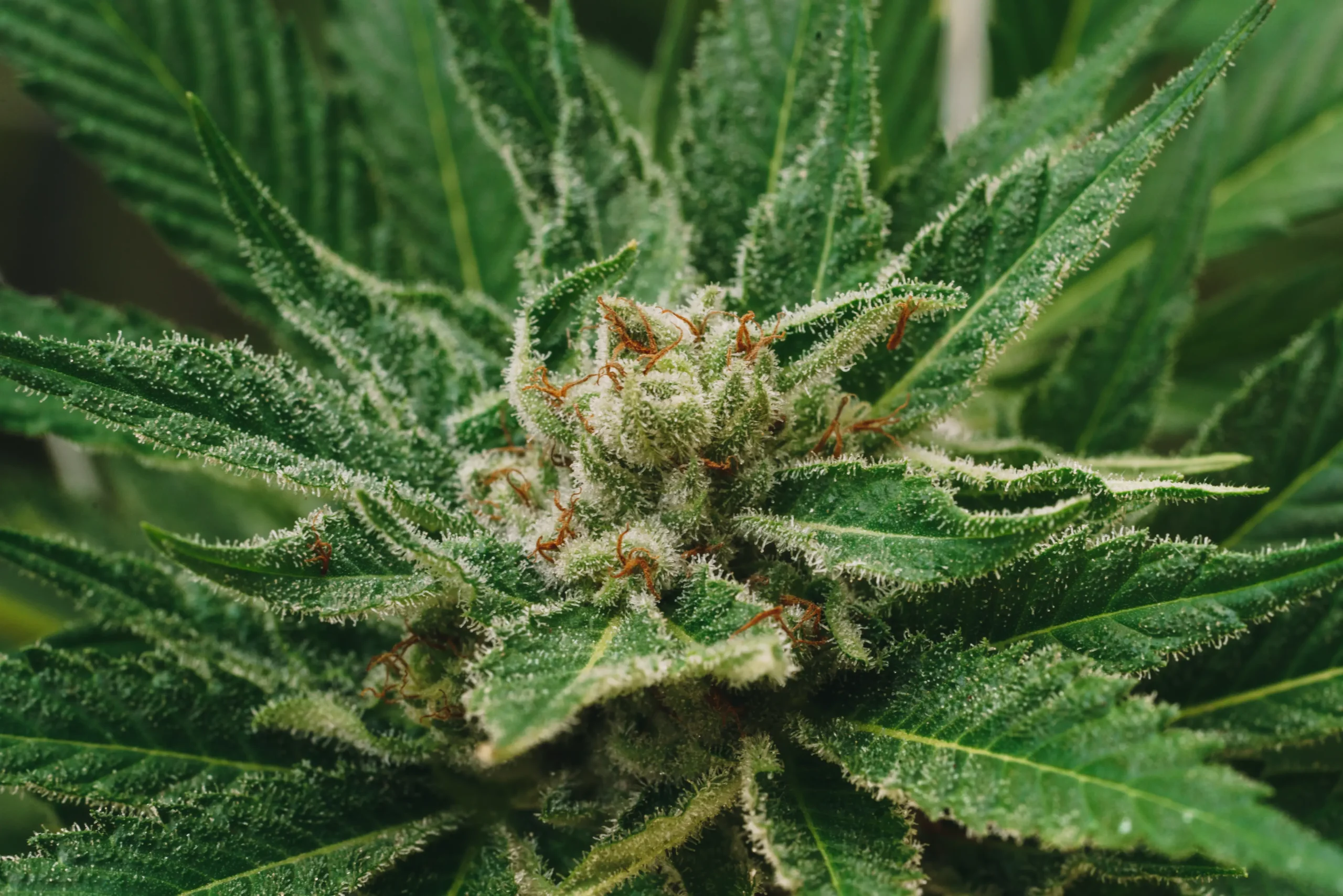
Mimosa Strain: Citrus Flavor, Light Response and Harvest Timing
The Mimosa strain is sativa-dominant hybrid, commonly described near 70% sativa, commonly associated with orange, grapefruit, lemon, tropical fruit, sweet herbs and light earth and bright, energetic and creative at first with gentle later body relaxation. Its cultivation value comes from topping, lst and scrog with careful light and humidity management, while the main quality decisions involve top-light stress, heat, powdery mildew in humid canopies and citrus loss during drying.
Clementine-dominant plants can be sharper, taller and more orange-forward, while Purple Punch influence may bring denser flowers, color and a heavier later effect. High THC figures and vivid color are batch traits, not guarantees attached to the name.
A familiar cultivar name is a starting point rather than a guarantee. Seed source, selected cut, root health, light, harvest timing and post-harvest handling can change height, aroma, potency and finish. The practical descriptions below therefore separate repeatable tendencies from claims that should be verified on the actual plant or batch.
| Variety | Sativa-dominant hybrid, commonly described near 70% sativa |
|---|---|
| Commonly reported genetics | Clementine x Purple Punch |
| Typical THC | Often reported around 20-27%, with lower and higher batches possible |
| CBD | Usually very low, commonly below 1% |
| Typical effects | Bright, energetic and creative at first with gentle later body relaxation |
| Flavor direction | Orange, grapefruit, lemon, tropical fruit, sweet herbs and light earth |
| Indoor flowering | About 8-9 weeks, often roughly 60-68 days |
| Outdoor harvest | Late September to October in warm, dry climates |
| Plant size | Medium to tall with vigorous branching and moderate stretch |
| Difficulty | Moderate |
| Training response | Topping, LST and SCROG with careful light and humidity management |
| Yield potential | Medium-high when the canopy remains evenly lit and healthy |
| Main cultivation risk | Top-light stress, heat, powdery mildew in humid canopies and citrus loss during drying |
Genetic Lineage
Mimosa (aka “Purple Mimosa”) is bred from Clementine crossed with Purple Punch. From its Clementine parent (a Tangerine lineage sativa), Mimosa inherits a citrusy, sweet aroma and a strong uplifting, energizing effect. From Purple Punch (an indica-leaning dessert strain), it may take on some berry or grape sweetness and abundant resin production. Together, the cross yields a vigorous hybrid that combines Clementine’s zesty, motivating high with Purple Punch’s dense trichomes and slightly sedating finish.
Effect Breakdown
Mimosa’s high typically unfolds as a bright cerebral uplift followed by a gentle body relaxation. Almost immediately after inhaling, users report a “clear-headed lift” and euphoric motivation. This often feels like a burst of creativity and energy (suitable for daytime activities). AllBud notes an energetic, focused onset with “euphoric motivation and laser-sharp focus”. As the high develops, many feel progressively happier, talkative, and sociable. Notably, Leafly says Mimosa makes you “uplifted and motivated,” but cautions that large doses can eventually induce sleepiness and deep relaxation. In practice, most users avoid taking Mimosa too late, since the body feels calm and mildly sedated as the high tapers off. In summary: an initial rush of citrusy flavor leads to a buzzing, energetic head high (enhancing focus and mood), which slowly shifts into a soothing, warm body stone toward the comedown.
Flavor and Aroma Profile
Mimosa is famous for its intense citrus fruit profile. The dominant scents are orange, lemon, and grapefruit, often described as “fresh mimosa (champagne-and-orange-juice) in a jar”. Users note a strong sweet-tart orange and lemon tang on first sniff or sip of smoke. AskGrowers describes “very fruity” aroma with “strong notes of lemon” and “sweet citrusy orange flavor,” tempered by a mild piney earthiness. On the inhale, many detect a bright, sour-citrus burst; the exhale often carries a hint of tropical berry sweetness and woody, floral herbs. This flavor can linger pleasantly on the palate – one reviewer noted a “crispy citrus flavor” that left them feeling refreshed. Over time, the citrus jolt may mellow into a subtle pine/earth finish. In smoke, Mimosa is reported as smooth but potent, the tangy orange zestiness cutting through with every puff. Users often liken it to enjoying a glass of freshly squeezed OJ, and the sweet-but-sharp aftertaste can surprise some on later draws. In sum, Mimosa tastes like sunny tropical citrus with a resinous herbal twist, and its aroma alone is enough to put most people in a cheerful mood.
Dominant Terpenes
Terpene Aroma/Flavor Possible Effects/Benefits 20 21 22 Earthy, musky Calming/sedative; may promote relaxation and mild Myrcene (clove-like) body stone 20 Bright citrus Uplifting mood elevator; may relieve stress and anxiety Limonene (lemon) 21 β- Anti-inflammatory and analgesic; can have relaxing, Spicy, peppery Caryophyllene mood-elevating effects 22 Dominant terpenes in Mimosa typically include myrcene (earthy, relaxing), limonene (zesty citrus, uplifting), and β-caryophyllene (peppery spice, anti-inflammatory).
Indoor vs. Outdoor Grow Comparison
Indoor Growing
Indoors, Mimosa thrives under bright lights and good vertical control. It can stretch tall (often 60–80 inches), so early training is key. Top or FIM the plants during veg to create a bushier canopy, and use Low-Stress Training (LST) or a ScrOG net to ensure even light distribution. Under optimal indoor conditions (approx. 21–29°C days, RH 40–50% in flower), it flowers in about 8–9 weeks. Typical indoor yields are around 1–2 oz/ft² (~400 g/m²) 14 if light and nutrients are maximized. Growers recommend plenty of space and airflow – Mimosa generates a strong citrus odor and dense buds, so use fans/ventilation to prevent humidity build-up. Nutritionally, feed like a sativa: high nitrogen in veg, then bump phosphorus/potassium in bloom. Overall, indoors Mimosa is moderately easy: it enjoys hydro or soil, but be prepared to train and top it so it doesn’t outgrow your space and to boost bud sites.
Outdoor Growing
Mimosa prefers a warm, sunny, dry climate when grown outdoors. It can reach great heights (often >90 inches) and yields very heavily in long seasons. Outdoors, Mimosa often finishes by early/ mid-October in temperate zones. With full sun and good soil, outdoor plants can easily surpass indoor yields – one grow report cites ~550 g/m² (about 1.2 lbs/plant) vs. 400 g/m² indoors. However, outdoor Mimosa needs pest vigilance: its dense, moisture-rich buds are susceptible to mildew and insects. Growers advise sturdy supports (stakes or cages) as the long branches can flop under fat buds. Plant in spring after frost, and consider a 10–14 day light/dark extension in fall to possibly deepen colors. In summary, outdoors Mimosa rewards growers with large yields and resinous buds in warm, low-humidity climates, but demands good pest/mold control and space to stretch.
Strain-Specific Grow Guidance (Morphology & Techniques)
Mimosa plants typically show long internodes and thin, sativa-like leaves. To harness its structure and resin potential:
Topping & Training
Begin topping or FIMing after 3–4 nodes to create multiple main colas. This strain responds very well to manifold/SCRoG setups. Tie down or stake branches early – Mimosa stretches considerably in flower. Removing lower foliage (lollipopping) helps light reach bud sites deeper in the canopy.
Nutrients & Medium
Mimosa favors a slightly acidic soil (pH ~6.0–6.5). In veg, feed a highnitrogen nutrient regimen; switch to bloom nutes rich in phosphorus and potassium once buds form. Many growers report excellent results in organic soil or coco with living biology, which can enhance flavors.
Pruning
Keep airflow strong through the canopy. Prune large fan leaves if they shade colas late in flower. Support heavy branches as buds develop (use cages or netting) to prevent breakage.
Environment
Maintain steady conditions – around 21–28°C in veg, dropping by ~10°C at night. In bloom, aim for 40–50% humidity to protect resinous flowers from mold. Good ventilation is crucial (oscillating fans at canopy level) to mimic a breeze, strengthen stems, and keep temperatures even.
Harvesting Tips
Mimosa’s buds turn very sticky at peak. Harvest when trichomes are mostly milky with some amber for the best balance of energizing effect and relaxation. Flush plants with plain water ~1–2 weeks before harvest to purge salts and sharpen flavors. Dry slowly in a cool, dark environment (~18–20°C, 50% RH) to preserve the delicate citrus terpenes. Applying these Mimosa-specific practices helps maximize both yield and the candy-like citrus qualities of the final buds.
Grower Question
Why does my Mimosa look healthy but keep throwing taller tops above the canopy?
Question sent by: Chloe W., via Discord
Mimosa can keep expressing sativa-like vertical ambition even when nutrition and color look excellent. Treat the uneven height as a structure problem, not a feeding problem. Spread leaders earlier, use a screen or soft ties during stretch, rotate attention to the fastest tops, and maintain light distance without repeatedly cutting a flowering plant.
Weedth Bud Flavor Tips
Indoor
To accentuate Mimosa’s signature citrus, use full-spectrum lighting and allow mild temperature swings in late flower. Many growers add a UVB “blush” (short UV exposure) during the last week to boost resin. Flush plants for 10–14 days with pure pH’d water before harvest 26 to clear out excess nutrients – this prevents harsh chemical tastes and brings out the true orange flavors. A slow, cool dry and cure (around 18°C, 60% RH) locks in the tropical-citrus aroma.
Outdoor
Mimosa loves direct sunlight, which naturally enhances terpenes. In late season, keep plants protected from excessive dew or rain that could wash away resin. Some outdoor growers choose a dry week before harvest to concentrate sugars. Also, using organic soil amendments (like dolomite or organic compost teas) can enrich flavor. As with indoors, flush heavy rain or water plants only in the final weeks to force them to consume remaining nutrients, yielding sweeter taste. Finally, harvesting Mimosa buds early in the morning (when terpenes are highest) can give a fresher, zestier taste.
Warning
Advanced cultivation claims need controlled testing
The source includes grower techniques and breeder-style performance claims that may depend on phenotype, equipment, climate, root health, and operator experience. Treat UV, added CO₂, severe stress, concentrated supplements, and unusually high yield or potency figures as controlled variables rather than guaranteed instructions.
Weedth Bud Boost Tips
Indoor
Maximize light intensity – use a high-wattage HPS/LED mix. Train heavily: top Mimosa 2– 3 times and tie branches down so every cola gets light. A SCROG net at early flower can dramatically increase bud sites. Keep night temperatures about 5–10°C cooler than day (especially in late bloom) to slow down metabolism and allow more resin accumulation. Maintain strict pH (6.0–6.5) and bump bloom nutrients; Mimosa responds well to extra phosphorus in weeks 3–6 of flowering. Supplementing CO₂ in a sealed tent can further drive larger buds under intense light.
Outdoor
Ensure plants have rich, well-fertilized soil (or add compost teas) to sustain vigorous growth. Mimosa often goes long, so giving extra base nutrients early (and a bloom booster midflower) supports thicker colas. Stake and support plants before heavy buds weigh them down. Some outdoor growers top once more into flower (sacrifice some yield early for more main colas later). Keep watering and feeding consistent through early flower, then taper near the end. Good airflow through the canopy and sun-tracking (or slight tilt) helps every bud swell. With these boosts, many outdoor Mimosa plants exceed the typical ~500 g/plant in prime climates.
Warning
Reported use is not a medical guarantee
The following section preserves reported uses from the research source. Mimosa does not diagnose, treat, or cure a condition. High-THC cannabis can worsen anxiety or impairment, and individual response, medicines, pregnancy, cardiovascular concerns, and mental-health history require appropriate professional guidance.
Medical Use Summary
Condition Reported Relief Level Depression High – users report strong mood-lifting effects 17 Stress High – tension relief and sense of optimism 17 Anxiety Moderate–High – calming but uplifting; may ease anxiety for some 17 Fatigue/Low Moderate – energizing boost helps combat tiredness 17 Energy Pain (e.g. Moderate – some report relief of headaches and general aches 27 28 migraines) Low – generally not recommended at night (can be too stimulating; large Insomnia doses only) Levels are based on user reports and available strain data. Mimosa’s stimulating, mood-brightening effects make it popular for mood disorders (depression, stress) and fatigue; it is used less for severe pain or sleep aid.
Ideal User Profile
Mimosa is best suited for daytime and sociable use. Its energizing, creative high appeals to active, creative people or anyone needing an uplifting boost. Leafly calls it a classic “wake and bake” strain – it’s ideal for morning routines, exercise, or social gatherings. Users dealing with stress, low mood, or fatigue may appreciate its motivating, happy effects. The fruity flavor also attracts connoisseurs who enjoy citrusy, gourmet tastes. In contrast, Mimosa might overwhelm cannabis beginners or anxiety-prone individuals, since its sativa-leaning effects can be intense. People seeking heavy relaxation or sleep aid should use it with caution (daytime use is usually recommended). In short, Mimosa is for those who love a vibrant, flavorful smoke that keeps them active and inspired – a perfect daytime “pick-me-up” for creative or social types.
Grower Notes and Feedback
Experienced growers report that Mimosa is a vigorous, high-stretch plant indoors and out. Without training, branches can easily double in height during bloom, so topping is practically mandatory. Many indoor cultivators note they must train Mimosa early or it will outgrow their tent. On the plus side, Mimosa tends to be forgiving with nutrients – it feeds heavily and often develops a thick, healthy canopy. Harvest yields commonly reach the quoted ~400 g/m² indoors, and several gardeners mention hitting the upper range (pushing 500 g/m²) by scrogging and supplementing CO₂. Outdoor growers praise its massive buds: it isn’t unusual for mature outdoor Mimosa to weigh well over a pound (plants around 90+ inches tall) 11 when conditions are perfect. As for aroma and curing, most growers observe the citrus scent really emerges late in flower. In the last 3–4 weeks, the buds take on a heavy orange-mint perfume; during trimming, the smell can hang in the air for hours. One common tip is to dry slowly at slightly higher humidity (around 60%) because rapid drying will sap some of the delicate citrus top notes. Many have found that a long cure – several weeks in sealed jars – really unlocks the flavor; some report that cured Mimosa even reveals subtle berry or gas hints from the Purple Punch side that weren’t obvious fresh.
Challenges mentioned include moisture control: Mimosa’s dense, resin-coated colas can hide pockets of moisture, so growers emphasize good airflow and a nighttime humidity drop to ~50%. Pests can attack its lower leaves, so regular inspection is wise. In all, feedback is overwhelmingly positive: cultivators love the eye-catching, frosty buds and say Mimosa always stands out for its sweet, tangy smoke. Its only frequent critique is that it will outstretch space if untrained – but for those prepared to tie her down, the results are high yield and gorgeous bud resin.
Weedth Editor’s Note
I remember the first time I opened a jar of Mimosa – the rush of citrus aroma was unmistakable, like peeling a fresh orange after dinner. As I ground the nugs, the smell only intensified, filling the room with a sweet, tangy perfume that immediately put me in a good mood. When I took that first hit, it was like an instant wake-up call: a bright, buzzing energy in my head paired with a smooth, juicy orange taste on my tongue. I found myself chatting more freely and feeling creative – sketching ideas and jotting notes with a smile. The high built gently, keeping me focused and uplifted rather than scattered. During my grow, Mimosa proved to be a real jumbo of a plant. She shot up tall under the lights and needed a good scatter of bend and tie-downs, but every cola I trained to the canopy filled out into a knotted cluster of sparkling buds. By the final weeks, the leaves were dusted in white trichomes and the tent was thick with that sweet citrus-mint smell – a constant reminder that harvest was near. Trimming was sticky work, but immensely rewarding: the cured buds looked like little green gems dusted with orange hairs. After a careful two-week flush and slow dry, I jarred the nugs.
When I finally smoked a bowl from the cured Mimosa, I noticed even more depth than before: a clean orange soda sweetness up front, a hint of berry or pine on the exhale, and a long-lasting mellow aftertaste that lingered for minutes. The experience made chores fun – even boring tasks felt like I could do them with a grin. Towards the end, if I accidentally took a bit too much, I did start to feel pleasantly drowsy; this strain will quietly knock out your sleepiness if you let it. All told, Mimosa became one of my go-to daytime strains for good reason. It’s uplifting and social, with a flavor that really does live up to its name. Every grow of it has been like cultivating a little citrus orchard. If you enjoy bright, happy highs and love a sweet-smelling bud, I warmly recommend giving Mimosa a try. You won’t regret adding a bit of sunshine to your day. — Your Editor, sharing the sunshine.
Weedth Score
Grow Experience: 8/10 – Generally easy to cultivate once pruned/trained properly; vigorous but forgiving.
Final Bud Quality: 9/10 – Visually stunning (frosty, colorful) with smooth smoke.
Flavor: 9/10 – Incredible citrus-tropical taste that truly stands out.
Effects: 8/10 – Energizing, happy high; strong but generally balanced.
Overall Satisfaction: 8.5/10 – A reliable, high-quality strain for daytime use. Overall, Mimosa offers a very enjoyable, flavorful experience with rewarding yields. It’s a strain I’d happily grow and smoke again.
FAQ
Is Mimosa a sativa or indica
Mimosa is a sativa-dominant hybrid (about 70% Sativa). It delivers mostly uplifting, cerebral effects typical of sativas, though its Purple Punch parent adds a gentle indica body relaxation later on.
How potent is Mimosa? Mimosa is quite potent
most sources list its average THC around 20–25%, with some samples testing up to the mid-20s. CBD is negligible (<1%). Novice users should start low and go slow, as Mimosa’s high can be strong and long-lasting.
What does Mimosa taste and smell like
This strain is renowned for its citrus-fruit flavor. You’ll notice bright orange, lemon, and grapefruit notes on inhale, often with a touch of sweet tropical fruit. The aroma is similarly tangy and sweet, sometimes with a hint of pine or berry on the exhale. The overall impression is like sipping a fresh citrus cocktail.
What are the effects of Mimosa
Mimosa produces an energetic, uplifting high with a clear-headed buzz. People commonly feel happy, creative, and talkative. It can also improve focus in moderate doses. In larger doses or later in the session, you may notice a soothing, full-body relaxation setting in, which can help ease aches or stress. Unlike heavy indicas, Mimosa is not typically very sedating (unless you really push the dose).
How long does Mimosa take to flower
Indoors, Mimosa finishes flowering in about 8–9 weeks 10 (roughly 68–78 days). Expect harvest around mid to late flowering on an 8-week schedule. Outdoors (northern climates), it usually finishes by early October. Always watch trichomes: milky/amber trichomes indicate peak readiness.
Is Mimosa easy to grow for beginners
Mimosa is rated moderate difficulty. It’s relatively vigorous and hardy, which helps beginners, but its sativa stretch means you'll need to manage height (topping/LST). Providing good ventilation and training ensures success. With basic grow experience (controlling nutrients, pH, and environment), most hobby growers can do well with Mimosa.
Can Mimosa help with medical symptoms
Patients report Mimosa can be helpful for mood-related conditions. Its strong uplifting effects often alleviate depression, stress, and mild anxiety. The energy boost can also aid fatigue or ADHD symptoms. It’s not typically used for insomnia (being daytime-oriented) but may reduce headache/migraine pain in some cases. As always, medical use varies by individual.
When is the best time of day to use Mimosa
Given its energetic high, Mimosa is usually best in the morning or afternoon. It’s often called a “wake-and-bake” strain. Using it in the evening or right before bed may cause unwanted insomnia, as it can keep you alert. For most users, Mimosa is perfect for daytime tasks, socializing, or creative work.
Similar Strains
Clementine (Tangie lineage)
As one of Mimosa’s parents, Clementine (a Tangie-line cross) shares the same bright orange-citrus aroma and uplifting sativa effects. If you love Mimosa’s citrus buzz, Clementine delivers a similar energetic, happy high and sweet-tart orange flavor.
Orange Cookies (Tangie × Girl Scout Cookie)
This hybrid combines Tangie’s citrus with a vanilla sweetness from GSC. Orange Cookies offers a fruity, orange-pine scent and buoyant, creative high, much like Mimosa. Its flavor is also a smooth blend of orange and sweet pine, making it a close cousin in taste and effect.
Super Lemon Haze (Lemon Skunk × Super Silver Haze)
A classic sativa-dominant strain known for intense lemon-citrus flavors. Super Lemon Haze gives a lively, clear-headed high and zesty citrus aroma. Users who enjoy Mimosa’s bright lemon-orange notes and focus-enhancing buzz often like Super Lemon Haze for its similarly invigorating profile.
Key Lime Jack (Bling Cheesecake × Jack Herer)
Key Lime Jack is prized for its sharp lime-citrus aroma and upbeat sativa effects. It delivers sweet-tart lime and tropical fruit flavors. Like Mimosa, it creates a cheerful, energetic high and a strong citrusy perfume, making it a good alternative for citrus lovers.
Tropicanna Cookies (Tangie × Girl Scout Cookie)
Also known as “Tangerine Dream Cookies,” this strain blends Tangie’s orange zest with GSC’s sweet berry notes. It produces a juicy tropicalcitrus flavor and a euphoric, creative high. Its genetics are similar to Mimosa’s, yielding a comparable punch of citrus aroma and uplifting, happy effects. Each of these strains shares Mimosa’s citrus-forward flavor or uplifting sativa qualities (often via Tangie/Clementine lineage). They all deliver bright, fruity aromas and an energizing buzz, making them popular picks for anyone who enjoys Mimosa’s sweet, zesty character.
Share this article
A quick overview of the topics covered in this article.
Follow us
Latest articles
September 9, 2026
September 9, 2026
September 9, 2026