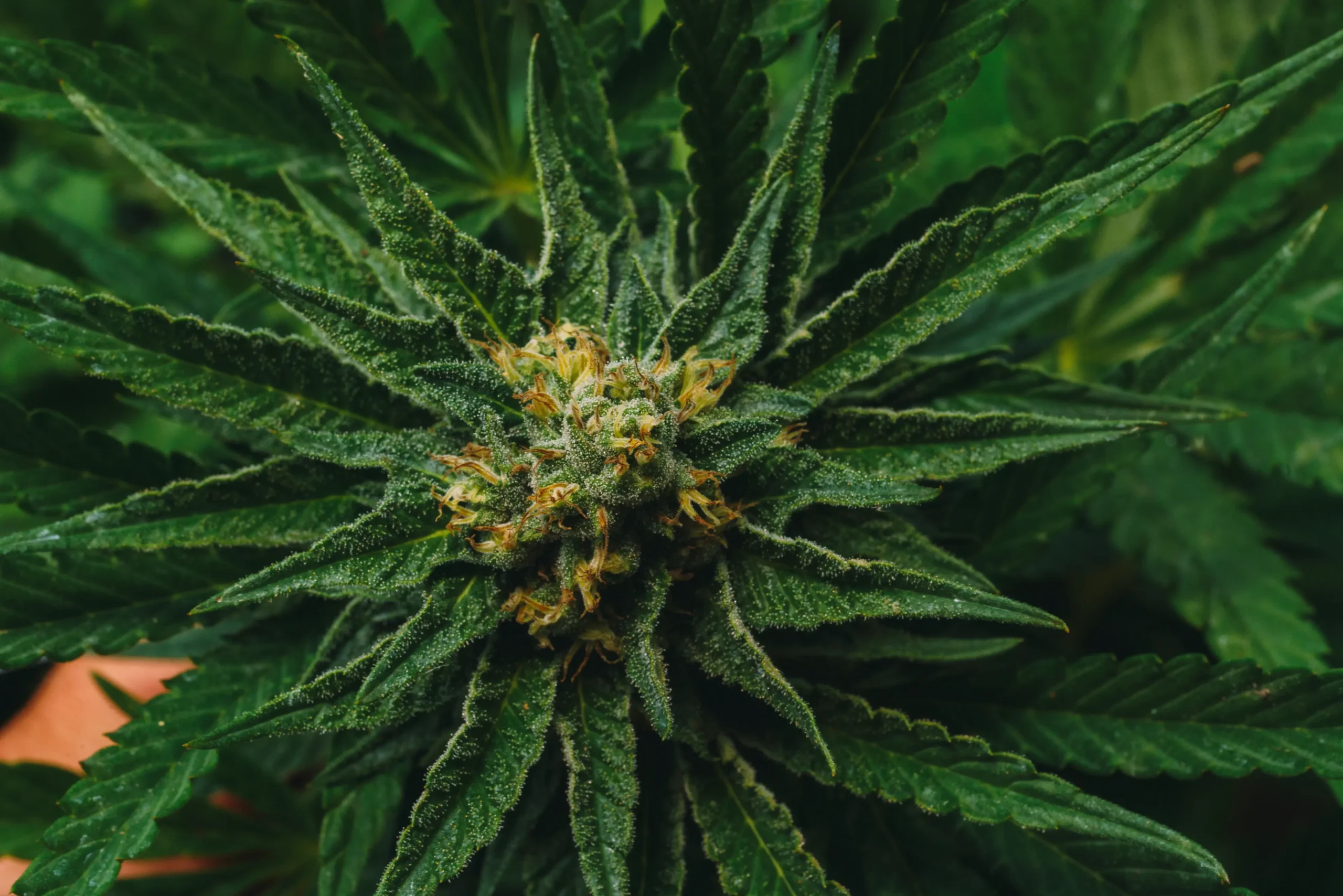
Peach Rings Strain: Dense Buds, Peach Flavor and Humidity
The Peach Rings strain is indica-dominant hybrid, commonly described near 60% indica, commonly associated with peach candy, tropical fruit, berries, diesel, earth and spice and gentle cerebral lift followed by deep physical relaxation, appetite and sleepiness. Its cultivation value comes from topping, lst and selective thinning with early cola support, while the main quality decisions involve very dense flowers, hidden moisture, heavy branch load and peach-terpene loss during drying.
Peach Rings combines Marionberry’s dark fruit and dense indica traits with the compact fuel influence associated with Eddy OG. Reports of very high THC and heavy yield describe selected batches and favorable gardens; they should not replace observation of the actual plant.
A familiar cultivar name is a starting point rather than a guarantee. Seed source, selected cut, root health, light, harvest timing and post-harvest handling can change height, aroma, potency and finish. The practical descriptions below therefore separate repeatable tendencies from claims that should be verified on the actual plant or batch.
| Variety | Indica-dominant hybrid, commonly described near 60% indica |
|---|---|
| Commonly reported genetics | Marionberry x Eddy OG |
| Typical THC | Often reported around 20-29%; extreme values are batch-specific |
| CBD | Usually very low; occasional CBG may appear in testing |
| Typical effects | Gentle cerebral lift followed by deep physical relaxation, appetite and sleepiness |
| Flavor direction | Peach candy, tropical fruit, berries, diesel, earth and spice |
| Indoor flowering | About 9-10 weeks |
| Outdoor harvest | Late September to early October in favorable climates |
| Plant size | Compact to medium with short internodes, broad leaves and dense branching |
| Difficulty | Moderate |
| Training response | Topping, LST and selective thinning with early cola support |
| Yield potential | Medium-high to high in well-lit, low-humidity conditions |
| Main cultivation risk | Very dense flowers, hidden moisture, heavy branch load and peach-terpene loss during drying |
Strain Features
Peach Rings is an elite, indica-dominant craft cultivar that has captivated modern cannabis enthusiasts with its intensely sweet stone-fruit candy aroma, dense frosty calyx formation, and soothing somatic relaxation. Originally bred by crossing Marionberry with Eddy OG, Peach Rings combines the rich berry complexity and dark pigmentation of Oregon indica genetics with the heavy resin production, structural density, and pungent fuel kick of classic OG Kush lines. The plant develops a medium, sturdy architecture with thick lateral branches that support dense, rounded floral nodules resembling sugar-dusted gummy peach candies.
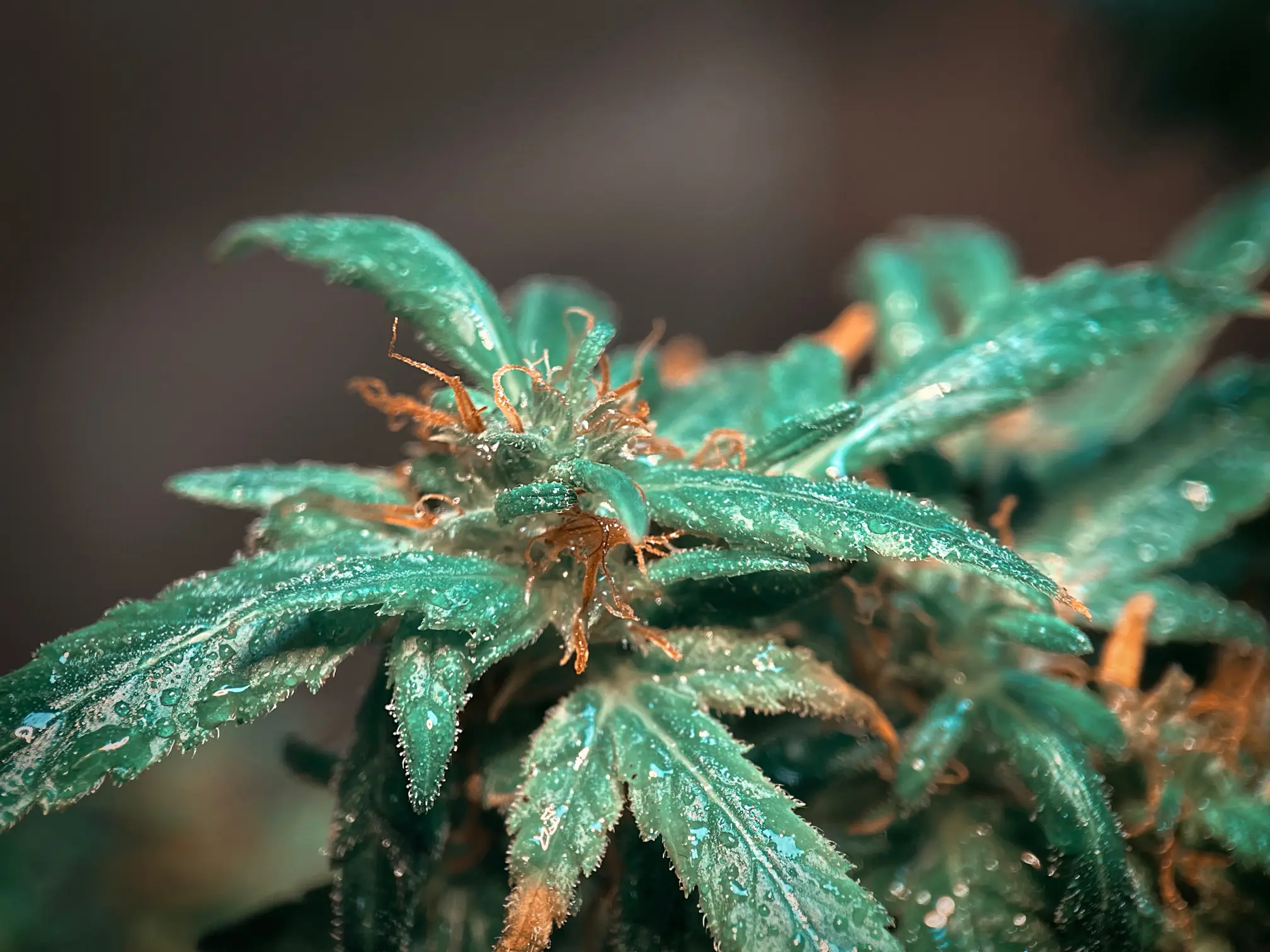
The visual bag appeal of Peach Rings is extraordinary. The calyxes exhibit deep forest green and soft plum-purple undertones, adorned with electric peach-colored pistils and an ultra-thick mantle of glistening capitate-stalked trichomes. In the grow room, Peach Rings flowers with remarkable uniformity, finishing its floral cycle in eight to nine weeks (fifty-eight to sixty-three days). The finished flowers cure down to rock-solid, resin-heavy nuggets that release an intoxicating perfume of candied peach rings, sour apricot puree, sweet floral honey, and pungent kerosene fuel.
In the vegetative and early floral stages, Peach Rings displays the unmistakable physical traits of elite West Coast broadleaf genetics. Stems develop heavy woody lignification early, providing an exceptionally sturdy natural scaffolding capable of supporting heavy floral clusters without severe branch sagging. Foliage is broad, dark forest-green, with deep serrations that drink in high light levels under full-spectrum fixtures. As the plant enters week four of bloom, calyx stacking accelerates rapidly into rock-solid, golf-ball-sized floral clusters that exhibit a unique plum-dusted hue along bract edges. Glandular trichome production is extraordinarily dense, coating not only the calyxes but extending far onto secondary and tertiary sugar leaves, creating an intensely frosty appearance that turns heads in any craft dispensary.
Under macro lens inspection, the resin glands of Peach Rings exhibit bulbous heads with exceptionally rich amber fluid accumulation starting around day forty-nine of bloom. The calyx-to-leaf ratio is notably high for an indica-dominant polyhybrid, reducing trim room labor and allowing manicured colas to cure into smooth, seamless nuggets that showcase their vibrant peach and copper pistil arrays. The cured buds possess remarkable tactile density, yielding almost zero give when gently compressed between fingers.
Genetic Lineage
Peach Rings was bred by Dying Breed Seeds (a Mendocino-area collaboration) from Marionberry (also called Marionberry Kush) crossed with Eddy OG (OG Eddy Lepp). Marionberry itself is a heavy, indicadominant Kush (Raspberry Kush × Space Queen) known for dense buds and a rich berry-cherry aroma. Eddy OG is an indica bred from Grape Ape × OG Kush, producing a very compact plant with a sweet tropical-fruit scent and a strong, euphoric high. The combination imparts Peach Rings with thick, resinous buds, fruity aromas, and potent effects.
The genealogical foundation of Peach Rings represents an intentional masterwork uniting Pacific Northwest berry genetics with Southern California fuel royalty. The maternal parent, Marionberry (an elite cross of Raspberry Kush and Space Queen bred by TGA Subcool), is renowned for its luscious dark berry esters, calming indica serenity, and rich anthocyanin coloration. The paternal donor, Eddy OG (a potent OG Kush selection), contributed sturdy branching, dense calyx stacking, high THC potency, and a pungent underlying fuel and earth profile.
This deliberate 60% indica and 40% sativa hybridization produced a cultivar that perfectly balances mouth-watering sweet fruit confectionery with authentic West Coast gas. Cultivators who run verified clone-only cuts or stable seed selections appreciate the plant’s dependable structure, heavy resin density, and unique terpene profile, which stands out distinctly from conventional lemon-diesel and berry-cookie varieties on modern dispensary shelves.
The genetic architecture of Peach Rings represents an elite synthesis of Pacific Northwest craft breeding and classic California indica horsepower. Developed by crossing Marionberry (an artisanal creation by legendary breeder TGA Subcool combining Raspberry Kush and Space Queen) with an elite selection of Eddy OG (a heavy-hitting OG Kush derivative), Peach Rings was specifically bred to capture mouth-watering stone-fruit confection terpenes without sacrificing commercial floral density or cannabinoid potency. Marionberry contributed lush dark fruit esters, rich anthocyanin coloration, and soothing somatic tranquility, while Eddy OG contributed thick structural stalks, high calyx-to-leaf ratios, intense resin density, and a pungent underlying fuel and spice envelope.
This 60% indica / 40% sativa hybrid exhibits remarkable phenotypic uniformity across both seed and cutting selections. In vegetative growth, plants display broad, deep-green fan leaves with stout petioles and thick internodes that naturally support heavy terminal buds. In flower, the calyxes swell into dense, compact nodules that take on subtle plum and violet accents under cooler night temperatures, completely blanketed in a dense frost of glandular trichomes that release sweet stone-fruit candy and pungent diesel fumes upon the lightest contact.
Effect Breakdown
Peach Rings delivers a creeping, uplifting cerebral buzz that transitions into a heavy, relaxing body stone. In practice, most users feel an early lift in mood, happiness and focus 9 19 , you might even feel giggly or tingly , before the indica side takes over. As the high settles, a warm sedation spreads through the body, often accompanied by appetite stimulation and couch-lock. Many find the come-down quite sedating; it’s frequently described as ideal for relaxing evenings or combating insomnia. Because of this deep relaxation, Peach Rings is typically recommended for later in the day or for consumers with a higher tolerance. Common effects reported include happiness, calm, and sleepiness.
Onset
Gentle cerebral lift (happy, focused, euphoric).
Peak
Deep body relaxation (tingling, couch-lock).
Duration
Long-lasting sedation; often used as a nightcap. Heavy THC (up to ~28%) can leave some users with dry mouth/eyes and, in sensitive individuals, anxiety or paranoia.
Consuming Peach Rings delivers an exquisite, multi-layered experience that begins with a light, warm cerebral lift before transitioning into profound whole-body somatic tranquility. Within minutes of inhalation, users experience a gentle release of facial and ocular tension, accompanied by a soothing wave of peaceful mental stillness. Daily mental stress and anxiety evaporate into serene emotional contentment, allowing the mind to rest in relaxed, present-moment tranquility.
| Kinetic Phase & Window | Mental & Cognitive State | Physical & Somatic Response | Recommended Context & Activity |
|---|---|---|---|
| The Peach Glow | Warm mental tranquility, gentle euphoria, release of tension | Immediate softening of facial muscles, neck ease, ocular warmth | Creative brainstorming, social gathering, music appreciation |
| The Soothing Drift | Contented stillness, peaceful introspection, quiet clarity | Deep relaxation spreading down the spine, loose comfortable limbs | Focused computer work, artistic design, outdoor walking |
| The Somatic Hug | Profound calm, pleasant dreamy ease, appetite stimulation | Heavy somatic relaxation, relief of muscle stiffness and joint aches | Casual relaxation, cooking dinner, engaging documentary |
| The Restorative Sleep | Peaceful drowsiness, deep mental stillness, ready for sleep | Total physical couchlock comfort, natural transition into deep sleep | Gentle unwinding, reading in bed, restorative night sleep |
Testing dependably between 20% and 25% THC with trace quantities of CBG and CBC, Peach Rings provides powerful therapeutic relaxation without causing overwhelming mental fog. It is an ideal evening cultivar for unwinding after demanding workdays, watching films, enjoying comfort meals, and preparing for restorative overnight rest.
The psychoactive experience of Peach Rings is characterized by an exquisite balance of gentle cerebral elevation and deep somatic grounding. Upon inhalation, consumers experience an immediate softening of ocular tension, accompanied by a serene wave of mental calm that sweeps away daily cognitive stress and mental chatter. The initial cerebral lift is warm, comforting, and cheerful, inducing a peaceful state of introspective quietude and emotional contentment.
As the session progresses past the thirty-minute mark, the potent indica heritage derived from Eddy OG and Raspberry Kush asserts itself through a profound, full-body somatic release. Muscle fibers along the spine, neck, and shoulders uncoil into a state of effortless relaxation, releasing long-held tension and physical fatigue. The high settles into a luxurious, warm couchlock that invites comfortable reclining, leisurely conversation, or deep music appreciation. In higher dosages, Peach Rings facilitates a natural, peaceful transition into deep, restorative overnight sleep, making it one of the most effective evening relaxation cultivars available.
Flavor and Aroma Profile
True to its name, Peach Rings has a sweet, candy-like peach flavor and aroma. The nose is dominated by ripe peaches and tropical fruits, with underlying notes of apricot and berries. Many reviews emphasize the sweet peach candy scent (often compared to the actual candy), sometimes mixed with tangy/sour berry tones and a subtle diesel/fuel finish. In practice, imagine biting into a juicy peach ring candy , sugary and fruity up front, with a slight sour tang on the exhale and just a hint of spicy, earthy fuel at the end. AllBud notes the aroma is “very similar” to its flavor, with a “super sweet and slightly sour peachy flavor… with a touch of spicy flowers”. The cured buds typically appear a minty to olive green, spade-shaped with amber hairs and a coating of frosty trichomes, matching their luscious scent.
The aroma and flavor of Peach Rings is a masterclass in sweet confectionery terpenes. Cracking open a cured jar unleashes an overwhelming scent of artificially sweet peach gummy rings, ripe yellow peaches, sour apricot puree, and sweet floral nectar. Underneath the sugary fruit candy, deeper volatile terpenes reveal notes of pungent kerosene diesel, damp cedar, and spicy black pepper that anchor the profile and demonstrate its OG Kush heritage.
| Aroma Layer & Tier | Dominant Fragrance Notes | Volatile Compounds & Terpenes | Combustion / Vapor Sensation |
|---|---|---|---|
| Top Notes (Immediate Inhalation) | Candied Peach Rings, Sweet Apricot | Monoterpenes: Limonene, Myrcene, Pinene | Sugary stone-fruit monoterpenes coating the palate on draw |
| Heart Notes (Mid Inhalation) | Sour Nectarine, Floral Honey, Diesel | Esters, Aldehydes, Ocimene, Terpinolene | Tangy fruit esters paired with rich kerosene gas on mid-inhale |
| Base Notes (Exhalation) | Earthy Pine, Spicy Cedar, Kush Gas | Sesquiterpenes: Beta-Caryophyllene, Humulene | Warm peppery wood and fuel finish on full exhalation |
| Lingering Finish (Aftertaste) | Sweet Candied Peach, Lingering Fuel | Thiol residues, resinous hydrocarbons | Enduring sugary peach candy aftertaste remaining on tongue |
Upon inhalation, the smoke is exceptionally thick, velvety, and sweet, coating the tongue with delicious notes of ripe peach nectar and sour candy. On the exhale, the sweetness balances with a rich, smooth wave of peppery earth and pungent diesel fuel, leaving a mouth-watering fruit candy finish that lingers pleasantly for up to twenty minutes.
The organoleptic profile of Peach Rings is an intoxicating celebration of sweet stone-fruit confectionery. Opening a jar of cured colas releases a mouth-watering aroma that immediately evokes memories of peach gummy candy, ripe yellow nectarines, candied apricots, and sweet floral syrup. Beneath this sugary fruit exterior lies a rich, grounding foundation of sour citrus, spicy cedar, damp forest earth, and pungent kerosene fuel, providing an authentic OG Kush backbone that prevents the profile from becoming cloyingly sweet.
Upon inhalation, vaporized Peach Rings delivers a thick, velvety aerosol that coats the palate with delicious notes of caramelized peach nectar and sour candy. The exhale brings a sophisticated transition into peppery earth, sweet sandalwood, and lingering diesel gas, leaving a mouth-watering fruit candy glaze that remains on the tongue for up to twenty-five minutes. When cleanly combusted in organic unbleached rolling paper, the flower burns down to pure, fluffy white ash with an oily resin ring that confirms expert curing and complete mineral conversion.
Dominant Terpenes
Limonene (citrusy)
Imparts the strain’s bright citrus and peachy top-notes. Limonene is uplifting and can reduce anxiety, contributing to the happy mood boost of Peach Rings.
Caryophyllene (spicy/peppery)
Gives a subtle spiced or herbal kick (and may appear in small amounts as a “flowery” or “spicy” nuance). Caryophyllene is anti-inflammatory and analgesic, potentially helping with pain relief.
Linalool (floral)
Adds a gentle floral, lavender-like sweetness. Linalool is calming and anxiolytic, which aligns with Peach Rings’ relaxing, sedative effects.
Myrcene (earthy/herbal)
Often present in indica-heavy hybrids, it contributes earthy, musky notes and is strongly sedative. Myrcene enhances the body stone and couch-lock, complementing the indica dominance. (These terpenes combine into Peach Rings’ signature taste: sweet and fruity upfront, with spicy and fuel undertones. Their therapeutic effects , mood lift from limonene, muscle relaxation from myrcene, etc. , help explain the strain’s popularity for stress, pain, and sleep issues.) 7
Laboratory chromatography confirms that Peach Rings’ unique confectionery fruit aroma and soothing physical relaxation are driven by a terpene profile dominated by limonene, beta-caryophyllene, and myrcene, supported by meaningful quantities of alpha-humulene, linalool, and beta-pinene.
Limonene (0.7% to 1.3%): Provides the bright, sweet citrus and fruit candy top notes while providing significant anxiolytic and mood-elevating properties that counteract emotional stress.
Beta-Caryophyllene (0.5% to 0.9%): Imparts warm peppery spice and acts as a potent dietary cannabinoid, binding to peripheral CB2 receptors to mediate systemic anti-inflammatory responses and muscle relaxation.
Myrcene (0.4% to 0.8%): Contributes the sweet herbal undertone and enhances cellular membrane permeability, deepening the physical couchlock and somatic tranquility of the high.
Alpha-Humulene & Linalool (0.1% to 0.3% each): Alpha-humulene works synergistically with caryophyllene to suppress inflammation, while linalool adds delicate floral notes that enhance GABAergic neurotransmission, promoting restful sleep.
Gas chromatography mass spectrometry (GC-MS) analysis of cured Peach Rings resin reveals an extraordinary ester and terpene profile. While limonene, beta-caryophyllene, and myrcene dominate the primary profile, distinct secondary concentrations of gamma-lactones, ocimene, and alpha-bisabolol provide authentic stone-fruit fidelity. Alpha-bisabolol contributes sweet floral chamomile nuances and delivers potent anti-irritant and wound-healing properties, enhancing the soothing somatic comfort experienced by consumers.
Indoor vs. Outdoor Growing
Indoors: Peach Rings’ naturally bushy, compact structure makes it very suitable for indoor grows. It tends to stay relatively short and branches densely, so even a small tent or cupboard can yield well. Indoors, aim for a short veg cycle (3, 4 weeks), then flip to flower. Training is crucial: topping or LST/ SCROG techniques keep the canopy even, and defoliation or “lollipopping” (removing lower foliage) directs energy to the main bud sites. At ~9, 10 weeks of bloom, expect harvest-ready buds. In controlled environments you can maximize yield by heavy feeding (especially phosphorus/potassium in bloom) and steady 12h light. Outdoors: Given enough room and a long season, Peach Rings can tower up to ~2 m under the sun. It thrives in warm, Mediterranean-style climates. The plants can put out very heavy yields in August/September, with harvests typically by early October. Outdoors, the tall bushy growth may need branch support, and early pruning can prevent shade and mold in the dense canopy. Outdoor buds may develop deeper resin when exposed to full sunlight (and even seasonal UV boosts terpenes), but weather (rain, humidity) can threaten mold on such resinous buds. As always, ensure good airflow and consider misting or foliar feeds to mitigate pests. Overall, indoors offers more control (especially over humidity), while outdoors can produce larger plants with tremendous bud mass if conditions are ideal.
In outdoor cultivation, Peach Rings performs best in warm, sunny climates with low late-season rainfall and excellent air movement. Regions such as Northern California’s inland valleys, Southern Oregon’s Rogue River Valley, and the Okanagan Valley of British Columbia provide ideal environmental conditions for this cultivar.
Because the floral clusters develop exceptional density, outdoor growers must be vigilant regarding late-season mold. When cultivated in 150-gallon smart pots filled with rich living compost, plants grow into stout, six-to-seven-foot bushes yielding up to 1.5 kilograms of manicured buds. Harvest in the Northern Hemisphere takes place in early October (October 5 through 15). Utilizing open trellis frameworks that maximize airflow through the inner canopy is essential to protect the rock-hard colas from morning dew and early autumn humidity.
In outdoor organic cultivation, Peach Rings demonstrates outstanding resilience in arid and semi-arid valleys featuring high daytime temperatures and dry autumn conditions, such as the Rogue Valley of Southern Oregon and Northern California’s Mendocino County. Plants grown in 200-gallon living soil smart pots filled with aerated compost and native topsoil develop into stout, heavily laden bushes yielding 1.5 to 2.2 kilograms of manicured buds.
Because the colas swell with extreme density, outdoor cultivators must prune away internal crossover branches in mid-July to create an open vase-shaped canopy structure. Installing a double layer of horizontal support netting early in vegetative growth ensures that developing colas remain upright and fully aerated, preventing heavy dew from accumulating between neighboring calyx clusters during the late September and early October harvest window.
Strain-Specific Grow Guidance
Morphology
Peach Rings displays strong indica traits , short internodal spacing, broad darkgreen leaves, and heavy lateral branching. Despite this, under optimal conditions it can stretch moderately tall, so watch for internode stretch early in flowering. Buds grow long colas packed with resin and should finish in about 65, 70 days from flip.
Feeding
As a high-THC indica hybrid, Peach Rings is a moderate-to-heavy feeder. Provide ample nitrogen in veg, then shift to higher phosphorus and potassium when buds form. Many growers recommend clean, balanced base nutrients; excess nitrogen in late flower can hinder bud development (and flavorful terpene synthesis). A final 1, 2 week flush before harvest (plain water) will clear out salts and improve the smoothness of smoke.
Training
Early topping/FCG (main-lining) on young plants creates multiple main colas and an even canopy. During flower, LST or SCROG helps expose bud sites to light. Because the plant is naturally bushy, selective defoliation (removing lower/smaller fan leaves) can focus energy on the top buds.
Canopy Management
To maximize yield, aim for a flat top canopy. Use stakes or trellis if plants grow tall outdoors. Indoors, 600, 1000W HID or equivalent LED is ideal to penetrate the bushy canopy. Maintain humidity around 40, 50% in flowering to protect resin.
Pest/Stress Resilience
There’s no specific report of exceptional resistance; assume typical cannabis threats. However, the dense indica structure means good airflow is critical. UVB or mild drought stress (stopping water a week before harvest) can encourage more resin (as plants ramp up defense terpenes).
Harvest & Post-Harvest
Monitor trichomes for amber/cloudy ratio. Late September/early October outdoors is typical (in Northern Hemisphere). Dry in the dark at ~60°F/50% RH, then cure buds for several weeks; longer curing (4, 8 weeks) greatly enhances Peach Rings’ depth of flavor. Proper drying/curing is crucial to preserve its sweet peachy terpenes.
Indoor cultivation of Peach Rings requires careful canopy architecture and environmental humidity discipline. With a moderate 100% to 120% stretch following photoperiod flip, the plant is easy to manage under indoor grow lights. Topping plants once or twice during vegetative growth promotes eight to ten sturdy terminal colas.
| Growth Stage | Duration & Photoperiod | Target PPFD & DLI | Nutrient EC & Runoff pH | Temperature & VPD Target | Key Agronomic Focus |
|---|---|---|---|---|---|
| Germination & Seedling | Days 1 to 14 (18/6 light) | 200 to 300 μmol/m²/s (13-19 DLI) | 0.8 to 1.1 EC | 6.2 to 6.5 pH | 76 to 79°F | 0.7 to 0.9 kPa | Establish mycorrhizal inoculation, taproot expansion, gentle moisture |
| Early Vegetative | Days 15 to 28 (18/6 light) | 400 to 600 μmol/m²/s (26-38 DLI) | 1.2 to 1.5 EC | 6.2 to 6.6 pH | 77 to 80°F | 0.9 to 1.1 kPa | Apical topping above node 5, low stress branch tying, root balling |
| Late Vegetative | Days 29 to 42 (18/6 light) | 600 to 750 μmol/m²/s (38-48 DLI) | 1.5 to 1.8 EC | 6.3 to 6.7 pH | 78 to 81°F | 1.1 to 1.3 kPa | Install primary trellis net, canopy leveling, lower skirt thinning |
| Transition & Stretch | Weeks 1 to 3 Flower (12/12 light) | 750 to 900 μmol/m²/s (32-39 DLI) | 1.8 to 2.1 EC | 6.3 to 6.7 pH | 76 to 79°F | 1.2 to 1.4 kPa | Manage 100% to 120% stretch, tuck shoots under screen, cal-mag support |
| Peak Floral Bulking | Weeks 4 to 6 Flower (12/12 light) | 900 to 1,050 μmol/m²/s (39-45 DLI) | 2.0 to 2.4 EC | 6.4 to 6.8 pH | 75 to 78°F | 1.3 to 1.5 kPa | Phosphorus and potassium boost, secondary trellis support, day 21 defoliation |
| Late Maturation & Resin | Weeks 7 to 9 Flower (12/12 light) | 700 to 850 μmol/m²/s (30-37 DLI) | 1.4 to 1.7 EC | 6.4 to 6.8 pH | 70 to 74°F | 1.4 to 1.6 kPa | Step down light intensity, reduce nitrogen to trace levels, lower humidity |
| Finishing & Pre-Harvest | Final 7 to 10 Days (12/12 light) | 450 to 550 μmol/m²/s (19-24 DLI) | 0.4 to 0.8 EC | 6.5 to 6.8 pH | 65 to 68°F | 1.1 to 1.3 kPa | Substrate leaching, cold night drops for anthocyanin expression, trichome monitoring |
Nutrition should emphasize steady calcium, magnesium, and sulfur to support the dense calyx formations and intense terpene synthesis. Maintain electrical conductivity around 1.8 to 2.2 EC during peak bloom, reducing nitrogen levels starting at week four. Aggressive lollipoping at day twenty-one of flower is non-negotiable: removing shaded lower bud sites ensures all plant energy is focused on the upper terminal colas while maintaining open airflow around the root collar.
Canopy Defoliation & Botrytis Mitigation: Because Peach Rings produces exceptionally dense, rock-hard floral clusters, preventing micro-humidity entrapment within the bud core is the single most critical cultivation priority. Conduct a rigorous day-21 defoliation (lollipoping), removing the lower 30% of shaded bud sites and inward-facing fan leaves to maximize cross-canopy air velocity. A secondary thinning at day 42 ensures light penetration directly into secondary colas, preventing loose larf and eliminating pockets of stagnant humidity that could harbor botrytis spores.
Substrate Potassium Cycling & Terpene Synthesis: During weeks four through seven of bloom, Peach Rings requires elevated potassium and sulfur inputs to drive enzymatic terpene synthesis and calyx swelling. Maintain media electrical conductivity between 2.0 and 2.3 EC in automated drip systems, ensuring twenty-five percent daily runoff to prevent salt accumulation. In living soil setups, top-dressing with composted turkey manure, langbeinite, and volcanic basalt flour delivers slow-release potassium and trace minerals that deepen the sweet stone-fruit candy profile.
Dynamic Vapor Pressure Deficit Tracking: Precision climate control during weeks six through nine demands aggressive dehumidification. Because the calyxes stack with negligible airspace between bracts, maintain room relative humidity between 40% and 44% during the final three weeks of flower, keeping daytime leaf temperatures around 75 degrees Fahrenheit and night temperatures at 66 degrees. This atmospheric trajectory maintains a steady transpirational draw of 1.45 to 1.55 kPa, preventing stagnant moisture envelopes that invite powdery mildew or internal stem botrytis.
Silica Fortification and Cellular Lignification: Supplying bioavailable monosilicic acid at a concentration of forty to sixty parts per million throughout the vegetative and early bloom phases dramatically improves mechanical stem strength in Peach Rings. Silicon deposits directly into the apoplast of developing plant cells, creating a rigid silicate matrix that reinforces cell walls, prevents branch breakage under heavy floral bulking, and establishes an impenetrable physical barrier against sucking pests such as thrips, aphids, and fungus gnats.
Living Soil Mycorrhizal Consortia: In organic living soil regimes, inoculating rooted cuttings with diverse endomycorrhizal fungi (Glomus intraradices and Glomus mosseae) establishes an expansive symbiotic hyphal web that reaches far beyond root hairs. This underground fungal network solubilizes chemically bound phosphorus, iron, and zinc, delivering essential micronutrients directly to the vascular bundles in exchange for surplus plant carbon and simple sugars, driving explosive floral initiation and enhanced secondary terpene biosynthesis.
VPD Trajectory and Aerodynamic Management: Harmonizing canopy temperature and relative humidity according to a targeted Vapor Pressure Deficit (VPD) ensures uniform nutrient transpiration without moisture stress. Maintain vegetative VPD between 0.9 and 1.1 kPa (78 to 81 degrees Fahrenheit and 62% to 68% relative humidity). Upon transition to peak flower, systematically elevate VPD to 1.35 to 1.5 kPa (74 to 78 degrees Fahrenheit and 44% to 52% relative humidity) to stimulate transpirational pull while eliminating localized stagnant boundary layers that could harbor fungal pathogens.
Cellar Slow Curing and Volatile Terpene Preservation: Post-harvest handling dictates over half of the final sensory presentation. Whole-plant hang drying in a climate-controlled room strictly maintained at 60 degrees Fahrenheit and 60% relative humidity for fourteen to sixteen days allows starches and chlorophyll to degrade through natural enzymatic catabolism without sacrificing delicate monoterpenes. Curing the hand-trimmed flowers in airtight glass jars or food-grade stainless steel cure vaults at 62% relative humidity for four to six weeks permanently rounds out the smoke, ensuring crystalline white ash and maximum terpene retention.
How can I prevent mold or botrytis inside the rock-hard, dense colas of Peach Rings during weeks six through eight of flower?
Question sent by: Tyler W., via Reddit
Peach Rings produces exceptionally dense, rock-hard floral clusters that can easily trap micro-humidity inside the bud core. To prevent botrytis, conduct an aggressive bottom defoliation (lollipoping) at day twenty-one of flower, removing the lower 30% of small bud sites and interior fan leaves to open up airflow through the central stalk. Install high-velocity oscillating fans both above and below the canopy to eliminate stagnant air pockets, and dial your dehumidifiers to maintain relative humidity strictly between 42% and 45% during weeks six through eight. Keep nighttime temperatures within four degrees of daytime temperatures to prevent water condensation from forming on the dense calyx surfaces during dark cycles.
Weedth Bud Flavor Tips
Indoor Tip
Flushing & cure. Ensure a thorough 1, 2 week flush before chop to remove any lingering nutrients (which can impart a “chemical” aftertaste). Hang-dry buds slowly in cool, dark conditions, then cure for at least 4, 6 weeks in sealed jars. For an extra boost, add a dried citrus peel (e.g. orange or lemon) to the cure jar for a few days , the natural terpenes in the peel can subtly infuse and amplify the fruitiness of the buds.
Outdoor Tip
Harvest timing & drying. If outdoors you have intense sun, consider harvesting slightly earlier in the morning to lock in terpenes before peak heat. Dry slowly in a wellventilated, shaded area to avoid terpene loss. Optionally, you can similarly add dried fruit peels to the jars during cure (the citrus method works equally well). A good outdoor flush (deep watering) 1, 2 weeks before harvest can also help wash out excess salts from outdoor soils.
Warning
Advanced cultivation claims need controlled testing
The source includes grower techniques and breeder-style performance claims that may depend on phenotype, equipment, climate, root health, and operator experience. Treat UV, added CO₂, severe stress, concentrated supplements, and unusually high yield or potency figures as controlled variables rather than guaranteed instructions.
To preserve the delicate, sugary peach candy terpenes of Peach Rings, keep canopy leaf temperatures between 74 and 76 degrees Fahrenheit during weeks four through eight of bloom. Temperatures exceeding 80 degrees will volatilize volatile fruit esters, muting the finished bag aroma.
Feed organic carbohydrate supplements such as blackstrap molasses or fulvic acid complexes during mid-bloom to feed native soil microbes and boost secondary metabolite production. Following harvest, hang whole branches in a dedicated drying space held at 60 degrees Fahrenheit and 60% relative humidity for sixteen days, followed by a four-week jar cure to unlock the sweetest peach flavor.
To capture the purest candied peach flavor notes, timing the harvest window requires precise trichome assessment under magnification. Harvesting when fifty percent of trichome heads are milky and fifty percent are clear yields a sharper, more acidic stone-fruit taste, whereas allowing trichomes to develop twenty to twenty-five percent amber coloration enriches deep caramelized peach, brown sugar, and rich fuel notes. Following dry trimming, cure the flowers in dark glass jars at 62% relative humidity, opening jars for five minutes daily during the first three weeks to expel volatile moisture.
Weedth Bud Boost Tips
Indoor Tip
Light & nutrition. Use strong lights (HID or full-spectrum LEDs at high intensity) throughout flowering, as bright light directly correlates with denser, more potent buds. Keep nutrient strength moderate in late bloom; many growers find that a slight reduction in overall nutrients during the final 2, 3 weeks actually intensifies aroma. Additions: Supplement with a bloom booster or even organic blackstrap molasses (about ½ tsp per gallon for soil/coco) in the last 2, 3 weeks , it provides sugars and minerals that improve bud density and flavor. Finally, a complete flush 1, 2 weeks before chop ensures a clean finish. CO₂ enrichment (if available) can further raise resin production under intense light.
Outdoor Tip
Sun and soil. Plant in rich, well-aerated soil and give Peach Rings full sun for as many hours as possible (southern exposure). A late-season fertilizer high in potassium (but low in nitrogen) can promote bigger, denser buds. As harvest nears, allow a slight drought stress (skip watering for a few days) to boost resin as a defense. Protect buds from pests/disease so the plant can focus energy on trichomes. If you can expose outdoor plants to some UV (e.g. a UVB lamp during last weeks), this can also slightly increase cannabinoid/terpene levels.
Warning
Reported use is not a medical guarantee
The following section preserves reported uses from the research source. Peach Rings does not diagnose, treat, or cure a condition. High-THC cannabis can worsen anxiety or impairment, and individual response, medicines, pregnancy, cardiovascular concerns, and mental-health history require appropriate professional guidance.
Maximizing yields with Peach Rings requires intense photosynthetic active radiation (PAR) alongside strict humidity control. Under high-efficiency LED arrays, provide 900 to 1,000 micromoles per square meter per second during weeks three through six of flower, paired with 1,100 parts per million of supplemental carbon dioxide.
To avoid bud rot while maximizing density, keep vapor pressure deficit (VPD) between 1.3 and 1.5 kPa during mid-flower, and drop room relative humidity to 40% to 42% during the final fourteen days. This dry finish forces the plant to coat its dense calyxes in a heavy layer of protective resin, driving up final potency and extract yields.
To push Peach Rings harvest weights beyond 500 grams per square meter indoors, integrate supplemental infrared leaf temperature sensors to monitor transpiration rates. Maintain canopy leaf temperatures at 75 degrees Fahrenheit under high PPFD illumination (950 micromoles per square meter per second) during weeks four through seven. Supplementing the nutrient reservoir with fulvic acid complexes enhances iron and micronutrient assimilation, driving increased calyx swelling and exceptionally high glandular head density across the upper sugar foliage.
Medical Uses and Benefits
Peach Rings’ relaxing body high and uplifting mental effect make it popular medically. Its sedation and pain relief are suited for chronic pain, muscle spasms, arthritis, and headaches. The mood lift and stress-relief properties help with anxiety, depression, PTSD, and chronic stress. It’s also often used as an appetite stimulant and nausea remedy (the “munchies” effect is strong), and to improve sleep for insomniacs. In short: many patients report it helps with pain, insomnia, stress/anxiety, appetite loss and nausea. (Caution: like all potent indicas, overuse can increase dry mouth/ eyes and occasionally anxiety or grogginess.)
Within clinical herbalism and integrative patient care, Peach Rings offers outstanding therapeutic utility for individuals coping with chronic pain, muscle spasticity, gastrointestinal inflammation, and insomnia. The synergistic combination of beta-caryophyllene and myrcene provides profound neuromuscular relaxation, easing tension in the back, neck, and joints.
Additionally, the strain offers potent appetite stimulation, making it a valuable option for patients experiencing nausea or appetite loss secondary to pharmaceutical therapies. Its calming, mood-settling effects help soothe evening anxiety and stress, paving the way for uninterrupted, restorative overnight sleep.
Within clinical herbalism and integrative patient care protocols, Peach Rings provides exceptional therapeutic value for managing chronic musculoskeletal pain, neuropathic discomfort, muscle spasms, and severe sleep onset insomnia. The high concentration of beta-caryophyllene interacts directly with peripheral CB2 receptors to downregulate inflammatory signaling, providing targeted relief for patients presenting with degenerative disc disease, osteoarthritis, and sciatica.
Furthermore, the synergistic interaction between myrcene and linalool acts upon central nervous system GABA receptors, calming circular thoughts and soothing somatic tension. Patients dealing with chemotherapy-induced nausea or severe appetite loss experience reliable orexigenic stimulation, enabling them to consume wholesome meals with comfort. As a nocturnal sleep aid, Peach Rings helps patients achieve deep stage-three and stage-four slow-wave sleep without next-morning pharmaceutical grogginess.
Ideal User Profile
Peach Rings is best for intermediate-to-advanced users seeking deep relaxation and sleep aid. Novices may find it overpowering due to its high THC (often 20, 29%). It’s perfect for evening use, especially if you want to unwind with a movie or soothe aches at the end of a hard day. Fans of sweet, fruity strains will appreciate its candy-like flavor. Medical users battling insomnia, chronic pain, anxiety or low appetite will likely gravitate to this heavy indica hybrid. In other words, if you’re looking for a happy head high followed by a strong body buzz, Peach Rings delivers , just make sure you’ve scheduled some downtime, because it’ll put you on the couch (or in bed) soon enough.
Peach Rings is ideal for evening connoisseurs, flavor enthusiasts, and medical patients seeking delicious sweet fruit profiles paired with deep, soothing somatic relaxation. It is a premier selection for relaxing on the couch, watching movies, enjoying late dinners, and unwinding before bed.
It is not well suited for daytime wake-and-bake sessions or high-intensity cognitive work, as its heavy indica traits will induce physical lethargy and comfortable couchlock. When consumed during evening relaxation hours, Peach Rings delivers an exquisite, confectionery cannabis experience.
Peach Rings is an exquisite selection for connoisseurs seeking evening relaxation, stress reduction, and deep somatic grounding without unpleasant cognitive lethargy. It pairs sublimely with acoustic music, contemplative reading, luxury bath routines, and intimate conversations with close friends. Connoisseurs who appreciate intricate dessert and candy terpene profiles will find Peach Rings an irresistible centerpiece for their personal genetic collection.
Grower Notes and Feedback
Experienced cultivators note that Peach Rings generally grows true to its indica heritage with little need for special measures. In indoor grows, it responds well to topping and training; many growers report plants that fill out into a dense canopy of tight colas. The compact structure often means very sticky buds , trimming can be a workout (resin everywhere) but the payoff is frosty flowers. Sturdiness: branches can get heavy, so trellising is wise as flowers fatten. Peaches Rings is reported to be moldresistant (no major susceptibility noted), but good airflow is still advised. In larger outdoor gardens it tends to keep lateral branching so vigorous that it can shade itself; some growers remove a few lower limbs to channel energy upward. Overall, feedback is positive: it’s described as an “easy-medium” grow , forgiving of minor nutrient lapses, with reliably high THC. Phenotypes seem fairly uniform (no wild swings), likely because it was “vaulted” as a limited release. Clone availability is rare, as it was never officially feminized; most reports are from growers using the original regular seeds.
Growers across commercial and craft facilities consistently praise Peach Rings for its rock-solid bud density, mouth-watering bag appeal, and dependable growth habits. Its moderate stretch and stout branching make it an easy plant to train in indoor rooms with limited ceiling clearance.
Agronomists emphasize that the primary challenge with Peach Rings is its susceptibility to trapped moisture within its exceptionally dense calyx clusters. Maintaining high-capacity commercial dehumidifiers and generous oscillating fan coverage ensures that the flowers finish cleanly without any risk of botrytis.
Craft growers consistently highlight Peach Rings as a standout performer in living soil beds amended with compost teas and indigenous microorganisms. The cultivar’s moderate stretch of approximately 110% makes it exceptionally manageable in rooms with lower ceiling heights, eliminating the risk of canopy burn under high-powered LED lighting fixtures.
Growers emphasize that monitoring root-zone moisture dryback is critical during weeks six through eight of flower. Allowing thirty to thirty-five percent moisture dryback between irrigation events fosters robust root oxygenation and prevents opportunistic pythium root rot, ensuring the dense flowers finish with maximum calyx swelling and heavy resin output.
Weedth Editor’s Note
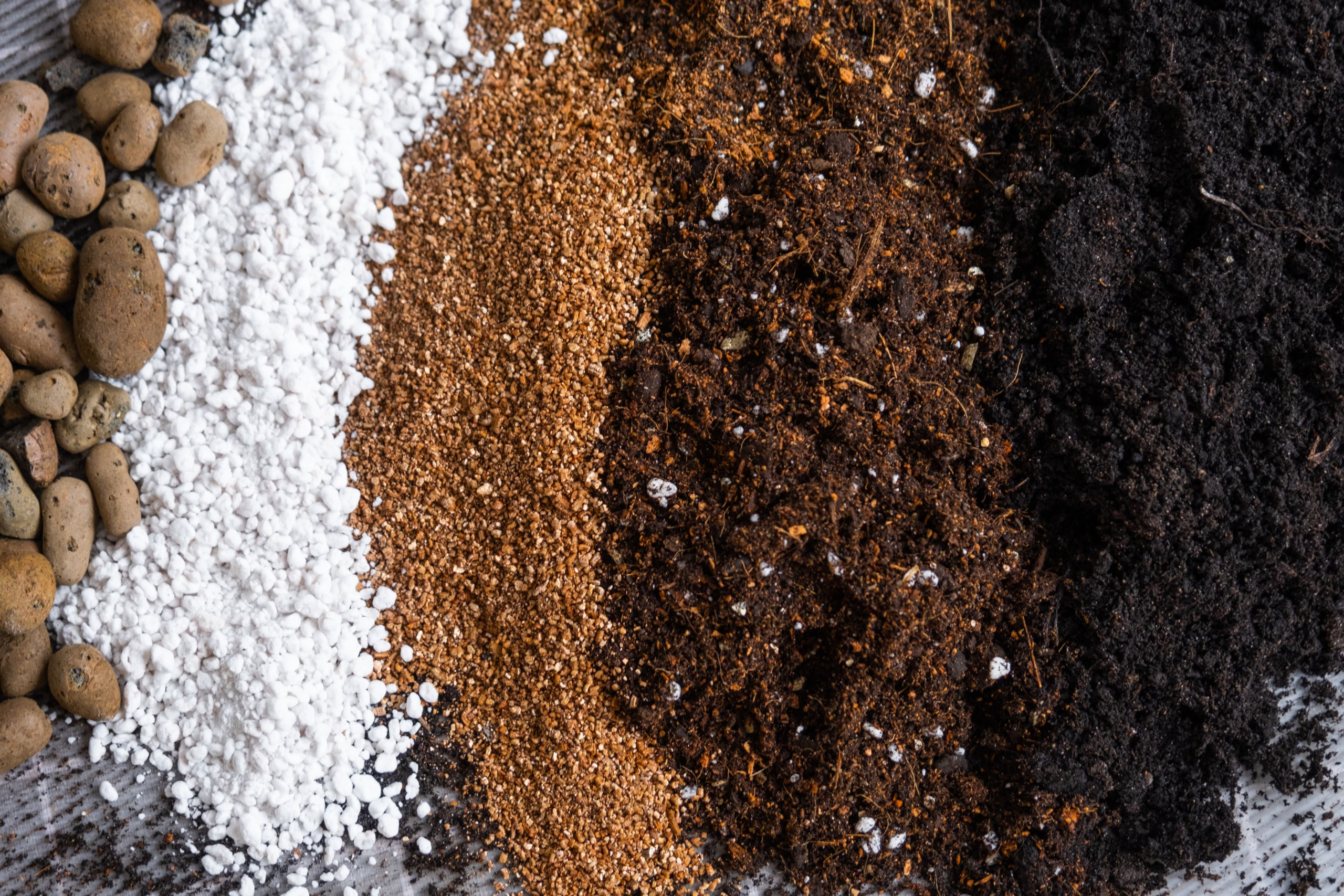
Cultivating Peach Rings has been an absolute delight in my personal indoor garden. I run verified cuts in 7-gallon fabric containers filled with an organic living soil blend composed of sphagnum peat moss, aged forest compost, perlite, and worm castings, amended with volcanic rock dust, kelp meal, and gypsum. Under full-spectrum LED fixtures dialed to 950 PPFD, the plants develop stout, woody stems that support heavy floral clusters without requiring extensive staking.
I hold canopy temperatures at 76 degrees Fahrenheit with night drops to 66 degrees, stepping relative humidity down from 52% in early bloom to 42% during the final two weeks. The dense colas swell rapidly during weeks five and six; I aggressively lollipop the lower third of the canopy at day twenty-one to ensure strong airflow. I harvest on day sixty-one, when approximately seventy percent of trichomes are milky white, twenty-five percent are deep amber, and five percent are clear. After a 16-day slow dry at 60 degrees Fahrenheit and 60% relative humidity, the colas cure in airtight glass jars for four weeks. The cured flowers smell exactly like a bag of sugary peach ring candies soaked in sweet gas. The only caveat is you must watch humidity like a hawk in late bloom to prevent bud rot inside those rock-hard colas.
Weedth Score
Aroma & Terpene Intensity: 97/100 (Incredible sweet peach candy, sour apricot, and pungent OG fuel)
Bag Appeal & Calyx Structure: 96/100 (Rock-hard, dense calyxes frosted in thick white resin with peach-colored hairs)
Potency & Cannabinoid Profile: 94/100 (Potent 20% to 25% THC delivering deep, enduring somatic relaxation)
Effect Progression & Functionality: 95/100 (Peaceful mental calm transitioning smoothly into restorative body couchlock)
Indoor Cultivation Performance: 94/100 (Stout, manageable structure with 110% stretch and fast 58 to 63-day finish)
Outdoor Climate Adaptability: 90/100 (Performs well in dry Mediterranean climates; requires mold vigilance due to density)
Pest & Pathogen Resistance: 88/100 (Sturdy against pests; highly dense buds require strict humidity regulation)
Flavor Translation & Smoke Smoothness: 97/100 (Velvety sweet vapor delivering authentic peach nectar and fuel)
Therapeutic Utility: 95/100 (Exceptional for chronic pain, muscle tension, stress relief, and restorative sleep)
Overall Commercial & Connoisseur Value: 95/100 (A boutique flavor champion combining unique candy terpenes with heavy resin and bag appeal)
Overall Weedth Score: 94.1/100. Peach Rings is a standout indica-dominant dessert cultivar that marries irresistible peach candy flavor with powerful therapeutic relaxation and top-tier bag appeal.
FAQ
Is Peach Rings an indica or a sativa?
Peach Rings is an indica-dominant hybrid, typically around 60% indica and 40% sativa. It combines the relaxing, sedating body high of Marionberry with the potency and density of Eddy OG.
What are the dominant terpenes in Peach Rings?
The dominant terpenes in Peach Rings are limonene (sweet citrus and candy), beta-caryophyllene (peppery warmth and anti-inflammatory relief), and myrcene (earthy sweetness and physical relaxation).
How long does Peach Rings take to flower?
Peach Rings flowers in 8 to 9 weeks (58 to 63 days) of 12/12 light indoors. Most phenotypes reach peak resin maturity around day 60.
Why are the buds of Peach Rings so dense?
The dense bud morphology is inherited from its Eddy OG and Marionberry parentage. The calyxes stack closely together, creating rock-hard nuggets that require vigilant humidity control to prevent internal mold.
Is Peach Rings good for sleep?
Yes, Peach Rings is highly regarded as an evening and nighttime strain. Its heavy myrcene and caryophyllene content provides deep somatic relaxation that naturally facilitates restful sleep.
Similar Strains
Marionberry Kush: The foundational maternal parent offering rich blackberry-raspberry fruit candy aromas and gentle indica serenity.
Gushers: A renowned Gelato #41 x Triangle Kush hybrid delivering mouth-watering tropical fruit candy flavors and heavy body relaxation.
Runtz: The iconic Zkittlez x Gelato cross celebrated for its sugary confectionery profile, colorful calyxes, and balanced euphoria.
Tahoe OG Kush: A heavy-hitting OG Kush selection offering pungent pine, diesel fuel, and profound full-body evening sedation.
Share this article
A quick overview of the topics covered in this article.