
Pineapple Express Strain: Vigor, Training and Tropical Flavor
The Pineapple Express strain is sativa-dominant hybrid, commonly described near 60% sativa / 40% indica, commonly associated with pineapple, citrus, tropical fruit, pine, earth and light fuel and clear, energetic and creative with social euphoria and light later body ease. Its cultivation value comes from early topping, lst and scrog with branch support, while the main quality decisions involve rapid canopy fill, wind or branch damage, top heat and tropical aroma loss during drying.
The cultivar predates the film that made its name famous. Trainwreck contributes vigor, spice and cerebral energy; Hawaiian influence brings tropical sweetness and an adaptable outdoor frame. Published maximum yields should be treated as outliers rather than a household baseline.
A familiar cultivar name is a starting point rather than a guarantee. Seed source, selected cut, root health, light, harvest timing and post-harvest handling can change height, aroma, potency and finish. The practical descriptions below therefore separate repeatable tendencies from claims that should be verified on the actual plant or batch.
| Variety | Sativa-dominant hybrid, commonly described near 60% sativa / 40% indica |
|---|---|
| Commonly reported genetics | Trainwreck x Hawaiian |
| Typical THC | Often about 18-25%, with batch variation |
| CBD | Usually low, commonly around 0-1% |
| Typical effects | Clear, energetic and creative with social euphoria and light later body ease |
| Flavor direction | Pineapple, citrus, tropical fruit, pine, earth and light fuel |
| Indoor flowering | About 7-9 weeks |
| Outdoor harvest | Late September to October in warm, sunny climates |
| Plant size | Medium to tall with vigorous branching and meaningful stretch |
| Difficulty | Easy to moderate |
| Training response | Early topping, LST and SCROG with branch support |
| Yield potential | Medium-high to high; extreme 700 g/m² or multi-kilogram claims require exceptional conditions |
| Main cultivation risk | Rapid canopy fill, wind or branch damage, top heat and tropical aroma loss during drying |
Genetic Background
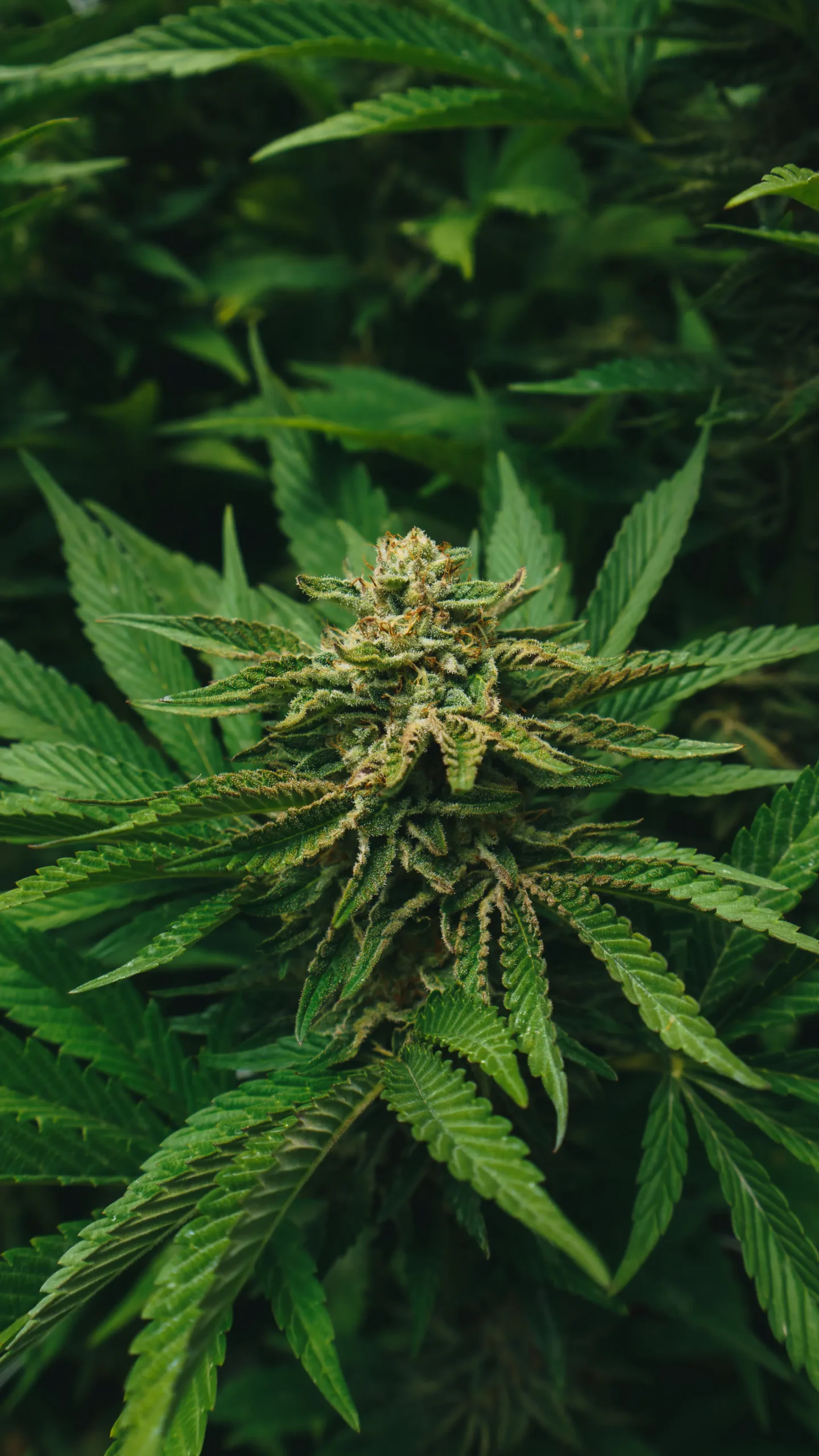
Pineapple Express is a true heirloom strain that predates its movie fame. It’s a stable sativaleaning hybrid created by crossing the potent Trainwreck with the classic Hawaiian. Trainwreck itself is a spicy, energizing cross of Mexican and Thai sativas with Afghan indicas, while Hawaiian contributes tropical citrus aroma and an uplifting, daytime buzz. Together these parent strains give Pineapple Express its famous pineapple-citrus flavor and balanced, fuel-injected high. Growers note it produces dense, curly buds with dark green leaves and bright amber pistils.
Effect Breakdown
Pineapple Express delivers a clear, energizing head high that kicks in immediately. Users report feeling uplifted, alert, and creative. It’s a cerebral buzz – great for morning or daytime – rather than a heavy body stone. Commonly reported positive effects include:
Energy
a bright, vivacious surge of alertness 4 15
Uplifted / Euphoric
mood-boosting happiness and a grin on your face 15 16
Creative
enhanced focus and inspiration for creative tasks 15 17
Focused
clarity and sociability, often used for conversation or productivity 15 16 Physically, Pineapple Express is lightly relaxing. It soothes without sedating – users say it can feel “calming and stimulating at the same time”. Side effects are generally mild: dry mouth and red eyes are most common. In high doses, particularly sensitive individuals may experience jitteriness or mild anxiety. Paranoia is rare but possible if you overconsume. Overall, the high stays upbeat and clear.
Terpene Profile
The signature pineapple-citrus aroma comes from Pineapple Express’s terpene mix. The dominant terpenes are β-caryophyllene, limonene, and ocimene. Beta-caryophyllene (~35% of the profile) gives a spicy, peppery note and may contribute anti-inflammatory effects. Limonene (~30%) adds bright citrus (mood-enhancing) aroma. Ocimene (~15%) provides a sweet, herbaceous undertone (with antifungal properties). Together they create the strain’s complex tropical-fruity bouquet. Other common terpenes often found include myrcene (earthy, mellowing) and pinene (pine/fresh), which round out the sweet-pine profile.
Grower Question
Why is my Pineapple Express growing vigorously but producing shaded lower flowers?
Question sent by: Ava G., via Reddit
Vigor can fill the room faster than usable light fills the canopy. Pineapple Express responds best when you turn that energy sideways early: top or spread leaders, keep a level canopy, and remove lower shoots that will never reach strong light. The goal is not to strip a healthy plant; it is to help the plant invest in fewer, better-positioned flowering sites.
Ideal User Profile
Pineapple Express suits anyone seeking a daytime-friendly, motivational high. It’s ideal for creative or active users who want focus and sociability. For example, Cannaconnection notes it’s “perfect for any user who wants to feel energized and uplifted,” whether working, socializing, or enjoying the outdoors. Medically, it’s popular with patients needing mood and energy support: it can help relieve depression, stress, and fatigue by boosting motivation. Conversely, this strain is not for those seeking heavy sedation or sleep – it tends to keep you alert (indeed, “Pineapple Express is generally not recommended for sleep,” as its effects are energizing). Because the high is balanced and not overwhelmingly potent, Pineapple Express is also considered suitable for novice smokers and growers. Overall, it’s best for users who want a clean, cheerful buzz without couch-lock.
Indoor Growing Information
Pineapple Express is easy to cultivate indoors under strong light. It responds well to standard photoperiod schedules and training techniques. Key points for indoor grows:
Lighting
18+ hours/day in vegetative stage, then 12/12 flowering. Use high-power LEDs or HPS for best flower development.
Environment
Keep day temperatures around 20–28 °C (68–82 °F) and relative humidity 40–60%. This warm, moderately humid range mimics a Mediterranean climate. Ensure good ventilation/airflow to avoid heat spots (Pineapple Express thrives with lots of light and air).
Training
This plant tends to a medium-tall, bushy shape, so topping or low-stress training (LST) early on can create an even canopy. Techniques like Screen-of-Green (SCROG) or Sea-of- Green (SOG) can also maximize yields by exposing more bud sites.
Soil & Nutrients
Use a rich, well-draining organic soil. Regular feeding with balanced nutrients during veg and bloom will drive its big yields. Some growers boost silica during late veg/ early flower (Silicon) to strengthen cell walls and thicken buds. Allow the topsoil to dry slightly between waterings to prevent root rot.
Other Tips
Remove lower leaves (defoliation) when flowering to improve light penetration to buds. Exposing plants to a short burst of UV-B light in the last 2–3 weeks of bloom has been noted to increase trichome (resin) production.
Outdoor Growing Information
In the garden, Pineapple Express flourishes in warm, sunny climates. Tips for outdoor cultivation:
Climate
Best in temperate to hot regions (think Mediterranean). Give it full sun – this strain loves heat and light. In cooler climates you might get away with a greenhouse.
Space & Support
Plants grow to medium/large size outdoors. Provide space (1–2 meters) and consider staking or trellising before buds get heavy. Protect tall plants from strong winds as buds mature.
Soil & Water
Plant in rich, well-aerated soil amended with compost. Keep soil moist but not waterlogged. (Good drainage is crucial.) Regular watering supports its large biomass, but allow slight drying before rewatering to avoid root issues.
Flowering
Outdoors it typically finishes by mid-October (Northern Hemisphere). Yields can be huge – Cannaconnection reports up to ~2 kg per plant in ideal conditions.
Pests/Mold
This strain has decent mold and pest resistance, making it suitable even in moderately humid climates. Still, monitor for bud rot or insects late in season and keep foliage well-spaced. Good airflow between plants is important.
Strain-Specific Grow Guidance
For best results with Pineapple Express, keep its specific traits in mind:
Training
Generous topping and low-stress training will fill out the plant with multiple colas. The buds form densely, so shaping the canopy pays off.
Defoliation
Early bloom defoliation can open up bud sites to light and air. This may boost aroma and potency.
Nutrients
This heavy feeder thrives on rich inputs. In bloom, consider supplements with bloomspecific nutrients (e.g. higher phosphorus/potassium) and micronutrients. For example, raising silica levels in late veg/bloom has been noted to produce firmer buds.
Stress Management
It tolerates temperature swings and pests better than many strains, but it isn’t immune. Avoid extreme cold or overwatering. Fluctuations in temperature won’t faze it much, but consistent care yields bigger buds.
Disease Prevention
Even with good resistance, keep humidity under control late flower. Remove any spent foliage and use a fan or natural breeze to keep airflow. Neem or organic pest sprays can be used if needed.
Harvest Tips
For top flavor and trichome density, aim to harvest when pistils are ~70–90% orange/brown. Freeze-dried trichomes will appear mostly cloudy. A short rinse or flush of plain water a week before harvest can help break down excess salts and concentrate final terpene levels.
Highlighted Cultivation Traits
High Yields
Generates very large, dense buds both indoors and out. Expect heavy harvests with proper care.
Robust Growth
A vigorous plant that branches readily and fills space.
Resilience
Naturally tough genetics – highly resistant to common pests, mildew, and minor nutrient issues.
Fast Finish
Medium-length flowering (7–9 weeks). Outdoors typically ready by mid-Autumn.
Distinct Aroma
Unique sweet/tropical pineapple scent makes it stand out in the garden. This also means it can be quite pungent indoors, so plan odor control if discreetness is needed.
Weedth Bud Flavor Tips (Indoor & Outdoor)
Pineapple Express’s flavor is its signature – tropical and zesty. Preserve and enhance it by paying special attention to harvest and curing:
Slow Dry & Cure
Dry buds gently at ≈18–21 °C and 50–60% humidity. Then cure in airtight glass jars at ~60–65% RH for at least 2–4 weeks (some enthusiasts go 6–8 weeks). Proper curing allows chlorophyll to break down and sweetness to develop.
Harvest Timing
Pick on a dry day. If outdoor plants had rain, wait a few sunny days to lower bud moisture. If drying indoors, keep RH moderate so buds don’t over-dry.
Flavor Infusion
For an extra aroma boost, add a fully dried citrus or pineapple peel to your curing jars. The fruit terpenes will gently permeate the buds, enhancing their tropical notes (orange, lemon, or pineapple peels are popular choices). Be sure the peel is completely dry to avoid mold.
Pre-Harvest Stress
Some growers swear by withholding water in the last few days of flowering to mildly stress the plant, which can spike terpene production. Research suggests short drought can increase “monoterpene” levels (like pinene, myrcene) as a defense response.
Curing Patience
Resist the urge to smoke immediately. Extended curing (up to 6–8 weeks) noticeably improves smoothness and flavor.
Warning
Advanced cultivation claims need controlled testing
The source includes grower techniques and breeder-style performance claims that may depend on phenotype, equipment, climate, root health, and operator experience. Treat UV, added CO₂, severe stress, concentrated supplements, and unusually high yield or potency figures as controlled variables rather than guaranteed instructions.
Weedth Bud Boost Tips (Indoor & Outdoor)
To maximize bud size and potency, tailor your grow strategy:
Light & CO₂ (Indoor)
Use intense full-spectrum lighting. If possible, enriching the grow space with extra CO₂ during flowering can boost photosynthesis and yields.
Nutrient Focus
During bloom, use a bloom-phase fertilizer high in phosphorus and potassium. Additionally, ensure micro-nutrients are available. Supplements like cal-mag or flower boosters that supply magnesium, zinc, iron, etc., can drive terpene and resin synthesis.
Training
Techniques like Sea of Green (SOG) or SCROG maximize canopy efficiency. The flat canopy captures more light and yields more bud per square meter. Keep the plant topped and spaced to allow every cola to flourish.
UV Exposure
If you have UV-B lights, giving plants up to 2–3 weeks of UV in late bloom can increase trichome (resin) density and potency.
Soil Boost (Outdoor)
Outdoors, enrich soil with compost, molasses (a sugar source for soil microbes), and mycorrhizal fungi at planting. Mycorrhizae form symbiotic root bonds that can enhance nutrient uptake and reportedly increase terpene levels.
Support
Regardless of setting, install stakes or cages before buds get heavy to prevent breaking.
Companion Plants
Some growers plant aromatic herbs (basil, cilantro) nearby. While anecdotal, it’s thought these may stimulate plant hormones or ward off pests, indirectly benefiting bud quality.
Warning
Reported use is not a medical guarantee
The following section preserves reported uses from the research source. Pineapple Express does not diagnose, treat, or cure a condition. High-THC cannabis can worsen anxiety or impairment, and individual response, medicines, pregnancy, cardiovascular concerns, and mental-health history require appropriate professional guidance.
Medical Uses
Pineapple Express is commonly used to lift mood and relieve discomfort. Its bright high makes it popular for:
Mood Disorders
Stress, anxiety, and depression – many medical patients report feeling cheered up and more motivated.
Pain & Fatigue
It can ease mild chronic pain, headaches/migraines, and fatigue by providing an energizing distraction.
Other Ailments
Users also seek it for fatigue, loss of appetite, and nausea. (It’s not a sedative, so it’s not typically used for insomnia; it may actually be counterproductive for sleep.)
Grower Notes and Feedback
Growing and consuming Pineapple Express is generally highly praised. Common observations:
High Resilience
Growers love its toughness. As AskGrowers notes, it’s “very tough against fluctuations in temperature and pests”. Beginners find it forgiving of mistakes, and experienced growers push its yields.
Big Harvests
The combination of large plant size and heavy buds means very generous yields. Many growers report indoor harvests in the 600–700 g/m² range and 1–2 kg per outdoor plant.
Strong Aroma
Nearly everyone comments on the powerful tropical scent. One review described the buds as “funky with citrus overtones” and tasting “extraordinary with a hint of pineapple”. This pungency can mean odor control is needed in small grows.
Balanced Effects
Feedback emphasizes the smooth, productive high. For example, a reviewer said it provides needed energy for activities like walking a dog, without crashing afterwards. Another found it “very positive and uplifting… excellent for fatigue and depression”. In short, users say it reliably energizes rather than sedates.
Ease of Use
Many note it’s “easygoing” to grow and smoke. Few mention downsides beyond controlling its height or odor. Staking may be needed when buds get heavy, and air filtration indoors is wise. Otherwise, Pineapple Express earns top marks for performance and flavor in user reviews.
Weedth Editor’s Note
Pineapple Express has earned its legendary status. Beyond the Hollywood hype, it truly delivers a sunny, uplifting experience thanks to its tropical terpenes and reliable effects. In our view, it’s a model sativa-dominant strain – bright, creative, and welcoming even to newcomers. We appreciate how it bridges the gap between potency and approachability, making it a staple for both growers and consumers. In short, if you want a guaranteed crowd-pleaser with an exotic twist, Pineapple Express is a safe bet.
Weedth Score
Growing Experience: 8.7/10
Bud Structure & Visual Appeal: 8.5/10
Aroma Complexity: 8.8/10
Flavor & Smoothness: 8.7/10
Effects & High Experience: 8.7/10
Overall Satisfaction & Recommendation: 8.7/10
That season made Pineapple Express feel genuinely robust without turning it into a superhero.
FAQ
Q
Is Pineapple Express more indica or sativa? A: It’s a sativa-dominant hybrid (about 60% Sativa, 40% Indica).
Q
What kind of high does it give? A: The high is clear and uplifting. Users report feeling energetic, happy, and creative (sometimes “giggly”). It’s good for daytime use and socializing.
Q
How potent is Pineapple Express? A: Quite potent by many standards. THC often ranges from 18% to 25%. It produces a strong buzz but is not among the absolute strongest strains.
Q
What flavors and smells can I expect? A: Very tropical and fruity. Common descriptors are sweet pineapple and citrus, with a background of earthy pine. Its terpene mix (mainly caryophyllene, limonene, and ocimene) gives that bright, candy-like aroma. 19 20
Q
How long does it take to flower? A: Indoor flowering typically finishes in about 7–9 weeks. Outdoors, it’s usually harvested by mid-October (Northern Hemisphere).
Q
Is it hard to grow? A: No, it’s generally easy to moderate. Its vigorous growth and pest-resistance make it suitable even for beginners. Regular pruning/training can help manage its size.
Q
What side effects does it have? A: Mainly mild ones. Expect dry mouth and red eyes as the most common. At high doses, some users might get anxious or paranoid, but this is unusual with Pineapple Express (one review notes it “won’t leave you paranoid”).
Q
Is Pineapple Express good for pain or sleep? A: It’s better for pain relief (especially chronic pain and headaches) than for sleep. Because the high is uplifting, it won’t knock you out, so it’s not recommended for insomnia. However, it can ease discomfort and improve mood in those dealing with pain.
Q
Why is Pineapple Express so popular? A: Partly because of the 2008 comedy movie of the same name, but also because the strain truly delivers a tasty flavor and an energizing high. Its consistent quality and unique taste keep people coming back.
Q
What are the parent strains of Pineapple Express? A: It’s a cross of Trainwreck and Hawaiian. Trainwreck brings in spicy, uplifting effects, and Hawaiian contributes tropical citrus notes.
Q
Is Pineapple Express beginner-friendly? A: Yes. Both smokers and growers generally find it approachable. The high is smooth enough for new users, and the plant is robust for new gardeners. Moderation is always wise, but many guides list it as suitable for beginners.
Similar Strains
These cultivars overlap with Pineapple Express through lineage, cultivation behavior, flavor direction or the sequence of effects. They are comparisons, not substitutes; source and phenotype still matter.
Trainwreck:
Why it feels familiar: A parent contributing vigor, pine and cerebral energy. Main difference: Sharper and often more intense.
Hawaiian:
Why it feels familiar: A parent associated with tropical sweetness and outdoor vigor. Main difference: More purely tropical and less fuel-like.
Maui Wowie:
Why it feels familiar: Pineapple-citrus flavor and upbeat tropical effect. Main difference: Usually lighter and more sativa-like.
Jack Herer:
Why it feels familiar: Creative energy with pine, citrus and spice. Main difference: More incense-spice complexity.
Green Crack:
Why it feels familiar: Fast vigor and energetic fruit profile. Main difference: More mango-skunk and sharper stimulation.
Tangie:
Why it feels familiar: Citrus sweetness and social lift. Main difference: More orange dominant.
Share this article
A quick overview of the topics covered in this article.
Follow us
Latest articles
September 9, 2026
September 9, 2026
September 9, 2026