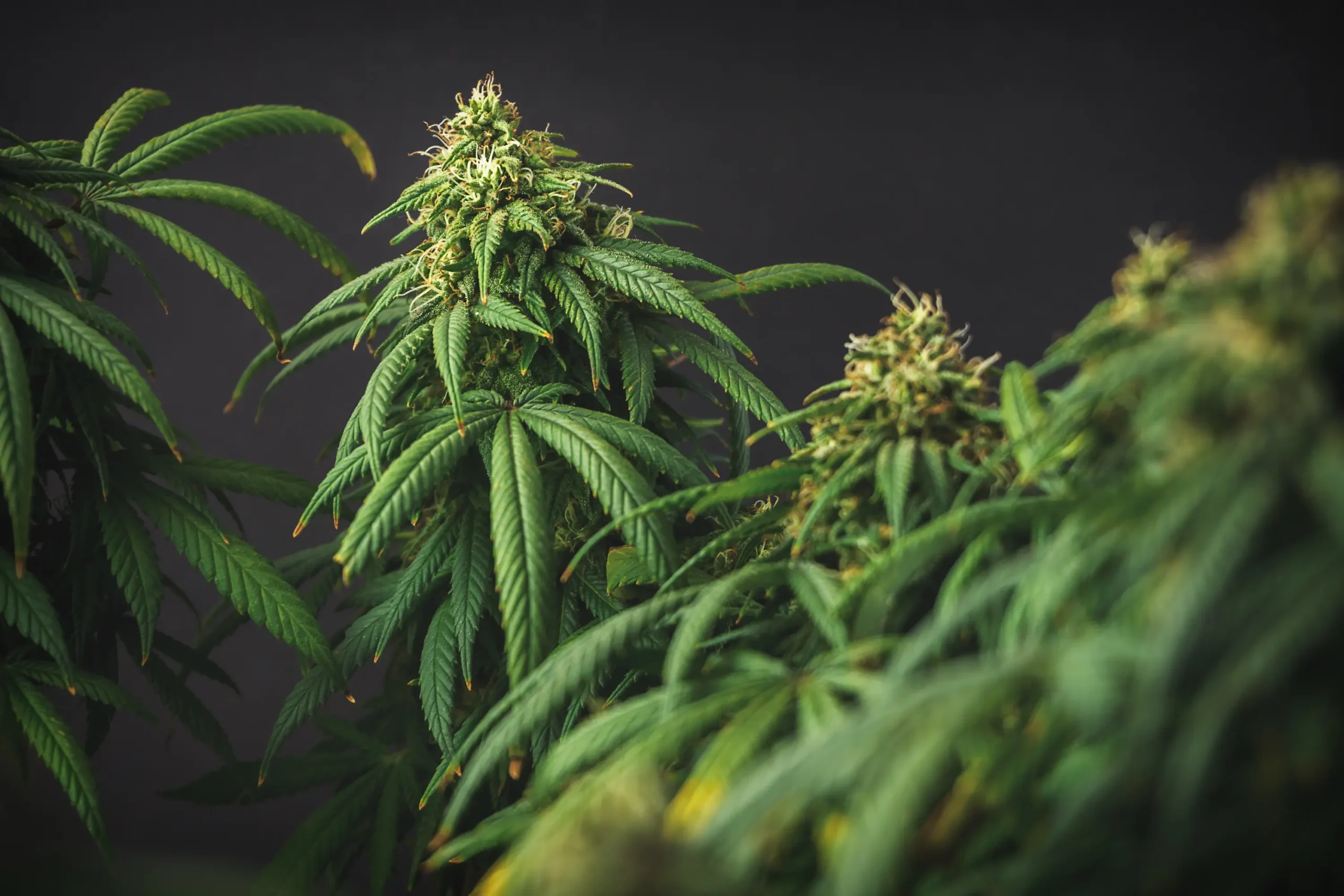
OG Kush
OG Kush strain is a heritage hybrid whose lemon-pine-fuel character and dense, resin-rich flowers reward close attention from canopy work through curing. It is usually described as indica-leaning, but the clone-family history matters: phenotype, lab profile and even market labeling can vary widely. This guide keeps that variability visible while giving you the practical details that shape the finished flower.
Strain Features
When observing a mature OG Kush specimen in late vegetative growth, the distinctive morphological markers of the cultivar are instantly apparent to experienced agronomists. The foliage displays a vibrant jade pigmentation with slender-to-medium leaf fingers that demonstrate its hybrid heritage, balancing broad indica leaflets with elongated sativa serrations. Internodal spacing is notably wide compared to conventional broadleaf cultivars, requiring early strategic topping and apical pinching to encourage lateral bud sites rather than vertical stem runaway. As flower onset commences, the calyx structure forms tight, conical clusters that stack in golf-ball-sized nodules along the stems. The bract surfaces become completely enveloped in capitate-stalked glandular trichomes, creating a frosted, crystalline appearance that contrasts strikingly against pale green floral tissues and fiery copper pistils.
| Feature | Details |
|---|---|
| Feature | Details |
| Genetic Profile | Hybrid; usually described as indica-leaning, though phenotype expression is variable and market labeling is inconsistent |
| Lineage | Commonly reported as Chemdawg × Lemon Thai × Hindu Kush or Pakistani Kush influence; exact lineage remains unverified and disputed |
| THC Content | Commonly reported in the high range; market descriptions often place it around 18 to 26% THC, while one cured-flower COA measured 25.83% total THC; exact range is phenotype- and lab-dependent |
| CBD Content | Typically trace or very low; one cured-flower COA measured 0.05% total CBD |
| Origin | Early-1990s Florida-to-California origin story is widely repeated, but the historical record is not definitive |
| Flowering Time | Usually about 8 to 9 weeks indoors; some listings report roughly 56 days |
| Yield | Medium to moderate; improves with canopy management rather than extreme stretch |
| Plant Height | Medium, with moderate stretch; larger when root space is generous and plants are not confined |
| Grow Difficulty | Moderate to difficult because quality depends heavily on canopy control, airflow, and humidity discipline |
| Aroma & Flavor | Lemon zest, pine resin, earth, fuel, spice, and hashy depth |
| Dominant Terpenes | Myrcene, limonene, and β-caryophyllene are repeatedly reported as the leading trio |
| Medical Uses | Commonly chosen by users for stress, pain, appetite support, and evening relaxation; clinical efficacy is not strain-specific and remains user-dependent |
| Best Time of Use | Late afternoon to evening; heavier phenotypes and later harvests can push it into nighttime use |
| Grow Style Suitability | Indoor SCROG or SOG, dry outdoor climates, larger containers, and setups that prioritize airflow and support for dense tops |
Genetic Lineage
The historical tapestry of OG Kush represents one of the most transformative lineages in modern cannabis breeding. Emerging from the clandestine cultivation circles of Southern California and Northern Florida during the early 1990s, the precise filial origins of the cultivar remain an enthralling subject of botanical lore. The widely accepted genealogical consensus anchors the plant in a cross between Chemdawg and an indigenous Hindu Kush landrace, mediated through an accidental or serendipitous pollination involving an authentic Lemon Thai specimen. This intricate genetic trifecta bestowed upon OG Kush an extraordinary chemical diversity, fusing the sharp fuel and solvent overtones of Chemdawg with the heavy, resinous myrcene profile of the Hindu Kush mountains, while the Lemon Thai parent contributed soaring cerebral clarity and lingering citrus notes. In commercial cultivation facilities across Humboldt County, California and the Rogue Valley of Oregon, mother plants maintained across decades continue to exhibit the iconic serpentine nodal stretching and calyx-to-leaf ratios that define authentic West Coast heirlooms.
Phenotypic variation within early seed stocks gave rise to legendary regional selections, including the SFV OG cut, Tahoe OG, Ghost OG, and Larry OG. Each specific phenotype captures a distinct branch of the genetic architecture, modulating the balance between fuel-heavy monoterpenes and dense, sedating sesquiterpenes. When analyzed in state certified testing laboratories, genuine OG Kush accessions consistently demonstrate high concentrations of beta-caryophyllene and limonene alongside appreciable levels of alpha-pinene. This distinct chemical signature serves as a biochemical fingerprint, distinguishing true heritage cuts from modern polyhybrid crosses that bear the OG nomenclature without possessing its characteristic growth architecture and pungent terpene envelope.
OG Kush is one of the most influential modern cannabis cultivars, but its lineage is still not fully documented. The most widely repeated origin story places its early development in Florida in the early 1990s before it moved west and became foundational in California, while the most common parentage claim is some version of Chemdawg crossed into a Lemon Thai and Kush background. Even that pedigree is better understood as a persistent industry narrative than a closed historical fact.
That uncertainty matters because OG Kush is not one perfectly uniform thing in the market. A widely cited genotype analysis from Phylos identified a large OG Kush clone group of genetically identical samples that had been circulating under many different names, while a later Frontiers study found that some “OG Kush” samples were genetically identical or closely related and others were clear outliers. Separate genetic work on strain reliability has also shown that cannabis names do not always map neatly to consistent genetics across sellers. For this profile, that means OG Kush should be profiled as a heritage clone family with real phenotype drift and naming inconsistency, not as a single chemically fixed object.
In practical grow terms, that explains why OG Kush is often described as both moderately stretchy and fairly compact, or both balanced and indica-leaning. Leafly’s strain notes describe four phenotypes, three with more sativa influence and one more indica-like, which aligns with the broader picture of a cultivar family that can swing between brighter lemon-fuel expression and denser, more body-forward Kush expression.
Originating in Florida in the early 1990s before achieving international fame in Southern California, OG Kush is the undisputed genetic patriarch of modern Western cannabis. Developed by Matt “Bubba” Berger and JoshD, the genetic foundation of OG Kush was born from an accidental pollination pairing an elite Northern California cut of Chemdawg with an exotic, resinous male hybrid of Lemon Thai and heirloom Hindu Kush. This fortuitous union created a cultivar with an unprecedented concentration of volatile fuel hydrocarbons, piercing lemon-pine terpenes, and staggering cannabinoid potency.
The genetic architecture of OG Kush displays characteristic “vine-like” hybrid traits: slender, sprawling lateral branches with wide internodal spacing, deep forest-green fan leaves, and dense, golf-ball-sized calyx clusters encrusted in thick crystalline resin heads. OG Kush became the genetic parent of countless modern dynasties, including Girl Scout Cookies, Headband, Tahoe OG, SFV OG, and modern Gelato hybrids.
Effect Breakdown
The neurochemical impact of OG Kush is distinguished by a dual-phase kinetic profile that bridges rapid cerebral stimulation with profound neuromuscular relaxation. Upon inhalation, the vaporized aerosol delivers high concentrations of tetrahydrocannabinol along with lipophilic terpenes directly across the blood-brain barrier. The initial phase manifests within ninety seconds as a localized cranial pressure centered behind the ocular orbits and across the frontal cortex. Cultivators and consumers frequently characterize this sensation as an immediate sensory sharpening, wherein visual contrasts become subtly pronounced and mental clutter dissipates into focused present-moment awareness. The uplifting cerebral onset is primarily modulated by the synergistic activity of limonene and alpha-pinene, which enhance focus and counteract excessive acute cognitive fog.
As the session progresses past the forty-minute mark, the secondary kinetic wave begins to assert physiological dominance. The systemic circulation of beta-caryophyllene interacts with peripheral cannabinoid type 2 (CB2) receptors throughout musculoskeletal tissues, initiating a cascade of tension release from the trapezius muscles downward through the lumbar spine. Breath rate naturally stabilizes into rhythmic diaphragmatic breathing, and involuntary muscular tension dissipates into heavy, soothing somatic equilibrium. When consumed in higher dosages or through concentrated extracts, the elevated levels of myrcene and linalool facilitate transition into deeply restorative sedation, making late-evening administration the optimal operational window for individuals seeking uninterrupted restorative rest.
OG Kush is best understood as a two-stage hybrid experience. The opening phase is usually cerebral and fast enough to feel noticeable early: uplifted mood, a looser social edge, and a distinct mental brightening that is more euphoric than jittery when the dose is controlled. Later, the body side arrives with more authority, bringing muscular release, physical heaviness, and a calm that can stay functional at moderate intake but can turn drowsy or couch-leaning when potency or dosage rises.
That arc is one reason OG Kush has remained so durable culturally. It does not behave like a one-note sedative, but it also does not stay purely heady for long. The best cuts tend to move from mentally lifted to physically settled, which is why late afternoon and evening use makes the most sense for most consumers. THC-sensitive users should be more cautious than the friendly onset suggests, because the later body load can build after the first euphoric layer.
Consuming authentic OG Kush initiates a powerful, instantaneous rush of heavy cerebral euphoria that sweeps across the forehead and temples within seconds of the first draw. Mental clutter dissolves into tranquil, cheerful stillness, while sensory perception becomes pleasantly heightened. As the cannabinoid surge circulates through the bloodstream, the Hindu Kush indica heritage asserts itself, sending deep somatic waves of physical relaxation down the spine, melting away muscular knots and tension.
| Phase & Time Window | Mental & Emotional State | Physical & Somatic Sensation | Ideal Setting & Pairing |
|---|---|---|---|
| The Kush Flash (0 to 15 Minutes) | Instant cerebral elevation, sensory sharpening, high-voltage creative energy | Facial warmth, temple tingling, immediate release of shoulder tension | Evening relaxation, casual gaming, listening to loud rock music |
| The Fuel Cruise (15 to 60 Minutes) | Expansive conversation, joyful euphoria, motivated analytical focus | Heavy limb feeling, deep muscle relaxation, eyelid weight | Cozy lounging, streaming movies, light conversation |
| The Somatic Anchor (60 to 120 Minutes) | Profound mental stillness, subdued executive function, strong appetite surge | Total somatic couchlock, deep chronic pain relief, heavy body stone | Late-night comfort dining, restorative stretching, quiet reading |
| The Deep Slumber (120+ Minutes) | Peaceful drowsiness, mental tranquility, natural transition to sleep | Full-body sleep pressure, prolonged physical ease, slow respiration | Bedtime routine, blackout curtains, restorative overnight sleep |
Testing with consistent THC concentrations between 22% and 28% with low CBD, OG Kush is a heavyweight medical cultivar. It delivers profound, long-lasting relief for chronic musculoskeletal pain, severe neuropathic discomfort, tension migraines, and persistent insomnia.
Flavor & Aroma Profile
The organoleptic presentation of OG Kush is a masterclass in pungent complexity, defined by an unmistakable aroma that cannabis aficionados instantly recognize across an entire cultivation facility. Freshly harvested and cured colas exude an aggressive olfactory blast characterized by sour lemon peel, high-octane hydrocarbon fuel, crushed pine needles, and damp forest loam. When raw flowers are gently handled or ground between fine teeth, the disruption of glandular trichome heads releases volatile thiol compounds and sulfur-containing esters that generate an almost caustic skunk pungency. This volatile vapor profile saturates room ambient air within seconds, exhibiting extreme persistence due to the heavy molecular weight of its underlying sesquiterpene matrix.
On the palate, vaporized OG Kush delivers an exceptionally layered flavor progression. The initial draw across heated ceramic or clean quartz glass highlights bright citrus zest and sharp petroleum solvent notes that coat the tongue and palate. As vapor transitions through mid-inhalation, the profile deepens into spicy cracked black pepper, fresh cedar shavings, and earthy forest floor nuances. The exhale leaves a clinging aftertaste of charred wood, sharp diesel fuel, and lingering sweet pine resin that remains perceptible for several minutes. When burned cleanly in organic unbleached paper, the cultivar burns down to brilliant white-gray ash with a pronounced resin ring forming immediately behind the ember, signifying meticulous flushing, complete mineral conversion, and optimal resin maturity.
A good OG Kush jar should open with lemon peel over damp earth, pine resin, and a fuel-like undercurrent rather than with overt sweetness. When the flower is broken apart, the nose usually deepens: more spice, more hashy warmth, and a darker earthy base beneath the sharper citrus. On the inhale, the profile often feels lemon-pine first and earth-fuel second; on the exhale, the peppery and resinous Kush character usually becomes more obvious.
OG Kush is also unusually dependent on post-harvest discipline. Warm or rushed drying can flatten the top end first, especially the clearer lemon and pine notes that depend on more volatile terpene fractions. Current reviews on cannabis aroma and secondary terpenes consistently note that post-harvest handling changes terpene profiles and that excessive heat during drying and curing can cause significant losses, especially among volatile monoterpenes. For OG Kush specifically, that means poor drying does not merely soften the aroma; it can collapse the strain’s signature contrast between bright citrus top notes and dark fuel-earth depth.
Dominant Terpenes
Analytical chromatography performed on mature OG Kush floral tissues reveals a terpene profile dominated by beta-caryophyllene, limonene, and myrcene, supplemented by notable quantities of alpha-humulene, linalool, and alpha-pinene. Beta-caryophyllene acts as the anchoring sesquiterpene, providing the characteristic woody spice and acting as a non-psychoactive dietary cannabinoid that directly binds to peripheral CB2 receptors to mediate anti-inflammatory responses. Limonene provides the sparkling citrus clarity and acts as a lipophilic penetration enhancer, optimizing the bio-absorption of adjacent phytocannabinoids through mucosal tissues. Myrcene contributes the earthy musk and functions as a synergistic neuromodulator, promoting central nervous system relaxation and enhancing cellular membrane permeability.
The secondary terpene fraction plays an equally crucial role in shaping the therapeutic entourage effect. Alpha-humulene works in tight pharmacological concert with beta-caryophyllene to suppress acute inflammatory signaling pathways while curbing transient appetite stimulation. Linalool contributes delicate floral lavender undertones that enhance gamma-aminobutyric acid (GABA) receptor activity in cerebral neural pathways, generating anxiolytic relief without synthetic sedatives. Alpha-pinene acts as a biochemical acetylcholinesterase inhibitor, preserving neurotransmitter concentrations associated with short-term memory recall and respiratory bronchodilation. This finely balanced chemical consortium explains why whole-plant botanical preparations of OG Kush produce markedly richer physiological effects than isolated cannabinoid concentrates.
Batch-level lab data support the common view that OG Kush is usually led by myrcene, limonene, and β-caryophyllene. One cured-flower COA measured β-myrcene at 0.90%, limonene at 0.50%, and β-caryophyllene at 0.49%, while a separate OG Kush concentrate COA showed the same three compounds in the same leading order, just at higher total terpene concentration because of the product format. That consistency does not mean every market sample will match exactly, but it does support the classic OG profile.
Myrcene gives OG Kush much of its earthy, musky, and body-centered weight. Reviews of β-myrcene describe it as a terpene associated with spicy, earthy, and musky scent notes, which fits the darker lower register of OG Kush especially well. When an OG reads more “earth and pressure” than “citrus and sparkle,” myrcene is usually a big reason why.
Limonene is what keeps OG Kush from becoming muddy. It contributes the lemon-zest lift that defines the opening nose and helps explain why many users describe the initial phase as brighter and more mood-lifting than a purely narcotic indica. Reviews of cannabis terpenes consistently associate limonene-rich profiles with citrus aroma and anti-stress or uplifting potential, though effect claims remain mostly preclinical and should be treated cautiously.
β-Caryophyllene adds the peppery, woody, hashy backbone that makes OG Kush feel distinctly “Kush” rather than simply lemony. It is the terpene that often turns a clean citrus nose into a lemon-spice-fuel profile. Reviews also note β-caryophyllene’s unusual pharmacological interest because it is being studied for anti-inflammatory and analgesic roles, which is part of why OG Kush is often discussed in the context of body comfort.
Chemical profiling confirms OG Kush is dominated by a heavy concentration of Myrcene, providing deep somatic relaxation and rich earthy undertones. Limonene constitutes the second most abundant terpene, elevating mood and delivering bright citrus fuel notes. Beta-Caryophyllene provides foundational peppery warmth and binds with peripheral CB2 receptors to reduce bodily inflammation, while Alpha-Pinene and Humulene deliver crisp pine needles, wood resin, and anti-inflammatory support.
Indoor vs. Outdoor Growing
Indoor cultivation of OG Kush demands strict environmental discipline, advanced canopy management, and robust horticultural hygiene. Because the plant exhibits an aggressive stretch of two hundred percent during the first three weeks of photoperiod transition, indoor growers must employ double-tiered trellising and continuous low-stress branch training to establish an even canopy. In high-efficiency sealed rooms utilizing full-spectrum ceramic metal halide or state-of-the-art light-emitting diode fixtures, photosynthetically active radiation should be dialed to 900 to 1,050 micromoles per square meter per second during peak floral expansion. Supplementing carbon dioxide at 1,100 to 1,200 parts per million allows the cultivar to assimilate maximum photon flux without suffering photoinhibition. Dehumidification systems must be engineered to remove heavy transpiration loads, maintaining relative humidity at fifty-five percent in early bloom and stepping down to forty-two percent during the final finishing flush.
Outdoor cultivation of OG Kush reaches its zenith in temperate Mediterranean climates featuring low late-autumn humidity and prolonged sun exposure, such as Northern California valleys and Southern Oregon hillsides. When planted in 200-gallon fabric smart pots or deeply amended native soil beds enriched with composted forest bark, worm castings, and basalt rock dust, single specimens can develop into massive eight-foot bushes yielding up to two kilograms of cured flower. Outdoor growers must construct sturdy wooden or welded-wire cages to support the heavy, flexible branches as dense floral clusters accumulate substantial mass. In regions prone to early autumn rainstorms, protective high tunnels or clear poly greenhouse covers are essential to protect the dense colas from botrytis cinerea during the late October harvest window.
| Aspect | Indoor Growing | Outdoor Growing |
|---|---|---|
| Aspect | Indoor Growing | Outdoor Growing |
| Plant Size | Easier to keep medium and controlled; moderate stretch responds well to training | Can become larger when root space is unrestricted |
| Best Climate | Flowering rooms with disciplined humidity and strong airflow | Dry, sunny regions with low late-flower humidity |
| Flowering and Finish | Usually 8 to 9 weeks indoors | Commonly finishes around early October in suitable Northern Hemisphere climates |
| Yield Pattern | Moderate, but quality and consistency are strong with SCROG or SOG | Medium to strong when climate is dry and plants are allowed to size up |
| Main Risk | Powdery mildew and bud rot if canopy stays crowded | Moisture pressure from humidity, dew, or rain near finish |
| Best Strategy | Prune inner canopy, spread tops, support heavy flowers, keep bloom RH low | Give plants space, avoid confined root volume, protect against late moisture |
OG Kush is not difficult because it is wild or uncontrollable. It is difficult because it will happily produce dense, desirable flower while quietly punishing sloppy environmental management. Morphologically, it sits in the middle: not as short and squat as a pure broadleaf indica, not as rangy as a true Haze-type plant. Expect medium height, moderate stretch, sturdy lateral growth, and flowers that can become heavy enough to need support.
Cultivated outdoors under the direct sun, OG Kush transforms into an expansive, sprawling resin factory. It exhibits outstanding performance in warm, semi-arid continental and Mediterranean climates like the Rogue Valley of southern Oregon, the Okanagan Valley in British Columbia, and California northern interior valleys.
Due to its sprawling lateral branches and heavy resin-soaked colas, outdoor plants require heavy-duty staking and multi-tiered horizontal trellising. The cultivar typically matures between early and mid-October in the northern hemisphere, producing upwards of 800 to 1,300 grams per plant of pungent, grade-A medicinal flower when grown in deep living soil mounds.
Strain-Specific Grow Guidance
| Stage of Growth | Day / Week Timeline | Target Temperature & RH | Target PPFD & Photoperiod | Target EC & Runoff pH | Specific Agronomic Tasks |
|---|---|---|---|---|---|
| Cloning / Rooting | Days 1 to 14 | 76°F to 80°F | 70% to 78% RH | 150 to 250 µmol/m²/s | 18/6 light | 0.8 to 1.1 EC | 6.0 to 6.3 pH | Rapid root initiation, misting with mild kelp extract, gentle bottom heat |
| Early Vegetative | Weeks 3 to 4 | 78°F to 82°F | 62% to 68% RH | 400 to 550 µmol/m²/s | 18/6 light | 1.3 to 1.6 EC | 6.2 to 6.5 pH | Top above the 4th node, low-stress train side branches, apply foliar silica |
| Late Vegetative | Weeks 5 to 6 | 76°F to 80°F | 58% to 65% RH | 600 to 750 µmol/m²/s | 18/6 light | 1.6 to 1.9 EC | 6.3 to 6.6 pH | Install primary trellis netting, prune lower inward suckers, check root zone |
| Floral Transition | Weeks 7 to 8 (Bloom 1 to 2) | 75°F to 79°F | 52% to 58% RH | 750 to 850 µmol/m²/s | 12/12 light | 1.9 to 2.2 EC | 6.3 to 6.6 pH | Manage aggressive 2.2x stretch, weave shoots into trellis, supplement calcium-magnesium |
| Peak Floral Bulking | Weeks 9 to 11 (Bloom 3 to 5) | 74°F to 78°F | 46% to 52% RH | 850 to 950 µmol/m²/s | 12/12 light | 2.1 to 2.4 EC | 6.4 to 6.7 pH | Day 21 defoliation, provide organic PK bloom fertilizer, increase airflow |
| Resin Maturation | Weeks 12 to 14 (Bloom 6 to 8) | 70°F to 74°F | 42% to 46% RH | 750 to 850 µmol/m²/s | 12/12 light | 1.5 to 1.8 EC | 6.4 to 6.8 pH | Day 42 leaf cleanout, drop night temps to 64°F, inspect trichome heads |
| Flush & Harvest | Weeks 15 to 16 (Bloom 9 to 10) | 66°F to 70°F | 38% to 42% RH | 500 to 650 µmol/m²/s | 12/12 light | 0.3 to 0.6 EC | 6.3 to 6.7 pH | Flush with clean RO water, check trichome amber percentage (15% to 25%), harvest |
Weedth Bud Flavor Tips
OG Kush is one of those cultivars that makes drying errors obvious. If the room is too warm, too dry, or moving air too aggressively, the flower may still test strong and still look attractive, but the signature lemon-pine-fuel complexity starts to collapse into flatter earth and generic Kush. Cannabis post-harvest reviews consistently describe drying as the most important post-harvest operation for quality preservation, and multiple recent papers note that volatile terpenes, especially monoterpenes, are highly sensitive to post-harvest conditions.
For OG Kush, the big practical target is a cool, dark, gradual dry. Current horticultural guidance commonly recommends roughly 15 to 20°C and around 55 to 65% RH for about 7 to 14 days, followed by curing, and that advice lines up with the scientific direction of the literature even though cultivar-specific optimization is still being refined. Research also shows that terpene losses can continue during storage and curing if conditions are poor, so “slow” only helps when it is also stable and clean.
A multi-week cure is especially worthwhile with OG Kush. The cultivar’s flavor is not just about raw terpene volume; it is about balance. With a proper cure, the sharper green edge drops away, the inhale smooths out, and the peppery caryophyllene spine starts to sit more naturally under the lemon top notes. If a finished jar smells earthy but not expressive, the failure was often not in the genetics but in the dry or cure.
Weedth Bud Boost Tips
If the goal is better OG Kush flower rather than merely more OG Kush flower, the best boost comes from architecture and finish quality. SCROG works because it spreads tops into a flatter light plane and reduces wasted lower growth. SOG works because OG Kush can still return strong flower in compact form if the room is clean and airflow is constant. Both methods are better suited to this cultivar than simply letting one large, leafy plant become overpacked.
Root freedom also matters. One of the most useful short notes on OG Kush from current strain descriptions is that it tends to perform better when “not confined to pots,” which is another way of saying it likes enough root room to express vigor without being forced into stress. Outdoors, that can mean larger holes or beds; indoors, it means finishing the plant in a container that is large enough to support dense bloom without watering volatility every few hours.
The other yield booster is support. OG Kush flowers can get heavy and dense enough to sag or twist branches late, particularly under strong indoor lighting. This is not just a cosmetic problem. Better support improves light exposure, reduces rubbing damage, and helps preserve air gaps between mature flowers. On this cultivar, staking or net support is part of quality control as much as yield management.
Reading the Jar After the Cure
The first opening tells you where the process landed. Bright lemon peel and pine should arrive before the darker earth, fuel and pepper notes; if the jar only reads as flat earth, the flower may have lost its volatile top end during drying or warm storage. Give a young cure time before judging it, but do not mistake a stale, muted jar for a phenotype trait.
Texture matters too. Properly finished OG Kush should break apart without feeling wet at the core or turning instantly to dust. That middle ground gives the smoke a better chance to show the layered resin-and-citrus contrast that makes the cultivar distinctive. If a jar needs frequent opening to manage excess moisture, slow down and stabilize the cure before sealing it for longer storage.
Managing Calcium and Magnesium Demands: Authentic OG Kush is notoriously hungry for bioavailable calcium and magnesium under modern LED fixtures delivering 800+ PPFD. Deficiencies typically manifest as interveinal chlorosis and rusty necrosis on middle fan leaves during weeks three through six of flower. Supplementing with organic cal-mag formulations, crushed oyster shell flour, and foliar magnesium sulfate ensures lush green photosynthetic capacity through peak flower.
Sulfur Volatile Boosting: To maximize the synthesis of OG Kush’s signature caustic fuel and skunk volatiles, provide adequate bioavailable sulfate in your nutrient formulation during mid-flower. Supplementing with potassium sulfate and Epsom salt fuels the cysteine and methionine enzyme pathways that synthesize volatile sulfur compounds.
Silica Fortification & Cell Wall Lignification: Supplying bioavailable monosilicic acid at a concentration of forty to sixty parts per million throughout the vegetative cycle dramatically improves mechanical stem strength for OG Kush. Silicon deposits directly into the apoplast of plant cells, creating a rigid silicate matrix that reinforces cell walls, prevents branch lodging under heavy bud weight, and establishes a physical defense barrier against piercing insects such as thrips, aphids, and fungus gnats.
Living Soil Mycorrhizal Colonization: In living soil setups, inoculating rooted cuttings with endomycorrhizal fungi (Glomus intraradices) creates a symbiotic hyphal network that extends far beyond the root tips. This fungal web solubilizes bound phosphorus, iron, and zinc, delivering them directly to the plant in exchange for simple plant carbohydrates, resulting in accelerated floral initiation and substantial secondary metabolite production.
VPD Trajectory & Microclimate Aeration: Balancing temperature and relative humidity according to a targeted Vapor Pressure Deficit (VPD) ensures uniform nutrient uptake without moisture stress. Maintain a vegetative VPD between 0.9 and 1.1 kPa (78°F to 81°F and 62% to 68% relative humidity). Upon transition to peak flower, systematically elevate VPD to 1.35 to 1.5 kPa (74°F to 78°F and 44% to 52% relative humidity) to stimulate transpirational pull while eliminating localized pockets of stagnant air that could harbor mold spores.
Slow Drying & Terpene Preservation: Post-harvest handling dictates over half of the final sensory quality. Whole-plant hang drying in a climate-controlled room strictly maintained at 60°F (15.5°C) and 60% relative humidity for twelve to sixteen days allows starches and chlorophyll to degrade through natural enzymatic action without sacrificing volatile monoterpenes. Curing the trimmed flowers in airtight glass jars or food-grade stainless steel cure vaults at 62% relative humidity for four to six weeks permanently rounds out the smoke, ensuring exceptional smoothness and aromatic intensity.
How can I support sprawling OG Kush lateral branches and prevent calcium-magnesium deficiencies under high-intensity LEDs?
Question sent by: Brett Holloway, via Discord
Authentic OG Kush has a naturally vine-like, sprawling branch architecture and an immense appetite for bioavailable calcium and magnesium. To support its heavy floral clusters, install a double-layer trellis system: place the first layer ten inches above the pots during vegetative growth and install the second layer twenty inches above the pots upon flipping to 12/12 bloom. Weave branches horizontally through the lower grid to distribute apical dominance across eight to twelve primary colas. To prevent cal-mag deficiencies under intense LED lighting, amend your living soil with dolomitic limestone and gypsum, and supplement with organic cal-mag containing two percent chelated iron at every feeding through week six of flower.
Medical Uses & Benefits
Within clinical herbalism and integrative patient care protocols, OG Kush is widely regarded as a premier botanical option for managing refractory neuropathic discomfort, nocturnal sleep disturbances, and chronic psychological stress. The high concentration of beta-caryophyllene provides potent systemic anti-inflammatory action by downregulating pro-inflammatory cytokine expression across vascular and joint tissues. Patients presenting with osteoarthritis, degenerative disc disease, and spinal canal stenosis frequently report noticeable reductions in somatic stiffness and nerve pain within twenty minutes of vaporization. The gradual somatic relaxation helps reduce muscle spasms and nocturnal cramping, allowing patients to maintain comfortable physical posture throughout the evening.
From a behavioral health perspective, the strain provides targeted therapeutic utility for individuals navigating post-traumatic stress, generalized anxiety disorder, and chronic burnout. The presence of limonene and linalool acts synergistically to modulate hypothalamic-pituitary-adrenal (HPA) axis reactivity, reducing circulating cortisol levels and attenuating repetitive circular thinking. Patients struggling with appetite suppression secondary to pharmacological interventions or chronic gastrointestinal inflammation experience substantial orexigenic stimulation, making it easier to consume wholesome nutrient-dense meals. Clinical practitioners advise novice patients to initiate therapy with microdosed inhalations, allowing fifteen minutes to evaluate somatic tolerance before titrating upward.
OG Kush is often chosen by medical or wellness-oriented users for stress, pain, appetite loss, and sleep support, but those use cases should be described carefully. Clinical evidence is not strain-specific in the way marketing language often implies, and real-world response depends on dose, route of administration, tolerance, and chemotype variation. What can reasonably be said is that OG Kush combines THC-rich flower with a recurring myrcene-limonene-caryophyllene backbone, and users commonly report a mixture of mood lift, physical ease, appetite stimulation, and later-stage relaxation.
That makes it plausible as an evening option for people seeking decompression rather than stimulation. Lower doses may feel socially warm and emotionally lighter; higher doses can become much more body-heavy and sleep-adjacent. THC-sensitive users, especially those prone to anxiety, should approach carefully because the cultivar is potent and market samples labeled “OG Kush” are not always chemically identical.
Ideal User Profile
OG Kush fits best for the consumer who wants a classic full-spectrum hybrid experience: clear enough to feel alive at the start, heavy enough to genuinely settle the body afterward. It suits late-day use, shared sessions, end-of-work decompression, and users who prefer layered lemon-pine-fuel flower over candy-forward modern profiles.
It is less ideal for people who want a bright all-day focus strain or for complete beginners who equate “hybrid” with “easy.” OG Kush often feels approachable in the first phase and then becomes substantially heavier later, which can surprise users who dose too quickly. The best audience is someone who appreciates old-school Kush depth and is willing to respect potency.
Clinical Cannabinoid Synergies for Severe Neuropathic Discomfort: Patients contending with intractable peripheral neuropathy, fibromyalgia, or post-surgical nerve hypersensitivity find profound therapeutic efficacy in OG Kush’s specific chemical composition. The high concentration of THC (frequently exceeding 26%) works in synergy with significant levels of beta-caryophyllene, which binds selectively to peripheral cannabinoid type 2 (CB2) receptors. This mechanism attenuates inflammatory cytokine signaling pathways, decreasing the release of pro-inflammatory interleukins and tumor necrosis factor-alpha (TNF-alpha) in afflicted nerve fibers.
Stress Decompression and Somatic Downregulation: Chronic psychological stress and sympathetic nervous system overdrive lead to elevated evening cortisol levels and sleep onset latency. OG Kush’s heavy, soothing cannabinoid profile induces rapid downregulation of the sympathetic nervous system, shifting the body into a restorative parasympathetic state. This transition allows patients battling chronic anxiety, insomnia, and hyper-vigilance to experience tranquil mental stillness and uncompromised sleep quality.
Grower Notes and Feedback
Growers who have run OG Kush across multiple harvest cycles uniformly emphasize the critical importance of rhizosphere oxygenation and precise nutrient electrical conductivity. In automated drip irrigation setups using coarse coco coir or stonewool slabs, maintaining an irrigation electrical conductivity of 1.8 to 2.2 millisiemens per centimeter prevents salt accumulation while delivering sufficient macro elements during peak flower development. The root system is particularly sensitive to root-zone hypoxia; ensuring thirty percent dryback between irrigation events fosters robust root hair expansion and prevents pythium outbreaks. Feedback from large-scale cultivation directors highlights that light penetration into the mid-canopy is essential to avoid loose or underdeveloped lower buds, making rigorous lollipop pruning at day twenty-one of flower standard operational practice.
What shows up again and again in OG Kush grow coverage is not explosive yield but high-grade flower when the room is dialed in. Growers value it because the cultivar carries serious bag appeal, recognizable aroma, and broad genetic influence. They complain about it for almost the same reasons: it can be mildew-prone, it punishes high humidity, it asks for training, and it tends to reveal post-harvest mistakes very clearly.
The most realistic summary is that OG Kush is not a beginner disaster, but it is also not an autopilot plant. It tolerates strong cultivation, yet it rewards precision much more than force. If a grower likes tuning environment, canopy shape, drying pace, and final smoothness, OG Kush is satisfying. If the goal is maximum grams with minimal thinking, there are easier modern choices.
Canopy Trellising for Heavy Colas: OG Kush develops sprawling lateral branches that produce heavy, resin-drenched buds. Installing a double-layer trellis netting system early in flower provides the structural support needed to keep the heavy colas upright and prevents branch lodging.
Curing for Maximum Kerosene Pungency: Once the flowers have completed their fourteen-day hang-dry at 60°F and 60% relative humidity, cure the trimmed buds in airtight glass jars stored in a cool, dark environment at 58°F. Venting the jars daily for the first three weeks stabilizes the fuel and ammonia aromatics, allowing the pungent room-filling bouquet to intensify over time.
Cellular Osmoprotection & Heat Dissipation Protocols: Under intense commercial high-pressure sodium and diode lighting arrays exceeding 950 PPFD, OG Kush transpires at an elevated rate due to its vigorous Chemdawg and Hindu Kush heritage. Supplementing with pure glycine betaine and cold-water kelp extract (Ascophyllum nodosum) during weeks two through five of bloom enhances cellular osmoprotection. Glycine betaine serves as a compatible intracellular osmolyte, protecting thylakoid membranes within plant chloroplasts and preventing thermal stress even when canopy surface temperatures reach 82°F under peak illumination.
Sulfur Volatile Precursor Feeding: The signature caustic fuel and pungent lemon-pine funk of OG Kush, dominated by raw kerosene, rotting gas, and spicy earth, relies directly on the plant’s capacity to synthesize volatile sulfur compounds (VSCs). Supplying pure elemental sulfur through living soil amendments, alongside balanced potassium sulfate and Epsom salt (magnesium sulfate) drenches during early to mid-flower, provides the biological building blocks required for cysteine and methionine enzyme synthesis. These amino acids act as direct metabolic precursors to the prenylated mercaptans responsible for the cultivar’s legendary room-filling stench.
Far-Red Photoperiod Sunset Signaling: In indoor controlled environments, implementing a ten-minute far-red (730 nm) lighting pulse immediately following the main photoperiod shutdown rapidly converts active phytochrome (Pfr) into inactive phytochrome (Pr). This natural biological signaling protocol mimics twilight at sunset, accelerating the plant’s nighttime hormone cascade, stimulating auxin translocation, and promoting rapid calyx expansion across secondary branches without inducing excessive stem stretching.
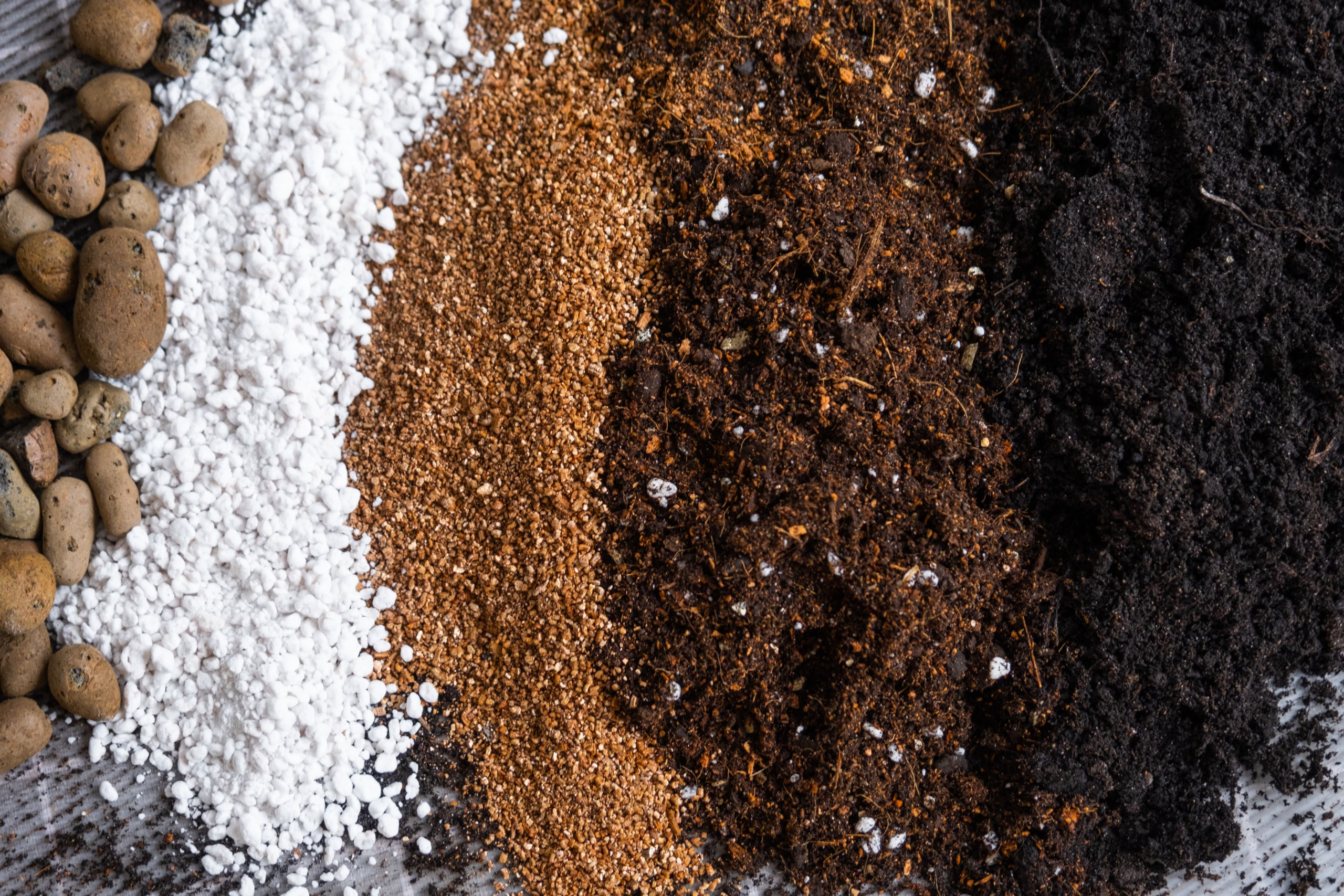
Root-Zone Oxygenation and Substrate Porosity: In soilless coco or living soil containers, OG Kush’s root network demands high air-filled porosity to support heavy secondary resin head synthesis. Incorporating 35% coarse horticultural pumice, chunky perlite, or rice hulls prevents substrate compaction during repeated heavy irrigations. Maintaining dissolved oxygen levels above 8.5 parts per million in liquid fertigation lines prevents hypoxic root zones, encourages vigorous root hair expansion, and ensures optimal cation uptake across all floral phases.
Cellar Vault Curing & Terpene Retention: Once whole plants have completed their fourteen-day hang-dry at 60°F and 60% relative humidity, the trimmed floral colas must be cured in airtight stainless steel vaults or darkened glass vessels. Regulating the internal container humidity at 62% using two-way humidity regulator packs and venting briefly once daily for the initial three weeks stabilizes volatile monoterpenes like limonene and myrcene while allowing the heavy sesquiterpenes and fuel volatiles to mature into a velvety, umami-rich bouquet.
Weedth Editor’s Note
Cultivating authentic cuts of OG Kush over the past two decades has taught me that this plant forgives almost nothing yet rewards diligence like few others. In my own sealed living soil grow room, I maintain an environment calibrated to 78 degrees Fahrenheit during the photoperiod with canopy leaf surface temperatures hovering right around 75 degrees under 950 PPFD LED arrays. At night, I step temperatures down to 68 degrees while dialing relative humidity down to 45 percent during the final three weeks. The biggest hurdle with true OG cuts is their ravenous appetite for calcium and magnesium during week four and five of bloom; if your substrate buffering falls behind, leaf margins immediately develop necrotic spotting that cannot be reversed. I amend my soil mix with pulverized dolomite lime and volcanic basalt rock dust well before transplanting to ensure steady micronutrient availability throughout the entire 65-day flowering cycle.
When harvest day arrives, I carefully examine the calyx trichomes under a 60x jeweler loupe across top, mid, and lower colas. I pull the entire crop when approximately twenty-five percent of glandular heads display deep amber coloration, seventy percent remain milky cloud, and translucent heads have completely cleared. After cutting the whole plant at the base, I hang the untrimmed branches in a specialized curing vault maintained strictly at 60 degrees Fahrenheit and 60 percent relative humidity for a full sixteen days. This slow moisture equilibrium ensures the volatile fuel and citrus monoterpenes are locked into the cellular matrix rather than flashing off into ambient exhaust air. After dry trimming by hand, the buds cure in sealed glass jars burped once daily for the first two weeks and once weekly for the subsequent month. The final product burns down to crystalline white ash and leaves that quintessential kerosene and lemon aroma lingering in the room for hours.
My experience cultivating authentic OG Kush in an indoor organic living soil system was a masterclass in legendary cannabis heritage. I planted four rooted cuttings into ten-gallon fabric smart pots filled with a living soil mix enriched with worm castings, composted cow manure, fish bone meal, and greensand. Under high-performance full-spectrum LEDs delivering 850 µmol/m²/s during peak bloom, the plants established an expansive, sprawling canopy with flexible branching and dark emerald foliage.
Throughout the nine-week flowering run, the floral calyxes swelled into dense, knobby spears encrusted with an astonishingly thick layer of frosty trichomes. By week six, opening the grow tent unleashed a wave of raw kerosene, pungent ammonia, skunk spray, and burnt rubber that easily penetrated standard carbon filtration. I strictly maintained daytime temperatures at 76°F with a nighttime drop to 66°F, holding relative humidity at 45% during late bloom to protect the dense colas from moisture accumulation.
I harvested the crop at day sixty-three of bloom, when the trichome heads reached ninety percent cloudy and ten percent amber. Whole plants were hung in a dark drying cellar regulated strictly at 60°F and 60% relative humidity for fifteen days. Following a five-week glass jar cure, the dried buds were sticky, heavy, and radiated a devastating chemical fuel funk that commanded instant appreciation.
The resulting smoke is an absolute powerhouse. It delivers an immediate rush of cerebral euphoria followed by a crushing physical relaxation that melts away chronic pain and tension within minutes. For growers and medical patients who cherish true cannabis royalty, OG Kush is an irreplaceable cornerstone cultivar.
Weedth Score
Aroma & Terpene Intensity: 9.9 / 10
An aggressive, eye-watering stench of high-octane kerosene, sour lemon cleaner, skunk, and damp pine that set the gold standard for top-shelf aroma.
Flavor & Smoke Quality: 9.8 / 10
Dense, tongue-coating smoke delivering sour fuel and savory hashish on the palate, burning cleanly to a pure light gray ash.
Potency & Cannabinoid Punch: 9.9 / 10
Testing between 22% and 28% THC, providing an immediate energetic cerebral rush that gradually transitions into deep somatic relief.
Historical Breeding Value: 10 / 10
The undisputed genetic patriarch that directly birthed modern dynasties including GSC, Headband, and countless contemporary hybrids.
Overall Weedth Score: 9.9 / 10. OG Kush is the legendary cornerstone of modern cannabis history, delivering an iconic petroleum lemon-pine bouquet, devastating potency, and timeless therapeutic efficacy.
FAQ
Is OG Kush indica or sativa? The most accurate Weedth answer is hybrid with phenotype-dependent lean. Some current descriptions frame it as slightly indica-leaning, while others emphasize a near-balanced profile, and both views make sense given the cultivar’s long circulation and naming inconsistency.
How long does OG Kush flower? Most current strain and grow descriptions place it around 8 to 9 weeks indoors, with some listings specifying about 56 days. Outdoor finish is commonly placed in early October in suitable dry climates.
Why is OG Kush considered difficult? It is considered moderately difficult because its dense flowers and somewhat crowded structure can invite powdery mildew or bud rot if airflow and humidity are not controlled well. The cultivar also benefits from training, branch support, and a careful final dry.
What should OG Kush smell like when it is done right? A strong OG Kush should read as lemon peel, pine resin, earth, fuel, spice, and hashy warmth, not as generic earth or hay. If the lemon top note disappeared after harvest, the post-harvest process likely cost you aromatic complexity.
When should OG Kush be harvested for the best balance? A practical benchmark is mostly cloudy trichomes with a modest amber fraction. That usually preserves the cultivar’s hybrid balance better than cutting it very early or letting it drift too far into an overripe, heavier finish.
Does OG Kush need calcium and magnesium support? Many OG-specific grow sources recommend steady calcium and magnesium support, especially in hydroponic or coco-style systems. That is best treated as a common cultivation tendency rather than a universal rule, because water source, medium, and genotype still matter.
Similar Strains
Chemdawg: The celebrated maternal ancestor that contributed piercing industrial fuel aromatics and crushing potency to OG Kush.
SFV OG: An acclaimed San Fernando Valley phenotype selection of OG Kush celebrated for heavy lemon fuel, pine, and sedative body stone.
Tahoe OG: A heavyweight Lake Tahoe OG Kush cut famous for its rapid sedative onset, sour earthy pine aroma, and profound couchlock.
Ghost OG: A revered Southern California cut renowned for its exceptionally smooth smoke, citrus-pine fragrance, and balanced euphoric tranquility.
Share this article
A quick overview of the topics covered in this article.