
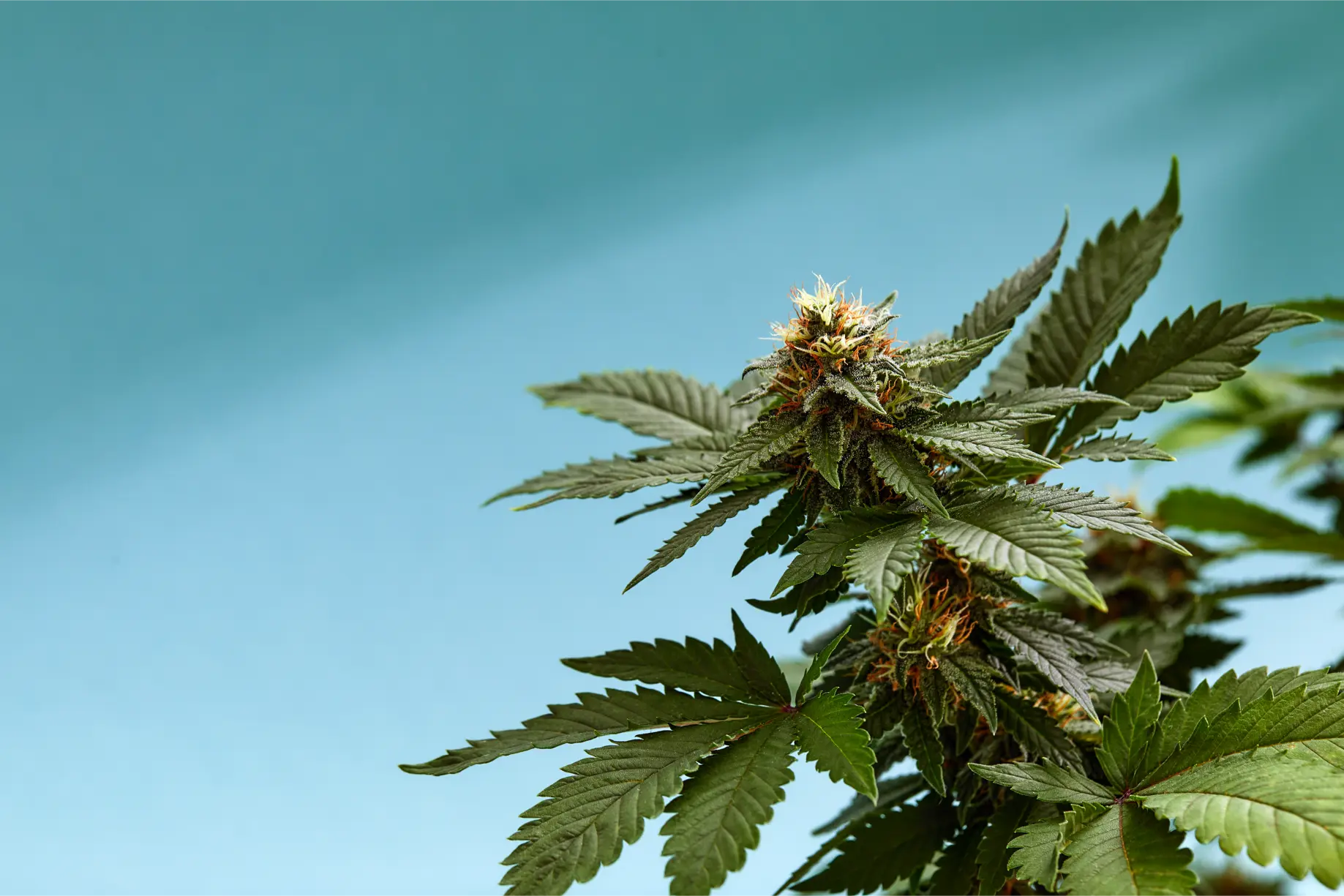
Tahoe OG
Among the pantheon of legendary California OG Kush cuts that emerged during the golden medical collective era of the late 1990s and early 2000s, Tahoe OG holds an undisputed reputation as the heavy-artillery heavyweight of the family. While cousins like Ghost OG and Larry OG became celebrated for their slender, vine-like elegance and ethereal citrus bouquets, Tahoe OG was forged in the rugged, high-altitude alpine environment surrounding Lake Tahoe in the northern Sierra Nevada mountains. Bred and selected by local cultivators who demanded commercial density and industrial-strength pain relief capable of cutting through freezing mountain winters, this cut sacrificed none of the raw, fuel-drenched bite of Chemdawg while packing on an astonishing volume of dense, rock-hard floral mass rarely seen in pure heirloom OG expressions.
Horticulturally, Tahoe OG presents an extraordinary architectural paradox that catches unprepared cultivators completely off guard. In vegetative growth and early transition, the plant behaves like a quintessential lanky OG: slender, highly flexible lateral branches, wide internodal spacing of two to three inches, and a rapid, aggressive vertical surge that can easily double or triple the plant’s height during the first three weeks of 12/12. Yet unlike typical stretchy sativas that form small, spaced golf-ball bracts along their limbs, Tahoe OG initiates a massive floral swelling phase beginning in week five. Swollen calyxes stack continuously until the flexible branches are loaded with colossal, contiguous baseball-bat colas. This combination of slender, supple branch structure and massive, resin-weighted floral tonnage creates an extreme mechanical hazard: without proactive, multi-tiered structural support, Tahoe OG branches will literally bow, buckle, and snap under their own weight as harvest approaches.
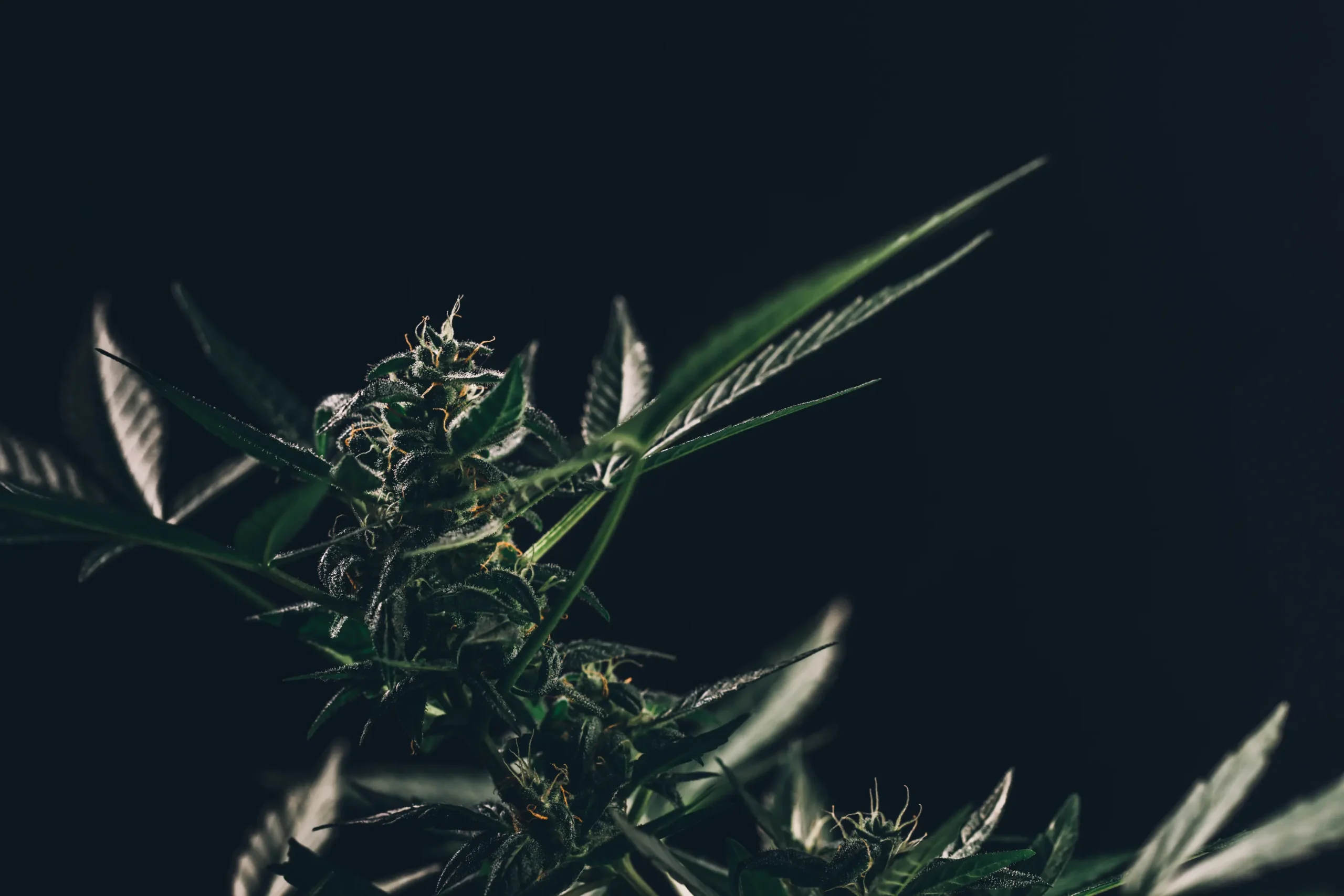
The olfactory signature of Tahoe OG is an unapologetic, room-filling assault on the senses. It delivers an intense, volatile blast of industrial kerosene, acrid sour diesel, and freshly cracked black pepper, grounded by pungent damp forest earth and the distinctive terpene bite of crushed Sierra conifer pine needles. When cured with precision, an underlying layer of tart Meyer lemon rind and savory umami funk rounds out the profile, creating a sharp, stinging bouquet that coats the nasal passages long after the container is closed. This complex sensory profile is driven by an exceptional concentration of beta-myrcene, d-limonene, beta-caryophyllene, and alpha-pinene, producing an entourage effect that translates into one of the most potent, fast-acting somatic sedatives in the modern cannabis pharmacopeia.
In our cultivation evaluation, we explored how Tahoe OG performs when subjected to high-frequency automated fertigation and advanced photon steering in a precision-controlled indoor facility. Moving away from hand-watered containers, we established a cohort of eight verified cutting-propagated females within an automated drain-to-waste coco coir and perlite matrix (70/30 blend) supported by multi-zone drip manifolds. The plants were monitored using calibrated substrate moisture, electrical conductivity (EC), and temperature sensors embedded directly into the root zones, allowing us to steer crop development through micro-shot pulse irrigations: delivering twelve discrete 100-milliliter nutrient pulses during the diurnal lighting cycle to maintain an optimal 55% to 60% substrate volumetric water content (VWC) without oversaturating the rhizosphere.
Overhead illumination was delivered by industrial multi-bar LED fixtures producing an intense photon flux of 1050 micromoles per square meter per second at the upper canopy, supplemented by specialized 450 nm deep-blue and 660 nm deep-red spectrum bars to suppress excessive internodal stretching while accelerating secondary branch lignification. Carbon dioxide was actively supplemented at 1200 parts per million during peak floral swelling, paired with a strict Vapor Pressure Deficit (VPD) target of 1.45 kPa. Simultaneously, we staged an outdoor trial in elevated cedar timber terrace beds amended with organic mountain loam and aged volcanic pumice along a sunny, high-altitude southern slope. To protect the colossal, resin-armored colas from treacherous early-autumn cold squalls and heavy mountain rain, we installed a heavy-duty structural timber pergola fitted with an automated roll-down transparent weather barrier, ensuring constant mountain wind exchange while keeping freezing precipitation off the dense floral crowns.
Strain Features
| Feature | Details |
|---|---|
| Cultivar Name | Tahoe OG (also known as Tahoe OG Kush) |
| Original Breeder / Source | Originated in the Lake Tahoe region (Northern California / Sierra Nevada); preserved by Ganja Rebel and Cali Connection (Swerve) |
| Competition Accolades | 1st Prize Best Indica at the 2011 High Times Medical Cannabis Cup (San Francisco); multi-cup winner across California |
| Genetic Lineage | OG Kush phenotype (Lake Tahoe heirloom cut) x SFV OG Kush (in Cali Connection seed versions) |
| Chemotype Category | Type I THC-dominant with potent monoterpene and sesquiterpene loading |
| Average THC Range | 22% to 27% (well-dialed indoor living soil and hydro crops regularly test above 25%) |
| CBD / Minor Cannabinoids | CBD: 0.1% to 0.3% | CBG: 1.0% to 1.8% | CBC: 0.3% to 0.6% | CBN: <0.2% (elevates with amber trichome cure) |
| Dominant Terpenes | Beta-Myrcene, D-Limonene, Beta-Caryophyllene, Alpha-Pinene, Linalool, Humulene |
| Total Terpene Concentration | 2.5% to 4.2% dry weight under high-intensity photon arrays and precision curing |
| Aroma Profile | Acrid kerosene fuel, sour diesel exhaust, crushed conifer pine needles, tart Meyer lemon, damp forest loam, cracked pepper |
| Flavor Profile | Pungent fuel, sharp lemon-lime zest, earthy pine resin, toasted wood, spicy hashish on the exhale |
| Primary Physiological Effects | Immediate, crushing ocular pressure and serene euphoria, followed rapidly by profound somatic muscle melting, couch-lock sedation, and sleep induction |
| Flowering Duration (Indoor) | 9 to 10 weeks (63 to 70 days for complete glandular trichome maturity and maximum fuel/pine expression) |
| Harvest Window (Outdoor) | Mid-to-late October in northern temperate latitudes (requires strict overhead rain protection) |
| Indoor Vegetative Stretch | Substantial: 100% to 160% increase in vertical height during the first 21 days of 12/12 |
| Yield Potential (Indoor) | 450 to 550 grams per square meter under optimized LED arrays with secondary trellis support |
| Yield Potential (Outdoor) | 700 to 1200+ grams per plant in mature 100-gallon living soil containers with structural scaffolding |
| Vegetative Growth Rate | Rapid and vigorous; develops extensive lateral branching and rapid taproot elongation |
| Canopy Architecture | Open, vine-like, and candelabra-shaped; requires extensive horizontal netting and staking to prevent collapse |
| Foliage Morphology | Medium-width, sharply serrated emerald fan leaves on elongated petioles with pronounced resin rails |
| Internodal Spacing | 1.5 to 2.8 inches; tends to stretch significantly between nodes if photon intensity is insufficient |
| Optimal Vegetative Temp / RH | 76°F to 80°F (24°C to 27°C) | 65% to 72% RH (VPD: 0.9 to 1.15 kPa) |
| Optimal Flowering Temp / RH | 74°F to 78°F (23°C to 26°C) days, 64°F to 68°F nights | 40% to 45% RH late bloom (VPD: 1.4 to 1.6 kPa) |
| Late-Flower Night Drop Target | 60°F to 64°F (15°C to 18°C) during weeks 8 through 10 to condense terpenes and express dark foliage accents |
| Nutrient Sensitivity Profile | Heavy feeder during floral transition and bulk; demands abundant calcium, magnesium, and supplemental sulfur |
| Substrate pH Targets | Soil/Living Soil: 6.2 to 6.7 | Hydro/Coco Coir: 5.8 to 6.1 |
| Substrate EC Targets | Veg: 1.4 to 1.7 mS/cm | Peak Bloom: 2.0 to 2.4 mS/cm | Ripening / Flush: 1.0 to 1.2 mS/cm |
| Drying & Curing Target | 14 to 16-day whole-plant hang at 60°F / 60% RH, followed by a minimum 4 to 6-week glass cure |
The agronomic parameters summarized above highlight why Tahoe OG has maintained its legendary status across commercial and craft facilities for more than two decades. It is not an entry-level cultivar that yields effortlessly on autopilot; it is a thoroughbred California classic that demands deliberate structural staging, assertive nutrient management, and uncompromising environmental discipline. When managed with technical precision, it rewards the grower with top-shelf dispensary bag appeal, staggering resin production, and a heavy, narcotic therapeutic punch that modern candy polyhybrids simply cannot match.
To succeed with Tahoe OG, the cultivator must master the art of structural scaffolding and canopy leveling. The sheer physical density of its finished colas paired with the natural flexibility of its OG stems creates an environment where physical plant support is not an optional accessory, but an absolute operational necessity. In the subsequent sections, we explore the genetic roots, volatile terpene chemistry, canopy steering techniques, and post-harvest procedures needed to unlock the absolute maximum potential of this Sierra Nevada powerhouse.
Genetic Lineage
The origin of Tahoe OG is deeply intertwined with the underground medical cannabis movement that flourished in Northern California following the passage of Proposition 215 in 1996. While the original OG Kush cut emerged in Southern California via Matt “Bubba” Berger and Josh D – who crossed an exceptional Florida-grown bagseed (widely believed to be a Chemdawg x Hindu Kush x Lemon Thai hybrid) into the West Coast scene – regional growers quickly began selecting and isolating distinct geographic phenotypes that suited their local microclimates and consumer preferences.
In the late 1990s, a dedicated cultivator known as Ganja Rebel, operating in the rugged, high-elevation Lake Tahoe basin, secured an elite cutting of original OG Kush. Over multiple successive indoor and greenhouse runs in the cold mountain climate, this specific selection demonstrated notable morphological adaptations: it developed thicker, more resin-dense calyxes, a heavier hashish-and-kerosene terpene profile, and a more pronounced narcotic somatic sedation than the lighter, more cerebral OG cuts circulating in coastal Los Angeles. The cutting became affectionately known throughout Northern California dispensaries simply as “Tahoe OG”.
As the reputation of the Tahoe cut spread, seed breeders sought to stabilize and preserve its genetics in seed form. Swerve, founder of The Cali Connection seed bank, obtained the verified Tahoe OG clone-only mother and pollinated it with his renowned San Fernando Valley (SFV) OG Kush F3/F4 male. This deliberate backcross served two vital purposes: it locked in the explosive lemon-fuel terpenes and lightning-fast cerebral onset of the SFV line, while reinforcing the colossal calyx swelling and heavy narcotic body stone inherited from the Tahoe mother. Cali Connection’s release of Tahoe OG in regular and feminized seed form introduced these elite high-altitude mountain genetics to home growers and commercial facilities across the globe.
Today, whether cultivated from the original heirloom clone-only line or high-grade backcrossed seed stock, authentic Tahoe OG retains the unmistakable genetic hallmarks of its ancestry: rapid vertical stretch, flexible woody stems, razor-sharp conifer and diesel aromatics, and a crushing, deeply sedative pharmacological profile that has earned it multiple High Times Cannabis Cup trophies and an eternal place in the cannabis hall of fame.
Effect Breakdown
The psychoactive and physiological onset of Tahoe OG is swift, dramatic, and intensely physical. Unlike subtle hybrid cultivars that ease the consumer into a gradual state of mild relaxation over thirty minutes, Tahoe OG makes its presence known within the first ninety seconds following consumption. The initial sensation is characterized by a pronounced ocular and cranial band of pressure: a warm, tingling wave that settles directly behind the eyes, temples, and forehead, accompanied by an instantaneous dampening of acute mental chatter and emotional stress.
During the first fifteen to twenty minutes, the Chemdawg and Lemon Thai ancestry delivers a potent rush of cerebral euphoria. Colors appear warmer and more vivid, background noise recedes into a comfortable haze, and the consumer experiences an expansive, dream-like mental clarity. However, this cerebral phase is entirely devoid of the anxious restlessness, racing heartbeat, or paranoid ideation common in pure sativas. Instead, the high remains grounded, tranquil, and deeply contemplative, encouraging the consumer to set aside daily responsibilities and sink into deep relaxation.
As the session progresses past the thirty-minute mark, the heavy Hindu Kush and Pakistani landrace genetics assert total dominance. The warm tingling sensation previously concentrated in the temples begins cascading down the cervical spine, radiating outwards across the trapezius, shoulders, ribcage, and lower lumbar muscles. Deep muscular tension and chronic joint aches evaporate beneath a heavy, weighted blanket of somatic sedation. The limbs feel leaden and delightfully anchored, creating an irresistible gravitational pull toward the nearest sofa or bed.
In high doses, Tahoe OG is an absolute, non-negotiable couch-lock titan. It systematically disarms physical pain, silences internal restlessness, and dissolves insomnia, gently yet firmly ushering the user into deep, unbroken, restorative slow-wave sleep. For daytime consumers or novice enthusiasts with low cannabinoid tolerance, Tahoe OG can be overwhelmingly immobilizing. However, for experienced consumers, night owls, and medical patients battling severe physical distress, it represents the gold standard of evening botanical medicine.
Flavor & Aroma Profile
Opening a properly cured glass jar of authentic Tahoe OG is an olfactory experience that commands immediate respect. The aroma does not politely whisper; it erupts with an intense, acrid wave of volatile organic compounds that instantly saturates the surrounding environment. The primary scent profile is dominated by sharp, unrefined petroleum: industrial kerosene, raw sour diesel fuel, and solvent-like mineral spirits that sting the nostrils with unmistakable authority.
As the initial fuel blast recedes, the layered mountain terroir emerges. Deep, woodsy top notes of freshly snapped Sierra conifer pine boughs, damp mountain cedar, and wet forest earth blend seamlessly with a tart, chemical-lemon zest reminiscent of industrial citrus floor cleaner and crushed Meyer lemon peel. Breaking apart a cured, resin-encrusted calyx exposes the inner floral rachis, releasing a pungent undercurrent of cracked black peppercorn, roasted cloves, warm leather, and savory umami funk that gives the profile its rich, multidimensional depth.
Upon combustion or vaporization, Tahoe OG delivers an exceptionally dense, heavy, and satisfying smoke that coats the entire oral cavity. The initial inhale brings an assertive wash of tart lemon-lime citrus and pungent kerosene gas. As the smoke expands across the palate, the conifer pine and woodsy hashish flavors take command, accompanied by a sharp, peppery tickle in the sinuses that reflects its rich caryophyllene content. The finish is remarkably persistent: an earthy, toasted-wood and hash-resin aftertaste clings to the tongue and roof of the mouth for several minutes, leaving a savory, mouthwatering coating that invites another draw.
Preserving this exquisite, high-volatility flavor profile requires careful environmental stewardship during the post-harvest period. Because the dominant monoterpenes – particularly limonene, myrcene, and pinene – have low flashpoints and evaporate rapidly when exposed to heat and excessive airflow, rushing the dry-down will strip away the sharp pine-lemon top notes, reducing the cured flower to a flat, generic earthy smoke. True Tahoe OG excellence requires a patient, low-temperature curing protocol that allows the complex sulfurous thiols and volatile esters to stabilize.
Dominant Terpenes
Comprehensive analytical testing via high-performance liquid chromatography (HPLC) and gas chromatography-mass spectrometry (GC-MS) on top-tier Tahoe OG crops consistently reveals total terpene concentrations ranging between 2.5% and an extraordinary 4.2% by dry weight. The cultivar’s signature gas-pine-lemon bouquet is driven by a potent, synergistic consortium of monoterpenes, sesquiterpenes, and volatile organic sulfur compounds.
Beta-Myrcene (0.90% to 1.45%): Serving as the dominant terpene across virtually all verified Tahoe OG selections, myrcene provides the foundational damp earth, herbal, and musk notes that anchor the profile. Pharmacologically, myrcene is renowned for its powerful sedative, muscle-relaxant, and analgesic properties. Furthermore, it increases the permeability of the blood-brain barrier, allowing THC and minor cannabinoids to penetrate central nervous system receptors more rapidly and efficiently, intensifying the fast-striking narcotic onset.
D-Limonene (0.65% to 1.10%): Present in exceptionally high concentrations, limonene contributes the sharp, biting Meyer lemon zest and industrial citrus cleaner aromatics that slice through the heavy fuel base. Limonene is a potent mood elevator and stress-reliever that acts on adenosine and 5-HT1A serotonin receptors. In Tahoe OG, it provides the buoyant, euphoric mental elevation that characterizes the first twenty minutes of the high before the heavy somatic sedation takes over.
Beta-Caryophyllene (0.50% to 0.85%): As the primary sesquiterpene in Tahoe OG, caryophyllene delivers the sharp black pepper, clove, and toasted wood undertones that tickle the palate on the exhale. Beta-caryophyllene is unique in the terpene kingdom because it functions as a fully active dietary cannabinoid, binding selectively to peripheral CB2 receptors to downregulate inflammatory signaling and provide powerful somatic pain relief without central intoxication.
Alpha-Pinene (0.35% to 0.60%): Providing the crisp, invigorating aroma of fresh Sierra pine needles, alpha-pinene gives Tahoe OG its unmistakable alpine mountain signature. Beyond its aromatic contribution, pinene acts as a natural acetylcholinesterase inhibitor and bronchodilator, expanding pulmonary airways and counteracting the short-term memory fogginess and lethargy often caused by high doses of THC.
Linalool (0.15% to 0.30%): While present in modest proportions compared to cultivars like Vanilla Kush, linalool adds a critical softening note of floral lavender and sweet herbal tea to the background. It enhances the sedative profile of myrcene, modulating GABA receptors to promote deep, uninterrupted slow-wave sleep.
Humulene (0.12% to 0.25%): An isomer of caryophyllene, humulene contributes subtle notes of earthy hops and dry wood. It provides complementary anti-inflammatory properties and acts as an appetite suppressant, balancing the intense munchie-inducing tendencies of the cultivar.
Indoor vs. Outdoor Growing
Cultivating Tahoe OG successfully requires an intimate understanding of how its alpine mountain heritage interacts with artificial indoor microclimates versus natural outdoor environments. Because this cultivar pairs an aggressive, vine-like OG stretch with an unusually heavy, high-caliper floral density, the cultivation environment must be engineered to accommodate its rapid vertical surge while protecting its swollen, resin-encrusted colas from structural failure and environmental pathogens.
Indoor Cultivation Dynamics: Indoor environments provide the absolute climate control necessary to coax out the cultivar’s explosive terpene profile and astronomical THC potential. Under modern high-output LED fixtures, canopy photon flux densities should be pushed to 950 to 1100 micromoles per square meter per second during peak floral bulk (weeks five through eight), provided ambient carbon dioxide is enriched to 1100 to 1300 parts per million. Daytime canopy temperatures should be maintained between 75 and 78 degrees Fahrenheit (24 to 26 degrees Celsius), paired with a relative humidity of 50% to 55% during early bloom, generating an optimal Vapor Pressure Deficit (VPD) of 1.25 to 1.4 kPa.
However, as the flowers enter their final swelling phase from week seven onward, environmental parameters must shift aggressively toward defensive moisture control. Because Tahoe OG colas pack calyxes tightly along the stem with virtually zero internal air clearance, daytime relative humidity must be dropped to 40% to 45% (VPD: 1.45 to 1.6 kPa). Daytime temperatures should be held at 74 degrees Fahrenheit, accompanied by a sharp nighttime drop to 62 to 66 degrees Fahrenheit. This temperature differential condenses volatile terpenes, preserves fragile monoterpenes like myrcene and pinene, and prevents the internal calyx condensation that triggers gray mold. Furthermore, multi-tiered horizontal trellising is mandatory indoors to physically hold the heavy, leaning colas directly beneath the light footprint.
Outdoor Cultivation Realities: In outdoor environments, Tahoe OG unleashes its full ancestral vigor, developing into massive, multi-branched shrubs measuring seven to nine feet in height and seven feet in diameter. The plant’s deep, aggressive root system excels at mining micronutrients from well-aerated living soils, producing colossal yields ranging from 700 to well over 1200 grams of crystalline, fuel-drenched flower per plant. Outdoor plants benefit from the full, dynamic spectrum of natural sunlight, resulting in thicker glandular trichome cuticles and an intensely pungent terpene profile dominated by raw fuel and conifer pine.
Nevertheless, outdoor cultivation in temperate northern regions requires rigorous structural staging and late-season storm management. In climates influenced by cool mountain air masses or cold Great Lakes weather fronts, late September and early October bring sudden, drenching rain squalls, heavy nocturnal dew condensation, and sharp overnight temperature drops into the low 40s. Because Tahoe OG finishes its flowering cycle between mid and late October, unshielded outdoor plants face extreme risk: cold autumn rains falling on dense, baseball-bat colas will quickly cause devastating botrytis outbreaks, while high autumn winds can snap unreinforced lateral branches like toothpicks. Outdoor growers must erect robust structural timber or PVC pergolas to support the heavy branches, and deploy clear polyethylene greenhouse coverings or retractable cold-frame awnings during the final four weeks to keep the swelling colas completely dry while allowing crisp lateral mountain breezes to circulate freely.
Strain-Specific Grow Guidance
Tahoe OG is a high-performance cultivar that rewards experienced, disciplined cultivators with world-class bag appeal and unmatched narcotic potency. However, treating this plant like a compact commercial indica will result in an overcrowded canopy, broken branches, and compromised floral density. The following twenty-two detailed agronomic directives provide the technical blueprint necessary to steer Tahoe OG through every developmental stage with total mastery.
Plan for Variable OG Stretch
The single greatest operational hazard when initiating flower on Tahoe OG is misjudging the transition stretch. Depending on root volume, light spectrum, and maternal genetics, Tahoe OG can stretch anywhere from 100% to 160% in vertical height during the first 21 days following the flip to 12/12. A healthy twelve-inch vegetative plant can easily explode into a thirty-inch bush before calyx formation even stabilizes.
To prevent the canopy from colliding with light fixtures or shading out lower floral sites, cultivators must plan their flip timing with surgical precision. If your ceiling clearance is limited to six or seven feet, flip plants to 12/12 when they reach barely twelve to fourteen inches in height. During the first two weeks of transition, keep day and night temperatures close (a minimal or zero DIF), and ensure your lighting spectrum contains adequate blue photons (450 nm) to suppress gibberellin synthesis and minimize excessive internodal elongation.
Top Once, Then Read the Branch Response
Tahoe OG possesses powerful apical dominance that drives the plant to form a single, towering central spire surrounded by subordinate, spindly lateral shoots. To convert this single-pole architecture into a broad, productive multi-top canopy, apical topping is essential. However, multiple late toppings can severely shock the plant and create weak, brittle branch junctions that split under heavy floral loads.
Execute a single, clean apical topping during the fourth week of vegetative growth when the plant has established five to six healthy nodes. Remove the growing tip directly above the fourth node using a sterilized blade. This single intervention breaks apical dominance and redirects root cytokinins into the lower four to six lateral branches, transforming the plant into an open, symmetrical candelabra bush. Allow the plant ten to fourteen days of vegetative recovery to thicken its main stem junctions before initiating 12/12. Avoid topping again during transition; allow the established lateral branches to rise naturally into the trellis.
Use the Screen for Support as Much as Training
While Screen of Green (SCROG) netting is traditionally utilized to bend and train vegetative shoots horizontally, in Tahoe OG cultivation the screen serves an equally vital, non-negotiable role: pure mechanical structural support. Because the lateral branches remain slender and flexible while the finished flowers swell to massive proportions, an unsupported canopy will inevitably collapse under its own weight.
Install a primary horizontal trellis net with 3.5 to 4-inch square mesh six to eight inches above the container surface to spread branches horizontally during late veg and early stretch. As the branches surge past this lower net during weeks one and two of bloom, install a secondary horizontal trellis net twelve to fourteen inches above the first. As the heavy colas develop from week five onward, they will rest their weight securely against the upper grid, keeping every terminal spear standing upright directly beneath the light footprint with 360-degree radial air clearance.
Feed Vigorous Plants, Not Labels
Tahoe OG is a metabolically aggressive, heavy-feeding cultivar, particularly during weeks three through six of flower when rapid calyx multiplication and resin synthesis are firing simultaneously. However, blindly following aggressive high-EC manufacturer feed charts without reading the plant’s leaf language is a recipe for catastrophic root toxicity and nutrient lockout.
In soilless, hydro, or automated coco setups, initiate flowering at an input EC of 1.5 to 1.7 mS/cm, gradually stepping up to an apex of 2.1 to 2.4 mS/cm during peak floral bulk at weeks five and six. Monitor substrate runoff EC daily: runoff should never exceed input EC by more than 0.3 mS/cm. If runoff EC spikes, the plant is transpiring faster than it is consuming salts, signaling that you must lower input concentration and increase irrigation volume to flush out accumulating mineral pockets. In living soil setups, top-dress with generous amendments of organic worm castings, fish bone meal, gypsum, and kelp meal at the onset of bloom, supplemented with aerated compost teas rich in phosphorus-solubilizing microbes.
Keep the Root Zone Aerated
Because Tahoe OG requires substantial water and nutrient throughput to support its heavy floral biomass, maintaining exceptional root-zone oxygenation is paramount. In dense, waterlogged substrates with poor drainage, Tahoe OG roots quickly suffocate, leading to slow nutrient uptake, drooping leaves, and vulnerability to Pythium root rot pathogens.
Whether growing in organic living soil or soilless coco coir, incorporate a minimum of 30% to 35% coarse aeration amendments into your substrate blend, such as porous volcanic pumice, coarse perlite, or rice hulls. If cultivating in containers, utilize breathable geotextile fabric pots or air-pruning plastic containers that facilitate radial air exchange and air-prune circling taproots. In automated drip systems, deliver frequent, small irrigation pulses that allow the substrate to dry back by 10% to 15% volumetric water content between events, pulling fresh oxygen deep into the root zone with every dry-down cycle.
Preserve a Shallow Indoor Flower Zone
Due to the elongated internodes of the OG family, light penetration drops off precipitously beneath the top ten to twelve inches of canopy. Any floral sites located more than eighteen inches below the primary canopy net receive insufficient photon intensity to develop dense calyxes, resulting in loose, airy popcorn buds that waste metabolic energy and complicate harvest trimming.
To maximize commercial efficiency, deliberately cultivate a shallow, high-intensity floral zone. Focus all the plant’s photosynthetic energy into a uniform, horizontal layer of top colas measuring twelve to fifteen inches in depth. During week three of bloom – as transition stretch nears completion – execute a thorough “lollipop” pruning: strip away all weak, spindly understory shoots, secondary lateral branches, and shaded interior foliage in the lower thirty to forty percent of the canopy. By eliminating this low-light understory, you redirect all root-absorbed water, nitrogen, and carbohydrates directly into the swelling upper spears.
Support Before Late Swelling
One of the most common and heartbreaking mistakes in Tahoe OG cultivation is waiting until branches are visibly bending before installing physical supports. By week six of flower, the internal vascular fibers within the lateral branches have fully lignified and hardened. Attempting to lift, stake, or tie up heavy, bent branches late in bloom frequently causes the rigid stem collars to fracture at the main trunk, severing vital vascular pipelines and ruining the cola.
Structural support must be established proactively before late floral swelling begins. Ensure your secondary trellis netting or individual bamboo stakes are securely positioned by the end of week three, when stems are still pliable and flexible. As the colas begin their explosive weight gain during weeks five through eight, they will settle naturally into the pre-positioned supports without mechanical stress or sudden stem trauma.
Watch Humidity Inside the Cola
The colossal, contiguous density of Tahoe OG flowers is its greatest commercial asset, but it creates an extreme internal microclimate hazard during late bloom. As the calyxes swell and press tightly against each other, the core of the cola traps moisture transpired by the central stem, creating an internal relative humidity that can be 15% to 20% higher than the ambient room air.
If ambient room humidity is allowed to drift above 50% during weeks seven through ten, this humid micro-pocket becomes the ideal breeding ground for Botrytis cinerea (gray mold). Cultivators must clamp down late-bloom relative humidity to 40% to 45%, while maintaining aggressive, diffuse canopy airflow. Position oscillating fans both above and directly beneath the trellis net, ensuring that turbulent air constantly scrubs the undersides of the floral clusters to disperse boundary-layer humidity before condensation can occur.
Harvest for Complete Pine-Citrus Maturity
Harvest timing on Tahoe OG dictates whether your finished flower will deliver an elite, multi-layered fuel-pine-lemon bouquet or a flat, grassy disappointment. Because the cultivar carries heavy resin production, novice growers are often tempted to chop early at day 56 when trichome heads appear frosty. However, harvesting at eight weeks cuts the plant down before its volatile monoterpenes have reached full biochemical synthesis.
Authentic Tahoe OG requires a full 63 to 70 days (9 to 10 full weeks) to achieve peak flavor and pharmacological potency. During weeks eight and nine, the flowers undergo a secondary calyx swell, stigmas turn deep rust-orange and recede tightly into the bracts, and the pungent conifer pine and acrid kerosene aromatics reach an intoxicating crescendo. Use a high-magnification jeweler’s loupe to inspect the capitate-stalked trichomes on the calyxes (not the sugar leaves): harvest only when 80% to 85% of glandular heads are milky porcelain, with 10% to 15% displaying rich amber coloration.
OG Stretch Is a Range, Not a Rule
Cultivators often recite rigid rules regarding OG stretch, asserting that every plant will precisely double in height. In reality, the stretch response of Tahoe OG is a dynamic physiological range governed by environmental triggers: root restriction, photon intensity, red-to-far-red light ratios, and day-night temperature differentials.
Under low-intensity lighting or high far-red spectrums, Tahoe OG will engage its shade-avoidance response and stretch up to 160% in a frantic search for photons. Conversely, under high-PPFD LED fixtures delivering rich blue photons and maintaining a tight temperature differential (75°F day / 72°F night during stretch), the plant can be held to a manageable 80% to 100% stretch. Understanding that you hold the environmental controls to expand or restrict stretch allows you to manipulate plant stature to match your room dimensions perfectly.
Branch Leverage Is the Hidden OG Weakness
In mechanical physics, leverage is a function of weight multiplied by distance from the fulcrum. In Tahoe OG, this mathematical principle becomes a critical horticultural vulnerability. The plant produces long, lateral branches that extend eighteen to twenty-four inches horizontally from the central stem before turning upward to support a massive, resin-soaked terminal cola weighing several ounces.
Because the heavy floral mass sits at the very end of a long, flexible lever arm, the torque exerted on the branch-to-trunk junction is immense. Without intermediate vertical support, the branch acts as a mechanical lever that will pry itself right out of the mainstem socket, causing severe lateral splitting. To neutralize this leverage hazard, always support lateral branches at the midpoint of their horizontal span, or use soft garden ties to anchor opposite branches to each other across the center of the plant, distributing physical tension symmetrically across the canopy.
Build support before the flowers demand it
Proactive mechanical staging is the hallmark of an expert OG cultivator. When Tahoe OG enters week five of flower, the plants may still appear capable of standing upright on their own. However, this is an optical illusion: between days 35 and 56, the calyxes undergo an exponential volumetric expansion, absorbing immense volumes of water and carbohydrates that multiply the physical weight of each terminal cola by a factor of four.
If structural reinforcement is not established before this weight surge occurs, branches will suddenly bow outward in every direction under the load. As branches splay laterally, they shade lower foliage, tangle with neighboring plants, and drop colas into humid microclimates near container rims. Erect your dual-layer trellis netting or individual plant stakes during early flower, and weave shoots so that each developing cola has an upright vertical guide to lean against as it packs on commercial weight.
Use Topping to Control the Main Axis, Then Stop Cutting
A common mistake made by overzealous growers attempting to tame Tahoe OG’s height is continuous, repeated pruning. After topping the main apical stem once in vegetative growth, some cultivators continue pinching lateral tips during late veg and even into early bloom, believing they are creating a bushier plant. With Tahoe OG, this excessive pruning is counterproductive.
Every pruning event disrupts the hormonal balance of auxins and cytokinins, temporarily stalling root elongation and vascular thickening. Furthermore, late pruning forces the plant to initiate secondary shoots that remain thin and spindly, incapable of bearing heavy colas. Execute your single apical topping at node four or five, allow the primary lateral shoots to establish dominance, and then put your pruning shears away. From that point forward, manage canopy height strictly through physical horizontal bending and trellis tucking rather than cutting.
Dense OG Colas Need Side Light, Not Only Top Light
Because Tahoe OG colas develop into long, continuous floral cylinders measuring twelve to eighteen inches in vertical length, overhead lighting arrays alone cannot illuminate the entire depth of the bud. Photons striking the top crown at 1000 PPFD decay rapidly as they travel downward, dropping to a meager 250 PPFD at the mid-cola level due to self-shading by calyxes and sugar leaves.
To swell the entire length of the cola uniformly from top to base, cultivators should introduce supplementary side-lighting or inter-canopy lighting bars. Mounting low-wattage full-spectrum LED bars horizontally at the mid-trellis level delivers direct photons to the shaded lateral sides of the colas. This supplemental lateral illumination activates chloroplasts along the lower calyx flanks, swelling the under-shoulders of the buds and eliminating the dreaded “A-top, B-bottom” density disparity that plagues many commercial OG harvests.
Medium-to-Heavy Feeding Is Conditional
Cannabis forums frequently describe Tahoe OG as a voracious heavy feeder capable of absorbing endless quantities of nutrients. While this is true under high-intensity photon arrays (1000+ PPFD) with elevated carbon dioxide (1200 ppm) and optimized transpiration rates, pushing heavy feeds (EC 2.2+ mS/cm) under standard lighting without CO2 supplementation will quickly poison the root zone.
Heavy feeding must always be conditional upon metabolic consumption. If your lights are running at 600 PPFD or your canopy temperatures sit below 74 degrees Fahrenheit, the plant’s photosynthetic engine is running in third gear: forcing high-EC mineral salts into the substrate will cause salt accumulation, root tip burn, and severe calcium lockout. Feed heavily only when the photosynthetic gas pedal is pinned to the floor: high photon flux, warm leaf temperatures (77°F), active transpiration, and CO2 enrichment. If any of those environmental pillars are missing, keep your feeding moderate at EC 1.6 to 1.8 mS/cm.
Temperature and Aroma Are Connected Late in Flower
The volatile organic compounds that give Tahoe OG its world-renowned kerosene, conifer pine, and tart lemon profile – primarily volatile monoterpenes like myrcene, limonene, and alpha-pinene – possess exceptionally high vapor pressures and low boiling points. High canopy temperatures during the final three weeks of bloom act like a slow distillation process, literally evaporating these precious aromatic molecules into the room exhaust.
If your flowering room runs at 82 degrees Fahrenheit during weeks eight through ten, your finished flowers will lose their sharp fuel and pine punch, curing out as a bland, generic woody earth. To preserve the explosive gas-pine-lemon bouquet, aggressively cool the canopy during late bloom. Hold daytime temperatures strictly at 72 to 74 degrees Fahrenheit, and step nighttime temperatures down to 60 to 64 degrees Fahrenheit. This crisp thermal differential locks the volatile monoterpenes securely within the glandular trichome heads and triggers deep emerald and dark forest-purple pigmentation across the sugar leaves.
Outdoor Plants Need Structural Support Before Storm Season
When grown outdoors in full natural sunlight, Tahoe OG develops into an absolute monster of a plant, with massive branches carrying pounds of dense floral mass. However, this colossal biomass represents an extreme vulnerability when late-season autumn storms arrive in late September and October. High gusting winds paired with drenching rains will instantly snap heavy, unsupported lateral branches at the main trunk.
Outdoor cultivators must build comprehensive structural support frameworks early in July, well before the onset of flowering. Construct a heavy-duty timber frame, rigid welded-wire tomato cages, or a dual-layer horizontal trellis perimeter around each plant. As the branches surge outward during August, secure them loosely to the external framework using soft garden ties. When howling autumn storm winds blow, the rigid external framework absorbs the mechanical kinetic energy, allowing the heavy colas to sway gently without snapping or splitting at the stem junctions.
Late-Flower Inspection Should Focus on Contact Points
The dense, clustered architecture of Tahoe OG creates specific high-risk zones where mold and mildew pathogens originate. In late flower, fungal spores do not typically land on open, well-ventilated top surfaces; they germinate at mechanical contact points where dense colas press against trellis netting, support stakes, container edges, or neighboring branches.
During weeks seven through ten of bloom, conduct daily, meticulous physical inspections of every contact point within the canopy. Gently separate colas that are touching each other or leaning heavily against plastic stakes, ensuring that air can circulate freely around the entire perimeter of each bud. If a heavy cola must rest against a trellis line, inspect the underside of the floral cluster with a bright LED light to verify that no moisture droplets or early gray fungal hyphae have formed at the friction point.
The Harvest Window Is a Flavor Decision as Well as an Effect Decision
Deciding when to harvest Tahoe OG involves balancing terpene brightness against narcotic sedative intensity. If you harvest at the earlier edge of maturity (day 60 to 63) – when trichomes are almost entirely cloudy with barely five percent amber – the resulting smoke will feature an intensely sharp, invigorating lemon-lime and pine needle bite, accompanied by an energetic, buoyant cerebral high that is surprisingly functional for social daytime use.
However, if you allow the plants to run the full 67 to 72 days – waiting until 15% to 20% of glandular heads turn a rich, warm amber – the volatile profile transforms dramatically. The sharp citrus notes soften into an overwhelming, oily kerosene and heavy mountain hashish funk, while the psychoactive profile shifts into a devastating, non-negotiable couch-lock knockout that dissolves insomnia and pain. Knowing your personal consumption goals allows you to time your harvest to capture the exact pharmacological profile you desire.
OG Branches Benefit From Gentle Supercropping Only When Necessary
Supercropping – the practice of intentionally softening the internal pith and cellulose fibers of a stem to bend it horizontally without breaking the outer skin – is an exceptional technique for managing runaway Tahoe OG branches during early stretch. However, because OG branches become brittle and woody as they mature, supercropping must be executed with extreme delicacy and only during week two of flower.
Never attempt to supercrop a thick, rigid stem in late flower. If an aggressive lateral branch is surging dangerously close to the light during stretch, locate a flexible, pliable section of stem four to six inches below the growing tip. Gently roll and compress the stem between your thumb and index finger until you feel the internal cellular fibers crush and soften. Once the stem is supple, fold it over at a 90-degree angle beneath the trellis. The plant will rapidly deposit lignin and calcium at the bend point, forming a reinforced knuckle that locks the branch in a horizontal orientation while opening lower nodes to direct photon exposure.
Lower Growth Removal Should Follow the Final Stretch
Novice growers often execute their lower canopy pruning (“lollipoping”) too early in vegetative growth, only to watch the plant stretch eighteen inches in flower and re-grow a dense layer of shaded suckers beneath the screen. Conversely, waiting too late – pruning heavily in week five of bloom – severely shocks the plant during its critical calyx swelling phase.
The optimal window for final understory pruning on Tahoe OG is precisely at day 21 of flower, the exact moment the transition stretch concludes. At this stage, the plant has established its final vertical height, and you can clearly evaluate which lower branches will reach the light and which will remain trapped in darkness. Strip away all weak, spindly understory shoots, unpollinated lower pre-flowers, and yellowing shaded leaves in the bottom thirty percent of the canopy. This timed intervention directs 100% of the root zone’s metabolic energy into the swelling upper colas without triggering unwanted shock.
Root Volume Changes the Way Tahoe OG Expresses Vigor
The genetic vigor of Tahoe OG is intimately tethered to its available root space. When restricted to small containers (three-gallon pots), the plant displays moderate vegetative speed, shorter internodes, and a restrained 80% stretch that is relatively easy to manage in confined tents. However, when given unrestricted root volume – such as seven to ten-gallon fabric containers, 100-gallon outdoor living soil beds, or deep water culture (DWC) systems – Tahoe OG unleashes explosive vegetative drive.
In large root volumes, the taproot and lateral feeder network expand rapidly, driving massive hydraulic pressure that can cause the plant to surge 150% or more in floral stretch while producing colossal terminal colas that demand immense physical support. If you choose to run Tahoe OG in large containers or living soil beds, you must compensate for this explosive vigor by providing ample vertical ceiling clearance, installing multi-tiered trellising, and initiating apical training early in veg to keep the expansive root pressure channeled into productive lateral branching.
Weedth Bud Flavor Tips
Preserving the intense, volatile kerosene-pine-lemon bouquet of Tahoe OG through the harvest, drying, and curing phases requires an uncompromising commitment to low-temperature handling. The dominant monoterpenes and volatile organic sulfur compounds (thiols) responsible for the cultivar’s aggressive fuel punch possess high volatility and will rapidly evaporate if exposed to warm, dry processing environments.
The Whole-Plant Cold Hang (60/60 Rule): When harvesting Tahoe OG, cut whole plants at the mainstem base and suspend them upside down in a dedicated drying room maintained strictly at 60 degrees Fahrenheit (15.5 degrees Celsius) and 60% relative humidity. Never wet-trim. Leaving all fan leaves and sugar leaves intact during the dry creates a natural moisture barrier around the swelling calyxes, slowing water loss from the inner floral rachis and allowing internal plant starches and chlorophyll to enzymatically degrade over a slow, controlled 14 to 18-day period.
Maintain gentle, continuous air movement within the room using a low-velocity oscillating fan pointed away from the plants, ensuring that air circulates around the room without blowing directly on the drying branches. The drying process is complete only when the smaller secondary stems snap cleanly when bent, while the thick mainstem retains a fibrous, pliable resistance without breaking.
Precision Cold Curing: Once dry, hand-trim the colas carefully, preserving the dense, frosty sugar-leaf collars that protect the capitate-stalked glandular trichomes. Place the manicured buds into airtight, food-grade glass curing jars, filling each jar to seventy-five percent capacity to maintain an essential oxygen pocket. Store the jars in a pitch-black curing cellar held at 58 to 62 degrees Fahrenheit.
During the first two weeks, burp the jars once daily for ten minutes to release accumulated carbon dioxide and moisture, utilizing mini-hygrometers inside each jar to verify that relative humidity remains locked between 58% and 62%. After the initial fourteen days, reduce burping to once a week. While Tahoe OG is delightfully pungent after three weeks, a full six to eight-week cold cure allows the sharp chlorophyll tannins to completely evaporate, elevating the sharp Meyer lemon zest, raw conifer pine, and acrid kerosene gas into an astonishingly rich, silky, room-saturating smoke.
Weedth Bud Boost Tips
Cultivators seeking to unlock the absolute maximum resin density, calyx swelling, and chemical potency of Tahoe OG can implement advanced physiological steering techniques during vegetative and flowering phases.
Calcium, Magnesium, and Sulfur Armoring: The rapid cellular expansion and heavy resin synthesis of Tahoe OG create an immense demand for secondary macronutrients. Incorporate supplemental calcium and magnesium throughout vegetative growth and through week six of bloom to reinforce cell walls and support high photosynthetic rates under intense LED arrays. Crucially, supplement with bio-available sulfur (via potassium sulfate or Epsom salt) during early and mid-flower: sulfur is the essential chemical building block required for the synthesis of volatile organic sulfur compounds (thiols), which give Tahoe OG its pungent, room-clearing skunk-and-gas aroma.
High Photon Flux and Carbon Dioxide Synergy: Tahoe OG possesses an exceptionally high photosynthetic ceiling. While typical hybrids plateau at 800 PPFD, Tahoe OG can efficiently utilize 1000 to 1100 micromoles per square meter per second of photon flux during weeks four through seven of flower, provided carbon dioxide is actively supplemented at 1100 to 1300 ppm. This photonic push drives explosive calyx multiplication, swelling the colas into rock-hard cylinders while accelerating cannabinoid synthesis to push THC percentages past the 25% threshold.
Substrate Pulse-Drying and Moisture Steering: In containerized coco or soilless systems, utilize substrate moisture sensors to steer crop development through targeted dry-backs. During the vegetative phase, deliver frequent, small irrigation shots to maintain high volumetric water content (60% to 65%), encouraging rapid vegetative growth. Once flowering is initiated, allow the substrate to experience a larger diurnal dry-back of 15% to 20% before the first morning irrigation. This controlled generative water stress triggers defensive hormonal pathways, stimulating the plant to multiply glandular trichome heads across all calyx surfaces to shield against perceived moisture loss.
Medical Uses & Benefits
Within the clinical medical cannabis landscape, Tahoe OG has long stood as an essential, high-efficacy therapeutic powerhouse. Because the cultivar synergizes substantial THC potency (typically testing between 22% and 27%) with exceptionally high levels of beta-myrcene, d-limonene, and beta-caryophyllene, it provides profound, multi-pathway relief for debilitating physical and psychological conditions that often resist conventional single-molecule pharmaceuticals.
Severe Chronic Pain and Intractable Musculoskeletal Spasticity: The high concentration of beta-caryophyllene operates as a selective agonist of peripheral CB2 receptors, inhibiting the cascade of pro-inflammatory cytokines at the tissue level. Simultaneously, the abundant myrcene relaxes skeletal muscle fibers, while THC modulates central pain perception pathways within the spinal cord and thalamus. Patients suffering from chronic neuropathic pain, severe sciatica, lumbar disc herniation, fibromyalgia, and muscle spasms associated with multiple sclerosis experience rapid, sustained somatic relief within minutes of consumption, allowing physical tension to release completely.
Intractable Insomnia and Sleep Architecture Restoration: Tahoe OG is widely regarded by clinical herbalists and medical dispensaries as one of the most reliable botanical sleep aids available. The synergistic interplay between high THC and concentrated myrcene exerts powerful sedative effects on the central nervous system, significantly shortening sleep-onset latency. Patients who struggle with chronic sleep-maintenance insomnia report that consuming Tahoe OG 45 to 60 minutes before bed prevents middle-of-the-night awakenings and facilitates deep, restorative slow-wave sleep cycles, without the groggy, disorienting “hangover” associated with prescription pharmaceutical sedatives.
Severe Migraines and Neurovascular Headaches: The fast-acting onset of Tahoe OG makes it uniquely suited for intercepting acute migraine attacks. The bronchodilating and anti-inflammatory properties of alpha-pinene paired with the neurovascular calming action of limonene and caryophyllene help regulate cranial blood flow and alleviate the intense pressure, photophobia, and throbbing pain that accompany acute migraine episodes.
Appetite Stimulation and Gastrointestinal Relief: Tahoe OG is a legendary stimulator of the human endocannabinoid system’s orexigenic (appetite-inducing) pathways. Patients undergoing chemotherapy, individuals taking antiretroviral medications, or those suffering from Crohn’s disease, ulcerative colitis, or severe anorexia find that Tahoe OG swiftly settles gastric nausea, eases abdominal cramping, and stimulates a robust, enthusiastic appetite for wholesome nutrition.
Post-Traumatic Stress (PTSD) and Acute Anxiety: While high-THC sativas can sometimes exacerbate panic symptoms, the grounding, limonene-and-myrcene-rich matrix of Tahoe OG delivers a serene, warm euphoria that effectively dampens hyperactivity in the amygdala. Veterans and trauma survivors report significant reductions in acute anxiety, intrusive flashback ideation, and chronic hypervigilance, providing a safe, tranquil psychological sanctuary during evening hours.
Ideal User Profile
Tahoe OG is a potent, specialized cultivar tailored for specific cannabis consumers and patients who require serious pharmacological horsepower and classic West Coast terpene authenticity.
The Heirloom OG Purist: If you are a connoisseur who grew up during the golden era of California medical collectives – where pungent fuel, freshly cut conifer pine, and sharp lemon floor cleaner were the gold standard of cannabis excellence – Tahoe OG is your holy grail. It delivers the genuine, unadulterated Chemdawg-meets-Kush gas profile that modern dessert polyhybrids have largely abandoned.
The High-Tolerance Evening Patient: Individuals whose cannabinoid tolerance has rendered mild hybrids ineffective will find a deeply satisfying ally in Tahoe OG. Its high THC ceiling and concentrated myrcene content cut through tolerance barriers with authority, delivering reliable somatic sedation and pain relief after long, physically demanding days.
The Extraction Artist: Solventless rosin pressers and hydrocarbon extractors prize Tahoe OG for its massive, greasy capitate-stalked glandular trichomes. The trichome heads detach cleanly during ice-water agitation, producing staggering yields of 90u to 120u live bubble hash that presses into translucent, terpene-bleeding live rosin smelling of raw kerosene and mountain conifer sap.
The Disciplined Craft Cultivator: This cultivar is distinctly not suited for novice growers looking for an easy, low-maintenance houseplant. Tahoe OG belongs in the garden of an attentive, experienced cultivator who takes pride in installing multi-tiered trellising, dialing in high-frequency automated fertigation, and managing dense floral microclimates with surgical precision.
Grower Notes and Feedback
Synthesizing cultivation logs, forum discussions, and operational feedback from dozens of commercial and craft cultivators reveals several critical takeaways and shared experiences regarding Tahoe OG.
The Inevitable Support Crisis: Across every cultivation journal, the most frequently cited challenge is mechanical support. Novice growers who failed to install a secondary trellis net by week three of bloom universally reported a “canopy collapse” around day 45, where heavy colas bowed to the floor, shaded lower foliage, and created catastrophic mold risks. Cultivators who succeeded invariably utilized rigid double-trellis grids or heavy bamboo staking to anchor every cola upright.
Substrate Response – Coco vs. Living Soil: Growers running automated high-frequency fertigation in coco coir reported the fastest vegetative growth rates and the highest raw flower biomass, with yields easily exceeding 500 grams per square meter. However, craft cultivators running amended living organic soils with diverse volcanic rock dusts and compost teas consistently noted a more layered, complex terpene profile, with the sharp conifer pine and Meyer lemon notes expressing far greater nuance and smoothness on the palate.
The Week-Nine Swell: Experienced cultivators caution against the temptation to harvest at eight weeks. Multiple commercial lab tests demonstrate that Tahoe OG packs on up to fifteen percent of its final dry floral weight between days 58 and 67, while total terpene concentrations surge during the final ten days as nighttime temperatures are dropped into the lower 60s.
Weedth Editor's Note
Tahoe OG represents everything that made California cannabis the envy of the entire world. In an era where contemporary breeding is dominated by sweet, sugary candy profiles that often lack lasting physical presence, smoking authentic Tahoe OG is like being struck by a bolt of pure West Coast lightning. It is loud, unapologetic, fuel-drenched, and intensely physical: the kind of smoke that fills a room with dense, aromatic fog that hangs in the air for hours.
What I find most remarkable about this cut is its uncompromising medicinal authority. When you consume a properly cured bowl of Tahoe OG, there is no ambiguity about whether the medicine is working. Within minutes, your eyelids grow heavy, your shoulders drop three inches away from your ears, and your entire skeletal frame settles into an absolute state of grace. It is living proof that the classic heirloom genetics forged in the late 1990s remain completely unsurpassed in raw therapeutic horsepower.
How I would judge the finished flower
When evaluating a finished batch of Tahoe OG, my inspection begins before the jar is even opened. The cured flowers should possess substantial physical density: when gently squeezed between the thumb and forefinger, the calyxes should feel firm and rock-hard, resisting compression while releasing a sticky, resinous glaze that leaves your fingertips smelling like a diesel pump in a pine forest.
The visual bag appeal must feature dense, golf-ball to baseball-sized floral clusters with swollen, calyx-stacked bracts smothered in a thick, crystalline blanket of milky trichome heads. The foliage should display a rich, deep forest-green hue accented by vibrant, fiery rust-orange stigmas and subtle dark-plum calyx tips earned from cool late-bloom nights. Most importantly, the aroma must be utterly unsparing: if the jar does not immediately announce itself with sharp, stinging kerosene, sour Meyer lemon, and freshly cut mountain pine, the cultivator failed to keep late-bloom temperatures cool or rushed the all-important 14-day cold dry. True Tahoe OG should command the entire room from the moment the seal is cracked.
Weedth Score
Growing Experience 8.7/10 A challenging yet deeply rewarding cultivation journey. While its vigorous transition stretch and heavy branch leverage demand proactive structural trellising and assertive nutrient steering, the plant responds with ferocious vigor to high light intensity, CO2 enrichment, and dialed microclimates.
Bud Structure & Visual Appeal 9.4/10 Spectacular heirloom bag appeal. Dense, rock-hard floral clusters feature heavily stacked calyxes encrusted in a shimmering, frosted armor of capitate-stalked glandular trichomes, set against dark emerald foliage and fiery rust-orange stigmas.
Aroma Complexity 9.7/10 An absolute masterclass in volatile terpene intensity. A breathtaking, room-clearing assault of industrial kerosene fuel, sour diesel exhaust, crushed Sierra conifer pine needles, tart Meyer lemon zest, and damp forest loam that commands total reverence.
Flavor & Smoothness 9.3/10 Remarkably rich, heavy, and satisfying. The inhale coats the palate with sour lemon-lime and pungent kerosene gas, transitioning into an earthy, resinous conifer pine and cracked pepper finish that lingers deliciously on the palate for minutes after the exhale.
Effects & High Experience 9.6/10 Legendary pharmacological authority. Delivers an immediate wave of warm cerebral euphoria and facial pressure, before rapidly cascading into an all-encompassing, deeply sedative somatic body melt that dissolves muscle tension and anchors the user in profound relaxation.
Medicinal Potential 9.8/10 One of the most effective therapeutic cultivars on Earth for severe chronic pain, intractable insomnia, musculoskeletal spasticity, migraine headaches, and acute PTSD. The powerful synergy of high THC and concentrated myrcene and caryophyllene provides clinical-grade relief.
Overall Satisfaction & Recommendation 9.4/10 An absolute essential cornerstone cultivar for OG purists, extraction artists, and medical patients seeking heavy-duty evening relief. Requires disciplined canopy scaffolding and low-temperature post-harvest processing, but delivers unmatched top-shelf excellence.
Personal closer: If I were heading into an isolated cabin in the mountains for a week of freezing snowstorms with a wood-burning stove and a stack of books, Tahoe OG is the single jar I would carry in my coat pocket.
FAQ
Is Tahoe OG the same as OG Kush?
Tahoe OG is a specific geographic phenotype and refined lineage within the broader OG Kush family tree. Originating in the Lake Tahoe basin in Northern California during the late 1990s, it was selected for its exceptional calyx density, heavy conifer-and-kerosene terpene profile, and devastating somatic sedation adapted to cold mountain climates. While it carries the foundational Chemdawg x Hindu Kush x Lemon Thai genetics of OG Kush, it produces denser, heavier floral clusters and a more narcotic body stone than standard coastal OG cuts.
How much does Tahoe OG stretch?
Tahoe OG exhibits a vigorous, aggressive transition stretch, routinely expanding between 100% and 160% in vertical height during the first three weeks of 12/12. A plant flipped to flower at twelve inches tall will comfortably reach twenty-four to thirty-two inches before vertical growth ceases. Cultivators must plan for this vertical surge by flipping plants when they reach forty percent of their final allowable height and installing horizontal trellis netting to weave branches horizontally.
How long does Tahoe OG flower?
Authentic Tahoe OG requires a full 63 to 70 days (9 to 10 full weeks) of flowering to reach optimal chemical maturity. While the buds may look frosty and mature at day 56, chopping early cuts the plant down before its secondary calyx swelling phase and prevents the volatile monoterpenes (myrcene, limonene, pinene) from achieving peak synthesis. Always verify trichome maturity with a jeweler’s loupe before harvesting.
Does Tahoe OG respond well to topping?
Yes, Tahoe OG responds remarkably well to a single apical topping performed during active vegetative growth (around week four, above node four or five). Topping breaks apical dominance and redirects root cytokinins into four to six strong lateral branches, converting a tall, single-pole Christmas-tree profile into an open, productive candelabra bush. However, avoid multiple late toppings or topping during flower, which can create weak branch joints prone to splitting.
Is Tahoe OG good for SCROG?
Screen of Green (SCROG) is the absolute gold standard training methodology for Tahoe OG. Because the lateral branches are long, flexible, and prone to bending under heavy flower weight, weaving shoots through a horizontal trellis net during early stretch levels the canopy, distributes photons evenly across all tops, and provides permanent mechanical support that prevents heavy colas from collapsing later in bloom.
Is Tahoe OG a heavy feeder?
Yes, Tahoe OG is an aggressive feeder capable of handling high nutrient concentrations (EC 2.0 to 2.4 mS/cm) during peak floral bulk at weeks five and six. However, this heavy feeding must be paired with high light intensity (950+ PPFD), warm canopy temperatures (76°F to 78°F), and carbon dioxide supplementation (1100 to 1300 ppm). Under standard lighting without CO2, keep feeding moderate (EC 1.6 to 1.8 mS/cm) to avoid root toxicity and nutrient lockout.
Does Tahoe OG need support?
Absolute structural support is mandatory. Due to the high leverage exerted by its long lateral branches and the immense density of its finished colas, unsupported Tahoe OG plants will almost certainly buckle, bow, or snap at the stem junctions by week seven of flower. Install a dual-layer horizontal trellis net or secure heavy branches to sturdy bamboo stakes before late floral swelling begins.
Is Tahoe OG prone to bud rot?
Yes, the extreme density of Tahoe OG colas makes them highly vulnerable to Botrytis cinerea (gray mold) during late flowering if ambient relative humidity exceeds 50%. The tightly packed calyxes trap humidity transpired by the central stem. Cultivators must drop late-bloom humidity to 40% to 45% and maintain continuous, diffuse oscillating airflow both above and beneath the canopy.
Why is my Tahoe OG taller than expected?
If your Tahoe OG is stretching excessively and developing long, bare internodes, your canopy is likely experiencing low photon intensity or an excess of far-red spectrum lighting. Plants stretch in a frantic search for photons. To keep internodes tight and control vertical height, increase blue photon flux (450 nm) during vegetative and early stretch, lower fixture hanging heights, and minimize the day-night temperature differential.
When should Tahoe OG be harvested?
For the optimal balance of sharp citrus-fuel terpenes and profound somatic sedation, harvest when 80% to 85% of capitate-stalked glandular trichomes on the calyxes are milky porcelain, with 10% to 15% showing rich amber coloration. Harvesting earlier produces a more energetic, racy cerebral buzz with less body relief, while waiting beyond 25% amber degrades volatile monoterpenes and shifts the experience into a purely narcotic, heavy sleep aid.
Why does my Tahoe OG smell mostly earthy?
If your cured Tahoe OG lacks its signature kerosene, conifer pine, and sharp lemon punch, the cause is almost certainly environmental thermal degradation or rushed post-harvest drying. Temperatures above 80 degrees Fahrenheit during late bloom will evaporate volatile monoterpenes on the vine. Furthermore, drying the harvested crop too quickly in warm, dry air volatilizes the terpene fraction, leaving behind flat, generic earthy chlorophyll.
Can Tahoe OG grow outdoors?
Yes, Tahoe OG excels outdoors in sunny, Mediterranean climates or high-altitude mountain environments with long, dry autumns, yielding 700 to 1200+ grams per plant. However, in cooler northern temperate zones where cold autumn rain squalls and 40-degree Fahrenheit night dews arrive in early October, the dense colas must be sheltered beneath clear polyethylene cold-frames or hoop houses to keep precipitation off the swelling flowers.
Is Tahoe OG good for sleep?
Tahoe OG is widely considered one of the most effective natural botanical sleep aids in existence. Its potent combination of high THC (22% to 27%) and concentrated beta-myrcene and caryophyllene provides profound sedative properties that quiet the nervous system, dissolve physical muscle tension, and dramatically reduce sleep-onset latency, leading to deep, restorative slow-wave sleep.
Is Tahoe OG suitable for beginners?
Tahoe OG is not recommended as a first-time cultivation project. Its aggressive transition stretch, high nutritional appetite, sensitivity to canopy heat, and absolute requirement for multi-tiered structural support require an experienced hand with active environmental controls. Beginners should gain experience with more forgiving, self-supporting hybrids before tackling this thoroughbred mountain OG.
How do I preserve Tahoe OG flavor?
Preserving the intense fuel-pine-lemon bouquet requires a strict low-temperature protocol: hang whole plants upside down in complete darkness at 60 degrees Fahrenheit and 60% relative humidity for 14 to 16 days until smaller stems snap crisply. Never wet-trim. Once dry, manicured buds should be transferred into airtight glass jars stored at 58 to 62 degrees Fahrenheit and cold-cured for a minimum of four to six weeks, burping daily for the first two weeks.
Similar Strains
| Cultivar | Genetic Lineage | Aroma & Flavor Profile | Flowering Time | Primary Grower Difference |
|---|---|---|---|---|
| Tahoe OG | OG Kush phenotype (Lake Tahoe heirloom) x SFV OG Kush | Kerosene gas, conifer pine, tart lemon, damp earth | 9 to 10 weeks | Heavier calyx density and greater branch leverage; demands rigid structural support |
| SFV OG | San Fernando Valley OG Kush (inbred line) | Sweet lemon cleaner, pine sol, light kerosene funk | 9 to 10 weeks | Slightly more slender, vine-like architecture; more citrus-forward with lighter somatic sedation |
| Ghost OG | Original Southern California OG Kush clone-only cut | Delicate floral citrus, sweet pine, light diesel | 8.5 to 9.5 weeks | More delicate feeder with lower commercial yields; unmatched cerebral clarity and smoothness |
| Larry OG | OG Kush x SFV OG Kush (Orange County cut) | Candied orange zest, sweet pine, damp forest loam | 8 to 9 weeks | More compact internodes and sweeter citrus profile; faster finish with balanced functional daytime stone |
| Face Off OG | 1990s California OG Kush phenotype selection (Archive) | Acrid sour fuel, lime zest, spicy hashish, bitter earth | 9 to 10 weeks | Equally crushing narcotic potency; slightly stiffer mainstem architecture with higher calcium demand |
Tahoe OG vs. SFV OG: While both cultivars share deep roots in California’s San Fernando Valley and Sierra Nevada breeding circles, their physical architecture and sensory nuances are distinct. SFV OG leans heavily into sharp, sweet citrus cleaner and pine-sol notes, producing slightly more slender, vine-like branches and a high that carries greater daytime cerebral focus. Tahoe OG, by contrast, brings far heavier calyx bulk, an unapologetic industrial kerosene gas punch, and a much deeper, more immobilizing narcotic body stone that makes it strictly an evening or nighttime cultivar.
Tahoe OG vs. Ghost OG: Ghost OG is revered as the most refined, boutique expression of the original OG Kush mother cutting. It produces golf-ball-sized floral clusters with an ethereal, perfumed citrus-and-pine bouquet and an exceptionally smooth, lucid high. However, Ghost OG is a notoriously modest yielder that requires delicate feeding and careful handling. Tahoe OG was selected specifically for high-altitude commercial vigor: it yields significantly heavier floral tonnage, packs denser calyx clusters, and delivers a much heavier sedative punch than its Ghost sister.
Tahoe OG vs. Larry OG: Larry OG (originating in Orange County) represents the sweeter, more approachable side of the OG spectrum. Its aroma is dominated by candied orange peel, sweet Meyer lemon, and fresh pine needles, accompanied by a relaxed yet functional body high that allows for daytime productivity. Tahoe OG is vastly more aggressive: its fuel profile is raw, acrid, and petroleum-heavy, and its physical sedation is overwhelmingly heavy, making it far superior for severe insomnia and chronic pain management.
Tahoe OG vs. Face Off OG: Face Off OG (preserved and popularized by Archive Seed Bank) is one of the few heirloom cuts capable of matching Tahoe OG’s raw, unadulterated psychoactive horsepower. Both cultivars deliver crushing narcotic sedation and intense fuel-pine aromatics. In the grow room, Face Off OG tends to develop slightly stiffer vertical mainstems with somewhat less lateral sprawl than Tahoe, but both demand rigorous dual-layer horizontal trellising and cold late-bloom environmental management to unlock their world-class potential.
Share this article
A quick overview of the topics covered in this article.
Follow us
Latest articles
October 24, 2026
October 24, 2026
October 24, 2026
October 24, 2026