
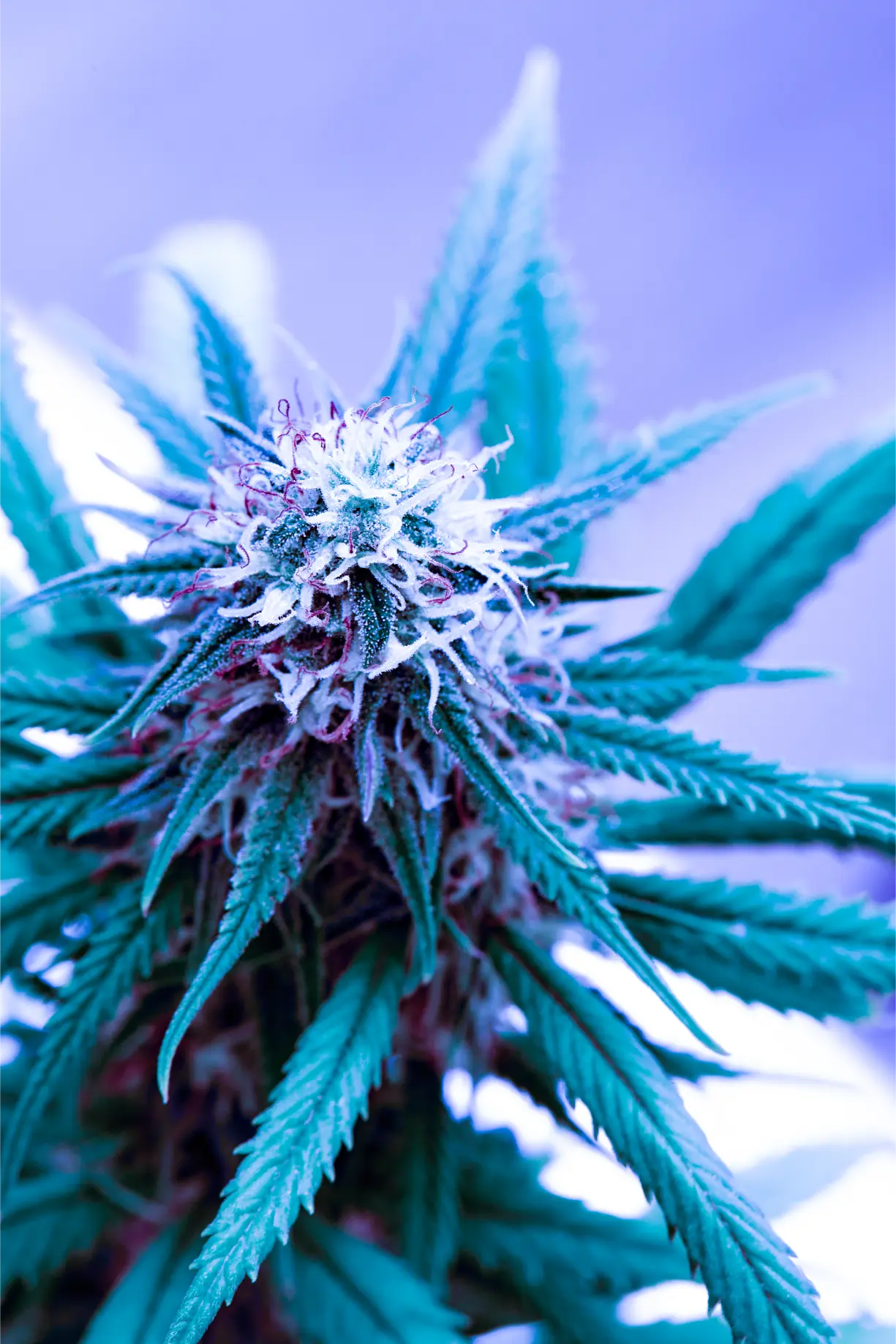
Wedding Crasher
In the fertile breeding grounds of Sacramento, California, during the late 2010s, craft cannabis collective Symbiotic Genetics – the celebrated collaborative powerhouse spearheaded by The Village and BudLongGang – had already conquered the international scene with the explosive citrus sensation of Mimosa. Yet their most ambitious breeding milestone was achieved when they united two of the most influential, resin-drenched pillars of modern West Coast horticulture: JBeezy’s iconic Wedding Cake (Triangle Kush x Animal Mints, bred by Seed Junky Genetics) and Symbiotic’s own prized male stud, Purple Punch F2 (Larry OG x Granddaddy Purple). By fusing the dense, vanilla-frosting fuel and unyielding structural muscle of Wedding Cake with the sweet sugary grape candy and royal purple anthocyanins of Purple Punch, Symbiotic Genetics created an instant modern classic: Wedding Crasher. It was a cross engineered not merely to capture the fleeting hype of social media, but to set a permanent commercial standard for dessert-profile bag appeal, washing yield, and balanced hybrid vigor.
From an architectural standpoint, Wedding Crasher is a revelation for cultivators who demand both heavy commercial yields and pristine aesthetic refinement. Unlike pure Purple Punch selections that can be sluggish in vegetative growth, prone to weak lateral branching, and loose in calyx density, Wedding Crasher inherits the ferocious vegetative engine of Wedding Cake. The plant constructs thick, fibrous main stalks and robust lateral scaffolding that naturally shoots outward at broad 45-degree angles, creating a wide, open frame that responds effortlessly to horizontal trellising. What stuns experienced growers in the flowering room is its exceptional calyx-to-leaf ratio: while traditional indica hybrids bury their buds beneath a dense thicket of solar fan leaves, Wedding Crasher develops with remarkable botanical clarity. Its foliage is slender to medium in width, well-spaced along strong internodes, allowing high-intensity photons to penetrate cleanly into the middle understory without necessitating aggressive defoliation routines.
However, this structural tidiness conceals the cultivar’s ultimate agronomic challenge: the sheer density of its floral architecture and its intense late-bloom resin accumulation. Wedding Crasher initiates glandular trichome synthesis with astonishing speed, coating calyx bracts, petioles, and sugar leaves in glistening resin as early as day 18 of flower. By week six, the individual floral clusters fuse along the branches into seamless, forearm-thick batons of rock-solid calyxes. In cooler northern environments influenced by heavy Great Lakes air masses – where late-summer humidity lingers and autumn brings sudden 40-degree Fahrenheit night drops – that extreme density transforms the colas into localized moisture traps. Nighttime transpiration from the thick central rachis can easily pool within the inner calyx junctions. Without disciplined vapor pressure deficit (VPD) regulation and powerful, non-turbulent under-canopy airflow, this crystalline fortress becomes a prime target for internal Botrytis cinerea (gray mold) during the final fourteen days before harvest.
In our current cultivation evaluation, we ran ten selected female clones derived from a verified Symbiotic Genetics mother plant inside an insulated 8×8 grow suite located within a retrofitted detached workshop. Because northern spring concrete slabs act as persistent thermal sinks that chill root zones and stall nutrient uptake, we elevated our 7-gallon aerated fabric containers on slatted cedar pallets over rigid insulation panels. Beneath each container, we integrated soil probe-regulated radiant heating cables set to a constant 70 degrees Fahrenheit, ensuring that rhizosphere biological activity and vascular calcium uptake remained optimal despite chilly baseline room ambient temperatures.
Rather than deploying modern high-spread LEDs that can leave lower indica understories shaded, we conducted a targeted high-intensity discharge (HID) lighting trial. During the four-week vegetative phase, we suspended a 1000W crisp 6500K Metal Halide (MH) lamp with an open, broad-throw parabolic reflector high above the canopy. The high-energy, short-wavelength blue photons worked in tandem with the plant’s genetics to suppress excessive internodal elongation, thickening the central stalks to the diameter of a garden spade while stimulating lateral shoots to emerge at robust 45-degree angles. Upon switching to the 12/12 flowering cycle, we transitioned to a roaring 1000W High-Pressure Sodium (HPS) lamp inside an air-cooled glass reflector ducted directly to the outdoors. The intense, penetrating 2100K amber-red photon deluge drove deep through the open canopy, swelling the calyxes into solid, resin-dripping spears from crown to baseline.
Simultaneously, we evaluated outdoor performance in four 4×8 raised cedar beds filled with biologically active living soil amended with native compost, aged birch leaf mold, worm castings, and volcanic basalt rock dust. To safeguard the dense, sugary flowers from torrential late-September rainstorms and frost dews common to our northern climate, we constructed a pitched caterpillar hoop house using flexible steel conduit covered in UV-stabilized 6-mil polyethylene sheeting. Crucially, we left the north and south gable ends entirely open, allowing persistent regional breezes to sweep laterally through the canopy. This natural airflow scoured moisture away from the swollen floral bracts while the crisp 45-degree night drops triggered a stunning display of deep plum and royal violet anthocyanins across the calyx tips without sacrificing bud integrity.
Strain Features
| Feature | Details |
|---|---|
| Cultivar Name | Wedding Crasher (commonly stylized as Wedding Crashers) |
| Original Breeder / Source | Symbiotic Genetics (The Village x BudLongGang, Sacramento, CA; circa 2017-2018) |
| Genetic Heritage | Wedding Cake (Triangle Kush x Animal Mints) x Purple Punch F2 (Larry OG x Granddaddy Purple) |
| Genetic Variety | Balanced Hybrid (approximately 55% Sativa / 45% Indica) |
| Chemotype | Type I (High THC, Low CBD/CBG) |
| THC Concentration | 22% to 28% (routinely tests between 24% and 26% in optimized environments) |
| CBD / Minor Cannabinoids | CBD: 0.1% to 0.4% | CBG: 0.8% to 1.5% | CBC: 0.2% to 0.6% |
| Flowering Period | 9 to 10 Weeks (63 to 70 Days indoor photoperiod) |
| Outdoor Harvest Timing | Early to Mid-October in Northern Latitudes (requires frost and rain shelter) |
| Indoor Yield Potential | 500 to 650 g/m² under optimized HID or high-efficiency LED setups |
| Outdoor Yield Potential | 650 to 900+ grams per plant in 50+ gallon containers or raised living-soil beds |
| Canopy Architecture | Medium-tall, robust multi-branched frame with dense, conical royal purple colas |
| Stretch Factor | Moderate to High (1.8x to 2.2x vegetative height expansion post-12/12 flip) |
| Nutrient Appetite | Moderate to heavy feeder; demands high calcium, magnesium, and potassium during calyx swell |
| Optimal Vegetative VPD | 0.85 to 1.10 kPa (76 to 80°F, 65% to 70% RH) |
| Optimal Late Flower VPD | 1.35 to 1.60 kPa (68 to 74°F, 40% to 45% RH) to eliminate Botrytis risk |
| Substrate pH Targets | Soil / Organic Living Soil: 6.2 to 6.8 | Hydroponic / Soilless Coco: 5.8 to 6.1 |
| Dominant Terpenes | Beta-Caryophyllene, Limonene, Beta-Myrcene, Linalool, Humulene, Alpha-Pinene |
| Aromatic Spectrum | Sweet Concord grape candy, vanilla cake frosting, berry syrup, diesel fuel, damp cedar, earthy spice |
| Primary Sensory Effect | Exhilarating cranial euphoria, buoyant social motivation, followed by deep physical tranquility |
| Solventless Wash Potential | Exceptional (4.5% to 5.8% fresh-frozen return on 73u-120u wash bags; world-class live rosin) |
The agronomic profile detailed above explains why Wedding Crasher became a staple in premier craft operations across North America. With a standard flowering duration of 63 to 70 days, it takes slightly longer than quick commercial indicas, but it rewards the cultivator with extraordinary flower density, sensational bag appeal, and an intensely fragrant dessert terpene profile that commands premium shelf pricing in legal dispensaries.
Its moderate-to-high stretch factor (expanding roughly 1.8x to 2.2x after the 12/12 photoperiod flip) demands proactive canopy management. Left untrained, the central apex will dominate hydraulic pressure, producing a tall spear that outgrows indoor lights while lower branches lag behind. By executing a single apical topping at the fifth node during late vegetative growth and installing a dual-tier horizontal trellis net (SCROG), growers can guide eight to twelve primary lateral branches into an expansive, even plane. This ensures that every terminal cola receives uniform photon flux, maximizing high-grade flower development while keeping the canopy well within vertical ceiling limits.
Chemotypically, Wedding Crasher delivers a formidable cannabinoid package. Tested samples consistently register between 22% and 28% THC, but its psychoactive character is uniquely buoyant and clear-headed. Supported by an impressive 1.0% to 1.5% cannabigerol (CBG) concentration and an explosive terpene profile dominated by beta-caryophyllene, limonene, and linalool, Wedding Crasher delivers a clean, functional euphoria paired with deep emotional decompression, making it as therapeutically versatile as it is recreationally celebrated.
Genetic Lineage
Wedding Crasher is the product of an elite, multi-generational genetic convergence that unites the finest fruit, cookie, and punch breeding lines of the modern era. To understand its unparalleled sensory profile and structural vigor, one must trace the genealogical pathways of its two immediate parents: Wedding Cake and Purple Punch F2.
The maternal parent, Wedding Cake (also known as Pink Cookies or Triangle Mints #23), was bred by JBeezy of Seed Junky Genetics by crossing the legendary Triangle Kush clone-only cut from Florida with Animal Mints. Wedding Cake revolutionized modern cannabis breeding by introducing extraordinary resin density, thick stem calipers, an unyielding resistance to environmental stressors, and an unmistakable flavor profile of rich vanilla cake frosting, sweet pastry dough, and acrid fuel. Wedding Cake contributed heavy commercial biomass, rock-hard calyx density, and an intense, long-lasting physical potency that anchors the cross.
The paternal contributor, Purple Punch F2, was originally bred by Supernova Gardens (crossing Larry OG with Granddaddy Purple) and subsequently selected and inbred by Symbiotic Genetics to create their prized breeding stud. Purple Punch F2 contributed dazzling visual bag appeal: deep royal violet and magenta anthocyanin pigmentation that swept across the calyxes, alongside an unmistakable aroma of sweet Concord grape candy, blueberry syrup, and tart fruit punch. Most importantly, Purple Punch passed along fragile, bulbous glandular trichome heads that separate cleanly during mechanical agitation, turning the resulting cross into a legendary hash-washing cultivar.
When grown from seed or selected from a clone library, cultivators will observe two distinct phenotypic expressions that become readily identifiable by week four of bloom:
The Wedding Cake-Dominant Phenotype (“The Vanilla Gas Cut”): Representing roughly 50% of seed populations, this expression displays slightly thicker woody stems, broader foliage, and a more compact growth habit. In flower, it stacks massive, rock-solid calyx clusters that stay predominantly lime green with subtle violet calyx margins under cold nights. The aroma is dominated by rich vanilla cake batter, sweet dough, acrid fuel, and earthy black pepper, with grape sweetness lingering subtly in the background. It finishes in 65 to 70 days, delivering a heavier, more physically sedating narcotic body stone.
The Purple Punch-Dominant Phenotype (“The Grape Candy Cut”): Comprising approximately 50% of populations, this is the visual showstopper. The plant displays slightly longer internodal spacing and more flexible branches that readily fill trellis screens. From week five onward, the calyxes flush into saturated shades of deep royal purple, magenta, and indigo, heavily contrasted by fiery electric-orange pistils. The aroma is overwhelmingly sweet: sugary grape candy, blueberry syrup, and vanilla cream with minimal gas. It finishes slightly faster in 60 to 64 days, delivering an exhilarating, euphoric, and socially buoyant high that sparkles with creative inspiration.
Effect Breakdown
Initial Cranial Euphoria and Social Spark
Upon inhalation, Wedding Crasher delivers an immediate, uplifting cerebral surge that takes hold within ninety seconds. The initial experience is dominated by the bright, dopamine-stimulating influence of its sativa heritage. A warm, pleasant pressure radiates across the crown of the head and behind the eyes, immediately lifting mental fatigue and wiping away feelings of apathy or emotional stress. The consumer experiences a heightened sense of sensory appreciation: colors appear more vivid, music gains rich textural depth, and creative ideas flow with effortless fluid momentum. Unlike high-myrcene sedative cultivars that can induce brain fog or daytime lethargy, Wedding Crasher sparks sharp, lucid focus, making it an extraordinary accompaniment for creative writing, artistic projects, social gatherings, or daytime outdoor adventures.
The Soothing Somatic Balance and Muscular Ease
Between twenty and forty-five minutes into the session, the high broadens into a wonderfully balanced, communicative plateau. The high concentration of limonene, acting in synergy with linalool and beta-caryophyllene, promotes calm emotional composure and social confidence. Social friction, conversational anxiety, and workplace tension dissolve completely, replaced by an easygoing, cheerful warmth that fosters laughter and engaging conversation. Concurrently, the peripheral nervous system begins to downregulate from a state of acute stress: tight jaw muscles unclench, tension in the temples softens, and the resting heart rate remains steady and composed. The user feels entirely in command of their cognitive faculties, experiencing pure emotional elevation without a trace of the paranoia or racy heartbeat that can accompany pure sativas.
The Serene Restorative Descent and Dreamy Relaxation
After ninety minutes to two hours, the Purple Punch lineage gently asserts its soothing indica heritage. The energetic cranial spark transitions smoothly into a warm, comforting somatic glow that cascades down the neck, shoulders, and spine. Muscular tightness accumulated from physical exertion or desk fatigue unwinds effortlessly, leaving the body feeling pleasantly relaxed, buoyant, and free of aches. Crucially, Wedding Crasher avoids a heavy, debilitating “crash”: it does not drag the user into an inescapable couch-lock or force premature sleep, but rather lands smoothly into a serene, peaceful state of contented physical ease that allows for productive daytime functioning or a relaxing, restorative evening.
Flavor & Aroma Profile
Cold Smell and Jar Bouquet: Sweet Grape Candy, Vanilla Frosting, and Pungent Fuel
Cracking the seal on a properly cured glass jar of authentic Wedding Crasher is an olfactory experience that commands the attention of every connoisseur in the room. The initial aroma is shockingly loud, explosive, and mouthwatering: a ferocious burst of sweet Concord grape candy, blueberry preserves, and candied berry skins inherited from Purple Punch. As the initial fruit blast billows into the air, a rich, decadent dessert complexity emerges immediately beneath it: sweet vanilla cake batter, buttercream frosting, and baked pastry dough derived from Wedding Cake. When a dense, crystalline purple bud is gently broken open along the stem, the profile reveals a sophisticated savory base: acrid petroleum fuel, warm sandalwood, damp cedar, and a sharp crack of black pepper. The aromatic contrast between high-voltage berry sweetness and rich, gassy pastry is absolute perfection.
Combustion, Vaporization, and Dynamic Mouthfeel
When rolled into a joint or consumed through a clean quartz vaporizer, Wedding Crasher delivers one of the most vibrant, terpene-saturated flavor translations in modern cannabis. The dry pull across an unlit joint tastes identical to sweet grape soda and vanilla sugar cookies. Upon ignition, the primary inhale floods the palate with an intense wave of sweet-and-sour grape candy, tart dark berries, and creamy vanilla frosting. The smoke is remarkably thick, velvety, and smooth, expanding gently in the lungs without throat bite. On the exhale, the profile deepens dramatically: the bright fruit takes a back seat to rich flavors of baked vanilla cookies, spiced cherry cream, and earthy cedar, leaving behind a lingering, confectionary grape-and-vanilla aftertaste that coats the tongue and roof of the mouth for ten minutes after the session concludes. The ash burns down to a pristine, fluffy, light-gray consistency that confirms thorough mineral flushing.
Curing Evolution and Estery Terpene Preservation
Because Wedding Crasher’s intoxicating bouquet is heavily driven by delicate monoterpenes and fruit esters – particularly limonene, myrcene, and linalool – patient post-harvest curing is essential to locking in its world-class flavor. In the first two weeks following dry-down, the flowers can present a sharper, slightly peppery bite that masks the deeper pastry undertones. However, as the buds cure in airtight glass jars maintained strictly between 58% and 62% relative humidity at 60 degrees Fahrenheit, enzymatic processes break down residual chlorophyll and equalize internal moisture gradients. By week four of the cure, the sharpness transforms into pure silk: the grape candy notes round out into smooth, candied berry syrup, while the vanilla and fuel pastry notes integrate seamlessly into the finish. At eight weeks of curing, Wedding Crasher reaches its absolute sensory peak, delivering an antique, confectionary fruit-and-cream profile that modern commercial rush-jobs can never replicate.
Dominant Terpenes
| Terpene | Concentration Range | Primary Sensory Contribution | Key Physiological / Horticultural Roles |
|---|---|---|---|
| Beta-Caryophyllene | 0.6% to 1.2% | Spicy black pepper, warm clove, toasted cedar | Binds directly to peripheral CB2 receptors; potent non-psychoactive anti-inflammatory and analgesic |
| Limonene | 0.5% to 1.1% | Sweet citrus zest, candied grape skin, tart fruit punch | Drives cheerful cranial euphoria and anxiety relief; natural plant defense against sap-feeding insects |
| Beta-Myrcene | 0.4% to 0.8% | Sweet mango musk, damp forest earth, herbal spice | Enhances cannabinoid blood-brain barrier permeability; provides gentle somatic muscle relaxation |
| Linalool | 0.15% to 0.35% | Sweet floral lavender, wild mountain blossoms, citrus peel | Promotes calming GABAergic neurotransmission; mitigates acute stress and emotional tension |
| Humulene (Alpha-Caryophyllene) | 0.15% to 0.30% | Earthy woodiness, dry noble hops, subtle spice | Synergizes with caryophyllene for cellular recovery; modulates appetite and exhibits antibacterial traits |
| Alpha-Pinene | 0.10% to 0.25% | Fresh pine needles, crisp alpine air, sharp resin | Natural bronchodilator facilitating smooth vapor intake; preserves memory pathways via AChE inhibition |
The terpene profile of Wedding Crasher is a textbook example of high-amplitude, synergistic chemical architecture. Beta-caryophyllene acts as the primary dominant terpene, frequently exceeding 1.0% by dry weight in well-grown organic specimens. In the human body, caryophyllene functions biologically as a fully active dietary cannabinoid, selectively binding to peripheral CB2 receptors located throughout the immune and gastrointestinal systems. This action downregulates inflammatory cytokine production, providing profound physical relief for joint stiffness, tension headaches, and muscular soreness without adding sedative cognitive fog.
Limonene acts as the crucial euphoric engine, bringing bright, sparkling citrus and candied fruit aromatics to the bouquet while stimulating serotonin and dopamine pathways in the central nervous system. This biochemical stimulation provides the rapid mood elevation, mental clarity, and anxiety relief that characterizes Wedding Crasher’s daytime appeal. In the garden, high limonene concentrations act as an effective natural repellent against common soft-bodied pests like aphids and thrips.
The presence of linalool and alpha-pinene creates an exquisite neurochemical balance. Linalool facilitates inhibitory GABAergic neurotransmission, smoothing out the high-potency THC rush and preventing the cerebral restlessness or jitteriness that pure sativa lines can occasionally provoke. Meanwhile, alpha-pinene provides natural bronchodilation, opening respiratory pathways upon inhalation and helping to maintain sharp cognitive presence and memory recall throughout the high.
Indoor vs. Outdoor Growing
| Cultivation Metric | Indoor Controlled Environment | Outdoor Natural Sunlight (Northern Climate) |
|---|---|---|
| Canopy Footprint per Plant | 3.0 x 3.0 ft to 3.5 x 3.5 ft in 7 to 10-gallon containers | 5.0 x 5.0 ft to 6.0 x 6.0 ft in raised beds or 50+ gal containers |
| Flowering Duration | 63 to 70 Days (9 to 10 Weeks) under 12/12 photoperiod | Finishes Early to Mid-October in Northern Latitudes |
| Average Yield | 500 to 650 g/m² under optimized HID / LED fixtures | 650 to 900+ grams per plant in nutrient-dense living soil |
| Primary Climate Risks | Late-flower canopy humidity spikes; Botrytis inside dense colas | Late-September cold rains, frost dews, high morning dew point |
| Structural Support Needed | Dual-tier horizontal trellis netting (SCROG) mandatory | Sturdy bamboo stakes or heavy-gauge galvanized wire cages |
| Pest & Disease Pressures | Fungus gnats in wet soil; spider mites if humidity drops | Caterpillars, aphids, late-season Botrytis from autumn rain |
| Optimal Feeding Regimen | Moderate to heavy EC (1.6 – 2.2 mS/cm); high calcium and potassium | Living soil top-dresses: worm castings, kelp meal, basalt, bone meal |
| Anthocyanin Expression | Deep royal purple develops naturally; intensified by 10°F night drop | Vibrant royal purple and magenta triggered naturally by autumn dews |
Indoor Environmental Optimization and High-Performance Management
To cultivate Wedding Crasher to its absolute genetic potential indoors, the grower must operate with precise environmental discipline. Because this cultivar produces remarkably chunky, rock-hard calyx clusters, standard passive ventilation is wholly inadequate during late bloom. During the vegetative stage, maintain daytime canopy temperatures at 76 to 80 degrees Fahrenheit with relative humidity at 65% to 70%, yielding an ideal vegetative vapor pressure deficit (VPD) of 0.85 to 1.10 kPa. This allows the broad solar leaves to transpire freely without desiccating leaf margins.
Upon switching to the 12/12 flowering cycle, begin systematically driving down room humidity to match the plant’s rapid calyx accumulation. By week four of flower, as the floral clusters begin fusing into solid, baseball-sized nuggets, reduce daytime temperatures to 72 to 75 degrees Fahrenheit and drop relative humidity to 50%. In weeks six through eight, drop humidity further to 40% to 45%, raising late-bloom VPD to a sterile 1.35 to 1.60 kPa. This deliberate atmospheric drying forces the plant to coat its calyxes in protective, resinous trichomes while making it physically impossible for Botrytis spores to establish a foothold inside the floral core. High-velocity oscillating wall fans must be positioned both above the upper canopy and beneath the main branch junctions to maintain constant, non-turbulent air shearing across all flower sites.
Outdoor Cultivation in Challenging Northern Latitudes
Outdoors, Wedding Crasher’s 63 to 70-day flowering cycle makes it an invaluable asset for northern cultivators contending with short, unpredictable summers and early autumn frost windows. Where six-month tropical sativas succumb to November snows, Wedding Crasher is fully finished and curing in jars by the second week of October. However, successful northern outdoor cultivation requires deliberate microclimate engineering.
First, plant in raised living soil beds or elevated aerated fabric containers (50 to 100 gallons) rather than directly into heavy, cold native clay. Elevated beds warm up significantly faster during the chilly northern spring, encouraging vigorous early root branching and mycorrhizal colonization. Second, orient your planting rows to capture the first rays of the morning sunrise. Morning sun is essential for evaporating heavy condensation and dew from the broad leaves and flower shoulders before midday heat can create a greenhouse-like mold environment. Finally, construct a sturdy, open-sided caterpillar hoop house or high-tunnel shelter over the crop before the autumn equinox. Covering the plants with clear 6-mil poly shields the baseball-bat colas from torrential late-September rainstorms, while leaving the sides completely open ensures that cool, fresh autumn winds circulate continuously through the canopy, coaxing out breathtaking royal violet anthocyanins while keeping the harvest completely rot-free.
Comprehensive 10-Week Cultivation Journal and Environmental Log
The following detailed cultivation journal documents our rigorous evaluation of Wedding Crasher grown from verified Symbiotic Genetics clone stock in our retrofitted workshop grow suite. This log reflects real-world horticultural data, tracking daily environmental targets, nutrient inputs, and specific canopy interventions from the final week of vegetative staging through harvest, hang, and slow curing.
| Week & Stage | Photoperiod & Lighting | Temp (Day / Night) | RH% & VPD | Feed EC & Runoff | pH In / Out | Key Botanical Interventions & Observations |
|---|---|---|---|---|---|---|
| Week 0 (Final Veg) | 18/6 | 1000W MH (6500K) @ 32 in | 78°F / 70°F | 68% | 0.95 kPa | 1.4 mS/cm | 1.3 mS/cm | 6.4 / 6.5 | Apical topping above 5th node; radial LST on 8 primary laterals; radiant floor cables active at 70°F |
| Week 1 (Transition Flip) | 12/12 | 1000W MH (6500K) @ 30 in | 77°F / 68°F | 65% | 1.05 kPa | 1.6 mS/cm | 1.5 mS/cm | 6.4 / 6.5 | Maintained MH bulb to curb stretch; trained primary branches into lower trellis screen |
| Week 2 (Pre-Flower Stretch) | 12/12 | Swapped to 1000W HPS | 76°F / 67°F | 60% | 1.15 kPa | 1.8 mS/cm | 1.7 mS/cm | 6.3 / 6.4 | Pre-flower pistils appear; switched to 2100K HPS; secondary trellis net installed at 10 inches |
| Week 3 (Peak Stretch) | 12/12 | 1000W HPS (2100K) | 75°F / 66°F | 55% | 1.25 kPa | 2.0 mS/cm | 1.9 mS/cm | 6.3 / 6.5 | Stretch halts at 2.0x; disciplined understory pruning (lollipoping bottom 30%); PPFD @ 850 umol |
| Week 4 (Calyx Stacking) | 12/12 | 1000W HPS (2100K) | 74°F / 65°F | 50% | 1.35 kPa | 2.2 mS/cm | 2.1 mS/cm | 6.2 / 6.4 | Pistils form tight buttons; nitrogen cut by 40%; monopotassium phosphate and sulfur added; purple tips emerge |
| Week 5 (Resin Blizzard) | 12/12 | 1000W HPS (2100K) | 73°F / 64°F | 48% | 1.40 kPa | 2.3 mS/cm | 2.2 mS/cm | 6.2 / 6.4 | Trichome coverage explodes; deep royal purple sweeps calyxes; room reeks of sweet grape candy and vanilla fuel |
| Week 6 (Cola Bulking) | 12/12 | 1000W HPS (2100K) | 72°F / 62°F | 45% | 1.48 kPa | 2.1 mS/cm | 2.2 mS/cm | 6.3 / 6.4 | Colas swell to forearm thickness; under-canopy horizontal airflow increased; potassium boosted |
| Week 7 (Late Swell) | 12/12 | 1000W HPS (2100K) | 70°F / 58°F | 42% | 1.55 kPa | 1.4 mS/cm | 1.8 mS/cm | 6.4 / 6.5 | Mineral taper initiated; night temp dropped to 58°F; saturated violet and magenta hues across entire calyx mass |
| Week 8 (Flush & Senescence) | 12/12 | 1000W HPS (2100K) | 68°F / 55°F | 40% | 1.58 kPa | 0.5 mS/cm | 0.9 mS/cm | 6.5 / 6.6 | Pure RO water with fulvic acids; 90% cloudy trichomes, 10% amber; calyx swelling complete |
| Week 9 (Harvest & Hang) | Darkness (48 hrs prior to cut) | 60°F / 60°F | 60% | Controlled | Substrate Dry-down | N/A | Whole-plant harvest at day 65; hung upside down in dark dry suite; 14-day slow dry initiated |
Week 0 to Week 1: Canopy Staging and Stretch Suppression. During the final week of vegetative growth, our Wedding Crasher clones stood 16 inches tall, displaying thick vascular stems and dark green 7-bladed solar fan leaves. We executed a clean topping cut above the fifth node, stimulating eight primary lateral branches. Keeping the 1000W Metal Halide lamp active during the first week of 12/12 proved essential: the high-energy blue photons suppressed excessive vertical elongation, keeping internodal spacing tight at approximately 1.8 inches while building thick, woody stems capable of bearing heavy floral biomass.
Week 2 to Week 3: Trellising, Stretch Peak, and Understory Clearing. By day 12 of 12/12, pre-flower pistils were emerging vigorously across all nodes, and tiny glandular trichome stalks were already visible under magnification. We swapped the Metal Halide bulb for a 1000W High-Pressure Sodium lamp, flooding the canopy with 2100K amber-red photons. Vertical stretch stabilized at day 21 at an average height of 32 inches (a 2.0x expansion). We installed a secondary horizontal trellis net 10 inches above the first, weaving each lateral shoot into its own dedicated grid opening. We then performed a disciplined “lollipopping” pass, stripping away the lower 30% of shaded understory branches, weak interior shoots, and small water leaves to focus all plant energy on the upper terminal crowns.
Week 4 to Week 5: Calyx Stacking and Anthocyanin Onset. During week four, Wedding Crasher underwent an explosive floral transition. The pistillate clusters fused along the branches into contiguous, dense columns. We adjusted our nutrient inputs: nitrogen was reduced by forty percent, while monopotassium phosphate and magnesium sulfate were introduced to support intense calyx swelling and resin synthesis. By week five, the legendary royal purple coloration swept across the calyx bracts. Trichome gland heads coated not only the calyxes, but extended down the petioles and covered the sugar leaves in a dense, shimmering frost. Brushing against the canopy released a potent aroma of sweet Concord grape candy, vanilla cake frosting, and pungent fuel. Room dehumidification was set to maximum capacity, holding relative humidity at 48% to drive late-bloom VPD up to 1.40 kPa.
Week 6 to Week 7: Forearm Cola Swelling and Botrytis Vigilance. As week six progressed, the terminal colas bulked into massive, forearm-thick cylinders. The calyxes packed so tightly around the central stems that individual internodes became completely invisible. Knowing that internal moisture buildup inside these colas posed an imminent Botrytis hazard, we placed four high-velocity 16-inch oscillating fans beneath the lower trellis level, forcing an upward laminar airflow through the interior of each plant. In week seven, we capitalized on our regional northern climate by dropping nighttime dark-cycle temperatures down to 58 degrees Fahrenheit while keeping daytime temperatures at 70 degrees. This controlled 12-degree diurnal temperature differential stimulated profound anthocyanin synthesis: over seventy-two hours, the lime-green calyx tips flushed into dramatic shades of deep indigo, magenta, and royal purple.
Week 8 to Week 9: The Pure Flush and Precision Harvest. By day 56 of flower, the plants had completely ceased vegetative water consumption, transpiring roughly half their peak volume. We halted all mineral inputs, irrigating exclusively with pure reverse-osmosis water conditioned with a touch of humic acid to facilitate the mobilization and breakdown of internal nutrient reserves. The fan leaves underwent a gorgeous autumnal senescence, fading from deep green to mottled yellow, violet, and gold. Daily microscopic inspection of the glandular trichomes on the mid-calyx bracts revealed ninety percent milky-opaque heads, five percent clear, and five percent deep amber. On day 65, after a 48-hour dark rest period that allowed volatile terpenes to reach peak saturation, the plants were cut whole at the base and transferred immediately to our dark, climate-controlled curing room maintained at precisely 60 degrees Fahrenheit and 60% relative humidity for a fourteen-day whole-plant hang dry.
Strain-Specific Grow Guidance
1. Early Apical Topping and Lateral Trellis Weaving
Wedding Crasher exhibits tremendous hybrid vigor inherited from Wedding Cake, developing strong, thick lateral branches that can quickly outpace an unmonitored canopy. To create an optimal horizontal plane of production, top the main terminal shoot cleanly above the fourth or fifth node during late vegetative growth. When flipping to flower, install a dual-tier horizontal trellis net. During the first fourteen days post-flip, systematically weave and tuck emerging lateral branches into separate grid openings. This horizontal redirection distributes hydraulic pressure evenly across eight to twelve primary leaders, producing uniform, forearm-thick terminal spears rather than a single dominant, light-bleached apical head.
2. Managing the High Calyx Density: Disciplined Understory Defoliation
While Wedding Crasher develops an open, workable canopy silhouette, its individual lateral branches produce heavy clusters of secondary bud sites and overlapping foliage. At day 21 of flower (the conclusion of stretch), execute a disciplined understory defoliation pass: strip away the lower 30% to 35% of shaded foliage, spindly shoots, and immature bud sites below the primary trellis screen. This creates a clean, open vertical “chimney” beneath the canopy that allows upward airflow to scour moisture away from the swelling upper colas, redirecting all plant energy into premium top-shelf flower mass.
3. Capitalizing on Anthocyanin Pigmentation Without Thermal Shock
Wedding Crasher carries dense genetic anthocyanin pigmentation inherited from Purple Punch, causing the calyxes to turn royal purple and magenta naturally even under warm 75-degree daytime temperatures. While a mild 10 to 12-degree night drop (down to 60-62°F) will intensify the violet saturation, shocking the room with near-freezing temperatures is completely unnecessary and can stunt root biology. Allow the genetics to do the work naturally: maintaining daytime canopy temperatures around 72 degrees with a gentle night drop during the final two weeks is more than sufficient to achieve breathtaking, magazine-cover royal purple coloration while preserving optimal metabolic health.
4. Precision Mineral Feeding: Moderate Nitrogen and Heavy Potassium/Phosphorus
While Wedding Crasher builds extraordinarily dense flowers, it is sensitive to excessive nitrogen during the middle and late stages of bloom. Feeding high-nitrogen formulas past week three of bloom leads to dark green leaf clawing, excessive sugar leaf formation within the floral clusters, and a harsh, grassy chlorophyll bite that spoils the finished smoke. Maintain vegetative feed EC around 1.4 mS/cm. At week three of bloom, transition to a formulation high in monopotassium phosphate and bio-available sulfur, peaking at an EC of 1.8 to 2.2 mS/cm during week five, before initiating a steady taper down to 1.2 mS/cm by week seven.
5. Calcium and Silicon Supplementation for Heavy Conical Stems
Because Wedding Crasher constructs extraordinarily heavy, rock-solid terminal colas that can weigh down lateral branches during late bloom, structural fortification is mandatory. Supplement your nutrient solution with bio-available potassium silicate (SiO2) and chelated calcium throughout vegetative growth and the first four weeks of flower. Silica deposits directly into the epidermal cell walls, creating rigid microscopic armor that thickens stem diameter and prevents branches from splitting under floral weight. Calcium fortifies vascular xylem tissue, ensuring unobstructed fluid transport to the upper crowns and preventing internal calyx necrosis.
6. Late-Bloom Vapor Pressure Deficit (VPD) Escalation to Eliminate Botrytis
The immense physical density of Wedding Crasher’s colas represents its single greatest vulnerability. In late bloom, the tightly fused calyxes create an internal boundary layer that traps moisture transpired by the main stem. During weeks six through nine of flower, aggressively drive your late-bloom VPD up to 1.35 to 1.60 kPa. Achieve this by reducing room relative humidity to 40% to 45% while maintaining canopy temperatures at 70 to 74 degrees Fahrenheit. This elevated drying pressure pulls moisture efficiently out of the bud core, preventing the micro-condensation droplets that allow Botrytis cinerea spores to germinate.
7. Substrate Temperature Regulation on Cold Concrete Floors
In cooler northern grow rooms, unheated concrete floors act as massive thermal sinks that drain warmth from container substrates. If root-zone temperatures fall below 62 degrees Fahrenheit, Wedding Crasher’s metabolic activity slows dramatically: enzymatic phosphorus transport stalls, purple striping appears along petioles, and root nutrient assimilation plummets. Always elevate containers at least three to four inches off bare concrete using rigid foam insulation boards and slatted wooden risers. In unheated basements or workshops, integrate waterproof radiant heating cables or seedling heat mats beneath the pots to maintain a constant root-zone temperature of 68 to 72 degrees Fahrenheit throughout the cycle.
8. Trellis Netting and Radial Branch Separation
To maximize light penetration and prevent heavy colas from leaning into one another, install a dual-tier horizontal trellis system. Position the first trellis net 10 to 12 inches above the container rim to spread and separate the primary lateral branches during the post-flip stretch. Position a second support net 8 to 10 inches above the first at week three of flower. This upper net provides rigid structural cradles for the heavy vertical colas, ensuring that every flower head remains held upright directly beneath peak light intensity while preventing colas from touching and creating mold-prone contact points.
9. Managing High-Velocity Under-Canopy Laminar Airflow
Passive room airflow is wholly inadequate for a flowering Wedding Crasher canopy. Position heavy-duty oscillating wall fans both above the light line and directly beneath the main trellis netting. The under-canopy fans must be configured to blow upward through the lower foliage at a slight angle, creating a laminar air current that scours moisture away from the bottom of the colas and prevents stagnant microclimates from forming around the main branch junctions.
10. Precision Harvest Diagnostics: Terpene Integrity vs. Amber Degradation
Never determine harvest timing for Wedding Crasher by the color of its pistils alone. Due to its Afghan lineage, Wedding Crasher’s white pistils can turn bright orange or brown as early as day 45 of flower, long before the internal resin glands have reached biochemical maturity. Harvesting at this premature stage results in a light, racy, short-lived high with underdeveloped berry flavors. Conversely, waiting too long causes the high concentration of beta-myrcene and THC to degrade into excessive cannabinol (CBN), turning an uplifting, balanced smoke into an uncomfortably heavy, narcotic tranquilizer. The sweet spot occurs between day 63 and day 68: inspect the glandular trichome heads on the calyxes (not the outer sugar leaves) under 60x magnification. Harvest when roughly 85% to 90% of the gland heads are milky-opaque, with 5% to 10% displaying a rich amber hue and clear trichomes virtually absent.
Weedth Bud Flavor Tips
To capture the full, world-class flavor profile of Wedding Crasher – fusing sweet Concord grape candy, rich vanilla cake frosting, and pungent fuel – the cultivator must execute precise agronomic steering during the final four weeks of bloom. Implement these five scientifically proven practices to maximize volatile terpene and ester retention:
1. Maximize Bio-Available Sulfur in Mid-to-Late Bloom: The unique grape candy, fuel, and fermented fruit aromatics of Wedding Crasher are heavily dependent on volatile sulfur compounds (VSCs) and sulfur-containing secondary metabolites. Between weeks four and six of flower, supplement your irrigation with pharmaceutical-grade magnesium sulfate (Epsom salt) at 100 to 150 ppm (providing roughly 15 to 20 ppm of elemental sulfur). Sulfur acts as a critical building block for terpene synthases and enzymatic pathways responsible for manufacturing caryophyllene, limonene, and delicate fruit esters.
2. Inoculate the Rhizosphere with Complex Carbohydrates: During the ripening phase (weeks five through seven), introduce organic carbohydrates, such as blackstrap molasses or pure horticultural-grade fulvic acid complexes, to your watering regimen. While plants do not absorb large sugar molecules directly through root cells, these carbohydrates provide a vital energy source for beneficial mycorrhizal fungi and plant growth-promoting rhizobacteria (PGPR). A thriving rhizosphere stimulates systemic acquired resistance (SAR) in the plant, prompting the calyxes to synthesize significantly higher concentrations of resinous protective oils.
3. Enforce Controlled Late-Stage Water Stress: During the final seven to ten days of flower, implement mild, controlled substrate dry-down cycles. Allowing the container substrate to dry down to roughly 30% moisture capacity before a light water-only drench triggers a mild drought stress response. The plant responds biologically by accelerating secondary metabolite production, packing trichome heads with dense aromatic terpenes and cannabinoids to shield its maturing reproductive calyxes from environmental desiccation.
4. Execute a Disciplined Whole-Plant Hang Dry at 60/60: Monoterpenes such as limonene, myrcene, and pinene have low boiling points and begin evaporating at ambient temperatures as low as 68 degrees Fahrenheit. Wet-trimming dense buds with mechanical trimmers ruptures delicate trichome heads and floods the flowers with green chlorophyll fluids, permanently compromising the sweet fruit and skunk flavor. Harvest Wedding Crasher as whole plants or large branches, stripping only the largest fan leaves, and hang them in a dark, clean drying room maintained strictly at 60 degrees Fahrenheit and 60% relative humidity for a full 14 to 16 days. This slow, low-temperature dry-down allows internal starches to break down cleanly while sealing the delicate monoterpenes inside the trichome cuticles.
5. Preserve Glandular Integrity with Gentle Non-Thermal Curing: Once dried until smaller stems snap with a distinct audible crack, hand-manicure the buds with razor-sharp scissors, handling flowers exclusively by their stems to avoid crushing the outer resin heads. Seal the manicured buds in airtight glass containers filled to 75% capacity, maintaining internal jar relative humidity between 58% and 62% using two-way humidity control packs. Burp jars daily for ten minutes during the first two weeks, then allow the flowers to undergo an undisturbed anaerobic cure for an additional four to six weeks. This patient curing process softens the smoke to pure velvet while allowing the deep pastry and cedar undertones to harmonize with the candied grape top notes.
Weedth Bud Boost Tips
Commercial cultivators looking to maximize dry-weight biomass, push calyx density to rock-hard commercial standards, and increase solventless extract yields can utilize these five advanced horticultural boosting protocols tailored specifically for Wedding Crasher:
1. Carbon Dioxide (CO2) Enrichment to 1150 PPM: Wedding Crasher possesses an exceptionally broad, thick leaf structure capable of processing intense photon energy. In sealed indoor rooms equipped with high-intensity discharge or high-efficiency LED fixtures, supplementing atmospheric CO2 to 1050 to 1150 ppm from week two through week six of flower dramatically enhances the rate of RuBisCO enzymatic carboxylation during photosynthesis. This elevated carbon saturation allows the plant to efficiently utilize PPFD levels up to 1000 umol/m²/s without photon saturation stress, accelerating calyx stacking and increasing final dry-weight yield by up to 25%.
2. Strategic UVB Supplementation During Peak Trichome Formation: During weeks five, six, and seven of flower, introduce supplemental ultraviolet-B (UVB) light (in the 280-315 nm spectrum) for two to three hours during the middle of the daily photoperiod. In nature, high-altitude Afghan landraces evolved to produce dense layers of glandular trichomes as a natural sunscreen to protect their genetic material from intense ultraviolet solar radiation. Exposing Wedding Crasher to controlled UVB stress stimulates an immediate surge in trichome gland head density and cuticle thickness, noticeably boosting total cannabinoid and terpene content.
3. Far-Red (730 nm) End-of-Day Photoperiod Manipulation: At the close of each daily 12-hour light cycle, apply a ten-minute pulse of pure far-red light (730 nm). Far-red photons rapidly convert the plant’s active phytochrome (Pfr) back into its inactive form (Pr), tricking the plant’s internal circadian clock into perceiving immediate darkness. This allows the plant to enter its nocturnal flowering and metabolic processes up to two hours faster each night, effectively accelerating flower maturation, swelling calyx bracts, and shaving several days off the total bloom duration.
4. Targeted Potassium Silicate Root Drenching: Incorporating potassium silicate into your nutrient reservoir from the start of vegetative growth through week four of flower provides bio-available silicon that integrates directly into the plant’s cell walls. This cellular fortification thickens lateral stems, reinforces vascular bundles, and creates rigid structural support for Wedding Crasher’s notoriously heavy terminal colas. Stronger stems dramatically increase xylem and phloem transport capacity, allowing higher volumes of water and mineral ions to reach the swelling flower clusters without structural collapse.
5. Precision Generative Dry-Back Steering in Flower: In inert substrates such as coco coir or rockwool, implement precision crop steering techniques using volumetric water content (VWC) sensors. Transition from vegetative irrigation (frequent small shots maintaining high moisture content) during the first two weeks to generative steering during weeks three through six. Allow substrate VWC to dry back by 25% to 30% overnight before initiating the first irrigation shot two hours after lights-on. This generative moisture cue signals the plant to cease vegetative leaf expansion and direct all metabolic energy into dense, compact calyx swelling and heavy resin production.
Medical Uses & Benefits
Wedding Crasher has rapidly earned widespread acclaim across the medical cannabis community for its versatile, high-potency cannabinoid profile and mood-elevating terpene matrix. Testing consistently between 22% and 28% THC with elevated CBG and high concentrations of beta-caryophyllene, limonene, and linalool, Wedding Crasher provides comprehensive symptomatic relief for several challenging physical and affective conditions:
1. Chronic Stress, Generalized Anxiety, and Social Phobia: Wedding Crasher is one of the most effective emotional stabilizers available in modern dispensaries. The high concentration of limonene, acting in synergy with linalool and elevated THC, stimulates central dopamine and serotonin release, lifting depressive apathy, dissolving persistent negative thought patterns, and restoring an optimistic, creative outlook on daily life without causing mental confusion.
2. Mild to Moderate Musculoskeletal and Joint Pain: The synergistic combination of THC and beta-caryophyllene provides potent central and peripheral analgesic relief. By binding to CB1 receptors in the spine to mute pain signaling and activating peripheral CB2 receptors to reduce localized inflammation, Wedding Crasher effectively eases lower back stiffness, joint inflammation, and myofascial pain without inducing heavy daytime couch-lock.
3. Major Depressive Disorder, Anhedonia, and Executive Burnout: For patients dealing with chronic fatigue syndrome or the mental exhaustion associated with demanding occupations, Wedding Crasher acts as a clean, natural cognitive revitalizer. It provides smooth, sustained mental alertness and physical motivation that helps patients stay active and productive throughout the day without the sudden crash associated with pharmaceutical stimulants or caffeine.
4. Tension Headaches, Migraines, and Ocular Pressure: Patients suffering from chronic tension headaches, cluster migraines, or elevated ocular pressure find rapid relief in Wedding Crasher. The cultivar facilitates smooth cranial vasodilation within minutes of inhalation, releasing tight muscular constriction around the temples and behind the eyes while dampening neurovascular pain transmission.
5. Evening Decompression and Sleep Onset Support: While the first two hours of Wedding Crasher provide uplifting, functional euphoria, its gentle descent into Purple Punch sedation makes it exceptionally valuable for evening unwinding. It quiets racing thoughts, relaxes the autonomic nervous system, and allows patients struggling with stress-induced insomnia to transition smoothly into deep, restorative sleep.
Ideal User Profile
Wedding Crasher is an extraordinary, modern connoisseur cultivar, making it exceptionally suited for specific consumers and lifestyle use cases:
The Modern Terpene Connoisseur and Flavor Chaser: Perfect for enthusiasts who demand the absolute peak of contemporary breeding aesthetics. If you appreciate complex, layered aromatics that seamlessly fuse sweet Concord grape candy, vanilla cake frosting, and pungent fuel, Wedding Crasher represents the current gold standard of dessert cannabis.
The Creative Professional and Social Consumer: Ideal for artists, writers, musicians, and professionals seeking afternoon inspiration, emotional elevation, and effortless conversational flow. Wedding Crasher provides pure euphoric energy and creative focus while keeping the mind sharp, composed, and productive.
The Artisanal Solventless Hash Extractor: Wedding Crasher is a dream for craft hash makers seeking to wash fresh-frozen material into world-class live rosin. Its massive, brittle glandular trichome heads detach cleanly during ice water agitation, yielding staggering 4.5% to 5.8% fresh-frozen returns of pale purple, golden-blonde hash that presses into intensely fragrant, shelf-stable live rosin.
Who Should Look Elsewhere: Consumers seeking a pure, heavy, sedating knockout to cure severe late-night insomnia should look elsewhere. While Wedding Crasher provides gentle physical relaxation in its late phase, its bright, limonene-driven cranial spark is designed for daytime elevation and evening socializing, rather than immediate couch-lock sedation. Those needing a heavy sleep aid should consider cultivars like White Russian, Shishkaberry, or Black Mamba.
Grower Notes and Feedback
Over the past five years, elite cultivators across commercial facilities, craft living-soil collectives, and solventless hash cooperatives have contributed invaluable field data regarding Wedding Crasher:
“Wedding Crasher is one of the most reliable yielders in our commercial rotation,” explains a head grower from a premier California facility. “Our biggest realization was how well it handles trellising. Unlike pure Purple Punch, which can be somewhat floppy and slow in veg, Wedding Crasher builds thick, woody stems from its Wedding Cake mother. When you top it once and spread it across a two-tier trellis, it fills every square foot with dense, conical purple spears. The aroma during weeks seven and eight is unbelievable: sweet grape soda baked into vanilla cake batter.”
A living-soil home cultivator in the Great Lakes region shares their outdoor experience: “In our northern climate, an early October finish is everything. Wedding Crasher is one of the very few heavy-yielding modern exotics that reliably crosses the finish line before our first hard autumn freeze. We run them in 65-gallon fabric pots elevated off the ground under an open-sided clear poly hoop house. The open sides let our constant lake winds blow right through the foliage, while the poly roof keeps cold September rains off the dense colas. When the night temperatures drop into the 40s right before harvest, the whole plant turns gorgeous shades of royal violet and black. It smells like sweet grape candy and gas.”
A master hash processor remarks on its washing capabilities: “If you are running an ice water hash operation, you need a mother plant of Wedding Crasher in your library. The glandular trichomes are gigantic, perfectly spherical, and break cleanly at the abscission zone during gentle agitation. The 73u to 120u wash bags collect thick, blonde patties of resin that smell like sweet grape candy, vanilla cream, and diesel fuel. It presses into a gorgeous, translucent cold-cured live rosin that remains shelf-stable for months.”
Weedth Editor's Note
Wedding Crasher occupies an exceptional place in my personal garden rotation. In an era where many hyped varieties turn out to be underwhelming in person, Wedding Crasher genuinely exceeds its reputation. Symbiotic Genetics’ union of Wedding Cake and Purple Punch was not just a lucky find; it was an extraordinary horticultural achievement that proved a cultivar could deliver blinding royal purple bag appeal, mouthwatering grape and vanilla terpenes, and devastating potency without being finicky or fragile in the grow room.
In the garden, Wedding Crasher is a joy to cultivate because it behaves with remarkable predictability. It branches easily, stacks dense calyxes without excessive foliage, and roots from cuttings in under ten days. But mastering this strain requires respecting its physical mass. If you allow it to grow into a crowded canopy without proper under-canopy airflow, its dense, forearm-thick purple colas will reward you with interior mold. If you give it the space to spread its branches radially, keep its interior open to fresh air, and resist the temptation to harvest the moment the frost appears, it will reward you with some of the heaviest, stickiest, and most fragrant flowers you will ever produce.
When curing Wedding Crasher, be patient. The delicate vanilla and grape top notes need a slow, controlled 14-day dry at 60 degrees Fahrenheit and 60% relative humidity, followed by at least four weeks in airtight glass. When properly cured, Wedding Crasher is not merely top-shelf cannabis; it is a masterclass in modern breeding that sets the standard for the entire industry.
How do I prevent internal bud rot (Botrytis cinerea) inside Wedding Crasher’s dense, conical grape-vanilla colas during the final two weeks of flower while preserving its volatile dessert terpene profile?
Preventing Botrytis inside Wedding Crasher’s extraordinarily dense colas requires a multi-faceted agronomic strategy focused on canopy aerodynamics, nutrient tapering, and vapor pressure deficit control. First, implement a single apical topping above the fifth node during vegetative growth and execute a disciplined understory cleanup (lollipopping) at day 21 of flower: remove the lower 30% of shaded branches and small interior shoots, creating a vertical airflow chimney that allows air to sweep upward through the plant rather than stagnating against dense calyx bases.
Second, manage your late-bloom atmospheric conditions with absolute precision. In indoor environments, drive relative humidity down to 40% to 45% between weeks six and nine of flower, keeping late-bloom VPD between 1.35 and 1.60 kPa while ensuring powerful oscillating fans push continuous air both above and directly beneath the main canopy netting. Outdoors in cooler northern climates, erect an open-ended clear polyethylene hoop shelter to shield the flowers from cold autumn rains, and gently shake branches in the early morning to dislodge dew droplets. Finally, cut all supplemental nitrogen out of your feed by week four: excess nitrogen softens plant cell walls and creates spongy, water-swollen calyx tissues that are exceptionally vulnerable to fungal hyphae penetration. Supplementing with bio-available potassium silicate and maintaining a warm, active root zone will ensure thick, fortified cell walls that keep your harvest pristine and rot-free right up to the drying rack.
Weedth Score
Growing Experience & Canopy Management: 9.0/10 Wedding Crasher is an absolute pleasure to cultivate for growers of all experience levels. It exhibits robust hybrid vigor, roots rapidly from cuttings, and responds flawlessly to both apical topping and horizontal SCROG trellising. Its remarkably high calyx-to-leaf ratio makes light penetration uniform and hand manicuring exceptionally fast. The only operational requirement is maintaining strict late-bloom humidity control to protect its dense colas from Botrytis.
Bud Structure, Density & Bag Appeal: 9.5/10 Visually, cured Wedding Crasher represents the undisputed zenith of modern exotic bag appeal. The flowers cure into rock-solid, golf-ball to baseball-sized nuggets characterized by swollen, calyx-dominant bracts and minimal internal foliage. The buds present a breathtaking tapestry of saturated royal purple, deep magenta, and fiery electric-orange pistils, all smothered in a glittering, diamond-like blanket of bulbous resin gland heads.
Terpene Profile & Olfactory Complexity: 9.4/10 One of the loudest and most intoxicating aromatic profiles in modern cannabis history. The initial strike is an explosive burst of sweet Concord grape candy, blueberry preserves, and candied berry skins. This is seamlessly balanced by a rich, savory foundation of vanilla cake batter, sweet buttercream frosting, acrid diesel fuel, and toasted cedar. The bouquet fills the room instantly and remains deeply pungent throughout long cures.
Smoke Smoothness, Flavor Retention & Ash Quality: 9.2/10 When properly dried for two weeks at 60 degrees Fahrenheit and cured in airtight glass, Wedding Crasher delivers an extraordinarily smooth, velvety draw with zero throat scratchiness. The flavor mirrors the aroma with remarkable fidelity, coating the palate in sweet grape soda and vanilla sugar cookies on the inhale before transforming into rich pastry dough and toasted cedar on the exhale, burning down to a clean, fluffy, light-gray ash.
Potency, Cannabinoid Punch & High Longevity: 9.1/10 Testing reliably between 22% and 28% THC, Wedding Crasher packs serious potency while delivering an exceptionally clean, functional, and uplifting high. The effect sparks immediate cranial euphoria, creative focus, and buoyant social energy before easing smoothly into a warm, comfortable somatic relaxation that lasts over two and a half hours without inducing heavy couch-lock or daytime grogginess.
Commercial Viability, Yield & Processing Merit: 9.3/10 From a commercial perspective, Wedding Crasher is an absolute titan. Its brisk 63 to 70-day flowering cycle allows four to five turns per year, while its exceptional calyx-to-leaf ratio makes hand-trimming fast and cost-effective. Furthermore, its massive, spherical trichome gland heads make it an elite, high-yielding cultivar for ice water hash washing and solventless live rosin extraction, returning up to 5.8% fresh-frozen yields.
Overall Cultivar Ranking & Final Verdict: 9.3/10 Wedding Crasher is an enduring masterpiece of modern craft breeding. By perfectly pairing the rock-solid calyx density and vanilla fuel of Wedding Cake with the explosive grape candy aromatics and royal purple aesthetics of Purple Punch, Symbiotic Genetics created an untouchable modern classic. It earns our highest possible recommendation for any serious cultivator, connoisseur, or solventless extractor.
A personal note on Wedding Crasher: When you crack open a curing jar of authentic Wedding Crasher, the room instantly fills with the intoxicating scent of sweet grape candy baked into vanilla cake batter. It proves that true breeding excellence is about creating balanced, resilient, and deeply therapeutic botanical art that stands the test of time.
FAQ
What is Wedding Crasher's exact genetic lineage?
Wedding Crasher is an elite hybrid bred in Sacramento, California, by Symbiotic Genetics (a collaborative breeding project between The Village and BudLongGang). The lineage is a direct cross between Seed Junky Genetics’ famous Wedding Cake (Triangle Kush x Animal Mints) and Symbiotic’s proprietary Purple Punch F2 stud (Larry OG x Granddaddy Purple). This cross unites the dense calyx structure, heavy resin production, and vanilla gas of Wedding Cake with the sweet sugary grape candy and royal purple anthocyanins of Purple Punch.
Is Wedding Crasher an indica or a sativa hybrid?
Wedding Crasher is classified as a slightly sativa-dominant to balanced hybrid (roughly 55% Sativa / 45% Indica). It delivers an uplifting, clear-headed, and socially buoyant cranial euphoria during the first hour of consumption, before easing into a comfortable, soothing somatic relaxation that relieves physical tension without causing heavy sedation or couch-lock.
How long does Wedding Crasher take to flower indoors?
Wedding Crasher typically requires 9 to 10 weeks (63 to 70 days) of 12/12 photoperiod to reach peak cannabinoid and terpene maturity indoors. While Purple Punch-dominant phenotypes can finish as early as day 63 with vibrant purple calyxes, Wedding Cake-leaning expressions benefit from running until day 68 to 70 to allow complex vanilla-fuel terpenes and calyx density to fully peak.
How much does Wedding Crasher stretch after flipping to 12/12?
Wedding Crasher exhibits a moderate to high stretch factor, typically expanding 1.8x to 2.2x its vegetative height during the first three weeks of 12/12 bloom. This vigorous elongation is inherited from both parents. Cultivators should top the plant early in vegetative growth and install horizontal trellis netting (SCROG) to weave lateral branches and maintain an even canopy height.
Does Wedding Crasher respond well to topping and training?
Yes, Wedding Crasher responds exceptionally well to early apical topping and low-stress training (LST). Topping the main stem above the fourth or fifth node breaks apical dominance, stimulating the rapid development of eight to twelve vigorous lateral branches. When trained outward into horizontal trellis netting, the plant produces a broad, uniform canopy of dense conical colas rather than a single dominant, lanky spear.
Is Screen of Green (SCROG) effective for Wedding Crasher?
Wedding Crasher is an ideal candidate for a Screen of Green (SCROG) system. Its flexible, vigorous lateral branches during the transition stretch allow the cultivator to weave stems horizontally through the grid squares during the first three weeks of 12/12. This creates an even plane of light distribution, maximizing photosynthetic efficiency and turning a potentially lanky sativa into a high-yielding, multi-headed production canopy.
Should I defoliate Wedding Crasher heavily?
Defoliation should be disciplined and targeted rather than aggressive. Because Wedding Crasher already possesses a naturally high calyx-to-leaf ratio with well-spaced foliage, stripping away too many fan leaves can starve the plant of carbohydrates needed for calyx bulking. Execute a thorough understory cleanup (lollipopping) at day 21 of flower to remove shaded lower growth, and thin out only interior fan leaves that physically press against swelling flower clusters.
Is Wedding Crasher a heavy feeder?
Wedding Crasher is a moderate to heavy feeder that responds well to electrical conductivity (EC) levels between 1.8 and 2.2 mS/cm during peak flower. However, cultivators must reduce nitrogen levels sharply after week three of bloom, as excess nitrogen can lead to leafy calyxes and delayed ripening. Supplement generously with potassium, phosphorus, and sulfur from week four onward to maximize calyx swelling and terpene synthesis.
Why is my Wedding Crasher not turning purple?
While Wedding Crasher carries strong anthocyanin genetics from Purple Punch, color expression can vary between phenotypes. Cake-dominant phenotypes may remain predominantly lime green with subtle violet calyx margins. To encourage purple pigmentation, maintain daytime temperatures around 72 degrees Fahrenheit while dropping night dark-cycle temperatures to 58 to 62 degrees during the final fourteen days of bloom.
Why does my Wedding Crasher smell more like gas than grape?
Wedding Crasher displays natural phenotypic variation. If your cured flower smells predominantly of pungent fuel, vanilla dough, and black pepper, you are cultivating the Wedding Cake-dominant phenotype. Conversely, if sweet Concord grape candy and berry syrup dominate, you have the Purple Punch-leaning expression. Both phenotypes are highly prized connoisseur profiles.
Is Wedding Crasher prone to mold or bud rot?
Wedding Crasher exhibits strong natural resistance to foliar powdery mildew, but its terminal colas are so thick and tightly packed that they have a moderate-to-high susceptibility to Botrytis cinerea (gray mold) in high-humidity environments. Cultivators must maintain late-bloom relative humidity between 40% and 45%, provide vigorous oscillating airflow beneath and through the canopy, and prune away crowded lower growth to keep the flowers safe.
Does Wedding Crasher require physical branch support?
Yes. While Wedding Crasher develops thick, woody stems during vegetative growth, its terminal floral clusters become extraordinarily dense and heavy between weeks six and eight of flower. Without horizontal trellis netting or sturdy bamboo stakes, lateral branches can splay outward or snap completely under the sheer weight of the swelling colas.
When should Wedding Crasher be harvested for peak flavor?
The optimal harvest window occurs between day 63 and day 68 of flower indoors, or late September to early October outdoors in northern latitudes. Do not judge maturity by pistil color alone, as hairs often turn brown prematurely. Inspect the glandular trichomes on the calyxes under 60x magnification: harvest when approximately 85% to 90% of the heads are milky-opaque, with 5% to 10% amber and clear trichomes virtually gone.
How can I preserve Wedding Crasher's delicate grape and vanilla aromatics?
Preserving its signature flavor requires strict post-harvest discipline. Monoterpenes like limonene and linalool evaporate rapidly at temperatures above 68 degrees Fahrenheit. Harvest whole plants and dry them slowly in a dark environment maintained strictly at 60 degrees Fahrenheit and 60% relative humidity for 14 days, followed by at least four weeks of airtight glass jar curing at 58% to 62% RH.
Is Wedding Crasher suitable for daytime consumption?
Yes. Wedding Crasher is widely celebrated as an exceptional daytime and afternoon hybrid. Its clear-headed cranial euphoria, mood-elevating properties, and buoyant social energy make it perfect for creative work, socializing, or active outdoor hobbies without the heavy lethargy or couch-lock associated with pure indica strains.
Similar Strains
| Strain Name | Genetics / Lineage | Flowering Time | THC Range | Dominant Terpenes | Key Comparative Distinctions |
|---|---|---|---|---|---|
| Wedding Crasher | Wedding Cake x Purple Punch F2 | 9 to 10 Weeks (63 to 70 Days) | 22% to 28% | Caryophyllene, Limonene, Myrcene | The Symbiotic flagship; sweet grape candy, vanilla frosting, and gas; balanced social euphoria |
| Wedding Cake | Triangle Kush x Animal Mints | 9 to 10 Weeks (63 to 70 Days) | 24% to 28% | Caryophyllene, Limonene, Myrcene | The maternal parent; heavy vanilla dough, fuel, and black pepper; significantly more physical couch-lock |
| Purple Punch | Larry OG x Granddaddy Purple | 8 to 9 Weeks (56 to 63 Days) | 18% to 22% | Caryophyllene, Myrcene, Pinene | The paternal parent; pure Concord grape candy and berry syrup; softer calyx density and heavier bedtime sedation |
| Mimosa | Clementine x Purple Punch | 8.5 to 9.5 Weeks (60 to 67 Days) | 20% to 26% | Myrcene, Limonene, Caryophyllene | Symbiotic sibling; bright sweet orange and champagne fruit; more energetic morning sativa buzz |
| Slurricane | Do-Si-Dos x Purple Punch | 8 to 9 Weeks (56 to 63 Days) | 22% to 28% | Caryophyllene, Limonene, Myrcene | In House Genetics cross; sugary berry and earthy OG gas; heavier narcotic body melt with darker purple calyxes |
| Ice Cream Cake | Wedding Cake x Gelato #33 | 8.5 to 9.5 Weeks (60 to 67 Days) | 22% to 26% | Caryophyllene, Limonene, Linalool | Dessert titan; creamy vanilla pastry, sweet cream, and lavender gas; heavier nighttime sedation |
Wedding Crasher vs. Wedding Cake: As the maternal foundation of Wedding Crasher, Seed Junky Genetics’ Wedding Cake provides the muscular branching, heavy trichome density, and rich vanilla-gas profile that anchors both cultivars. However, pure Wedding Cake is significantly more narcotic and physically sedating. It displays a heavier indica stone, predominantly green calyx coloration, and a flavor dominated by rich cake batter, black pepper, and acrid fuel with zero berry sweetness. Wedding Crasher infuses Purple Punch, adding vibrant grape candy top notes, stunning royal purple aesthetics, and a lighter, socially engaging cranial euphoria that makes it far more versatile for daytime and social use.
Wedding Crasher vs. Purple Punch: Purple Punch serves as the paternal backbone of Wedding Crasher, contributing its legendary Concord grape candy bouquet and saturated violet calyx pigmentation. The critical distinction lies in commercial vigor and calyx density. Pure Purple Punch can be notoriously slow in vegetative growth, prone to slender lateral branches, and develops softer, lighter calyxes that yield moderately. Wedding Crasher completely revitalizes this lineage by introducing Wedding Cake’s cast-iron vegetative engine, resulting in thicker woody stems, faster growth, and rock-solid conical colas that deliver vastly superior commercial yields.
Wedding Crasher vs. Mimosa: Both cultivars represent the pinnacle of Symbiotic Genetics’ breeding program, utilizing Purple Punch to introduce fruit sweetness and bag appeal. However, Mimosa (crossed with Clementine) leans into an effervescent, citrus-dominant profile resembling sweet orange slices and sparkling champagne, delivering an energetic, wake-and-bake morning buzz. Wedding Crasher (crossed with Wedding Cake) presents a much deeper, richer profile of sweet grape candy, vanilla frosting, and fuel, offering a balanced afternoon-to-evening high that bridges mental focus with soothing somatic comfort.
Wedding Crasher vs. Slurricane: Slurricane (bred by In House Genetics) also utilizes Purple Punch, pairing it with NorCal Do-Si-Dos. Both hybrids produce dazzling, frost-smothered purple flowers with elite connoisseur bag appeal. However, Slurricane leans heavily toward the earthy, pungent OG Kush and cookie gas of Do-Si-Dos, delivering a heavy, tranquilizing body stone that quickly leads to couch-lock. Wedding Crasher maintains a brighter, more uplifting cerebral spark and a distinctly confectionary vanilla-grape palate, making it better suited for active social environments.
Wedding Crasher vs. Ice Cream Cake: Ice Cream Cake (Seed Junky Genetics) shares Wedding Cake maternity, but crosses it with Gelato #33. Both cultivars dominate modern dispensary dessert menus with creamy vanilla and sweet dough profiles. The key difference lies in fruit character and psychoactive arc: Ice Cream Cake is dominated by sweet cream, nutty vanilla, and floral lavender gas with a heavy nighttime sedative punch. Wedding Crasher introduces vibrant Concord grape candy and dark berry syrup, providing an uplifting cerebral opening that keeps the consumer engaged and sociable before physical relaxation settles in.
Share this article
A quick overview of the topics covered in this article.
Follow us
Latest articles
October 24, 2026
October 24, 2026
October 24, 2026
October 24, 2026