
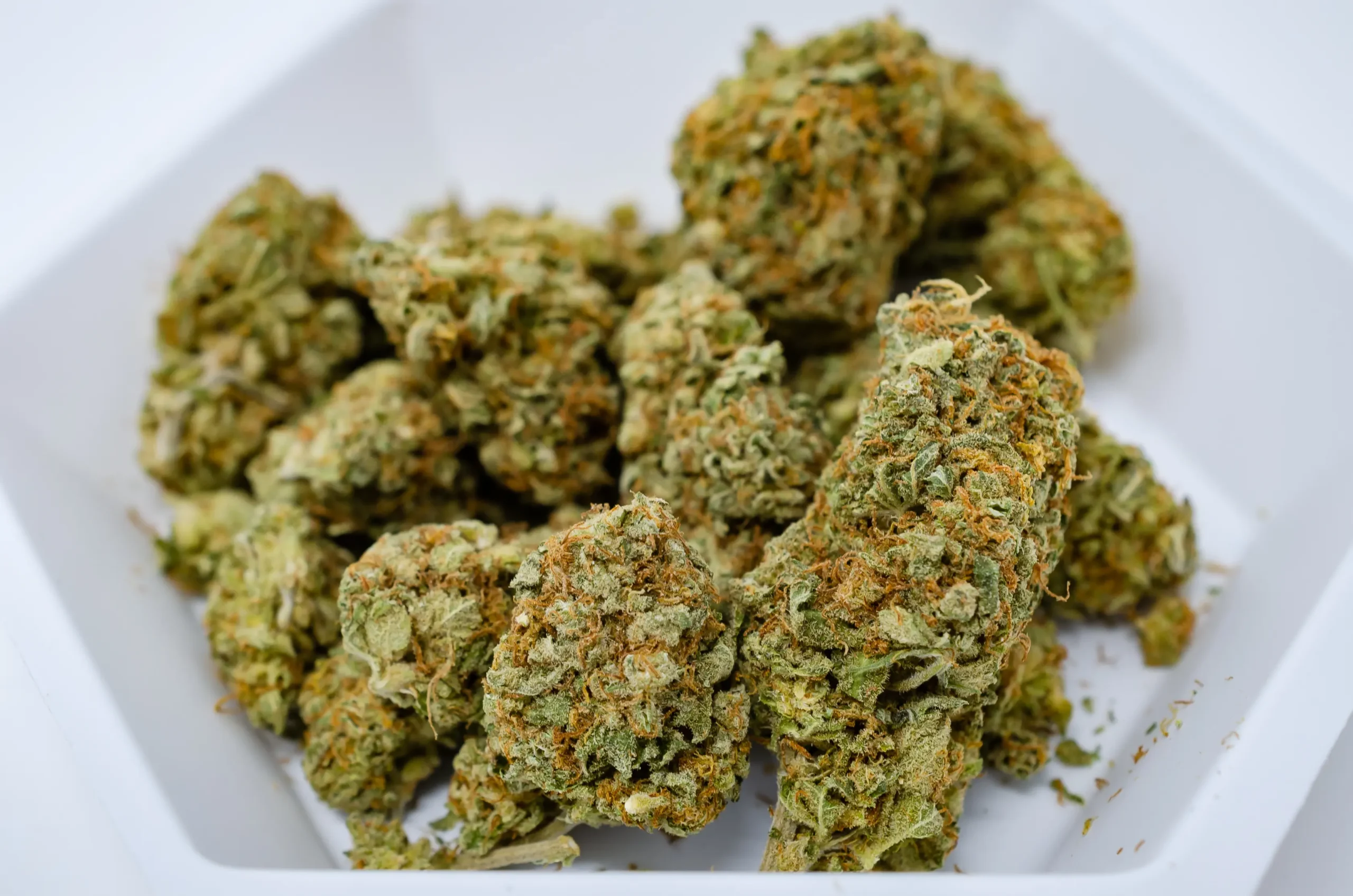
Sour Tsunami
In the sun-drenched, rugged ridges of Southern Humboldt County during the late 2000s, a quiet revolution was ignited by a man who had zero interest in the high-THC arms race dominating underground cannabis culture. Lawrence Ringo, founder of the Southern Humboldt Seed Collective (SoHum Seeds), was enduring excruciating spinal pain from severe degenerative disc disease – a brutal toll exacted by decades of strenuous farm labor. High-potency THC cultivars left him mentally incapacitated, cognitively sluggish, and prone to racing heartbeats that made working on his homestead impossible. Driven by pure physiological necessity, Ringo spent nearly four years engaged in a rigorous, solitary breeding project: crossing elite cuts of Sour Diesel with NYC Diesel, backcrossing the progeny to a prized “Ferrari” Sour Diesel selection, and outcrossing the line with a rare, low-THC landrace sativa lineage carrying Mexican and Nepalese genetics. When California’s earliest analytical laboratories first brought high-performance liquid chromatography (HPLC) testing to the public around 2010, Ringo submitted his selections. One plant returned an astonishing, unprecedented result: nearly 11% cannabidiol (CBD) and under 1% tetrahydrocannabinol (THC). That historic seedling was named Sour Tsunami, marking the official birth of modern, lab-verified high-CBD cannabis breeding in North America.
For the contemporary cultivator, Sour Tsunami represents both a legendary therapeutic treasure and a complex Mendelian riddle. Unlike uniform, inbred indica lines that reproduce nearly identical chemistry from every seed, a pack of Sour Tsunami is a segregating population. The enzymatic genes responsible for synthesizing cannabinoids – specifically cannabidiolic acid synthase (CBDAS) and tetrahydrocannabinolic acid synthase (THCAS) – operate as codominant alleles competing for the identical chemical precursor, cannabigerolic acid (CBGA). As a consequence of basic genetic segregation, popping seeds will yield three distinct chemotypes: Chemotype III (CBD-dominant plants with ratios from 12:1 to 20:1 CBD to THC), Chemotype II (balanced plants presenting roughly 1:1 or 2:1 ratios), and Chemotype I (traditional THC-dominant individuals that lean heavily into the intoxicating, fuel-heavy Sour Diesel ancestry). The central agronomic reality is that no cultivator, regardless of their experience, can visually determine which seedling carries which chemotype by inspecting leaf serrations, stem coloration, or vegetative vigor.
This genetic architecture dictates an uncompromising cultivation protocol: running Sour Tsunami from seed is never just a routine flower cycle; it is a systematic pheno-hunt and genetic selection project. Every single seedling must be cloned in vegetative growth before the photoperiod is shifted to flower. If a cultivator pops a pack, flowers the seed plants directly, and harvests a magnificent, non-intoxicating 15:1 CBD medical masterpiece without having secured living backup cuttings, that genetic unicorn is lost forever the moment the main stem is severed at the root collar. Successful production requires disciplined alphanumeric labeling, identical root volume staging, and post-harvest analytical testing to identify, verify, and preserve the ultimate keeper mother plant.
In our current cultivation evaluation, we popped ten seeds from authentic preservation stock inside an environmentally controlled 8×8 grow facility situated within a detached workshop. Because early spring in our northern latitude brings persistently cold soil temperatures and damp air masses rolling off the Great Lakes, protecting container root zones from cold concrete thermal sinking was critical. We elevated our 7-gallon aerated fabric containers four inches off the ground on slatted cedar risers placed over rigid insulation panels, weaving soil probe-governed radiant heating cables beneath each pot to maintain substrate temperatures at a steady 70 degrees Fahrenheit throughout vegetative staging.
Rather than deploying modern high-angle LEDs that can encourage excessive internodal stretching in sativa-dominant lines, we conducted a targeted high-intensity discharge (HID) lighting trial. To suppress the notorious, runaway vertical stretch inherited from its Sour Diesel and NYC Diesel ancestry, we suspended a 1000W crisp 6500K Metal Halide (MH) fixture 32 inches above the canopy during the five-week vegetative phase. The deluge of short-wavelength, high-energy blue photons acted as a natural vegetative brake, limiting internodal gaps to a manageable 1.8 to 2.2 inches while stimulating robust, vascular, woody stem development capable of holding heavy floral clusters without splitting. Upon flipping to the 12/12 photoperiod, we swapped to a 1000W High-Pressure Sodium (HPS) lamp housed within an air-cooled glass reflector, delivering an intense 2100K amber-red photon bath that penetrated deeply through the open, sativa-influenced canopy to swell the elongated, conical calyx clusters.
Simultaneously, we evaluated outdoor performance in four 4×8 raised cedar living-soil beds amended with native compost, worm castings, aged hardwood leaf mold, and mineral-rich greensand. In our northern Great Lakes climate, where late September and early October bring sudden 40-degree Fahrenheit night drops, torrential cold rains, and heavy morning condensation, Sour Tsunami’s 9-week flowering requirement poses a serious botrytis hazard. To guarantee crop security, we erected a high-tunnel caterpillar hoop house over the beds using galvanized steel conduit draped with clear, UV-stabilized 6-mil polyethylene. Leaving the north and south gable ends wide open transformed the shelter into a passive wind tunnel: the constant lateral lake breezes scoured morning dews from the dense, resin-covered conical flower heads, allowing the plants to mature into flawless, rot-free therapeutic medicine under crisp autumn skies.
Strain Features
| Feature | Details |
|---|---|
| Cultivar Name | Sour Tsunami |
| Original Breeder / Source | Lawrence Ringo / Southern Humboldt Seed Collective (SoHum Seeds), circa 2008-2010 |
| Genetic Heritage | Sour Diesel x NYC Diesel x Ferrari Sour Diesel x Sativa Landrace (Mexican/Nepalese heritage) |
| Genetic Variety | Sativa-Dominant Hybrid (approximately 60% Sativa / 40% Indica) |
| Chemotype Distribution | Segregating seed population: Chemotype III (CBD-dominant), Chemotype II (Balanced 1:1), Chemotype I (THC-dominant) |
| Cannabinoid Profile (CBD-Dominant Cut) | CBD: 10% to 14% | THC: 0.5% to 1.0% | CBC: 0.5% to 1.2% | CBG: 0.4% to 0.8% |
| Cannabinoid Profile (Balanced Cut) | CBD: 8% to 11% | THC: 6% to 9% (Approximate 1:1 to 1.5:1 ratio) |
| Flowering Period | 8.5 to 9.5 Weeks (60 to 67 Days indoor photoperiod) |
| Outdoor Harvest Timing | Early to Mid-October in Northern Latitudes (requires frost/rain protection) |
| Indoor Yield Potential | 450 to 550 g/m² under optimized HID or high-efficiency LED setups |
| Outdoor Yield Potential | 550 to 800+ grams per plant in 50+ gallon containers or raised living-soil beds |
| Canopy Architecture | Medium-tall, open, multi-branched frame with dense, elongated conical colas |
| Stretch Factor | Moderate to High (2.0x to 2.4x vegetative height expansion post-12/12 flip) |
| Nutrient Appetite | Moderate feeder; sensitive to excess mid-bloom nitrogen; high calcium and sulfur demand |
| Optimal Vegetative VPD | 0.85 to 1.10 kPa (76 to 80°F, 65% to 70% RH) |
| Optimal Late Flower VPD | 1.35 to 1.60 kPa (68 to 74°F, 40% to 45% RH) to protect dense conical bud interiors |
| Substrate pH Targets | Soil / Organic Living Soil: 6.2 to 6.8 | Hydroponic / Soilless Coco: 5.8 to 6.1 |
| Dominant Terpenes | Beta-Myrcene, Terpinolene, Beta-Caryophyllene, Alpha-Pinene, Limonene, Humulene |
| Aromatic Spectrum | Pungent sour diesel, acrid petroleum fuel, rotten grapefruit, musky pine, sweet earthy herbs |
| Primary Sensory Effect | Clear-headed cranial lucidity, profound somatic muscle relaxation, anti-inflammatory relief, minimal to zero intoxication (in Chemotype III) |
| Pathogen Vulnerability | Strong natural resistance to powdery mildew; moderate vulnerability to Botrytis in dense core colas under late-season cold rains |
The agronomic parameters summarized above highlight why Sour Tsunami occupies such a revered position among medical cultivators and botanical researchers. Unlike many modern industrial hemp cultivars bred purely for biomass extraction – which often produce airy, wispy, leaf-heavy flowers that lack bag appeal – Sour Tsunami produces genuine, connoisseur-grade floral clusters. The buds develop with substantial physical density, forming elongated, conical spears characterized by swollen calyx bracts, heavy resin gland coverage, and a remarkably pungent terpene profile that rivals the loudest THC cultivars on the market.
Its moderate-to-high stretch factor (expanding between 2.0x and 2.4x its vegetative height following the 12/12 light transition) demands proactive canopy management. Because its Diesel lineage encourages dominant apical growth, leaving Sour Tsunami untrained will result in tall, lanky main shoots that crowd overhead fixtures and cast heavy shadows across lower bud sites. Implementing an early topping protocol at the fifth node followed by horizontal trellis netting (SCROG) distributes the plant’s hydraulic pressure evenly across eight to twelve primary branches, creating a flat, uniform canopy that maximizes photon capture across every square foot of growing space.
From a chemical perspective, Sour Tsunami’s true power lies in its complex cannabinoid and terpene entourage. In selected Chemotype III specimens, the 10% to 14% CBD concentration is accompanied by significant minor cannabinoid fractions, including cannabichromene (CBC) up to 1.2% and cannabigerol (CBG) up to 0.8%. When combined with a rich terpene spectrum dominated by beta-myrcene, terpinolene, and beta-caryophyllene, this chemical synergy delivers profound anti-inflammatory, neuroprotective, and analgesic benefits without triggering the cognitive impairment, anxiety, or tachycardia often provoked by high-THC sativa hybrids.
Genetic Lineage
The genetic architecture of Sour Tsunami is a testament to Lawrence Ringo’s brilliance as an old-school selectionist. While many internet sources oversimplify its lineage as a direct cross between Sour Diesel and NYC Diesel, the true genealogical map is a sophisticated multi-generation pedigree designed to capture elite Diesel bag appeal while stabilizing ancestral CBD alleles.
The foundational bedrock of the cross is Sour Diesel – specifically the legendary East Coast clone-only lineage descending from Chemdog 91, Super Skunk, and Northern Lights. Sour Diesel contributed aggressive hybrid vigor, pungent volatile sulfur compounds that produce acrid diesel-fuel aromatics, an elongated conical calyx structure, and exceptional trichome gland production. However, pure Sour Diesel is notoriously intoxicating and contains virtually zero CBD. To introduce aromatic complexity and enhance structural branch strength, Ringo crossed Sour Diesel with Soma’s NYC Diesel (an exotic cross combining a Sour Diesel cutting with an Afghan/Hawaiian paternal line). This union amplified the pungent citrus, rotten grapefruit rind, and musky spice notes in the terpene profile.
The critical therapeutic breakthrough occurred when Ringo backcrossed the resulting hybrid to a specialized, high-vigor selection known as the “Ferrari” Sour Diesel cut, and systematically introduced pollen from a rare, low-THC landrace sativa line carrying ancestral Mexican and Nepalese genetics. It was from these rugged, high-altitude landrace genetics that the active CBD acid synthase (*B_D*) alleles were introduced into the breeding pool. Over several generations of selective sibling crosses and backcrosses, Ringo coaxed the *B_D* and *B_T* alleles into a dynamic equilibrium, producing a cultivar capable of generating production-grade CBD concentrations on a classic connoisseur Diesel chassis.
Understanding Mendelian inheritance is essential for any cultivator running Sour Tsunami from seed. Cannabinoid synthesis is governed by codominant alleles at a single genetic locus. The *B_D* allele codes for CBD acid synthase, while the *B_T* allele codes for THC acid synthase. When seeds from a heterozygous cross (*B_D B_T*) are germinated, the offspring segregate according to classical Mendelian ratios:
1. Chemotype III (Homozygous *B_D B_D* – The CBD-Dominant Phenotype): Representing roughly 25% of a standard seed population, this is the holy grail for non-intoxicating medical relief. These plants synthesize almost exclusively CBD, testing between 10% and 14% CBD with THC levels held strictly between 0.5% and 1.0% (a ratio of 15:1 to 20:1). The sensory profile is rich with sour diesel, fresh pine needles, and tart grapefruit. The effect is profoundly calming to the nervous system, completely clear-headed, and functionally non-intoxicating.
2. Chemotype II (Heterozygous *B_D B_T* – The Balanced 1:1 Phenotype): Representing approximately 50% of seed populations, this expression synthesizes both CBD and THC in roughly equal proportions (typically 8% to 11% CBD alongside 6% to 9% THC). This balanced chemotype is deeply cherished by chronic pain and autoimmune patients: the substantial CBD concentration modulates the CB1 receptor activity of the THC, completely eliminating cerebral paranoia and disorientation while producing a gentle, functional euphoria paired with massive somatic muscle relaxation.
3. Chemotype I (Homozygous *B_T B_T* – The THC-Dominant Phenotype): Representing the remaining 25% of seed offspring, these plants lean heavily into their Sour Diesel ancestry, producing 14% to 18% THC with CBD levels falling below 1%. While lacking the high-CBD medical focus of the other chemotypes, these plants are magnificent, high-octane diesel powerhouses, offering an electric, cerebral sativa buzz and loud petroleum-citrus aromatics that pay homage to classic East Coast fuel.
Effect Breakdown
Clear Cranial Lucidity and Immediate Mental Calming
When consuming a verified Chemotype III (CBD-dominant) selection of Sour Tsunami, the psychological onset is unlike anything experienced from commercial high-THC cannabis. Within two to four minutes of inhalation, a gentle wave of mental clarity washes over the frontal cortex. There is no disorienting “head rush,” no visual distortion, and zero cognitive fuzziness. Instead, racing thoughts, daily anxiety, and mental tension simply dissolve. The mind feels anchored, lucid, and remarkably alert. For individuals who find high-THC strains paralyzing or anxiety-provoking, Sour Tsunami provides a sanctuary of emotional composure: it downregulates the brain’s acute stress response, quiets the sympathetic nervous system, and instills a serene, optimistic focus that allows the consumer to tackle complex professional tasks, engage in lively conversation, or manage household demands with absolute presence.
Somatic Unwinding and Targeted Musculoskeletal Relief
Between twenty and forty minutes into the session, the profound physiological power of Sour Tsunami’s cannabinoid and terpene profile takes center stage. CBD acts as an allosteric modulator of opioid receptors, inhibits the breakdown of the body’s natural endocannabinoid anandamide via fatty acid amide hydrolase (FAAH) inhibition, and desensitizes TRPV1 vanilloid receptors responsible for mediating pain signaling. Concurrently, beta-caryophyllene binds directly to peripheral CB2 receptors to dampen inflammatory cytokine cascades. The result is a total-body somatic release: deep-seated muscular spasms in the lower lumbar spine begin to unlock, joint inflammation in the knees and wrists recedes, and tight neck and shoulder tendons relax effortlessly. Chronic physical discomfort fades into the background, replaced by a warm, soothing sensation of somatic lightness.
Non-Intoxicating Functional Equilibrium
Unlike heavy indica cultivars that culminate in overwhelming couch-lock and forced sleep, a CBD-rich Sour Tsunami maintains a steady, productive equilibrium that lasts between two and three hours. The consumer remains fully functional, energetic, and cognitively agile throughout the entire experience. There is no heavy eyelid droop, no afternoon “cannabis hangover,” and no sudden urge to raid the pantry for junk food. For patients managing chronic inflammatory disorders, Lyme disease, multiple sclerosis, or severe occupational stress, this functional profile represents true freedom: it delivers hospital-grade physical comfort while leaving the executive faculties of the mind sharp, productive, and completely sober.
Flavor & Aroma Profile
Cold Smell and Jar Aromatics: Pungent Sour Diesel, Fermented Grapefruit, and Damp Pine
Opening a sealed glass jar of properly cured Sour Tsunami flower is a revelation for anyone who mistakenly believes that high-CBD cannabis is aromatic compromise. The immediate olfactory strike is intensely pungent, aggressive, and undeniably Diesel-forward. The room instantly fills with the sharp, acrid scent of raw high-octane petroleum fuel, solvent-like kerosene, and sour chemical funk. Beneath this aggressive hydrocarbon punch lies a rich, mouthwatering citrus layer: fermented pink grapefruit rinds, bruised lemon peel, and tart kaffir lime. When a dense conical bud is broken open, the terpene bouquet shifts dynamically, releasing a secondary wave of damp forest soil, crushed pine needles, spicy cedar shavings, and sweet dried herbs. It possesses the loud, room-filling aromatic amplitude of an elite 1990s Sour Diesel cut, completely defying the muted hay-like smell of poorly bred hemp.
Combustion, Vaporization, and Dynamic Mouthfeel
Upon ignition in an unbleached paper or consumption through a convection dry-herb vaporizer, Sour Tsunami coats the oral cavity in a thick, expansive, yet remarkably smooth vapor. The unlit dry pull yields crisp notes of sour citrus zest, pine resin, and diesel fuel. When combusted, the inhale delivers an astringent burst of tart lemon-lime, sour candy, and sharp petroleum, balanced by an invigorating herbal freshness that tingles the nasal passages. On the exhale, the flavor broadens significantly: the sharp fuel gives way to an earthy, savory foundation dominated by cracked black pepper, toasted wood, damp cedar, and a lingering floral-pine sweetness that coats the tongue. The smoke is extraordinarily clean and gentle on the bronchi, burning down to a pure, fluffy, snow-white ash that confirms meticulous mineral flushing and complete carbohydrate breakdown.
Maturation Through Curing and Cannabinoid Preservation
The delicate monoterpenes and cannabinoid acids of Sour Tsunami demand absolute post-harvest discipline. During the initial two weeks after harvest, flowers can present a sharp, slightly astringent grassiness as residual chlorophyll and moisture gradients equilibrate. However, as the buds cure in airtight glass jars maintained strictly at 60 degrees Fahrenheit and 58% to 62% relative humidity, a profound aromatic alchemy occurs. By week four of the cure, the sharp edges soften into a silky, cohesive perfume: the volatile terpinolene and myrcene integrate with the sesquiterpenes, creating an antique sour-grapefruit-and-kerosene profile that becomes richer and more complex with every passing week. Because CBD does not degrade into intoxicating compounds over time, well-cured Sour Tsunami stored in cool, dark environments maintains its peak therapeutic potency and vivid flavor for six to eight months without degradation.
Dominant Terpenes
| Terpene | Concentration Range | Primary Sensory Contribution | Key Physiological / Horticultural Roles |
|---|---|---|---|
| Beta-Myrcene | 0.6% to 1.4% | Sweet earthy musk, ripe mango, damp forest floor | Enhances blood-brain barrier permeability; provides profound muscle relaxation and anti-inflammatory synergy with CBD |
| Terpinolene | 0.3% to 0.8% | Crisp pine, sour citrus, floral herbs, crushed lilac | Drives clear cranial focus and uplifting energy; acts as a natural antioxidant and insect repellent |
| Beta-Caryophyllene | 0.3% to 0.7% | Cracked black pepper, spicy wood, warm clove | Selectively binds to peripheral CB2 receptors; potent non-psychoactive anti-inflammatory and pain modulator |
| Alpha-Pinene | 0.2% to 0.5% | Fresh pine needles, crisp alpine air, sharp resin | Natural bronchodilator facilitating smooth vapor intake; protects memory pathways by inhibiting acetylcholinesterase |
| Limonene | 0.15% to 0.40% | Tart lemon zest, sweet lime, fermented grapefruit rind | Elevates mood, reduces anxiety, and enhances transdermal and mucosal cannabinoid absorption |
| Humulene (Alpha-Caryophyllene) | 0.10% to 0.30% | Dry woody earthiness, noble hops, subtle spice | Works in concert with caryophyllene to suppress inflammatory pathways; aids in physical cellular recovery |
The terpene profile of Sour Tsunami is a masterful study in pharmacological synergy. Beta-myrcene acts as the primary dominant terpene, often comprising over one percent of total dry flower mass in well-grown organic specimens. In the human body, myrcene increases cellular membrane permeability, allowing CBD and minor cannabinoids to interact with target receptors throughout the peripheral nervous system with enhanced efficiency. This biochemical facilitation explains why Sour Tsunami delivers such rapid and profound physical muscle relaxation despite its relatively low THC content.
Terpinolene provides the distinctive aromatic and cognitive signature that sets Sour Tsunami apart from dull, earthy CBD strains. Accounting for up to 0.8% of the terpene fraction, terpinolene contributes the complex piney, floral, and sour-citrus top notes inherited from its sativa landrace lineage. Pharmacologically, terpinolene exhibits potent antioxidant and mild neuroprotective properties, while psychologically it provides a sparkling, lucid mental clarity that keeps the consumer uplifted and mentally sharp rather than lethargic.
Beta-caryophyllene functions as a crucial therapeutic bridge, acting simultaneously as an aromatic terpene and a dietary cannabinoid. By selectively docking into peripheral CB2 receptor sites located on immune cells and gastrointestinal tissue, caryophyllene shuts down inflammatory signaling pathways without producing psychoactive effects. This mechanism, combined with alpha-pinene’s bronchodilating properties, makes Sour Tsunami an extraordinarily effective natural therapy for asthma, autoimmune inflammation, and chronic neuropathic pain.
Indoor vs. Outdoor Growing
| Cultivation Metric | Indoor Controlled Environment | Outdoor Natural Sunlight (Northern Climate) |
|---|---|---|
| Canopy Footprint per Plant | 3.0 x 3.0 ft to 3.5 x 3.5 ft in 7 to 10-gallon containers | 5.0 x 5.0 ft to 6.0 x 6.0 ft in raised living-soil beds or 65+ gal pots |
| Flowering Duration | 60 to 67 Days (8.5 to 9.5 Weeks) under 12/12 photoperiod | Finishes Early to Mid-October in Northern Latitudes |
| Average Yield | 450 to 550 g/m² under optimized HID / LED fixtures | 550 to 800+ grams per plant in nutrient-dense living soil |
| Primary Climate Risks | Excessive vertical stretch into lights, late-flower cola humidity | Late-September frost, heavy cold rains, high morning dew point |
| Structural Trellising Required | Dual-tier horizontal SCROG netting essential to spread laterals | Heavy-gauge galvanized wire caging plus exterior bamboo staking |
| Pest & Disease Pressures | Fungus gnats in wet mediums; spider mites if humidity drops | Caterpillars, aphids, late-season Botrytis from autumn rain |
| Optimal Feeding Regimen | Moderate EC (1.4 – 1.8 mS/cm); high calcium, sulfur, and potassium | Living soil top-dresses: worm castings, kelp meal, basalt, bone meal |
| Cannabinoid Stability | Highly stable under constant light and strict environmental control | Can vary slightly based on ambient solar radiation and temperature drops |
Indoor Environmental Optimization and High-Performance Management
To cultivate Sour Tsunami successfully indoors, the grower must actively manage its vigorous, sativa-influenced architecture. During the vegetative stage, maintain daytime canopy temperatures between 76 and 80 degrees Fahrenheit with relative humidity at 65% to 70%, establishing an ideal vegetative vapor pressure deficit (VPD) of 0.85 to 1.10 kPa. Because the Diesel ancestry predisposes the plant to thin, hollow stems during early development, oscillating wall fans should be aimed directly across the young stalks to stimulate cellular lignification and build sturdy woody calipers.
Upon initiating the 12/12 flowering cycle, prepare for a substantial stretch phase that will double the plant’s height over three weeks. Install your first horizontal trellis layer 12 inches above the container rim and meticulously weave emerging lateral branches through the grid squares to create an even, multi-topped canopy plane. As flowers begin stacking into dense conical shapes during weeks four and five, drop daytime room temperatures to 72 to 75 degrees Fahrenheit and reduce relative humidity to 50%. In weeks six through nine, drive humidity down to 40% to 45% (VPD of 1.35 to 1.60 kPa). This elevated vapor pressure deficit pulls transpiration moisture out from the dense interior calyx clusters surrounding the main stems, preventing internal condensation that could otherwise trigger gray mold in late bloom.
Outdoor Cultivation in Challenging Northern Latitudes
Outdoors, Sour Tsunami thrives in warm, Mediterranean-style climates, but it can be cultivated to supreme medical perfection in cooler northern latitudes if the grower employs intelligent microclimate engineering. Because the cultivar flowers for roughly nine weeks and finishes between October 5th and October 15th, it is vulnerable to the freezing rains, sudden 40-degree night drops, and persistent lake-effect humidity typical of late northern autumns.
To overcome these challenges, never plant Sour Tsunami directly into heavy, cold native clay soil. Instead, utilize raised living-soil cedar beds or 65 to 100-gallon aerated fabric containers elevated on wooden pallets. The elevated soil warms significantly earlier in the spring, fostering robust root colonization and rapid nutrient assimilation. Furthermore, orient your garden rows toward the southeast to capture the first rays of morning sunlight, which rapidly evaporates heavy dew from the conical flower shoulders. Most importantly, erect a sturdy, clear polyethylene caterpillar hoop shelter over the plants by early September. Keeping the roof covered while leaving the side and gable walls completely open shields the dense colas from torrential autumn rains while allowing prevailing winds to blow freely through the foliage, keeping the canopy dry, healthy, and completely free of botrytis.
Comprehensive 10-Week Cultivation Journal and Environmental Log
The following cultivation journal details our real-world evaluation of a ten-plant Sour Tsunami pheno-hunt conducted in our retrofitted workshop grow suite. Every environmental metric, nutritional parameter, and hands-on horticultural intervention was tracked systematically from the final week of vegetative staging through flower, lab analysis, harvest, and curing.
| Week & Stage | Photoperiod & Lighting | Temp (Day / Night) | RH% & VPD | Feed EC & Runoff | pH In / Out | Key Botanical Interventions & Observations |
|---|---|---|---|---|---|---|
| Week 0 (Final Veg) | 18/6 | 1000W MH (6500K) @ 32 in | 78°F / 70°F | 68% | 0.95 kPa | 1.4 mS/cm | 1.3 mS/cm | 6.4 / 6.5 | Main stem topped at 5th node; duplicate apical backup clones cut and labeled; radiant floor at 70°F |
| Week 1 (Transition Flip) | 12/12 | 1000W MH (6500K) @ 30 in | 77°F / 68°F | 65% | 1.05 kPa | 1.5 mS/cm | 1.4 mS/cm | 6.4 / 6.5 | Kept MH bulb to curb diesel stretch; primary laterals trained into lower trellis layer |
| Week 2 (Pre-Flower Stretch) | 12/12 | Swapped to 1000W HPS | 76°F / 67°F | 60% | 1.15 kPa | 1.7 mS/cm | 1.6 mS/cm | 6.3 / 6.4 | Pre-flower pistils appear; switched to 2100K HPS; secondary trellis net installed at 10 inches |
| Week 3 (Peak Stretch) | 12/12 | 1000W HPS (2100K) | 75°F / 66°F | 55% | 1.25 kPa | 1.9 mS/cm | 1.8 mS/cm | 6.3 / 6.5 | Stretch stabilizes at 2.2x; disciplined understory pruning (lollipoping lower 35%); PPFD @ 850 umol |
| Week 4 (Conical Stacking) | 12/12 | 1000W HPS (2100K) | 74°F / 65°F | 50% | 1.35 kPa | 2.0 mS/cm | 1.9 mS/cm | 6.2 / 6.4 | Pistils form tight conical buttons; nitrogen cut by 40%; monopotassium phosphate and sulfur added |
| Week 5 (Resin Explosion) | 12/12 | 1000W HPS (2100K) | 73°F / 64°F | 48% | 1.40 kPa | 2.1 mS/cm | 2.0 mS/cm | 6.2 / 6.4 | Glandular trichomes coat calyx bracts; room reeks of pungent sour diesel, pine, and grapefruit |
| Week 6 (Cola Bulking) | 12/12 | 1000W HPS (2100K) | 72°F / 62°F | 45% | 1.48 kPa | 2.0 mS/cm | 2.1 mS/cm | 6.3 / 6.4 | Conical colas swell into dense spears; under-canopy horizontal airflow increased; potassium boosted |
| Week 7 (Late Swell) | 12/12 | 1000W HPS (2100K) | 70°F / 60°F | 42% | 1.55 kPa | 1.4 mS/cm | 1.8 mS/cm | 6.4 / 6.5 | Mineral taper initiated; calyx swelling peaks; small test flower samples clipped for early HPLC screening |
| Week 8 (Flush & Senescence) | 12/12 | 1000W HPS (2100K) | 68°F / 58°F | 40% | 1.58 kPa | 0.5 mS/cm | 0.9 mS/cm | 6.5 / 6.6 | Pure RO water flush with fulvic acid; fan leaves fade into gold and purple; trichomes turn 90% milky |
| Week 9 (Harvest & Hang) | Darkness (48 hrs prior to cut) | 60°F / 60°F | 60% | Controlled | Substrate Dry-down | N/A | Full harvest at day 63; whole plants hung upside down in dark curing suite for 14-day slow dry |
Week 0 to Week 1: Selection Staging and Stretch Suppression. During the final week of vegetative growth, all ten candidates (designated ST-01 through ST-10) were established in 7-gallon fabric pots. Each plant stood approximately 16 inches tall. We executed a clean topping cut above the fifth node on every specimen to stimulate lateral development and break central apical dominance. Immediately following the topping cut, two healthy apical cuttings were taken from the lower branches of each candidate, dipped in organic rooting gel, and placed into labeled rockwool cubes under low-intensity T5 lighting. Maintaining the 1000W Metal Halide bulb during the first week of 12/12 was crucial: the high blue spectral output curbed the intense stretch response characteristic of the Sour Diesel lineage, keeping internodal spacing tight at approximately 1.8 inches while stimulating thick, sturdy stem calipers.
Week 2 to Week 3: Transition, Trellising, and Understory Clearing. By day 12 of the 12/12 flip, pre-flower pistils were clearly visible across all candidates. At this point, we replaced the Metal Halide bulb with a roaring 1000W High-Pressure Sodium lamp. The plants accelerated through their transition stretch, expanding to an average canopy height of 35 inches (a 2.2x vertical increase) by day 21. We installed a secondary horizontal trellis layer 10 inches above the lower screen, gently guiding each lateral cola into its own dedicated grid opening. We then performed a disciplined “lollipopping” intervention, pruning away the lower 35% of shaded understory branches, weak interior shoots, and small water leaves. This redirected all vascular xylem flow toward the upper canopy crowns and created a clean, unobstructed air corridor beneath the foliage.
Week 4 to Week 5: Conical Button Formation and Mineral Adjustment. In week four, vertical stretching ceased entirely as the plants redirected their metabolic energy into floral organogenesis. White pistils clustered into dense, conical buttons at every node. We adjusted our nutrient formulation: nitrogen was reduced by forty percent, while monopotassium phosphate and magnesium sulfate were introduced to support intense calyx expansion and volatile terpene synthesis. By week five, the glandular trichome coverage exploded across the calyx bracts and sugar leaves. Brushing against the canopy released a ferocious aroma of sour diesel fuel, sharp turpentine, and fermented grapefruit. Room dehumidification was set to maximum capacity, holding relative humidity at 48% to drive late-bloom VPD up to 1.40 kPa.
Week 6 to Week 7: Cola Bulking, HPLC Testing, and Airflow Vigilance. As week six progressed, the conical flower buttons fused into long, thick spears resembling classic Sour Diesel architecture, but with noticeably greater calyx density. Because these dense colas could trap transpiration moisture, four high-velocity 16-inch oscillating fans were staged beneath the canopy to force a continuous upward airflow through the center of each bush. At day 49 (end of week seven), we clipped small, representative calyx samples from the mid-canopy of each plant and sent them to our analytical testing laboratory for preliminary cannabinoid screening. The results confirmed our Mendelian expectations: Candidate ST-03 and ST-07 tested as true Chemotype III (CBD-dominant at 12.8% CBD and 0.7% THC), Candidates ST-01, ST-05, and ST-09 tested as Chemotype II (balanced at roughly 9% CBD and 7% THC), while Candidate ST-04 proved to be a roaring Chemotype I (16.5% THC and 0.4% CBD).
Week 8 to Week 9: The Final Flush and Precision Harvest. By day 54, the plants had completed calyx swelling. We terminated all mineral fertilization, feeding exclusively with pure reverse-osmosis water adjusted to pH 6.5 and supplemented with small amounts of humic acid to assist the plants in metabolizing stored internal nutrients. The solar fan leaves underwent a spectacular natural senescence, turning brilliant shades of amber, gold, and plum. Microscopic examination of the glandular trichome heads on Candidate ST-03’s calyxes revealed ninety percent milky-opaque heads, five percent clear, and five percent light amber. On day 63, after a 48-hour dark rest period that allowed volatile monoterpenes to reach maximum saturation, the plants were harvested whole at the soil line and suspended upside down in our dark, climate-controlled drying suite maintained strictly at 60 degrees Fahrenheit and 60% relative humidity for a fourteen-day whole-plant hang dry.
Strain-Specific Grow Guidance
1. The Mandatory Backup Clone Protocol Before Flowering
The single greatest operational error a grower can make with Sour Tsunami is germinating seeds and flipping them directly to flower without taking vegetative cuttings. Because Sour Tsunami is a segregating hybrid population, your seed pack will produce a mix of CBD-dominant (Chemotype III), balanced 1:1 (Chemotype II), and THC-dominant (Chemotype I) individuals. If you discover an exceptional 20:1 CBD-dominant individual after harvest, but failed to take cuts, that unique genetic combination is permanently lost. Always take at least two to three healthy apical cuttings from each candidate during week four of vegetative growth. Label each seedling and its corresponding clones with permanent alphanumeric tags (e.g., ST-01, ST-02). Keep the backup clones in a dedicated vegetative nursery under low-intensity T5 or LED lighting until your cured flower samples have been lab-tested and your ultimate keeper mother is verified.
2. Managing the Diesel Stretch: Trellis Weaving and Apical Topping
Inheriting dominant sativa genetics from Sour Diesel and NYC Diesel, Sour Tsunami exhibits an explosive vertical stretch when flipped to 12/12, easily doubling or tripling in height over the first 21 days of flower. If left to grow as an untrained single-stem plant, it will rapidly outgrow indoor light fixtures, creating severe light-bleaching at the top crowns while starving lower bud sites. Top the central apex cleanly above the fourth or fifth node during early vegetative growth to encourage eight to ten lateral branches. When flipping to flower, install a dual-tier horizontal trellis system (SCROG). During the first three weeks of 12/12, systematically weave and tuck rising laterals outward into empty screen squares. This flattens the canopy, maximizes photon capture across every square inch, and prevents runaway vertical elongation.
3. Nitrogen Moderation in Mid-Bloom: Preventing Leafy Calyxes
Sour Tsunami inherits an efficient root uptake system from its landrace ancestors, but its Diesel heritage makes it highly susceptible to nitrogen toxicity during flower. Feeding excessive nitrogen past week three of bloom leads to dark green, glossy leaf clawing, excessive sugar leaf formation within the flower clusters, delayed calyx ripening, and a harsh, grassy chlorophyll taste that ruins the finished smoke. Maintain moderate vegetative nitrogen levels (EC around 1.4 mS/cm), and begin systematically tapering nitrogen out of the feed by day 21 of flower. Transition to high-potassium, high-phosphorus, and sulfur-rich mineral formulations to encourage hard, swollen calyxes rather than loose, leafy buds.
4. Calcium and Sulfur Supplementation for Dense Conical Stems
Because Sour Tsunami builds tall, elongated conical colas that accumulate significant physical mass between weeks five and eight, the plant has an exceptionally high metabolic demand for bio-available calcium and sulfur. Calcium strengthens vascular cell walls and facilitates xylem hydraulic transport, preventing internal calyx necrosis that can serve as the initial infection vector for mold. Sulfur is an indispensable building block for the volatile sulfur compounds (VSCs) and secondary enzymes that produce Sour Tsunami’s signature pungent diesel and grapefruit aromatics. Incorporate calcium nitrate during veg and supplement with pharmaceutical-grade magnesium sulfate (Epsom salt at 100 to 150 ppm) throughout weeks three to six of bloom to maximize aroma and structural integrity.
5. De-cluttering the Interior Understory: Creating Vertical Air Chimneys
While Sour Tsunami presents an open, sativa-influenced canopy silhouette from the side, its individual lateral branches produce dense foliage and secondary shoots that cluster closely against the main stalks. If these interior shoots are neglected, they create stagnant microclimate pockets where humidity accumulates during lights-off. At day 21 of flower (the conclusion of stretch), execute a disciplined interior cleanup: strip away the lower 30% to 35% of shaded foliage, spindly shoots, and immature “larf” bud sites that sit below the primary trellis screen. This creates a clean, open vertical “chimney” beneath the canopy that allows upward airflow to scour moisture away from the swelling upper colas.
6. Late-Bloom Vapor Pressure Deficit Control to Ward Off Gray Mold
Sour Tsunami’s conical floral clusters are deceptively dense: while the outer bracts appear open and resinous, the internal core surrounding the central stem packs tightly together. In high-humidity environments, nighttime transpiration can easily cause micro-condensation inside the bud core, inviting Botrytis cinerea (gray mold). Cultivators must maintain strict VPD control during late bloom. During weeks six through nine, drive relative humidity down to 40% to 45% while maintaining canopy temperatures at 70 to 74 degrees Fahrenheit, achieving a sterile late-bloom VPD of 1.35 to 1.60 kPa. Pair this atmospheric drying with high-velocity oscillating fans directed both above and below the canopy to maintain constant, non-turbulent air movement.
7. Substrate Temperature Regulation on Cold Northern Floors
In cooler northern grow rooms, unheated concrete floors act as massive thermal sinks that drain warmth from container substrates. If root-zone temperatures fall below 62 degrees Fahrenheit, Sour Tsunami’s metabolic activity slows dramatically: enzymatic phosphorus transport stalls, purple striping appears along petioles, and root nutrient assimilation plummets. Always elevate containers at least three to four inches off bare concrete using rigid foam insulation boards and slatted wooden risers. In unheated basements or workshops, integrate waterproof radiant heating cables or seedling heat mats beneath the pots to maintain a constant root-zone temperature of 68 to 72 degrees Fahrenheit throughout the cycle.
8. Rigorous Alphanumeric Phenotype Labeling and Traceability
When conducting a Sour Tsunami pheno-hunt, organization is everything. Never rely on mental notes or loose tags that can fall off during irrigation. Assign every seed plant a permanent alphanumeric designation (e.g., ST-01 through ST-10) upon germination. Every single cutting, vegetative mother, drying branch, and cured test jar must carry that exact identical identifier. Maintain a detailed garden log tracking vegetative vigor, stretch ratio, aromatic profile, and nutrient sensitivity for each number. This meticulous traceability ensures that when your laboratory test results arrive, you can immediately identify the exact mother plant in your vegetative room with 100% confidence.
9. Standardized HPLC Cannabinoid Lab Testing Protocols
To accurately identify your keeper phenotype, you must test mature, properly cured flower rather than wet leaves or premature test clips. Take representative floral samples from the mid-canopy of each candidate at day 56 to 60 of flower. Dry the test samples under identical environmental conditions (60°F and 60% RH) for ten days. Submit the dried samples to an accredited analytical testing laboratory utilizing High-Performance Liquid Chromatography (HPLC) to measure full cannabinoid profiles, including CBD, CBDA, THC, THCA, CBC, and CBG. Testing dried, cured flowers guarantees that your reported cannabinoid ratios accurately reflect the finished product your patients will consume.
10. Precision Harvest Diagnostics: Glandular Cloudiness Over Pistil Browning
Due to its complex sativa and landrace ancestry, Sour Tsunami’s pistils can oxidize and turn amber-brown prematurely, particularly if plants are exposed to strong oscillating air currents or handling. Never harvest based on pistil color alone. Instead, inspect the glandular trichome heads on the calyx bracts (not the outer sugar leaves) using a 60x to 100x jeweler’s loupe or digital microscope. Harvest when 85% to 90% of the glandular heads have transitioned from clear to a milky-white, opaque state, with roughly 5% to 10% showing a rich amber coloration. Harvesting at this precise window maximizes active CBD content and volatile terpene concentration while preventing degradation into excessive cannabinol (CBN).
Weedth Bud Flavor Tips
To capture the authentic, world-class flavor profile of Sour Tsunami – fusing pungent, high-octane diesel fuel with sweet fermented grapefruit and crisp alpine pine – the cultivator must execute precise agronomic steering during the final four weeks of bloom. Implement these five scientifically proven practices to maximize volatile terpene and ester retention:
1. Supplement Bio-Available Sulfur to Fuel Diesel Pungency: The acrid, solvent-like diesel aroma characteristic of the Sour Diesel family is governed by volatile sulfur compounds (VSCs), such as prenylated thiols. These aromatic molecules require abundant bio-available sulfur during the peak resin-building window. Between weeks four and six of flower, drench your substrate with pharmaceutical-grade magnesium sulfate (Epsom salt) at 120 to 150 ppm (providing approximately 16 to 20 ppm of elemental sulfur). This gives the plant the essential precursors required by terpene synthases to manufacture intense petroleum and citrus volatiles.
2. Inoculate the Rhizosphere with Organic Carbohydrates and Fulvic Acids: During weeks five through seven of bloom, incorporate natural complex carbohydrates (such as un-sulfured blackstrap molasses) combined with high-grade fulvic acid complexes into your irrigation. These carbon sources nourish the beneficial bacterial and mycorrhizal populations in the rhizosphere, triggering systemic acquired resistance (SAR) in the plant. This natural immune stimulation prompts the calyxes to dramatically ramp up glandular trichome density and secondary terpene production.
3. Execute Controlled Substrate Dry-Backs in Late Flower: During the final ten days before harvest, implement mild, controlled drought stress by extending the interval between watering events, allowing the container substrate to dry down to 25% to 30% moisture capacity before a light water-only replenishment. This mild water deficit signals environmental desiccation to the plant, triggering an aggressive final release of protective resin and locking aromatic terpenes inside the swelling trichome heads.
4. Implement a Strict 60/60 Whole-Plant Hang Dry: Delicate monoterpenes like terpinolene, limonene, and myrcene are highly volatile and begin evaporating at ambient temperatures above 68 degrees Fahrenheit. Avoid wet-trimming, which tears plant tissues and releases harsh green chlorophyll sap into the flowers. Cut entire plants at the soil base, remove only the large un-frosted solar fan leaves, and suspend the whole plants upside down in a dark drying room maintained strictly at 60 degrees Fahrenheit and 60% relative humidity for a full 14 to 16 days. This slow, low-temperature drying process allows internal starches and chlorophyll to break down cleanly while preserving delicate citrus-fuel top notes.
5. Preserve Glandular Integrity with Gentle Hand Manicuring and Glass Curing: Once dried until smaller stems snap cleanly, hand-manicure the conical buds with razor-sharp scissors, handling flowers exclusively by their stems to avoid crushing the outer resin glands. Seal the manicured buds in airtight glass mason jars filled to 75% capacity, maintaining internal humidity between 58% and 62% using two-way humidity regulator packs. Burp jars daily for ten minutes during the first two weeks, then allow the flowers to undergo an undisturbed anaerobic cure for four to six weeks. This patient cure softens the smoke to pure silk, allowing the sour grapefruit, fuel, and pine flavors to shine in absolute harmony.
Weedth Bud Boost Tips
Commercial medical cultivators looking to maximize dry-weight biomass, push calyx density to premium commercial standards, and increase solventless extract returns can utilize these five advanced horticultural boosting protocols tailored specifically for Sour Tsunami:
1. Carbon Dioxide (CO2) Enrichment to 1100 PPM: Sour Tsunami’s sativa-dominant genetic engine can process intense light energy when provided with adequate carbon saturation. In sealed indoor rooms equipped with high-intensity discharge or high-PPFD LED fixtures, supplementing atmospheric CO2 to 1000 to 1100 ppm from week two through week six of flower dramatically accelerates the Calvin cycle. This allows the plants to efficiently utilize PPFD levels up to 950 umol/m²/s without photon saturation stress, bulking the conical colas and increasing dry-weight yields by up to 20%.
2. Supplemental UVB Photoperiod Pulses in Mid-Bloom: During weeks five, six, and seven of flower, introduce two to three hours of supplemental ultraviolet-B (UVB) light (in the 280-315 nm spectrum) during the middle of the daily 12-hour photoperiod. In nature, high-altitude Nepalese and Mexican landrace genetics evolved dense layers of glandular trichomes as a natural sunscreen to protect floral DNA from damaging ultraviolet solar radiation. Exposing Sour Tsunami to controlled UVB stress stimulates an immediate surge in trichome gland head density and cuticle thickness, noticeably boosting both total CBD concentration and terpene volume.
3. Far-Red (730 nm) End-of-Day Photoperiod Manipulation: At the close of each daily 12-hour light cycle, apply a ten-minute pulse of pure far-red light (730 nm). Far-red photons rapidly convert the plant’s active phytochrome (Pfr) back into its inactive form (Pr), tricking the plant’s internal circadian clock into perceiving immediate darkness. This allows the plant to enter its nocturnal flowering and metabolic processes up to two hours faster each night, effectively accelerating flower maturation, swelling calyx bracts, and shaving several days off the total bloom duration.
4. Targeted Potassium Silicate Root Drenching: Incorporating potassium silicate into your nutrient reservoir from early vegetative growth through week four of bloom delivers bio-available silicon that integrates directly into the epidermal cell walls. This cellular fortification thickens lateral stems, reinforces vascular bundles, and creates rigid structural support for Sour Tsunami’s notoriously heavy terminal colas. Stronger stems dramatically increase xylem and phloem transport capacity, allowing higher volumes of water and mineral ions to reach the swelling flower clusters without structural collapse.
5. Precision Generative Dry-Back Steering in Flower: In inert substrates such as coco coir or rockwool, implement precision crop steering techniques using volumetric water content (VWC) sensors. Transition from vegetative irrigation (frequent small shots maintaining high moisture content) during the first two weeks to generative steering during weeks three through six. Allow substrate VWC to dry back by 25% to 30% overnight before initiating the first irrigation shot two hours after lights-on. This generative moisture cue signals the plant to cease vegetative leaf expansion and direct all metabolic energy into dense, compact calyx swelling and heavy resin production.
Medical Uses & Benefits
Sour Tsunami is widely celebrated as one of the most historically significant and versatile therapeutic tools in the entire botanical pharmacopeia. Its unique chemical architecture – combining high concentrations of CBD with minor cannabinoids like CBC and CBG, alongside an anti-inflammatory terpene matrix of myrcene and caryophyllene – provides comprehensive symptomatic relief for several challenging medical conditions:
1. Chronic Musculoskeletal and Neuropathic Pain: Chronic pain management is the very foundation upon which Lawrence Ringo bred Sour Tsunami. By dampening central pain transmission via allosteric modulation of mu- and delta-opioid receptors and simultaneously reducing peripheral tissue inflammation through CB2 receptor activation, Sour Tsunami provides profound relief for degenerative disc disease, severe osteoarthritis, spinal stenosis, and neuropathic tingling without causing gastrointestinal distress or cognitive disorientation.
2. Severe Systemic and Autoimmune Inflammation: Patients suffering from autoimmune disorders such as rheumatoid arthritis, Crohn’s disease, ulcerative colitis, and fibromyalgia find extraordinary therapeutic support in Sour Tsunami. CBD and beta-caryophyllene work synergistically to downregulate pro-inflammatory cytokines (such as TNF-alpha and IL-6) and inhibit cyclooxygenase (COX-2) enzymatic activity, soothing systemic flares and promoting deep somatic recovery.
3. Intractable Epilepsy and Neurological Seizure Disorders: High-CBD cultivars owe much of their modern medical recognition to their anticonvulsant properties. Sour Tsunami’s high cannabidiol content interacts with GPR55 receptors and transient receptor potential (TRP) channels in the central nervous system, helping to stabilize hyperactive neuronal firing and significantly reducing the frequency and severity of motor seizures in patients with refractory epilepsy, Dravet syndrome, and Lennox-Gastaut syndrome.
4. Anxiety, Panic Disorders, and PTSD Hyperarousal: While high-THC cannabis can frequently provoke paranoia, tachycardia, and acute panic in sensitive individuals, Chemotype III Sour Tsunami acts as a powerful neurochemical stabilizer. CBD acts as an agonist at the 5-HT1A serotonin receptor, promoting calm emotional composure, lowering resting heart rate, and mitigating the debilitating fight-or-flight hyperarousal experienced by patients with post-traumatic stress disorder (PTSD) or generalized anxiety disorder.
5. Muscle Spasticity and Restless Leg Syndrome: Patients recovering from spinal cord injuries, stroke trauma, or those living with multiple sclerosis frequently suffer from painful nocturnal muscle spasms and involuntary twitching. Sour Tsunami’s potent muscle-relaxing properties – driven by the synergistic action of CBD and high concentrations of beta-myrcene – melt muscular spasticity, quiet restless limbs, and restore comfortable physical mobility within thirty minutes of administration.
Ideal User Profile
Sour Tsunami is a specialized, world-class medical cultivar, making it exceptionally suited for specific consumers and therapeutic use cases:
The Daytime Functional Medical Consumer: Perfect for professionals, parents, and laborers who require serious physical pain relief, anti-inflammatory support, or anxiety reduction during work hours, but who cannot afford any cognitive impairment, mental fuzziness, or psychoactive intoxication. Chemotype III Sour Tsunami leaves the mind 100% clear, focused, and operationally sharp.
The Patient Sensitive to THC-Induced Paranoia: Individuals who have had negative, anxiety-ridden experiences with modern high-potency THC hybrids will find in Sour Tsunami a gentle, therapeutic sanctuary. It provides all the holistic wellness benefits of the cannabis plant without the racing heartbeat, disorientation, or psychological vulnerability of high-THC cultivars.
The Artisanal Solventless CBD Extractor: Sour Tsunami is a dream for craft hash makers seeking to produce world-class medical live rosin and solventless extracts. Its dense glandular trichome heads are loaded with high concentrations of CBD and loud petroleum-citrus terpenes, yielding fragrant, golden-blonde extracts that offer exceptional therapeutic relief in clean, concentrated vapor form.
Who Should Look Elsewhere: Recreational consumers seeking an intense, mind-bending psychoactive “stoned” high or an overwhelming couch-lock knockout will be disappointed by Chemotype III Sour Tsunami. Because it contains under 1% THC, it does not produce traditional recreational intoxication. Those seeking heavy intoxication should consider classic THC-dominant cultivars such as Sour Diesel, Alaskan Thunder Fuck, or Shishkaberry.
Grower Notes and Feedback
Over the past fifteen years, experienced cultivators across commercial facilities, organic living-soil collectives, and medical caregiving co-ops have contributed invaluable field data regarding Sour Tsunami:
“Lawrence Ringo gave the world a true masterpiece with Sour Tsunami, but you have to treat it with genetic respect,” explains a senior medical cultivator from the Pacific Northwest. “Our biggest breakthrough was adopting a mandatory backup clone protocol. Out of twenty seeds, we found four distinct Chemotype III mothers. The absolute queen of the room, which we call Cut #7, tests at 13.5% CBD and 0.6% THC like clockwork every cycle. She stretches 2.2x, smells like pure diesel fuel soaked in grapefruit juice, and yields over 1.4 pounds per light of solid, conical buds. If we hadn’t cloned her in veg, we would have lost that medicine forever.”
A northern living-soil cultivator shares their outdoor experience: “In our northern climate, an October 10th finish can be nerve-wracking. We grow Sour Tsunami in 75-gallon smart pots elevated off the ground under an open-sided clear poly hoop house. The hoop roof keeps the cold autumn rains off the flowers, while the open sides let our constant Great Lakes winds blow through the canopy. Because the buds are dense and conical, that lateral wind flow is what keeps them completely free of botrytis. When cured for six weeks in glass, it tastes like sweet sour diesel and pine. Our medical patients refuse to take anything else for daytime arthritis and back pain.”
A craft solventless processor notes its extraction performance: “Most industrial hemp cultivars wash horribly because the trichome stalks are rubbery and the heads are tiny. Sour Tsunami is different: it has true Sour Diesel resin glands. The heads are spherical, perfectly formed in the 73u to 120u range, and break cleanly during ice water agitation. We pull golden-blonde patties of hash that press into an incredible, shelf-stable live rosin smelling of sour fuel, pine, and lemon zest. It tests at 68% CBD and 3% THC, making it the finest non-intoxicating dab on the market.”
Weedth Editor's Note
Whenever I speak with cultivators about medical cannabis, Sour Tsunami is the very first cultivar I bring up. Lawrence Ringo was a visionary who fundamentally altered the course of horticultural history. In an era when the entire industry was obsessed with pushing THC past thirty percent, Ringo had the courage and the foresight to listen to the plant and prioritize human healing. He proved that high-CBD cannabis did not have to look, smell, or taste like industrial rope hemp; it could possess all the visual beauty, rock-hard calyx density, and mouthwatering terpene complexity of the world’s finest connoisseur genetics.
However, running Sour Tsunami requires a commitment to scientific rigor that many casual home growers are unprepared for. If you buy a seed pack expecting ten identical CBD plants, you will be disappointed. You must approach this cultivar as a breeder and selectionist: take duplicate cuttings of every seedling, label everything with permanent ink, cultivate each candidate under identical conditions, and send cured samples to an analytical lab for HPLC verification. The moment you hold a verified 20:1 CBD mother plant in your vegetative room, you possess something truly priceless: a living, renewable source of targeted, non-intoxicating medicine that can genuinely change lives.
Do not rush this plant at harvest. Even though its pistils may turn amber early, wait for full calyx swelling, complete resin maturation, and that unmistakable surge of pungent sour diesel, pine, and grapefruit aromatics. Cure the flowers slowly for at least six weeks at 60 degrees Fahrenheit and 60% relative humidity. When you smoke or vaporize a properly finished Sour Tsunami flower, you are participating in a living legacy of compassionate herbal medicine that will endure for generations to come.
How can a cultivator reliably identify and preserve the true high-CBD (Chemotype III) phenotype from a Sour Tsunami seed pack without losing the genetics or guessing blindly?
The definitive solution is implementing a mandatory vegetative backup cloning protocol paired with post-harvest analytical lab testing. Because Sour Tsunami’s cannabinoid synthase alleles (*B_D* and *B_T*) segregate according to classical Mendelian genetics, a seed pack will naturally yield three distinct chemotypes: Chemotype III (CBD-dominant, 15:1 to 20:1 ratio), Chemotype II (Balanced 1:1 ratio), and Chemotype I (THC-dominant). Crucially, cannabinoid ratios cannot be determined by leaf shape, plant height, or stem rub aromatics – an individual that smells powerfully of sour diesel can easily be a 20:1 CBD plant, while an identical-looking sister may be pure THC.
To succeed, assign every germinated seedling a permanent alphanumeric identifier (e.g., ST-01 through ST-10). In week four of vegetative growth, take at least two apical cuttings from each candidate before flipping the photoperiod to flower. Root these cuttings in labeled rockwool cubes and maintain them in a vegetative nursery under low-intensity lighting. Flower the seed plants, harvest them at full maturity, and dry the individual batches under identical conditions (60°F / 60% RH). Once dried, submit a 2-gram sample from each candidate to an accredited analytical testing lab for High-Performance Liquid Chromatography (HPLC) cannabinoid profiling. Once your lab report identifies the exact plant number containing your desired CBD:THC ratio, designate that corresponding vegetative backup clone as your permanent mother plant. This eliminates all guesswork and guarantees that your chosen therapeutic chemotype is preserved in perpetuity.
Weedth Score
Growing Experience & Canopy Management: 8.4/10 Sour Tsunami is a vigorous, responsive sativa-dominant hybrid that demands disciplined canopy training. It exhibits strong vegetative growth, roots rapidly from cuttings, and responds beautifully to topping and horizontal SCROG trellising. The primary operational complexity stems from managing its explosive 2.2x vertical stretch post-flip and the administrative discipline required to track vegetative backup clones and lab testing for each candidate.
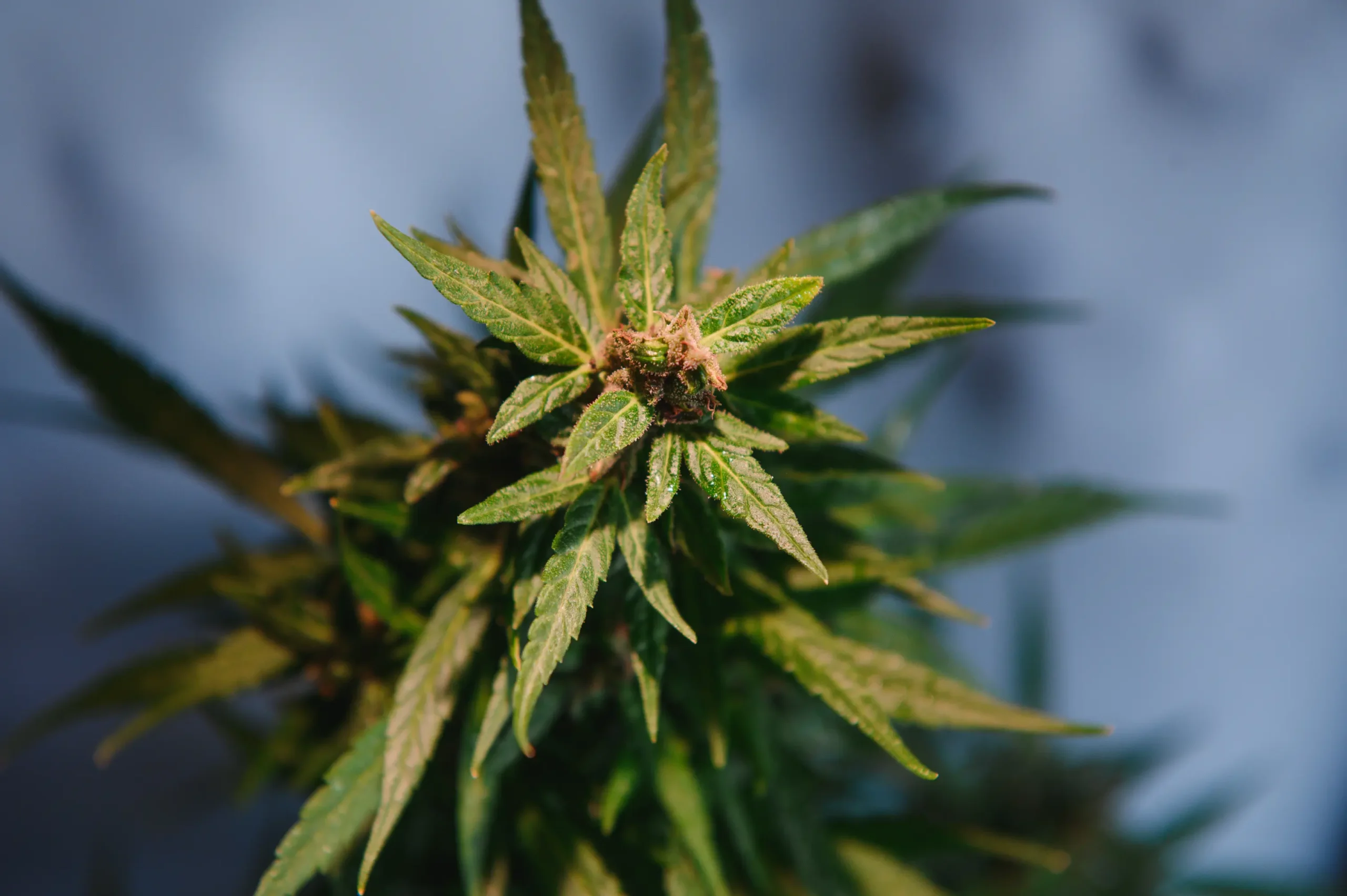
Bud Structure, Density & Bag Appeal: 8.6/10 For a high-CBD cultivar, Sour Tsunami shatters all industry preconceptions. The flowers cure into dense, elongated, conical spears characterized by swollen, calyx-dominant bracts and minimal internal foliage. The buds present a vibrant lime-green hue accented by fiery tangerine pistils, all heavily dusted in a thick, glittering blanket of mature, bulbous glandular trichomes that rival top-tier commercial THC flowers.
Terpene Profile & Olfactory Complexity: 8.9/10 A remarkably loud, aggressive olfactory profile inherited directly from its Sour Diesel and NYC Diesel lineage. The initial strike is raw high-octane petroleum fuel, acrid chemical solvent, and sour citrus. This is beautifully grounded by complex undertones of fermented pink grapefruit, damp forest earth, crushed pine needles, and sweet herbal spice. It fills the room with pungent fuel and retains its aromatic intensity through long cures.
Smoke Smoothness, Flavor Retention & Ash Quality: 8.8/10 When dried for two weeks at 60 degrees Fahrenheit and properly cured in glass, Sour Tsunami delivers an exceptionally smooth, velvety draw with zero bronchial irritation. The flavor translates flawlessly from the jar to the palate, delivering tart lemon-lime, sour candy, and pungent diesel on the inhale, transitioning to toasted cedar, black pepper, and earthy pine on the exhale, burning to a clean, fluffy white ash.
Therapeutic Potency & Cannabinoid Integrity: 9.6/10 In the therapeutic and medicinal arena, Sour Tsunami is an untouchable titan. Selected Chemotype III specimens testing between 10% and 14% CBD with under 1% THC provide world-class analgesic, antispasmodic, and anti-inflammatory relief without producing mental fog, intoxication, or anxiety. It is arguably the most reliable daytime therapeutic cultivar in modern cannabis history.
Commercial Viability, Yield & Processing Merit: 8.7/10 Once an elite Chemotype III or balanced Chemotype II mother is verified and cloned, Sour Tsunami performs exceptionally well in production environments. It yields a respectable 450 to 550 g/m² indoors and features a high calyx-to-leaf ratio that makes hand-trimming fast and efficient. Furthermore, its well-developed glandular trichomes produce exceptional solventless wash yields, creating world-class CBD live rosin.
Overall Cultivar Ranking & Final Verdict: 8.9/10 Sour Tsunami is a monumental achievement in cannabis breeding that paved the way for modern cannabinoid medicine. By proving that targeted, non-intoxicating therapeutic relief could be successfully engineered on a world-class connoisseur Diesel chassis, Lawrence Ringo created a living masterpiece. It earns our highest recommendation for medical patients, caregivers, and serious cultivators seeking verifiable healing without psychological intoxication.
A personal note on Sour Tsunami: When you step into a room of flowering Sour Tsunami, your senses are completely deceived by the roar of high-octane diesel and sour citrus. But when you consume the cured flower, your body experiences an profound wave of physical peace and mental lucidity that reminds you what true botanical medicine is supposed to feel like. It is an enduring gift to humanity that deserves a permanent place in the perpetual garden.
FAQ
Is Sour Tsunami always guaranteed to be high in CBD?
No. When grown from seed, Sour Tsunami is a genetically segregating hybrid population. Due to the codominant inheritance of cannabinoid synthase alleles (*B_D* and *B_T*), a seed pack naturally produces three distinct chemotypes: roughly 25% will be CBD-dominant (Chemotype III, testing 15:1 to 20:1 CBD:THC), 50% will be balanced (Chemotype II, roughly 1:1 or 2:1 ratio), and 25% will be THC-dominant (Chemotype I, leaning into high-THC Sour Diesel ancestry). To guarantee a consistent high-CBD harvest, you must take vegetative cuttings of every seed candidate and verify the chemotype via analytical lab testing before selecting your permanent mother clone.
What is Sour Tsunami's exact genetic lineage?
Sour Tsunami was bred in Southern Humboldt County, California, by the late Lawrence Ringo of the Southern Humboldt Seed Collective (SoHum Seeds) between 2008 and 2010. The genetic pedigree consists of Sour Diesel crossed with NYC Diesel, backcrossed to an elite “Ferrari” Sour Diesel selection, and outcrossed to a rare, low-THC landrace sativa lineage carrying ancestral Mexican and Nepalese genetics that contributed the active CBD acid synthase alleles.
How long does Sour Tsunami take to flower indoors?
Sour Tsunami typically requires 8.5 to 9.5 weeks (60 to 67 days) of 12/12 photoperiod to reach full cannabinoid and terpene maturity indoors. While some early-ripening phenotypes may show amber pistils around day 52, the glandular trichome heads on the calyxes require the full 60 to 65 days to swell and transition into the milky-opaque state that signals peak CBD concentration.
How much does Sour Tsunami stretch after flipping to 12/12?
Sour Tsunami exhibits a moderate to high stretch factor, typically expanding 2.0x to 2.4x its vegetative height during the first three weeks of 12/12 bloom. This aggressive elongation is inherited from its Sour Diesel and NYC Diesel ancestry. Cultivators should top the plant early in vegetative growth and install horizontal trellis netting (SCROG) to weave lateral branches and maintain an even canopy height.
Why is it mandatory to clone Sour Tsunami before flowering?
Because Sour Tsunami seeds segregate into multiple chemotypes, you cannot identify which plant contains the coveted 20:1 CBD-dominant profile until after the flower is harvested, cured, and lab-tested. If you flower a seed plant without taking backup cuttings, you cannot reliably revegetate or preserve that specific genetic combination once it is cut down. Taking duplicate apical cuttings during vegetative growth ensures you have living genetic copies of every candidate safely preserved in your nursery.
Can Sour Tsunami's CBD content be predicted by leaf shape, height, or smell?
No. There is zero botanical correlation between vegetative morphology and cannabinoid synthase expression in hybrid cannabis. A plant displaying slender sativa leaves and smelling intensely of sour diesel fuel can be a 20:1 CBD plant, while an identical-looking plant right next to it can be 18% THC. The only reliable method to confirm cannabinoid ratios is analytical High-Performance Liquid Chromatography (HPLC) testing of mature, dried flowers.
Does Sour Tsunami require a large container root volume?
Yes. Sour Tsunami develops a vigorous, extensive root system that benefits greatly from generous container volumes. In indoor cultivation, 7 to 10-gallon aerated fabric pots allow optimal root branching and moisture dry-back rhythms. Outdoors, plants should be staged in 50 to 100-gallon fabric containers or raised living-soil beds to support their medium-tall, multi-branched frame and maximize yield potential.
Does Sour Tsunami respond well to topping and training?
Yes, Sour Tsunami responds exceptionally well to apical topping and low-stress training (LST). Topping the main stem above the fourth or fifth node breaks apical dominance, stimulating the rapid development of eight to twelve vigorous lateral branches. When trained outward into horizontal trellis netting, the plant produces a broad, uniform canopy of dense conical colas rather than a single dominant, lanky spear.
Is Sour Tsunami suitable for a Screen of Green (SCROG) setup?
Sour Tsunami is an ideal candidate for a Screen of Green (SCROG) system. Its flexible, vigorous lateral branches during the transition stretch allow the cultivator to weave stems horizontally through the grid squares during the first three weeks of 12/12. This creates an even plane of light distribution, maximizing photosynthetic efficiency and turning a potentially lanky sativa into a high-yielding, multi-headed production canopy.
Is Sour Tsunami prone to mold or botrytis?
Sour Tsunami exhibits excellent natural resistance to foliar powdery mildew, but its dense, conical terminal colas can be susceptible to Botrytis cinerea (gray mold) in humid late-bloom conditions. Because the calyxes pack tightly around the central stems, growers must maintain late-bloom relative humidity between 40% and 45%, ensure powerful oscillating airflow beneath the canopy, and prune away crowded lower growth to keep the flowers dry and healthy.
Should all Sour Tsunami candidates be harvested on the exact same calendar day?
No. Because seed populations display natural phenotypic variation, individual candidates may reach peak trichome maturity at slightly different times. Phenotypes that lean more heavily toward Sour Diesel may require 65 to 67 days, while more balanced expressions may finish at day 60. Always evaluate each candidate independently using a 60x microscope to inspect calyx trichome heads before cutting.
When should Sour Tsunami flower samples be submitted for lab testing?
Flower samples should be submitted to the analytical testing laboratory after the buds have been harvested, dried for 10 to 14 days under controlled conditions (60°F / 60% RH), and reached moisture equilibrium (roughly 10% to 12% internal moisture content). Testing properly dried flower provides an accurate, real-world measurement of the cannabinoid and terpene profile that consumers and patients will experience.
Can Sour Tsunami be successfully grown outdoors in cold northern climates?
Yes, but it requires deliberate microclimate protection. Because Sour Tsunami finishes between October 5th and October 15th, it is vulnerable to late-season frost, heavy autumn rains, and cold morning dews common in northern regions. Cultivators should plant in raised living-soil beds that warm quickly in spring, and erect a clear polyethylene caterpillar hoop shelter with open gable ends to shield the colas from rain while allowing winds to scour condensation from the canopy.
Is Sour Tsunami completely non-intoxicating?
In its Chemotype III (CBD-dominant) form, Sour Tsunami contains less than 1% THC and is functionally non-intoxicating: it does not produce a traditional “high,” cognitive impairment, or altered perception, providing pure physical relaxation and mental lucidity. However, in its balanced Chemotype II form (1:1 ratio), it produces a mild, gentle, and highly functional euphoria. In its Chemotype I form, it produces a standard psychoactive sativa high.
What is the most costly mistake cultivators make when growing Sour Tsunami?
The single most costly mistake is treating a seed run as a standard production crop without taking vegetative backup clones and conducting lab testing. A cultivator might grow ten plants, give away untagged jars to friends, and belatedly discover that one specific jar provided miraculous relief for a patient’s chronic pain. Without having preserved labeled backup clones in the vegetative nursery, that exact high-CBD genetic cut is lost forever.
Similar Strains
| Strain Name | Genetics / Lineage | Flowering Time | CBD:THC Ratio | Dominant Terpenes | Key Comparative Distinctions |
|---|---|---|---|---|---|
| Sour Tsunami | Sour Diesel x NYC Diesel x Sativa Landrace | 8.5 to 9.5 Weeks (60 to 67 Days) | 15:1 to 20:1 (in Chemotype III) | Myrcene, Terpinolene, Caryophyllene | The pioneer high-CBD strain; pungent sour diesel fuel and citrus aromatics; dense conical colas |
| Cannatonic | MK Ultra x G13 Haze | 9 to 10 Weeks (63 to 70 Days) | 1:1 to 5:1 (highly variable) | Myrcene, Pinene, Caryophyllene | Spanish breeding heritage (Resin Seeds); sweeter citrus, pine, and floral earth; slightly more balanced 1:1 focus |
| Harlequin | Columbian Gold x Thai x Swiss Sativa | 8 to 9 Weeks (56 to 63 Days) | 5:2 (approx. 10% CBD / 4% THC) | Myrcene, Alpha-Pinene, Caryophyllene | Pure sativa landrace backbone; sweet mango, musky earth, and dried wood; mild functional euphoria |
| ACDC | Cannatonic Phenotype (Clone-Only) | 9 to 10 Weeks (63 to 70 Days) | 20:1 (approx. 14% CBD / <1% THC) | Myrcene, Pinene, Caryophyllene | Completely non-intoxicating clone; sweet cherry, pine, and lemongrass; lighter, looser calyx structure |
| Sour Diesel | Chemdog 91 x Super Skunk x Northern Lights | 10 to 11 Weeks (70 to 77 Days) | <0.5:1 (High THC: 18% - 25%) | Caryophyllene, Myrcene, Limonene | The maternal ancestor; pure intoxicating sativa rocket fuel; longer flowering time; zero medical CBD |
| Charlotte's Web | Proprietary Hemp x High-CBD Cultivar | 9 to 10 Weeks (63 to 70 Days) | 25:1 to 30:1 (Industrial Hemp Focus) | Myrcene, Caryophyllene, Pinene | Famous Colorado pediatric epilepsy strain; grassier, earthy-pine aroma; lower terpene volume than Sour Tsunami |
Sour Tsunami vs. Cannatonic: Bred around the same historical era by Resin Seeds in Spain, Cannatonic (MK Ultra x G13 Haze) is Sour Tsunami’s European counterpart. While both cultivars established the modern CBD movement and segregate into multiple chemotypes from seed, their sensory and structural profiles differ markedly. Cannatonic presents a sweeter, earthier profile dominated by fresh pine, sweet citrus, and floral herbs, with a looser, hazier calyx architecture that stretches moderately. Sour Tsunami, with its East Coast Diesel lineage, is significantly more pungent and aggressive on the palate, delivering loud petroleum fuel and sour grapefruit over hard, conical spears.
Sour Tsunami vs. Harlequin: Harlequin is a beloved 75/25 sativa-dominant cultivar descending from a triple-landrace pedigree of Colombian Gold, Thai, and a Swiss mountain sativa. Harlequin is famous for reliably expressing a balanced 5:2 CBD to THC ratio (typically 8% to 12% CBD alongside 4% to 6% THC), delivering a noticeable, cheerful cerebral spark accompanied by physical soothing. In contrast, Chemotype III Sour Tsunami provides a virtually non-intoxicating experience (<1% THC) with significantly heavier beta-myrcene and terpinolene content, making it better suited for patients seeking complete sobriety during demanding cognitive tasks.
Sour Tsunami vs. ACDC: ACDC is a legendary clone-only phenotype selected directly from a Cannatonic seed line. Known for its remarkable 20:1 CBD:THC ratio (roughly 14% to 18% CBD and less than 1% THC), ACDC is widely utilized for pediatric epilepsy and severe chemotherapy recovery. However, from a cultivator’s perspective, ACDC is notoriously slow in vegetative growth, produces brittle stems, and develops relatively airy, lightweight buds. Sour Tsunami brings the heavy-yielding, vigorous hybrid chassis of Sour Diesel into the equation, producing substantially thicker woody stems, faster cloning, and much denser, conical floral clusters that yield higher biomass per square foot.
Sour Tsunami vs. Sour Diesel: Comparing Sour Tsunami to its maternal ancestor illustrates the revolutionary shift in modern cannabis breeding. Pure Sour Diesel is an iconic, high-octane THC titan (testing up to 25% THC with virtually zero CBD) that delivers an electric, cerebral, and long-lasting intoxicating head buzz alongside a 10 to 11-week flowering cycle. Sour Tsunami takes that identical mouthwatering sour fuel, lemon-lime, and kerosene terpene bouquet, but redirects the cannabinoid engine toward non-intoxicating therapeutic healing, finishing a full week to ten days faster in the flowering room.
Sour Tsunami vs. Charlotte’s Web: Charlotte’s Web achieved worldwide fame through the Stanley Brothers in Colorado for its life-saving role in treating pediatric Dravet syndrome. Bred primarily as an industrial high-CBD hemp cultivar, Charlotte’s Web typically tests with very high CBD-to-THC ratios (often exceeding 25:1), but its flowers display a distinctly grassy, mild, and earthy-pine terpene profile with moderate resin gland size. Sour Tsunami, having been developed in the connoisseur breeding culture of Southern Humboldt County, delivers dramatically higher terpene complexity, explosive diesel aromatics, and genuine dispensary-grade bag appeal that makes consuming high-CBD medicine an absolute sensory pleasure.
Share this article
A quick overview of the topics covered in this article.
Follow us
Latest articles
October 24, 2026
October 24, 2026
October 24, 2026
October 24, 2026