
Wappa
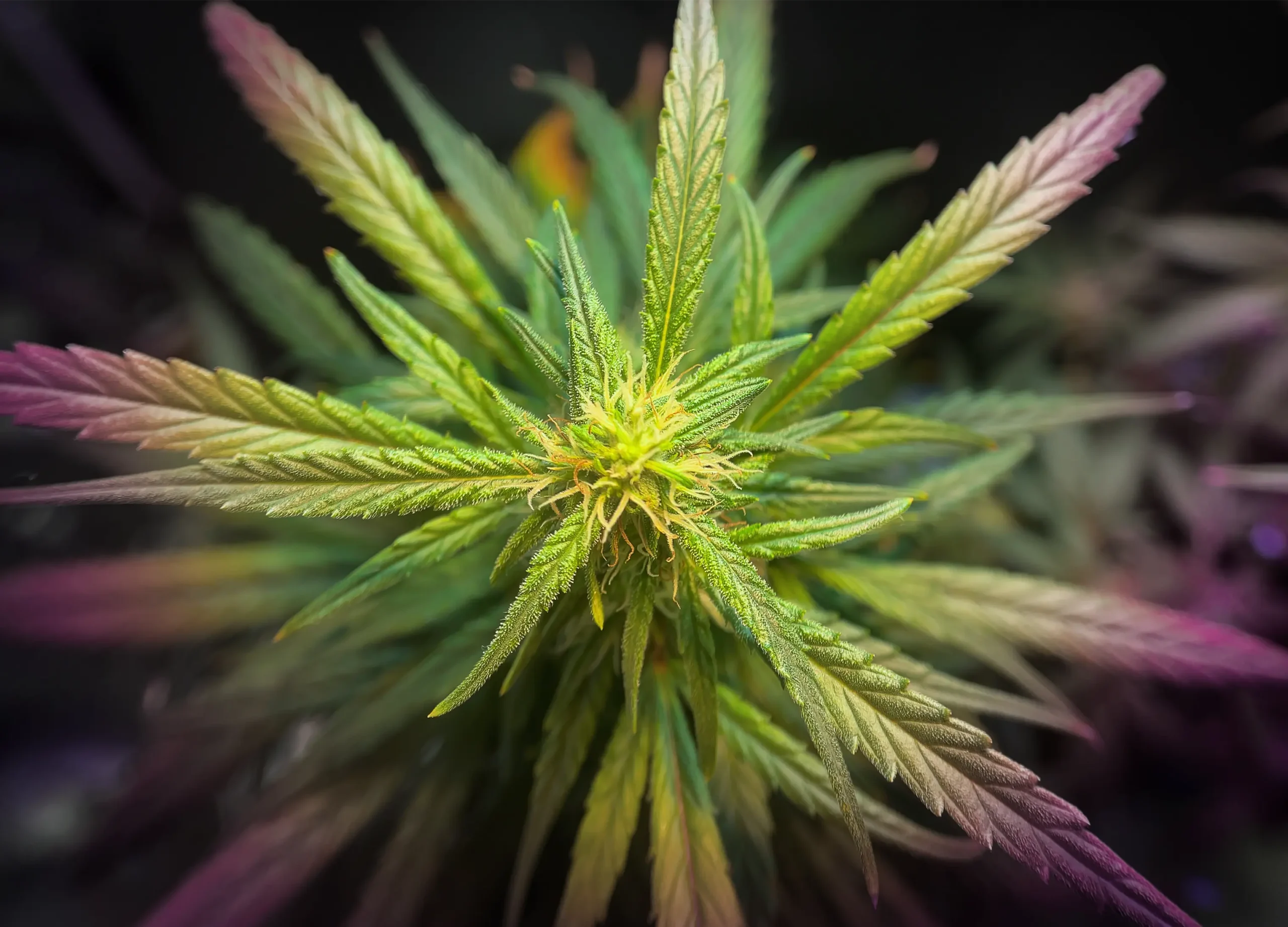
In the early 2000s Amsterdam coffeeshop scene, while casual tourists were captivated by soaring Haze names and temperamental novelty hybrids, seasoned commercial cultivators quietly filled their flowering tables with Wappa. Bred by Luc Krol at Paradise Seeds, this compact cultivar earned an almost sacred status among production growers for a quality that rarely makes flashy magazine headlines: mathematical predictability. In an industry where phenotypic variation can turn a single light footprint into an uneven mess of competing canopy heights, Wappa behaves like a synchronized factory team. It initiates flowering with clockwork precision, builds a rigid, spruce-shaped central pillar, and wraps up its bloom cycle in an unhurried yet remarkably brisk fifty-five to sixty days.
The botanical mystery behind Wappa has only deepened its cult appeal over the decades. Paradise Seeds famously kept its exact parental heritage proprietary, declining to publish a formal family tree beyond noting its stable, indica-dominant hybrid status (roughly sixty percent indica and forty percent sativa). Yet anyone with real horticultural miles under their belt recognizes the unmistakable markers of a masterfully refined sweet Skunk line fused with a stout, resin-dense Afghani hash plant. What truly sets Wappa apart on the trimming table is its staggering calyx-to-leaf ratio. Unlike leafy modern polyhybrids that require hours of painstaking scissor work, Wappa constructs thick, solid batons of swollen bracts with very few internal sugar leaves, manicuring into pristine, rock-hard nuggets with unmatched efficiency.
Its sensory footprint is equally distinctive, avoiding both the acrid gasoline trends of West Coast genetics and the heavy, skunky funk of traditional Dutch cash-croppers. The cured flower presents a delicate, confectionary bouquet that weaves together candied apricots, sweet peach marshmallow, dried black tea leaves, and white pepper, grounded by a clean, subtle base of moist garden soil. However, Wappa’s extraordinary ability to stack calyxes into seamless, unbroken vertical colas introduces a serious physical vulnerability. When flowers swell into arm-thick columns, moisture from nighttime transpiration becomes trapped deep along the main stem. Maximizing this cultivar is never about pushing aggressive fertilizer salts; it is entirely an exercise in canopy microclimate management and disciplined airflow engineering.
Strain Features
| Feature | Details |
|---|---|
| Cultivar Name | Wappa |
| Original Breeder / Seedbank | Luc Krol (Paradise Seeds, Amsterdam); established mid-2000s |
| Genetic Heritage | Proprietary heritage; widely recognized as an elite Sweet Skunk selection crossed with an Afghani indica hash plant |
| Genetic Variety | Indica-Dominant Hybrid (approximately 60% Indica / 40% Sativa) |
| Seed Stock & Sourcing | Feminized preservation seed stock (renowned for near-clonelike uniformity and high germination vigor) |
| Cannabinoid Concentration | High THC (typically testing between 18% and 24% total THC; CBD < 0.3%, CBG 0.4% to 0.9%) |
| Dominant Terpenes | Beta-Caryophyllene, Beta-Myrcene, D-Limonene, supported by Alpha-Pinene, Linalool, and Ocimene |
| Aroma Architecture | Candied tree fruits, ripe apricot, sweet peach marshmallow, black tea leaves, white pepper, subtle damp earth |
| Flavor Sensation | Sweet stone fruit syrup, herbal black tea, creamy marshmallow, peppery cedar, crisp citrus zest |
| Flowering Duration | 55 to 60 days (approximately 8 weeks indoors; late September to early October outdoors in temperate northern zones) |
| Vegetative Growth Habit | Stout, upright spruce-tree silhouette; thick central stem, short internodes, and uniform lateral branch angles |
| Vertical Canopy Stretch | Moderate and predictable (typically 1.8x to 2.0x vegetative height following the 12/12 photoperiod flip) |
| Cultivation Specialization | The premier European benchmark for Sea of Green (SOG) high-density, single-cola production |
| Flower Morphology | Thick, continuous cylindrical colas; exceptionally high calyx-to-leaf ratio, swollen bracts, fiery orange pistils |
| Yield Potential | High (450 to 550 g/m² indoors under optimized SOG or SCROG; 500 to 700 g/plant outdoors) |
| Cultivation Difficulty | Easy to moderate (forgiving vegetative growth, but demands strict humidity control and airflow during late bloom) |
Genetic Lineage
The genetic backstory of Wappa remains one of the most intriguing trade secrets of modern European cannabis breeding. When Paradise Seeds introduced the cultivar in the mid-2000s, master breeder Luc Krol deliberately chose to protect the exact parental lines from commercial duplication. Rather than publishing a formulaic pedigree, Krol focused market attention on the plant’s remarkable performance metrics: rapid flowering speed, astonishing stability from seed, and an uncanny ability to produce massive yields in small vertical spaces.
Horticultural analysis and sensory profiling point unmistakably toward a heritage deeply rooted in the finest Dutch Skunk and Afghani lineages. The cultivar exhibits the structural resilience, high calyx-to-leaf ratio, and vigorous root expansion characteristic of a selected Skunk #1 matriarch, while inheriting its stout internodes, dense floral clustering, and tranquil physical stone from an elite Afghani indica. What elevates Wappa above standard Skunk crosses is a distinct infusion of sweet stone-fruit and herbal tea aromatics, traits strongly linked to heirloom European Sweet Skunk or Sweet Pink Grapefruit selections preserved in Dutch breeding libraries during the 1990s.
Unlike modern seed releases that exhibit wide phenotypic scatter, feminized Wappa seed stock displays near-monolithic consistency. Seedlings grow with remarkably uniform leaf morphology, branching angles, and internodal distances. While minor variations exist in aromatic intensity (with some individuals leaning more heavily toward sweet marshmallow and others toward peppery black tea), structural behavior remains virtually identical across the entire population. This extreme genetic stability eliminates the need for extensive mother hunting, making Wappa an invaluable asset for small-scale growers who demand clone-like uniformity directly from feminized seed.
Effect Breakdown
The Emotional Lift
The psychoactive experience of Wappa begins with an immediate, sunny wave of cerebral optimism within three to five minutes of inhalation. Unlike pure indicas that pull the consciousness downward into heavy physical inertia, Wappa delivers an expansive, cheerful mental brightness. Everyday mental friction, deadline anxiety, and ambient stress recede rapidly, replaced by an easygoing sense of emotional well-being. Conversation becomes playful and warm, making the initial hour of the high exceptionally well-suited for social gatherings, creative brainstorming, or cooking an elaborate meal with friends.
The Body Arrives Early but Builds Gradually
While the mind enjoys this uplifting mental buoyancy, a gentle somatic ease begins radiating through the physical body. Rather than arriving as a sudden, paralyzing blow, the physical stone develops in subtle, harmonic stages. Muscular tightness in the trapezius and lumbar region begins to loosen, joint stiffness softens, and a comforting warmth spreads through the limbs. The user remains fully mobile, alert, and physically capable, enjoying deep muscular comfort without the heavy cognitive fog of a sedative knockout strain.
Giggly, Hungry and Sensory
Between the forty-five-minute and ninety-minute marks, Wappa frequently triggers an infectious, giggly euphoria paired with heightened sensory perception. Music sounds richer, colors appear warmer, and culinary flavors are magnified across the palate. This phase is almost invariably accompanied by a hearty, undeniable appetite surge. Dining becomes a sensory feast, with sweet, savory, and rich flavors delivering intense satisfaction.
Heavy Dose and Negative Effects
While Wappa is remarkably smooth and user-friendly at moderate dosages, overindulgence commands respect. In high-potency batches testing above 22% THC, taking excessive consecutive draws can accelerate the physical stone into heavy, eyelid-drooping sedation. Novice consumers who overconsume may experience mild dizziness or an overwhelming desire to lie down on the nearest sofa. For consumers with lower tolerance, keeping sessions measured ensures that the experience remains cheerfully social rather than prematurely sleepy.
Flavor & Aroma Profile
Tree Fruit and Sugar
The primary aromatic impression of properly cured Wappa is a bright, confectionary sweetness dominated by ripe orchard stone fruits. Inhaling from a freshly unsealed curing jar delivers an immediate top note of candied apricots, yellow peaches, and sweet summer plums. This fruit character possesses a refined, pastry-like delicacy, completely devoid of the sharp, sour kerosene or acrid ammonia notes common in modern chemical fuel hybrids.
Tea and Herbs
Beneath the sweet orchard fruit lies Wappa’s signature herbal middle: an unmistakable fragrance of steeped black tea leaves and fresh wild herbs. When cured floral clusters are broken apart in a grinder, this black tea aroma steps forward with remarkable clarity, accompanied by faint traces of bergamot, dried marjoram, and sweet cedarwood that give the bouquet a sophisticated, artisanal sophistication.
Marshmallow and Creamy Sweetness
During the final weeks of flowering, rubbing the petioles releases a distinct, creamy sweetness reminiscent of toasted marshmallows and vanilla confectioner’s sugar. This velvety aroma softens the sharp edges of the citrus and pepper, creating a smooth, pillowy fragrance that lingers heavily inside the grow room.
Pepper, Citrus and Earth
Anchoring the sweet fruit and tea is a savory, resinous foundation inherited from its Skunk and Afghan ancestors. The exhale reveals crushed black peppercorns, sweet orange rind, and moist garden loam. This peppery earthiness balances the sugar, providing essential body and depth to the overall palate experience.
Smoke Quality
Combusting cleanly flushed, slow-dried Wappa flower produces exceptionally smooth, velvety smoke with zero throat bite. The smoke expands gently in the chest without triggering harsh coughing fits, burning down to a clean, powdery silver-white ash. The aftertaste leaves a lingering resonance of sweet apricot tea and warm cedar on the tongue for ten to fifteen minutes following the session.
Dominant Terpenes
Laboratory chemical profiling of mature Wappa flowers reveals an abundant total terpene content ranging between 1.9% and 3.1% by dry weight. Rather than being overwhelmed by a single dominant compound, Wappa’s sensory complexity and therapeutic versatility stem from a balanced synergy of monoterpenes and sesquiterpenes.
| Terpene | Average % | Aromatic Contribution | Boiling Point | Physiological & Entourage Effects |
|---|---|---|---|---|
| Beta-Caryophyllene | 0.70% to 1.10% | Cracked black pepper, warm wood, spicy black tea | 130°C to 139°C | Selectively binds to peripheral CB2 cannabinoid receptors, delivering robust systemic anti-inflammatory and pain-relieving effects |
| Beta-Myrcene | 0.60% to 0.95% | Ripe stone fruit, sweet musk, damp garden earth | 166°C to 168°C | Enhances blood-brain barrier permeability, induces somatic muscle relaxation, and deepens evening tranquility |
| D-Limonene | 0.35% to 0.60% | Sweet orange peel, tart citrus zest, clean brightness | 176°C to 177°C | Elevates dopamine and serotonin signaling, promotes cheerful euphoria, and provides significant anti-anxiety and stress relief |
| Alpha-Pinene | 0.20% to 0.45% | Fresh pine needles, clean resin, wild herbs | 155°C to 156°C | Acts as a natural bronchodilator, enhances cognitive clarity, and counteracts short-term memory deficits associated with THC |
| Linalool | 0.15% to 0.30% | Floral lavender, sweet spring blossom, marshmallow | 198°C | Modulates GABAergic neurotransmission, delivering potent anti-anxiety, sedative, and muscle-relaxing properties |
| Ocimene | 0.10% to 0.25% | Sweet herbal perfume, ripe apricot, tropical fruit | 100°C | Adds delicate, sweet top notes to the fragrance and exhibits natural antifungal and antiviral properties |
Indoor vs. Outdoor Growing
| Cultivation Metric | Indoor Tent Setup (High-Density SOG Focus) | Outdoor Garden & Direct In-Ground Living Soil |
|---|---|---|
| Canopy Architecture & Density | Thrives in high-density Sea of Green (SOG) arrangements (1 plant per square foot); single main cola framework maximizes light use in low rooms. | Develops into a stout, multi-branched Christmas-tree bush reaching 5 to 6 feet; requires selective interior pruning to allow wind penetration. |
| Lighting & Spectral Dynamics | Dual-spectrum HID approach: crisp 400W Metal Halide in veg keeps nodes tight; 600W High-Pressure Sodium in bloom swells dense central spears. | Harnesses full-spectrum natural sunlight with high natural UV radiation, thickening epidermal cell walls and stimulating heavy glandular resin production. |
| Climate & Temperature Control | Basement ambient air requires raising pots off cold concrete; inline fan extraction maintains optimal canopy temperatures (76°F to 78°F) and 1.1 to 1.3 kPa VPD. | Thrives during warm northern summers; finishes early (late September), beating severe autumn frost, but requires overhead rain protection during late bloom. |
| Humidity & Pathogen Vulnerability | Dehumidifiers systematically lower relative humidity to 40% to 45% during late bloom; oscillating fans above and below canopy prevent botrytis in dense colas. | High vulnerability to late-September botrytis if autumn rains hit mature colas; clear poly hoop covers shield flowers from rain while maintaining lateral airflow. |
| Nutrient Appetite | Moderate feeder in coco/perlite; peaks at 1.5 to 1.7 mS/cm EC in bloom; easily handles bioavailable potassium and phosphorus during calyx bulking. | Thrives in rich living soil amended with composted manure, volcanic rock dust, kelp, and bone meal, requiring minimal synthetic salt feeding. |
| Harvest Window & Yield | Finishes in 8 weeks (55 to 60 days), yielding 450 to 550 g/m² of dense, boutique, hand-manicured frosted single-cola spears. | Finishes by late September or the first week of October; outdoor specimens yield between 500 and 700 grams of premium flower per plant. |
| Aromatic Preservation | Sealed environment protects volatile monoterpenes like ocimene and limonene from heat degradation; late-bloom temperature drop enhances sweet tea notes. | Natural autumn temperature swings produce intense candy and herbal terpenes, but late rainfall can wash away surface resin if plants are left unprotected. |
Operating Wappa indoors is where the cultivar displays its legendary European commercial heritage. Because the plant naturally directs its primary photosynthetic energy into a dominant, upright central cola with minimal lateral spread, it is the premier candidate for high-density Sea of Green (SOG) layouts. Cultivators can pack sixteen plants into a four-by-four-foot footprint, provide a brief twelve-to-fourteen-day vegetative runway, and harvest an unbroken, illuminated table of arm-thick colas in just eight weeks of flowering. The primary operational requirement indoors is maintaining aggressive dehumidification and turbulent canopy airflow to prevent moisture from pooling inside those massive floral cylinders.
Outdoors, Wappa is an exceptional short-season performer, but local northern climate realities dictate the strategy. In regions subject to early autumn cold fronts, heavy morning dews, and lake-effect humidity, Wappa’s rapid 55-day flowering speed is an immense tactical advantage, allowing growers to bring in a ripe harvest by late September before freezing temperatures arrive. Planting Wappa in direct in-ground living soil beds amended with compost and volcanic rock dust gives the root system unrestricted room to expand, producing sturdy, multi-topped shrubs. However, because the colas are solid and dense, constructing a simple clear poly hoop house during the final two weeks of September is essential to shield the swelling flowers from direct autumn rainfall.
Strain-Specific Grow Guidance
Early Growth: Do Not Overreact to the Slow Start
During the first ten to fourteen days after germination, Wappa can appear deceptively slow. Novice cultivators often observe seedlings growing at a measured pace and mistakenly assume the plants are nutrient-starved. Overreacting by dumping high concentrations of synthetic fertilizers into the substrate will only result in root salt toxicity and leaf tip burn. Wappa’s early metabolism is dedicated to establishing an expansive taproot and building a thick, woody stem base. Provide a mild nutrient solution (1.0 to 1.2 mS/cm EC), maintain substrate temperatures at 68°F to 72°F, and allow the root zone to establish itself naturally before expecting rapid vegetative expansion.
SOG Strategy
The Sea of Green (SOG) method is Wappa’s definitive indoor cultivation strategy. Plant rooted cuttings or feminized seedlings into two-gallon fabric containers arranged at a density of one plant per square foot. Give the plants only ten to fourteen days of vegetative growth under crisp Metal Halide lighting, and flip to 12/12 when they reach eight to ten inches in height. Do not top the plants; allow the central apical leader to form a single, massive, uninterrupted vertical cola. Prune away all lower tertiary shoots at Day 14 of flower, creating an unbroken canopy of sixteen heavy spears that absorb maximum photon energy with zero wasted lower larf. Because transpiration in a high-density grid is concentrated, ensure bottom oscillating fans circulate air across container rims to keep substrate oxygenation high.
Bush Strategy
If cultivating fewer plants in larger containers (five to seven gallons), Wappa responds eagerly to a multi-topped bush strategy. Execute a single clean topping cut above node four during the third week of vegetative growth. Gently anchor the primary lateral branches outward using soft rubber plant ties to create an open, multi-branched framework. This spreads the canopy into six to eight uniform flowering leaders, allowing light and air to penetrate deep into the plant’s interior. In this layout, low-stress training should be paired with a horizontal trellis net installed ten inches above the pots to cradle spreading limbs before colas accumulate heavy mass.
Stretch and Flip Height
Wappa exhibits a very predictable transition stretch, typically expanding to 1.8x to 2.0x its pre-flip height during the first three weeks of 12/12. If running a SOG setup, flip plants when they reach ten inches tall to finish with uniform twenty-inch spears. If running larger bushes, flip when the canopy occupies fifty percent of your available vertical tent clearance to prevent mature colas from crowding overhead lighting fixtures. The plant’s sturdy stem genetics prevent lanky internodal gaps, keeping flower clusters stacked tightly as stretch concludes.
Feeding Tolerance
Wappa is an extraordinarily forgiving, moderate nutrient feeder. In soilless coco coir or peat blends, maintain vegetative EC between 1.2 and 1.4 mS/cm, peaking at 1.5 to 1.7 mS/cm during peak floral bulking in weeks four, five, and six. The plant has a healthy appetite for bioavailable phosphorus and potassium to fuel rapid calyx multiplication and resin synthesis, which can be supplied using generic monopotassium phosphate and soluble potassium sulfate. Calcium and magnesium inputs must remain steady throughout mid-flower: because calcium moves via transpiration pull, maintaining a steady 1.2 kPa VPD ensures adequate calcium reaches rapidly expanding calyx cell walls, preventing tissue collapse.
More feed is not automatically more quality
Attempting to force larger colas by pushing electrical conductivity above 2.0 mS/cm is the most common operational mistake with Wappa. Excess mineral salts cause dark leaf clawing, delay calyx swelling, and trap harsh chlorophyll inside the dense floral cores, destroying the delicate candied apricot and black tea aromatics in the cured jar. High floral quality is achieved through nutritional consistency and a thorough clean-water flush during the final ten to fourteen days.
Temperature Fluctuation
Wappa thrives within a moderate diurnal temperature band. Maintain daytime canopy temperatures between 75°F and 78°F throughout mid-flower. During the final two weeks of bloom, allow night temperatures to dip to 62°F to 64°F. This cooler temperature differential preserves volatile monoterpenes like ocimene and limonene, prevents thermal degradation of resin glands, and stimulates attractive violet blushes on outer calyx tips while preventing late-season heat stress.
Canopy Density and Defoliation
Because Wappa develops broad, overlapping indica fan leaves, the center of the plant can quickly become congested. Perform a strategic defoliation pass at Day 21 of flower, removing large, inward-facing fan leaves that cast direct shade over lower flowering nodes. This targeted defoliation opens light pathways, lowers microclimate humidity around the main stem, and dramatically improves horizontal air velocity through the canopy. Avoid aggressive second-pass stripping in late bloom, as Wappa relies on its upper sugar leaves to drive final calyx swelling.
Flower Development
Floral development in Wappa is exceptionally rapid and satisfying. By week four of flower, dense calyx clusters stack seamlessly along the stems, closing all internodal gaps. As bloom progresses through weeks five, six, and seven, these clusters swell into continuous, arm-thick batons smothered in a thick blanket of capitate-stalked glandular trichomes. The high calyx-to-leaf ratio becomes obvious by week seven, leaving colas almost entirely free of protruding foliage.
Pest and Disease Observation
Wappa possesses strong natural resistance to common vegetative pests thanks to its thick leaf cuticle and high caryophyllene content. However, its immense floral density makes it vulnerable to internal botrytis (bud rot) if late-bloom humidity is neglected. Regularly inspect the leeward side of the canopy and use a digital hygrometer to ensure microclimate relative humidity remains strictly below 45% during the final three weeks of bloom.
Harvest Timing
Determining peak harvest for Wappa requires looking past calendar promises and inspecting glandular trichomes under a 60x microscope. The strain typically matures between 55 and 60 days (approximately 8 weeks) indoors. The optimal harvest window arrives when 85% to 90% of trichome heads on the calyxes have turned milky porcelain white, with roughly 5% to 10% showing rich honey amber. Harvesting too early yields a thin, grassy fruit flavor, while waiting past 20% amber degrades the sweet apricot and marshmallow notes into a heavy, dull hash aroma.
Weedth Bud Flavor Tips
Keep the Sweet Notes Away From Heat
The delicate candied apricot, marshmallow, and black tea top notes of Wappa are created by fragile volatile monoterpenes (ocimene, limonene, and myrcene) that possess low boiling points. Maintaining cool canopy temperatures (72°F to 74°F) during the final fourteen days of bloom prevents these precious aromatic compounds from evaporating into the air, locking them permanently within the resin heads.
Dry the Cola From the Inside Out
Because Wappa produces arm-thick, continuous colas, post-harvest drying requires extreme discipline. Rushing the dry in warm, dry air causes “case hardening” (drying the outer sugar leaves into a crispy shell while trapping moisture inside the dense bud core against the stem wood). To dry the flower evenly from the inside out, hang whole plants or large branches in a dedicated dark drying room maintained strictly at 60°F (15.5°C) and 60% relative humidity for twelve to fourteen days.
Airflow Without Surface Hardening
Air circulation inside the drying room must be indirect and gentle. Never direct oscillating fans toward hanging plants. Direct fans toward the walls or floor to create a slow, continuous air exchange that draws moisture away from the stems without stripping surface terpenes.
Cure the Tea and Marshmallow Notes
Once small branch stems snap cleanly with an audible crack, buck the flowers from the branches and seal them in airtight glass mason jars, filling containers to roughly 75% capacity. Store jars in a dark cabinet at 62°F to 65°F. Burp the jars twice daily for ten minutes during the first two weeks to exhaust moisture and carbon dioxide, allowing internal relative humidity to stabilize between 58% and 62%. Over four to six weeks of curing, the candied apricot, sweet marshmallow, and black tea aromatics fuse into a smooth, harmonious bouquet.
Trim Gently
Thanks to Wappa’s exceptional calyx-to-leaf ratio, hand-manicuring is remarkably swift. Avoid aggressive mechanical trimming bowls that tumble flowers and rupture delicate trichome heads. A light scissor pass around the perimeter leaves behind perfectly sculpted, diamond-frosted nuggets that look like sparkling craft gems.
Weedth Bud Boost Tips
SOG Yield Is About Uniformity
Maximizing yield with Wappa is an exercise in canopy uniformity. In a Sea of Green setup, every plant must receive equal light, water, and root space. Elevate smaller containers slightly to maintain a laser-flat canopy plane, ensuring that all sixteen terminal spears sit precisely within the high-PPFD sweet spot beneath the light fixture.
Match Spacing to Final Flower Diameter
Because Wappa colas swell to significant diameter by week seven, ensure that plants in SOG setups are spaced with at least two inches of open air between adjoining stems. Crowding colas so tightly that they touch creates stagnant moisture boundary layers where mold can easily germinate.
Use the Side Branches
When cultivating larger Wappa bushes rather than SOG single colas, do not allow lateral branches to grow wild. Prune away weak tertiary shoots at Day 21 of flower, leaving only the four to six strongest secondary leaders to develop into substantial, illuminated colas.
Root Health Before Additives
High yields are powered by an active, healthy root zone, not by buying expensive additive bottles. Maintain substrate pH at 5.8 to 6.1 in soilless media, utilize breathable fabric containers, and allow containers to dry back thoroughly between irrigations to deliver abundant dissolved oxygen to the root tips.
Controlled Late Feeding
Maintain consistent, moderate nutrition at 1.5 to 1.6 mS/cm through week six of flower, supplying balanced levels of bioavailable phosphorus and potassium. Cease all heavy nutrient inputs during the final ten to fourteen days, transitioning to pure reverse osmosis water to allow the plants to consume their stored starch reserves.
Outdoor Support and Rain Planning
Outdoors, Wappa colas accumulate substantial physical weight during September. Install exterior bamboo stakes or circular wire tomato cages early in the season to prevent heavy branches from bowing toward the ground, and erect clear poly hoop covers to protect mature colas from late-season rainfall.
The Quality-Yield Decision Matrix for Wappa
| Cultivation Architecture | Plant Density & Container Size | Vegetative Duration | Training Methodology | Expected Yield & Grade |
|---|---|---|---|---|
| High-Density SOG | 1 plant per sq ft (16 per 4×4); 2-gallon aerated fabric containers | 10 to 14 days under 400W Metal Halide | Zero topping; preserve single dominant apical spear; strip lower 4 inches at Day 14 | 500 to 550 g/m²; 95% Grade-A top-tier solid single-cola spears with zero larf |
| Multi-Topped Bush | 4 plants per 4×4; 7-gallon aerated fabric containers | 28 to 35 days under 400W Metal Halide | Single topping above node 4; horizontal LST ties; secondary trellis support | 450 to 500 g/m²; 85% Grade-A spears, 15% secondary mid-tier nuggets |
| Outdoor In-Ground Living Soil | Single plant per 8×8 footprint; amended native garden bed with poly hoop cover | Full spring veg (transplanted mid-May) | Early topping; wide exterior bamboo caging; selective interior defoliation | 500 to 700 g per plant; dense, anthocyanin-rich colas finished by late September |
Selecting the optimal architecture for Wappa depends on turnover goals and plant counts. In licensed commercial setups where plant limits are generous, high-density SOG delivers unmatched turnaround speed, completing five full harvest cycles per year. For home cultivators subject to strict four-plant limits, the multi-topped bush strategy maximizes total yield per plant while keeping canopy height comfortably beneath standard tent ceilings.
Medical Uses & Benefits
Wappa holds an esteemed position among medical cannabis patients who require effective physical and emotional relief without the intense, immobilizing sedation of pure narcotic indicas. Its primary clinical strength lies in the management of chronic stress, generalized anxiety disorder, and clinical depression. The initial euphoric onset stimulates dopamine release and silences negative mental chatter, instilling an optimistic, tranquil mindset that allows patients to decompress from acute psychological tension.
The cultivar is equally celebrated for its therapeutic efficacy in treating chronic musculoskeletal pain, tension headaches, arthritis, and muscle spasms. By combining high THC concentrations with generous levels of beta-caryophyllene and beta-myrcene, the cultivar interacts directly with central nervous system pathways and peripheral CB2 receptors to reduce systemic inflammation, ease muscular contraction, and soothe chronic back and joint discomfort. Furthermore, during the late phase of the high, Wappa acts as a dependable, non-habit-forming sleep aid for individuals struggling with sleep-onset insomnia, guiding the central nervous system into deep, restorative slumber without next-morning cognitive fog.
Ideal User Profile
Wappa is custom-tailored for experienced cannabis consumers and flavor connoisseurs who cherish the rich, complex terpene profiles of classic European breeding. It is the consummate late-afternoon and evening cultivar for individuals seeking deep physical relaxation, joyful decompression, and peaceful social interaction after demanding workdays. Commercial craft cultivators and home growers with limited vertical height will fall in love with its predictable, compact architecture, rapid 55-day finish, and extraordinary trimming efficiency.
Conversely, Wappa is completely unsuited for early morning consumption, intense athletic training, or tasks requiring sharp analytical focus and rapid physical coordination. Consuming the strain during daytime working hours will almost certainly derail productivity, inducing heavy eyelids, mental contentment, and an overwhelming desire to relax. Novice consumers should approach the cultivar with caution and intentional dosage control, as its smooth, candy-like smoke makes it easy to overconsume, leading to heavy physical sedation.
Grower Notes and Feedback
The trimming economics of a high calyx-to-leaf ratio
Across decades of indoor and outdoor cultivation, grower feedback regarding Wappa converges on three essential truths: it is the undisputed champion of indoor efficiency, it demands vigilant moisture management during late bloom, and its high calyx-to-leaf ratio makes trimming an absolute pleasure. Experienced commercial cultivators universally praise its rock-solid stability from seed, noting that feminized packs behave with the uniformity of verified clones. On the trimming table, a single worker can manicure twice as much finished biomass per hour compared to leafy Cookie or Diesel crosses, dramatically reducing post-harvest labor costs.
Microclimate management in high-density grids
Growers also emphasize the cultivar’s distinct nutritional preference for stability over strength. In soilless coco or peat systems, pushing electrical conductivity above 1.8 mS/cm routinely causes downward leaf tip clawing and dark, leathery foliage. The plant performs far better with a moderate, balanced nutrient solution rich in bioavailable phosphorus and potassium, supported by modest calcium and magnesium inputs. In organic living soil, Wappa thrives when amended with compost teas and kelp extracts, producing superior terpene concentrations and an exceptionally smooth smoke. In high-density SOG layouts, oscillating air movement across both the top and underside of the canopy is essential to strip away the stagnant moisture boundary layer created by closely spaced colas.
The outdoor early-finish advantage
Finally, cultivators emphasize that Wappa’s rapid 55-day flowering speed makes it an invaluable asset for northern outdoor growers. In climates where cold autumn rain and frost arrive in early October, Wappa finishes safely by late September, beating bad weather and delivering high-quality, mold-free floral biomass long before longer-flowering hybrids are ready for harvest. When planted in 50-gallon fabric containers or directly in amended garden soil, the plant forms a stout, multi-branched Christmas tree that requires very little staking compared to lanky sativas.
Weedth Editor’s Cultivation Journal
A 10-Week High-Density Sea of Green (SOG) Diary in a Northern Basement
Cultivar: Wappa (verified feminized preservation stock from Paradise Seeds)
Methodology: High-Density Sea of Green (SOG), 16 Plants in a 4×4 Grid (1 plant per square foot)
Substrate: 2-Gallon Aerated Fabric Containers, 70/30 Buffered Coco Coir / Coarse Horticultural Perlite
Lighting: 400W Crisp Metal Halide (MH, 6500K) Veg / 600W Air-Cooled High-Pressure Sodium (HPS, 2100K) Flower
Nutrients: Pure Soluble Mineral Salts (Soluble Calcium Nitrate, Potassium Nitrate, Monopotassium Phosphate, Magnesium Sulfate, Potassium Silicate)
Lead Cultivator: Alex Buck
Week 1: Clonal Rooting & High-Density SOG Staging (Photoperiod: 18/6, Temp: 75°F Day / 66°F Night, RH: 70%, Input EC: 1.1 mS/cm, pH: 5.9)
Sixteen feminized Wappa cuttings were rooted in rockwool plugs and transplanted directly into two-gallon aerated fabric pots arranged in a precise four-by-four grid across our 4×4 flood tray. Because our setup operates in an unheated residential basement influenced by chilly northern spring air, the flood tray was elevated on a two-inch rigid polystyrene platform to isolate the containers from the cold concrete slab, keeping root temperatures locked at 70°F. Suspended our 400W crisp Metal Halide lamp twenty-eight inches above the canopy. The cool 6500K blue spectrum immediately engaged the broad, dark-green fan leaves. Fed a gentle starter solution of calcium nitrate, Epsom salt, and cold-pressed kelp extract. By Day 6, vibrant white root tips were emerging from the sides of every container.
Week 2: Brief Vegetative Run & The 12/12 Photoperiod Flip (Photoperiod: 18/6 Days 1-5, then 12/12, Temp: 76°F Day / 66°F Night, RH: 65%, Input EC: 1.3 mS/cm, pH: 5.8)
This is where our SOG strategy diverges completely from typical multi-topped bush training. We gave the sixteen plants only twelve total days of vegetative growth under the 400W MH. The plants reached a uniform eight to nine inches in height, with thick central stalks and tight internodes separated by less than an inch. Zero topping was performed; the goal is to preserve the dominant apical meristem on each plant to produce sixteen colossal single-cola spears. On Day 12, we switched the timer to 12/12, unbolted the 400W MH, and ignited our 600W air-cooled High-Pressure Sodium lamp. The roaring golden-orange 2100K beam drenched the canopy in intense photon energy, signaling the immediate onset of reproductive flowering.
Week 3: Vertical Stretch & Bottom Pruning (Photoperiod: 12/12, Temp: 76°F Day / 65°F Night, RH: 60%, Input EC: 1.4 mS/cm, pH: 5.8)
The transition stretch under the 600W HPS is remarkably uniform. Each of the sixteen plants is stretching at the exact same pace, adding about half an inch of clean new growth per day. On Day 18 of flower, I executed a single, disciplined bottom pruning pass: stripped away all tiny lower sucker branches and shaded foliage from the bottom four inches of each plant. This eliminated all future popcorn larf, leaving a pristine open air corridor beneath the canopy while directing all metabolic energy straight into the swelling apical spears. Input EC stepped up to 1.4 mS/cm with 40 ppm soluble potassium silicate.
Week 4: The Uniform Forest & Calyx Emergence (Photoperiod: 12/12, Temp: 77°F Day / 66°F Night, RH: 55%, Input EC: 1.5 mS/cm, pH: 5.9)
Stretch is effectively complete at Day 21. The sixteen plants stand at a laser-flat eighteen inches tall, forming a dense, breathtaking green table. Dime-sized clusters of lime-green calyxes are stacking tightly along every central stalk, closing the internodal gaps completely. Connected our 6-inch inline centrifugal fan to pull cool basement air across the HPS reflector and vent heat directly outside, keeping canopy temperatures at 77°F. Brushing the upper stems releases an intoxicating aroma of candied apricot, sweet clover honey, and fresh black tea leaves.
Week 5: Rapid Calyx Stacking & Bloom Transition (Photoperiod: 12/12, Temp: 76°F Day / 65°F Night, RH: 50%, Input EC: 1.6 mS/cm, pH: 6.0)
The transition to peak floral bulking is in full swing. The individual floral nodes have merged into continuous, twelve-inch cylinders of tightly packed calyxes. Glandular trichomes are erupting across the bracts, coating the colas in a shimmering silver frost. Swapped our feed toward bloom: reduced calcium nitrate and increased monopotassium phosphate. Dropped relative humidity to 50% and positioned two oscillating clip fans to blow directly across the canopy surface, ensuring constant, non-buffeting airflow through the dense forest of spears.
Week 6: Arm-Thick Spears & Terpene Explosion (Photoperiod: 12/12, Temp: 75°F Day / 64°F Night, RH: 46%, Input EC: 1.7 mS/cm, pH: 6.0)
Maximum floral swelling. The sixteen colas have expanded into dense, arm-thick batons of solid calyxes. The high calyx-to-leaf ratio is breathtaking: there are virtually no protruding fan leaves within the colas, just swollen bracts and bright orange pistils. The fragrance inside the tent is extraordinary: opening the door releases an opulent cloud of sweet peach marshmallow, black tea leaves, and peppery cedarwood. Input EC peaked at 1.7 mS/cm, delivering abundant bioavailable potassium and phosphorus.
Week 7: Peak Bulking & Microclimate Moisture Control (Photoperiod: 12/12, Temp: 74°F Day / 63°F Night, RH: 42%, Input EC: 1.5 mS/cm, pH: 6.1)
Because sixteen massive colas are packed into a four-by-four grid, microclimate humidity control is our number one priority. Dropped room relative humidity strictly to 42% and verified that air is circulating freely between adjoining colas. The physical weight of the spears is immense, but because the plants remained compact at twenty inches, the thick woody stalks are holding the heavy colas upright without requiring individual staking. Scaled back input EC to 1.5 mS/cm, focusing on clean water with trace potassium sulfate.
Week 8: Ripening, Senescence & Flush (Photoperiod: 12/12, Temp: 73°F Day / 62°F Night, RH: 40%, Input EC: 0.4 mS/cm, pH: 6.2)
Initiated the final flush with pure reverse osmosis water buffered with trace magnesium sulfate. Runoff EC dropped from 1.6 to 0.5 mS/cm within four days. To highlight the stunning visual contrast, I allowed the basement night temperatures to dip to 62°F. The leaves have faded into a gorgeous tapestry of golden yellow and violet, while the calyxes show striking purple blushes. Microscopic inspection under a 60x loupe reveals that 85% of trichome heads are milky porcelain, 10% are honey amber, and 5% are clear. The calyxes are rock-hard and dripping in aromatic resin.
Week 9: The Whole-Spear Cold Harvest (Photoperiod: 12/12, Temp: 68°F Day / 58°F Night, RH: 38%, Input: Pure Water)
On Day 57 of flower, having confirmed complete biological maturity, we executed the harvest. After twenty-four hours of complete darkness, we severed each plant at the base using bypass pruners. We removed only the large, un-resinated fan leaves, leaving the solid spears intact. The sixteen colas were hung upside down on heavy lines inside our dedicated drying room running at 60°F and 60% relative humidity. Total yield is an astounding 525 g/m² of boutique, top-shelf flower with zero popcorn larf. Trimming took less than half the time of standard hybrids thanks to the exceptional calyx-to-leaf ratio.
Week 10: The Glass Curing Confirmation (Cure Temp: 62°F to 64°F, RH: 60%)
After fourteen days of a slow, cool hang, the stems snapped cleanly with an audible crack. The manicured buds were sealed into glass mason jars and burped twice daily. After two weeks of cure, the test smoke is pure perfection: velvety smooth, burning down to pure silver-white ash, and coating the palate in sweet candied apricot, black tea, and peppery marshmallow while delivering an expansive, cheerful euphoria that honors the very best of Paradise Seeds breeding.
Weedth Score
Bud Architecture & Calyx-to-Leaf Ratio (9.3/10): Wappa produces some of the most impressive, grower-friendly floral structures in modern cannabis. The flowers swell into thick, seamless cylindrical colas loaded with swollen calyxes, wrapped in a shimmering blanket of trichomes and interwoven with fiery orange pistils. Its exceptional calyx-to-leaf ratio means virtually zero interior foliage, making trimming remarkably swift and producing rock-hard, sparkling boutique nuggets.
Aromatic Character & Sweet Tea Nuance (8.8/10): The olfactory profile is delightfully unique and sophisticated. It rejects harsh chemical fuel in favor of a confectionary bouquet of candied apricots, sweet peach marshmallow, and steeped black tea leaves, grounded by a savory foundation of peppery cedar and damp garden earth. High concentrations of caryophyllene, myrcene, and limonene ensure that the fragrance lingers in the room long after a jar is unsealed.
Combustion Smoothness & Flavor Retention (8.7/10): Combusting properly flushed and slowly cured Wappa flower translates the complex aroma into an exceptionally smooth, flavorful smoke. The draw coats the palate in sweet stone fruit syrup and herbal black tea, followed on the exhale by an earthy, peppery cedar finish. The smoke expands gently without harshness, burning cleanly down to powdery silver-white ash.
Psychoactive Arc & Social Versatility (8.6/10): The psychoactive experience is wonderfully balanced. It opens with an immediate, sunny wave of cerebral euphoria and cheerful optimism that dissolves workplace stress and sparks lively conversation. Over the following ninety minutes, this mental lift transitions smoothly into a comforting somatic relaxation that eases physical tension without inducing premature couch-lock.
Therapeutic Utility & Somatic Comfort (8.8/10): As a medicinal cultivar, Wappa is exceptionally reliable. It provides dependable relief for chronic musculoskeletal pain, tension headaches, arthritis, and muscle spasms through caryophyllene-mediated CB2 activation. Its mood-elevating properties combat clinical depression and acute stress, while its calming late phase offers natural, non-grogging support for insomnia.
Sea of Green Efficiency & Grow Room Adaptability (9.4/10): In the grow room, Wappa is the undisputed king of indoor efficiency. Its predictable 1.8x stretch, stout central stalk, and rapid 55-day finish make it the premier choice for high-density Sea of Green (SOG) setups. While its dense colas demand vigilant humidity control, it rewards the cultivator with near-clonelike uniformity and high commercial output.
Commercial Yield & Trimming Economics (9.1/10): Consistently producing 450 to 550 g/m² indoors and clearing up to 700 grams per plant outdoors, Wappa delivers outstanding commercial returns. Its phenomenal calyx-to-leaf ratio cuts labor costs in half on the trimming table, producing dense, photogenic top-shelf flowers that command premium craft pricing.
Overall Weedth Score: 8.9/10. An immortal European workhorse that unites mathematical indoor efficiency, a lightning-fast 55-day finish, and a mouthwatering candied apricot-and-tea bouquet, offering commercial and boutique growers a dependable, bountiful harvest with world-class bag appeal.
FAQ
What is the authentic genetic lineage of Wappa?
Wappa was bred by Luc Krol of Paradise Seeds in Amsterdam in the mid-2000s. While Paradise Seeds famously keeps the exact parental cross proprietary as a trade secret, the plant’s morphology, growth habit, and terpene profile strongly indicate a masterfully refined sweet Skunk line crossed with an elite Afghani indica hash plant. This combination created a stable, high-yielding hybrid that delivers rapid 55-day flowering speed and an exotic candied apricot-tea aroma.
Is Wappa suitable for beginner growers?
Yes. Wappa is widely regarded as one of the most beginner-friendly cultivars in cannabis history. Its compact height, forgiving nutrient tolerance, and remarkable resistance to vegetative pests make it easy to grow, provided the cultivator maintains adequate canopy airflow and low humidity during the final three weeks of bloom.
How tall does Wappa grow indoors?
Wappa is naturally a short-to-medium cultivar, typically finishing between 20 and 36 inches in height indoors. Its transition stretch is moderate and predictable (1.8x to 2.0x vegetative height), making it exceptionally well-suited for grow tents or rooms with limited vertical clearance.
Is Wappa best suited for Sea of Green (SOG) or Screen of Green (SCROG)?
While Wappa performs well in a SCROG with early topping, it is universally recognized as the premier European benchmark for Sea of Green (SOG). Its natural apical dominance and lack of sprawling side branches allow growers to pack plants tightly (one per square foot) with a brief twelve-day veg, harvesting a uniform forest of heavy central colas.
Does Wappa need topping?
In a Sea of Green (SOG) setup, Wappa should never be topped; the central apical leader must be preserved to form a massive single-cola spear. However, if cultivating larger individual bushes in five-to-seven-gallon pots, a single topping above node four during week three of veg effectively creates six to eight productive primary leaders.
Is Wappa resistant to mold (botrytis)?
Wappa has strong foliar disease resistance, but its immense floral density makes it vulnerable to internal botrytis during late flowering if relative humidity is not managed. Cultivators must maintain relative humidity strictly between 40% and 45% during weeks six through eight, ensuring robust, non-buffeting airflow across the canopy.
Why does Wappa smell like tea and apricots?
Wappa’s unique fragrance is driven by high concentrations of beta-caryophyllene, ocimene, and limonene interacting with minor esters. This biochemical combination produces a distinct bouquet reminiscent of steeped black tea leaves, candied apricots, and sweet marshmallow.
How should dense Wappa colas be dried?
Execute a slow whole-plant or large-branch cold hang at 60°F (15.5°C) and 60% relative humidity in total darkness for twelve to fourteen days until small stems snap cleanly. Slow drying allows moisture inside the thick colas to migrate outward evenly while preserving volatile monoterpenes.
How long does Wappa flower indoors?
Indoor flowering typically spans 55 to 60 days (approximately 8 weeks) under a 12/12 photoperiod. Most phenotypes reach peak calyx density and optimal trichome maturity by Day 56 to 58, making it one of the fastest finishing high-yield hybrids available.
Can Wappa be grown outdoors in cooler northern climates?
Yes. Because Wappa finishes flowering by late September, it is an outstanding candidate for northern temperate zones, beating severe October frosts and cold autumn rains. However, constructing a simple poly hoop house during the final two weeks shields the dense colas from direct rain.
What is Wappa’s calyx-to-leaf ratio?
Wappa possesses an exceptionally high calyx-to-leaf ratio. The colas form continuous, thick columns of swollen bracts with virtually no protruding sugar leaves, reducing hand-trimming time by up to fifty percent compared to leafy hybrids.
How heavy of a nutrient feeder is Wappa?
Wappa is a moderate nutrient consumer that thrives at an electrical conductivity (EC) of 1.2 to 1.4 mS/cm in veg, peaking at 1.5 to 1.7 mS/cm during floral bulking. Nitrogen must be reduced sharply after week four to prevent dark leaf clawing and preserve the sweet fruit aroma.
What are the primary medical benefits of Wappa?
Wappa is widely utilized for managing chronic stress, generalized anxiety, depression, tension headaches, and mild musculoskeletal pain, as well as providing effective, non-grogging support for sleep-onset insomnia.
What is the optimal vapor pressure deficit (VPD) for Wappa?
Maintain an optimal canopy VPD between 1.1 and 1.3 kPa during vegetative growth, increasing to 1.2 to 1.4 kPa during mid-flower. During the final two weeks of ripening, increase VPD to 1.4 to 1.6 kPa by lowering relative humidity to 40% to 42% while dropping temperatures to 72°F day and 62°F night to prevent mold spores from germinating in the dense calyx cores.
Does Wappa wash well for solventless hash extraction?
Yes. Wappa produces large, brittle capitate-stalked trichome heads that detach cleanly during ice water hash washing, producing solventless live rosin with a unique, terpene-rich stone-fruit and black-tea profile that commands premium craft pricing.
Similar Strains
Skunk #1
As the foundational ancestor behind Wappa’s vigor and calyx structure, Sacred Seeds’ Skunk #1 shares its heavy yields, high calyx-to-leaf ratio, and balanced hybrid stone. Skunk #1 leans heavier into pungent sulfurous skunk and sour citrus, lacking Wappa’s candied apricot and black tea sweetness.
Sweet Tooth
Sharing Wappa’s compact stature, rapid flowering speed, and confectionary fruit profile, Sweet Tooth delivers mouthwatering pink grapefruit and wildflower honey aromatics. Both cultivars excel in small indoor spaces, though Sweet Tooth produces a slightly heavier physical stone.
Sensi Star
A fellow Paradise Seeds legend, Sensi Star represents the pure indica heavyweight of Dutch breeding. While Wappa provides a buoyant, functional daytime/evening hybrid lift, Sensi Star delivers a profound, metallic-lemon narcotic knockout that immobilizes even seasoned consumers.
White Berry
Another masterwork from Paradise Seeds, White Berry pairs classic Blueberry genetics with White Widow resin density. White Berry shares Wappa’s compact height, fast 56-day flowering time, and sweet berry aromatics, offering an equally versatile, cheerful daytime stone.
Ice Cream
Also bred by Paradise Seeds, Ice Cream shares Wappa’s rapid indoor turnaround and confectionary terpene theme. Ice Cream delivers sweet vanilla soft-serve, pine, and skunk notes with a slightly more sedative evening finish.
Critical Kush
A high-yielding commercial staple combining Critical Mass with OG Kush, Critical Kush shares Wappa’s massive calyx density and rapid 55-day finish. Critical Kush leans heavier into earthy fuel and spicy pine, producing a deeper, more sedating body stone.
Share this article
A quick overview of the topics covered in this article.
Follow us
Latest articles

October 24, 2026
October 24, 2026

October 24, 2026

October 24, 2026